Tag: Vietnam

  • Vietnam’s Vinalines raises fraction of target in IPO

    Vietnam’s Vinalines raises fraction of target in IPO

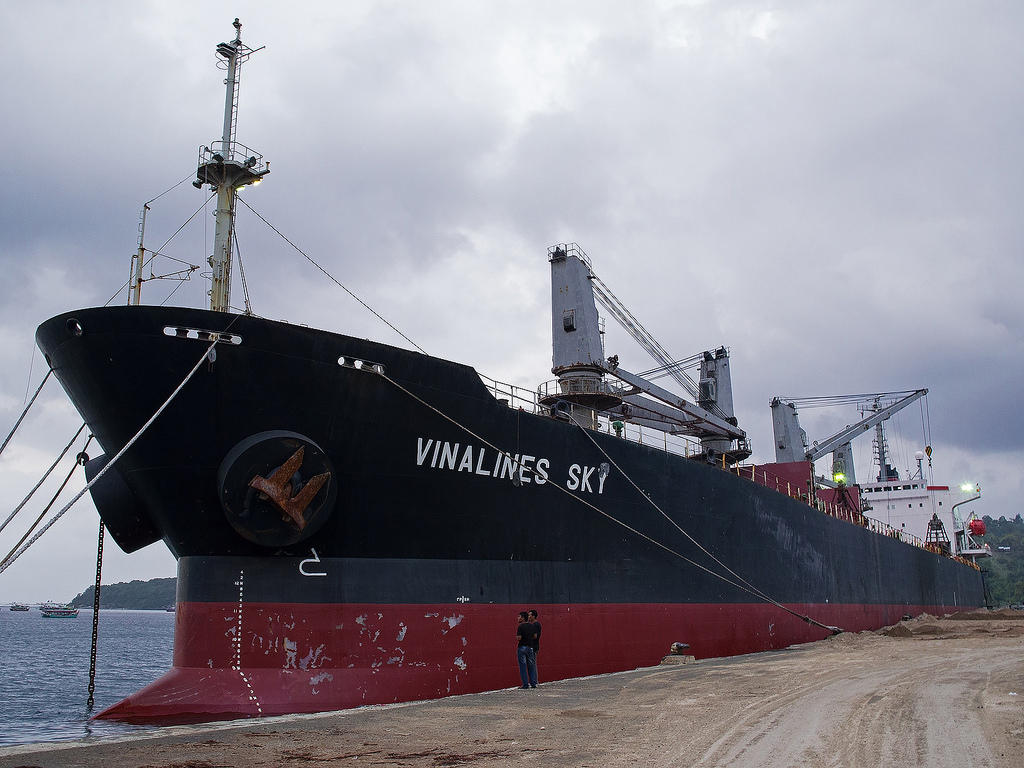
    Vietnam National Shipping Lines, a state-owned shipping firm, raised VND54.3 billion ($2.33 million) from an initial public offering (IPO) on Wednesday.

    The figure was far below its target of VND4.89 trillion, the Hanoi Stock Exchange said on Wednesday.

    The company, better known as Vinalines, sold 5.43 million shares or only 1.11 percent of the shares offered at the IPO at an average price of VND10,002 apiece.

    Vinalines sold the shares to 39 individual investors and two corporate investors. Foreign investors bought 6,200 shares.

    Last month, bookrunner Saigon Securities Inc had said that Vinalines was seeking to raise around $210 million from the sale of 488.82 million shares, or a 34.8 percent stake, at the IPO.

    $1 = 23,313 dong

  • Phuong Nam makes distress sale of stakes in CGV cinemas

    Phuong Nam makes distress sale of stakes in CGV cinemas

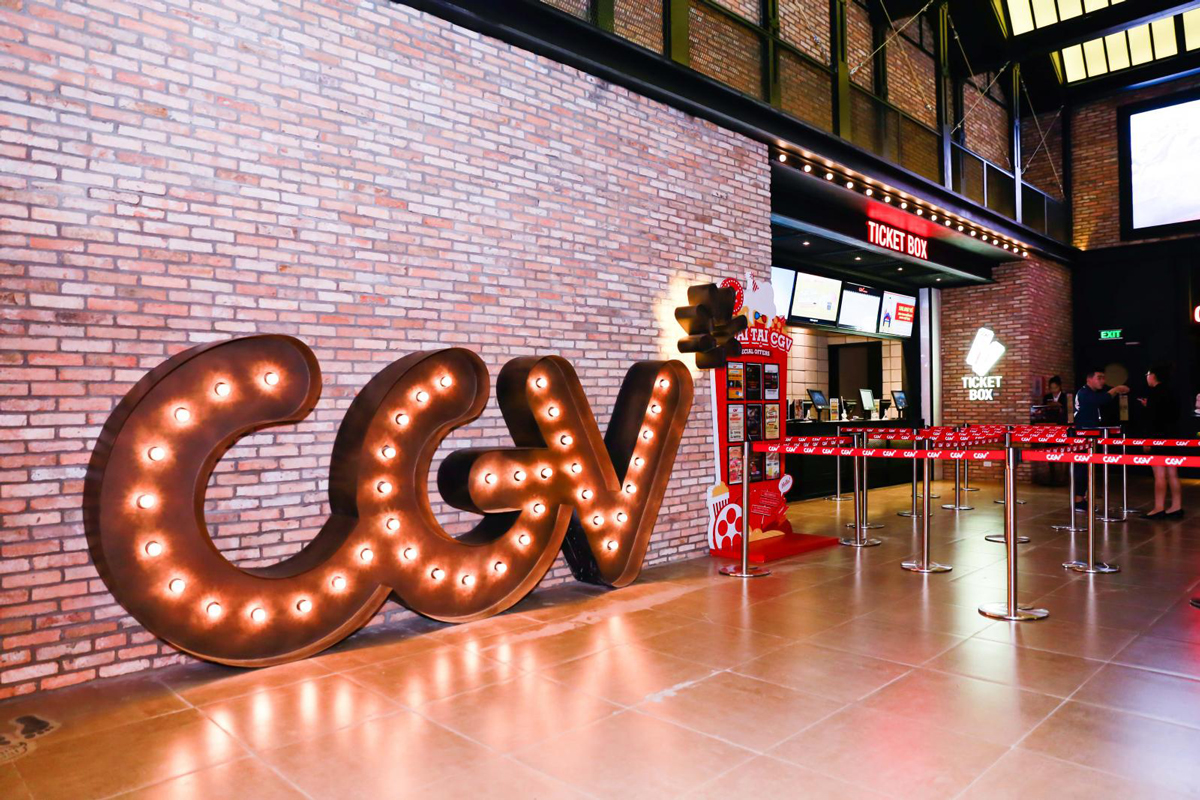
    Phuong Nam Culture Joint Stock Co. planned to sell its remaining 7.5 percent stake in Vietnam’s largest cinema chain, CGV.

    The firm said the sale would be worth for VND101 billion ($4.5 million).

    In June the Vietnamese private firm had sold a 12.5 percent stake to realty firm Kim Cuong Den JSC for VND160 billion ($7.1 million).

    Thus, while the total of VND261 billion is almost nine times what the company had paid to acquire the 20 percent stake (VND30 billion in 2004), it values the chain at just half the price Korea’s CJ Group did when buying Megastar, formerly CGV, seven years ago.

    Phuong Nam’s sale values the chain, which has a 47 percent market share of Vietnam’s cinema industry, at $56 million while the CJ transaction had valued it at $100 million.

    With 53 cinemas, CGV reported revenues of VND2.6 trillion ($115 million) and after-tax profit of VND107 billion ($4.75 million) last year.

    Insiders said the fire sale was due to the financial distress PNC has faced for several years, and the money would help it pay off its debts.

    At the end of the second quarter this year PNC’s liabilities had amounted to VND548.7 billion ($23.54 million), or 93 per cent of its capital.

    It has accumulated losses of more than VND98.3 billion ($4.22 million).

    Established in 1982 in HCMC, PNC has interests in the film (Phuong Nam Film Studio), printing (Phuong Nam Printing Factory) and publishing (Phuong Nam Book) industries. It also has investment in stationery and gift retailing.

    Shares of the company, listed on the Ho Chi Minh Stock Exchange (HOSE), are currently under special control for reporting losses for two consecutive years.

    It will probably be forced to delist if losses exceed owner’s equity.

    On August 30 PNC shares closed at VND13,800 ($0.6) per unit.

  • Vietnam stocks achieve relative calm after turbulent Q2

    Vietnam stocks achieve relative calm after turbulent Q2

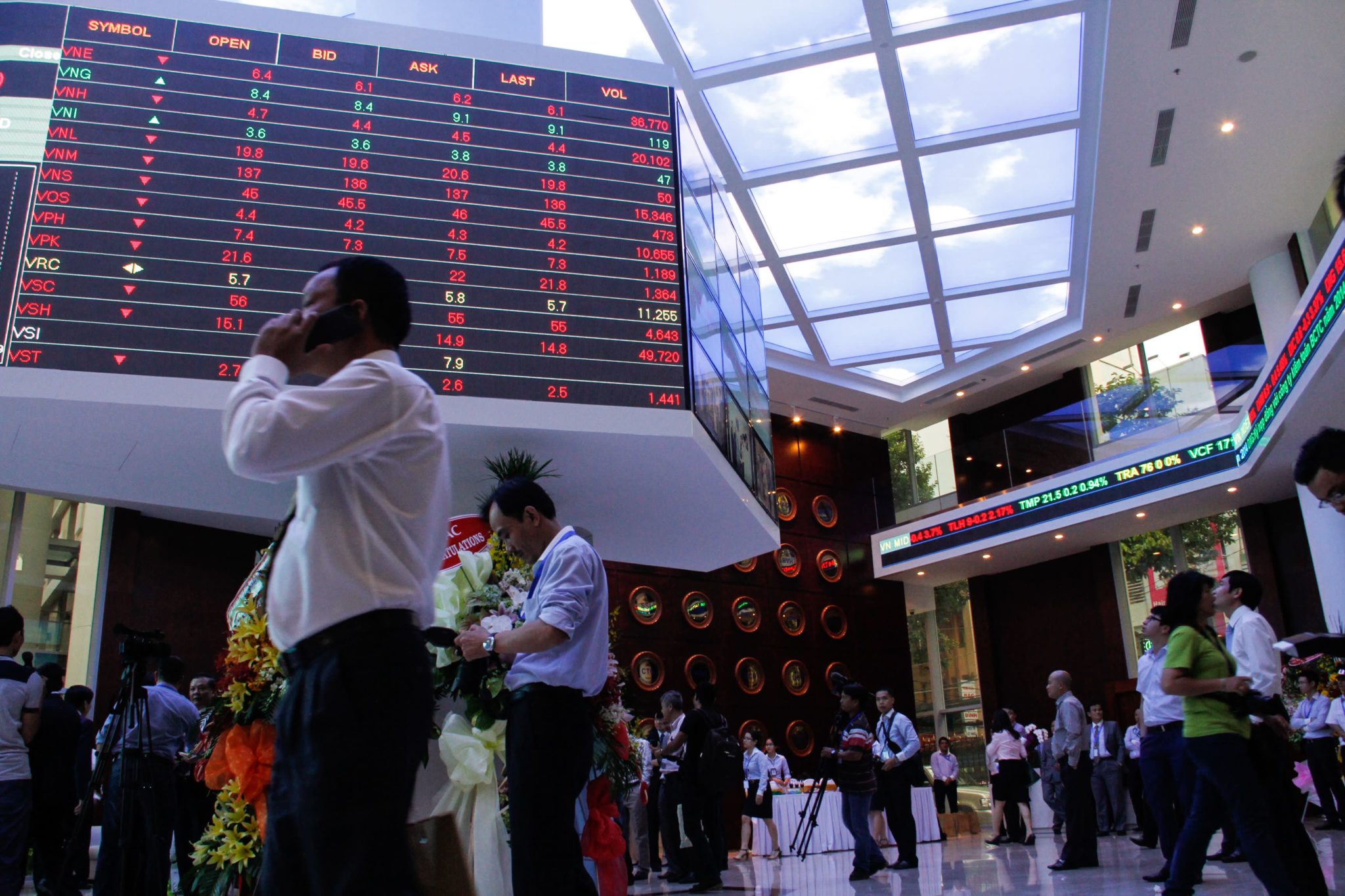
    The volatility seems to have ended in the Vietnamese stock market, and it has been rising for several weeks now.

    The 30-day volatility in the benchmark VN-Index at the Ho Chi Minh Stock Exchange (HOSE) has fallen to the lowest level since last November.

    The economic turbulence of the past few months “is over” with the prospect of an escalating trade war encompassing Vietnam becoming more “remote,” said Michel Tosto, head of institutional sales and brokerage at Viet Capital Securities, as saying.

    Inflation is expected to be contained and the currency has become more stable, he added.

    “All this has brought a sense of calm to the market, and investor focus is again on earnings, which look solid for most companies,” he said. “Valuations are much more reasonable now, compared to the mid-March high.”

    The benchmark VN-Index has rebounded over 10 percent from its July low. The gauge had plunged 18.19 percent in the second quarter of this year, making Vietnam the worst-performing market in the world.

    It also marked the worst period for the market since the fourth quarter of 2008, when an economic crisis shook the world, including Vietnam.

    But in the first three months of this year the VN-Index had risen 19.33 percent, the best performance by any market globally. It crossed the 1,200-point mark on April 9.

    Then the fall occurred and has been struggling in the 900s since then.

    In the last trading session of 2017, the stock market had hit a 10-year high, reaching 984.24 points. It had not broken the 800-point barrier since 2008.

    In March, experts said the market was low-risk and investors were high on growth confidence.

    Nguyen The Minh, a senior analyst at Saigon Securities Incorporation, had said then that “the VN-Index could reach 1,050 points in the short-term and 1,300 by the year’s end.”

    RongViet Securities Corporation said the VN-Index will increase by at least 17 percent this year – 67 percent in a best-case scenario – meaning it could end the year somewhere between 1,170 and 1,640.

    On Tuesday, the VN-Index dropped 13.6 points, or 1.37 percent, to around 975.

    Despite its expectations of a short-term market boost, the Bao Viet Securities Company (BVSC) said that it could drop further around 970-975 points.  In such a scenario, BVSC analysts said it would more difficult for the market to bounce back.

  • Uniqlo to open in Vietnam next year

    Uniqlo to open in Vietnam next year

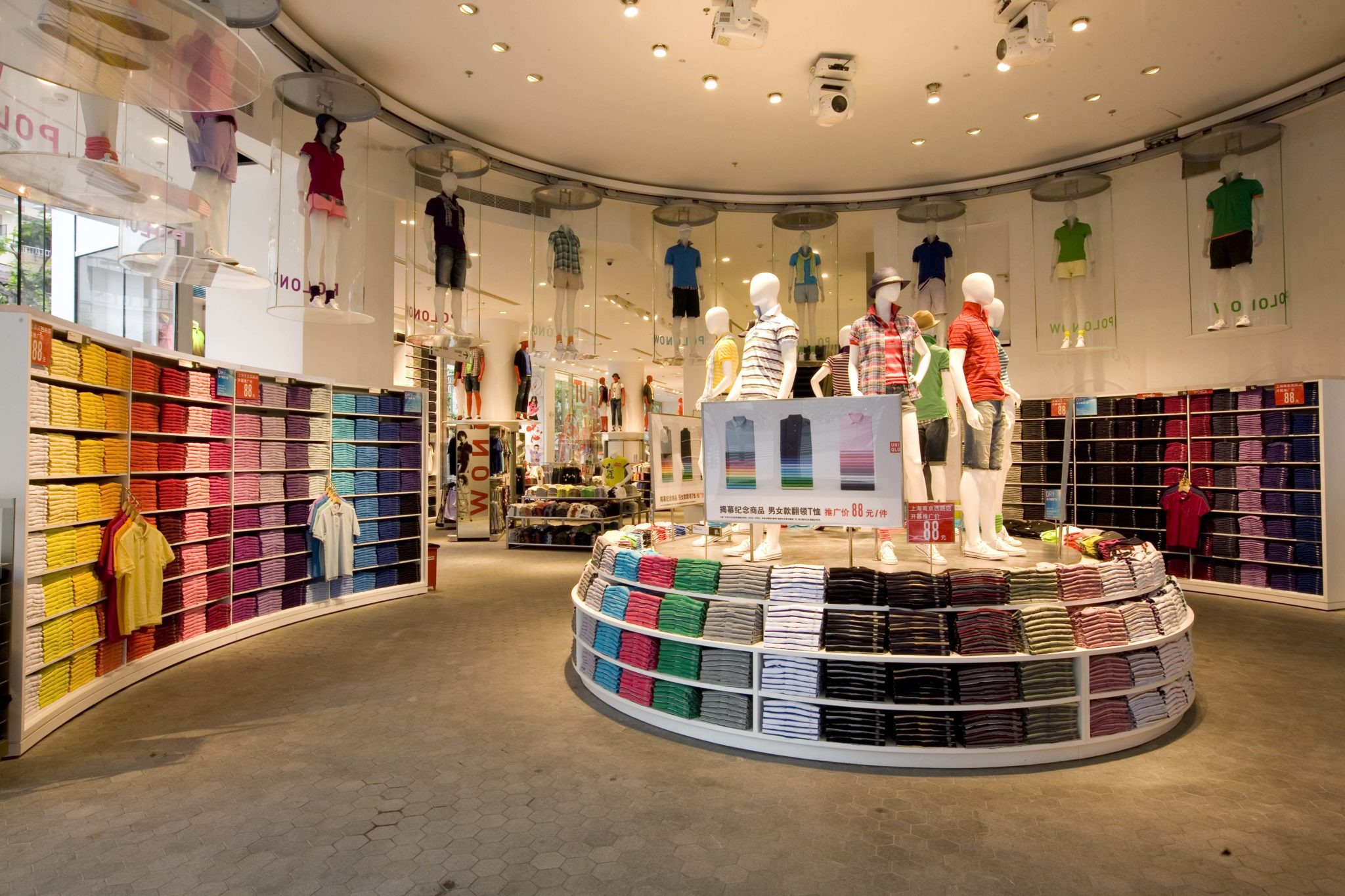
    Uniqlo Vietnam will launch next year.

    The Japanese fast-fashion brand says it will open its first store in Ho Chi Minh City in the second quarter of next year, with the exact location to be advised later.

    The Uniqlo Vietnam launch announcement follows successful debuts in the fast-growing market by archrivals H&M from Sweden and Spanish-headquartered Zara during the last two years.

    “Our entry into Vietnam is an exciting milestone for everyone at Uniqlo,” said Tadashi Yanai, chairman, president and CEO of Uniqlo’s parent Fast Retailing.

    “The Southeast Asia region has been an important driver of growth for us, and we are pleased and optimistic about our opportunity to be a part of such an exciting economy and retail market,” he said

    Uniqlo will begin recruiting local talent soon in preparation for the opening of its first store.

    Uniqlo Vietnam will be a joint venture 75 per cent owned by its Singapore subsidiary and 25 per cent by Mitsubishi Corporation, with no local shareholding.

    With the first Uniqlo Vietnam store located in Ho Chi Minh City, the company says it will focus on establishing its presence and brand awareness there before considering other cities.

  • Vietnam eyes $2.4 bln upgrade to all civilian airports

    Vietnam eyes $2.4 bln upgrade to all civilian airports

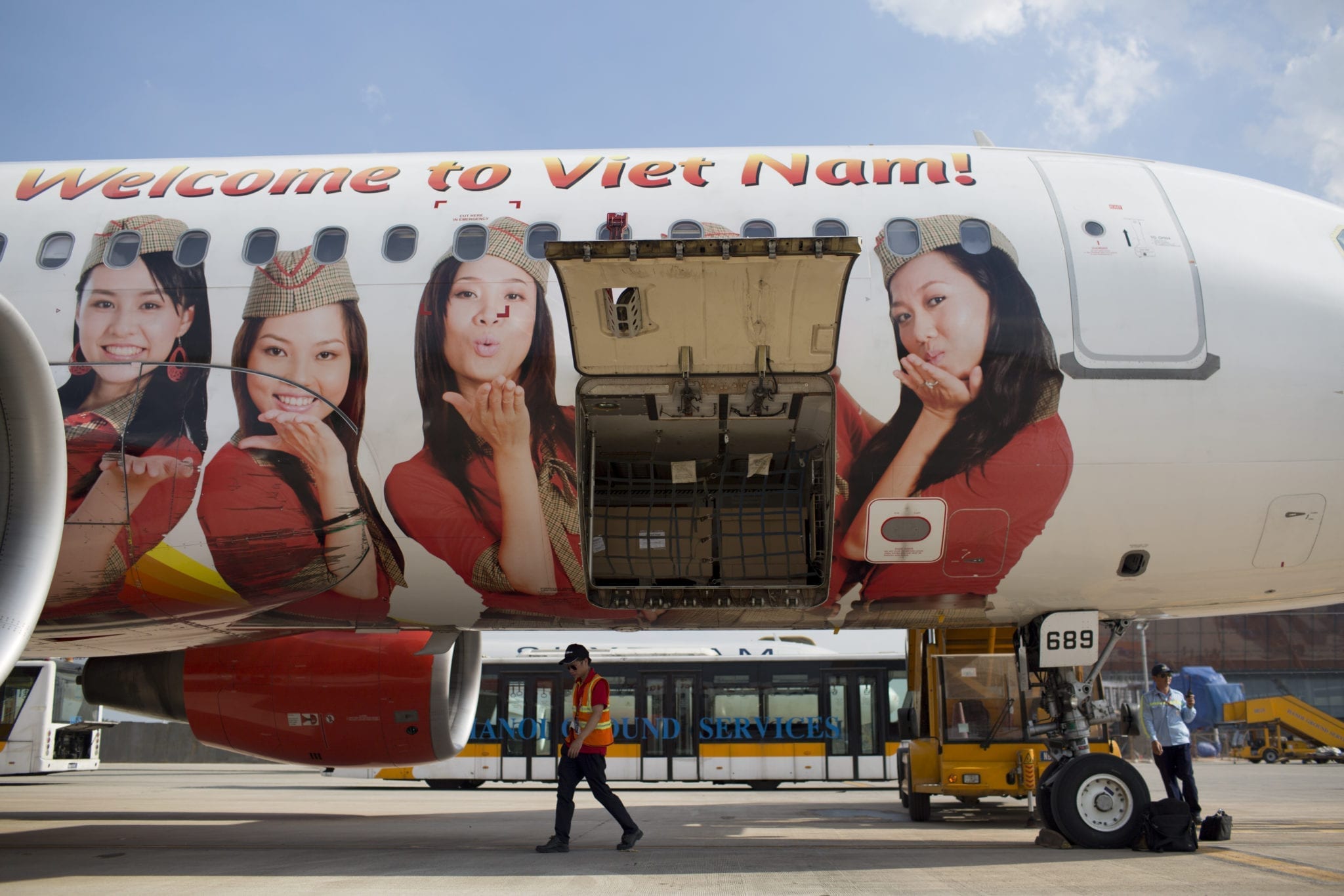
    Vietnam’s airport operator has recommended a VND56.7 trillion ($2.4 billion) upgrade of 16 of the 21 civilian airports in the country.

    The Airports Corporation of Vietnam (ACV) wants to renovate Tan Son Nhat Airport in Ho Chi Minh City, Noi Bai in Hanoi; Da Nang, Chu Lai, Cat Bi, Phu Bai, Dong Hoi, Cam Ranh, Tuy Hoa, and Vinh airports in central Vietnam; Phu Quoc and Con Dao airports on the two southern islands; Lien Khuong Airport in the Central Highlands; and Dien Bien, Na San and Lao Cai airports in the northern region.

    The ACV said it would use internal resources for the upgrade in a proposal submitted to the Ministry of Transport for the development of aviation infrastructure from now through 2021.

    It expected the number of passengers to grow by 10 percent a year to around 137 million by 2021.

    By 2025 the figure is forecast to reach 185 million.

    Head of the Civil Aviation Authority of Vietnam (CAAV), Dinh Viet Thang, agreed with the projections.

    ACV runs all the civilian airports in the country.

    It is now the main investor of the proposed Long Thanh International Airport in the southern province of Dong Nai near HCMC.

    Long Thanh will be built in three phases over three decades. The VND92.1 trillion (over $4 billion) first part is scheduled for completion in 2025, when it will handle 25 million passengers a year.

    Flying into the future: Check-in at Vietnam's planned largest airport 

    It is expected to be fully finished in 2050.

    Once completed Long Thanh is expected to replace Tan Son Nhat as the largest airport in Vietnam.

    Tan Son Nhat currently handles 32 million passengers a year, far above its designed capacity of 25 million.

  • No fuel tax hike before 2020, minister assures

    No fuel tax hike before 2020, minister assures

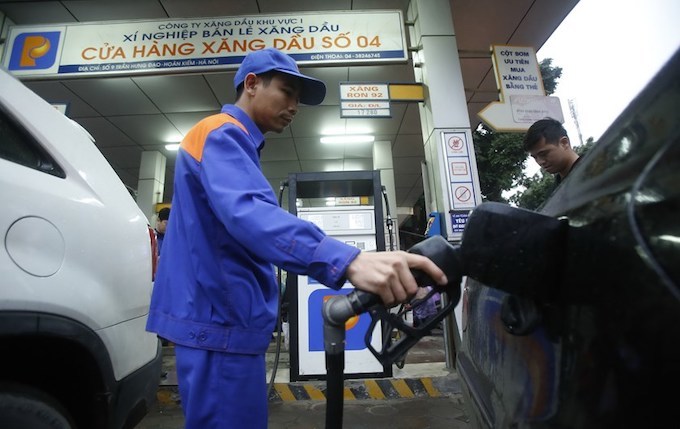
    Vietnam won’t increase its fuel tax before 2020, Finance Minister Dinh Tien Dung has directed.

    Dung has ordered a proposal to increase environmental tax on petrol and diesel to be removed from next year’s plan.

    Earlier this year, the ministry had proposed that the environmental tax on petrol and diesel be increased by 33 percent, or VND4,000 (17 cents) per liter for petrol and VND2,000 per liter for diesel.

    The proposed hike, the highest permitted in Vietnam, was met with strong public opposition.

    But the ministry had defended its proposal by saying that the tax can bring VND57.3 trillion ($2.4 billion) each year to state coffers, an annual increase of VND15.7 trillion ($650 million) from current collections.

    Last month, top legislator Nguyen Thi Kim Ngan approved the delay after listening to experts’ say that the tax will affect Vietnam’s goal of containing inflation below four percent this year.

  • Vietnam in top 10 countries on belt and road property investment

    Vietnam in top 10 countries on belt and road property investment

    Vietnam is among the top ten major makets that receive the most attention from Chinese belt and road property investors, according to a recent report.

    On August 31, 2018, Uoolu, the leading platform for cross-border real estate transactions in China, released the “Uoolu 2018 Ten Countries on Belt and Road Property Investment Data Report.”

    The “Belt and Road Initiative” was proposed by the Chinese government in 2013 in order to strengthen the relationship with surrounding Asian countries.

    Since then, there has been frequent activity between China and other Asian countries in terms of property investment.

    In the report, Uoolu selected eight countries in Southeast Asia including Vietnam and two countries in the Middle East along the Belt and Road based on the Cooperative Development Index to assess the investment risk in the Belt and Road Initiative region.

    The ten countries were ranked by different criteria such as housing price growth rate and price-to-rent ratio. The data highlights the significant and accessible property markets of the region, as well as the demographics of Chinese investors.

    The primary investors in overseas property are aged between 30 to 49 years old and are mostly from new industries.

    Investors come from IT, and Internet business accounts for 31 percent of investors who are open to mobile technology and new services.

    The new affluent generation has exhibited a short decision-making cycle. 43.56 percent of Chinese investors only take a week to decide on a property investment, and 67 percent invest between $70,000 to $150,000.

  • Tiny foreign firms a cause of worry for HCMC

    Tiny foreign firms a cause of worry for HCMC

    The increasing investment of small sums in HCMC by foreign businesses is worrying experts.

    In the first eight months this year 658 new FDI projects were licensed, but they only had a combined capital of $581.8 million, according to the General Statistics Office.

    They include businesses investing just a few thousand dollars.

    French consultancy J&P is capitalized at $3,000, computer consultancy Streamy from Ireland at $2,600 and another French firm, Evocom, at $2,200.

    These firms are “too small” to benefit Vietnam’s economy but there are no regulations prohibiting them, Su Ngoc Anh, director of the HCMC Department of Planning and Investment said.

    The city chairman, Nguyen Thanh Phong, had previously expressed concern about the entry of small foreign firms.

    The average capital of a foreign project in HCMC is less than $1 million, too small to have an impact, he had told a recent conference.

    “Why has the city not been able to attract bigger investment? What are the obstacles?”

    Lack of land

    One of the obstacles is the shortage of land, Dr Dinh The Hien of the Institute of Information and Economic Research (IIB) said.

    The metropolis used to attract many foreign property businesses because of its abundance of land, he said.

    But investing in real estate has been difficult in recent years due to challenges in finding land and completing legal procedures, he said.

    Many foreign firms want to invest in the city but then move to the neighboring provinces of Binh Duong, Dong Nai and Long An which have more available land, he said.

    So attracting FDI in infrastructure and technology should be the goal of the city now, he said.

    Do Nhat Hoang, head of the Foreign Investment Agency, said the high land rentals are scaring investors away from the city.

    Renting land for a factory in HCMC costs about $160 per square meter per year, but five kilometers away from the city, it drops to just $50-60, he said.

    But he said the city should create favorable conditions even for businesses investing $2,000-3,000 so that can develop and invest further.

    Singapore allows businesses to operate with $1 capital, he pointed out.

    What is of greater significance is that Vietnamese firms would improve their services and capabilities when working with these foreign businesses, he said.

    Over 54 percent of 1,765 foreign businesses in Vietnam reported profits last year, the lowest since 2012, according to a survey by the Vietnam Chamber of Commerce and Industry.

    Almost 38 percent reported losses, 10.4 percentage points higher than in 2012.
  • Vietnam allows use of yuan at Chinese border

    Vietnam allows use of yuan at Chinese border

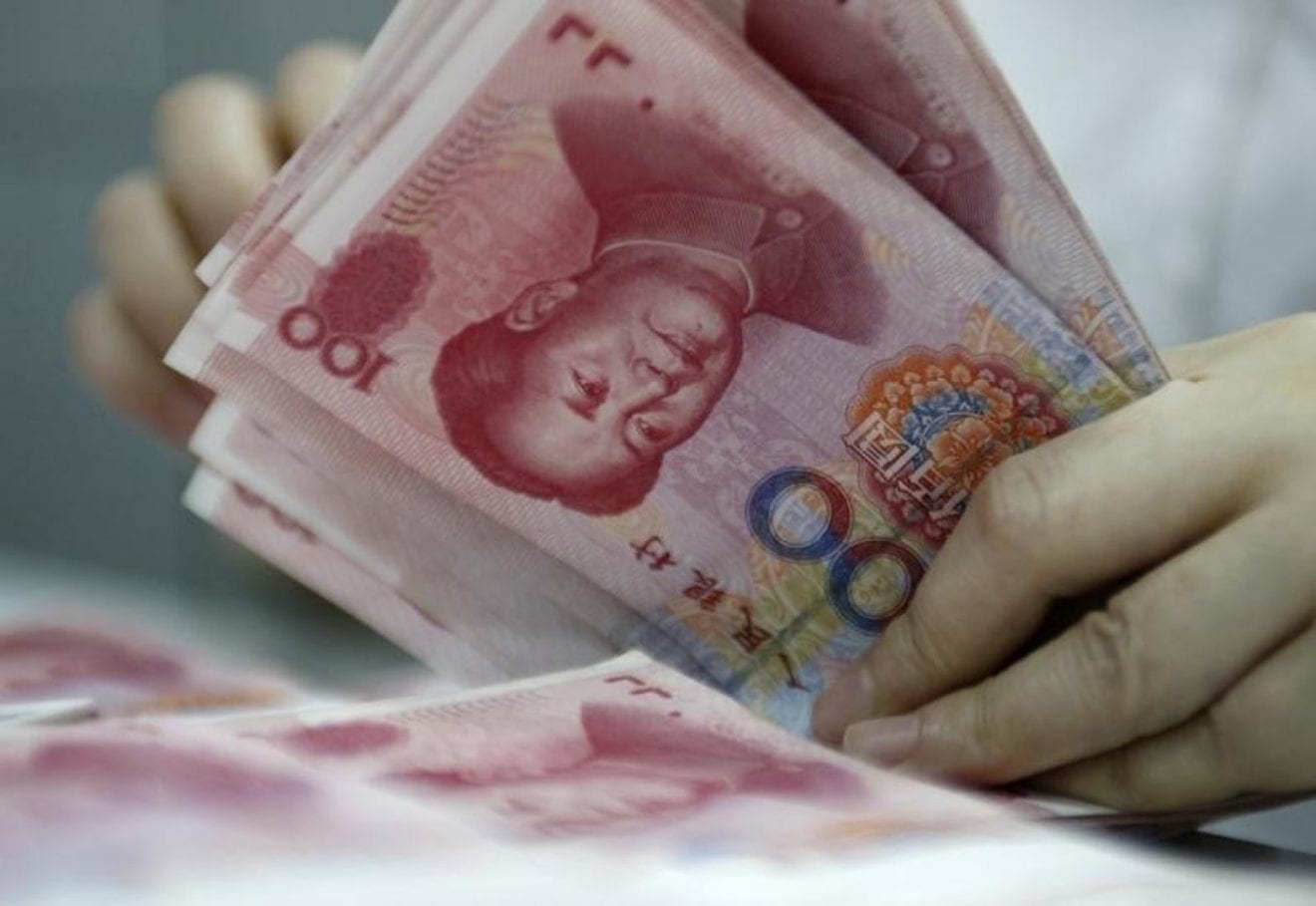
    Vietnamese can trade in yuan at the border with China, the State Bank of Vietnam has decreed.

    It means the transactions that traders and residents have been doing informally in the yuan for long along the border gets legal sanction from October 12.

    Economist Nguyen Tri Hieu said “There have not been any specific regulations on using the yuan in transactions. This will be the first.”

    The new regulation would also allow Chinese tourists to pay for goods and services in their own currency in border areas, he added.

    Vietnam recently became China’s largest trade partner in Southeast Asia. Bilateral trade in the first half of this year rose 17 percent year-on-year to $46.82 billion, with Vietnam’s exports accounting for $16.62 billion.

    Exports to China had risen 61.5 percent against 2016 to $35.46 billion in 2017, according to data from the International Monetary Fund.

    The Ministry of Industry and Trade said it is likely that two-way trade would hit $100 billion this year.

  • Vietnam set to surpass socio-economic targets

    Vietnam set to surpass socio-economic targets

    Vietnam might exceed several annual socio-economic development targets set by the parliament, PM Nguyen Xuan Phuc said Thursday.

    The government’s assessment is that eight of 12 targets assigned by the National Assembly, the national legislature, will be surpassed while the other four are achievable, the Prime Minister said in Hanoi.

    The government projects that the economy will expand by more than the targeted 6.7 percent, state collections will exceed the target by 3-5 percent, inflation will stay under 4 percent and public debt will be lower than last year.

    The country’s public debt will likely reach 63.92 percent of GDP, or VND3,530 trillion ($151 billion) by the end of this year, says a recent report submitted to the PM by the Ministry of Planning and Investment.

    Meanwhile, the Consumer Price Index (CPI) in August is 0.45 percent up against July and 3.98 percent up against August last year, according to the General Statistics Office.

    The average CPI for the first eight months was 3.52 percent higher than the same period last year.

    The country posted a trade surplus of $2.8 billion in the first eight months.

    During this period, the index for industrial production rose 11.2 percent, with the manufacturing-processing sector growing 13.3 percent.

    Retail sales for this period is estimated at VND2.15 trillion ($92.4 million), up 11.7 percent year-on-year.

    Of this total, sales of food and foodstuff increased year-on-year by 12.8 percent, garments by 12.3 percent, home appliances by 11.6 percent, cultural and educational items by 10.8 percent, and vehicles by 10.7 percent.

    In June, the World Bank said Vietnam’s economy might expand by 6.8 percent this year, revising up its previous forecast of 6.5 percent in April.

    The bank explained its upward revision on better prospects for the expansion of agriculture and production for exports and continued inflow of foreign direct investment thanks to bright economic prospects.

    If the actual growth rate matches projections, it will be the same as last year, which was the highest in a decade, it said.

    In the first quarter this year, the economy expanded 7.38 percent, also a 10-year record, thanks to strong growth in agriculture, industry-construction and service sectors.

  • Stocks, Forex, cryptocurrency, futures&options – Fantastic show like nowhere!

    Stocks, Forex, cryptocurrency, futures&options – Fantastic show like nowhere!

    Traders Fair & Gala night – financial event for traders and investors, which is going to take place in Vietnam on the 24th of November 2018 (Windsor Plaza Hotel, Saigon). The best trading experts, companies, money brokers and banks from all over the world are going to share out their experience and to find out new up-to-date information about cryptocurrency, forex, stocks, futures and options markets. Also Traders Fair & Gala night is going to be full of educational programs and entertainment.  To register online now for free, you should visit https://vietnam.tradersfair.com

    Traders Fair & Gala night, Vietnam is attracting the world of traders to one place during one day.  This is the confluence of favorable conditions in one system, which brings profit to its participants. The leaders of the industry are going to come together in one place and to have an exchange of knowledge and experience. No doubt you need expertize and capital to work in the stocks, futures, options and forex markets as it will become the initial ticket to the world of big trade. Participants who have capital while entering the market become investors. And you may be a part of this fabulous event! Educational speeches from top speakers, entertainments, live shows, music and incredible prizes included in the agenda.

    Traders Fair & Gala night – Vietnam is organized by FINEXPO, which is the largest company organizing financial and trading events, fairs, expos and shows worldwide since 2002. List of its projects seems quite long. Here you can find Financial Expo, Traders Fair, Traders Awards, Forex & Money Expo, Forex Expo Awards, Money Fair, Investor Expo, Golf Expo, Banking Expo, Online Trading Expo, etc. Over 30000 traders, investors and financial advisors and more than 3 000 financial companies and brokers from Forex, stock, option, bond crypto money and forward markets from all around the world have been connected by FINEXPO. The positive feedback from participants is the best prove of effective and successful work done by FINEXPO.

    Traders Fair & Gala night is sponsored by leading brands such as Australian Forex Marketplace (Grand sponsor), FIBOGroup (Silver sponsor), RPNPay, OlympTrade. To say more the organizers of event offer you different variants of recommended accommodation, so you can focus on agenda and don’t lose you time, thinking about accommodation and everything.

    You are welcome to visit https://vietnam.tradersfair.com to find out more information about Traders Fair & Gala night.

    Telegram https://t.me/tradersfair

    Facebook https://www.facebook.com/TradersFair/

    #tradersfair  #tradersfair2018  #tradersfairvietnam


  • More than 80 pct of IT workforce has start-up dreams

    More than 80 pct of IT workforce has start-up dreams

    A survey of 1,100 IT workers by VietnamWorks has found that 82 percent want to start their own companies in future.

    However, 58 percent said they have never been involved with a startup. Forty one percent had been involved with startups at least once.

    They listed artificial intelligence (AI), automated products and blockchain as the top 3 fields they wished to enter.

    More than half said they are willing to move overseas if presented with good offers to work for a start-up in blockchain or AI.

    A quarter of the respondents said their companies plan to expand into AI or blockchain in the next three years.

    Gaku Echizenya, CEO of Navigos Group, which owns executive search company VietnamWorks, said to lessen the danger of a tech brain drain, companies should focus on talent retention, creating good conditions for innovating products and opportunities to come in contact with new technologies.

    Now only a small number of enterprises use innovative technologies like AI (19 percent) and blockchain (9 percent), the survey found.

    World Economic Forum President Borge Brende has said Vietnam has to proactively pursue technologies related to AI and the Internet of Things as it prepares for the fourth industrial revolution or Industry 4.0 as it is dubbed.

    Eighty six percent of the respondents were optimistic about the impacts AI and blockchain would have on human life.

    They predicted AI would greatly benefit Vietnam in the next 5-10 years as it can provide people with better solutions after analyzing large data (39 percent); fully automate industry (24 percent) and create smart robots to perform dangerous tasks.

    The poll also found that more tech workers want to become specialists with focused skills and knowledge rather than be supervisors with soft and leadership skills.

    However, language proficiency was still the biggest limitation for many, with only 27 percent saying they are fluent in speaking, reading and writing English. Eighty four percent of workers in this industry have a bachelor’s or master’s degree or a doctorate.

    Earlier this month Vingroup announced the setting up of a research fund worth VND1 trillion ($44 million) for its Institute of Big Data to focus on fields like machine learning and AI.

  • Indonesia tour prices rise as Vietnam enters Asiad semis

    Indonesia tour prices rise as Vietnam enters Asiad semis

    As soon as the final whistle blew in Vietnam’s victorious Asian Games quarterfinal game, Indonesia tour prices rose.

    Vietnam’s first ever semifinal game in the Asian Games will be played against defending champions South Korea on Wednesday, August 29, at the Pakansari Stadium in Cibinong, Indonesia.

    The match will begin at 4 p.m. local time.

    The unexpected progress made by the national team in football crazy Vietnam has seen demand for Indonesia tours soar, accompanied by a rise in prices.

    A representative of HanoiRedtours said airline and entrance ticket prices have gone up, forcing the tour operator to increase its tour prices from Monday night, right after Vietnam beat Syria by a goal in the 108th minute.

    HanoiRedtours said that the price for a one-day tour to Indonesia to watch Vietnam’s semifinal match went up $43 to $683 per person, while those for the final match on September 1 have to pay $812, up $86 against the earlier listed price.

    “We are offering tours to Indonesia for football fans costing VND15.9 million for those departing from Hanoi and VND12.9 million from Ho Chi Minh City,” a Viettravel representative said.

    Such prices are common at most local tour companies, he added.

    Nguyen Tien Dat, deputy director of Transviet Tourism Company, said it has reserved around 150 seats for Vietnamese supporters to Indonesia to cheer Vietnamese men’s football team for the semifinal match.

    For the final match, customers only need to pay VND2 million in advance. In the event of the Vietnamese not making it to the final, customers will be refunded, Dat said.

    In response to higher demand, airlines have also increased the number of flights to Indonesia.

    On Monday night, Vietnam Airlines announced it would add three direct flights to Jakarta from Hanoi, Saigon and Da Nang to serve Vietnamese football fans.

  • Vietnamese men world’s top alcohol consumers

    Vietnamese men world’s top alcohol consumers

    Vietnamese men drink over five standard drinks a day on average, according to the 2016 Global Burden of Disease Study.

    A standard drink contains 10 grams of alcohol.

    Balkan countries and Portugal are the others that have the same level of consumption, according to the report, which uses data from 592 studies on the risk of alcohol use done between 1990 and 2016.

    In contrast, Vietnamese women are among the smallest consumers of alcoholic drinks in the world with less than one standard drink a day, the report said.

    While 40 to 59.9 percent of Vietnamese men drink alcohol, which is the global median, only 19.9 percent of women do so, it added.

    Earlier this month the World Health Organization (WHO) said the high consumption of beer and alcohol in Vietnam was imposing a heavy burden on the country in the form of non-contagious diseases.

    A Vietnamese adult above 15 years of age drinks 8.3 liters of pure alcohol per year on average, much higher than in China (7.2 liters), Cambodia (6.7), the Philippines (6.6) and Singapore (2), according to WHO.

    The country spends $3.4 billion on alcohol each year, or 3 percent of the government’s revenues, according to official data.

    The local market, which is growing steadily at 5 percent a year, is dominated by four strong companies, Sabeco, Habeco, Heineken, and Hue Brewery (owned by Carlsberg), which accounted for 90 percent of the beer market last year.

  • Foreigners big investors in Hanoi, HCMC 5-star hotels

    Foreigners big investors in Hanoi, HCMC 5-star hotels

    More than half of five-star hotels in HCMC and Hanoi are owned by foreign investors.

    Ten out of 19 five-star hotels in the best locations in HCMC have foreign owners, according to data. They include Sheraton, Caravelle, InterContinental, Asiana Saigon, and Sofitel.

    Many of the foreign investors came to the country in the last two decades and first began by partnering local firms.

    One of them, Singapore-based Glynhill Investment Vietnam, established the $61.5 million Caravelle together with travel agency Saigon Tourist in 1992.

    In 1994 Lam Ho Investments, another Singaporean firm, signed a deal with Saigon Tourist to build the Sheraton hotel at a cost of $97 million.

    UOL Group, one of Singapore’s top real estate firms, picked up a 26 percent stake in the five-star Sofitel Saigon through its subsidiary, the Pan Pacific Hotel Group.

    Hong Kong investors also own stakes at premium hotels in HCMC. One of them, Keck Seng Investments, has a 64 percent stake in the Sheraton and 25 percent in Caravelle.

    Koreans, late entrants in the market, have been making major acquisitions in the last five years.

    In 2013 Lotte Hotels & Resort bought a 70 percent stake in the Legend Hotel from Japan’s Kotobuki Corporation.

    Lotte also manages the hotel, which overlooks the Saigon River.

    The company considers the hotel the first step in its expansion into Vietnam and Asia.

    In Hanoi, nine of 16 five-star hotels have foreigners as major shareholders.

    They have been investing in the sector for decades, with Hanoi Westlake, Melia, Sheraton, Daewoo, Nikko, and Pan Pacific being the major names.

    Malaysia’s Berjaya Corporation Berhad owns 75 percent of InterContinental Westlake and 70 percent of Sheraton.

    Other Korean firms own stakes in Lotte, Intercontinental Hanoi Landmark 72 and Grand Plaza.

    Vo Quoc Phuong Trang, head of Investment Consultancy said that international firms usually seek to own major stakes to enable them to take part in the hotels’ development and management.

    Hanoi and HCMC, with their steady economic and tourism growth, would continue to draw foreign investors in the high-end hotel segment, which has low risk but offers steady revenues, she said.

    As of last year there were 118 five-star hotels/resorts in Vietnam, almost twice the number in 2013.

    They had an occupancy rate of over 75 percent, 5 percentage points up from 2016, according to global consulting firm Grant Thornton.