Tag: Vietnam

  • Asian developers find booming Vietnam property market irresistible

    Asian developers find booming Vietnam property market irresistible

    Asian property developers are looking at Vietnam with great interest, according to industry insiders, both Vietnamese and foreign.

    Pham Lam, the CEO of real estate firm DKRA said that developers from mainland China, Hong Kong, Japan, South Korea, and Malaysia have been “very active” in the Vietnamese market for the last three to five years.

    Last May Singapore giant, CapitaLand, launched its newest mid- and high-priced residential project in Ho Chi Minh City, De La SOL.

    The development, scheduled for completion in the last quarter of 2020, is CapitaLand’s 12th in Vietnam.

    Hong Kong newspaper South China Morning Post quoted the company as saying Vietnam was its third core market after Singapore and China.

    Last year, Japanese investors Nishi Nippon Railroad and Hankyu Realty hooked up with a local property firm to develop a residential project with total investment of $350 million in Ho Chi Minh City.

    Half of the funding came from the two Japanese firms, while the rest was put up by their local partner.

    Japan’s Mitsubishi Corp. has also diversified its portfolio in Vietnam by, in 2016, buying into a property development project in Hanoi, which has total investment of $1.9 billion.

    Chen Lian Pang, CEO of CapitaLand Vietnam, compared HCMC to Shanghai’s Pudong area more than a decade ago when it was undertaking a series of infrastructure works, including the subway and airport terminals, that helped boost property prices when completed.

    HCMC could follow in the Chinese city’s footsteps, he said adding that property prices could increase four to five times in the next 10 years.

    South China Morning Post quoted Kingston Lai, founder and chief executive of the Asia Banker’s Club, as saying that “Today, quality residences in Hanoi’s city center, on average, are sold at only around HK$1,500 ($191.32) per square foot (100 square feet = 9.3 square meters), half of Bangkok’s level.”

    Another reason for the rapid influx of Asian developers is that the imminent growth of the property market is still in its early stages.

    Vietnam is thus considered a new market, which offers more opportunities than those that have reached saturation point, Lam said.

    Since Vietnam’s middle and upper classes are growing rapidly, the appetite for real estate is high, he said.

    Market research firm Nielsen estimated the size of the middle class to reach 44 million by 2020 and 95 million by 2030.

    This segment would be the main target of Asian investors, who are focusing on the high-end of the market, Lam said.

    Another reason is Vietnam’s location, which makes travelling from and to most other Asian countries quick and easy, he said.

    This makes it easier for developers to monitor and make timely decisions to achieve the best performance, he said.

    He expected the wave of Asian investment to continue for the next several years.

    In HCMC, 35,000 luxury apartments have come into the market in the last three years, according to real estate consultancy CBRE.

    This is a major increase from 2012-14 when fewer than 10,000 units hit the market, it said.

  • Google, Facebook executives meet Vietnam PM, offer to help digitize economy

    Google, Facebook executives meet Vietnam PM, offer to help digitize economy

    Google and Facebook have been among the tech giants discussing cooperation with Vietnam on the sidelines of the WEF on ASEAN 2018 in Hanoi.

    At a meeting Wednesday with Google’s Asia-Pacific president Karim Temsamani, Prime Minister Nguyen Xuan Phuc stressed that Vietnam, with a population of nearly 100 million, has great potential in information technology, which is also spearheading the country’s industrialization and modernization.

    He urged Google, which has a very large user base in Vietnam, to pay more attention to helping maintain and promote Vietnam’s cultural identity.

    The PM expressed hope that the tech giant would collaborate with his country to foster the development of start-ups, train human resources and invest in research and development for growing its technology ecosystem.

    Temsamani emphasized the importance of digitizing the economy, a key global trend, saying Google is willing to help Vietnam achieve it.

    Through its Vietnam Digital 4.0 program, Google aims to provide free training in digital skills to 500,000 owners of small and medium businesses in the country by 2020 to help them improve their competitiveness, he said.

    Temsamani also promised it would help Vietnam build a technology ecosystem and come up with initiatives to help farmers digitize agriculture and promote their products more effectively through YouTube.

    Facebook’s vice-president of public policy for the Asia-Pacific, Simon Milner, also met with Phuc Wednesday. He said his company is committed to maintaining a long-term presence in Vietnam and expressed interest in joining the government’s effort to create a digital nation.

    It would take part in the programs of digital citizen, digital economy, digital government and digital connectivity, and assist and collaborate with small and medium businesses and start-ups, he said.

    Phuc also received Cees’t Hart, CEO of beer company Carlsberg Group, and Alex Dimitrief, president and CEO of General Electric Company’s (GE) Global Growth Organization.

    He told them Vietnam is speeding up equitization and divestment of the government’s stakes in enterprises based on the principles of transparency and openness, which offers opportunities to foreign investors like Carlsberg.

    Speaking about plans to divest stakes in Hanoi Beer, Alcohol and Beverage JSC (Habeco), he said Carlsberg and Habeco should soon resolve any remaining issues so that they can go ahead with purchase of stakes and strategic cooperation.

    Hart said Carlsberg, which has been Habeco’s strategic investor since 2008, is looking to buy a bigger stake in the Vietnamese brewer and has been working with the Ministry of Industry and Trade and other agencies to speed up the process.

    Dimitrief of GE said his firm plans to expand its investment in the power sector in Vietnam.

    Phuc told him his government attaches great importance to investors and is working to improve the business environment so that investors can do business effectively.

  • H&M Vietnam big expansion in birthday celebration

    H&M Vietnam big expansion in birthday celebration

    H&M Vietnam has opened two new stores, in Ho Chi Minh City and Hanoi.

    The HCMC store is located inside District 7’s Crescent Mall, managed by Savills Vietnam, while the Hanoi store is situated in Vincom Nguyen Chi Thanh.

    Crescent Mall, comprising 45,000sqm of retail space, is one of the city’s earliest international-grade shopping centres and has been trading for about eight years. An extension adding 11,200sqm of retail space, is currently under construction and expected to open late next year, beneath a 25-storey office tower.

    “Crescent Mall is fortunate to be in an area where expansion is still possible,” said Tu Thi Hong An, associate director of commercial leasing at Savills HCMC. “When compared to other areas in Ho Chi Minh, District 7 has been planned and well zoned by Phu My Hung. We hope that H&M will be very happy in this new location.”

    According to Savills, retail turnover in Vietnam last year was US$129 billion, increasing 11 per cent year on year. From now until 2021, the retail market is forecast to grow steadily with the increased demand of leisure (10 per cent per annum), modern grocery (9 per cent) and apparel (6 per cent).

    After entering Vietnam in September last year, H&M Vietnam now has six stores in both Hanoi and HCMC while its rival Zara’s taking time with two outlets, one each in HCMC and Hanoi.

    Another fast-fashion brand, Uniqlo, is planning to expand into Vietnam next year.

  • How ASEAN could benefit from the US-China trade war?

    How ASEAN could benefit from the US-China trade war?

    ASEAN has been urged to find ways for its member states to join hands together to cushion any possible fallout from the trade war between the United States and China.

    Against the backdrop of an escalating trade war between the US and China, Deputy Minister of International Trade and Industry Dr Ong Kian Ming is advocating greater cooperation between ASEAN countries to package the region to foreign investors instead of focusing on country specific promotion.

    He said Malaysia and it’s Asean counterparts should look at ways as a comprehensive unit to take advantage of this situation as investors might be interested in relocating and investing more in Malaysia as a result of this trade war.

    Drawing reference to the strong two way cross border trade linkage in terms of investment and expertise exchange between Johor and Singapore, Ong said Malaysia should replicate this with other countries.

    He also noted that interest from Chinese companies to invest in Malaysia, coming through the Malaysian Investment Development Authority, has risen since last year.

    Instead of setting hub in Malaysia, Ong added that Chinese companies could use Malaysia as a connecting point to tap into the Asean market.

    He opined that the trade war between US and China is less than likely to find a resolution in the short term and Malaysia, being an open economy will be affected by the trade duel.

    In that light, Malaysia should be open to investments and ratify trade agreements such as RCEP and CPTPP, which are yet to be signed in order to strengthen its stance on remaining open to trade.

    “As tariffs have gone down, the non-tariff measures has also gone down. That is why we need to have a greater push among the governments in Asean with the help of the business sector to come in and advice the government on the challenges they face so that we can remove or reduce some of the regulatory red tape with regards to the non-tariff measures,” he said referring to non-tariff barriers.

    Ong said in that regard, ASEAN is working together to compile a database of non-tariff measures so that the trade bloc could gather some of the regulatory and bureaucratic issues faced by companies when setting shop in another ASEAN state.

    International Trade and Industry Minister Darell Leiking urged all the relevant agencies in Malaysia to strive to reduce bureaucracy so as to facilitate more investments into the country.

    He also asked for all chambers of commerce within ASEAN to stand together and start trading with each other during a meeting with members of the Malaysia-Thailand Chamber of Commerce (MTCC) earlier last week.

    Retailers across the region do not see any immediate impact on their business; however, it is worth monitoring exchange rates, as RMB value might represent a variable to consider while working on price architecture.

  • Premium Apple reseller store EDigi opens in Vietnam

    Premium Apple reseller store EDigi opens in Vietnam

    Vietnam’s IPP Group has launched its first Apple premium reseller store EDigi, in Ho Chi Minh City.

    Located at 2 Cong Xa Paris, at the corner of Nguyen Du and Dong Khoi Streets, the 250sqm store is the first Apple’s one-stop shop in Vietnam. According to that, EDigi will provide products and warranty services for all Apple devices, including hand-carried ones.

    EDigi is also the first store in Vietnam to promise a maximum repair time of 48 hours, according to the group representative.

    IPP Group specialises in retail, travel retail, and F&B, offering brands including Rolex, Armani Exchange, Bally, Burger King and Domino’s Pizza in Vietnam.

    Its most recent deal was bringing Mothercare to Vietnam.

  • VN-Index sees highest gain in 2 months

    VN-Index sees highest gain in 2 months

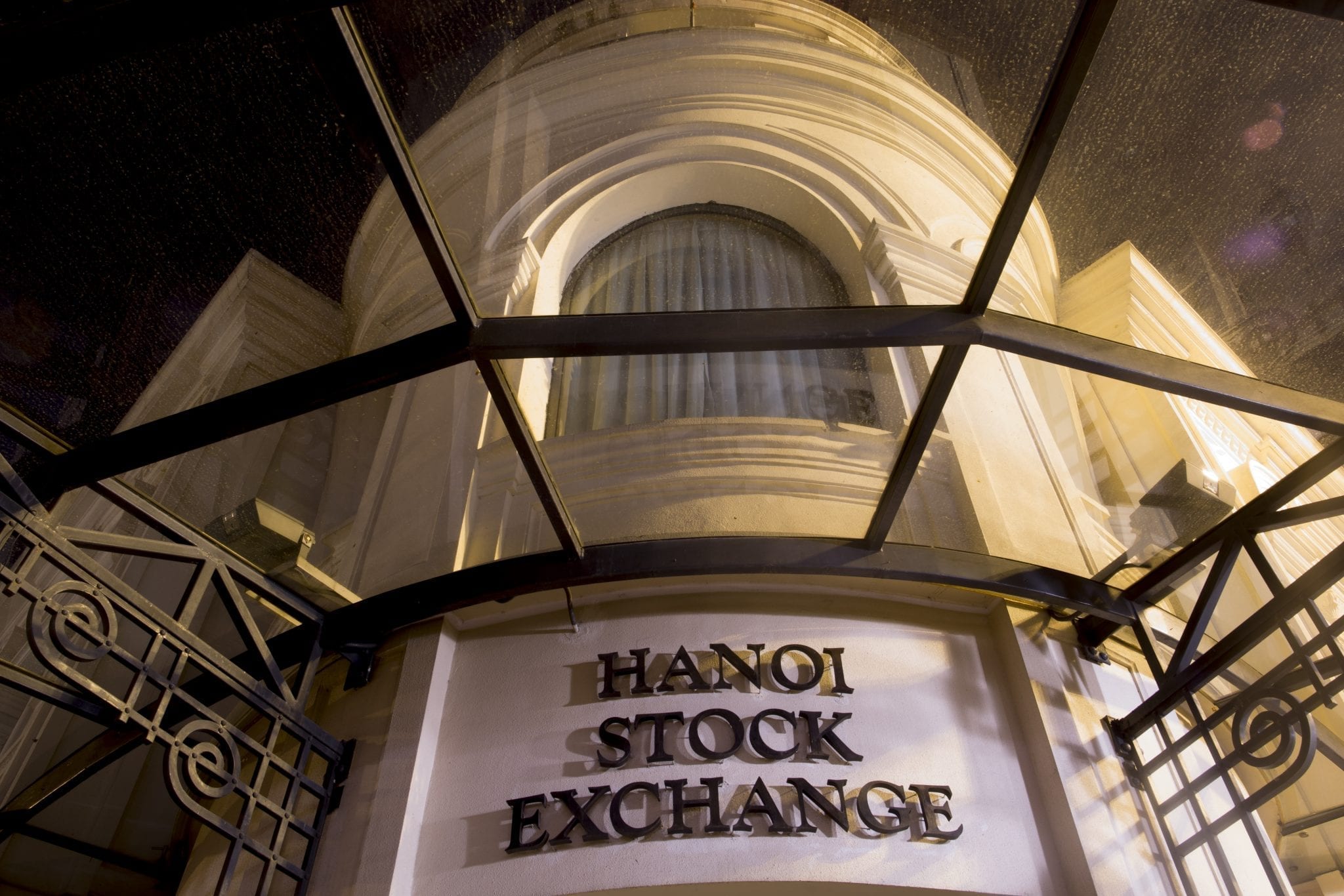
    Vietnam’s benchmark VN-Index closed up 1.52 percent on Tuesday, the highest in two months.

    It ended the day at 985.06, up 14.72 points.

    The HNX-Index on the Hanoi Stock Exchange and the UPCoM-Index for unlisted companies rose by 0.66 percent and 0.81 percent, respectively.

    The VN30-Index, representing the 30 largest stocks in terms of capitalization, also rose, reaching 958.91 points for a 1.65 percent gain.

    Several blue chips rose sharply, dairy giant Vinamilk (VNM) by 3.4 percent, PetroVietnam Gas (GAS) by 2.7 percent, Vietnam’s biggest private conglomerate Vingroup (VIC) by almost 2 percent, and budget carrier Vietjet Air (VJC) by 2.1 percent.

    Bank stocks joined in, with Vietcombank (VCB), BIDV (BID) and Vietinbank (CTG) all rising by 1.6-3.8 percent.

    ACB, HDBank (HDB), VPBank (VPB), and VIB also closed in the green.

    After crossing the 1, 200-point mark on April 9, the VN-Index slumped. In the second quarter it plunged 18.19 percent, making it the worst-performing market in the world.

    Since then, it has not hit four figures again, with the 1, 000 expected to be a major psychological resistance level.

  • Vietnam’s low-tech agriculture startups fail to interest investors

    Vietnam’s low-tech agriculture startups fail to interest investors

    Failure to incorporate market needs and hi-tech elements into their projects is costing Vietnam’s agriculture startups dear, experts say.

    Experts and other participants at the opening ceremony of the Saigon Times Startup Club recently agreed Vietnam comes up short on agricultural startups that appeal to investors.

    “Previous capital investment reports show that funds for agriculture only account for 10 percent (of total investment),” Nguyen Viet Duc, CEO of Innovation Capital Management, said.

    Explaining some of the reasons for this low investment rate, Duc said young startup companies do not satisfy the market demand and fail to factor artificial intelligence (AI) and Internet of Things (IoT) in their operations.

    Taking this analysis further, Hoang Minh Ngoc Hai, general director of Value Commerce Hub, a startup facilitator and business consultancy firm, said not many Vietnam agricultural start-up companies were attractive to Japanese investors since they only want to fund companies that carry the promise of stable output, have more than one founder, and have founders with long-term commitment.

    “We do not have many startups that meet all these factors,” Hai said.

    Commenting on the fact that there are fewer successful projects in the sector, General Director of Dong A Solutions, Tran Bang Viet, said that agricultural startups face more challenges than those in other sectors.

    “Launching an agriculture startup is tough, time consuming, expensive and very complicated,” he said. “Not to mention quality products getting mixed up with bad and fake ones. The money that has to be spent on gaining customers’ trust is very high,” he said.

    However, Viet also felt that agriculture, education and health are promising sectors for startups, because there are longstanding problems that can be tackled with innovative solutions.

    Prime Minister Nguyen Xuan Phuc last month called for a drastic reduction in administrative procedures and easier access to agricultural loans.

    Phuc said he wanted Vietnam to be listed among the top 10 countries in agricultural production and for the nation’s agriculture sector to rank 15th in the world.

    Vietnam is currently ranked second in Southeast Asia and 13th in the world in agriculture production, according to Minister of Agriculture and Rural Development, Nguyen Xuan Cuong.

    Vietnam exported about $36.37 billion worth of agriculture and fisheries products last year.

  • Grab partners with Vietnamese firm for payment service

    Grab partners with Vietnamese firm for payment service

    Grab announced on Tuesday its partnership with Vietnam’s MOCA Technology and Service company (Moca) for a mobile payment service in Vietnam.

    The ride-hailing firm pushes to cement its position in the Southeast Asian country. Grab has made digital payments and financial services a significant part of its growth strategy in the region, where a chunk of the population remains unbanked, fuelling expectations of a boom in demand for such businesses.

    “This is a great step forward. I think the Moca team is great, their technology and solutions are great, and together with the combined expertise of our Grab team we can truly move Vietnam toward a cashless economy, ” Grab co-founder Tan Hooi Ling said on Tuesday.

    Grab, which counts Chinese ride-hailing firm Didi Chuxing and Japan’s SoftBank Group Corp among its backers, is the most prominent player in Vietnam after it pushed out Uber in a deal that saw the latter exiting Southeast Asia.

    “This strategic collaboration with Moca marks an important milestone for Grab in Vietnam as we seek to accelerate our growth in one of the fastest growing economies in Southeast Asia, ” said Nguyen Tuan Anh, head of Grab Financial Group Vietnam.

    The companies did not give further details of the partnership, but said they expect to launch their joint service in October.

    Moca was granted a license for payment services by the State Bank of Vietnam in 2016 and has a network of 11 local banks as partners for their service, said Tran Thanh Nam, co-founder and chief executive of Moca.

    Grab said it has 175, 000 drivers and bikers across the country. Rival Indonesia’s GoJek entered Vietnam last month in a bid to grasp a share of Vietnam’s fast-growing market, which also has several other local players.

  • Vietnam startups lack government support when it matters most

    Vietnam startups lack government support when it matters most

    Vietnamese startups do not get the financial support they need from the government at the discovery and validation stages.

    The lack of institutional support is one of major factors behind the failure of many startups to take off and thrive, experts say.

    “80-90 percent of startups fail in the early stages because they don’t have enough funding to move on to the expansion stage,” said Phan Hoang Lan, head of the Financial Planning Division under the Ministry of Science and Technology’s Market Development Department.

    Funding for startups mostly comes from venture capital funds, businesses and angel investors, not from the government, experts said at a recent conference.

    There are three periods in the development of a startup – discovery, validation and expansion, said Lan.

    It is in the first two periods that startups need funding the most, Lan said, adding that they end up raising money from family and friends or spending their own.

    This situation is very different from other countries like Singapore, where the government offers a variety of grants that can support up to 70 percent of a company’s costs.

    The U.S. News and World ranks Singapore as the 8th best country for starting a business in its 2018 Best Countries Rankings.

    Vietnam was ranked 52nd, behind other countries in Asia like Japan (2nd), South Korea (12th), Malaysia (34th), Thailand (38th) and the Philippines (45th).

    Since 2015, the government has only been investing in startups in the middle stage of their development, not in the earlier ones, said Lan, who is also the head researcher of the Vietnam-Finland Innovation Partnership Program (IPP2), which seeks to improve local support mechanisms for new innovative companies.

    “Government funding for startups should start in the early period. The government needs to be willing to accept failures in their investments, which could also bring a lot of benefits,” she said.

    IPP2 research shows that early government funding will reduce the “crowding out effects,” which is when the government’s involvement in a sector substantially affects private companies by reducing their investment spending.

    When a business has overcome the difficult period, it will no longer be dependent on the government’s capital and can source investment from other private companies.

    Echoing Lan, Nguyen Tri Hieu, an economist with over 30 years of experience working in the U.S. and Vietnam, said startups in Vietnam mostly receive funding from family and friends in their earlier stages, not from the government.

    In the U.S., startups can find financial support from the Small Business Administration (SBA), which has an annual budget approved by Congress to enable their establishment, Hieu said.

    “But this is not the case in Vietnam, where they get very limited government budget support in some cities and provinces like Hanoi, Ho Chi Minh City, Da Nang and Can Tho,” he said.

    Jouko Ahvenainen, CEO of digital finance firm Grow VC Group, affirmed the vital role of the government in supporting startups.

    The government needs to build an ecosystem to help local and international investors connect with entrepreneurs and help them expand internationally, he said.

    There should be good database of local startups so that investors can make their choices with greater ease, he added.

    The number of startups in Vietnam has seen an increasing trend in recent years, reaching 92 last year, a 45 percent increase over 2016, according to the Topica Founder Institute (TFI), which has an annual program that trains and connects startups with potential investors.

    These startups raised $291 million last year, up 42 percent from 2016, TFI said.

    Startups in Southeast Asia attracted $7.86 billion in total last year, a threefold plus increase over 2016, Tech in Asia data shows.

    Vietnam accounted for only 0.7 percent of that figure, lower than Thailand (2.2 percent), Malaysia (3.1) and Indonesia (22).

    Without government support, some potential economic development will be weakened, said economist Hieu.

    About 90 percent of Vietnamese businesses are of small and medium scale, but they create jobs for a majority of the labor force, he said.

    “The future of the economy depends on the success of startups.”

  • Vietnam posts surprise $2.2 bln trade surplus in August

    Vietnam posts surprise $2.2 bln trade surplus in August

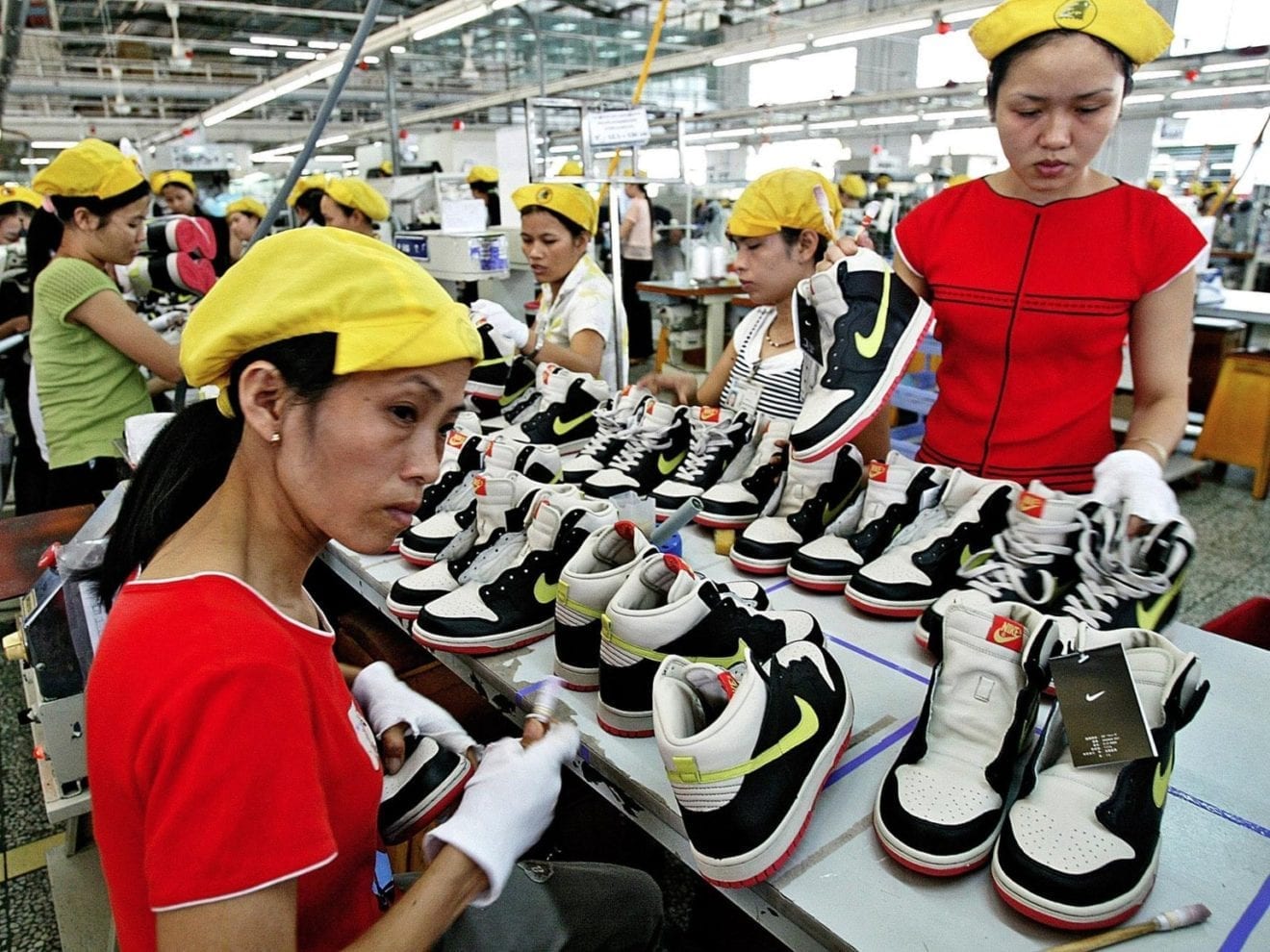
    Strong growth in telephone and textile exports helped Vietnam post a $2.2 billion trade surplus in August, according to customs data.

    The August surplus even surpassed Vietnam’s $2.1-billion surplus for all of last year, and was a positive signal for economic growth, which is expected to beat the government’s forecast of 6.7-percent target for 2018.

    Exports in August rose 15.6 percent from a month earlier to $23.48 billion, while imports rose 1.6 percent to $21.28 billion, the customs department said on its website.

    Exports in January-August rose 16.7 percent annually to $158.4 billion, led by shipments in smartphones, garments and electronic home appliances, and were on track to outperform the government’s full-year target for a 7-8 percent increase.

    Vietnam, the largest producer of smartphones for Samsung Electronics, shipped $45 billion worth of telephones and spare parts in the eight-month period, up 32 percent annually, easily outstripping the government’s estimate of $30.9 billion, the report showed.

    Textile, garments, electronic and computer exports also rose strongly in the first eight months with a combined value of $52 billion, also much higher than the government’s estimate of $37.9 billion, official data showed.

    Exports of steel and ingots jumped 55 percent in the eight-month period to $3.1 billion, higher than the government’s estimate of $2.9 billion.

    The United States has slapped steel import duties on steel products from Vietnam that originated in China, to deter Vietnam from being used for transhipment by China to avoid U.S. tariffs.

    Eight-month imports were up 12.4 percent at $153.7 billion, producing a trade surplus $4.69 billion, the report showed.

  • Japan top investor in Vietnam, has interests in multiple sectors

    Japan top investor in Vietnam, has interests in multiple sectors

    Japan is the biggest foreign investor in Vietnam in terms of pledged investment capital in January-August.

    In the first eight months of this year, pledged investment from Japanese companies reached $7 billion, nearly 29 percent of the total foreign investment that came from 97 countries and territories, according to the Ministry of Planning and Investment.

    Japanese investors back multiple projects across sectors, including agriculture, consumer goods, finance, and real estate. Their investments range from millions to billions of dollars.

    For instance, Japan’s Sumitomo and Vietnam’s private firm BRG signed a deal earlier this year to develop a $4.14 billion smart city project in Hanoi’s Dong Anh District.

    They hope to commence work on the first phase of the 272-hectares project late this year.

    Up to 70 percent of Japanese firms in Vietnam plan to expand their business in the country, as most of them believe that revenue will continue to increase, according to a recent survey by the Japan External Trade Organization (JETRO).

    Over 65 percent of surveyed firms said they have been profitable in Vietnam.

    Japan was the fourth largest trading partner of Vietnam last year, with a total turnover of almost $34 billion, up 13.8 percent from 2016, according to Vietnam Customs.

  • Skilled staff shortage cramp Vietnam’s upscale hotels

    Skilled staff shortage cramp Vietnam’s upscale hotels

    Upscale Vietnam hotels are struggling to hire and retain skilled staff, as even those with hospitality training switch careers.

    Nguyen Huu Tho, chairman of Vietnam Tourism Association, estimated a 40 percent staff shortage in the hospitality industry.

    The hospitality industry is booming as tourist arrivals increase year after year and hotels spring up all over the country to meet rising demand.

    This also means a high demand for more staff, but hotels are struggling to find them, says Kenneth Atkinson, executive chairman of Grant Thornton Vietnam, market research firm.

    HotelJob.vn, one of the leading hospitality search services, is currently inviting applications for over 9,500 jobs, from janitors to managers.

    In tourism hotspots like Phu Quoc Island and Sapa, hotels are unable to get the staff they need, he said.

    In fact, many hotels all over the country are experiencing challenges in sourcing skilled Vietnamese persons to fill vacant positions, he said, adding that the shortage often results from people not continuing to pursue a career in hospitality despite being trained in the industry.

    The shortage has resulted in strong competition between upscale hotels in travel hot spots that are having trouble retaining staff. The high labor turnover in the industry is making things very difficult for hotel managers.

    In Nha Trang, the famous beach city in central Vietnam, the CEO of 4-star Rosaka Hotel, Nguyen Anh Vu, said he had to recruit new staff every month as they switch easily to whichever hotel is offering better wages and benefits.

    “Even lowering the standard doesn’t help me to recruit enough people,” Vo said.

    Nguyen Thi Hoa Le, chairwoman of the Peace Tour Company, said that even if staff at Phu Quoc are paid salaries 1.5 times higher than the average in other areas, it is very difficult to keep them.

    Low esteem

    One of the reasons for the skilled staff shortage is that the hospitality industry in Vietnam is not an attractive career path to many.

    “Many Vietnamese people commence in hospitality and then leave for other industries,” said Craig Douglas, chairman of the HR working group under the Advisory Board for the Vietnam National Administration of Tourism.

    “In many countries around the world, young people are excited and proud to work in hotels, but this is not generally the case in Vietnam, where service industries are somehow not regarded in the same way,” he said.

    Douglas also said that there is a shortage of qualified training schools relative to the growth in staff requirement at existing and new hotels.

    The average staff per room required for upscale hotels is between 1.3 and 1.5, he said.

    That means almost 25,000 employees are needed to service all 4-star and 5-star hotels that are operating or being built in Phu Quoc alone, he added.

    But, Le said, there is only one training school for tourism on the island.

    Le said that to have enough employees in Phu Quoc, she has to recruit staff from all over the country and invite experts to come and train them.

    ASEAN employees

    When there are no Vietnamese candidates available, employers will look to other employees from ASEAN countries like the Philippines and Malaysia, who have better language skills and are more price competitive, Atkinson said.

    The Mutual Recognition Arrangements for Tourism Professionals under the ASEAN Economic Community, which was established in 2015, has made it easier for hotels to employ staff from those countries, he added.

    He said hotels have to hire good staff in all circumstances, because a lack of skilled staff will make it difficult to provide quality service to the guests, Atkinson said.

    “If guests do not get the standard of service that they require then the industry will get a bad name internationally, which will negatively impact on the flow of foreign visitors and returning visitors to Vietnam,” he added.

    Last year, there were over 68,200 upscale hotel rooms, accounting for 13.4 percent of the total, according to the Vietnam National Administration of Tourism (VNAT).

    VNAT statistics also show a significant upsurge in the number of foreign visitors to Vietnam over the last few years.

    By the end of August this year, 10.4 million foreign visitors came to the country, up 22.8 percent year-on-year.

  • Pricing incentive for Vietnam solar power projects extended

    Pricing incentive for Vietnam solar power projects extended

    A long-awaited proposal to extend a key pricing incentive for solar power projects in Ninh Thuan Province has been approved.

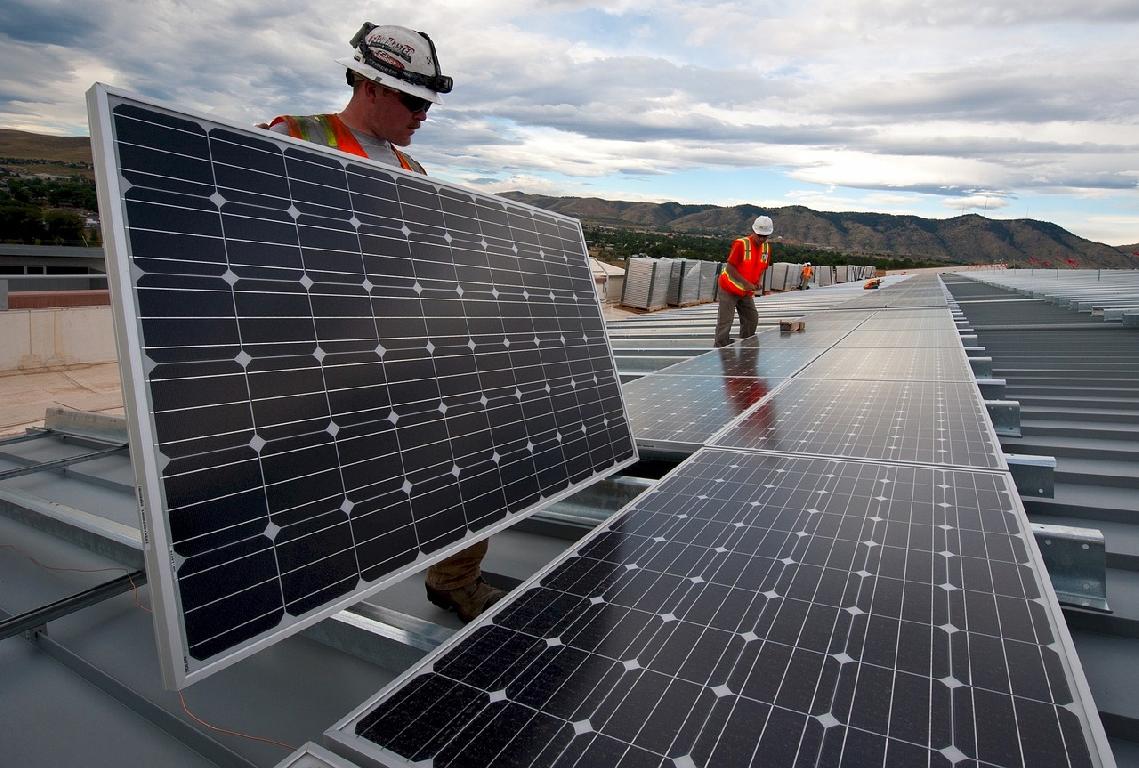
    The Government has issued Resolution No. 115/NQ-CP that allows solar power projects in the central province of Ninh Thuan to enjoy a feed-in tariff (FIT) of 9.35 cents per kilowatt-hour for a period of 20 years as long as they begin commercial operations by the end of 2020.

    This is an extension of the earlier commercial operation date (COD) deadline of June 30, 2019, applying to all localities, which was set by the Prime Minister’s Decision No.11/2017/QD-TTg.

    The extension of COD for Ninh Thuan, as specified in the new resolution, will hold good until projects that were approved by the Prime Minister reach a combined capacity of 2,000MW.

    The FIT for subsequent projects has not been finalized yet.

    Ninh Thuan and Binh Thuan are central provinces that have the greatest potential for renewable energy in the country.

    The COD extension is part of a package of incentives the Government is offering Ninh Thuan to support its 2018-2023 development, based on a proposal by the Ministry of Planning and Investment (MPI).

    The MPI first submitted to the Government a COD extension proposal for Ninh Thuan in early July, but later in the month, the Government Office issued Official Letter No. 7108 stating that the deadline remains unchanged.

    The new resolution has given investors hope that the COD deadline would also be extended to other localities later this year, an industry expert said.

    FITs are payments made for supplying renewable energy to the national grid.

    Recent innovations in solar power technology that have helped bring down production costs dramatically have made Vietnam’s 9.35 cents per kilowatt hour tariff attractive to private investors.

    Hundreds of private investors have submitted proposals to set up solar farms, but the June 30, 2019 deadline was too tight, energy experts had said.

    The projects can get entangled in land acquisition hiccups, procedural lags and a lack of master zoning plans for solar power development at the national and provincial levels, they added.

    There were also concerns over infrastructure needed for the solar power projects to connect to the national grid.

    There are no definitive answers now to questions about pricing for solar power connected to the grid after the end of 2020 in Ninh Thuan and after June 30, 2019 in other provinces.

    How the FITs are decided after June 30, 2019 could depend on what technology prices will be at a specific period of time, according to the Electricity Regulatory Authority of Vietnam (ERAV).

    Meanwhile, power authorities are considering piloting auctions as an alternative option to FITs after June 2019.

    ERAV has sought World Bank assistance and hired consultants to study auction mechanisms.

    Bidders offering the lowest prices to the Electricity of Vietnam (EVN), the country’s sole power distributor, will be awarded development contracts.

    MoIT has approved around 70 solar projects with a total capacity of over 3,000 megawatts to be commissioned before June 30, 2019.

    Vietnam currently relies largely on hydropower and thermal power plants for its electricity demands, but these have drawn frequent domestic and international criticism for their social and environmental impacts.

    Solar accounts for just 0.01 percent of the power output, but the government plans to increase this ratio to 3.3 percent by 2030 and 20 percent by 2050.

    By 2030 Vietnam aims to produce 10.7 percent of its electricity from renewable sources, with wind energy being the other main option.

  • E-commerce giants rake in losses as market share war continues

    E-commerce giants rake in losses as market share war continues

    In for the long haul, online retailers are willing to ignore losses, focusing on promotions to attract more customers.

    Hoang has recently been able to buy a few electronic items online at a mere VND500,000 ($20), a fraction of what they would have cost at regular stores.

    He has been doing most of his shopping online in recent years, usually by hunting around for items sold at discounts of 50-80 percent.

    He said: “A few months ago I bought a shirt on sale for only VND5,000 (21 cents). I paid VND25,000 for shipping.”

    Customers like Hoang are the targets of Vietnam’s major e-commerce players. To attract more customers in an ultra-competitive market, these online shops are willing to spend large sums on promotions.

    In the first quarter online retailer Shopee Vietnam had around 30,000 orders a day, most of which were shipped free, according to a report by its owner SEA Ltd.

    Lazada also regularly offers discounts of up to 50 percent.

    But in this process these stores are bleeding, with Lazada, Shopee and Tiki all reporting losses.

    Lazada had an accumulated loss in 2016 of VND2.7 trillion ($115 million), the largest among online retailers in Vietnam.

    Tiki had a loss of VND600 billion ($26 million) in the same year, while Shopee reported a similar loss last year.

    SEA Ltd. said that most of the losses are due to the expenses on advertising and promotions.

    But it is a war that would go on for a long time, Truong Van Quy, CEO of marketing academy EQVN, predicted.

    To attract customers, they are willing to ignore their losses, he said, pointing out that even Amazon had to spend a large amount of money for 15 years just to attract users.

    For an online retailer to break even it first needs to have dozens of millions of customers within five to 10 years, he said.

    This was why Chinese e-commerce giant Alibaba bought Lazada last year for $2 billion, and injected another $2 billion into the company last March, he said.

    Tiki received an investment of $50 million from China’s second biggest online e-commerce firm, JD.com, earlier this year, while Shopee injected another VND1.2 trillion ($51 million) into its business, he added.

    Industry insiders said the sector has huge potential with the expanding middle class and smartphone usage.

    The World Bank has forecast that Vietnam’s $200-billion economy is likely to grow to a trillion dollars by 2035.

    More than half of its population, compared to only 11 percent today, is expected to join the ranks of the global middle class with consumption of $15 a day or more.

    Across the country, the ratio of people using smartphones among mobile phone subscribers reached 84 percent in 2017, up from 78 percent the previous year, according to the 2017 Nielsen Vietnam Smartphone Insights Report.

    Online sales in Vietnam have expanded rapidly in recent years, currently accounting for 3.39 percent of the country’s retail market. The total retail market grew 10.9 percent last year to $173.27 billion, as reported.

  • Vietnam’s VCCI shared 3 solutions to resolve businesses’ credit crunch

    Vietnam’s VCCI shared 3 solutions to resolve businesses’ credit crunch

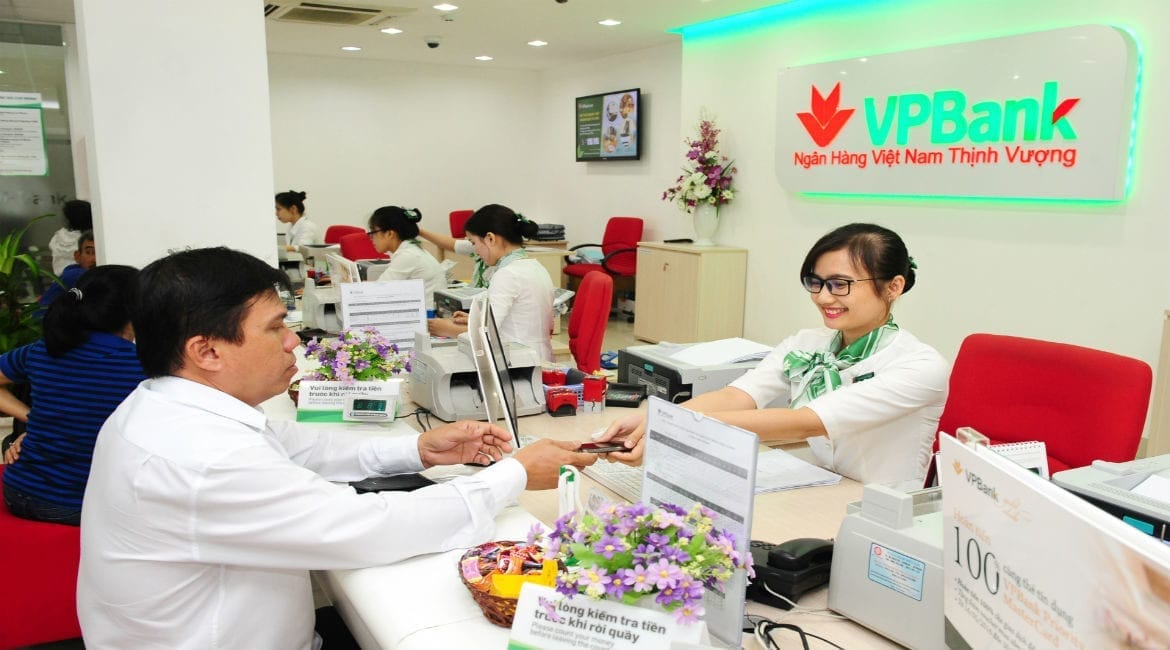
    A recent survey found that 217 out of 504 questioned businesses in various sectors could not get bank loans for lack of collateral.

    The survey was done last May for the “Assisting Vietnamese businesses with increased access to credit through improving governance and financial transparency” project of the Vietnam Chamber of Commerce and Industry (VCCI).

    Releasing the survey results last month, the VCCI said businesses have difficulty proving their creditworthiness to banks and other credit institutions.

    Nguyen Thi Mui, an economist, acknowledging the need to provide banks with collateral for loans, also pointed out that only a small proportion of businesses can fully meet banks’ requirements.

    The Government and the State Bank of Vietnam have in the past tried various programs to ease credit access but with no great success.

    The VCCI has three possible solutions but stressed banks have a major role in remedying the problem.

    Firstly, bank staff should devote time and effort to assist customers seeking loans. More importantly, banks should fully understand the challenges that businesses face.

    They should be able to detect whether or not investing in this business would benefit them in the long run. If so, the bank should help loan takers overcome the current finance problem.

    It said banks should adjust their risk appraisal methods to better serve small and medium-sized enterprises. A large part of Vietnamese banks’ income comes from interest on loans to businesses, it said.

    Secondly, the VCCI said, banks’ current interest rates do not only fit the nation’s current economic situation but also affects businesses’ competitiveness. It recommends that banks should narrow the gap between their deposit lending interest rates to two percent.

    Lastly, the VCCI said, businesses should look to improve themselves in terms of human resources and management to appeal more in front of lenders.

    According to the General Statistics Office (GSO), Vietnam had more than 600,000 enterprises at the end of last year, 95 percent of them small and medium-sized enterprises with an annual turnover of less than VND100 billion ($4.3 million).

    The number of enterprises with turnovers less than VND20 billion makes up over 70 percent of the total number of small and medium enterprises. VCCI statistics show that nearly 60 percent of these micro enterprises did not succeed in getting bank loans in 2016.