Tag: Vietnam

  • Vietnam warned it is planning too many airport

    Vietnam warned it is planning too many airport

    Vietnamese provinces are proposing new airports without realizing that the country is already overloaded with these facilities, experts say.

    Authorities in the southern Ba Ria-Vung Tau province have been working with private firm Ho Tram Ltd. on constructing a civilian airport.

    The airport, estimated to cost VND4.2 trillion ($193.6 million), will cover 250 hectares (618 acres) with a runway of 2,400 meters. It will be invested in by Ho Tram, the investor of the Grand Ho Tram Strip resort nearby.

    The province had previously proposed another airport to serve military and cargo purposes, which is estimated to cost $1 billion.

    These two airports would be just 30 kilometers away from each other.

    Meanwhile, Ba Ria-Vung Tau already has an airport on Con Dao Island in operation and the mega Long Thanh International Airport being planned in southern Dong Nai Province is just 40 kilometers away.

    In July, the northern province of Lao Cai proposed that an airport built near Sa Pa, one of Vietnam’s top tourist attractions, for both civilian and military purposes.

    Provincial authorities estimated investment for the airport at over VND5.7 trillion ($246 million).

    Apart from the Noi Bai International Airport in Hanoi, the northern region is already set to get another one, the Van Don International Airport near Ha Long Bay, this December.

    Experts are concerned that Vietnam is building too many airports without carefully evaluating their necessity.

    ‘Airport race’

    Dr. Nguyen Thien Tong, former faculty head of aeronautical engineering at the Ho Chi Minh City University of Technology, said that there is an “airport race” in the country.

    “If every province in the country had an airport, things would be chaotic,” he said.

    It’s not necessary to have two new airports in Ba Ria-Vung Tau, as the province does not have a large number of tourists, Tong added.

    Echoing Tong, Ngo Viet Nam Son, an architect who participated in designing the Ninoy Aquino International Airport Terminal in the Philippines, said that the province should only have one helicopter airport.

    “It would be much more efficient if money is spent on building an expressway which connects Ba Ria-Vung Tau and HCMC,” Son said.

    Speaking of the proposed airport near Sa Pa, Tong said that roads should be the focus of this area, not airports.

    “There needs to be a very large number of tourists influx to result in profits for an airport, otherwise it would be a waste,” he said.

    Investing in roads in this area will allow different vehicles to travel to multiple destinations in the north, serving the majority of the population, Tong added.

    Son was concerned about the distance from the airport to Sa Pa town, which is about 100 kilometers away, a distance too long to attract tourists.

    Traveling from the airport to Sa Pa town will take two hours with that distance, the same time tourists have to spend for flight procedures, he noted.

    As travelling from Hanoi to Sapa now takes just five hours via expressway, roads should be the main focus of the area, not airports, Son said.

  • Vietnam 9-month GDP growth highest in 8 years

    Vietnam 9-month GDP growth highest in 8 years

    Vietnam’s GDP grew by 6.98 percent between January and September, the highest nine-month growth rate since 2011.

    Data released by the General Statistics Office (GSO) Friday showed growth in the third quarter was 6.88 percent year-on-year.

    In the year-to-date agriculture and fisheries grew by 3.65 percent, the highest since 2012. Industry and construction grew by 8.89 percent and services by 6.89 percent.

    Between January and September, the country earned $178.9 billion from exports, a year-on-year increase of 15.4 percent, while spent $173.52 billion on imports, up 11.8 percent.

    Exports of 26 items each topped $1 billion. Three of them exceeded the $10-billion mark: electronics-computers-components, machinery-equipment and phones-components.

    Inflation was at 3.57 percent in the first nine months of this year. Vietnam set target to keep inflation below 4 percent for the whole year.

    “Growth in the first nine months showed many positive results. However, there are still many challenges, especially in the background of the China-U.S. trade war,” GSO general director Nguyen Bich Lam said on Friday.

    The escalating trade friction between the U.S. and China poses a threat to countries like Vietnam which exports intermediate goods to China, while weaker global demand will also act as a drag on growth prospects, Reuters quoted Capital Economics as saying Friday.

    The research firm projected Vietnam’s growth rate to slow down from 7 percent this year to 6 percent in 2019 and 2020.

    But the trade spat has not yet affected Vietnam’s exports to the U.S, Lam said. Vietnam could seek opportunities to boost exports and welcome foreign investments, while watching out for risks including transhipment to avoid tax, similar tariffs imposed on Vietnam and global trade contraction, he added.

    In a report issued Wednesday, the Asian Development Bank forecast Vietnam’s GDP to expand by 6.9 percent this year.

    The economy grew by 6.81 percent last year, the highest rate in a decade.

  • 90 percent of Vietnamese want tobacco tax raised

    90 percent of Vietnamese want tobacco tax raised

    Most Vietnamese want the tax on tobacco raised as a means to reduce smoking, a survey has found.

    The survey, by Canadian NGO HealthBridge, released at a conference Tuesday showed that 90 percent of Vietnamese think raising the price of a 20-pack of cigarettes to VND45,400 ($1.95) will have an impact on smoking.

    The average price now is VND15,000 (64 cents), the survey said.

    Over 80 percent of respondents said smokers would be deterred if the price is hiked to VND22,700 (97 cents), the survey, which polled around 600 people, said.

    The same number said the tax should be increased to 45-70 percent. The special consumption tax (SCT) on tobacco is currently 35.6 percent.

    Should tax on tobacco be raised?current tax 35.6% retail priceTax should not be changedTax should increase to at least 45%No comment

    Le Thi Thu, senior project manager at HealthBridge, said that studies have shown smoking is a greater financial burden on the poor than the rich since treatment of diseases caused by smoking costs a lot of money.

    “The negative impacts of smoking on Vietnamese people’s lives are undeniable.”

    Smoking gets easier

    But Vietnam’s policies on tobacco tax have not been effective in reducing smoking, experts said at the conference.

    Nguyen Thu Huong, communications officer at the Ministry of Health’s Tobacco Control Fund, said the average price of a 20-pack of cigarettes fell from VND12,700 (54 cents) in 2010 to VND11,000 (47 cents) in 2015.

    The low price allows more people, even children, to smoke, she added.

    Dr Nguyen Tuan Lam, a specialist at the World Health Organization (WHO) Vietnam, noted the current SCT of 35.6 percent on tobacco is lower than the global average of 56 percent.

    It is also lower than in several other Southeast Asian countries such as Thailand, Singapore, the Philippines, and Malaysia, he said.

    Vietnam’s tobacco prices are the second lowest among 20 western Pacific countries for which data is available, he said.

    The Ministry of Finance has proposed two options for raising the tax.

    The first option is a combination of an SCT and a fixed tax. With it, a 20-pack of cigarettes will attract an additional VND1,000 (4.3 cents) in fixed tax, and each cigar, VND1,500 (6.4 cents).

    The second option is to increase the SCT every year until it reaches 85 percent in 2021.

    Health officials favor the first option, but said the fixed tax should be higher at VND2,000-5,000.

    Lam said a tax of VND5,000 would reduce the number of male smokers by 6.3 percent and the number of people dying of tobacco use would fall by 900,000.

    Pham Thi Hoang Anh, country director of Healthbridge Vietnam, said the government should gradually increase the taxes on tobacco every year. “Thailand increased them every two years between 1992 and 2015, from 55 percent to 86 percent.”

    But that was on wholesale prices, which would be equivalent to 115-600 percent on retail prices in Vietnam, she explained.

    “No one is harmed when tobacco tax is raised. There are few industries that are growing as strongly as tobacco, which is growing at 9-10 percent a year.”

    A tax hike would not kill businesses, but would decrease the number of smokers and increase the government’s revenues, she added.

    Last June WHO advised the Vietnamese government to hike the tax on tobacco to deter people from smoking.

    Vietnam is among the 15 countries in the world with the lowest tobacco prices, WHO chief Kidong Park said.

    To achieve its target of reducing the rate of male smokers from 47 percent to 39 percent by 2020, the government would need to raise the fixed tax rate on tobacco by at least VND2,000 per pack, he said, referring to the finance ministry proposal.

    VND5,000 per pack would be better, he added.

    Vietnam has among the world’s highest numbers of smokers. An estimated 15.6 million Vietnamese spend VND31 trillion ($1.36 billion) on cigarettes each year.

    Smoking is a major cause of lung cancer and cardiovascular diseases in the country, and costs it VND23 trillion ($1 billion) in treatment and labor loss annually, according to the Ministry of Health.

  • US, Japan keen to invest in Vietnam infrastructure

    US, Japan keen to invest in Vietnam infrastructure

    Vietnam’s plans for building and expanding airports and seaports have attracted the interest of companies in the U.S. and Japan.

    Joel Szabat, deputy assistant secretary in the U.S. Department of Transportation’s Office of Aviation and International Affairs, said his country wants to strengthen ties with Vietnam in the transport infrastructure area, especially airports and seaports.

    He told Deputy Minister of Transport Le Dinh Tho at a meeting Tuesday that his department would facilitate U.S. investment in Vietnam’s infrastructure projects in the form of public-private partnerships (PPPs).

    But Vietnam needs to have more policy consistency and open policies, Szabat said.

    Last month Japan’s Secretary of State Tsukasa Akimoto told Deputy Minister of Transport Nguyen Ngoc Dong that many Japanese investors are eyeing key transport projects in Vietnam.

    They are interested in the Long Thanh International Airport and high-speed north-south railway, he said.

    At the meeting with Szabat, Tho said Vietnam is focusing on five areas of transport infrastructure: roads, aviation, waterways, railways, and network connections to boost logistics.

    One of its national infrastructure projects is the north-south expressway measuring over 2,100km in length, of which “650km will be built in 2017-2020 under the PPP model,” he said.

    With the country’s railway network being obsolete, there is need for an upgrade to both its long-distance and inner-city railways, he noted.

    “Our ministry is considering feasibility studies for the north-south high-speed railway.”

    The transport ministry is set to report on the high-speed railway to the National Assembly next year.

    It is now consulting various agencies for a feasibility study for the Long Thanh airport in the southern Dong Nai Province, which is expected to be approved by the government at the end of next year.

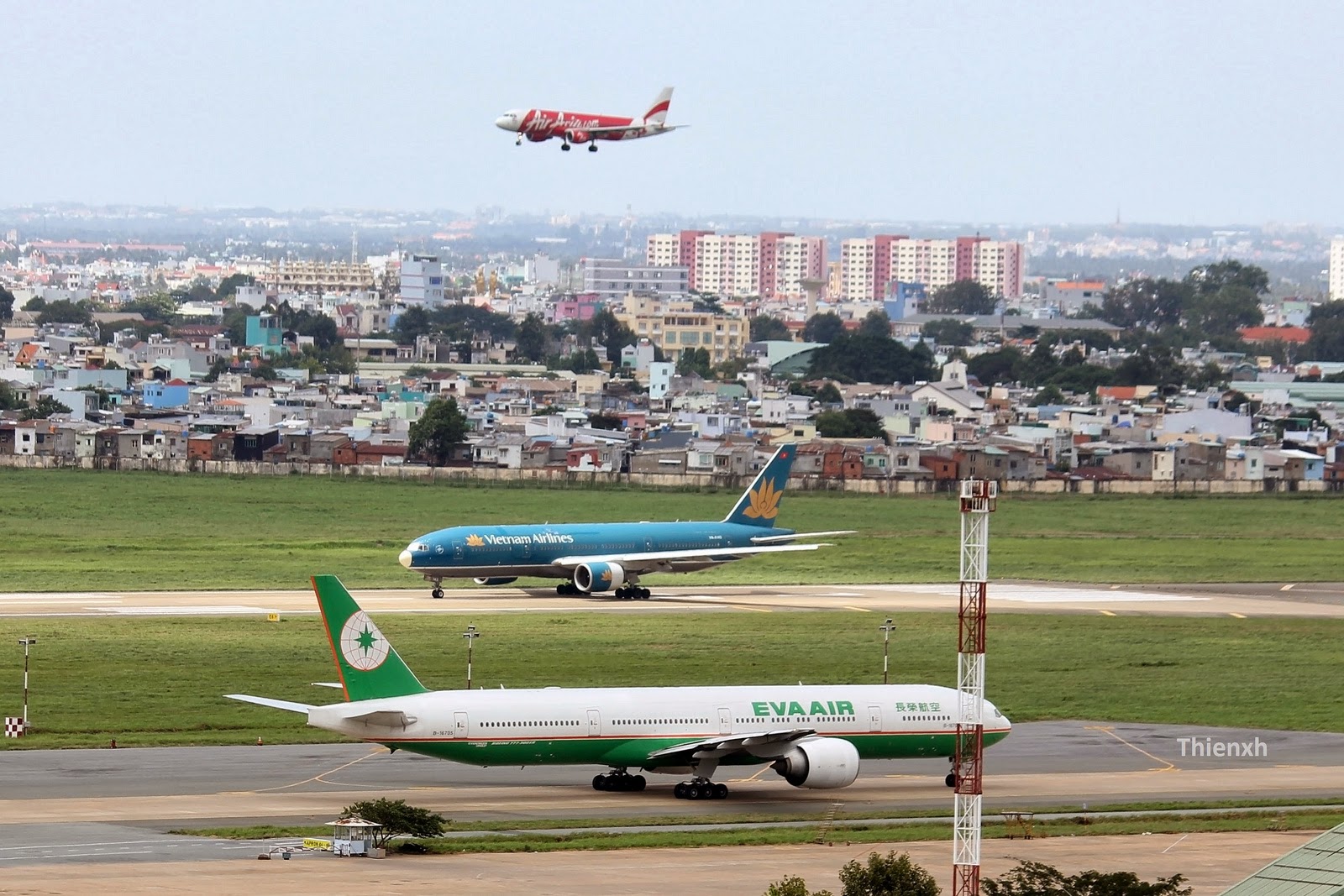
    Vietnam has 21 airports, eight of which receive international flights. Given the rapid rise in traffic, it plans to build, expand or upgrade several including Noi Bai in Hanoi and Tan Son Nhat in HCMC.

    The ministry this month approved changes to the upgrade plans for Tan Son Nhat Airport, including the addition of a third terminal and a 250-hectare expansion of the airport.

    Besides building a new terminal, T3, to the south with a capacity of 20 million passengers a year, the ministry also seeks to expand the two existing terminals to increase their capacity to 30 million passengers a year.When the work is complete, the airport’s size will increase from the current 545 hectares (1,350 acres) to 791 ha.

    The airport currently handles 36 million passengers a year against a designed capacity of only 25 million.

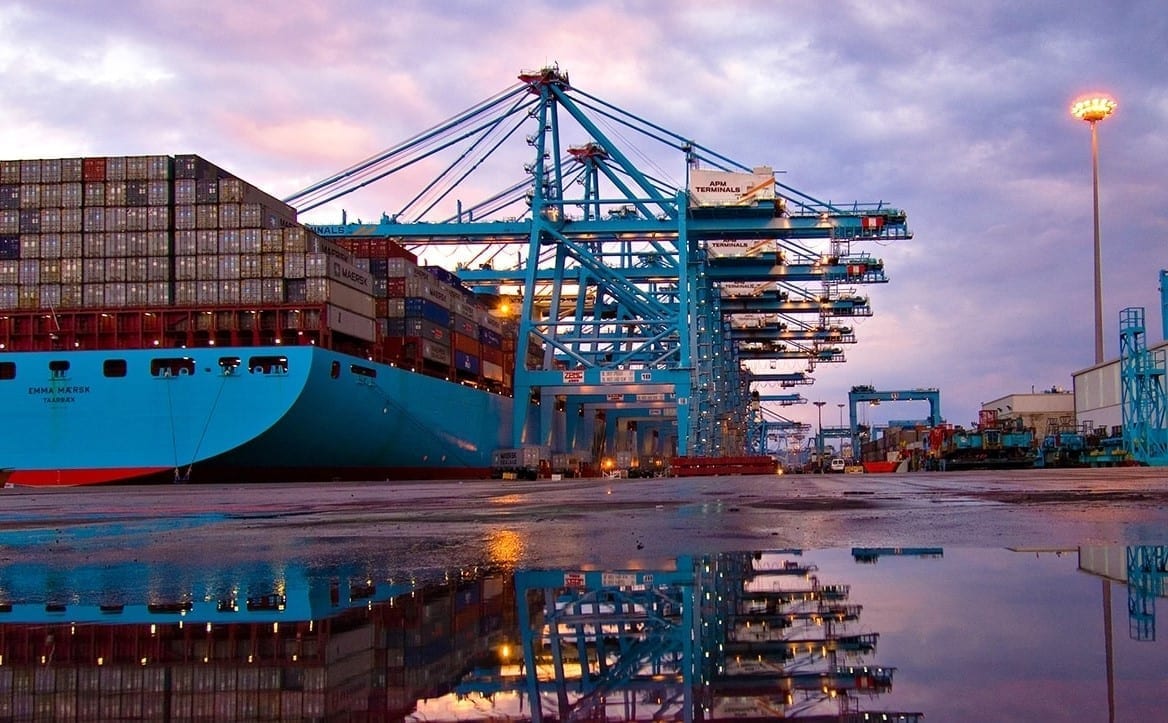
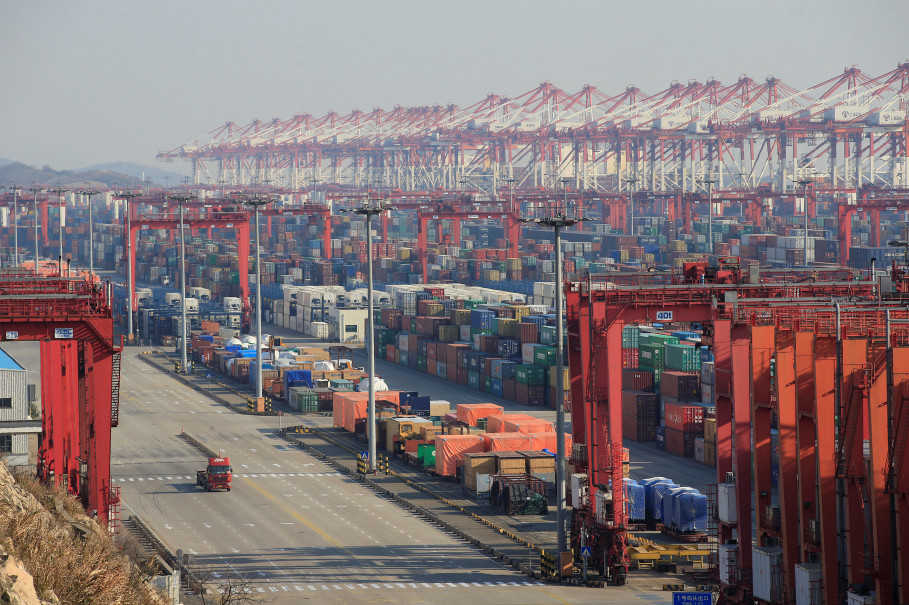
    Tho said Vietnam has two major ports, Lach Huyen in the north and Cai Mep-Thi Vai in the south, which can accommodate ships of up to 100,000 DWT.

    “However, network connections for logistics in ports remain underdeveloped.”

  • ADB lowers Vietnam’s 2018 growth forecast

    ADB lowers Vietnam’s 2018 growth forecast

    Vietnam’s economy is likely to expand by 6.9 percent instead of the 7.1 percent predicted in April.

    In its Asian Development Outlook (ADO) 2018 report issued Wednesday, the Asian Development Bank (ADB) also estimates Vietnam’s GDP for 2019 at 6.8 percent.

    Explaining the downward revision, the bank said that the year’s second half is likely see a moderate growth in exports, agriculture, construction, and mining sectors.

    The bank also believes that the ongoing trade war between the U.S. and China could have spillover impacts on Vietnam’s export and FDI inflows.

    Referring to the ongoing trade war between U.S. and China, ADB’s Vietnam Country Director Eric Sidgwick, said the country was vulnerable since it has integrated deeply with global trade.

    “These are not good events for Vietnam. As Vietnam is so open … any reduction to global trade is going to affect it,” quoted Sidgwick as saying.

    “There may be a beneficial impact in the short term, but we have to see how it plays out over the longer term. The long-term risk is trade contraction in general and high competition from as a result of that Vietnam being squeezed out,” he said.

    Vietnam’s growth this year could be dented by lean strength in key export markets such as China, the European Union and Japan, while unfavorable weather conditions could also undermine agricultural output and mining production, ADB said.

    ADB advised that Vietnam should continue to monitor the situation to assess the impact of the trade war and respond in timely manner.

    To mitigate negative impacts, Vietnam needs to continue to improve its business environment, infrastructure and market diversification, Nguyen Minh Cuong, an ADB economist said.

    “This will increase the competitiveness of Vietnam in the global market, whether it is affected by the trade war or not,” he added.

    ADB also raised the forecast of inflation rate from 3.7 percent to 4 percent this year, and from 4 percent to 4.5 percent in 2019.

    Vietnam’s GDP has sustained and built on last year’s gains with an impressive 7.08 percent growth in the first half of 2018, the highest rate since 2011.

  • US-China trade war dims Asia’s 2019 growth outlook: ADB

    US-China trade war dims Asia’s 2019 growth outlook: ADB

    Developing Asia could grow more slowly than previously thought next year as the US-China trade war inflicts damage on the region’s export-reliant economies, the Asian Development Bank (ADB) said.

    Tightening global liquidity could also weigh on business activity by pushing up borrowing costs, while capital outflows are also a risk.

    The Manila-based institution kept its 2018 economic growth estimate for the region at 6.0% in an update of its Asian Development Outlook. But it trimmed next year’s forecast to 5.8% from 5.9%.

    “Downside risks to the outlook are intensifying,” said ADB chief economist Yasuyuki Sawada, pointing to the potential impact of US-Sino trade tensions on regional supply chains and the risk of sudden capital outflows if the Federal Reserve raises interest rates even more quickly.

    The ADB’s 5.8% growth estimate for 2019 would be the slowest for the region since 2001, when it expanded 4.9%.
    The report covers 45 countries in the Asia-Pacific.

    The ADB’s latest forecasts did not reflect fresh tariffs that the US and China imposed on each other’s goods on Monday.

    Sawada said the additional duties would not significantly change ADB’s growth forecasts, but added the “escalating” trade conflict must be closely monitored.

    China’s economy is expected to grow 6.3% in 2019, the ADB said, slower than its 6.4% forecast in July and weaker than its 6.6% growth estimate for 2018, which was unchanged from its previous projection.

    Domestic consumption in China “seems to be quite robust and supporting 6.6% growth this year”, Sawada said.

    “But admittedly we don’t know (how) the further escalation of the trade dispute may directly affect consumer sentiment,” he added.

    Beijing has set a growth target of around 6.5% this year, the same as last year, which it handily beat with an expansion of 6.9%.

    Chinese authorities have pledged they can still meet the 2018 target, and have started to roll out growth boosting measures as the trade war threatens to put further pressure on the already cooling economy.

    For Southeast Asia, moderating export growth, quickening inflation, net capital outflows and a worsening balance of payments have dimmed the outlook, with growth this year projected to slow to 5.1% from the July forecast of 5.2%.

    “Policy makers have at their disposal an array of policy tools with which to manage pockets of vulnerability and maintain stability, but they must be applied carefully,” Sawada said.

    Inflation across the region is expected to remain under control, helped by country-specific factors like moderate food price inflation in India and China and fuel subsidies in Indonesia and Malaysia, the ADB said.

    Sawada said Asian governments have “enough policy space to handle” shocks and pressure from currency depreciations.

    The ADB lowered its 2018 economic growth forecast for Vietnam to 6.9% from 7.1% projected previously, partly due to the ongoing trade friction between the US and China.

    Vietnam, one of the fastest growing economies in Asia, has an open economy that is heavily reliant on exports, while the US and China are among its biggest trade partners.

    ADB lowered its growth forecast as the ongoing trade tension between the US and China could have a spillover impact on Vietnam. However, the ADB outlook is still higher than the Vietnamese government’s target of 6.7%.

  • Experts fear foreign rivals too strong for Vietnam ride-hailing firms

    Experts fear foreign rivals too strong for Vietnam ride-hailing firms

    Vietnamese ride-hailing services are struggling to compete with foreign firms Grab and Go-Viet due to a lack of resources.

    FastGo last month claimed to have 15,000 taxi and motorbike partner drivers in Hanoi and Ho Chi Minh City, but they are not a common sight on the streets unlike the ubiquitous red and green uniforms of Go-Viet and Grab drivers.

    VATO, which received funding of $100 million from local transportation firm Phuong Trang, is also having trouble expanding after launching in May, its CEO Tran Thanh Nam admitted to the media.

    Another competitor, Aber, run by a group of young Vietnamese based in Europe, had said August 10 it would “temporarily cease app operations for an upgrade.” It has not made a return so far.

    Bui Danh Lien, former chairman of the Hanoi Transport Association, said operators need to give drivers a steady income to keep them and at the same time offer customers plenty of discounts and cheap fares, and “this is a tough challenge.”

    Economist Do Hoa told local media that the ride-hailing market is “a race to spend money”, and those without deep pockets won’t be able to compete.

    Grab and Go-Viet are willing to charge their customers as low as VND1,000 (4.3 cents) for a ride, he pointed out.

    “Vietnamese ride services are not financially capable of sustaining such losses like the foreign companies.”

    Even major players like Grab and Uber report big losses in Vietnam. According to the General Department of Taxation, Grab, with a total registered capital of only VND20 billion ($881,000), has incurred losses of nearly VND1 trillion ($43.48 million) during its three years in Vietnam.

    But this cash burn strategy is how Grab and Uber are eating up traditional taxi firms’ market share. In 2014-15 they launched promotion after promotion, including free rides and discounts, to attract customers. They expanded their driver networks by offering subsidies and big rewards based on performance.

    Other options

    Though the lack of funding is a weakness of local ride-hailing firms, there are other ways for them to grow, Dr Nguyen Duc Thanh, head of the Vietnam Institute for Economic and Policy Research said.

    “Since the lack of resources is a disadvantage for Vietnamese ride-hailing apps, they should not enter the cash burn race.”

    Going head-to-head with bigger rivals is not the right strategy to follow, he said.

    “They can enter niche markets like delivery, car rentals and long-distance ride services. Instead of trying to divide market share in the beginning, newcomers should think of a long-term strategy to build a solid foundation.”

    Nguyen Manh Hung, former chairman of the Vietnam Automobile Transport Association, was quoted by Tuoi Tre newspaper as saying local firms are unable to compete with Grab and Go-Viet because they are divided.

    If they join hands they could compete, he said.

    Go-Viet, the Vietnamese operation of Indonesia’s Go-Jek, came early last month seeking a share of the market that Grab has been dominating after the departure of Uber.

    Go-Jek founder and chief executive Nadiem Makarim said Go-Viet has grabbed a 35 percent share of the motorbike ride-hailing market in HCMC within six weeks of its launch on August 1.

  • Mobile World reports surging sales, expands fresh-food business

    Mobile World reports surging sales, expands fresh-food business

    Mobile World says sales grew by 39 percent in the first eight months of the year to VND58.7 trillion ($2.5 billion).

    Profit after tax was up 36 per cent to VND1.97 trillion ($84.34 million) year-on-year.

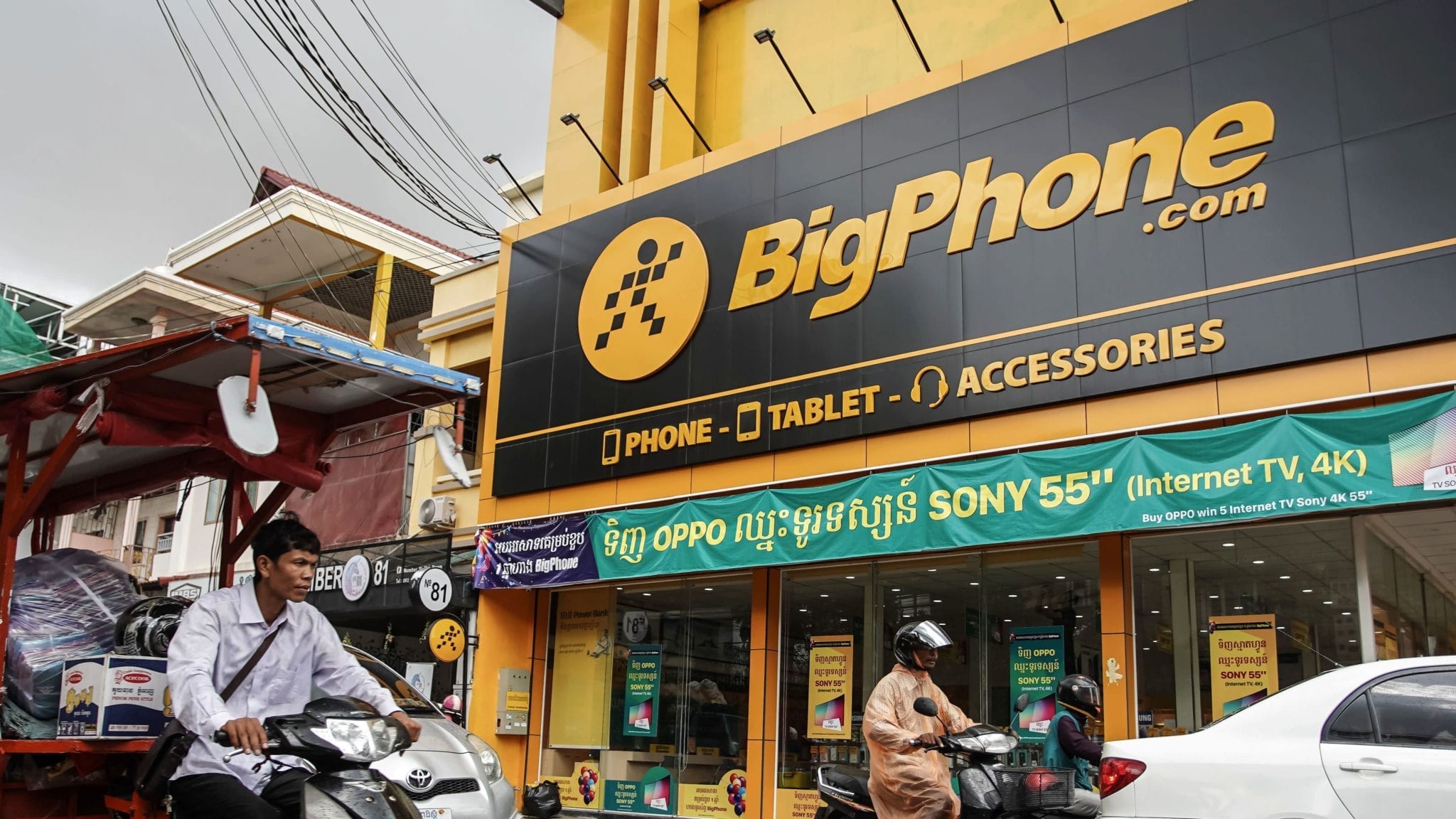
    HCMC-based Mobile World Investment Corporation (MWG), established in 2004 as a seller of mobile phones, has since diversified into a host of other areas including foods, beverages, meat and seafood, and vegetables.

    Dien May Xanh, its electronics retail arm, accounts for 55 percent of sales followed by mobile phone stores The Gioi Di Dong and then department store chain Bach Hoa Xanh.

    Bach Hoa Xanh, incorporated in 2015, sells vegetables, seafood, meat and fast-moving consumer goods (FMCG). While with VND2.37 trillion ($102 million) it only accounts for 4 percent of the company’s sales, the business is growing at 251 percent.

    It has 405 outlets, with the two largest being in HCMC’s Thu Duc and Binh Tan districts.

    Bach Hoa Xanh plans to focus on the eastern and southern parts of HCMC and the neighboring provinces of Binh Duong, Long An, Dong Nai, and Ben Tre in future.

    By the end of this year it plans to have another 95 stores. A Mobile Word spokesperson said that stores that do not do well would be shut down.

    Based on the firm’s proclaimed plan of having 550 stores with average monthly revenues of VND790 million ($33,850) each by the end of this year, Ho Chi Minh City Securities Corporation (HSC) estimated Bach Hoa Xanh sales to reach VND4 trillion ($171 million) this year.

    But MWG found the department store business less attractive than the two other segments, saying at 14 percent the profit margin of Bach Hoa Xanh is lower than the 17 percent for the cellphone business and 16.7 percent for the electronics business.

    A major reason is fresh food is more difficult to manage than the others due to the short shelf life.

    Doan Van Tieu Em recently took over as CEO of MobileWorld Joint Stock Company, the subsidiary that manages the cellphone and electronics businesses.

    His predecessor, Tran Kinh Doanh, is now CEO of the department store business.

  • Vietnam’s top banks struggle to increase capital to meet global norms

    Vietnam’s top banks struggle to increase capital to meet global norms

    Three top Vietnamese banks have been struggling to increase their capital to meet international adequacy norms.

    The second Basel Accords, or Basel II, prescribe capital of 8 percent of risk-weighted assets for all financial institutions, including in Vietnam, to cover operational risks.

    The National Financial Supervisory Commission found that Vietnamese banks need to increase their charter capital by 1.8-2 times to meet the Basel capital adequacy ratio (CAR).

    They include three of the four biggest lenders, BIDV, Vietcombank and Vietinbank.

    BIDV, Vietnam’s biggest bank by assets, currently has total assets of VND1,270 trillion ($54.3 billion) but capital of nearly VND34.19 trillion ($1.46 billion), which has remained unchanged since 2015.

    BIDV’s CAR is now only 9 percent according to leading broker VietCapital Securities, which is “close to dangerous” if compared to Basel II standard, the bank’s CEO, Phan Duc Tu, said.

    In the last three years the bank has been making three or four plans each year to increase charter capital, but none of them have been successful.

    In 2016 BIDV and Vietinbank had offered to pay its largest shareholder, the State Bank of Vietnam (SBV), the previous year’s dividends in stocks and not cash to increase its capital.

    But the central bank rejected it saying it needed the cash.

    Last year BIDV had made several plans like initiating an employee stock ownership plan (ESOP), selling shares to existing shareholders, paying dividends in stocks, and private placement of shares to strategic shareholders.

    Again all of them fell through.

    The public bank with the highest state ownership – of over 95 percent – has been looking for strategic investors it can sell stakes to but in vain.

    In 2016 Vietcombank, the third largest bank by assets, signed a deal with Singapore sovereign wealth fund GIC Private Limited to sell a 7.73 percent stake. The deal has yet to be consummated, with the bank’s chairman, Nghiem Xuan Thanh, saying they have been unable to agree on a price.

    Vietcombank’s charter capital has remained since 2016 at VND35.98 trillion ($1.54 billion).

    The SBV recently gave the lender approval to increase its charter capital by 10 percent to VND39.58 trillion ($1.69 billion).

    Vietcombank plans to make a private placement of 10 percent of its stake and has received approval from its shareholders for this.

    Should its plan succeed, Vietcombank will surpass Vietinbank as the bank with the largest charter capital.

    Vietinbank, the country’s second largest lender by assets, has seen state ownership fall to the minimum permitted level of 65 percent, and so can no longer issue more shares.

    Its charter capital has remained at VND37.23 trillion ($1.59 billion) since 2014.

    A masterplan, approved by the Prime Minister early last month, targets to have 3-5 banks listed on foreign stock exchanges.

    The plan, which covers the banking sector’s development until 2025 with a vision to 2030, also set targets to reduce the state capital ownership in three major banks: Vietcombank, BIDV and Vietinbank.

    In 2018-2020, the state will reduce its shares in those banks to at least 65 percent and in 2021-2025, the figure will be 51 percent.

    Vietnam has nine wholly-owned foreign banks, four state-owned banks and 31 joint-stock banks.

  • Flights from Da Nang to Osaka for Vietnam Airlines

    Flights from Da Nang to Osaka for Vietnam Airlines

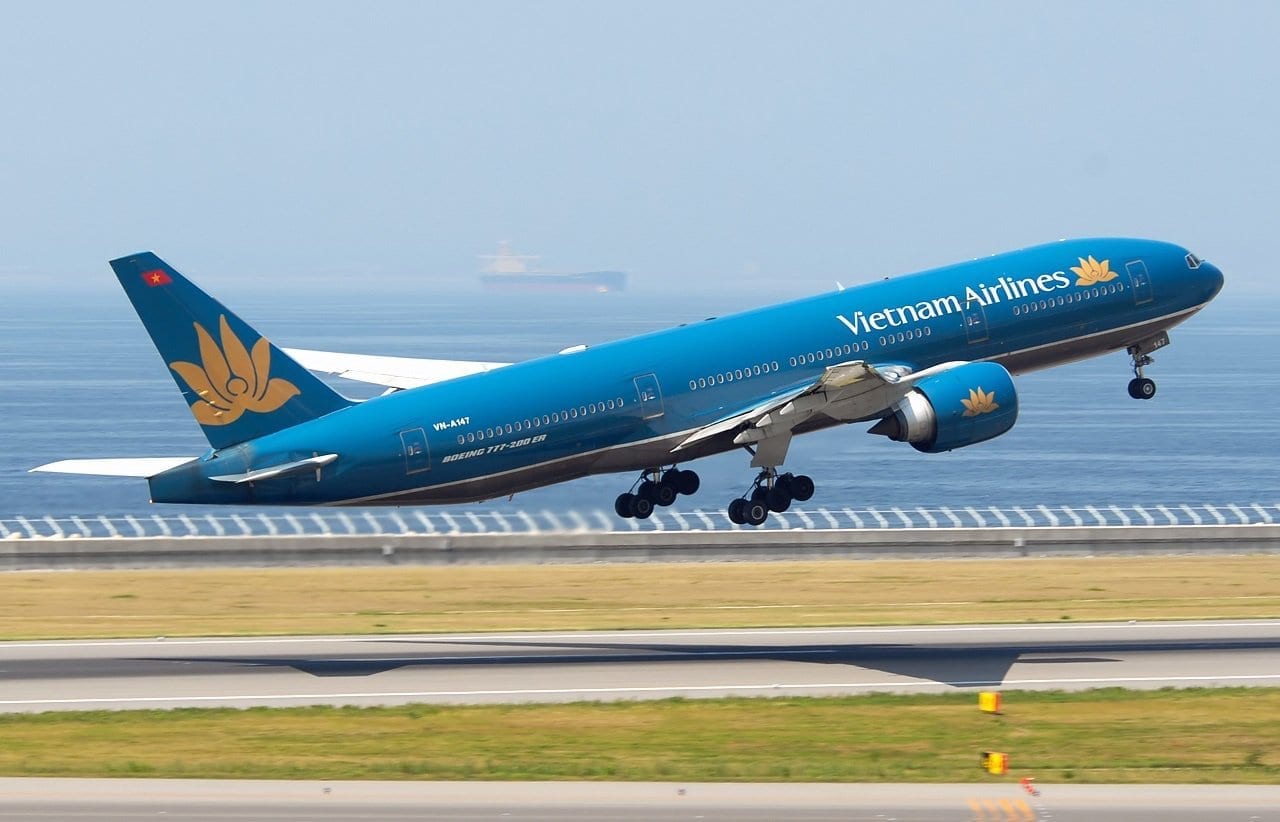
    The first non-stop flights from Da Nang to Japan will begin on 28 October, the national flag carrier Vietnam Airlines has confirmed. The airline will use an Airbus A321 with services meeting 4-star standards to cover the 2,114 miles (3,403 kilometers) from Da Nang to Japan’s Osaka City, with flights taking around four and a half-hour.

    The airline will operate 7 return flights each week. The non-stop flights will depart from Da Nang at 00:20 am, and from Osaka at 09:30 am local time. This will be the 11th air route to Japan operated by the Vietnam Airlines after those from Ha Noi, Ho Chi Minh City, and Da Nang to Japanese cities of Tokyo, Osaka, Nagoya, and Fukuoka.

    Mr. Nguyen Duc Quynh – Executive Vice Chairman of Danang Hotel Association, Deputy General Director of Furama Resort Danang, opined: “The Japan market recently makes up 10% of Danang tourism industry and continue to increase strongly. Thanks to this new direct air-route that we will have more opportunity to attract this potential market, as well as introduces the “fantastic-city” of Danang to Japan. We need to take advantage of this chance by providing more Japan-friendly services, promoting our venue as not only Leisure but also an ideal MICE destination. Danang tourism colleges and Hotels in Danang should provide more Japanese language training to their tour guides and staff to welcome more and more tourists from Japan to the City.”

    As reported, from 2011 – 2017, the number of visitors from Japan had increased 18 times, especially, 2016 – 2017 period eyes a rise of 23,000 tourists. Not only Japan market, overview the snapshot of Danang tourism, air travelers to Da Nang increased 40% over the same period last year. The number of international visitors to Da Nang is concentrated mainly in North East Asia (Korea, China, Japan) through direct flights to Da Nang. The number of international flights this year at Da Nang International Airport is 183, an increase of 76 flights over the same period of 2017.

  • DHL eCommerce has rolled out a fleet of electric motorbike in Vietnam and Malaysia

    DHL eCommerce has rolled out a fleet of electric motorbike in Vietnam and Malaysia

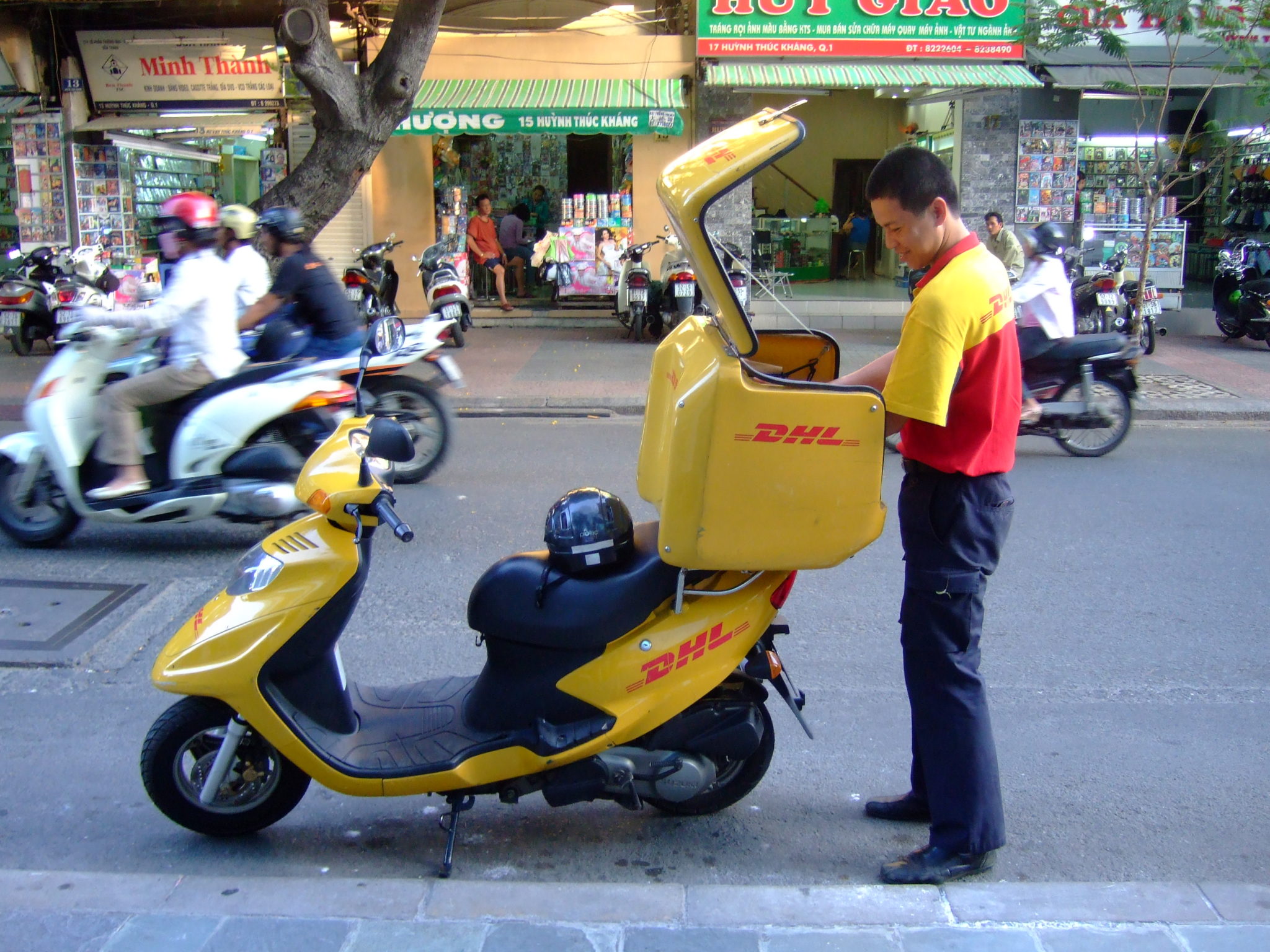
    DHL eCommerce has rolled out a fleet of electric motorbikes as part of Deutsche Post DHL Group’s commitment to Zero Emissions by 2050.

    DPDHL announced that it will operate 70% of its own first and last mile services with clean pick-up and delivery solutions.

    “In parallel with the continued growth in e-commerce, we expect a strong demand for deliveries and we recognize the need for sustainable delivery solutions. As part of DPDHL’s commitment to Zero Emissions by 2050, our fleet of electric vehicles will provide greener deliveries and we are committed to steadily and consciously increasing our fleet of electric vehicles in our domestic delivery network.” said Kiattichai Pitpreecha, Managing Director, Southeast Asia, DHL eCommerce.

    The first fleet of electric vehicles are already in use and the plan is to increase the fleet gradually by sunsetting older vehicles and prioritizing ‘green and clean’ approaches. Delivery hubs in Puchong and Cheras in Malaysia and Ho Chi Minh and Hanoi in Vietnam will be retrofitted with electric charging points with fast charging capabilities.

    DHL eCommerce provides nationwide domestic delivery with fully-owned operations in Malaysia and Vietnam to enable e-commerce businesses to deliver to their consumers. The domestic delivery network also includes DHL ServicePoints for drop-off and pick-up with convenient locations to provide greater convenience for sellers and consumers while optimizing delivery for greater efficiency.

    “Consumers are becoming more environmentally conscious and are placing greater value on sustainable options when they shop. We are super pleased to be rolling out our electric fleet in Malaysia and Vietnam to support our customers — it is great for us, great for our customers and great for the country.” added Kiattichai Pitpreecha, Managing Director, Southeast Asia, DHL eCommerce

  • King Power Traveler to launch inflight duty free with Vietnam Airlines

    King Power Traveler to launch inflight duty free with Vietnam Airlines

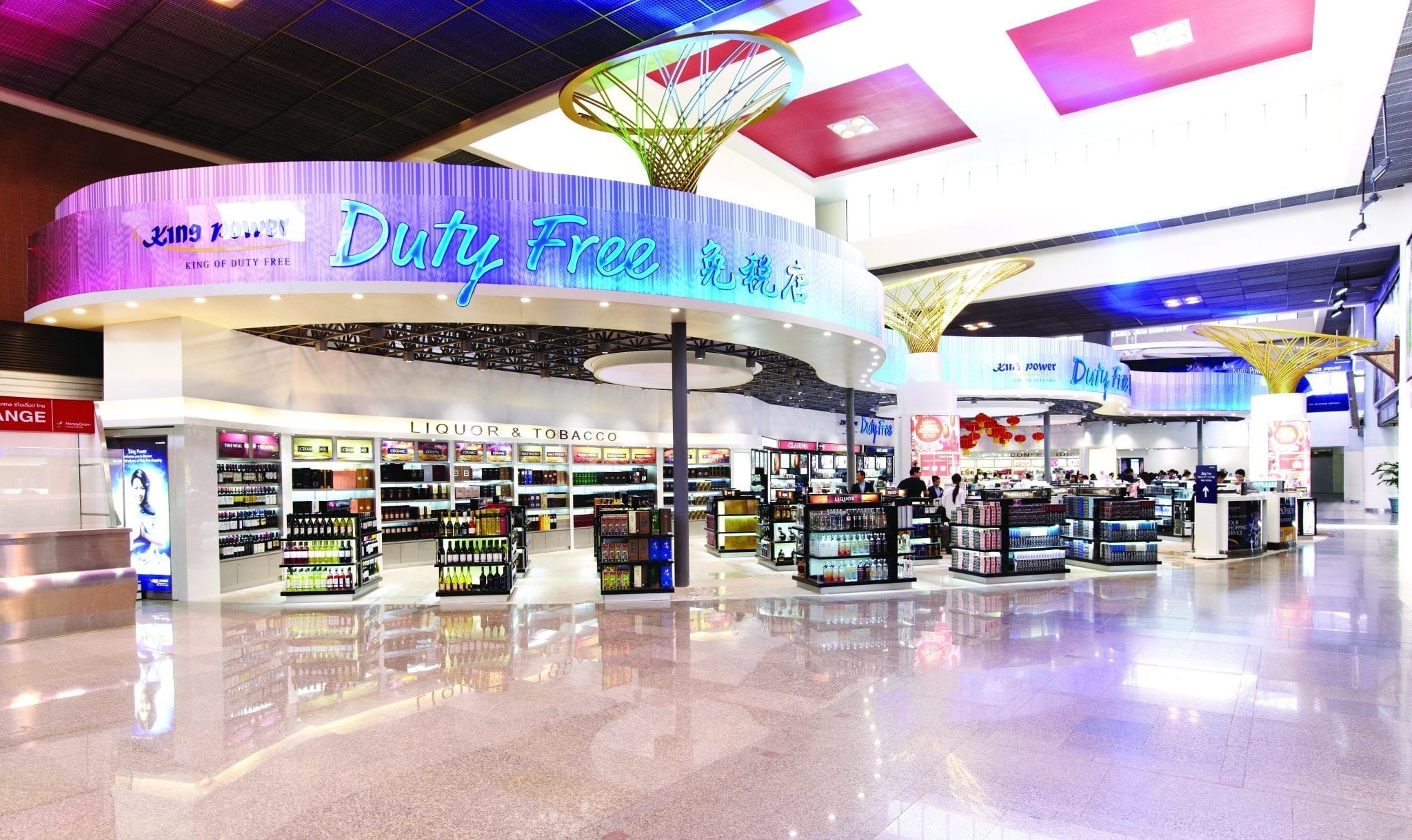
    National carrier Vietnam Airlines is set to officially establish an inflight duty free service from October in cooperation with inflight specialist King Power Traveler, the Rakhita Jayawardena-run subsidiary of Hong Kong-based travel retailer King Power Group.

    Over the next five years, the SkyTeam alliance member will cooperate with King Power Traveler to expand and upgrade its Lotushop services to meet Skytrax four-star service standards.

    Skytrax – the well-known airline and airport rating organisation – has ranked Vietnam Airlines as a four-star airline for three consecutive years.

    Vietnam Airlines Executive Vice President Le Hong Ha, said: “The partnership with King Power Traveler demonstrates our efforts to provide passengers with an enhanced duty free retail service, thereby consistently upgrading our four-star service quality through every aspect of the business. We are taking great strides to reach five-star status.”

    The enhanced duty free offer covers categories such as perfume, cosmetics, watches, suitcases and bags. Passengers will be able to shop from their seats on 30 of Vietnam Airlines’ international routes including to the UK, China, France, Germany, Japan, South Korea and Russia. The airline said that passengers would benefit from average discounts of -5% to -15% compared to domestic retail prices.

    King Power Traveler will also provide extensive training to flight attendants to enhance their sales skills and application of technology.

    Vietnam Airlines operates 90 routes to 20 domestic and 29 international destinations with an average of 400 flights per day.

  • China might avoid Trump tariffs by exporting via Vietnam

    China might avoid Trump tariffs by exporting via Vietnam

    Vietnam could suffer collateral damage if Chinese businesses use made-in-Vietnam labels to avoid U.S. tariffs, experts warn.

    Economist Vu Dinh Anh said it is “highly possible” that Chinese businesses would seek to export their goods through Vietnam to the U.S. amid the trade war between the world’s two largest economies.

    One way they can do this is exporting their products to Vietnam and asking a Vietnamese business to label them as “made in Vietnam,” he said.

    They can also set up factories in Vietnam and manufacture products with materials imported from China, he added.

    “This will result in bad consequences for Vietnam as the U.S. might impose the same tariffs on Vietnam as it did on China.”

    Vietnam’s textile and footwear industry insiders expressed the same concern.

    Pham Xuan Hong, chairman of the HCMC Association of Garment, Textile, Embroidery and Knitting, said it is possible Chinese garment products would be labeled as made in Vietnam and exported to the U.S.

    “We propose that the government control this situation by tracing products’ origin and severely penalizing violations. Otherwise the whole industry will have to suffer consequences,” he said.

    Diep Thanh Kiet, vice chairman of the Vietnam Leather, Footwear and Handbag Association (LEFASO), said there is a “very high” possibility that Chinese bags would be exported to the U.S. through Vietnam.

    If Chinese bag makers want to export to the U.S., they can set up a factory in Vietnam to facilitate the exports, and this can be easily done with a budget of just $200,000, he said.

    If this cannot be controlled, there could be grave consequences for Vietnamese textile firms since “the U.S. might apply the same tariffs as they have done on China,” he warned.

    This has happened before with steel. In May this year the U.S. slapped anti-dumping duties of 199.76 percent and countervailing duties of 256.44 percent on imports of cold-rolled steel produced in Vietnam using Chinese-origin substrate.

    Anh said Vietnam should not repeat this mistake twice since there is a possibility that the U.S. would conduct investigations if it has any suspicion about product origin.

    A chance to thrive

    But there are opportunities for Vietnamese consumer goods exports amid the trade war.

    About 27 percent of Chinese goods set to be affected by the new tariffs are consumer goods, and Vietnam exports many similar items to the U.S., said Can Van Luc, chief economist with the Bank of Investment and Development of Vietnam (BIDV).

    “The escalating trade war will create opportunities for Vietnamese exporters of consumer goods to expand their market share in the U.S.,” Luc said.

    A recent report by Bao Viet Securities (BVSC) said footwear and textile products have a “great opportunity” to grab U.S. market share from China.

    Since the Chinese yuan has weakened against the U.S. dollar and dong, Vietnamese businesses would be able to import garment, leather and other materials cheaper, and this would result in more competitive prices in the U.S., the report said.

    Other products to benefit from the trade war are wooden furniture, electronics, sports equipment, and toys, BVSC said.

    Viet Capital Securities (VCSC) pointed out in a report, “Vietnam will benefit from the trade war if U.S. businesses look for an alternative supply chain and Americans start buying Vietnamese goods.”

    It added that foreign direct investment might shift to Vietnam from China to avoid U.S. tariffs.

    The U.S. administration said it would begin to levy new tariffs of 10 percent on about $200 billion worth of Chinese products on September 24, with the tariffs to go up to 25 percent by the end of this year.

    China retaliated immediately with 5 and 10 percent tariffs on $60 billion worth of U.S. products.

    The U.S. has been Vietnam’s largest trading partner this year, with $30.2 billion in turnover in the first eight months, according to the Ministry of Planning and Investment.

  • Viettel Global to list 2.24 billion plus shares

    Viettel Global to list 2.24 billion plus shares

    More than 2.24 billion Viettel Global shares will make their debut on Hanoi’s unlisted public company market, UPCoM, on Tuesday.

    The shares of Viettel Global Investment Joint Stock Company, with the sticker VGI, will be traded on the UPCoM at a floor price of VND15,000 ($0.65) per unit.

    Viettel Global will become the largest firm on the UPCoM with market capitalization of VND33.6 trillion ($1.44 billion).

    Established in late 2007 with chartered capital of VND960 billion ($41.18 million) as a unit of Viettel Group, Viettel Global covers the military group’s overseas investments.

    Viettel Group holds 98.68 percent of the stake in Viettel Global.

    At a general meeting in June, shareholders of Viettel Global approved a plan to increase its chartered capital to VND30.4 trillion ($1.3 billion).

    In 2017, Viettel Global served nearly 40 million international customers, a growth of 13 percent from the previous year.

    To date, Viettel Global makes profits in eight of the ten markets that it operates in. The eight markets are Cambodia, Laos, Timor Leste, Mozambique, Burundi, Haiti, Peru, and Cameroon. It entered Tanzania two years ago and Myanmar just this month.

    Viettel Global plans to enter several new markets, mainly in ASEAN.

    For this year, the company targets increasing its subscriber numbers by 10-15 per cent, bringing the cumulative population of its markets to 400 – 500 million and rank among the top 10 global telecom companies.

    Viettel Global announced consolidated revenues of over VND19 trillion ($810 million) for 2017, an increase of 24 per cent year-on-year, and a net profit of VND27 billion ($1.16 million).

  • Vinalines to build 2 terminals at $299 mln in Lach Huyen Port

    Vinalines to build 2 terminals at $299 mln in Lach Huyen Port

    Vinalines is seeking approval from the government for building two container terminals at Lach Huyen Port in northern Hai Phong City.

    Nguyen Canh Tinh, director of the state-run Vietnam National Shipping Lines (Vinalines), said its subsidiary, Haiphong Port JSC, would build terminals No.3 and No.4 at the port.

    He said the Haiphong Port JSC used to work mainly at Hoang Dieu terminal, which has now been taken over for the construction of an urban area, and so new terminals are needed in its place.

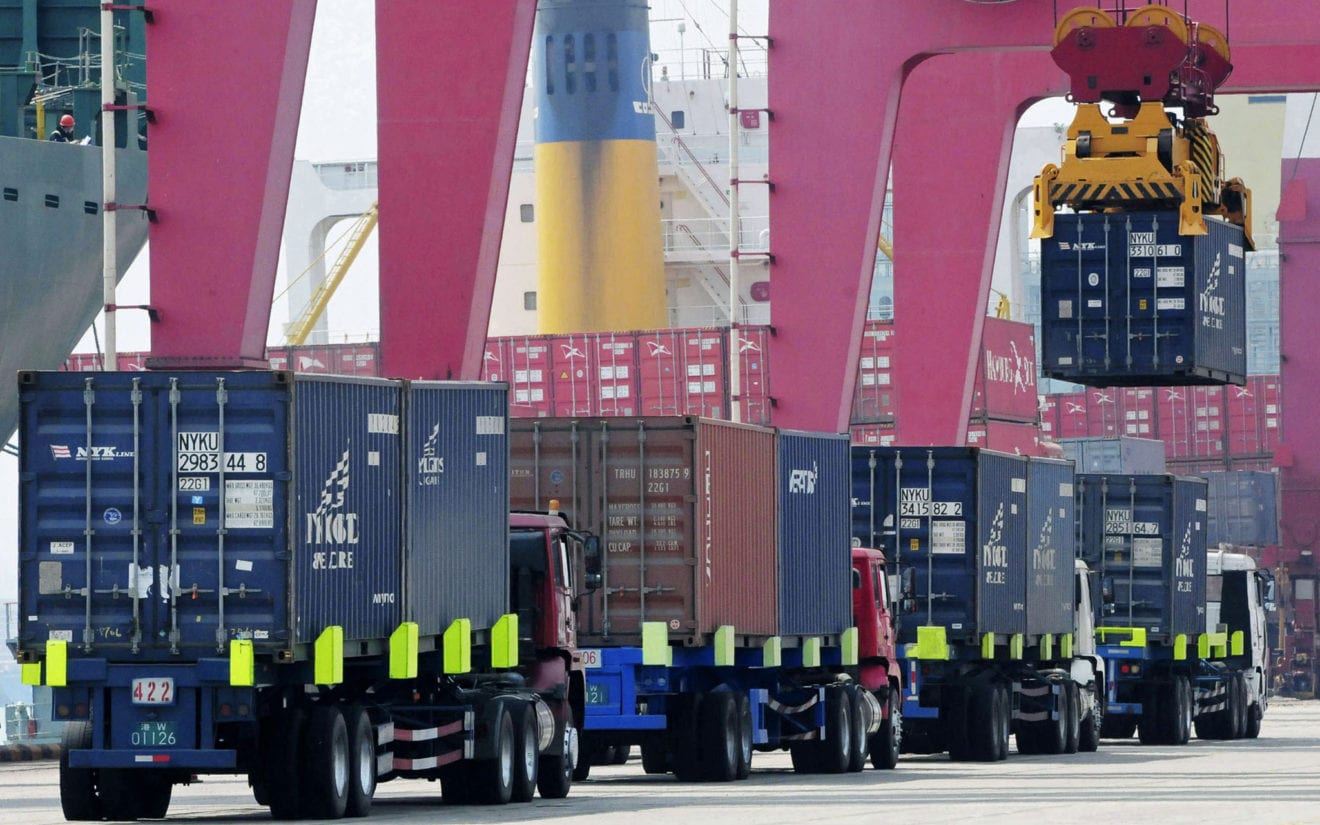
    The two proposed terminals would have a total length of 750 meters and the capacity to handle vessels of up to 100,000 DWT (8,000 TEU), and cost around VND7 trillion ($299 million), he said.

    Vinalines and Hai Phong Port JSC, in which Vinalines owns a 65 per cent stake, also plan to develop a logistics center of around 250ha in the area to optimize the handling, storage, processing, and distribution of cereals.

    Tinh said the investment in the terminals would be a strategic step in the company achieving its plan to handle around 30 percent of cargo at ports nationwide by 2020.

    Lach Huyen is set to become a modern port complex and the only one in the north that can berth ships of up to 150,000 tons.

    It is expected to have nine terminals with a combined length of 3,000 meters by 2020.