Tag: Vietnam

  • VinFast sedan, SUV should cost around $50,000

    VinFast sedan, SUV should cost around $50,000

    Experts say VinFast’s sedan and SUV should cost below and just above $50,000, respectively, to be competitive in Vietnam.

    VinFast’s debut at the Paris Motor Show this month has sparked much speculation among Vietnamese customers on the selling price of the two models expected to hit the domestic market next year.

    Apart from promising “high-end cars at reasonable prices”, the automaker has not revealed any concrete price range.

    Industry analysts say vehicle prices depend on multiple factors such as dimensions, comfort, vehicle safety technology, operation, design as well as production, assembly and localization.

    However, these factors will only amount to a base number, as the final price would depend heavily on the brand’s business strategy, they add.

    The marketing and sales director for a Japanese automaker believes that reasonable price tags for the sedan and SUV should fall approximately below VND1 billion ($42,800) and VND1.2 billion ($51,300) respectively.

    Product position is crucial to any car brand, he explained. The company cannot just simply open with high prices and lower them once it achieves a desired market share. The strategy may seem workable at first glance, but runs the potential risks of previous customers feeling that they have lost something, and therefore, turn their backs on the brand.

    He also believed that LUX A2.0 and LUX SA2.0 are not VinFast’s ‘trump cards’. Initially, the manufacturer may accept not to prioritize profits. Attention and acceptance of the brand, especially for new products, would in fact be the most important factors when entering a new market.

    The director of a distributor of imported German cars said he also believes reasonable prices should hover around the VND1 billion mark. If the price is set between VND1.4-1.6 billion ($59,900-68,500) as per, the company will be creating obstacles for itself, as VinFast is still very young.

    “Even if VinFast is 5 to 10 years ahead of other companies, it would still need just as much time or longer to establish a brand and build customer trust,” he said. “The initial ‘national pride’ and excitement for novel products will inevitably cool down over time.”

    Moreover, he said, it would take at several years after the models hit the road to verify their quality and durability, not the mention the fact that technology and equipment for the cars have not yet been finalised.

    Bui Sinh, who has held senior positions with several luxury car brands in Vietnam, praised VinFast’s ‘clever’ strategy to start with high-end models. “Once you make a good impression with a mid-range or above product, making small cars will be easy”.

    VinFast had not done the opposite, as in reality many automakers specialising in affordable cars faced much difficulties expanding upwards into luxury segments, he added.

    However, Bui Sinh reminds that caution must be taken with a low pricing strategy. If the market response does not meet the company’s expectations, the company would be locked into covering losses over the next few years.

    On specialist said: “If customers are enthusiastic over a VND1 billion car, selling smaller models at VND300-400 million ($12,800-17,100) will be much easier.”

  • Competition heats up in third-party merchandise, food delivery market

    Competition heats up in third-party merchandise, food delivery market

    With huge demand driving Vietnam’s merchandise, food delivery market, investors are keen on a piece of the action.

    After operating for a year in HCMC Lalamove, a logistics company headquartered in Hong-Kong specialising in same-day delivery and courier services, came to Hanoi Wednesday.

    A day earlier Grab had released its food delivery app, GrabFood, after a period of testing.

    The food delivery market looks extremely lucrative, and businesses want to cash in, industry insiders said.

    “By 2020 Vietnam will have over 50 million customers shopping online,” Phillippe Rambaud, head of Lalamove’s Hanoi market development division, said. “This will be a large market for on-demand delivery services.”

    Nguyen Duc Loi, CEO of Lalamove Vietnam, said the firm aims to have 10,000 contracted drivers on a permanent basis.

    Grab Vietnam CEO Jerry Lim claimed GrabFood’s growth has been very impressive, with the number of its contractors increasing eight-fold in just a month of testing in Hanoi.

    “GrabFood is the next major step for Grab in becoming a super-app which meets all the essential needs of people’s daily lives,” he said.

    “The way each individual service interconnects and complements each other allows us to build an ecosystem that delivers real benefits not only to our customers and drivers but also to our business partners and vendors,” Jerry Lim added.

    Go Viet has launched Go Send as a complementary service, but also aims to develop it into a super-app like Grab. It also plans to launch a food delivery service later this year.

    Last year Go Send delivered over 800,000 fashion products and handled 2.3 million food orders for 203,000 small-scale online vendors.

    But despite their major success in the online delivery market, the three entrants have to face the difficulties that come when competing with established incumbents popular in the market such as Delivery Now (Foody), and Vietnammm.

    Besides, many of their drivers are reluctant to make advance payments to vendors and take on the risk of wrong delivery and customers not accepting goods.

    Lalamove for instance has a policy of having drivers make advance payments for food/goods of up to VND3 million ($130.4) in HCMC and VND2 million ($86.95) in Hanoi.

    Many vendors still do not focus on delivery through third party applications as an important income stream.

    A representative of a milk tea chain in Hanoi told VnExpress that revenues still come mainly from direct sales and phone orders as well as the chain’s own digital app.

    Its response times are still much faster than using third party apps, he said.

    As more and more providers of delivery services emerge, he believed the most important factors vendors would look for are effective support systems and prices.

    The intense competition means consumers will benefit increasingly from the variety of choices and the discounts and improvements in service competitors constantly make to gain market share.

    Companies like Grab, Go Viet and Lalamove uniformly claim competition is good for the market, consumers and the businesses themselves.

    One of them said the Vietnamese market would see even more competitors in future.

    Analysts said this boom would soon spark a struggle between digital delivery platforms and traditional services just like the ongoing between Uber and Grab and traditional cabs.

    Do Xuan Quang, deputy head of Vietnam Logistics Business Association, said Vietnam was the fastest growing e-commerce market in Southeast Asia, and along with the strong growth of the logistics industry at 15-20 percent, a similar movement in the delivery market is not surprising.

    In 5-10 years, the delivery market in Vietnam will be valued at around $10 billion, he said.

    U.K.-based market research firm EuroMonitor International values the food delivery market in Vietnam at around $33 million this year and at more than $38 million in 2020.

    It also puts the annual growth rate of the market at 11 percent.

  • Asian Coffee : Vietnam quiet despite recovery in global prices; Indonesia premiums tighten

    Asian Coffee : Vietnam quiet despite recovery in global prices; Indonesia premiums tighten

    Global coffee prices recovered but markets were subdued in Vietnam and Indonesia due to low stocks in both the countries, traders said.

    In Indonesia’s Lampung province, exporters quoted premiums for the grade 4 defect 80 robusta at $25 to $30 premium a ton to London’s November and December contracts, down from last week’s $50 premium, a trader said.

    Another trader quoted the beans at $70 premiums to November and January contracts.

    “Market prices rose in the past week, we have to cut premiums,” one of the traders said, adding that only a few transactions took place this week due to weaker demand and low stock after Indonesia’s main harvest ended last month.

    Indonesia coffee exports from the province of Lampung in Sumatra in September plunged 51 percent from the same month last year to 10,058 tons, official data showed, with lower production this year and higher domestic demand contributed to the drop in exports.

    “Global buyers have shifted to Vietnam because its cheaper there,” the trader added.

    In Vietnam, exporters have started offering beans from the upcoming harvest since stocks from the past crop were running low, while farmers are still not satisfied with the price despite a recovery in global prices, traders said.

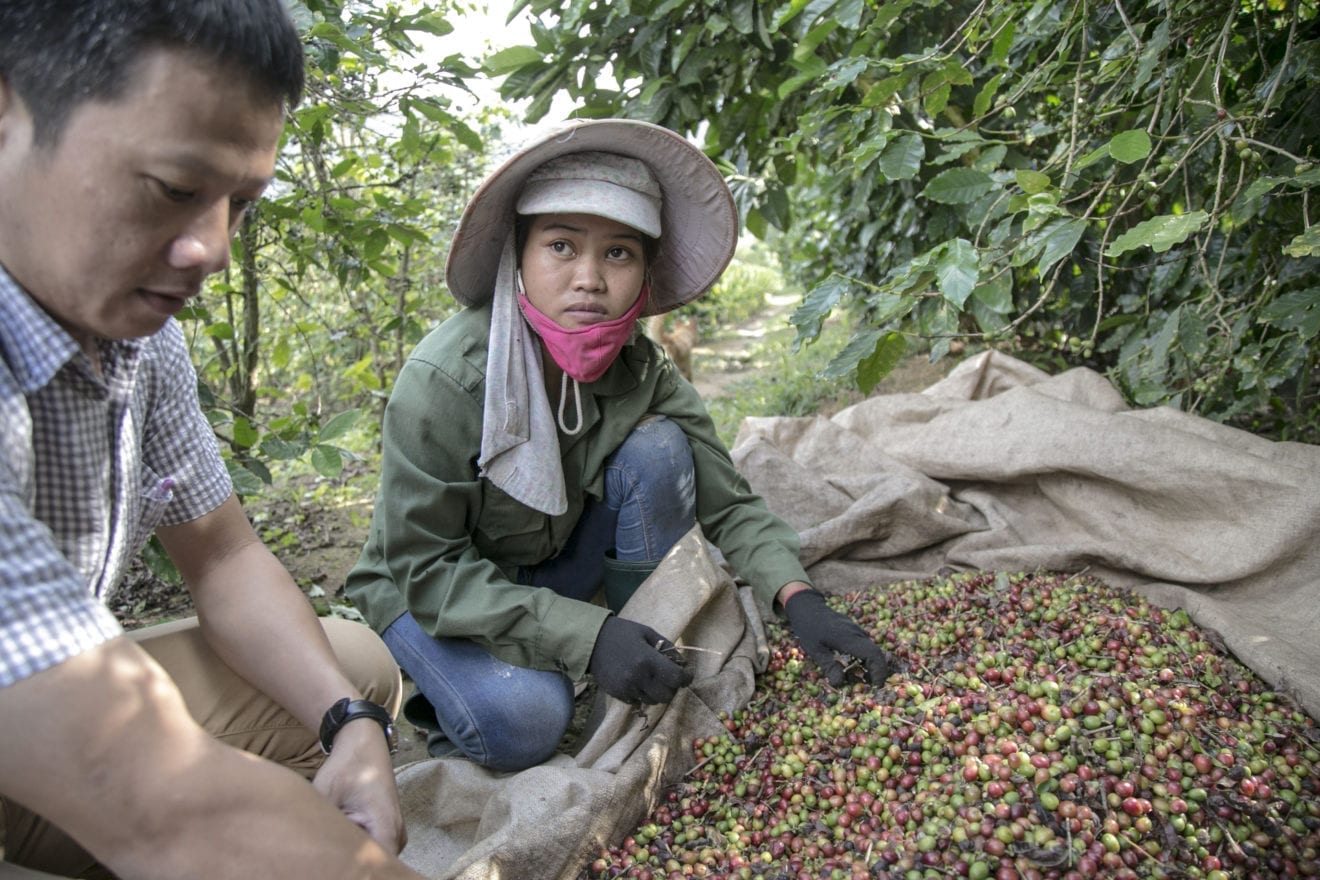
    Farmers in the Central Highlands, Vietnam’s largest coffee growing area, offered coffee at VND34,000-34,400 ($1.46-$1.47) per kg, up from VND32,600-32,800 last week, but still below a 6-year-high level of more than VND47,000 hit last year.

    “The green bean (prices) are too low and the cost is increasing. (In) some countries, the running cost is even higher than the price,” said Luong Van Tu, chairman of the Vietnam Coffee and Cocoa Association.

    Regardless, Vietnam in the 2017/2018 crop exported an estimated 1.8 million tons of coffee, up 12.95 percent from the previous crop, while January-September exports grew 19.6 percent annually to 1.46 million tons, government data showed.

    Exporters offered Vietnam’s 5-percent black and broken grade 2 robusta at $30-$40 discount per ton to London’s November and January contracts, same as last week, but importers asked for a larger discount of $50, traders said.

    Extended rains in Vietnam’s coffee growing region have raised concerns about the quality and timing of the upcoming harvest, which could start as early as next month.

    Scattered showers are expected over the next week in the Central Highlands region, the National Centre for Hydro-Meteorological Forecasting agency said on its website.

  • Experts on the fence over first made-in-Vietnam cars

    Experts on the fence over first made-in-Vietnam cars

    Several experts and industry insiders are advising caution over judging carmaker Vinfast too highly, too soon.

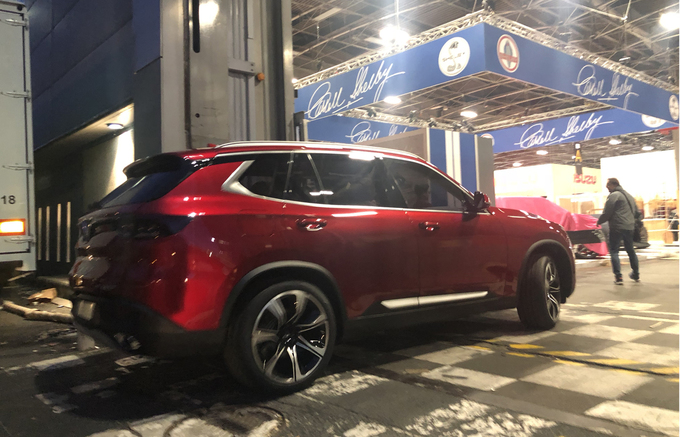
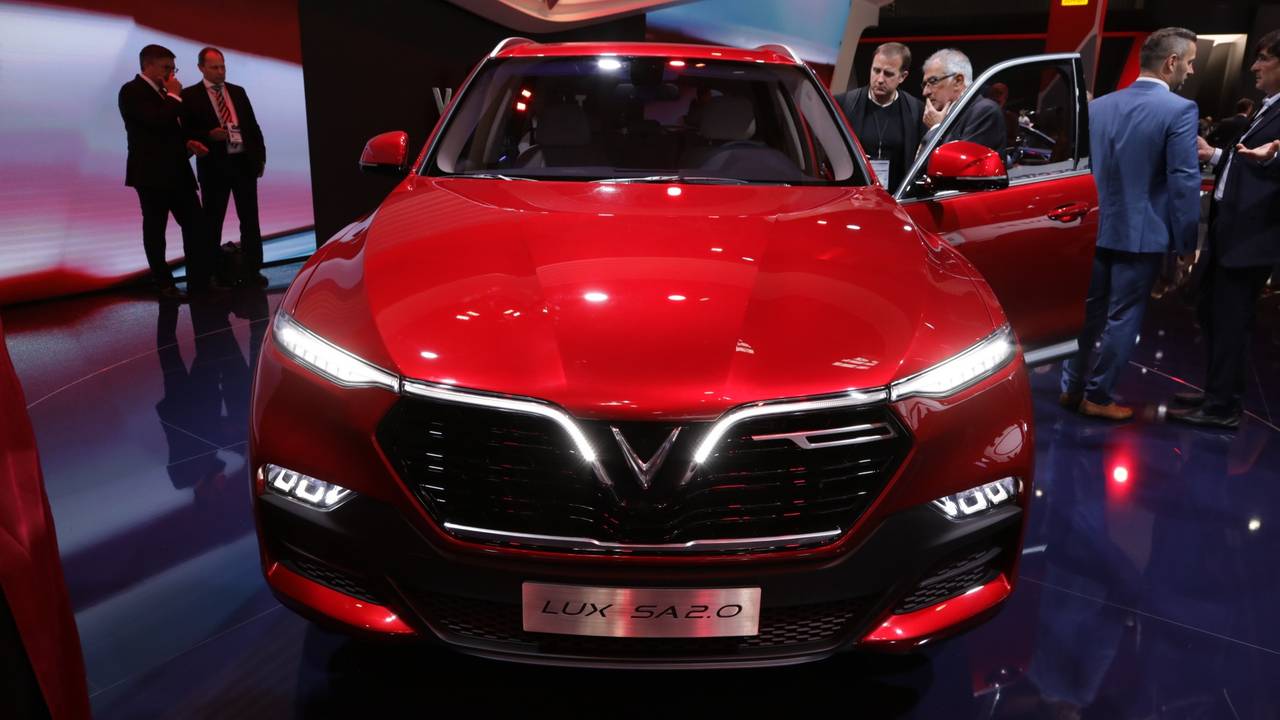
    VinFast, a unit of Vingroup JSC (VIC.HM), Vietnam’s largest business conglomerate, officially showcased its first two vehicles: the LUX A2.0 sedan and the LUX SA2.0 SUV at the Paris Motor Show on Tuesday.

    The new carmaker impressed everyone by doing this just one year after kicking off production in northern Hai Phong City. It received much praise for completing design and development of its models, as well as putting together a production line at an astonishing pace.

    Supporters pointed to the company’s ‘daring’ strategy of gaining a head start by taking a shortcut, by signing agreements with a strong list of global partners.

    The company uses Siemens’ plant construction expertise; BMW’s intellectual property; Pininfarina’s design; and Bosch for hardware, software and service solutions.

    Experts say that VinFast’s car falls into the mid-luxury segment. Automobile expert Le Anh believes the sedan can sell for VND1.4 billion ($60,869) and the SUV for VND1.8 billion ($78,260).

    However, amidst all the praise and euphoria, many people have advised caution in assessing VinFast’s progress.

    An expert with many years of experience in the luxury car sector in Hanoi said: “Initial images and figures do not say much about the product line’s final performance. The commercial version of the models have not even been completed yet.”

    “The fact that VinFast could develop the models so quickly is easy to understand given that it has bought most of the required technology, designs and engineering from other carmakers,” the expert said.

    This observation matches that of Bill Russo, head of Shanghai-based consultancy Automobility Ltd and a former Chrysler executive.

    “The key question is why the world needs yet another car brand in an era when hardware is commoditising. The fact that they have outsourced design and manufacturing and are relying on foreign R&D tells me they are following a traditional path that may not be competitive in an era of digital mobility services,” Russo said.

    Meanwhile, a former Vietnamese engineer who has worked for Volkswagen in Germany for many years, said Vietnamese people have the right to be proud at the birth of a new Vietnamese brand.

    “But what comes next? Quality, reliability and price are the real problems that VinFast needs to overcome when approaching customers,” he added.

    Bui Sinh, who has many years of experience with other luxury car brands, said that there were no grounds to trust the two new models.

    “The information provided is one-dimensional, and there is no actual car to verify these claims. Only when we know the car works, should we move on to analyse the quality of the car and the calibre of its technology.”

    Sinh also pointed out that if VinFast were to position the first two models in the luxury car market segment, ‘national pride’ would just form part of the brand, and have little effect in the actual selling.  For wealthy customers used to driving luxury or mid-luxury vehicles, patriotism cannot replace actual function, he said.

    Other experts have also said people should be careful in assessing VinFast’s progress. Previously, two other automobile makers in Vietnam– state-owned VEAM Motor and private venture Vinaxuki– have flopped.

    Bui Ngoc Huyen, chairman of Vinaxuki, which tried to produce a domestic car but ceased production just before its first car was to be officially released in 2012, said VinGroup’s deep pockets would help, but warned that building a brand takes time.

    “You have to move from producing small and cheap cars to luxury ones,” he said. “It will take several years for a new carmaker to fine tune its products and win the confidence of consumers. It will take between 10 and 20 years.”

  • Amazon, Alibaba seek Vietnamese sellers

    Amazon, Alibaba seek Vietnamese sellers

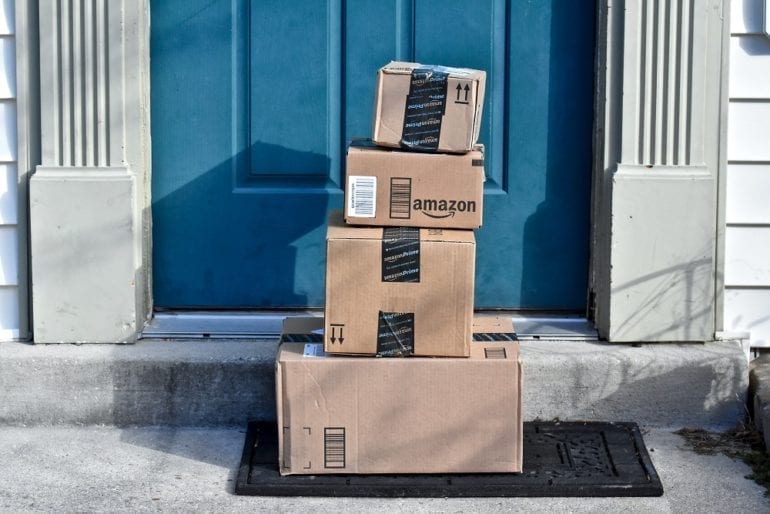
    E-commerce giants Amazon and Alibaba are looking to sign up more Vietnamese sellers for their online marketplace.

    U.S.-owned Amazon last month collaborated with the Vietnam E-commerce Association (VECOM) to organize a workshop called Selling Globally on Amazon in Hanoi and Ho Chi Minh City.

    The events attracted over 2,000 people each.

    Since March Amazon has been partnering with VECOM to host a number of training courses and workshops for sellers.

    It has launched a website and an official Facebook fanpage in Vietnamese to connect with individuals and businesses who want to sell their products on its network.

    Park Joonmo, CEO of Amazon Global Selling Korea and Southeast Asia, said there is an increasing number of Vietnamese sellers on Amazon, including manufacturers, brand owners and startups.

    They have started selling globally through Amazon to reach millions of potential customers all over the world, he said in a statement.

    Around 200 Vietnamese businesses are selling on Amazon, according to the Ministry of Industry and Trade.

    Experts said this number could rise greatly since Vietnam is a major exporter of items such as agriculture produce, foods and furniture.

    China’s Alibaba has also been looking for Vietnamese sellers on its AliExpress website since July.

    AliExpress executive Yang Ninh said Vietnam is one of the most diverse manufacturers in the world, and its growth makes it an important destination for Alibaba.

    AliExpress wants to open the door for Vietnam to over 200 markets around the world, he added.

    Vietnam’s e-commerce market grew by 25 percent last year, according to VECOM, which forecasts this rate to continue until 2020.

  • European businesses repose confidence in Vietnam

    European businesses repose confidence in Vietnam

    European companies’ business sentiment in Vietnam is at the highest level in 18 months, EuroCham’s Business Climate Index shows.

    The latest index (BCI), which the business group released Wednesday, is at just two points below the all-time high achieved in the third quarter of 2016.

    This growing confidence in Vietnam’s trade and investment environment is reflected in a six-point jump in the second quarter of this year against the first quarter.

    The BCI shows Vietnam is open for business as an attractive trade and investment destination, Nicolas Audier, co-chairman of EuroCham, said in a press release.

    “The EU-Vietnam Free Trade Agreement (EVFTA) should be ratified soon. On the cusp of this historic deal, which will boost trade and investment on both sides, we hope this positive message from EuroCham and its members will inspire the government to continue opening its markets to foreign investment and improving its trade and investment environment.”

    EuroCham members reported an optimistic outlook on a range of issues, from their own investment and profit projections to workforce levels and Vietnam’s economic outlook.

    Over 70 percent reported a positive situation at their enterprise in the last quarter, with 62 percent describing it as ‘good’ and 12 percent as ‘excellent’.

    Looking ahead to the next quarter, 64 percent believed their business situation would be ‘good’ while 15 percent said ‘excellent’.

    EuroCham members are also optimistic about Vietnam’s economic outlook, with 57 percent predicting ‘stabilization and improvement’ in the next quarter and 34 percent believing it would remain unchanged.

    Fifty seven percent believed their business would see either a ‘significant’ or ‘moderate’ increase in staff next quarter, while 61 percent expected either a ‘significant’ or ‘moderate’ increase in investment.

    Over three-quarters of members (76 percent) believed orders or revenues would see a ‘significant’ or ‘moderate’ increase in the third quarter.

    For the first time, EuroCham asked members for their views on corporate social responsibility (CSR). 87 percent said CSR is important to their business operations in Vietnam. The main motivations for CSR included ‘brand reputation’ and ‘customer/environmental concern’.

    Vietnam’s GDP grew by 6.98 percent between January and September, the highest nine-month rate since 2011. The economy grew by 6.81 percent last year, the highest in a decade.

    The foreign sector’s exports in the first eight months of the year were worth $110.3 billion, up 13.4 percent year-on-year and accounting for 71 percent of the country’s total exports of $155.4 billion.

  • Vietnam’s U18 liquor sales ban impractical, experts say

    Vietnam’s U18 liquor sales ban impractical, experts say

    Experts say it will be difficult to implement an age-based ban on selling liquor, better options are needed.

    They are also saying that an emphasis on education and raising awareness will have greater impact in dealing with the problem of liquor abuse.

    A draft bill on the prevention of dangers of alcohol being compiled by the Ministry of Health proposes a number of prohibitions, including: promotion in any manner of liquor with alcohol content of 15 degrees or above; usage of positive phrases like “medicinal alcohol”, “nutritious alcohol” on product labels; advertising of alcohol during television prime time (6-9 p.m.); sale of alcohol to persons under 18; and sale of alcohol on the internet.

    Kieu Anh Vu of law firm KAV Lawyers said it was very necessary to bring legal measures against the dangers of alcohol, because the harm it was causing was indisputable.

    Vu said he supported the draft bill’s ban on alcohol consumption by government officials, civil servants, and employees during working hours or between shifts during the working day; by operators of motorized vehicles; and by people under 18.

    “These regulations are appropriate to ensure social order, safety and health of the community,” he said.

    However, Vu was concerned about how age checks would be carried out. “Will vendors have the right to check people’s age by looking at their identity cards, or just by asking questions?”

    Psychologist Nguyen An Chat, on the same page as Vu, also questioned how alcohol sellers could correctly verify the age of each individual.

    “Some 15 year olds look very mature while some 20 year olds can look underage. Would everyone wishing to purchase alcohol have to produce identity documents?” he wondered.

    An online right?

    Lawyer Vu Tien Vinh, director of Bao An Law Firm, said: “Buying alcohol over the Internet is more convenient than going to shops or supermarkets. If online sale is prohibited, people can and will continue to buy alcohol through traditional channels.

    Vinh said that in reality, it was too easy for buyers to obtain alcohol via traditional channels such as supermarkets and other dealers. When consumers can buy alcohol anytime, anywhere, the ban on online sales will not have much of an impact on its consumption, he said.

    “Detecting online transactions on the sale of alcohol to punish with fines is very difficult. It will not be hard for consumers to get around this regulation,” Vinh added.

    Sociologist Trinh Hoa Binh concurred, saying identification of illegal alcohol sales online was very hard to do.

    “Internet sales are the current trend. Will the prohibition of selling alcohol online go against this?” asked psychologist researcher Nguyen An Chat.

    Given the implementation difficulties, Binh proposed that instead of prohibitive regulations, authorities should instead start with education, build a set of cultural values for the modern Vietnamese society that discourages alcohol abuse.

    Chat supported this. He said education should begin at home and continue in schools so that each person was aware of the danger of drinking, so that people would exercise restraint and control their consumption.

    Psychologist Khuat Thu Hong said many countries have faced difficulties in implementing regulations prohibiting or restricting the sale/use of alcohol, but over time, strict compliance has become the norm.

    “In Vietnam, for these regulations to be implemented well, close monitoring and regular communication on the harms of alcohol will be essential for the people to understand and co-operate,” said Hong.

    In Vietnam, about 800 deaths per year are related to the use of alcohol, including beer. Almost 30 percent of social order disruption cases are also related to alcohol consumption.

    In 2017, Vietnamese people spent close to $4 billion on alcohol. The cost of dealing with alcohol-related traffic accidents was  estimated at about one percent of the GDP the same year.

    The alcohol industry contributes about VND50 trillion ($2.17 billion) to the state budget a year and provides about 220,000 jobs directly or indirectly.

  • Vietnamese experts sound alarm over US-China trade war impacts again

    Vietnamese experts sound alarm over US-China trade war impacts again

    Low-tech, polluting FDI firms will try to set up shop in Vietnam as the U.S.-China trade war escalates, experts have warned.

    Nguyen Bich Lam, head of the General Statistics Office, said that small-scale Chinese firms are likely to eye a shift to Vietnam to avoid high tariffs imposed by the U.S.

    Such firms typically use pollution causing technology, he said, adding that there have been previous warnings about such FDI projects.

    The latest escalation of the U.S.-China trade war only heightens this possibility, he noted.

    Vietnam needs to carefully inspect projects which were registered in the last nine months with capital lower than $1 million to prevent those with outdate technologies from harming Vietnam’s natural environment, Lam added.

    Echoing Lam, Le Dang Doanh, former director of the Central Institute for Economic Management under the Ministry of Planning and Investment, said that a number of these companies have already entered Vietnam in recent years.

    It is the responsibility of the ministry to say no to FDI projects that can harm the environment, he said.

    Lam emphasized: “At this time, Vietnam needs to filter out FDI projects, not accepting them at any cost as it did 30 years ago.”

    Other experts expressed concerns that Vietnam could end up becoming a dumping ground for Chinese goods.

    Economist Nguyen Tri Hieu said that China might seek to dump its goods on Vietnam to avoid Donald Trump’s tariffs.

    Cheaper Chinese goods competing with Vietnamese goods will not benefit Vietnam’s economy, he said.

    Meanwhile, industry insiders have expressed fears that China might borrow the “made in Vietnam” label to dodge U.S. tariffs.

    Diep Thanh Kiet, vice chairman of the Vietnam Leather, Footwear and Handbag Association (LEFASO), said there was a “very high” possibility that Chinese bags would be exported to the U.S. through Vietnam.

    Chinese businesses can do this by easily setting up a factory in Vietnam with a budget of only $200,000 to manufacture products with materials imported from China, he told local media.

    If this cannot be controlled, there could be grave consequences for Vietnamese textile firms since “the U.S. might apply the same tariffs as they have done on China,” Kiet said.

    The U.S. slapped tariffs of 10 percent on $200 billion worth of Chinese goods on September 24, and Beijing immediately retaliated with tariffs at 5 and 10 percent on $60 billion worth of U.S. products.

    The two countries have already slapped tariffs on $50 billion worth of each other’s goods earlier this year.

  • E-Mart to open first outlet in Hanoi

    E-Mart to open first outlet in Hanoi

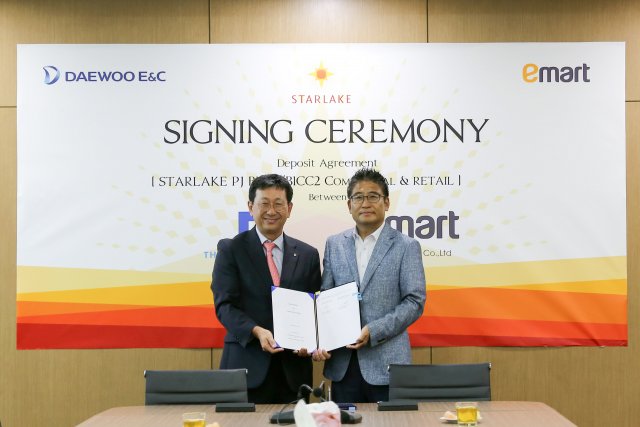
    South Korean retail group E-Mart is to build its first hypermarket in Hanoi’s StarLake urban area.

    According to StarLake, E-Mart and THT Development have signed an agreement to transfer two commercial land lots within StarLake Project, for an area of 1.86 million sqm in Hanoi’s Tay Ho (West Lake) district.

    In late 2015, E-Mart opened first location in Vietnam, on a 3ha site in Go Vap district, in Ho Chi Minh City, investing up to US$60 million.

    After exiting China, E-Mart plans to open 50 stores in Vietnam during the next five years.

    Another South Korean retail and entertainment group CJ has also deposited an agreement with THT for two land lots at StarLake Project.

    CJ plans to open CGV cinemas, a Tous les Jours bakery, and FMCG businesses there.

  • HCMC embraces coworking space concept

    HCMC embraces coworking space concept

    With the supply of traditional office space struggling to meet demand in HCMC, coworking spaces are becoming increasingly popular.

    Survey showed that a seat in a coworking space in Districts 1 and 3 costs $150-300 per month.

    On Nguyen Dinh Chieu Street in District 3 the cost is $150-200, while in De Tham Street, which is popular with foreigners, it goes up to $200-300.

    Rentals in Vietnam are lower than in most other cities in the Asia Pacific: they average over $400 a month in Shanghai, over $600 in Singapore and $1,500 in Hong Kong, according to real estate consultancy CBRE.

    Operators of coworking spaces said their customers are mostly freelancers, entrepreneurs and market researchers from other countries.

    They work for a short time in the city and only need a seat where they can work with their laptop, they said.

    Coworking spaces are especially popular with Japanese market researchers since they have a minimalist working style and usually travel alone, they revealed.

    As of April there were 23 coworking operators in Vietnam managing a total of 34 spaces, said CBRE.

    Growth has averaged 55 percent a year over the last five years, and the number of spaces is likely to reach 45 by the end of this year, it noted.

    Drawing attention

    The growth in Vietnam is attracting increasing attention from international firms.

    Real estate service firm Jones Lang LaSalle said last month that WeWork, the third largest startup in the U.S., plans to open a coworking space in HCMC later this year.

    It will be the largest in Vietnam at 5,000 square meters.

    WeWork acquired Chinese coworking space firm Naked Hub for $400 million last April, expanding its reach into the Asian market.

    The Hive, a Hong Kong-based operator, is planning to open a new facility by the end of this year in HCMC, according to CBRE.

    The company already has one office on Xuan Thuy Street in the city’s District 2.

    Major local operators like Toong, UP, Circo, and Dreamplex have all stepped up their rate of expansion, and the number of smaller operators with just one venue is also increasing.

    Nguyen Hong Hai, CEO of office rental service Pax Sky, said coworking spaces are now popular because the supply of office space in HCMC’s central districts is not meeting demand because of a rising wave of entrepreneurs coming there.

    He said that grade A office space in the city costs $50-60 per square meter plus tax a month, and grade B office space, $22-30.

    But occupancy rates of over 95 percent mean customers have to wait for a long time to find a good place, he said.

    There is still a lot of untapped potential in the coworking industry in HCMC because of its very vibrant entrepreneurship scene, he added.

    In Vietnam, 91 percent of people using coworking space are below 35 years of age, according to a CBRE study last year.

    This proportion is a lot higher than the global average of 67 percent and reflects the nation’s young demographics, creating robust demand, it said.

    Around 54 percent of coworking space users in Hanoi and Ho Chi Minh City are either founders or employees of start-ups, and approximately 14 percent are self-employed freelancers, it added.

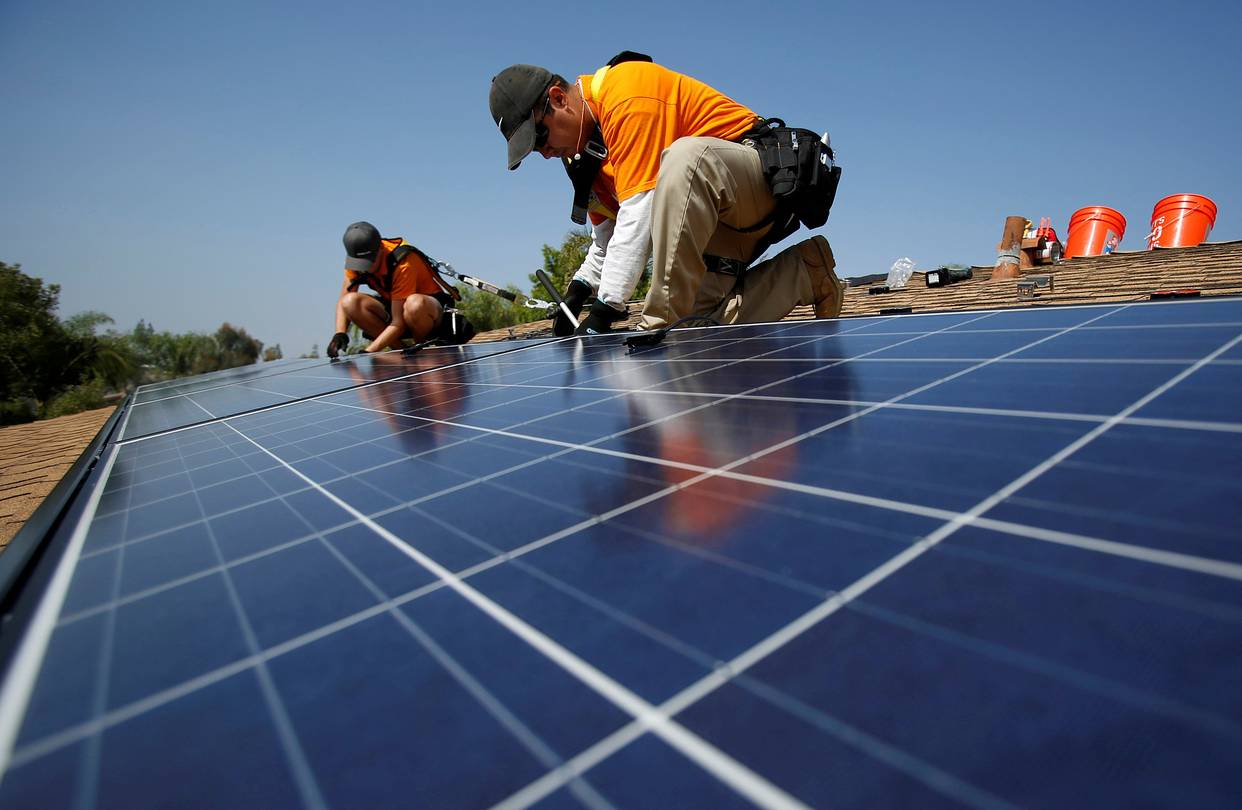
  • Companies offer Vietnamese households access to solar energy

    Companies offer Vietnamese households access to solar energy

    Bach Khoa solar energy has tied up with BIC Insurance to offer a five-year warranty for its products.

    It has also signed a deal with lender BIDV for providing loans to customers to buy its BigK solar energy solutions.

    SolarBK will subsidize the first year interest on loans for people borrowing to buy BigK solutions between September 20 and October 31 from BIDV Vung Tau-Con Dao.

    A BIDV spokesperson said, “This is the first time ever in Vietnam that a third party like BIC has come forward to guarantee the output and a bank has agreed to provide finance to a solar energy company.”

    With the government adopting policies to encourage the use of solar power, this market in Vietnam is growing rapidly. But public awareness of this field is quite low resulting in many new companies doing disorganized business and providing customers with poor quality products, discrediting the solar power industry and Vietnamese enterprises in particular.

    According to SolarBK, Vietnamese customers tend to prefer foreign brands when trying out a new product or service due to the belief they are superior to local products. Therefore, the company decided to bring in a third party to guarantee the quality.

    A SolarBK spokesperson said, “It not only helps enhance the Vietnam brand’s reputation, but is also a way to encourage other Vietnamese companies to invest in renewable energy, which remains a new field.”

    Nguyen Ngoc Quynh, chief business officer of SolarBK, said in the context that Circular 16 expires in less than a year the company has tried to find partners in insurance and banking for customer support.

    “The insurance is a chance for ‘Made in Vietnam’ solar energy products to prove their capacity and value are comparable with international products, SolarBK in this case.”

    The completion of its new factory, IREX (500 MWp capacity), helps SolarBK not only control the quality but also optimize costs, she said.Quynh also explained that the reasonable prices and good quality of her company’s products result from the fact that SolarBK has deployed initiatives in producing PV panels and technology.

    “IREX solar panels have a lifespan of 25-30 years and achieved international certification such as UL and TUV, which allows them to be exported to many countries.”

    Time for insurance, banking to join hands with solar

    BIC and BIDV are two of the first companies to join the solar energy market in Vietnam. At the signing ceremony Le Manh Hung, CEO of BIDV Vung Tau-Con Đao, said this is a new product pack that involves many techniques and long learning time, and it is an entirely new field that makes financial institutions extremely worried.

    “However, BIDV has shared with SolarBK the dream and aspiration of Vietnamese people in the field that we want to be pioneers. This is the reason for comprehensive warranty cooperation, and together we work to make the Vietnamese dream come true.”

    “To secure collaboration with BIDV and BIC within a short time, SolarBK had to prove its ability to develop projects. The partnerships reflect our commitments to product and service quality, showing the long-term vision, financial capacity and well-organized business developing plans in this field”.Tran Hoai An, CEO of BIC Insurance, said together with BIDV and SolarBK/SolarGATES his company would offer “Green Insurance for Clean Power Source” as a guarantee for SolarGATES’ customers.

    Within two months of introducing its BigK solar power solutions for households, the company has installed panels with a total capacity of nearly 180 kWp nation-wide.

    SolarBK’s goal is to bring solar power to millions of households in Vietnam and ensure people think of BigK whenever they talk about solar energy.

  • AEON sells stake in Vietnamese supermarket chain

    AEON sells stake in Vietnamese supermarket chain

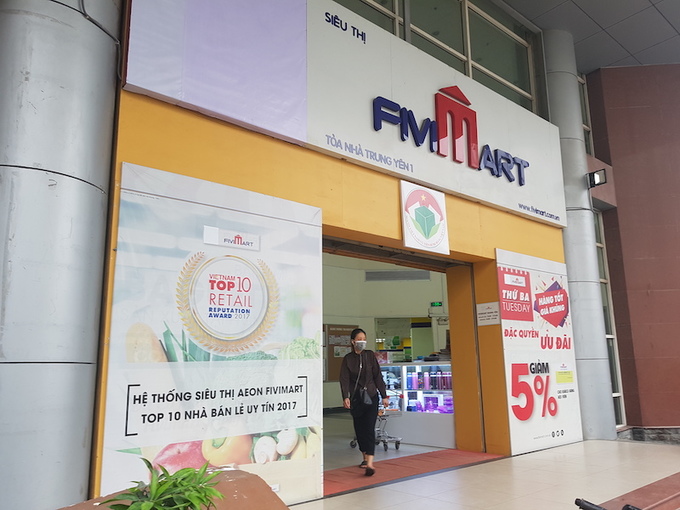
    Japanese retail company AEON has closed its cooperation with Vietnamese shopping market chain Fivimart, a source said.

    A senior AEON official, who asked not to be named, said that the company has sold its entire stake in Fivimart to a Vietnamese firm after three years of cooperation.

    The source did not reveal the value of the deal.

    Starting Friday, the AEON logo has been covered in many Fivimart supermarkets. The company’s official Facebook fanpage updated a new profile picture without the AEON logo and its website says “under upgrade and construction.”

    In 2015, AEON acquired a 30 percent stake in Fivimart from its owner Nhat Nam Joint Stock Company. Fivimart outlets have risen from 10 then to 23 now.

    The deal saw Fivimart’s revenue increase, by as much as 20 percent a year for some time.

    But the company has been reporting losses for the last three years, attributing it to high costs. It lost 60 billion ($2.58 million) in 2015, VND96 billion ($4.13 million) in 2016 and VND23 billion ($989,600) last year.

    At the end of last year, Fivimart reported an accumulated loss of almost VND200 billion ($8.6 million), with a debt of VND823 billion ($35.41 million) which is equivalent to the company’s total asset value.

    AEON joined the Vietnamese market in 2008. In 2011, its member, the Ministop convenience store chain, cooperated with Vietnamese coffee firm Trung Nguyen to launch G7-Ministop convenience stores.

    The deal didn’t work out, and Ministop closed the deal in 2015 and turned to partner with Japanese Sojitz, looking to open 800 stores in the next eight years.

    AEON also partners with local supermarket chain Citimart, which reported a loss of VND91 billion ($3.91 million) in 2015 and VND33 billion ($1.41 million) in 2016.

    Citimart’s accumulated loss by the end of 2016 was VND157 billion ($6.75 million).

    AEON has four shopping malls in Ho Chi Minh City, Hanoi and the southern province of Binh Duong.

    It is constructing another mall in Hanoi and one in the northern Hai Phong city, with a goal to have 20 malls in the country by 2020.

  • New US interest rate to exert pressure on Vietnam’s inflation goal

    New US interest rate to exert pressure on Vietnam’s inflation goal

    The recent increase in U.S. interest rate will generate pressure on the Vietnamese dong and make inflation target hard to meet, experts warn.

    The U.S. Federal Reserve lifted interest rates for the third time this year by a quarter of a percentage point to a range of 2.00 percent to 2.25 percent on Wednesday, foreseeing another rate hike in December.

    Economist Nguyen Tri Hieu said this increase will pressure the USD-VND exchange rate, as the dollar strengthens further over the dong.

    Local banks will push their interest rates up to prevent their customers from exchanging local currency to the U.S. dollar, he said.

    Imports will be priced higher in VND, pushing the consumer price index (CPI) higher, Hieu said.

    “It is very likely that CPI will surpass the country’s goal of 4 percent for the year,” he added.

    Echoing Hieu, HSBC country head of global markets Ngo Dang Khoa said that the U.S. interest rate moves will create challenges for Vietnam’s economy as the inflation rate is closely approaching the government’s limit.

    The weakened VND can also lower capital flow from foreign investors as they might not be confident in making further investments, Khoa said.

    It can also slow down the equitization (privatization) of state-owned enterprises as changes in the dong’s value will affect the stock market, he noted.

    “For local businesses, higher interest rates will increase capital expenditures, which will have a direct impact on their profit.”

    But Khoa said he believes there are also opportunities for Vietnam to increase exports to the U.S. as spending and demand for investment in the U.S. will rise with the new interest rate.

    Between January and September this year, Vietnam’s GDP grew by 6.98, the highest nine-month growth rate in eight years. Inflation for this period was 3.57 percent, according to the General Statistics Office.

  • David Beckham introduces first made-in-Vietnam cars

    David Beckham introduces first made-in-Vietnam cars

    Former Manchester United football star David Beckham introduced the first made-in-Vietnam cars in Paris on Tuesday.

    VinFast, a unit of Vietnam’s largest conglomerate Vingroup, invited Beckham to attend the opening of its new cars at the Paris Motor Show in France.

    Beckham is also known for his collection of rare, valuable cars including an Aston Martin V8 and a Porsche 911 Cabrio.

    His fame as a car connoisseur was a major factor in VinFast choosing to invite Beckham to appear on stage with its new cars, the seven-seater SUV and the four-Sedan, a source said.

    Beckham will also share his first-hand experience driving these cars, the source added.

    VinFast plans to up its to produce 250,000 cars annually in the next five years or so, equivalent to 92 percent of all the cars sold in Vietnam last year, according to Vietnam Automobile Manufacturers’ Association (VAMA) data.VinFast is set to become Vietnam’s first full-fledged domestic car manufacturer when its first models hit the streets next August.

  • Vietnamese firms should see Industry 4.0 as a business opportunity: VCCI

    Vietnamese firms should see Industry 4.0 as a business opportunity: VCCI

    The Vietnam Chamber of Commerce and Industry has high hopes that Industry 4.0 will open more doors and opportunities for Vietnamese companies.

    On September 29, the chamber (VCCI) partnered with Vietnam Solomon Technology Company Ltd., to hold a conference in Hanoi, to heighten awareness among local companies about the inevitable transformation to Industry 4.0.

    VCCI deputy chairman Hoang Quang Phong said that finding effective ways to run businesses should be an ongoing discussion for both business owners and regulators in Vietnam.

    He said the fourth industrial revolution will have strong impacts on many industries including manufacturing, automation, transportation, finance, education, healthcare and agriculture.

    Phong believes that artificial intelligence and other technologies will provide a platform for businesses to improve productivity, innovate new products and services, reduce raw material consumption and costs to meet consumer demands.

    New technologies for automation and artificial intelligence were introduced at the conference for businesses to gain an overview of an innovative, sustainable industry in the future.

    For instance, Vietnam, Solomon introduced AccuPick, a technology that can identify complex shapes of an object with high precision in a very short amount of time.

    Solomon also introduced the Delco Eco Farm, and other artificial intelligence based business ideas at the event.The company said AccuPick can be used in automotive, mechanics, food and other industries to boost productivity.