Tag: Vietnam

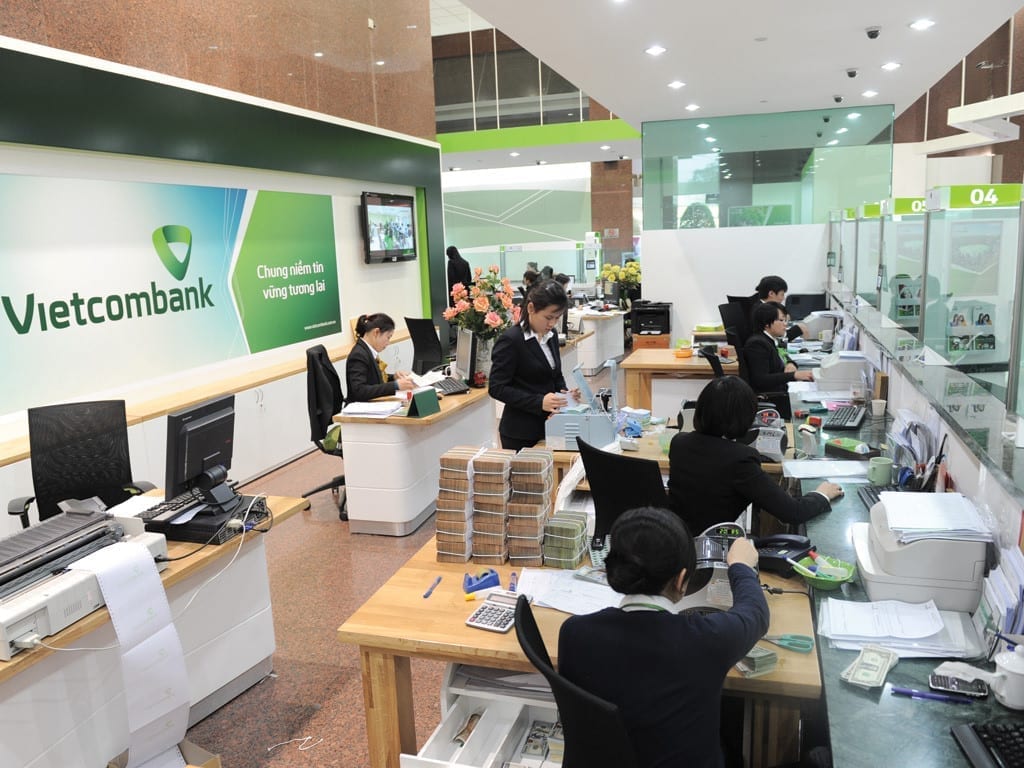
  • Vietcombank files for private issue of 360 million shares

    Vietcombank files for private issue of 360 million shares

    The commission (SSC) said the country’s third largest bank by assets proposes to make a private issue of 360 million shares, equivalent to 10 percent of its charter capital. The lender plans to sell nearly 54 million shares to its strategic partner, Japan’s Mizuho Bank, to ensure it retains its 15 percent stake post dilution. It will sell the remaining 306 million shares, or 7.73 percent of its charter capital, to other undisclosed investors. The bank has not disclosed the issue price either. Its shares closed at VND58,000 ($2.5) Friday on the HCMC market.

    The State Bank of Vietnam recently gave Vietcombank approval to increase its charter capital by 10 percent to VND39.58 trillion ($1.69 billion).

    The lender has also received approval from its shareholders to make the private placement. Vietcombank and other top lenders, including BIDV and Vietinbank, have been struggling to increase their capital to meet international capital adequacy norms.

    The second Basel Accords, or Basel II, prescribe minimum capital adequacy of 8 percent of risk-weighted assets for all financial institutions to cover operational risks. In 2016 Vietcombank signed a deal with Singapore sovereign wealth fund GIC Private Limited to sell a 7.73 percent stake. The deal has yet to be consummated, with the bank’s chairman, Nghiem Xuan Thanh, saying they have been unable to agree on a price.

    As a state-owned bank, Vietcombank’s issue of new shares must not be at a price lower than their current market price or a minimum value set by the government.

    However, the price offered by GIC did not meet this requirement.

    If the private issuance of VND3.6 trillion ($156.5 million) is successful, Vietcombank will have the highest chartered capital in the industry of nearly VND40 trillion ($1.74 billion).

  • Sendo partners with DHL eCommerce for domestic delivery in Vietnam

    Sendo partners with DHL eCommerce for domestic delivery in Vietnam

    DHL eCommerce, a division of the world’s leading logistics company, Deutsche Post DHL Group (DPDHL), announced its partnership with Sendo, Vietnam’s #1 local e-commerce platform. The successful integration between the two companies means sellers on Sendo will now be able to access DHL’s excellent domestic delivery network, and deliver to their buyers same-day or next-day in Ho Chi Minh, Hanoi and other primary markets.

    “Being a homegrown company allows Sendo to have deep understanding of the Vietnamese local market and culture. Sendo aims to support over 300,000 individual vendors, micro-entrepreneurs, and small businesses to initiatively sell their goods online and deliver them affordably throughout Vietnam. With our collaboration with DHL eCommerce, we will provide not only the sellers but also several million buyers on our platform with an international quality delivery experience in Vietnam.” said Mr. Tran Hai Linh, CEO, Sendo.

    To support small businesses, DHL eCommerce also offers market leading cash-on-delivery (COD) services with next-day remittance to sellers. With more than 300 DHL ServicePoints located conveniently across Vietnam accessible to Sendo, sellers can also choose to drop-off their parcels at these locations instead of waiting for a pick-up as well as enjoy discounts of up to 20%. Alternatively, sellers can also arrange for a pickup by DHL for direct door-to-door delivery service to their buyers.

    “Micro, small, and medium-sized enterprises continue to play a major role in Vietnam, accounting for 98 percent of all enterprises, 40 percent of GDP and 50 percent of employment.[1] However, they face unique challenges such as access to finance and international partners. DHL is passionate about supporting small businesses and we are excited to work with Sendo to support their sellers with an excellent, high quality domestic delivery network.” said Thomas Harris, Managing Director, DHL eCommerce Vietnam.

  • Vietnam footwear exports benefit from US-China trade dispute

    Vietnam footwear exports benefit from US-China trade dispute

    According to customs statistics, Vietnam’s footwear exports in the first nine months of this year were worth $11.74 billion, a 10.2 percent year-on-year increase. Its exports to China in the period have risen by 28.5 percent, to Japan by 14.7 percent, and to the U.S. by 13.5 percent. Vietnam is the second biggest exporter of footwear to the U.S. behind China, shipping 404 million pairs of shoes last year.

    The upward trend is likely to continue, too, as rising wages in China increase the cost of goods produced there and the country is thus directing more of its manufacturing resources toward higher-priced goods like electronics.

    Adidas CEO Kasper Rorsted told last May that his company is shifting sourcing of footwear from China to Vietnam.

    Vietnam has in fact overtaken China as its top supplier, with Vietnamese factories producing 44 percent of its shoes by volume last year and Chinese manufacturers supplying 19 percent, according to Adidas.

    This would help shield the company from potential tariffs or supply chain disruptions if President Donald Trump’s trade war with China continues to escalate, a fact its competitors also seem to be taking notice of.

    Vietnam may see export orders surging as footwear importers shun China to avoid high U.S. tariffs and choose the Southeast Asian nation instead, local media quoted Diep Thanh Kiet, vice chairman of the Vietnam Leather, Footwear and Handbag Association (Lefaso), as saying.

    “Vietnam’s leather and footwear export can reach $19.5 billion or slightly higher this year depending on the situation,” he said. Vietnam’s footwear exports were worth $14.65 billion last year.

  • Go-Jek launches fuel delivery service

    Go-Jek launches fuel delivery service

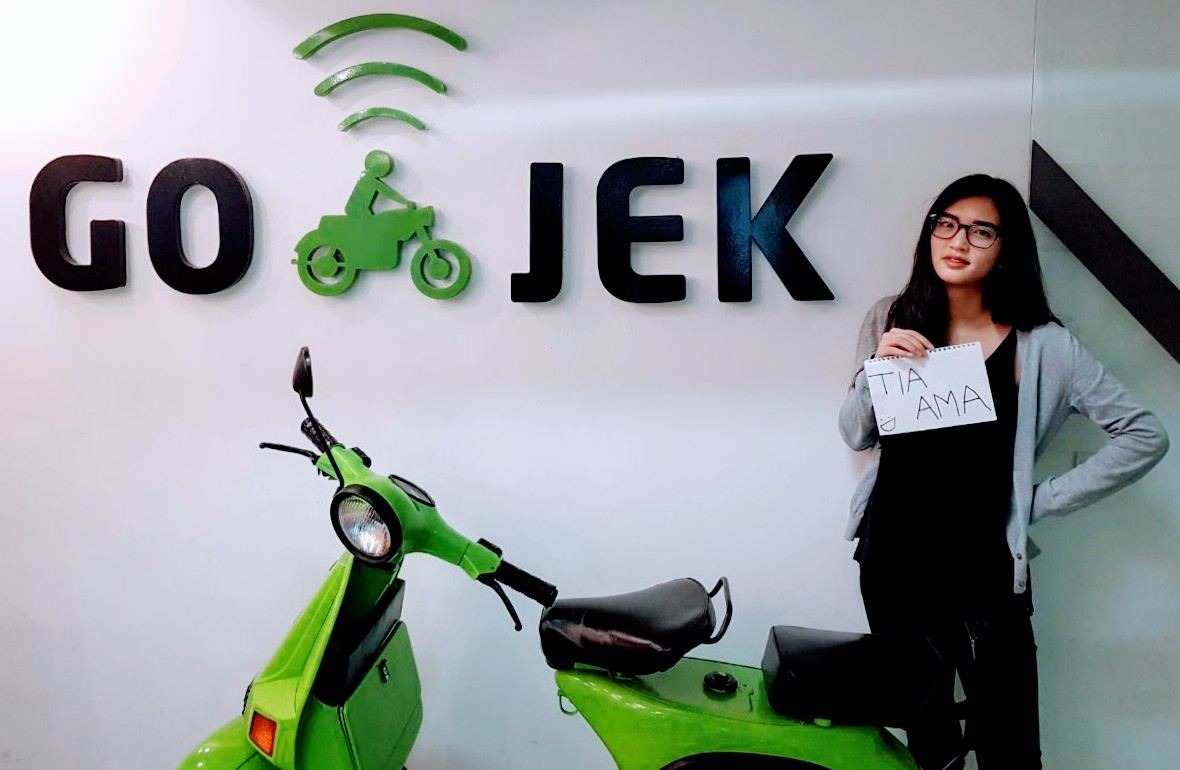
    Go-Jek, in partnership with Indonesia’s oil major Pertamina, has launched an on-demand fuel-delivery service. Called Go-Pertamina, it brings fuel to users from the nearest Pertamina gas station. The service is available in South and Central Jakarta from 8 a.m. to 8 p.m. daily. It does not serve orders on toll roads, basements, or other enclosed areas. Given that Go-Jek has a large network of drivers who need to top up their fuel regularly, they could become some of Go-Pertamina’s biggest users.

    Go-Pertamina is part of the Indonesian ride-hailer’s Go-Life app, which offers on-demand massages, cleaning, haircare, and more. Go-Jek also recently launched a daily deals marketplace.

    Go-Jek has been expanding regionally. It has launched in Thailand and Vietnam and is set to launch in Singapore within a month. Its expansion into the Philippines, however, has hit a regulatory snag.

    It has raised about US$2.1 billion from investors, even as Grab has claimed to have outpaced Go-Jek in Indonesia’s ride-hailing market.

  • President and CEO of Vietjet honored with ASEAN Entrepreneurs Award 2018

    President and CEO of Vietjet honored with ASEAN Entrepreneurs Award 2018

    President and CEO of Vietjet, Nguyen Thi Phuong Thao was recently honoured as one of two winners of the ASEAN Entrepreneurs Award 2018 for her significant contributions in bolstering the economic trade exchange between South Korea and ASEAN at the 19th World Knowledge Forum held in Seoul, South Korea.

    The awards ceremony was co-organized by the ASEAN – Korea Center and Maekyung Media Group, one of the most influential media groups in Korea.

    Speaking at the ceremony, Mr. Lee Hyuk, Secretary General of the ASEAN – Korea Center said, “We are very delighted that President and CEO of Vietjet, Nguyen Thi Phuong Thao was selected as one of two winners of the ASEAN Entrepreneurs Award 2018. This is an acknowledgement of Vietjet’s high-quality operation, its creative services and meaningful contributions during the past few years. I firmly believe that the award will serve as a springboard for Vietjet to promote its business and to expand its presence in Korea as well as make greater contribution to the economic and trade cooperation between ASEAN and Korea.”

    On delivering the Vietjet story at the Forum, Vietjet Vice President Nguyen Thi Thuy Binh said, “Vietjet commenced its debut flight connecting Vietnam and South Korea in 2013, and since then, it has been our great pride to have positively contributed to the development of travel and trade exchange between the two countries. As of 2017, the passenger turnover to and from both countries reached over five million passengers, a triple increase compared to that of 2013. The number of airlines commencing routes in the Vietnam to South Korea network increased from three in 2013 to ten in 2017. There were around 750 flights per week, eight times higher than that of 2013. Vietjet itself carried more than two million passengers, many of whom were first–time air travellers. Realising people’s flying dreams has certainly been our greatest pleasure.”

    Established in 2000, the World Knowledge Forum gathers over 200 political heads, business leaders and prominent public figures to discuss pressing global issues and seek ways to promote a balanced prosperity of the global economy.

    This year, the forum had the pleasure of hearing from world renowned speakers which included the likes of Janet Yellen, Chair of the Board of Governors of the Federal Reserve System (2014-2018); Kersti Kaljulaid, President of Estonia; Wang Zhenghua, President of Spring Airlines; and many other outstanding speakers.

  • Vietjet Inks Financing Agreements for Fleet Expansion  Worth US$1.2billion

    Vietjet Inks Financing Agreements for Fleet Expansion Worth US$1.2billion

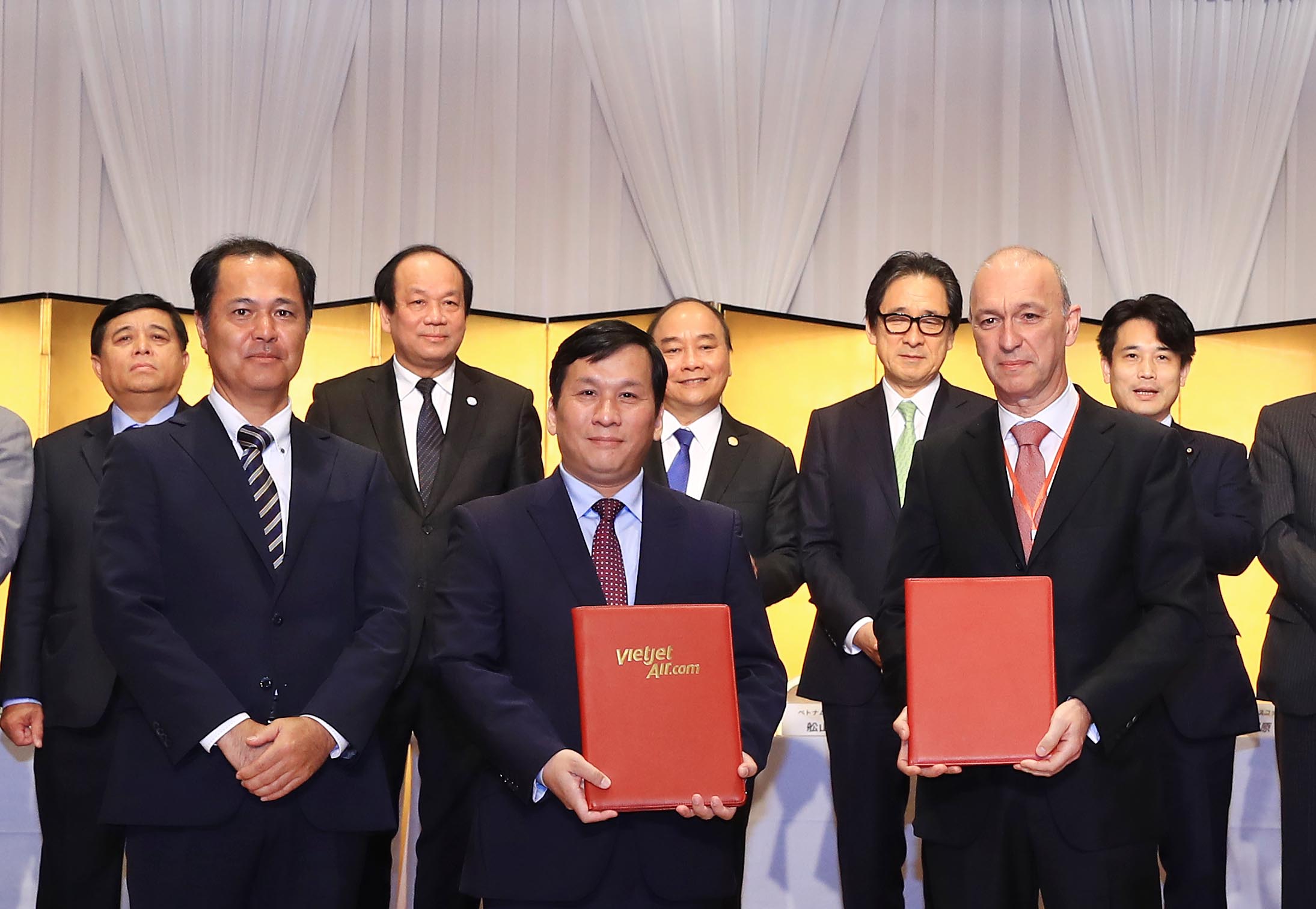
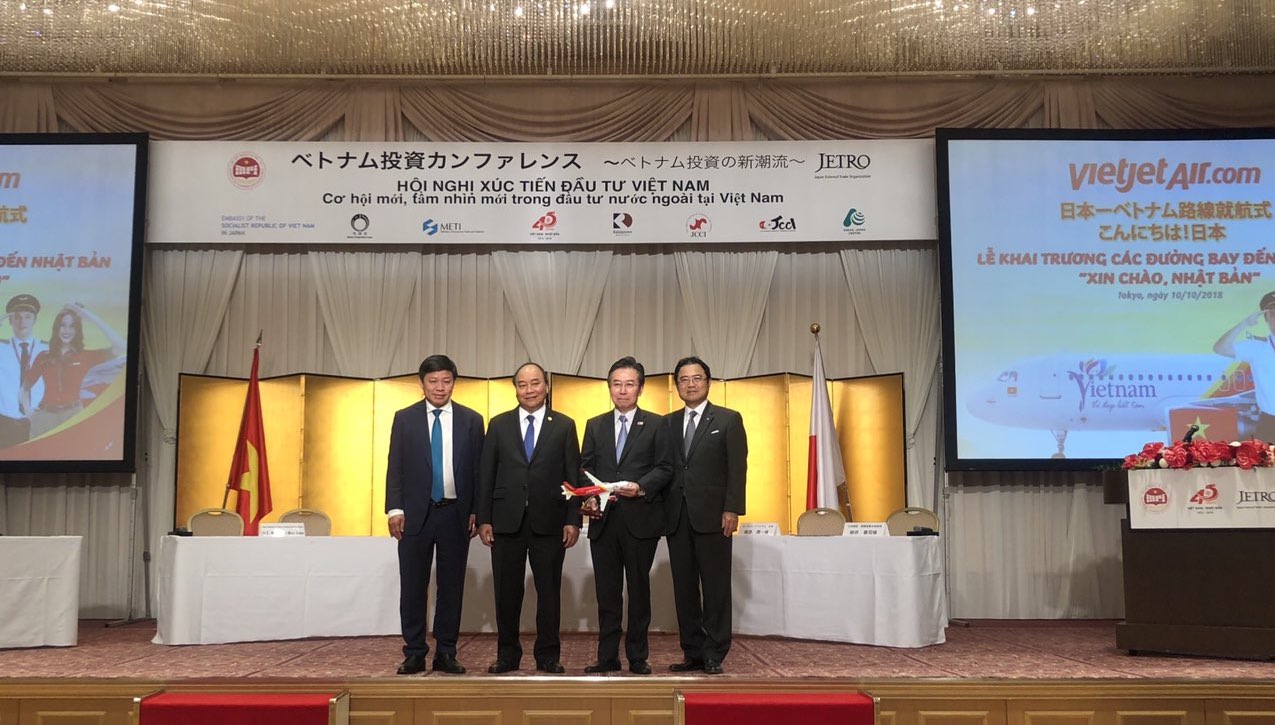
    Vietjet signed and exchanged an aircraft financing agreement with Mitsubishi UFJ Lease & Finance Company Limited (MUL) – a member of Japan’s leading finance group Mitsubishi UFJ Financial Group (MUFG), and France-based banking group BNP Paribas. The signing ceremony was witnessed by Vietnam Prime Minister Nguyen Xuan Phuc and several high-ranking Japanese and Vietnamese dignitaries. The agreement paves the way for MUL and BNP Paribas to finance Vietjet’s acquisition of up to five brand new aircraft, worth US$614 million, according to the manufacturer’s listed price.

    Additionally, Vietjet also signed a Memorandum of Understanding valued at US$625 million according to the manufacturer’s listed price with France-based banking group Natixis and some Japanese equity underwriters to facilitate the financing for five additional aircraft.

    These deals were made under a financing plan for Vietjet’s future ownership of the aircraft.

    The acquisition of these aircraft is part of a new-and-modern aircraft contract signed earlier between Vietjet and Airbus, including A321neo aircraft, which incorporates the latest in engine design, advanced aerodynamics and cabin innovations. According to the aircraft manufacturer, A321neo engines offer a significant reduction in fuel consumption — at least 16 percent from day one and 20 percent by 2020 — as well 75% reduction in noise and 50% in emissions.

    All aircraft financed will be delivered to Vietjet in the last quarter of 2018 or early 2019.

    Speaking at the signing ceremony, Vietjet’s Vice President Dinh Viet Phuong said, “The critical financing agreements signed once again confirms the confidence of leading Japanese financiers in Vietjet as the airline prepares to launch new routes to Japan soon. Also, these deals will greatly contribute to Vietjet’s plan for fleet expansion and network growth in the coming time, thus helping to better connect Japan and Vietnam. We are proud to have leading and renowned financing partners accompany us on the airline’s growth path. Together we are all fully committed to bring greater added values to the community.”

    Under the terms of the agreement, Vietjet and all financing partners will also work together to share best practices for the operation and management of the airline, boosting effectiveness and encouraging sustainable growth.

    Vietjet currently operates the latest generation narrow body aircraft fleet, which has helped the airline achieve an impressive operation performance rating of 99.66% for technical reliability.

    The airline’s flight safety performance and ground operation indicators are also amongst the top in the region while operating costs are among the lowest in the world.

    Vietjet was recently listed by Airfinance Journal as one of the world’s 50 best airlines for healthy financing and operations, achieving a better ranking than many of the world’s most prestigious airlines.

  • Vietjet Sends Aid to Earthquake and Tsunami Victims in Indonesia

    Vietjet Sends Aid to Earthquake and Tsunami Victims in Indonesia

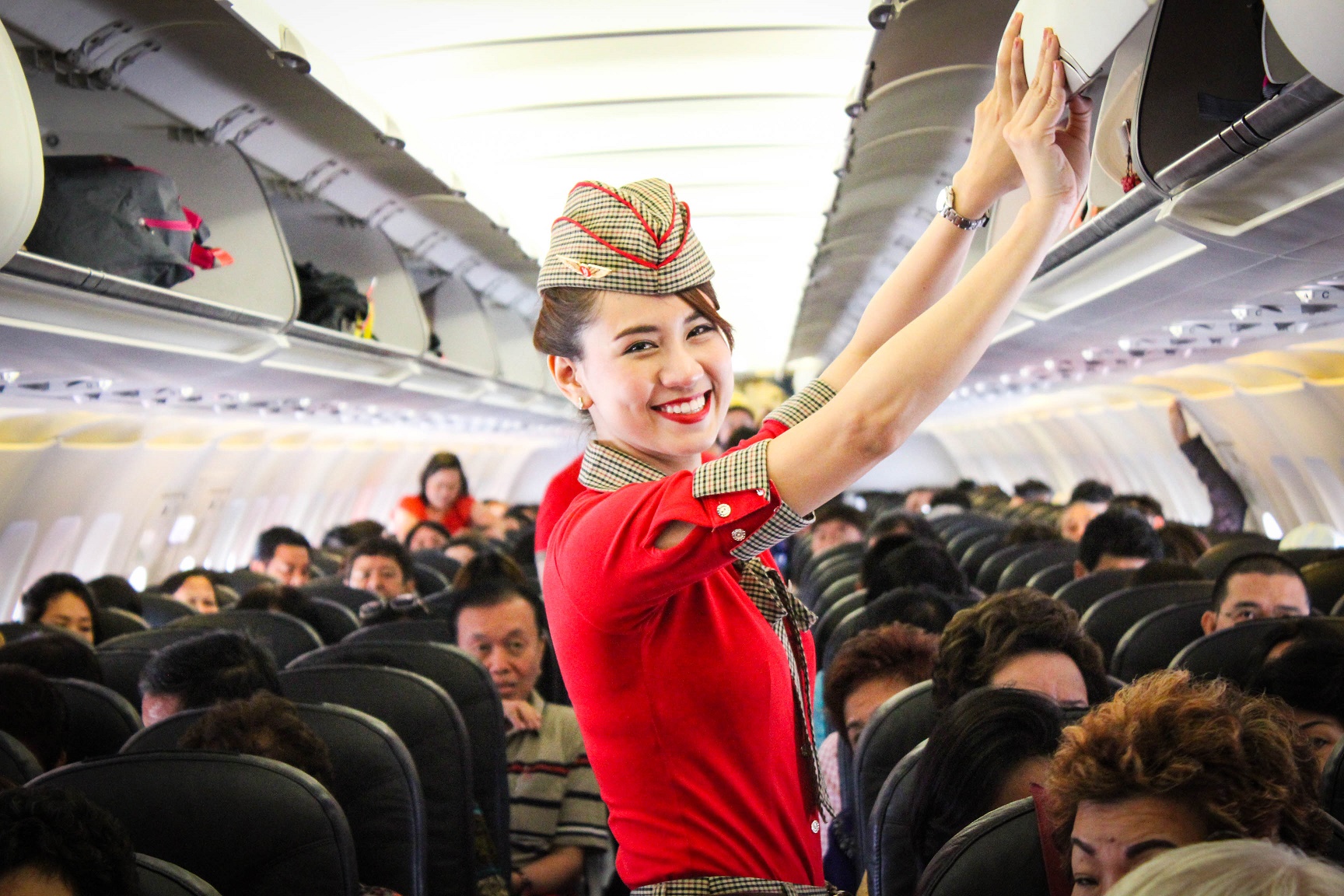
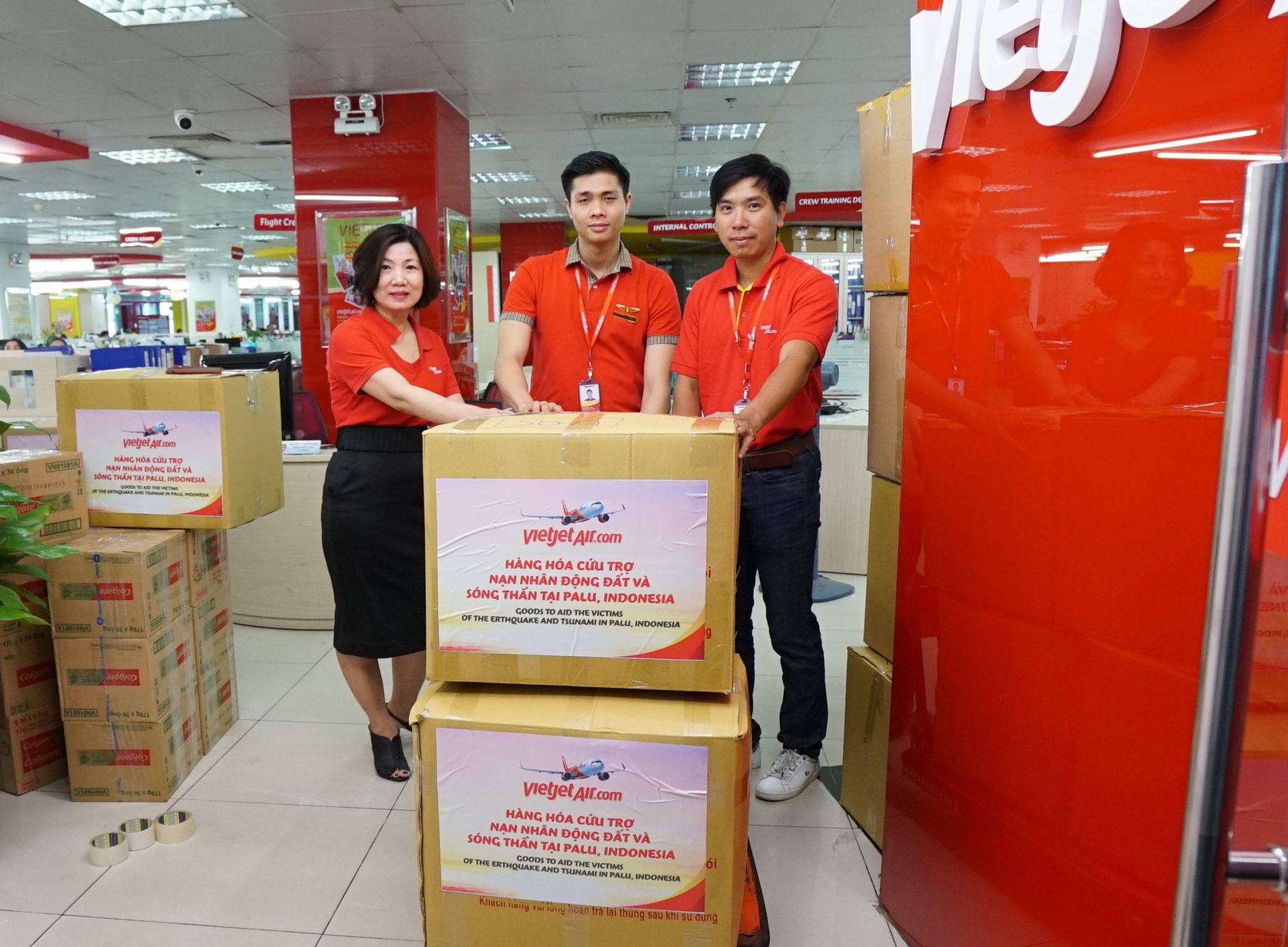
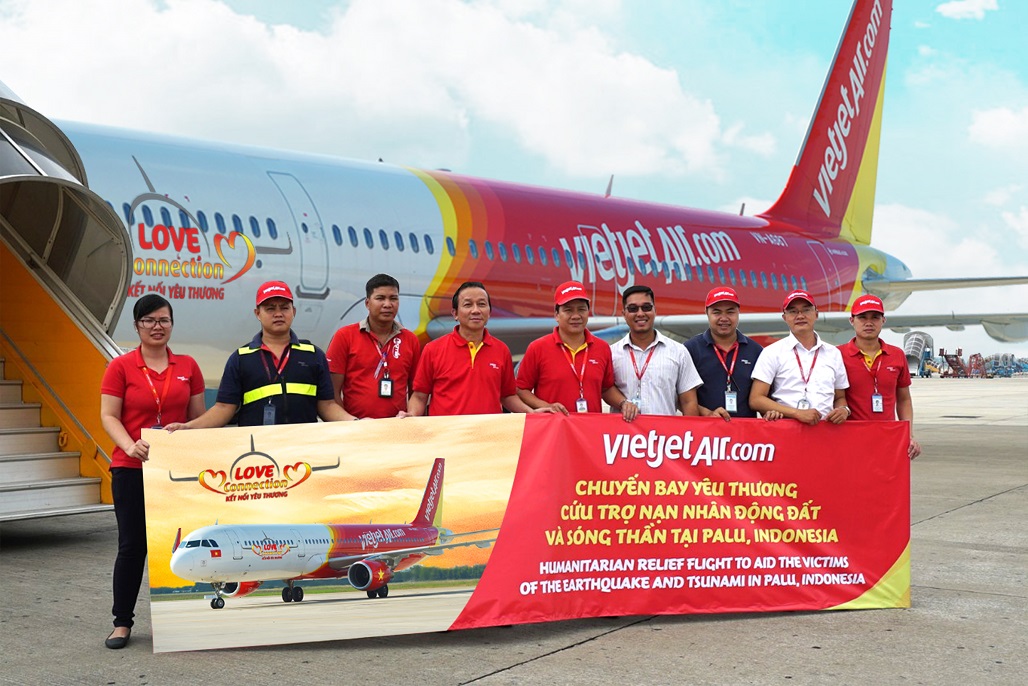
    In response to the devastating events that hit Indonesia recently, Vietjet kicked into action to provide aid relief for the earthquake and tsunami affected victims. A special flight VJ2611 themed “Love connection” landed in Jakarta (Indonesia) yesterday carrying nearly 7 tons of relief aid which included canned foods, blankets and basic necessities.

    The flight not only transported Vietjet’s relief cargo, but also symbolised the love and empathy of Vietnamese people towards those affected by the recent events.

    This was an emergency response initiative conducted by Vietjet within the span of three days, in which the airline’s leaders and employees sought to quickly organise the flight, handle technical preparations, complete the flight permit, as well as launch a voluntary donation campaign throughout the airline to make the flight possible.

    On the evening of 28 September, a 7.5 magnitude earthquake hit off the coast of Sulawesi, triggering dozens of aftershocks and a tsunami that devastated the coastal areas of Palu and Donggala. Authorities estimated at least 1,300 people were killed and the death toll is expected to rise. Around 16,700 people have been displaced and 2.4 million people are in need of humanitarian aid.

    In 2013, Vietjet operated two flights which transported relief cargo as well as brought Vietnamese victims home safely after super typhoon Haiyan destroyed many cities in the Philippines. The airline also organized many relief flights to Vietnam’s central region after the floods, and initiated a “Spread the Love” campaign offering free flights to bring underprivileged people home to celebrate the Lunar New Year holidays.

    Volunteering and charity work has become a part of Vietjet’s DNA and corporate culture as the airline continues to share the love and support disaster-hit victims and underprivileged people.

  • Crown celebrates 40 years of its operational anniversary

    Crown celebrates 40 years of its operational anniversary

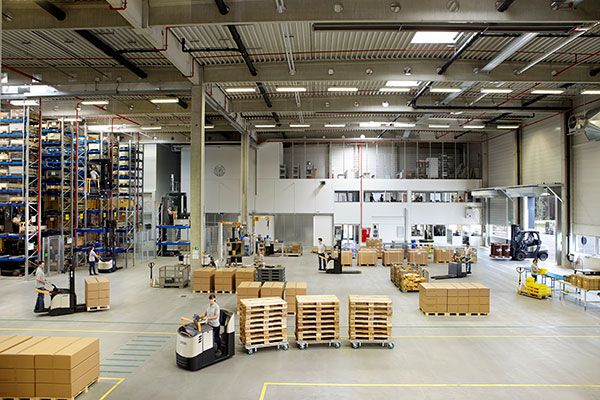
    Crown Equipment Corporation, one of the world’s largest material handling companies, is celebrating 40 years as a leading provider in the Asian market. With the region rapidly rising to become a manufacturing and logistics powerhouse, Crown is helping its customers manage market demands and meet industry challenges through its flexible product range and innovative, customised solutions.

    Pallet management is one of the major issues for emerging distribution companies and small to medium-sized enterprises lacking the knowledge to deal with the challenge. Within Asia, the two most popular pallet sizes are the square 1,100mm x 1,100mm pallet and the 1,200mm x 1,000mm pallet. The U.S., Europe, and Australia, however, use different International Organization for Standardization (ISO) approved pallet sizes, and these diverse pallet types can create challenging problems if not handled correctly.

    Crown’s global approach to research, design, engineering and manufacturing means that it produces a range of lift trucks that offer the best fit to the pallets relevant to the warehouse facilities in multiple regions globally. While the company builds a range of lift trucks to cover all aspects of material handling work, from the dock to the top space of a high bay rack, Crown also customises its standard designs to help solve specific problems, such as modifying the width and position of the legs so that it would work effectively according to the required pallet size.

    With a focus on providing end-to-end material handling solutions, Crown can also identify other areas of the warehouse that can add efficiency when dealing with a range of pallet sizes. Crown consultation includes a detailed review of customers’ operations to help decide the most appropriate material handling equipment and provide inputs to improve productivity, such as enhancing warehouse design and safety culture.

    “When you work with Crown, you are working with people in possession of great product knowledge and a thorough understanding of warehouse supply chain requirements. Knowledge is a major factor that separates Crown from the competition in the Asia Pacific region and the ability to provide customers with an end to end total material handling solution partnership,” said Steven Hill, the Managing Director of Crown Equipment for Southeast Asia.

    Crown set up operations in Southeast Asia in 1978 with the Southeast Asia regional headquarters now located in Singapore. The Asia Pacific region is serviced through an extensive retail branch network, which includes locations across Australia, New Zealand, Singapore, Thailand, South Korea, the Philippines, Indonesia, Malaysia, Vietnam, Taiwan and China.

    Crown has recently launched in a number of new locations with branches in the growth hubs of Johor, Malaysia; Rayong, Thailand; Clark, the Philippines; Incheon, South Korea; and Ho Chi Minh City in Vietnam.

  • Vietnam’s FastGo app looks to speed across borders

    Vietnam’s FastGo app looks to speed across borders

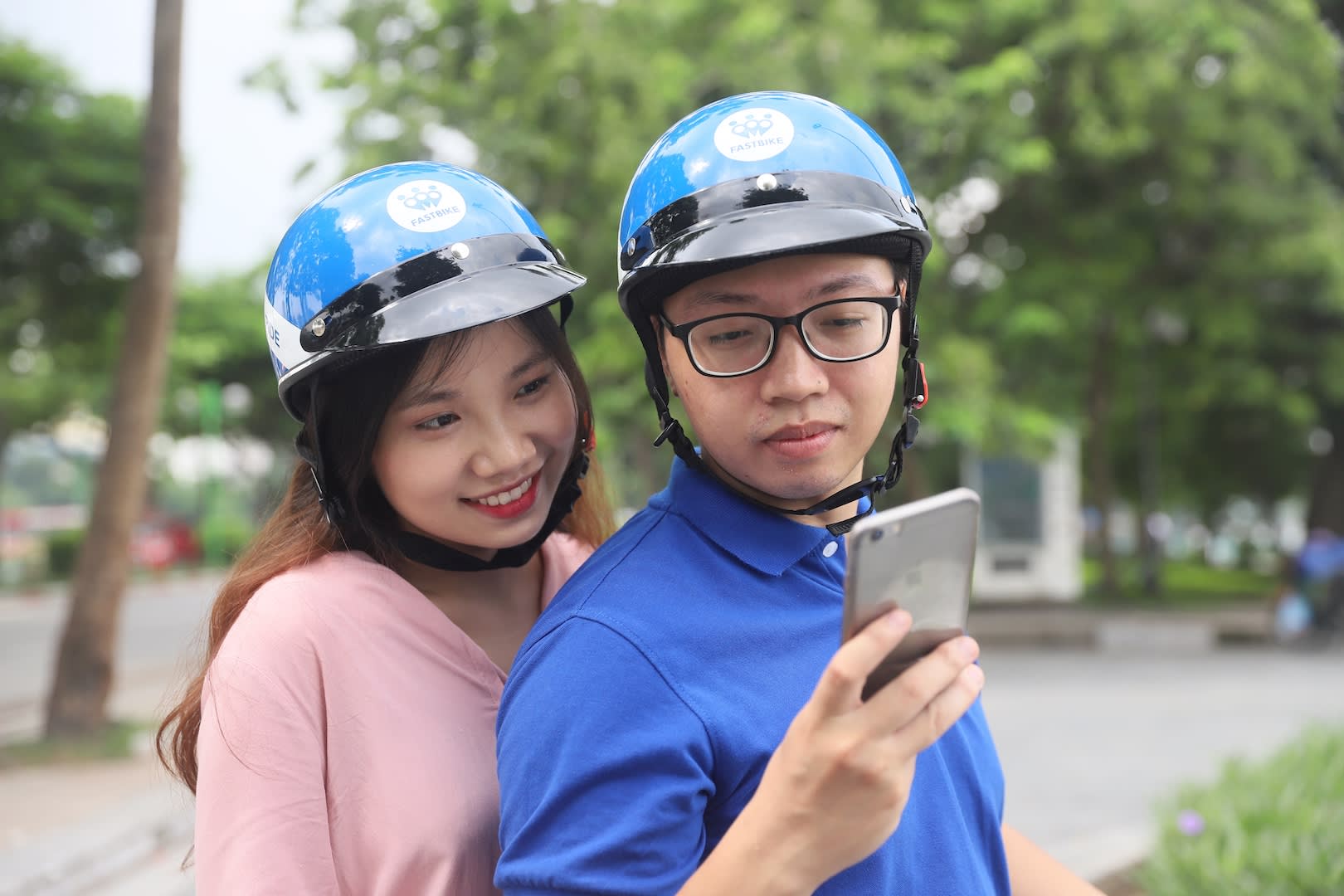
    FastGo CEO Nguyen Huu Tuat told on Friday that the app will have its own payment system and will “personalize” promotion deals that will match customers’ interests.

    “Our goal is to reach 30 percent of the market share after six months in these two countries,” he said.

    Explaining the choice of these two countries for the company’s first overseas expansion, Tuat said he wanted to start with the easiest neighboring countries to tap.

    “After looking at their national policies as well as the market’s current competitiveness, we believe that Indonesia and Myanmar would be the perfect destinations,” he said.

    “We also have strategic partners, networks and business strategies for us to be successful in these countries.”

    The company is in the process of hiring staff and renting facilities.

    After launching in Hanoi on June 12, the app is now available in Da Nang and Saigon.

    FastGo last month said it has 15,000 taxi and motorbike partner drivers in Hanoi and Ho Chi Minh City, but they are still not a common sight on the streets, unlike the ubiquitous red and green uniforms of Go-Viet and Grab drivers.

    Tuat said he wants FastGo to become one of Southeast Asia’s top 3 ride-hailing apps in the future.

    The company hopes to make its service available in 20 cities in Vietnam and five other Southeast Asian markets, including the Philippines, Cambodia and Thailand, by the end of next year.

  • Hanoi preparation plan for SEA Games 2021

    Hanoi preparation plan for SEA Games 2021

    Hanoi plans to upgrade the Hang Day stadium into an international sports complex for the SEA Games 2021.

    Capital city authorities have outlined this plan in a recent report to Prime Minister Nguyen Xuan Phuc, saying the upgrade is required because the condition of Hang Day stadium on Trinh Hoai Duc Street has severely deteriorated in recent years.

    The new complex would cost over VND6.3 trillion ($270.4 million), with funds raised from investors who operate the stadium for 50 years, the report said.

    The sports complex will be built on an area of 32,000 square meters, expanding the current area of 22,000 square meters.

    A deal for the upgrade was signed in March by domestic private firm T&T Group which manages the stadium, and French firm Bouygues Construction.

    The headquarters of the city’s Department of Planning and Investment nearby will be moved to another location to make space for the new complex.

    It will be the second international sports complex in Hanoi, after the My Dinh stadium in Nam Tu Liem District.The new stadium will have a capacity of 20,000 people, with several additional facilities including cinemas, event centers, parking basements and convenience stores.

    The Hang Day stadium is a multi-purpose facility which was first established for Hanoi’s École d’Education Physique (Hanoi’s School of Physical Education) in 1934. It was later expanded in 1958.

    In 2017, it was placed under the management of T&T Group, a corporation involved in finance, real estate and agriculture sectors.

    Hanoi will host the 31st edition of the Southeast Asian Games (SEA Games), which is scheduled to last 17 days, as well as the Para Games, for 11 days, from October to December in 2021.

    A total of 16,000 people are estimated to participate in the event, 11,000 of them athletes.

    This is the second time that Vietnam will be hosting the SEA Games after the first instance in 2003.

  • Men more into beauty products online than women in Vietnam

    Men more into beauty products online than women in Vietnam

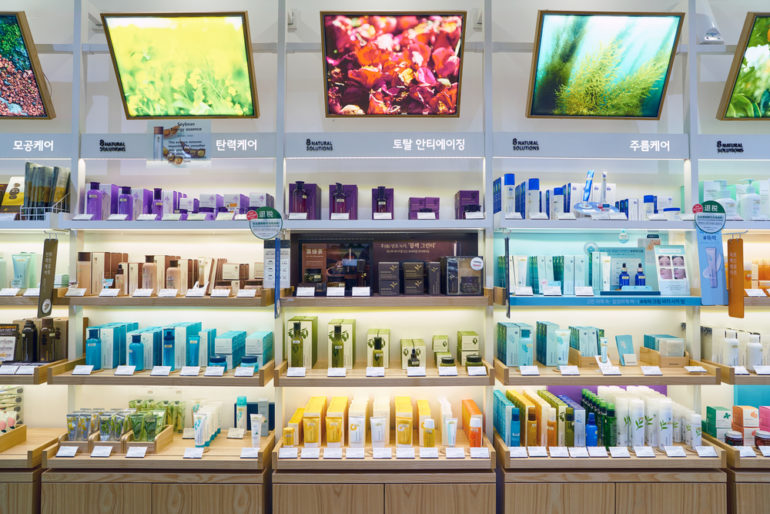
    The survey, conducted by Ho Chi Minh City-based market research firm DecisionLab, found that in the preceding three months, 58 percent of the male respondents said they had purchased beauty products online, compared to 49 percent of women.

    The survey polled more than 1,900 people.

    More men also bought clothing, footwear, cooking ingredients, mobile phones, home appliances and long distance travel packages online last year.

    The research also found variation across categories depending on where the pre-shopping research was conducted.

    Online research was mostly done for big ticket items like mobile phones, home appliances, hotel stays, cinema tickets, travel, insurance and beauty products.

    For non-durables like food and beverages, people chose to shop offline.

    In the use of mobile devices to shop online, Facebook was the most popular gateway in Vietnam, especially for clothes and beauty products, the survey found.

    The World Bank has forecast that Vietnam’s $200-billion economy is likely to grow to a trillion dollars by 2035.

    More than half of its population, compared to only 11 percent today, is expected to join the ranks of the global middle class with consumption of $15 a day or more.

    Across the country, the ratio of people using smartphones among mobile phone subscribers reached 84 percent in 2017, up from 78 percent the previous year, according to the 2017 Nielsen Vietnam Smartphone Insights Report.

    Online sales in Vietnam have expanded rapidly in recent years, currently accounting for 3.39 percent of the country’s retail market. The total retail market grew 10.9 percent last year to $173.27 billion, local media reports said.

  • Airbnb looms as major threat to HCMC hotels

    Airbnb looms as major threat to HCMC hotels

    Hotel and serviced apartment tariffs outside the city center are leveling off and on the brink of declining as a result of competition from apartments leased on Airbnb and others.

    CBRE’s senior director, Duong Thuy Dung, said since 2016 a total of nearly 100,000 apartments have been built and sold in Saigon, and a large proportion of them are on Airbnb.

    So far this year only 43 new properties have hit the HCMC serviced apartment market. This low number was because investors had to consider reducing supply to avoid the competition from short-term lease apartments, Dung explained.

    Nevertheless, grade A serviced apartments in the downtown area saw high occupancy rates thanks to their superior location and inherent differences in brand and utility, she said.

    But grade B and C serviced apartments are under pressure, as are hotels.

    CBRE study, released in September, showed demand for three-star hotels have been gradually falling because of growth of Airbnb in both HCMC and Hanoi.

    Airbnb, launched in 2008, has over five million registered rental properties in 191 countries, while the 10 largest hotel chains in the world only have 6.1 million rooms.

    As of August this year Hanoi and HCMC had 21,994 properties on Airbnb. The average rental is around $36 per room per night in Hanoi and $44 in HCMC, making them very competitive.

    CBRE concluded that with their rapid expansion in the Vietnamese market, short-term room rental services are now a direct competitor to three-star hotels due to the similarity in their prices.

  • Vietnam’s U18 liquor sales ban impractical

    Vietnam’s U18 liquor sales ban impractical

    They are also saying that an emphasis on education and raising awareness will have greater impact in dealing with the problem of liquor abuse.

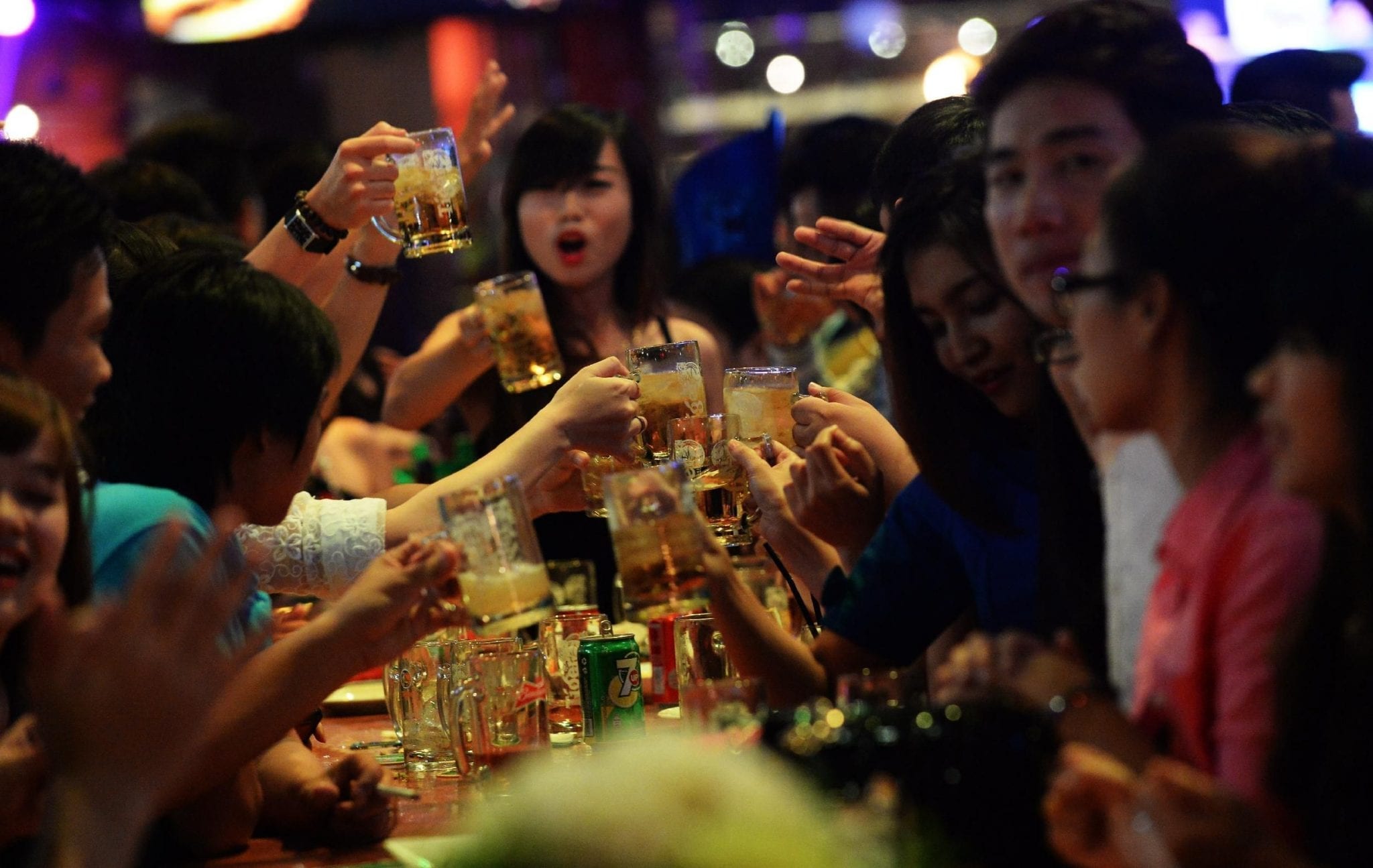
    A draft bill on the prevention of dangers of alcohol being compiled by the Ministry of Health proposes a number of prohibitions, including: promotion in any manner of liquor with alcohol content of 15 degrees or above; usage of positive phrases like “medicinal alcohol”, “nutritious alcohol” on product labels; advertising of alcohol during television prime time (6-9 p.m.); sale of alcohol to persons under 18; and sale of alcohol on the internet.

    Kieu Anh Vu of law firm KAV Lawyers said it was very necessary to bring legal measures against the dangers of alcohol, because the harm it was causing was indisputable.

    Vu said he supported the draft bill’s ban on alcohol consumption by government officials, civil servants, and employees during working hours or between shifts during the working day; by operators of motorized vehicles; and by people under 18.

    “These regulations are appropriate to ensure social order, safety and health of the community,” he said.

    However, Vu was concerned about how age checks would be carried out. “Will vendors have the right to check people’s age by looking at their identity cards, or just by asking questions?”

    Psychologist Nguyen An Chat, on the same page as Vu, also questioned how alcohol sellers could correctly verify the age of each individual.

    “Some 15 year olds look very mature while some 20 year olds can look underage. Would everyone wishing to purchase alcohol have to produce identity documents?” he wondered.

    An online right?

    Lawyer Vu Tien Vinh, director of Bao An Law Firm, said: “Buying alcohol over the Internet is more convenient than going to shops or supermarkets. If online sale is prohibited, people can and will continue to buy alcohol through traditional channels.

    Vinh said that in reality, it was too easy for buyers to obtain alcohol via traditional channels such as supermarkets and other dealers. When consumers can buy alcohol anytime, anywhere, the ban on online sales will not have much of an impact on its consumption, he said.

    “Detecting online transactions on the sale of alcohol to punish with fines is very difficult. It will not be hard for consumers to get around this regulation,” Vinh added.

    Sociologist Trinh Hoa Binh concurred, saying identification of illegal alcohol sales online was very hard to do.

    “Internet sales are the current trend. Will the prohibition of selling alcohol online go against this?” asked psychologist researcher Nguyen An Chat.

    Given the implementation difficulties, Binh proposed that instead of prohibitive regulations, authorities should instead start with education, build a set of cultural values for the modern Vietnamese society that discourages alcohol abuse.

    Chat supported this. He said education should begin at home and continue in schools so that each person was aware of the danger of drinking, so that people would exercise restraint and control their consumption.

    Psychologist Khuat Thu Hong said many countries have faced difficulties in implementing regulations prohibiting or restricting the sale/use of alcohol, but over time, strict compliance has become the norm.

    “In Vietnam, for these regulations to be implemented well, close monitoring and regular communication on the harms of alcohol will be essential for the people to understand and co-operate,” said Hong.

    In Vietnam, about 800 deaths per year are related to the use of alcohol, including beer. Almost 30 percent of social order disruption cases are also related to alcohol consumption.

    In 2017, Vietnamese people spent close to $4 billion on alcohol. The cost of dealing with alcohol-related traffic accidents was  estimated at about one percent of the GDP the same year.

    The alcohol industry contributes about VND50 trillion ($2.17 billion) to the state budget a year and provides about 220,000 jobs directly or indirectly.

  • Experts blame high licensing fees for piracy in Vietnam

    Experts blame high licensing fees for piracy in Vietnam

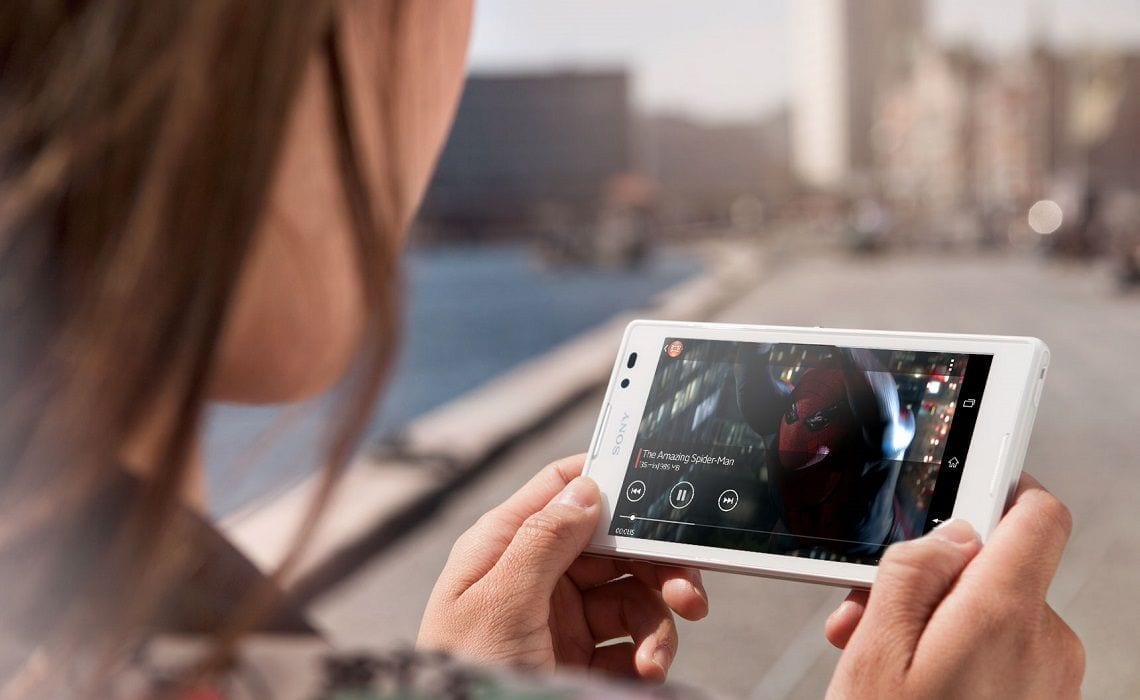
    Speaking at a conference held in Hanoi on Wednesday, Lee Dogoo, head of business at South Korean firm SBS Contents Hub, said while infringements occur in all countries, they are rife in Vietnam because of high licensing fees.

    As these fees continue to go up, the pirate broadcast market also continues to grow, he said.

    Vu Thi Huong Lan, head of the Hanoi Law University’s international law faculty, voiced agreement saying high fees charged by copyright holders are deterring viewers from watching licit content.

    Referring to the recent Asian Games (Asiad), she said the owner of the event’s broadcasting rights had demanded such a huge price for broadcasting rights in Vietnam that no Vietnamese broadcaster was able to afford it.

    This in turn forced Vietnamese fans to seek out previously unknown pirate sites that illegally broadcast the event live, she said.

    “While I do not support this, I believe the copyright holders clearly should reconsider [the price].”

    Nguyen Quang Dong of the Institute for Policy Research and Communication Development said the rising trend of watching sports on the Internet in Vietnam contributes to the increase in copyright infringements.

    According to data released by Global Web Index, the percentage of people watching sports on the Internet globally was 15 percent in 2016 and 19 percent now. But in Vietnam it was 27 percent in 2016 and 32 percent now.

    Citing data about the five largest illegal sports broadcasting websites, Dong said they only had 11.1 million views last March but this number jumped to 25.4 million in June during the 2018 FIFA World Cup.

    This trend also explains why Facebook recently acquired the rights to broadcast the English Premier League in several Asian countries including Vietnam, he pointed out.

    Nguyen Thanh Van, head of Vietnam Television’s (VTV) Intellectual Property Unit, said the national broadcaster is also suffering badly from copyright infringements.

    Many units have been found broadcasting VTV programs or making DVDs of them for sale without permission, including programs for which it had to pay large amounts of money to produce or obtain broadcasting rights.

    “For instance, in just the first month of us broadcasting the TV shows ‘Nguoi phan xu’ [The Arbitrator] and ‘Song chung voi me chong’ [Living with Mother-in-Law], over 400 Facebook pages and YouTube channels violated our copyrights. As for the 2018 World Cup, in just the first two days there were 700 [pirate] accounts.”

    A representative of pay TV firm K+, lamenting that copyright infringements are occurring every hour in the digital environment, said there is still no effective tool to combat them on all platforms.

    K+ has tried requesting violators to remove pirated content many times, but this has not worked, and his company was bleeding financially, he said.

    K+, which has the Vietnam broadcasting rights to many major sports events such as the English Premier League, the UEFA Champions League and Europa League and tennis’ ATP World Tour, has also been investing in upgrading its systems and training employees to monitor, detect, prevent, and handle copyright violations.

    But these efforts would not be enough to combat piracy without cooperation from consumers and assistance from the authorities, the representative said.

    However, the most important reason for pirates dominating Vietnam’s broad market is a lack of effective law enforcement. According to local authorities, websites found violating copyright laws would be punished and banned. However, many illegal websites have opened and operated without interference from the authorities.

    National broadcaster VTV said it had found more than 700 sites and Facebook pages that broadcast World Cup matches without permission within just three days after the event started and dealt with nearly half of them.

    According to experts, many of the sites are registered overseas, so it is difficult for Vietnamese authorities to find and penalize the culprits. It can be seen from the case of xoilac.tv, a site registered in the U.S., which had been illegally broadcasting live matches from the Asiad with Vietnamese commentary last month.

    The Institute for Policy Research and Communication Development proposed that Vietnam should allow Internet Service Providers (ISPs) to block pirate websites, remove content that violate copyright and prevent violators from receiving money from advertisers.

    It also suggested that broadcasters associations could publicize the list of pirate websites and circulate it among advertisers.

  • Vietnam to hike power prices in 2019

    Vietnam to hike power prices in 2019

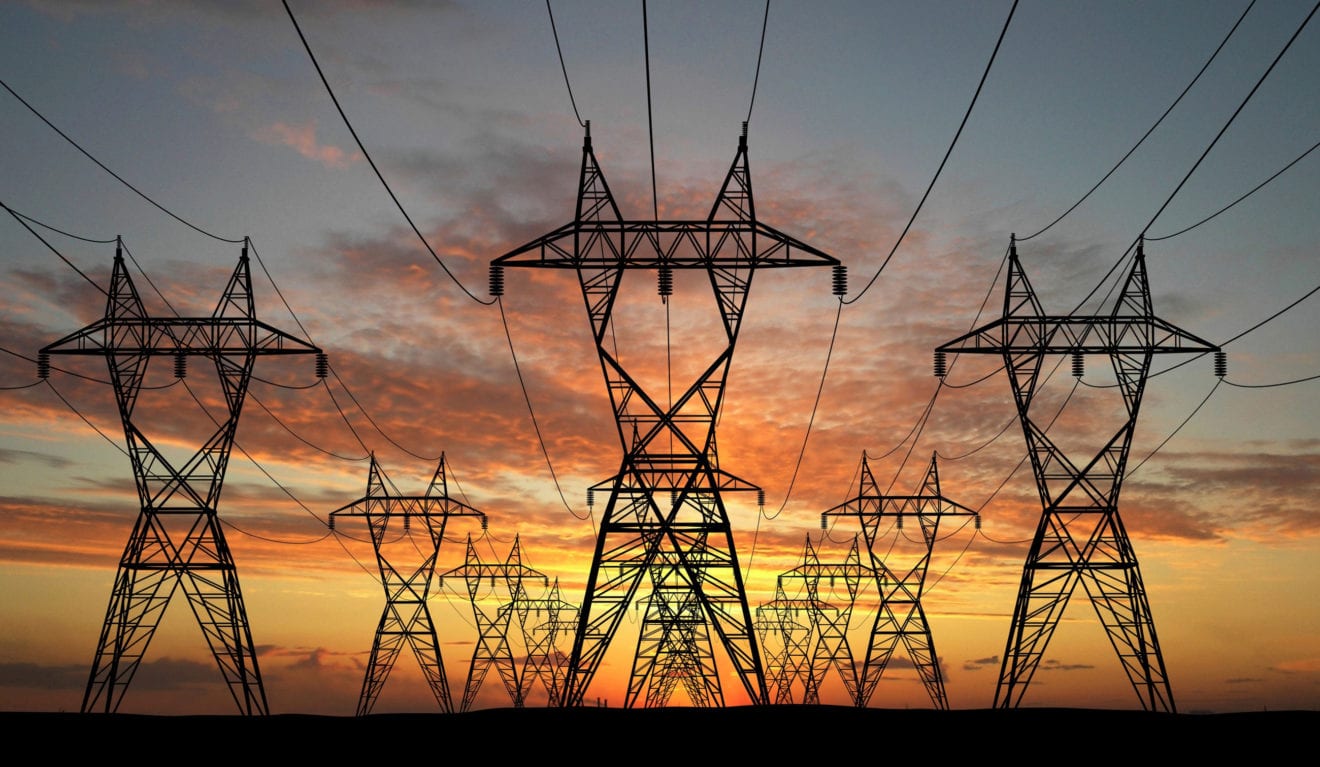
    Deputy Minister of Industry and Trade Do Thang Hai said Friday that national utility Vietnam Electricity (EVN) might need to cover an incurred cost of VND20.73 trillion ($892.18 million) between 2018 and 2019.

    This include incurred costs of VND5.48 trillion ($235.92 million) this year and projected costs of VND15.25 trillion ($668 million) next year, Hai said.

    Incurred cost this year includes exchange rate differences in 2017 of VND3.07 trillion ($132.13 million), payment for water resources exploitation, VND502 billion ($21.6 million) and higher gas prices VND1.91 billion ($82.18 million).

    Projected incurred costs next year are based on exchange rate differences this year of VND3.51 trillion ($151.28 million), exchange rate differences 2015 scheduled to be paid next year, VND734 billion ($31.58 million), payment for water resources exploitation, VND502 billion ($21.6 million), and increase in gas costs, VND10.5 trillion ($451.79 million).

    Hai said EVN would review its electricity production costs last year in collaboration with government bodies to see if it was lower than current prices and would report to authorities for directions on adjusting next year’s prices.

    In July, Prime Minister Nguyen Xuan Phuc had banned any increase in electricity prices and medical fees for the rest of the year, aiming to keep the inflation rate below 4 percent and achieve a GDP growth of 6.7 percent in 2018.

    Inflation was at 3.57 percent in the first nine months of this year.

    The most recent power price increase in Vietnam was last December, when it rose 6.08 percent to VND1,720.65 (currently 7.4 cents) per kWh.

    EVN had a revenue of VND293.18 trillion ($12.61 billion) last year, with VND289.25 ($12.44 billion) from electricity sales, an increase of 8.94 percent from the previous year.