Tag: Vietnam

  • Vietnam cars geared for East European roads

    Vietnam cars geared for East European roads

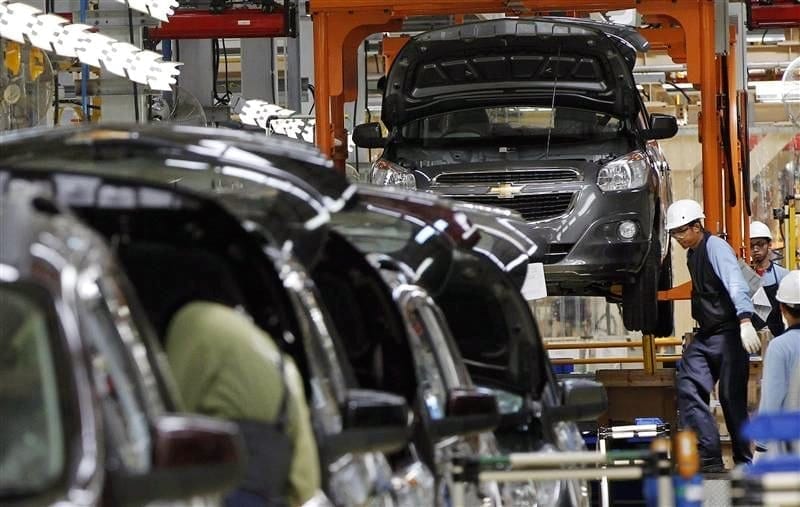
    VinFast, the auto making subsidiary of real estate conglomerate Vingroup, will make cars suited to the domestic market first and target East Europe next.

    Built in automated facility that deploys more than a thousand robots, the cars will be of top quality, priced competitively and backed with attractive offers and good after sales service, group chairman Pham Nhat Vuong said at a recent shareholders meeting.

    Therefore, despite the presence of a number of big players in the domestic market, there was a good chance for cars produced by VinFast to succeed, he said.

    He noted that Hyundai, the South Korean carmaker, was able to gain 10 percent of the US market share in a very short period, and VinFast was well placed to emulate such a feat.

    Vuong stressed that the VinFast production line has a high degree of automation.

    “Its body shop has a fully automated spot welding system with more than 1,200 robots in service.

    Parts like crankshaft and transmission are also automatically manufactured, ensuring the car’s quality, and making engine run smoothly,” Vuong explained.

    While promoting the cars in both domestic and foreign markets, the focus will be on “down-to-earth” consumers looking for value for their money, the chairman said.

    VinFast will have a very good chance to compete well with carmakers in Eastern Europe as Vingroup understands this market very well, Vuong said. The group chairman is a former long-term resident of the former Soviet Union.

    Vuong said automobile production will be the company’s spearhead in the coming time, but did not rule out the possibility of other products once the brand was well established.

    “Given our supporting ecosystem and great capabilities, it [heavy industry] will be a new horizon for Vingroup,” said the chairman, who’s one among a handful of Vietnamese billionaires.

    Last September, Vingroup broke ground on its subsidiary VinFast’s new car manufacturing complex in the northern port city of Hai Phong. The complex would start manufacturing electric scooters in 12 months, sedans and SUVs in 24 months and electric cars in 3 years. By 2025, VinFast is expected to be producing 500,000 cars a year, making it a leading automobile manufacturer in Southeast Asia.

    The company will be working with German partners in product development and management of the new manufacturing complex. Its cars will be designed by Italian design houses, while main components such as engines will be bought in from the U.S. and European companies.

    However, VinFast will still cooperate with Vietnamese companies to manufacture most car accessories. The company’s products will have a localization rate of 60 percent, making them qualify for tax incentives when exported to other countries in the region.

    The new complex, which would also include a research and development (R&D) center, is expected to attract European experts, and will be cooperating with many large R&D centers in Europe. The company will be using technology transfer contracts to help improve its expertise in product development.

    Its cars will use eco-friendly technologies to meet Euro 5.0 and Euro 6.0 emission standards. VinFast will also be using green energy in its factories and plans to invest in a facility to treat used batteries.

    Vietnam will emerge as the second fastest-growing production hub for cars in Southeast Asia after the Philippines between 2017 and 2021, according to BMI Research, a part of Fitch Group.

  • Vietnam’s top taxi firm sees investment follow divestment

    Vietnam’s top taxi firm sees investment follow divestment

    Soon after a Singaporean fund divested its entire stock in Vietnam’s top taxi firm Vinasun, a domestic securities firm stepped in to fill the gap.

    The Ho Chi Minh Securities Corporation (HSC), a professional securities brokerage and equities firm in Vietnam, has announced that it bought 7.2 million shares of Vinasun on May 25, the same day that Singapore sovereign wealth fund GIC exited.

    It is estimated that HSC has spent about VND104 billion ($4.5 million) to acquire 10.6 percent of Vinasun’s equity, making it the third largest shareholder of the taxi firm, behind TAEL Partners fund, which owns 18.3 percent, and Vinasun CEO Dang Phuoc Thanh, who owns over 35 percent.

    On May 25, GIC had negotiated the sale of 5.4 million shares, or around 8 percent of its stake in Vinasun, for around VND80 billion ($3.5 million), less than half the price it paid four years ago.

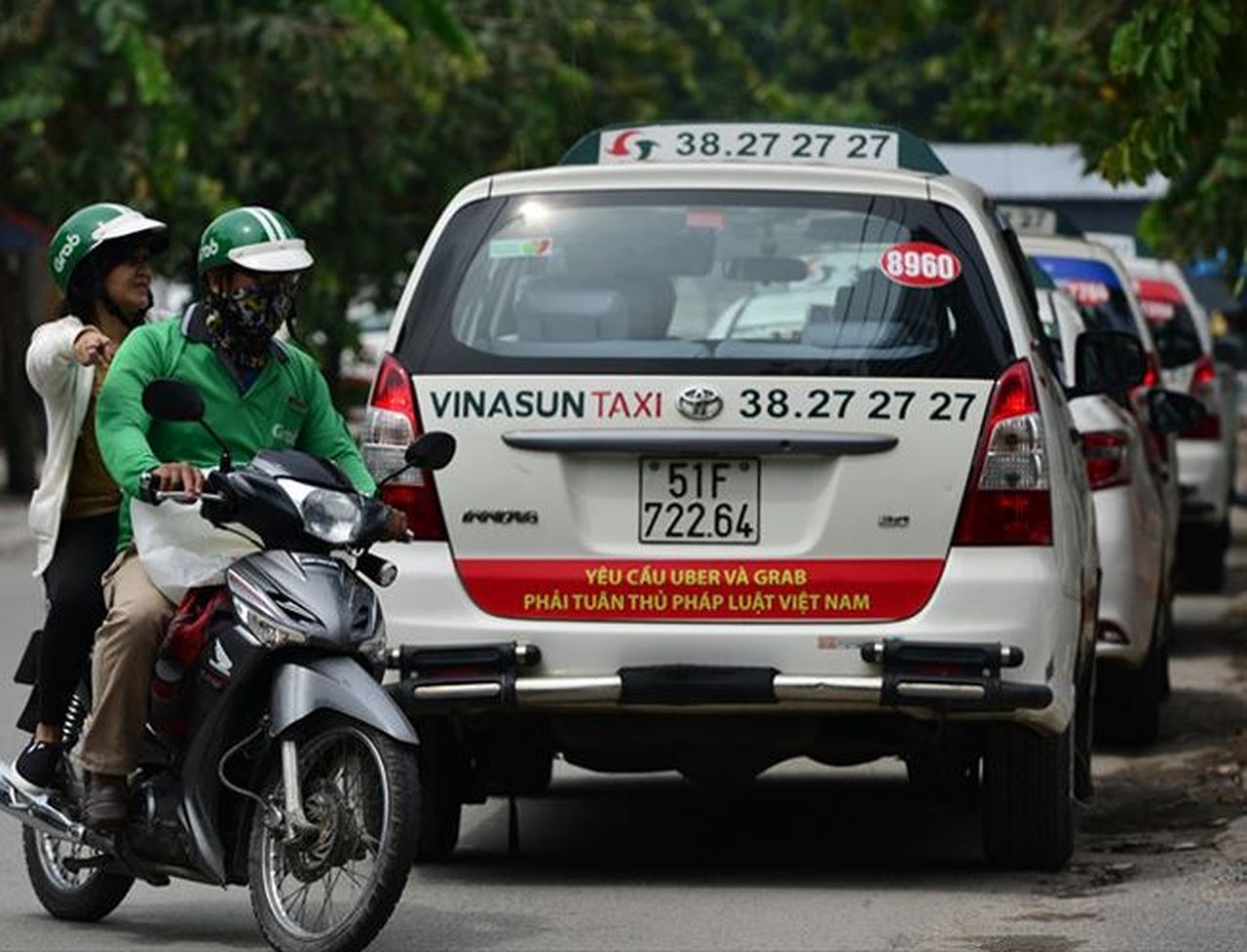
    The divestment followed lackluster performance by the taxi company, which had seen its share value plunge. The company has blamed its woes on “unfair competition” from foreign ride-hailing service companies.

    Ride-hailing services Grab and Uber arrived in Vietnam in 2014, launching both car and motorbike taxi services. The two services have been running on a trial basis since early 2016, cutting deep into the earnings of traditional taxi drivers.

    Many taxi firms have accused Grab and Uber of unfair competition, saying their businesses have suffered and thousands of drivers have had to quit. Currently, Vietnam is investigating Grab’s acquisition of Uber, saying there are signs of antitrust law infringement in the deal.

    Vinasun has targeted revenues of VND2.16 trillion ($94.9 million) and after-tax profits of VND95 billion ($4.18 million) this year, 50 percent less than in 2017 and the lowest target in nine years.

    By the end of 2017, Vinasun had whittled down its staff to just 7,117, a decrease of 10,000 people from the beginning of the year. In the first three months this year, it lost another 120 employees.

  • Vietjet to launch Zero Fare Tickets promo, again

    Vietjet to launch Zero Fare Tickets promo, again

    If the weekday blues are getting you down, fret not as fast growing Vietnamese carrier – Vietjet is offering the ultimate midweek pick-me-up with its latest zero fare ticket promotion.

    Starting today until 8 June 2018, the airline is offering 400,000 tickets priced from only VND0 as part of its ongoing ‘Free up Your Summer with Vietjet’ campaign. The promotional tickets are applicable on all international routes to Seoul (South Korea); Hong Kong; Kaohsiung, Taipei, Taichung, Tainan (Taiwan); Singapore; Bangkok, Phuket, Chiang Mai (Thailand); Kuala Lumpur (Malaysia); Yangon (Myanmar); Phnom Penh, Siem Reap (Cambodia) for travels between 1 August to 31 December 2018 (excluding national holidays).

    These tickets are available for booking during the golden window of 1pm – 3pm (local time) daily at Vietjet website.

  • MINISO looks to expand in Vietnam market

    MINISO looks to expand in Vietnam market

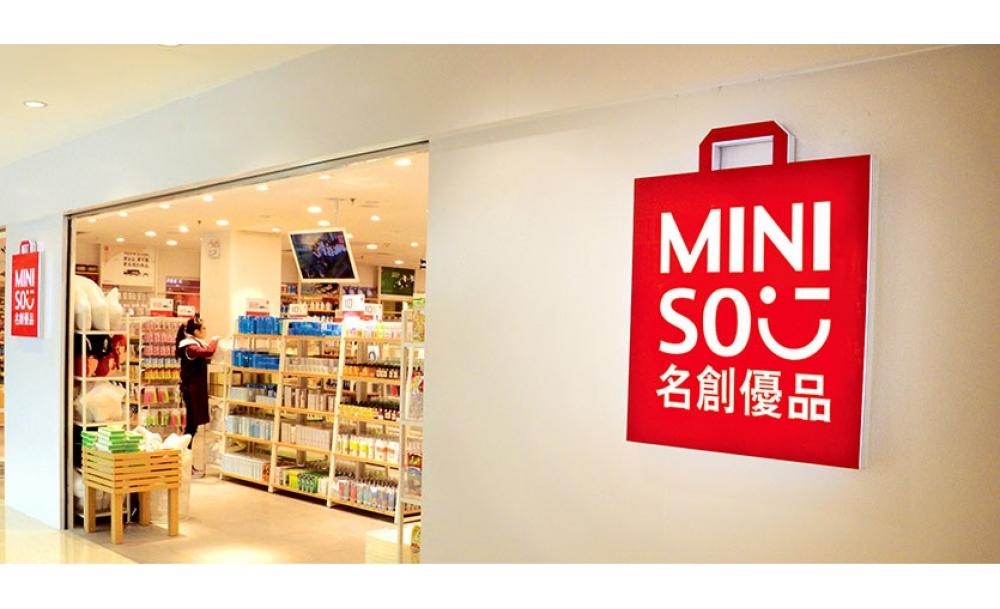
    Miniso Vietnam plans to open 50 more stores by the end of this year and reach 400 by 2022.

    The discount retail chain plans to enhance its distribution system in Vietnam with a 10,000 sqm warehouse in Ho Chi Minh City which will open within a few months. That will provide strong support for stores and a planned online operation.

    Miniso Vietnam also has boosted its brand-name awareness among young consumers by having local singer Son Tung M-TP as its first brand ambassador.

    The company entered Vietnam in September 2016 and has already opened 40 stores there – 17 in Ho Chi Minh, 19 stores in Hanoi, and four elsewhere. It is rapidly rolling out stores to cash in on Vietnam’s current 10.9 per cent annual retail sales growth, which makes the country one of the fastest-growing retail markets in the world.

    The company says it recognises Vietnamese shoppers are moving from high-street shops to shopping centres and so it is adjusting its expansion strategy to include more malls.

    It has reached an agreement with Vincom to open stores in the mall operator’s future developments in major commercial and shopping centres.

    Products are priced between VND43,000 (US$2) and VND500,000, predominantly targeting consumers aged 18 to 35.

    The brand has been accused of misleading consumers by describing itself as a Japanese brand when it is a Chinese company, owned by Chinese and selling products made in China with no apparent Japanese connection.

    But that has not stopped it from opening more than 2600 stores worldwide, covering more than 62 countries and regions. Last year, its sales topped US$1.8 billion.

    The company plans to open 10,000 stores throughout the world by 2022.

  • VN urged to focus on local branding

    VN urged to focus on local branding

    Speaking at a seminar on connecting businesses in ASEAN member countries organised by the High Quality Vietnamese Goods Business Association on the sidelines of the Thaifex expo in Bangkok last week, Pascal Billaud, CEO of Thailand’s Central Food Retail Group and Asian GI ambassador to the UN, said Thailand has educated people about the impacts and benefits of GI.

    They are regularly updated on GI, ways to protect GI products and preserving and sustaining local eco-systems so that GI products can continue to be produced in that particular area or region, he said.

    He said GI is very important to farmers and they need to register their produce for GI protection with relevant agencies.

    Origin-linked registration also substantially increases the price of the final product, he said.

    A kilogramme of Cambodia’s Kampot black pepper fetches 15 USD against 6 USD for Thai pepper and only $5.04 for Vietnamese pepper, he said.

    This means Vietnam has not done well in exploiting GI and other benefits, he said.

    According to experts, GI provides consumers with information about the origin of a product and its unique characteristics such as taste, colour, texture, and quality, and so they are willing to pay higher prices.

    Thirty leading Vietnamese food and beverage companies, who are members of the High Quality Vietnamese Goods Business Association, showcased organic and other food meeting global standards and GI-protected products at the expo in Bangkok from May 29 to June 2.

    At a business matching event, Huynh Nguyen Khang Duy, import-export director at Pham Nghia Food JSC of Can Tho, said: “This is the first time we showcase our products (clown knife-fish-based products) abroad.”

    Vietnam mainly exports tra and basa and clown-knife fish costs more than them.

    Many customers from Australia, Japan, Thailand and Malaysia were interested in his company’s products, Duy said.

    “We hope to take our boneless clown-knife fish and clown-knife fish paste products to Hong Kong and Japan.

    “We are also working to obtain Halal certification for export to the Middle East.”

    CP (Thailand) wants to distribute his products in the Thai market, he said.

    “I think if we want to take our products to the world or region, we also need to have capable and prestigious partners.”

    Le Thanh Diem, head of Tan Sang Food Powder Company’s sales division, said: “Before the business matching event, I surveyed the prices of products and found that our prices are appropriate.”

    Thai companies sought assurances her company could supply large volumes, she said.

    Norachai Ratanabanchuen, assistant to the deputy general director of CP Foods, said he had held discussions with four Vietnamese firms.

    While Vietnamese goods are of rather good quality, to be able to enter the CP distribution system, products must meet many quality standards, including HACCP and ISO.

    Vietnam and Thailand have many similar products, but Vietnamese suppliers can still compete, he said, citing the example of basa fish, which his company imports from Vietnam.

    If Vietnamese firms continue to maintain good quality, comply with standards, and have reasonable prices, they can compete with their Thai counterparts, he said.

  • Vietnam rice exports to China drop

    Vietnam rice exports to China drop

    Vietnam’s rice export sector is showing signs of reducing its dependence on China with other markets picking up the slack, according the Ministry of Agriculture and Rural Development.

    In its monthly report for May, the ministry says that rice exports to China in the first four months of this year dropped to 33.5 percent of the total from 47.5 percent last year. The value of rice imported by China during this period fell 0.9 percent year on year to $370.8 million, it said.

    China still remains Vietnam’s top importer of rice.

    However, while the Chinese market shrinks, other markets in Asia are increasing their intake from Vietnam. Rice imported by Indonesia during the first four months went up 333 times over the same period last year, Iraqi imports increased by over 16 times, that of Malaysia tripled, of Hong Kong increased 41.5 percent and that of Singapore,15.7 percent.

    With the Philippines planning to import over 293,000 tons of Vietnamese rice in the coming months, rice export prices will stay positive, the report said.

    Last year, Vietnam exported almost 5.9 million tons of rice worth $2.66 billion. This number is likely to reach 6.7 million tons this year, according to the United States Department of Agriculture.

  • Vietnam’s Techcombank shares drop 20 pct on debut

    Vietnam’s Techcombank shares drop 20 pct on debut

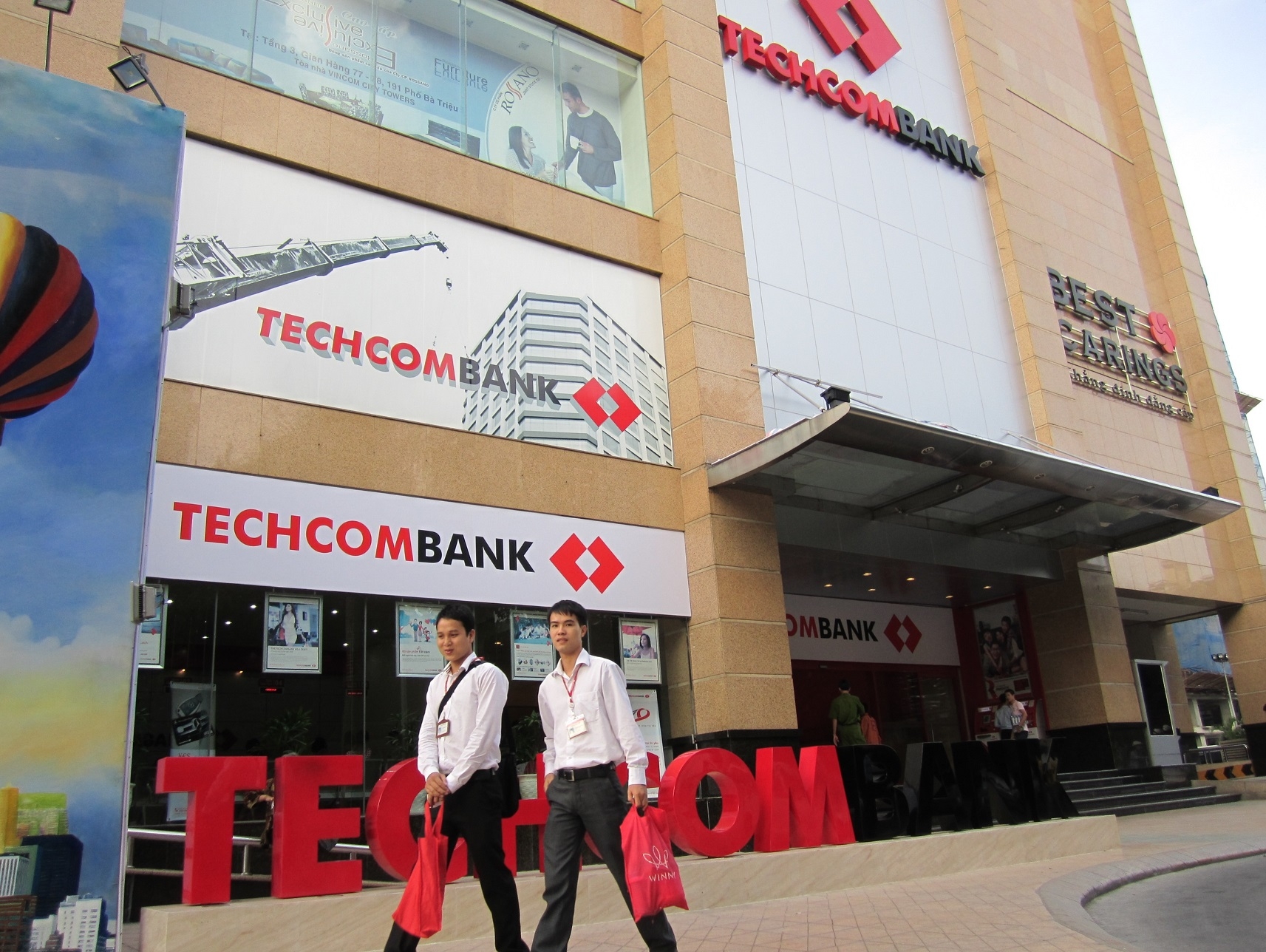
    Vietnam’s Techcombank saw its shares fall as much as 20 percent from their reference price on Monday, hitting the lowest trading limit allowed on a stock’s maiden day of trading.

    Techcombank, formally known as Vietnam Technological and Commercial Joint Stock Bank, raised $922 million in April in one of Vietnam’s biggest offerings, aiming to expand aggressively into retail banking to capitalise on booming demand for an array of financial services.

    The shares are allowed to move 20 percent higher or lower than the reference price on the first day of listing, according to exchange trading rules. In morning trade, Techcombank hit a low of 102,400 dong ($4.49), falling from its 128,000 dong reference price.

    Vietnam’s benchmark VN Index dropped 10 percent in April after touching a record high, prompting fund managers and strategists to warn valuations may have peaked. The index lost a further 7.5 percent in May.

    “We obviously can’t select what’s happening at the market when we come to listing,” Chief Financial Officer Trinh Bang said last week.

    The 25-year-old bank is seeing strong growth in services such as credit cards, auto loans and bancassurance. Its cornerstone investors included Singaporean sovereign wealth fund GIC Pte Ltd, Fidelity Management & Research and domestic fund Dragon Capital.

    Techcombank’s appeal stems from a boom in financial services while the economy expands at record rates.

    Vietnam reported annual credit expansion of about 18 percent for the past two years, with banks posting strong profit growth. A manufacturing boom spurred the export-dependent economy to grow 7.4 percent in January-March – the fastest first-quarter pace in a decade – after growing 6.8 percent in all of 2017.

    ($1 = 22,790 dong)

  • Vietnam a really cool market for air-conditioner makers

    Vietnam a really cool market for air-conditioner makers

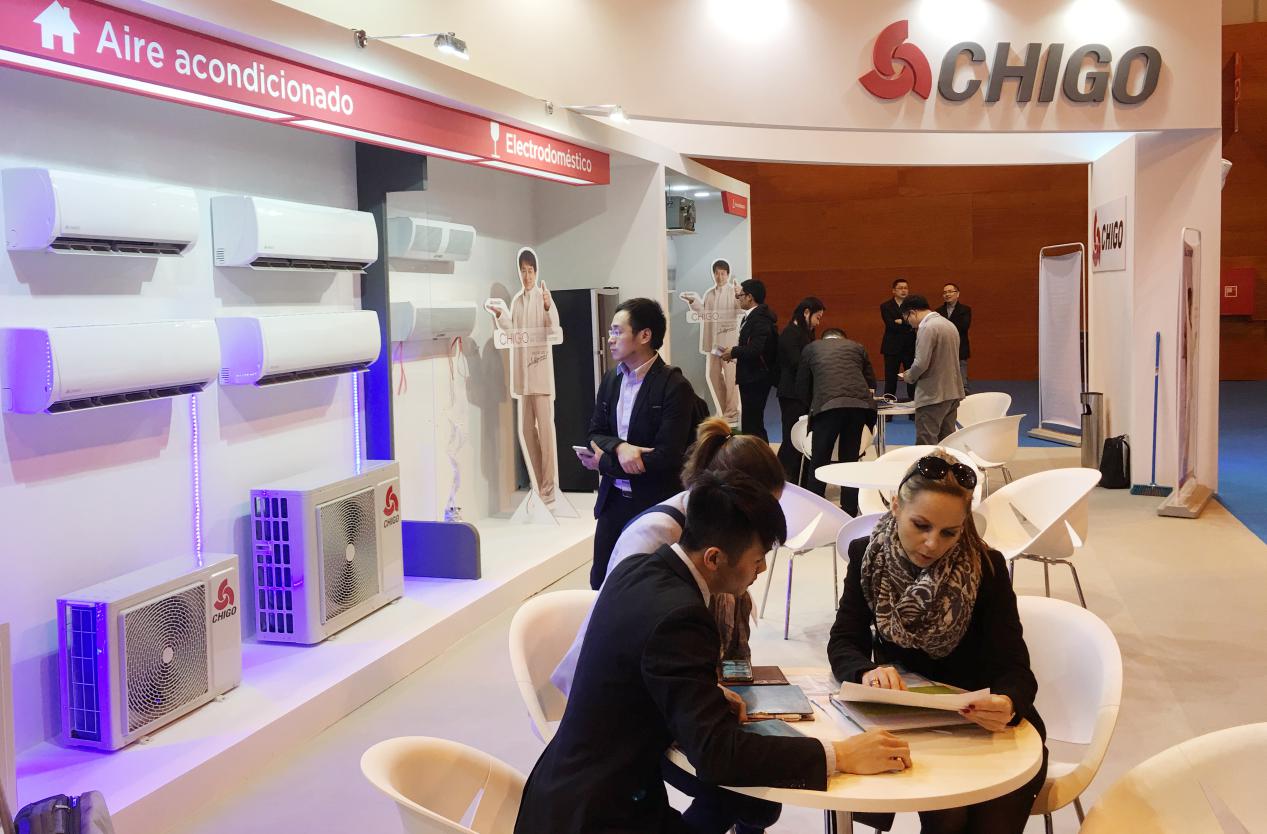
    Most major air-conditioner makers are making themselves at home in Vietnam as demand surges alongside economic growth and improving living conditions.

    Vietnam’s market for the cooling systems was ranked Asia’s eighth largest in 2011, excluding Japan and China, with about 660,000 units sold.

    But the country surpassed Thailand in 2015 and sales soared to 1.98 million units in 2016, lifting it to third place behind India and Indonesia.

    Citing the Japan Refrigeration and Air Conditioning Industry Association, the report said global market grew 2.5 percent between 2011 and 2016, but surged 34.3 percent in Asia during that period, with Vietnamese sales tripling to 150 billion yen, or $1.35 billion.

    Vietnam’s local media reports said Daikin’s revenue surged 17 times in the past 10 years to more than VND10 trillion ($438.6 million) in 2017.

    The brand also set a record of earning more than 2 trillion yen ($18.3 billion) in five consecutive years between 2013 and 2018.

    In May, it opened its first factory in Vietnam in Hung Yen Province, not far from Hanoi, aiming to produce one million air conditioners per year by 2020.

    Rising wealth has fueled growth of the air conditioner market in Vietnam, Nikkei said.Vietnam’s gross domestic product (GDP) grew by 6.8 percent last year, the highest since 2007 before the economy broke another record in the first quarter of 2018 when it expanded by 7.38 percent, marking the highest growth rate in a decade.

    Vietnam’s per-capita GDP totaled about $2,300 in 2017, but topped $4,000 in Ho Chi Minh City and reached the upper $3,000 range in Hanoi, the country’s two biggest cities.

    Japan’s Daikin and Panasonic each control about 25 percent of Vietnam’s air conditioner market, followed by LG, Samsung Electronics of South Korea and Sweden’s Electrolux.

    In March, LG Electronics announced it would invest $1.5 billion to expand production of air-conditioners. Meanwhile, Panasonic is increasing output at its Malaysian factory to expand supply to Vietnam.

    With a population of more than 90 million, Vietnam is seen as a promising air conditioner market, with just 17 percent of Vietnamese households owning an air conditioner as of last year, according to British research firm Euromonitor International.

  • WHO wants Vietnam to raise tobacco taxes

    WHO wants Vietnam to raise tobacco taxes

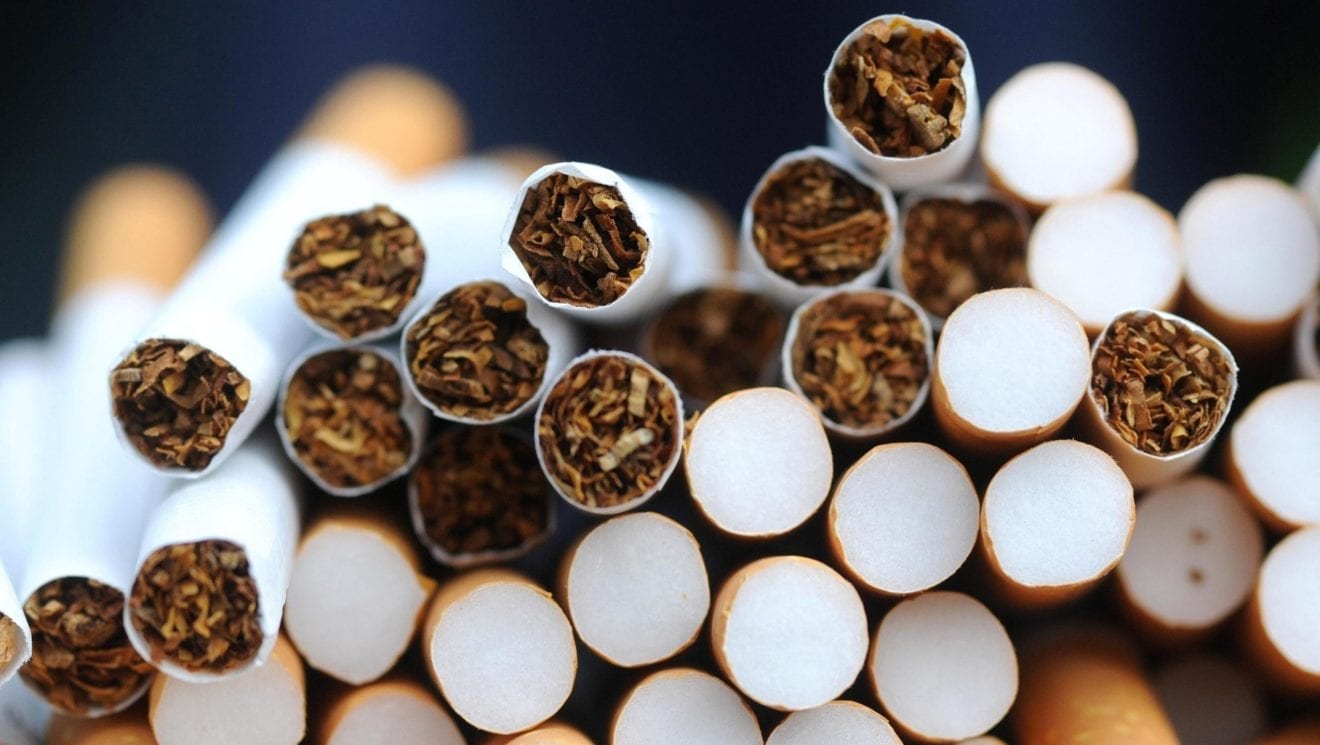
    Vietnam should raise its tobacco tax in order to deter and reduce people smoking, the World Health Organisation has advised.

    WHO head Kidong Park said at a recent meeting held by the Health Ministry in Hanoi that Vietnam was among the top 15 countries in the world with the lowest tobacco prices.

    He said Vietnam’s current tobacco tax only accounts for 35 percent of a cigarette pack’s retail price, which is lower than the world’s average of 56 percent. In comparison, corresponding tax rates in Thailand, Brunei and Malaysia are 75, 81 and 57 percent respectively.

    Park said that in order to reach the government’s target of reducing the number of smokers among Vietnamese males from 47 to 39 percent by 2020, the country would need to raise its tobacco taxes by a fixed tax rate of at least VND2,000 per packet. VND5,000 per packet would be better, he added.

    The Finance Ministry had previously proposed two tobacco taxing options for inclusion in the Tax Administration Law – to apply an additional fixed tax rate for each cigarette pack, or incrementally increase the special consumption tax on tobacco each year until it reaches 85 percent in 2021.

    Under the first option, a 20-cigarette pack would cost an additional VND1,000, and each cigar, VND1,500.

    The Ministry of Health is currently leaning towards the first option, but has suggested an increase of VND2000 or VND5000 per pack, saying VND1,000 is too low.

    At a workshop on Tobacco Taxation organized by Oxfam early last month, Deputy Director of the Tobacco Control Fund, Phan Thi Hai, said higher tax rates would not only increase government revenue, but also “prevent adolescents and poor people from purchasing more cigarettes.”

    Vietnam has one of the world’s highest populations of smokers. It is estimated that 15.6 million Vietnamese smokers spend VND31 trillion ($1.36 billion) on cigarettes every year, which promotes trade in contraband tobacco.

    Smoking is a major cause of lung cancer and cardiovascular diseases that costs Vietnam VND23 trillion (more than $1 billion) in treatment and labor loss every year, according to the health ministry.

  • Beer brands pour big bucks into ads as Vietnam bucks global trend

    Beer brands pour big bucks into ads as Vietnam bucks global trend

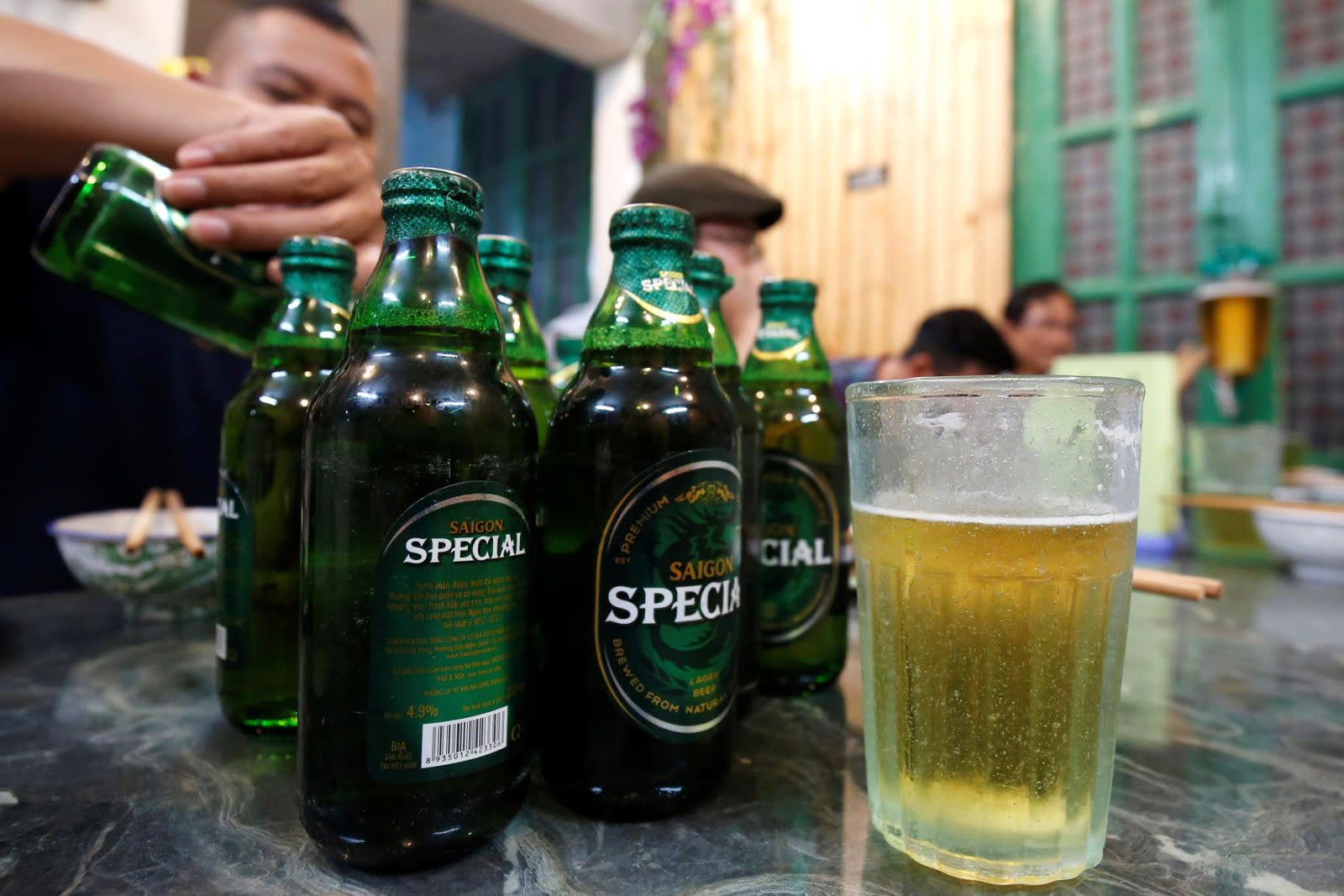
    As more and more Vietnamese drinkers take to beer and competition heats up, leading brands are spending big on advertisements.

    Saigon Alcohol Beer and Beverages Corporation (Sabeco), the leading beer producer in Vietnam which brews the well-known Saigon and 333 beers, spent VND1.2 trillion ($52.9 million) on advertising last year.

    While this figure is slightly less than its 2016 outlay, it still places Sabeco on the top of advertisement budgets list in the beer industry, spending more than VND1 trillion spent on product promotion in each of the last three years.

    Meanwhile the producer of Hanoi and Truc Bach beers, Hanoi Beer Alcohol and Beverage Jsc, known as Habeco, spent VND568 billion ($24.6 million) on ads last year, over 3 times its 2014 expenditure.

    The increased spending is a response to Habeco’s declining share of the beer market in recent years, from its heydays of having the most popular brands in Northern Vietnam. The company has been augmenting its advertising budget as “there has been no breakthrough in the marketing activities of the brand,” according to Viet Capital Securities, which claims to provide comprehensive research to assist investors in maximizing profits.

    Sabeco, Habeco, along with Heineken and Hue Brewery (which is owned by Carlsberg) made up 90 percent of the beer market in Vietnam last year. The big four are known to spend big on advertisements as they compete with each other in the Vietnamese market, which is considered to have more advantages than other countries.

    “While beer consumption in many countries has stalled, there is still a lot of potential for this industry in Vietnam,” said Nguyen Van Viet, president of the Beer, Alcohol and Beverage Association (VBA) in a recent conference.

    In China and some European countries, beer consumption has stagnated or even declined slightly. But in Vietnam it is forecast to rise in the coming years, Viet said.

    He is backed by a study of the Asia-Pacific beer market conducted by Euromonitor, which claims to be the world’s leading independent provider of strategic market research.

    The study found that beer consumption in the world has not increased in a decade, but in Vietnam, this figure is increasing rapidly.

    In 2008, Vietnam ranked 8th position in beer consumption in Asia, just 8 years later it had climbed to 3rd position, behind Japan and China.

    In a market dominated by big players, new businesses are having trouble making a stand. Laser, Fosters and Zorok are among the brands that have tried and failed to gain a decent foothold in the Vietnamese consumer. Local media reports have said that the high costs of advertisements had made it difficult for these firms.

    Sapporo, one of the newer entrants, has recorded higher consumption in recent years, but very high marketing costs have seen to it that its profit is not substantial, Viet said.

    Last year, Vietnam consumed over 4 billion liters of beer, and a Vietnamese person consumed 45 liters on average, according to VBA. The country targets production of 4.1 billion liters of beer in 2020 and 5.5 billion in 2035.

  • Vietjet Opens Direct Flight from Hanoi to Osaka

    Vietjet Opens Direct Flight from Hanoi to Osaka

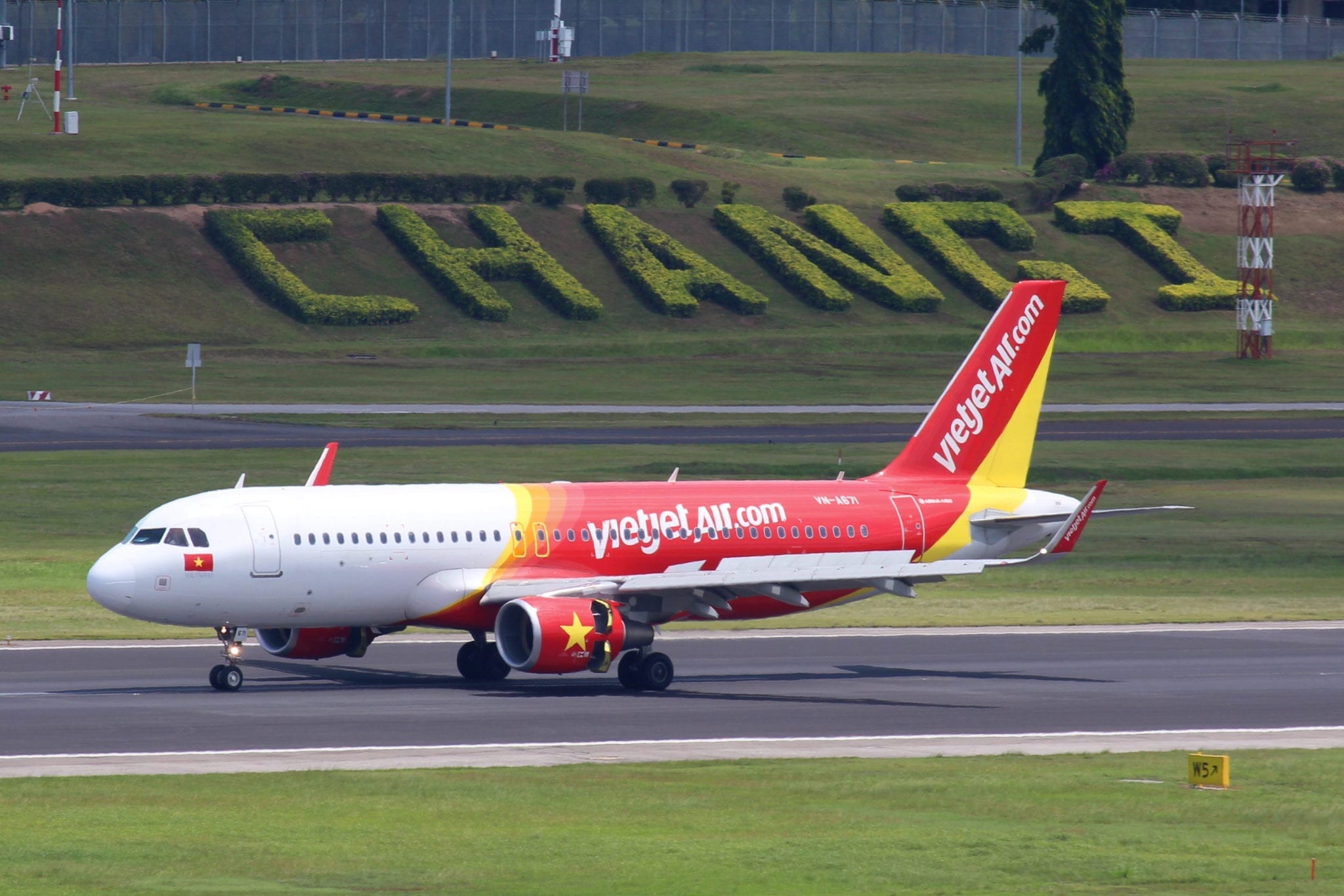
    Vietnam’s new-age carrier Vietjet will officially launch a direct route connecting Hanoi with Osaka (Japan) on 8 November 2018, looking to further boost tourism and trade integration between the two countries and across the region.

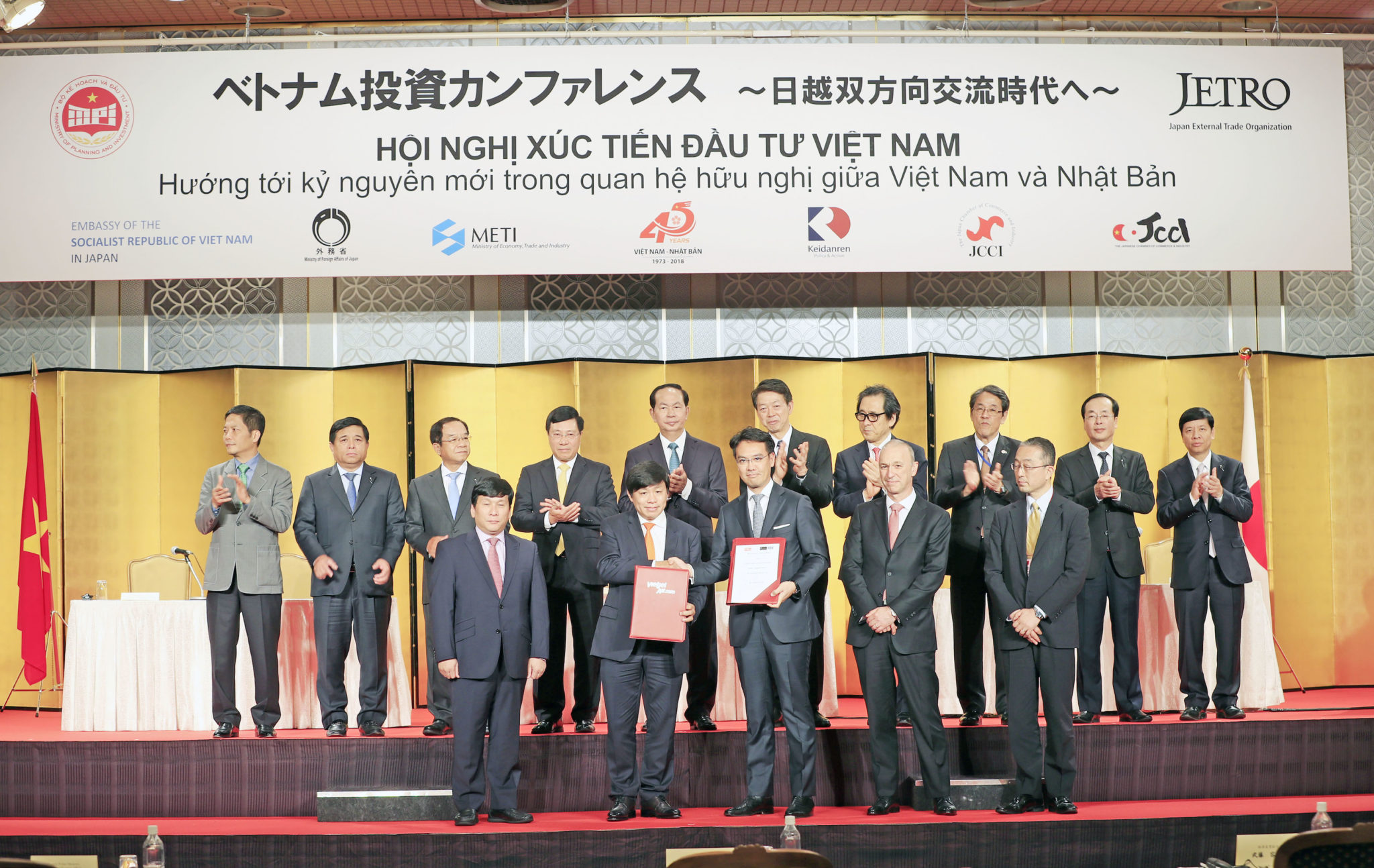
    A special ceremony to announce the new route was held today at the Japan-Vietnam Economic Forum in Tokyo with Vietnam’s President Tran Dai Quang, Japanese government’s representatives, and officials from both countries joining representatives of Vietjet.

    At the ceremony, Vietjet, SBI Leasing Services, Natixis and some of the Japanese equity arrangers also signed a MOU worth a total of nearly US$600 million for the purpose of aircraft financing.

    Using Vietjet’s new and modern A320 aircraft, the Hanoi-Osaka route will operate on a daily basis with a flight time of more than four hours per leg. As proposed, the flight will depart from Hanoi each day at 1:45am and arrive in Osaka at around 7:50am (local time). The return flight will take off from Osaka at 9:20am and land in Hanoi at around 1:10pm (local time).

    Vietjet’s new service to Osaka will bring the airline’s total number of international routes to 45 while also servicing 38 domestic routes.

    Speaking at the ceremony, Vietjet’s Vice President Nguyen Thi Thuy Binh said, “We are excited to be preparing to launch this new route. The Hanoi-Osaka route will be the first service for Vietjet’s expansion into Japan – the Land of the Rising Sun. We believe that this new connection and our expanding network will help make the travel dreams of millions of passengers come true.”

    “Japan is known to people from all over the world for its natural beauty especially for its cherry blossom season and Mt. Fuji. The country is also adored for its many enviable cultural heritage, friendly people, mouth-watering cuisine and cutting-edge technology. As part of our expansion strategy in Japan, we will continue to open new routes connecting Vietnam and Japan’s economic and tourism hubs in order to diversify destination choices and meet the growing demand for air travel between the two countries and beyond to better connect with the rest of the world,” added Binh.

    Osaka is Japan’s third largest city with a population of over 2.7 million people. It is not only the capital of the Kansai Region but also considered to be a cultural treasure of Japan for its striking traditional architecture and authentic Japanese cuisines. The city is well-known for its stunning tourist attractions and entertainment destinations such as the Osaka Castle (Ōsakajō), Sumiyoshi Taisha, Minoo Park, Universal Studios, Minami (Namba) and many more.

    Vietjet has already collaborated with Japanese travel agencies to operate many direct-chartered flights from Vietnam to Osaka as well as Narita, Sendai, Nagoya, Ibaraki and Fukushima, a demonstration that the airline’s services and its efforts in connecting the two countries has been very well received.

    Following a “Consumer Airline” model, Vietjet continues to open new routes, add more aircraft, invest in modern technology and offer more added-on products and services to serve the demands of millions of satisfied customers.

    An award-winning and pioneering airline, Vietjet is much loved by travelers for its exciting promotional and entertainment programs, especially during festive seasons. With high-quality services, diverse travel categories and special low-fare tickets, the airline offers its passengers memorable flying experiences on new aircrafts with comfy seats, delicious hot meals served by beautiful and friendly cabin crew, and many other interesting added-on services.

  • Footwear giants shift outsourcing from China to Vietnam

    Footwear giants shift outsourcing from China to Vietnam

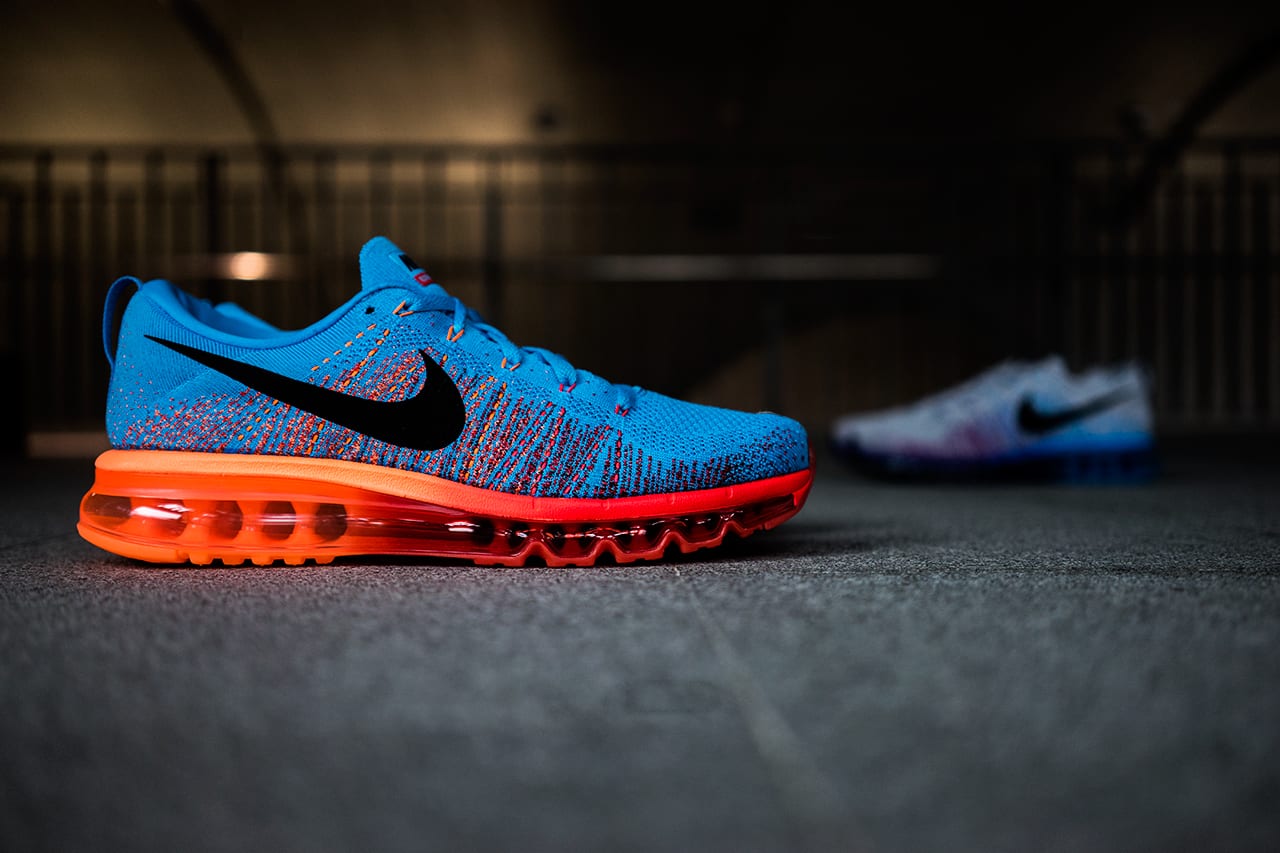
    Major brands in the footwear industry are shifting their outsourced work to Vietnam instead of China, but experts doubt this will be a good thing in the long run.

    Sneaker giant Adidas last year had 44 percent of its footwear produced in Vietnam, more than double the 19 percent made by suppliers in China. This figure also marked a 31 percent increase from 2012 for Vietnam and a 30 plus percent decrease for China.

    A similar move can also be seen at Adidas’ rival Nike, which had 46 percent of its footwear made in Vietnam last year, against just 27 percent in China.

    While China remains the top supplier in the fashion industry, Vietnam is now seen by major brands as a solid and critically important supplier in second place, according to survey results released by the United States Fashion Industry Association.

    “We are reporting a change in the sourcing trend, from ‘China Plus Many’ to ‘China Plus Vietnam Plus Many,’” the association said.

    The typical sourcing portfolio today is 30-50 percent from China, 11‑30 percent from Vietnam, and the rest from other countries, it added.

    According to experts in the industry, China manufacturing has become more focused on high value, and with workers’ wages rising, low-cost manufacturing is no longer its priority.

    This explains why Vietnam, Indonesia and Bangladesh are producing more shoes and apparel for export.

    However, while this trend can yield short-term benefits to Vietnam, long-term consequences will be severe, Professor Nguyen Van Nam, former director of the Institute of Trade Research under the Ministry of Industry and Trade said.

    Since advanced technology is not widely applied in Vietnam, the manufacturing sector exploits labor and pollutes the environment, he said.

    “Vietnam needs to push for the newest technologies in manufacturing, otherwise we will be a ‘landfill’ of other countries,” he added.

    Nguyen Duc Thuan, president of the Vietnam Leather Footwear and Handbag Association (LEFASO), highlighted another challenging aspect of the shift at a conference earlier this year.

    As workers in other countries are assisted by machines in the production process, each of them can make 1.2 pair of shoes in an hour, while their Vietnam peers can only manage 0.7, he said.

    “Labor productivity obviously increases when technology and high management skills are used, and this is a challenge that Vietnam needs to meet,” Thuan said.

    Vietnam’s footwear export value has been growing in recent years, from $8.4 billion in 2014 to $14.65 billion in 2017, a 42 percent increase. The country contributed a billion pairs of shoes to the 27 billion pairs produced globally last year.

  • Vietnam tax on sweetened drinks hurts the business

    Vietnam tax on sweetened drinks hurts the business

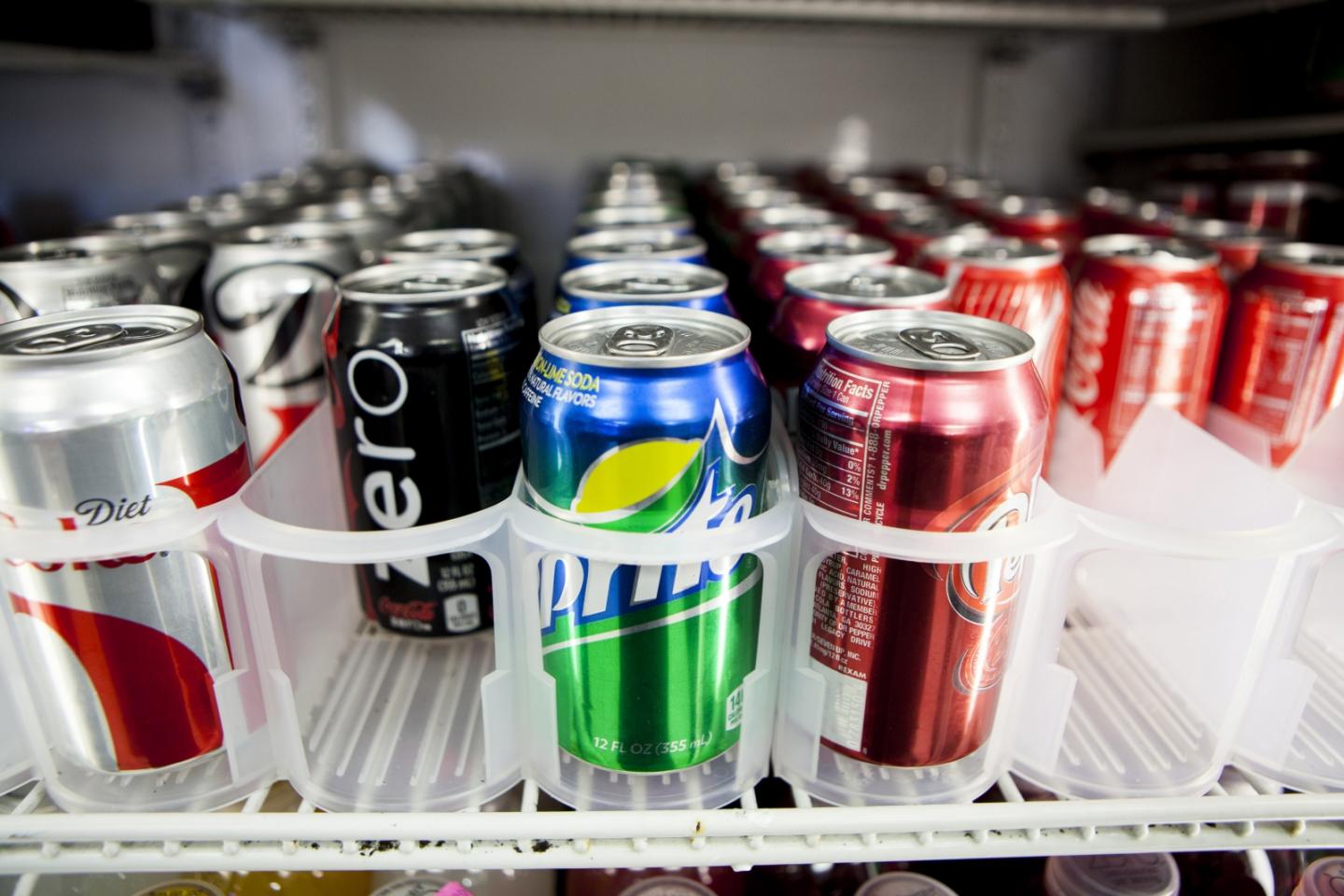
    A Finance Ministry proposal to slap a 10 percent special consumption tax on sweetened drinks would hurt small and medium businesses, critics say.

    Business representatives and some experts say the beverage industry is already taxed heavily, and the latest addition could prove to the last straw.

    The tax proposal, first announced last year and expected to take effect in 2019, aims to promote healthier habits by discouraging the consumption of sweetened drinks. The Ministry has cited reports from the World Health Organization, saying overconsumption of sweetened drinks lead to obesity and that a fourth of Vietnam’s population are already obese or overweight adults.

    “The tax will help regulate the consumption of sweetened beverages, and it’s also an international norm,” the proposal says.

    However, the Vietnam Association of Liquor, Beer and Beverage (VBA) has protested the move, saying the tax could hurt small and medium businesses by promoting circulation of fake products.

    “The tax proposal would lead to higher production costs, allowing fake and low-quality products to thrive,” it said in a statement.

    Many industry insiders also say they are already paying no less than 10 different types of taxes.

    “If this tax proposal passes, we won’t be able to survive,” a Thursday report by the Tuoi Tre newspaper quoted an unnamed vice director of a beverage firm in the southeast province of Binh Duong as saying.

    Nguyen Van Viet, president of VBA, suggested an incremental imposition of the tax in order to reduce the burden on businesses.

    The industry stand has been backed by several ministries, who rejected the Finance Ministry’s rationale that sweetened drinks contain an unhealthy amount of sugar, warranting a special consumption tax.

    The Ministry of Industry and Trade said in a statement that imposing a special consumption tax on sweetened drinks because they contain sugar was not a convincing enough reason.

    It said the Finance Ministry needs to give clearer explanations for its proposal.

    The Trade Ministry statement echoed the argument made last October by the Vietnam Chamber of Commerce and Industry (VCCI) that a special tax should only be imposed after adequate studies have been made on the drinks’ impacts on consumer health and if the tax could help reduce the risks significantly.

    The Ministry of Planning and Investment is also against the proposal, which it says could adversely affect the beverage industry and its large workforce.

    In Vietnam, special consumption taxes are levied on items and services considered unhealthy or luxurious, like tobacco, liquor and cars.

    Many Southeast Asian countries have already imposed taxes on sugary drinks, according to the Finance Ministry. The current rate is 20-25 percent in Thailand, 5-10 percent in Laos and 10 percent in Cambodia.

    Myanmar, the Philippines and Indonesia are considering a similar tax.

  • Canada initiates dumping inquiry into steel imports from China, Vietnam, South Korea

    Canada initiates dumping inquiry into steel imports from China, Vietnam, South Korea

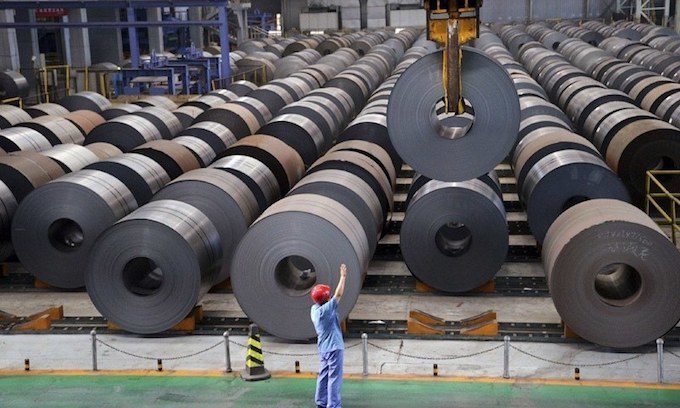
    The Canadian International Trade Tribunal (CITT) said on Monday it has initiated a preliminary dumping inquiry into steel imported from China, South Korea and Vietnam.

    The tribunal will investigate whether the alleged dumping and subsidizing of “cold-reduced flat-rolled sheet products of carbon steel” from these countries have harmed Canada’s steel industry.

    CITT, which operates in Canada’s trade remedy system and reports to parliament, said it will determine the results of the investigation on July 24 and will provide the reasons for the same on August 8.

    Canada’s steps follow U.S. actions from last week when the United States Commerce Department had slapped steep import duties on steel products from Vietnam that originated in China after a final finding they evaded U.S. anti-dumping and anti-subsidy orders.

    The global steel industry is struggling with a glut of excess production capacity, much of it located in China, that has pushed down prices.

  • Most SE Asian markets fall; Malaysia down for 5th session in six

    Most SE Asian markets fall; Malaysia down for 5th session in six

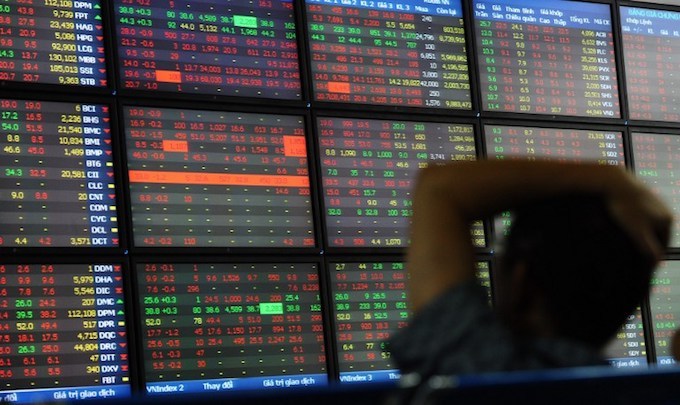
    Most Southeast Asian stock markets fell on Monday, with Malaysia declining for a fifth session in six, while Indonesia extended gains on the back of financial and infrastructure stocks.

    “There are lots of pitfalls that could sideswipe the markets,” said Stephen Innes, head of trading APAC at Oanda, referring to the U.S.-China trade issues, N.Korea-U.S. summit and strong U.S. dollar.

    U.S. oil futures hit six-week lows on expectations major producers may ease output curbs, while Asian stocks and U.S. share futures gained on signs the United States and North Korea were still working towards holding a summit.

    In Malaysia, trading services firms including IHH Healthcare and Sime Darby were among the top losers. IHH Healthcare fell as much as 4.8 percent and Sime Darby plunged 9 percent on disappointing quarterly results.

    Vietnam shares fell as much as 2.9 percent to a more than five-month low. Vinhomes JSC declined 5.5 percent and Vietnam Prosperity Joint Stock Commercial Bank fell 5 percent.

    Indonesian shares climbed as much as 1.4 percent and were headed for a fifth straight session of gains. Bank Mandiri (Persero) Tbk PT rose 5 percent and Bank Central Asia Tbk PT climbed 1.1 percent.

    The central bank said on Friday that it would hold an additional meeting of its board of governors on Wednesday to discuss economic and monetary conditions.

    “We suspect that the persistent selloff in the rupiah and upward pressures on local government bond yields (despite the recent 25bps rate hike) may prompt further action,” DBS said in a note.

    “Further BI rate hikes may be needed, with the next one possibly as early as this week.”