Tag: Vietnam

  • Vietnam wants exclusion from US steel tariffs

    Vietnam wants exclusion from US steel tariffs

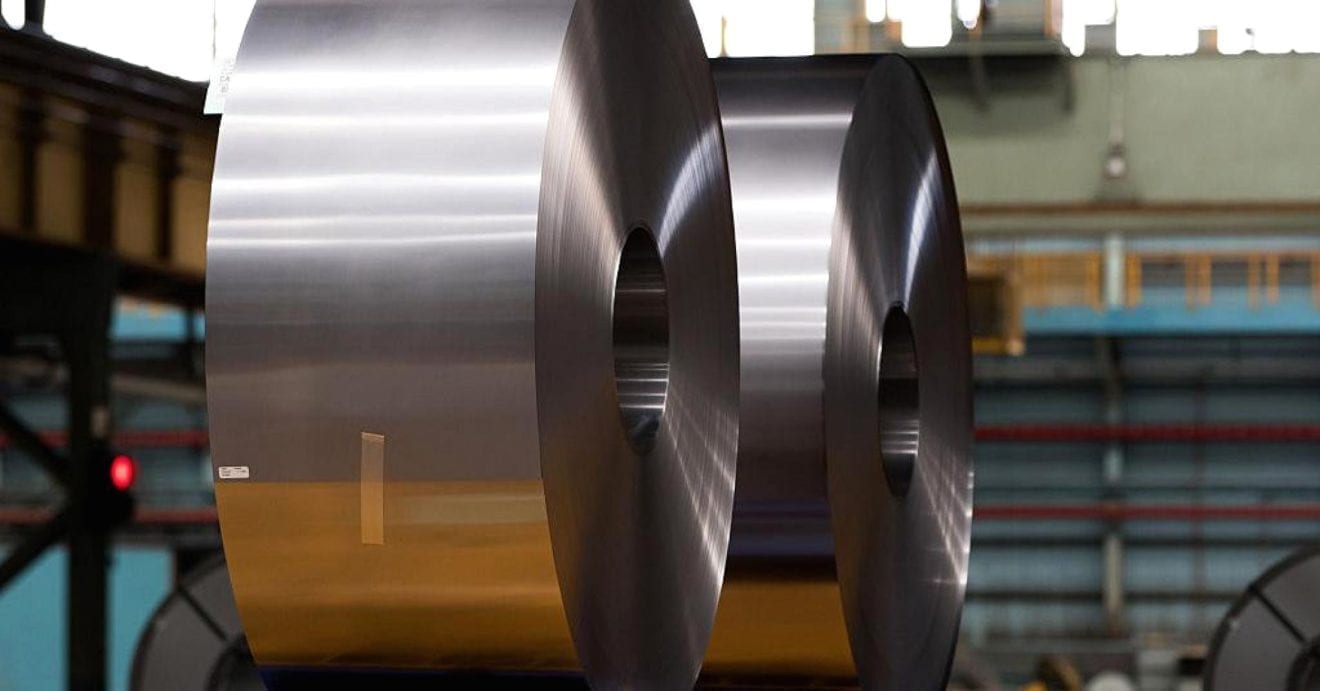
    The Ministry of Industry and Trade (MoIT) has urged the US Government to consider excluding Vietnamese products from its newly announced tariff measures on imported steel and aluminium.

    The ministry stressed that Vietnamese steel and aluminium products sold to the US are intended for use in civil construction, not for infrastructure or security-defence purposes, thus not affecting the US goal of ensuring its national security.

    Moreover, Vietnam’s steel and aluminium products account for just a marginal proportion of US imports of those products, and neither cause nor threaten to cause damage to the US steel and aluminium industries, the MoIT said.

    The ministry will continue to keep close watch on the situation and consider subsequent actions to ensure the legitimate interests of Vietnamese enterprises, while maintaining the growing trend of the comprehensive partnership between Vietnam and the US.

    US President Donald Trump, on March 8, signed proclamations to impose a 25 percent tariff on imported steel and a 10 percent tariff on imported aluminum.

  • Vietnam’s MobiFone, AVG cancel acquisition agreement

    Vietnam’s MobiFone, AVG cancel acquisition agreement

    Vietnam Mobile Telecom Services Corporation (MobiFone) and shareholders of multimedia company Audio Visual Global (AVG) on Monday decided to cancel the share transfer agreement between the two companies.

    The decision was made several days after the Party Central Committee (PCC)’s Secretariat asked the Government to soon release the inspection results of a VNĐ8.89 trillion (US$395 million) acquisition by communications giant Mobifone

    Accordingly, MobiFone and AVG agreed to cancel the transfer of 344.66 million shares and refund each other the amount received under the agreement.

    AVG shareholders will refund the entire amount paid by MobiFone, while MobiFone will return to AVG the number of shares and assets transferred. At the same time, the two sides will try to not let the other party suffer more damages.

    Phạm Nhật Vũ, representative of AVG in the negotiations with MobiFone, agreed not to impose a fine and claim compensation while cancelling the deal.

    In addition to the amount paid to AVG, MobiFone said it had to pay some related expenses, such as hiring consultants. AVG has agreed to share this expense with MobiFone.

    AVG has made a deposit of VNĐ450 billion to proceed the agreement cancelation, MobiFone said in a press release on Tuesday.

    According to the AVG representative, there are many reasons for them to cancel the contract. First, since its acquisition, MobiFone has not operated and developed the AVG brand as planned and missed many opportunities and potential of AVG.

    Second, Vũ said since the contract was in effect, MobiFone had paid 95 per cent of the contract value. The deadline was over but MobiFone had not yet fulfilled its obligations to pay the remaining 5 per cent despite repeated requests by AVG.

    Since the inspection of the contract, the process of operating the AVG brand had caused many problems, damaging the reputation of both the parties. According to MobiFone and AVG, the cancellation of the contract is aimed at salvaging the damage.

    At the meeting, a MobiFone leader said the inspection process had impacted the completion of payment to AVG. He also said due to problems faced by AVG, the market had changed and MobiFone was not able to concentrate on developing AVG.

    In early 2016, Mobifone formally announced the acquisition of AVG to expand its television network, one of the company’s four main business areas. The details of the deal, however, were not disclosed.

    At the beginning of August 2016, the Government promulgated Document No 1344/TTg, asking the Government Inspectorate to investigate the acquisition. The Inspectorate found serious violations in the acquisition.

    Last Thursday, the Party Central Committee’s Office issued official letter No 6106-CV/VPTW on the handling of Mobifone’s acquisition of 95 per cent of AVG shares, which says that this is a serious, complicated and sensitive matter.

    The Secretariat said that the Government and the Inspectorate must be responsible for reviewing and settling cases in an objective and accurate manner under the law to ensure that punishment is given to the right person and lost State assets are revoked.

    Read more at https://vietnamnews.vn/economy/424281/mobifone-avg-cancel-acquisition-agreement.html#7mlG6OWYcGVqGrou.99

  • Lazada comes with idea to simplify selling system

    Lazada comes with idea to simplify selling system

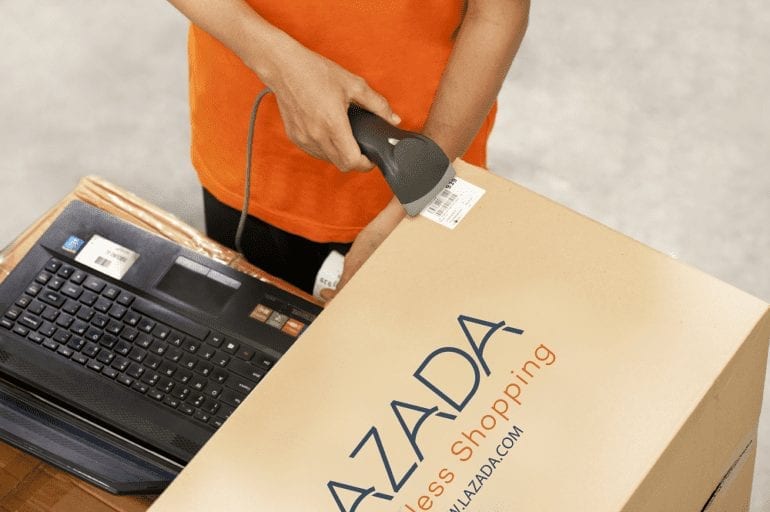
    To help Southeast Asian entrepreneurs ride the e-commerce boom, Lazada has rolled out measures to make doing business online easier, faster and more financially rewarding.

    Already in effect, the moves benefit new sellers and about 135,000 merchants already on Lazada’s platform.

    One of the highlights is Seller Rewards, a powerful framework that recognises sellers for outstanding performance. The higher the ratings, the more rewards or benefits the seller enjoys such as:

    ● Higher visibility of products when users search and browse the site
    ● Access to shipping services and price subsidies extended by Lazada
    ● Access to promotional campaigns spearheaded by Lazada
    ● Access to preferred sellers programs; or premium seller program in Malaysia and Seller Prioritas program in Indonesia.

    Customers can rate sellers based on how they apply best practices to deliver a positive customer experience, such as quality checks on products sold, using recommended packing materials to avoid damage, and preventing purchase cancellations through third-party negligence.

    As another plus, sellers will no longer be financially penalised for policy breaches. However,  errant sellers may be delisted by Lazada.

    Instead of three to four days for anyone to start their business on Lazada, the process can now be completed in mere minutes. The simplified sign-up form requires registrants to provide just their email address, telephone number and address. They can start logging up sales 15 minutes after creating an account.

    Lazada group chief operations officer Aimone Ripa di Meana says the seller-friendly initiatives are part of the company’s efforts to empower entrepreneurs to grow their business online. “By incentivising sellers and giving them more leeway to sell efficiently and effectively, we want to ensure Lazada’s marketplace is the best place for sellers to reach out to more consumers.”

    Launched in 2012, Lazada is present in Indonesia, Malaysia, the Philippines, Singapore, Thailand and Vietnam. It helps more than 135,000 local and international sellers as well as 3000 brands serving 560 million consumers. Lazada Group is majority owned by Alibaba Group Holding.

  • Vietnam aims to reduce property speculation in HCMC

    Vietnam aims to reduce property speculation in HCMC

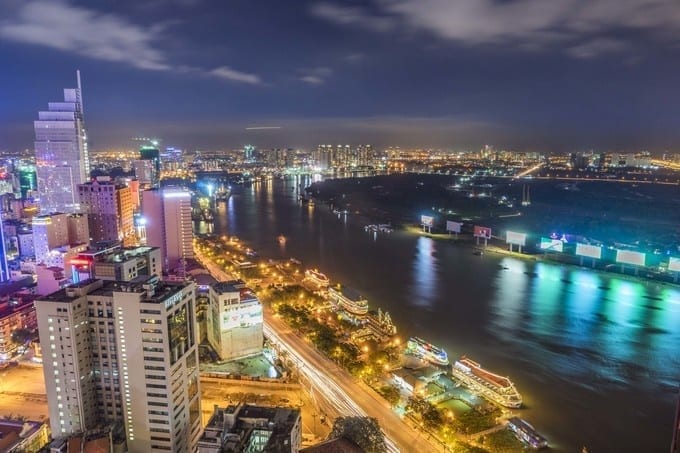
    The People’s Committee of HCM City has proposed to impose a tax on apartments and houses which are sold within one year after purchasing, aiming to reduce speculation and ensure stability in the estate market.

    The People’s Committee has submitted the proposal in its property market development project for the 2016-20 period with an orientation to 2025 and a vision to 2030 to the National Assembly and the Government.

    The project was approved by the city by the end of last year. It provided evaluations on advantages and shortcomings of the market as well as development orientation.

    The city’s property market still lacks transparency, causing speculation, it cited. Individual investors buy houses and land not for the purpose of accommodation or rental but with the intention of quickly reselling them for profit. However, the home buyers did not pay for asset taxes and additional income. Sometimes, the investors held a majority of transactions in the market, making land and house prices increase and reducing supply for people seeking to buy homes to live in.

    HCM City therefore proposed that the Government should review regulations relating to taxes on estate transactions to encourage people to truthfully declare the value and additional income from the transactions. This could help the market develop transparently and healthily.

    In addition, the project also suggested building an annual tax collection mechanism for land and estates increasing in value, which would create new funds for the Government to improve infrastructure.

    It also proposed other solutions such as imposing a high tax rate on a buyer’s second home.

    The city asked the Government to issue the urban and construction bonds, mobilising capital from banks and credit institutions as well as a mechanism to attract investment into infrastructure.

    In the short-term, the Government could allow a pilot implementation of some new financial tools such as housing saving funds or a real estate investment trust (REITS) to diversify capital resources in the estate market.

    The city proposed that the Government replace the calculation of land use payments with a fixed tax rate of 10-15 per cent.

    Read more at https://vietnamnews.vn/economy/424089/hcmc-aims-to-reduce-property-speculation.html#eGfjysbqGIY62cdx.99

  • Vietnam records US$33.62bn in export value in Jan-Feb

    Vietnam records US$33.62bn in export value in Jan-Feb

    Vietnam had six groups of export commodities gaining at least US$1 billion in export value in the first two months of 2018.

    This was revealed by the General Department of Customs.

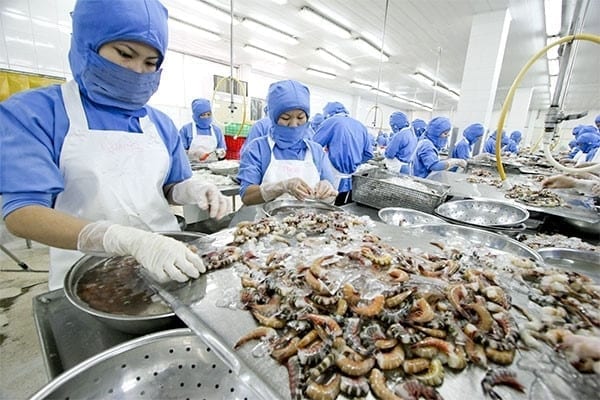
    The result was one more group than that in the first two months of 2017. The new “billion dollar” goods item was seafood, which was the largest export product of the agricultural sector.

    In the first two months of this year, the export value of seafood reached $1.1 billion, up 20.4 per cent over the same period last year. However, its export value in February reduced 37.3 per cent month-on-month to $430 million.

    Five others included the group of telephone and its parts; the group of computer, electronic products and their parts; the group of other machines, equipment, tools and components; the group of footwear; and the group of textile and garmentt.

    The department said all export commodities gaining billion-dollar export value achieved double-digit growth rate in export value.

    During the first two months of this year, the export value of telephone and its parts reached $6.63 billion, a year-on-year increase of 41.7 per cent, the largest export value among all.

    Textiles and apparels gained a surge of 22.3 per cent year-on-year in export value to reach $4.3 billion. This was considered the highest growth rate in export value of the textile and garment industry in recent years.

    Computers, electronic products and their parts had an estimated export value of $4 billion, up 19.2 per cent over the same period last year. The export value was $2.27 billion for footwear products, up 11.9 per cent, and $1.27 billion for wood and wooden products, up 20.1 per cent compared to the same period last year.

    By the end of February, the total national export value was estimated at $33.62 billion, a year-on-year increase of 22.9 per cent. Of this, $19.57 billion came from the six groups of commodities earning a billion dollars in export value, accounting for 58.2 per cent of the total export value.


  • Floodgates could open as Honda imports cars

    Floodgates could open as Honda imports cars

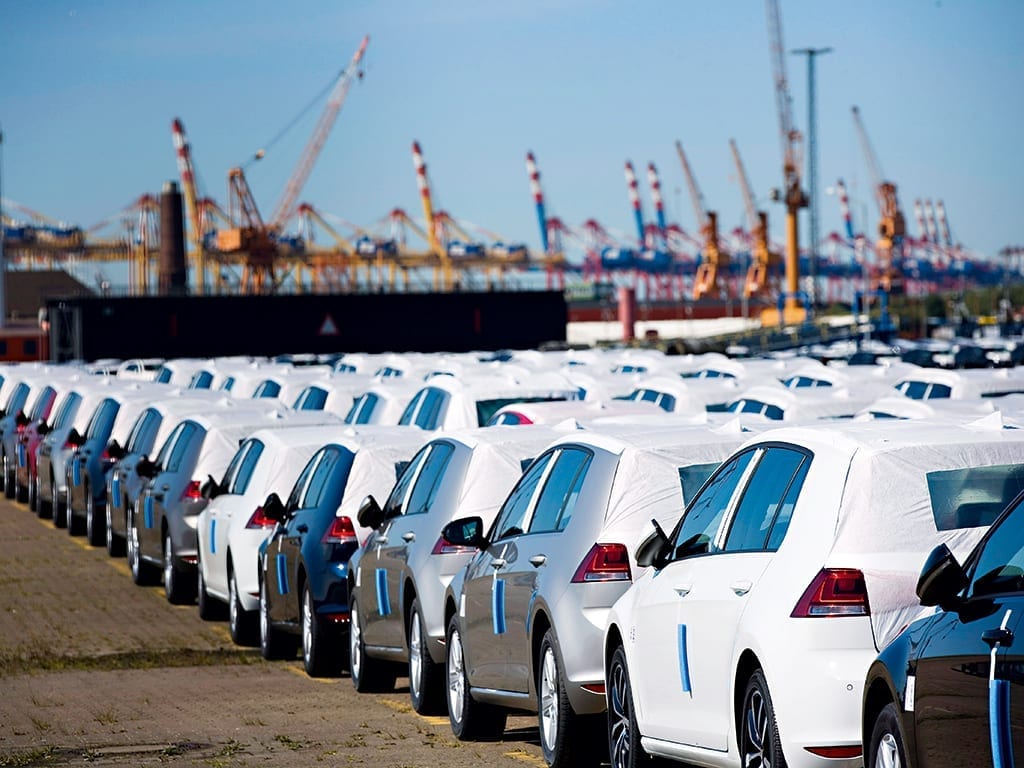
    After stopping car exports to Việt Nam for more than a month, Japanese auto giant Honda Motor suddenly decided to import around 2,000 vehicles from Thailand in early March.

    This is the first batch of automobiles exempt from import tax under the ASEAN Trade in Goods Agreement (ATIGA) to be imported into Việt Nam.

    ASEAN groups Brunei, Cambodia, Indonesia, Laos, Malaysia, Myanmar, the Philippines, Singapore, Thailand and Việt Nam.

    Lý Thanh Bình, head of customs at HCM City’s Hiệp Phước Port, confirmed that Honda cars including Jazz, Accord, CR-V and Civic were unloaded at the port on March 1. The vehicles will be sold in one or two months after they undergo several mandatory tests as part of the customs clearance process.

    In January, Toyota Motor and Honda decided to suspend exports to Việt Nam saying they are unable to meet Việt Nam’s stringent checks of imported vehicles under the new Decree 116.

    The decree on the production, assembly, import and warranty of automobiles was issued just as Việt Nam eliminated tariffs on automobiles imported from ASEAN members.

    It requires all models of imported vehicles to obtain a Vehicle Type Approval certificate from authorities in the exporting countries.

    The new rule also requires emission and safety tests to be done on every batch of automobiles imported. In the past, only the first shipment of a model was tested.

    Many auto giants from Japan and the US have expressed concern, saying it would be difficult to meet the requirements.

    Some also said the new requirements would cause a huge waste of time and money for importers since one emission test could take two months and cost up to US$10,000.

    The decree is aimed at strengthening quality checks and protecting the local industry.

    The fact that Honda resumed exports to Việt Nam proves that car importers can remove the biggest obstacles like the above-said things that they were facing as they want to import the vehicles under the new regulations.

    Honda had Vehicle Type Approval certificates granted by Thailand where the cars were produced.

    Analysts said Honda’s decision to resume exports to Việt Nam should be considered a big factor for the Vietnamese auto market. This was because after Honda, other companies would also be able to receive similar certificates like Honda to bring their cars back to Việt Nam.

    Because of this, car imports from other countries such as Indonesia and Malaysia are also expected to soon come to Việt Nam.

    The return of Honda and other companies including Ford and Toyota in the near future is expected to drag prices significantly lower, thus fulfilling Vietnamese consumers’ dream of buying cars at lower prices.

    According to an official announcement from Honda Vietnam, its compact SUV Honda CR-V is now listed at VNĐ958 million ($42,076) to VNĐ1.068 billion ($46,907), depending on the model and specifications.

    Compared to their earlier prices, when a 30 per cent tax was in place, the 1.5E and 1.5G models are cheaper by VNĐ178 million ($7,818) and VNĐ188 million ($8,257).

    However, market observers said though tariffs on automobiles imported from ASEAN were eliminated over two months ago, car prices have shown no signs of coming down.

    Some have even seen their prices rise.

    They blamed this on not only a shortage of vehicles on the market but also the increasing cost of importing cars under the new rules.

    The shortage is understandable since only Honda of those that do not assemble in the country have gone through the new import rigmarole. Meanwhile, the number of assembled cars has also decreased because of lack of components imported from abroad, meaning supply has been unable to meet demand.

    Trường Hải Auto Joint Stock Company has hiked the prices of many models after making some cuts before Tết (Vietnam Lunar New Year) in mid-February.

    Consequently, the prices of its Mazda cars are up by VNĐ30-50 million. The Nissan Navara saw its prices cut by VNĐ10-20 million before Tết, but is now back to its earlier rates.

    Housing allure remains for overseas Vietnamese

    According to statistics from the World Bank, overseas remittances to the country last year were worth at $13.8 billion, up 20 per cent from 2016.

    This year, they are expected to go up by 5-7 per cent.

    Analysts said overseas remittances would continue to provide a vital impetus to the economy, especially to the property sector.

    The State Bank of Việt Nam said around 71 per cent of remittances went into business, and 21-22 per cent into the real estate sector.

    This means that on average every year, the sector gets an infusion of around $2.5 billion.

    Experts said the remittances are a reliable and steady source of foreign currency, and help keep foreign reserves buoyant.

    An executive at Savills Vietnam’s international residential sales department pointed out that by nature remittances are a “one-way” source of funding and could match or exceed foreign direct investment and foreign portfolio investment.

    Now they play an important role in economic growth. There are millions of Vietnamese living in the US, Europe and Asia, and a growing number of them are finding their way home to work, invest or retire.

    A thriving economy, constantly improving business environment and laws that allow overseas Vietnamese to own houses in Việt Nam are the reasons why they are investing in the housing sector.

    Experts said the housing market now offers favourable conditions for overseas Vietnamese to make profits.

    It has a wide range of products of high quality and reasonable prices, meeting overseas Vietnamese investors’ every demand, whether investment, settling down in the country or working.

    According to Savills Vietnam, safety, security and after-sales services are also factors that overseas Vietnamese and other foreign customers consider when buying a house in addition to location, price, convenience, architecture and design.

    It is undeniable that the attractiveness of the housing market has contributed to increasing remittances to Việt Nam in the last few years.

    According to the State Bank of Việt Nam’s HCM City branch, around 50 per cent of remittances to Việt Nam are to the southern metropolis.

    Around 22 per cent of the remittances to the city of $5.2 billion went into the housing market.

    Experts said to stabilise the flow of remittances into the country and into the real estate sector, the Government should offer incentives like low fees.

    They also stressed the need to make the housing market more transparent and efficiently provide market information to overseas Vietnamese.

    They wanted the Government to have tough measures to prevent the frequent occurrence of price “fever” in the housing market.

    They also called on real estate developers to carefully study overseas Vietnamese and foreigners’ housing needs and improve the quality of their products and services.


  • Phuc Long Danang to open soon

    Phuc Long Danang to open soon

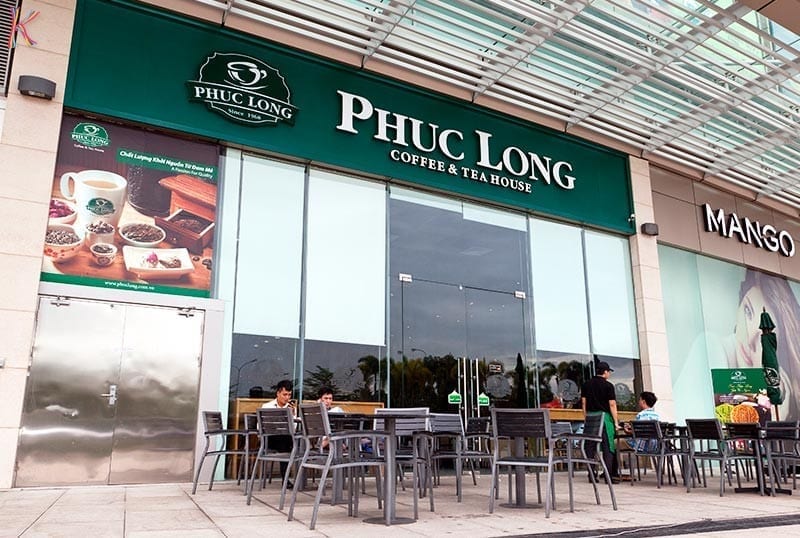
    Vietnamese coffee and tea chain Phuc Long is expanding into Danang next month.

    The brand will open two stores inside Lotte Mart and on Nguyen Van Linh Street in the city’s Hai Chau district.

    The chain has also enriched its food menu, offering traditional Vietnamese banh mi sandwiches alongside croissants, cookies, waffles and tiramisu.

    Targeting younger customers, Phuc Long is considered a competitor with international chain Starbucks and local rival The Coffee House.

    Established in 1968 in the highlands of Lam Dong, Phuc Long started by selling packaged Vietnamese traditional coffee and tea through retail stores. Phuc Long expanded to Ho Chi Minh City during 1980s with both retail stores and a coffee chain. The brand now has 25 stores across the city.

    Starbucks opened its first store in Danang last month.

  • Japan invests big in Vietnamese real estate

    Japan invests big in Vietnamese real estate

    Việt Nam’s real estate sector has witnessed significant participation from Japanese investors through cooperation with Vietnamese businesses recently, promising to bring benefits to the real estate market.

    According to real estate company Savills Việt Nam, over the past years, Asian investors, including Japanese ones, were only involved in commercial real estate like commercial centres, serviced apartments or office buildings. However, at present, these investors are increasing their activity in the residential segment due to the country’s young population and an increasing middle class, presenting an extremely attractive opportunity.

    Presence of big investors

    Shinichi Sakaki, deputy general director of the City Bureau, at Japan’s Ministry of Land, Infrastructure, Transport and Tourism, said the Japanese Government now has policies to support real estate developers promoting investment abroad. In addition, Japan has the experience of developing large-scale satellite towns, so it is trying to ‘export’ that technology abroad.

    One of the projects attracting not only investors but also the governments of Việt Nam and Japan is the cooperation agreement for the development of Nhật Tân – Nội Bài, aiming to build a smart city north of the Red River.

    The project was signed between Việt Nam’s BRG Group Joint Stock Company, Japan’s Sumitomo Corporation Asia and Oceania Group and the People’s Committee of Hà Nội.

    With total investment of nearly US$4.2 billion, this project is considered Japan’s largest foreign investment.

    Prior to that, another large Japanese investor, Mitsubishi Corporation, had co-operated with Vietnamese property developer Bitexco, to develop 240 low-rise housing units and two high-rise condominiums among a total of more than 1,000 low-rise and 17 high-rise condominiums at Hà Nội’s The Manor Central Park project.

    Bitexco and Mitsubishi established a joint venture company, of which Bitexco holds a 55 per cent stake and Mitsubishi holds the remaining 45 per cent.

    Recently, Nidec Group, one of the world’s leading hi-tech corporations and the second largest Japanese corporation on the Tokyo stock exchange (2017), joined forces with escalator firm Alpec to conquer the Vietnamese elevator market.

    With many years of experience in the field of high technology as well as research and development of lifts, Nidec will send foreign experts to support Alpec in quality management, labour safety, as well as the research and development of elevator equipment. The cooperation between the two sides promises to launch modern and environmentally-friendly elevator products, in accordance with the aesthetics and economic conditions of the Vietnamese people.

    Regarding potential cooperation between the two countries, Lê Hoàng Châu, president of the HCM City Real Estate Association (HoREA), said, in 2017, Japan replaced the Republic of Korea as the largest foreign investor in Việt Nam in general, and in the real estate market in particular. Many Japanese enterprises have participated in the implementation of major urban infrastructure projects funded by the Japanese Government, such as Obayashi, Shimizu, Hitachi, Sumimoto Construction, Mitsui and Maeda.

    In addition, there are enterprises that have invested in developing big projects such as Nomura Hải Phòng Industrial Zone, or Idemitsu Kosan Company Limited’s investment in Nghi Sơn Refinery and Petrochemical. Especially, in the past five years, some Japanese investment funds and enterprises have cooperated with real estate companies in Việt Nam in the form of buying shares, contributing to investment or lending for developing real estate projects in accordance with Japanese standards and suitable to consumers’ needs.

    The potential for investment and business cooperation among real estate companies in Japan and Việt Nam is very large, with 1,200 real estate development projects of Vietnamese enterprises in need of cooperation, joint ventures or teaming up with domestic and foreign businesses, especially Japanese ones.

    Potential cooperation

    The cooperation between Việt Nam and Japan will bring benefits to both sides, especially in creating opportunities for Vietnamese consumers to access high quality Japanese housing products, according to Châu.

    Meanwhile, regarding cooperation with Japanese units in the field of building management, Nguyễn Quang Huy, deputy general director of Property and Management Company (PMC), said cooperation with Japanese businesses brought benefits such as giving motivation to develop service standards and customer service strategies in a Japanese style, improving the prestige and company’s brand name, and being able to improve the foundations of implementing management, training or improving the quality of human resources.

    “However, we also face many challenges; the most fundamental difficulty is the different approaches between the two sides. Vietnamese people tend to focus on a short-term approach, expecting to see results quickly. Japanese people, on the other hand, appreciate the importance of long-term planning, so they start with the smallest things,” Huy said.

    “For example, in the field of building management, they teach staff how to cut nails, wash toilets, walk and serve customers. Therefore, Vietnamese businesses intending to cooperate with Japan should also pay attention to differences in the approach and find ways to create a workforce that loves the job, accepting career development on a long-term basis rather than short-term,” he said.

    According to the HoREA chairman, there is enormous opportunity for co-operation between HCM City and Japanese property developers and construction companies since the city now has some 1,200 projects, including infrastructure upgrades and beautifying works,

    Speaking at a meeting with a delegation of executives from 40 Japanese companies, Châu said the projects had been undertaken by local firms who want to tie up with foreign partners.

    Additionally, from 2018, the city was set to implement the National Assembly’s resolution No54 on special mechanisms and policies, which would give it almost complete autonomy in deciding and awarding projects.

    The city had already planned 21 programmes including removing houses along canals and giving itself a facelift.

    He cited the examples of Tokyu investing in Hưng Thịnh Corporation and Becamex’s projects and Hankyu and Nishi Nippon Railways tying up with Nam Long, Misubishi Corporation with Phúc Khang Corporation, and ACA with Sơn Kim Land.

    Concurring, Lê Trần Kiên, deputy director of the city’s Department of Construction, said the city aimed to relocate 20,000 people living along canals and in old apartments by 2020.

    “Some 21,850 houses are located along canals and need to be moved, mostly in Districts 8, 4 and Bình Thạnh,” he said.

    The city was considering ways to attract more foreign investment in public-private partnership projects (PPP), he said, adding that six PPP projects were underway to upgrade the city.

    HCM City is now soliciting Japanese investment in a project to upgrade the Cầu Dừa Canal in District 4.

    Speaking about the potential of co-operating with city-based companies, Keiji Kimura, chairman of J-CODE, said Việt Nam was set for rapid modernisation like Japan achieved 50 years ago.

    So Japanese companies would like to share their experience with HCM City partners in handling problems like traffic jams and pollution, he said.

    They were committed to apply modern technologies to develop HCM City’s infrastructure, he assured.

     

  • Vietnam Airlines to introduce flights to Singapore, Taiwan

    Vietnam Airlines to introduce flights to Singapore, Taiwan

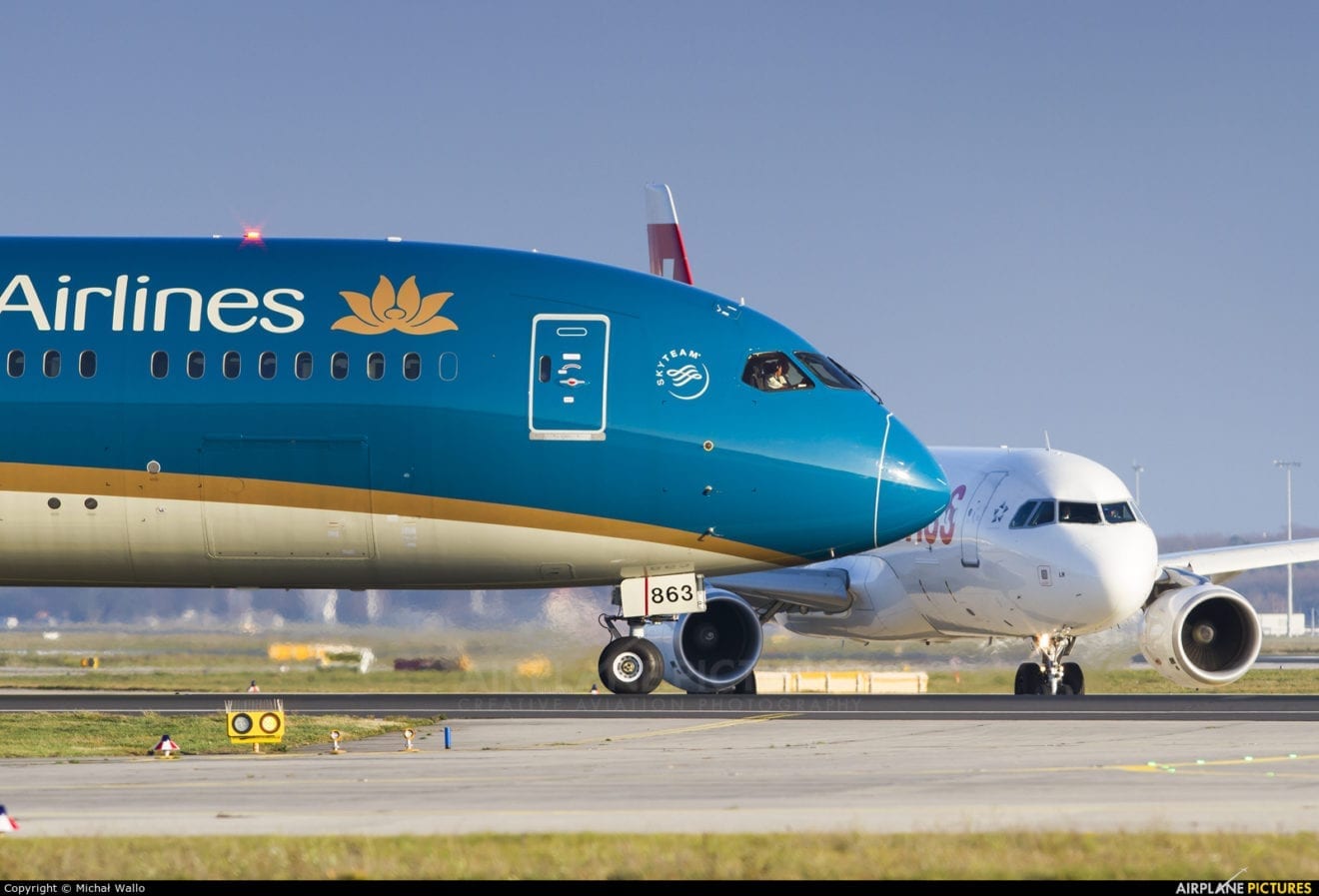
    National carrier Vietnam Airlines will add four flights per week from HCM City to Singapore and Taiwan each from March 27.

    A spokesperson of the carrier said the firm wanted to diversify its products to meet the demand of passengers as Singapore and Taiwan had recently become favourite destinations for Vietnamese tourists.

    The new flights to Singapore will depart from HCM City at 7.25pm every Monday, Wednesday, Thursday and Sunday, while the return flights will depart at 11.25pm on the same days.

    The flights from HCM City to Taiwan will depart at 2.05am every Tuesday, Thursday, Saturday and Sunday. The return flights will depart from Taiwan at 10.10pm every Monday, Wednesday, Friday and Saturday.

    With the introduction of the new flights, Vietnam Airlines will have a total of 11 flights per week on the HCM City-Taiwan route and 25 flights between HCM City and Singapore. All flights will be Airbus A321 with four-star international levels.

    On June 30, the carrier will launch a special promotional programme, in which the return ticket between HCM City and Singapore will cost VNĐ2.79 million and that between HCM City and Taiwan will cost VNĐ4.56 million (US$200), including taxes and fees.


  • E-business of Giordano International looks good

    E-business of Giordano International looks good

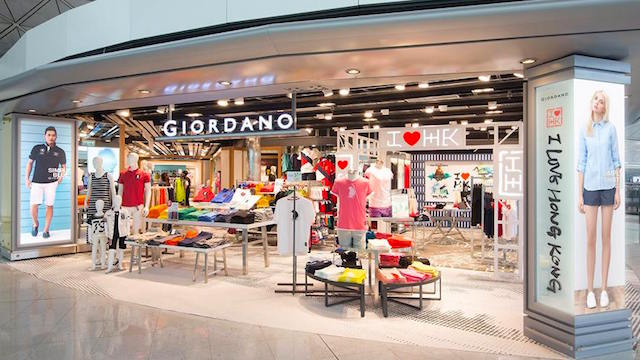
    E-business last year was particularly strong for apparel retailer Giordano International.

    Overall, consolidated sales reached HK$5.4 billion, up 5.2 per cent. Group comparable-store sales and comparable-store gross profit rose  by 5.2 and 5 per cent respectively.

    Consolidated gross margin edged up by 0.1 points to 59.5 per cent.

    Profit after income taxes attributable to shareholders of the company was $500 million,
    an increase of 15.2 per cent over 2016.

    Operating profit rose by 21.3 per cent, with most regions having double-digit growth, particularly Southeast Asia, Mainland China and Taiwan. The group’s business in Vietnam was acquired on July 1.

    With an improved merchandise assortment, Indonesia and Malaysia delivered good results.

    Operating profit increased by 18.6 and 26 per cent for Indonesia and Malaysia respectively. In Singapore, operating profit increased by 31.2 per cent, attributable mainly to the gross margin improving by 1.7 points to 63.7 per cent.

    Unusually strong sales from Thailand in 2016 resulted in an unfavourable year-on-year comparison. Operating profit declined by 20.1 per cent in local currency terms.

    A surge in net profit for South Korea – a 48.5 per cent JV under an independent management team – resulted from better cost control, closure of non-performing stores and enhancement in gross margin.

    Giordano had a network of 2414 stores at the end of December, of which 1268 were standalone outlets. Most stores were in Greater China, South Korea, Southeast Asia and the Middle East.

    Meanwhile, the group’s e-business is directly managed and derived mainly from third-party platforms as well as its own proprietary website in Greater China. This channel generated $310 million in revenue at a 31.4 per cent growth rate.

    Accounting for 93.2 per cent of the group’s e-business sales, Mainland China continued its momentum and recorded a 28.2 per cent increase in sales on various platforms combined.

    Giordano’s e-business in Taiwan was revamped during the year to become its second-largest online presence.

  • Happy Women’s Day flying with Vietjet’s 1.5 million HKD0 tickets

    Happy Women’s Day flying with Vietjet’s 1.5 million HKD0 tickets

    Celebrating International Women’s Day on March 8, Vietjet is to offer a 3 golden days promotion from March 6 to 8, 2018 with 1,500,000 tickets priced from HKD0. The promotional tickets are for all domestic and international routes flying from Vietnam to Hong Kong, Seoul, Busan (South Korea)/ Kaoshiung, Taipei, Taichung, Tainan (Taiwan)/ Singapore/ Bangkok, Phuket, Chiang Mai (Thailand)/ Kuala Lumpur (Malaysia)/ Yangon (Myanmar)/ Phnom Penh, Siem Reap (Cambodia) with the flight period from April 10 to December 31, 2018.

    Especially, the first 1,000 female passengers buying tickets on the website on March 8 and paying via international cards (Visa, Master, JCB, UnionPay) will receive the promo code to purchase discount tickets through email provided when booking.

    The promotional tickets are available during the golden hours from 13:00 to 15:00 (GMT+8). Payment can be easily made with debit and credit cards of Visa/ MasterCard/ AMEX/ JCB/ KCP.

    Aiming to become the “Consumer Airline”, Vietjet is continually opening new routes, adding more aircraft, investing in modern technology and offering more added-on products and services to serve all demands of customers. Vietjet is a pioneering airline that is loved by many for its exciting promotional and entertainment programs, especially during the festive season. With high-quality services, diverse ticket classes and special low-fare tickets, Vietjet offers its passengers flying experiences on new aircraft with comfy seats, delicious hot meals, beautiful and friendly cabin crews, and other interesting added-on services.

  • Asset quality, profitability of Vietnam banks improved: Moody’s

    Asset quality, profitability of Vietnam banks improved: Moody’s

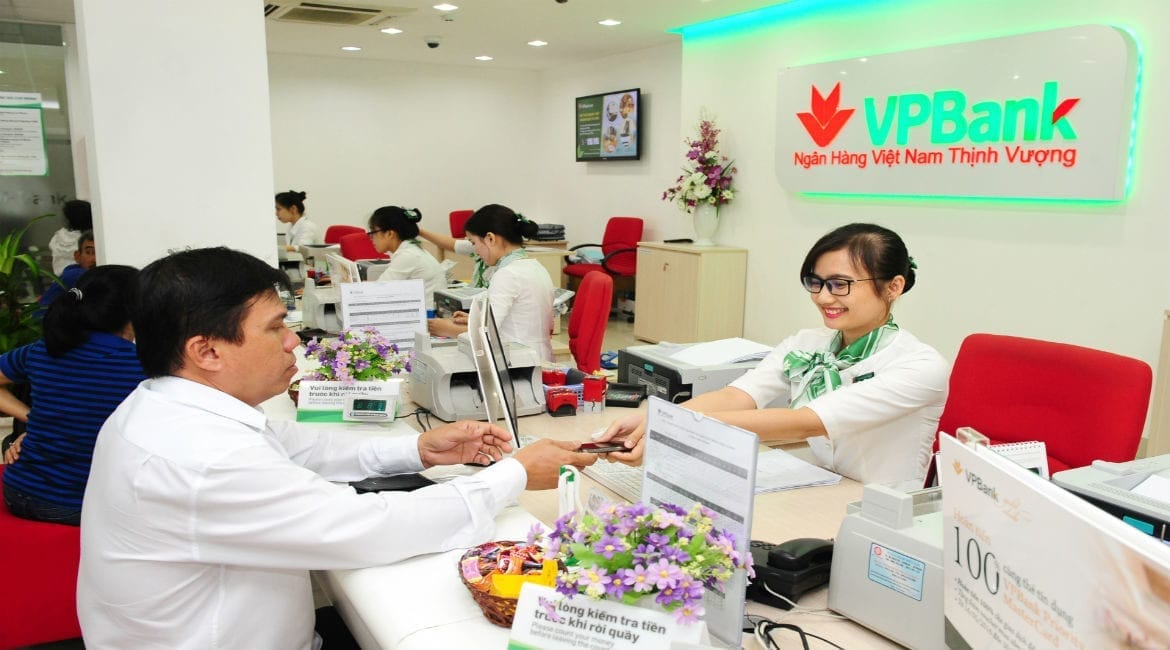
    The asset quality and profitability of 14 Vietnamese banks rated by Moody’s improved moderately year-over-year, driven by robust macroeconomic conditions and growth in core income, Moody’s Investors Service said on Tuesday.

    However, the banks’ capitalisation deteriorated because of rapid asset growth and cash dividends, Moody’s said in the “Banks – Vietnam: 2017 results show widening divergence in asset quality and profitability performance” report, adding that the banks’ funding profiles weakened mildly, as they increased their reliance on market-sensitive liabilities — mainly borrowings from other banks — to fund loan growth with cheap short-term funding sources.

    “In 2018, we expect the banks will continue to improve their asset quality and profitability, while capitalisation will weaken,” said Eugene Tarzimanov, a vice president and senior credit officer at Moody’s.

    “However, the credit profiles of banks with stronger capital buffers and lower asset risks will be further distanced from the other banks,” said Rebaca Tan, a Moody’s analyst.

    On asset quality in particular, Moody’s said that the improvement in 2017 versus 2016 was helped by problem asset recoveries and write-offs, as well as credit growth. The asset weighted-average problem loans ratio at the 14 rated banks fell to 5.7 per cent at the end of 2017 from 6.7 per cent the year before.

    Notably, four banks fully wrote off the bonds of Việt Nam Asset Management Company that they had received in exchange for problem assets, and Moody’s expects more such write-offs in 2018.

    The problem loan coverage ratios also improved, although they are still at levels which are weak by international standards.

    Moody’s said the banks’ asset quality will improve further in 2018, due to recoveries, but rapid credit growth could mask asset risks.

    With profitability, Moody’s points out that the banks’ asset weighted-average return on assets rose to 0.9 per cent in 2017 from 0.7 per cent in 2016. Profitability will continue to improve in 2018, on the back of the same factors that drove up profitability in the prior year; in particular, robust macroeconomic conditions and growth in core income.

    As for capitalisation, the asset weighted-average ratio of tangible common equity to total assets for the banks slipped to 5.5 per cent in 2017 from 5.7 per cent in 2016, pressured by declines at Government-owned banks in particular.

    Nevertheless, some banks, such as Vietnam Prosperity JSC Bank (B2 stable, b3), Vietnam Technological and Commercial Joint Stock Bank (B2 stable, b2), and HCM City Development JSC Bank (B2 stable, b3), strengthened their capital bases through the sale of new shares.

    Moody’s expects that more Vietnamese banks will increase capital by issuing new shares in 2018. However, the overall capitalisation levels will remain under pressure over the next 12 months from credit growth and dividend payments.

    Moody’s explains that in terms of funding, the banks’ funding profiles weakened moderately, as seen by the system-wide asset weighted-average loans-to-deposits climbing to 86 per cent in 2017 from 85 per cent in 2016. This trend could continue in 2018, because loan growth remains rapid.

    Read more at https://vietnamnews.vn/economy/423887/asset-quality-profitability-of-vietnam-banks-improved-moodys.html#a6iJMG6IBeduJdR1.99

  • Amazon to enter Vietnam

    Amazon to enter Vietnam

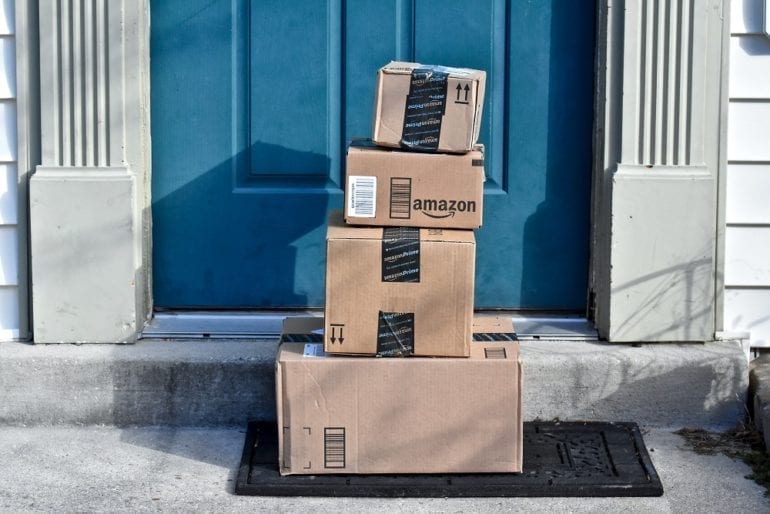
    The world’s leading e-commerce player, Amazon, is planning to enter the Vietnamese market, announced the Việt Nam E-commerce Association (VECOM).

    Amazon will also support Vietnamese enterprises in exporting online through the platform, VECOM chairman Nguyễn Thanh Hưng said.

    Accordingly, Amazon will kick off a co-operation programme to support Vietnamese small- and medium-sized enterprises to sell and export goods through its ecosystem at the Việt Nam Online Business Forum 2018, which will be held on March 14.

    According to an evaluation of VECOM and prestigious research companies in the world, the growth of Vietnamese e-commerce is at a high rate. VECOM estimates the growth rate of 22 per cent per year.

    The Vietnamese e-commerce scale is predicted to reach US$10 billion in the next five years, making Việt Nam a lucrative market to many e-commerce enterprises in the world.

    Before Amazon, Lazada entered Việt Nam and dominated some one third of the country’s online shopping market. Later, Alibaba paid $1 billion to buy stakes at Lazada to enter the Southeast Asian market, including Vietnam.

  • Vietnam’s fruits getting popular in Japan

    Vietnam’s fruits getting popular in Japan

    Vietnamese fruit is making its presence felt in the Japanese market, with the country registering a turnover of US$170 million in 2017 through the export of fruits and vegetables, a year-on-year increase of 70 per cent.

    This was revealed by Tạ Đức Minh, Vietnamese trade counsellor to Japan, during Japan’s largest international food and beverage exhibition, Foodex Japan 2018, which opened on Tuesday in Chiba city.

    Up to 20 Vietnamese enterprises from various cities and provinces, such as HCM City, Hà Nội, Nghệ An, Bắc Giang, Ninh Bình, Đồng Tháp, Bến Tre, Cần Thơ, Kiên Giang, Lâm Đồng and Cà Mau, which are active in the field of agro-fisheries and food export, took part in the event.

    The event offers Vietnamese businesses opportunities to promote their exports in the Japanese and other Asian markets. Besides this, it is an opportunity for Việt Nam’s firms to develop new export items, sign valuable export contracts, and promote a wide range of Vietnamese food and agricultural products.

    At the expo, Vietnamese firms displayed products such as fruits and vegetables, seafood, cod-liver oil, organic pepper, seedless lemons, rice products, Phú Quốc sauce, various biscuits and juices.

    Earlier, Vietnamese products were exported to Japan in the form of semi-finished products; however, recently, Vietnamese enterprises have focused on investment and technology cooperation with Japanese enterprises, helping Vietnamese products meet the quality standards of the Japanese market, Minh added.

    The four-day exhibition attracts 3,350 firms from 80 countries and territories worldwide, and is expected to welcome some 85,000 visitors.


  • Vietnam expects to export 6.5 million tonnes of rice in 2018

    Vietnam expects to export 6.5 million tonnes of rice in 2018

    The Ministry of Agriculture and Rural Development expects Việt Nam to export 6.5 million tonnes of rice in 2018, Deputy Minister of Agriculture and Rural Development Hà Công Tuấn said at the ministry’s monthly meeting on Friday in Hà Nội.

    To get high export value, high-quality rice will still account for a large proportion of the total export volume, while normal rice makes up less than 20 per cent, Tuấn said.

    He also said the export prices of Vietnamese rice had increased as their quality had improved.

    The export price of Vietnamese rice rose from US$435 per tonne in 2016 to $450 per tonne in 2017 and $475 per tonne during the January-February period.

    This was achieved by restructuring efficiently the production of rice to improve its quality and value.

    At the same time, in the past two years, more local private enterprises have joined the global export market. Businesses have also invested more into the processing of rice but the percentage of processed rice is still low.

    Việt Nam is doing well to improve its rice quality, he said, suggesting the country focus on improving the brand name of its rice.

    According to the Ministry of Agriculture and Rural Development, Việt Nam shipped 861,000 tonnes of rice abroad in the first two months of this year, earning $419 million, up 17 per cent in volume and 34 per cent in value, compared with the same period last year.

    The Philippines was the biggest importer of Vietnamese rice, accounting for 26.9 per cent of the market share. It was followed by China with 23.5 per cent.

    Last year, Việt Nam earned $2.6 billion by exporting 5.8 million tonnes of rice.