Tag: Vietnam

  • Golden Gate steps into bubble-tea market

    Golden Gate steps into bubble-tea market

    Vietnam restaurant group Golden Gate has stepped into the bubble-tea market with its first Yu Tang outlet in Hanoi.

    It is on the Chua Lang site formerly occupied by failed The Coffee Inn. The group acquired the property at the end of last year.

    Yu Tang expands on the traditional bubble-tea offering with Taiwanese finger foods such as dumplings and popcorn chicken.

    Founded in 2005, Golden Gate now owns local and franchised F&B chains in Vietnam such as Gogi House, Kichi Kichi, SumoBBQ and Vuvuzela Beer Club.

    Meanwhile, Taiwanese milk-tea brands Sharetea and T4 have moved into Ho Chi Minh City this year, promising more stores in the near future. A third brand, Presotea, is seeking a partner for Vietnam.

    Cashing in, fast-food giant McDonald’s has launched its own milk-tea recipe at all its Vietnam outlets. Its Milkfoam Kacchiato is made from speciality tea grown in Bao Loc city.

  • Vinaphone debuts carrier billing on Google Play

    Vinaphone debuts carrier billing on Google Play

    Vietnam’s Vinaphone has become the fourth and last of the nation’s four major mobile operators to launch carrier billing over Google Play using the Fortumo payments platform.

    The operator’s 20 million subscribers will be able to use the Fortumo platform to pay for apps and in-app content using their airtime balance.

    With the launch, 95% of the population of Vietnam can now make payments on Google Play through Fortumo – significant for a country with smartphone penetration of 40% but credit card ownership of below 2%.

    Fortumo will also provide Vinaphone with access to its Fortumo Insight statistics and data analytics platform, which helps operators analyze the performance of Google Play and use the data to make improvements to their payment infrastructure and marketing campaigns using the platform.

    “Vietnam is one of Asia’s fastest growing markets for mobile services. Vinaphone has been able to successfully capitalize on this expansion and enabling Google Play for carrier billing is the logical step for Vinaphone to accelerate the growth further,” Forumo chief business officer Gerri Kodres said.

    “Fortumo has established itself as the provider of choice for carriers in Asia and we are proud to help Vinaphone make Google Play payments available to millions of their users.”

  • MobiFone to be privatized next year

    MobiFone to be privatized next year

    Vietnamese state-owned operator MobiFone has been instructed to complete a privatization and restructuring process known as equitization in 2018, while former parent VNPT has been instructed to equitize in 2019.

    The Ministry of Information and Communications plans to assess and approve the restructuring plans of MobiFone as well as Vietnam Television Corporation and VNPost by the end of the month.

    VNPT will meanwhile submit its own restructuring plan during the same period in advance of an equitization in 2019.

    The government has revealed plans to concentrate on improving the strength of the companies rather than maximizing revenue from the privatization processes, and will decide whether to sell stakes to a few strategic investors or to many individual shareholders on a case-by-case basis.

    MobiFone was separated from VNPT is 2014 as part of the latter’s restructuring plan, which also involved dividing VNPT’s operations into three subsidiaries concentrating on infrastructure, services and sales respectively.

    After its separation, MobiFone commenced its equitization plan and appointed appraisers for an IPO. The company has drawn interest from a number of potential international investors, including Singtel, Telenor, Australia’s Telstra and Sweden’s Comvik.

    To complete the process MobiFone will need to be reappraised – its last valuation in 2015 has expired. Previous valuations have suggested that the company could be worth over $4 billion.

  • GrabBike drivers slam on the brakes in Hanoi to strike against pay cut

    GrabBike drivers slam on the brakes in Hanoi to strike against pay cut

    Some drivers are trying to stall the ride-hailing app by making false bookings. GrabBike drivers in Hanoi are encouraging each other to switch off the ride-hailing app in protest to a pay cut the company announced last weekend.

    Some are even hijacking the service by making false bookings to make life difficult for both passengers and other drivers who have not joined the picket line.

    Grab Vietnam has said starting September 5 it will deduct up to 20 percent of the fares that drivers receive from passengers instead of the current 15 percent.

    “The new payment poses a serious problem for us because the current fares that Grab charges are already very low, and more and more people are applying to work as GrabBike drivers,” said a driver named Binh in Cau Giay District.

    “The cost for fuel and phone cards is on us; the company does not cover those expenses,” he added, saying he and other disgruntled drivers have stopped working in the hope that the company would change its policy.

    A driver named Nam who has not switched off his engine said the situation is affecting customers because they can’t find a driver as easily and quickly as before.

    “I received three false bookings yesterday and I think they all came from GrabBike drivers,” he said.

    These bookings get canceled shortly before the drivers arrive, leaving real customers waiting and the drivers without a job.

    “The 20 percent deduction is fine with me. I think I just need to work harder. This job is still better than others because I can control my own schedule,” he said.

    Nam added that GrabBike fares have increased slightly recently.

    On their online forum, some drivers are telling others to switch from Grab to U.S.-based Uber, currently the firm’s only rival in Vietnam.

    Malaysia’s Grab Vietnam said the company has not decided what to do about the strike or the false bookings, and has just asked drivers to play by the company’s rules.

    “Grab started applying the 20 percent fee for new GrabBike drivers in Ho Chi Minh City in early May, and we will do the same for all GrabBike drivers in HCMC and Hanoi from September 5,” said Nguyen Thi Thu An, media director of Grab Vietnam.

    GrabBike drivers told us on Tuesday that they used to earn from VND150,000 ($6.6) to VND350,000 each day, but with more drivers joining the company, they only make around VND100,000 now.

    Several drivers told us a similar story in June, saying they are earning less and less now that they are having to compete with fellow drivers in the same network.

  • Vietnam chews over special consumption tax on sugary drinks

    Vietnam chews over special consumption tax on sugary drinks

    The tax could help combat the country’s rapidly increasing obesity rate. The Ministry of Finance on Tuesday proposed levying a special consumption tax on a range of sweetened beverages. If approved, the proposal would see the tax imposed on carbonated and non-carbonated soft drinks, energy drinks, sports drinks and bottled instant coffee and tea.

    The ministry has suggested either a 10 percent or a 20 percent rate for the new sugary drink tax to be applied from 2019, with 10 percent being the preferred option.

    “The tax will help regulate the consumption of sweetened beverages, and it’s also an international norm,” the proposal said.

    A can of carbonated soft drink, for example, currently costs around VND10,000 ($0.44).

    At Tuesday’s press conference, the ministry cited a report by the World Health Organization (WHO) that shows excessive consumption of sugary drinks can lead to obesity. Obesity, in turn, has been linked to many health risks such as cardiovascular disease, hypertension and strokes.

    Meanwhile, a study unveiled in June found that about 25 percent of Vietnamese adults are overweight or obese. The obesity rate for children under 5 years old is also rising fast.

    Many Southeast Asian countries have already imposed sugary drinks taxes, according to the ministry. The current rate is 20-25 percent in Thailand, 5-10 percent in Laos and 10 percent in Cambodia.

    Myanmar, the Philippines and Indonesia are also considering imposing the tax.

    In Vietnam, special consumption taxes are levied on items and services considered unhealthy or luxurious such as tobacco, alcoholic drinks and cars.

  • Miniso South Africa launches in Pretoria

    Miniso South Africa launches in Pretoria

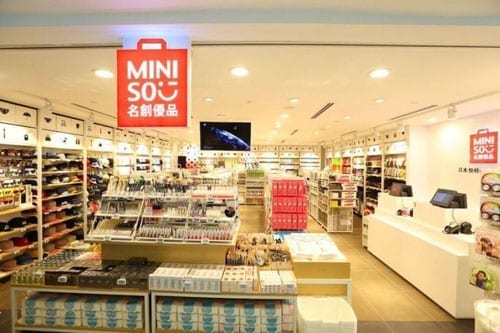
    Miniso South Africa has officially launched with a store at Pretoria’s Menlyn Park Shopping Centre, with another 50 outlets in the pipeline.

    The Chinese discount merchandise chain is also opening at Maponya Mall in Soweto, to be followed by stores in Gauteng, Forest Hill in Kyalami and Norwood Mall in Johannesburg, reports Marklives.com.

    Cape Town and Durban stores will be launched next month.

    With more than 2000 stores in 62 countries, the Chinese discount merchandise chain had global sales of US$1.5 billion last year.

  • Vietjet Listing honored as “The IPO Deal of the Year 2017”

    Vietjet Listing honored as “The IPO Deal of the Year 2017”

    Vietjet’s public listing in the Ho Chi Minh City Stock Exchange in February has been honored as “The IPO Deal of the Year 2017” and “The Company with Best M&A Information Disclosure” at the M&A Awards 2016-2017. As a highlight of the Vietnam M&A Forum 2017, the awards were adjudicated by a panel of independent and renowned M&A experts through nominations by consultation organizations and researchers.

    Leading “a series of successful deals” in 2016-2017, Vietjet was highly rated by the panel which named the Vietjet listing as “The IPO Deal of the Year 2017” and “The Company with Best M&A Information Disclosure”. Vietjet’s IPO was professionally conducted following consultations with world-renowned law firms and financial institutions in around 800 days (due on the listing date) in accordance with international IPO standards of Regulation S.

    The adjudication panel also lauded the airline for its information disclosure. Vietjet has performed well in building investor relations, attracting intentions of investment funds and the public as well as bringing transparent, detailed and internationally-standardized information to investors and the public.

    Vietnam M&A Forum, an annual event for companies and investors from Vietnam and other countries was held in Ho Chi Minh City on August 10, 2017 under the auspices of the Ministry of Planning and Investment. With the theme “Seeking a Big Push”, the Vietnam M&A Forum 2017 was held as a platform to exchange suggestions and introduce opportunities as well as experience sharing for breakthroughs in the market.

    Earlier, Vietjet’s 2016 annual report was also honored with a Platinum Award, ranked the 4th among the Asia Pacific region’s awardees and 11th out of 100 worldwide at the Vision Awards 2016 presented by the League of American Communications Professionals (LACP). Themed as “the flight to the future”, the 150-page annual report was graded with almost top scores under the criteria of First Impression, Letter to Shareholders, Report Financials and sustainable development programs.

    Headquartered in the US, LACP was set up to create a forum within the public relations industry that facilitates discussion of best-in-class practices within the profession while also recognizing those who demonstrate exemplary communications capabilities. The Vision Awards honors outstanding and informative annual reports globally following international standards.

  • Mitsubishi, Audi recall cars in Vietnam due to safety concerns

    Mitsubishi, Audi recall cars in Vietnam due to safety concerns

    The automakers said the technical faults could cause serious damage, and they will be fixed free of charge.

    Mitsubishi Motors Vietnam has recalled 4,218 cars due to technical faults, official reports said.

    The majority of the recalled models are Pajero Sports manufactured between 2011 and 2016, but around 20 percent are Outlander Sports produced from 2014-2016.

    Explaining the recall, which may take until July 2019, Mitsubishi Motors Vietnam said the hinges on the rear doors were prone to rust because they were not completely coated in anti-corrosion paint. This meant they could fall off and injure people.

    In a separate move, Audi Vietnam has recalled 33 of its Q3 models manufactured between June 2014 and November 2016 due to a problem with their brake lights.

    Audi said the brake lights could fail if the handbrake was used to make an emergency stop.

    Official data shows Vietnamese customers bought more than 134,200 cars in the first half of this year, down 1 percent against the same period last year.

  • Vietnam launches derivatives market to boost liquidity

    Vietnam launches derivatives market to boost liquidity

    Vietnam’s derivatives market is officially launched today, with stock futures contracts the first to begin trading.

    Derivatives trading was planned several years ago to help draw more investment to Vietnam’s capital markets and broaden the country’s finance industry.

    The futures market would initially launch stock index contracts, and when fully operational, more instruments would be introduced.

    “(The launch) will help attract more foreign investors, institutional investors in particular, and boost market liquidity,” the stock exchange said in a statement.

    The VN30-Index, which is reviewed periodically, captures the performance of the 30 largest companies by market capitalization on the Ho Chi Minh city stock exchange. The futures contracts are allowed to move by a maximum of 7 percent in each session.

    The benchmark VN Index has jumped 19.1 percent so far this year and hit its highest level of 796.62 points since 2008 on Tuesday.

  • VPBank gets all clear to offer 1.3bln shares on Saigon market debut

    VPBank gets all clear to offer 1.3bln shares on Saigon market debut

    The bank’s market capitalization is expected to reach $2.5 billion following the offering.

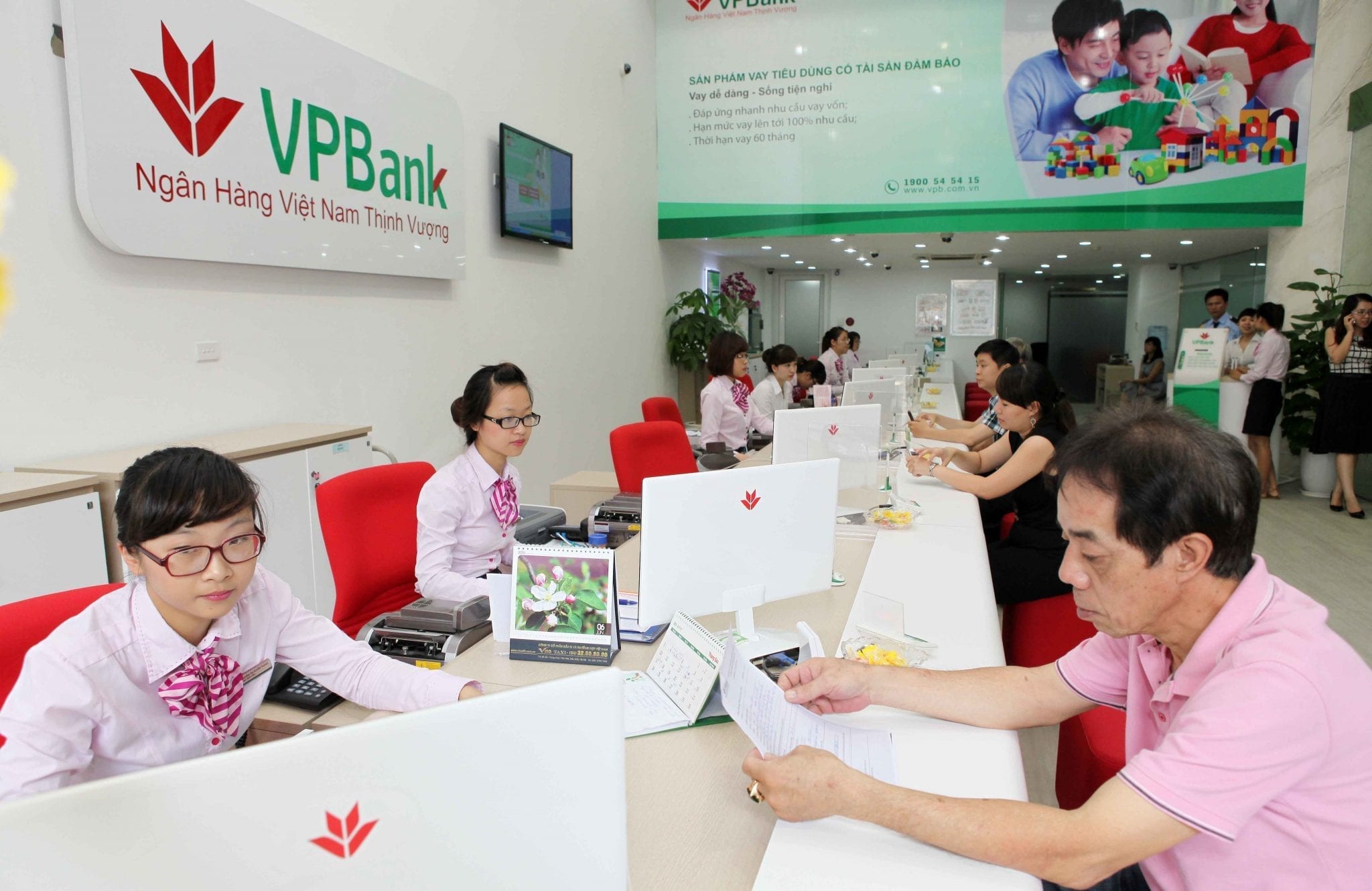
    The Vietnam Prosperity Joint Stock Commercial Bank (VPBank) was given approval on August 8 to list on the Ho Chi Minh Stock Exchange (HoSE).

    The bank plans to make its IPO on August 17 under the code VPB with a reference price of VND39,000 ($1.72).

    The bank’s market capitalization is expected to reach $2.5 billion following the offering, which would make it the largest private bank listed on the HoSE.

    The bank said it plans to pay its shareholders a 15 percent dividend in 2018.

    VPBank has set a consolidated net profit target of $374 million for 2018, a 50 percent increase compared to the target set for 2017.

    In the first half of this year, the bank made $141 million in pre-tax profit, equivalent to 40 percent of its annual target.

  • Vietnam develops an appetite for booking trips by phone

    Vietnam develops an appetite for booking trips by phone

    ‘Travel expenditure in Vietnam will rise rapidly due to increasing disposable incomes and growing middle-class affluence.’

    Mobile travel sales accounted for around 7 percent of total online sales in Vietnam in 2016.

    Over the past four years, mobile sales have witnessed strong growth of nearly 60 percent, a new report released by Criteo, an internet advertising company, revealed.

    “Travel expenditure in Vietnam will rise rapidly due to increasing disposable incomes and growing middle-class affluence,” said Alban Villani, general manager of Criteo Southeast Asia, Hong Kong and Taiwan.

    “Vietnam is a mobile-first society with a very high mobile penetration rate. Since the ubiquitous presence of internet, online and mobile traveling purchases become more commonplace. We expect digital traveling will become the new trend of traveling,” he added.

    In comparison to other countries, mobile travel sales in Vietnam contribute modestly to total online travel sales, but are expected to take up a bigger slice of online travel sales by the end of 2020, according to the report. During the next five years, the revenue generated from travel purchases via mobile is expected to grow by 22.4 percent.

    Travel remains an area that the Vietnamese are devoted to, according to the report. During 2016, Vietnamese people took 6.9 million outbound trips and 52.8 million domestic trips, said the report.

    On average, each Vietnamese person took 5.6 trips each in the last 12 months.

    Online and mobile strategies are crucial for retailers and online travel agents to engage with shoppers while they browse and book trips and ancillaries.

    The survey was conducted in February 2017 among 1,900 travelers from Australia, China, India, Indonesia, Japan, Singapore, South Korea, Taiwan and Vietnam who search or book travel products online.

  • Honda motorcycle sales boost quarterly net profit

    Honda motorcycle sales boost quarterly net profit

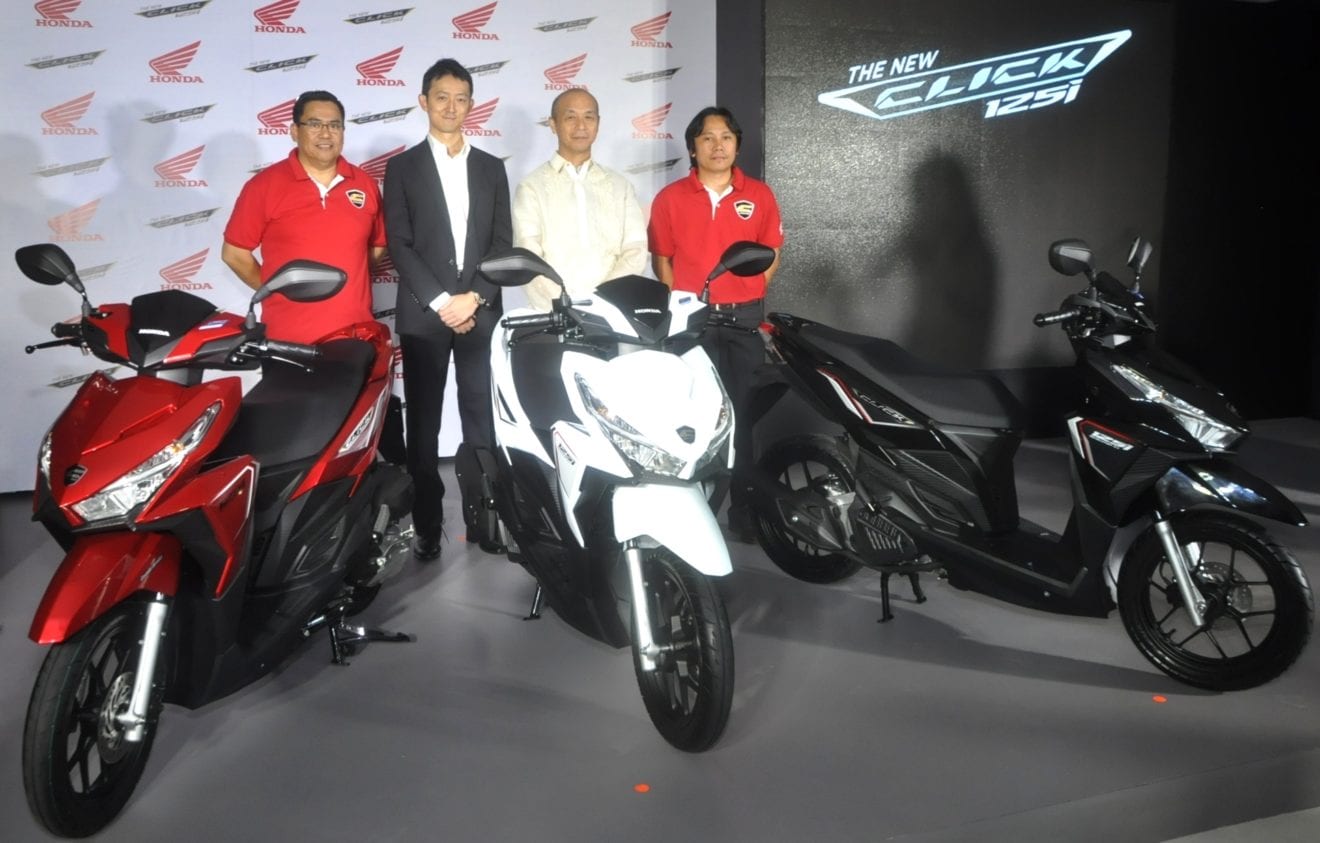
    Motorcycle sales volume grew in India and Vietnam. Japanese vehicle maker Honda on Tuesday said net profit for the second quarter rose by double digits boosted by strong motorcycle sales, revising up its full-year forecast.

    The Tokyo-based company said “solid sales of two-wheel vehicles in Asia and cost reduction efforts” contributed to increased profits.

    Motorcycle sales volume grew in India and Vietnam, Honda said, while four-wheel vehicle sales volume increased in Japan and China but declined in North America.

    Japan’s number-three automaker booked net profit of 207.3 billion yen ($1.88 billion) in the April-June period, up 18.7 percent from the previous year.

    Sales grew 7.0 percent to 3.71 trillion yen, while operating profit rose 0.9 percent to 269.2 billion yen.

    Honda boosted its net profit forecast to 545 billion yen from an earlier figure of 530 billion yen for the fiscal year ending March 2018.

    It also lifted its fiscal year operating profit and revenue outlooks.

    “Honda’s profit pales compared to figures last year when it booked a one-time gain in a pension accounting change,” Satoru Takada, an analyst at TIW, a Tokyo-based research and consulting institute, said ahead of the earnings release.

    “But it displayed a good performance in China and Indonesia while showing steady sales in North America,” he said.

    While North American vehicle sales declined in the quarter year on year to 481,000 from 510,000, revenue rose slightly to 2.13 trillion yen from 2.06 trillion yen.

    Takada added that the foreign exchange situation is “a key factor” for automakers.

    “Current levels are relatively positive for the Japanese auto industry,” he said.

    Although the yen has strengthened slightly in past days, it remains weak against the dollar over recent years.

    A stronger Japanese yen can hurt carmakers by eroding the value of overseas profits when repatriated.

    On Thursday, Nissan reported a drop in quarterly net profit, hit by higher costs and weak sales in key markets, although it left its annual forecasts unchanged.

    Toyota will release earnings on Friday.

  • Danang denies Uber pilot run

    Danang denies Uber pilot run

    Danang City Department of Transport said on August 2 that they hadn’t allowed Uber and Grab Car to operate yet despite an advertisement about Uber’s pilot run posted on the internet.

    According to the department, the city won’t give the go-ahead until the Ministry of Transport review the two-year pilot project of applying science and technology to support management and connect passenger services of contracted cars such as in Uber and Grab Car cases.

    The ministry will announce the legal framework to better manage such services.

    “After the government and the Ministry of Transport issue legal documents related to the services, we’ll work with related agencies to consult the city people’s committee and allow them to operate in accordance with the procedures and regulations,” the department’s representative said.

    The department will meet with Uber Vietnam to halt the advertised service being made available in the city.

    Uber Vietnam had previously announced on its website that after three years in Vietnam, the company would start a pilot run in Danang starting from August 1. Passengers would be given free rides during the first week.

  • Viettel launches 4G in East Timor

    Viettel launches 4G in East Timor

    Vietnam’s Viettel has launched 4G services in East Timor through its subsidiary in the market Telemor.

    The launch in East Timor marks the Viettel group’s sixth 4G launch outside Vietnam, and follows launches in Burundi, Cambodia, Haiti, Laos, and Peru.

    Viettel first entered East Timor in 2013, investing $15 million to deploy a mobile network covering 95% of the population within a year. The company was able to achieve profitability within ix months, generating $17 million in revenue and $4 million in profit in its first year.

    The company has now captured a roughly 47% share of the market, making it the incumbent operator in the market, ahead of competitors Timor Telecom and Telkomcel.

    According to the report, Viettel increased its revenue in East Timor by 29% year-on-year during the first half of 2017 and attracted 42% more new subscribers than anticipated.

  • Domestic air carriers post huge profits in H1

    Domestic air carriers post huge profits in H1

    Domestic airlines posted huge revenues and profits in the first half of 2017 following a 19.5% year-on-year growth of the aviation market with the number of air passengers reaching 30.3 million, according to the Civil Aviation Administration of Vietnam (CAAV).

    There are currently 63 foreign airlines from 25 countries and territories operating international flights to and from Vietnam.

    On the domestic market, four domestic airlines namely Vietnam Airlines, Vietjet Air, Jetstar Pacific Airlines and VASCO are operating 52 domestic air routes connecting Hanoi, Danang and HCMC with 18 local airports. Local and foreign carriers also have conducted chartered flights to Can Tho, Dalat and Vinh among others.

    Vietnam Airlines and Vietjet Air, two domestic largest airlines, both posted huge revenues and profits in the year’s first half.

    Vietjet’s business report for the first six months of 2017 released last week shows that both revenue and profit of the airline far exceeded the plan.

    In particular, Vietjet posted revenue of over VND10.7 trillion (nearly US$472 million), up 45.1% compared to the same period last year, and reaching 108% of the six-month plan. Its pre-tax profit amounted to nearly VND1.1 trillion, up 46% year-on-year.

    Vietjet is operating 73 domestic and international air routes. The number of people flying with Vietjet in January-June totaled 8.27 million, a rise of 22.4% year-on-year.

    Meanwhile, the national flag carrier Vietnam Airlines served nearly 10.3 million air passengers in the first six months of 2017, increasing by 6% compared to the same period last year.

    The airline’s revenue totaled nearly VND43 trillion, up 18% year-on-year, and pre-tax profit was estimated at VND830 billion, 51% of the year’s plan.

    As of mid-2017, Vietnam Airlines had a fleet of 11 Boeing 787-9 and seven A350 aircraft.

    The growth of the domestic aviation market is forecast to slow down in the coming time but double-digit growth will be achievable.

    However, the business performance of the airlines may be affected when the country’s biggest airports, Noi Bai and Tan Son Nhat, are partially closed for repair and upgrade by the end of this year.