Tag: Vietnam

  • Vietnam’s 4G population coverage hits 95%

    Vietnam’s 4G population coverage hits 95%

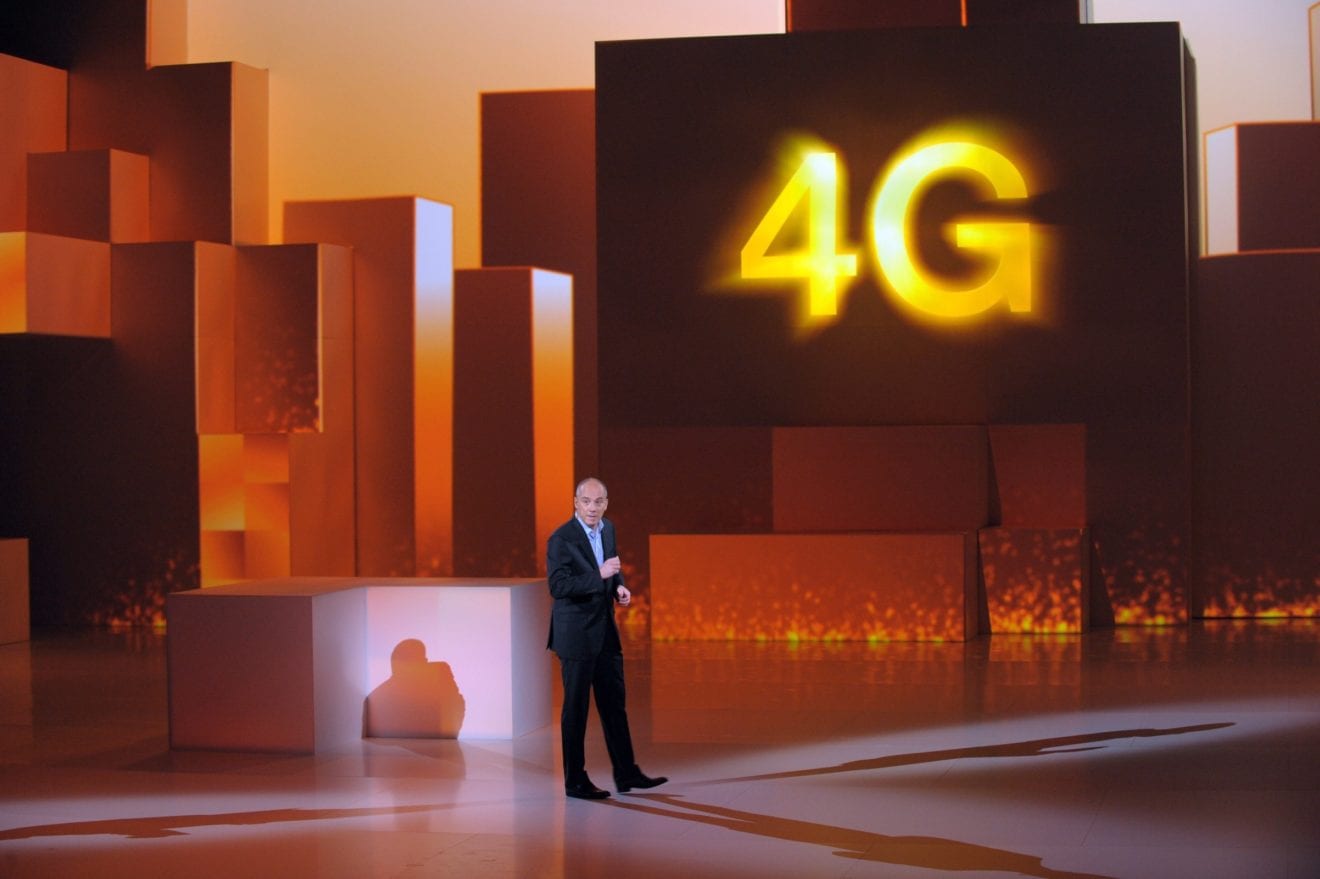
    Vietnam’s 4G networks now cover 95% of the nation’s population, attendees to the 4G LTE 2017 International Conference learned.

    The conference, organized by the Vietnam Internet Association and IDG Vietnam, was told that around 43,000 4G base stations have now been deployed nationwide.

    Vietnam issued 4G licenses in the 1800-MHz and 2600-MHz band last year. There are now four 4G licensees in Vietnam – Viettel, Vinaphone, MobiFone, and Gmobile – with the first three of these having launched services.

    Speaking at the event, deputy minister for information and communications Pham Hong Hai called on operators to launch 4G network to create opportunities for explosive growth in 4G services.

    He said the arrival of the 4G era in Vietnam will also create opportunities in fields including the IoT and smart cities.

  • Vietjet Generated USD84.7 million Group Profit before Tax in 1H2017

    Vietjet Generated USD84.7 million Group Profit before Tax in 1H2017

    Following its 1H2017 unaudited separated financial statements released last week, Vietjet Aviation Joint Stock Company (HOSE code: VJC) has released its unaudited group financial statements for 1H2017, charting surpassed growth in targets as compared to the same period last year.

    Accordingly, overall revenue for 1H2017 stood at USD730.7 million, an increase of around 31 per cent compared to the previous period. Revenue in 2Q2017 on the other hand reached USD503.0 million, an increase of 89 per cent year-on-year.

    The group profit before tax in the second quarter was USD66.1 million while the group profit before tax in the first half of 2017 stood at USD 84.7 million, a 44.7 per cent increase year-on-year.

    Moreover, the growth in passenger carriage on international routes increased by nearly 130 per cent, making it the main driving force behind the quarter growth. Also, revenue in aviation carriage in 1H2017 stood at USD478.9 million, an increase of 45.1 per cent compared to the same period last year. The company’s profit before tax from aviation carriage reached over USD48.6 million, an increase of 46 per cent year-on-year.

    In 2Q2017, Vietjet received five more brand-new A321 aircraft from Airbus, generating USD250.6 million in revenue from aircraft sales. As of 30 June 2017, Vietjet’s total assets were USD1.13 billion, a 50.8 percent increase; while owners’ equity reached USD355.04 million, an increase of 130 per cent year-on-year.

    The airline also successfully optimised its operation costs as its cost of Available Seat-Kilometer excluding fuel (CASK ex-fuel) continued to decrease to 2.23 US cents compared to 2.43 US cents in the same period last year. Furthermore, the Revenue per Available Seat-Kilometer (RASK) increased from 4.29 US cents to 4.42 US cents. This puts Vietjet among the most efficient carriers in the world.

    As of 30 June 2017, Vietjet operated 30 A320 aircraft and 15 A321 aircraft on 73 domestic and international routes, an increase of 13 routes compared to that of 31 December 2016.This is equivalent to an increase of 37.7 per cent year-on-year, an achievement of the year’s target by 110.6 per cent

    The airline conducted a total of 49,151 flights with 8.27 million passengers, charting an average load factor of around 88 per cent and an increase of 22.4 per cent year-on-year. Vietjet also recorded a technical reliability rate of 99.55% and on-time performance rate of 85.7%. Other index rates for operation safety, technical operations and ground operations were among the highest in the Asia-Pacific region.

    Vietjet also broke ground for the construction of the Vietjet Aviation Academy in the Saigon Hi-Tech Park in District 9, Ho Chi Minh City, Vietnam. The first element of the academy – the full flight simulator is expected to be operational in the next 12 months.

    On July 25, Vietjet and Japan Airlines (JAL) reached a formal comprehensive partnership agreement with the aim of improving customer convenience and operations and service quality while enhancing the corporate value of both companies.

  • HSBC profits up in first half of 2017

    HSBC profits up in first half of 2017

    The Asia-focused giant has been on a recovery drive over the past two years to streamline the business and slash costs, and has laid off tens of thousands of staff.

    HSBC said profits were up Monday in the first half of the year in what it called an “excellent” result after a turbulent 2016.

    Reported pre-tax profit for the six months to June rose five percent to $10.2 billion compared with $9.7 billion for the same period last year.

    HSBC also announced a share buyback of up to $2 billion, expected to be completed in the second half of the year.

    Shares were up 2.77 percent at HK$78.55 ($10.06) in early afternoon trading in Hong Kong Monday.

    The half-year results showed operating expenses dropped 12 percent to $16.4 billion, partly stemming from a sell-off of its Brazil operations.

    Chairman Douglas Flint described the performance as “extremely pleasing”.

    Flint said there were still uncertainties due to increasing geopolitical tensions and “ambiguous predictions” around Britain’s future relationship with the European Union post-Brexit, but described HSBC’s performance as resilient.

    Analysts said the results had outstripped predictions.

    “HSBC’s earnings are definitely better than market expectations,” said Dickie Wong of Hong Kong-based Kingston Securities.

    He described the firm as in “very good shape” after wide-ranging restructuring programmes following the global financial crisis in 2008.

    Net profit for the first half of the year rose 10 percent to $6.99 billion from $6.36 billion for the same period in 2016.

    Pre-tax profits for the second quarter rose $1.7 billion to $5.3 billion year on year, beating Bloomberg analysts’ estimates, which had averaged out at a $4.6 billion forecast.

    HSBC announced the appointment of a new chairman in March as part of a management overhaul that will also see it choose a new chief executive to replace Stuart Gulliver, following a massive drop in 2016 profits.

    British businessman Mark Tucker, currently group chief executive and president of insurance group AIA, will take over from Flint in October.

    Gulliver has said he will step down in 2018.

    Gulliver and Flint were grilled by British lawmakers in 2015 and apologised for “unacceptable” failings at HSBC’s Swiss division following allegations the unit helped rich clients hide billions of dollars from the taxman.

    HSBC was one of six major U.S. and European banks that were fined a total of $4.2 billion by global regulators in a November 2014 crackdown for attempted manipulation of the foreign exchange market.

    It was also fined $1.92 billion by U.S. prosecutors in 2012 to settle allegations that it failed to enforce anti-money laundering rules exposing it to exploitation by drug cartels and terrorist organisations.

  • Samsung to heat up Vietnamese logistics market

    Samsung to heat up Vietnamese logistics market

    By teaming up with  MP Logistics, South Korean enterprise Samsung not only demonstrated its interest in the Vietnamese logistics sector, but its participation also heats up the market.

    On July 14, 2017, Samsung SDS, a subsidiary of Samsung Group, established a joint venture with MP Logistics with the aim of expanding its logistics business in Vietnam. The cooperation with MP Logistics is expected to help Samsung’s information and technology (IT) and logistics services access to the Vietnamese cargo transportation industry.

    “The logistics market in Vietnam has an annual growth rate of about 15-20 per cent due to the promotion of free trade agreements with South Korea, China, Japan, and the European Union (EU),” a leader of Samsung SDS said.

    Samsung SDS expected that this cooperation would expand its business in the Vietnamese IT-based logistics market, as well as other transportation services for consumer goods and food.

    “This new joint venture will give us the motivation to expand our business in the Vietnamese logistics market,” Kim Hyung-tae, vice chairman of Samsung SDS’s Smart Logistics Business Unit, said.

    The cooperation with MP Logistics is considered Samsung’s next step in the Vietnamese logistics market, because previously in 2016, Samsung SDS had established another joint venture with Aviation Logistics Corporation (ALS), one of the leading aviation logistics service providers in Vietnam. With this new joint venture, Samsung now has the right to manage the cargo terminals in Noi Bai International Airport.

    Thanks to the right to manage activities in this big airport, Samsung can ensure its delivery deadlines, gradually complete its supply chain, and cut down on expenses. Noi Bai is an important gateway to deliver Samsung exports from Samsung’s two Vietnamese complexes in the northern provinces of Bac Ninh and Thai Nguyen.

    Regarding MP Logistics, it is now one of the biggest providers of logistics services in air and ocean freight, warehousing, distribution, project cargo, and inland transportation in Vietnam. Its founder cum CEO, Dang Thi Minh Phuong, was highly complimented as the “Queen of Logistics” in Vietnam. Thus, teaming up with MP Logistics may be the best way for Samsung to join the domestic logistics market.

    Competition heating up

    In any economy, logistics always plays an important role. In Vietnam, the economic development has led to the expansion of the logistics market. According to statistics from Vietnam Logistics Association (VLA), there are over 1,300 logistics enterprises operating in the country, including foreign-invested enterprises. Logistics services in Vietnam currently have a value of $20-22 billion per year, accounting for about 20.9 per cent of the country’s GDP.

    As reported by newswire Enternews, due to the expansion of the logistics market, many foreign-invested enterprises have expanded their businesses in Vietnam, such as DHL Global, Maersk Logistics (Denmark), APL Logistics (Japan), Nippon Express (Japan), and Kerry Logistics (Hong Kong). Foreign-invested enterprises may dominate the segment of international deliveries, but Vietnamese enterprises still hold most of the domestic deliveries market share.

    “Currently, most domestic logistics services, including trucking transportation, cargo terminals, and seaports, are provided mainly by domestic enterprises,” Nguyen Tuong, deputy chairman of VLA said.

    However, the situation may change and many overseas logistics enterprises have entered Vietnam to gain more market share in this sector. Besides Samsung, previously, DHL Global and Kerry Logistics also established logistics joint ventures in Vietnam to develop their businesses. In addition, some Japanese enterprises, such as Yusen Logistics and Logitem, have also been present for a long time.

    In May 2017, Korea Economic Daily of South Korea reported that TaeKwang Industrial Co., Ltd., a South Korean enterprise in the textile and petrochemical industries, had expressed interest in holding a stake in Gemadept Corporation, one of the leading Vietnamese companies in its core business sectors, including port operation and logistics.

    If domestic logistics enterprises keep their old strategies without providing any new services, they may lose significant market share to foreign investors when the logistics industry in Vietnam sees a boom in the coming period.

  • Banks apply free on-net money withdrawal, account transfer

    Banks apply free on-net money withdrawal, account transfer

    Despite being allowed to charge on-net fees for automatic telling machine (ATM) transactions, some commercial banks have recently applied the exemption to on-net money withdrawal and account transfer to attract new customers and develop the retail banking segment.

    Platinum debit cards, while Viet Capital Bank and SCB have exempt money withdrawal fee for international and domestic debit cards.

    The exemption of money withdrawal fee at all ATMs nationwide is also being offered by other banks such as TPBank and BaoVietbank.

    Talking about the move, Viet Capital Bank said free money withdrawal via ATM will encourage people to make non-cash payments. This policy is being implemented with great support from banks.

    A representative from another bank said State Bank of Việt Nam approved commercial banks to charge on-net fees for ATM transaction since March 2013 to offset the cost of purchasing machines and periodic maintenance, however, some banks are now willing to offset the losses to increase customers.

    According to the representative, the bank having cardholders still has to pay VNĐ3,300 to their partner for each external money withdrawal. Therefore, ATM operations of the bank have never been profitable.

    Industry insiders admitted that ATM card service companies often incur losses because an ATM costs tens of thousands of US dollars besides large annual maintenance fees. In addition, the cost of renting sites to install ATMs is becoming more and more expensive. Interest from non-term deposits of ATM cardholders therefore is not enough to offset the costs.

    To offset the costs, the money withdrawal fee charged at other banks averages VNĐ1,000-3,000 per transaction and the fee for inter-bank money transfer is VNĐ11,000.

    According to banking experts, the fee exemption policy at some banks is within the banks’ retail banking development plan, and is also a way for banks develop individual customers as well as products and services for the customers.

    This is also the premise based on which banks can promote other products and services, such as Mobile Banking and Internet Banking, they said.

    The country currently has more than 17,000 ATMs nationwide.

  • Vietnam’s fuel imports may drop as Dung Quat oil refinery tax cut finally felt

    Vietnam’s fuel imports may drop as Dung Quat oil refinery tax cut finally felt

    Lower tax will help boost 2017 Dung Quat output by 20 percent. Vietnam’s fuel imports may drop as the effects of a tax cut on sales of gasoline and diesel fuel from the country’s Dung Quat oil refinery start to be felt as earlier term contracts expire.

    Vietnam’s government allowed Dung Quat’s operator Binh Son Refining and Oil Co, starting on January 1, to lower its tariff on domestic gasoline sales to 10 percent from 20 percent while the tax on other oil products including diesel was lifted, Binh Son Chief Executive Officer Tran Ngoc Nguyen said on Monday.

    The reduction allowed Binh Son to match the current 10 percent tax on gasoline imports from South Korea established under a free-trade agreement (FTA) and the tax-free status for diesel sales from countries in the Association of Southeast Asian countries (ASEAN) under a different FTA.

    “Before January, taxes on Binh Son’s oil products are always … higher than imported products, making our product prices high and they cannot be sold,” Nguyen told.

    The lower taxes are expected to reduce imports of gasoline and diesel into Vietnam, denting overall profit margins for the oil products, four fuel traders told on Monday.

    While the tax reduction was effective from January, local importers had already agreed to long-term fuel contracts with Binh Son in December, meaning they missed the lower taxes, the four traders said.

    The tariff reductions were announced in September but would only apply to contracts signed in 2017, said Nguyen.

    Dung Quat’s full-year production this year is expected to reach 6.1 million tons per year, equivalent to about 122,000 barrels per day (bpd), nearly 20 percent higher than its initial target as a result of the lower taxes, said Nguyen.

    The refinery, currently Vietnam’s only operating refinery, has a total capacity of 6.5 million tons per year.

  • Vietnam-Australia rice cooperation in fine shape

    Vietnam-Australia rice cooperation in fine shape

    Deputy Prime Minister Vuong Dinh Hue, during his visit to the Australia, told a meeting with Australian businesses on July 24 that Vietnam can supply all types of rice in bulk to the country.

    Vietnam’s rice exports to Australia reached 220,000 tonnes last year, an increase of 50 per cent compared to 2015 and accounting for 4.5 per cent of all trade with the country.

    Mr. Rob Gordon, CEO of Sunrice, the world’s largest rice and food processor, said that some Vietnamese enterprises have exported micronutrient rice to islands in the Pacific Ocean under orders from Sunrice.

    He also suggested the Vietnam Government permit Sunrice to expand its business in Vietnam, transfer technology, and share its experience in rice production in a closed process with Vietnamese enterprises.

    Deputy PM Hue appreciated Sunrice’s goodwill and affirmed that the Vietnamese Government would direct the Ministry of Industry and Trade and the Ministry of Agriculture and Rural Development to cooperate with the company to support Vietnamese rice producers.

    Besides rice, Australian enterprises are also keen on other sectors in Vietnam such as tourism. Vietnam is becoming a popular holiday destination for many Australians, with 50,000 expected each year in the near future.

    Vietnam is now Australia’s 15th largest trade partner, with two-way trade of over $10 billion, while Australian investment in Vietnam has boomed over recent years. In the first six months of this year, Australian investors invested over $95.7 million in 27 projects in Vietnam (both new projects and additional capital in existing projects).

    The United Nations’ Food and Agriculture Organization (FAO) predicted in June that Vietnam would be among the Top 5 countries in terms of rice volumes this year. The five are China (with more than 142 million tons), India (over 110 million tons), Indonesia, Bangladesh, and Vietnam.

    Global rice volumes are likely to increase by 0.7 per cent this year compared to last year, to more than 502 million tons, according to the Food Potential report published by the FAO, due to policies promoting production in Asia and the recovery of production in South America and Australia.

    Vietnam exported nearly 4.9 million tons of rice last year worth $2.1 billion, a decline of 25.5 per cent and 20.5 per cent, respectively, against 2015.

  • Vietnamese hospitality wins big

    Vietnamese hospitality wins big

    The government is allowing Vietnamese locals to gamble at two locations – the first in Van Don and the other on Phu Quoc Island – as part of a three-year pilot scheme. A third site in Ho Tram is expected to be added to the list.

    The news has evoked the interest of big international names such as Las Vegas Sands, along with local conglomerates like Sun Group, which is, so far, the only Vietnamese company approved to develop a casino in Van Don. More hotels across the country are installing electronic gaming to boost revenue, according to the real estate services firm’s latest report.

    “With Melco Crown Philippines being recognised as the best performing casino stock globally in 2017, it demonstrates that financial success can be achieved with the right planning, and has motivated investors to pursue such opportunities,” Frank Sorgiovanni, head of Research, Hotels and Hospitality JLL APAC, said on the appeal of casinos.

    “Viet Nam’s tourism industry’s renaissance has also driven corporate demand for hotels across the country, while visa exemptions, introduction of new direct air routes and improved marketing efforts have boosted appeal for leisure travellers,” Sorgiovanni said.

    Viet Nam’s gastronomical offerings are proving a further attraction for repeat visitors, especially from Asia, Sorgiovanni said. “The country is fast becoming a ‘foodie’ destination with a vastly improving food and beverage scene,” he added.

    “The outlook for the tourism and accommodation sector is bright with continued marketing efforts, improvements in infrastructure and further development of human resources and services,” Sorgiovanni said.

    “Foreign investors from across the region have shown significant interest in Viet Nam over the past 18 months and the country is becoming one of the most talked about markets in the Asia Pacific,” he added.

  • 3 reasons why telco giant Viettel’s global expansion is booming

    3 reasons why telco giant Viettel’s global expansion is booming

    Strong international markets, favorable exchange rates and new services have led to record revenues. Vietnam’s military-run telecoms group Viettel said its pre-tax profit from the nine overseas market it currently has a foothold in rose 156 percent on-year to $41 million in the first half of 2017.

    The huge jump is due to encouraging business climates, new services and strategic projects and favorable exchange rates, according to Viettel Global.

    Overseas performances

    Other than established overseas markets such as Laos, Cambodia and East Timor, which all turned a healthy profit, new markets in Peru, Burundi and Haiti were the top contributors to the company’s success.

    During the first six months, total sales in Peru and Burundi increased by 82 percent and 38 percent respectively, exceeding the 29 percent on-year growth recorded in East Timor. Viettel Haiti also bounced back from the strong typhoon in 2016 with 15 percent sales growth in H1.

    Peru and East Timor were the two most promising markets for Viettel during H1. Pre-tax profit in Peru reached VND405 billion ($18 million), up 132 percent on-year.

    Meanwhile, the number of subscribers to Telemor, Viettel’s carrier in East Timor, jumped 42 percent more than targeted with total sales reached $15 million.

    Favorable exchange rates

    Unlike 2016, favorable exchange rates have contributed to a good start to this year.

    Stronger currencies in Mozambique and Cameroon, together with strict financial controls imposed by their governments, have helped Viettel bag huge profits from these countries.

    Profits from Peru and Haiti also are expected to gain 3-6 percent thanks to similar conditions.

    If the rates continue to be favorable this year, Viettel can earn huge profits from oversea markets, especially in Mozambique and Cameroon, where the figure is expected to reach $60-70 million, said Le Dang Dung, General Director of Viettel Global (VTG).

    New services and strategic projects

    Viettel has developed specific strategies and targets for each of its overseas markets, based on their demographics, economies and political situations, according to Dung. These plans focus on specific goals, but they all aimed at the main target of bagging $250 million in profit from Viettel’s nine international markets in 2017.

    Viettel has expanded its services to please customers of all ages. In Cambodia, the telecoms group, after long periods of being known as “the network of the elderly”, has taken steps to attract younger customers who are willing to spend more.

    By changing the color of the logo, hosting more events, and improving customer care strategies, Metfone, Viettel’s Cambodia company, has successfully attracted seven million subscribers during H1.

    Viettel’s Laos unit Unitel has quickly reached 4 million subscribers, and is the top provider there, while in East Timor, the group is using new frequencies to generate millions of dollars in profit and promote its new 4G data service.

    Peru is another market benefiting from the new 4G data service. Bitel, Viettel’s brand in Peru, has become the largest 4G network in the country with 5,000 residential centers through 3,000 stations. In the first six months of the year, the number of Bitel subscribers rose five times to over 2 million.

    According to Viettel Global, in order to maintain its leading position in most international markets while creating momentum for the future, the telco is now focusing on new business models such as IT solutions, electronic wallets, population management systems and tax solutions.

    During the first half, Viettel signed eight big contracts worth more than $17 million. The firm’s actual revenue reached nearly $12 million, four times higher than the total profit recorded for the whole of 2016.

    Viettel has set a target of reaching 50 million international subscribers in 2017, up 35 percent from last year. The military-run telecoms also plans to make $1.4 billion in total revenue from international investments this year, a 29 percent increase.  

  • Second generation Vietnamese-built smartphone to hit shelves next month

    Second generation Vietnamese-built smartphone to hit shelves next month

    If the company spent as much time working on the phone as it did on the invites, customers are in for a treat. Vietnam’s leading cyber security firm Bkav will host the launch of its second generation smartphone, currently known as the Bphone 2, in Hanoi on August 8.

    The event will be held at the National Convention Center, the same venue that hosted the launch of the Bphone, Bkav’s first smartphone.

    Over 2,000 invitation letters for the event designed as gilded circuit boards, believed to be based on the new smartphone’s real circuit board, have been sent out to users and members of the press, with “Designed by Bkav – Made in Vietnam” printed on the bottom.

    The invites also featured the time and date of the event on a watermark that was only visible when the cards themselves were submerged. Unlike its predecessor, the new phone will be sold both online and through mobile phone retailer The Gioi Di Dong.

    The Bphone 2 was scheduled for launch last year, but Bkav said it had to delay the event while it was developing new technology.

    Last month, a source from the company said it was possible Bkav would have to drop its new smartphone completely due to the difficulties it had faced creating a truly homegrown smartphone.

    Bkav debuted the Bphone in May 2015. While initially warmly welcomed, the phone’s launch was disappointing to many buyers as it was only available online and the company had to delay delivery four times.

    The phone also caused controversy because despite being Vietnamese-made, 30 percent of the phone was manufactured by a Chinese firm.

    In its 2017 report, Statista, a market research firm based in Germany, said the number of smartphone users in Vietnam stands at 28.5 million, or 30 percent of the country’s population. It predicts that will rise to 40 percent by 2021.

  • Facebook traders face taxation anxieties

    Facebook traders face taxation anxieties

    Le Ha of Hanoi, who has been selling clothes on Facebook, is stressed and worried after receiving a message from tax authorities inviting her to come and declare her income.

    Ha is one of over 13,400 Facebook account holders in Hanoi who’ve been identified by the Hanoi Taxation Department as online traders.

    “I have been selling clothes through Facebook for years, getting about 10 orders each day with maximum daily sales of around VND5 million (US$220),” Ha told us, admitting that unlike other shop owners, she doesn’t have to declare her business or pay taxes.

    She was satisfied with her earnings and not having to bother about any intervention from State management agencies.

    The promise of attractive profits has prompted many people to jump on the bandwagon, catching the attention of authorities trying to reduce tax losses from State budget collection.

    A tax administration project for e-commerce business has been drawn up, with the two taxation departments of Hanoi and HCM City functioning as pioneers in bringing business owners selling merchandise on social media, especially Facebook, into the tax bracket.

    Vien Viet Hung, deputy director of Hanoi Taxation Department, told Vietnam News that the department had collected information on the identity and telephone numbers of the 13,422 Facebook traders.

    Since late June, the department has been sending SMS messages to these traders, encouraging and instructing them to voluntarily register their operations, declare income and pay taxes.

    However, after sending messages twice, only 1,000 of the 13,422 phone numbers have replied, and only around 500 have approached the department on their own to register to pay taxes, Hung said.

    In a recent interview with the Vietnam News Agency, Chairwoman of the Vietnam Tax Consultant Association, Nguyen Thi Cuc, said that under current laws, all institutions and individuals that are doing businesses, whether through traditional channels or via e-commerce platforms, are required to declare income and pay taxes.

    However, she also conceded that in the current situation, the tax collection was totally based on the willingness of traders, their authenticity, honesty and integrity.

    Income bracket

    According to the law, only online sellers with revenues over VND100 million a year will be subject to taxation.However, many Facebook merchants are afraid that the taxation process will be fair.

    “If paying tax is an obligation, we are ready to fulfill it, as long as it is fair to everyone. What if I tell the truth, while other Facebook sellers lie about their revenue? They will pay less or no tax, which is unfair,” Le Ha told us.

    Regarding income declaration, many argue that was very difficult to determine the exact revenue of those who do business on internet, so it is not possible to ensure fair treatment of honest sellers and those who deliberately evade taxes.

    But Ta Thi Phuong Lan, deputy head of the division in charge of personal income tax under the General Department of Taxation, said tax authorities can assess Facebook sellers’ revenue by checking their sources of goods, post offices, delivery companies, and bank payments.

    One of the most difficulties in determining Facebook traders’ income is the low rate of non-cash transactions in Vietnam, said Truong Thanh Duc, chairman of the Basico Law Firm.

    In other countries, buyers make payments via banks, so it is not difficult to identify the revenue from online business. Therefore, it is necessary to apply measures to encourage Vietnamese to use non-cash payment methods for online transactions, Duc said.

    Recently, the General Department of Taxation issued Document No. 2623/TCT-CS, asking local taxation departments to co-ordinate with network operators to gather information on online sellers, including identity and bank number accounts, so that they can monitor all online transactions.

    However, in response to the Vietnam News Agency, CMC Telecommunication Infrastructure Joint Stock Co (CMC Telecom) said they haven’t received any communication from tax authorities.

    The company said that if needed, they can explain and persuade customers to provide them with necessary and detailed information, but they can’t ensure that all the customers will agree to supply this.

    Step by step

    Transactions on the Internet are difficult to control and tax collection procedures can’t be comprehensively introduced in a short time, it should be done step by step, said Nguyen Huu Tuan, Head of the E-commerce Management Division of the E-commerce and Information Technology Department under the Ministry of Industry and Trade.

    To collect taxes, authorities should understand each business as they have their own specific characteristics, Tuan said.

    With millions of Facebook accounts, tax authorities should classify them based on the nature of their operations and key products, he said.

    In the first phase, the tax authority should target large and professional businesses. It is easy to identify these account holders as they will have popular Facebook pages with a large numbers of followers, likes, posts and comments, he said.

    The rest are likely to be individuals selling things online as a side job or even seasonal business. They do not sell goods regularly, so tax departments should carefully review the list before inviting them to their offices, Tuấn said.

    “There are petty traders with modest monthly incomes. If we try to control all Facebook sellers, we will use up significant resources and end up being inefficient,” he said.

    Sharing the same idea, Vien Viet Hung, deputy director of Hanoi Taxation Department, said to obtain necessary information on online businesses, tax departments nationwide should have enough staff who are well versed with social media networks.

    The Hanoi Taxation Department will seek co-operation and support from many concerned agencies like commercial banks, post offices, especially social networks like Facebook, to provide information about account holders, Hung said.

    Late last month, reporters of the Vietnam News Agency contacted the Facebook representative office in Vietnam with questions about the tax collection issue, but hadn’t  received any response at the time of going to print.
  • Transport ministry reconsiders ride-sharing service ban

    Transport ministry reconsiders ride-sharing service ban

    The Ministry of Transport has sought opinions from ministries, localities and transportation associations on its recently imposed ban on app-based taxi ride-sharing service.

    The ministry recently sent a document to the ministries of police, justice, finance, industry and trade, information and communications; authorities of Hanoi, HCM City, Danang, Quang Ninh and Khanh Hoa and the Vietnam auto transport association and Hanoi and HCM City taxi associations.

    In the document, the Ministry of Transport admitted that earlier the ministry requested Grab to stop its ride-sharing service called GrabShare. However, now, the ministry needed to gather the opinion after receiving Grab’s reports on advantages of the GrabShare. Grab has asked for the ministry’s permission for the firm to continue the service.

    The Ministry of Transport noted that the ministry wants to get the opinion about Grab’s proposal and also needs recommendations about fines for the violation in this service.

    Both Grab and Uber launched GrabShare and UberPool respectively in May this year. The services allow drivers to add additional passengers to their journey in addition to the person who makes the original booking. The service can help save customers around 30% compared to the original booking.

    But traditional taxi companies strongly oppose the service, saying that it is illegal and unfair competition.

    In June this year, the Ministry of Transport requested the ban on the ride-sharing service, explaining that under the ministry’s Circular 63, transport firms are only permitted to sign one contract per trip. If a GrabCar driver carries two passengers that agree to share their ride with each other, it means they are fulfilling two separate contracts, and therefore in breach of regulations, the ministry explained.

    The ministry spuriously claimed that sharing a car with a stranger may result in possible risks for passengers, although such practices are very common among traditional taxi companies at airports.

  • Australian brewer eyes Sabeco and Habeco shares

    Australian brewer eyes Sabeco and Habeco shares

    With the aim of expanding operations in Vietnam, Carlton & United Breweries (CUB) has become a new competitor in the race to seize the stakes in Hanoi Beer, Alcohol and Beverages Corporation (Habeco) and Saigon Beer, Alcohol and Beverages Corporation (Sabeco).

    The companies intentions were stated by CUB general director Jan Craps at the meeting of Deputy Prime Minister Vuong Dinh Hue and the delegation of Australian enterprises on July 24, according to newswire Vnexpress.

    According to Jan Craps, CUB plans to expand its operations in the southern province of Binh Duong and is looking to become the strategic investor of both Habeco and Sabeco.

    According to information released by the Ministry of Industry and Trade (MoIT) at its monthly press conference organised on July 14, the sale of state stakes will be carried out this year.

    Bui Truong Thang, deputy director general of MoIT’s Light Industry Department, said Habeco will submit its divestment plan to the ministry this week and Sabeco’s divestment plan will also be submitted before the end of the month.

    At present, Habeco signed with Bao Viet Securities Company (BVSC) and Vietnam Valuation and Finance Consultancy (VVFC), appointing them as the consultancy firms for the state divestment.

    Regarding Sabeco, according to unofficial information, a venture of BVSC, VVFC, and Earnst & Young Vietnam Limited was selected as the consultancy group for the state divestment.

    The state divestment from Sabeco and Habeco has also attracted numerous foreign investors. Notably, in November 2016, Thai Beverage Public Company Limited (Thai Beverage), Japanese Asahi Group Holdings Ltd. and Kirin Holdings Co. released their plans to bid for Sabeco’s shares.

    Several other foreign brewers have been eyeing Sabeco since it was earmarked for equitisation, such as San Miguel, Heineken, and SABMiller. The move is part of these companies’ overseas expansion plans to counterbalance shrinking domestic markets.

    Danish brewer Carlsberg, owning a 17.5 per cent stake in Habeco, also intends to increase its holdings.

    The reason for foreign investors’ interest in Habeco and Sabeco is that Vietnam ranked among the Top-10 beer consumption markets in the world at the end of 2016, with total consumption projected to grow by 10 per cent year-on-year, to reach four billion litres in 2017.

    Established in 1907, CUB is currently the largest beer brewer in Australia, holding 47 per cent of the beer market. Some of Australia’s most famous brands, including Victoria Bitter, Carlton Draught, Crown Lager, Melbourne Bitter, Pure Blonde and Cascade come from the company’s breweries. In 2011, the company joined the SABMiller group, the second largest brewer in the world.

  • Consumer credit grows rapidly as retailers thrive

    Consumer credit grows rapidly as retailers thrive

    The appearance of big foreign retail chains like CircleK, Shop&Go, FamilyMart and Aeon and the strong rise of Vietnamese chains Vinamart, Co-op and The Gioi Di Dong have fostered the development of consumer credit in Vietnam, according to the State Bank of Vietnam. StoxPlus’ 2016 report on Vietnam’s consumer credit showed that the credit market has seen amazing leaps in recent years.

    The outstanding loans of Vietnam consumer finance soared from $7.3 billion in 2012 to $26.55 billion in 2016. Though it still accounts for a small proportion (9.8 percent by the end of 2016), consumer finance has been growing very quickly.

    Nguyen Tu Anh, deputy director of SBV’s Monetary Policy Department, confirmed that consumer credit has been developing strongly thanks to many favorable conditions.

    Vietnam has 92 million people with 70 percent of the population aged 15-64, while its GDP growth rate has been stable at over 6 percent in recent years.

    Anh cited research by economist Nguyen Thi Hien and her co-workers that shows the consumer credit market’s rapid development since 2011. The growth rate was 30 percent per annum in 2011-2014 and 59 percent in 2015.

    The total outstanding consumer loans granted to customers in 2015 was VND583 trillion, equivalent to 20.5 percent of the consumption value of individuals and households.

    If not counting housing loans as per international practice, consumer outstanding loans in 2015 would total VND272.241 trillion (equivalent to 6.62 percent of GDP). The figure is higher than that of China (6 percent) and Japan, but much lower than other developed countries, including the US (17 percent), Europe (14 percent), and Korea over (20 percent).

    The constant increase of consumption has led to higher demand for consumer loans. Meanwhile, the stable and high economic growth rate helps consolidate people’s belief in their income in the future, thus encouraging them to borrow money.

    Vietnam is in a so-called golden population period with a high percentage of young consumers.

    As the growth rate of lending to fund production and business has slowed down for several reasons, banks tend to increase consumer credit to offset the slowdown.

    FE Credit is leading the consumer finance market with $1.4 billion worth of loans provided in 2016, accounting for 48 percent of market share.

    Its rivals, Home Credit, HD Saison and Prudential, hold 15.7 percent, 12.2 percent and 8.1 percent, respectively, according to StoxPlus.

  • Japanese restaurants mushroom in Vietnam

    Japanese restaurants mushroom in Vietnam

    There are more than 1,000 restaurants serving Japanese cuisine in Vietnam, the majority of which are in HCM City. HCM City has about 660 restaurants serving Japanese cuisine, twice as many as there were three years ago, according to the Consulate General of Japan in HCM City.

    Outside of HCM City, there are about 110 Japanese restaurants across provinces and cities in southern Vietnam, such as Binh Duong, Dong Nai, Khanh Hoa, and Ba Ria – Vung Tau provinces.

    The Japan Consulate official said approximately half of the restaurants serving Japanese food in Vietnam are run by Japanese owners and the remaining are owned and run by Vietnamese franchisees and entrepreneurs.

    The increase in Japanese restaurants has also led to a growing number of Japanese food and ingredients sold.

    In 2016, Vietnam was the fifth-largest importer of Japan’s agricultural produce and food in the world.

    Japan exports about US$180 million worth of forestry and seafood to Vietnam every year.

    Japan is currently Vietnam’s second-largest foreign investor, having developed about 3,450 projects, with a total registered capital of over $46 billion.

    South Korea is the largest foreign investor with 6,130 projects, with a total registered capital of over $54.5 billion.