Tag: Vietnam

  • Not to everyone’s taste

    Not to everyone’s taste

    Vietnam’s fast-food segment has become much more competitive as a huge number of chains arrive in the country, but some are now reviewing their business activities while others are departing.

    Analysts say that as Vietnam is an emerging market, investors need to follow a reasonable path in order to reap the benefits. Most fast-food brands in Vietnam are “giants” but not all can succeed here.

    “Meeting the tastes of customers, which are rapidly changing along with the development of society, is one of the biggest challenges for any business,” Mr. Nguyen Huy Thinh, General Manager of McDonald’s in Vietnam.

    Learn to compete

    McDonald’s opened its first outlet in Vietnam in 2014 and quickly found favor. Mr. Nguyen Bao Hoang was appointed to bring the Big Mac to Vietnam as a Developmental Licensee, with the contract signed the result of cooperation with the UK-based international law firm, Allen & Overy, and the result of a “rigorous” selection process, the fast-food giant said.

    McDonald’s attracted 20,000 customers and earned around VND1.5 billion ($71,130) in revenue in its first two days in the country. Similar to Burger King, it also adopted an ambitious plan to have 100 stores within a decade. But four years on, it is yet to expand beyond Ho Chi Minh City.

    It has introduced Western breakfast dishes such as egg muffin, sausage, hotcakes, and hash browns in a bid to win over picky Vietnamese palates, though it remains doubtful that such fare is appealing to local people.

    In fact, “studying the tastes of Vietnamese customers is an important factor for every fast-food business,” Mr. Thinh said.

    “Customers are not afraid to try new food, but customer demand doesn’t stop at simple food. There is also a desire to experience quality service in beautiful spaces.”

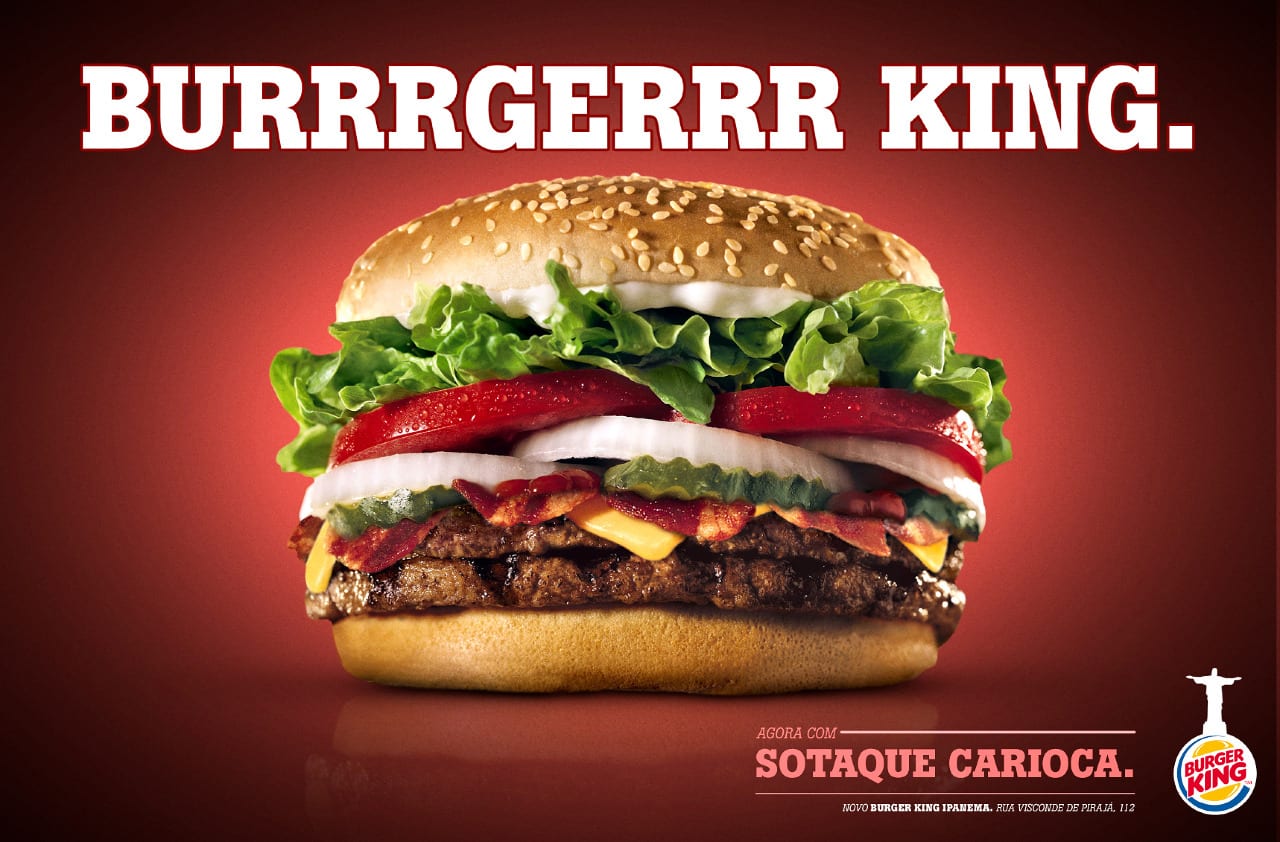
    Burger King introduced the Whopper to Vietnam in 2011 through opening its first outlet at Tan Son Nhat International Airport in Ho Chi Minh City, and had an ambitious plan to open 60 outlets within its first five years.

    It has invested $40 million in developing its chain in prime locations in major cities and provinces, but closed two outlets, in Tan Binh district and District 3 in Ho Chi Minh City, last year, two in Ho Chi Minh City and Hanoi in 2015, and one in Da Nang in 2014.

    Burger King Vietnam declined to comment for this story but in an interview with local media, Mr. Johnathan Hanh Nguyen, a representative of the franchise, said the US fast-food chain would not exit from Vietnam.

    “Some shops might have closed, but new shops will open,” he was quoted as saying. Analysts, meanwhile, believe that Burger King is meeting problems in Vietnam as its strategy of “Taste is King”, imposing US tastes in Vietnam, is not suitable.

    Its hamburgers, which stand at a price disadvantage compared to local “banh my” (bread and fillings), are simply not favored by Vietnamese.

    While the “King of Branded Goods” previously revealed the secret of his franchise as being “location, location, location”, it is unfortunately just one of many factors in winning in the fast-food segment.

    Many analysts also said that Vietnam’s Western-wannabe attitude has changed, and that local people have turned their backs on foreign fast-food after their curiosity was sated. Many local customers said the prices at foreign fast-food restaurants are too high and the food not really suitable.

    “Not meeting the needs of the target audience is one cause of failure in the food and beverage (F&B) field,” according to Ms. Nguyen Phi Van, Chairman of Retail and Franchise Asia.

    Change & develop

    In contrast to Burger King and McDonald’s, KFC, Lotteria, and Jollibee have become popular in Vietnam by adapting to local tastes, though all struggled in their initial years before finding success.

    Jollibee was the first to arrive in Vietnam, followed by KFC and Lotteria. KFC opened its first outlet in Ho Chi Minh City in 1997 and faced trouble at the time, as local consumers were unfamiliar with the concept of “fast-food”.

    Outlet numbers grew slowly, reaching 17 after seven years. It then adjusted its strategy, in particular changing its menu, for example by adding rice and vegetables to its signature fried chicken. By 2011, it had 100 outlets.

    Though facing major challenges in Vietnam and incurring losses for the first seven years, it now has more than 140 outlets in 19 cities and provinces and employs some 3,000 people.

    South Korea’s Lotteria, belonging to the Lotte Group, was also early on the scene, opening its first outlet in 1998. By late 2012 it had 140 outlets then 207 by 2015, opening an average of 20 each year.

    But it then opened just four new outlets in the first half of 2016. Regardless, Lotteria remains one of the leading fast-food brands in the country, with over 210 outlets in 30 cities and provinces and, though slow, outlet numbers continue to rise.

    The success of Lotteria is due to its extensive network of outlets, its diverse menu, and its dynamic marketing activities.

    The first on the scene, Jollibee, opened its first outlet in Vietnam in 1996 but has perhaps struggled more than KFC and Lotteria to gain a foothold in the country. By the end of 2012 it had just 25 outlets.

    In the 2012-2015 period, though, it grew quickly, opening nearly 50 new outlets, reaching 73 by the end of 2015. It now has around 80 stores in Vietnam and has also changed its menu to make it suitable with Vietnamese taste buds.

    General speaking, efforts to localize menus have made these brands more attractive among local people.

    Localizing the menu encourages people to walk through the front door, and once inside they may be open to trying something different, according to Mr. Robert Tran, CEO of business advisory firm the Robenny Corp.

    Moreover, customers can purchase a rice meal for only VND35,000 ($1.6) or a burger for VND49,000 ($2.2) at lunchtime.

    More and more people, especially the younger generation, have started having lunch at fast-food outlets rather than at street stalls or small eateries, as they can enjoy a meal at an affordable price amid air-conditioned comfort.

    Mr. Hoang also told local media that it is no easy task introducing a brand such as McDonald’s to Vietnam.

    “I therefore had to be very careful when conducting research,” he said.

    Vietnam presents a host of other obstacles for foreign fast-food brands. Mr. Thinh said that the appearance of more and more franchises in the country enhances the level of competition in the industry.

    “Challenges in location, workers, and product and service quality are all problematic for enterprises when making decisions,” he said.

    Mr. Nguyen Hong Lam, Managing Director of Jollibee Vietnam, told VET that the search for premises that are consistent with the needs of the company’s business leads to higher costs.

    Analysts also say that local brands possess advantages that their foreign counterparts don’t, such as affordable prices and a comprehensive understanding of consumer behavior in the country.

  • Vietnamese spending more money on travel

    Vietnamese spending more money on travel

    Vietnamese now tend to prefer outbound tours instead of domestic ones as it has become less costly to travel abroad and foreign agencies are more professional in promoting tours. Travel firms including Vietravel, Saigontourist, Du Lich Viet and Tugo have reported sharp increases in bookings for outbound tours.

    According to VITA, 6.5 million Vietnamese traveled abroad last year, an increase of 15 percent over 2015, and they spent $7-8 billion during the trips. Domestic travel has also been growing well. In the first six months of the year, the number of domestic travellers reached 40.7 million, up 25 percent compared with the same period last year (32.4 million).

    The improved income of Vietnamese is the major reason behind increased travel demand.

    However, analysts believe that internet development is also an important factor They said travel firms now are taking full advantage of the ‘addiction’ of Vietnamese to the internet and smartphones to stimulate demand for travel.

    Le Tu from Google Asia Pacific cited Google’s statistics that 90 percent of Vietnamese smartphone users are aged 30 and under and up to 40 percent use two smartphones.  Vietnamese check their mobile phones 150 times a day.

    The frequency of Vietnamese searching for travel information is even more surprising. At least 48 percent of smartphone users search for information about hotels, and 42 percent search for information about flights.  18 percent search for both.

    Vietnamese also spend more money. A report from Nielsen showed that tourism ranks fourth among the group of products on which Vietnamese spend money the most on e-commerce, after clothing, entertainment products and cosmetics.

  • Singaporean bank gets go-ahead to open up in Vietnam

    Singaporean bank gets go-ahead to open up in Vietnam

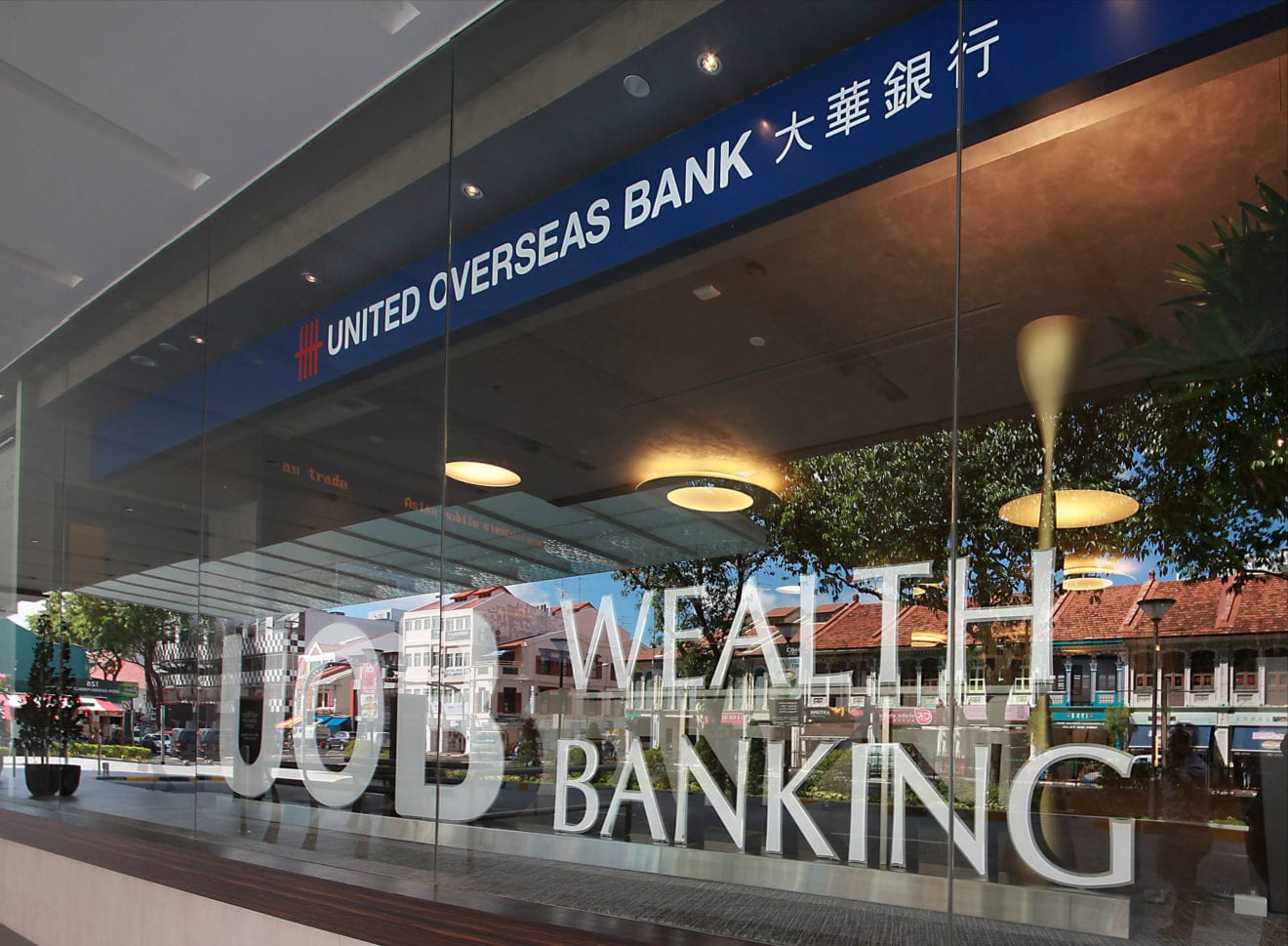
    United Overseas Bank is the first Singaporean institute to be given a license to start up shop in Vietnam. The State Bank of Vietnam has granted a license for Singapore’s United Overseas Bank Ltd (UOB) to open a fully-fledged foreign-owned bank in Vietnam, according to a statement released on Thursday.

    UOB is one of Asia’s leading financial institutions with a network of 500 offices spanning 18 countries and territories, including one in Ho Chi Minh City.

    The bank is considering opening a branch in Hanoi to gain access to fast-developing areas in the north such as Hai Phong, Quang Ninh and Hai Duong.

    Since 2013, UOB has channeled more than $3 billion in foreign direct investment from Asia into Vietnam.

    UOB will be the ninth wholly foreign-owned bank operating in Vietnam, after ANZ, Hong Leong, HSBC, ShinHan, Standard Chartered, CIMB, Public Bank Berhad and Woori Bank.

    Singapore is a major business partner, but does not yet have a fully-owned bank in Vietnam, while other countries, even with smaller investments, have already established banks, according to the Ministry of Planning and Investment.

    By 2020, Vietnam will have to open up its banking sector under commitments made to the World Trade Organization.

  • Netflix shares jump as subscriptions top 100 million

    Netflix shares jump as subscriptions top 100 million

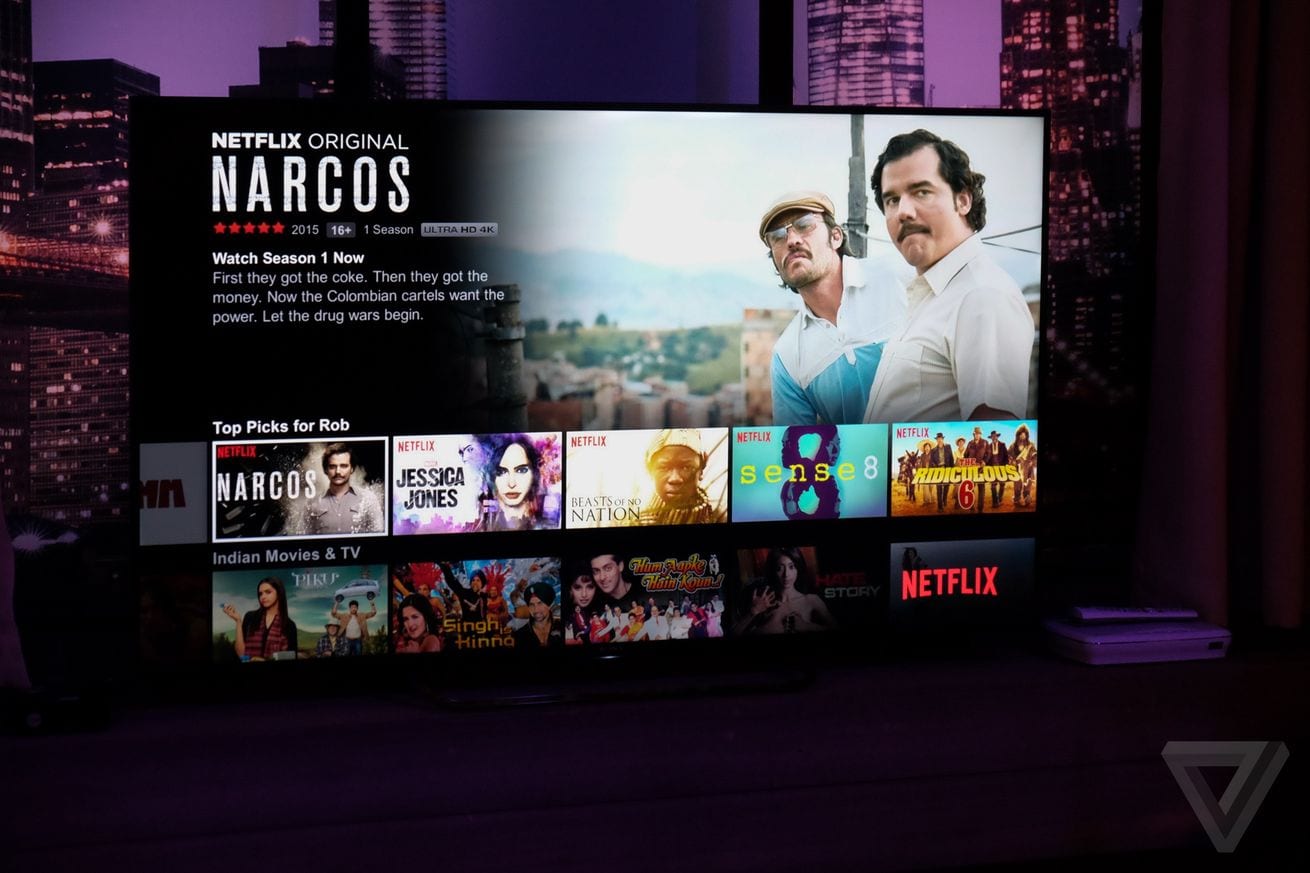
    Netflix ended the rencent quarter with 103.95 million subscribers.  Netflix on Monday reported that its number of subscribers climbed more than expected, topping 100 million worldwide and sending shares in the leading on-demand television service soaring.

    Netflix shares leapt more than 10 percent to $178.75 in after-market trades that followed release of earnings figures showing the Silicon Valley-based company added 5.2 million subscribers in the recently ended quarter to raise the total to 103.95 million for its streaming service.

    Most of the subscriber growth came from outside the U.S., where Netflix has invested heavily in establishing itself as a global television service.

    “That is what you want to see, subscriber growth,” said Silicon Valley analyst Rob Enderle. “Their international efforts are paying dividends right now.”

    Netflix ended the quarter with slightly more than half of subscriptions coming from outside the US, a first for the company.

    Profit was up 61 percent to $66 million, Netflix said. Revenue increased 32 percent to $2.78 billion from the same quarter last year.

    “We underestimated the popularity of our strong slate of content which led to higher-than-expected acquisition across all major territories,” Netflix said in a letter released along with the earnings figures.

    Culling content

    Netflix told investors that it was determined to balance boldness and financial discipline as it continued to bolster its programming slate.

    The company has cut shows that weren’t attracting sufficient numbers of viewers, taming costs as it boosted subscriber numbers in a combination that played well with investors, according to analyst Enderle.

    The company remained committed to investing in original programming. Netflix said it will release 40 feature productions this year ranging from “big-budget popcorn films to grassroots independent cinema.”

    Netflix and rival Amazon Prime have been pumping money into original shows to win fans and set themselves apart in an increasingly competitive bid for viewers’ time.

    “The competition for entertainment time is always intense, but the silver lining is that the market is vast and diverse,” Netflix said.

    More than a billion hours of video is viewed daily at Google-owned YouTube, while Netflix streams a similar amount of video to subscribers over the course of a typical week, according to the company.

    “The shift from linear TV to on-demand viewing is so big and there is so much leisure time, many internet TV services will be successful,” Netflix said.

    “The internet may not have been great for the music business due to piracy, but, wow, it is incredible for growing the video entertainment business around the world.”

    Netflix and Amazon have proven they can break into a market against intimidating entrenched positions of cable companies, according to Enderle.

    Netflix forecast that it would add 3.65 million more subscribers around the world in the current quarter.

    “We are making good progress with our international expansion as improving profitability in our earlier international markets helps fund significant investment in our newer territories,” Netflix said.

    Netflix reported a loss of $13 million outside the U.S. in the recently ended quarter, but said it expected to end this year with an overall profit in its international operations.

  • Vietnam and Singapore firms set up logistics joint venture

    Vietnam and Singapore firms set up logistics joint venture

    The new company is expected to improve logistics services at Vietnam’s northern port city of Hai Phong. Quang Binh Import and Export Joint Stock Company has inked a joint venture deal with Transworld GLS Vietnam Ltd, a unit of Transworld Singapore Group, to establish Transworld QBV ICD.

    The joint venture will specialize in providing warehouse, loading and unloading, packing and customs clearance services and other services related to road, rail and waterway transportation at Quang Binh – Dinh Vu ICD (Inland Container Depot) in Hai Phong.

    In its first phase, the company will invest in transport and customs clearance services on an area of 10 hectares at the ICD.

    Quang Binh Import and Export is a producer and distributor of fertilizer, chemicals, agro-aqua products, food and beverages, bonded warehouse and yard service, and import-export and import & re-export service.

    Ranked among the top 500 largest firms in Vietnam by the Vietnam Report Company (VNR) last year, it is also a leading provider of warehousing and logistics services in Hai Phong.

    Understanding the importance of ICDs in the interntional logistics and supply chain, the company decided to invest in the Quang Binh – Dinh Vu ICD last year.

    The Quang Binh-Dinh Vu ICD will be developed in three phases, with the first phase including a warehouse capable of handling 100,000 tons of goods per year and yard’s capacity of 250,000 TEU per year. Once completed, Quang Binh-Dinh Vu will be one of the biggest ICDs in northern Vietnam.

    ICDs are inland customs clearance points used by importers and exporters. A combination of customs departments, carriers, freight forwarders and customs brokers allow exporters and importers to save time and money.

    The joint venture with Transworld GLS Vietnam aims to make the operation of the Quang Binh-Dinh Vu ICD more effective.

    Transworld Singapore is one of the fastest growing companies in Asia and owns nearly 40 container ships and more than 30,000 containers, particularly well-known for its refrigerated container.

    Transworld QBV ICD JSC is looking to develop Quang Binh – Dinh Vu ICD to be an enclosed logistics chain service that entails depot, yard, warehouse, transportation, LOLO equipment and auxiliary infrastructure, serving as the biggest transit and customs clearance point in Northern Vietnam.

    Speaking at the signing ceremony, Mahesh Sivaswamy, chairman of Transworld Singapore, said: “Starting operation, the Transworld QBV ICD will contribute to cost reduction for enterprises by speeding up and improving efficient clearance service at the port. We engage that the volume of import and export cargo going through our depot is going to significantly increase, making a positive contribution to the budget of Hai Phong City.”

  • Vietnam reaching a heady high in the global beer business

    Vietnam reaching a heady high in the global beer business

    Drinkers are foaming at the mouth in ‘the next key battleground for brewers.’ With the Vietnamese thirst for beer seeming to know no limits, brewers are finding it hard to resist tapping into the country’s fertile market.

    Vietnam is forecast to lead Southeast Asia to see volume growth of 2.3 billion liters over 2016-2021, market researcher Euromonitor International said in its July report. Southeast Asia’s volume gains will even surpass those of larger regions, such as North America, Europe, the Middle East and Africa, the report said.

    An expanding Vietnamese middle class and youthful population have helped drive a 300 percent surge in beer demand since 2002, according to Euromonitor, which estimates the market was worth VND147.2 trillion ($6.5 billion) last year.

    It predicts per-capita consumption will reach 40.6 liters this year, making Vietnam the biggest beer consumer in Southeast Asia.

    Vietnam will be “the next key battleground for brewers”, cited Euromonitor as saying in a report Friday.

    Saigon Beer Alcohol Beverage Corp. (Sabeco) and Hanoi Beer Alcohol Beverage Corp. (Habeco), the nation’s two largest beer companies, will submit IPO plans to the government this month, an official from the industry and trade ministry told local media last week.

    “The stake-sales will create an opportunity for international companies to expand geographically, especially those still without a presence in Vietnam,” John Ditty, managing partner of KPMG Vietnam’s deals advisory unit.

    A study jointly conducted by Vietnam’s health ministry and the World Health Organization (WHO) last year showed that 77 percent of Vietnamese men drink liquor and beer, and nearly half of them drink at hazardous levels.

    Nguyen Phuong Nam, an official from the WHO, said nearly 67 percent of the 1,840 traffic accident patients involved in the study had high concentrations of alcohol in their blood, and 45 percent had driven after drinking for two hours or more.

    Vietnamese drank 3.8 billion liters of beer last year. That was an average of 42 liters per person, four liters more than 2015, according to data collected by the trade ministry.

  • E-commerce dominates purchasing habits

    E-commerce dominates purchasing habits

    With the rapid evolution of technology and the internet, consumers are changing their attitudes and behaviours. Therefore, moving fast to understand changes in consumer demands is crucial for any business to grow sustainably, according to research conducted by Kantar Worldpanel Vietnam.

    Internet accessibility in Vietnam at present includes 94 percent of urban households and 69 percent of rural households.

    If internet accessibility continues to grow at the current pace, nearly 100 percent of Vietnamese households will be connected to the internet in the next five years, the research said, adding that the number of broadband subscribers in Vietnam is 53.411 million.

    The development of such services has prompted businesses and consumers to use the internet for different purposes like marketing, selling, buying and payment.

    According to Google, eight out of ten Vietnamese consumers are online at least once a day.

    Today’s Vietnamese consumers are also more familiar with shopping online. Even before they make a purchase, consumers use the internet to find information on products they considering buying, the research said.

    Higher purchasing power breeds greater aspirations, but does not mean that consumers will spend uncontrollably.

    “Over time, we have seen that households tend to save a greater proportion of their total income for the future and with interest rates in Vietnam still relatively rewarding, it is understandable. Anyone selling any consumer goods now has greater competition, within a smaller pie,” the research noted.

    Nguyen Huy Hoang, Business Development Director – Kantar Worldpanel Vietnam, said thanks to widespread internet coverage, Vietnamese consumers can access more diverse products and services. Through virtual stores, they can purchase products at home.

    With rising incomes and a growing middle class, cross border shopping is another developing trend. Many international brands start seeing Vietnam as a great opportunity for them to increase their sales. Today, this is happening in various industries such as fashion with many international brands moving into Vietnam and in fast moving consumer goods markets.

    More foreign brands can penetrate Vietnam‘smarket thanks to the proliferation of foreign retailers entering the market such as Emart, Aeon Mall and most recently 7-Eleven.

    Each has their own plan to expand with more store openings that will make more international products more accessible. With more foreign products more accessible to the masses in modern arenas but also in more traditional stores, this represents a threat to local products in Vietnam.

    Hoang said using the internet, businesses can promote their products to consumers in other countries quickly and cheaply, noting that borderless online shopping allows enterprises to maximise sales.

    The internet can also help farmers, small enterprises and communities introduce their products to the world.

    However, he said, the e-commerce market in Vietnam is still at the very early stage of development and needs big players to bring knowledge, know-how and expertise.

    Fabrice Carrasco, Managing Director of Kantar Worldpanel Vietnam and Philippines said Vietnamese consumers raise a lot of issues, with brand owners finding it hard to keep up with their modern lifestyle, independent decisions and demand for product sophistication. Such complexity requires developing on-trend products and talking to shoppers.

  • Viettel’s overseas pre-tax profit hits US$41.2 million

    Viettel’s overseas pre-tax profit hits US$41.2 million

    Military-run telecom group Viettel, one of Vietnam’s three largest mobile service providers, recorded a pre-tax profit of VND1 trillion (US$41.2 million) from its overseas investments in the first half of 2017, a 156 percent year-on-year increase, according to Viettel’s latest report.

    The report, which reviews the business results of Viettel’s overseas investments in nine markets, showed that in H1, Viettel’s revenue rose by 25 percent compared to the same period last year, to VND14 trillion ($600 million). Particularly, revenue in Peru posted the highest growth rate of 82 percent, following by Burundi at 38 percent, East Timor at 29 percent and Haiti at 15 percent.

    The positive results came from revenue generated by mobile phone telecommunication services, especially new services such as 4G, e-wallet and large information technology projects for governments and businesses.

    The projects include the line connecting East Timor, Laos population management system, transmission channel for the Mozambique Ministry of Home Affairs and Ministry of Higher Education, Science and Technology, and a tax payment system for Burundi.

    Viettel also received positive signs from Lao market, with its Unitel brand maintaining its leading position with four million subscribers. Its Telemor brand in East Timor has been granted a new frequency to expand its network, thus bringing in a revenue of several million US dollars.

    The favorable exchange rate in Viettel’s overseas markets also contributed towards good business results.

    The achievements are expected to be a pre-condition for a higher growth rate for the group this year. Viettel has targeted a strong growth rate of 35 percent, with around 50 million subscribers, in 2017. Revenue from overseas investment has been set at VND32 trillion ($1.4 billion) and its growth rate at 29 percent this year.

    The group plans to complete building network infrastructure in its tenth market, Myanmar, this year, as well as create modern broadband infrastructure for 4G in these markets.

    Viettel currently has operations in 9 overseas markets including Laos, Cambodia, East Timor, Cameroon, Haiti, Mozambique, Burundi, Peru, and Tanzania, with operations in Myanmar expected to begin in the first quarter of next year.

    Viettel earned VND226.5 trillion in revenue in 2016, equal to 100 percent of its annual plan, while pre-tax profit was VND43.2 trillion, or 101 percent of its annual plan.  The military-run company had 7.4 million new subscribers as at the end of 2016, bringing its total to 90 million.

  • Tourism market offers opportunities for start-up businesses

    Tourism market offers opportunities for start-up businesses

    Vietnam’s tourism market offers huge opportunities for start-up companies if they promptly seize technological trends to create special and unique tourism products, heard a workshop in Ho Chi Minh City on July 20.

    A report delivered at the workshop, jointly organised by the Saigon Innovate Hub (SiHub) and the Start-up Vietnam Foundation (SVF), showed that tourism has been identified as a spearhead economic sector in the near future, with the target of luring 17-20 million international tourists and serving 82 domestic holidaymakers by 2020.

    Nguyen Quoc Ky, Director General of the Vietravel Company, underlined the need for research and development of start-up companies in tourism to secure domestic market share.

    Participants stressed that amid the technological boom, start-up companies need to grasp the market’s trends and continuously innovate to offer highly competitive products, otherwise they will be merged or closed.

    Sharing the view, SVF Managing Director Pham Duy Hieu said start-up companies should enable staff members to show their creativeness, thus offering products that can satisfy, even surprise customers.

    At the workshop, delegates discussed measures to develop Vietnam’s tourism, including incentives to lure tourists and investment in infrastructure, building overseas tourism promotion offices and promoting regional connection.

    In 2016, Vietnam’s tourism sector welcomed 10 million foreign arrivals and served 62 million domestic holidaymakers, representing 4.3-fold and 5.3-fold increases from the figures in 2001, respectively.

  • Vietnam’s e-commerce acceleration to gain a boost from DHL eCommerce

    Vietnam’s e-commerce acceleration to gain a boost from DHL eCommerce

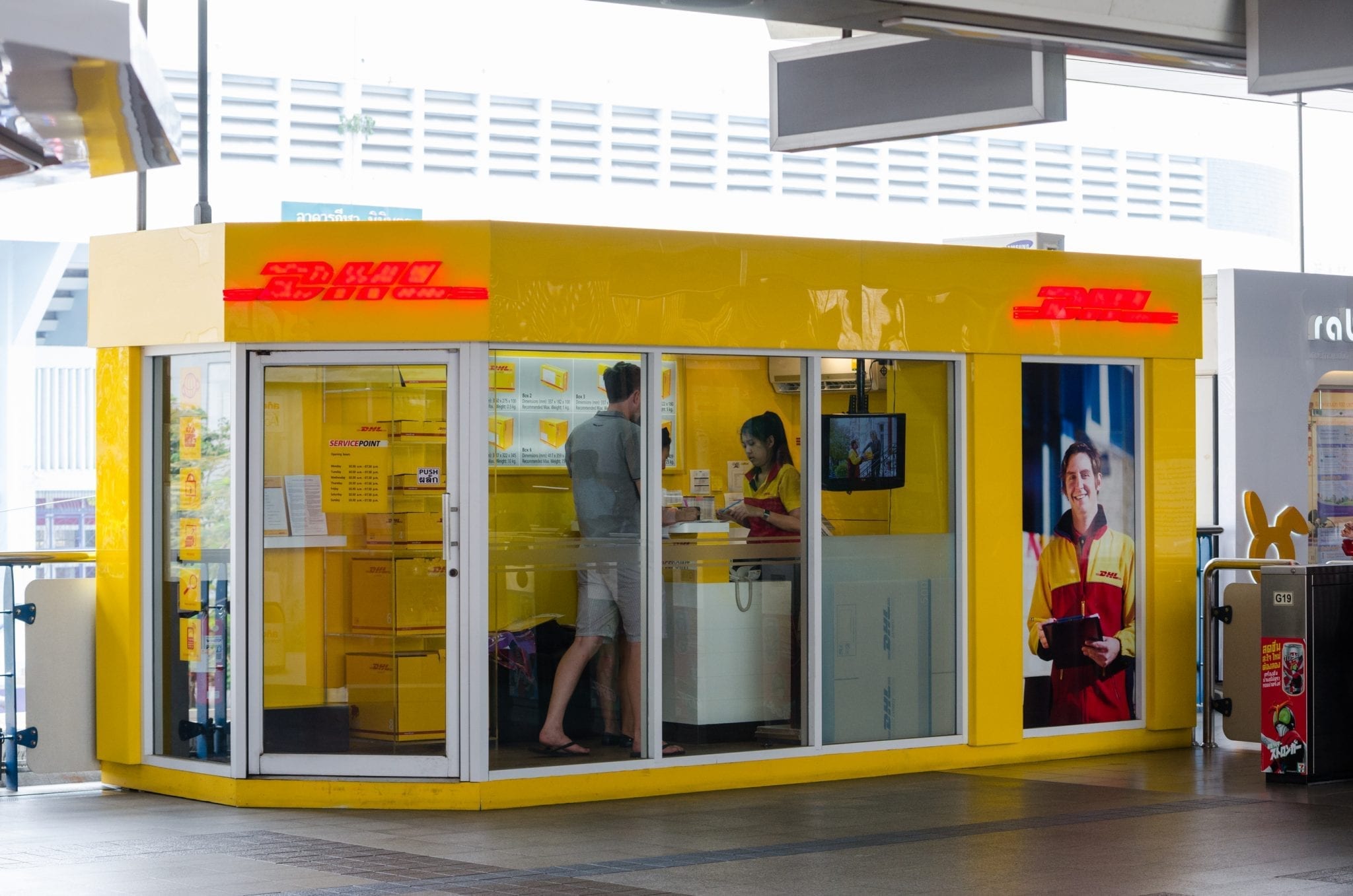
    DHL eCommerce, a division of the world’s leading logistics company, Deutsche Post DHL Group, has launched its nationwide domestic delivery operations in Vietnam. The domestic delivery network will offer a high quality delivery service across Vietnam and a range of services tailored for the booming e-commerce industry, helping small, medium and large e-tailers and marketplaces increase their share amidst the rapidly growing Vietnam e-commerce segment.

    “The Vietnamese e-commerce market represents a huge and relatively untapped potential for local retailers, e-tailers and marketplaces: in 2016, total e-commerce spending hit US$1 billion despite barely over 50% of the population being online, ” said Charles Brewer, CEO, DHL eCommerce. “With e-commerce spending expected to grow at around 23% per year between now and 2020, local e-tailers need scalable, high-quality logistics solutions with nationwide coverage more than ever before.”

    DHL eCommerce Vietnam offers domestic delivery nationwide across the country, managed by hubs and depots strategically located throughout the country. DHL eCommerce’s fleet of vans and motorbikes, coupled with regular air and road connections between its hubs, will support next-day delivery in Ho Chi Minh, Hanoi and other primary markets.

    “Our new domestic delivery service brings to Vietnam DHL’s extensive experience in designing comprehensive logistics networks, coupled with tailored e-commerce solutions to tackle some of the most pressing roadblocks to e-commerce growth,” added Brewer, “With e-commerce, consumers are increasingly expecting greater choice, convenience and control in their delivery experience and we aim to deliver a smile in the last mile by providing an amazing and customer-centric delivery solution.”

    When using the network, local e-tailers can easily assign shipments requiring cash on delivery service through DHL eCommerce’s online portal, allowing for faster remittance and simpler management of shipment information. Consumers will also be able to open, check and return goods at the point of receipt thanks to DHL’s Open Box Delivery service, better aligning the online shopping experience with their preferred purchasing habits.

    “Only 15% of Vietnam’s e-commerce shoppers paid online in 2016, making cash on delivery a must-have feature for e-commerce to succeed. That, combined with concerns about the hassle of returns and refunds, has made growth an uphill battle for many local e-tailers,” said Thomas Harris, Managing Director, DHL eCommerce Vietnam. “We recognize that having a fast and reliable delivery service won’t solve these issues alone, which is why we’ve tailored our nationwide network to seamlessly handle cash payments with next day cash remittance and returns to take the burden off local e-tailers so they can fully focus on growth and customer experience.”

  • International fashion brands target Vietnamese market

    International fashion brands target Vietnamese market

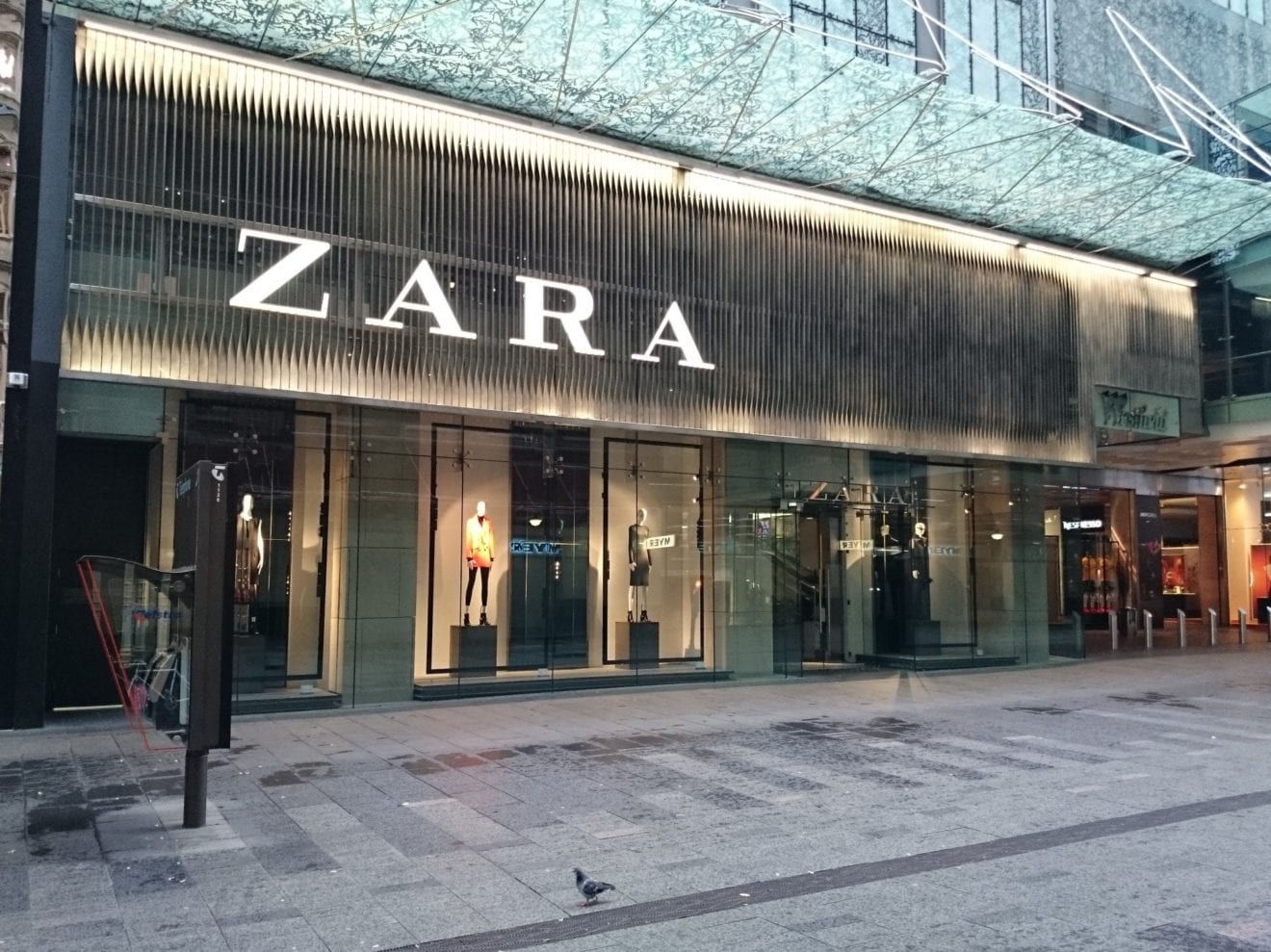
    International brand names are starting to grab the attention of HCM City’s fashion-conscious people, clearing the way for more ready-to-wear clothing stores in Vietnam.  More than 50 well-known brand names, such as Giordano, Mango, Zara, Topshop, Gap and Old Navy, have opened stores in HCM City.

    While Old Navy opened its first store last month, H&M launched its brandname last weekend with a fashion show at a leading shopping centre in the city.

    Other fashion companies, including Pull&Bear, Uniqlo and F21, will also enter the market this year with their own stores scheduled to open in Hà Nội shopping centres.

    “Before launching our designs in Vietnam, we spent time researching the country’s economic development, culture and living conditions,” said a representative of Zara, who noted that the country would become one of the most important  markets for the popular fashion brand from Spain.

    Although their prices are higher than local products, ranging from VNĐ300,000 (US$15) to over $1.5 million ($70) with accessories sell for an average of VNĐ100,000 ($4) per item yet customers, particularly young people, are thrilled they are here.

    Customer Tran Thi Anh Nhung of District 3 spent almost VNĐ5 million (US$230) on nine items at Zara after discounts last weekend, saying she was delighted she no longer had to go Singapore or Bangkok for the latest styles.

    Nhung, a senior marketing executive for a foreign-owned advertising agency in District 1, said: “Zara and Topshop offer ready-to-wear products in the trendiest styles at reasonable prices. A mini-dress sells for VNĐ500,000 ($22) compared to a Vietnamese one at VNĐ300,000 ($15). Customers aged 18 to 30, who change their clothes every season, are interested in that kind of stores.”

    Another customer, Vu Chi Hung, 32, said she was a fan of Topshop because their merchandises are both stylish and practical and can be purchased for around $22 a piece.

    “The foreign brands located in shopping centres like Diamond, Vincom and Takashimaya guarantee their services and quality are the best for customers,” he added.

    Hồ Trần Dạ Thảo, brand name creative director of the Tsafari Fashion Company, said: “The appearance of international fashion houses in Việt Nam and so-called ‘fast fashion’ or ’casual wear’ brandnames is sure to create fierce competition in the country’s fashion industry.”

    “Vietnamese brands should try to capitalise on the shopping seasons and spend more money on advertising to grab the attention of consumers,” she added.

    “Many of our collections cost as little as VNĐ150,000 ($7) for both men and women and offer high quality and modern style pieces. Some designs start at over VNĐ700,000 ($35), but customers with more to spend are thrilled that sophisticated designs can now be made by Vietnamese,” she said.

    Thảo said that collections under the brand name Tsafari are offered at shops by young designers, led by a group of trendy creators in Singapore. They offer clothes in the latest fashion trends to attract the interest of young customers.

    “With these changes, we hope to popularise and diversify our products in the local market,” she said.

  • BMW greenlighted to find new dealer in Vietnam

    BMW greenlighted to find new dealer in Vietnam

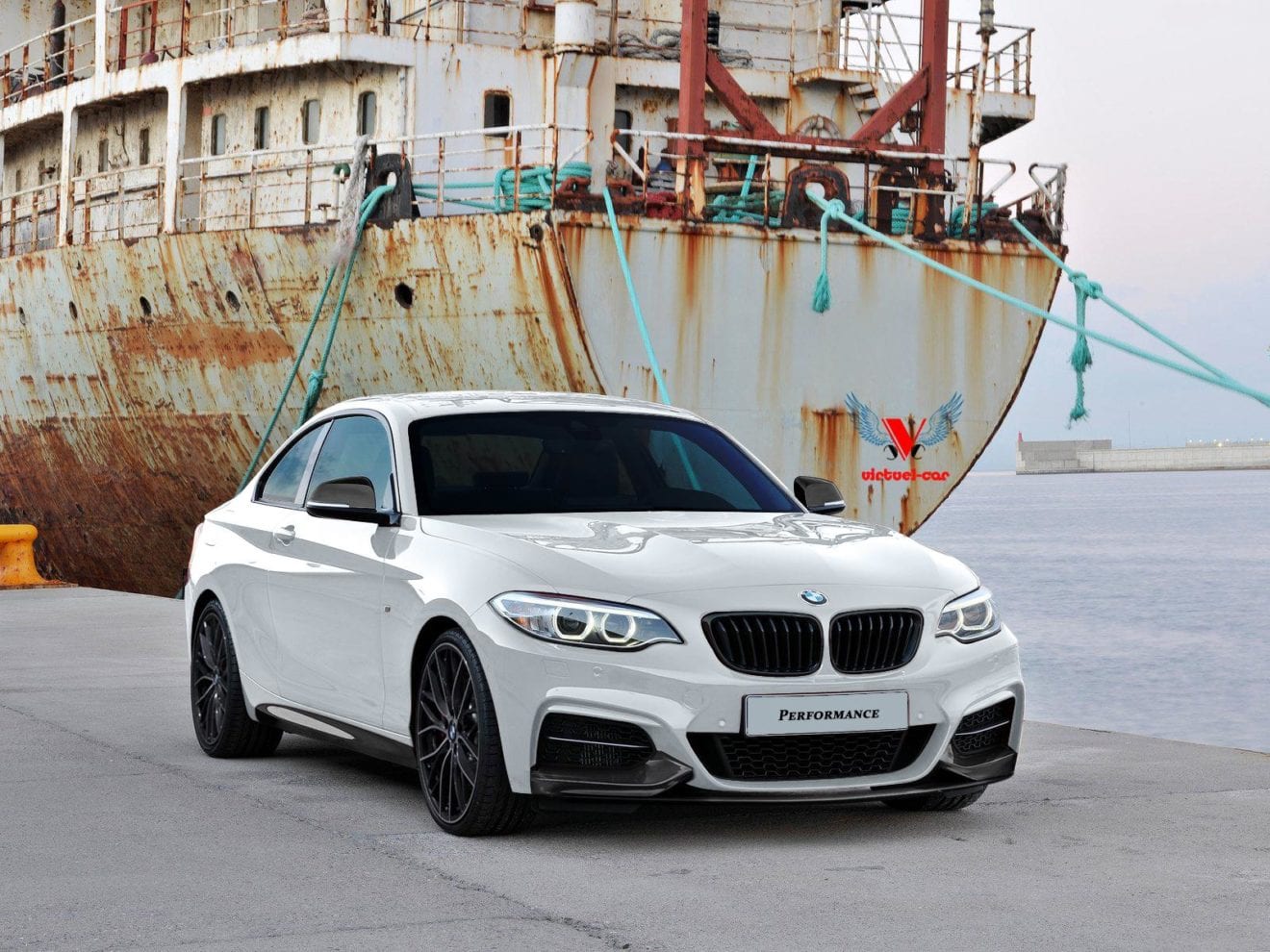
    Vietnamese government has given the greenlight to the German automobile manufacturer BMW to access and run maintenance services on a batch of 700 BMW cars being held at Vietnamese ports after Euro Auto—BMW’s official distributor in Vietnam—was charged with scandalous violations of counterfeit paperwork.

    The leader of the government also affirmed that the BMW Group in Germany had no part in these violations, only its dealership in Vietnam. Hence, BMW must change its dealer in Vietnam to help maintain a transparent and attractive business environment.

    In order to be able to continue its business in Vietnam, the German automaker will have to terminate the rights of its current partner to import and distribute BMW cars in the country, while looking for another distributor.

    Dealer replacement is needed

    Since 2006, Euro Auto, as the officially authorised distributor of BMW in Vietnam, has helped the company to become one of the most successful luxury car brands in the market after previous failures in manufacturing cars locally, which eventually led to its withdrawal from the Hoa Binh Automobile joint venture.

    In fact, Euro Auto is backed by Sime Darby Group (Malaysia). By the end of 2013, Sime Darby Motors—a major affiliate of the Malaysian multidisciplinary group—has acquired a more than 90 per cent stake in Euro Auto Corp. (EAC) by purchasing Europe Automobiles and other shareholders’ stakes.

    Via Euro Auto, Sime Darby has brought several luxury and premium car models to Vietnam, for example the MINI and BMW brands, through a chain of showrooms and stores in Ho Chi Minh City and Hanoi.

    Currently, Sime Darby is the world’s third largest distributor of BMW. The giant also holds the rights to sell Land Rover, Mini, Rolls-Royce, Jaguar, Lamborghini or Porsche in many neighbouring countries, such as Malaysia, Singapore, Thailand, and China.

    In early 2016, Sime Darby established another subsidiary named Performance Motors Vietnam with similar functions to Euro Auto, selling BMW cars, spare parts, and accessories. When this company came into operation, Euro Auto shifted focus onto imports, while Performance Motors was responsible for distribution. Still, there was no clear separation between the firms regarding their functional businesses as they were both reported doing retail activities in Sime Darby’s 2016 annual report.

    However, after being accused of conducting fraudulent paperwork and declaring low import prices to evade tax, Euro Auto has apparently lost its credibility with other firms.

    In December 2016, the BWM dealer was found to have sold a shipment of imported cars while it was still waiting for clearance from the Ho Chi Minh City customs agency, in addition to violating multiple regulations, according to the Ministry of Finance (MoF).

    The company was accused of forging documents, including purchase contracts and receipts, while failing to provide certificates of origin for its cars—a sign of fraud and scamming. It also bought BMW vehicles without completing customs clearance or receiving the necessary customs authority permits. In December Vietnamese customs officials were ordered to halt all clearance procedures for BMW cars after MoF reported import violations, a ban that is said to be still in effect.

    Afterwards, the Ministry of Public Security announced on April 27 that Nguyen Dang Thao, general director of Euro Auto, and two other individuals involved had been arrested in the course of an investigation of a batch of German luxury cars smuggled into Vietnam. The names of the other two persons have been kept undisclosed.

    At the meeting with Prime Minister Nguyen Xuan Phuc, the top executives of BMW also said that the company was seeking to invest in a factory in Vietnam as it would increase the localisation rate of many car components.

    According to experts, in order to achieve such a goal, the world’s big players usually choose to participate in a joint venture and technology transfer agreement with a local car manufacturer.

    There are many firms wanting to become BMW’s new distributor, including well-known names of the automobile industry and other multidisciplinary corporations that want to expand their portfolios. Yet for BMW, a joint venture with a local firm appears to be the best fit, to assemble cars in Vietnam.

    “Financial capability is not the key factor. Experience and the network infrastructure for distribution are supposed to be the core,” said the director of a luxury car company.

    This is also the path BMW and Sime Darby are pursuing in Malaysia. The joint venture between these two corporations was established in 2003, with a 51 per cent stake held by BMW and a 49 per cent by Sime Darby.

    Shortly after its establishment, the company started manufacturing some of the very first BMW models in Malaysia. To date, the plant has manufactured approximately 20 different commercial vehicle models under the brand names BMW and MINI, including Series 1, Series 3, X1 to X5 or Countryman, among others.

    Most recently, in April 2016, BMW Malaysia unveiled a plan to boost the assembly of BMW 3, 5, and 7 series sedans in Malaysia for export to Vietnam and the Philippines via Sime Darby’s distribution channels.

    Were it not for the Euro Auto incident, according to the company’s plan for 2018, Vietnamese customers would have purchased more BMW cars imported from Malaysia, not Germany. Then, BMW would have been granted tax incentives, particularly a zero per cent import tax, for import activities within the region as long as it could meet the requirement of a 40 per cent localisation rate.

    If BMW also adopts this model in Vietnam, the best possible way is to find a partner with good financial capabilities, a well-established distribution network across the country, and more importantly, a string of readily available factories and warehouses or bases for expansion. Other things involve agreements signed to regulate capital contributions and technology transfer or to attract investment from car accessory manufacturers and gradually increase the localisation rate.

    A long way ahead

    In Vietnam, the availability of these conditions is actually very limited. A prediction from industry insiders reckons that Sime Darby will still be in charge of the distribution of BMW cars, but through a different firm, not Euro Auto.

    It could be Performance Motors or a different agency. However, whoever will be BMW’s new representative, the giant still needs to invest in a joint venture with a large Vietnamese corporation so as to develop the plan to manufacture and assemble cars in Vietnam.

    If BMW cars are assembled and imported in Vietnam by a big company, the model used 20 years ago will come back. Around 1994, BMW cars were assembled at the factory of Hoa Binh Automobile Company (VMC), along with Mazda and Kia cars. However, all companies decided to “get out” because of undesirable failures. Mazda and Kia later came back to Truong Hai and started thriving.

    If BMW ties the knot with a big company, it will be the starting point of a new era for it to become the second luxury car brand manufactured in Vietnam, after Mercedes. The price may decrease if the proportion of domestic factors increases. The battle in the luxury car segment is also getting tougher with more noticeable opportunities for sales booming.

    After all, the luxury car brand of Bavaria is looking for a safe haven in Vietnam. It does not only want an extensive distribution system, services, factories, and warehouses ready for assembly and manufacturing, but also requires a stable policy framework in the long run.

  • Mobile phone market saturated, phone distributor sells perfume

    Mobile phone market saturated, phone distributor sells perfume

    Phone distribution chains are selling many other products together with mobile phones to earn extra money. On its website, in addition to mobile phone and laptop models, Hnam Mobile displays 30 perfume products of different brands, priced at between hundreds of thousands of dong and several million of dong per bottle.

    Hoang Phu Nam, the founder of Hnam Mobile, confirmed that the mobile phone distribution chain now sells perfume as well.

    Nam said the chain’s managers, after thorough consideration, have decided to sell perfume to take full advantage of the existing large network, fame and management technology.

    However, Hnam Mobile only sells perfume products via internet, while the products are not available at shops. Nam expressed his concern that it may be unreasonable to display perfume next to technology products.

    “We hoped to sell 100 bottles in the first three months. However, at present, we sell several bottles a day,” he said.

    “If everything goes smoothly, we will think of selling liquor and milk,” he said.

    “Selling perfume is quite different from selling mobile phones,” he said. “Though we have high number of outlet, we have to learn things from the very beginning to sell perfume.”

    The businessman admitted that the mobile phone sales have been decreasing, so it’s time to think of expanding business to increase revenue.

    Confirming that the mobile phone market has become saturated, Mai Trieu Nguyen, the owner of Mai Nguyen chain, said selling additional products was inevitable for mobile phone distributors.

    Mai Nguyen has also been selling non-mobile phone products such as flashlights, multifunction knives, TVs and binoculars.

    Nguyen Lac Huy, a representative of CellphoneS, the mobile phone distribution chain with 19 shops in Hanoi and HCMC, said the growth of the mobile phone market has slowed down and mobile phone distribution chains have to diversify products and services.

    CellphoneS has tried to do this by opening phone repair shops, called Dien Thoai Vui. In the coming time, one shop in Hanoi and one in HCMC will open.

    The Gioi Di Dong, the largest mobile phone distributor, is now promoting the sale of home appliances with Dien May Xanh brand, while FPT Shop has announced cooperation with Vinamilk to sell dairy products.

    A report of GfK showed that 6.2 million smartphones were sold in 2013, and a 40 percent growth rate was reported in 2014.

    However, the growth rate has slowed down in recent years. It is expected that 23.6 million smartphones would be sold this year, an increase of 19 percent over 2016. However, the revenue would increase by 7 percent only, from VND73.3 trillion to VND78.6 trillion.

  • Vietjet continues to pay generous dividend of USD28.3 million

    Vietjet continues to pay generous dividend of USD28.3 million

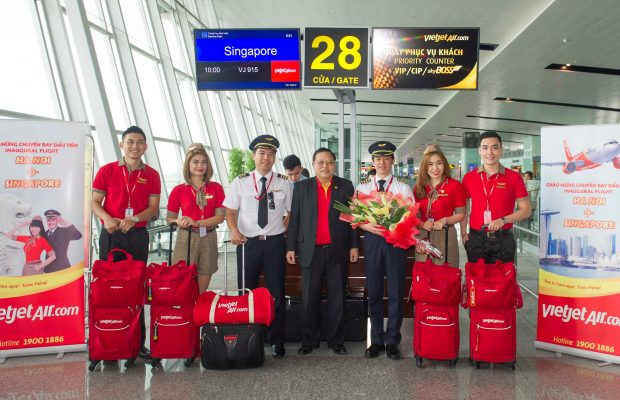
    Vietjet Aviation Joint Stock Company’s (HOSE: VJC) Board of Directors today approved a resolution for a dividend advance payment with the rate of 20% in cash of US9 cents per share (VND2,000) for the first stage of 2017.

    The registration deadline is July 31, 2017, which means the ex-dividend date is July 28, 2017. The dividend will be paid on August 15, 2017. With Vietjet’s charter capital of USD142 million (VND3,224 billion), the total dividend to be paid is equivalent to USD28.3 million (VND645 billion)

    Besides the above dividend payment, Vietjet will also soon confirm the bonus share dividend at the 40% rate following the allocation of the 2016 profits, which was approved at the company’s 2017 annual shareholder meeting and now under the consideration and approval process of the States Securities Committee. In 2017, Vietjet plans to pay dividend up to 50%.

    Up to the end of 2017’s first quarter, Vietjet’s audited redundancy capital was USD67.5 million (VND1,535 billion) and unallocated after-tax profit at USD91.5 million (VND2,080 billion). The business result for the year’s second quarter is expected to be better than the budgeted plan.

  • Vietnam fastest growing stock market in region

    Vietnam fastest growing stock market in region

    The Vietnamese stock market has surpassed its counterparts in the Philippines, Indonesia and Thailand to become the fastest-growing market in the region in the first six months of the year.

    In late May, Thang, an investor in Hanoi, decided to re-activate his securities trading account after five years of closure.

    The crisis which broke out 10 years ago plunged the VN Index from 1,180 points to 200 points and swept away VND3 billion worth of Thang’s assets.

    But Thang decided to return to the stock market as it is now very promising.

    The VN Index has increased by 17 percent over the beginning of the year, nearly hitting the 780 point threshold, the highest peak since 2008.

    The index increase in the first six months was even higher than the increase for all of last year.

    In 2016, the average trading volume was reported at VND3 trillion per trading session and there were only a few of sessions with trading value of VND5 trillion. “The market is thriving not because of supporting information or any big deals and agreements, but because of strong cash flow into the market,” an expert said.

    Meanwhile, in the first six months of 2017, the sessions with trading value of VND5-5.5 trillion were of everyday occurrence. There were sessions with trading value of VND7.5 trillion.

    It was not by chance the cash flowed strongly to the stock market in the first months of 2017.

    The appearance of goods commodities has made the market more attractive. Vietnam Airlines (HVN), Vinatex (VGT), Masan Consumer (MCH), VIB and FPT Telecom (FOX) have appeared on UpCom right on the first days of the year.

    In February, Vietjet (VJC) made its debut, followed by Petrolimex (PLX), a petroleum distributor and Kido Food (KDF), the largest ice cream manufacturer.

    These are all well-known names in the Vietnamese market and all of them are leading in their business fields.

    Analysts believe that stocks are more attractive investment channels than gold and dollars. The VN Index has increased by 17 percent, while the prices of many shares have increased by tens of percent, or 3-5 times in the last several months.

    Securities companies have also made big contributions to the strong cash flow when providing capital to investors to buy on margin.

    The financial leverage helped investors loosen their purse strings. Securities companies prepared for the ‘game’ last year with hundreds of billions of dong worth of bonds issued.

    The 10 top securities companies alone can provide $2 billion in capital to investors to buy on margin.