Tag: Vietnam

  • Omnichannel retailing to deliver market win

    Omnichannel retailing to deliver market win

    The omnichannel model has become a new weapon in the race to maintain and expand market share in the electronics retail industry.

    The coveted Top 3

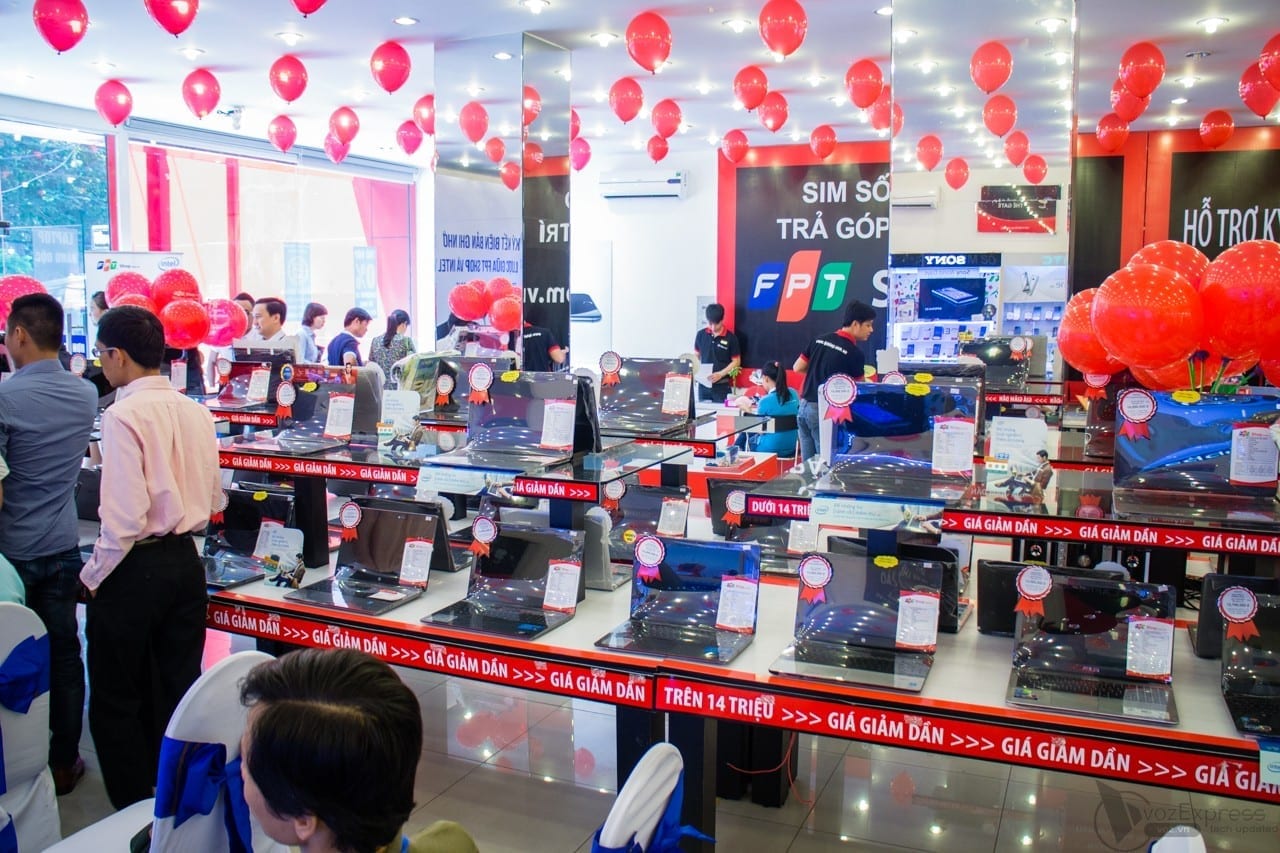
    A latecomer taking on established competitors, FPT Shop only started to strengthen its e-commerce channel in 2014. Within a single year, revenue from this business segment was only VND318 billion out of the total VND5.226 trillion ($13.98 million out of $229.91 million). FPT Shop’s website’s traffic reached a modest 100,000 visitors per day.

    In 2015, the firm’s e-commerce revenue posted VND568 billion ($24.98 million) and traffic doubled. In 2016, revenue from online sales grew by over 200 per cent, registering VND1.2 trillion ($52.79 million) and contributing approximately 10 per cent of its total revenue. Traffic was 800,000 visitors per day.

    Although FPT Shop’s e-commerce revenue in 2016 was only half of its largest competitor The Gioi Di Dong, this is considered an optimistic sign of greater opportunities as FPT Shop enters the potential e-commerce playground.

    According to Ngo Quoc Bao, director of business development of FPT Retail, FPT Shop has set a more ambitious target. “E-commerce revenue will double in 2017, crossing the VND2 trillion ($87.98 million) threshold,” said Bao. Such acceleration of growth shows FPT Shop’s intention toward professional omnichannel retailing. “We will continue the strong development of offline and online channels and the strategic partnership with companies like Google and Facebook to boost customer outreach,” remarked Bao.

    In order to achieve this, FPT Shop implemented comprehensive HR restructuring at the e-Commerce Centre from upper management to business strategy. While it used to open 5-7 stores a month, now the rate is only 1-2 stores per month, with no plans for further physical store expansion in the near future. Its current store count is 430.

    According to Bao, as FPT Shop entered the online arena later than its competitors, it has to reach one million customers this year. To achieve this, FPT Shop must boost traffic, optimise user experience to increase returning visitors, ensure confidentiality, convenience, and timeliness in online payments.

    The Gioi Di Dong (MWG) is arguably the first entrant to the online retail realm. This major name is in possession of the largest market share, with 10 per cent, thanks to a formidable online presence that is considered superior to that of Lazada (mostly owned by Alibaba) and Zalora (wholly owned by Nguyen Kim and Central Group).

    According to market research firm Euromonitor International, although market shares fluctuate year to year, MWG continues asserting its dominance among online retailers since 2011. MWG determined hefty targets for online retail as revenue from this source is set to double over-year to VND6.65 trillion ($292.55 million). The company’s total supermarket count will reach 1,207, of which thegioididong.com accounts for 951, Dien may XANH 256 for supermarkets and 40 for stores. Along with all this, Vuivui.com, a dedicated e-commerce site, will play a crucial role in the company’s strategy.

    Nguyen Duc Tai, president of MWG, commented that middle and high-school students tend to make more and more online purchases. Vuivui.com is the company’s investment for this future consumer base. The platform may even become MWG’s growth driver by 2020. “But for now, physical stores remain MWG’s chief money maker,” said Tai.

    Talks of the race to expand among the likes of FPT Shop and MWG cannot leave out Vien Thong A, a name ringing fewer bells, who is currently ranked third in the online retail arena. This retailer had an impressive year in 2016, where it opened 63 new supermarkets nationwide, boosting total count to nearly 300. Additionally, the retailer’s revenue went up by 30 per cent on-year.

    Besides tackling the coverage target and growth at least of 30 per cent, this year Vien Thong A will expand its online sales activities, which in 2016 generated only 5 per cent of the revenue made through traditional channels.

    Hoang Ngoc Vy, CEO of Vien Thong A, said the company is looking to expand its B2B online business in order to meet the ever-increasing demand. “The development of omnichannel tactics to offer services regardless of location and timing is our top priority,” remarked Vy.

    In order to jumpstart this business segment, Vien Thong A has to meticulously identify a strategic investor as its partner in this race.

    A game of speed

    According to Euromonitor International, by 2020, online electronics retail will grow at 30.9 per cent CAGR, reaching VND20.985 trillion ($923.18 million). Meanwhile, purchasing behaviour is changing, shifting to more time spent online, leading the offline channel to saturation, with increasingly limited room for growth.

    In reality, omnichannel retailing has been steadily gaining ground for the past three years in Vietnam as mini-scale online stores started mushrooming on Facebook with numerous online sales tactics.

    Especially, Zalo (VNG) launched Zalo Shop to provide independent online merchants with a direct platform to 60 million customers without acquiring technical capabilities. Zalo users can conveniently “browse” thousands of stores on the uniform interface of Zalo Shop and easily make purchases without searching on Facebook or Google. Boasting these advantages, the online channel, more than ever before, has become considerably lucrative.

    According to statistics by Google, Vietnam is second in the world in terms of the number of online retail merchants. Whether this form of retail can grow sustainably remains, however, a question as customers are hesitant to accept/trust these independent small-scale businesses.

    Such prospects push retailers towards change. They admit the never-before-seen potential of omnichannel in awakening the market and capturing new customer segments.

    Bao commented that FPT Shop must expand its coverage and get ahead of market demand. However the Vietnamese consumers are naturally sceptical. Online buyers would visit offline stores to browse the merchandise, compare the products and prices. Therefore, it is advisable that companies stay mindful of their physical chains.

    Logistics above all

    “Never coerce consumers to online channels, since physical visits are conducive to unintended additional purchases. It depends on geographic and taste factors that enterprises coordinate their channels, hence enhancing brand recognition,” said Bao.

    In the race of omnichannel retailing, the essential survival tip is understanding, satisfying, and building trust with customers. To achieve this, retailers are responsible for guaranteeing the authenticity, quality, and timeliness of merchandise. Logistics, therefore, should be an investment priority.

    The Gioi Di Dong used to outsource its logistics but has since developed its own delivery capabilities. FPT Shop utilises its own store staff for delivery.

    “In that way, our delivery staff can directly consult the customers on product use and ensure our reputation,” commented Bao.

    Regarding logistics, Luong Duy Hoai, CEO of Giao hang nhanh (GHN) said, in the future, a product from abroad can easily reach Vietnamese consumers. The same goes for Vietnamese goods sold to other countries.

    Therefore, it is no longer a matter of speed but of agility to comprehend and lead the industry landscape by market shares. The challenge for modern retailing is the shipment of million, even tens of millions, of orders on a daily basis. The ultimate success factor lies in a delivery network that can address the complexities of increasingly customised demands. It is up to each retailer to rapidly transform its model according to the current technological trends.


  • Vegetable and fruit exports face tough competition from imports

    Vegetable and fruit exports face tough competition from imports

    With turnover of $375 million in May, fruit and vegetables were among the biggest export items for Vietnam, while imports of the same equalled $183 million.  The high export turnover of $375 million represented a sharp increase of 75 percent in comparison with the same period last year.

    The increase of $161 million in vegetable and fruit export turnover made up 26 percent of the total exports increase of 13 key farm produce and agriculture material items.  Analysts said the target of $3 billion in vegetable and fruit export turnover this year is within reach.

    However, Vietnam, which takes pride as a big vegetable and fruit exporter, also had to import $183 million worth of products in May, a sharp rise of 79 percent compared with the same period last year, raising the import turnover to nearly half a billion of dollars in the first five months of the year.

    Nguyen Dinh Bich, a trade expert, pointed out big problems in the market structure. The exports to the Chinese market have been increasing rapidly from less than 30 percent in 2014 to 65 percent in 2015.  The growth rate exceeded 70 percent in 2016, while it reached 75.5 percent in the first five months of 2017. In 2014, Vietnam exported $435 million worth of products to China, but exported $1.054 billion to other markets.

    The trend reversed in 2015: while exports to China increased sharply by $760 million in turnover to $1.195 billion, exports to other markets decreased by $410 million to $644 million. The same situation was seen in 2016 and the first five months of 2017.

    “Do Vietnam’s fruit flow to China’s Guangxi province to be sorted and labeled as ‘made in China’ for re-export to the world market?” Bich asked, emphasizing that Guangxi is China’s ‘fruit granary’ with output of 359 kilos per head per annum,1.8 times higher than the average level of the country.

    Imported fruits are displayed in advantageous positions at supermarkets for the upper and middle class, and sold at high prices.

    Thai exporters enjoy big benefits from the Vietnamese market. In May 2015, Vietnam imported $13 million worth of fruit from Thailand, which accounted for one-third of total fruit import turnover.

    Meanwhile, the figure soared to $38 million in May 2016 and to $129 million in May 2017.

  • Concerted action needed for M&A breakthrough

    Concerted action needed for M&A breakthrough

    It is forecasted that the value of mergers and acquisitions (M&A) deals in 2017 will not exceed those of 2015 and 2016, thus, the market needs a boost from enterprises and the government to leverage the opportunities from foreign capital to make a breakthrough.

    In 2016, the total value of all M&A deals over the world was $3.5 trillion, a reduction of 27 per cent on-year, but a high value nevertheless. However, this could be considered an ending of the global M&A’s growth period. Due to Brexit and Donald Trump’s new policies, global M&A activities are becoming harder to predict and there may be some shifts in the flow of investment capital in the world.

    According to the statistics of the Institute for Mergers, Acquisitions and Alliances (IMAA), Vietnam hit a 10-year record hike of $5.2 billion in M&A activities in 2015. In 2016, the value of M&A deals was $5.1 billion, even though experts said that in the second half of 2016, the growth was slowed down because not many big M&A deals were publicised at the time.

    It is forecasted that in 2017 without a breakthrough, the total value of M&A deals in Vietnam may not overtake 2015 and 2016 figures. For a breakthrough, the Vietnamese M&A market really requires a boost.

    The most vibrant industries with the highest number of M&A deals in 2016 were the retail sector, consumer goods production, and real estate. The finance and banking industry did not have many outstanding activities last year. Some other fields, such as education and technology, also attracted M&A investment in 2016.

    Foreign capital has been playing an important role in M&A activities in Vietnam with numerous sizeable deals. For example, Japanese enterprises are now strategic partners to many state-owned enterprises, such as Vietnam Airlines and Petrolimex. Similarly, a number of South Korean enterprises joined the Vietnamese market by investing in agriculture, and investors from Singapore have been paying close attention to some real estate projects.

    According to some assessments made by the government and investors, the progress of equitisation and the state divestment from big enterprises is slow. A wide range of Vietnamese enterprises are luring in investors after being equitised or divested by the state, such as Saigon Beer-Alcohol-Beverage Joint Stock Corporation (Sabeco), Hanoi Beer Alcohol and Beverage Joint Stock Corporation (Habeco), Vietnam Mobile Telecom Services Company (MobiFone), and Vietnam Dairy Products Joint Stock Company (Vinamilk).

    Currently, Sabeco and Habeco’s stocks have been listed on the stock exchange. However, most investors said that this step was implemented more slowly than they had expected.

    There are numerous challenges for the growth of M&A in Vietnam, including changes in the US policies, the withdrawal of the US from the Trans Pacific Partnership or the various obstacles to equitisatisation, the problems of enterprises’ quality, and the scale of the Vietnamese economy.

    To achieve at least 2016’s $5.1 billion in deal value, the state divestment in some Vietnamese enterprises should be implemented more quickly and thoroughly.

  • Credit growth expected to rise 16.33% in 2017

    Credit growth expected to rise 16.33% in 2017

    The total loans of the banking system are expected to grow by 16.33 per cent in 2017 against December last year, lower than the Government’s limit of 18 per cent.

    The State Bank of Viet Nam released the information this week after conducting a survey on business performance trends of credit institutions in the second half of this year.

    The survey also shows that credit institutions forecast the total capital mobilisation of the banking system to rise 16.02 per cent in 2017, of which dong contributes to a rise of 16.59 per cent and foreign currency 1.14 per cent.

    The General Statistics Office (GSO) has reported that credit growth in the first half of this year was 7.54 per cent, the highest in the past six years. The new record, considerably higher than the previous record of 6.28 per cent set in 2015, reflects the market’s significantly improved capacity to absorb capital, the GSO said.

    Loans in the period were mainly focused on prioritised and large projects as instructed by the Government, accounting for roughly 50 per cent of total outstanding loans. Agriculture and rural industries, and small- and medium-sized firms received around 19 per cent and 22 per cent of the total outstanding loans, respectively.

    Lending interest rates were 6-9 per cent per year for short-term loans, and 9-11 per cent per year for medium- and long-term loans. For customers with transparent finances, short-term lending rates ranged from 4-5 per cent per year.

    The banking system’s capital mobilisation in H1 has risen by 5.89 per cent, and deposit interest rates have been relatively stable. Interest rates for dong deposits were 4.5-5.4 per cent per year for short term, 5.4-6.5 per cent per year for medium term, and 6.4-7.2 per cent per year for long-term deposits.

    The Government has targeted credit growth of 18 per cent for 2017, but at the National Assembly meeting recently, some deputies suggested that this limit be raised so as to support economic growth.

    Analysts at Bao Viet Securities (BVS) also recently forecast that the central bank may consider raising credit growth targets for several banks to aid economic growth.

    The Government has been under intense pressure to loosen its monetary policy as the country is determined to meet its GDP growth target of 6.7 per cent for 2017. However, the fiscal policy has been struggling with disbursement of public investment, the BVS analysts said in a report. By end of May, disbursement of public investments had touched VND88 trillion, equal to only 30.6 per cent of the entire year’s estimates.

    The BVS analysts said when fiscal policy does not support growth well, pressure will intensify on monetary policy. Increasing credit growth targets of several banks may be an option worth considering, the analysts said.

  • Vietnam’s pork crisis ain’t over yet

    Vietnam’s pork crisis ain’t over yet

    Vietnamese farmers have been hit by a glut in supply for months.

  • ICAO President impressed by Vietjet’s superb performance

    ICAO President impressed by Vietjet’s superb performance

    The superb performance of Vietjet in its operations, services and management has gained the appreciation of the Council of the International Civil Aviation Organization (ICAO).  The ICAO delegation, led by president Dr. Olumuyiwa Benard Aliu and ICAO APAC Deputy Regional Director Manjit Singh Seva Singh, visited the Vietjet office during its trip to Vietnam from 5 to 10 July, 2017.

    Speaking at the meeting with the Vietjet management board members on the first day of their visit, Dr. Olumuyiwa Benard Aliu said he highly appreciated the airline’s efforts and achievements in its operations, services and management activities. He also stressed on its comprehensive investment in building up human resources and training highly skilled experts that meet the internationally standardized safety requirements for operation and management, which greatly contributed to not only the airline’s success but also the growth of the aviation industry in Vietnam and the region.

    Dr. Nguyen Thanh Hung, Vice chairman of Vietjet Board of Directors, Mr. Luu Duc Khanh, Managing Director and other management members of Vietjet warmly welcomed the ICAO delegation. Mr. Luu Duc Khanh said: “Safety is our top priority not only in operations but also in the entire airline’s activities. Safety requirements conformity has been the guideline for us in all operations and policy decision we have made. We are happy that our technical reliability rate stood at 99.59% in the first quarter of the year and flight operation, ground operation and engineering safety indicators were also listed in the group of highest quality airlines in the Asia Pacific region”.

    Following their working agenda in Vietnam, the ICAO delegation today met with high-ranking officials of the Vietnamese Government, the Ministry of Transport, and Civil Aviation Authority of  Vietnam (CAAV) followed by their granting of the Council President Certificate to the representatives of CAAV in Hanoi. The certificate recognizes Vietnam’s significant progress in resolving safety oversight deficiencies and improving the effective implementation of ICAO Standards and Recommended Practices

  • Local fashion brands face fierce competition with foreign rivals

    Local fashion brands face fierce competition with foreign rivals

    The influx of foreign fast fashion brands into Vietnam is threatening local retailers’ market share, forcing the firms to move to keep their foothold in the market.

    Le Thi Quynh Trang, General Director of the Multimedia JSC – which runs many fashion programmes in Vietnam, said the country is becoming more popular in the global fashion industry as most fashion brands, from high-end to fast fashion ones like Chanel, Giovanni, Salvatore Ferragamo, Versace, Burberry, Topshop, Mango and Zara, have come to Vietnam. H&M and Uniqlo also plan to enter this market.

    “Vietnamese consumers’ demand is now ripe for them to make inroads into Vietnam,” she said.

    H&M is scheduled to open its first outlet in Ho Chi Minh City in the next few days. The Swedish brand said Vietnam is one of its five key future markets.

    There are nearly 200 foreign fashion brands in Vietnam, accounting for more than 60 percent of the market share. Mid-end brands like Giordano and Bossini and high-end ones such as Mango, Dolce & Gabbana, Topshop, Gap, Banana Republic and Tommy Hilfiger post the strongest sales.

    Competition pressure

    Foci, a domestic brand that debuted in 1999 and gained a strong foothold in the affordable segment, folded in 2014.

    Ngo Thi Bau, General Director of Nguyen Tam Textile & Garment Company – Foci’s owner – switched to opening a Japanese-style restaurant chain in HCM City. She said aside from high ground rent, Foci had to give up due to falling sales caused by cheap clothing from China and counterfeits.

    The Viet Fashion Joint Stock Company, which owns Ninomaxx and N&M brands, has been making strategic steps to develop. It has 62 retail outlets across the country at present and plans to increase store numbers soon.

    However, some insiders said Ninomaxx may lose its status to foreign rivals. They said in addition to cost-related problems, Vietnamese firms struggled as they were unable to grasp the latest fashion trends or change their promotion methods.

    Zara earned 5.5 billion VND (nearly 242,000 USD) on the opening day of its outlet at Vincom Dong Khoi shopping mall in HCM City on September 8, 2016. That reflects Vietnamese consumers’ interest in foreign fast fashion, which pressures domestic brands to make changes.

    The force to change

    Among Vietnamese brands, Canifa has emerged as an affordable fashion brand with the leading growth rate and store number in the country. The presence of Zara, H&M and Uniqlo has forced Canifa to change, especially with their target markets similar.

    Canifa has raised the number of its outlets to 96, many of which are based in major shopping malls or ideal locations in big provinces and cities. An advantage of this firm is that its factories are in Vietnam, helping cut time from design, production to sale.

    Nguyen Van Thoi, Chairman of TNG Investment and Trading Joint Stock Company, said the entrance into Vietnam by H&M, Zara and Uniqlo is a chance for Vietnamese brands to develop their designs but also a big challenge.

    TNG used to manufacture apparel ordered by Walmart, Zara, Levi’s, GAP, CK and Puma. However, it decided to abandon this and specialise in selling TNG-branded products. TNG outlets are expected to increase to about 100 this year, he said.

    The decisive factor is keeping up with consumers’ taste, thus Vietnamese firms need professional designers. TNG has partly satisfied the market’s demand and gained a market share, he noted.

    Thoi said TNG products are sold at competitive prices and will outpace foreign brands in this regard.

  • Vinamilk tops most valuable firms list

    Vinamilk tops most valuable firms list

    Forbes Vietnam on Monday announced the Vietnam Dairy Products Joint Stock Company (Vinamilk) topped the 40 most valuable companies in the country with a value of more than US$1.7 billion. This is the second time Vinamilk has reached the top in the Forbes ranking.

    Forbes Vietnam said in its statement that total value of the 40 most valuable firms reached more than $5.4 billion, an increase of 20 per cent from the previous assessment last year.

    Behind Vinamilk was the military telecommunication group Viettel and property developer-retailer Vingroup, whose estimated values were $849.6 million and $299.3 million, respectively. The list closed out with the agriculture group Loc Troi, which was assessed at $13.1 million.

    Loc Troi joined the most-valuable list in 2017 for the first time, along with Quang Ngai Sugar Joint Stock Company, fuel dealer Viet Nam National Petroleum JSC (Petrolimex) and Saigon Tourist.

    In terms of industries, consumer goods producers and financial-banking firms outnumbered others at 19 companies.

    Saigon Securities Inc (SSI) was the only brokerage included in the Forbes Viet Nam list.

    Among other financial institutions were Vietcombank, Vietinbank, BIDV, Bao Viet Holdings, MB Bank, VP Bank and Sacombank.

    Three quarters of the 40 firms are already listed on the HCM and the Ha Noi stock exchanges, including two brewers Sabeco and Habeco, Mobile World Corp, Vietjet Air and property developer Novaland.

    Some of the 40 companies trade their shares on the Unlisted Public Company Market (UPCoM) and the Over-the-Counter (OTC) market, such as Truong Hai Automobile, VP Bank and Techcombank.

    According to Forbes Viet Nam, the evaluation was conducted based on the contribution of the company’s brand to the business performance. The most valuable brands were the firms that recorded high revenue and earnings in the industries they were leading.

    Forbes Vietnam, with support from Viet Capital Securities Co, evaluated the firms’ pre-tax earnings, loan interest rates and intangible assets.

    In addition, Forbes Vietnam was assisted by the companies whose shares are traded on the two local exchanges and UPCoM and OTC markets, while some non-traded and unlisted companies agreed to provide financial data for the evaluation.

    The brand valuation is calculated on the company’s share price-to-earnings (P/E) ratio versus the market’s average P/E ratio for listed ones.

    For unlisted companies, Forbes Viet Nam compared the firm’s scale and scope to others in the same industry to calculate the company’s value.

  • AirAsia to start daily flights to Nha Trang, Vietnam on Sept 14

    AirAsia to start daily flights to Nha Trang, Vietnam on Sept 14

    Low-cost carrier AirAsia Bhd will begin offering daily, non-stop service between Nha Trang, Vietnam and Kuala Lumpur on Sept 14.

    In a statement today, AirAsia said the new service will mark the airline’s fourth route into Vietnam, after Ho Chi Minh City, Da Nang and Hanoi.

    In conjunction with the new flight, it will offer promotional all-in fares from RM99 one-way for booking from July 4 to 9, for the travel period from Sept 14, 2017 to Aug 28, 2018.

    “This year is all about driving the Asean vision forward with the year-long Visit Asean@50 initiative. In line with this, we are happy to be expanding our network with our 54th unique route from Malaysia to cover yet another exciting destination within the region,” AirAsia head of commercial Spencer Lee said in the statement.

    “As the only airline flying directly into Nha Trang from Malaysia, this route introduction not only opens up air travel into the city, but it also gives access to the people from the Khánh Hòa Province to enjoy over 120 AirAsia destinations around Asia,” he added.

  • Startup develops app that allows diners to book tables with discounts

    Startup develops app that allows diners to book tables with discounts

    With PasGo, you can make online restaurant reservations and enjoy a wide range of discounts for free. Restaurant reservation application PasGo was launched in Vietnam in 2014 to present a complete tech solution for both diners and restaurants.

    When you have plans to eat out, a lot of questions will pop up: Where, what and when to eat? And what about discounts? To find the answers, many people usually turn to restaurant reviews and spend time looking for vouchers and discounts online, which can be inconvenient, said a PasGo representative.

    The internet can be a double-edged sword as it offers a lot of information but it’s difficult to decide on which sites to trust, and even when you do buy coupons online, you still want to book tables.

    “How can I find the right restaurant, save money, and book a table before arriving? We realized diners would love a solution to all of those questions, so we created PasGo,” said the company representative.

    Through the app, you can find the nearest restaurant using a map to show you the way. You can also choose from top restaurants without having to spend time reading a review, find discounts and book tables a the click of a button.The developers of PasGo are constantly studying market trends and catching up with new technologies to create a product that can meet the best interests of both diners and restaurants in Vietnam.

    The app is able to filter options to find the restaurant that suits your taste in terms of price, location and quality. It can even fulfill special requests such as finding an eatery that can cater for hundreds of people at once, or that has a private room or romantic seats, and all free of charge.

    PasGo helps restaurants advertise for free and attract customers during off-peak hours, as well as introducing new dishes.

    “This is the optimal solution for restaurants to manage and use their capital as it is based on their actual situations instead of creating wholesaling coupons,” said the representative.

    Over the past three years, PasGo has connected 700 restaurants in Hanoi and Ho Chi Minh City with diners, and serves tens of thousands of users each day, creating the same amount of promotions and discounts.

    It has been loyal to its philosophy of only working with high-quality restaurants to help users feel secure about their choices.

    “We know this is not an easy path but the team at PasGo are consistent, and we hope the success of PasGo will encourage restaurants to pay more attention to their food and service,” the representative said.

  • Vinatex invests in technology to expand market share

    Vinatex invests in technology to expand market share

    The Vietnam National Textile and Garment Group (Vinatex) must innovate its technologies as soon as possible in order to increase its market share, said Le Tien Truong, the group’s General Director, at its share-holders’ meeting held in Hanoi on June 29.

    Vinatex will focus resources on investing in technology during the 2017-2020 period

    Therefore, during the 2017-2020 period, Vinatex will focus resources on investing in technology, Truong affirmed.

    According to him, the world economy is likely to grow by 2-3 percent this year, while the world demand for garment and textiles may recover slightly, at about 0.5 percent.

    In addition, the US may adjust up import taxes on commodities from China, including garment and textiles, which can be a positive sign for Vietnam’s garment and textile export by expanding its market share in the US.

    However, the Vietnamese garment sector is facing fierce competition in attracting orders as domestic businesses are unable to provide package services and face difficulties in meeting importers’ shipping requirements.

    The country’s major competitors such as China, India, Bangladesh, and Indonesia continue attracting a lot of orders thanks to their preferential policies on tax and exchange rate, while the European Union-Vietnam free trade agreement (EVFTA) and Trans-Pacific Partnership (TPP), which are hoped to help with Vietnam’s exports, have yet to become effective in 2017.

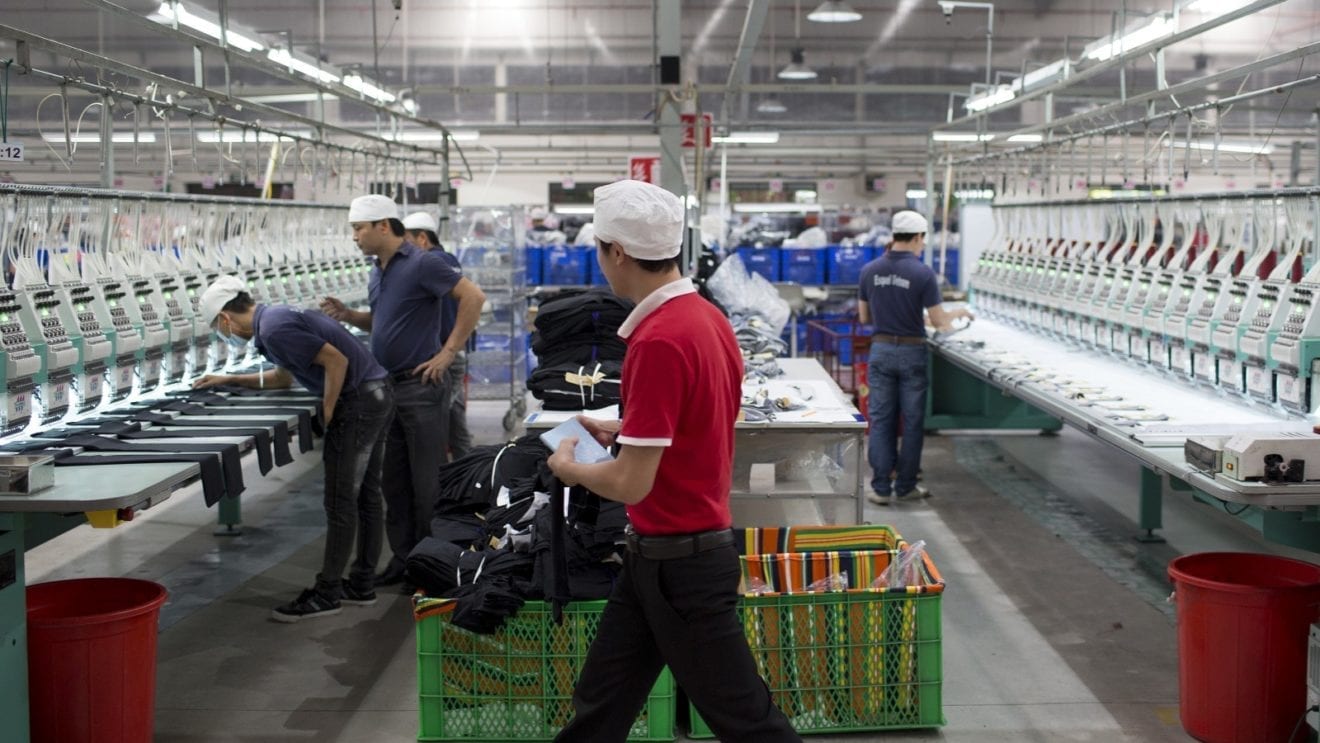
    Other problems for the sector include rising input costs and falling selling prices, plus the lack of high-quality human resources who can operate modern machines, especially in weaving and dyeing phases.

    Therefore, the Vinatex will exert efforts to increase management capacity and administration in a modern and professional manner, while continuing to expand markets in East Europe, and optimise advantages offered by valid FTAs.

    In 2016, Vietnam’s apparel industry saw lower than expected results, with 28.3 billion USD in exports, up 5.7 percent year on year. Vinatex earned over 2.5 billion USD, an increase of 5 percent over 2015, with a pre-tax profit of over 41 trillion VND on a 5 percent year on year increase.

    In 2017, Vietnam’s textile-garment sector aims for a growth rate of 7-8 percent, and 30 billion USD in export earnings.

  • Almost 77,000 new enterprises operative in H1

    Almost 77,000 new enterprises operative in H1

    There were 61,276 newly-established enterprises in Vietnam in the first half of this year with total capital of VND596.196 trillion ($26.22 billion), according to the Ministry of Planning and Investment (MPI).

    Numbers were up 12.4 per cent year-on-year while capital was up 39.4 per cent. Average capital was VND9.7 billion ($42,600), a 24.3 per cent increase year-on-year.

    There were also 18,100 enterprises adding capital in the first half, totaling VND859.186 trillion ($37.7 billion), for new and additional capital of some VND1,455 trillion ($64 billion).

    MPI’s figures also reveal that the number of newly-established enterprises and capital grew each year in the first half from 2013 to 2017.

    The number of newly-established enterprises in the first half of 2017 increased 1.5-fold compared to the first half of 2013.

    Registered capital and average capital in the first half of this year rose three-fold and 1.8-fold, respectively, compared to the first half of 2013.

    Most sectors saw newly-established enterprises in the first half.

    There were almost 2,280 in real estate, up 68.3 per cent year-on-year, 679 in banking, finance and insurance, up 37.2 per cent, and 318 in healthcare and social assistance, up 30.9 per cent.

    In education and training, 1,597 enterprises were newly-established, an increase of 30.4 per cent, and in electricity, water, and gas production 442, a 23.1 per cent increase.

    Some 15,380 enterprises also returned to operations in the first half after temporarily suspending operations, up 3.2 per cent.

    There were also, however, 14,377 enterprises temporarily suspending operations in the first half, an increase of 17.8 per cent year-on-year.

    The number of enterprises ceasing business or waiting for dissolution was 23,530, up 24.4 per cent year-on-year.

    Of these, 5,443 enterprises completed procedures for dissolution, down 1.2 per cent.

    Some 91.5 per cent of enterprises ceasing operations or temporarily suspending operations had registered capital of less than VND10 billion ($439,800), up 23.1 per cent.

  • Vietnam beats Thailand, Indonesia with big jump in global innovation ranking

    Vietnam beats Thailand, Indonesia with big jump in global innovation ranking

    The country, at number 47, is now only behind Singapore and Malaysia in Southeast Asia. Vietnam has been named the 47th most innovative economy in the world, its best performance to date, according to this year’s Global Innovation Index report.

    The country jumped 12 spots compared to last year, thanks to its efforts to improve business environment as well as competitiveness.

    Vietnam also ranked first among lower-middle income economies. Among Southeast Asian countries, it overtook Thailand to secure the third place, only behind Singapore and Malaysia.

    Global Innovation Index of Southeast Asian economiesSingapore (7th)Malaysia (37th)Vietnam (47th)Thailand (51st)Brunei (71st)Philippines (73rd)Indonesia (87th)Cambodia (101st)010203040506070Source: Global Innovation Index (GII)

    Knowledge and Technology Outputs, one of the main pillars of the index, was found to be Vietnam’s strong point.

    The country also performed well in Market Sophistication and in Creative Outputs. However, Vietnam’s performance was mediocre in the other pillars that measure institutional framework, human capital, infrastructures and business sophistication.

    “New Asian Tigers — such as Indonesia, the Philippines, and Vietnam — are emerging too, and they increasingly join not only Asian high-tech value chains but also other activities such as ICT offshoring. These and other countries in Asia are also active in improving their innovation performance,” the report said.

    The report, co-published by the World Intellectual Property Organization, Cornell University and the business school INSEAD, surveys the innovation performance of 127 economies around the world.

    Vietnam has been part of the index since its debut in 2007. The country has been climbing up since 2013, after several years of hovering just above the 70th place.

  • Convenience stores seek ways to differentiate themselves from rivals

    Convenience stores seek ways to differentiate themselves from rivals

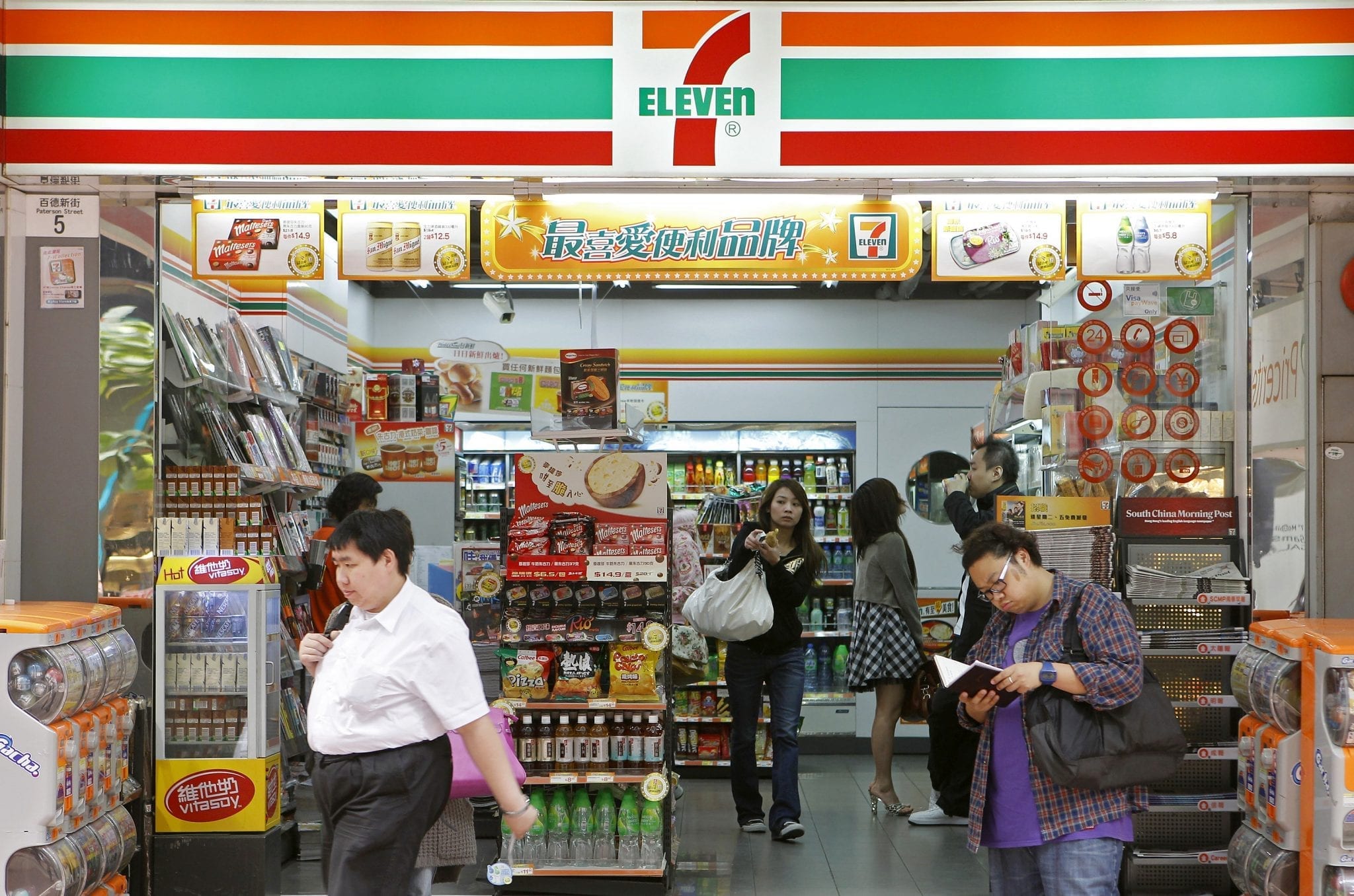
    In the past, convenience stores differentiated themselves from privately run groceries by position, diverse goods and modern services. Now, they tend to set up large stores integrated with fast food shops to attract youth and office workers.

    HCMC residents were reported as queuing up at the first 7-Eleven shop at Saigon Trade Center on June 15, the opening day of the shop.

    N.N. Huong, who visited with her teenage daughter, said she was curious about the new brand and she wanted to find out if there was any difference with the Ministop shop located next to her house.

    Seven System Vietnam said 7-Eleven offers hundreds of dishes suitable to Vietnamese taste, and provides lunches to office workers with 20 alternatives. Besides the products with private brands, 7-Eleven also provides facilities such as dining area, wifi and card payment services.

    After a decade of slow development, convenience stores have been developing strongly in the last three years.

    FamilyMart, Ministop and B’s, after changing the joint venture model, have been stepping up the expansion of the chains.

    Each of the brands has had 40-50 new shops set up every year. In the last three years, the network of 24/24 convenience stores has grown threefold and expanded to other provinces and cities besides Hanoi and HCMC.

    Analysts said though the high retail premises rent remains the biggest obstacle for the development of convenience stores (which accounts for 40 percent of operation costs), convenience stores have overcome a difficult period to form large-scale chains.

    Most convenience store chains are part of large corporations such as Aeon, Central Group, Saigon Co.op, Vingroup and SATRA.

    Aeon, for example, now owns many retail chains in Vietnam, including Ministop, which is open 24/24 hours, located in central districts; Aeon Fivimart, known as food shops; Aeon Citimart B&B, located in apartment blocks; and Daiso, the single-price chain, which all connect other models, from supermarkets, hypermarkets and shopping malls to other potential segments of the retail market.

    Zakkamart, a 100 percent Vietnamese owned chain, established three years ago, opens two new shops every month on average. The difference between Zakkamart and other convenience stores is that the chain sells fresh food, vegetables and fruits and frozen products.

    Nguyen Van Khoa, deputy general director of Satra, said Satra provides daily meals, and does not only focus on FMCG (fast-moving consumer goods).

  • The next Silicon Valley? Where to place Vietnam on the global startup map

    The next Silicon Valley? Where to place Vietnam on the global startup map

    Vietnam is trying hard to become a startup nation. The country kicked off its own “Silicon Valley” with the hope of transforming from a software outsourcing haven to a major tech hub last year. This complex, with total investment of $21.5 million, is aimed at nurturing tech-incentive startups.

    However, when asked if Saigon could become the next Silicon Valley, entrepreneur Anh-Minh Do from the Singapore-based Vertex Venture, smiled and answered without hesitation: “I don’t think it will ever happen.”

    In the Global Startup Ecosystem Report 2017 released by U.S. research organization Genome, Saigon was not mentioned in its top 20.

    Meanwhile, Southeast Asian neighbor Singapore shocked the world by outperforming Silicon Valley as the world’s number one for tech talents, and was ranked 12th overall.

    Saigon became known to the global tech market nearly two decades ago as an outsourcing haven, together with Bangalore in India, which did secure a place in the top 20.

    When it comes to other up-and-coming tech hubs in Southeast Asia, Kuala Lumpur also has its name on the map.

    In another report released this month by consultancy firm A.T. Kearney, Saigon stood in 74th out of the 128 most innovative cities worldwide.

    Those rankings cast doubt on Saigon’s Silicon Valley dream. People are getting more realistic, saying it may be out of reach.

    People have been wondering where the second Silicon Valley will emerge, but even Singapore is not a safe bet, according to some investors. Singapore may have overtaken the California-based tech hub in some respects, but is still a long way from becoming a major rival.

    For some entrepreneurs, investors and developers, the term “Saigon Silicon Valley” comes as a surprise.

    “What do you mean Saigon Silicon Valley?” astonished Tuan Anh, a former Google intern in the U.S., asked with wide-open eyes at an Internet of Things conference held last month in Hanoi. He had no idea that Vietnam is constructing its own Silicon Valley, covering an area of over 11,000 square meters. “I am sorry, I didn’t know about the project. But considering the situation in Vietnam now, I think Silicon Valley is just a name reflecting a government dream.”

    It seems the Vietnamese government is obsessed with the term “Silicon Valley”. Nearly five years ago, the government also sponsored an accelerator based in Hanoi called Vietnam Silicon Valley, hosting bootcamps aimed at mentoring young startups and giving direction to the fragmented venture capital market.

    Tech talents

    Many investors agree that Vietnam is a great breeding ground for IT workers, and tech companies are constantly hunting for talented candidates.

    Domestic demand for techies has doubled over the past five years, according to a report by human resources firm VietnamWorks.

    Vietnam is recognized as one of the world’s top software outsourcing hubs. The appeal is bolstered by its tech-savvy workforce, which is cheaper than China’s and more productive than other countries in the ASEAN Economic Community.

    “But when it comes to sophisticated projects that require the ability to appreciate good and user-focused design and critical thinking, Vietnamese developers seem to be struggling,” Pham Quoc Dat, founder & CEO of Hatch Ventures Vietnam.

    “Vietnamese IT workers are just above average,” Dat added. “On a scale of 1 to 10, they score 7 to 8 in comparison to their Southeast Asian peers, but just 5 to 6 compared to the real Silicon Valley in the U.S.”

    Clearly, outsourcing is not enough for Vietnamese developers to make their Silicon Valley dream come true – it’s the matter of creating new things.

    “The world is now focused on artificial intelligence and automation, but Vietnam has virtually no home-grown talents in this field, only those who were educated overseas,” said Anh-Minh. “That means Vietnam is being left behind when it comes to education, which is a key component to keep up in this fast-paced world.”

    On the other hand, Vietnamese high school students have long been known for their excellent performances at math and science competitions, outscoring their U.S. and U.K. counterparts. It is this foundation for computer science that could give Vietnam an edge.

    “Vietnam has hidden tech potential, but it could take another five years to create massive companies that have global influence,” Anh-Minh added.

    The country is looking at ways to transform from an electronic component producer to a center for research, innovation and development.

    In early 2014, the world became addicted to mobile game Flappy Bird, developed by Vietnamese programmer Nguyen Ha Dong. He was said to have pocketed an estimated $50,000 a day thanks to the bird. Not even Mark Zuckerberg became rich that fast.

    Dong’s story is an encouraging example for his peers, but it seems that “Flappmania” was just a one-night hit for him. No more spotlight for descendents of this bird.

    Since then, no Vietnamese techies have been able to recreate that, not even Dong himself.

    When entrepreneurial spirit is not enough

    Setting up your own business is part of Vietnamese culture. Seven in 10 startups are family-run businesses, according to the “Vietnam –Promised Land for Entrepreneurship” report, conducted by USAID and the Vietnam Chamber of Commerce and Industry. They start small but hope to grow bigger.

    The average age of startup founders in Vietnam was 30, said the report, just slightly older than the 28 years reported in Singapore, the world’s youngest base.

    “Most young Vietnamese people want to be entrepreneurs,” said Chris Zobrist, an American entrepreneur and advisor on the Silicon Valley Project. “A lot of their parents started businesses that did really well, and that created an image in young people’s minds that being an entrepreneur is a real path to success in life.”

    Geektime, one of the biggest tech blogs focusing on global innovation, estimated the number of tech startups in Vietnam stood between 1,400 and 3,000 in 2016, making the country the third largest ecosystem in Southeast Asia, only behind Singapore and Indonesia. However, around 95 percent of startups die within 3-5 years.

    Vietnamese people are focusing more on commercial startups like coffee shops rather than doing something tech-related and revolutionary, said Truong Gia Binh, chairman of technology giant FPT Corporation. Binh said he would wholeheartedly support any projects that could make a breakthrough in the tech world. Startups that could go global should have technology as their foundation, he added.

    The startup trend has fired up in Vietnam for three years.

    The government has set a target of reaching one million newly established firms by 2020, but quantity should go together with quality.

    To become the “next” anything, the country needs bigger bets from founders, investors and regulators.

    Vietnamese startups enjoy significant government subsidies and the country’s strategists are working to establish local tech startups that can make it big on a global scale.

    “The law needs to regulate the money better. The government needs to be more supportive; there needs to be more interaction from Vietnamese-Americans, specifically Vietnamese-Californians because of the ‘Valley’ connection,” Anh-Minh said.

    Vietnamese startups struggle to succeed because they don’t have access to experienced professionals. In Silicon Valley, founders and entrepreneurs have a lot of people who have successfully started companies to go to for advice. Here in Vietnam, a relatively young market, it is not easy to find that depth of experience.

    Vietnam is a small country with big ambitions.

    Dat from Hatch Ventures said: “As the first entrepreneurial hub in Vietnam, Saigon is the first choice for investors looking for potential deals.”

    “If any city in Vietnam has the potential to become the next big tech hub, it’s Saigon,” Dat said.