Tag: Vietnam

  • Textile and garment industry undergoes restructuring

    Textile and garment industry undergoes restructuring

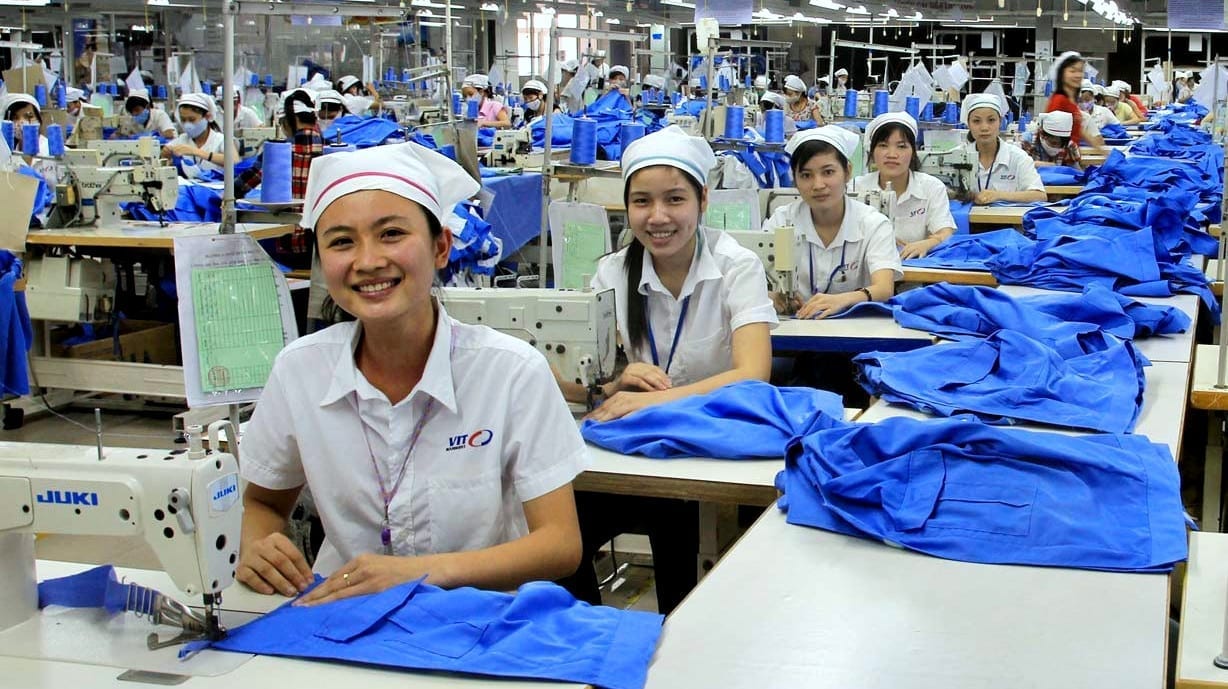
    Restructuring the textile and garment industry involves drawing up a new development strategy, using new technologies, and closing fiber and textile factories that use outdated technologies.

    The Nam Dinh Textile & Garment JSC has undergone ‘major surgery’. The number of workers has been cut from 18,000 to 4,000. However, the remaining workers’ output equals that of 18,000 workers in the past.

    The textile & garment industry has been improving satisfy the requirements of global value chains. The productivity has improved thanks to renovation of machines and equipment and the removal of factories with outdated technologies. However, many things still need to be done.

    MOIT is going to submit to the government a plan to restructure industry in general in 2016-2020, which includes the textile & garment industry.

    Commenting about the plan, Le Tien Truong, deputy chair of the Vietnam Textile & Apparel Association (Vinatas) said the figures shown in the plan were not reliable.

    The plan, for instance, says that productivity is VND35-40 million a year, while Truong believes the figure is inaccurate and it is lower than the real figure.

    If noting that Vietnam exported $28 million worth of textiles & garments in 2016 and imported $17 billion worth of input materials, the average productivity would be VND140 million per worker.

    The plan shows several targets such as repositioning enterprises geographically and shutting down factories with outdated technologies, but it does not include implementation measures.

    There are three ways to improve productivity in the textile & garment industry, according to Truong.

    First, using few workers and high-productivity machines. Second, shutting down unprofitable enterprises and reducing the number of enterprises consuming a lot of power. Third, adjusting the product structure to choose enterprises with higher added value.

    Truong Duy Hung, director of MOIT’s planning department, the compiler of the plan, believes the weak point of textile industry is the lack of input materials.

    Analysts say that if Vietnamese enterprises make input materials, their products would be able to replace Chinese products and can compete with Chinese products in price.

    In current conditions, however, it is easier and faster to seek input materials from China than domestic sources. This is because China organizes large-scale production and  always has large stocks, while Vietnam only makes products to order.

    Vietnam earned $6.84 billion from garment and textile exports in the first quarter of this year, 11.2 percent more than in the same period last year, according to Vinatas.


  • Competition heats up as convenience stores race for dominance in Vietnam

    Competition heats up as convenience stores race for dominance in Vietnam

    With a slate of brands operating nearly 2,000 stores, the remaining space for expansion is limited. The first outlet of 7-Eleven, the largest convenience store chain in Japan, opened in Vietnam last week with a lot of fanfare.

    Thousands of people lined up and squeezed into the small shop in downtown Ho Chi Minh City, trying to buy snacks and light meals.

    The chain has said it will open around 20 outlets in Vietnam by the end of this year and 100 in the next three years.

    The important question here is not about whether similarly big crowds will be coming to its stores in the future. It’s where to put these stores.

    7-Eleven is entering a market that has become increasingly packed in recent years. Its arrival is intensifying the heated competition for both customers and for retail space.

    After all, the choice of location can make or break a convenience store. In big cities, many of the best spots are either too expensive or already taken.

    Crowded market

    The A.T. Kearney’s Global Retail Development Index this month named Vietnam the sixth most attractive retail market. The country made headlines worldwide when it topped this list in 2008.

    The market has drawn a lot of foreign players who are now occupying 70 percent of the convenience store segment.

    The American chain Circle K is operating around 250 stores, mostly in the country’s two biggest cities Ho Chi Minh and Hanoi.

    FamilyMart, Japan’s second largest convenience store chain, now has 130 stores in Ho Chi Minh City, the nearby resort town of Vung Tau and in Binh Duong Province. It aims to expand the network to 150 locations by the end of this year.

    Southeast Asian chains Shop&Go and B’s mart are running another 300 stores.

    The dominant local player VinMart+, an offshoot of conglomerate Vingroup, has quickly expanded its network from 500 outlets in 2015 to around 900 last year. The chain plans to round up the number to 1,000 this year or next.

    According to industry insiders, setting up a convenience store is much simpler than a supermarket but in order to launch a profitable chain, it takes a lot of money and efforts.

  • Vietnam’s fruit, vegetable exports growing

    Vietnam’s fruit, vegetable exports growing

    Minister of Agriculture and Rural Development, Nguyen Xuan Cuong said the export potential of fruits and vegetables is huge, with the products key to restructuring the sector.

    Cuong said the ministry has focused on promoting the use of modern technologies in agriculture, aiming to create quality products, thus improving the sector’s competitiveness and expanding export markets.

    “Exports of fruits and vegetables will grow in the upcoming time. The sector should develop association models for investing in hi-tech agriculture. Businesses should work with farmer collectives to establish concentrated raw material areas,” he added.

    The minister said growing the agricultural sector, and fruits and vegetables in particular, would largely depend on export value and changes in the market.

    However, if businesses and farmers build production chains of safe fruits and vegetables together with hi-tech agriculture development, the export target of US$3 billion this year will be reached, he said.

    Exports of fruits and vegetables hit $1.38 biliion in the first five months of this year, a year-on-year increase of 38 per cent.

    China, the US, Japan and South Korea markets accounted for nearly 84 per cent of total vegetable and fruit export value. Vietnamese fruits and vegetables have been exported to about 60 markets globally.

    Many farmers have applied the safe agricultural production processes of VietGap and GlobalGap, giving Vietnamese fruits and vegetables a foothold in foreign markets.

    According to the ministry of agriculture, restructuring of the sector is going well, with export structure focused on commodities such as coffee, rubber and fruit.

    Dinh Cao Khue, general director of Dong Giao Food Export Company said their products have been exported to 50 countries thanks to a closed supply chain of materials, collection, processing and trading.

    “We have invested in specialised and concentrated material areas. Product quality should be priorities for both local consumption and exports,” Khue said.

    Experts said export markets such as the US and Europe have potential but also high risk as they have strict requirements on product quality, so domestic producers should strictly follow health and safety requirements.

    Vu Kim Hanh, chairwoman of the Vietnam High-quality Product Association said local agricultural producers should change their mindset in production and organising supply chains. Each segment should have standards to satisfy export markets’ requirements.

  • Nars comes to Vietnam

    Nars comes to Vietnam

    Japanese cosmetic brand Nars has landed in Vietnam, opening a brand new store in Ho Chi Minh City. Located on Dong Khoi Street inside Vincom Center mall, Nars’ debut store offers Vietnamese customers all of the makeup brand’s newest and most popular items.

    According to Nars’ brand president, Barbara Calcagni, the new store signals the local market’s growth, and therefore, readiness for a fresh cosmetics entrant such as Nars.
    “Vietnam is a potential market for growth thanks to the rapid development of the country,” Calcagni said.

    With more than 250 shops, Vincom Center is Ho Chi Minh City’s biggest shopping mall. It is split into two separate buildings, Vincom Center A and Center B, as houses the largest array of international luxury brands and retailers.

    Nars is on an Asian retail rollout. The latest Vietnam store succeeds a new retail venture for Nars in Malaysia. Earlier this month, Shiseido Travel Retail partnered with Colours & Fragrances to open a Nars cosmetics stand-alone boutique at Kuala Lumpur International Airport (KLIA).

    The boutique is Nars’ first travel retail location in Malaysia.

    Founded in 1994 by French make-up artist and photographer Francois Nars, Nars was acquired by Japanese cosmetics giant Shiseido in 2000.

  • Taxi firms release apps to compete with Uber and Grab

    Taxi firms release apps to compete with Uber and Grab

    The firms have complained about supposed unfair competition with Uber and Grab. Vinasun said the average wage for drivers had dropped and many drivers had already quit.

    The firms demanded authorities apply measures to ensure fairer competition such as forcing Uber and Grab drivers to use taxi badges.

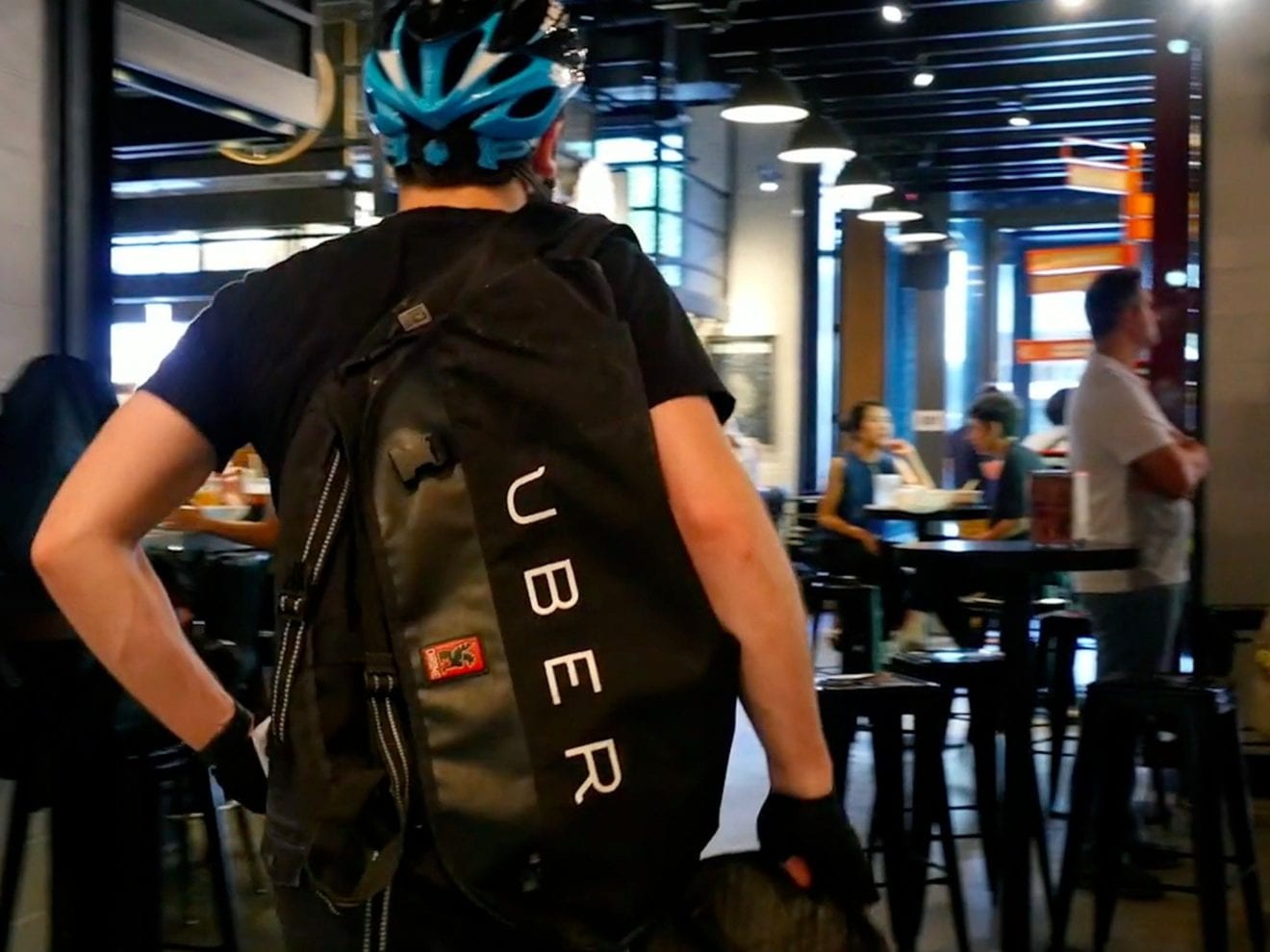
    Meanwhile, some firms have started to upgrade their technology to attract customers such as Thanh Cong in Hanoi that released a mobile app similar to Uber and Grab. Thanh Cong also allows customers to call for taxis from Facebook.

    They announced a fleet of cars without taxi badges like Uber to carry customers on routes that ban taxis. Thanh Cong said the management charge their drivers need to pay was only half of what Uber and Grab were collecting.

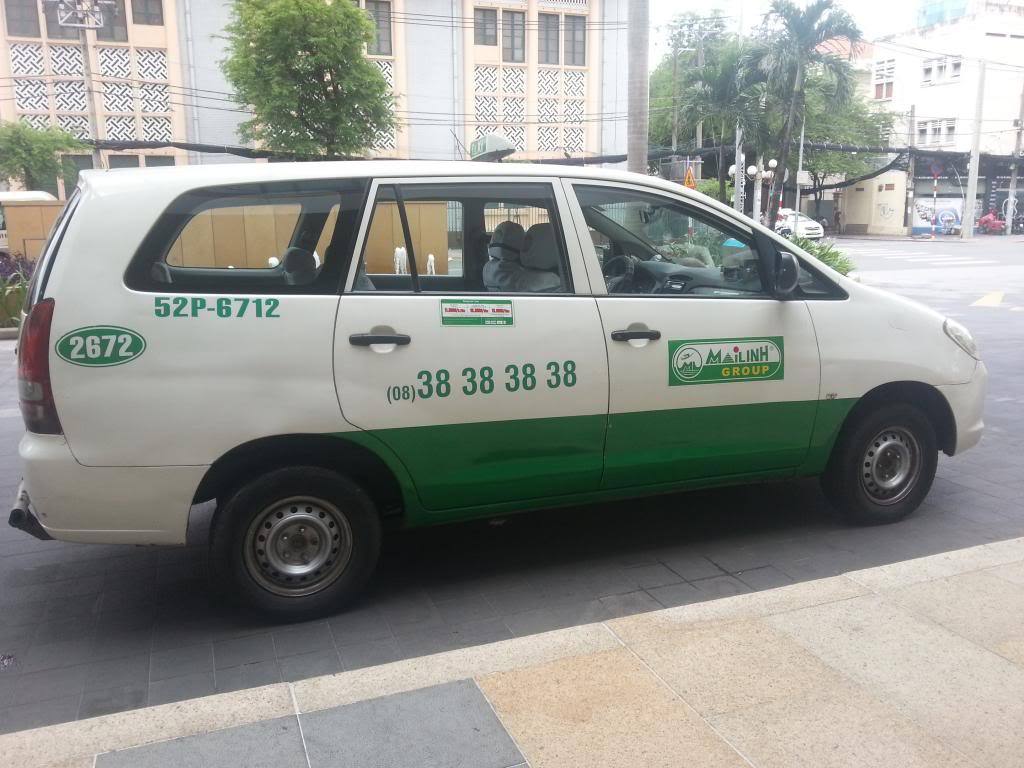
    Other taxi firms have also employed measures to compete in the growing market. Mai Linh, Vinasun and Taxi Group also released apps with similar purposes and functions. SAPA Thale Holding then released their own Uber-like app called APPP Passengers.

    The Ho Chi Minh City Taxi Association previously claimed that traditional taxi firms were being threatened as more personal cars were now in use by Uber and Grab than traditional taxi fleets. It asked the government to reconsider the open policy towards app-based taxi firms.

    “More worryingly, taxi firms have to bear various kinds of taxes including the VAT and corporate income tax. But the Grab and Uber’s taxes are only 4-5% of the traditional firms’,” the association claimed in a written document.

    Ha Huy Quang, deputy director of Hanoi Department of Transport accused Uber and Grab of not following the traffic planning and being opaque in tax duties.

  • VCAR – Vietnam Limousine for the Southeast Asian market

    VCAR – Vietnam Limousine for the Southeast Asian market

    VCAR, a new generation Limousine of Vietnam, has been launched at a recent ceremony with the participation of nearly 300 businessmen and investors from many Southeast Asian countries like Malaysia, the Philippines, Thailand and Singapore.

    Since the limousine first appeared in Vietnam 5 years ago, thousands of limousines with luxurious and comfortable interiorshave been sold. To grasp this trend, Vinter Capital Group Corporation and its close joint venture partner, Dasan, has manufactured limousines with VCAR brand for the purpose of exporting to Malaysia and other Southeast Asian countries,with the support of the parent company Dynamic Investment Fund from Vinter Capital Group Corporation based in Malaysia, Vietnam and Thailand.

    At the launching ceremony of the new model of limousine, Vinter and Dasan introduced the three versions of VCAR New Generation Limousines, includingVCAR VIP, VCARSolati and VCAR X with excellent and valuable interiors.

    “VCAR Limousine brings about totally new experiences with luxury and comfortable interiors. I hope that the venture between Vinter Capital Group and Dasan will create and bring more versions of VCAR limousine, especially VCAR X to Malaysia in the coming time”, said a Malaysian entrepreneur at the ceremony.

    “Limousine has beenfavored in Vietnam since the very first day. Six versions of limousine have been introduced in the market for the past 5 years. All the essentials of limousine in Vietnam are currently crystallized in VCAR X, a President’s new generation version in Vietnam, produced by Dasan,” said Mr. Le Thanh Tuan, President of VCAR Limousine.

    “The Malaysian market is hard-to-please and much larger compared to Vietnam. Even though the population of Malaysia is only one third of Vietnam, Malaysia’s GDP is three times higher than that of Vietnam. Malaysia’s total number of tourists and revenue from tourism are three times higher, and the income per capita is six times higher. The transportation infrastructure is also one of the best among ASEAN countries. Therefore, VCAR X with its outstanding features would be able to meet the best needs in Malaysia. We believe that the limousine, which is highly favored in Vietnam, could be developed in Malaysia,” Tuan said.

    Dasan and Vinter Capital Grouphave conducted a lot of researches, improvement and investment in order to produce the VCAR limousine with the best standard and unique design to satisfy requirements of the Malaysian market in particular and the Southeast Asian markets in general.

    President of Dasan, Mr. Dang Quang Khanh, said: “Dasan and Vinter Capital Group Corporation will promote operations and fully exploit the assembly and production capacity of factories in Malaysia and supply our products to Malaysia and ASEAN countries in the near future. We will constantly improve the technologies and designs to create more variants of VCAR limousine to satisfy and suit the market trend of Malaysia in particular, as well as other countries in general. Vinter Capital Group Corporation and Dasan expect thatVCAR limousine will be the first Vietnam car brand to reach out to the world”.

    “This event is the milestone of success and close joint venture between Dasan and Vinter Capital Group Corporation. We have committed strongly to support Dasan in expanding the market of VCAR limousine in Malaysia and other ASEAN countries as soon as possible,” said Mr.  Elvin Chew Chee Wooi and Ms. Dolly Hoang Minh Tuyet, Chairman and General Director of Vinter Capital Group.

    “Dasan and Vinter Capital Group had seriously prepared over a year to get this event done. We plan to let the first VCAR limousine to be driven in Malaysia within the next three months,” said Mr. Dang Quang Khanh.

    VCAR X, a President’s new generation version has included all the essentials of existing limousines in Vietnam. Besides strengths of “Ground Specialist”, VCAR X also eliminates redundant and impractical items and overcomes inherent weaknesses of the President version (with two 180-degree-rotation seats), and adds unique interior features that are equipped for the President version.

    With the overwhelming and positive respond by the entrepreneurs and investors from the ASEAN markets, Vinter Capital Group Corporation has committed to launch the limousine as soon as possible.

    Not only manufacturing limousine, Vinter has also actively involved in several segments of business such as property development and investment, agriculture sector, legal and consulting services and resort and restaurant services.

  • Thousands of jobs at risk over spat between Vietnam coal corporation and power group

    Thousands of jobs at risk over spat between Vietnam coal corporation and power group

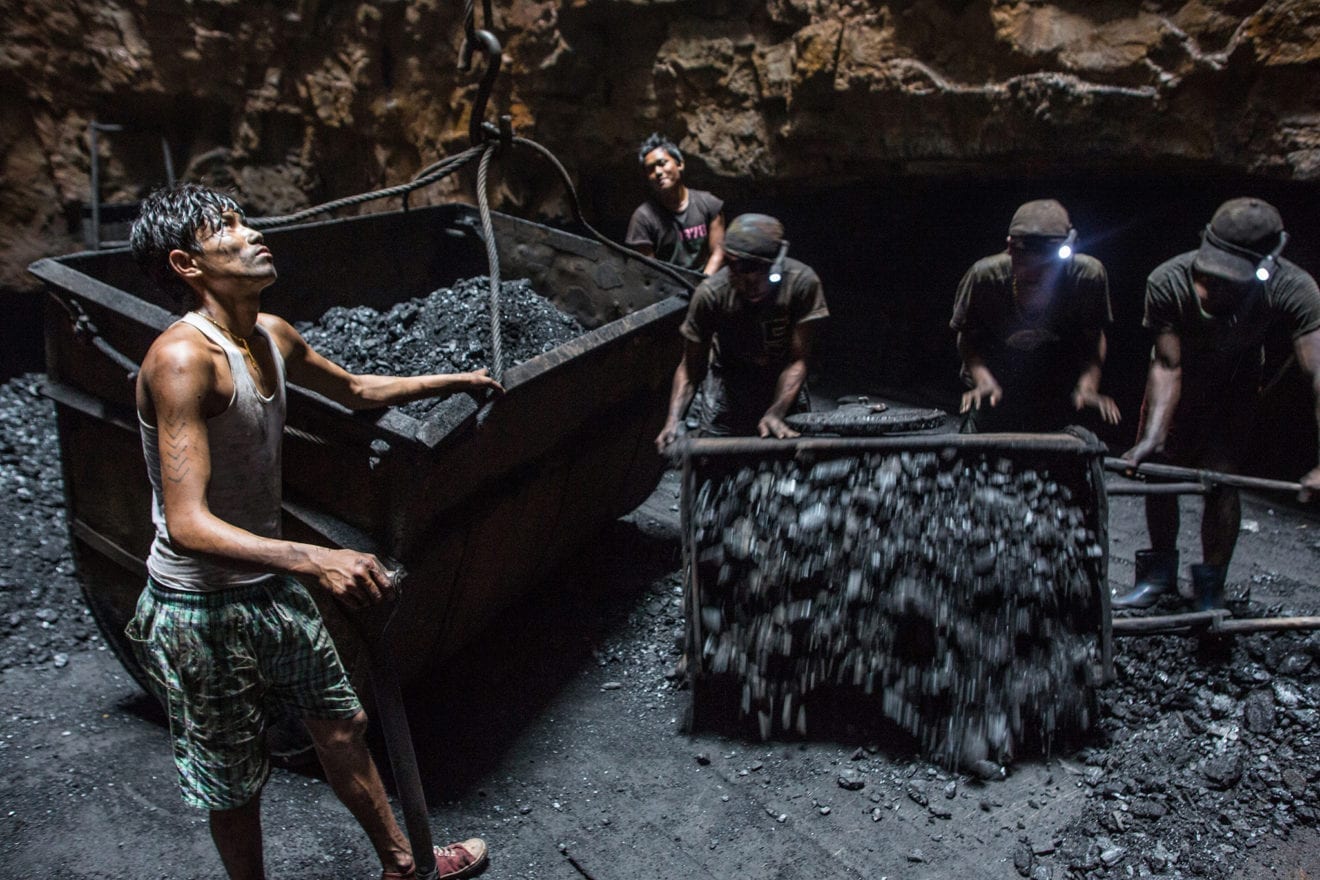
    Imported coal is currently cheaper than what’s available on the domestic market, so which industry should the government support? Thousands of workers at Vietnam National Coal-Mineral Industries Holding Corporation Limited (Vinacomin) could lose their jobs if the state-run power monopoly Electricity of Vietnam (EVN) slashes coal purchases this year.

    Vinacomin’s stockpile stands high at 9.3 million tons, largely due to reduced purchases by EVN, Vinacomin officials said at a meeting with government representatives on Monday.

    In May, EVN  reduced its planned purchases from Vinacomin by 2 million tons to 17.92 million tons, saying imported coal was cheaper.

    Vietnam is running out of hydropower sources so it plans to focus on developing coal-fired thermal power. The proportion of thermal power will rise to 49 percent by 2020 and 55 percent by 2025, said EVN

    According to Do Hoang Anh Tuan, deputy minister of finance, domestically produced coal currently costs more than imported coal, making it hard to compete. For example, a certain type of imported coal dust costs around VND 1.5-1.6 million ($66-71) per ton, while the same type produced by Vinacomin costs around VND 2 million each ton.

    “The price of domestic coal should be competitive; at least the same or lower than imported coal, but we still need to ensure international market commitments are met,” said Tuan.

    While insisting EVN should continue to buy its coal this year, Vinacomin officials warned that if EVN cancels the order for 2 million tons, some 4,000 workers could lose their jobs and a coal mine could be closed.

    Government Office Minister Mai Tien Dung came to Vinacomin’s defense, saying that while abiding by market rules, “we should ensure domestic production and protect established corporations like Vinacomin, otherwise 4,000 workers could be out of a job.”

    The government also asked Vinacomin to reduce its production costs and price to ensure they are competitive with imported coal.

    For its part, the Ministry of Industry and Trade has been asked to look at long-term measures to protect domestic coal, while Vinacomin should work with local authorities to fight illegal coal exploitation and smuggling.

    To end the meeting, Dung called on Vinacomin to reach its VND 110 trillion revenue and VND 2 trillion profit targets in 2017.

    According to a report by Vinacomin, the corporation produced some 19.87 million tons of raw coal in the first six months this year, accounting for 55.2 percent of the annual target.

  • Vietnam launches new agency to ‘rescue’ farm products

    Vietnam launches new agency to ‘rescue’ farm products

    Farmers are growing more food than the population can eat due to a breakdown in communication. Vietnam’s Ministry of Agriculture and Rural Development (MARD) launched a new department on Wednesday aiming to “rescue” the country’s farm products.

    Despite its agricultural strengths, Vietnam simply isn’t consuming its own agro-products. Weak connections between farmers and traders and an inability to forecast the market have led to overproduction, leaving farmers and producers on the brink of bankruptcy.

    Local people have even been asked to step in and buy up excess supplies of bananas, watermelons and pork since the beginning of the year.

    The department will offer market forecasts and monitor the consumption of domestic farm products, then coordinate with relevant agencies to balance supply and demand as well as work with the trade ministry to control imports and exports, said MARD on its website.

    According to MARD chief Nguyen Xuan Cuong, Vietnam has managed to shift from a hungry country to a major food exporter in the past 30 years.

    Last year, Vietnam raked in $32 billion from agro-forestry-fishery exports. Of that figure, 10 items enjoyed export revenue of over $1 billion.

    However, the Southeast Asian country is facing three main challenges. Firstly, Vietnam has over 10 million farming households whose productivity remains lower than that of the region and the world. Secondly, Vietnam is among the world’s top five nations hardest hit by climate change, especially in agriculture. Thirdly, in the age of integration, the country faces fierce competition from overseas.

    To address these challenges, Cuong said the sector needs to restructure and focus more on processing and marketing.

    “Currently, processing and marketing remain weak in Vietnam as production and marketing are not linked, which results in the overproduction of many agricultural products,” said Cuong.

    The new department is expected to work closely with ministries, associations and businesses to connect production and marketing with the aim of tapping the world’s 7 billion population and the 92 million people in the domestic market, Cuong said.

  • Saigon cab firm lodges formal complaint after losing out to Uber, Grab

    Saigon cab firm lodges formal complaint after losing out to Uber, Grab

    The plight of traditional taxis has received little sympathy from members of the public, who say they are fed up with unreliable services.

    Vietnam’s second biggest taxi firm Vinasun said it lost over 4,200 drivers in the first quarter of 2017 while more than 300 of its cabs have been left in the yard due to harsh competition from ride-hailing firms Uber and Grab.

    In a document sent to the government, Vinasun said more than 21,100  cars have been granted licenses to work for Uber and Grab in Ho Chi Minh City, not to mention over 1,800 cars from other cities and provinces.

    The figure matches data from the city’s transport department, which says the number of so-called technology taxis in the city had reached 22,000 at the end of the April, far beyond the authorities’ expectations.

    As Uber and Grab are not registered to run passenger transport services, they do not have to follow the strict regulations that traditional taxi firms do and pay less taxes, according to Vinasun.

    Due to loose management, Uber and Grab have been able to offer a string of promotions to lure customers, it claimed, calling the competition “unhealthy” and “unfair”.

    Vinasun asked the government to treat Uber and Grab like traditional taxi firms, limit the number of cars they operate and charge them corporate income tax.

    In response to Vinasun, the Ministry of Transport said the government welcomes all transport firms that use hi-tech applications to support their businesses.

    Uber and Grab are not taxi firms but transport firms that ink contracts with their passengers that are electronic instead of on paper, it said.

    Yet late last week, the ministry instructed localities to stop licensing new ride-hailing services in a bid to control app-based taxis.

    With the number of technology taxis threatening to spiral out of control, Nguyen Hong Truong, deputy transport minister, said his ministry will tighten management of ride-hailing firms.

    U.S.-based Uber and Malaysia-based Grab entered Vietnam in 2014. Since then, collecting tax from the two firms has proved a headache for local authorities.

    As currently regulated, Uber has to pay 3 percent VAT while Grab has to pay 5 percent. Traditional taxi firms have to pay 10 percent VAT and 20 percent corporate income tax.

    In April, Mai Linh, another major taxi firm in Vietnam, also complained that they were losing business to Uber and Grab.

    Mai Linh said its net profit plunged nearly 70 percent last year to VND43 billion

    Ho Huy, chairman of the company, said Uber and Grab were the main reasons 2016 was such a difficult year for Mai Linh and other traditional taxi firms.

    But so far, the plight of traditional taxis has received little sympathy from the public. Many people are fed up with poor and unreliable services provided by traditional taxi firms, such as drivers refusing to take short trips or failing to show up for a booking, while ride-hailing firms are clean and their fares are transparent.

  • Industry 4.0 paving the way for Vietnam’s startups

    Industry 4.0 paving the way for Vietnam’s startups

    FPT Corporation Chairman Truong Gia Binh and Asanzo Vietnam CEO Pham Van Tam share their outlook on the Industry 4.0 trend. Industry 4.0, short for emerging technologies like cloud, artificial intelligence and machine learning, is considered the fourth industrial revolution, and is rapidly changing the world.

    Vietnam had missed three industrial revolutions before so it’s high time for the country to catch up with this global trend, said Truong Gia Binh, Chairman of technology giant FPT Corporation. “Don’t grow old before you get rich.”

    Industry 4.0 will pave the way for businesses in Vietnam, including the startup community, given the country’s young demographic and high internet penetration rate, Binh commented. The revolution will also create more jobs.

    Unlike the last three industrial revolutions, Industry 4.0 focuses on automation and data exchange in manufacturing technologies. Small startups with limited capital can still be very competitive, he added.

    “Opportunities and risks go hand in hand, but with government support for the startup community, they should begin to change their minds and the way they run their businesses, depending on their needs and financial capabilities,” Tam said.However, launching a new enterprise also means taking a risk, Pham Van Tam, CEO of Asanzo Vietnam, warned.

  • Vietjet and Safran sign SFCO2 agreement

    Vietjet and Safran sign SFCO2 agreement

    Yesterday, at the Paris Airshow 2017 held in Paris – France, Vietjet signed with Safran the SFCO2 agreement for fuel efficiency solution. The SFCO2 service contract spans five years, starting in 2017, and covers the entire fleet of the Ho Chi Minh City-based airline. It will help Vietjet improve its operational efficiency by reducing fuel consumption and CO2 emissions. The agreement provides for operational recommendations, along with a special SFCO2 web application that enables the airline to track its progress and potential savings.

    The SFCO2 solution combines the expertise of Safran Aircraft Engines, one of the world’s leading aero-engine manufacturers, with the long-standing experience of Safran Electronics and Defense in flight data analysis.

    “As an important element of Vietjet fuel efficiency program, Safran’s SFCO2 service will enable us to meet our fuel consumption efficiency objectives, so that we can better our economic and environmental friendly performance,” said Dinh Viet Phuong, Vietjet Vice President.

    “We are proud of winning this contract to support Vietjet’s day-to-day performance and dynamic growth over the next five years. Our selection by Vietjet confirms the effectiveness of our SFCO2® service and provides further recognition of our global expertise in fuel efficiency solutions,” said François Planaud, Safran Vice President of Services & MRO.

    Applying advanced technology and environment friendly solution in daily operation is one of the top priorities of Vietjet. By analyzing both operational and maintenance aspects, Safran’s SFCO2® service develops procedures and recommendations to address airlines’ need for greater fuel efficiency which can reduce Vietjet fuel consumption up to 5%. Accordingly, the fuel expense saved yearly is expected to reach tens of millions of US dollars.

  • Facebook retailers in Hanoi told to pay tax

    Facebook retailers in Hanoi told to pay tax

    Tax collectors have reached out to more than 13,400 businesses, following a similar move by their peers in Ho Chi Minh City.

    The Hanoi Department of Taxation has sent text messages to 13,422 Facebook accounts that use the social media network as a retail platform.

    The retailers have been urged to go to the department’s website to register their businesses and declare tax, Vien Viet Hung, the department’s deputy director, said.

    So far nearly 2,000 of them have registered and been granted a tax code.

    The move came soon after the tax authority in Ho Chi Minh City took similar action.

    Le Thi Thu Huong, a municipal tax official, said Ho Chi Minh City has a record of 13,500 retailers on Facebook and that the law only requires those with an annual revenue of VND100 million or $4,400 to declare tax.

    Tax officials will also need to figure out how to determine their taxable income, Huong said, noting that cash transactions are difficult to track.

    But both officials and experts have admitted that it would be extremely difficult to collect tax from Facebook retailers.

    Nguyen Thi Cuc, who chairs the Vietnam Tax Consultants’ Association, told VnExpress that Vietnam’s tax policy for online businesses is incomplete and that it’s a challenge when most transactions are still in cash.

    Vietnam is also struggling to monitor the business activities of transnational corporations like Facebook and Google, she added.

  • Mobile users cringe at new photo ID requirements in Vietnam

    Mobile users cringe at new photo ID requirements in Vietnam

    Many subscribers say they have already provided copies of their ID cards, so why is the new regulation necessary? Mobile subscribers in Vietnam are objecting to a government regulation which requires them to provide a portrait photo of themselves when they register with a provider to clarify their personal information in an effort to get rid of spam messages.

    Under the amended telecommunications law, existing subscribers will have until next April to furnish network providers with photos.

    After the deadline, networks will be fined if they are caught offering services to users who provide false information.

    MobiFone and VinaPhone, two of the biggest mobile service providers in Vietnam, have already started taking photos of new subscribers. Viettel, the country’s largest provider, said it will start taking photos of new users from next month.

    A VinaPhone representative told that the company has faced strong opposition from customers, with many refusing to provide a photo.

    A MobileFone staff member in Hanoi also said that customers simply don’t want to sit down for a photo.

    Registering new customers is already a headache, and obtaining photos from existing users will be a much bigger problem.

    VinaPhone said it is planning to offer incentives to current customers who provide the company with photos, while Viettel said it is still working on a solution to deal with existing customers.

    Last week, Duong, the owner of a mobile subscription service run by MobiFone in Hanoi, received a text from the company asking her for a photo.

    Duong said she was surprised as she has been using MobiFone for nearly 20 years and has already provided the company with her personal information.

    “I have already submitted a copy of my ID with a photo on it but the staff at MobiFone said the photo isn’t clear enough and they need a new one,” she said.

    When she learned that operators will bar outgoing calls after 15 days and disconnect after 30 days if subscribers refuse to submit their photos, Duong’s first reaction was that it could be a breach of contract. She was also concerned about the security of her personal information.

    Many people echo Duong’s opinion.

    Others simply said the whole idea is a waste of time, and questioned whether mobile operators will be able to protect their personal information.

    The regulation, which is aimed at eliminating spam messages, states that telecom companies will be fined VND30 million ($1.320) to VND50 million for leaking customers’ personal information, and VND50-70 million for trading that information, according to the Ministry of Information and Communications.

    Nguyen Chien, vice chairman of the Vietnam Bar Association, said the regulation risking breaking contracts signed by existing subscribers if they are cut off for not providing a photo.

    This requirement should only be applied for new subscribers and existing subscribers who have not provided enough personal information, he suggested.

    Official data show millions of spam messages are sent in Vietnam every day. Most of them come from prepaid phone accounts that are unregistered or registered with false information.

    The messages are not only annoying but dangerous as they can be used by criminals and terrorists, according to the ministry.

  • Vietnam drops criminal charge threat against unregistered online businesses

    Vietnam drops criminal charge threat against unregistered online businesses

    Successful business owners would have faced up to two years in jail if they failed to register under the previously flawed law. Vietnam’s lawmakers have officially removed a controversial clause from the Penal Code that would have allowed criminal proceedings to be taken against unregistered online businesses with possible jail sentences.

    The legislative National Assembly passed the revised Penal Code on Tuesday and agreed to remove Article 292.

    Under the article, companies that provide online services without being properly registered would be fined as usual, just like most business offenses. However, businesses that generate a profit of VND50 million ($2,200) or revenue of VND500 million would have faced criminal charges and a potential two-year jail term.

    The article was enshrined in the 2015 Penal Code, which itself was scheduled to come into effect last year but was postponed due to multiple errors and loopholes. Article 292 was one of the most controversial parts of the code.

    Last October, the government agreed that the rule should be scrapped after it met with strong opposition, including a petition with 6,000 signatures from the local startup community.

    The Vietnam Chamber of Commerce and Industry also asked legislators to scrap the article, warning that the rule would have negative impacts on the economy and inhibit the modern era of online services and startups.

    Vietnamese authorities have been trying to gain stronger control over online businesses. Hanoi and Ho Chi Minh City have both launched tax collection campaigns targeting retailers on Facebook, the country’s most popular social network.

    Hanoi’s tax department this week called on 13,422 retailers that use the Facebook platform to register and pay taxes. The move follows a similar push by Ho Chi Minh City that covered around 13,500 retailers.

  • Transport Ministry denies Uber and Grab pilots ended

    Transport Ministry denies Uber and Grab pilots ended

    At the carrier’s annual shareholder meeting on Tuesday, it was said that the 191 million shares with a par value of VND10,000 (44 US cents) per share could be sold in the fourth quarter or at any other time that the management board decides.

    Current shareholders will have the right to buy the shares at a rate of 15.5 per cent, meaning that an investor will be able to one additional share for every 15.5 shares he owns at the moment.

    Among the additional shares are 164.73 million shares sold to State shareholders and 16.77 million shares issued to the firm’s Japanese strategic investor ANA Holding Inc. Other shareholders will be able to purchase 9.7 million shares.

    The share issuance is expected to raise VND1.91 trillion (nearly $85 million), which would help the aviation group cover a part of the cost of purchasing new planes and making payments for its suppliers.

    In 2017, Vietnam Airlines plans to spend VND2.1 trillion – 72 per cent of this year’s spending budget – purchasing 10 A350-900WB planes and eight Boeing 787-9 planes.

    This year’s business plan also includes VND87.9 trillion in combined revenue, an annual increase of 22.7 per cent.

    However, the combined post-tax profit of VND1.33 trillion marks a 35 per cent drop from 2016.

    The targeted post-tax profit is lower based on worries about higher fuel costs and rising global oil prices as well as rising amortisation costs generated by the purchase of new planes.

    Last year’s post-tax profit was a record high for Vietnam Airlines, supported by oil prices that hit a historical 12-year bottom in mid-January 2016. Crude prices have rebounded about 47.5 per cent since then. This year’s business plan is developed based on a $64 per barrel oil price scenario.

    The company also attributed the decline in annual post-tax profit to slow growth of market purchasing power, which is forecast at 9.5 per cent for 2017.

    The slow rise in market purchasing power means Vietnam Airlines will have to face a decline in its Revenue per Available Seat Kilometre (RASK) – a term of unit cost used in the aviation industry.

    The RASK figure in 2017 is forecast at 5 per cent lower than 2016 and 22 per cent lower than 2015.

    Meanwhile, competition is heating up n the international markets as low-cost carriers enhance their presence in Viet Nam and in the Northeast and Southeast Asian regions, traditional markets for Vietnam Airlines.

    In addition, the Noi Bai and Tan Son Nhat international airports, the biggest in Viet Nam, will undergo repairs and maintenance at the year end. This will reduce business activities in those two airports by 30 per cent and force aviation firms to cut the number of flights to and from those airports by at least 15 per cent during the day.

    Share price concerns

    Vietnam Airlines also plans to switch listing its shares from the Unlisted Public Company Market (UPCoM) to either the HCM Stock Exchange or the Ha Noi Stock Exchange.

    Shares of the company, under code HVN, debuted on UPCoM at VND39,200 per share on January 3. Its share price has lost nearly one-third of its value to close Tuesday at VND26,825.

    In comparison, the share price of low-cost carrier Vietjet has risen by 18 per cent to end Tuesday at VND126,500 per share. Vietjet shares debuted on the stock market at the end of February.

    Such decline of share price has raised some concerns among the firm’s shareholders about the company’s strength and competence.

    According to the firm’s chief accountant, Tran Thanh Hien, the share price is quite stable and reflects Vietnam Airlines as an aviation company that meets international standards and practices.

    Hien said that the movement of share prices depends on various factors, including business performance, business strategy, market conditions and liquidity.

    For some firms, the amount of floating shares is quite small, showing that the company’s stock structure is dense and making share prices low, according to Hien.

    Compared to the low-cost carrier Vietjet, Vietnam Airlines focuses on the high-class segment with provision of high-quality products and services, said general director Duong Tri Thanh.

    Low-cost carriers have developed strongly in recent years and account for 60 per cent of the domestic market. This sector is expected to grow 20-30 per cent per year in the coming years.

    Vietnam Airlines would, therefore, push harder its operation in international markets, he said.

    For the domestic market, Vietnam Airlines would concentrate its business on the low-cost segment in co-operation with Jetstar Pacific. The two firms would try to keep their market shares at least 30 per cent, Thanh said.