Tag: Vietnam

  • What’s next for remittances to Vietnam?

    What’s next for remittances to Vietnam?

    Global economic and political conditions cast doubt on the inflows, which have been an important source of capital for Vietnam.

    Vietnam is still in the list of top remittance recipients, but experts are uncertain about the future considering recent economic and political developments in the world.

    According to World Bank’s estimates, during 2016, Vietnam received around $13.4 billion from overseas, up 3 percent from 2015.

    The Washington-based bank noted that remittances to developing countries, in general, fell for a second consecutive year in 2016, a trend not seen in three decades.

    For Vietnam, over the past 25 years, the flow of overseas funds has increased around 100-fold, from $140 million in 1993 to approximately $13.4 billion in 2016, according to latest data released in May by the World Bank.

    Last year, remittances made up for 6.7 percent of the country’s gross domestic product.

    The U.S. has been the largest source of remittances for Vietnam, accounting for around 60 percent of all remittance inflows last year, as calculated by us based on several estimates.

    But there are uncertainties ahead. Credit Suisse, in its report released in March this year, warned of a possible slowdown in 2017, given global economic and tighter border controls imposed by the Trump administration.

    Analysts said remittances could be affected by the recent hike in interest rates in the U.S., which means senders can earn good profits by keeping money in the U.S.

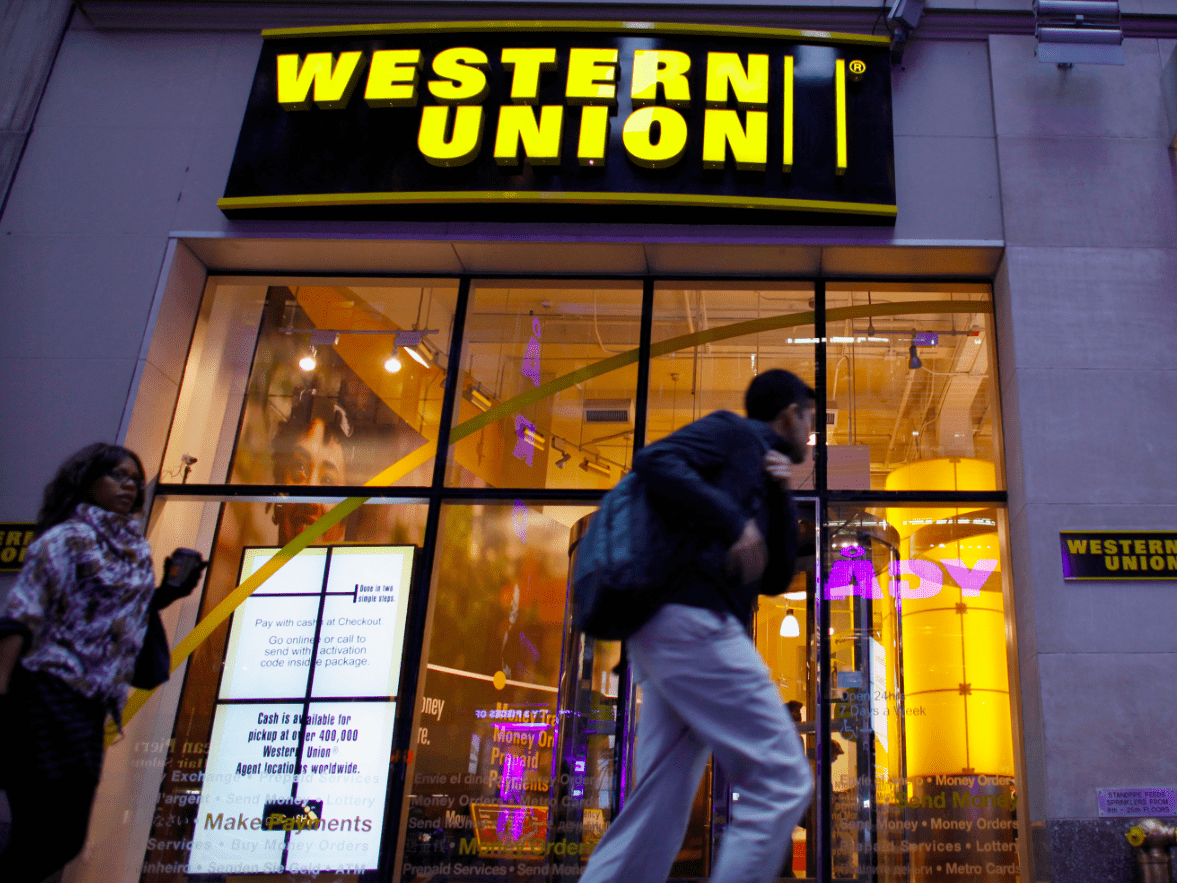
    In recent years, the purpose of using remittances shifts from family support to business investments, real estate and savings, Atish Shrestha, the regional director for Cambodia, Laos and Vietnam at Western Union, told via email.

    As such, the logic of holding on to their money makes sense, Shrestha said.

    He added that while economic and political conditions in the send countries may weaken remittance inflows to Vietnam, the growing number of Vietnamese migrants working abroad may help to offset these effects.

    In 2016, the number of Vietnamese who went to work abroad hit 126,300, exceeding the projection by over 26 percent, and up nearly 10 percent from the previous year, according to the Department of Overseas Labor.

    Vietnam’s major source of remittances, aside from North America, are Australia and European countries, according to Western Union.


  • Vietnamese property developers see new tricks in VR

    Vietnamese property developers see new tricks in VR

    As competition in the property market heats up, developers are seeking new ways of attracting buyers – one recent attempt makes use of virtual reality and augmented reality (VR/AR).

    It’s expected that VR will boom this year, with a wide number of sectors taking advantage of the latest technology, including real estate, which will allow potential buyers “real” experiences of property projects.

    A recent report by Cushman & Wakefield estimated that VR and AR would become a US$2.6 billion market in real estate by 2020, as headsets such as the Oculus Rift and the Microsoft Hololens become common place over the next few years.

    “It’s essential to begin preparing for the expansion,” Cushman & Wakefield said. “In addition to virtual walkthroughs of both finished and unfinished buildings and virtual models projected onto desks and tables in the real world – innovations which are already in development – companies see opportunities for more game-changing features a little further down the road, once mass adoption takes hold.”

    Cushman & Wakefield cited a research report released last year by Goldman Sachs, saying that VR/AR hardware and software is finally catching up with consumer expectations, and are posed to disrupt a number of markets, including real estate.

    Catching up with the trend, several Vietnamese developers have started to use VR and AR in their marketing to promote sales, such as Vingroup, Sun Group and BIM Group.

    At a recent sale opening of Citadines Marina Ha Long, BIM Group used the Microsoft Hololens to demonstrate every detail of the project in front of buyers’ eyes.

    A representative from the developer said that the use of new technologies would help make up for the gaps in traditional marketing tools.

    Phan Thanh Hue from Booyoung Vina was quoted by Dau Tu Bat Dong San (Real Estate Investment) newspaper as saying that the new technologies brought life-like experiences to customers.

    Dinh Anh Tuan, director of 3D Vni, which provides the hardware, said that many customers were excited about the new experiences. Tuan said that developers were staring to use VR and AR in marketing and more expansion was expected.

    Tuan said that VR was forecast to become an indispensable trend, changing the face of marketing and sales in many sectors, including real estate. This technology would also help increase the competitiveness of property products, he added.

    According to Pham Ngoc Mai Anh, director of ADT Creative, a start-up in VR applications, there is an increasing interest in using VR by property developers.

    However, because of current prices, VR is now only appropriate for high-end segments rather than having broad appeal, experts say.

  • Vietnamese firm to ship first batch of chicken products to Japan in August

    Vietnamese firm to ship first batch of chicken products to Japan in August

    It has taken the company two years to meet Japan’s strict quality control processes. A Vietnamese firm has completed the necessary procedures to start shipping processed chicken products to Japan.

    Koyu&Unitek Co. Ltd is the first poultry firm in the country to gain access to the Japanese market, and plans to export around 300-400 tons in August this year.

    Nguyen Van Quyen, head of the company’s export division, told that the Japanese market is very demanding and has strict control processes, so it had taken nearly two years to complete the necessary procedures.

    The most difficult phase was building the company’s own management oversight program following criteria laid out by the World Organization for Animal Health and Japan.

    Japanese importers pay special attention to antibiotic residue in products, banned microorganisms and bird flu, among others, said Quyen.

    In additon to Japan, his company is also seeking export opportunities in Europe, Australia and Canada. Each market requires its own strategy to meet the respective criteria of each country, said the official.

    According to Pham Van Dong, director of the Ministry of Agriculture and Rural Development’s Department of Animal Health, Vietnamese chickens are usually consumed in the domestic market and are not bred for export.

    Only two local companies have registered to export processed chicken to Japan: Koyu&Unitek in July 2016 and CP Vietnam Co. Ltd in late May 2017.

    Since the beginning of this year, Vietnam has exported $13.7 billion worth of farm produce, forestry products and seafood to the world market, up 9.5 percent against the same period last year, according to the ministry.

  • Aviation infrastructure overloaded

    Aviation infrastructure overloaded

    The heavy investment made recently by the Airports Corporation of Vietnam (ACV) to upgrade airports and develop new infrastructure still cannot satisfy the increasingly high travel demand.

    The additional parking lots set up by ACV recently do not mean much if compared with demand, while airlines still have to scramble for the locations to park their aircrafts. Noi Bai and Tan Son Nhat Airports had many meetings to discuss the allocation of parking lots but they were not useful.

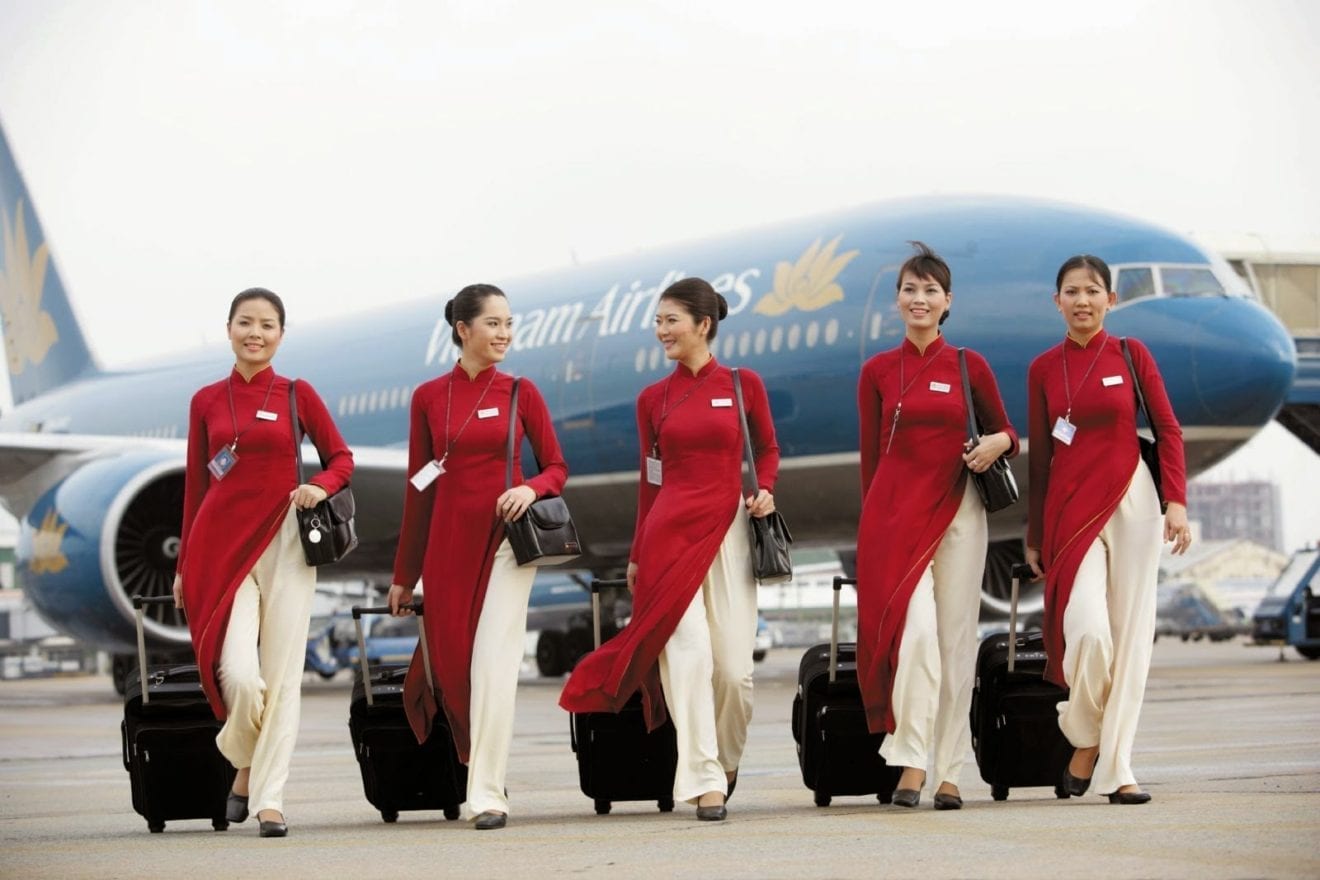
    Giao Thong quoted a high ranking executive of Vietnam Airlines as saying that the carrier’s fleet has 10-15 new aircraft every year while it has put next-generation aircrafts into operation. In 2015, Vietnam Airlines had 83 aircrafts, while the figure is expected to increase to 120 by 2020. This leads to a higher demand for parking lots and the upgrade of technical service areas.

    Nguyen Thi Phuong Thao, CEO of Vietjet Air, has repeatedly asked for more aircraft parking lots at the Tan Son Nhat, Noi Bai and Da Nang Airports. In 2016 alone, the air carrier needs at least 44 parking locations.

    According to Tran Van Thang, ACV’s deputy CEO, ACV has arranged 11 new parking locations at Noi Bai, raising the total number of licensed locations to 70.

    At Tan Son Nhat Airport, four new locations have been arranged for ATR72 aircrafts. The figures are 8 at Da Nang and 16 at Cam Ranh. However, he admitted that the additional supply still cannot satisfy the high demand from airlines.

    Head of the Civil Aviation Authority of Vietnam (CAAV) Lai Xuan Thanh confirmed the lack of parking lots for aircrafts. He said all the four large airports including Noi Bai, Tan Son Nhat, Da Nang and Cam Ranh need to have their parking areas expanded to satisfy the demand.

    A CAAV report showed that in the first six months of 2016, airlines provided more than 128,000 flights, 15.8 percent of which were delayed while the canceled flights amounted to 0.6 percent.

    About the reasons behind the delayed and canceled flights, the report pointed out that airlines’ technical problems were the direct reason of 10.3 percent of delayed flights, while the lack of equipment at airports caused the delay of 6.2 percent, or 1,250 flights.

    Meanwhile, the problems in flight control at the departure airports were the reason behind the late arrival of 11.3 percent of total delayed flights.

    Thanh from CAAV said that until the Long Thanh Airport is built and put into operation, the overloading at Tan Son Nhat would still not be settled.

  • Vietjet offers generous dividend payouts at the rate of 60%

    Vietjet offers generous dividend payouts at the rate of 60%

    Based on business results of the financial statements for the first quarter of 2017, the Board of Directors of Vietjet has announced to advance the first phase dividend for 2017 at the rate of 20% in the form of cash. The shareholder list confirmation date will be within July 2017.

    Also, according to the issuance plan approved at the company’s annual shareholders meeting in 2016 and based on KPMG audited capital report for the first quarter of 2017, Vietjet agrees to offer a bonus sharedividend to the shareholders at the rate of 100:40 (a compliment of 40 shares per 100 shares owned). Theshareholder list confirmation date will be within July 2017 following the approval of the State Securities Commission of Vietnam, the same time with the list confirmation date for cash dividend distribution.

    Accordingly, Vietjet shareholders will receive a 20% cash dividend and 40% bonus share dividend, totaling 60%.

    Earlier in May 10, Vietjet finalized the shareholder list for cash dividend for 2016. After the 40% bonus share dividend, those shareholders who have already received shares and cash dividends of 119% for 2016 will continue to receive dividend advance for 2017.

  • How will Saigon track down Facebook retailers to collect tax?

    How will Saigon track down Facebook retailers to collect tax?

    Tax officials are reaching out to 13,500 retailers in their database, but they admit this will be a very tough task.

    For the first time Ho Chi Minh City has started a new tax collection campaign targeting retailers on Facebook, the most popular social network in Vietnam.

    Now tax officials are working to solve an anticipated problem: how to track down thousands of retailers across the city, many of whom are elusive, and how to calculate their earnings.

    Le Thi Thu Huong, a municipal tax official, said the city has a record of 13,500 retailers on Facebook and that the law only requires those with an annual revenue of VND100 million or $4,400 to declare tax.

    Tax officials will also need to figure out how to determine their taxable income, Huong said, noting that cash transactions are difficult to monitored.

    “Tax authorities will need the support and cooperation from relevant sectors such as banks, postal services and Facebook itself to collect tax effectively,” she said.

    District-level tax agents said they have been reaching out to the 13,500 retailers in the database, but to no avail.

    District 1 and Binh Thanh District have both sent out letters asking Facebook retailers to meet officials to discuss tax payments, only to find that many of the addresses listed on Facebook are fake.

    “If the retailers continue to keep quiet, we will come to them in person,” an official in Binh Thanh said.

    Another official said the database should be reviewed to remove inactive retailers first before district agents begin to send out requests.

    Nhung, an online retailer in Binh Tan District who sells clothes and cosmetics on Facebook, said her monthly revenue usually stays at VND30-40 million ($1,300-1,700) .

    She did not hide the fact that her address and phone number are not disclosed publicly on Facebook.

    “I think this is why the city’s tax department doesn’t have me in the database. So far I have not been contacted,” Nhung said. VnExpress chose not to publish her full name.

    “It’s not easy for tax authorities to have my personal information, unless they contact Facebook directly. But that is not likely to happen,” she said.

    Nhung also said most of her customers pay in cash.

    Mai, a cosmetics seller, said she has received a letter from District 1 even though she has a business license and has declared tax.

    She said she may just ignore the letter because it’s “not necessary.”

    Since February, Vietnam’s tax authorities have been looking at ways to collect taxes from online businesses that use Facebook and other social media sites such as Instagram and YouTube.

  • New international container route goes through Quang Ninh

    New international container route goes through Quang Ninh

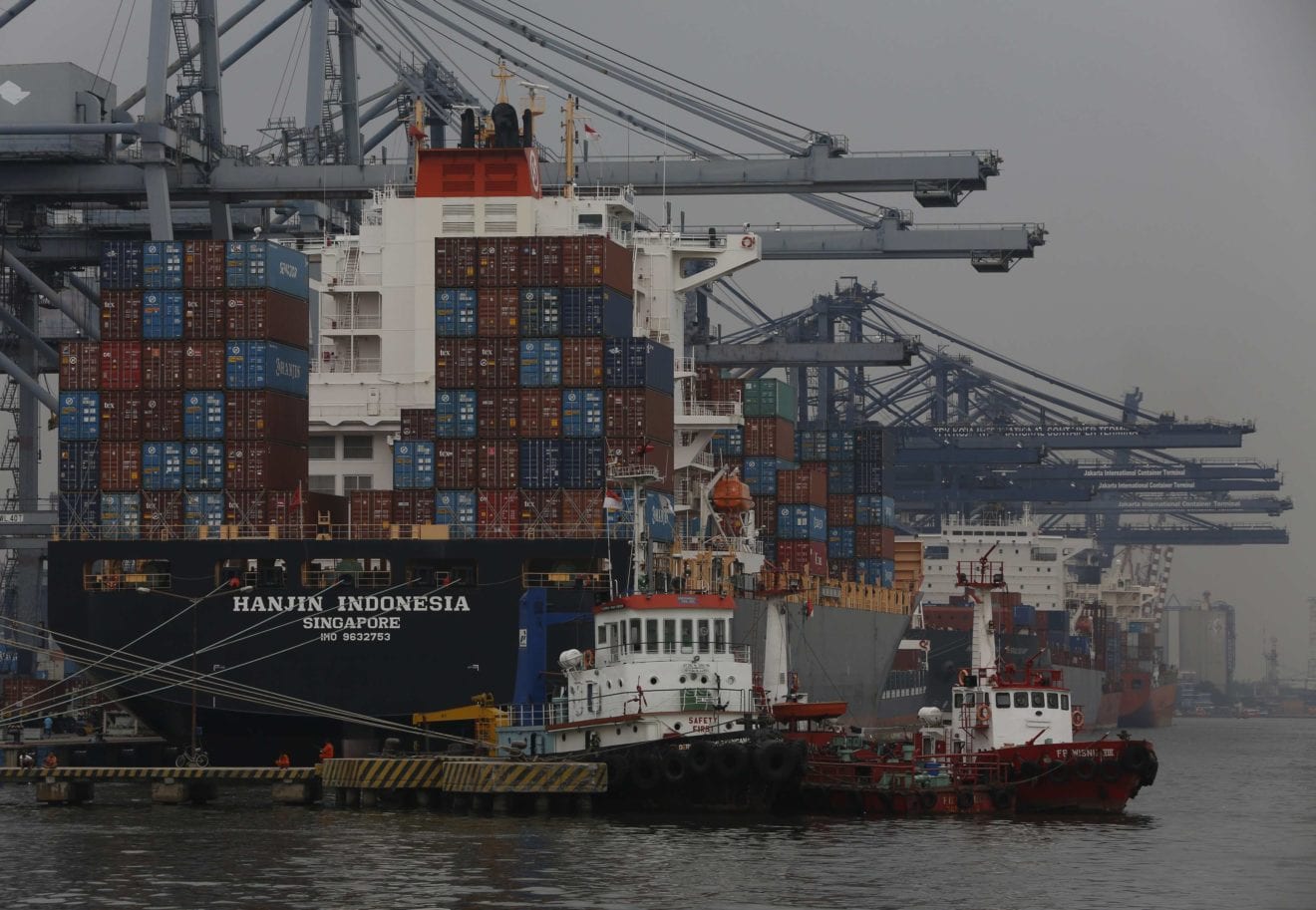
    Cái Lân International Container Terminal (CICT) announced the launch of a new route for container vessels ACS Cái Lân connecting India, Malaysia, Singapore, Việt Nam, China and the Republic of Korea on Tuesday.

    The operator of Cái Lân Terminal also welcomed the 5,023 TEU Hyundai Premium container ship from Hyundai Merchant Marine to the port during the launch.

    Founded by an alliance between two leading carriers, Hyundai Merchant Marine and Gold Star Line, the new route goes through Cái Lân Terminal in the northern province of Quảng Ninh of Việt Nam once a week.

    The Cái Lân link to the ACS international route is an opportunity for Quảng Ninh province and other northern localities to utilise their potential in the marine industry.

    Nguyễn Đức Long, chairman of the provincial People’s Committee, said the province would establish a team delivering streamlined public administration services at the port and not collect port infrastructure fees to aid marine-based businesses.

  • Auto Expo 2017 opens in Hanoi

    Auto Expo 2017 opens in Hanoi

    Domestic auto assemblers and parts suppliers are showcasing their latest products at the 14th International Automobile and Supporting Industries Exhibition (Auto Expo 2017), which opened in Hanoi today.

    The four-day event, sponsored by the Ministry of Industry and Trade (MoIT), is being held at theHanoi International Exhibition Centre by the MoIT’s Industry Policy and Strategy Institute (IPSI) and the Vietnam Society of Automotive Engineers (VSAE).

    The expo has around 450 booths that have on display a wide range of vehicles, including passenger cars, buses, trucks, vans, vehicles for special purposes such as those serving construction, mining, agricultural, military, medical and hygiene activities, as well as two-wheelers such as scooters, motorcycles and electric bikes.

    With an exhibition space spanning 10,000sq.m, the expo also showcases spare parts and components for producing, manufacturing and assembling automobiles, motorbikes and other vehicles. On display are technologies in moulding, welding, plating, painting, automobile interior decor and toys; maintenance and repair equipment; measurement and diagnosis systems; as well as transportation rescue vehicles and devices.

    At the event, exhibitors have introduced services such as garage services, banking and insurance services, and consultative and assistance services for activities related to vehicle manufacturing and trading.

    In addition to the participation of local auto firms such as Vietnam Engine and Agricultural Machinery Corporation (VEAM), CAMC Việt Nam and Vietnam Machine Investment Development JSC (VIMID), the exhibition has also attracted foreign manufacturers and companies from the US, Japan, Thailand, South Korea, mainland China, Taiwan and Malaysia.

    Speaking at the opening ceremony of the exhibition, Deputy Minister of Industry and Trade Đỗ Thắng Hải said the expo would bring more business opportunities for auto firms, help them connect with the auto market and provide a favourable environment for enterprises looking for clients.

    In 2016, the Vietnamese auto market sold around 300,000 cars, up 24 per cent over the previous year, of which the sales of commercial vehicles and special purpose vehicles increased by 25 per cent and 33 per cent, respectively. In the first quarter of 2017, the auto market sold around 65,000 vehicles, a year-on-year increase of 8 per cent.-

  • Vietnamese fruits conquer Japanese market

    Vietnamese fruits conquer Japanese market

    Before bananas, white-flesh dragon fruits and mangos were constantly shipped to the Japanese market. Meanwhile, red-flesh dragon fruits reached Japanese consumers in March shortly after they were licensed for export to the East Asian country.

    Hidekatsu Ishikawa, President of Vient Co. Ltd, a Japanese importer, said Vietnamese bananas suit Japanese people’s taste and they are sold at competitive prices.

    To date, besides such key exports as garments, footwear and aquatic products, Vietnamese dragon fruits, mangos, frozen litchis and bananas have been present in Japan. Fresh litchis and star apples also see great potential in this fastidious market.

    According to Tran Thanh Hai, Deputy Director of the​ Agency for Foreign Trade under the Ministry of Industry and Trade, the Vietnam-Japan Economic Partnership Agreement (VJEPA) is entering a new phase, opening opportunities for Vietnamese exports.

    Vietnamese products, especially farm produce and aquatic products, will enjoy preferential tax rates in the Japanese market. Regarding aquaculture, tax will be cut down to 1.31 percent in 2019 from 5.4 percent in 2008. Thus, domestic enterprises should take full advantage to gain benefits, Hai stressed.

    He also recommended that exporters must ensure utmost quality for their products as Japan has put in place numerous technical barriers on agricultural imports.

    Meanwhile, a representative from the Japan External Trade Organisation (JETRO) also noted that packing and transportation should be paid special attention, ensuring that origin of agricultural products can be traced easily.

  • Uber, Grab conquer airport taxi market

    Uber, Grab conquer airport taxi market

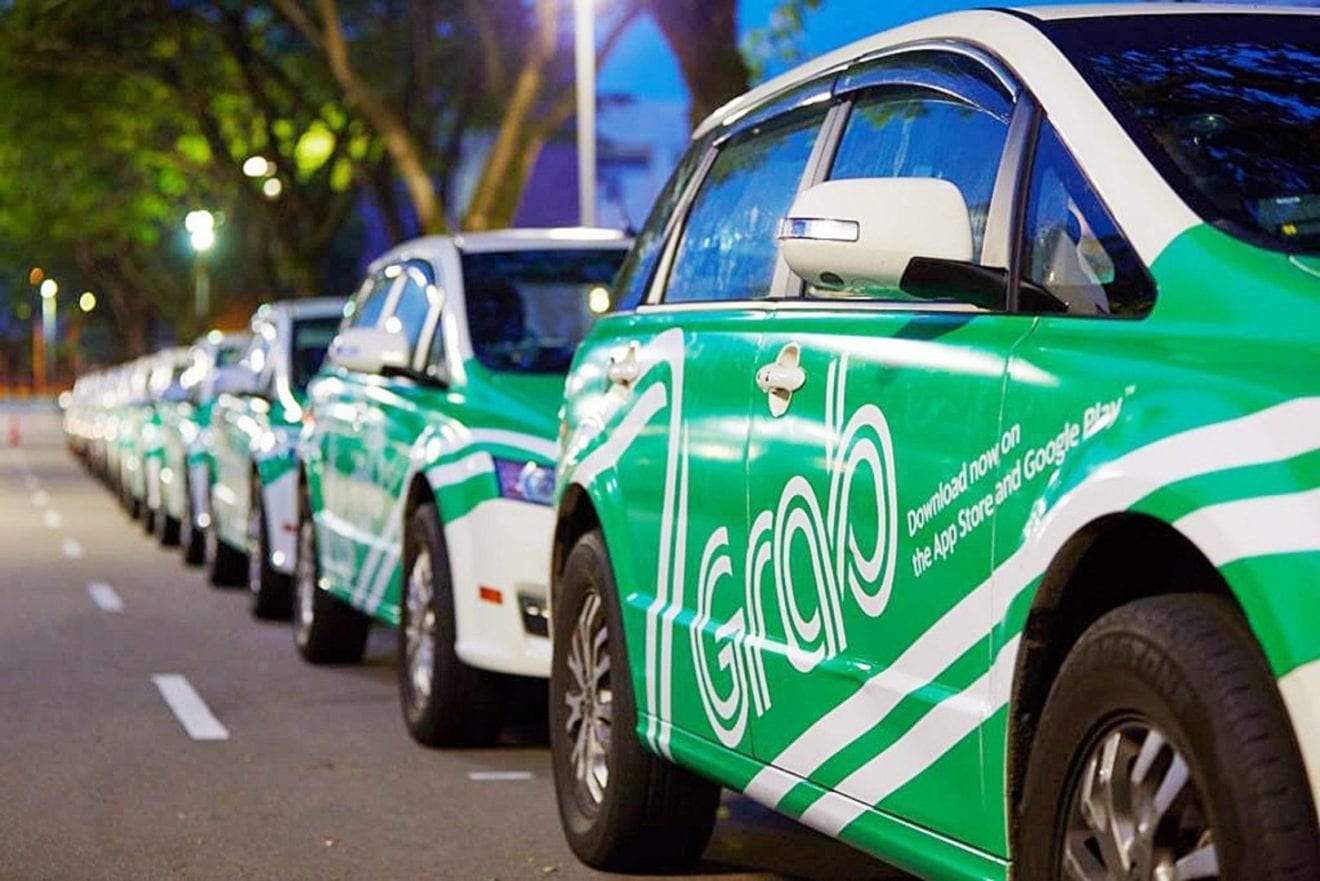
    Uber launched a service package at the flat price of VND150,000 to carry passengers from any location in the inner city of Hanoi. In HCM City, Grab sometimes has a promotional fee of VND20,000 for trips to the airport.

    “You will have to pay VND130,000 for every trip to the airport with traditional taxi service, while it’ll take you VND70,000 to go with Grab, and sometimes the fee is just VND20,000 when Grab runs sale promotion campaign,” Tin, a passenger said.

    Uber, Grab cars flood airports

    Quang Huy in Cau Giay district, Hanoi said the service fee of VND150,000 set by Uber is ‘very reasonable’ which is much lower than the fee of VND200,000-250,000 he has to pay to traditional taxis.

    “I wonder if Uber gives any support to taxi drivers, so they can charge so little. However, as a customer, I really like this. And Uber’s services are acceptable,” he said.

    However, some passengers complained that it is difficult to catch Uber taxis. Uber drivers tend to refuse to serve passengers, saying that the VND150,000 service fee set by Uber is too low, which cannot bring profit to them.

    Hieu, a driver, said with the fee, drivers pocket VND40,000-50,000 for every trip to the airport after paying for fuel and other expenses. He would rather serve passengers within the city to get more profit.Uber drivers confirmed that they won’t serve passengers at the service fees set by Uber.

    Reporters also tried to hail Uber taxis and all drivers refused to serve when asked to go to Noi Bai Airport.

    Airport taxi firms complain about income 

    Traditional taxi drivers complained that their income has become unstable, though it is now the high season: children are finishing their academic year and people are beginning to travel.

    Quang Truong from Bac Ninh province, an airport taxi driver, said the appearance of Uber and Grab has badly affected his job. He could serve 10 trips a day on the Hanoi – Noi Bai route, but the number has been cut by half.

    However, Truong doesn’t think Uber and Grab drivers have better income.

    “More taxis in the market means higher competition and lower income,” he said.

  • Ride-hailing firm Grab says likely to raise funds in near future

    Ride-hailing firm Grab says likely to raise funds in near future

    In five years, Grab’s network has grown from 40 drivers in one country to over 930,000 across 55 cities in seven countries including Vietnam.

    Ride-hailing firm Grab, Uber Technologies Inc’s largest rival in Southeast Asia, is likely to embark on a round of fundraising as it works to develop new offerings such as financial services, its chief executive told us on Tuesday.

    “I can’t specifically give a time line but I can imagine somewhere in the near future, there probably could be more money coming in. That’s probably quite likely,” Anthony Tan, group chief executive officer and co-founder of Grab, said in an interview after an event to mark the firm’s fifth anniversary.

    In five years, Grab’s network has grown from 40 drivers in one country to over 930,000 across 55 cities in seven countries including Singapore, Indonesia, Vietnam and the Philippines.

    The Singapore-based startup raised $750 million in a funding round in September, which sources said valued the firm at over $3 billion.

    Grab’s current investors include Chinese peer Didi Chuxing, China Investment Corp, Japan’s SoftBank Group Corp and Vertex Ventures Holdings – a subsidiary of Singapore state investor Temasek Holdings (Pte) Ltd.

    Tan also said Grab is spending less on incentives per transaction even as competition with Uber increased after the U.S. firm exited the Chinese market last year.

  • Japanese banks expand investments in Vietnam

    Japanese banks expand investments in Vietnam

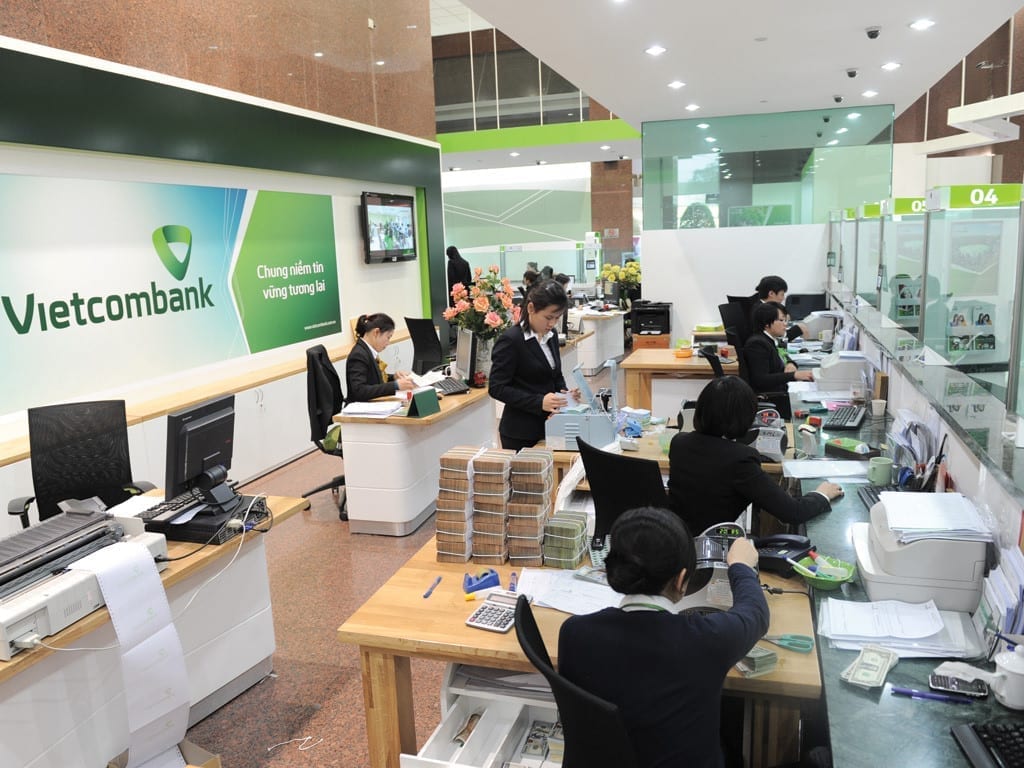
    At a recent working session with the Joint Stock Commercial Bank for Foreign Trade of Vietnam (Vietcombank), President and CEO of Mizuho Financial Group Yasuhiro Sato said Vietcombank is one of its most successful investments.

    He hoped the two sides will expand cooperation to other fields such as stocks and finance after five years of fruitful banking collaboration, aiming to develop Vietcombank into a strong financial group.

    Another Japanese financial group, Sumitomo Mitsui, has invested 225 million USD in the Vietnam Export Import Commercial Joint Stock Bank (Eximbank). It has owned 15 percent of Eximbank since 2007.

    While meeting with Deputy Prime Minister Vuong Dinh Hue recently, President and CEO of the Sumitomo Mitsui Banking Corporation Ryuji Nishisaki said the group is interested in Vietnamese credit organisations.

    Apart from restructuring Eximbank, Sumitomo Mitsui is ready to help its subsidiary companies join the derivative and bond stock markets in Vietnam, he noted.

    Besides seasoned investors such as Sumitomo Mitsui, Mizuho, Bank of Tokyo, and Mitsubishi UFJ, many other banks from Japan are seeking Vietnamese partners.

    Most recently, the Bank for Investment and Development of Vietnam (BIDV) sold 49 percent of shares in its Financial Leasing Company to Japanese Sumitomo Mitsui Trust Bank (SMTB)

    It can be said that Japan is the biggest shareholder of the banking system in Vietnam. With the current wave of investments from Japan, capital contribution deals will expand to other fields, experts said.

    Vietnamese banks are also keen to diversify cooperation channels with Japanese partners.

    Last week, the Vietnam Bank for Agriculture and Rural Development (Agribank) signed a cooperation agreement with Yanmar – a leading Japanese group in farming machines.

    Contracts worth 20 billion USD were signed between the two countries’ businesses and localities during Prime Minister Nguyen Xuan Phuc’s ongoing visit to Japan.

    This record figure is expected to create a new wave of investments from Japanese firms into Vietnam in the coming years.

    In fact, domestic banks have eyed Japanese customers for five years, as the country’s investment in Vietnam has increased.

    In February 2017, BIDV signed a cooperation agreement with Fukuoka – the 16th largest bank in Japan to serve Japanese customers.

    VietinBank and Vietcombank also struck deals with dozens of Japanese banks.

    Vietcombank, in particular, inked cooperation agreements with nearly 60 banks from Japan.

  • Vietjet inks strategic aircraft financing agreement with Mitsubishi UFJ Financial Group

    Vietjet inks strategic aircraft financing agreement with Mitsubishi UFJ Financial Group

    Today in Tokyo, Vietjet and Mitsubishi UFJ Lease & Finance Company Limited (MUL), a member of Japan’s leading finance group Mitsubishi UFJ Financial Group (MUFG), signed a strategic agreement as witnessed by Vietnam’s Prime Minister Nguyen Xuan Phuc and high-ranking dignitaries from Vietnam and Japan. The agreement will pave the way for MUL to finance Vietjet’s acquisition of three brand new A321 aircraft, worth US$348 million, according to the manufacturer’s listed price.

    The three aircraft are part of the A320 family aircraft contract signed earlier between Vietjet and European aircraft manufacturer Airbus. Vietjet will receive the aircraft within this year to meet expansion plans for the airline’s domestic and international flight network. The airline has so far taken delivery of more than 20 brand new A321s and A320s.

    Under the terms of the agreement, Vietjet and MUL will also work together to share best practices for the operation and management of airlines.

    Last week, in the U.S., Vietjet also signed a series of deals worth a total of US$4.7 billion for engines and components maintenance support and its techical services, auxiliary power unit (APU) supply and APU technical maintenance and aircraft financing and/or purchasing.

  • Japan’s 7-Eleven set to clock in for Vietnam debut in June

    Japan’s 7-Eleven set to clock in for Vietnam debut in June

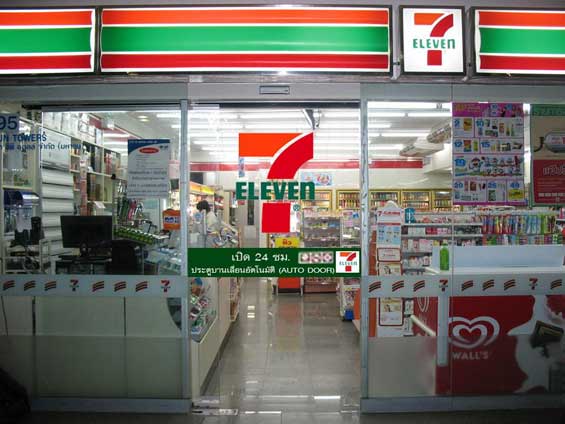
    The convenience store chain reportedly plans to open 100 stores in Vietnam in the next three years. Seven & i Holdings, which operates Japan’s biggest convenience store chain 7-Eleven, will open its first outlet in Ho Chi Minh City this month, according to information on the company’s official Facebook page.

    A recent post said the first 7-Eleven store in Vietnam could be opened in downtown District 1, District 3 or Binh Thanh. District 2, a popular neighborhood among foreigners and expats, is also a possible location, it said.

    The company has been hiring staff for its Vietnamese entry since early this year, around a year after its U.S. subsidiary signed a license agreement with Seven System Vietnam, a new firm founded by a Vietnamese restaurant chain.

    Seven & i Holdings plans to apply its home business model in Vietnam, and Japanese employees will be dispatched to help local staff develop products like ready meals, and to choose store locations and develop a distribution network.

    The company, which operates more than 61,500 7-Eleven outlets including more than half outside Japan, has opened stores in Indonesia, Malaysia, the Philippines, Singapore and Thailand.

    The chain’s expansion comes as its rival FamilyMart, Japan’s second largest convenience store chain, said last month that it plans to stay focused on the domestic market after reporting losses in Vietnam and other Southeast Asian markets, including Indonesia and Thailand.

    “We cannot continue to pour in more resources,” company president Koji Takayanagi told. FamilyMart first arrived in Vietnam in 2010 but was forced to withdraw before returning in July 2013. It had 150 stores at the end of last year.

    7-Eleven’s launch is expected to add heat to Vietnam’s retail market, which is listed in the top five in Southeast Asia and ranked 11th globally in terms of growth rate, according to the A.T. Kearny 2016 Global Retail Development Index.

    Vietnam’s trade ministry has projected the market to hit $179 billion by 2020, a jump of 52 percent from last year, with foreign convenience store operators already holding a 70-percent market share.

    The sector has a lot room to grow in Vietnam, where more than half of a population of nearly 92 million are young and the annual average income is expected to increase rapidly, the ministry said.

  • Power consumption hits record high as Vietnam swelters under heat wave

    Power consumption hits record high as Vietnam swelters under heat wave

    Air conditioners and fans have been going at full blast as locals take cover. Vietnamese people have been draining the national power grid in an effort to keep cool over the past few days as temperatures climb to record highs, especially in the north.

    Nationwide power consumption was measured at 630 million kilowatt-hours (kWh) last Friday, up 11.8 percent over the previous week, according to the country’s power monopoly Vietnam Electricity (EVN).

    In the north, electricity output reached 290 million kWh that day, up 10 percent from last year.

    In Hanoi, the hottest part of the country since early June, local residents used up to 70 million kWh of electricity last Saturday, an increase of 8 million kWh from two days before.

    This is a 163-percent rise compared to the average level for May and a 127-percent rise against the same period last year.

    EVN has made preparations and there will be no power shortages, said Nguyen Duc Ninh, an EVN official.

    “This is just the first heat wave to hit this year, and EVN predicts higher power consumption as the temperature rises,” Ninh added.

    But he also calls on local residents to use electricity efficiently and economically to reduce the pressure on the power sector.

    On Saturday the Ministry of Industry and Trade said the government has no immediate plan to hike power prices.

    The demand for cooling devices has also been growing alongside the temperature over the past few days.

    Data from Google Trends revealed that key words for such devices, including air conditioners and steam cooling fans, surged over the weekend in Vietnam.

    “Sales of air conditioners rose 4-5 times to 120 units per day over the past week,” the owner of a store on Ha Dong District told.

    On Saturday afternoon, the temperature in Hanoi hit 41.5 degrees Celsius, the highest since 1971.

    On Monday morning, a 70-year-old woman fainted while driving a motorbike on Xa Dan Street in Hanoi and died just a few minutes later.

    Doctors at Bach Mai Hospital said the intense heat in the city may have been the cause of her sudden death.

    Meteorologists forecast that the heat wave in Hanoi will last until Tuesday.