Tag: Vietnam

  • It’s now easier than ever for Vietnamese to travel abroad

    It’s now easier than ever for Vietnamese to travel abroad

    Dao and her husband recently returned to Hanoi from Cambodia. “The way they (Cambodia) promote tourism is really professional, though the infrastructure and utilities are worse than Vietnam,” she said. “There are so many Vietnamese travelers in Cambodia. You can meet them everywhere.”

    Dao enjoyed the trip because she could make friends with other middle-aged women, who also love traveling. Soon after finishing the trip to Cambodia, they began thinking about the destination for next month.

    “We don’t like traveling domestically. The scenes in Vietnam are very beautiful, but the services are bad,” Dao said. Vietnam has seen the trend of traveling abroad rise in the last two to three years. A travel firm in Hanoi said 70 out of 100 clients of the firm book outbound tours.

    In high season, the firm often has to stop bookings sooner than planned because of the higher than expected number of travelers. The tours at VND10 million are especially attractive.

    The travel firm also finds it easier to design outbound tours because of stable and predictable fee services.

    According to Nguyen Cong Hoan, deputy director of Hanoi Redtours, Vietnamese want to visit developed countries and see new, different things not available in Vietnam. administrative procedures are no longer a problem for them now and tour fees are reasonable, while the services are good.

    Having realized the great potential of the Vietnamese market, Thailand, South Korea, Japan and Singapore have set up tourism promotion agencies in Vietnam, and airlines have opened new air routes to Vietnam.

    On the Vietnam-Thailand route, for example, five to six airlines now provide direct flights, while the return ticket is just $120-130, or VND3 million, which is even cheaper than the ticket for the Hanoi-Nha Trang flight.

    The high number of Vietnamese people traveling abroad, therefore, is not a surprise at all. South Korea received more than 250,000 Vietnamese travelers in 2016, an increase of 58 percent over 2015.

    From 2012 to 2016, the number of Vietnamese travelers to Japan increased by four times. With the participation of seven air carriers which provide 220 flights between Vietnam and Taiwan, 40,000 Vietnamese traveled to Taiwan in January 2017, an increase of 91 percent over the same period last year.

    Cambodia received 1 million Vietnamese travelers and Thailand 830,000 in 2016.
  • It’s “Free summer, Fly for free”, enjoy flying with Vietjet

    It’s “Free summer, Fly for free”, enjoy flying with Vietjet

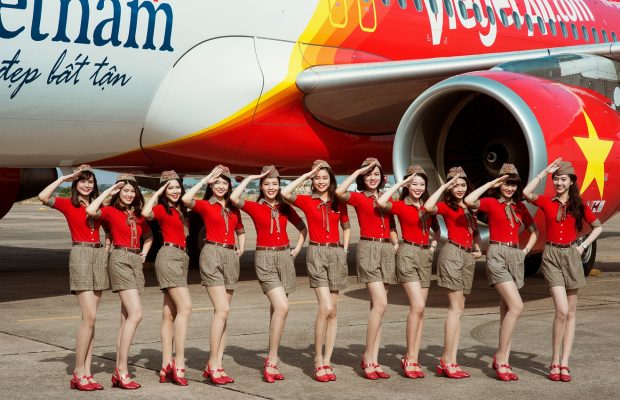
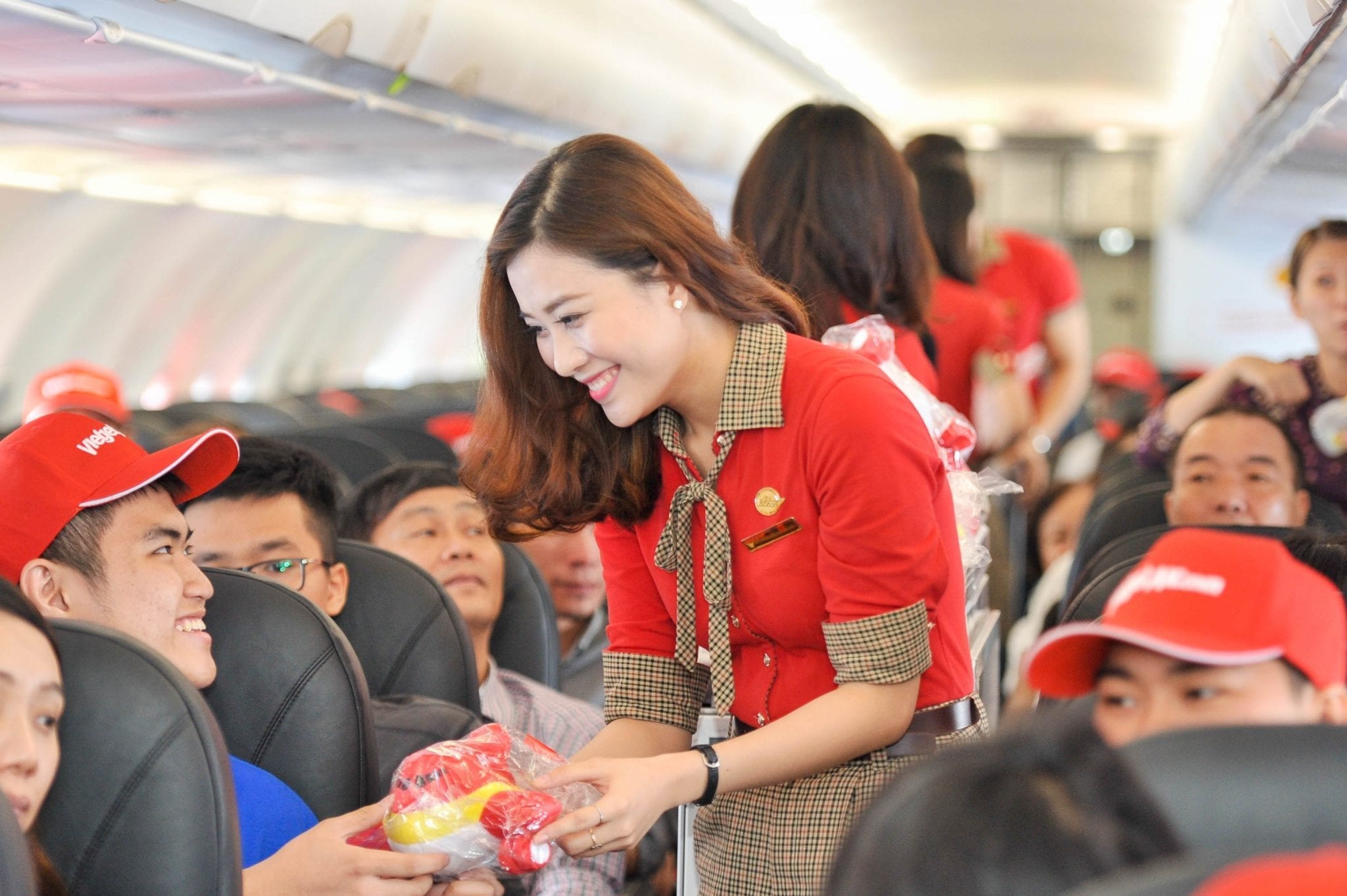
    Hot on the heels of the launch of the sensational promotion campaign of “Free summer, Fly for free”, Vietjet announces a three-golden-day promotion on 06, 07, 08 June 2017, which offers 800,000 promotional tickets priced from only HKD0 within the golden hours 13h-15h at www.vietjetair.com. The promotion is applied for all international routes from Vietnam to Hong Kong, Seoul and Busan (South Korea), Kaohsiung, Taipei, Taichung and Tainan (Taiwan), Singapore, Bangkok (Thailand), Kuala Lumpur (Malaysia), Yangon (Myanmar) and Siem Reap (Cambodia) with travel time being from August 1, 2017 to December 31, 2017 (except public holidays).

    Especially, all customers successfully booking tickets at www.vietjetair.com with instant payment within the golden hours from now to June 15, 2017 will also have the chances to join the lucky draw for the gifts of mobile phone top-up cards and air ticket promotion codes at summerwin.vietjetair.com.

  • Hanoi beer loses in home market despite brief fame from Obama dinner

    Hanoi beer loses in home market despite brief fame from Obama dinner

    Hanoians favor Hanoi beer, Sai Gon beer and Heineken. There are no official statistics about the consumption of beer products, but analysts are sure the three brands dominate the Hanoi market.

    Hanoi Beer Alcohol and Beverage Corp (Habeco) has the Hanoi Beer brand and is located in Hanoi.

    Analysts said that the images of Obama drinking Hanoi beer, which appeared in all local newspapers and international mass media, would help Habeco prosper.

    But Hanoi Beer has lost a large part of the market to its rivals.

    After Obama had dinner at Huong Lien bun cha Shop and drank Bia Ha Noi on May 23, the first day of his visit to Vietnam, both brands appeared many times on mass media. Bia Ha Noi was even mentioned in Obama’s speech the next morning.

    However, while Huong Lien bun cha Shop’s business has been thriving since then, Bia Ha Noi is less lucky.

    Many grocery stores and street shops in Hanoi say that youth now prefer Saigon Special of Sabeco, a brewery headquartered in HCMC. The main customers of Hanoi Beer are aged 50 and more.

    “Hanoi beer now is just for older people,” said Do Hoang Yen, the owner of a grocery store on Khuong Trung street.

    The owner of H.B Shop on Truong Dinh street said five to six years ago, Hanoi beer once dominated the Hanoi market and there was no rival in the bottled beer market.

    “The sales of Sabeco’s products are far higher than Habeco’s,” he said. “We can sell only one Habeco product for every two Sabeco products sold.”

    At large supermarkets, people have begun buying beer in large quantities as the summer has come in Hanoi. And Sabeco’s products are favored.

    Xuan Truong, from Bac Tu Liem district, said he prefers Saigon Beer because it is tastier with a strong flavor, while Hanoi Beer tastes flat.

    However, a branding expert said that tastes are always different. He believes that the problem lies in the marketing strategy.

    While Sabeco offers a wide range of products with different price levels, targeting different groups of customers, Hanoi Beer has stayed the same for many years and cannot attract young people.

  • Vietna​m urges nearly 13,500 Facebook retailers to declare tax

    Vietna​m urges nearly 13,500 Facebook retailers to declare tax

    Most online transactions in Vietnam involve cash, which is difficult to track and tax. District tax departments in Ho Chi Minh City have sent out tax demands to nearly 13,500 Facebook retailers in a move to target tax avoidance by online businesses.

    Since February, Vietnam’s tax authorities have been looking at ways to collect taxes from online businesses that use Facebook and other social media sites such as Instagram and Youtube.

    Nguyen Nam Binh, deputy director of Ho Chi Minh City’s Tax Department, told VnExpress that the law requires online retailers earning over $4,400 a year to declare tax, so authorities are only targeting long-term and unregistered businesses.

    Despite the requests, Binh Thanh District’s tax department said the response had been limited.

    “Most business owners said their business were short-term and their revenue was not high enough to warrant the tax requirements”, said a department representative.

    In February, Facebook representative Huynh Kim Tuoc said at a conference that Vietnam’s e-commerce environment is thriving, with about 50 young people having already earned millions of dollars through online businesses.

    Local businesses in HCMC also told us their revenue rose significantly after they switched online, with some reporting earnings of up to tens of thousands of dollars per month.

    Chairman of Vietnam Tax Consultant Association Nguyen Thi Cuc told us that Vietnam’s tax policy for online businesses is incomplete and therefore not yet compulsory, adding that it’s difficult to collect taxes from online retailers in Vietnam as most transactions are still in cash.

    Vietnam is also struggling to control business activities from transnational corporations like Facebook and Google, she added.

  • Vietnam rice export back on track

    Vietnam rice export back on track

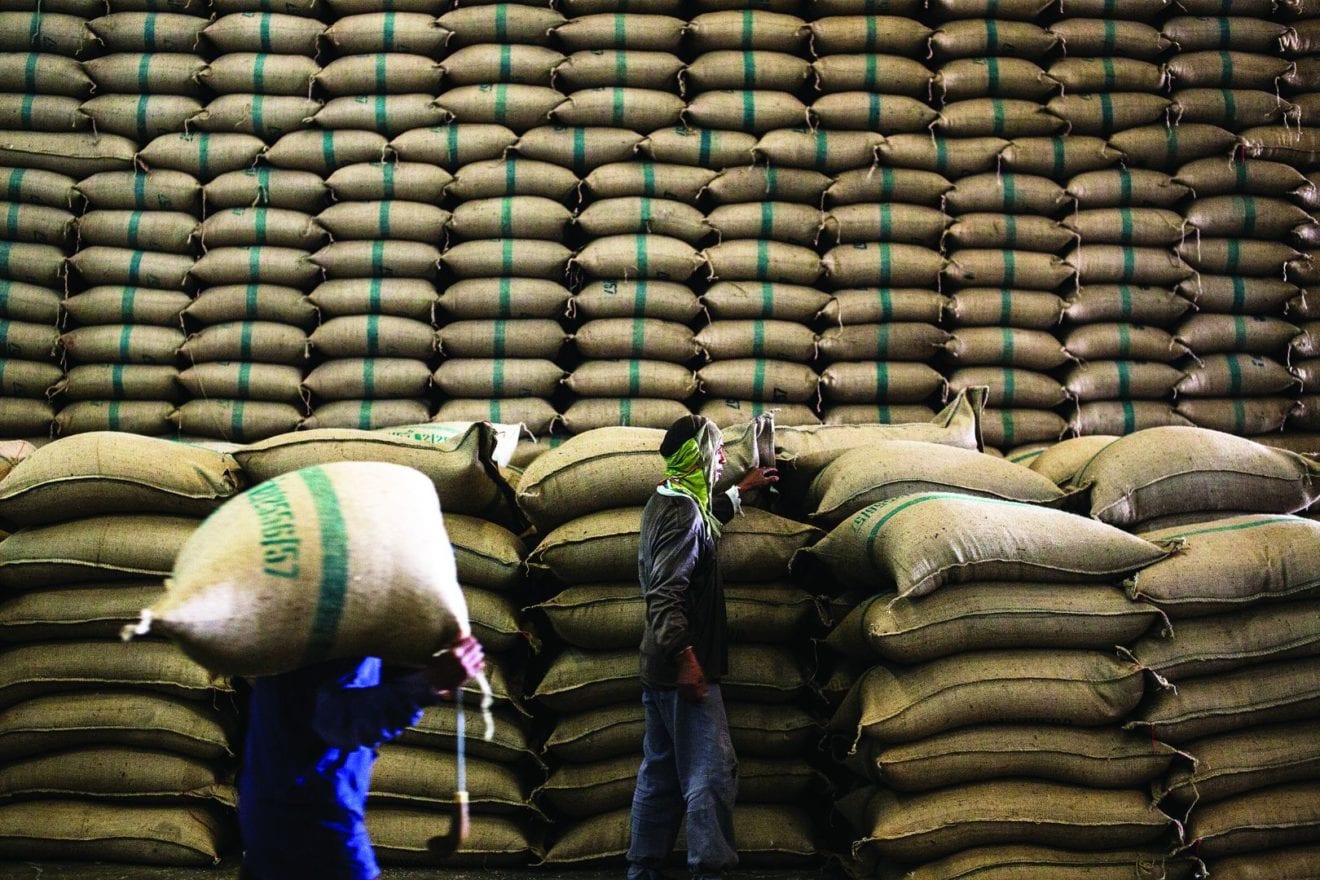
    Vietnam exported 2.3 million tons of rice worth US$1 billion in the first five months of the year, up 1.6% in volume and 1.2% in value year-on-year.

    China remained Vietnam’s largest rice importer, accounting for 47.5% of the nation’s total rice exports. More than 815,000 tons of rice costing over US$376 million went to the northern neighbor in January-April, up 16.1% and 16.2% against the same period last year respectively.

    Vietnam shipped 4.89 million tons of rice valued at US$2.1 billion in all of 2016, a respective decrease of 25.54%  and 20.57% against 2015.

    China was still Vietnam’s biggest importer of the food staple last year despite a 19.79% decline. It purchased more than 1.8 million tons of rice from Vietnam last year, 36.97% of Vietnam’s total rice shipments.

    The domestic rice price has improved by VND200-300 a kilo, supported by the recent signing of a memorandum of understanding to export one million of rice a year to Bangladesh until 2022. The South Asian country will import 300,000 tons at first.

    In addition, the National Food Authority (NFA) of the Philippines has announced to buy 250,000 tons of rice from Vietnam in June.

    Nguyen Thanh Tho, a rice trader at Ba Dac wholesale market in Tien Giang Province, told the Daily that IR 50404 rice is sold at VND4,350-4,400 a kilo, an increase of VND200-300, helped by the Bangladesh rice deal.

    Besides, IR 50404 material rice is purchased at VND6,350-6,450 a kilo in the Mekong Delta, up VND200.

    Major importing markets, especially Bangladesh and the Philippines, have helped buoy the price. The Free On Board (FOB) price of 5%-broken white rice from Vietnam is US$370-380 a ton, up US$5-10 compared to a week ago.

  • Vital signs look weak for private hospitals in Saigon

    Vital signs look weak for private hospitals in Saigon

    Some are being forced to offload their assets and close with the weight of massive loans bearing down on them. Major private hospitals in Ho Chi Minh City are struggling to turn a profit despite making massive investments in infrastructure and equipment. Some of them have even called it quits or have sold out to other investors.

    By the time International General Phuc An Khang Hospital in District 2 wrote to health authorities in April to inform them it would be closing after just two years, it had had already racked up accumulated losses of VND60 billion ($2.64 million).

    With 500 beds meeting international standards, Phuc An Khang hospital used to make VND3 billion per month in revenue.

    But that sum was only enough to cover staff salaries, and the hospital had to use its own capital for other expenses such as medicine, director Mai Tien Dung told in an earlier interview.

    “The pressure from the loan we took out in the first place to build the hospital is probably the main reason for our downfall,” he said.

    It’s a similar story for Phu Tho General Hospital in Tan Phu District.The hospital’s investor plans to sell equipment worth VND200 billion and other assets to pay outstanding salaries to staff.

    This hospital closed its doors after its investor failed to pay interest on a total loan of VND120 billion to 30 lenders.

    After the investor jumped ship, the lenders seized the hospital’s equipment and turned it into a parking lot.

    Fallen star

    Once regarded as a bright light in the country’s high-end medical sector, Vu Anh International General Hospital in Go Vap District is now looking for partners to save its business.

    Doctor Vo Xuan Son, director of Exson International Clinic in District 10, said that a number of factors are making it difficult for private hospitals, including unfair policies between public and private facilities.

    “Revenue at private hospitals is fairly stable, but their profits are always low because, unlike public hospitals, they have to bear expenses for hiring premises, equipment depreciation and corporate income tax,” Son said.

    Management is another headache for private hospitals as most directors are doctors with no business experience, he added.

    More than 170 private hospitals with 45,000 beds are operating in Vietnam, according to data from the Vietnam Private Hospital Association, and the country has been calling for more private investments in public hospitals to improve service quality in the public sector.

    Total expenditure for healthcare service in Vietnam makes up 5.8 percent of the country’s economy, the highest in the region, said the Vietnam 2035 report released last year by the World Bank and Ministry of Planning and Investment.

  • Vietnam’s demand for cool air attracts Japanese investors

    Vietnam’s demand for cool air attracts Japanese investors

    Japanese air conditioner manufacturers are set to expand in Vietnam, touting their high-quality products and appeal to the country’s growing urban middle class.

    Leading Japanese electronics corporation Panasonic is ready to manufacture air conditioners in Vietnam, where it already has a consumer electronics factory. Panasonic’s plans to ramp up its air conditioner business in Southeast Asia, where rising incomes are fuelling demand.

    Panasonic Vietnam said in a statement that its investment scale and timing schedule are not finalised at the moment, but will be completed soon.

    Panasonic looks to earn $6 billion from global air conditioning sales by March 2019. The Japanese market will account for 40 per cent of this however.

    Vietnam is the second biggest market for air conditioners in Asia, after Indonesia.

    Another big name in air conditioning, Daikin, received an investment certificate last year for the $100 million project in Thang Long II Industrial Park.

    Ly Thi Phuong Trang, a representative from Daikin Air Conditioning Vietnam JSC, said the project is on track and expected to see operation in April 2018, with a capacity of 500,000 units per year.

    Japanese firms like Daikin and Mitsubishi chose Vietnam for their new plants because nearly all Daikin and Mitsubishi air conditioners in Vietnam are currently imported from Thailand, where their production facilities have been operating at full capacity.

    Vietnam’s infrastructure development coupled with increasing investment in the industrial and commercial sectors are responsible for the higher demand for air conditioners in the country. The development of major cities, growing construction activities in the hospitality and tourism sectors, and growing government investment are expected to propel demand for air conditioners in Vietnam to even greater heights.

    In residential areas, split system air conditioners are popular, as one unit can service multiple residences.

    A report released by the Japan Refrigeration and Air Conditioning Industry Association (JRAIA) on the demand for air conditioners in major countries around the world also said that the demand for both residential and commercial air conditioners is rising sharply in Vietnam.

    Some of the leading air conditioner manufacturers operating in Vietnam include LG Electronics, Gree, Samsung, Midea, Hitachi, Toshiba, Nagakawa, Mitsubishi, and Carrier.

    Last year, Samsung Vina Electronics Co., Ltd. said “Fifty percent of air conditioners sold globally are split system air conditioners. The total value of the segment is worth $74 billion. Vietnam is a very promising market for this segment, which has seen many advanced technological developments recently.”

    Seven years ago, Mitsubishi Electric Corporation established a Vietnamese company to co-ordinate sales of air conditioning systems, home appliances, and automated products.

    The Japanese company has primarily conducted sales in Vietnam indirectly through distributors, and has only recently shifted to direct sales.

    “Due to Vietnam’s remarkable growth prospects, Mitsubishi Electric is now classifying the country as a priority market, and has decided to establish a local company to co-ordinate sales,” the manufacturer said in its announcement.

    While competition for greater market share is stiff, some countries in the region are moving to tighten environmental regulations. Vietnam has also raised awareness of energy consumption standards for air conditioners. The move could be a boon for Japanese air conditioner manufactures who already have competitive energy-saving technologies on the shelves.

  • Vietjet signs deals worth USD 4.7 billion

    Vietjet signs deals worth USD 4.7 billion

    Vietjet Aviation Joint Stock Company yesterday signed an agreement with CFM International – a joint venture of GE and Safran, in Washington on supporting 215 engines to power the airline’s fleet under the witnesses of Vietnam’s Prime Minister Nguyen Xuan Phuc and U.S. Secretary of Commerce Wilbur L. Ross, Jr. The 12 year-long agreement which is valued at USD 3.58 billion includes other technical services, engines and components maintenance.

    Speaking at the signing ceremony, Vietjet’s President and CEO Nguyen Thi Phuong Thao said: “We are orienting our fleet to aircraft families and engines which are of efficient fuel consumption and environment friendly. The engines under today agreement will help us to save up to 15 percent of fuel consumption as well as to obtain other comprehensive services in technical support, maintenance and training. It is our great honor to be a partner of GE and CFM International. Thanks to this agreement, Vietjet’s fleet can enjoy new technical and technological advances which enhance our flight quality and operation reliability and reduce costs. We strongly believe that this agreement will promote economic and trade exchange between the two countries and create million jobs for the two peoples.”

    “We appreciate the high level of confidence this agreement shows in CFM and in our ability to support Vietjet over the long term,” said Gaël Méheust, President and CEO of CFM International.  “It has been an honor to be a part of the very dynamic and exciting team for the last six years.  It is a privilege to know that this very special relationship will continue for many more years to come.”

    On this occasion, Vietjet and GECAS under GE signed a Memorandum of Understanding in aircraft financing worth USD 1 billion. Accordingly, GECAS will support Vietjet to finance and/or purchase and enter into leaseback arrangement of 10 aircraft ordered by Vietjet.

    Vietjet and Honeywell Aviation also inked an agreement on auxiliary power unit supply and technical maintenance to power the airline’s 98 airplanes. The agreement which is worth USD 180 million, is aimed to help Vietjet’s fleet be maintained under world leading standards.

  • Vietnam to have more airlines

    Vietnam to have more airlines

    On May 31, the FLC Group announced that they will set up Viet Bamboo Airlines with VND700bn (USD31m) in charter capital. Viet Bamboo Airlines will also invest in the real estate and other sectors. The capital is just enough to allow FLC Group to join both local and international transportation markets with 10 planes. The money will be frozen to prove the investor’s financial capacity.

    As of now, three firms have announced their plans to establish and expand new airlines are Viet Bamboo Airlines, Vietstar Airlines and a joint-venture carrier by Malaysian AirAsia Group and Hai Au Aviation JSC.

    Vo Huy Cuong, Deputy Director of the Vietnam Civil Aviation Administration, said he hadn’t received registration documents from FLC Group or Hai Au Aviation JSC and AirAsia Group. Vietstar Airlines’ registration has been halted while the government tries to deal with overloading at Ho Chi Minh City’s Tan Son Nhat Airport.

    Cuong said they would receive and check the documents before submitting to the Ministry of Transport. However, if the airlines will also operate at Tan Son Nhat Airport, the investors are warned that they won’t be given permit before the new airport planning is completed.

    Hai Au Aviation JSC first started their seaplane services in Ha Long Bay in 2014. The company’s representative said they were completing legal procedures in order to establish an airline. They will submit the documents in the next two months for 2018’s operations.

    “Our plan is related to Tan Son Nhat Airport’s expansion so it won’t be affected, unlike other projects,” he said.

    According to Hai Au Aviation JSC, they will open completely new routes. In the first phase, they will invest in routes from Hanoi and Danang to other Asian countries.

    Meanwhile, Vietstar Airlines has decided to cut half of its fleet from 23 to 10 planes to suit Tan Son Nhat Airport’s capacity so that they can begin operations in 2018.

    Many private firms asked to set up new airlines between 2005-2010. But due to lack of financial capacity, they suffered losses and went bankrupt such as the Indochine Airlines and Air Mekong. Vietjet Air was given a permit in 2007 but had to wait until 2011 before officially entering operation.

    The situation is different now as the average growth of the South East Asian aviation market is over 16%. The growth of the local market could reach 30%. Vietnam has a prime position and can allow narrow-body aircraft to go to most major cities in North Asia, South East Asia and India within five hours.

    The number of passengers in Vietnam is low, yet the demand is still higher than the supply. Vietnam has seven licensed airlines but only four have public transport services. Vietnam Airlines and Vietjet Air top the list with over 40% of market share.

  • European firms lose confidence in Vietnam’s market

    European firms lose confidence in Vietnam’s market

    The overall business climate index has fallen 7 points since the last quarter. The number of European businesses and companies with links to Europe that have a positive outlook about their futures in Vietnam has fallen slightly, according to the Vietnam Business Climate Index (BCI) for the first quarter released on Monday by the European Chamber of Commerce (EuroCham).

    When asked about their business outlook for the next quarter, 9 percent said the outlook was “excellent”, compared to 10 percent the previous quarter, and 60 percent said it was “good”, compared to 67 percent.

    The number of firms that forecast their outlook as “not good” jumped from zero to 7 percent, and “very poor” climbed from 2 to 4 percent.

    With regards to their current business situation, 67 percent of respondents described theirs as “excellent” and “good”, around a 5 percent drop from the previous quarter.

    A slight rise was seen in the “not good” and “very poor” answers, with 9 percent and 3 percent, respectively, compared to 3 percent and 2 percent in the last quarter.

    EuroCham members that expressed confidence in a stable and continuously improving macroeconomic scenario for Vietnam in the next quarter have dropped by around 10 percent to 43 percent.

    Conversely, businesses that believe the macroeconomic conjuncture could get even worse has risen 11 percent to 18 percent.

    In general, the index for the first quarter stood at 78, dropping 7 points.

    In an interview with Bloomberg at the Government Office in Hanoi on Saturday, Vietnamese Prime Minister Nguyen Xuan Phuc said he is confident that Vietnam’s economic growth this year will meet the government’s goal of 6.7 percent without adding to inflation, despite weak expansion in the first quarter.

    “The main economic indicators in May are all very good with a strong pickup in exports, foreign investment and agriculture production, laying the ground for faster growth in the third and fourth quarters,” he said, adding that the growth target was difficult but not impossible.

  • Private jet market warming up

    Private jet market warming up

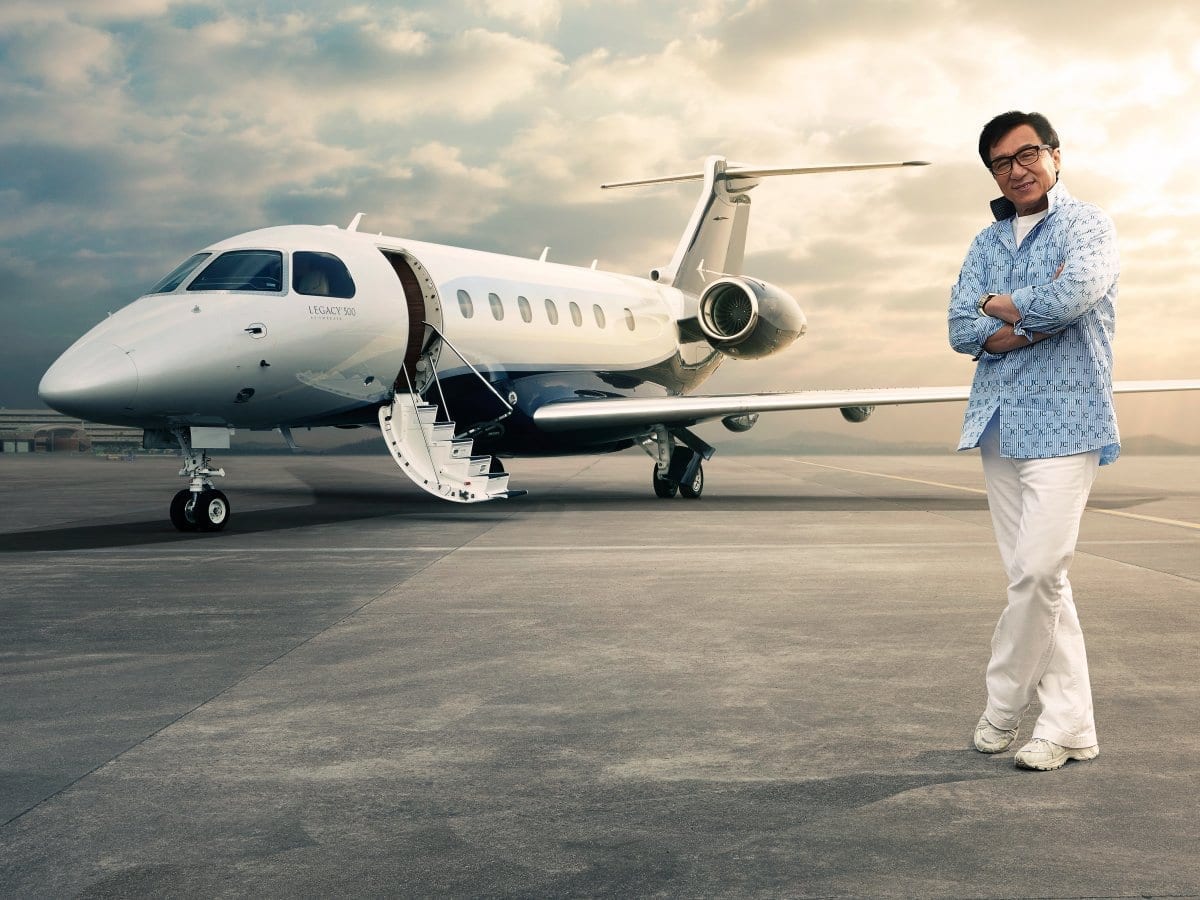
    The news that Thai Aerospace Services has been chosen by Honda as the distributor of HondaJet in the SE Asian market has caught public attention.

    HondaJet was launched in December 2015; the manufacturer received 100 orders from all over the world.  The plane is offered to businessmen who want to save time on traveling. It entered the US market after FAA granted a certificate on meeting technical requirements.

    A representative of the Civil Aviation Authority of Vietnam (CAAV) said CAAV has not received any information from Honda about bringing HondaJet to Vietnam.

    To put a new airplane model into exploitation, manufacturers will have to work with local aeronautical authorities and fulfill procedures to obtain a license.

    Besides, every aircraft has to satisfy a series of requirements to obtain two other kinds of certificates, including ownership registration and certificate on meeting requirements to fly.

    The manufacturers also have to prove they can satisfy requirements on radio communication systems.

    “This is important for small private airplanes, because the planes have low flying range. They make noise and affect residential quarters if they fly at night,” an official from CAAV explained.

    For the last 10 years, Vietnam has been the target of many private plane manufacturers and lessors, from luxury planes such as Bombardier Inc (Canada) to helicopters such as Azur Helicopter (France).

    Analysts commented that Vietnam is a market with the number of super-rich people expected to increase by 170 percent in the next 10 years, to 540. The super-rich are defined as ones with total assets of over $30 million.

    The analysts said it would not be a problem for Vietnamese businesspeople to spend several million dollars to buy airlines. Doan Nguyen Duc, a well-known businessman, once owner two private airplanes. However, the maintenance costs and the licensing fee are big challenges.

    Jet owners will have to obtain licenses for every flight, while the owners of helicopters with low flying range will have to obtain approval from the Ministry of National Defence.

    Some years ago, Jussi Hoikka, Commercial Manager of Vinacopter, a distribution firm,  commented that though the Vietnamese average income per capita remains at “low average” level, the demand for private aircraft in Vietnam would soar in the time to come.

    One of the Vietnamese businessmen who first ordered a private helicopter in Vietnam is Chair of the Hoa Phat Group, Tran Dinh Long.

    Long placed the order about the private helicopter with Eurocopter, of which Vinacopter is a subsidiary, in Singapore in 2008.

  • Vietnam’s job market boils hotter than regional peers

    Vietnam’s job market boils hotter than regional peers

    Another good sign for job hunters in Vietnam is that none of the surveyed companies said they had any plans to freeze recruitment, compared to a fifth of companies in Singapore who said they won’t be hiring more staff this year.

    The report was based on a survey of 8,109 employees and 2,964 employers from across various industries, with respondents from Singapore, Malaysia, Indonesia, Thailand, the Philippines and Vietnam.

    Candidates in Vietnam were the most optimistic in the region, with half saying they felt the job market had improved this year, followed by job seekers in the Philippines. Looking for jobs in Singapore and Indonesia is likely to be more stressful this year, the survey found.

    Those with experience in merchandising, marketing and information and technology are more likely to get job offers in 2017, stated the report.

    In this booming job market, Vietnamese candidates indicated they prefer job hunting online through job boards, company websites and social media.

    Employers across the region are all having difficulties hiring experienced candidates. In Vietnam, finding people to fill managerial positions is another challenge.

    The positive market outlook in Vietnam shows that the talent war is becoming increasingly tough. Employers are encouraged to adopt clear and transparent recruitment strategies and career development paths to ensure their competitive edge in this booming job market.

  • HCM City tax department to monitor social media businesses

    HCM City tax department to monitor social media businesses

    The Ho Chi Minh City Department of Taxation has said recently that its data center is checking Facebook accounts used for conducting business, with a view to determining any tax obligations.

    Not all individual Facebook accounts, however, have to pay tax on their business. Those that are conducting “non-professional” business on an irregular basis and with low turnover will not have to pay tax.

    Only those with large sales and unpaid taxes are targeted, according to the head of the city’s tax department.

    Upon completing the checks, the department will submit plans to the city’s People’s Committee to coordinate with other departments to collect e-commerce business management taxes, including business Facebook accounts.

    At a meeting between city leaders and the department in February, the Department of Industry and Trade proposed collecting taxes from Facebook businesses.

    The Department of Tax Policy under the General Department of Taxation (GDT) is also studying the management of taxes on business activities conducted via social networks such as Facebook, YouTube, and Zalo.

    According to experts, collecting sales tax from Facebook business is not an easy task. Every organization and individual can now own multiple accounts on social networks for their business.

    Sales are mainly made in cash, so it is difficult to monitor. In addition, some people only do business via Facebook as a seasonal job or to earn more income, which also challenges tax management.

    The department’s current solution is to require people doing business on social networks to provide information such as their name, address, telephone number, and personal tax code, in order to control their business activities more strictly.

    In 2015, revenue from e-commerce in Vietnam reached $4.1 billion, an increase of five-fold compared to 2012, according to the latest data from the GDT. It is expected to reach $10 billion by 2020, accounting for 5 per cent of total retail sales in the country. E-commerce will therefore play a significant role in Vietnam’s retail sector in the future.

  • Vietnam rice exporters face challenges

    Vietnam rice exporters face challenges

    The rice price is forecast to continue soaring in near future, buoyed by the higher demand for rice of some countries, but Vietnam is having difficulty boosting rice shipments, heard a seminar in Hanoi last week.

    A study conducted by the Institute of Policy and Strategy for Agricultural and Rural Development shows there are nine million rice farming households nationwide, but around 300,000 of them account for the bulk of Vietnam’s rice export volume.

    Meanwhile, the nation has over 300,000 rice milling facilities, but a majority of them are small. But in Thailand, there are a mere 1,000 rice milling plants. Besides, Vietnam has around 100 rice exporters, but a mere 22 of them focus on China, one of Vietnam’s largest rice buyers.

    Industry experts said these two hindrances had led to the global market share of Vietnamese rice shrinking. Statistics of the Ministry of Agriculture and Rural Development show the country’s rice shipments last year dropped 27% in volume and 23% in value against 2015.

    Vietnam has seen gradual declines in rice exports to China, European Union, Middle East, and Sub-Saharan Africa.

    Despite the decrease in rice exports, local enterprises have shown little or no interest in the domestic market.

    Vietnamese rice producers have not been able to develop premium rice brands, according to Sergio René Araujo Enciso, an economist from the Trade and Markets Division under the Food and Agriculture Organization of the United Nations.

    Key importers of Vietnamese rice products have adopted food security policies. China, for instance, is buying rice from different countries, said Pham Kim Dung, the study’s lead researcher.

    The World Bank and the International Monetary Fund forecast that rice prices might inch up in the short term as some countries are stocking up on rice, such as Malaysia with 950,000 tons and Bangladesh with 600,000 tons.

  • Over 20,000 Vietnamese work as Uber motorbike drivers

    Over 20,000 Vietnamese work as Uber motorbike drivers

    The ride hailing company releases business data for the first time, one year after launching its motorbike service in Vietnam.

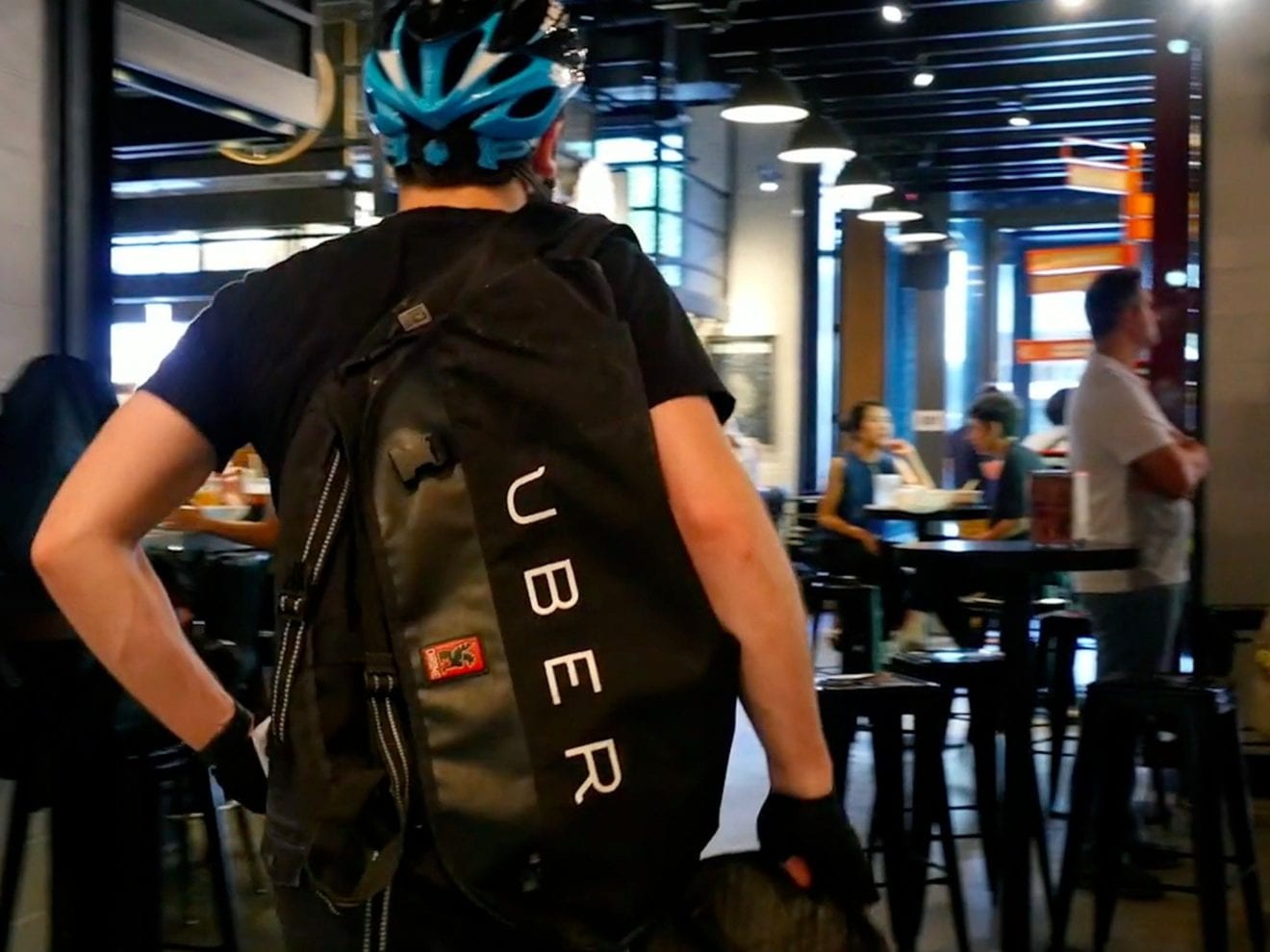
    More than 20,000 Vietnamese men and women have registered to work as motorbike taxi drivers for Uber, a representative of the ride hailing company said Sunday.

    Dang Viet Dung, general manager of Uber Vietnam, did not break down the number but he seemed eager to share that the top motorbike drivers clocked in more than 5,000 rides within a year.

    This is the first time the company, since the launch of UberMOTO in April last year, has released such figures. It also has a network of cars for the traditional Uber service.

    For future plan, Uber will offer English courses for its drivers to serve foreigners in Vietnam, Dung said.

    Before Vietnam, the UberMOTO service had been launched in Thailand, India and Indonesia.

    After Uber entered Vietnam in June 2014, collecting tax from for the U.S.-based car hailing service had been a headache for local authorities.

    Then in September last year, Uber paid taxes to Vietnam for the first time.

    In April this year Uber’s car and motorbike services were finally legalized here, even though local passengers rarely paid attention to these legal formalities.

    Before Uber, Vietnam’s transport authorities approved a pilot scheme for Grab Vietnam, Uber’s main rival, which also entered Vietnam in 2014.

    The Malaysia-based Grab is operating both car and motorbike services in the country.

    Their market shares have not been disclosed but other service providers, from taxi companies to xe om drivers, have felt threatened.

    Retail News earlier this year interviewed motorcyle taxi drivers, who said they were being beaten by Uber and Grab on their own turf.

    Some even predicted that these newcomers could eventually put old-fashioned drivers, now usually referred to as “traditional” drivers, out of business.

    This month, a video spread on social media showing a group of xe om drivers in a heated conflict with Grab drivers in front of a hospital in Hanoi.