Tag: Vietnam

  • Is ‘50 Shades’ still too sexy for Vietnamese moviegoers?

    Is ‘50 Shades’ still too sexy for Vietnamese moviegoers?

    The erotic series once again faced a release hiccup in Vietnam, where censors are known for being tough with steamy scenes.

    “50 Shades Darker” and “John Wick: Chapter 2” could not have their premiere in Vietnam on Friday morning as planned as censors did not give their blessings.

    It is not immediately clear why the much-anticipated sequels were hold up, but “50 Shades” may be too sexy and “John Wick” too violent.

    Vietnam adopted a new film rating system in January, allowing censors for the first time to completely block out anyone under 18 from films rated “C18.”

    Nguyen Hoang Hai from CGV, the biggest cinema chain in Vietnam, said it did not receive permission to start showing “50 Shades Darker” on Friday morning. Screenings for the press were reportedly canceled earlier this week.

    Hai also said that the version intended for the Vietnamese market already “had several sex scenes cut” and that local theaters were also expecting an adult-only “C18” rating.

    CGV’s website began to list showtimes for both films again in late Friday afternoon.

    The first “50 Shades” film did not have so much luck either two years ago, when censors unexpectedly canceled all planned screenings. Then a so-called “Asian version” managed to hit theaters but moviegoers complained that there were no sex scenes left.

    Moviegoers were expecting less censorship when the authorities announced a new rating system with a series of age-based classifications C13, C16 and C18, besides P for general viewers.

    Before that, local cinemas adopted only two ratings – G for general viewers and NC16 for those above 16.

    But an industry insider told anonymously that new system apparently does not really change how a film is reviewed and edited. Officials from the Cinema Department still recommend precuts before officially assigning their ratings, the source said.

    Sex generally remains a controversial subject in movie and arts in Vietnam. In 2015, officials proposed banning all sex scenes that lasted over five seconds in local films and full-frontal female nudity. The proposal was not discussed after that due to strong opposition from filmmakers.

  • Vietnam to digitize medical records for all citizens

    Vietnam to digitize medical records for all citizens

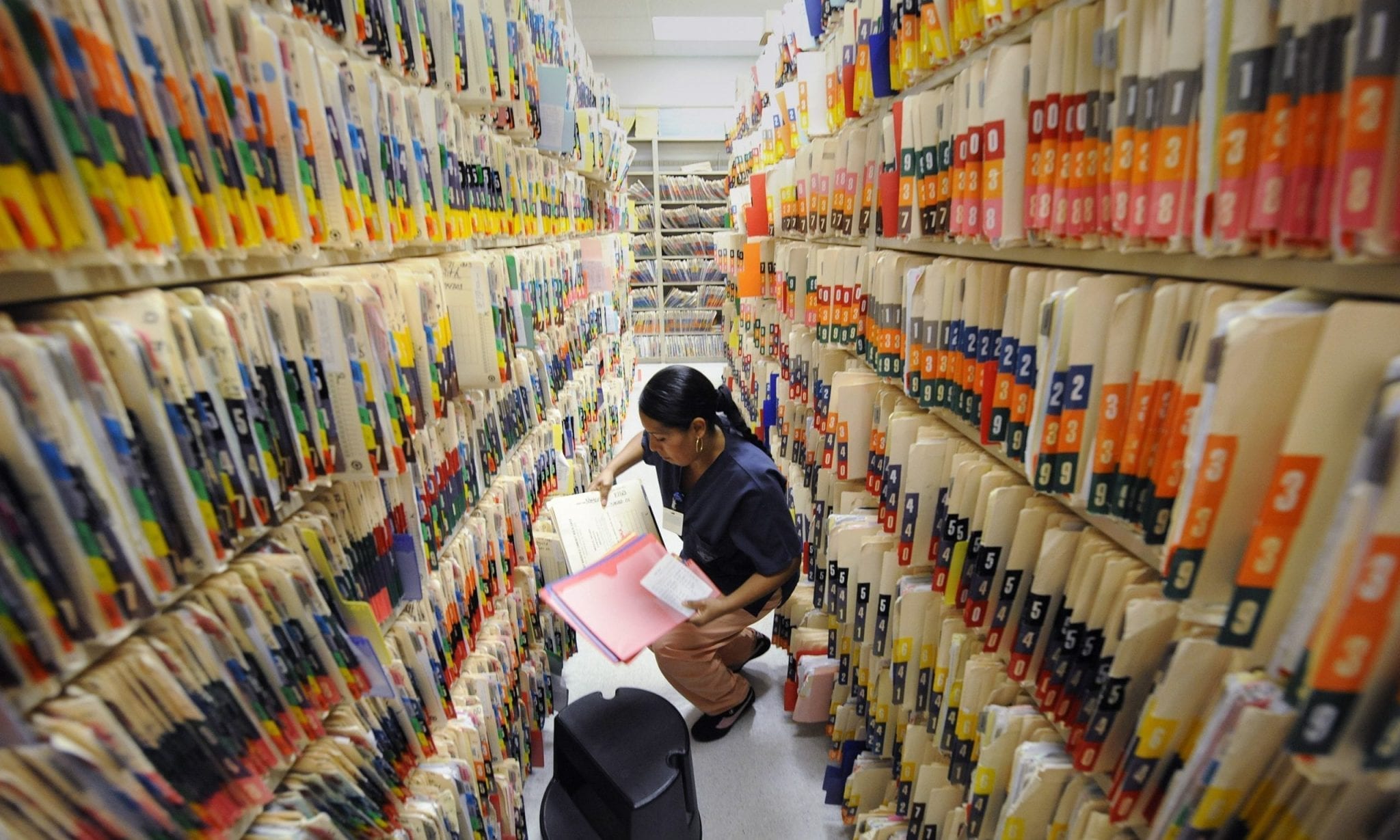
    The electronic system can be shared by healthcare providers across the countries to save time and money. The Vietnamese government has announced a plan to spend VND5 trillion ($220 million) on an ambitious project to create a nationwide system of electronic medical records.

    Under the plan, the government will still issue paper-based records to patients first but these will gradually be replaced by a digital system, built and run by the welfare agency Vietnam Social Security.

    The system, which will store personal medical records for all citizens, can be shared by health care providers to save time and money.

    Vietnam, like many other developing countries, is dealing with the double burden of infectious and non-infectious diseases, said Luong Ngoc Khue, a senior health official, adding that among non-communicable diseases, cancer has emerged as an alarming problem.

    Online personal health records can make it more efficient for doctors to make early diagnosis as well as easily monitor symptoms.

    The Vietnamese government has also announced a plan to issue electronic healthcare cards to all citizens to certify their rights to medical services anywhere, according to the government’s online news portal. With the new system, electronic healthcare registries in all 63 cities and provinces will be synced.

    Vietnam Social Security is in charge of developing a plan to sync health, social security and unemployment insurance into one single card.

  • Dak Lak to shift coffee strategy

    Dak Lak to shift coffee strategy

    The Central Highlands province of Dak Lak plans to increase the proportion of processed coffee such as instant coffee and powdered coffee from less than 10 per cent to 15 per cent in total coffee output by 2020 and up to 30 per cent by 2030.

    Pham Ngoc Nghi, chairman of the province’s People’s Committee, said the province’s policies were being adjusted to attract more domestic and foreign enterprises to invest in coffee processing.

    He said that most locally based processing companies were private firms whose market access and product advertising capacity were modest.

    Dak Lak, which has the largest coffee area and output in Viet Nam, has more than 200,000ha and an annual coffee bean output of 450,000 tonnes.

    However, the province only has 145 coffee processing facilities with a total capacity of 32,100 tonnes, accounting for 5.55 per cent of the province’s total coffee bean output.

    To achieve the targets, the province has created a more favourable investment environment for both domestic and foreign enterprises, particularly those specialising in roasting and grinding, to invest in processing factories.

    The province has also helped coffee enterprises improve their corporate governance, promoted the use of advanced post-harvest and processing techniques and expanded market access for local companies.

    Coffee farmers, producers and businesses are being encouraged to produce beans that can be certified by the coffee global certification programme (UTZ), the fair-trade labelling organisation (FLO), Rainforest Alliance (RFA) and 4C (Common Code for the Coffee Community).

    The province, which has helped organisations, enterprises and co-operatives build brands, has offered assistance to companies to acquire rights to the geographical indication for processed coffee products.

    Last year, Dak Lak produced 28,000 tonnes of processed coffee, including 23,000 tonnes of powdered coffee and 5,000 tonnes of instant coffee.

    It exported 4,520 tonnes of instant coffee worth nearly US$ 27 million, accounting for 7.5 per cent of the province’s coffee export revenue.

    In the 2016-17 coffee season, Dak Lak estimates it will export 230,000 tonnes of coffee to 75 countries and territories.

    Export potential

    Viet Nam’s processed coffee exports are predicted to increase in the coming years due to more investment from domestic and foreign enterprises, according to experts.

    Many coffee companies, including Trung Nguyen, Me Trang and Vinacafe, for instance, are expanding the scale of their production.

    In addition, Viet Nam’s free trade agreements with the EU, Europe-Asian Economic Union and the Republic of Korea will create opportunities to boost Viet Nam’s processed coffee exports.

    Under free trade agreements, exports of Viet Nam’s processed coffee are taxed at only 0-5 per cent compared to 15 -20 per cent in the past.

    The country’s coffee industry is raising the value of coffee beans by speeding up the processing of powdered and instant coffee and other products.

    Processed coffee products from Viet Nam are sold in many international markets.

    The G7 instant coffee of Trung Nguyen, for example, has passed the requirements of Walmart Stores, Inc and is now sold at Walmart stores in many countries such as Chile, Brazil, Mexico and China.

    Luong Van Tu, chairman of the Viet Nam Coffee and Cocoa Association, said China was one of the most important markets for Viet Nam’s processed coffee.

    Coffee consumption in China is rising rapidly, particularly among younger consumers exposed to Western coffee drinking habits, he said.

  • Vietnam convenience stores enjoy boom

    Vietnam convenience stores enjoy boom

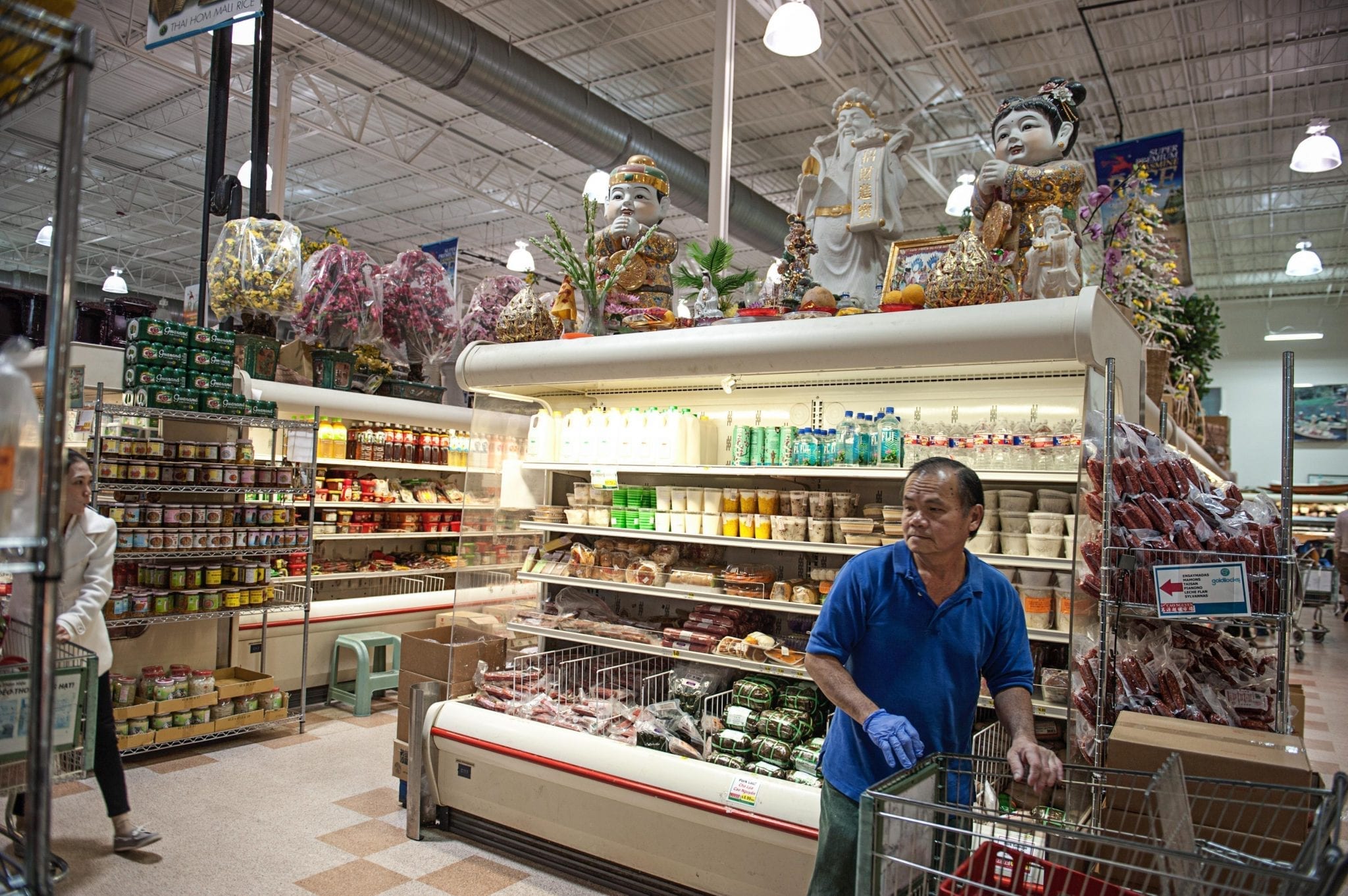
    Convenience stores and minimarts have become increasingly popular in the country, with more than one third of households shopping there regularly, according to some analysts’ estimates. If they reduce their prices further, they would have even more opportunities to grow, they said.

    Le Viet Nga, deputy head of the Ministry of Industry and Trade’s domestic market department, said convenience stores have got a good reception from the market, and now make up the fastest growing retail segment with double-digit growth.

    “This is a modern trading channel, selling goods with clear origins and having good management. Convenience stores offer good opportunities for small and medium-sized enterprises and farmers to bring their products into the market.”

    According to the ministry, investors are also favouring convenience stores since their return on investment is much higher than traditional supermarkets or hypermarkets and investment is lower.

    Besides, getting licences for convenience stores and minimarts is much easier than for supermarkets since opening retail outlets of less than 500sq.m is not subject to the economic needs test (ENT), it said.

    Traditional retail channels still account for 72 per cent of the market but this is forecast to reduce to 60 per cent by 2020, it said.

    In China there is one convenience store for every 21,000 people, while the figure is 1,800 in South Korea and 69,000 in Viet Nam, meaning there is immense potential for the segment to grow in Viet Nam, it said.

    The steady increase in incomes and changes in consumer behaviour are other big factors, it added.

    Intense competition

    The number of convenience stores more than doubled in 2012-14 to 348. The number of minimarts went up from 863 to 1,452.

    In 2015 and 2016 convenience stores continued with their impressive performance, with local and foreign players like Saigon Co.op, Satra, Vingroup, B’s mart, Shop&Go and Circle K beefing up their presence as shoppers eyed convenience while a robust economy increased their spending power.

    For instance, Saigon Co.op, which owns Co.opmart, Co.opXtra and Co.op Food, last year launched Co.op Smile, a new retail model.

    Saigon Co.op general director Nguyen Thanh Nhan said plans are in the works to increase the number of Co.op Smile stores to 200-300 by the end of this year from just 20 outlets last year.

    Satra, which has a joint venture with Heineken in Viet Nam, also plans to expand its retail system, with a focus on developing its convenience store chain Satrafoods to create a distribution channel for its subsidiaries like meat producer Vissan and Vietnamese producers in general.

    This year it will open 55 Satrafoods stores, including 10 in the Mekong Delta city of Can Tho alone, raising the total number to 172.

    According to the ministry, foreign enterprises have a 70 per cent market share of convenience stores, 17 per cent of malls and supermarkets, 15 per cent of minimarts and 50 per cent of the online shopping channel.

    According to insiders, the biggest disadvantage for convenience stores and minimarts is their higher prices compared to supermarkets, traditional markets, and grocery stores.

    To improve their competitiveness, they must reduce prices and sell quality local products, they said.

    Vu Vinh Phu, chairman of the Ha Noi Supermarkets Association, said domestic producers and distributors should develop closer links to cut intermediary costs.

    According to the Global Retail Development Index (GRDI) from consulting firm A.T. Kearney, Viet Nam has been in the top 30 most attractive retail markets since 2008.

  • Casinos open, but Vietnamese find it difficult to gain admission

    Casinos open, but Vietnamese find it difficult to gain admission

    From March 15, 2017, Vietnamese citizens will have the right to play at casinos licensed by the government. However, they must be 21 years old or above with “full capacity for civil acts of individuals” according to Vietnamese law, have proof of regular monthly income of VND10 million ($450), and be subjected to third-degree taxation according to the law on individual income tax.

    The admission ticket is VND1 million ($45) for 24 hour entry, or VND25 million ($1,126) per person monthly.

    Nguyen Hoang Hai, deputy chair of the Vietnam Association of Financial Investors (VAFI), warned that players would find it troublesome to follow procedures to prove their income.

    “There would be no problem for employees to prove their income, but it would be difficult for businessmen and freelancers to do this,” Hai said, adding that it is unclear what documents people have to show.According to the Ministry of Finance, about 70 percent of taxpayers are subject to first- degree taxation. The people subject to third-degree taxation are those with net monthly income of VND10-18 million.

    Hai said that strict requirements would not attract players. Meanwhile, in Singapore, the requirements on players at Marina Bay Sands are not too complicated: people just need to pay the daily fee of 100 SGD (VND1.6 million), or 2,000 SGD a year (VND32 million).

    Meanwhile, the gambling limit of VND1 million for 24 hours is described as ‘too low’ which cannot satisfy players. Ngo Thanh P, a young businessman in Hanoi, said the low limit would not attract real high-income earners. If so, the goal of increasing revenue from tax collection would be unattainable.

    The owner of a privately run business in Hanoi also said that the low gambling limit would keep successful businessmen and rich people away.

    “VND25 million a month won’t be able to satisfy them. They would rather go gambling abroad than go to domestic casinos,” he said.

    However, opinions about the issue vary. Ha Ton Vinh, an expert on casinos, while agreeing that it is a right decision to open casinos to Vietnamese, stressed that it is necessary to control them strictly.

    In South Korea, there are 17 licensed casinos, but only Kangwon Land is opened to domestic players. The casino is located in a remote area, hundreds of kilometers from Seoul. In Nepal and Cambodia, casinos are open only to foreigners.

  • Vietnam expects 10 percent rise in leather, shoe exports

    Vietnam expects 10 percent rise in leather, shoe exports

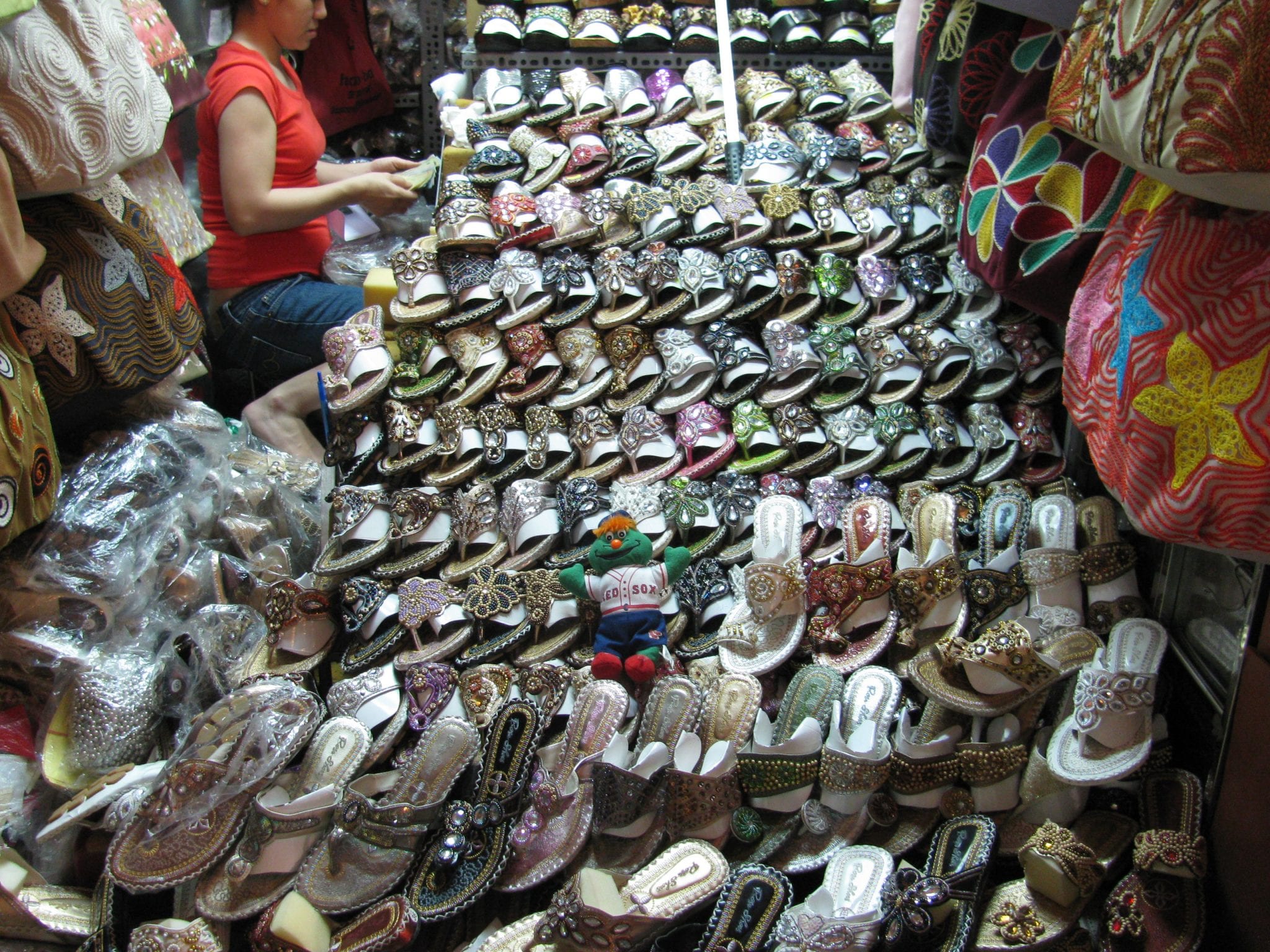
    Viet Nam’s leather and footwear industry expects to reach a total export value of US$18 billion this year, up 10 per cent from last year, said the Viet Nam Leather, Footwear and Handbag Association (Lefaso)

    According to Lefasco, there are plenty of chances for expanding exports given that orders for footwear and bag processing may be diverted from factories in China that have cut back on incentives for investment in garment and footwear manufacturing to focus on high technology.

    Another promising element is the Viet Nam-European Union free trade agreement, which will take effect in 2018 and afford Vietnamese footwear makers more opportunities to boost exports.

    To achieve this year’s target, the leather and footwear sector needs to boost technological innovation, invest in new equipment and modernise existing equipment, expand the production scale of domestic enterprises to increase productivity as well as improve the quality of products, Lefasco said.

    Lafesco reported that the sector raked in $16.2 billion from export last year, up 8.8 per cent from 2015. Of which, $13 billion came from footwear and the remaining was from handbags and leather items, marking respective annual increases of 8.2 per cent and 11.1 per cent.

    According to Lefaso, leather and footwear exports last year faced many difficulties as orders from the EU market plummeted and the sector’s export to ASEAN markets was also unstable.

    Since January 1, 2016, the tax levied on footwear and leather handbags and items circulated within the ASEAN bloc have been reduced to 0 per cent, leading to stiffer competition from regional rivals.

    Vietnamese enterprises also confronted obstacles due to the lack of capital and increasing input costs, which significantly affected the footwear sector’s export. Footwear currently ranks fourth and suitcase-bag-briefcase ranks tenth among Viet Nam’s top 10 foreign currency earners.

    The sector’s manufacturing index in 2016 rose a modest 3.7 per cent year-on-year, much lower than the 17.4 per cent and 22 per cent growth in 2015 and 2014, respectively.

  • Vietnam spends $5 million daily on chemical imports

    Vietnam spends $5 million daily on chemical imports

    A GDC report showed that in 2016 alone, Vietnam imported $1.8 billion worth of chemicals, including $1.02 billion worth of products to make other compounds. This means that Vietnam spent VND112 billion daily to import chemicals.

    The imports were mostly from China, while imports from countries with developed chemical industries such as India, the US, Canada, Israel, Japan and South Korea were modest.

    According to Ngo Tri Long, there are three reasons for Vietnam to import chemicals from China. First, Vietnam has high demand for chemicals, but it still cannot produce chemicals domestically. Second, Vietnamese enterprises prefer importing chemicals from China to other countries because Chinese products are cheaper. Third, Vietnam, like other countries neighboring China, want to import chemicals across the border gates instead of through official channels in order to avoid tax.

    Le Cao Doan from the Central Economics Institute has also expressed concern about imports from China, especially in the context of Vietnam’s high trade deficit and the risks of relying on Chinese imports.

    The high imports from China are problems to many countries including Vietnam, which imports low-quality and dirty products.

    “If Vietnam continues importing chemicals from China, it will become the place containing low-quality products and relying on Chinese imports,” he said.

    Doan said that Vietnam is facing two big problems.

    If continuing to rely on China, the Vietnam economy would lag behind, because the  economy would be based on industrial production, similar to what China once experienced in the past. In addition, Vietnam would see the damage to the environment and the platform for development.

    What does Vinachem do?

    Vinachem, or the Vietnam Chemicals Group, is known as the largest domestic chemicals producer which regulates big fertilizer and chemical factories in Vietnam.

    However, the big factories put under Vinachem’s management are incurring huge losses of trillions of dong.

    Meanwhile, Vu Dinh Duy, a member of Vinachem’s board of directors, has left Vietnam for medical services and has been unreachable for many months.

    In the latest news, Vinachem has set up a steering committee to solve existing problems at fertilizer plants which are incurring big losses.

    Besides the chemicals companies in which the state holds the controlling stakes, Vietnam also has many privately run companies in the field.

    However, an analyst said domestic chemical output remains modest and Vietnam still has to rely on imports.

  • Vietnam retail revenue reaches $11 billion

    Vietnam retail revenue reaches $11 billion

    Vietnam retail and services revenue rose 10 per cent year-on-year last month to US$15 billion.

    Excluding inflation, the amount marked a yearly increase of 6.7 per cent, says the General Statistics Office (GSO).

    Statistician Vu Manh Ha attributes the growth to stable prices, despite high local consumption in preparation for the Tet holiday and sufficient stocks in supermarkets for the country’s biggest festival.

    Retail accounted for more than three-quarters of total sales, reaching $11.5 billion – up 6.5 per cent from the previous month and 11 per cent more than the same period last year.

    Sectors recording positive growth included food and foodstuffs (up 13 per cent), textile and garments (up 11.5 per cent), transport services (up 11.2 per cent) and home appliances (up 7.8 per cent).

    Accommodation, restaurant and catering services, which made up 11.3 per cent of the total, topped more than $1.64 billion, representing a yearly rise of 3 per cent.

    Localities that did well in accommodation, restaurant and catering sales included Ba Ria-Vung Tau with a 12 per cent rise, Thanh Hoa (8.6 per cent), Kien Giang (7.4 per cent), Hanoi (5.7 per cent) and Da Nang (5.2 per cent). However, there were downturns in several localities, including Quang Binh with a 12.4 per cent drop, and Ho Chi Minh City and Nam Dinh, falling by 5.3 per cent.

  • Finance Ministry tells online hotel booking services to pay tax

    Finance Ministry tells online hotel booking services to pay tax

    Agoda, Traveloka, Booking and Expedia have to pay VAT (value added tax) and CIT (corporate income tax), which is 5 percent of total revenue, for profits from doing business in Vietnam, according to the Ministry of Finance (MOF).

    MOF released the decision one month after Vntrip.vn, a Vietnamese owned firm, criticized Agoda for evading tax in Vietnam. It said the tax payment duty must be implemented by accommodation service providers on behalf of foreign contractors like the contractor withholding tax.

    If clients who book hotel rooms make payment directly to the accommodation service providers in Vietnam (hotels or guesthouses), and the service providers pay commissions to foreign contractors, the service providers will have to make tax declarations and pay tax.

    If clients pay money to foreign contractors, foreign contractors will transfer money to accommodation service providers, while retaining commissions. Taxation bodies will ask accommodation service providers to inform foreign contractors about tax duties and pay tax on behalf of foreign contractors.

    MOF said it released legal documents with an aim to stop the loss of revenue from tax collection as Vietnam could not collect tax from foreign companies which make profits from providing services to Vietnamese via the internet.

    Prior to that, in December 2016, Vntrip.vn held a meeting with the local press, saying Agoda evaded tax in Vietnam.

    The representative of Vntrip.vn affirmed that unhealthy competition was occurring in Vietnam as foreign service providers don’t have to pay tax, causing a loss of trillions of dong in revenue to the state budget.

    Vntrip.vn warned that Vietnam may lose VND10 trillion worth of tax by 2020, if it cannot find the way to collect tax from the company.

    Vntrip sent an official document to MOF denouncing Agoda and similar service providers for evading tax. The behavior by Vntrip then surprised the public, because Booking.com, who was the strategic partner of Vntrip, and Agoda were considered ‘brothers’ as they both belonged to the US-based Priceline.

    Another surprise was that before MOF released the decision officially asking Agoda to pay tax, the Vietnamese domain name of Agoda, the tourism website, unexpectedly stopped operation.

    Le Dac Lam, Vntrip’s CEO, applauded MOF’s decision.

    “Some people advised us to focus on doing business rather than spending time thinking about policies for foreign companies,” Lam said.

    Nguyen Duc Tai, president and CEO of The Gioi Di Dong, the largest domestic technology product distribution chain, said Vntrip should focus on its own business instead of suing other companies, because the move won’t bring benefits.

  • Weak green tax can lead to more single-use plastic bags

    Weak green tax can lead to more single-use plastic bags

    The weight-based environmental tax can do more harm than good if businesses try to ease the burden by making and using thin plastic bags. The Vietnam Chamber of Commerce and Industry (VCCI) has weighed in on a debate involving changes to the country’s Environmental Protection Law.

    Lawmakers are considering raising the environmental protection duty imposed on petroleum products by up to three times to VND8,000 per liter, and on plastic bags from the current VND30,000-50,000 to VND40,000-80,000 per kilogram, according to a proposal prepared by the finance ministry.

    However, the VCCI, which represents thousands of businesses across the country, said in a statement that plastic bags should be taxed individually instead of by weight.

    It said that when plastic bags are taxed based on their weight, producers are tempted to produce thin plastic bags.

    While disposable, thin bags require less material, they are unlikely to be reused and are more difficult to recycle, which means these single-use bags are more harmful to the environment than thicker bags, it said.

    “Current taxes do not go far enough to protect the environment,” it said.

    The VCCI also said taxes should also be imposed on other plastic products like Styrofoam cups and boxes.

    The environment ministry estimates that Vietnamese use more than 800 tons of plastic bags every day.

    Official figures from 2014 showed that in Ho Chi Minh City, nine million, or more than 50 tons of plastic bags, were being used every day, which was twice the number from four years earlier.

  • ‘Lucky’ license plates set to go under the hammer in Vietnam

    ‘Lucky’ license plates set to go under the hammer in Vietnam

    Channeling people’s love of lucky numbers into the state budget: Why not? Vietnamese people are die-hard fans of lucky numbers and are ready to pay a hefty price to obtain license plates or phone numbers with “meaningful” strings of digits.

    In that context, Vietnamese authorities have been pushing the country’s legislature for a new circular that would legalize the auction of personalized license plates to raise funds for the state budget.

    The Traffic Police Department under the Ministry of Public Security has been advocating the auction of license plates for many years but to no avail due to conflicts with the existing Property Auction Law, under which license plates are not listed as valid objects for auctioning.

  • Heavy rain damages rice crops in southern Vietnam

    Heavy rain damages rice crops in southern Vietnam

    Mekong Delta provinces, which just recovered from a historic drought a year ago, is bracing for more unfavorable weather. Vietnamese farmers in the Mekong Delta are seeing their rice crops being damaged after heavy downpours hit the region in recent days.

    Nguyen Van Cung from Can Tho City said that his family is trying to dig ditches to save nearly 1,000 hectares (247 acres) of rice submerged under water.

    “We can’t harvest now because the crops are not ready,” he said.

    Latest statistics showed that more than 7,000 hectares of rice in the two Mekong Delta provinces of Ca Mau anh Hau Giang have been ravaged by rain. Many shrimp farms are also threatened by flooding.

    They said the Mekong Delta should expect to see more unusual weather patterns, with more rain likely coming until the end of February.Experts said the heavy rains were caused by the weather phenomenon La Nina, which came after the devastating El Nino last year.

    Last year, a historic drought and saltwater intrusion damaged more than 400,000 hectares of crops and resulted in severe water shortages for 1.5 million people.

    The region, Vietnam’s main rice and fruit grower, is among those most vulnerable to the impacts of climate change, various studies have suggested.

  • Vietjet gets approval for HOSE listing

    Vietjet gets approval for HOSE listing

    The HCM Stock Exchange (HOSE) has approved the listing of Vietjet Aviation Joint Stock Company’s 300 million shares on the southern bourse.

    The opening price of Vietjet’s shares is unknown. Vietjet on January 25 registered its 300 million shares with the Vietnam Securities Depository.

    According to Reuters, Vietjet Air has sold 44.8 million shares of current shareholders to institutional investors at VND84,600 per share, and 3.5 million shares to individual investors for VND86,500 per share.

    About 30 international corporations and investment funds have offered to purchase Vietjet’s shares, including Morgan Stanley, Mirae Asset, Dragon Capital and VinaCapital.

    According to a recent report by Vietnam Enterprise Investment Limited (VEIL) run by Dragon Capital, the investment fund on January 19 owned $43 million worth of Vietjet shares. Besides VEIL, HCM City Securities Corp (HSC) also spent VND134.5 billion to buy 1.6 million of the carrier’s shares.

    Shareholders of Vietjet Air have also approved the company’s proposal to issue more than 22.3 million shares to the Huong Duong Sunny Investment Co Ltd in 2017 at a price of VND84,600 per share.

    The share issuance will increase the aviation company’s chartered capital to VND3.22 trillion.

  • Vietnam to change landline codes in Da Nang, Hue this weekend

    Vietnam to change landline codes in Da Nang, Hue this weekend

    The country plans to change the telephone area codes in 59 cities and provinces, starting with 13 this Sunday. Vietnam will change the landline telephone area codes in Da Nang and 12 central and northern mountainous provinces from Sunday, the first step in a long-term plan to simplify the country’s telecommunications network.

    The codes will start with a “2” and be either two or three digits long. Callers will be required to dial the new area code (plus the 7-digit number) to place a domestic call.

    Also on the list are Quang Nam and Thua Thien-Hue, home to popular resort towns Hoi An and Hue.

    Later phases finishing in August will change the codes in another 46 localities including Hanoi and Ho Chi Minh City. The codes in Vinh Phuc (211), Phu Tho (21), Hoa Binh (18) and Ha Giang (19) in northern Vietnam will remain the same.

    Minister of Information and Communications Truong Minh Tuan said that people’s existing phone numbers will remain the same and there won’t be any changes to calls between fixed line numbers within the same province.

    However, the changes will affect calls between different provinces and incoming calls from mobile phones and foreign countries to a fixed line number in Vietnam, Tuan said. In these cases, callers will be required to use the new area codes.

    Vietnam constructed its first repository of phone numbers in 2006 after eliminating a monopoly in the telecommunications sector, but the area codes and network codes of the previous networks have been left unchanged to avoid confusion.

    The ministry hopes that the area code change will solve inconsistencies in Vietnam’s area code system without having a big impact on Vietnam’s telecom traffic and users.

    Reports on Vietnam’s telecoms sector show that inter-provincial calls and mobile and international calls to fixed landlines in Vietnam only account for 1.6 percent of the country’s total telecom traffic.

    The ministry said the changes will be the first step in a long-term plan to reduce the number of area codes from 63 to only 10. Under the plan, adjacent provinces and cities will be grouped into regions with one area code. This should make the telecom network easier to manage, while people living in provinces with same area code will enjoy lower call rates.

    Areas subject to telephone code changes from February 11:

    No. Province/City Old Area Code New Area Code
    1 Son La 22 212
    2 Lai Chau 231 213
    3 Lao Cai 20 214
    4 Dien Bien 230 215
    5 Yen Bai 29 216
    6 Quang Binh 52 232
    7 Quang Tri 53 233
    8 Thua Thien-Hue 54 234
    9 Quang Nam 510 235
    10 Da Nang 511 236
    11 Thanh Hoa 37 237
    12 Nghe An 38 238
    13 Ha Tinh 39 239
  • Thailand invests $7.7 billion in Vietnam

    Thailand invests $7.7 billion in Vietnam

    According to the Ministry of Planning and Investment’s Foreign Investment Agency (FIA), Thailand has invested US$7.7 billion in 440 projects in Viet Nam to become the country’s tenth largest investor.

    Amata industrial zone in Dong Nai Province, where Thailand has invested in infrastructure. Foreign investment in Viet Nam grew in January.

    So far, Viet Nam has attracted foreign direct investment from 112 countries and territories, the agency says.

    Thai businesses began investing right after Viet Nam introduced policies to attract foreign investment, it says. From 2006 to 2008, Viet Nam wooed the largest investment capital from Thailand amounting to $5 billion, accounting for 21.4 per cent of the total investment from ASEAN to Viet Nam worth $23.3 billion. Investments from Thailand have focussed on processing and manufacturing industries.

    At present, Thai investors have assured investments of $7.04 billion in 205 projects in the processing and manufacturing industries, accounting for 87.2 per cent of total registered invested capital. The largest project in those industries is the Southern petrochemical complex with a total investment of $3.77 billion.

    The agency says Thai investors are now turning their attention to industrial infrastructure and retail sectors. These include a joint venture project between Amata VNPCL of Thailand and Sonadezi Bien Hoa in the infrastructure sector and a project of MM Mega Market Co, Ltd in HCM City, with a capital of $36 million, reports vneconomy.vn.

    Viet Nam is considered an important investment destination in the region in line with Thailand’s policies on promoting investment in foreign countries. This is big opportunity for Viet Nam to attract investment capital from this country, FIA says.

    Thailand is near Viet Nam on the map and the two countries have cultural similarities. They signed an agreement on encouraging and protecting investments in 1992 and to create favourable conditions for investment co-operation. Therefore, Thai investors have not faced many difficulties while investing in Viet Nam. Meanwhile, the Thailand government has also encouraged and supported Thai investors already in Viet Nam.