Tag: Vietnam

  • Vietnam now ranks among the world’s top 5 most optimistic nations

    Vietnam now ranks among the world’s top 5 most optimistic nations

    Vietnamese consumers’ higher confidence late last year has helped lift the country to be among the world’s five most optimistic nations, Nielsen said.

    The ranking is measured for the fourth quarter of 2016, with Vietnam’s Consumer Confidence Index moving up five percentage points from the July-September quarter to a score of 112, the global information and measurement company said in a statement following a survey that ended last November.

    The Southeast Asian nation now ranks behind India, the Philippines, the U.S. and Indonesia. At 112, Vietnam ranks third in Southeast Asia after the Philippines and Indonesia, Nielsen said in the poll attended by more than 30,000 online consumers in 63 countries.

    Vietnam’s growing middle class population with rising disposable income, higher education level plus the country’s stable economic outlook remain the main drivers for its ranking, Nguyen Huong Quynh, Nielson managing director in Vietnam, said in the statement.

    Up to 76 percent of the Vietnamese consumers surveyed said they would place spare cash in savings, down from 78 percent in the previous quarter. Vietnam remains in its top position globally on keeping savings, the survey found.

    It also found that, after covering essential living expenses, around two in five Vietnamese consumers were willing to spend big on holidays and vacations (35 percent), new clothes (33 percent), new technology products (30 percent), home improvements (27 percent) and out of home entertainment (26 percent).

    “Vietnamese consumers have a strong desire for a better life,” Quynh said. “This reflects in their saving intention to prepare for the better future.”

    Health and job security topped the list of Vietnamese consumers’ concerns, the survey showed.

    “As consumers are looking to lead healthier lives, the need for food safety and product’s quality arise,” Quynh said, suggesting manufactures and retailers could get opportunity to tap into new markets to meet the consumer’s demand.

    Just 20 percent of the respondents in the survey expressed concern over Vietnam’s economic growth prospect, down from 26 percent in the second quarter.

    Vietnamese consumers’ rising confidence is in line with the trend in Southeast Asia, which grew five points between the first and the fourth quarter to 115, the index showed.

  • 7-Eleven starts hiring ahead of Vietnam debut

    7-Eleven starts hiring ahead of Vietnam debut

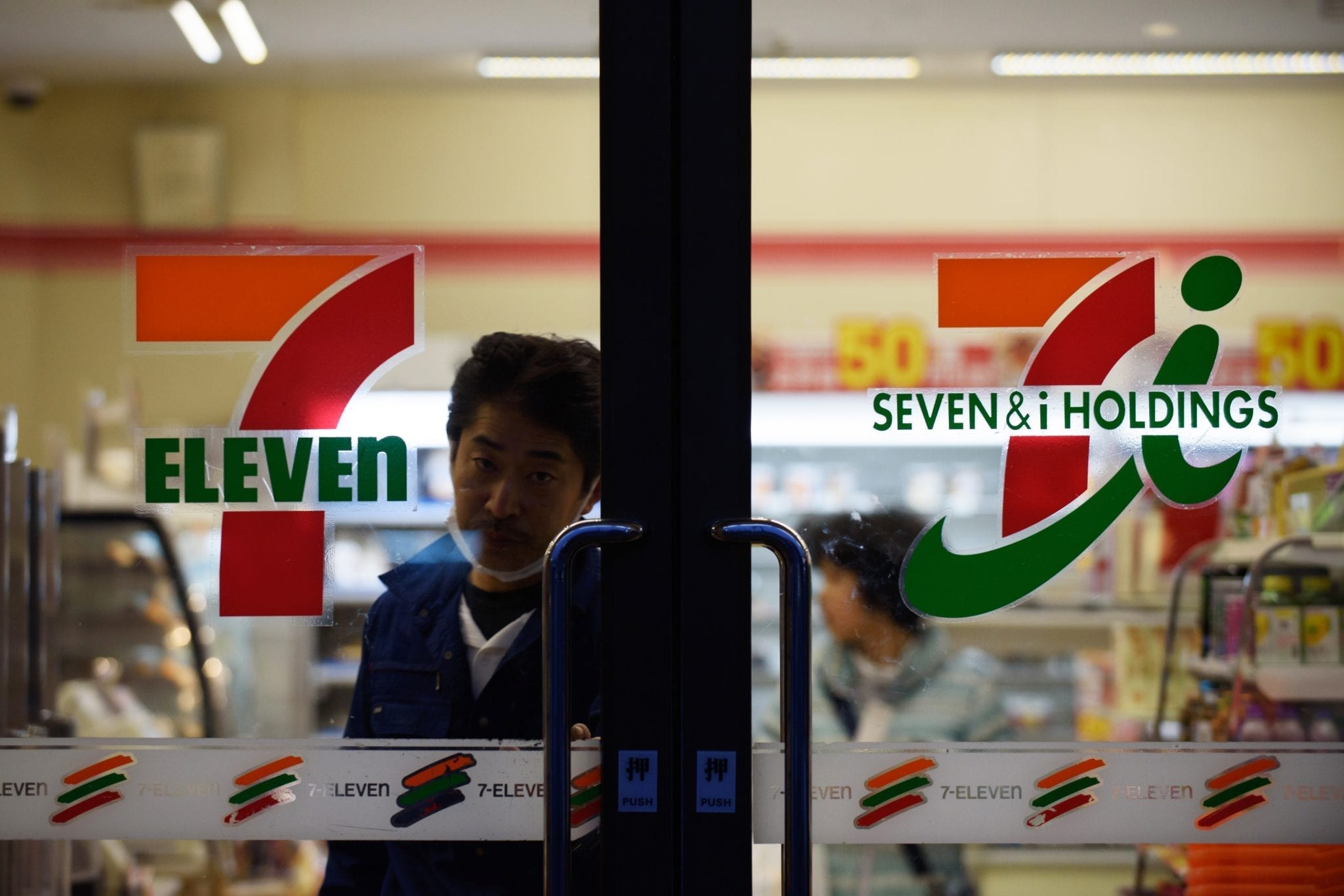
    Japan’s convenience store chain 7-Eleven has started hiring staff for its Vietnam operation, as it seeks to expand retail business to one of Asia’s fastest-growing economies.

    The retailer is looking for full-time staff, including shop manager, salesperson, shop developer, marketing associate and trainer, all to be based in Ho Chi Minh City, Seven System Viet Nam Company said in a statement Monday.

    In 2015 7-Eleven’s U.S. subsidiary signed with the firm a licensing agreement to open stores in the Southeast Asian country.

    The date of opening or the number of outlets planned for the city are not yet disclosed. 7-Eleven has said the first store was expected in spring 2017.

    The launch of 7-Eleven stores is believed to heat the stiff competition among foreign investors in Vietnam’s retail market, which has grown at around 10 percent annually in recent years, and sales are likely to reach $109 billion in 2017, according to the Economist Intelligence Unit.

    7-Eleven, owned by Japan’s Seven & I Holdings, is an international chain of convenience stores with over 60,000 stores across 17 countries and territories. It has stores in five Southeast Asian markets, namely Thailand, Malaysia, the Philippines, Singapore and Indonesia.

  • Ho Chi Minh City seeks to tax sales on Facebook

    Ho Chi Minh City seeks to tax sales on Facebook

    The Ho Chi Minh City government should work with Facebook on how to collect tax from businesses running on the social media site, officials said.

    The city currently hosts a dynamic e-commerce scene with more than 80,000 websites, half of which have stable business, but tax collection from the segment is low, said Pham Thanh Kien, head of the city’s trade department.

    “In particular tax collection has not been done from sales via Facebook,” Kien said at a meeting with the city’s tax authority. “(We) propose the People’s Committee work with Facebook on a mechanism to control tax collection.”

    Ho Chi Minh City, where the most active e-commerce in Vietnam takes place, should find out measures to prevent losses in tax revenues, Deputy Finance Minister Vu Thi Mai told tax officials at the meeting on Sunday.

    Just a quarter of Vietnam’s non-state businesses have declared value-added tax, Mai was quoted by the Tuoi Tre (Youth) newspaper as saying at the meeting.

    A majority of online businesses using social networking sites such as Facebook do not issue invoices, which has prevented the authority from collecting tax.

    Vietnam’s e-commerce market, which has one of the world’s fastest growth rates, jumped 37 percent in 2015 to around $4 billion, based on government statistics.

    The growth rate is about 2.5 times faster than that in Japan, according to Tran Duc Tam, an industry expert.

    The government has projected revenue by Vietnam’s online retail to hit $10 billion by 2020, accounting for 5 percent of the country’s retail market. Last year retail sales rose 10.2 percent from 2015 to $118 billion, based on government data.

    The online tax tightening plan has received mixed responses.

    “Facebook is just a channel to advertise products and communicate with customers. With no electronic invoicing, how to tax them?” a reader’s comment.

    Others raised concerns that many online retailers use anonymous accounts for transactions, while some others could be one-time or small-time sellers with insignificant revenues, making it hard for tax authorities to regulate activities.

    Online marketplaces such as Facebook have made it easy for small businesses and start-ups to set up business due mainly to the convenience they provide and the opportunity to connect with customers, Tuan Anh Pham wrote in another comment. He suggested market regulators take a cautious approach when it comes to requiring online retailers to pay taxes.

  • Vietnam’s fast moving consumer goods market ends 2016 on a high note

    Vietnam’s fast moving consumer goods market ends 2016 on a high note

    Fast moving consumer goods (FMCG) sales showed the best improvement in three years in the last quarter of 2016, with 7.3 percent growth against the same period last year, according to the latest Market Pulse quarterly report released by Nielsen on Thursday.

    “The build-up and positive sentiment towards the Tet period was one of the key drivers for FMCG growth,” said Nguyen Anh Dung, Nielsen Director of Retail Measurement Services.

    Beverages continued to be the key contributor to the total FMCG sales in the last quarter, accounting for 40 percent, followed by food and milk based products, which made up 15 percent each of the total.

    After being hit by a year of adverse weather conditions, growth in rural areas experienced a strong bounce-back from October-December with a 7 percent on-year jump, contributing 51 percent to total FMCG sales nationwide.

    “Rural areas are still the biggest consumer base and these consumers have increasing incomes that give them higher spending power,” Dung said.

    The Market Pulse Report is published quarterly based on the results of a Nielsen Retail Measurement study of FMCG in six cities across the country: Hanoi, Ho Chi Minh City, Hai Phong, Can Tho, Nha Trang and Da Nang.

    Fast-moving consumer goods refers to products that are sold quickly and at a relatively low cost.

  • H&M Vietnam to open first store in Hanoi

    H&M Vietnam to open first store in Hanoi

    H&M Vietnam has revealed it will open its first store in Hanoi, not Ho Chi Minh City, the nation’s largest population base.

    The Swedish-headquartered fast-fashion giant has already commenced recruiting staff.

    According to the recruitment ads, H&M will open its first store on a 2000 sqm in Hanoi with roughly 100 employees.

    The recruited employees will be trained overseas for three to five months before coming back to Vietnam to set up stores.

    The firm also plans to hire employees in Ho Chi Minh City where the second store is said to scheduled to open in Vincom Thao Dien, District 2.

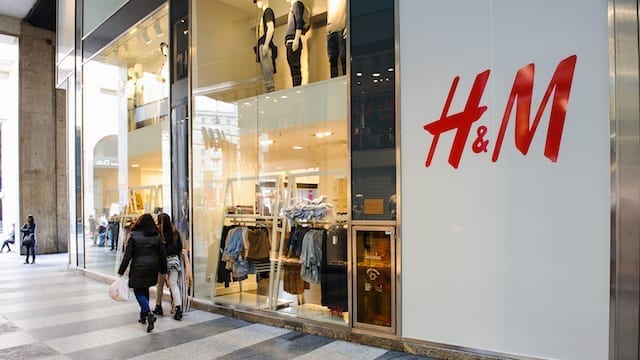
    MILAN ITALY – MARCH 18 2015: On the streets of the city. H&M store.

    H&M currently operates around 4300 stores across 64 markets. Last year, after the other fast-fashion empire Zara opened the first flagship Vietnam, H&M announced it would open a store here as part of its global expansion plan for 2017 which also includes Georgia, Colombia, Iceland and Kazakhstan.

  • Vietjet receives approval to establish Vietjet Aviation Technology Centre

    Vietjet receives approval to establish Vietjet Aviation Technology Centre

    Vietjet on February 18, 2017 received investment approval from the People’s Committee of Ho Chi Minh City – Board of Management of the Saigon Hi-Tech Park for the establishment of its Aviation Technology Centre project. 

    As part of the massive program to the develop the Vietjet Aviation Academy in the Saigon Hi-Tech Park, the project will break ground next month and is scheduled to go into operation in December, 2017. The First Phase of the project will be a Full Flight Simulator Centre for pilot training, providing run in operation with aircraft manufacturer Airbus.

    The Vietjet Aviation Technology Center will be built on a 5.54 hectare site at the R&D Training and Incubation Zone (Science Zone) – “the heart” of the Saigon Hi-tech Park. With its detailed planning and comprehensive organization, Vietjet targets to develop the Aviation Technology Center as a professional aviation research and training center of international standards

    In keeping with the airline’s rapid expansion, Vietjet attaches great importance in training. The airline’s training center, which opened in early 2015, has so far trained 8,287 staff and provided 655 training courses for a total of 25,249 training hours with 3,351 certificates issued, all of which guaranteeing the development of Vietjet’s international standard and professional expertise that will oversee the airline’s steady and sustainable growth. 

    In another positive development on the same day, Vietjet today received full membership from the International Air Transportation Association (IATA), affirming the new-age carrier’s role and position in both the Vietnamese and international aviation community.

    Prior to attaining the full membership, Vietjet had been certified by the IATA Operational Safety Audit (IOSA). IATA, the most professional, consistent and comprehensive voice of the international aviation industry, actively seeks to support and increase the benefits for all airline members through international recognition, orientation for the industry priorities, encouragement for promotion and innovation in the industry, cost management and cooperation campaigns for communication, training and other services.

    In his congratulatory letter to Vietjet, Antony Tyler, Former Director General & CEO of IATA said: “I am honored to congratulate Vietjet on receiving IATA’s full membership. IATA’s mission is to represent, lead and serve the airline industry and is the collective voice of some 272 airlines from over 117 countries worldwide. Our vision is to be the force for value creation and innovation driving a safe, secure and profitable air transport industry that sustainably connects and enriches our world. I believe in Vietjet and hope the airline will continue to have more fruitful achievements by maximizing the benefits of being an IATA’s member.”

    During its five years of operations, Vietjet has been honored with 32 domestic awards and nine international renowned awards. Besides being named as one of “Top 500 Brands in Asia 2016” by global marketing research company Nielsen, Vietjet was also voted as the “Best Asian Low Cost Carrier” at the TTG Travel Awards 2015 and “Vietnam’s Most Favorite Airline” by The Economic Times of Vietnam. The airline has also been consistently awarded as the “Best Work Place” and “Best Employer Brand” in Asia.

  • Online retail uploads into rapidly expanding Vietnamese market

    Online retail uploads into rapidly expanding Vietnamese market

    E-commerce is forecast to hit $10 billion by 2020, accounting for 5 percent of the country’s retail market. Vietnam’s e-commerce market climbed to about $4 billion in 2016 as one of the fastest-growing markets worldwide.

    Revenue from online retail in Vietnam is forecast to hit $10 billion by 2020, accounting for 5 percent of the country’s retail market.

    “The growth rate of Vietnam’s e-commerce market is estimated at about 35 percent, which is 2.5 times higher than Japan,” said industry expert Duc Tam at the recently-held Vietnam Online Business Forum 2017.

    Online sales in Vietnam have expanded rapidly in recent years, currently accounting for 3.39 percent of the country’s retail market. The total retail market grew 10.2 percent last year to $118 billion, mainly fuelled by a growing middle-class with expanding disposable incomes and an increasing number of internet users.

    The World Bank forecasts that Vietnam’s $200 billion economy is likely to grow to a trillion dollars by 2035. More than half of its population, compared with only 11 percent today, is expected to join the ranks of the global middle class with consumption of $15 a day or more.

    According to one estimate, about 30 percent of the population will be buying goods and services over the internet in 2020, with each shopper spending an average of $350 per year.

    Just three years ago Vietnam was ranked the smallest e-commerce market in Southeast Asia in terms of sales. Now its online retail is gaining momentum with more than half of the country’s 92 million people increasingly turning to online shopping.

    According to Internet World Stats, Vietnam is currently ranked 18th in the world in terms of the number of internet users, with mobile subscription rates as high as 4 out of 10 people.

  • Ajinomoto becomes SEA Games sponsor as healthy eating promoter

    Ajinomoto becomes SEA Games sponsor as healthy eating promoter

    Japanese food company Ajinomoto has signed an agreement to become a top sponsor for the 29th Southeast Asian Games (SEA Games) and the 9th ASEAN Para Games in Kuala Lumpur this year.

    Ajinomoto Co., the parent company of Ajinomoto Vietnam, will provide support for both events as Platinum Sponsor. This is the first time a Japanese company has become an official sponsor for these regional events.

    Since 2003, Ajinomoto Co. has been working on the Victory Project®, which supports activities including sports nutritional guidance and amino acid conditioning for top-level athletes at international tournaments.

    The project provides top level athletes in Japan with Ajinomoto Group’s products and nutritional support through Kachimeshi® program, Ajinomoto’s sports nutrition meal program for building a winning physique.

    Being an official sponsor for the SEA Games and the ASEAN Para Games gives Ajinomoto Co. the opportunities to provide various supports through its subsidiaries in the Southeast Asian region based on a wealth of knowhow on nutritional support for athletes that the company has accumulated in Japan.

    Under the agreement, Ajinomoto Co. will provide products including seasonings, soups and coffee, depending on the cuisine of each country. It will also supply Amino VITAL®, the amino acid based product which aids in conditioning during extreme workouts, provides substantial muscle-building properties as a typical protein supplement and helps replenish energy during endurance sports.

    Ajinomoto Group representative inks deal making it the Platinum Sponsor of the 29th SEA Games and the 9th ASEAN Para Games.

    Ajinomoto Group representative inks deal making it the Platinum Sponsor of the 29th SEA Games and the 9th ASEAN Para Games.

    Founded in 1909, Ajinomoto is now operating in 28 countries and regions. It earned net sales of $9.87 billion in fiscal 2015.

    As a global manufacturer of high-quality seasonings, processed foods, beverages, amino acids, pharmaceuticals and specialty chemicals, Ajinomoto has for decades contributed to food culture and human health through wide-ranging application of amino acid technologies. Today, the company is becoming increasingly involved in finding solutions for improved food resources, human health and global sustainability.

    The company has established business bases in many Southeast Asian countries including Vietnam, Malaysia, Thailand, Indonesia, the Philippines and Singapore. The company has developed a consumer food business in these countries for many years, and thus has maintained a strong connection with the local food culture.

    Ajinomoto Co. established its Vietnam business in 1991. Ajinomoto Vietnam follows the mission of contributing to the growth of Vietnam, and to the happiness and good health of Vietnamese people through food culture and food resources development. The company specializes in “Delicious No.1” seasoning, food and beverage products.

    With the company’s specialty in food and health, Ajinomoto Vietnam is now taking initiatives in ASV, short for “Ajinomoto Group Creating Shared Value” which represents Ajinomoto Vietnam’s unchanging commitment to the creation of economic value and growth by contributing to the resolution of social issues, to create value together with the society and local communities.

    The company is now helping improve nutrition status for healthy living, develop food resources in agriculture sector and become model citizen in saving energy and natural resources.

    The Victory Meal as part of the Kachimeshi Program includes five dishes which provide nutritional balance with carbohydrates, protein and fiber.

    The Victory Meal as part of the Kachimeshi Program includes five dishes which provide nutritional balance with carbohydrates, protein and fiber.

    Under its School Meal Project, Ajinomoto Vietnam is collaborating with education and nutrition authorities to perform its social responsibility in the education sector. The project aims to improve the state of health among children and enhance their awareness of nutrition through primary school meals, to improve nutrition and health for the country’s next generation.

    The company’s expansion to the sports area aims to further its contribution to advances in food and health for general public as well as athletes in each country.

    The SEA Games and the ASEAN Para Games are held every two years to help forge strong regional cooperation, understanding and unity in the Southeast Asian community. They are the largest sports events in the region, attracting more than 600 million people each time.

    The 29th SEA Games and the 9th ASEAN Para Games are mainly held in Kuala Lumpur, Malaysia and hosted by Malaysia Organising Committee, with the participation of 11 nations: Vietnam, Brunei, Cambodia, East Timor, Indonesia, Laos, Malaysia, Myanmar, Philippines, Singapore, Thailand and Vietnam. The 29th SEA Games will take place between August 19-31, 2017 and the 9th ASEAN Para Games September 17-23.

  • Record growth boosts Jollibee Foods’ income 24pc

    Record growth boosts Jollibee Foods’ income 24pc

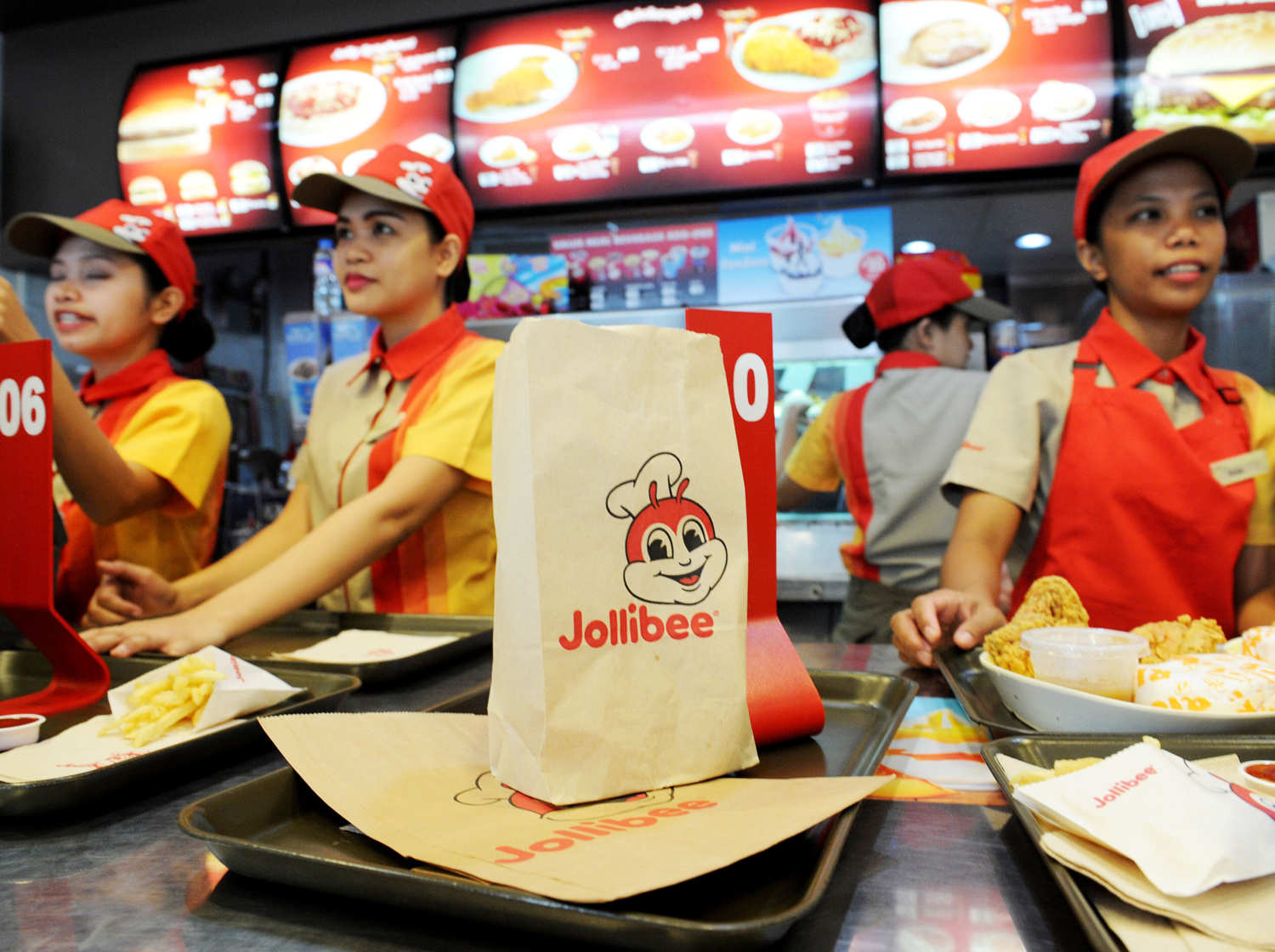
    Philippine-headquartered quick-service restaurant chain Jollibee Foods income jumped 24.6 per cent to 6.14 billion pesos (US$123.26 million) last year, thanks to aggressive store openings.

    Jollibee says it opened 340 outlets across nine brands – its biggest expansion in a single year – of which 243 stores were in the Philippines. Including JVs, such as Smashburger in the US and Highlands Coffee in Vietnam, Jollibee opened 468 stores last year.

    This pushed system-wide retail sales, derived from franchised and company-owned stores, by 14.1 per cent to 149.14 billion pesos.

    Jollibee Foods Philippines CEO Ernesto Tanmantiong says the company is spending 14 billion pesos this year, up from 10.4 billion pesos last year, to open more outlets and expand its commissaries.

    Jollibee says its business in China – about half of its overseas interests – has returned to growth, with sales expanding by 6 per cent in the fourth quarter.

    Poor sales in China earlier prompted the company to reorganise there. It unloaded its San Pin Wang noodle chain and took over a food-processing company.

  • Japanese tariffs hobble Vietnamese tuna exports

    Japanese tariffs hobble Vietnamese tuna exports

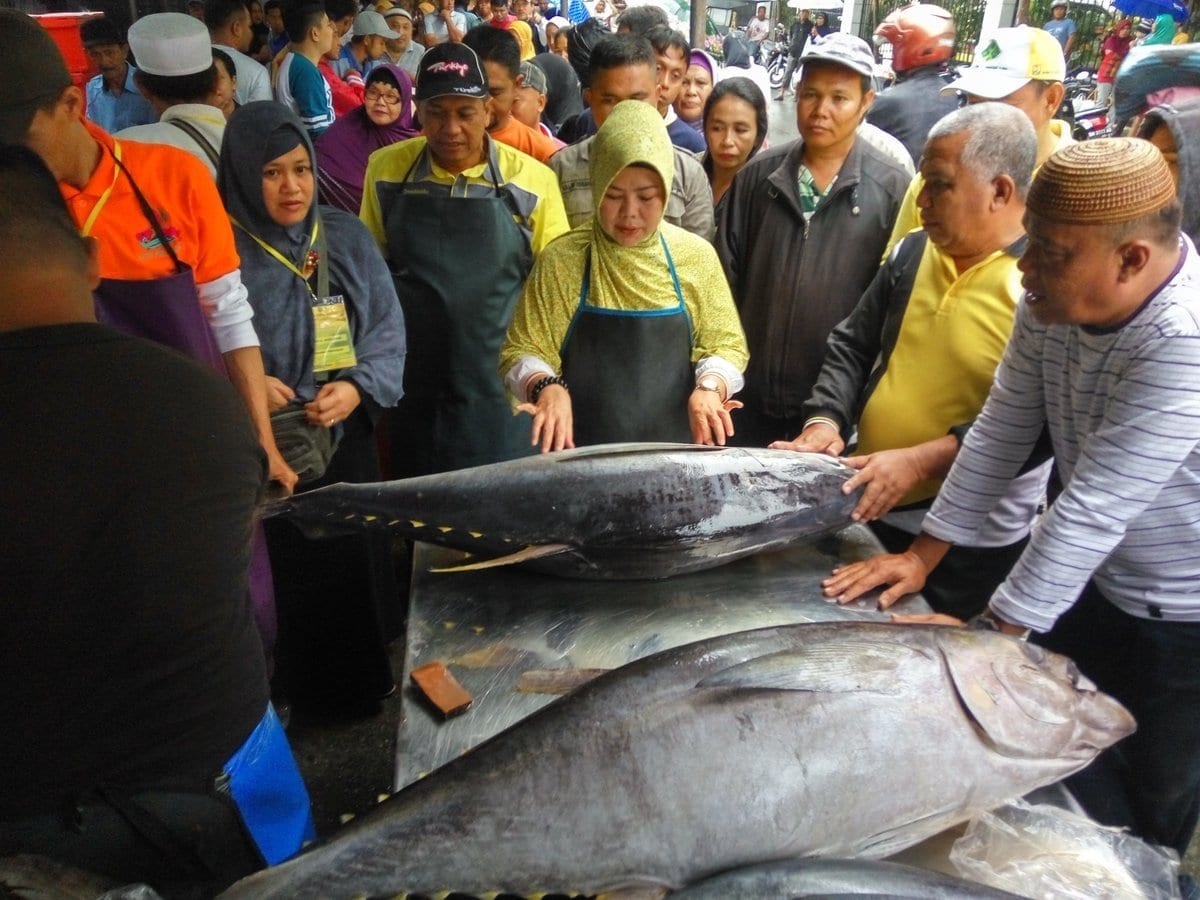
    Thai and Filipino tuna exporters have accessed the market tariff-free for years. Vietnam’s tuna exports to Japan have steadily declined since 2013 due to exceptionally high tariffs, according to the Vietnam Association of Seafood Exporters and Producers (VASEP).

    Following a bilateral trade deal, Japan scrapped tariffs on Thai canned skipjack tuna, which carried a 3.2 percent tariff in 2009 and 1.1 percent tariff in 2011. During the same time, Japan has maintained a 6.4 percent tariff on similar products from Vietnam, according to VASEP.

    Japan extended the same policy to canned yellowfin tuna and frozen tuna loin, lifting duties entirely on Thai yellowfin imports in 2012 and Filipino imports the following year under the Generalised Systems of Preferences (GSP).

    During that time, Japan levied a 9.6 percent tariff on canned yellowfin tuna from Vietnam, even after the Vietnam – Japan Economic Partnership Agreement (VJEPA) came into effect in October 2009.

    The two countries have yet to set a timeline on lifting tariffs on Vietnamese tuna exports, which generates between $450-550 million, annually.

    Japan ranks among Vietnam’s top-eight tuna export markets and VASEP has called on the Ministry of Industry and Trade to negotiate a deal similar to the arrangement enjoyed by exporters in Thailand and the Philippines.

  • H&M hiring staff for first store in Hanoi

    H&M hiring staff for first store in Hanoi

    The Swedish fashion giant Hennes & Mauritz (H&M) is preparing for its Vietnam debut this year. The Swedish low-cost clothing outlet, H&M, announced it would open a store in Vietnam this year, making it the fourth fast fashion label to enter Vietnam after Zara, Mango and Gap.

    The company has remained circumspect about where and when the first outlet would open, but a source at the Manpower Group, a multinational human resource consulting firm, told it is handling the entire recruiting process.

    According to a recruitment announcement, H&M’s first store in Vietnam will occupy about 2,000 square meters in Hanoi and employ roughly 100 people.

    The firm also plans to hire employees in Ho Chi Minh City, according to the Manpower announcement.

    H&M currently operates around 4,200 stores across 64 markets.

    In spite of falling earnings, the retailer has shown no sings of slowing down its global expansion.

    In addition to Vietnam, it has announced the plan to open stores in Georgia, Colombia, Iceland and Kazakhstan this year.

  • Parkson Retail sales continue to slide

    Parkson Retail sales continue to slide

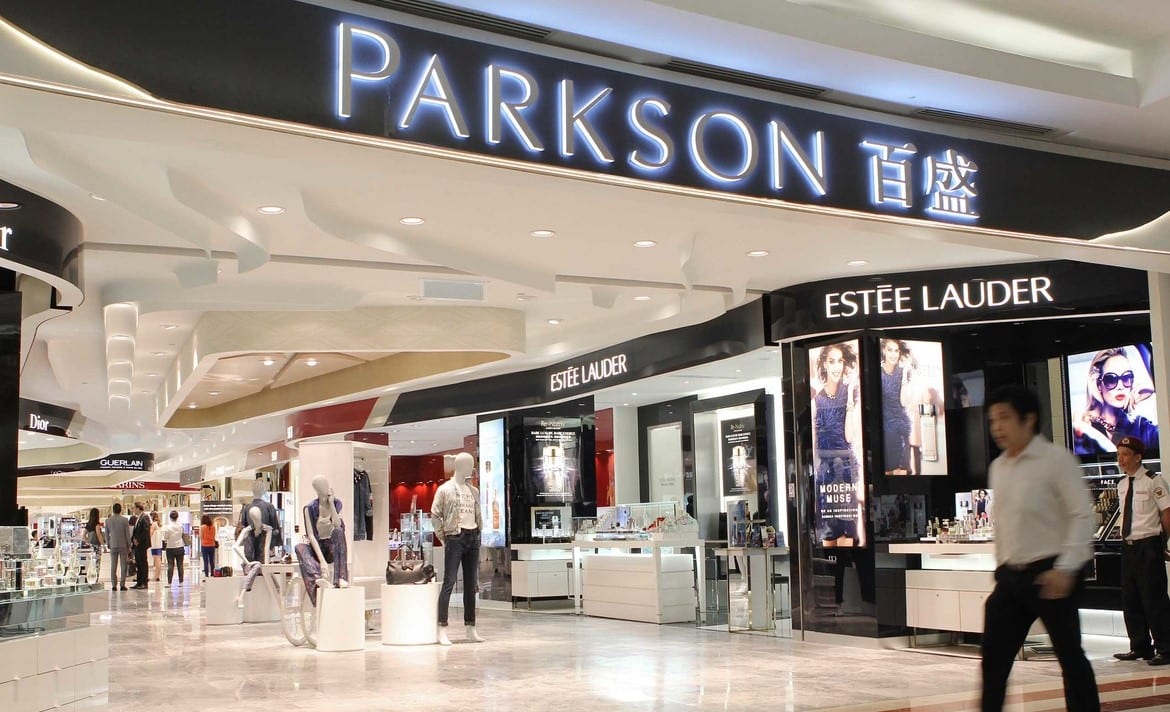
    Parkson Retail Asia has flipped from a S$2.9 million (US$2 million) net profit a year ago to a net loss of $2.23 million for its second quarter.

    This is despite a 7.4 per cent year-on-year rise in revenue to $111.14 million, with Parkson attributing its red ink to weak same-store sales growth as well as losses by some new stores and businesses.

    For the six months to December 31, the department-store group had a net loss of S$7.42 million, compared to a net profit of $52.36 million for the same period the previous year. Revenue rose 4.2 per cent to $204.48 million.

    Parkson Retail Asia says its performance in Malaysia will remain muted because of “fragile” consumer sentiment, while rising competition will make Vietnam challenging.
    Meanwhile, its business in Indonesia could be affected by the changing retail landscape in Jakarta, it says.

    In Myanmar, its store at FMI Centre in Yangon will be closed in the third quarter for property redevelopment by the landlord, with a replacement store scheduled to open later in the year.

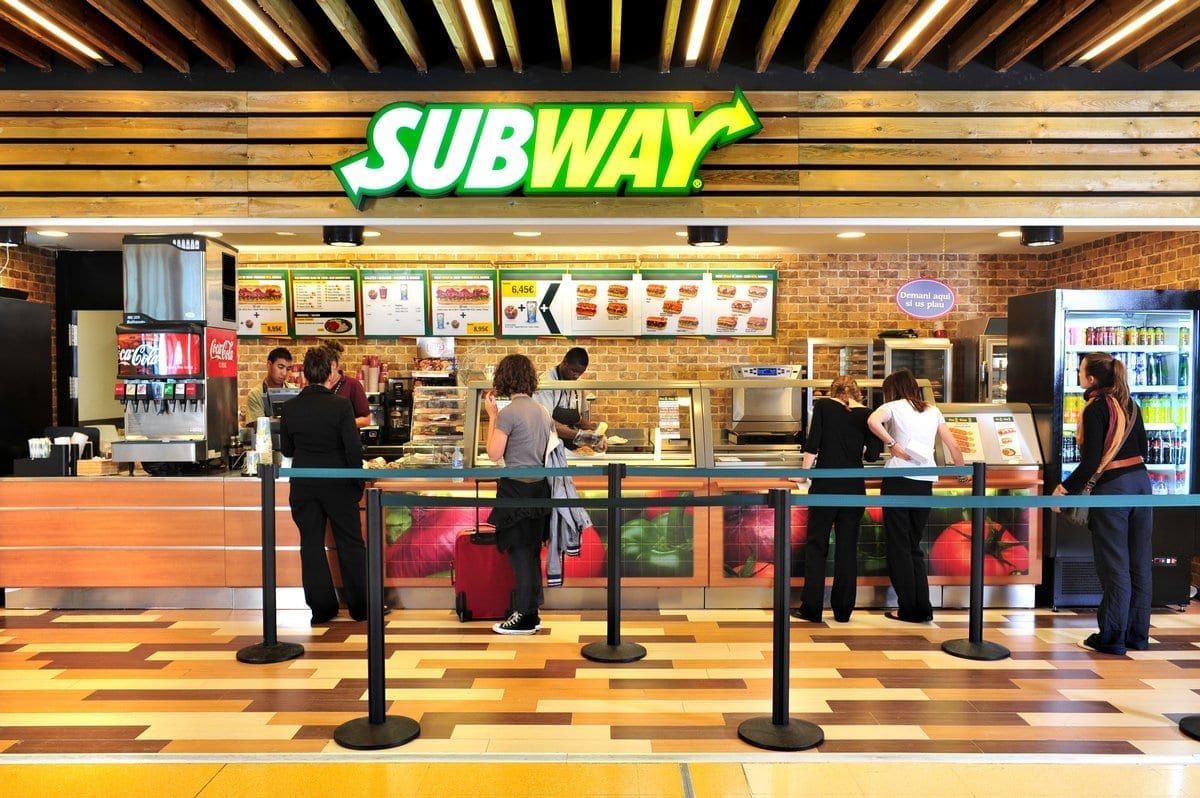
  • Subway Vietnam frantically looks for franchise partners

    Subway Vietnam frantically looks for franchise partners

    Six years after entering Vietnam, Subway, the world’s biggest fast food brand, is increasingly looking for franchising partners to reach the ambition of opening 50 restaurants in this market.

    On February 15, Subway held a franchising partner recruitment meeting for investors in Ho Chi Minh City. At present, Subway is considered the world’s biggest franchising network. The company is ambitious to become the number one fast food brand in every market—and Vietnam is not an exception.

    Underwhelming pace

    Following other brands like KFC, Lotteria, and Jolibee, sandwich and salad restaurant chain Subway officially opened its first restaurant in Vietnam in February 2011, almost a year later than anticipated. Subway has cooperated with PepsiCo to start its first restaurant on the “Street of foreigners” Pham Ngu Lao Street, District 1 of Ho Chi Minh City. According to the arrangement, Subway is responsible for the sandwiches and PepsiCo provides the soft drinks.

    Upon arrival to Vietnam, Subway has set a goal of 50 franchise restaurants by 2015. However, at present, there are only six of them in HCMC.

    “Like other fast food brands, Subway entered into Vietnam late. Initially, we had to adjust our strategies to fit the culture as well as market trends. It takes time for us to adapt to the differences in the Vietnamese market to get the desired foothold here,” Mark Mason McGrath, general director of Subway Vietnam, explained.

    In 1985, 20 years since its establishment, Subway had 590 restaurants. Ten years later, there were 11,420 restaurants in the US and now there are 45,000 restaurants in over 100 countries. In Southeast Asia, Subway has opened 200 restaurants in Singapore, 100 in Thailand, and 40 in the Philippines. However, Subway has not reached its expected goals in Vietnam.

    Known as a healthy food provider over the world, Subway can enter into market segments untouched by other giants like McDonald’s and Burger King. However, the company has not been able to forge this into a comparative advantage in Vietnam.

    Seeking individual investors

    Entering a new market is an inevitable course to Subway. The company has been very successful in the US, but the market became saturated. Moreover, the international market holds real potential, placing expansion on top of Subway’s agenda.

    However, the first challenge that Subway had to face was building its brand and exploring its target customers’ desires. In the west, Subway’s products brought about a shift in fast food eating habits and reduced obesity, which was welcomed in western countries. However, the situation in the Asia-Pacific region is different.

    Relatively low obesity rates and a lack of health concerns associated with common foodstuff create a largely different playing field in the Asia-Pacific.. At the same time, KFC and McDonald’s have been present for longer and have been shaping consumption habits in the area. This is a reason why, despite the substantial market potential, the growth rate of Subway in Asia is still low.

    To overcome theobstacles, Subway is starting over to become the world’s biggest fast food franchise. The company will focus on enhancing customer experience. In Vietnam, Subway is looking for franchisees. In 2017, Subway is planning to expand outside HCMC through cooperation with other franchising brands. Nha Trang will be the next destination, and Subway is considering other potential cities and provinces.

    Nonetheless, the brand has a careful approach to expanding its network. “We do not want to cooperate with too big brands like other giants did when entering and expanding in Vietnam. The best way for us to expand our network is to cooperate with the individual investors in the long-term,” said McGrath and added that Subway brings a chance for fruitful investment and doing business for those who wish to be owners.

    Comparative advantages galore

    Compared to other competitors in the fast food industry, where investors have to pay dollar millions to become franchise partners, such as McDonald’s ($1-2 million) and KFC ($1.3-2.5 million), investors in Subway have to pay only a portion. The initial investment in a Subway restaurant in Vietnam ranges from $124,000 to 300,000, dependant on the location and the size of the restaurant.

    Of the amount, the franchising fee for the first Subway restaurant in Vietnam is about $10,000. From the second restaurant on, the fee is only $5,000. The total cost to launch and maintain a franchise restaurant like this is low and is considered an advantage and a big investment opportunity. However, according to Mcgrath, it is not the cost of investment, but investors’ low awareness of Subway’s value that hampers cooperation.

    Of all fast food brands, Subway has the comparative advantage of being able to fit in many different areas all over the world other than only traditional locations. Subway appears in universities, airports, hospitals, convenience stores, cinemas, hotels, zoos, casinos, museums, parks, stadiums, and near churches.

    Subway’s restaurant model fits in anywhere, even in narrow spaces, while its competitors cannot. This ensures Subway’s coverage all over the world, which significantly increases its number of restaurant. Besides, Subway also actively cooperates with small fast food brands in supermarkets. Two parties will share a space, staff, management, but still maintain their separate brand identity with different uniforms for wait staff, decorations, menu, and other specified colouring principles.

    Subway always offers its franchisees preferential conditions. Its linkage to local financial institutions to support franchisees is one of the reasons for investors to open Subway restaurants. “With all these comparative advantages over competitors, we expect investors to realise with time the opportunities we have to offer,” McGrath expects.
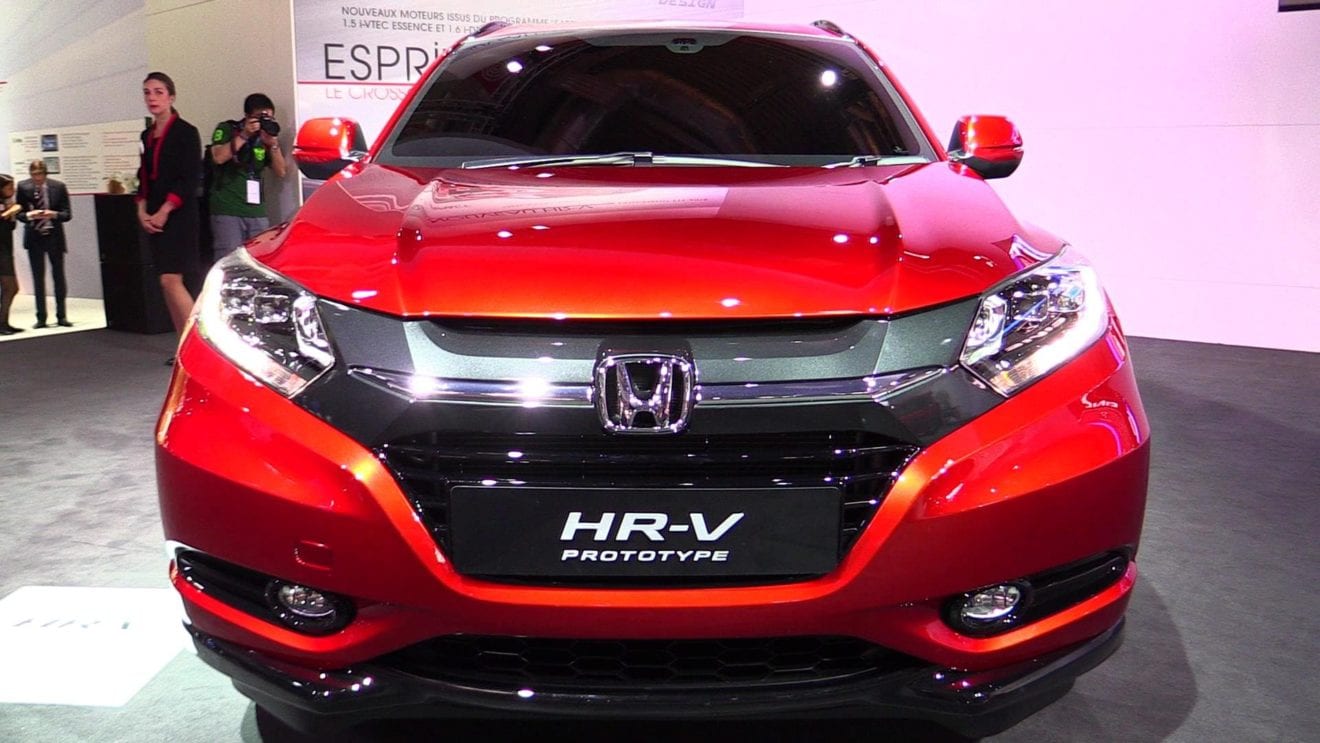
  • Japanese automakers consider leaving Vietnam due to weak supporting industries

    Japanese automakers consider leaving Vietnam due to weak supporting industries

    The companies are looking for bigger profits in nearby countries such as Thailand. Japanese automakers may be shifting their production away from Vietnam in the near future due to its poor supporting industries.

    Vietnam’s supporting industries have stood still for years and that might cause Japanese companies in the country to change their investment approach, said Takimoto Koji from the Japan External Trade Organization (JETRO), a Japanese government-related organization that works to promote trade and investment by Japanese businesses overseas.

    Several automakers intend to stop assembling cars in Vietnam and import whole cars from nearby countries like Indonesia, Malaysia and Thailand instead, Takimoto said.

    Car import tariffs between Southeast Asian neighbors are falling rapidly and the new approach will secure bigger profits, he said.

    Under a new free trade agreement among the 10 members of ASEAN, car import tariffs were cut from 50 percent to 40 percent last year and will go down to 30 percent next year before being scrapped in 2018.

    Japanese companies Toyota, Mazda, Honda and Suzuki are competing in Vietnam’s auto industry, which produces around 250,000 cars a year, a modest number compared to those in nearby countries such as Thailand’s two million cars.

    According to experts, an automobile production line only becomes profitable when it delivers more than 200,000 cars a year.

    Japan registered $2.58 billion in investments in Vietnam last year, accounting for more than 10 percent of the total FDI pledges made in the country and making it the second biggest foreign investor after South Korea, according to figures from the Ministry of Planning and Investment.

    Vietnam’s FDI inflow hit a record high of $15.8 billion in 2016.

  • Money laundering all too easy in Vietnam?

    Money laundering all too easy in Vietnam?

    On February 16, the Hanoi People’s Court will resume a trial over corruption and money laundering charges against Vinashin Ocean Shipping Co., Ltd. (Vinashinlines).

    In this trial, defendant Giang Van Hien (67, Ho Chi Minh City) has been charged with helping his son and former director of sales at Vinashinlines Giang Kim Dat (born 1977) to embezzle more than VND259.5 billion ($11.4 million). More specifically, to evade the authorities, Dat told Hien to open 22 foreign currency bank accounts to keep the embezzled money.

    Dat used this money to invest in domestic real estates and transfer it abroad. Investigators have verified the sources of these assets and either froze or seized 40 domestic real estate properties, including lands, apartments, villas as well as properties in Singapore and apartments in the UK.

    Money laundering is not a new crime in Vietnam, but prosecution has been challenging because of difficulties in proving the offender or the crime. Speaking to reporters on the sidelines of National Assembly meetings, Senior Lieutenant General Le Quy Vuong, Deputy Minister of Public Security, said the Giang Kim Dat case is a classic graft and money laundering case.

    In the Penal Code of 1999, this crime was defined in Article 251 as “laundering money and/or property obtained through the commission of crime,” but it was not until the modified Penal Code of 2009 that the term “money laundering” came into official use.

    The legal framework exists, but enforcement has been difficult. Experts said money laundering charges have been rare.

    Explaining this, Dr Dao Le Thu, director of the comparative legal research centre of Hanoi Law University, said the main reason was the difficulty in following the money trail. This is because financial transactions in Vietnam do not follow international standards and cash still plays a key role in the economy.

    Besides, regulations are still limited in several ways: there are no charges for self-laundering or for commercial entities, or the fact that the term “money obtained through crimes” in the penal code has not seen further clarification. Whereas other countries might categorise crimes by source or severity, Thu added.

    Article 324 of the 2015 Penal Code has defined money laundering behaviours more clearly  as “disguising the legal origin of the money or property obtained through one’s own criminal activities or that one knows to be obtained via another person’s criminal activities.” Therefore, proving money laundering could be easier than it used to be. However, the 2015 Penal Code’s entry into effect has been postponed.

    Item 1, Article 3 of Decree 74/2005/ND-CP dated June 7, 2005 on “prevention of money laundering” explains the concept of money laundering as the behaviour of individuals or organisations seeking to legitimise money or property through activities such as:

    • Joining directly or indirectly in a transaction involving money or property obtained through criminal activities

    • Acquiring, capturing, transiting, converting, transfering, transporting, using and cross-border transporting money or property obtained through the commission of crime

    • Investing in a project, a work, contribute capital to a business or find other ways to cloak or disguise or impede verification of origin, the true nature or location, the process of moving or ownership for the money or property obtained through the commission of crime