Tag: Vietnam

  • Logistics expected to make up 8-10 percent of Vietnam’s GDP by 2025

    Logistics expected to make up 8-10 percent of Vietnam’s GDP by 2025

    The target was set in an action plan on enhancing competitiveness and developing logistics services by 2025 recently approved by Prime Minister Nguyen Xuan Phuc.

    Under the plan, the logistics sector is expected to grow by 15 – 20 percent by 2025.

    The action plan also aims to make Vietnam one of the world’s 50 leading logistics service providers and to reduce logistics costs to 16 – 20 percent of GDP.

    To achieve the goals, the plan suggested improving policies, attracting more investment into logistics infrastructure and fostering cooperation between local logistics firms and international partners.

    It also hopes to enhance logistic infrastructure connectivity to link Vietnamese ports with neighbouring countries.

    According to the plan, investment is called for the construction of type I logistic hubs in Hanoi and Ho Chi Minh City and type II logistic centres localities such as Lang Son, Lao Cai, Hai Phong, Da Nang, Quy Nhon and Can Tho.

  • Vietnam set for IT hiring boom in 2017

    Vietnam set for IT hiring boom in 2017

    Demand for IT workers has doubled over the past five years, according to the latest VietnamWorks report on salaries, benefits and skills in the sector.

    Another survey conducted by Hanoi Department of Labor, Invalids and Social Affairs in 2016 shows that, on average, each year Vietnam lacks approximately 78,000 IT workers.

    The VietnamWorks report said demand for skilled technical workers would leap from 250,000 in 2016 to 400,000 by 2018 giving employers just a year to nearly double their workforce.

    Eighty percent of the new positions would require at least two years experience, for which recruiters are willing to pay up to $1,160 per month.

    Last year, only one in 10 respondents reported satisfaction with their remuneration, but the vast majority of employers say they’re willing to offer raises to talented employees.

    Big data, cloud computing and cyber security will pave the way for talented Vietnamese developers. By September of 2016, around 330 start-ups had registered to offer web software development, according to data extracted from Geektime, one of the biggest tech blogs focusing on global innovation.

    The number of tech start-ups is expected to mushroom in the next few years, especially as Ho Chi Minh City is chasing its Silicon Valley dream.

    Vietnam has long been known as one of the world’s top software outsourcing hubs for giant tech companies like IBM, Microsoft and Intel. The country now aspires to become one of the top 10 global suppliers of software outsourcing and digital content by the end of the decade, Prime Minister Nguyen Xuan Phuc said during a recent seminar.

    The survey queried 2,400 developers and 73 recruiters regarding over 50,000 IT-related job posts on VietnamWorks within five years.

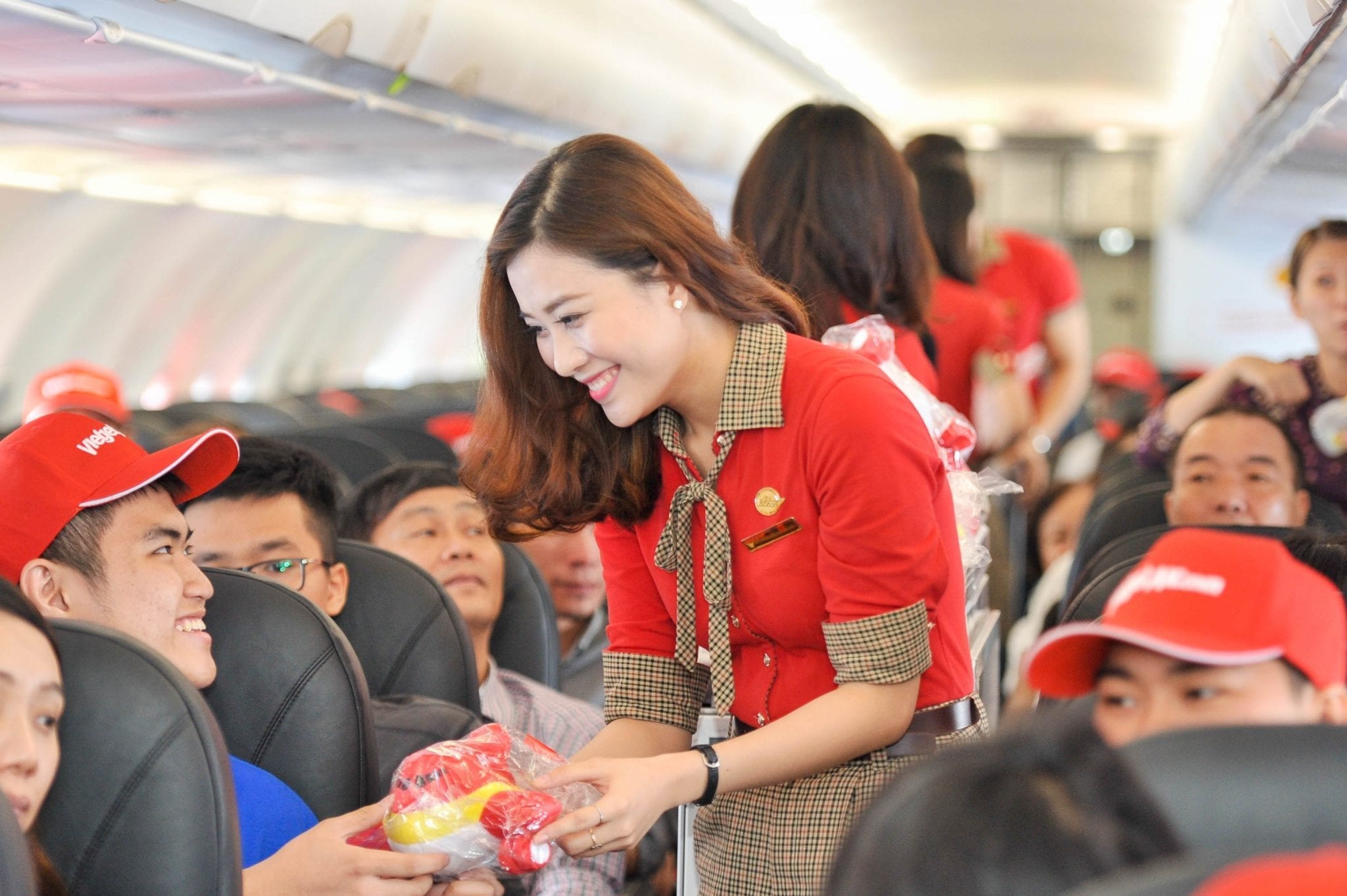
  • VietJet Air seeks to proceed with $1.2 billion listing

    VietJet Air seeks to proceed with $1.2 billion listing

    Vietnam’s biggest private airline is expected to surpass flag carrier Vietnam Airlines this year as the nation’s top domestic carrier.

    Vietnamese budget airline VietJet Air is preparing to list on the Ho Chi Minh Stock Exchange at a starting price of VND90,000 ($3.97) per share, it said in a filing to the exchange on Thursday, valuing the company at $1.19 billion.

    VietJet, Vietnam’s biggest private airline, did not state a precise date for the listing but it had planned to join the exchange later this month. The company received a listing approval earlier this week from the Ho Chi Minh Stock Exchange.

    The airline had intended to list overseas by last year, but the plan was put on ice. Singapore sovereign wealth fund GIC and a Morgan Stanley investment fund are among 26 foreign investors which recently bought a stake in VietJet.

    Company CEO Nguyen Thi Phuong Thao, the nation’s first female billionaire, is the biggest shareholder.

    The CAPA Center for Aviation has said that VietJet, which currently commands 40 percent of Vietnam’s domestic market, will likely surpass flag carrier Vietnam Airlines this year as the nation’s top domestic carrier.

    VietJet currently operates about 60 routes both locally and internationally, and expects to have a fleet of 200 aircraft by 2023. It had ordered billions worth of jets from both Airbus and Boeing in recent years.

    VietJet will list 300 million shares on the stock exchange. The company also plans to issue an additional 22.4 million shares at VND84,600 per share in 2017, subject to approval by shareholders and the State Securities Commission, it said.

    Its 2016 net profit jumped 96 percent annually to VND2.29 trillion on rising revenue, the filing showed, while its CEO Thao told Reuters the bottom line is expected to climb 30 percent this year.

  • Vietnam banks to slam doors on home-based business owners

    Vietnam banks to slam doors on home-based business owners

    Home-based businesses will soon find it, not just increasingly difficult, but impossible to find a bank loan. The central bank has tightened lending criteria for household and other unregistered businesses, meaning they will not be eligible for bank loans.

    With the change coming into effect from March 15, a housewife who wants to earn some extra money by selling handmade soap will have to apply for a consumer loan rather than a commercial loan from the bank.

    A consumer loan is more expensive than a business loan, which will later reflect in the costs of operating her business, limiting revenue growth and profitability.

    Vietnam currently has 5 million unregistered home-based businesses, said Vu Tien Loc, chairman of the Vietnam Chamber of Commerce and Industry (VCCI). However, the country plans to relax the business environment so that by 2020 it will have one million private businesses, most of which will be home-based businesses that have converted to legal entities.

    Loc said because some regulatory requirements, mostly involving administrative procedures and tax policies, are expensive and time-consuming, the vast majority of local businesses choose to remain as home-based micro businesses.

    Also according to the VCCI, about 70 percent of small business owners, including home-based ones, that apply for a bank loan get rejected, even though they are critical to job creation in Vietnam, employing 52 percent of the private sector workforce.

  • Hanoi plans to put taxi-style roof signs on Uber, Grab cars

    Hanoi plans to put taxi-style roof signs on Uber, Grab cars

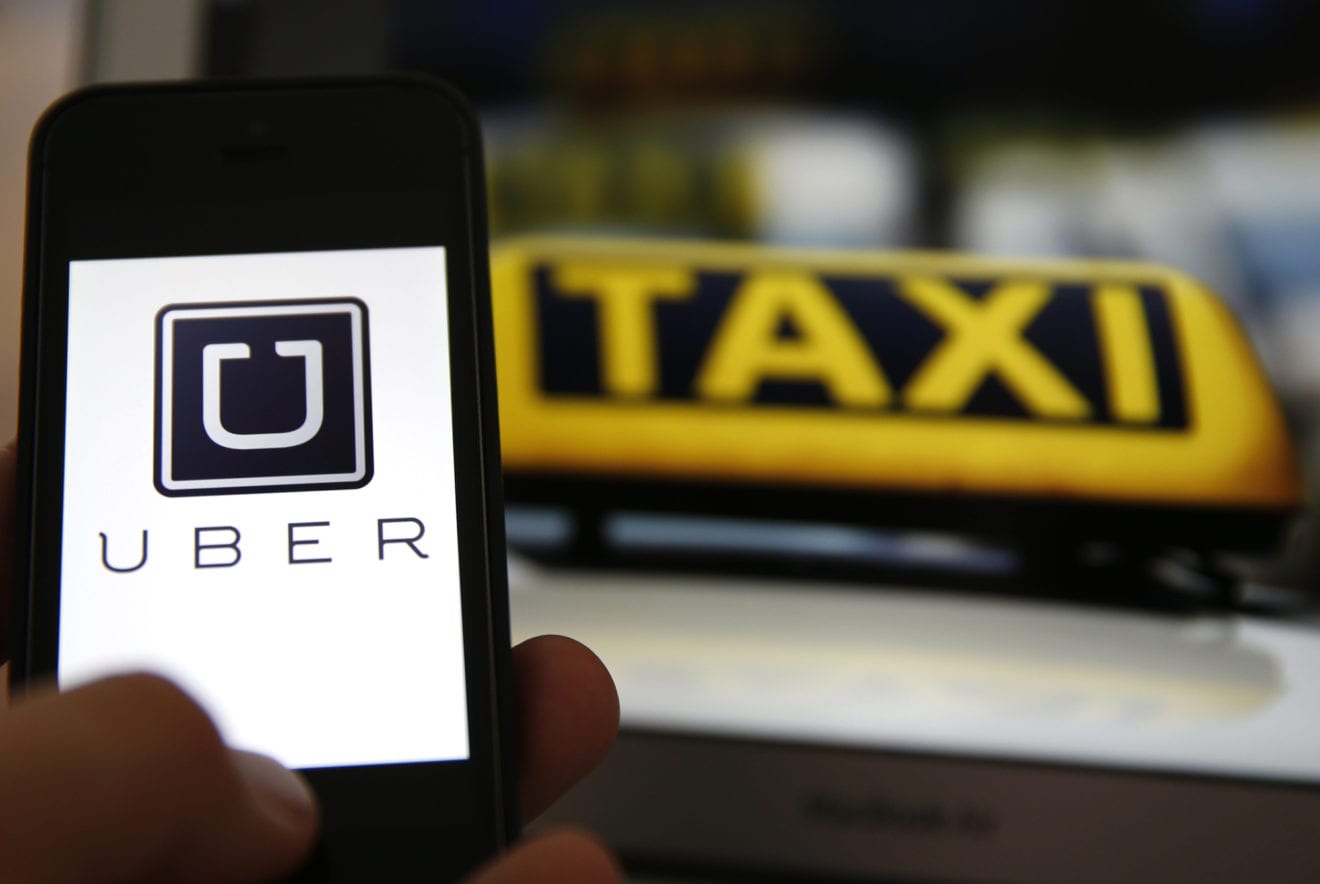
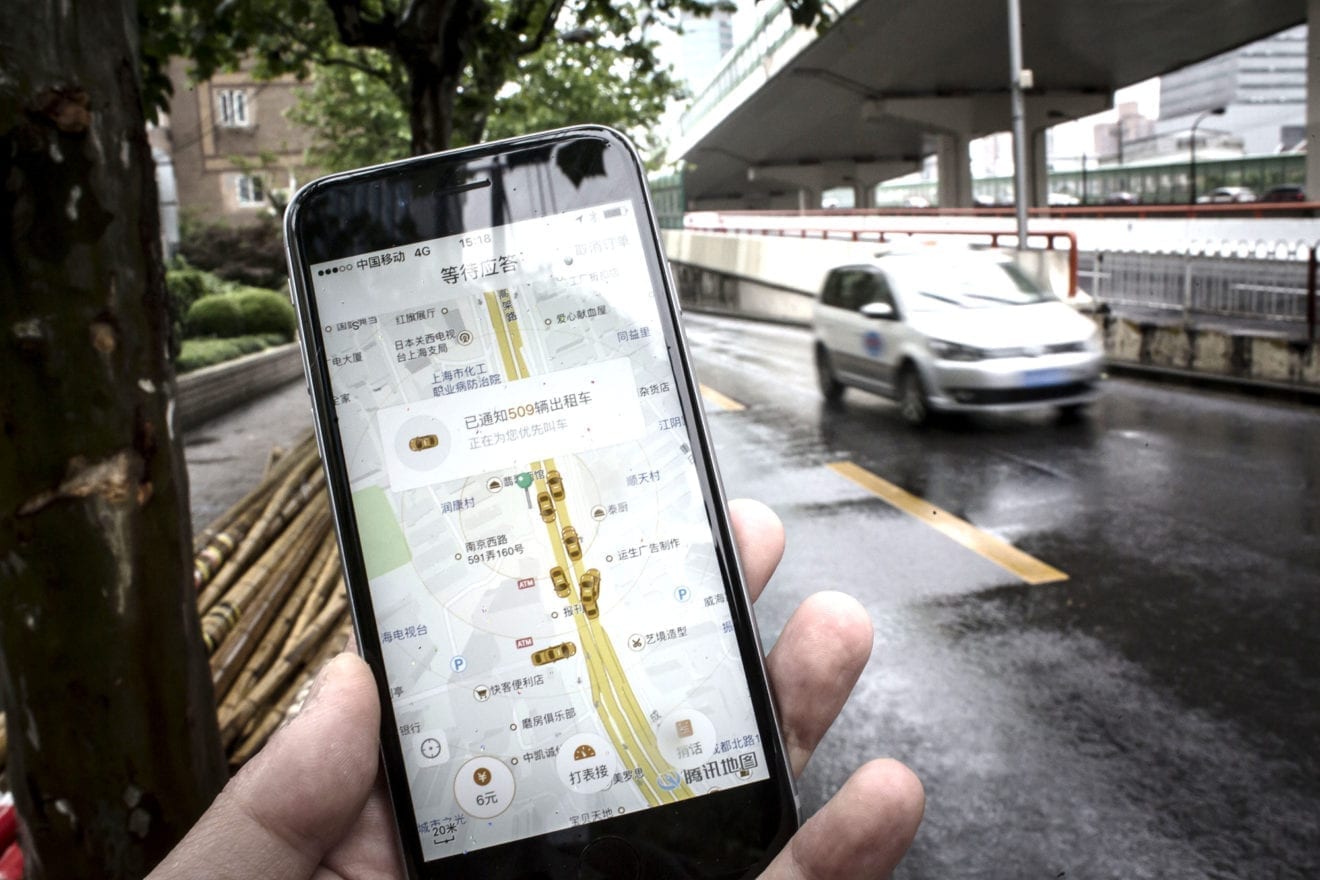
    Officials in the city are tightening rules on transport services. Popular ride-hailing services Uber and Grab may soon be asked to put signs on their cars as officials in Hanoi are tightening rules on transport companies.

    Officials said some private cars offering transport services are operating without signs or badges.

    Grab, a Malaysia-based company, is the only foreign-run transport service allowed to operate in five cities across Vietnam using registered private vehicles between 2016 and 2018.

    Uber, however, has been singled out for providing ride-hailing services without permission.

    The company has recently had its application to operate on a trial basis rejected for a second time in Vietnam, according to local transport authorities.

    It applied for a license after local regulators outlawed Uber’s smartphone app-based services in November 2015, due mainly to its failure to establish an independent legal entity in Vietnam.

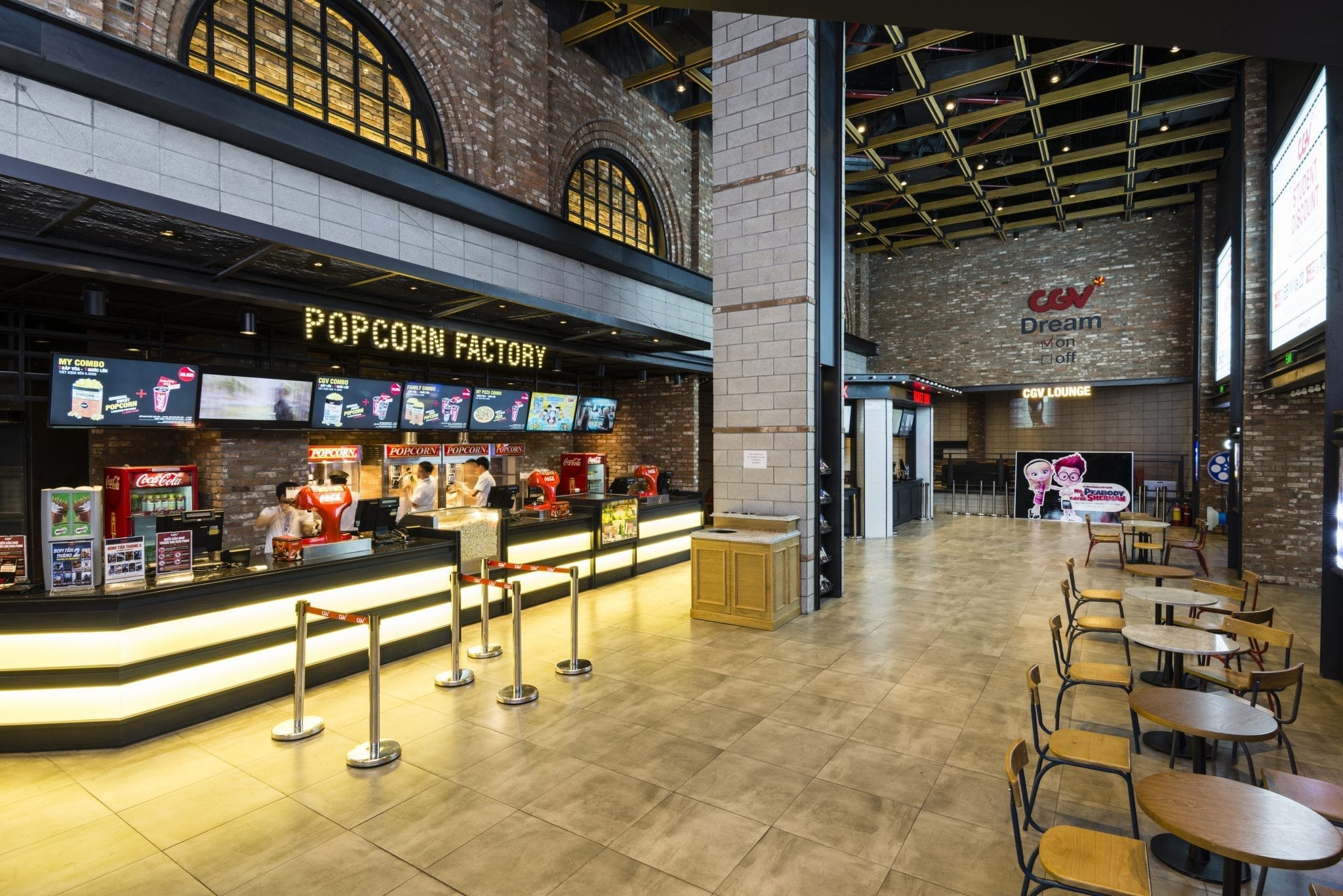
  • Korean multiplex chain leads booming movie market in Vietnam

    Korean multiplex chain leads booming movie market in Vietnam

    CJ-CGV has quickly emerged as the dominant cinema chain with more than half of the market share. South Korean multiplex chain CJ-CGV, which currently has 38 cinemas and 247 screens in Vietnam, managed to triple its net profit last year to VND93.4 trillion ($4 million).

    The chain has aggressively expanded in Vietnam since 2011 when it spent $73.6 million to acquire an 80-percent stake in Megastar, one of the biggest local operators at the time.

    After the acquisition, CGV maintained an impressive growth rate with revenue hitting VND870 billion in 2012 and VND1.1 trillion in 2013, equivalent to year-on-year increases of 45 percent and 27 percent. The operator also reported substantial growth in net profit, generating on average VND120 billion per year; three times higher than the best achieved by Megastar.

    In the next two years, despite steady revenue growth, CGV recorded a significant decline in net profit due mainly to massive investments in new cinemas and foreign exchange fluctuations.

    Its 2014 revenue only matched 2013, and net profit tumbled by 40 percent to VND70 billion. In 2015, while revenue soared by 60 percent to VND1.76 trillion, net profit slumped by 55 percent to VND31.5 billion.

    CGV has established itself as the leading distributor in the country. It has won exclusive distribution rights to handle movie releases for giant film studios like Universal, Paramount, Disney and Warner Bros, and also topped the distribution rate for local movies.

  • Vietnam vows to cut down the time for customs clearance

    Vietnam vows to cut down the time for customs clearance

    According to the World Bank, Viet Nam’s commercial transactions across borders index, a measurement of time and cost in import and export activities, has fallen for two consecutive years (2014-2015) due to inadequate management.

    A study conducted by the Viet Nam Chamber of Commerce and Industry and the General Department of Viet Nam Customs showed that the total time for customs clearance takes about 28 per cent of the time while the other 72 per cent is spent on other procedures and management including specialised checks on imports and exports.

    These are indications that specialised management for imports and exports has prolonged the time for customs clearance and increased costs for enterprises.

    In your opinion, what are the main causes then?

    The first thing I should mention is cumbersome legal documents on customs checks. In addition, many goods have no data provided on them for commercial transactions across borders index.

    Coupled with that is that most specialised checks are done by hand or the application of modern information technology to dossiers classification or information exchange between Vietnamese government agencies.

    What is the key reason for increasing the time for customs clearance for specialised checks in our country four times slower than that of other country?

    Before 2016, in our country about 30-35 per cent of goods had to go through specialised checks at customs while in other countries, the rate was just from 5-8 per cent. That is one of the reasons why Resolution 19/2016 has laid emphasis on improving the business environment and national competitive capacity.

    The government’s resolution sets specific targets for each year. For example by the end of last year (2016) only 15 per cent of specialised goods should have been checked and eight per cent by 2020.

    To achieve these targets, it is imperative for the customs sector to make a change in their management methods and in their specialised checks. To achieve these targets, the customs office must practice risk assessments and common international customs clearance procedures, including using IT in information sharing between concerned agencies and the customs office.

    To shorten the customs clearance time, many countries perform customs checking in factories. Can we do that in Viet Nam?

    Checking goods right at factories is common in many countries now.

    With this method, instead of checking the goods at the border gate, representatives of the importing countries go to exporting countries and check the goods in the factories. After finishing their checks on the goods quality, pattern, production chains and more, if they meet required standards, the goods will be certified to go through customs procedures.

    Of course, some international practice and norms will be applied, including risk assessment. However, for imported goods coming from countries with higher standards than ours like the US, EU, Japan or South Korea they will enjoy special treatment when they go through customs. Vice versa, for countries that have often encroached upon our laws, they will be subject to tight checks.

    The PM has set a target that by 2020, all import and export goods must not take more than five days to go through customs clearance. Is this feasible?

    If Government Resolution 19/2017 is implemented, by late 2017 customs clearance will take on average 160 hours. So to achieve the target set by the PM by 2020 for five days (120 hours) customs clearance will be a big challenge.

    To achieve this target, all concerned ministries and sectors have to review and revise 362 legal documents, of which 87 of them have to change in the next few months. Of course, the task is demanding. But we’ll try to do our best to meet the target.

  • What do Vietnamese people love to buy online?

    What do Vietnamese people love to buy online?

    In contrast, fast-moving consumer goods including cosmetics, food and other household products have been slower to gain in popularity among internet shoppers. For these, Vietnamese people still prefer to go to stores and seek advice from shop assistants.

    With Vietnam becoming more “connected” and nearly half of the population with easy access to the internet, Vietnamese purchasing habits are changing.

    “The online retail ecosystem is fast evolving. The whole retail experience is changing. Today’s shoppers are incorporating digital touch points along the entire path to purchase,” said Roberto Butragueño, associate director at Nielsen Vietnam.

    According to the survey, customer loyalty is varied. More than half of respondents who had purchased travel services or books/music/stationery online admitted they would buy those more often online than in store. Event tickets, which attract only one-fourth of online customer, have become the favorite destination for second time purchasing.

    However, once an online shopper does not necessarily mean always an online shopper. The story is different for fashion, electronics and cosmetics.

    The survey’s findings are based on more than 200 respondents with online access in Vietnam. Survey responses are based on claimed behavior, rather than actual metered data.

  • Made-in-China truck sales lose ground in Vietnam

    Made-in-China truck sales lose ground in Vietnam

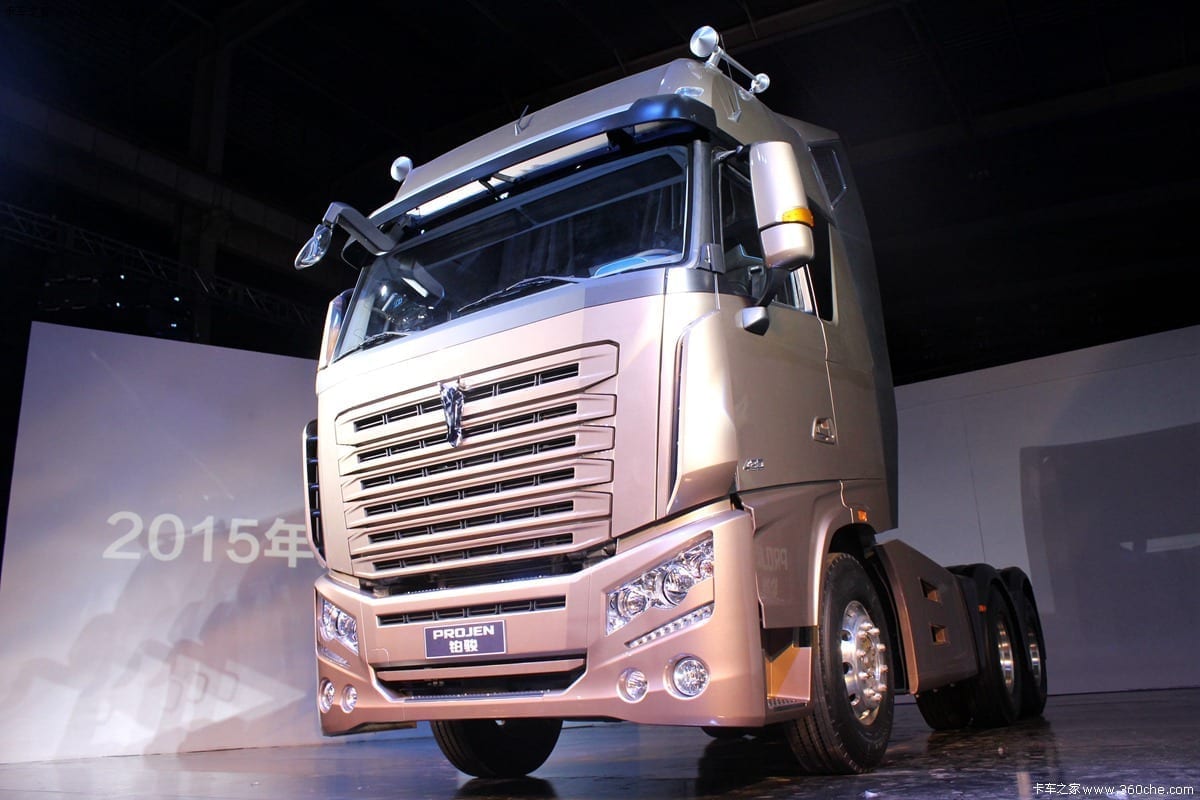
    Made-in-China trucks which had once dominated the Vietnamese market are facing the slow sales since early 2016. According to the General Department of Customs, import of made-in-China trucks into Vietnam reached a record high of 26,700 units in 2015 worth a total USD1 billion compared to 13,700 units worth USD530 million in 2014.

    However, since early 2016, the sales of Chinese trucks have considerably fallen in Vietnam. The General Department of Customs reported that only 10,900 Chinese trucks had been imported into Vietnam in 2016 and this figure reached just 94 units in January of 2017 compared to 1,700 units in January 2015.

    Explaining about the surge in Chinese trucks imported during the 2014-2015 period, owner of an auto-agent in Hung Yen Province, said that it was low prices which attracted customers. Meanwhile, Vietnamese auto agents could owe payments for buying Chinese trucks for between 6 months and one year.

    In early 2014, the Ministry of Transport issued a regulation to tighten control over overloaded vehicles also helped to fuelled the import of large-sized Chinese trucks.

    Earlier, trucks were allowed to transport larger quantities, 2-3 times over their load capacity. But they will be fined heavily if they carried that much now with the new policy. So as to carry the same amount of goods as before, local transport firms had to increase the number of trucks.

    The slow sales of Chinese trucks in Vietnam are also attributed to the stronger competition from rivals. More trucks produced by South Korea’s Hyundai, Japan’s Hino, Russia’s Kamaz and German’s Shacman are all being sold in Vietnam with more affordable prices.

    Many showrooms of made-in-China trucks have been set up along National Highway 5A, however, over the past year, they have sold only a few units.

    Representatives of a showroom in Hai Duong Province said despite low prices, the company sales of Chinese trucks have been on the sharp fall, which is partially due to quality which is not good as those made by South Korean, Japanese or European firms.

    After being imported into Vietnam, many Chinese trucks have their bodies extended for the higher loading capacity, which is aimed to meet the Ministry of Transport’s regulations and this also seriously affects the trucks’ life-span.

  • Transport Ministry rejects Uber Vietnam proposal

    Transport Ministry rejects Uber Vietnam proposal

    The Transport Ministry has declined to approve a Uber Vietnam request to pilot an IT upgrade for its services, citing, among other things, a lack of authorisation and validation from its parent firm. In an indication of regulatory obstacles that stand in the way of companies using ridesharing apps that people can use to hire transportation in major cities around the world, the ministry said Uber Vietnam had not met several conditions for regularising its operations in the country.

    A similar application by Uber’s rival, GrabCar, has been approved.

    An official document sent to the company by the ministry said the authorisation given to Uber Vietnam by Holland-based Uber International Holding BV (Uber BV), which provides the smartphone application for Uber services, was insufficient.

    It said Uber Vietnam was presenting itself as the developer and applicant of the test launch with Uber BV having no legally binding responsibility in project implementation.

    Furthermore, the registered fields of operation in Uber Vietnam’s initial business certification are “managerial activities” and “market research”, that has no relation to any action authorised by Uber BV.

    If Uber Vietnam is developer of the IT component and wants to apply it, it has to add this activity to its list of registered operations, according to the Ministry.

    Also, as the party directly responsible for signing and implementing the project, Uber Vietnam should work with other commercial transportation units and provide these and their direct clients (drivers) with the necessary contracts.

    The ministry also said that under the nation’s e-commerce laws, the Uber mobile application has the same function as an electronic exchange. Therefore, the company needs to register its services with the Ministry of Industry and Trade.

    Regarding Uber Vietnam’s use of electronic contracts and data instead of traditional paper contracts, the ministry demanded more details and analysis on the content and process before approving the project.

    In particular, the pilot project must clarify Uber’s rights and responsibilities as a supplier of technological applications and transportation services. This includes the authorisation given by Uber BV to Uber Vietnam, as also the resolution of any legal issues that arise during the latter’s operations.

    The ministry’s communiqué said it could not approve Uber Vietnam’s request before the company satisfies all the conditions mentioned therein. It said this was required so that the company would not continue working with vehicle owners and other transportation units in contravention of regulations.

    The project under which Uber has sought approval is officially titled “Application of information technology in supporting the management and connection of commercial passenger transportation by contract.”

    The project’s stated aim is to enhance State management of information technology-based passenger transportation, and create preconditions for future science and technology application projects in the transportation sector.

    Uber entered Vietnam in June 2014 as a foreign company operating in the country without resident offices. The company has undergone previous scrutiny by the Government on matters of tax avoidance and its legality in the country.

  • Bus-assembly line fire inflicts $11m loss

    Bus-assembly line fire inflicts $11m loss

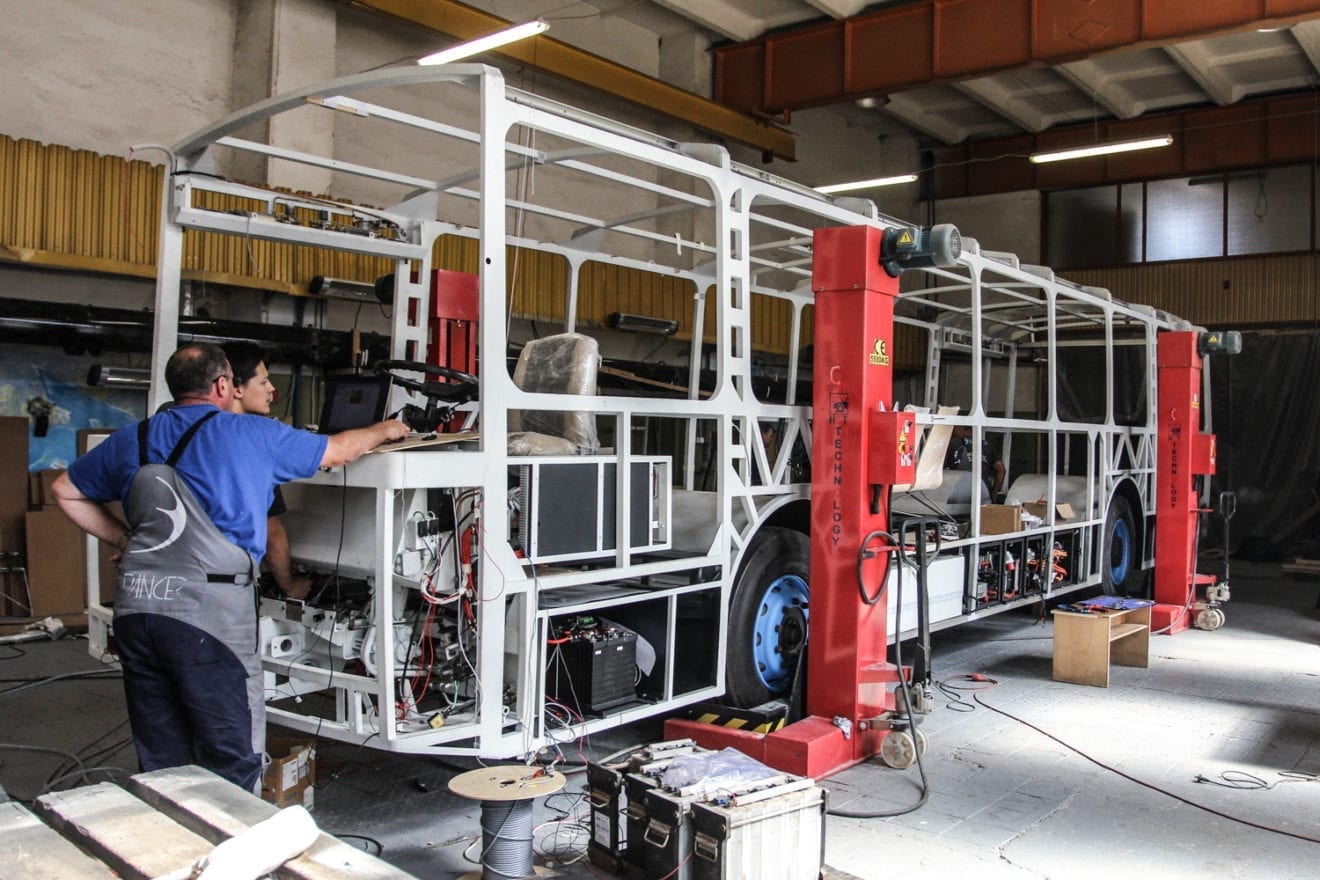
    A fire that broke out at two sites of a bus assembly plant early this month destroyed spare parts and components worth VND250 billion (US$11 million). A bus is assembled at its plant by the Truong Hai Automobile joint stock company (Thaco) in Quang Nam Province. Production was resumed nine days after a fire broke out at the plant on February 2.

    The assessment was revealed by Chairman of the Truong Hai Automobile Joint Stock company (Thaco), Tran Ba Duong, at a press conference on Sunday in central Quang Nam Province, where the plant is located.

    He said initial investigations point to the fire being caused by short-circuits.

    The fire broke out on February 2 after working hours at around 6pm at the Chu Lai-Truong Hai Auto Manufacture and Assembly Complex and blazed for around three hours.

    Components and accessories stored in the 5,400sq.m assembly workshop were burnt, Duong said.

    He said over 1,000 workers in the complex and firemen from Quang Nam, Quang Ngai, Da Nang, soldiers and staff of the Chu Lai Airport joined hands to stamp out the fire and remove components out the workshop.

    The plant resumed operations on Sunday after an initial investigation and recovery, he added.

    “The fire was out of reach of the plant’s automatic extinguishing system. It took four hours to mobilise a large fire-fighting force and extinguish the blaze,” Duong said.

    ‘Our fault’

    “It’s our fault that we collected components and accessories to service big orders while a new production line was under construction,” he said.

    Duong said Thaco had an insurance deal with the HCM City-based Bank of Investment and Development Bank (BIC) and Da Nang-based PVI for a total of VND638 billion ($28.2 million).

    He said BIC had asked an independent unit, Viet Nam International Adjuster (VIA) to assess the damage.

    The accident is still under investigation and final results will be announced after the probe is completed, he said.

    Also present at the conference was Dinh Van Thu, Chairman of the provincial People’s Committee. He said the fire was a lesson in fire prevention not only for Thaco, but other companies in the province’s industrial zones.

    Thu said Prime Minister Nguyen Xuan Phuc had asked the province to speed up the investigation and help the business resume production soon.

    The Thaco chief said the fire had delayed delivery of buses by three days to seven days.

    Thaco has invested US$400 million in constructing the Chu Lai-Truong Hai Industrial Complex, which has a logistics centre, car production factories, a vocational training college, a seaport, storage facilities and shipping services.

    Last year, Thaco earned total revenues of VND65 trillion ($2.8 billion), a 40 per cent growth, contributing VND18 trillion ($796 million) to the State budget.

    The nation’s biggest automaker plans to build three more plants with the total annual capacity of 215,000 trucks, vans, commercial cars, and achieve a localisation ratio of 16 per to 46 per cent.

    It currently manufactures and distributes Korea’s Kia model, Japan’s Mazda and France’s Peugeot. It has exported its cars to Laos, Cambodia, Myanmar and Columbia.

    Thaco plans to earn revenues of VND71 trillion ($3.1 billion) this year, equivalent to two per cent of the country’s Gross Domestic Product.

  • Carlsberg may not be Habeco’s only option

    Carlsberg may not be Habeco’s only option

    Carlsberg will bid for the State-controlled Hanoi Beer Alcohol and Beverage Joint Stock Corporation (Habeco) in March or April, but the Vietnamese Government may have more than one option to choose from when it comes to buyers.

    The government is seeking to equitize Habeco, the country’s second-largest brewer, by selling its 82 per cent stake. Carlsberg, which already owns 17 per cent of the company, holds priority purchase rights for a 60 per cent stake.

    In October, the government said it would announce the results of negotiations on its priority purchase rights with Carlsberg by the end of that month. It is not clear why the process has been drawn out.

    “We have not been able to make a bid,” the Danish brewer’s CEO, Mr. Cees ‘t Hart, told Reuters, adding that he expects to submit a bid in March or April. There was also uncertainty over whether the Vietnamese Government will abide by Carlsberg’s first right of refusal, he said.

    So what might have actually gone wrong in the negotiation between Carlsberg and the Ministry of Industry and Trade over additional Habeco’s shares?

    A price disagreement almost certainly exists. The government announced in August it wants to sell its 82 per cent stake for $404 million, or about VND48,000 ($2.11) a share, which according to CEO of Carlsberg Vietnam, Mr. Tayfun Uner, is a reasonable valuation, or VND50,000 ($2.2) per share; the same price it paid in the 2008 IPO.

    The government is now keen to take the market price as a reference for the deal. After switching from the Unlisted Public Company Market (UPCoM) to the Ho Chi Minh Stock Exchange (HoSE) on January 19, shares in Habeco rose 15 per cent in their first day of trading to VND147,000 ($6.51) from a starting price of VND127,600 ($5.63), valuing the Vietnamese brewer at $1.5 billion.

    But a 21.1 per cent year-on-year decline in Habeco 2016 net profit to VND740.1 billion ($32.7 million) saw its share price head down. After the February 9 trading session, its shares closed at VND114,000 ($5.03). While price is driven by market demand and supply, the surge in the company’s share price did not accurately reflect the underlying value of the business and is mainly due to speculative buying on very thin volumes, Mr. Uner said.

    Another reason why negotiations could fall apart is that the Vietnamese Government may have more than just one potential buyer. “We have first right of refusal, but if they neglect that for any reason, and we do not have any signal that they will, then we may not be able to buy it,” Mr. Hart said.

    While the partnership agreement signed in 2008 is still legally binding, some of the terms are no longer appropriate under current law. According to a lawyer with knowledge of the agreement, the selection of a single foreign strategic investor for the majority of the stake may be in conflict with regulations in the Competition Law and the Trade Law or the criteria for State divestment from joint stock companies.

    Still, the government has no choice but to sell Habeco as soon as possible. “Letting incapable people continue on the brewer’s management board will eventually destroy the brand and the company, while a fast sale does not necessarily mean Habeco will be let go at a cheap price,” Mr. Nguyen Hoang Hai, Vice Chairman of the Vietnam Association of Financial Investors (VAFI), told VET by phone on February 9.

    With a young, beer-loving population, Vietnam is among Asia’s largest consumer of beer, putting it on the radar of international brewers. The country’s beer market grew at an average compound annual rate of 7 per cent from 1999 to 2015 and touched 4 billion liters in 2016. Growth is anticipated at around 4 per cent to 2021, data from researchers Canadean, quoted by investment bank Liberum, showed.

    Kirin Holdings, Asahi Group Holdings, Thai Beverage, Heineken, and Anheuser Busch Inbev SA are among some 20 investors that have expressed interest in the sale.

    Habeco’s share price soared when a limited number of shares were listed in October, as investors raced to snap them up before the planned sale. The brewer has a market share of about 20 per cent in Vietnam.
  • Hanoi plans to impose taxi badges on Uber and Grab cars

    Hanoi plans to impose taxi badges on Uber and Grab cars

    The competition between traditional taxis and app-based taxis like Uber and Grab has continued unabated.

    Conventional taxi companies have said they had to meet numerous requirements and pay various taxes and fees which Uber and Grab taxis aren’t required to and that this was unfair.

    In Document 399, the Hanoi’s Department of Transportation said they had gathered opinions from the public and related agencies about the regulations over the operation of vehicles in the city.

    They proposed that all cars for hire with less than nine seats, including Uber and Grab taxi, must have the required badges and follow all regulations that are currently applied to taxis.

    The department said they hoped to get more views before stopping to receive opinions from February 20 to report to the city people’s committee.

    The Ministry of Transport has declined to approve a proposal from Uber Vietnam Company to pilot an IT upgrade for its services because of a lack of authorisation and validation from its parent firm.

    The ministry said it had inspected and dealt with various cars using the Uber app.

    According to the ministry, Uber is registered as the developer so it is not authorised to work as a taxi company.

    The ministry has asked Uber Vietnam to stop working with car owners and the ‘illegal’ operation in Vietnam until it completes all required procedures.

  • Vietjet to launch Danang-Seoul route and offer promotion for Valentine’s Day

    Vietjet to launch Danang-Seoul route and offer promotion for Valentine’s Day

    Vietjet is to open its new international route from the central Vietnamese city of Danang to Seoul (Korea) in a bid to meet the increasing travel demand of tourists, businessmen and individuals between the two tourism-attraction cities. The new route will take off on May 31, 2017 with the flight time per leg of 4 hours 30 minutes. 

    The Danang-Seoul route will be operated on a daily basis. The flight from Danang departs at 23:45 (local time) and arrives in Seoul at 6:00 (local time). The return flight takes off at 7:00 (local time) and lands at 9:40 in Danang.

    In celebration of the new route and on the occasion of Valentine’s Day, the airline will run a three-day promotion offering 500,000 air tickets priced from only HK$8 from February 14 to 16, 2017 at www.vietjetair.com. The promotion applies for all international routes from Ho Chi Minh City, Hanoi, Hai Phong and Danang to Seoul, Busan (Korea), Hong Kong, Kaohsiung, Taipei, Taichung, Tainan (Taiwan), Singapore, Bangkok (Thailand), Kuala Lumpur (Malaysia), Yangon (Myanmar) and Siem Reap (Cambodia) from March 1, 2017 to December 12, 2017 (excluding national holidays). As for the Danang-Seoul route, the promotion is available from May 31, 2017 to December 31, 2017.

    Following the international routes from Seoul to Ho Chi Minh City, Hanoi and Hai Phong, Danang is Vietnam’s 4th destination to be connected with Korea’s famous capital of Seoul, marking the 5th route to be operated by Vietjet between Vietnam and Korea. Vietjet also plans to expand its international network in 2017, looking to boost the regional trade and integration.

    Danang, a port city, is Vietnam’s third largest city and is the main commercial and tourism centre of central Vietnam. The city is well known for its clean environment, beautiful beaches, and good public services. It is often referred to as the most livable city in Vietnam and is one of the fastest growing cities in Vietnam. 

    Seoul is ranked as one of the world’s top favorite cities including New York and Tokyo to name a few. Despite its modernization, the Korean capital is still famous for is typical Korean culture, convenient transportation system, extremely rich food culture together with developed entertainment and shopping industry, making it also one of the world’s top favorite cities.

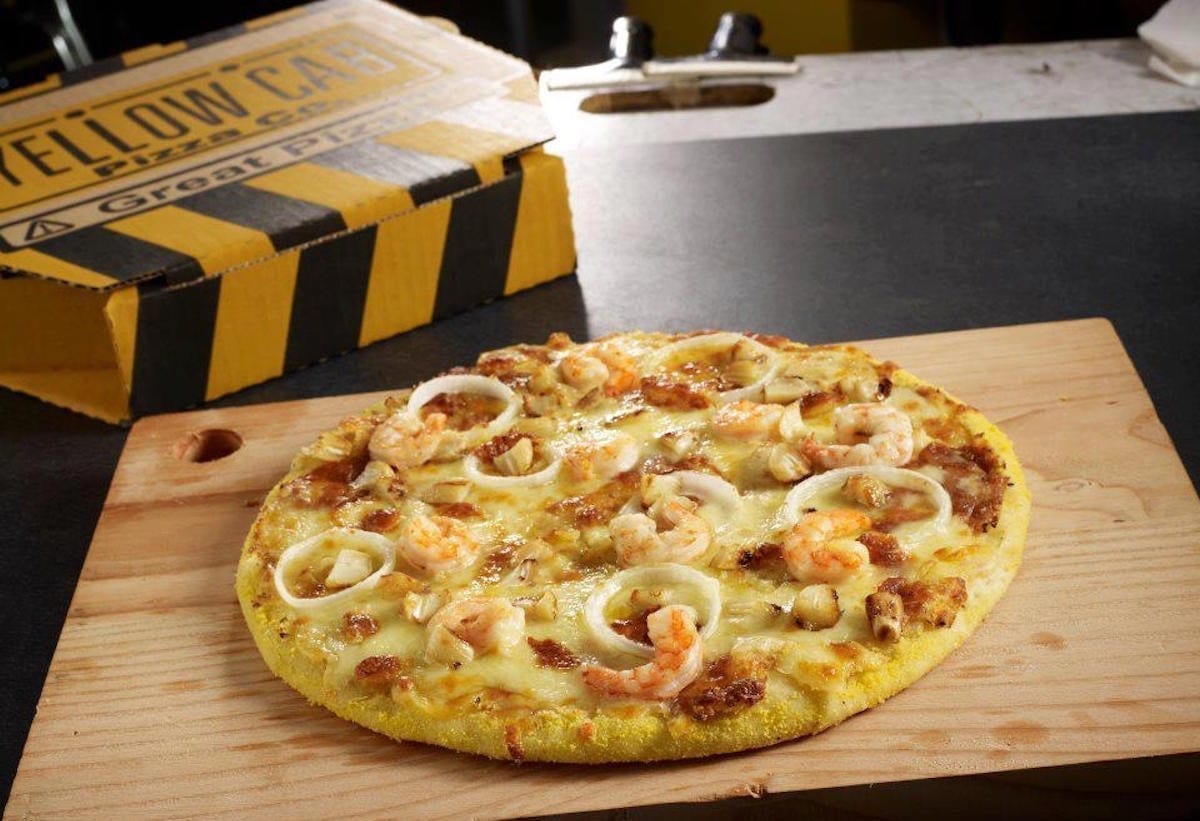
  • Max’s Group taking Yellow Cab Pizza to Vietnam

    Max’s Group taking Yellow Cab Pizza to Vietnam

    Filipino casual-dining company Max’s Group is taking its pizza chain Yellow Cab Pizza to Vietnam.

    Max’s Group says it has signed a development agreement with Blue Star Food in Ho Chi Minh City to roll out at least 12 Yellow Cab Pizza stores in Vietnam within five years, says president/CEO Robert Trota.

    The timing and locations of the Vietnam restaurants have not been revealed, but the plan will raise Yellow Cab’s international network to 165 outlets.

    Blue Star Food CEO Nguyen Thanh Nam says Vietnam’s young and affluent population has been targeted by significant developments in the F&B industry.
    “A lot of Western and casual-dining restaurants are flourishing in Vietnam,” he says, including McDonald’s and Starbucks.

    Blue Star Food oversees 45 ice-cream parlours for US brand Baskin Robbins.
    Western food represents 7 per cent of dining-out visits in Vietnam, according a survey by UK market research company Decision Lab.