Tag: Vietnam

  • Nearly 9,000 new companies launched in Vietnam in January

    Nearly 9,000 new companies launched in Vietnam in January

    A strong start for the economy in the new year after a record high number of new openings in 2016. Vietnam’s business community has hit the grounds running in the new year. Official reports showed that 8,990 companies opened in January, up 8 percent from last year. Their registered capital surged 52.3 percent to VND90.3 trillion ($4 billion) in total.

    The new companies are expected to create 104,100 jobs. In comparison, there were 8,320 new companies with 124,000 new jobs in January last year.

    Nearly 5,600 suspended companies also resumed operations last month.

    The number of businesses shutting down increased 18.3 percent year-on-year to 1,583.

    Vietnam hopes to see over one million businesses in operation by 2020. It is now halfway to that point.

    The country saw a record number of business openings of 110,000 last year, strengthening hopes for robust growth and strong investment in the near future.

    Officials from the labor ministry reportedly said that Vietnam aims to create 1.6 million jobs this year, roughly the same figure last year.

    More than 3 percent of the country’s urban adults are unemployed while the rural rate is nearly 2 percent.

  • Vietnam’s top brewer Sabeco posts record profit in 2016

    Vietnam’s top brewer Sabeco posts record profit in 2016

    Together Sabeco and Habeco, both controlled by the state, account for about 60 percent of the domestic market. The country’s biggest brewer Sabeco has reported a profit of VND4.6 trillion ($205 million) for last year, a 33 percent jump from 2015 and 27 percent higher than its target, according to a statement filed at the Ho Chi Minh Stock Exchange.

    Saigon Beer Alcohol Beverage, as the company is officially known, just listed its shares on the country’s main bourse in December, eight years after its initial public offering. It reported VND30.66 trillion in revenue last year, up 13 percent from a year ago.

    Sabeco, one of a few state-owned companies which have performed relatively well, currently remains 89.59 percent owned by the government.

    With a share of nearly 41 percent of the domestic beer market, Sabeco is among the most sought-after companies by foreign investors, with suitors including Japan’s Kirin Holdings, Thai Beverage and Dutch beverage giant Heineken, according to an official from the trade ministry.

    In an attempt to accelerate the privatization of state-owned enterprises, the Vietnamese government said it would sell its entire stake in Sabeco this year.

    Meanwhile, Hanoi Beer Alcohol Beverage, or Habeco, posted a net profit of VND740 billion, down 20 percent from 2015.

    Habeco, with a 19.8 percent market share, is the third largest brewer in Vietnam, behind Sabeco with a market share of 41 percent and Heineken with 21.6 percent, according to the Vietnam Beverage Association.

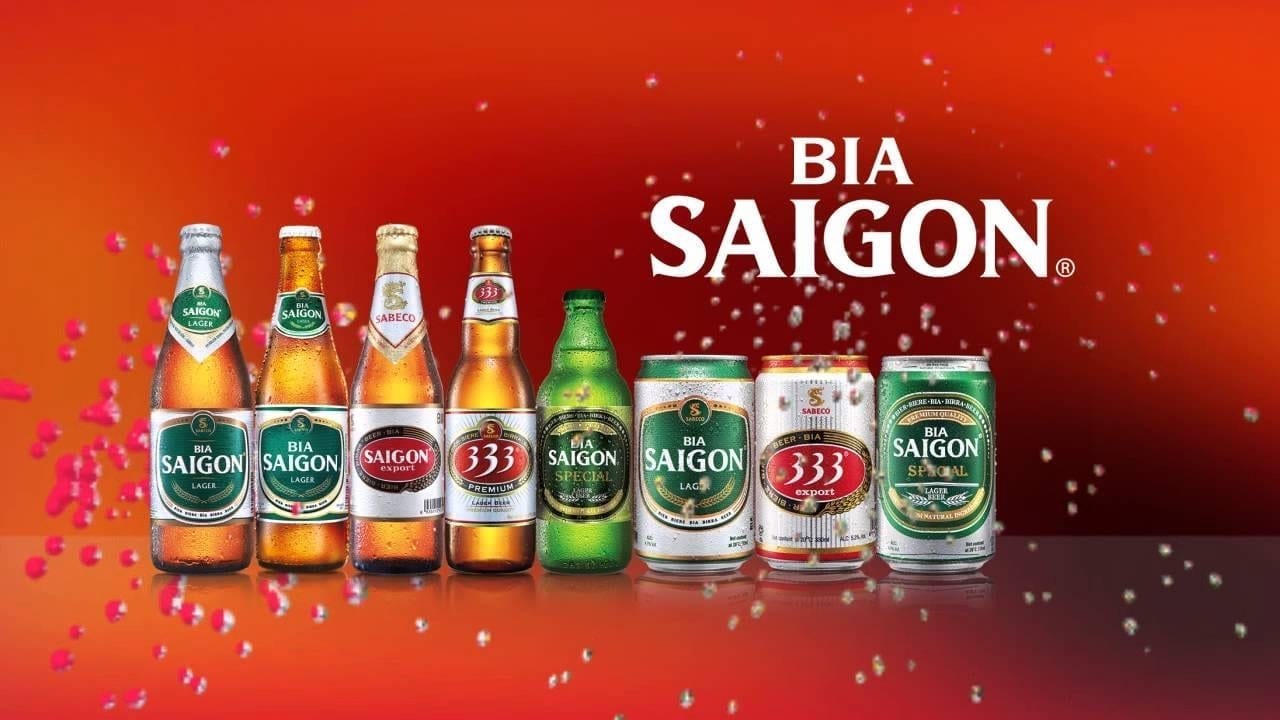
    That means as combined, Sabeco, known for Bia Saigon and 333 brands, and Habeco account for about 60 percent of the domestic market.

    According to market research company Nielsen, while Sabeco has managed to raise its market share in northern provinces to 15.5 percent in the first half of last year from 10 percent in 2014, Habeco has failed to strengthen its dominant position in the north. The latter controlled 50 percent of the northern market in the first six months of last year, down from 55 percent in 2014.

    Beer consumption in Vietnam rose 12 percent year-on-year to reach 3.8 billion liters last year, according to the trade ministry.

    Vietnam is Asia’s third largest beer consumer by volume after China and Japan.

    Industry expects annual growth of 4 percent to 5 percent for the next five years. The country’s annual beer output is forecast to hit 4.1 billion liters by 2020, according to  government projections.

    The stock market debuts of both Sabeco and Habeco have been sped up in the government’s latest attempt to boost investment and increase transparency.

  • Vietnam’s government approves Samsung extra pouring

    Vietnam’s government approves Samsung extra pouring

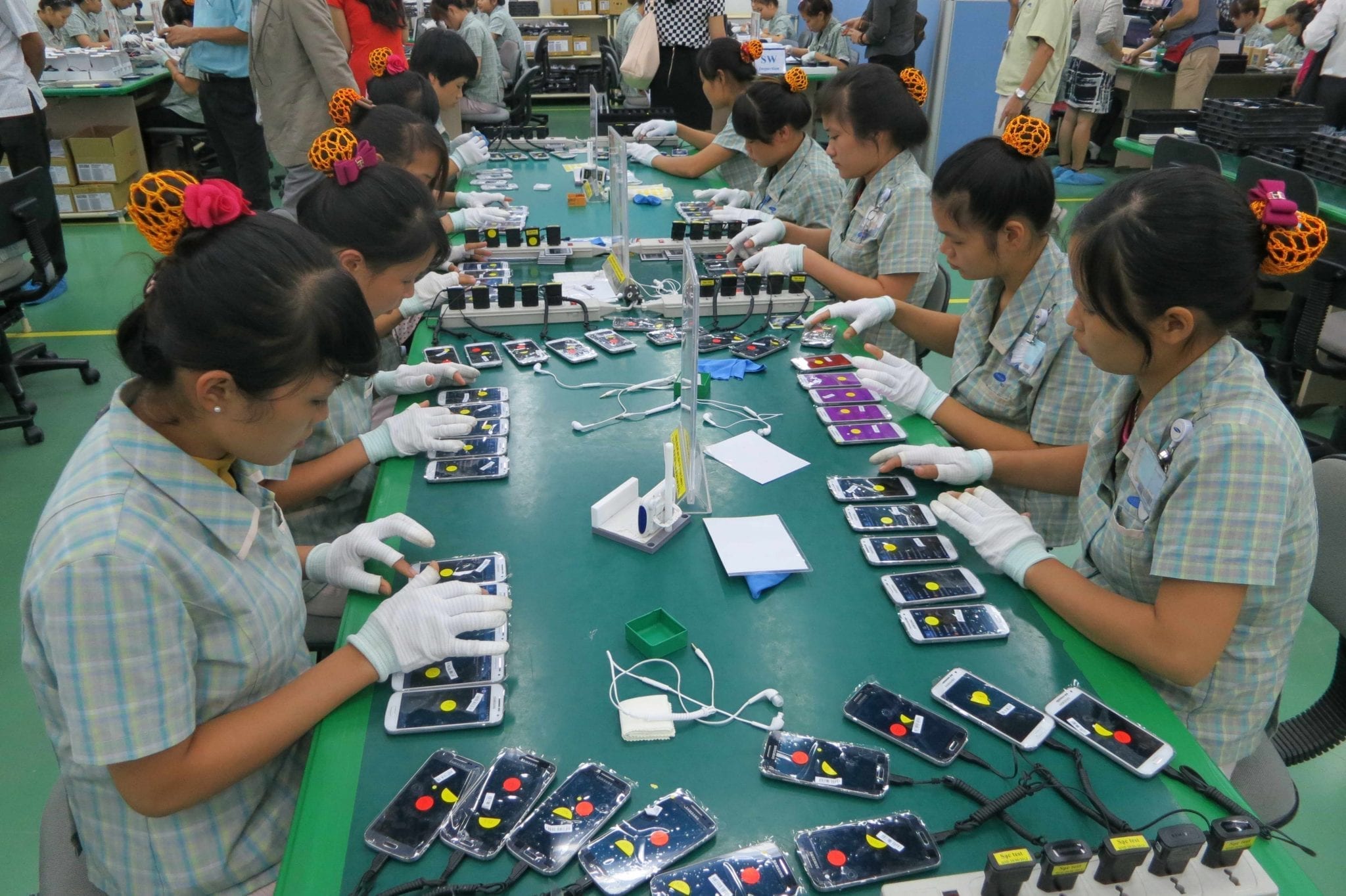
    According to SDV’s plan, the firm will carry out the expansion for five years starting in 2018, bringing the sum to be invested in this project to $6.5 billion and making it the largest project invested in by the South Korean giant.

    “Government approval will be officially announced soon,” said Minister-Chairman of the Government Office Mai Tien Dung at a press meeting on February 3.

    The provincial government earlier asked for government permission to offer tax incentives for the additional investment, which will enable the project to be classified as large-scale project.

    The plan for expansion is likely to be finalized as soon as the first quarter of 2017, according to local media.

    Samsung Display in 2014 set up the factory to assemble AMOLED panels into modules for use by Samsung Electronics’ smartphone factories in Bac Ninh and Thai Nguyen, which is also in northern Vietnam.

    The AMOLED panels are transported from its factories in South Korea. The South Korean company has dominated the global supply of smartphone AMOLED panels.

    In order to maintain the market status and viewing that Apple is very likely to adopt AMOLED panels for the new iPhone to be launched in 2017, Samsung Display plans to expand the factory of AMOLED modules in Vietnam.

    Companies setting up plants in Vietnam, such as Samsung Electronics, are transforming the country into a manufacturing hub for electronics goods, including smartphones.

    From a trade deficit of $3.5 billion in 2015, Vietnam returned with a trade surplus of $2.68 billion in 2016.

    Wage cost competitiveness is the key reason it’s attracting capital away from countries with worsening demographic transitions in East Asia.

    Institutional reforms have also contributed to making Vietnam more foreign investor friendly.

    Revised investment and enterprise laws have cut the time needed to establish a new business. Lower corporate income tax rates and streamlined payments have also helped.

    South Korean companies have deployed 592 projects worth a combined $8.6 billion in Bac Ninh, accounting for 65.6 per cent of the total foreign direct investment (FDI) in the province.

    Samsung has been the largest single foreign investor in Vietnam, with its investments totaling some $15 billion.

    This is not the first time the Korean giant has asked for incentives for its projects in the country.

    The FDI sector continues to lift Vietnam upwards, with it making a contribution of more than 20 per cent to GDP growth since 2010.

    Last year, disbursed FDI rose by 9 per cent to a record $15.8 billion and committed FDI increased 7.1 per cent, to $24.4 billion.

    The Foreign Investment Agency at the Ministry of Planning and Investment announced that 2,547 FDI enterprises bought stakes of more than 50 per cent in Vietnamese companies or in conditional investment sectors last year, totaling $3.425 billion.

    But while exports rely heavily on specific FDI enterprises, the technology absorption and enhancement of human capital that Vietnam was supposed to acquire from FDI inflows are nowhere to be found.

    Vietnam’s workforce is largely engaged in the final assembly of products for export, which are primarily low value-added, labor-intensive and use low-level technologies.

    The foreign sector plays a crucial role in the Vietnamese economy, but considerable tax incentives granted to overseas investors may lead to distortions of the overall investment climate, the World Bank has said in a report.

  • H&M to open in Vietnam during 2017

    H&M to open in Vietnam during 2017

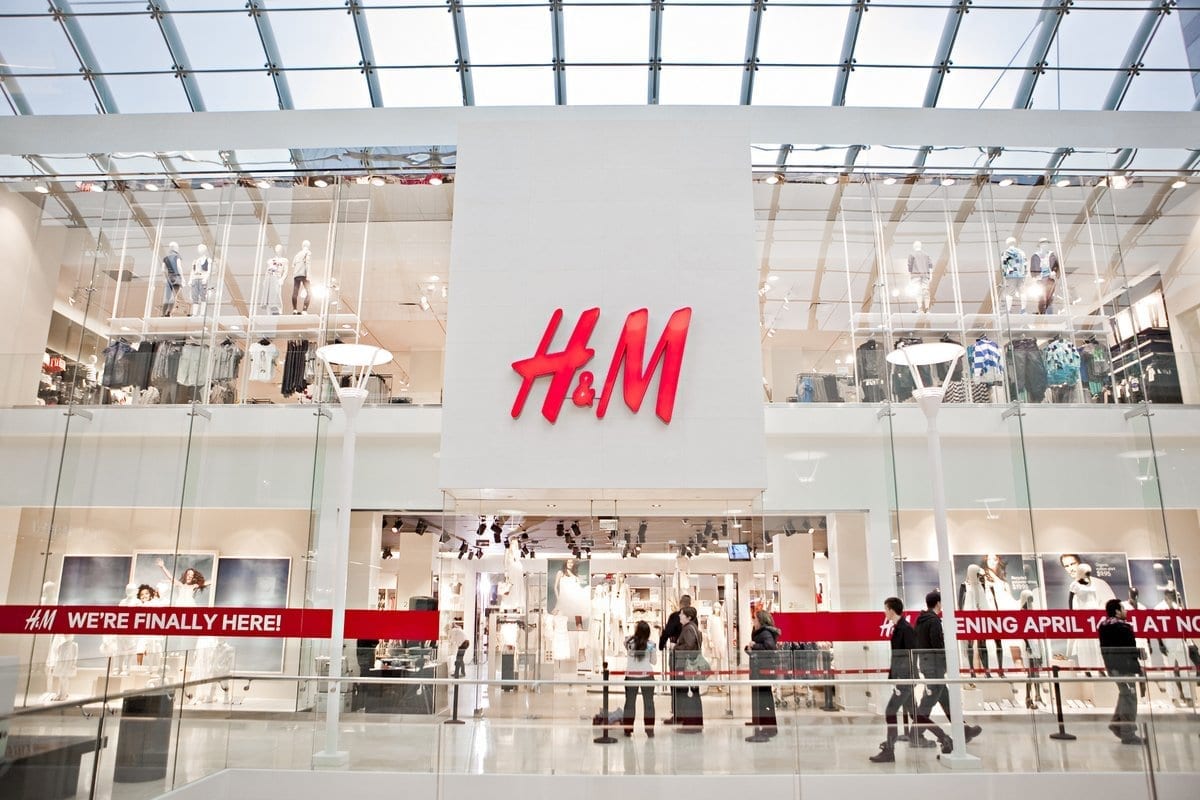
    In 2017, H&M will also open in Colombia, Iceland, Kazakhstan and Georgia. CEO Karl-Johan Persson confirmed the openings while announcing a 7 per cent increase in global sales for its financial year on November 30.

    Last year, H&M opened online stores in 11 markets, along with 427 new brick-and-mortar stores worldwide.

    “This means that H&M is now present in 64 markets of which 35 offer eCommerce. We welcomed more than 13,000 new colleagues which means there are now more than 161,000 colleagues in the group,” he said.

    The H&M Asia online stores will also open in Hong Kong, Singapore, Macau, Taiwan and Malaysia, according to Inside Retail Asia. A sixth will open in Turkey.

    In addition, this year the company – which also operates the Cos, Monki, Weekday and Cheap Monday retail brands – will also reveal one or two more brands.

    “In 2017 we are looking forward to delivering strong collections and customer experiences and launching one or two new brands. This, combined with ongoing improvements and investments in the omni channel offering, the supply chain and advanced analytics make us positive towards our opportunities in reaching our newly rephrased growth target, both in 2017 and going forward,” Persson said.

    Most new stores will carry the H&M banner, but 70 to 80 will be for other brands, including H&M Home.

  • Vietnam trials hi-tech agriculture production zones

    Vietnam trials hi-tech agriculture production zones

    Vietnam plans to have at least 10 hi-tech agriculture production zones comprising 200 enterprises by 2020. To date, it has attracted 20 enterprises.

    1. Vietnam-Australia JSC, a foreign invested enterprise with a branch in Bac Lieu province, has pioneered shrimp super-intensive farming in greenhouses. The company has spent VND180 billion to farm shrimp on an area of 50 hectares, which brings a yield of 40-80 tons per hectare each crop, or 300 tons per hectare per annum, 10-15 times higher than traditional farming methods.

    In Vietnam, there are many different shrimp farming models. Under the extensive farming model, there are 3-6 shrimp per square meter. Meanwhile, under the super-intensive model, there are 300-500 shrimp per square meter. High technologies must be applied for super-intensive farming, including Israeli membrane technology, US and German periodic water filtration technology and biotechnology.

    With the investment rate of VND7 billion per hectare, it is 10 times more costly to follow the super-intensive farming model than the traditional model. However, the new model is believed to help Vietnam strengthen competitiveness to overcome technical and trade barriers set up by import markets.

    2. Japan, Dubai, South Korea and the Middle East are markets where FOHLA banana is favored. This banana is being grown by Huy Long An Company on an improved land area on which plants could not grow 20 years ago.According to Vo Quan Huy, director of Huy Long An, the investment rate is up to millions of dollars. There are about 2,500 banana trees on every hectare of land which give 20-30 tons of finished products. With the selling price of VND8,000-10,000 per kilo, the expected profit rate is 25-30 percent in good management conditions.

    With high quality, good taste and more competitive price than Filipino bananas, FOHLA bananas have hit the shelves at Japanese supermarkets

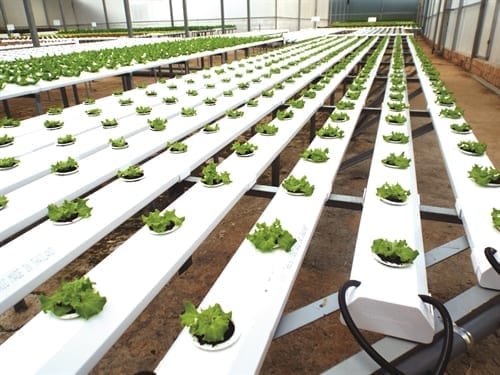
    3. A Vietnamese group of scientists headed by Prof Nguyen Quang Thach has successfully created a high-quality potato variety in aeroponic environment.

    Meanwhile, aeroponics farmed vegetables are now used by many Vietnamese.

    “With farming area of 200 square meters, I can provide 100 kilos of vegetables to the market everyday,” said Duong Minh Trung, director of Rau Sach Ngon.

    Trung said the farming model saves more water than other models, because water is sprayed on vegetables and collected back in water tanks for re-use. Regarding fertilizer, Trung buys waste meat and bone products from fish plants and processes it into fertilizer.

    4. The Dancing Lady Orchid garden of Pham Thi Nhung covers an area of 3 hectares in Lam Dong province. This is a greenhouse equipped with spraying irrigation system and high-capacity fans. The flowers bring nearly VND10 billion a month to Nhung’s family.

  • Vietnam’s beauty and cosmetics industry needs green makeover

    Vietnam’s beauty and cosmetics industry needs green makeover

    Though the market is relatively small, growth in most beauty and personal care categories is expected to continue to expand over the next decade as per capita spending rises commensurate with the upward trend in GDP per person per year and the country moves into the middle-income ranks.

    According to experts at a recent conference in Ho Chi Minh City, the average spending by Vietnamese for items related to body care, colour cosmetics, fragrances, facial care, soap, bath and shower, hair care and sun care remains relatively low.

    They estimated, citing a study by Nielsen that was performed in 2013, that the average per capita spending in Vietnam is slightly more than US$4, which is one-fifth the average spending of US$20 per person per year in Thailand.

    A speaker from the Society of Cosmetics Chemists of Ho Chi Minh City noted a Society report estimates there are roughly 400 cosmetics manufacturers in the country commanding a paltry 10% retail market share.

    The Society report indicates that the foreign sector dominates the cosmetics market with a 90% market share divided up as follows – the Republic of Korea 30%, EU 23%, Japan 17%, Thailand 13%, US 10%, and others 7%.

    Cosmetic products from the ROK have benefited from a good brand image most often associated with the qualities of youth, affordability, and fashion the Society report shows.

    Meanwhile US products are viewed as expensive, good quality and brands for older middle aged people whereas Japanese brands are viewed as economical, possessing good quality and value for the money.

    An additional report by the Vietnamese market research firm Q&Me mentioned at the conference notes on average 44% of Vietnamese women wear makeup once a week while only 24% women use it every day, underscoring the proposition that wearing makeup is not mainstream.

    The report indicates that most cosmetic consumers in Vietnam are women and they base their purchasing decision based on recommendations from friends and internet websites primarily aimed at the female audience such as eva.vn and phunutoday.vn.

    Domestic brands left out to dry

    The most popular domestic brands of Saigon Cosmetic, Thorakao and Lan Hao have had only limited success in both the domestic and foreign markets as they suffer from a cheap low quality brand image.

    Most of the cosmetics made in Vietnam are currently sold only at the traditional live markets while cosmetics imported from abroad are sold in the large retail supermarkets and trade centres, principally located in the large metropolitan areas of the country.

    This dire plight of the domestic sector and its inability to establish a base in the beauty and cosmetics market has left many of its advocates frustrated.

    There has been virtually no foreign investment in the manufacture of beauty and cosmetics says Nguyen Thi Thanh Thao, vice chair of the Cosmetics Society, sombrely and what little there was picked up and moved to Thailand after only a short stint in Vietnam.

    Still other actors in the industry are adamant that the quality of Vietnamese products is on par with that of the foreign sector.

    Though Vietnamese products have only a 10% market share they can easily compete with foreign products in terms of quality, says the deputy chair of Vietnam Essential Oils, Aromatherapy and Cosmetics Association. They just haven’t focused sufficiently on brand development and packaging.

    However, others take an opposing view, saying that the quality just isn’t there. They also suggest that the overwhelming majority of Vietnamese cosmetic manufacturers are only able to produce shampoo, shower gels and similar simple products.

    Representatives of Phuong Mai JSC, a newcomer to the domestic industry, says their company is taking a different tack, focusing on producing natural products with 100% organic ingredients.

    What the domestic beauty and cosmetics industry in Vietnam needs, the reps say— is a green makeover and innovation to get on path to prosperity and sustainability.

  • Vietnamese beer market big enough for all brewers

    Vietnamese beer market big enough for all brewers

    Analysts repeatedly warned that the competition in Vietnam would be fiercer as more and more big players, including foreign ones such as Asahi (Japan), Singha (Thailand), Corona (Mexico) and Royal (the Netherlands), have joined the market. However, surprisingly, all of brewers can make big money in Vietnam.

    A representative of Heineken Vietnam said that purchasing power was 20 percent higher than the same period of the previous year.

    At Big C, beer sales have increased by 30-40 percent compared with the end of 2016 as people rush to buy beer to prepare for Tet. The demand is so high that the retailer sells no less than two boxes of beer to one client every day.

    On January 7, at a conference reviewing its operation in 2016, Sabeco, the largest brewer, said 1.584 billion liters of beer were sold in the year, an increase of 8 percent over 2015.

    In fact, beer sales not only have increased on pre-Tet days, but have been increasing steadily over the last 15 years.

    A survey by Sabeco showed that the consumed beer volume increased from 2.33 billion liters in 2010 to 3.6 billion liters in 2015. Every Vietnamese adult drinks 35.5 liters of beer a year, with which Vietnam ranks the second in the world in terms of beer consumption per capita.

    A report by Euromonitor International released in June 2016 showed that the beer sales increased from VND82.376 trillion in 2010 to VND153.943 trillion in 2015, which means a sharp increase of 86.1 percent. The figure was VND166.388 trillion in 2016 and is expected to reach VND218.292 trillion by 2020.

    With an average population increase of 1 percent per annum and a popular beer culture, beer sales are expected to increase in the coming years.

    It is expected that 4.84 billion liters of beer would be consumed by 2020, including 492.9 million liters of high-end products, 3 billion liters of mid-range and 1.34 billion liters of low-cost products.

    Sales are predicted to see an average growth rate of 7.2 percent in the 2015-2020 period.

    Brewers continue to expand production and run marketing campaigns to retain their market share.

    Sapporo Vietnam, which has succeeded with Sapporo Premium Beer, has launched Blue Cap, another brand.

    In late December 2016, Saigon-Binh Tay JSC, belonging to Sabeco, marketed the first products bearing the Sagota brand. Meanwhile, Heineken Vietnam has launched Strongbow, a fermented fruit juice.

    Leo Evers, general director of Heineken Vietnam, said the company was planning to increase production capacity in Vietnam by 2025.

    Sapporo announced that its production capacity would increase from 40 million to 100 million liters.

  • Vietnam formally legalizes sports betting

    Vietnam formally legalizes sports betting

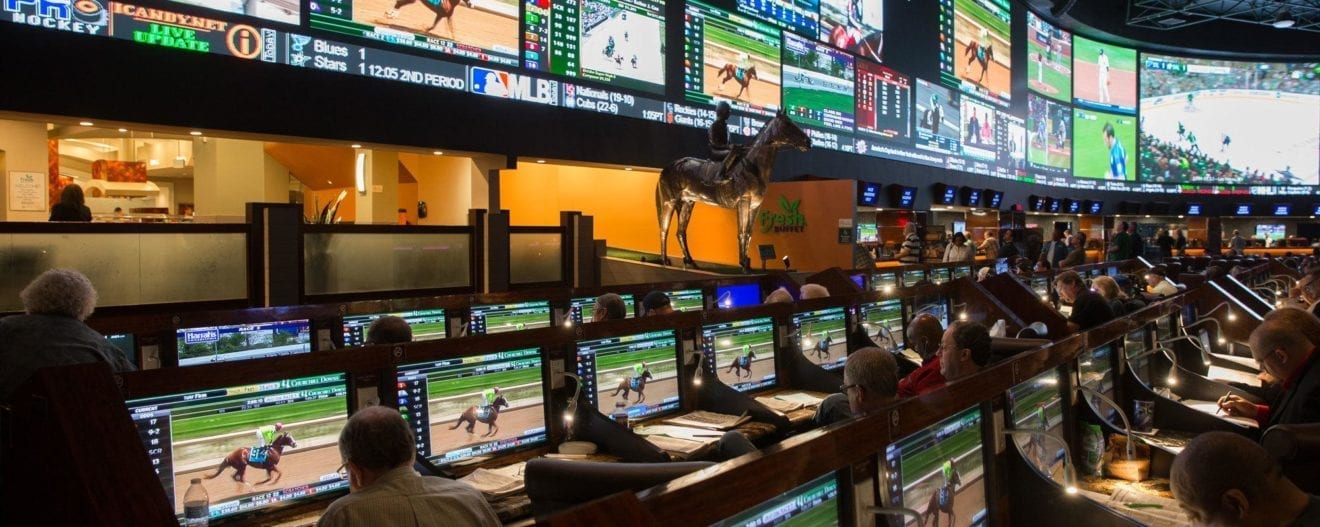
    After years of deliberation, Vietnam has finally made a historic decision to legalize sports betting. A new decree released on the government’s official website on Friday will allow citizens to bet on international soccer games and horse and greyhound races starting March 31.

    The minimum bet value is VND1,000 (4.42 cents) while the daily maximum limit is VND1 million ($44).Online betting is out of question for now. Only those above 21 years old are allowed to gamble and bookmakers have to be at least 500 meters away from schools and public venues for children.

    The decree only allows betting on international soccer games recognized by the governing body FIFA and approved by Vietnam’s sports ministry.

    Operators of bookmaking businesses will have to meet strict capital requirements: VND1 trillion ($44.2 million) for horse racing and soccer and VND300 billion ($13.2 million) for greyhound. A bidding process will be held to select one soccer betting provider for a five-year trial phase.

    Officials started working on sports betting rules in 1999 but debates after debates delayed the legalization.

    Vietnam now has one greyhound race course in the southern beach town of Vung Tau. A $100 million horse race course will be opened in the southern province of Binh Duong in April. Hanoi will also build a horse racetrack, a $500 million project that has been delayed for some time.

    The government last month also said it would allow citizens over 21 years old with a monthly income of at least VND10 million ($445) to hedge bets in local casinos from mid-March under a three-year pilot program, breaking a long-year ban of gambling among locals.

    All these recent moves show the government has shifted its stance on gambling, once considered a “social evil.”

    Many locals have broken the long-running gambling ban, creating a lucrative illegal industry for online betting. A number of online operations have been busted in recent years.

  • Foreign funds pour money into Vietnamese startups

    Foreign funds pour money into Vietnamese startups

    John Wu has been the ‘technology pillar’ of Alibaba for almost 10 years. The former technology director and a leading group of investors have poured nearly $3 million into Vntrip.vn – a Vietnamese startup operating in online hotel reservations.

    Le Dac Lam, the founder and CEO of the startup, has confirmed the news.

    “The investment came after the first round of capital call from foreign investment funds, and John Wu has agreed to stand side by side with us,” Lam said.

    Established in late 2014, Vntrip.vn has established an online hotel network throughout Vietnam with cooperation of Booking.com, the world’s hotel reservation network belonging to the US Priceline Group with capitalization value of $65 billion.

    Wu’s F&H fund says the business is valued at VND300 billion.

    Vietnamese restaurant chain calls for $6.9 million

    Wrap & Roll has successfully called for $6.9 million from Mekong Enterprise Fund III (MEF III) managed by Mekong Capital.

    MEF III which was launched last June, with total investment capital of $112 million, is a private fund focusing on retailers, restaurants, consumer goods and consumer services in Vietnam.

    Wrap & Roll was the first investment deal made by MEF III.

    Established in 2006, Wrap & Roll has 10 restaurants in Hanoi, HCM City and four franchise shops in Singapore.

    3 more startups receive $75,000 

    1337 Ventures, a Malaysian fund, has announced investment in three Vietnamese startups, following Alpha Startups, a startup incubation program launched recently in HCM City.

    Each of the three businesses would receive $25,000 in capital and services and have the right to join the 3-month startup acceleration program to be run by 1337 Ventures.

    The three businesses include Saloneses, an app that books beauty services on smartphones, Perkfec, which allows business owners to keep watch over staff performance to reward them reasonably, and Navi which books venues and accommodations within hours.

    Bitexco acquires Huong Giang Tourism

    Huong Giang’s H1 Report shows that Bitexco, a major real estate developer, now holds 70.48 percent of the tourism company.

    On March 30, 2016, the Thua Thien-Hue provincial People’s Committee released a document on divestment of all the state’s stakes (12,572,200 shares) in Huong Giang. Bitexco has become the new shareholder in the tourism company.

    Tuong An Vegetable Oil

    Nguyen Manh Cuong, an individual shareholder, has announced the completion of the sale of 1.9 million TAC shares of Tuong An Vegetable Oil Company, equal to 10.4 percent of charter capital.

  • Players continue to come and go in Vietnam’s ecommerce

    Players continue to come and go in Vietnam’s ecommerce

    In Vietnam today there are three popular e-commerce models: C2C (which connects customers to customers), B2C (business to customer) and Marketplace (which provides a platform to process transactions).

    In the pure C2C model, similar to classified advertisements which connects the buyers and the sellers only in terms of information, chotot.vn remains the most prominent.

    However, to Vietnam’s e-commerce, buyer’s trust and delivery have been the issues, and supplying information seems not enough. Many companies provide a platform with third-party services such as shipping or payment.

    Among this group, Sendo.vn, owned by tech giant FPT Group, is a prime example. Recently Zalo of VNG Corporation, a technology company, also ventured into this market. But the name that has received the most attention recently was Shopee, a company started by Singaporean tech company Garena.

    After nearly two years in Vietnam, this company has been downloaded two million times on mobile and processed 10,000 orders per day. Customer base and volume of orders have been growing 20 per cent per month.

    In the B2C group, after the departures of Lingo.vn, and Deca.vn earlier, and while Adayroi.vn of property giant VinGroup has not made any breakthrough and Lotte.vn remained an unknown, Tiki.vn has continued to be the leader.

    Founded in 2010 as an online bookstore, Tiki.vn has expanded into other fields such as cosmetics and electronics.

    According to Tran Ngoc Thai Son, chief executive officer of Tiki.vn, book sales accounted for 70 per cent of the company’s revenue in 2014, but that ratio is only 30 per cent today with the rest of revenue coming from other fields. Now, Tiki receives 15,000 to 20,000 orders per day.

    Even though Cdiscount.vn, the online shop of Big C supermarket which was acquired by Thailand’s retail giant Central Group, was closed and merged with Zalora, the e-commerce space remains attractive to other retail companies.

    Not long after Korea’s Lotte Group entered Vietnam’s e-commerce with the Lotte.vn website, Japan’s biggest retailer Aeon also arrived with aeoneshop.com at the beginning of the year.

    Finally, in the Marketplace group, Lazada.vn has seen no match with its 30 per cent market share (by revenue) in Vietnam’s online retail market.

    Fierce competition

    The race will intensify in the coming months, because up to now no company has made a profit in e-commerce in Vietnam, so they will compete fiercely for larger market share. The prizes await the final winners of this race.

    Alexandre Dardy, chief executive officer of Lazada Vietnam, said Lazada will focus on attracting more brands to do business on its website in 2017. Its goal is to attract 10,000 companies, triple the current number.

    As for Tiki.vn, the focus will be on sustainable growth. In 2017, Tiki.vn will continue to invest heavily in fulfillment, a service in which sellers just need to send their products to Tiki’s warehouses and let Tiki handle marketing and sales. Currently the company has two warehouses in Ho Chi Minh City and one in Hanoi, with total area of 10,000 square meters.

    Meanwhile, although arriving late, traditional retail companies are always considered strong contenders. While Lotte.vn focuses on cosmetics and fashion that are the strength of Korean brands, aeoneshop.com targets electronics and baby products carrying Japanese brands. Currently aeoneshop.com owns a chain of large modern retail stores from shopping centers to convenience stores.

    In addition directly owning four shopping centers in Ho Chi Minh City and Hanoi, Aeon bought 30 per cent stake in Fivimart and 49 per cent share of Citimart in 2015, and now indirectly owns 18 Fivimart stores in Hanoi and 66 mini-shops in Ho Chi Minh City.

    In essence, the race between purely e-commerce companies and traditional retail companies in Vietnam has not seen the clear winners, and purely e-commerce firms currently have an edge. However, with the determination of retail companies to expand online, the competition will be exciting to watch in 2017.
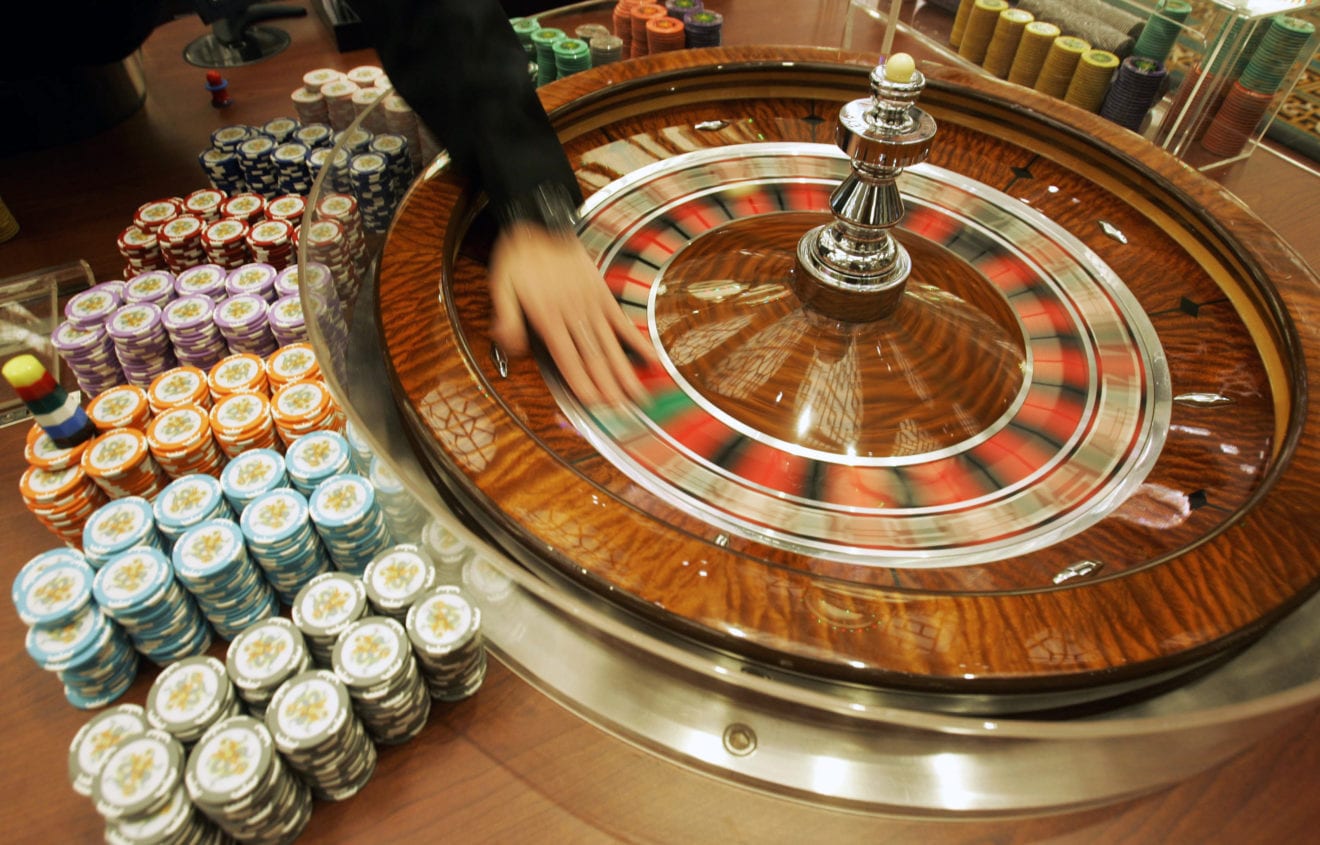
  • Vietnamese to be permitted to gamble in casinos

    Vietnamese to be permitted to gamble in casinos

    The decree, titled 03/2017/NĐ-CP, allows foreigners and overseas Vietnamese situated abroad with a valid foreign passport to gamble in casinos in Vietnam.

    Vietnamese citizens can now also be admitted into domestic casinos, on a three year trial basis. After which, the government will decide whether or not to continue allowing domestic citizens to participate in casino gambling.

    All players must have full capacity for civil acts of individuals according to Vietnamese law and be willing to accept the terms and conditions of the games and the casino’s regulations.

    Vietnamese citizens admitted into casinos must be 21 years old or above with full capacity for civil acts of individuals according to Vietnamese law, have proof of regular monthly income of 10 million VND (450 USD) or be subjected to third degree taxation according to the law on individual income tax. The Ministry of Finance is responsible for providing citizens application forms for these conditions.

    Only enterprises with a Certification of Business will have the legal right to run a casino. The business must be a conditioned commercial act that is closely inspected by the appropriate government authority to ensure operations follow the decree’s regulations and other legal procedures, the decree dictates.

    Players must buy tickets to the casino at 1 million VND (45 USD) for 24 hours entry and 25 million VND (1,126) per person monthly. Players must not be related to casino owners in any way.

    Vietnamese players at casinos must exchange VND for tokens and vice versa.

    Vietnamese citizens who violated national security or committed other crimes abroad resulting in more than three years of imprisonment will not be admitted to casinos. This includes those serving jail time, with or without bail, or any other form of legal punishment.

    The decree did not restrict the amount of capital for business owners, but differentiated between large casinos (of more than 2 billion USD) and small casinos (less than 2 billion USD in capital).

    The decree states that the casino business must be linked to the entrepreneur’s key commercial operations to help boost tourism, trade, diversify entertainment and recreation and enrich tourists’ experience, while assuring security and nation defence, social order and moral health.

    The operation of and participation in gambling games must be transparent, coherent and honest, to protect the rights and legal benefits of parties involved.

    The decree bans gambling between players on results of games at casinos; cheating during preparation, organisation or participation in the casinos; any action that affects security and order in casinos and using gambling machines, tables, tokens and other devices with content not approved by the government.

    The decree also forbids the casino businesses from providing illegal gambling online or telecommunication networks, from smuggling and transferring foreign currency, precious gems and metals and other acts of money laundering, sponsoring terrorism and prostitution and paying out the wrong amount of prize money, among others.

    Organisations and individuals linked to the games’ operations must comply with the decree in its entirety and other legal requirements.

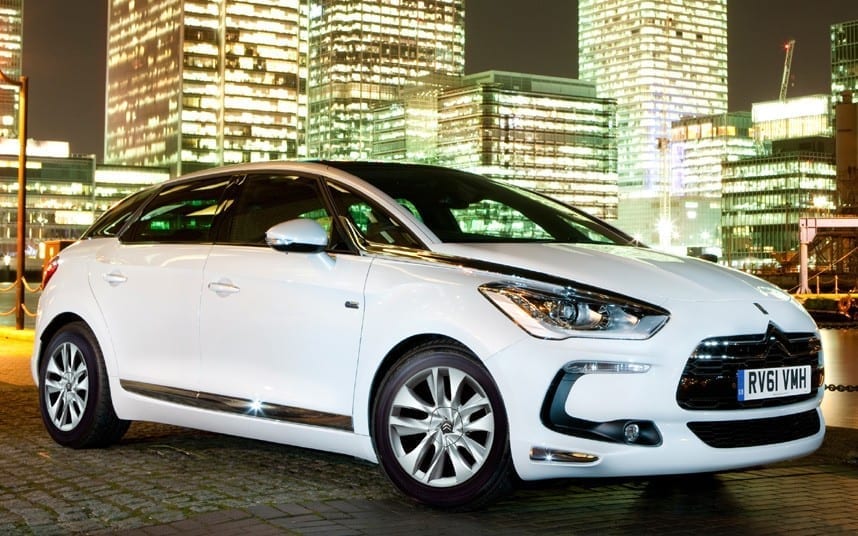
  • Vietnamese crazy about cars, manufacturers rush to sell

    Vietnamese crazy about cars, manufacturers rush to sell

    Car trading in 2016 saw the number of projects in the sector increasing sharply. About 505 projects in the field were licensed, ranking second in terms of foreign direct investment (FDI), just after real estate, according to the Ministry of Planning and Investment (MPI).

    The representative of a foreign-invested automobile manufacturer said previously, FDI capital flowed into production and assembling, but now, it pours into retail and post-sale services.

    He said foreign investors all can see great potential in Vietnam, where the demand has been increasing rapidly. There is a big wave of foreign investors coming to Vietnam to work as distribution agents for manufacturers.

    Sources said some auto manufacturers have finalized the list of distributors for the years from now to 2023, i.e that from 2017, they will only consider appointing distributors for the years from 2024.

    From January 1, 2018, the tariff on the imports form ASEAN will be cut down to zero percent. Under free trade agreements, the tariffs on CBU (complete built unit) imports will also be decreasing step by step. By 2026, nearly all the tariffs will be lowered to zero percent before Vietnam fully opens its market by 2029.

    About 30 leading brands are present in Vietnam. However, most of them still don’t have large distribution networks. The biggest brand has 40 sales agents throughout the country. The Central Highlands and the western part of the southern region –  potential market areas – still have not been exploited.

    Automobile manufacturers understand that expanding distribution networks is the best solution to improve revenue. Therefore, they applaud the FIEs joining the distribution market.

    Mercedes Benz, Audi, BMW, Toyota, Honda, Mazda, Ford, Hyundai, Kia and Mitsubishi  have opened a series of authorized distribution agents recently.

    It is expected that by 2029, Vietnam market scale would be about 1 million brand-new cars a year with revenue of $12 billion.

    Vietnam is among the fastest growing markets in the region. Over 300,000 cars were sold in 2016, an increase of 24 percent over 2015. Experts have predicted the growth rate would be 20 percent in 2017 thanks to the tax cut and lower car prices.

    An analyst said there were clear opportunities to make money from selling cars as import tariff cuts would make cars cheaper and more affordable to Vietnamese.

  • Vietnam imposes tax duty on foreign room-booking sites

    Vietnam imposes tax duty on foreign room-booking sites

    Firms such as Agoda and Expedia will have to pay a 10 percent duty. The Ministry of Finance has told foreign accommodation booking services to pay taxes if they wish to continue operating in Vietnam.

    A document recently released by the ministry asked booking sites like Agoda, Traveloka and Expedia to pay a combined 10 percent of their total revenue made in Vietnam.

    Vietnamese accommodation providers that have signed contracts with these foreign sites are obliged to fulfill these tax duties on behalf of them.

    The ministry said that the move aims to prevent tax losses from foreign-based companies that are gaining from online business transactions.

    Vietnamese accommodation booking site Vntrip had previously held a press conference and sent a document to the ministry accusing Singapore-based travel agency Agoda and some other sites of tax evasion.

    Vntrip said that the acts of these foreign companies had resulted in huge losses to the state revenue and created unwholesome competition.

    This is not the first time the Vietnamese government has imposed taxes on international businesses operating in the country. Last September, the popular ride-sharing service Uber was officially ordered to pay taxes after two years of providing transport services in Vietnam.

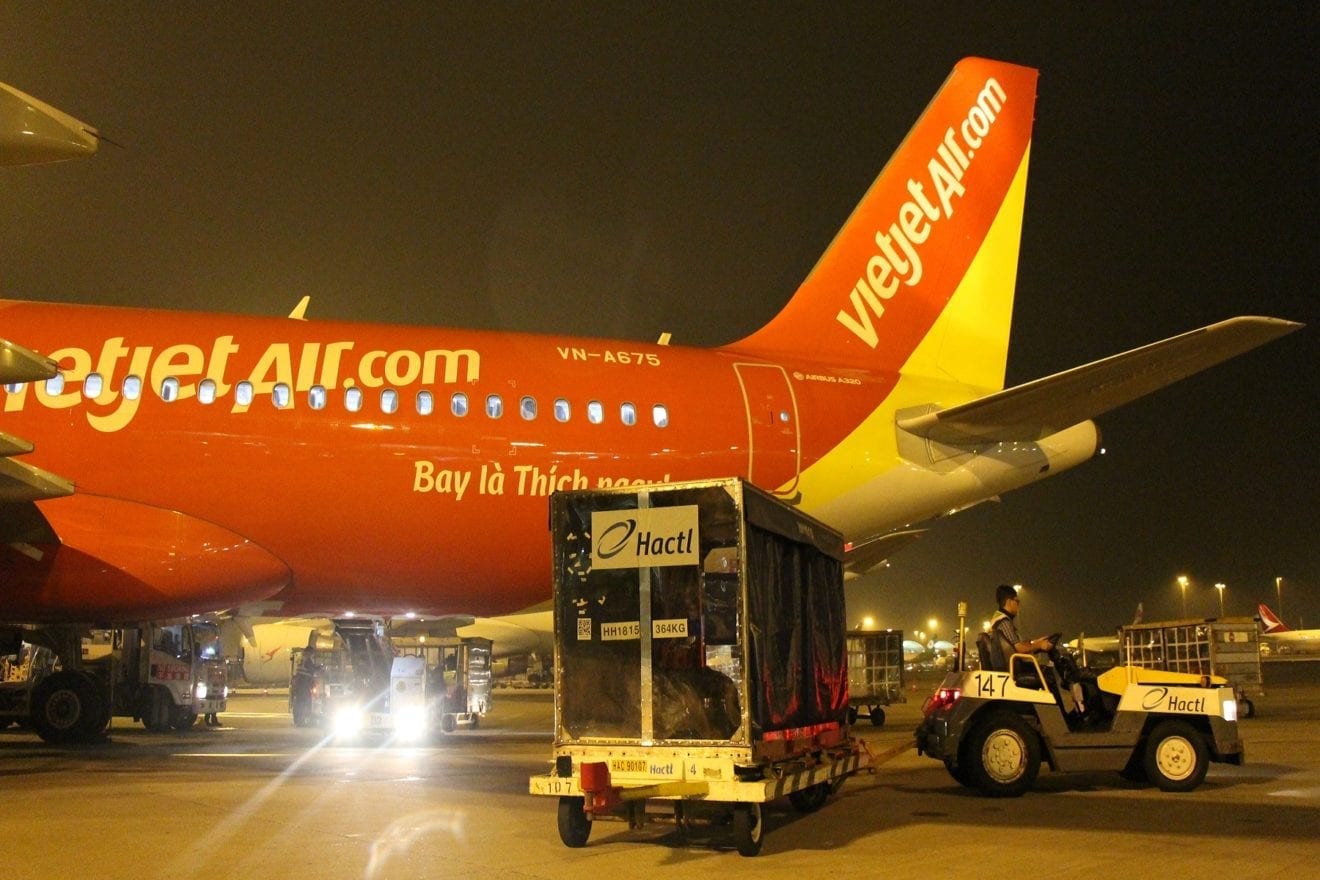
  • Vietjet Air Appoints HACTL for Hong Kong Handling

    Vietjet Air Appoints HACTL for Hong Kong Handling

    The daily flight was launched in December 2016 and is operated with an Airbus A320. “We congratulate VietJet on the launch of this exciting new service to Ho Chi Minh, which provides access to an important destination for our customers,” said Mark Whitehead, chief executive of Hactl.

    Major exports from Vietnam to Hong Kong include electronic components, telecommunications equipment and footwear, while imports from Hong Kong include telecommunications equipment, meat products and electronic components.

    “Hong Kong is a very important market for Vietnam, and also a key step in our airline’s development,” said Thi Thuy Binh Nguyen, vice president of VietJet Air. “We look forward to playing our part in facilitating increased trade on this route.”

    VietJet Air launched operations in 2011. The low-cost carrier now flies to 23 international and 37 domestic destinations with its fleet of 42 A320s and A321s.

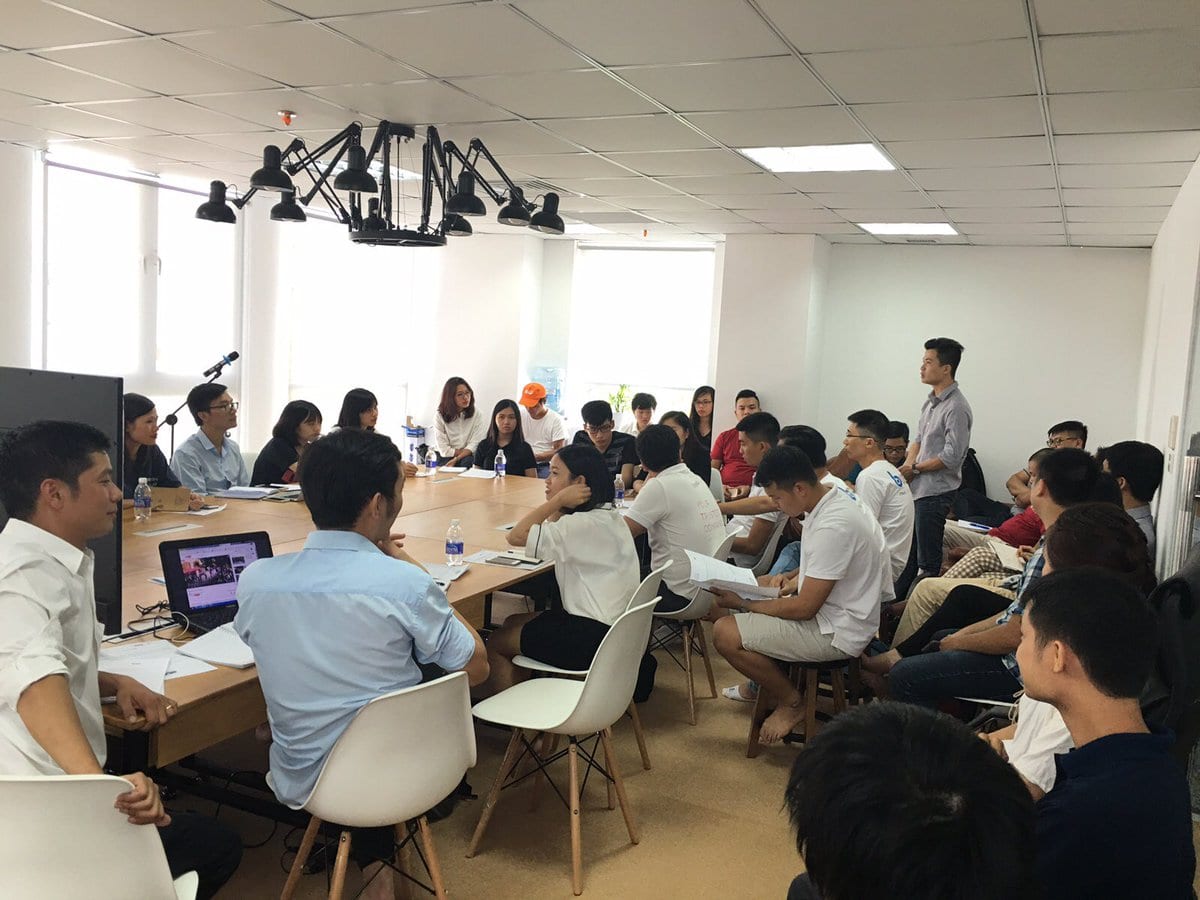
  • Startup dreams bring real money to Vietnam’s office market

    Startup dreams bring real money to Vietnam’s office market

    Young companies looking for their first home are spiking the demand for small-sized office space. Tan, a self-employed real estate broker, paid $5,000 per month for the use of a six-story building in downtown Ho Chi Minh City. He then turned it into 15 office rooms with polished tiled floors, private bathrooms and internet connections.

    The offices, ranging from 25 to 40 square meters, are now rented out to startups at between VND5 million and VND10 million ($220 – $440) per month, said Tam, who asked to be identified by his first name only.

    For fledgling startups, which try to make every penny count, these small-sized offices with good locations fit their budget.

    Tan said currently 10 companies are his tenants, claiming a return of 20-25 percent.

    Local brokers said some estates in the city’s downtown areas are becoming mini-hubs for startups. These young companies give the office market in Ho Chi Minh City and Hanoi a much-needed boost as many landlords struggle to fill space, they said.

    However, according to Le Huu Dung, chief executive at brokerage Weland Investment, not just any space will do.

    “We have seen a strong growth in mini-office rentals in Ho Chi Minh City in the past two years following the recent startup boom,” Dung said. “While some investors have earned decent profits, others are losing money.”

    No one who starts out in such a tiny office expects to stay there for long, Dung said, referring to the fact that when startups become bigger, they will move to larger offices.

    Another flip side of the business is that this segment mainly relies on idea-stage companies, which may not even last longer than just a few months.

    Dung warned that if the occupancy rate is lower than 80 percent, the investor will start losing money.