Tag: Vietnam

  • Michelin-Star Chef Olivier Elzer Brings His Vibrant French-Mediterranean Vision to JW Marriott Phu Quoc Emerald Bay Resort & Spa in Vietnam

    Michelin-Star Chef Olivier Elzer Brings His Vibrant French-Mediterranean Vision to JW Marriott Phu Quoc Emerald Bay Resort & Spa in Vietnam

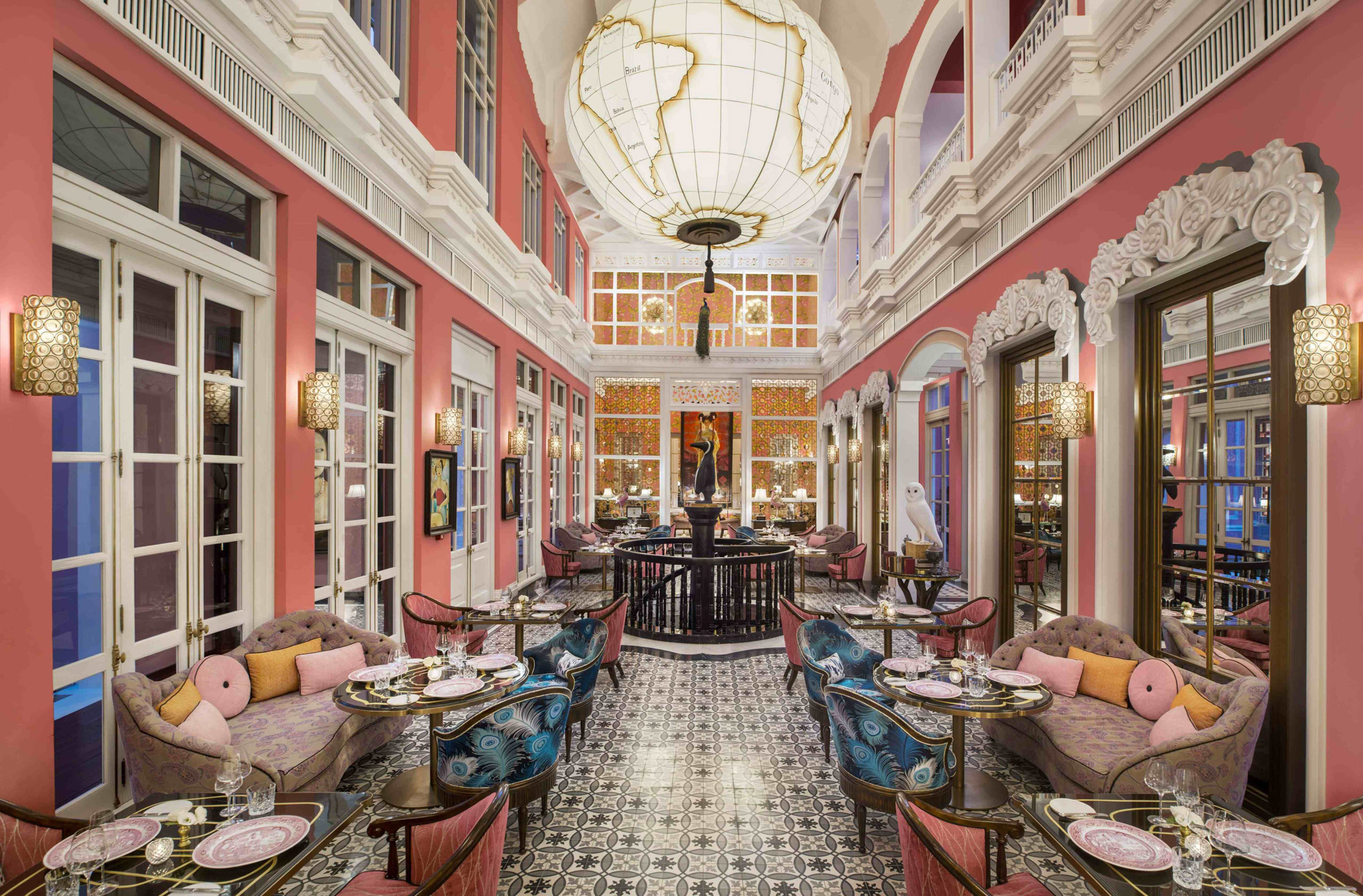
    JW Marriott Phu Quoc Emerald Bay Resort & Spa, the reimagined mythical French university on Vietnam’s magical holiday island, welcomes renowned Michelin-starred chef Olivier Elzer to its new fine-dining venue, Pink Pearl by Olivier E. This dining destination will regale guests with the unique style of French-Mediterranean gastronomy that has propelled the culinary maestro to international acclaim. The revitalized restaurant also echoes the considerable charms of Madame Pearl Collins after whom it is named – an imaginary Gatsby-era socialite famed for hosting dazzling dinner parties in her resplendent pink mansion.

    Raised in Alsace, France, Olivier Elzer is one of the most gifted chefs of his generation. Having worked alongside industry legends such as Pierre Gagnaire and Joel Robuchon, he has become a master of gastronomy in his own right, garnering a total of 27 Michelin stars in a 30-year “East meets West” career. His journey across Europe to Asia has comprised spells at some of the most prestigious five-star hotels and fine-dining destinations in Hong Kong, including The St. Regis, W Hong Kong and Clarence. The pioneering culinary innovator also owns a state-of-the-art food lab.

    Chef Olivier’s culinary philosophy is authentic and refreshingly approachable, offering French classics with innovative regional twists at exceptional value for all to enjoy. At Pink Pearl by Olivier E. at JW Marriott Phu Quoc Emerald Bay Resort & Spa, guests can discover a meticulously crafted menu that emphasizes the timeless flavors of France’s Côte d’Azur with avant-garde adaptations – including a series of the chef’s signature dishes exclusively available here. Crafted using natural and seasonal produce from local farmers and fishing communities, along with premium imported ingredients, and elevated with a unique Mediterranean touch, Chef Olivier’s culinary creations will bring the grace and glamor of the French Riviera to Phu Quoc’s pristine shores, creating an emotional connection with every diner.

    This vision is perfectly reflected by the signature dish of locally-sourced Bonito, cooked over charcoal to add depth and flavor, and served with an Endive Salad, Comté Cheese and Vierge Sauce – a vibrant recipe that highlights the multi-award-winning chef’s philosophy of using local, fresh ingredients while honoring traditional cooking methods. His classic Bohémienne, meanwhile, elevates the traditional Provençal-style dish of Eggplant, Tomato and Parmesan.

    Diners at this luxury eco-conscious resort situated in a stunning spot of Vietnam’s idyllic “Pearl Island” can also embark on two signature culinary journeys: refined five-course and seven-course menus, curated by Chef Olivier exclusively for Pink Pearl by Olivier E., embracing premium ingredients and artistic presentation. Every weekend, Phu Quoc’s most sought-after Sunday brunch is an indulgent celebration of social gastronomy in a one-of-a-kind beachfront setting.

    Beginning in June 2025, Pink Pearl by Olivier E. will introduce a new permanent menu that blends France’s sophisticated culinary heritage and evocative Mediterranean influences with the chef’s Michelin-starred expertise and the local spirit of Phu Quoc.

    Chef Olivier’s cuisine is perfectly paired with fine wines curated by Master Sommelier Bertrand Lutaud. A professional taster and judge who has worked in several Michelin-starred establishments, Bertrand excels in complementing creative cuisine with vintages from leading vineyards in France and around the world.

    Pink Pearl by Olivier E. is just one of the outstanding culinary venues at the Phu Quoc jewel. Foodies can also step into a world of casual elegance at Tempus Fugit, the laid-back beachfront restaurant, savor Latin American “dock-to-dish” cuisine overlooking the ocean at Red Rum, and step into a world of science and mixology at the Department of Chemistry.
  • VN-Index Soars to Three-Year High, Signaling Strong Market Optimism

    VN-Index Soars to Three-Year High, Signaling Strong Market Optimism

    Vietnam’s stock market is buzzing with fresh energy as the benchmark VN-Index climbed to a remarkable 1,341.87 points on Wednesday, marking its highest level since May 2022. Investors celebrated the index’s upward trajectory, which reflects a gain of 0.15%, or 2.06 points, and extends its winning streak to four consecutive sessions.

    The VN-Index has soared nearly 250 points since dipping in early April, a downturn largely attributed to U.S. tariffs. While the mood in the market is optimistic, trading volume on the Ho Chi Minh Stock Exchange slipped by 11% to VND22.284 trillion (approximately US$858 million).

    Blue Chips Reign Supreme

    In the VN-30 basket, which features the 30 largest stocks, 10 companies saw their shares rise. Notable performers included VRE, the retail real estate arm of Vincom Retail, up by 5.5%, and VIC, the stock of private conglomerate Vingroup, which increased by 2.6%. Fuel distributor Petrolimex (PLX) also had a solid day, edging up 2.2%. However, the blue-chip landscape wasn’t all rosy—15 stocks fell, with HDBank (HDB) down 1.5%, Sacombank (STB) slipping 1.1%, and Vietnam International Commercial Bank (VIB) mirroring that drop.

    Foreign investors played a different tune, becoming net sellers to the tune of VND200 billion, mainly divesting from VRE and VIC. It seems their cautious approach didn’t dampen local spirits, as the HNX-Index for mid and small caps in Hanoi rose by 0.80%, while the UPCoM-Index for unlisted companies gained 0.46%. It’s a thrilling time for stock enthusiasts, reminding us that the market can be as unpredictable as a game of poker—one moment you’re soaring, and the next, you’re bluffing!

    Questions & Answers

    Why did the VN-Index rise to a three-year high?
    The VN-Index surged due to consistent gains over several sessions, alongside a recovery from lows seen earlier this year amid U.S. tariff concerns.

    How did trading volume change in the Ho Chi Minh Stock Exchange?
    Trading volume decreased by 11%, totaling VND22.284 trillion, which indicates a decline in market activity amidst rising index values.

    What stocks were the main contributors to the index’s gain?
    Noteworthy contributors included Vincom Retail (VRE), Vingroup (VIC), and Petrolimex (PLX), with significant gains that propelled the index upward despite some blue-chip stocks experiencing declines.

  • Dollar Rises for Third Consecutive Day Against Dong, Marking Ongoing Currency Trend

    Dollar Rises for Third Consecutive Day Against Dong, Marking Ongoing Currency Trend

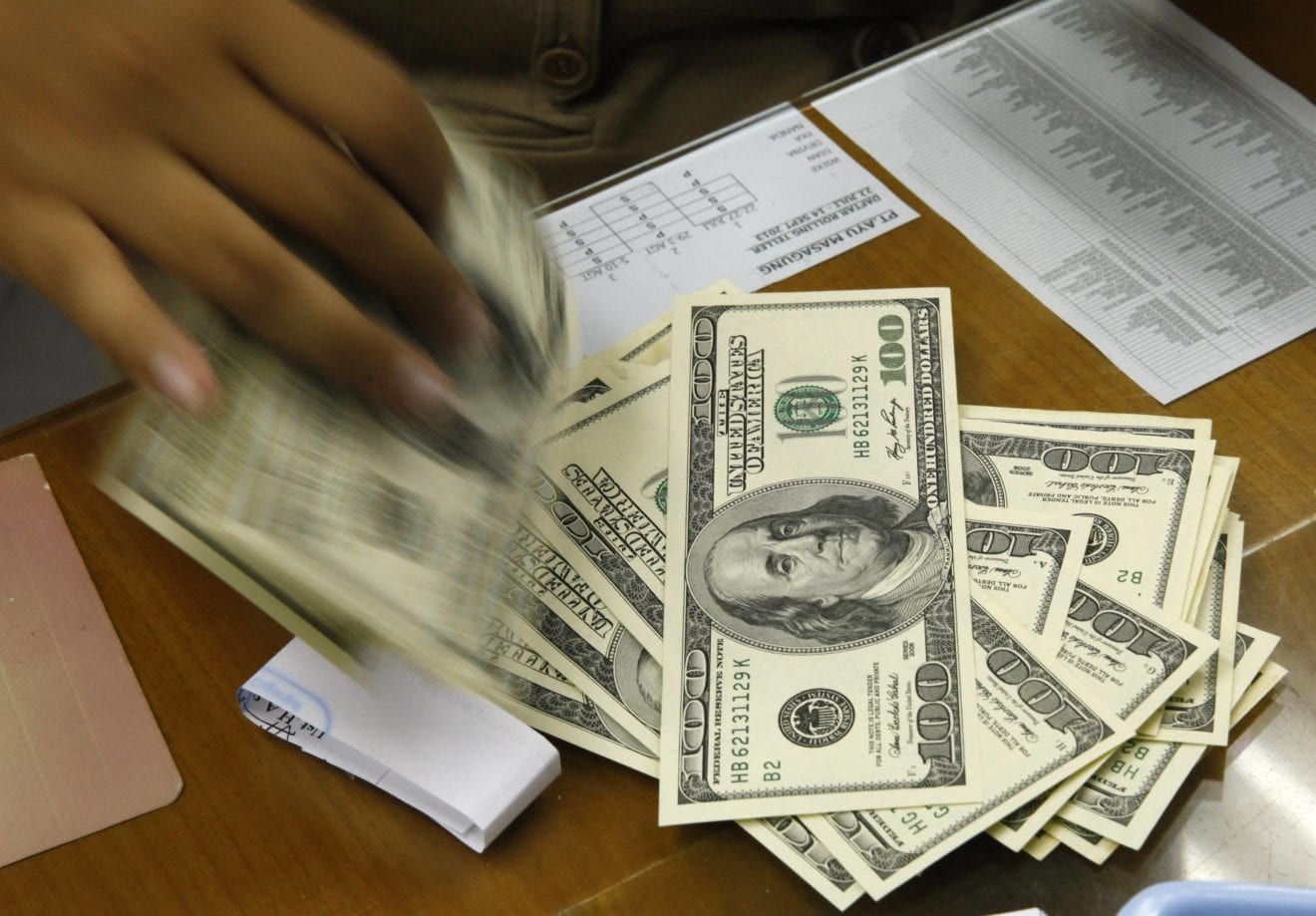
    The U.S. dollar continued its upward trend against the Vietnamese dong on Thursday, marking the third consecutive day of gains as global rates surged.

    Dollar Exchange Rates on the Rise

    At Vietcombank, the dollar was listed at VND 26,210, reflecting a 0.23% increase. Meanwhile, the State Bank of Vietnam adjusted its reference rate up by 0.06% to VND 24,962. In parallel, at unofficial exchange points, the dollar climbed 0.08% to VND 26,360.

    This rally comes in the wake of a court ruling that blocked former President Donald Trump from implementing import tariffs on various countries, a decision that created ripples in the currency market. Analysts suggest that this unexpected turn could provide the beleaguered dollar with some much-needed relief amid ongoing trade uncertainties.

    “It’s difficult to predict whether the tariffs will be fully reversed, but if they are, we can certainly expect to see the dollar appreciate,” noted Yunosuke Ikeda, head of macro research at Nomura in Tokyo. He further added that the existing tariffs pose stagflation risks to the U.S. economy, so their potential reversal would bode well for the dollar’s strength.

    In a world where currency fluctuations can feel as unpredictable as a game of chance, one can’t help but wonder what other surprises lie in the global financial arena.

    Questions & Answers

    Why is the U.S. dollar rising against the Vietnamese dong?
    The U.S. dollar has been appreciating due to a surge in global rates and a recent court decision blocking tariffs proposed by Donald Trump, resulting in a more favorable outlook for the dollar.

    What are the new exchange rates for the dollar?
    As of Thursday, the dollar was listed at VND 26,210 at Vietcombank and VND 26,360 at unofficial exchange points.

    What impact do tariffs have on the dollar’s strength?
    Trump’s tariffs have added stagflation pressures to the U.S. economy. A potential reversal of these tariffs could lead to an appreciation of the dollar.

  • Vietnam Seeks 4,000 Workers to Power Two Upcoming Nuclear Plants

    Vietnam Seeks 4,000 Workers to Power Two Upcoming Nuclear Plants

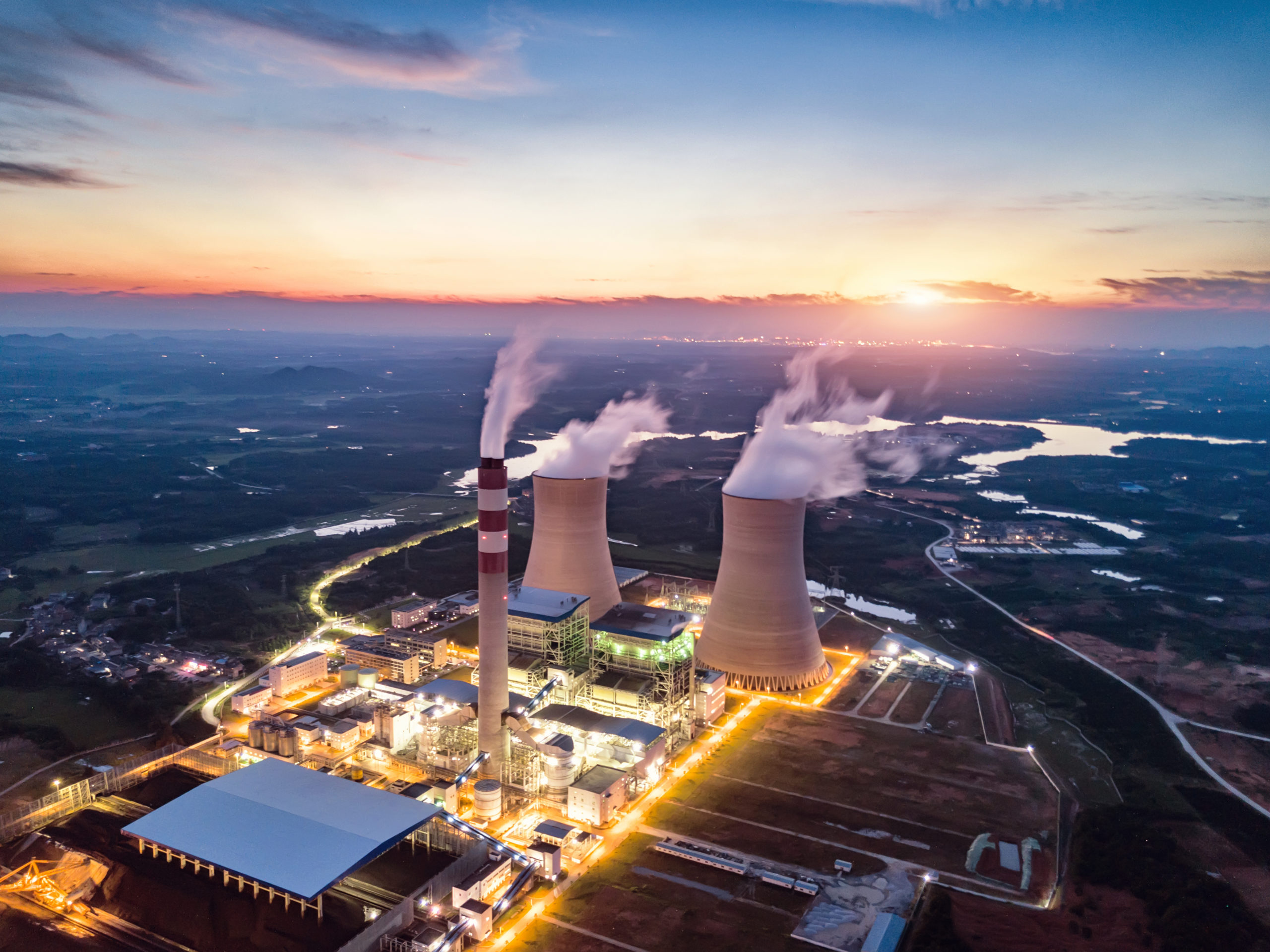
    Nearly 4,000 employees will be needed to operate Vietnam’s two proposed nuclear power plants, set to rise in the central province of Ninh Thuan by 2030. This ambitious initiative aims to bolster the nation’s energy landscape, but it also raises a significant demand for qualified personnel.

    Specialized Training Abroad

    Among the workforce needed, 670 individuals will undergo specialized training overseas to ensure they are well-prepared for the complexities of nuclear energy. The workforce will predominantly consist of engineers and holders of bachelor’s degrees, while the remainder will be equipped with two-year college qualifications. Those chosen for international training will primarily be graduates in relevant disciplines, committed to serving at the plants upon their return.

    Interestingly, the training program is broadening its net by considering first- and second-year university students eager to join post-training. This opens avenues for a fresh wave of talent ready to dive into the world of nuclear energy.

    Collaboration for Expertise

    To cultivate expertise in nuclear plant management and operations, civil servants, experts, and staff from various ministries will provide short-term training and internships. Moreover, around 120 lecturers are anticipated to be enlisted to teach nuclear science to aspiring master’s and doctoral students at local universities.

    In a strategic move, the Vietnamese government has revived plans for the Ninh Thuan nuclear power plants, with the National Assembly giving its enthusiastic endorsement in November. The first of these plants is earmarked to begin generating electricity by 2030, marking a pivotal moment in Vietnam’s energy journey.

    As the nation gears up for this nuclear adventure, it’s not just about numbers; it’s about preparing a workforce that can harness the power of the atom responsibly and effectively. Let’s hope they’re ready for the nuclear future—and maybe even a little fun along the way!

    Questions & Answers

    What is the timeline for the completion of the nuclear plants in Vietnam?
    The first nuclear plant is scheduled to begin generating electricity by 2030.

    How many workers will be needed for the nuclear power plants?
    Vietnam will require nearly 4,000 employees to operate the two planned nuclear facilities.

    What types of degrees will the workforce possess?
    The workforce will include a majority of engineers and individuals with bachelor’s degrees, alongside those with two-year college diplomas.

  • Thaco Proposes Ambitious $61B Transnational High-Speed Rail Project to Revolutionize Travel

    Thaco Proposes Ambitious $61B Transnational High-Speed Rail Project to Revolutionize Travel

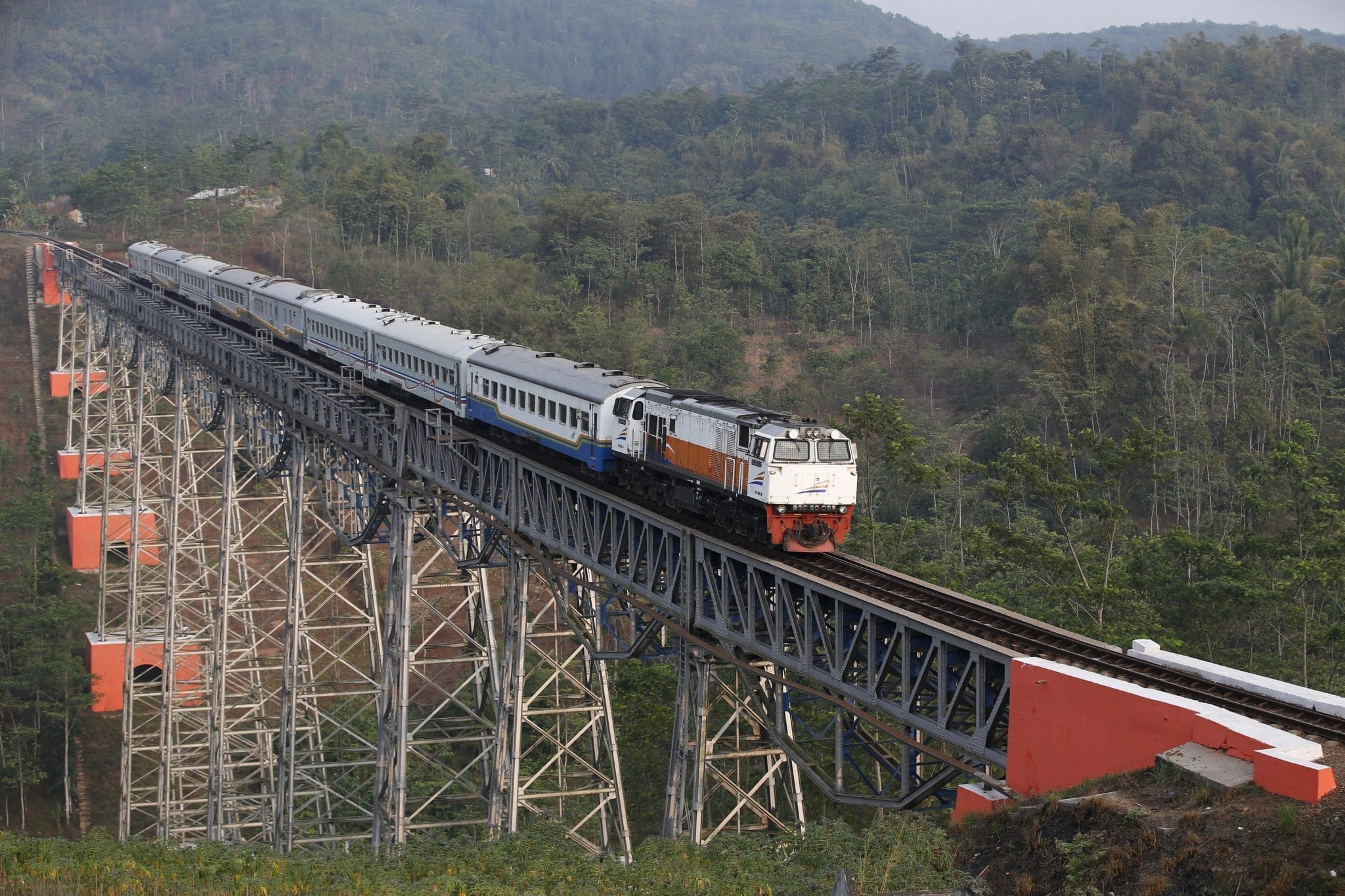
    Thaco is gearing up to revolutionize Vietnam’s transportation landscape with an ambitious high-speed railway project that promises to reshape connections between major cities. The company plans to cover 20% of the project’s costs and seek loans from both domestic and international financial institutions for the remainder, hoping to secure government guarantees and interest coverage for a whopping 30 years. Notably, the estimated costs do not include expenses related to land compensation and resettlement, which the government will manage as a separate undertaking.

    New Ventures in Rail Infrastructure

    To spearhead this monumental infrastructure endeavor, Thaco intends to establish a dedicated company while maintaining a controlling interest, inviting local corporations to invest in this groundbreaking initiative. However, the company has made it clear that stakes or operational rights will not be sold to foreign investors.

    Journey Over Challenging Terrain

    The ambitious project is designed to unfold over seven years, divided into two phases. The first five years will concentrate on notoriously crowded routes connecting Hanoi to Ha Tinh Province and Ho Chi Minh City to Khanh Hoa Province. The subsequent two years will focus on linking these two vital sections, a task complicated by challenging terrain that necessitates extensive surveys and custom technical designs.

    Commitment to Local Expertise

    In a bid to ensure cutting-edge standards, Thaco plans to implement electrified technology and collaborate with firms from Germany, France, Japan, and South Korea. But there’s a twist: while these international partners will provide technology, Thaco is also committed to training local personnel in these advanced disciplines.

    Transforming Vietnam’s Transportation Economy

    With a vision to transform transportation throughout the country, Thaco anticipates this project will significantly boost growth in foundational sectors. Additionally, they seek a 70-year contract to operate the railroad, claiming priority access to land designated for developing urban residential areas for resettlement purposes. In February, Prime Minister Pham Minh Chinh urged Thaco to consider technology transfer for the manufacturing of railway carriages and locomotives as part of the high-speed railway initiative.

    A Route to Connectivity

    The National Assembly has approved a route stretching an impressive 1,541 kilometers from Hanoi to Ho Chi Minh City, traversing 20 provinces and cities. Designed to accommodate speeds of up to 350 kilometers per hour, with a 1.435 m double-track gauge, the rail line will feature 23 passenger and five freight stations. A feasibility study is set to kick off in 2025, with the project completion targeted for 2035.

    Stiff Competition and Big Ambitions

    Thaco isn’t alone in this venture. VinSpeed, backed by Vietnam’s wealthiest individual, Pham Nhat Vuong, also aims to construct the railway. They have offered to cover 20% of the costs while seeking a staggering US$49 billion interest-free loan from the government over 35 years. Like Thaco, VinSpeed has requested government assistance with land acquisition and promises to begin operations within five years after construction starts.

    Thaco’s Evolution

    Founded in 1997 by Tran Ba Duong, Thaco has evolved from a modest automobile manufacturing business into a sprawling conglomerate that spans industrial production, logistics, agriculture, and infrastructure. Its production hub in Quang Nam represents Vietnam’s largest automobile manufacturing facility and stands as a testament to its growth and ambitions.

    As it plunges into major national infrastructure projects, Thaco’s latest venture could very well be a game-changer for Vietnam’s economy—after all, who wouldn’t want to zoom across the country at lightning speed?

    Questions & Answers

    What is Thaco’s strategy for financing the railway project? Thaco plans to contribute 20% of the costs and secure the rest through loans from domestic and international financial institutions, seeking government guarantees and interest coverage.

    How long will the high-speed rail project take to complete? The project is expected to be completed in seven years, divided into two phases focusing on different crowded travel sections and linking them thereafter.

    What other companies are interested in the railway construction? VinSpeed, controlled by Vietnam’s richest man, Pham Nhat Vuong, has also expressed interest and proposed a significant investment plan for the project.

  • Coffee Exports Surge to $4.2 Billion in Just Five Months!

    Coffee Exports Surge to $4.2 Billion in Just Five Months!

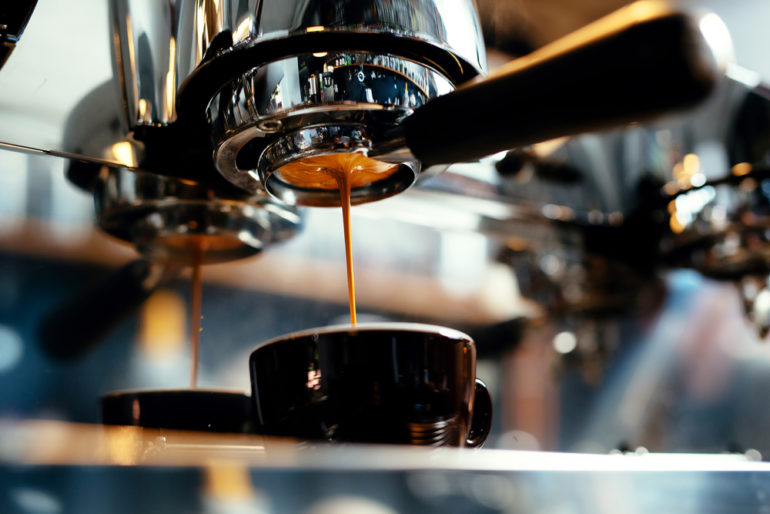
    Vietnam’s coffee exports have made a remarkable leap this year, with the country shipping over 736,000 tons valued at an impressive US$4.2 billion from January to mid-May, as reported by the Department of Customs. While this marks a 5.5% decline in volume year-on-year, the surge in value—up by 56%—can be attributed to rising average prices.

    Domestic Prices Face a Dip

    In an unexpected turn, coffee prices in Vietnam’s Central Highlands experienced a noticeable decline over the weekend, dropping between VND2,500 and VND3,300 (about 9.6 to 13 US cents) per kilogram. As a result, prices now sit at VND122,500 (US$4.82) per kilogram in key provinces like Dak Nong, Dak Lak, and Gia Lai, with Lam Dong posting slightly lower figures at VND122,000.

    Experts in agriculture are looking ahead, predicting that domestic prices may continue their downward trend, potentially settling around VND120,000 per kilogram. This forecast is influenced by a cooling in global market dynamics, as concerns about weather disruptions and trade tensions appear to be subsiding.

    To offset recent market fluctuations, the industry is investing heavily in cultivation and replanting initiatives. This is expected to enhance supply in the near future, bringing fresh optimism to farmers.

    With coffee being such a beloved beverage, will we soon see a “roasted revival” in prices, or is the market on a steady decline? Only time will tell, but one thing’s for sure: coffee lovers and producers alike are watching closely.

    Questions & Answers

    What was the total value of Vietnam’s coffee exports from January to mid-May this year?
    The total value reached US$4.2 billion, despite a decrease in export volume.

    What has caused the recent decline in domestic coffee prices?
    A combination of easing global market conditions and the expectation of increased supply is leading to lower domestic prices.

    What future trends are anticipated for coffee prices in Vietnam?
    Experts predict that prices may drop further to around VND120,000 per kilogram as the market adjusts to better supply conditions.

  • Vietjet Expands Fleet with Exciting Order of 20 Airbus A330neo Wide-Body Aircraft!

    Vietjet Expands Fleet with Exciting Order of 20 Airbus A330neo Wide-Body Aircraft!

    The signing ceremony held on Monday brought together Vietnamese State President Luong Cuong and French President Emmanuel Macron, marking a significant milestone during the latter’s state visit to Vietnam. This pact paves the way for Vietjet to expand its international route network across the Asia-Pacific region, ramping up operations on high-demand routes while laying the groundwork for future long-haul services to Europe.

    Fueling Modernization and Growth

    Vietjet Chairwoman and CEO Nguyen Thi Phuong Thao emphasized that the modern Airbus aircraft, known for their advanced performance and fuel efficiency, play a crucial role in Vietjet’s growth journey. She reaffirmed the airline’s commitment to a long-term investment in a contemporary fleet, aiming to enhance economic and technological ties between Vietnam and France.

    A Leap Forward in Orders

    President Wouter van Wersch of Airbus International proudly announced Vietjet’s rise as one of the globe’s fastest-growing airlines. The latest agreement sees Vietjet doubling its confirmed orders for the A330neo family to a staggering 40 aircraft. In addition, the airline already has an order for 96 single-aisle aircraft from the A320neo family, and currently operates an all-Airbus fleet of 115 planes, including 108 from the A320 family and seven A330-300s.

    A330-900: The Avionics Marvel

    The A330-900, boasting the state-of-the-art Rolls-Royce Trent 7000 engines, poses an impressive maximum range of 13,300 kilometers. With Airbus’s award-winning Airspace cabin design, passengers can expect an elevated flying experience characterized by increased comfort, ample space, and exquisite design features such as larger personal areas, expanded overhead storage, advanced lighting, and top-tier in-flight entertainment and connectivity systems.

    Sustainability Takes Flight

    As of April 2025, the A330 family has secured over 1,800 confirmed orders from more than 130 customers globally. Like all Airbus aircraft, the A330neo is capable of operating on blends of up to 50% sustainable aviation fuel (SAF), with ambitions of achieving 100% SAF capability by 2030, taking sustainability to new heights.

    Expanding Horizons

    Vietjet’s A330 fleet is currently deployed on international routes to Australia, India, and Kazakhstan, offering premium travel options, especially in business class. This significant expansion will empower the airline to reach new destinations and adapt to the evolving travel demands of passengers around the world.

    Questions & Answers

    What recent agreement did Vietjet sign during President Macron’s visit?
    Vietjet signed a significant contract to double its confirmed orders of the A330neo family to 40 aircraft, enhancing its fleet’s capabilities.

    How does the A330-900 enhance passenger experience?
    The A330-900 features the award-winning Airspace cabin, providing an improved flying experience with greater comfort, personal space, and advanced entertainment options.

    What is Vietjet’s commitment towards sustainability?
    Vietjet aims to utilize sustainable aviation fuel, planning to achieve 100% capability by 2030, while currently accommodating blends of up to 50% SAF in their operations.

  • Gold Prices Dive in Vietnam: What’s Behind the Sudden Drop?

    Gold Prices Dive in Vietnam: What’s Behind the Sudden Drop?

    Gold prices in Vietnam took a notable plunge on Monday morning, mirroring a downward trend in global bullion markets as the United States and European Union reached an agreement on a deadline for a much-anticipated trade deal.

    Gold Prices on the Decline

    The Saigon Jewelry Company’s gold bars fell by 0.82%, bringing the price to VND120 million (approximately US$4,631.42) per tael. Meanwhile, gold rings saw a decrease of 0.86%, now priced at VND115 million per tael, with one tael equating to 37.5 grams or 1.2 ounces. Interestingly, despite this drop, gold prices have skyrocketed by 42.5% since the start of the year, keeping investors on their toes.

    Globally, gold prices softened on Monday after U.S. President Donald Trump set a July 9 deadline to finalize a trade agreement with the European Union, retracting his earlier stance of imposing a 50% tariff starting June 1. As reported by Reuters, spot gold dipped 0.3% to $3,346.59 an ounce, while U.S. gold futures experienced a 0.6% decline, settling at $3,345.70.

    Kyle Rodda, an analyst at Capital.com, commented on the market fluctuations, stating, “There is a kind of element of relief in the marketplace after the pause on tariffs on the EU, and we’re seeing gold weaken.”

    So, as the gold market takes a breather, investors wonder: will a shiny future be on the horizon, or are we just polishing the surface?

    Questions & Answers

    What caused the drop in gold prices in Vietnam?
    The decline in gold prices is attributed to global market shifts following the U.S.-EU trade deal, easing fears of impending tariffs.

    How much has gold surged since the start of the year?
    Gold prices have surged by an impressive 42.5% since January 2023.

    What are the current prices for gold bars and rings in Vietnam?
    As of Monday, the price for gold bars is VND120 million per tael, while gold rings are priced at VND115 million per tael.

  • Dollar Hits 5-Week Low Against Dong: A Significant Shift in Currency Trends

    Dollar Hits 5-Week Low Against Dong: A Significant Shift in Currency Trends

    The U.S. dollar experienced a notable decline against the Vietnamese dong on Monday morning, reaching its lowest point since April 21. This dip reflects a series of movements in the currency markets that are drawing attention from analysts and investors alike.

    A Shift in the Currency Landscape

    Vietcombank reported a 0.11% decrease in the dollar’s value, pricing it at VND26,100. Meanwhile, the State Bank of Vietnam made adjustments to its reference rate, reducing it by 0.08% to VND24,940. On the black market, the dollar fell further, dropping 0.34% to VND26,340. Despite this recent decline, the dollar has still experienced a 2.15% increase against the dong since the start of the year.

    Global Currency Reactions

    In global markets, the euro surged alongside risk-sensitive currencies like the Australian dollar. This rise follows President Donald Trump’s decision to retract proposed 50% tariffs on European Union imports, a move that occurred after the EU sought additional time to negotiate a more favorable deal. Trump’s sudden policy reversals, compounded by a comprehensive spending and tax-cut bill currently working its way through legislation, have led to a broader sell-off of U.S. assets. In response, the U.S. dollar index, which measures the dollar against six major currencies, dropped 0.3% to 98.813, building on a significant 1.9% decline from the previous week.

    As the dollar’s uncertainty lingers, investors are left wondering how these developments will impact the future of global trade and currency exchanges.

    Questions & Answers

    What recent event contributed to the dollar’s decline against the dong?
    The dollar fell after President Donald Trump backed away from imposing 50% tariffs on European goods, a move that appeased investors and allowed for risk-sensitive currencies to rise.

    How much has the dollar changed against the dong since the beginning of the year?
    Despite the recent decline, the dollar has increased by 2.15% against the dong this year, showcasing a complex dynamic in currency exchange rates.

    What does the decline in the U.S. dollar index signify for investors?
    The drop in the U.S. dollar index signals growing investor skepticism towards U.S. assets, driven by recent policy shifts and ongoing legislative changes that may reshape economic conditions.

    In a world where currencies dance to the rhythm of policy and international negotiation, the dollar’s performance can often feel like watching a thrilling game of cat and mouse.

  • Vietnam’s Nutifood partners with Australia’s Viplus for a new brand

    Vietnam’s Nutifood partners with Australia’s Viplus for a new brand

    Vietnam’s prominent dairy firm, Nutifood, has partnered with Australia’s Viplus Dairy to launch a new international brand known as GippsNature.

    Introducing a New Joint Venture

    This new venture, named Viplus Nutritional Australia, has been established with an aim to develop and market GippsNature as an elite nutritional brand. The brand’s foundation is rooted in Australia’s predominant “nature-first” philosophy.

    Expansive Product Line

    GippsNature is set to offer a vast variety of products for every age group, from children to the elderly. It is scheduled to make its debut in Vietnam in the third quarter of this year, and there are future plans to take the brand global.

    Minh Bao Tran, Vice Chairman of Nutifood, emphasized the company’s objectives aren’t confined to merely producing milk. Instead, they aim to cultivate comprehensive nutritional solutions. GippsNature is the embodiment of a long-term strategy between ViPlus Dairy, boasting a commendable 130-year history, and Nutifood, which adds innovation and in-depth understanding of the Vietnam market to the mix.

    Established Brands Uniting

    ViPlus Dairy, situated in Gippsland, has a rich portfolio that includes infant formula, adult nutrition powders, and pregnancy and lactation formulas. Nutifood, on the other hand, was established in 1989 and runs six factories in Vietnam, along with one in Sweden. Nutifood’s renowned brands include Grow Plus+, Nuvi Grow, Ong Bau Cafe, and Nutimilk.

    Questions & Answers

    What is the focus of the new joint venture, Viplus Nutritional Australia?
    The joint venture aims to develop and market GippsNature as a premium nutritional brand, emphasizing Australia’s “nature-first” philosophy.

    When and where is GippsNature set to launch?
    GippsNature is slated to launch in Vietnam in the third quarter of this year, with plans for global expansion in the future.

    What products does GippsNature plan to offer?
    GippsNature will provide a wide range of products catering to all age groups, from children to seniors.

  • Ho Chi Minh City Plans to Transition 80% of Ride-Hailing Motorbikes to Electric in Two Years

    Ho Chi Minh City Plans to Transition 80% of Ride-Hailing Motorbikes to Electric in Two Years

    The ambitious goal of introducing 400,000 electric ride-hailing motorbikes in Ho Chi Minh City (HCMC) is within reach, provided there are financial incentives, tax exemptions, and the establishment of sufficient charging stations. This optimistic outlook comes from Le Thanh Hai, director of the Institute for Development Studies, who underscores the transition’s potential to cut costs for drivers and enhance environmental conditions in the city.

    Recent research by the institute reveals a striking difference in daily expenses for fuel between traditional fuel and electric motorbike drivers. Grab and Be ride-hailing drivers currently fork out VND70,000–100,000 (approximately $3 to $4) each day on gasoline, based on survey feedback from 400 participants. In stark contrast, drivers of Xanh SM electric motorbikes pay only VND20,000 for charging.

    When considering battery degradation, wait times, and charging expenses, electric motorbike riders can pocket between VND40,000 and VND60,000 more each day—translating to a monthly income boost of about VND1 million—in comparison to their gasoline-powered peers. These savings could enable them to pay off their vehicle loans in just two to 2.5 years.

    Yet, the journey towards electric rides isn’t without its bumps. Charging infrastructure poses a significant challenge. Electric bikes from brands like VinFast, Selex Motors, DatBike, and Honda typically need 4-10 hours to charge and offer a range of 100-200 kilometers—meaning drivers must charge daily, incurring a loss of income during that time.

    Nguyen Huu Phuoc Nguyen, CEO of electric scooter startup Selex Motors, believes that energy infrastructure will cease to be an obstacle as soon as charging speeds catch up with refueling gasoline. Selex Motors is pioneering a quick two-minute battery-swapping service compatible with various brands, currently operating 50 stations in HCMC, with plans to expand to 200 next year.

    However, Nguyen points out that the absence of standardized charging infrastructure remains a critical issue, as companies often function independently. He urges local authorities to motivate businesses to expand shared charging and battery-swapping networks, promoting a collaborative growth atmosphere.

    Financial considerations also play a crucial role in this transition, particularly for technology drivers who often experience low and unstable incomes. The Institute for Development Studies has teamed up with banks to craft specialized credit products and has secured promising commitments from electric motorbike manufacturers and distributors.

    Moreover, the city has proposed appealing to the central government for the elimination of registration fees and value-added taxes on new electric vehicles and technology drivers for the initial two years. Currently, Vietnam’s transportation sector emits 32.9 million tons of CO2 equivalents annually, with HCMC responsible for about 13 million tons. To actively support green transportation, the city aims to convert all buses to electric or green-energy vehicles by 2030, alongside a comprehensive Vehicle Emissions Control Plan that encourages incentive creation and transition roadmaps for taxis, tech vehicles, passenger cars, and vehicles utilized by public agencies and businesses.

    The road to an electric future may be paved with challenges, but an electric motorbike revolution along the bustling streets of HCMC promises a more sustainable urban environment for everyone— and perhaps even a newfound love for battery-powered journeys!

    Questions & Answers

    What financial support is being proposed for the transition to electric vehicles in HCMC?
    The city recommends that the central government waive registration fees and value-added taxes for new electric vehicles and technology drivers during their first two years.

    How much can electric motorbike drivers potentially save compared to gasoline-powered counterparts?
    Electric motorbike drivers can save between VND40,000 and VND60,000 each day compared to traditional gasoline users, leading to an additional VND1 million in monthly earnings.

    What plans does HCMC have for public transportation concerning green energy?
    HCMC plans to convert all buses to electric or green-energy vehicles by 2030, supporting a broader goal of reducing emissions in the city’s transportation sector.

  • Vietnam Surpasses Thailand and Australia, Claiming Leading Role in China’s Mango Market

    Vietnam Surpasses Thailand and Australia, Claiming Leading Role in China’s Mango Market

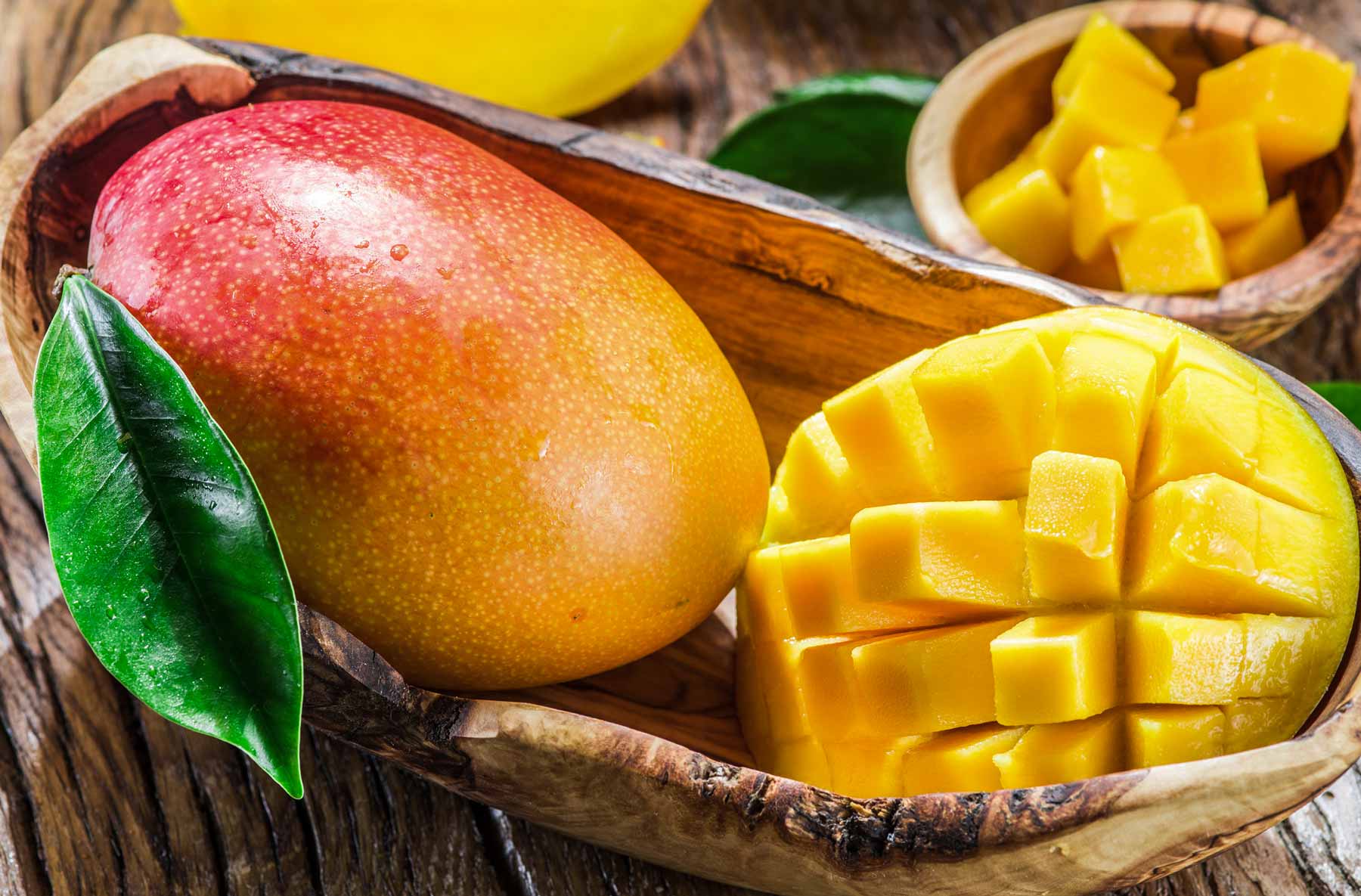
    China has dramatically increased its mango imports, with a staggering year-on-year rise that brought the total to US$29 million, as reported by China customs. This surge is primarily due to the country’s insatiable appetite for tropical fruits, coupled with a domestic supply shortage.

    Mango Import Landscape

    Among the six countries supplying mangoes, Vietnam emerged as the standout performer, enjoying a remarkable growth rate. While Cambodia, Peru, Australia, Thailand, and the Philippines experienced stagnation or decline, Vietnam’s mango exports skyrocketed to around US$28 million—a whopping 145-fold increase from the previous year. The average price per ton also saw a substantial rise of nearly 73%.

    Thailand’s position as a major mango exporter to China has dwindled significantly, dropping to fifth place with a drastic 70% decline in shipments, valued at just US$65,000. This shift highlights Vietnam’s competitive advantage in accessibility, thanks to low logistics costs and its geographical proximity to China.

    Quality and Affordability

    The Vietnam Fruit and Vegetable Association emphasizes that Vietnamese mangoes are distinguished by their quality and affordability, appealing to the modern Chinese consumer. Local varieties like Hoa Loc and Cat Chu are particularly favored for their rich flavors. A spokesperson for the association noted, “These varieties resonate deeply with Chinese tastes.”

    Experts attribute Vietnam’s vibrant market presence to its pricing strategy. Vietnamese mangoes average around $700 per ton, in stark contrast to competitors that charge between $6,000 and $11,000 per ton, such as Thailand, Peru, Australia, and the Philippines.

    Demand and Seasonal Dynamics

    China’s soaring demand for mangoes—both for fresh consumption and processing—has created an essential need for imports, especially during off-seasons. Vietnam, producing about one million tons of mangoes annually, meets not only the needs of China but also markets in the U.S., South Korea, Japan, and the Netherlands.

    The Mekong Delta’s nearly 2,000 hectares of mango orchards certified under global standards are pivotal in fulfilling China’s stringent requirements. Notably, Vietnam’s off-season production from September to March fits perfectly with China’s deficiency during these months, allowing top-grade mangoes to fetch impressive prices, reaching up to VND100,000 per kilogram.

    Yet, as this month marks the onset of China’s domestic mango season, the demand for Vietnamese mangoes has sharply declined, resulting in steep price drops to just a few thousand Vietnamese dong per kilogram (a mere few U.S. cents). One could say, “The mango may be king, but even royalty can face a fall from grace!”

    Questions & Answers

    **Which country significantly increased its mango exports to China?**
    Vietnam has seen its mango exports soar, with a 145-fold increase year-on-year.

    What factors contribute to the popularity of Vietnamese mangoes in China?
    Their high quality, favorable pricing, and the appealing flavors of local varieties make them particularly attractive to Chinese consumers.

    How does the domestic mango season in China affect Vietnamese mango prices?
    As China’s mango season begins, the demand for Vietnamese imports plummets, leading to significant drops in prices.

  • Gold Prices Edge Higher Amid Market Shifts and Economic Uncertainty

    Gold Prices Edge Higher Amid Market Shifts and Economic Uncertainty

    Vietnam’s gold market saw a subtle uptick on Saturday morning, buoyed by a surge in global bullion prices.

    Vietnam’s Gold Prices on the Rise

    The Saigon Jewelry Company reported a 0.41% increase in gold bars, pricing them at VND121 million (approximately $4,662.09) per tael. Gold rings also experienced a slight gain of 0.43%, reaching VND116 million per tael. Notably, since the start of the year, gold prices have skyrocketed by 44%.

    On the international scene, gold prices climbed more than 2% on Friday, marking the best weekly performance in six weeks. This surge occurred as investors turned to gold as a safe-haven asset amidst new tariff threats from U.S. President Donald Trump and a weakening dollar, as reported by Reuters. Spot gold jumped 2.1% to $3,362.70 an ounce, and bullion posted a 5.1% weekly increase, hitting its highest point in over two weeks.

    “U.S. President Donald Trump has been on a tear the last 24 hours. Threatening 50% tariffs on the EU as of June 1, biting Apple, and hammering Harvard has stocks in a black mood, which is great for gold,” noted Tai Wong, an independent metals trader. It seems when the stock market frowns, gold shines—truly a case of financial opposites attracting!

    Questions & Answers

    How much has gold increased since the beginning of the year?
    Gold prices have surged by 44% since the start of the year.

    What influence did President Trump have on the gold market recently?
    His recent tariff threats contributed to a decline in investor confidence in stocks, leading many to turn to gold as a safer investment.

    What was the percentage gain for spot gold on Friday?
    Spot gold rose by 2.1% on Friday, marking an impressive increase amidst global market fluctuations.

  • Dollar Dips Against Dong in Thriving Black Market Exchange

    Dollar Dips Against Dong in Thriving Black Market Exchange

    The U.S. dollar took a hit against the Vietnamese dong in the black market this past Saturday morning, as unofficial exchange points reported a decrease of 0.34%, bringing the dollar’s value to VND 26,340. In contrast, Vietcombank opted to maintain its exchange rate at VND 26,130.

    Globally, the dollar faced a significant decline on Friday, largely fueled by a surge of investor concern as U.S. President Donald Trump escalated trade tensions. His suggestion to impose a 50% tariff on European Union imports beginning June 1 sent investors scrambling, as reported by Reuters. The dollar index, a gauge that measures the greenback against a basket of other currencies, fell by 0.8% to settle at 99.09, marking its lowest point in three weeks.

    Over the course of the week, the dollar slid 1.9%, on track for its most significant weekly percentage drop since early April. Jayati Bharadwaj, a global foreign exchange strategist at TD Securities, noted that the concurrent decline of the dollar and U.S. stocks indicates a noteworthy shift in market dynamics. “The dollar’s correlation with equities is broken,” she stated, adding that this inversion is likely to persist due to the U.S.-specific risks influencing the financial landscape since the year’s beginning.

    In this topsy-turvy market, one might wonder if the dollar’s next move will involve a dramatic dance with tariffs or a quieter retreat into the shadows.

    Questions & Answers

    What was the dollar’s exchange rate against the dong on the black market?
    The U.S. dollar traded at VND 26,340 on the black market, down 0.34%.

    How did the dollar perform globally last Friday?
    The dollar fell by 0.8% in value, hitting its lowest point in three weeks, predominantly due to escalating trade tensions.

    What did the global FX strategist say about the dollar’s performance?
    Jayati Bharadwaj pointed out that the dollar is no longer acting as a safe haven, as its correlation with stock performance has significantly shifted.

  • HCMC Ranked Among Southeast Asia’s Top 5 Most Innovative Startup Ecosystems

    HCMC Ranked Among Southeast Asia’s Top 5 Most Innovative Startup Ecosystems

    Ho Chi Minh City is lighting up the entrepreneurial landscape as it secures a spot among the top five leading innovative startup ecosystems in Southeast Asia for the first time. This remarkable achievement highlights the city’s journey into becoming a powerhouse for startups and innovation.

    Rapid Rise in the Rankings

    A recent report from StartupBlink, a globally recognized benchmark for assessing startup ecosystems, reveals that Ho Chi Minh City has steadily climbed the global rankings for four straight years, particularly showing impressive growth in the Fintech sector. The city has now earned a spot in the global Top 30 for Blockchain technology, ranking second in Southeast Asia—a feat that certainly adds a dash of excitement to its entrepreneurial reputation.

    Vibrancy at Its Core

    Known as Vietnam’s most dynamic startup hub, Ho Chi Minh City is enhancing its support infrastructure, fostering creativity, and building a robust startup community. The strong backing from local authorities and a progressively improving business climate have transformed the city into a magnet for innovators and entrepreneurs alike.

    Lam Dinh Thang, Director of the municipal Department of Science and Technology, emphasized that the city’s commendable rise in the StartupBlink rankings is a testament to the collective efforts of its political framework and the innovative spirit of its startup ecosystem. According to him, Ho Chi Minh City aims to place its startup and innovation framework within the Top 100 most dynamic ecosystems globally by 2030. He pointed out that the city is concentrating on key areas such as policy, infrastructure, and human resources to achieve this ambitious goal.

    A Bright Future Ahead

    This year’s rankings not only showcase Ho Chi Minh City’s relentless drive to refine its startup environment but also offer a chance for the metropolis to realign itself within the global startup landscape. Underlining this commitment, the city plans to work with experts to develop a roadmap for advancing its innovation-driven startup ecosystem from 2025 to 2030. This strategic preparation aligns with the targets set by the Politburo, steering Ho Chi Minh City toward its goal of joining the ranks of the Top 100 most dynamic global startup ecosystems.

    Why did the startup cross the road? To get to Ho Chi Minh City, of course!

    Questions & Answers

    What factors contributed to Ho Chi Minh City’s rise in startup rankings?
    The city’s growth can be attributed to its vibrant startup community, strong support from municipal authorities, and improvements in its business environment.

    What sectors are driving Ho Chi Minh City’s startup growth?
    The Fintech sector, particularly in Blockchain technology, is at the forefront of the city’s entrepreneurial boom, propelling it into the global Top 30.

    What are Ho Chi Minh City’s goals for its startup ecosystem by 2030?
    The city aims to be among the Top 100 most dynamic global startup ecosystems by focusing on policy, infrastructure, and human resources development.