Tag: Vietnam

  • Dollar Edges Up Slightly Against Vietnamese Dong in Currency Markets

    Dollar Edges Up Slightly Against Vietnamese Dong in Currency Markets

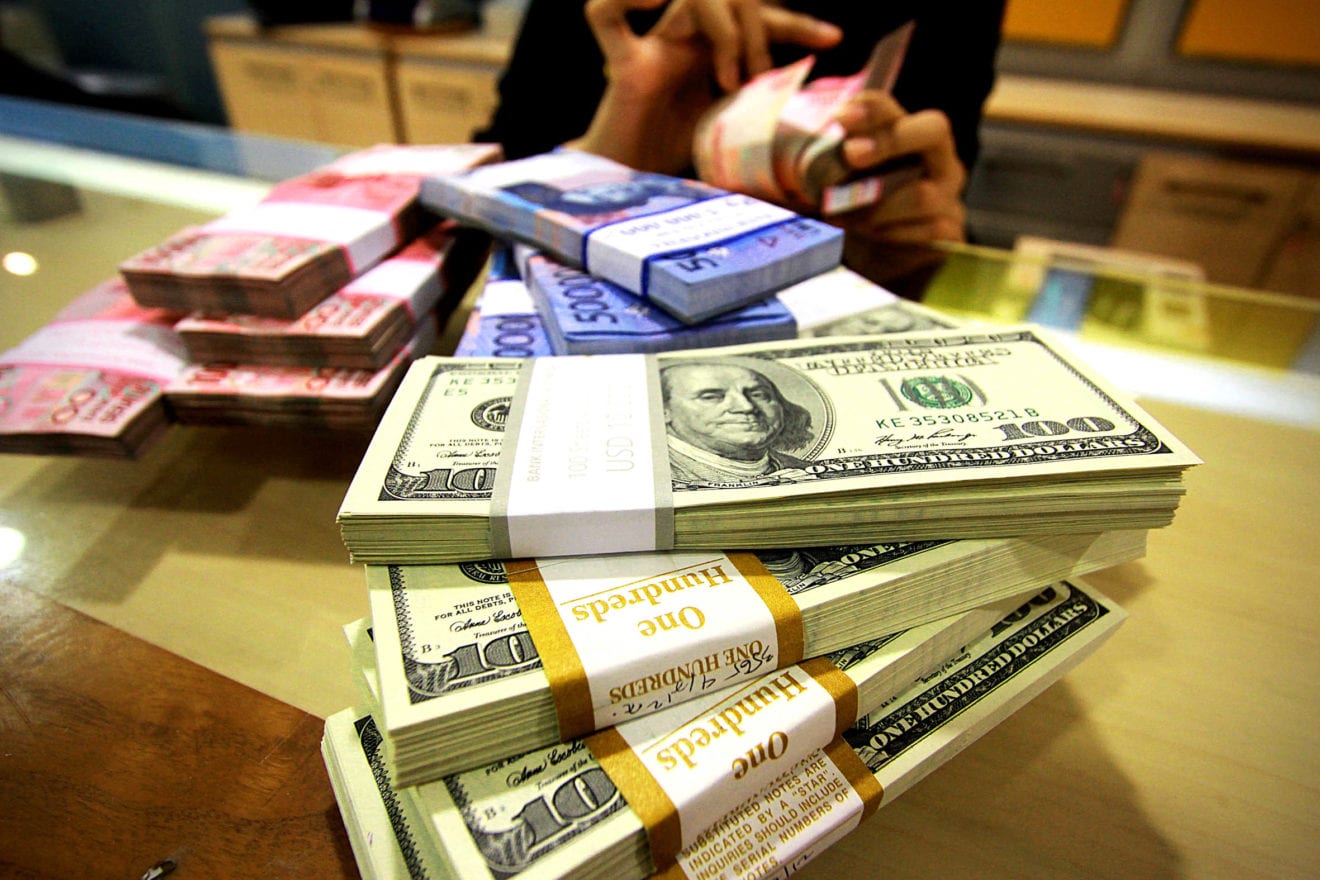
    The U.S. dollar edged up slightly against the Vietnamese dong on Tuesday morning, indicating a modest shift in currency dynamics.

    Dollar Movement in Vietnam

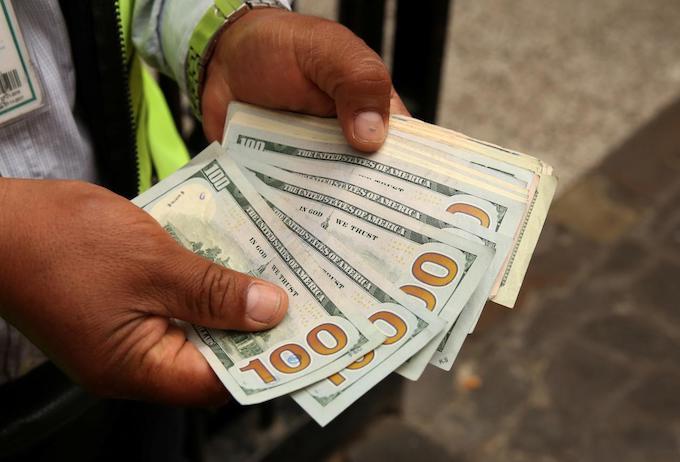
    Vietcombank pegged the dollar at VND26,140, reflecting a 0.08% gain from Monday’s figures. Meanwhile, the State Bank of Vietnam adjusted its reference rate, increasing it by 0.008% to VND24,968. In the black market, the dollar was trading at VND26,440, marking a 0.04% rise. Since the start of the year, the dollar has appreciated by 2.31% against the dong—steady progress for the greenback.

    Global Context

    On the global stage, the dollar held its ground after a week of downward trends, caught between concerns from the Federal Reserve regarding the state of the economy and increasing discussions among U.S. lawmakers about a bill poised to inflate the nation’s fiscal deficit, as reported by Reuters. In Japan, the dollar remained stable at 144.87 yen, nudging slightly after dipping to 144.66, the lowest since May 8. Despite recent fluctuations, the dollar index showed little movement following a 0.6% drop in the previous session. Notably, it has plummeted 10.6% since its January peak, marking one of the steepest declines over a three-month span.

    As the dollar dances with the dong and global markets ponder economic policies, one has to wonder—will the greenback keep gaining traction or will it step aside for other currencies?

    Questions & Answers

    **What is the current exchange rate of the U.S. dollar against the Vietnamese dong?**
    The U.S. dollar is currently at VND26,140 according to Vietcombank.

    How much has the dollar increased against the dong since the year began?
    The dollar has risen by 2.31% against the dong since the beginning of the year.

    What are the main factors influencing the dollar’s performance globally?
    Key factors include the Federal Reserve’s cautious approach to the economy and legislative moves in the U.S. that may impact the fiscal deficit.

  • Trump Organization Secures Approval for $1.5B Hotel and Golf Development in Northern Vietnam

    Trump Organization Secures Approval for $1.5B Hotel and Golf Development in Northern Vietnam

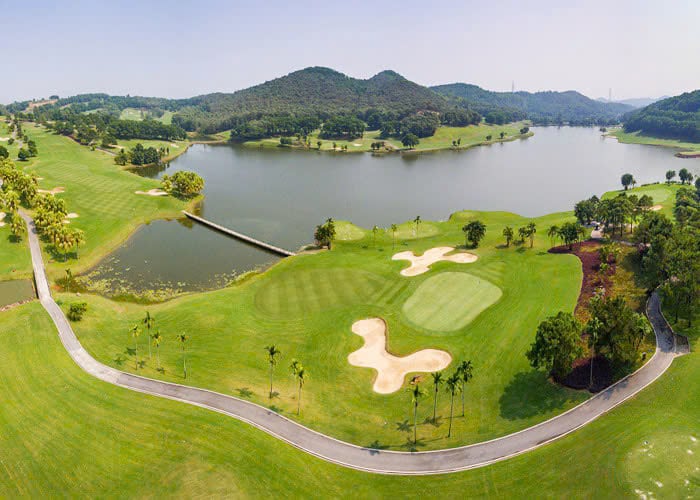
    A vast urban, eco-tourism, and golf complex spanning 990 hectares in northern Vietnam’s Hung Yen Province has received the green light for a whopping $1.5 billion investment. This ambitious project, approved by Deputy Prime Minister Tran Hong Ha, promises to reshape the landscape of the area.

    Spanning the Green

    Nestled along the banks of the Red River, the project will feature not one, but two stunning golf courses with 36 and 18 holes, respectively. Beyond the greens, the expansive complex will include a vibrant residential area and an exciting theme park, ensuring a diverse range of activities for visitors and residents alike. With construction set to kick off in the second quarter and expected to conclude by 2029, the excitement around this development is palpable.

    Guiding Hands

    Hung Yen authorities are now in charge of selecting a developer while overseeing efficient land management. The Ministries of National Defense and Public Security will also provide guidance to ensure that security protocols are firmly in place, particularly regarding foreign ownership of housing.

    The project is the brainchild of a partnership between a subsidiary of Kinh Bac City, a renowned property developer, and The Trump Organization, the global business empire founded by former President Donald Trump. Known for their portfolio of hotels, golf courses, and commercial properties worldwide, The Trump Organization has a notable presence in Asia, with golf courses in Dubai, Indonesia, and Oman, as well as properties in South Korea, the Philippines, and India.

    Building Dreams

    Kinh Bac City, along with its subsidiaries, oversees over 5,000 hectares of industrial zones and 900 hectares of urban development, luring in more than $5 billion in foreign investments annually. The real estate market in Hung Yen, located just over 60 kilometers southeast of Hanoi, has recently become a hotspot for major developers, including Ecopark, Vinhomes, Masterise, and CapitaLand. Last year, the province achieved a record-breaking nearly $4 billion in foreign direct investment.

    With this ambitious development on the horizon, Hung Yen is poised to become a vibrant destination for both investors and tourism lovers, promising to bring a fresh dynamic to the region. Who knew that a golf course could pave the way for so much excitement?

    Questions & Answers

    What does the $1.5 billion project in Hung Yen include?
    The project encompasses a 990-hectare urban complex featuring two golf courses, a residential area, and a theme park, transforming the region’s tourism and living landscape.

    Who is responsible for overseeing the project’s development?
    Local Hung Yen authorities will select a developer and manage land resources, with guidance from the Ministries of National Defense and Public Security regarding security and foreign housing ownership.

    What is Kinh Bac City’s role in the project?
    Kinh Bac City, alongside its subsidiaries, is a key player in the development, managing substantial industrial and urban areas while attracting significant foreign investment and collaborating with The Trump Organization.

  • Gold Prices Climb Higher as Global Markets Show Strong Gains

    Gold Prices Climb Higher as Global Markets Show Strong Gains

    Vietnamese gold prices saw an uptick Monday morning, reflecting a global trend as bullion rates climbed. The Saigon Jewelry Company reported a 0.68% increase, bringing its gold bar price to VND119.3 million (approximately US$4,597.04) per tael. Meanwhile, gold rings also experienced a rise, gaining 0.44% to settle at VND114.5 million per tael.

    Globally, the price of gold surged due to a softer dollar and resurgent trade tensions, particularly following U.S. Treasury Secretary Scott Bessent’s reiteration of President Donald Trump’s tariff threats, which have reignited safe-haven demand. According to Reuters, spot gold rose by 0.7% to $3,223.55 an ounce, while U.S. gold futures increased by 1.3% to reach $3,228.70.

    It’s worth noting that gold had a rough ride last Friday, shedding over 2% and experiencing its worst weekly performance since November, primarily due to increased risk appetite stemming from the U.S.-China trade agreement. However, the dollar’s decline on Monday made gold less expensive for overseas buyers, stimulating new interest.

    Tim Waterer, Chief Market Analyst at KCM Trade, commented on the recent market shifts: “The Moody’s downgrade of the U.S. credit rating and the subsequent market response has injected some energy back into the gold price.” He speculated on potential interest rate cuts from the Federal Reserve, suggesting that outcomes from Trump’s trade negotiations might play a crucial role in timing.

    Gold has long been seen as a refuge during times of political and economic uncertainty, thriving especially in low-interest-rate environments. Just when you thought the gold market was settling down, it turns out that geopolitical tensions can still stir the pot!

    Questions & Answers

    What are the current gold prices in Vietnam?
    Gold bars are priced at VND119.3 million per tael, while gold rings are at VND114.5 million per tael.

    What factors are influencing the rise in gold prices?
    A softer dollar, renewed trade tensions, and the downgrade of the U.S. credit rating have all contributed to the increased demand for gold.

    Why are low-interest rates significant for gold?
    Gold tends to perform well in low-interest-rate environments as it becomes a more attractive investment compared to interest-bearing assets.

  • Vietjet Transfers 50 Boeing 737 Aircraft to Vietjet Thailand to Boost Regional Connectivity

    Vietjet Transfers 50 Boeing 737 Aircraft to Vietjet Thailand to Boost Regional Connectivity

    Vietjet Transfers 50 Boeing 737 Aircraft to Vietjet Thailand to Boost Regional Connectivity

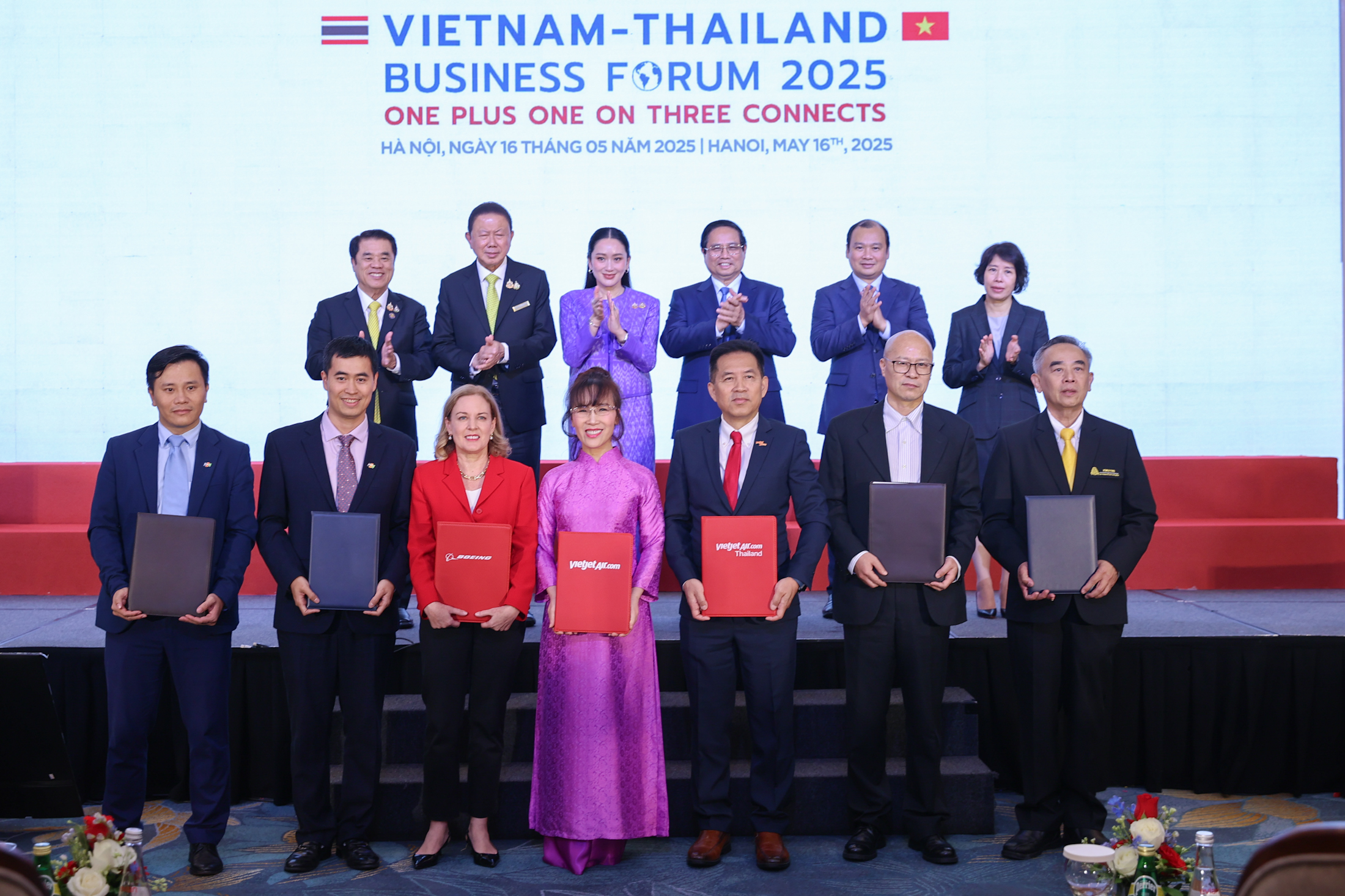
    Caption: Penny Burtt, President of Boeing Southeast Asia (3rd from left, front), Vietjet Chairwoman Nguyen Thi Phuong Thao (middle, front) and Vietjet Thailand CEO Woranate Laprabang (3rd from right, front) exchange the agreement to transfer up to 50 Boeing 737 aircraft to Vietjet Thailand in the presence of Vietnam’s Prime Minister Pham Minh Chinh (3rd from right, back) and Thailand’s Prime Minister Paetongtarn Shinawatra (3rd from right, back)     

    (Singapore, 19 May 2025) – Vietjet and Boeing have announced an agreement to transfer up to 50 Boeing 737 aircraft to Vietjet Thailand—marking a strategic initiative to strengthen aviation and tourism connectivity between Thailand, Vietnam, as well as other countries in the region. The signing ceremony took place in the presence of Vietnam’s Prime Minister Pham Minh Chinh and Thailand’s Prime Minister Paetongtarn Shinawatra during the latter’s first official visit to Vietnam in over a decade.

    Under the agreement, Vietjet will allocate 50 aircraft from its existing order of 200 Boeing 737s to Vietjet Thailand. Deliveries are scheduled to begin in October 2025, significantly expanding Vietjet Thailand’s domestic and international network, particularly enhancing air links between Vietnam and Thailand. 

    “We are pleased to partner with Vietjet and Vietjet Thailand to expand Boeing 737 operations in Vietnam and Thailand,” said Penny Burtt, President of Boeing Southeast Asia. “Together, we aim to connect communities and drive economic development, paving the way for a prosperous future in Vietnam and the dynamic growth region that is Southeast Asia.”

    Nguyen Thi Phuong Thao, Chairwoman of Vietjet, stated at the event: “The transfer of 50 modern and efficient Boeing 737-8 aircraft to Vietjet Thailand demonstrates our long-term commitment to sustainable aviation development in the region. We are determined to implement the ‘Three Connects’ Strategy between the two countries – encompassing supply chains, businesses, and localities.”

    As part of the agreement, Boeing will also provide Vietjet Thailand with comprehensive technical support, including pilot and engineer training, maintenance programs, and product services to ensure safe and efficient fleet operations in Thailand. This new agreement marks a new milestone in the robust and effective cooperation between Vietnamese, Thai, and U.S. enterprises, with shared priorities in digital transformation, sustainable development, and narrowing development gaps among member states.

    Established in 2014, Vietjet Thailand is a new-age joint venture airline of Vietjet in Thailand, symbolising the success of ASEAN aviation economic cooperation. With more than a decade of development, Vietjet Thailand has continuously expanded its fleet and flight network, becoming one of the most dynamic airlines in the Thai market—highly regarded by both local passengers and international travellers in the Land of Smiles. Headquartered at Bangkok’s Suvarnabhumi Airport , the airline currently operates 33 domestic and international routes, linking Thailand’s economic and tourism hubs with Vietnam, Japan, China, India, Cambodia, and other destinations across the region. The airline has served more than 30 million passengers, making significant contributions to tourism, trade, and ASEAN regional cooperation, particularly between Vietnam and Thailand

  • Vietnam Surges Into Global Top 10 for Social Media Users!

    Vietnam Surges Into Global Top 10 for Social Media Users!

    As digital and social media marketing gains traction, it has become a hotbed for study, promising enticing career opportunities and competitive salaries. The scene is lively in Vietnam, where office workers scroll through social media during lunch breaks, homemakers shop for groceries via mobile apps, and small business owners harness Facebook as their primary sales channel. Both urban and rural consumers are diving headfirst into the digital realm.

    The latest “Digital Vietnam 2024” report by We Are Social reveals some staggering figures: as of January 2024, Vietnam boasts over 168 million mobile connections—outstripping its total population—with 78 million internet users and 72.7 million social media enthusiasts. This dramatic spike signals a substantial shift in consumer preferences toward digital platforms.

    Digital Advertising Soars

    As social media becomes more integral to daily life, businesses are ramping up their investment in digital marketing. Projections by Statista estimate Vietnam’s digital advertising spend will soar to a staggering US$1.8 billion by 2028, reflecting a compound annual growth rate of over 9%. This trend underscores a significant transition from traditional advertising to online avenues.

    The thirst for digital marketing professionals is palpable. In particular, roles related to social media are in high demand, with starting salaries reaching as high as 40 million Vietnamese dong (US$ 1,543) per month, depending on experience and position.

    A survey from British University Vietnam (BUV) highlights that 40%-50% of graduates in digital marketing and social media from international universities find themselves in multinational firms or abroad, drawing starting salaries around VND 30 million (US$ 1,157) monthly.

    Adapting Curricula to New Demands

    In response to this growing demand, Vietnamese universities are revamping their curricula to include modules on digital and multi-platform communication. Starting in 2025, BUV will roll out a Digital & Social Media Marketing program that emphasizes hands-on application and practical skill development.

    According to a BUV representative, while many existing programs merely skim the surface of digital marketing, BUV’s approach takes a deep dive into social media—a key player in shaping consumer behavior and brand strategies.

    Comprehensive Training for a Digital Age

    Social media has transformed into a multifaceted ecosystem that significantly influences brand visibility, customer behavior, and business strategy. Thus, training in this sphere now goes well beyond running ads or crafting content; it encompasses building online communities, analyzing consumer data, navigating communication crises, and tracking engagement in real time.

    “This is precisely why BUV has developed a program that specializes in social media content. It ensures students emerge not just as technically adept marketers but as savvy influencers who can seamlessly connect brands with a digitally active society where Gen Z and Gen Alpha continuously interact and shape trends,” said Dr. Tingting Xie, Program Lead of the Digital & Social Media Marketing Program.

    The program boasts a unique “closed-loop” learning structure, starting with market trend analysis and consumer behavior insights. Students then learn to apply modern digital tools to real-world situations, develop marketing strategies aligned with business goals, and finally engage in hands-on exercises through projects, simulations, and team assignments.

    Blending Theory and Practice

    The program ensures a balanced approach, with students benefitting from lectures infused with industry insights. Company visits, expert talks, consultancy projects, and competitions tackling real business challenges enrich their learning experience. This approach guarantees that graduates are not only academically astute but also fully equipped to transition seamlessly into the workforce.

    As digital economies continue to expand and social media usage climbs, digital marketing is solidifying its position as a strategic career path for those seeking to thrive in this rapidly transforming market.

    BUV stands out as the first university in Vietnam to earn a QS 5-star rating, making it the first in both Vietnam and ASEAN accredited by the U.K.’s Quality Assurance Agency (QAA). Its programs are tailored to meet industry needs, harmonizing academic excellence with practical experience. BUV proudly reports a remarkable 100% rate of graduate employment or further study within three months of graduation.

    Questions & Answers

    What is the projected growth of digital advertising spending in Vietnam?
    Digital advertising spending in Vietnam is expected to reach US$1.8 billion by 2028, with a compound annual growth rate exceeding 9%.

    How does BUV’s Digital & Social Media Marketing program differentiate itself?
    BUV’s program uniquely emphasizes social media, enhancing students’ technical skills while fostering their abilities to connect brands with consumers in the digital age.

    What opportunities are available for graduates in this field?
    Graduates of digital marketing programs in Vietnam often find lucrative roles in multinational companies or pursue opportunities abroad, with many receiving attractive starting salaries.
  • Dollar Gains Ground Against Dong in Black Market Trading

    Dollar Gains Ground Against Dong in Black Market Trading

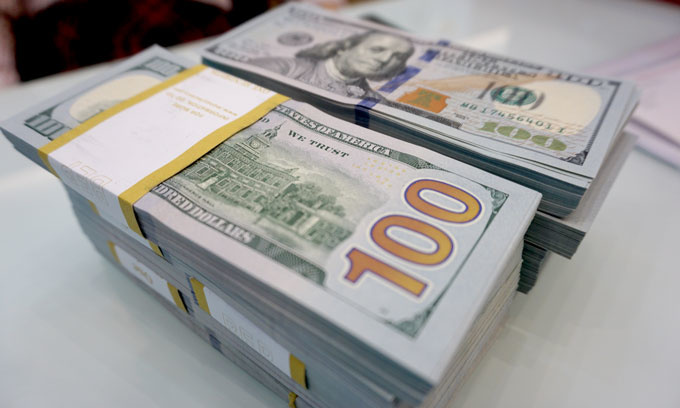
    The U.S. dollar nudged upward on the black market this past Saturday morning, reflecting a subtle shift in the currency landscape. Unofficial exchange points reported selling the greenback at VND 26,550, marking a 0.19% increase from yesterday’s figures. In contrast, Vietcombank held its rate steady at VND 26,110, while the State Bank of Vietnam maintained its reference rate at VND 24,960. So far this year, the dollar has appreciated 3.91% against the dong.

    Globally, the dollar experienced a boost on Friday, buoyed by the latest economic data revealing a rebound in import prices. However, consumer sentiment remained weak due to growing tariff concerns, setting the stage for the dollar’s fourth consecutive weekly rise, according to reports from Reuters. The week unfurled with a startling 1% surge on Monday, thanks to a surprising announcement from the U.S. and China—a 90-day pause on the majority of tariffs levied against each other’s goods since early April, which quelled fears of a potential global recession. However, the currency saw some downward pressure later in the week partly attributed to lackluster economic data.

    Meanwhile, the dollar index, which gauges the value of the greenback against a selection of currencies, climbed 0.36% to reach 101.13, with the euro slipping 0.37% to $1.1146. It seems the dollar still has a few tricks up its sleeve, keeping traders on their toes.

    Questions & Answers

    What was the dollar’s new rate on the black market?
    The dollar was sold at VND 26,550, which represents a 0.19% increase from Friday.

    How does the dollar’s movement compare to Vietcombank and the State Bank of Vietnam’s rates?
    Vietcombank’s rate remained unchanged at VND 26,110, while the State Bank of Vietnam held its reference rate steady at VND 24,960.

    What factors influenced the dollar’s recent rise?
    A rebound in import prices and a 90-day pause on tariffs between the U.S. and China fueled the dollar’s rise, despite ongoing concerns about consumer sentiment and sluggish economic data.

  • Jackfruit Prices Plummet to Just 15 Cents Per Kilogram in Vietnam’s Market

    Jackfruit Prices Plummet to Just 15 Cents Per Kilogram in Vietnam’s Market

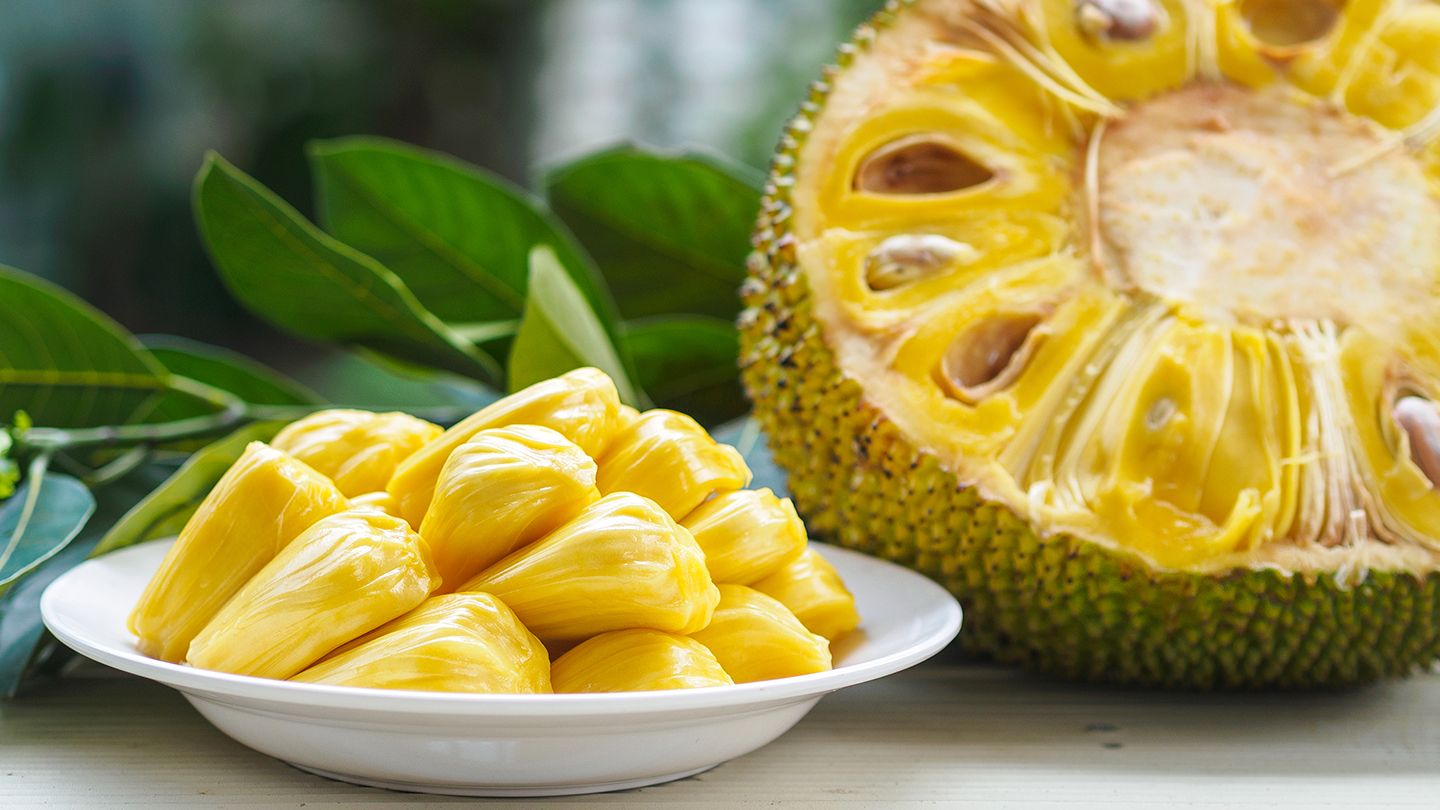
    The price of Thai jackfruit, a staple in Vietnam’s bustling agricultural markets, has taken a steep dive, slashing in half to VND4,000–10,000 (15–39 U.S. cents) per kilogram over just a month. This drastic decline has alarmed local farmers, particularly in the Mekong Delta, where the fruit is predominantly cultivated.

    Challenges from Trade Regulations

    The primary reason behind this tumble lies in tightening import protocols from China, a vital market for Vietnamese jackfruit. Stricter regulations surrounding banned substances and pesticide residues have left farmers grappling with a sharp decline in demand. Recent months have seen orchards in the key jackfruit-growing provinces of Ben Tre and Tien Giang trimming prices for top-quality produce—once the pride of their harvests.

    One local farmer, Hung, who tends to 40 jackfruit trees, expressed his growing concern. He recently sold three tons of his haul for VND5,000–8,000 per kilogram, far below his production costs of VND9,000–12,000. “If prices remain low, my family will suffer heavy losses this year,” he lamented, underscoring the grim reality facing many farmers.

    Rising Costs and Stiff Competition

    Adding to the farmers’ woes are rising expenses for fertilizer and labor. Traders are also skittish due to the sudden elevation of quality standards imposed by Chinese authorities. Compounding these challenges is competition from an array of other seasonal fruits, including watermelon, lychee, mango, and mangosteen, which further dilutes the market for jackfruit.

    The entire export landscape seems bleak, with the first quarter of 2025 witnessing a 13% drop in jackfruit exports compared to the previous year, totaling $70 million. As farmers face an uncertain future, one can only wonder: can this beloved fruit stage a comeback, or will it continue to face challenges in the changing market landscape?

    Questions & Answers

    What factors have contributed to the fall in jackfruit prices in Vietnam?
    The prices have dropped due to stricter import regulations from China regarding pesticide residues and banned substances, along with rising production costs and competition from other fruits.

    How have local farmers reacted to the price drops?
    Many farmers, like Hung, are experiencing significant financial strain, selling their produce at prices well below their production costs and fearing heavy losses.

    What are the prospects for jackfruit exports moving forward?
    With exports already down 13% in early 2025 compared to last year, the future looks uncertain unless farmers can adapt to market demands and pricing challenges.

  • Vietnam Airlines Eyes Ambitious Expansion with Demand for 50 New Aircraft

    Vietnam Airlines Eyes Ambitious Expansion with Demand for 50 New Aircraft

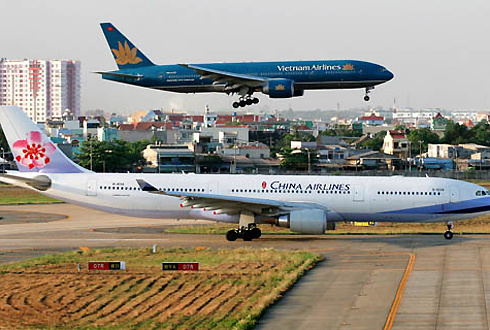
    Vietnam Airlines is soaring to new heights, aiming to bolster its fleet with a minimum of 50 additional aircraft as part of a robust strategy to expand its operations amidst a global jet shortage. During an extraordinary general meeting on Thursday, Chairman Dang Ngoc Hoa revealed that these acquisitions are vital for the airline’s recovery from the pandemic, as it prepares to launch or resume services on 15 international routes this year.

    As part of its ambitious plans, the state-owned carrier recently received government approval for the procurement of 50 narrow-body aircraft and 10 spare engines, with an eye-popping price tag of nearly US$3.7 billion. Currently boasting a fleet of 100 aircraft, Vietnam Airlines anticipates reaching 137 by 2030 and 164 by 2035.

    However, the clock is ticking. With soaring global demand for commercial aircraft, the airline must act swiftly to place orders that ensure delivery before 2030. Failing to do so may push Vietnam Airlines into a tricky situation, where it will have to lease planes starting in 2027—a scenario none would prefer.

    Adding to the urgency are ongoing technical difficulties with Pratt & Whitney engines, which have grounded 15 narrow-body Airbus A321 aircraft while four wide-body Airbus A350 are undergoing maintenance. As a result of this aircraft shortage, the remaining planes are working overtime, averaging 11.5 flight hours each day—a significant jump from the pre-Covid average of 10 hours.

    In a nod to its expansion ambitions, shareholders have also endorsed a move for Vietnam Airlines to issue more shares, raising VND22 trillion (approximately $848 million) in 2025 and 2026.

    With eyes set firmly on the future, the airline not only hopes to strengthen its fleet but also to reclaim its position as a key player in the competitive skies.

    Who knew managing a fleet could be as complex as a game of chess?

    Questions & Answers

    What is the purpose of Vietnam Airlines’ plan to acquire new aircraft?
    The plan to acquire new aircraft aims to support the airline’s ambitious expansion plans and boost its recovery post-Covid by launching or resuming services on 15 international routes this year.

    What approval did Vietnam Airlines recently receive?
    Vietnam Airlines received government approval for the purchase of 50 narrow-body aircraft and 10 spare engines at a cost nearing US$3.7 billion.

    How many aircraft does Vietnam Airlines currently operate?
    The airline currently operates a fleet of 100 aircraft and plans to expand to 137 by 2030 and 164 by 2035.

  • Gasoline Prices Rise, Impacting Drivers Across the Nation

    Gasoline Prices Rise, Impacting Drivers Across the Nation

    An employee fills up a vehicle at a fuel station in Ho Chi Minh City, illustrating Vietnam’s evolving fuel landscape. Gasoline and diesel prices saw a modest uptick in Vietnam on Thursday afternoon, following a decline the previous week. This change reflects the dynamic nature of the global fuel market.

    Price Movements

    The widely-used RON95 fuel rose by 2.19%, now priced at VND19,590 (approximately US$0.76) per liter. Meanwhile, the biofuel E5 RON92 also saw an increase of 2.18%, bringing it to VND19,180. Diesel prices surged by 2.5% to reach VND17,220.

    These fluctuations in Vietnam’s fuel prices are tied to a plethora of global factors. Over the past week, a temporary agreement between the U.S. and China aimed at reducing import tariffs has influenced market dynamics. Coupled with increasing tensions in the Middle East, a boost in oil production from OPEC+, and the continuing ramifications of the Russia-Ukraine conflict, the landscape remains anything but stable.

    In the international arena, RON95 climbed to $77 per barrel, while diesel prices also saw a bump, increasing 3% to reach $79.11 per barrel. The interplay of these variables leaves many wondering how prices will continue to evolve.

    As pocketbooks get squeezed globally, it’s clear that even the most routine gas station visit can become a rollercoaster ride of price fluctuations.

    Questions & Answers

    What prompted the recent rise in gasoline and diesel prices in Vietnam?
    The increase is linked to global factors such as tariff agreements between the U.S. and China, tensions in the Middle East, OPEC+ production adjustments, and the ongoing Russia-Ukraine conflict.

    How much have gasoline prices increased recently?
    RON95 prices rose by 2.19% to VND19,590 per liter, while diesel saw a 2.5% increase, now priced at VND17,220.

    What are the current prices on the global market for RON95 and diesel?
    RON95 is currently priced at $77 per barrel, whereas diesel has reached $79.11 per barrel.

  • Aeon eyes eightfold expansion in Vietnam by 2030

    Aeon eyes eightfold expansion in Vietnam by 2030

    Aeon, a renowned Japanese retail conglomerate, has laid out ambitious plans to increase its presence in Vietnam’s retail sector. The group is charting an eightfold expansion of its network of general merchandise stores and large-format supermarkets across Vietnam over the next half a decade, according to a report by Nikkei Asia.

    Current Operations

    Aeon currently manages 12 general merchandise stores in Vietnam, including a trio of “super-supermarkets” – a blended retail model that integrates groceries, food courts, and sections for beauty and household goods. In addition to these, the company also oversees 36 small-format supermarkets, which include Citimart outlets operated by an Aeon subsidiary.

    Yasuki Furusawa, President of Aeon Retail, shared the strategic plans with Nikkei Asia. Furusawa revealed that the company aims to operate 100 general merchandise stores and super-supermarkets, alongside 200 smaller-scale grocery stores by 2030.

    Flagship Store Expansion

    Earlier this year, Aeon inaugurated its latest flagship store, Aeon Xuan Thuy, located in a vibrant district of Hanoi, well-positioned near offices, schools, and a newly installed subway station.

    The four-level building offers a diverse range of products to its customers. The first three floors house a wide array of goods, including food, cosmetics, furniture, and apparel. The third floor also features a spacious dining area that can accommodate up to 450 patrons. Additionally, the store boasts a sizeable prepared foods section, covering 1620 square meters, where customers can choose from a variety of offerings such as sushi, ramen, boxed meals, fried dishes, and baked goods.

    “Family outings to the store, where each member can select what they want, followed by a meal around the table, is a major form of entertainment in Vietnam,” Furusawa mentioned, underscoring the cultural context of their business model.

    Questions & Answers

    What is Aeon’s expansion plan in Vietnam?
    Aeon plans to increase its network of general merchandise stores and large-format supermarkets in Vietnam eightfold over the next five years.

    How many stores does Aeon currently operate in Vietnam?
    Currently, Aeon operates 12 general merchandise stores in Vietnam, including three “super-supermarkets” and 36 small-format supermarkets.

    What does Aeon’s flagship store in Hanoi offer?
    Aeon Xuan Thuy, the flagship store in Hanoi, offers a range of products including food, cosmetics, furniture, and apparel across its first three floors. The third floor also features a 450-seat dining area and a substantial prepared foods section.

  • VinSpeed, led by billionaire Pham Nhat Vuong, unveils ambitious $61B high-speed rail initiative.

    VinSpeed, led by billionaire Pham Nhat Vuong, unveils ambitious $61B high-speed rail initiative.

    VinSpeed, a company established by Vietnam’s wealthiest individual, Pham Nhat Vuong, has unveiled an ambitious plan to construct a North–South high-speed railway, projected to cost a staggering VND1.56 quadrillion (US$61 billion). This monumental project aims to be completed by 2030, setting the stage for Vietnam’s modern railway industry while invigorating regional economies.

    As part of its investment strategy, VinSpeed, nestled within the ecosystem of Vingroup—Vietnam’s largest private corporation—has committed to covering 20% of the total investment, which equates to roughly $12.27 billion. To fund the remaining 80%, VinSpeed has proposed to secure zero-interest loans from the state budget, repayable over 35 years, not counting expenses related to land clearance such as compensation and resettlement.

    With a charter capital of VND6 trillion (US$231 million), VinSpeed is ambitious about hitting the ground running, vowing to commence construction by December 2025 and bring the full railway into operation by December 2030.

    The firm is also engaging with premier partners from China, Germany, and Japan for technology transfer, focusing on domestic production of locomotives, carriages, and signaling systems. Additionally, VinSpeed plans to rapidly train the workforce to enhance local technical capabilities, promoting Vietnam’s independence in railway development.

    To drive revenue and partially finance public investment, VinSpeed will collaborate with Vingroup and Vinhomes to create urban areas adjacent to key railway stations, utilizing the innovative Transit-Oriented Development approach.

    Duong Thu Van, a representative of VinSpeed, emphasized the company’s steadfast commitment to this groundbreaking initiative, placing a strong emphasis on innovation, decisive action, and collaborative efforts with domestic businesses to not only develop the railway system but also cultivate a sustainable high-speed rail industry in Vietnam.

    Who knew a high-speed journey could also pave the way for fresh urban landscapes?

    Questions & Answers

    What is the estimated cost of the North–South high-speed railway project?
    The project is estimated to cost VND1.56 quadrillion, which is approximately US$61 billion.

    What portion of the funding is VinSpeed responsible for?
    VinSpeed has committed to mobilizing 20% of the total investment, or about $12.27 billion.

    When is the construction of the railway expected to start?
    VinSpeed plans to begin construction by December 2025, with the goal of having the railway operational by December 2030.

  • Dollar Stays Strong Against Dong as Markets React to Economic Trends

    Dollar Stays Strong Against Dong as Markets React to Economic Trends

    The U.S. dollar held steady against the Vietnamese dong on Wednesday, even as it experienced a slight decline against several major world currencies. At Vietcombank, the dollar remained unchanged at VND26,140, while the black market valued it at VND26,500. The State Bank of Vietnam also kept its reference rate stable at VND24,973.

    Globally, the dollar found some stability following its most significant drop in over three weeks. This came in the wake of lower-than-anticipated U.S. consumer inflation data, which tilted the scales toward a potential easing by the Federal Reserve, especially as global trade tensions seem to be calming. Reports suggest, however, that this stability may be short-lived, as the U.S. dollar index, which evaluates the currency against six major peers, dipped 0.1% to 100.87 after a 0.8% decline the previous day.

    Earlier in the week, the index surged 1% and reached a one-month high, bolstered by optimism surrounding a de-escalation in U.S.-China trade tensions, which many believed could stave off a looming global recession. Nevertheless, analysts at TD Securities predict a 5% decline in the dollar during the second half of the year as investors consider diversifying away from U.S. assets amidst rising uncertainty and volatility surrounding U.S. policies.

    In offshore trading, the dollar appreciated by 0.24% to 7.2122 yuan, recovering slightly after falling to a six-month low of 7.1791 yuan on the prior day. However, it took a hit against the yen, declining 0.41% to 146.89, extending Tuesday’s drop of 0.66%. The dollar also slipped 0.1% to 0.8384 Swiss francs, while the euro and sterling remained largely unchanged at $1.1191 and $1.3307, respectively.

    This financial juggling act is quite a spectacle—it’s almost like watching a game of currency twister!

    Questions & Answers

    Why did the U.S. dollar remain stable against the Vietnamese dong?
    The U.S. dollar held steady as Vietcombank and the black market showed little fluctuation, with the dollar consistently valued around VND26,140 and VND26,500, respectively.

    What factors influenced the global dollar’s recent performance?
    A combination of lower-than-expected U.S. consumer inflation data and easing global trade tensions contributed to the dollar’s slight decline against major currencies.

    What do analysts predict for the dollar’s future?
    Analysts at TD Securities foresee a potential 5% drop in the dollar in the latter part of the year as global investors look to diversify their portfolios amid ongoing uncertainty and policy volatility in the U.S.

  • Gold Prices Dip as Global Rates Retreat Amid Market Shifts

    Gold Prices Dip as Global Rates Retreat Amid Market Shifts

    Gold prices in Vietnam experienced a dip on Wednesday morning, following a global trend of declining bullion rates. The price of gold bars from Saigon Jewelry Company fell by 0.41%, settling at VND120 million (approximately US$4,622.94) per tael. Meanwhile, gold rings saw a slight decrease of 0.43%, now priced at VND115 million per tael. To put it in perspective, a tael weighs 37.5 grams or 1.2 ounces.

    Global Trends Impacting Gold Prices

    Internationally, gold prices took a hit on Wednesday as easing tensions in U.S.-China trade relations diminished the demand for safe-haven investments. Market participants are eagerly awaiting new inflation data that could shape the Federal Reserve’s future policy decisions, according to Reuters.

    Market Analyst Insights

    Spot gold prices fell by 0.4%, bringing it to $3,234.32 an ounce, while U.S. gold futures decreased by 0.3%, landing at $3,237.00. Financial market analyst Kyle Rodda from Capital.com noted, “Positive developments in U.S. trade policy are diminishing gold’s appeal in the short term. If trade negotiations continue to progress well, gold could see further declines, with $3,200 serving as a critical support level.”

    Future Outlook

    In a related commentary on Tuesday, former President Trump reiterated his push for the Federal Reserve to lower interest rates, citing drops in prices for gas, groceries, and “practically everything else.” Gold, traditionally considered a hedge against inflation, often thrives in low-interest rate environments, making future developments in monetary policy even more pertinent.

    As the sun sets on gold prices, one has to wonder: Will the golden bling experience a shiny resurgence, or darken with market shifts?

    Questions & Answers

    What caused the decline in gold prices in Vietnam?
    The drop in Vietnamese gold prices was influenced by decreasing global bullion rates, linked to easing U.S.-China trade tensions.

    How much did gold prices fall?
    Gold bars fell 0.41% to VND120 million per tael, while gold rings decreased 0.43% to VND115 million per tael.

    What factors could affect future gold prices?
    Future gold prices could be impacted by ongoing trade negotiations and monetary policy decisions from the Federal Reserve.

  • Nam Long Celebrates a Decade of Strategic Collaboration with Top Japanese Partners

    Nam Long Celebrates a Decade of Strategic Collaboration with Top Japanese Partners

    Nam Long Group recently marked a significant milestone by celebrating ten years of collaboration with renowned Japanese real estate firms, Hankyu Hanshin Properties and Nishi Nippon Railroad. The event, held on May 10, attracted around 400 guests and was a lively tapestry of Vietnamese and Japanese cultural intermingling.

    A Celebration of Cultural Partnership

    The festivities were not just about acknowledging a successful decade of business; they embraced the spirit of partnerships that cross borders. Attendees enjoyed a series of performances and displays that showcased the unique blend of Vietnamese and Japanese traditions, reminding everyone that good business is as much about community and culture as it is about profit margins.

    A Bright Future Ahead

    As Nam Long Group and its Japanese partners embark on their next chapter, they express excitement for the future projects that lie ahead. This partnership isn’t merely about real estate; it’s about building a vibrant community through innovative housing developments and integrated urban planning. With a shared vision, they aim to enhance the quality of life for residents in the areas they serve.

    And who knows? Perhaps they’ll even create the next architectural wonder that makes us all say, “Wow!” in more than just one language.

    Questions & Answers

    What was the purpose of Nam Long Group’s recent celebration?
    The event commemorated a decade of successful collaboration between Nam Long Group and its Japanese partners, celebrating their shared achievements.

    How many guests attended the ceremony?
    Approximately 400 guests participated in the celebration, enjoying various cultural performances.

    What future plans do Nam Long Group and its partners have?
    They look forward to continuing their collaboration to develop innovative housing projects and enhance urban living in the regions they serve.

  • Nanogen CEO, Pioneer of Vietnam’s Covid Vaccine Trials, Dies at Age 59

    Nanogen CEO, Pioneer of Vietnam’s Covid Vaccine Trials, Dies at Age 59

    Ho Nhan, the esteemed CEO of Nanogen and a trailblazer in Vietnam’s quest for a Covid-19 vaccine, has passed away at the age of 59. His family confirmed the heartbreaking news early Tuesday, creating a void in the burgeoning biotechnology landscape of Vietnam.

    Nguyen Thi Son, his mother-in-law and the founder of the Son Kim Group—a family enterprise with interests spanning real estate and retail—spoke about his health struggles on social media. She revealed that despite battling heart disease and often expressing fatigue, Hnan remained unyieldingly dedicated to his work.

    A native of New York, Nhan honed his expertise by obtaining a Ph.D. in biotechnology from the University of Arizona. After years spent researching abroad, he returned home in 1997 and established Nanogen Pharmaceutical Biotechnology Jsc, a pioneering force in the field. He led the company as chairman and CEO until 2021, when he passed the baton to his wife, Nguyen Thi Hong Van. However, just six months later, like a phoenix rising from the ashes, he resumed his role as CEO and continued to drive the company forward until his untimely death.

    In 2019, Nanogen was valued at over VND5 trillion (approximately US$193 million), with Nhan holding a commanding 59.6% stake in the company and Van owning 14.6%. Notably, Nanogen was among the few Vietnamese organizations at the forefront of researching Covid-19 vaccines and made history in late 2020 as the first to initiate human trials for its vaccine, NanoCovax. By the following year, the research team reported that a 25-microgram dose provided nearly 52% protective efficacy after 180 days—an impressive feat amid a global health crisis.

    Nanogen’s success isn’t solely measured in efficacy statistics; the company has been pivotal in producing pharmaceutical raw materials and injectable drugs utilizing advanced technologies. Adding another layer to Nhan’s rich background, he also brought financial acumen to the table, serving on the board of directors at Vina Securities Company from 2013 to 2016 and earning accolades for his expertise in mergers and acquisitions in the pharmaceutical, hospital, and medical equipment sectors across the U.S. and Hong Kong.

    In the wake of his passing, Vietnam not only mourns a leader in biotechnology, but it also loses a visionary who combined passion and resilience to achieve the remarkable.

    Questions & Answers

    What was Ho Nhan’s role in the development of Covid-19 vaccines in Vietnam?
    Ho Nhan was the CEO of Nanogen, which was among the first organizations in Vietnam to conduct human trials for a Covid-19 vaccine, NanoCovax.

    What were some significant achievements of Nanogen under Ho Nhan’s leadership?
    Under Nhan’s guidance, Nanogen became known for producing pharmaceutical raw materials and injectable drugs using cutting-edge technologies, and it achieved a company valuation of over VND5 trillion in 2019.

    What other expertise did Ho Nhan possess beyond biotechnology?
    In addition to his work in biotechnology, Ho Nhan had a substantial background in finance, including serving on the board of directors at Vina Securities Company and being recognized for his expertise in mergers and acquisitions in various sectors.