Tag: Vietnam

  • Honda Sees Impressive Growth in Motorcycle and Auto Sales Across Vietnam

    Honda Sees Impressive Growth in Motorcycle and Auto Sales Across Vietnam

    Honda Vietnam is riding a wave of success, announcing substantial sales growth for April across both its motorcycle and automobile divisions. The figures reveal an impressive year-on-year increase of 6.9% in motorcycle sales and a remarkable 18.9% in car sales, showcasing the brand’s resilience in a dynamic market landscape.

    Motorcycle Sales Break New Ground

    In April alone, Honda Vietnam sold an astonishing 170,986 motorcycles, marking the kickoff of the 2025–2026 fiscal year on a high note. Despite lingering market uncertainties, this robust figure signals a steady appetite for motorbikes among consumers. Honda isn’t just making waves domestically; the company exported 17,953 motorcycles to various international markets, underscoring its expanding global reach.

    Automobile Segment Booms

    The automobile sector also celebrated a spectacular performance, with 2,142 units sold in April—a dynamic increase of 18.9%. This surge reflects a lively recovery in the domestic automobile market, highlighting the effectiveness of Honda’s product strategies and innovative marketing campaigns. The company’s incentive programs have clearly struck a chord with consumers eager for quality and reliability.

    As Honda continues to throttle forward, one can only wonder what new heights await. Will they unleash a surprising new model? Only time will tell!

    Questions & Answers

    What were Honda’s motorcycle sales figures in April?
    Honda Vietnam sold 170,986 motorcycles in April, reflecting a 6.9% increase from the previous year.

    How many motorcycles did Honda export in April?
    The company exported 17,953 motorcycles to various international markets last month.

    What was the sales performance of Honda’s automobile segment?
    In April, Honda sold 2,142 automobiles, which marks an impressive 18.9% increase year-on-year.

  • Diverse Product Options Shift Brand Loyalty Landscape in Vietnam

    Diverse Product Options Shift Brand Loyalty Landscape in Vietnam

    Kantar data shows Vietnam’s surge in options fuels consumers’ shifting brand preferences.

    In Vietnam, brand loyalty is becoming a relic of the past as consumers grow increasingly price-sensitive, a trend fueled by inflation and an explosion of choices. Peter Christou, General Manager of Kantar Vietnam’s Worldpanel Division, notes that shoppers are re-evaluating their brand allegiances, complicating efforts for companies to win their hearts.

    “Brand loyalty is being challenged not because consumers don’t care, but because they wield more power, face greater pressure, and encounter an unprecedented array of options,” Christou remarked. As economic pressures intensify, Vietnamese shoppers are opting for budget-friendly decisions, making it imperative for retailers to pivot.

    Kantar’s analysis reveals that the number of products on the market has doubled in the past decade, yet the success rate of these new offerings has plummeted by half. This paradox underscores the need for retailers to rethink their strategies in a landscape where standing out is tougher than ever.

    The evolution of online, offline, and hybrid shopping channels has transformed the way consumers engage with the market. “I can now explore so many shopping avenues—online and offline—which makes comparing deals and prices incredibly easy,” Christou emphasized.

    Retailers are now navigating a reality in which brand loyalty is elusive. Christou offers a roadmap for survival in this “low loyalty environment,” suggesting that retailers prioritize a data-driven approach, a deep understanding of consumer needs, and the delivery of personalized value.

    Looking into the future, Christou identifies key e-commerce trends that retailers must monitor closely. He highlights the burgeoning realm of social commerce platforms like TikTok, the significance of hyper-personalization driven by AI, the increasing appetite for quick commerce, and the prospective impact of augmented and virtual reality on the retail experience.

    In a world where shoppers are armed with options like never before, the question remains—how will retailers evolve to keep pace?

    Questions & Answers

    What is driving the decline in brand loyalty in Vietnam?
    The decline in brand loyalty is primarily driven by inflation, price sensitivity, and an explosion of choices available to consumers.

    What does Kantar’s data indicate about the proliferation of products in Vietnam?
    Kantar’s data suggests that while the quantity of products has doubled in the last decade, the success rate of these products has halved, indicating fierce competition for consumer attention.

    What future e-commerce trends should retailers in Vietnam be aware of?
    Retailers should monitor the rise of social commerce, the importance of hyper-personalization via AI, the demand for quick commerce, and the potential of augmented and virtual reality in the shopping experience.

  • Black Market Sees Dollar Surge Against Vietnamese Dong, Reports VnExpress International

    Black Market Sees Dollar Surge Against Vietnamese Dong, Reports VnExpress International

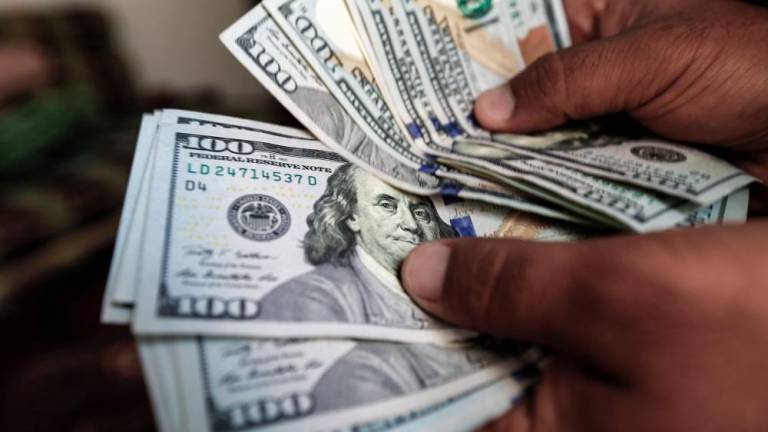
    The U.S. dollar experienced a slight uptick against the Vietnamese dong on Tuesday morning within the black market, rising by 0.09% to VND26,500. Meanwhile, state-owned Vietcombank held its exchange rate steady at VND26,140. The State Bank of Vietnam also adjusted its rate, increasing it by 0.11% to VND24,973.

    As global markets reacted positively to a newly brokered tariff agreement between the U.S. and China—a development aimed at alleviating tensions in their trade relationship—the dollar maintained its strong position. This deal has alleviated some concerns regarding a potential global recession stemming from escalating trade disputes between these two economic giants, according to reports from Reuters.

    However, the dollar took a minor hit, trading down 0.1% at 148.29 yen and fetching 0.8448 against the Swiss franc, following impressive increases of 2.1% and 1.6%, respectively, during the previous session. Rodrigo Catril, senior FX strategist at National Australia Bank, remarked, “It’s way better than the market was expecting.” He elaborated that this development reflects a U.S. administration increasingly aware of tariffs’ economic ramifications, suggesting a significant shift in approach.

    In a world where financial trends can often feel as dramatic as a suspenseful thriller, just how much can a single tariff deal sway the market?

    Questions & Answers

    What was the change in the dollar’s value against the Vietnamese dong?
    The U.S. dollar rose by 0.09% to VND26,500 in the black market.

    How did the official banks respond to the dollar’s exchange rate?
    Vietcombank kept its rate unchanged at VND26,140, while the State Bank of Vietnam raised its rate by 0.11% to VND24,973.

    What impact did the U.S.-China tariff deal have on the market?
    The deal bolstered investor confidence, helping to stabilize the dollar and ease fears of a global recession, showing a shift in U.S. policy responsiveness.

  • Durian Exports to China Experience Dramatic 74% Decline

    Durian Exports to China Experience Dramatic 74% Decline

    Vietnam’s durian exports to China have taken a dramatic nosedive, plummeting 74% year-on-year to just $130 million in the first four months of 2025. In light of this steep decline, the Vietnamese government is scrambling to find solutions to remove the technical barriers that are hampering cross-border shipments.

    Technical Hurdles and Government Action

    Minister of Agriculture and Environment Do Duc Duy is spearheading efforts to align with Chinese customs to tackle the issues that are obstructing Vietnam’s durian exports. He highlighted that the sharp decrease can be traced to a maze of unclear legal frameworks, inefficient quarantine procedures, and insufficient quality management systems. Moreover, the certification of codes for farms, packing facilities, and laboratory systems has failed to meet China’s increasingly rigorous standards.

    To address these pressing concerns, Duy emphasized the need for improved cooperation with Chinese authorities to eliminate these technical roadblocks. The issuance of codes for farms and packing facilities must accelerate, and quarantine processes should be revamped urgently to boost exports and adjust plans in response to market demands.

    Looking ahead, Duy advocated for a comprehensive overhaul of the legal structures governing agricultural exports alongside a rigorous enhancement of technical standards throughout the entire supply chain—from cultivation and harvesting to processing and export. He underscored the urgency of restructuring the durian industry towards a more sustainable future.

    Additionally, Duy encouraged the development of value-added durian products, such as frozen variations, to increase overall value and decrease dependency on fresh fruit exports.

    Amidst these challenges, Vietnam’s total exports of fruits and vegetables reached $1.62 billion during the same period, reflecting a 14% decrease from the previous year. In the domestic market, durian prices have also taken a hit, falling to around VND35,000–40,000 (approximately $1.35–$1.54) per kilogram at the farm level—only one-third of what they were during the same time last year.

    Turns out that despite being dubbed the “king of fruits,” durians are having a hard time reigning in the export market!

    Questions & Answers

    What caused the 74% drop in Vietnam’s durian exports to China?
    The significant drop is attributed to unclear legal frameworks, inadequate quarantine procedures, and insufficient quality management, coupled with the failure to meet China’s stringent requirements for certification and codes.

    What actions is the Vietnamese government taking to improve exports?
    The government is enhancing cooperation with Chinese customs, expediting the issuance of codes for growing areas and packing facilities, and improving quarantine processes to boost export potential.

    What is being suggested to enhance the value of durians moving forward?
    There are recommendations to develop value-added products such as frozen durians, allowing for a higher value addition and less reliance on fresh durian exports.

  • Vietnam Airlines Launches New Routes, Connecting Travelers to India’s Thriving Tech Hubs

    Vietnam Airlines Launches New Routes, Connecting Travelers to India’s Thriving Tech Hubs

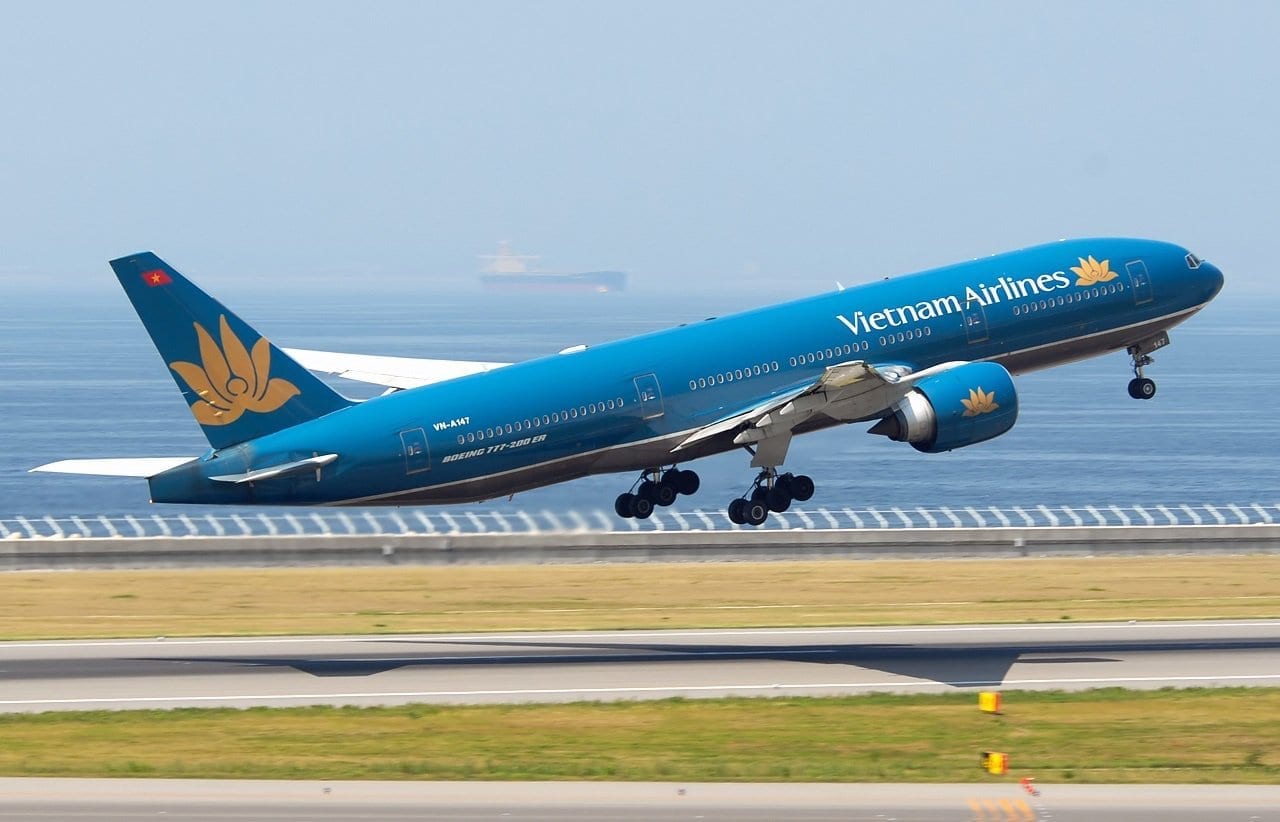
    National flag carrier Vietnam Airlines is soaring to new heights with the launch of a direct flight route connecting Hanoi to Bengaluru, India’s bustling tech hub. This new service will operate four times weekly, starting May 7, and is designed to accommodate the increasing demand driven by robust trade, tourism, and cooperation between the two nations.

    New Connections on the Horizon

    But that’s not all! On May 7, Vietnam Airlines will also initiate direct flights from Hanoi to Hyderabad, another pivotal tech center in India, with three weekly round-trips utilizing state-of-the-art Airbus A321 aircraft. The inaugural flight, VN983, took off from Hanoi on May 1, successfully transporting over 130 passengers to Bengaluru the same day. VN982, the return flight, departed Bengaluru that evening with over 160 travelers aboard, landing in Hanoi at 5:25 a.m. on May 2. Talk about a long night in the skies!

    Expanding Footprints in India

    With these latest additions, Vietnam Airlines now boasts services to four major Indian cities: New Delhi, Mumbai, Bengaluru, and Hyderabad, totaling six direct routes. This strategic expansion highlights Vietnam Airlines’ commitment to being a key connector between Vietnam and South Asia, as noted by Deputy General Director Dang Anh Tuan.

    India, with its rapidly growing aviation market and a population exceeding 1.4 billion, represents a significant opportunity for airlines like Vietnam Airlines. The increasing affluence of the Indian middle class further strengthens this connection, making travel between nations more accessible than ever. In the past few years, Vietnam Airlines has successfully operated over 3,200 flights and welcomed more than 511,700 passengers from India. Notably, Vietnam attracted over 500,000 Indian visitors in 2024, earning India a spot among its top 10 tourism markets.

    As Vietnam Airlines ventures into these tech-savvy territories, one can’t help but wonder: Are they also preparing for the next wave of IT moguls seeking sunshine and pho?

    Questions & Answers

    What cities are now connected by Vietnam Airlines in India?
    The carrier connects four major cities: New Delhi, Mumbai, Bengaluru, and Hyderabad.

    How often will flights operate on the new routes?
    The Bengaluru route will operate four times a week, while the Hyderabad route will have three weekly round-trips.

    What type of aircraft will be used for these new routes?
    Vietnam Airlines will utilize Airbus A321 aircraft for both newly launched routes.

  • Aeon Plans 100 Large Retail Stores in Vietnam by 2030

    Aeon Plans 100 Large Retail Stores in Vietnam by 2030

    Aeon Targets 100 Large-Scale Stores in Vietnam by 2030: A Major Brand Expansion in Retail News

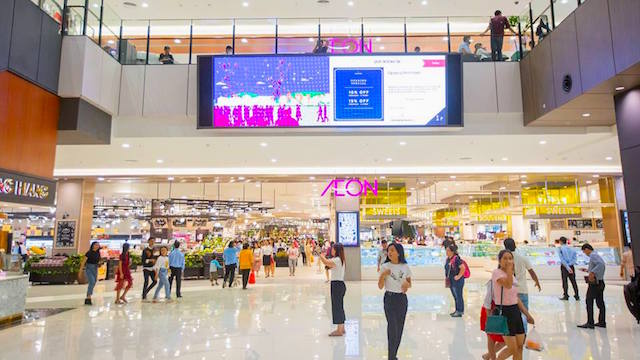
    Japan’s leading retailer, Aeon, is setting its sights on a substantial growth trajectory in Vietnam, with ambitious plans to establish 100 large-scale supermarkets and general merchandise locations by 2030. This expansion marks a significant eightfold increase in its footprint across the country and aims to redefine the retail landscape.

    Expanding the Retail Experience

    In a strategy driven by rising consumer demand, Aeon intends to introduce a novel concept of “super-supermarkets” that seamlessly blend grocery shopping with general merchandise offerings. These stores will feature food courts and beauty sections, enhancing the shopping experience for Vietnamese consumers.

    Yasuyuki Furusawa, who has recently transitioned to President of Aeon Retail, emphasized the need for this expansion to stay competitive against other key players in the market, such as Thailand’s Central. In addition to the larger stores, Aeon is also planning to grow its network of smaller grocery outlets, targeting an extensive reach of 200 locations throughout Vietnam.

    Current Operations and Future Plans

    As of February 2025, Aeon operates 12 general merchandise stores in Vietnam—including three super-supermarkets—and 36 standard supermarkets, which includes the Citimart stores managed by its subsidiary. With a strategic investment of approximately $1.5 billion over the past decade, Vietnam has become Aeon’s second most crucial market after Japan.

    In 2024, Aeon Mall reported a profit of JPY 4.23 billion (around $29.6 million) from its Vietnamese operations, achieving revenues of JPY 17.3 billion. This success positions Vietnam as Aeon’s top-performing market in Southeast Asia and the second largest after China, underscoring the country’s potential for retail growth.

    Retail Landscape in Vietnam

    Vietnam’s retail sales recorded an impressive 8% increase, totaling VND 4.92 quadrillion last year, capturing the attention of international brands, particularly Japanese firms. According to a survey conducted by the Japan External Trade Organization (Jetro), over 60% of Japanese companies operating in Vietnam reported profitability in 2024, the highest rate seen in five years. Additionally, about 56% of these businesses plan to expand their operations within the next two years, highlighting a robust demand for growth in the region.

    Ozasa Haruhiko, the chief representative of Jetro Hanoi, commented, “This is the highest rate in ASEAN, indicating that Vietnam has one of the strongest potentials for growth.”

    Conclusion: A Shift in Consumer Trends

    Aeon’s significant investment and expansion plans could reshape Vietnam’s retail sector, enhancing consumer choice and access to high-quality products. As the company reinforces its presence, consumers can expect a retail experience that combines convenience with a variety of options, signalling positive growth in the industry.

    Questions & Answers

    1. What are Aeon’s expansion plans in Vietnam? Aeon plans to increase its network to 100 large-scale supermarkets and general merchandise stores by 2030, alongside growing its smaller grocery outlets to 200 locations.
    2. How has Aeon’s performance been in the Vietnamese market? Aeon reported a profit of JPY 4.23 billion ($29.6 million) from its Vietnamese operations last year, making it the top-performing market in Southeast Asia for the brand.
    3. What trends are influencing retail in Vietnam? Vietnam’s retail sales rose by 8% last year, attracting international brands, particularly from Japan. A significant percentage of Japanese businesses reported profitability and plan to expand operations, highlighting a strong market potential.
  • Jewelry Leader Cao Thi Ngoc Dung: PNJ’s Mission Beyond Gold Trading

    Jewelry Leader Cao Thi Ngoc Dung: PNJ’s Mission Beyond Gold Trading

    Cao Thi Ngoc Dung, Chairwoman of Phu Nhuan Jewelry (PNJ), Pioneers a Modern Era in Vietnam’s Jewelry Market

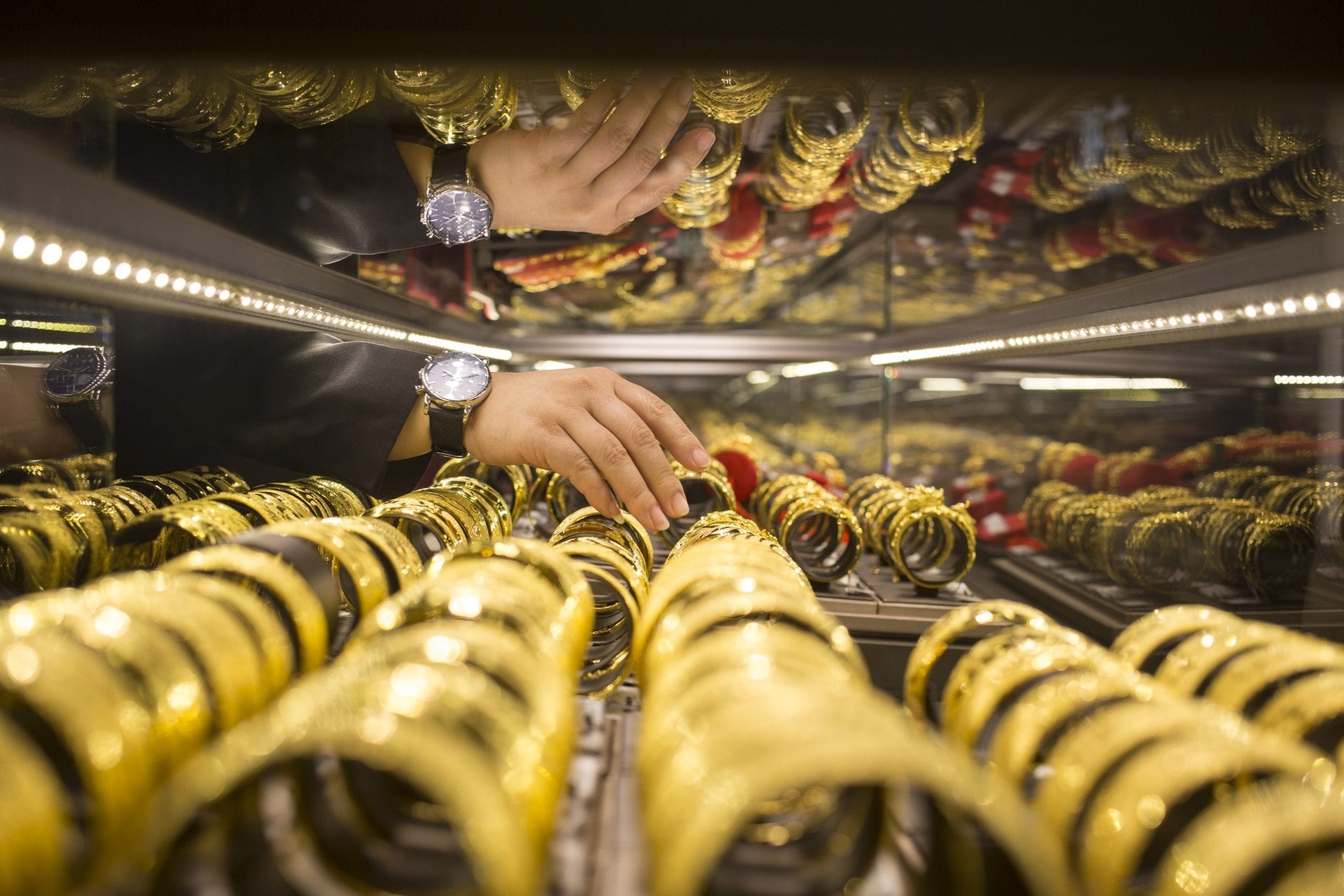
    Cao Thi Ngoc Dung has revolutionized the jewelry industry in Vietnam, steering Phu Nhuan Jewelry (PNJ) toward a remarkable success story worth over USD 1 billion in market capitalization. Unlike many companies that rely on foreign partnerships, Dung took a bold stance, opting to develop local manufacturing technology and a unique brand identity that elevates Vietnam’s presence on the global stage. In light of the 50th anniversary of Vietnam’s reunification, Dung shared her insights and experiences with VnExpress, shedding light on her journey and the principles that have guided PNJ to its current status.

    From Ground Zero to Industry Leader

    A Pioneering Spirit

    When Dung took the helm at the Phu Nhuan Precious Metals Store in 1988, Vietnam’s jewelry landscape was virtually non-existent. Tasked with establishing a legal framework for gold trading, Dung’s lack of background in jewelry did not deter her. With the encouragement of a mentor, she embraced the challenge.

    “I initially hesitated, but a leader urged me to apply my business experience and adapt,” Dung recalled. Opting for independence instead of partnering with established firms, she prioritized building a workforce of skilled artisans—a decision that would become the cornerstone of PNJ’s philosophy.

    Rejecting Foreign Ties for Local Growth

    In 1992, PNJ was offered a joint venture with an Australian company, a lucrative opportunity that could have expedited its growth. However, after observing the potential for local self-sufficiency during a trip to Australia, Dung declined the offer. “Why pay for something we can learn to do ourselves?” she questioned. This decision allowed PNJ to focus on developing its capabilities and aimed for global export rather than limiting its market to domestic sales.

    “We needed to create a strong manufacturing base that emphasized craftsmanship rather than mere commerce,” Dung asserted.

    Overcoming Challenges in a Growing Market

    Navigating Initial Consumer Resistance

    Despite adopting international best practices and machinery, introducing mass-produced jewelry to the Vietnamese market was met with skepticism. “Vietnamese consumers had a preference for imported goods, which impeded our early sales,” she shared.

    In response, Dung spearheaded efforts to build a robust retail system, emphasizing branding as essential for establishing PNJ’s identity. This shift culminated in significant growth following the company’s full privatization in 2004, allowing greater flexibility and innovation.

    Learning from Adversity

    The years 1992 to 1995 were transformative yet challenging for PNJ. As the company transitioned from a small workshop to an industrial powerhouse, Dung emphasized the importance of adaptability and long-term vision. “Sustainable growth requires a self-reliant approach to technology and production,” she said, reflecting on the foundation laid during those formative years.

    A Legacy of Leadership and Innovation

    Insights for Future Entrepreneurs

    As a mentor and strategic leader, Dung offers a wealth of insight for the younger generation of entrepreneurs. “Today’s youth are well-trained and globally connected, but they must embrace bold decision-making to seize emerging opportunities,” she advised. Her mantra emphasizes balancing speed with strategic thinking to achieve entrepreneurial success.

    Building a Future-Focused Company

    With an eye on succession planning, Dung is dedicated to instilling PNJ’s core values in future leaders, focusing on integrity and cultural fit. “Leadership is not about titles; it’s about creating value for the next generation,” she expressed, reiterating the essence of impactful leadership.

    The Future of Retail in Vietnam

    Cao Thi Ngoc Dung’s journey exemplifies the vibrant role of leadership in shaping a modern industry. As PNJ continues to expand its footprint in both domestic and international markets, the company’s commitment to craftsmanship and innovation underscores a significant trend in retail. In an era where consumer demand is shifting, brands that prioritize unique identity and quality, like PNJ, are poised to not just survive but thrive, ultimately enhancing the retail landscape for consumers and entrepreneurs alike.

  • Shanghai’s First Gold ATM Attracts Crowds Amid Record High Prices

    Shanghai’s First Gold ATM Attracts Crowds Amid Record High Prices

    In an innovative twist on jewelry transactions, Shenzhen Kinghood Group’s Smart Gold Store concept has revolutionized how consumers engage with gold. The introduction of sophisticated gold ATMs in Shanghai’s bustling Global Harbor shopping mall has generated significant interest, with customers reportedly booking appointments days in advance to take advantage of the seamless service.

    Emergence of Gold ATMs: A New Trend in Retail
    The unique ATM experience allows users to insert gold jewelry, which is then weighed, melted, and evaluated on-site. In a striking example, a customer inserted a 40-gram gold necklace and received an impressive payout of CNY36,000 (approximately US$4,988) within just 30 minutes, according to China Times. This swift service reflects rising consumer demand and efficiency in gold exchanges.

    How the Smart Gold Store Works
    Managed by Kinghood Group, this groundbreaking ATM accepts gold items weighing over 3 grams and having at least 50% purity. The recycling process incorporates identity checks and melting at temperatures exceeding 1,000°C, followed by a second purity assessment. Additionally, a service fee of CNY18 (about US$2.50) per gram is applied, allowing for transparency in pricing.

    Strategic Expansion Plans
    Xie Chengcheng, Kinghood’s operations manager in Shanghai, revealed ambitious plans to deploy over 100 gold ATMs across the city, with existing units already in Beijing, Guangzhou, Shenzhen, and Hong Kong. Since its inception last year, Kinghood has expanded the Smart Gold Store concept to 40 cities throughout China, strategically placing these ATMs in banks, supermarkets, and retail spaces to enhance brand visibility and customer accessibility.

    Impact on Traditional Gold Buying
    The arrival of gold ATMs has disrupted the traditional gold-buying model in the region. Local “gold scalpers” and smaller buyers have reported significant losses attributed to the ATM’s efficiency and transparent transactions. Some have described challenges such as reduced cash flow and an inability to compete with the rapid service provided by the new machines.

    Market Context: Rising Gold Prices
    On April 16, when the Shanghai ATM debuted, gold prices soared to record highs, creating a favorable environment for long-term holders looking to cash in. The Shanghai Gold Exchange recorded real-time prices above CNY788 ($108) per gram. Xu Weixin from the Shanghai Gold Association noted, “The introduction of smart gold ATMs primarily serves a recycling function from a business perspective,” highlighting the increased value of gold possessions amid rising prices. However, he also advised consumers to consider holding onto their gold for longer, as there’s potential for further price increases.

    Conclusion: A Transformative Effect on Retail
    The innovative Smart Gold Stores may significantly influence the retail landscape, as brands adapt to evolving consumer trends. As demand for transparent and efficient transaction methods rises, the traditional avenues for buying and selling gold face new competition. This shift not only enhances convenience for consumers but also reshapes the dynamics of the gold market in China and beyond.

    Questions & Answers:

    1. What are Smart Gold Stores? Smart Gold Stores, managed by Shenzhen Kinghood Group, feature gold ATMs that allow users to sell gold jewelry quickly and efficiently for cash, revolutionizing traditional gold-buying processes.
    2. How do these gold ATMs operate? Users insert gold items, which are weighed, melted, and assessed for purity. Payouts are provided on-site, with a service fee applied for the transaction.
    3. What impact do gold ATMs have on the traditional gold market? Gold ATMs have disrupted traditional buying practices, leading to losses for local scalpers and smaller buyers while promoting transparency and efficiency in gold transactions.
  • Vietnamese Café Launches in Prime HCMC Spot Once Occupied by Starbucks

    Vietnamese Café Launches in Prime HCMC Spot Once Occupied by Starbucks

    In a notable shift within the retail landscape of Ho Chi Minh City, Adoré – World Coffee has confidently stepped into a prime location on Han Thuyen Street, just eight months after Starbucks shuttered its upscale store at the same site. This development marks an exciting chapter in the city’s evolving consumer trends.

    New Tenant at a Competitive Rate

    Adoré is now leasing the three-story property for VND700 million per month (approximately US$29,000), slightly edging below the VND750 million Starbucks previously paid. While this represents a decrease, the rent remains nearly double the area’s average, reflecting the property’s high-profile status in Vietnam’s bustling metropolis.

    The prime location boasts over eight meters of street frontage and scenic views from the upper floors, driving its premium rental price, according to real estate analysts.

    Prolonged Search for Tenants

    Despite its prime position, it took the building’s owner eight months to secure a new tenant. The downtown area of Ho Chi Minh City has a surplus of commercial properties, resulting in many buildings sitting vacant for extended periods. Property owners often prefer to hold out for top-tier tenants rather than lower rents.

    Starbucks Finds New Home

    In the meantime, Starbucks has established a new home in the iconic Bitexco Financial Tower. This premium store, spanning 500 square meters, reportedly incurs a monthly rent of about $75,000 before long-term tenant discounts, as commercial space on the tower’s ground levels averages around $150 per square meter.

    Looking ahead, Starbucks plans to unveil another upscale store in July near the Diamond Plaza, just 300 meters from the previous Han Thuyen location.

    Impact on the Retail Sector

    The arrival of Adoré – World Coffee in such a sought-after space not only reflects the dynamic nature of retail in Ho Chi Minh City but also showcases shifting consumer preferences toward local brands. As brands expand their presence in premium locations, the retail sector is poised for further innovation and growth.

    Questions & Answers

    1. What Vietnamese coffee shop has taken over the former Starbucks location on Han Thuyen Street? Adoré – World Coffee is the new tenant of the prime retail space that was previously occupied by Starbucks.
    2. How much is Adoré – World Coffee paying in rent for the new location? Adoré is leasing the property for VND700 million per month, slightly less than what Starbucks paid before its departure.
    3. What are Starbucks’ future plans in Ho Chi Minh City? Starbucks is set to open another premium store in July, likely near Diamond Plaza, just a short distance from the former Han Thuyen site.
  • Gold Prices Decline as Consumer Demand Shifts

    Gold Prices Decline as Consumer Demand Shifts

    Gold Prices Retreat from Historic Peaks as Market Conditions Shift

    The price of gold in Vietnam has experienced a notable decline on Wednesday, moving further away from the record heights reached just days before. This fluctuation reflects broader trends in both local and global markets as investor sentiments shift.

    Steep Decline in Local Gold Prices

    In a recent update from the Saigon Jewelry Company, the price of gold bars dropped to VND 119.5 million (approximately $4,597) per tael, which marks a 1.24% decrease from the morning and a more significant 3.63% dip from Tuesday’s peak of VND 124 million.

    Similarly, gold ring prices saw a decline of 0.86%, now sitting at VND 115.5 million per tael after an earlier drop of 2.1%. For reference, a tael is equal to 37.5 grams or 1.2 ounces.

    Global Market Influences

    Globally, gold prices also faced downward pressure after remarks from U.S. President Donald Trump, who indicated a potential easing of tariffs on China and expressed no intention to dismiss Federal Reserve Chair Jerome Powell. These developments resulted in a 2.1% drop in spot gold prices, now standing at $3,310.29 an ounce, following a record high of $3,500.05. Concurrently, U.S. gold futures declined by 2.9% to $3,321.30.

    UBS analyst Giovanni Staunovo noted, “The comments from President Trump, coupled with a softer tone on the Fed chairman and relations with China, have alleviated some market anxieties, which has weighed on gold prices.” Despite this temporary downturn, Staunovo maintains a bullish outlook, projecting gold could climb to $3,500 per ounce in the coming months.

    Gold’s Resilient Performance

    Gold has typically been viewed as a safe haven amid global uncertainties. Since the beginning of 2025, its value has remarkably surged by over 26%, breaking several records along the way, indicating a robust demand amidst fluctuating economic conditions.

    As gold prices adjust due to changing economic indicators and geopolitical developments, the ongoing fluctuations hold critical implications for both local investors and the broader retail market. With consumer trends leaning towards security in investments, gold may continue to attract interest as a hedge against further instability.

    Questions & Answers

    1. What are the current gold prices in Vietnam? As of Wednesday, gold bar prices are at VND 119.5 million per tael, and gold rings cost VND 115.5 million per tael.
    2. What influenced the recent decline in gold prices? Remarks from U.S. President Donald Trump regarding lower tariffs on China and his support for Federal Reserve Chair Jerome Powell eased market tensions, contributing to the drop in gold prices.
    3. How has gold performed this year? Gold has risen over 26% since the start of 2025, hitting multiple record highs before the recent decline. Analysts still predict potential rises in the future.
  • Vietnam and US Launch Exciting New Bilateral Trade Negotiations

    Vietnam and US Launch Exciting New Bilateral Trade Negotiations

    Vietnam and U.S. Initiate Bilateral Trade Negotiations: A New Era in Economic Cooperation

    In a timely move to enhance economic collaboration, Vietnamese Trade Minister Nguyen Hong Dien engaged in a pivotal phone conversation with U.S. Trade Representative Jamieson L. Greer on April 23, 2025. This dialogue marks the commencement of crucial bilateral trade negotiations aimed at crafting a future trade pact.

    A Strategic Partnership for Economic Growth

    The negotiations are set to outline key principles, scope, and a roadmap for advancing trade between the two nations, as highlighted by Vietnam’s Department of Foreign Market Development. Minister Dien emphasized Vietnam’s commitment to its comprehensive strategic partnership with the U.S., stressing a focus on deepening economic ties that are balanced, stable, and sustainable.

    Open Dialogue for Mutual Benefit

    During the discussion, Minister Dien expressed Vietnam’s readiness to address U.S. concerns, aiming to seek solutions that align with the interests of both countries. In response, Greer praised the initiative, indicating optimism about discovering effective solutions that would bolster sustainable economic cooperation.

    Sustained Communication for Progress

    Both officials underscored the importance of ongoing communication between their negotiating teams to expedite the talks and ensure a streamlined process. This proactive approach positions both nations for potential growth as they navigate the complexities of international trade.

    Furthermore, this announcement comes at a time when the Trump administration is strategically delaying reciprocal tariffs on various trading partners, including Vietnam, for a 90-day period, while a temporary 10% tariff remains in effect.

    Implications for the Retail Sector and Consumers

    With the initiation of these bilateral trade negotiations, the potential for increased trade flow could reshape the retail landscape in both Vietnam and the U.S. As the two economies explore new avenues for collaboration, consumers may benefit from greater product availability and competitive pricing.

    Questions & Answers

    1. What are the main goals of the U.S.-Vietnam trade negotiations?
      The primary objectives include outlining principles, scope, and a roadmap for a future trade pact that enhances economic cooperation between the two nations.
    2. How does this negotiation impact current tariffs? The negotiations unfold during a 90-day delay on reciprocal tariffs by the Trump administration, with a temporary 10% tariff remaining in place on certain goods.
    3. What does this mean for consumers in both countries? Increased collaboration could lead to more diverse product availability, better quality, and competitive prices for consumers in both Vietnam and the U.S.
  • Gas Prices Climb from 5-Year Low, Impacting Retail Sales

    Gas Prices Climb from 5-Year Low, Impacting Retail Sales

    Gasoline Prices in Vietnam See Modest Recovery After Five-Year Low

    Vietnam’s gasoline prices have marked a slight upward shift, coming off their lowest levels in five years. This change comes as various factors in the global oil market begin to stabilize and reshape consumer trends in fuel purchasing.

    Price Surge for Popular Fuels

    On Thursday afternoon, the fuel landscape in Vietnam experienced an increase:

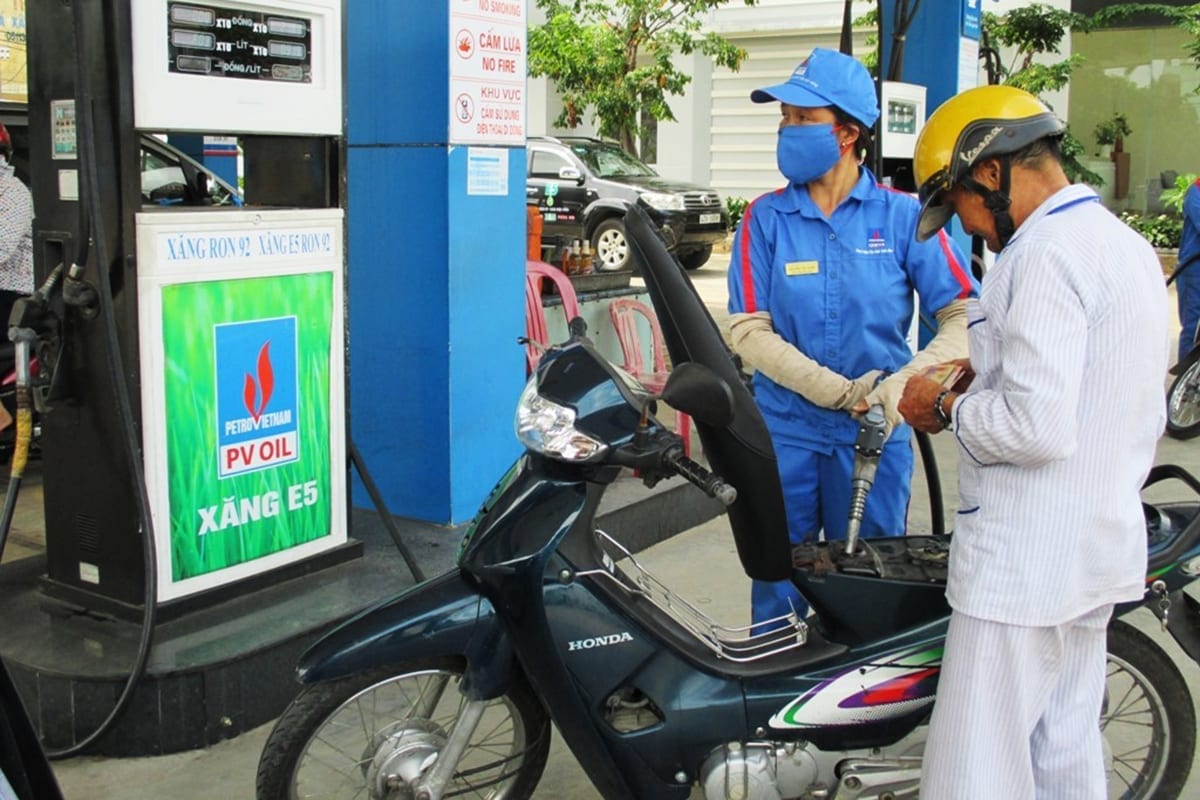
    • RON95: Up by 4.14%, now priced at VND19,630 per liter.
    • Biofuel E5 RON92: Rose 4% to VND19,230 per liter.
    • Diesel: Increased by 2.88%, reaching VND17,520 per liter.

    These price adjustments reflect surging consumer demand and market corrections following the previous lows.

    Factors Driving the Increase

    The recent fluctuations in gasoline prices can be attributed to multiple catalysts within the global oil market. Key influences include:

    • A recent report from the U.S. Energy Information Administration indicating a rise in U.S. crude oil inventories.
    • Policy changes from the Trump administration affecting goods taxes from trading partners.
    • Anticipated increases in OPEC+ oil production shortly.

    The global benchmark prices have also seen upward movement, with RON95 surging to $77.3 per barrel, up by 5%, while diesel increased by 3% to $80.90 per barrel.

    Impact on the Retail Sector and Consumers

    The recovery in gasoline prices could have significant implications for retail, particularly in sectors relying heavily on transportation and logistics. As fuel prices stabilize, consumers might see a gradual adjustment in product pricing, influencing overall spending behaviors.

    Questions & Answers

    1. What led to the recent increase in gasoline prices in Vietnam? The increase is primarily due to a rise in global oil prices influenced by U.S. crude inventory changes and adjustments in OPEC+ production.
    2. How much have prices changed for popular fuel types in Vietnam? RON95 rose 4.14% to VND19,630, Biofuel E5 RON92 increased 4% to VND19,230, and diesel saw a 2.88% increase to VND17,520.
    3. What might be the impact of rising gasoline prices on consumers and the retail sector Rising gasoline prices could lead to higher transportation costs, potentially resulting in increased prices for consumer goods and altering spending patterns in the retail sector.
  • Retail Stocks Surge to 9-Day High Amid Rising Consumer Demand

    Retail Stocks Surge to 9-Day High Amid Rising Consumer Demand

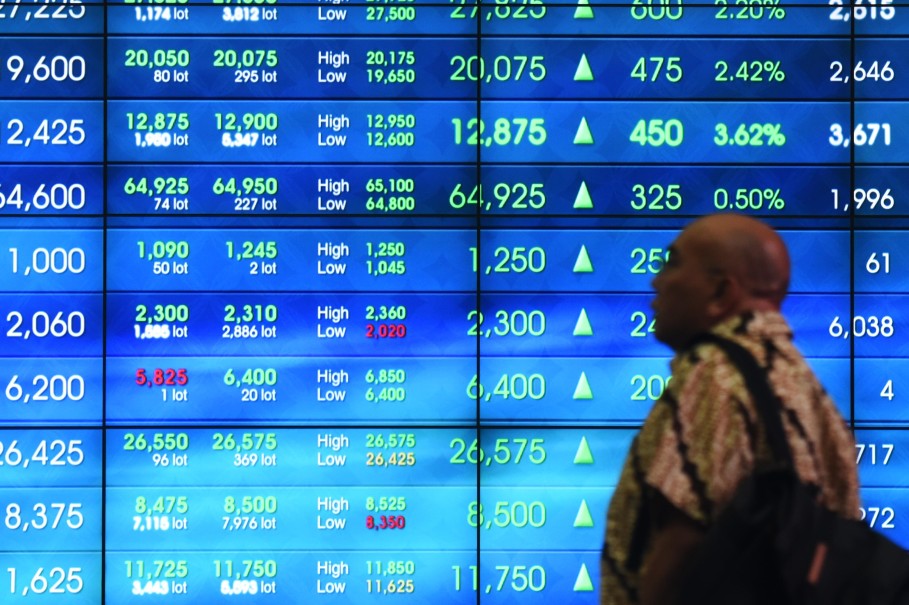
    The VN-Index has made a notable leap, rising by 1.02% to reach 1,223.35 points on Thursday, marking the highest level since April 15. This upward momentum reflects ongoing positive market sentiment and a mix of investor activity across key sectors.

    Market Overview

    The benchmark index ended the trading day up by 12.35 points, building on a gain of 13.87 points from the prior session. Despite the positive performance, trading volume on the Ho Chi Minh Stock Exchange dipped by 7%, totaling VND17.66 trillion (approximately US$679 million).

    Key Performers in the VN-30

    Among the 30 largest capped stocks in the VN-30 basket, a robust majority of 18 stocks closed with gains. Leading the charge was Vingroup’s VIC, which surged by 7%. Also in the spotlight were Bao Viet Holdings’ BVH, up 5.6%, and real estate giant Vinhomes’ VHM, which rose by 4.6%. HDBank’s HDB rounded out the top performers with a 4.4% increase.

    Conversely, eight blue-chip stocks experienced declines. Asia Commercial Bank (ACB) saw a decrease of 1.8%, while Techcombank (TCB) fell by 1.3%.

    Foreign Investment Trends

    Foreign investors remained active participants in the market, concluding the day as net buyers with a total purchase of VND574 billion, primarily focused on Hòa Phát Group’s HPG and the electronics retailer Mobile World (MWG). This trend signals a growing confidence from foreign stakeholders in the Vietnamese market and its expanding opportunities.

    Regional Indices Movement

    In related exchanges, the HNX-Index of the Hanoi Stock Exchange, which features mid and small-cap stocks, ticked down by 0.18%. Meanwhile, the UPCoM-Index for unlisted public companies experienced a modest rise of 0.40%, showcasing a slight differentiation in performance among various market segments.

    In summary, the upward trajectory of the VN-Index and the impressive gains among key stocks reflect a vibrant and dynamic market landscape. As investor confidence grows, particularly with significant foreign engagement, the future looks promising for Vietnam’s retail and broader economic sectors.

    Questions & Answers:

    1. What recent milestone did the VN-Index achieve? The VN-Index rose by 1.02% to 1,223.35 points, reaching its highest level since April 15.

    2. How did foreign investors engage with the market? Foreign investors concluded as net buyers, investing VND574 billion, with a focus on stocks like HPG and MWG.

    3. What was the performance of blue-chip stocks? Out of the VN-30 stocks, 18 showed gains, with VIC and BVH leading, while eight stocks, including ACB and TCB, saw declines.

  • World Bank Projects 5.8% GDP Growth for Vietnam by 2025

    World Bank Projects 5.8% GDP Growth for Vietnam by 2025

    Vietnam’s Economic Landscape: Navigating Global Trade Shifts and Strengthening Growth Prospects

    As a trade-dependent economy, Vietnam is significantly influenced by evolving global trade policies. Currently, the U.S. is Vietnam’s largest export market, constituting 30% of its total exports, while China accounts for 38% of its imports. However, uncertainties in the global landscape may pose challenges to consumer confidence and spending, as highlighted by the World Bank (WB).

    Trade Policy Uncertainty and Consumer Confidence

    The World Bank reported that the ongoing shifts in global trade could adversely impact Vietnam’s exports and overall economic growth. Given the country’s high exposure to the international market, any unexpected changes in trade policy could diminish demand, slowing private investments and foreign direct investment (FDI).

    Despite these challenges, consumer spending has not kept pace with GDP growth in recent years. The financial sector shows signs of heightened vulnerability, with the average loan-loss coverage ratio among 26 banks dropping to 83% from 150% in 2022. Although the government has room to bolster demand through fiscal measures, effective execution may be hindered by ongoing issues with public investment disbursement.

    Poverty Trends: A Mixed Bag of Progress

    On a more positive note, Vietnam’s poverty rate is experiencing a decline. The proportion of the population living on less than $3.65 per day is projected to fall from 3.8% in 2024 to 3.6% this year. Nonetheless, sluggish growth in the agriculture sector suggests that the poorest segments may see limited gains.

    Call for Strategic Policy Measures

    Experts advocate for focused policy measures that prioritize public investment, mitigate financial sector risks, and implement structural reforms. While monetary policy interventions are restricted, fiscal strategies can still drive growth, especially through investments aimed at addressing critical infrastructure gaps. Recent reforms, including updates to the Law on Credit Institutions, lay the groundwork for enhancing financial sector stability and resilience.

    Future Growth Outlook: Optimism Amidst Challenges

    Accelerating structural reforms is essential for improving regulatory environments in vital sectors like information technology, electricity, and transportation. Such initiatives will not only green the economy but also build human capital and enhance the business climate, ultimately sustaining long-term economic growth.

    The World Bank forecasts a positive medium-term growth outlook for Vietnam, projecting GDP growth to rebound to 6.1% in 2026 and climb to 6.4% in 2027. To unlock this potential, Vietnam must navigate a more stable international economic landscape while reinforcing domestic reforms aimed at boosting productivity, investing in human capital, and advancing environmental sustainability.

    In conclusion, as Vietnam looks ahead, the interplay of global economic conditions and domestic reform efforts will be critical in shaping the retail sector and consumer experiences in the coming years. The path forward is ripe with opportunities for brand expansion and adaptation to emerging consumer trends.

  • US-Vietnam Trade Talks Fuel Optimism for Retail Sales Growth

    US-Vietnam Trade Talks Fuel Optimism for Retail Sales Growth

    U.S. Trade Office Reports “Productive” Talks with Vietnam on Bilateral Trade Relations

    The U.S. trade office has announced a positive outcome from a recent virtual meeting with Vietnamese authorities, aimed at strengthening the bilateral trade relationship between the two countries.

    Key Discussions Between Trade Representatives

    U.S. Trade Representative Jamieson Greer engaged in dialogue with Vietnam’s Minister of Industry and Trade, Nguyen Hong Dien. This conversation stems from an earlier call between U.S. President Trump and General Secretary of the Communist Party of Vietnam, To Lam, on April 4.

    During the discussions, both parties recognized the necessity of facilitating reciprocal and balanced trade. They agreed to enhance market access and address unfair trade practices through ongoing technical discussions.

    Temporary Tariffs and Strong Commitment from Vietnam

    As negotiations progress, the Trump administration has decided to postpone imposing high retaliatory tariffs on several countries, including Vietnam, for an additional 90 days. Currently, a temporary tariff rate of 10% is in effect.

    Minister Dien reaffirmed Vietnam’s dedication to strengthening its Comprehensive Strategic Partnership with the U.S., emphasizing the country’s desire for economic relations that are balanced, stable, sustainable, and effective. He underscored the readiness of Vietnamese ministries to address concerns from the U.S. and work towards mutually beneficial solutions, guided by the principle of “harmonized benefits and shared risks.”

    Implications for Retail and Consumer Trends

    The outcome of these discussions could significantly influence the retail sector and consumer trends in both countries. As the dialogue progresses, potential tariff reductions may boost trade volumes, enhancing product availability for U.S. consumers and fostering brand expansion opportunities for businesses. The collaborative spirit between the U.S. and Vietnam may not only stabilize their trade relationship but also pave the way for future economic partnerships.