Tag: Vietnam

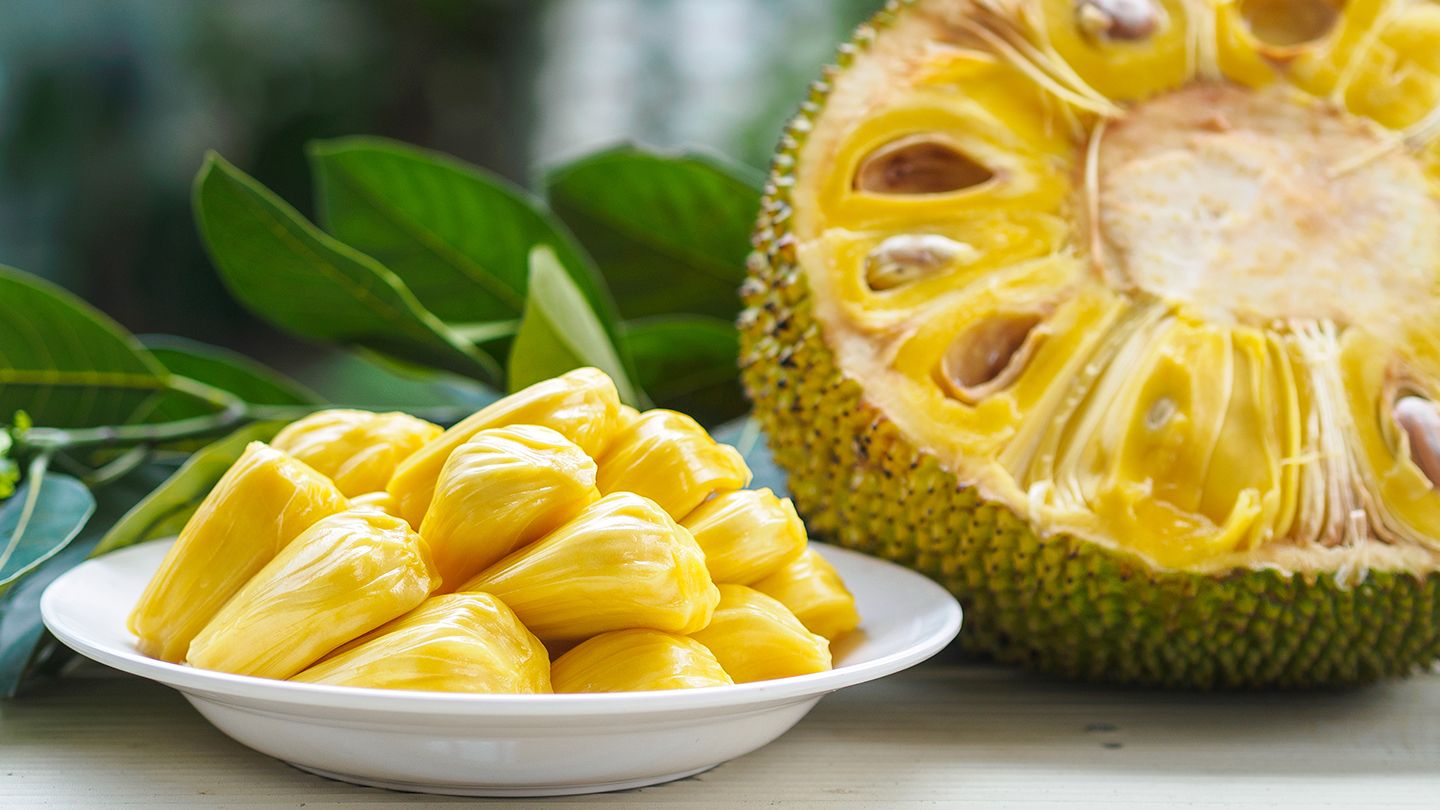
  • Jackfruit Prices Plummet to Just 15 Cents Per Kilogram in Vietnam’s Market

    Jackfruit Prices Plummet to Just 15 Cents Per Kilogram in Vietnam’s Market

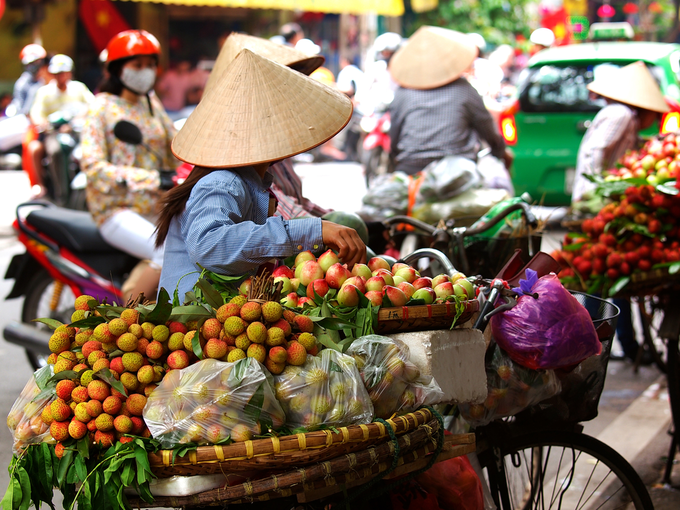
    The price of Thai jackfruit, a staple in Vietnam’s bustling agricultural markets, has taken a steep dive, slashing in half to VND4,000–10,000 (15–39 U.S. cents) per kilogram over just a month. This drastic decline has alarmed local farmers, particularly in the Mekong Delta, where the fruit is predominantly cultivated.

    Challenges from Trade Regulations

    The primary reason behind this tumble lies in tightening import protocols from China, a vital market for Vietnamese jackfruit. Stricter regulations surrounding banned substances and pesticide residues have left farmers grappling with a sharp decline in demand. Recent months have seen orchards in the key jackfruit-growing provinces of Ben Tre and Tien Giang trimming prices for top-quality produce—once the pride of their harvests.

    One local farmer, Hung, who tends to 40 jackfruit trees, expressed his growing concern. He recently sold three tons of his haul for VND5,000–8,000 per kilogram, far below his production costs of VND9,000–12,000. “If prices remain low, my family will suffer heavy losses this year,” he lamented, underscoring the grim reality facing many farmers.

    Rising Costs and Stiff Competition

    Adding to the farmers’ woes are rising expenses for fertilizer and labor. Traders are also skittish due to the sudden elevation of quality standards imposed by Chinese authorities. Compounding these challenges is competition from an array of other seasonal fruits, including watermelon, lychee, mango, and mangosteen, which further dilutes the market for jackfruit.

    The entire export landscape seems bleak, with the first quarter of 2025 witnessing a 13% drop in jackfruit exports compared to the previous year, totaling $70 million. As farmers face an uncertain future, one can only wonder: can this beloved fruit stage a comeback, or will it continue to face challenges in the changing market landscape?

    Questions & Answers

    What factors have contributed to the fall in jackfruit prices in Vietnam?
    The prices have dropped due to stricter import regulations from China regarding pesticide residues and banned substances, along with rising production costs and competition from other fruits.

    How have local farmers reacted to the price drops?
    Many farmers, like Hung, are experiencing significant financial strain, selling their produce at prices well below their production costs and fearing heavy losses.

    What are the prospects for jackfruit exports moving forward?
    With exports already down 13% in early 2025 compared to last year, the future looks uncertain unless farmers can adapt to market demands and pricing challenges.
  • Vietnam Airlines Eyes Ambitious Expansion with Demand for 50 New Aircraft

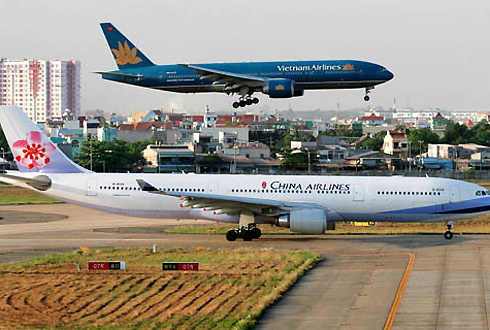
    Vietnam Airlines Eyes Ambitious Expansion with Demand for 50 New Aircraft

    Vietnam Airlines is soaring to new heights, aiming to bolster its fleet with a minimum of 50 additional aircraft as part of a robust strategy to expand its operations amidst a global jet shortage. During an extraordinary general meeting on Thursday, Chairman Dang Ngoc Hoa revealed that these acquisitions are vital for the airline’s recovery from the pandemic, as it prepares to launch or resume services on 15 international routes this year.

    As part of its ambitious plans, the state-owned carrier recently received government approval for the procurement of 50 narrow-body aircraft and 10 spare engines, with an eye-popping price tag of nearly US$3.7 billion. Currently boasting a fleet of 100 aircraft, Vietnam Airlines anticipates reaching 137 by 2030 and 164 by 2035.

    However, the clock is ticking. With soaring global demand for commercial aircraft, the airline must act swiftly to place orders that ensure delivery before 2030. Failing to do so may push Vietnam Airlines into a tricky situation, where it will have to lease planes starting in 2027—a scenario none would prefer.

    Adding to the urgency are ongoing technical difficulties with Pratt & Whitney engines, which have grounded 15 narrow-body Airbus A321 aircraft while four wide-body Airbus A350 are undergoing maintenance. As a result of this aircraft shortage, the remaining planes are working overtime, averaging 11.5 flight hours each day—a significant jump from the pre-Covid average of 10 hours.

    In a nod to its expansion ambitions, shareholders have also endorsed a move for Vietnam Airlines to issue more shares, raising VND22 trillion (approximately $848 million) in 2025 and 2026.

    With eyes set firmly on the future, the airline not only hopes to strengthen its fleet but also to reclaim its position as a key player in the competitive skies.

    Who knew managing a fleet could be as complex as a game of chess?

    Questions & Answers

    What is the purpose of Vietnam Airlines’ plan to acquire new aircraft?
    The plan to acquire new aircraft aims to support the airline’s ambitious expansion plans and boost its recovery post-Covid by launching or resuming services on 15 international routes this year.

    What approval did Vietnam Airlines recently receive?
    Vietnam Airlines received government approval for the purchase of 50 narrow-body aircraft and 10 spare engines at a cost nearing US$3.7 billion.

    How many aircraft does Vietnam Airlines currently operate?
    The airline currently operates a fleet of 100 aircraft and plans to expand to 137 by 2030 and 164 by 2035.

  • Gasoline Prices Rise, Impacting Drivers Across the Nation

    Gasoline Prices Rise, Impacting Drivers Across the Nation

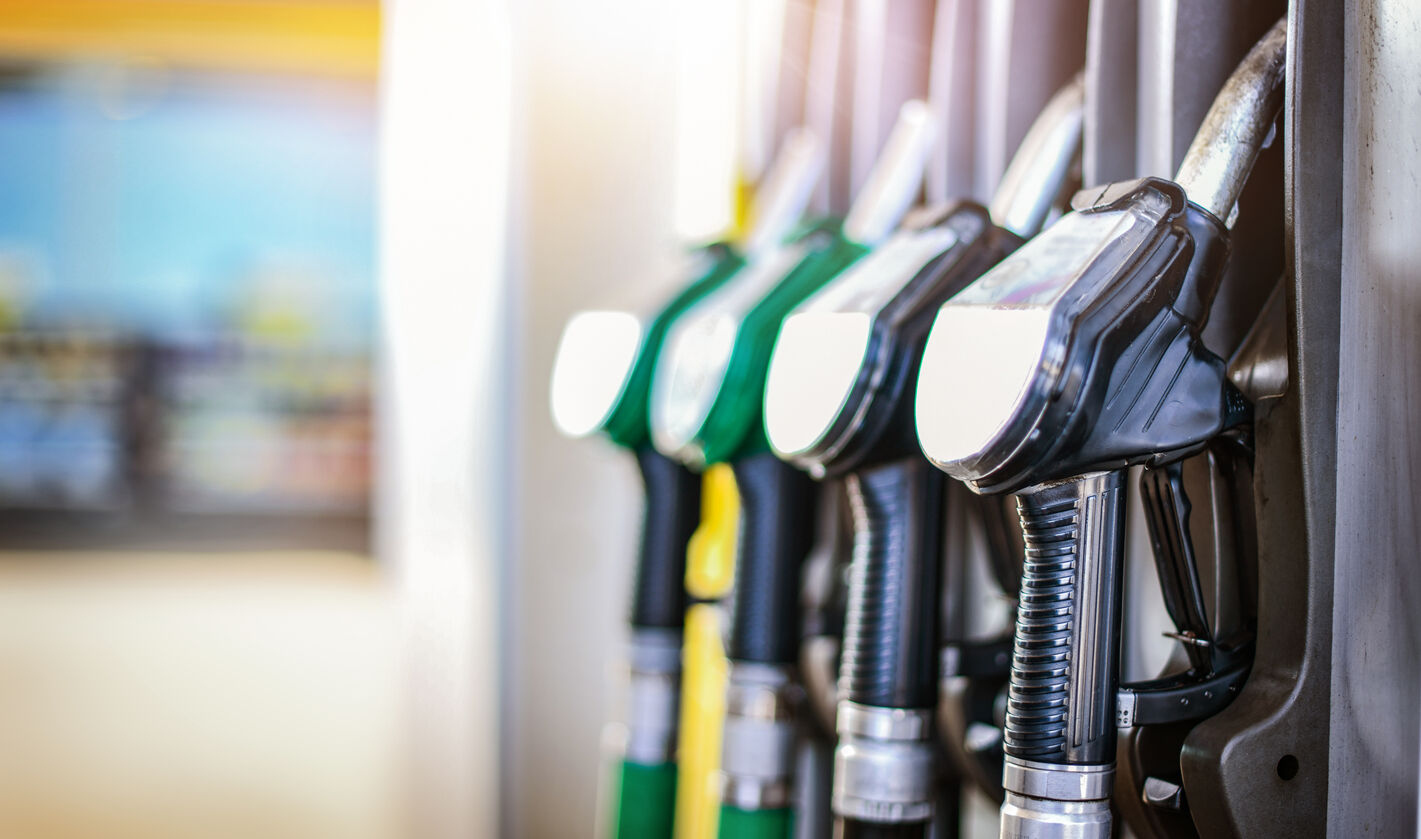
    An employee fills up a vehicle at a fuel station in Ho Chi Minh City, illustrating Vietnam’s evolving fuel landscape. Gasoline and diesel prices saw a modest uptick in Vietnam on Thursday afternoon, following a decline the previous week. This change reflects the dynamic nature of the global fuel market.

    Price Movements

    The widely-used RON95 fuel rose by 2.19%, now priced at VND19,590 (approximately US$0.76) per liter. Meanwhile, the biofuel E5 RON92 also saw an increase of 2.18%, bringing it to VND19,180. Diesel prices surged by 2.5% to reach VND17,220.

    These fluctuations in Vietnam’s fuel prices are tied to a plethora of global factors. Over the past week, a temporary agreement between the U.S. and China aimed at reducing import tariffs has influenced market dynamics. Coupled with increasing tensions in the Middle East, a boost in oil production from OPEC+, and the continuing ramifications of the Russia-Ukraine conflict, the landscape remains anything but stable.

    In the international arena, RON95 climbed to $77 per barrel, while diesel prices also saw a bump, increasing 3% to reach $79.11 per barrel. The interplay of these variables leaves many wondering how prices will continue to evolve.

    As pocketbooks get squeezed globally, it’s clear that even the most routine gas station visit can become a rollercoaster ride of price fluctuations.

    Questions & Answers

    What prompted the recent rise in gasoline and diesel prices in Vietnam?
    The increase is linked to global factors such as tariff agreements between the U.S. and China, tensions in the Middle East, OPEC+ production adjustments, and the ongoing Russia-Ukraine conflict.

    How much have gasoline prices increased recently?
    RON95 prices rose by 2.19% to VND19,590 per liter, while diesel saw a 2.5% increase, now priced at VND17,220.

    What are the current prices on the global market for RON95 and diesel?
    RON95 is currently priced at $77 per barrel, whereas diesel has reached $79.11 per barrel.

  • Aeon eyes eightfold expansion in Vietnam by 2030

    Aeon eyes eightfold expansion in Vietnam by 2030

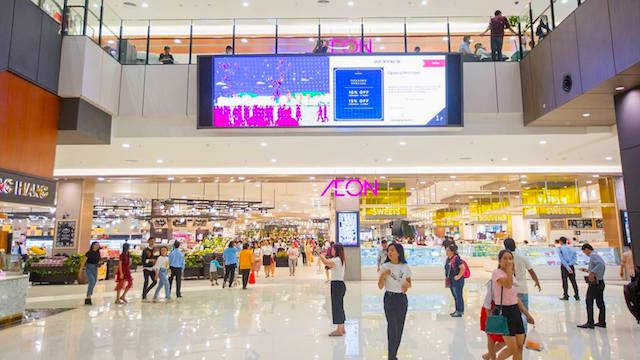
    Aeon, a renowned Japanese retail conglomerate, has laid out ambitious plans to increase its presence in Vietnam’s retail sector. The group is charting an eightfold expansion of its network of general merchandise stores and large-format supermarkets across Vietnam over the next half a decade, according to a report by Nikkei Asia.

    Current Operations

    Aeon currently manages 12 general merchandise stores in Vietnam, including a trio of “super-supermarkets” – a blended retail model that integrates groceries, food courts, and sections for beauty and household goods. In addition to these, the company also oversees 36 small-format supermarkets, which include Citimart outlets operated by an Aeon subsidiary.

    Yasuki Furusawa, President of Aeon Retail, shared the strategic plans with Nikkei Asia. Furusawa revealed that the company aims to operate 100 general merchandise stores and super-supermarkets, alongside 200 smaller-scale grocery stores by 2030.

    Flagship Store Expansion

    Earlier this year, Aeon inaugurated its latest flagship store, Aeon Xuan Thuy, located in a vibrant district of Hanoi, well-positioned near offices, schools, and a newly installed subway station.

    The four-level building offers a diverse range of products to its customers. The first three floors house a wide array of goods, including food, cosmetics, furniture, and apparel. The third floor also features a spacious dining area that can accommodate up to 450 patrons. Additionally, the store boasts a sizeable prepared foods section, covering 1620 square meters, where customers can choose from a variety of offerings such as sushi, ramen, boxed meals, fried dishes, and baked goods.

    “Family outings to the store, where each member can select what they want, followed by a meal around the table, is a major form of entertainment in Vietnam,” Furusawa mentioned, underscoring the cultural context of their business model.

    Questions & Answers

    What is Aeon’s expansion plan in Vietnam?
    Aeon plans to increase its network of general merchandise stores and large-format supermarkets in Vietnam eightfold over the next five years.

    How many stores does Aeon currently operate in Vietnam?
    Currently, Aeon operates 12 general merchandise stores in Vietnam, including three “super-supermarkets” and 36 small-format supermarkets.

    What does Aeon’s flagship store in Hanoi offer?
    Aeon Xuan Thuy, the flagship store in Hanoi, offers a range of products including food, cosmetics, furniture, and apparel across its first three floors. The third floor also features a 450-seat dining area and a substantial prepared foods section.

  • VinSpeed, led by billionaire Pham Nhat Vuong, unveils ambitious $61B high-speed rail initiative.

    VinSpeed, led by billionaire Pham Nhat Vuong, unveils ambitious $61B high-speed rail initiative.

    VinSpeed, a company established by Vietnam’s wealthiest individual, Pham Nhat Vuong, has unveiled an ambitious plan to construct a North–South high-speed railway, projected to cost a staggering VND1.56 quadrillion (US$61 billion). This monumental project aims to be completed by 2030, setting the stage for Vietnam’s modern railway industry while invigorating regional economies.

    As part of its investment strategy, VinSpeed, nestled within the ecosystem of Vingroup—Vietnam’s largest private corporation—has committed to covering 20% of the total investment, which equates to roughly $12.27 billion. To fund the remaining 80%, VinSpeed has proposed to secure zero-interest loans from the state budget, repayable over 35 years, not counting expenses related to land clearance such as compensation and resettlement.

    With a charter capital of VND6 trillion (US$231 million), VinSpeed is ambitious about hitting the ground running, vowing to commence construction by December 2025 and bring the full railway into operation by December 2030.

    The firm is also engaging with premier partners from China, Germany, and Japan for technology transfer, focusing on domestic production of locomotives, carriages, and signaling systems. Additionally, VinSpeed plans to rapidly train the workforce to enhance local technical capabilities, promoting Vietnam’s independence in railway development.

    To drive revenue and partially finance public investment, VinSpeed will collaborate with Vingroup and Vinhomes to create urban areas adjacent to key railway stations, utilizing the innovative Transit-Oriented Development approach.

    Duong Thu Van, a representative of VinSpeed, emphasized the company’s steadfast commitment to this groundbreaking initiative, placing a strong emphasis on innovation, decisive action, and collaborative efforts with domestic businesses to not only develop the railway system but also cultivate a sustainable high-speed rail industry in Vietnam.

    Who knew a high-speed journey could also pave the way for fresh urban landscapes?

    Questions & Answers

    What is the estimated cost of the North–South high-speed railway project?
    The project is estimated to cost VND1.56 quadrillion, which is approximately US$61 billion.

    What portion of the funding is VinSpeed responsible for?
    VinSpeed has committed to mobilizing 20% of the total investment, or about $12.27 billion.

    When is the construction of the railway expected to start?
    VinSpeed plans to begin construction by December 2025, with the goal of having the railway operational by December 2030.

  • Dollar Stays Strong Against Dong as Markets React to Economic Trends

    Dollar Stays Strong Against Dong as Markets React to Economic Trends

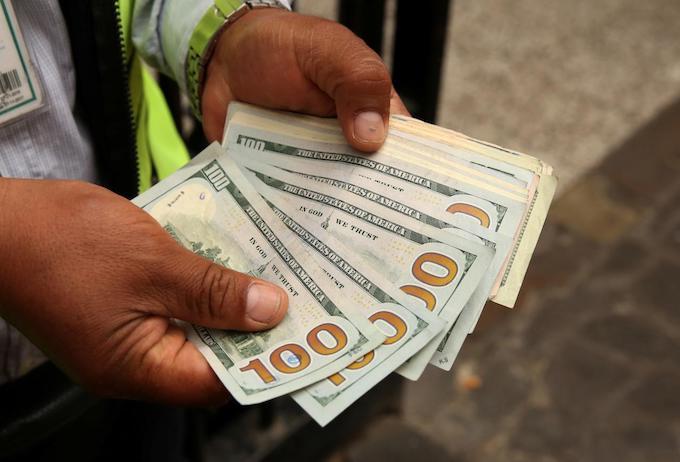
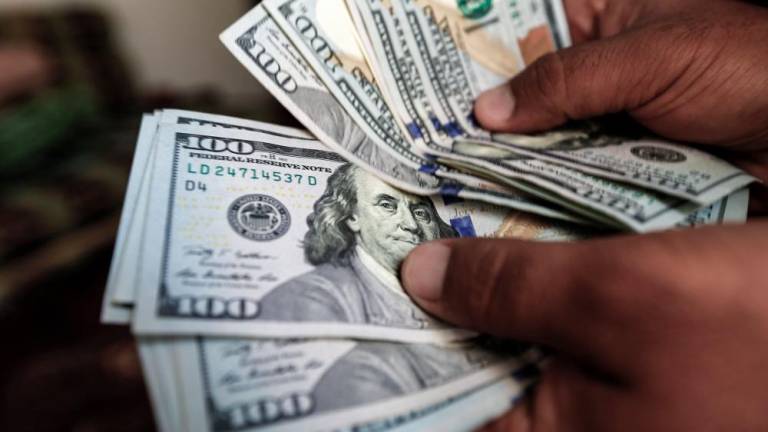
    The U.S. dollar held steady against the Vietnamese dong on Wednesday, even as it experienced a slight decline against several major world currencies. At Vietcombank, the dollar remained unchanged at VND26,140, while the black market valued it at VND26,500. The State Bank of Vietnam also kept its reference rate stable at VND24,973.

    Globally, the dollar found some stability following its most significant drop in over three weeks. This came in the wake of lower-than-anticipated U.S. consumer inflation data, which tilted the scales toward a potential easing by the Federal Reserve, especially as global trade tensions seem to be calming. Reports suggest, however, that this stability may be short-lived, as the U.S. dollar index, which evaluates the currency against six major peers, dipped 0.1% to 100.87 after a 0.8% decline the previous day.

    Earlier in the week, the index surged 1% and reached a one-month high, bolstered by optimism surrounding a de-escalation in U.S.-China trade tensions, which many believed could stave off a looming global recession. Nevertheless, analysts at TD Securities predict a 5% decline in the dollar during the second half of the year as investors consider diversifying away from U.S. assets amidst rising uncertainty and volatility surrounding U.S. policies.

    In offshore trading, the dollar appreciated by 0.24% to 7.2122 yuan, recovering slightly after falling to a six-month low of 7.1791 yuan on the prior day. However, it took a hit against the yen, declining 0.41% to 146.89, extending Tuesday’s drop of 0.66%. The dollar also slipped 0.1% to 0.8384 Swiss francs, while the euro and sterling remained largely unchanged at $1.1191 and $1.3307, respectively.

    This financial juggling act is quite a spectacle—it’s almost like watching a game of currency twister!

    Questions & Answers

    Why did the U.S. dollar remain stable against the Vietnamese dong?
    The U.S. dollar held steady as Vietcombank and the black market showed little fluctuation, with the dollar consistently valued around VND26,140 and VND26,500, respectively.

    What factors influenced the global dollar’s recent performance?
    A combination of lower-than-expected U.S. consumer inflation data and easing global trade tensions contributed to the dollar’s slight decline against major currencies.

    What do analysts predict for the dollar’s future?
    Analysts at TD Securities foresee a potential 5% drop in the dollar in the latter part of the year as global investors look to diversify their portfolios amid ongoing uncertainty and policy volatility in the U.S.

  • Gold Prices Dip as Global Rates Retreat Amid Market Shifts

    Gold Prices Dip as Global Rates Retreat Amid Market Shifts

    Gold prices in Vietnam experienced a dip on Wednesday morning, following a global trend of declining bullion rates. The price of gold bars from Saigon Jewelry Company fell by 0.41%, settling at VND120 million (approximately US$4,622.94) per tael. Meanwhile, gold rings saw a slight decrease of 0.43%, now priced at VND115 million per tael. To put it in perspective, a tael weighs 37.5 grams or 1.2 ounces.

    Global Trends Impacting Gold Prices

    Internationally, gold prices took a hit on Wednesday as easing tensions in U.S.-China trade relations diminished the demand for safe-haven investments. Market participants are eagerly awaiting new inflation data that could shape the Federal Reserve’s future policy decisions, according to Reuters.

    Market Analyst Insights

    Spot gold prices fell by 0.4%, bringing it to $3,234.32 an ounce, while U.S. gold futures decreased by 0.3%, landing at $3,237.00. Financial market analyst Kyle Rodda from Capital.com noted, “Positive developments in U.S. trade policy are diminishing gold’s appeal in the short term. If trade negotiations continue to progress well, gold could see further declines, with $3,200 serving as a critical support level.”

    Future Outlook

    In a related commentary on Tuesday, former President Trump reiterated his push for the Federal Reserve to lower interest rates, citing drops in prices for gas, groceries, and “practically everything else.” Gold, traditionally considered a hedge against inflation, often thrives in low-interest rate environments, making future developments in monetary policy even more pertinent.

    As the sun sets on gold prices, one has to wonder: Will the golden bling experience a shiny resurgence, or darken with market shifts?

    Questions & Answers

    What caused the decline in gold prices in Vietnam?
    The drop in Vietnamese gold prices was influenced by decreasing global bullion rates, linked to easing U.S.-China trade tensions.

    How much did gold prices fall?
    Gold bars fell 0.41% to VND120 million per tael, while gold rings decreased 0.43% to VND115 million per tael.

    What factors could affect future gold prices?
    Future gold prices could be impacted by ongoing trade negotiations and monetary policy decisions from the Federal Reserve.

  • Nam Long Celebrates a Decade of Strategic Collaboration with Top Japanese Partners

    Nam Long Celebrates a Decade of Strategic Collaboration with Top Japanese Partners

    Nam Long Group recently marked a significant milestone by celebrating ten years of collaboration with renowned Japanese real estate firms, Hankyu Hanshin Properties and Nishi Nippon Railroad. The event, held on May 10, attracted around 400 guests and was a lively tapestry of Vietnamese and Japanese cultural intermingling.

    A Celebration of Cultural Partnership

    The festivities were not just about acknowledging a successful decade of business; they embraced the spirit of partnerships that cross borders. Attendees enjoyed a series of performances and displays that showcased the unique blend of Vietnamese and Japanese traditions, reminding everyone that good business is as much about community and culture as it is about profit margins.

    A Bright Future Ahead

    As Nam Long Group and its Japanese partners embark on their next chapter, they express excitement for the future projects that lie ahead. This partnership isn’t merely about real estate; it’s about building a vibrant community through innovative housing developments and integrated urban planning. With a shared vision, they aim to enhance the quality of life for residents in the areas they serve.

    And who knows? Perhaps they’ll even create the next architectural wonder that makes us all say, “Wow!” in more than just one language.

    Questions & Answers

    What was the purpose of Nam Long Group’s recent celebration?
    The event commemorated a decade of successful collaboration between Nam Long Group and its Japanese partners, celebrating their shared achievements.

    How many guests attended the ceremony?
    Approximately 400 guests participated in the celebration, enjoying various cultural performances.

    What future plans do Nam Long Group and its partners have?
    They look forward to continuing their collaboration to develop innovative housing projects and enhance urban living in the regions they serve.

  • Nanogen CEO, Pioneer of Vietnam’s Covid Vaccine Trials, Dies at Age 59

    Nanogen CEO, Pioneer of Vietnam’s Covid Vaccine Trials, Dies at Age 59

    Ho Nhan, the esteemed CEO of Nanogen and a trailblazer in Vietnam’s quest for a Covid-19 vaccine, has passed away at the age of 59. His family confirmed the heartbreaking news early Tuesday, creating a void in the burgeoning biotechnology landscape of Vietnam.

    Nguyen Thi Son, his mother-in-law and the founder of the Son Kim Group—a family enterprise with interests spanning real estate and retail—spoke about his health struggles on social media. She revealed that despite battling heart disease and often expressing fatigue, Hnan remained unyieldingly dedicated to his work.

    A native of New York, Nhan honed his expertise by obtaining a Ph.D. in biotechnology from the University of Arizona. After years spent researching abroad, he returned home in 1997 and established Nanogen Pharmaceutical Biotechnology Jsc, a pioneering force in the field. He led the company as chairman and CEO until 2021, when he passed the baton to his wife, Nguyen Thi Hong Van. However, just six months later, like a phoenix rising from the ashes, he resumed his role as CEO and continued to drive the company forward until his untimely death.

    In 2019, Nanogen was valued at over VND5 trillion (approximately US$193 million), with Nhan holding a commanding 59.6% stake in the company and Van owning 14.6%. Notably, Nanogen was among the few Vietnamese organizations at the forefront of researching Covid-19 vaccines and made history in late 2020 as the first to initiate human trials for its vaccine, NanoCovax. By the following year, the research team reported that a 25-microgram dose provided nearly 52% protective efficacy after 180 days—an impressive feat amid a global health crisis.

    Nanogen’s success isn’t solely measured in efficacy statistics; the company has been pivotal in producing pharmaceutical raw materials and injectable drugs utilizing advanced technologies. Adding another layer to Nhan’s rich background, he also brought financial acumen to the table, serving on the board of directors at Vina Securities Company from 2013 to 2016 and earning accolades for his expertise in mergers and acquisitions in the pharmaceutical, hospital, and medical equipment sectors across the U.S. and Hong Kong.

    In the wake of his passing, Vietnam not only mourns a leader in biotechnology, but it also loses a visionary who combined passion and resilience to achieve the remarkable.

    Questions & Answers

    What was Ho Nhan’s role in the development of Covid-19 vaccines in Vietnam?
    Ho Nhan was the CEO of Nanogen, which was among the first organizations in Vietnam to conduct human trials for a Covid-19 vaccine, NanoCovax.

    What were some significant achievements of Nanogen under Ho Nhan’s leadership?
    Under Nhan’s guidance, Nanogen became known for producing pharmaceutical raw materials and injectable drugs using cutting-edge technologies, and it achieved a company valuation of over VND5 trillion in 2019.

    What other expertise did Ho Nhan possess beyond biotechnology?
    In addition to his work in biotechnology, Ho Nhan had a substantial background in finance, including serving on the board of directors at Vina Securities Company and being recognized for his expertise in mergers and acquisitions in various sectors.

  • Honda Sees Impressive Growth in Motorcycle and Auto Sales Across Vietnam

    Honda Sees Impressive Growth in Motorcycle and Auto Sales Across Vietnam

    Honda Vietnam is riding a wave of success, announcing substantial sales growth for April across both its motorcycle and automobile divisions. The figures reveal an impressive year-on-year increase of 6.9% in motorcycle sales and a remarkable 18.9% in car sales, showcasing the brand’s resilience in a dynamic market landscape.

    Motorcycle Sales Break New Ground

    In April alone, Honda Vietnam sold an astonishing 170,986 motorcycles, marking the kickoff of the 2025–2026 fiscal year on a high note. Despite lingering market uncertainties, this robust figure signals a steady appetite for motorbikes among consumers. Honda isn’t just making waves domestically; the company exported 17,953 motorcycles to various international markets, underscoring its expanding global reach.

    Automobile Segment Booms

    The automobile sector also celebrated a spectacular performance, with 2,142 units sold in April—a dynamic increase of 18.9%. This surge reflects a lively recovery in the domestic automobile market, highlighting the effectiveness of Honda’s product strategies and innovative marketing campaigns. The company’s incentive programs have clearly struck a chord with consumers eager for quality and reliability.

    As Honda continues to throttle forward, one can only wonder what new heights await. Will they unleash a surprising new model? Only time will tell!

    Questions & Answers

    What were Honda’s motorcycle sales figures in April?
    Honda Vietnam sold 170,986 motorcycles in April, reflecting a 6.9% increase from the previous year.

    How many motorcycles did Honda export in April?
    The company exported 17,953 motorcycles to various international markets last month.

    What was the sales performance of Honda’s automobile segment?
    In April, Honda sold 2,142 automobiles, which marks an impressive 18.9% increase year-on-year.

  • Diverse Product Options Shift Brand Loyalty Landscape in Vietnam

    Diverse Product Options Shift Brand Loyalty Landscape in Vietnam

    Kantar data shows Vietnam’s surge in options fuels consumers’ shifting brand preferences.

    In Vietnam, brand loyalty is becoming a relic of the past as consumers grow increasingly price-sensitive, a trend fueled by inflation and an explosion of choices. Peter Christou, General Manager of Kantar Vietnam’s Worldpanel Division, notes that shoppers are re-evaluating their brand allegiances, complicating efforts for companies to win their hearts.

    “Brand loyalty is being challenged not because consumers don’t care, but because they wield more power, face greater pressure, and encounter an unprecedented array of options,” Christou remarked. As economic pressures intensify, Vietnamese shoppers are opting for budget-friendly decisions, making it imperative for retailers to pivot.

    Kantar’s analysis reveals that the number of products on the market has doubled in the past decade, yet the success rate of these new offerings has plummeted by half. This paradox underscores the need for retailers to rethink their strategies in a landscape where standing out is tougher than ever.

    The evolution of online, offline, and hybrid shopping channels has transformed the way consumers engage with the market. “I can now explore so many shopping avenues—online and offline—which makes comparing deals and prices incredibly easy,” Christou emphasized.

    Retailers are now navigating a reality in which brand loyalty is elusive. Christou offers a roadmap for survival in this “low loyalty environment,” suggesting that retailers prioritize a data-driven approach, a deep understanding of consumer needs, and the delivery of personalized value.

    Looking into the future, Christou identifies key e-commerce trends that retailers must monitor closely. He highlights the burgeoning realm of social commerce platforms like TikTok, the significance of hyper-personalization driven by AI, the increasing appetite for quick commerce, and the prospective impact of augmented and virtual reality on the retail experience.

    In a world where shoppers are armed with options like never before, the question remains—how will retailers evolve to keep pace?

    Questions & Answers

    What is driving the decline in brand loyalty in Vietnam?
    The decline in brand loyalty is primarily driven by inflation, price sensitivity, and an explosion of choices available to consumers.

    What does Kantar’s data indicate about the proliferation of products in Vietnam?
    Kantar’s data suggests that while the quantity of products has doubled in the last decade, the success rate of these products has halved, indicating fierce competition for consumer attention.

    What future e-commerce trends should retailers in Vietnam be aware of?
    Retailers should monitor the rise of social commerce, the importance of hyper-personalization via AI, the demand for quick commerce, and the potential of augmented and virtual reality in the shopping experience.

  • Black Market Sees Dollar Surge Against Vietnamese Dong, Reports VnExpress International

    Black Market Sees Dollar Surge Against Vietnamese Dong, Reports VnExpress International

    The U.S. dollar experienced a slight uptick against the Vietnamese dong on Tuesday morning within the black market, rising by 0.09% to VND26,500. Meanwhile, state-owned Vietcombank held its exchange rate steady at VND26,140. The State Bank of Vietnam also adjusted its rate, increasing it by 0.11% to VND24,973.

    As global markets reacted positively to a newly brokered tariff agreement between the U.S. and China—a development aimed at alleviating tensions in their trade relationship—the dollar maintained its strong position. This deal has alleviated some concerns regarding a potential global recession stemming from escalating trade disputes between these two economic giants, according to reports from Reuters.

    However, the dollar took a minor hit, trading down 0.1% at 148.29 yen and fetching 0.8448 against the Swiss franc, following impressive increases of 2.1% and 1.6%, respectively, during the previous session. Rodrigo Catril, senior FX strategist at National Australia Bank, remarked, “It’s way better than the market was expecting.” He elaborated that this development reflects a U.S. administration increasingly aware of tariffs’ economic ramifications, suggesting a significant shift in approach.

    In a world where financial trends can often feel as dramatic as a suspenseful thriller, just how much can a single tariff deal sway the market?

    Questions & Answers

    What was the change in the dollar’s value against the Vietnamese dong?
    The U.S. dollar rose by 0.09% to VND26,500 in the black market.

    How did the official banks respond to the dollar’s exchange rate?
    Vietcombank kept its rate unchanged at VND26,140, while the State Bank of Vietnam raised its rate by 0.11% to VND24,973.

    What impact did the U.S.-China tariff deal have on the market?
    The deal bolstered investor confidence, helping to stabilize the dollar and ease fears of a global recession, showing a shift in U.S. policy responsiveness.

  • Durian Exports to China Experience Dramatic 74% Decline

    Durian Exports to China Experience Dramatic 74% Decline

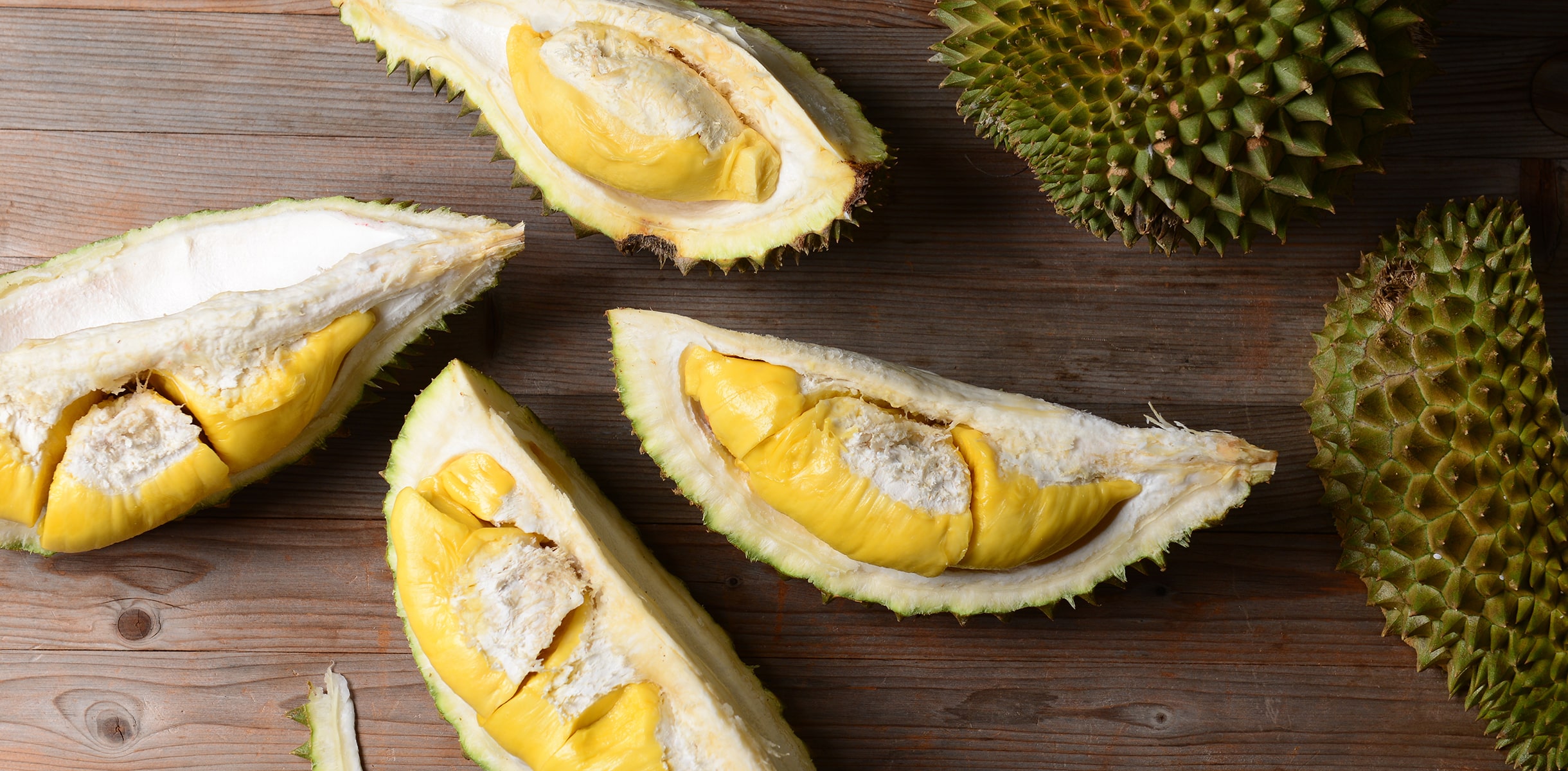
    Vietnam’s durian exports to China have taken a dramatic nosedive, plummeting 74% year-on-year to just $130 million in the first four months of 2025. In light of this steep decline, the Vietnamese government is scrambling to find solutions to remove the technical barriers that are hampering cross-border shipments.

    Technical Hurdles and Government Action

    Minister of Agriculture and Environment Do Duc Duy is spearheading efforts to align with Chinese customs to tackle the issues that are obstructing Vietnam’s durian exports. He highlighted that the sharp decrease can be traced to a maze of unclear legal frameworks, inefficient quarantine procedures, and insufficient quality management systems. Moreover, the certification of codes for farms, packing facilities, and laboratory systems has failed to meet China’s increasingly rigorous standards.

    To address these pressing concerns, Duy emphasized the need for improved cooperation with Chinese authorities to eliminate these technical roadblocks. The issuance of codes for farms and packing facilities must accelerate, and quarantine processes should be revamped urgently to boost exports and adjust plans in response to market demands.

    Looking ahead, Duy advocated for a comprehensive overhaul of the legal structures governing agricultural exports alongside a rigorous enhancement of technical standards throughout the entire supply chain—from cultivation and harvesting to processing and export. He underscored the urgency of restructuring the durian industry towards a more sustainable future.

    Additionally, Duy encouraged the development of value-added durian products, such as frozen variations, to increase overall value and decrease dependency on fresh fruit exports.

    Amidst these challenges, Vietnam’s total exports of fruits and vegetables reached $1.62 billion during the same period, reflecting a 14% decrease from the previous year. In the domestic market, durian prices have also taken a hit, falling to around VND35,000–40,000 (approximately $1.35–$1.54) per kilogram at the farm level—only one-third of what they were during the same time last year.

    Turns out that despite being dubbed the “king of fruits,” durians are having a hard time reigning in the export market!

    Questions & Answers

    What caused the 74% drop in Vietnam’s durian exports to China?
    The significant drop is attributed to unclear legal frameworks, inadequate quarantine procedures, and insufficient quality management, coupled with the failure to meet China’s stringent requirements for certification and codes.

    What actions is the Vietnamese government taking to improve exports?
    The government is enhancing cooperation with Chinese customs, expediting the issuance of codes for growing areas and packing facilities, and improving quarantine processes to boost export potential.

    What is being suggested to enhance the value of durians moving forward?
    There are recommendations to develop value-added products such as frozen durians, allowing for a higher value addition and less reliance on fresh durian exports.

  • Vietnam Airlines Launches New Routes, Connecting Travelers to India’s Thriving Tech Hubs

    Vietnam Airlines Launches New Routes, Connecting Travelers to India’s Thriving Tech Hubs

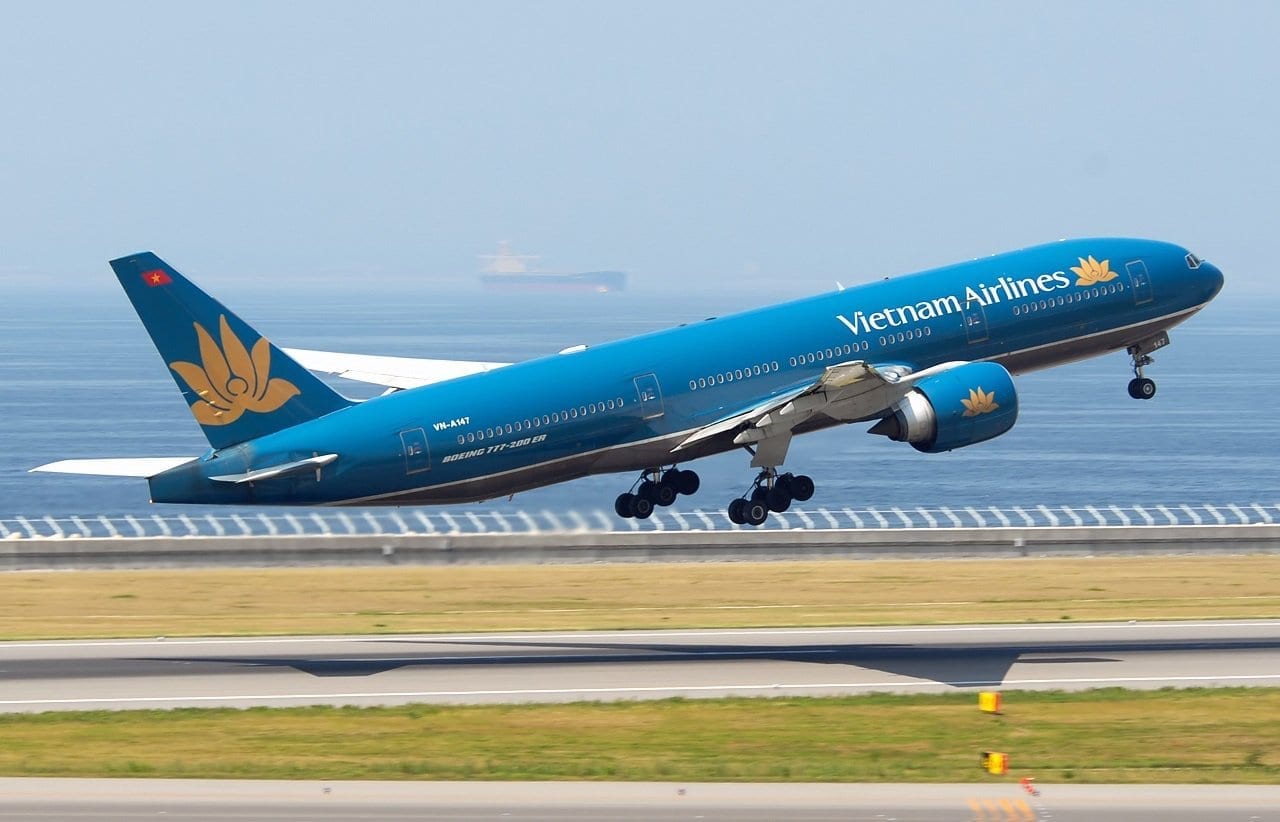
    National flag carrier Vietnam Airlines is soaring to new heights with the launch of a direct flight route connecting Hanoi to Bengaluru, India’s bustling tech hub. This new service will operate four times weekly, starting May 7, and is designed to accommodate the increasing demand driven by robust trade, tourism, and cooperation between the two nations.

    New Connections on the Horizon

    But that’s not all! On May 7, Vietnam Airlines will also initiate direct flights from Hanoi to Hyderabad, another pivotal tech center in India, with three weekly round-trips utilizing state-of-the-art Airbus A321 aircraft. The inaugural flight, VN983, took off from Hanoi on May 1, successfully transporting over 130 passengers to Bengaluru the same day. VN982, the return flight, departed Bengaluru that evening with over 160 travelers aboard, landing in Hanoi at 5:25 a.m. on May 2. Talk about a long night in the skies!

    Expanding Footprints in India

    With these latest additions, Vietnam Airlines now boasts services to four major Indian cities: New Delhi, Mumbai, Bengaluru, and Hyderabad, totaling six direct routes. This strategic expansion highlights Vietnam Airlines’ commitment to being a key connector between Vietnam and South Asia, as noted by Deputy General Director Dang Anh Tuan.

    India, with its rapidly growing aviation market and a population exceeding 1.4 billion, represents a significant opportunity for airlines like Vietnam Airlines. The increasing affluence of the Indian middle class further strengthens this connection, making travel between nations more accessible than ever. In the past few years, Vietnam Airlines has successfully operated over 3,200 flights and welcomed more than 511,700 passengers from India. Notably, Vietnam attracted over 500,000 Indian visitors in 2024, earning India a spot among its top 10 tourism markets.

    As Vietnam Airlines ventures into these tech-savvy territories, one can’t help but wonder: Are they also preparing for the next wave of IT moguls seeking sunshine and pho?

    Questions & Answers

    What cities are now connected by Vietnam Airlines in India?
    The carrier connects four major cities: New Delhi, Mumbai, Bengaluru, and Hyderabad.

    How often will flights operate on the new routes?
    The Bengaluru route will operate four times a week, while the Hyderabad route will have three weekly round-trips.

    What type of aircraft will be used for these new routes?
    Vietnam Airlines will utilize Airbus A321 aircraft for both newly launched routes.

  • Aeon Plans 100 Large Retail Stores in Vietnam by 2030

    Aeon Plans 100 Large Retail Stores in Vietnam by 2030

    Aeon Targets 100 Large-Scale Stores in Vietnam by 2030: A Major Brand Expansion in Retail News

    Japan’s leading retailer, Aeon, is setting its sights on a substantial growth trajectory in Vietnam, with ambitious plans to establish 100 large-scale supermarkets and general merchandise locations by 2030. This expansion marks a significant eightfold increase in its footprint across the country and aims to redefine the retail landscape.

    Expanding the Retail Experience

    In a strategy driven by rising consumer demand, Aeon intends to introduce a novel concept of “super-supermarkets” that seamlessly blend grocery shopping with general merchandise offerings. These stores will feature food courts and beauty sections, enhancing the shopping experience for Vietnamese consumers.

    Yasuyuki Furusawa, who has recently transitioned to President of Aeon Retail, emphasized the need for this expansion to stay competitive against other key players in the market, such as Thailand’s Central. In addition to the larger stores, Aeon is also planning to grow its network of smaller grocery outlets, targeting an extensive reach of 200 locations throughout Vietnam.

    Current Operations and Future Plans

    As of February 2025, Aeon operates 12 general merchandise stores in Vietnam—including three super-supermarkets—and 36 standard supermarkets, which includes the Citimart stores managed by its subsidiary. With a strategic investment of approximately $1.5 billion over the past decade, Vietnam has become Aeon’s second most crucial market after Japan.

    In 2024, Aeon Mall reported a profit of JPY 4.23 billion (around $29.6 million) from its Vietnamese operations, achieving revenues of JPY 17.3 billion. This success positions Vietnam as Aeon’s top-performing market in Southeast Asia and the second largest after China, underscoring the country’s potential for retail growth.

    Retail Landscape in Vietnam

    Vietnam’s retail sales recorded an impressive 8% increase, totaling VND 4.92 quadrillion last year, capturing the attention of international brands, particularly Japanese firms. According to a survey conducted by the Japan External Trade Organization (Jetro), over 60% of Japanese companies operating in Vietnam reported profitability in 2024, the highest rate seen in five years. Additionally, about 56% of these businesses plan to expand their operations within the next two years, highlighting a robust demand for growth in the region.

    Ozasa Haruhiko, the chief representative of Jetro Hanoi, commented, “This is the highest rate in ASEAN, indicating that Vietnam has one of the strongest potentials for growth.”

    Conclusion: A Shift in Consumer Trends

    Aeon’s significant investment and expansion plans could reshape Vietnam’s retail sector, enhancing consumer choice and access to high-quality products. As the company reinforces its presence, consumers can expect a retail experience that combines convenience with a variety of options, signalling positive growth in the industry.

    Questions & Answers

    1. What are Aeon’s expansion plans in Vietnam? Aeon plans to increase its network to 100 large-scale supermarkets and general merchandise stores by 2030, alongside growing its smaller grocery outlets to 200 locations.
    2. How has Aeon’s performance been in the Vietnamese market? Aeon reported a profit of JPY 4.23 billion ($29.6 million) from its Vietnamese operations last year, making it the top-performing market in Southeast Asia for the brand.
    3. What trends are influencing retail in Vietnam? Vietnam’s retail sales rose by 8% last year, attracting international brands, particularly from Japan. A significant percentage of Japanese businesses reported profitability and plan to expand operations, highlighting a strong market potential.