Tag: Vietnam

  • PM Calls for Increased US Aircraft and LNG Purchases to Boost Trade

    PM Calls for Increased US Aircraft and LNG Purchases to Boost Trade

    Vietnam Urges Increased U.S. Imports to Strengthen Trade Relations

    In a recent governmental meeting, Prime Minister Pham Minh Chinh emphasized the importance of boosting imports of U.S. products, including liquefied natural gas, aircraft, and pharmaceuticals, to enhance Vietnam’s trade balance. This move comes amid ongoing negotiations with the U.S. aimed at fostering a more equitable trading partnership.

    Strategic Imports for Trade Balance

    During the meeting held on April 29, Chinh noted that while trade negotiations with the United States are progressing positively, securing contracts for essential imports is crucial for continued success. He highlighted the need for Vietnam to actively procure U.S. goods to maintain momentum in bilateral trade discussions.

    Chinh was addressing the backdrop of the recent suspension of high reciprocal tariffs by the Trump administration, which currently stands at a temporary rate of 10%. This pause offers an opportunity for Vietnam to align its import strategies with U.S. market demands.

    Upcoming Bilateral Trade Negotiations

    A Vietnamese delegation is scheduled to visit the United States on Thursday to engage in further negotiations on trade. These discussions will focus on achieving balanced and reduced import duties for both nations. Chinh aims to ensure that any trade agreements respect Vietnam’s sovereignty and national security while honoring international commitments.

    In addition to import duties, Vietnam plans to advocate for its classification as a market economy by the U.S. and seek the removal of restrictions on high technology exports.

    Impact on the Retail Sector and Consumers

    The push for increased imports from the U.S. is expected to not only bolster Vietnam’s trade balance but also to satisfy rising consumer demand for American products. As Vietnam seeks to diversify its import sources and strengthen bilateral relations, the effects on the retail sector could be significant, paving the way for enhanced availability of U.S. goods in the Vietnamese market. This strategic approach underscores Vietnam’s commitment to fostering robust international trade relations while catering to evolving consumer trends.

  • Avocado Prices Soar to Five-Year High Amid Rising Consumer Demand

    Avocado Prices Soar to Five-Year High Amid Rising Consumer Demand

    In a striking turn of events in the agribusiness sector, avocado prices have surged to VND 40,000 (approximately US$1.54) per kilogram—marking a remarkable 100% increase compared to last year and reaching the highest price point in five years. This significant hike is attributed to a notable supply shortage.

    Farmers Profit Amid Rising Costs

    Hien, a farmer from the Central Highlands province of Lam Dong, is poised to earn VND 100 million from her avocado dealings this year, reflecting a robust 60% profit margin. This profit comes amid challenges; Hoang Anh, a retailer in Ho Chi Minh City, reports a 50% drop in supply from the previous year due to low yields.

    Weather Challenges and Crop Shifts

    The avocado market has been severely impacted by adverse weather conditions that have limited production. Traders like Dang Minh Tien are noting that many farmers have opted to replace avocado trees with more profitable fruits such as durian and coffee, further exacerbating supply issues.

    Quality Assurance in Retail

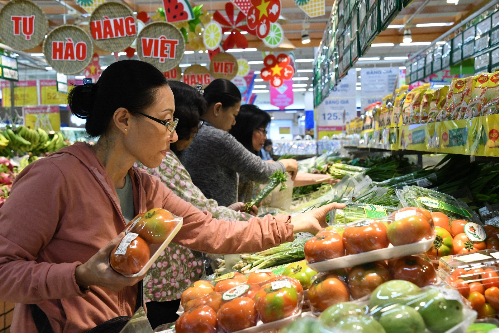
    In response to the rising prices, retail chains like MM Mega Market are taking steps to assure consumers of quality. The chain now offers avocados with a green sticker to indicate that the fruits are of high quality and free from chemical residues, catering to the increasing consumer demand for premium produce.

    Area Under Avocado Cultivation Declines

    According to agricultural authorities in Lam Dong Province, the area dedicated to avocado cultivation is diminishing, with approximately 8,000 hectares currently in production, yielding around 80,000 tons annually. As farmers pivot towards crops with better profitability, the future of the avocado market remains uncertain.

    Potential Impact on the Retail Sector

    As avocado prices climb, the ripple effects on retail dynamics and consumer behavior are becoming apparent. This trend could drive consumers towards alternative fruits or encourage the cultivation of avocados in other regions, reshaping consumer trends in the fruit market. Retailers will need to adapt to these shifts to meet evolving consumer demands effectively.

  • Emirates and Sun Group Join Forces to Enhance Vietnam Tourism

    Emirates and Sun Group Join Forces to Enhance Vietnam Tourism

    Emirates and Sun Group Forge Partnership to Elevate Vietnam’s Tourism

    Key Agreement Unveiled at Arabian Travel Market in Dubai

    In a significant move to boost Vietnam’s profile as a top travel destination, Emirates Airline and Sun Group have signed a Memorandum of Understanding (MoU) during the Arabian Travel Market (ATM) held in Dubai. This alliance aims to enhance marketing efforts and improve tourism offerings across Emirates’ extensive network.

    Collaborative Marketing Efforts to Promote Vietnam

    The agreement, inked by Orhan Abbas, Emirates’ Senior Vice President of Commercial Operations for the Far East, and Nguyen Vu Quynh Anh, Deputy CEO of Sun Group, will initiate joint marketing campaigns designed to place Vietnam front and center for international travelers. The collaboration includes organizing familiarization trips for media and travel agents from key markets, alongside incentives for tour operators to elevate awareness of Vietnam’s diverse tourism experiences.

    “We’re thrilled to expand our Southeast Asia operations by introducing new weekly flights to Da Nang starting in June, establishing it as our third Vietnamese gateway,” stated Abbas. “This partnership will allow us to showcase Vietnam’s vibrant culture, rich heritage, and stunning landscapes to a wider audience.”

    Positive Impact on Vietnam’s Tourism Sector

    Vietnam’s tourism is poised for a robust boost, with Anh expressing confidence in the collaboration’s potential: “Emirates’ new route to Da Nang will create a significant impact on the city and the broader Vietnamese tourism landscape.”

    Adding to this sentiment, Anh remarked that Emirates will serve as an “ambassador” for Vietnam’s tourist attractions, highlighting iconic sites such as Da Nang’s Golden Bridge and Phu Quoc’s renowned resorts. She emphasized how the airline’s global reach and media prowess will raise Vietnam’s profile, promoting unique destinations developed by Sun Group.

    Tailored Experiences for Emirates Passengers

    In addition to enhancing connectivity, the partnership aims to deliver bespoke experiences for Emirates travelers. Sun Group plans to offer exclusive access to its distinguished leisure attractions, ensuring an enriched journey from sky to ground. “This is just the beginning of a long-term collaboration that aims to add value for travelers and showcase Vietnam as a leading destination in Asia,” Anh added.

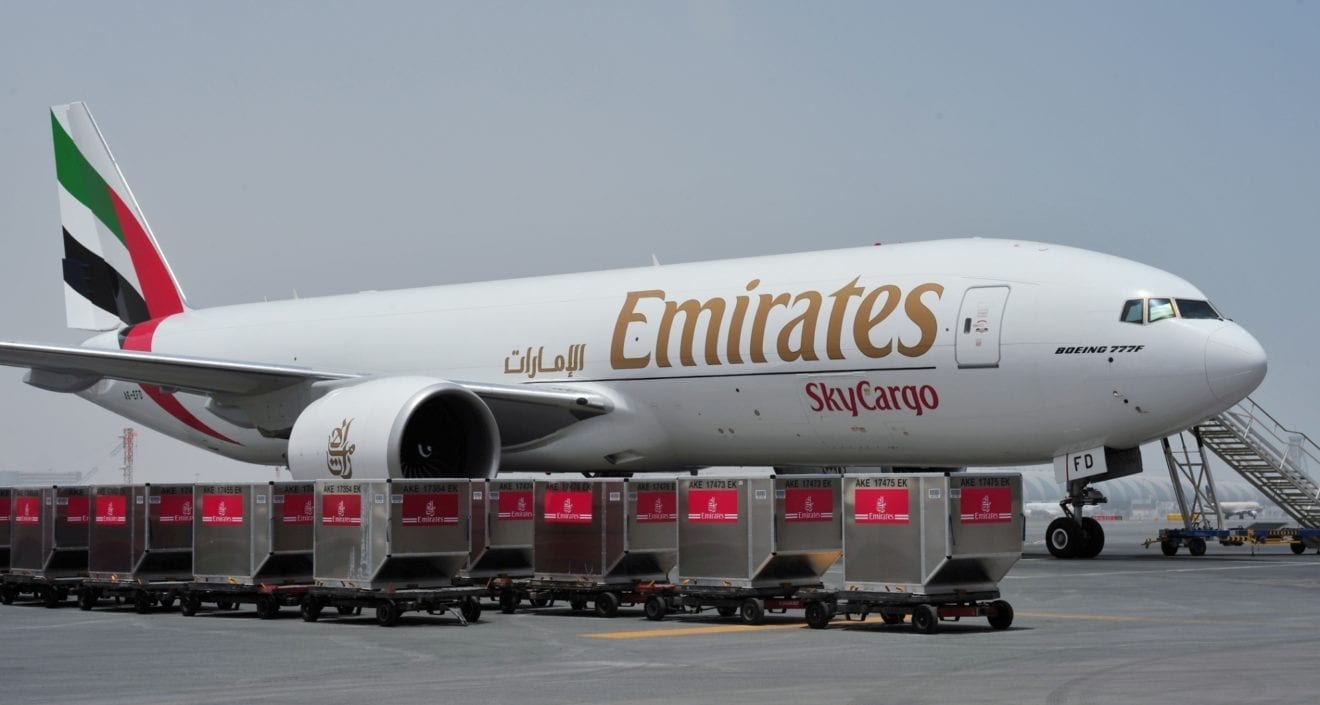
    Emirates’ flights will provide passengers with both luxury and comfort, with the airline scheduled to introduce four weekly flights to Da Nang utilizing its state-of-the-art Boeing 777-300ER, which features spacious accommodations across both business and economy classes.

    Strengthening Vietnam’s Global Tourism Standing

    Operating 21 weekly flights to Hanoi and Ho Chi Minh City, Emirates is strategically positioned to support Vietnam’s growing tourism sector. The airline’s modern fleet and innovative partnerships highlight its commitment to bolstering not just its own brand, but the overall vibrancy of Vietnam’s tourism economy.

    As Vietnam aims to reclaim its position as an attractive destination for international tourists, this partnership with Emirates signifies a pivotal step forward. By combining marketing might and consumer appeal, the collaboration promises to set the stage for transformative growth in the retail and tourism sectors.

    Stay tuned for further updates on this groundbreaking alliance and its impact on consumer trends in the travel industry.

  • Vietnam Airlines Gains Approval for 50 New Narrow-Body Aircraft Purchases

    Vietnam Airlines Gains Approval for 50 New Narrow-Body Aircraft Purchases

    Vietnam Airlines Secures Approval for Acquisition of 50 Narrow-Body Aircraft

    Government Greenlights Fleet Expansion Plan

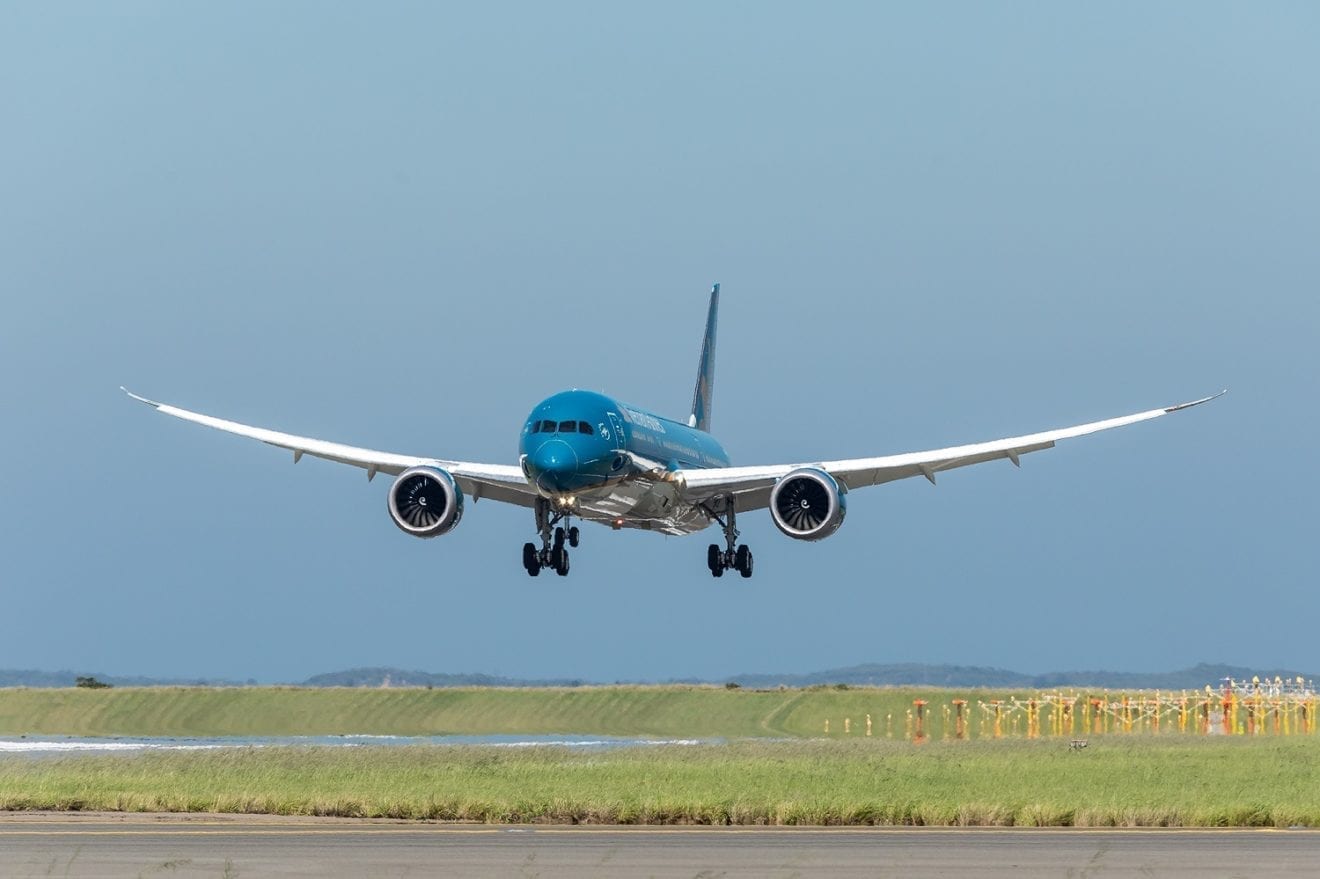
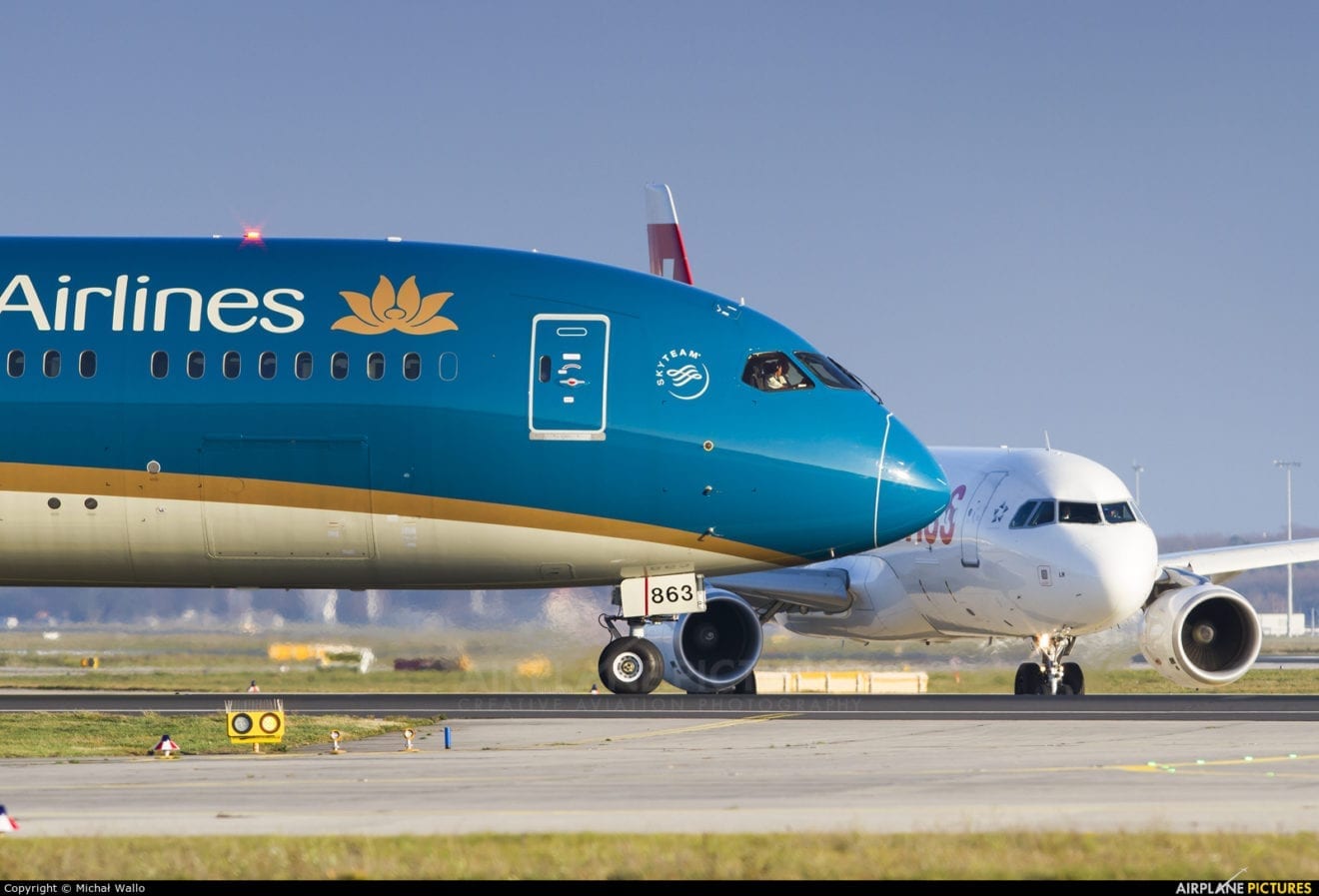
    Vietnam Airlines has received in-principle approval from the government to purchase 50 narrow-body aircraft, marking a significant step in its fleet modernization strategy. Notably, this deal will not require a state guarantee, allowing the airline to streamline its acquisition process.

    Addressing Growing Travel Demand

    The government’s approval, conveyed through an official dispatch from Deputy Prime Minister Ho Duc Phoc, aims to meet surging consumer demand for air travel and to replace aging aircraft in the current fleet. Vietnam Airlines plans to acquire 50 new Airbus A320 NEO and Boeing 737 MAX jets, along with 10 spare engines, for an estimated total of approximately $3.7 billion—an investment that is 1.6 times the airline’s current asset value based on its 2024 financial data.

    Modernizing the Fleet

    This acquisition is part of Vietnam Airlines’ broader strategy to phase out older A321 CEO planes. The new aircraft will enhance the efficiency and reliability of the fleet, aligning with increasing passenger expectations and operational standards. Earlier in September 2023, the airline also announced a deal for an additional 50 Boeing 737 MAX aircraft, with deliveries expected between 2027 and 2030.

    Strategic Financial Partnerships

    To support this growth initiative, Vietnam Airlines signed a memorandum of understanding with Citibank earlier this month for $560 million in funding focused on strategic projects, including the aircraft purchase. Furthermore, the airline has partnered with Vietcombank to secure additional financial resources for the acquisition.

    Future-Proofing Operations

    Looking ahead, Vietnam Airlines forecasts the need for a fleet of 52 wide-body and 112 narrow-body aircraft by 2035. Currently, the airline operates approximately 100 aircraft, including over 30 wide-body jets, showcasing its commitment to expanding its capacity to meet the demands of the growing travel market.

    In its 2024 financial report, Vietnam Airlines reported impressive figures, including over VND 113.7 trillion (approximately $4.37 billion) in revenue, transporting 22.7 million passengers and 314,700 tons of cargo, with an average aircraft utilization of 11 hours per day—reflecting a 25% increase from the previous year.

    Conclusion

    Vietnam Airlines’ strategic acquisition of narrow-body aircraft is poised to enhance its operational capabilities and address the evolving travel landscape in Vietnam. As the airline expands its presence and modernizes its fleet, the implications for the retail sector may be significant, driving increased consumer activity and enhancing travel options for millions. This move signifies not only a response to market demands but also a commitment to sustained growth in the competitive aviation industry.

  • Vietnam Poised to be Southeast Asia’s Second-Largest Economy by 2036

    Vietnam Poised to be Southeast Asia’s Second-Largest Economy by 2036

    Vietnam Set to Become the Second Largest Economy in Southeast Asia by 2036

    In a groundbreaking projection by the Center for Economic and Business Research (CEBR), Vietnam is anticipated to climb the ranks to become the second-largest economy in Southeast Asia, trailing only Indonesia, by 2036. Additionally, this robust growth trajectory is expected to catapult Vietnam into the 20th slot in the global economic standings.

    Remarkable Economic Growth

    According to the latest CEBR report titled “World Economic League Table 2022,” Vietnam’s rise has been meteoric. Since the inception of the Đổi Mới (Renovation) reforms in the mid-1980s, the nation has seen a tremendous transformation from a low-income to a lower-middle-class economy. These reforms, combined with favorable global economic trends, have set the stage for Vietnam’s success.

    Today, Vietnam is boasting a purchasing power parity adjusted GDP per capita of US$11,608, a testament to its relentless pursuit of economic advancement. The nation is ambitiously aiming for high-income status by 2045, which requires maintaining a robust annual growth rate of around 5% per capita.

    Navigating Through Challenges

    Despite its impressive growth, Vietnam faces significant hurdles on its path to becoming a high-income nation. Issues such as the declining global trade landscape, the impending impacts of automation, and the challenges posed by climate change necessitate vigorous policy reforms, especially in vulnerable sectors.

    Moreover, with a demographic trend towards an aging population, Vietnam is pressed to strategically manage its human resources and health care systems to maintain its economic momentum.

    Positioning for the Future

    By 2036, Vietnam’s position in the CEBR’s World Economic League Table is expected to leap from 41st to 20th place, a remarkable rise reflecting the country’s economic resilience and strategic planning.

    Implications for the Retail Sector and Consumers

    Vietnam’s ascent in the economic rankings hints at burgeoning opportunities within the retail sector and significant shifts in consumer trends. As the economy grows, retail markets are likely to expand, bringing in new brands and increasing consumer purchasing power. This growth presents a considerable opportunity for international retailers and local businesses alike to tap into a vibrant, emerging market. The enhancements in Vietnam’s economic landscape could redefine consumer behavior and retail dynamics in Southeast Asia, making it a focal point for brand expansion and a hotspot for economic activity.

  • Vietnam Airlines gets go-ahead to buy 50 narrow-body aircraft

    Vietnam Airlines gets go-ahead to buy 50 narrow-body aircraft

    Vietnam Airlines has been granted in-principle approval by the government to acquire 50 narrow-body aircraft without requiring a state guarantee.

    The approval, outlined in an official dispatch from the Government Office reflecting the views of Deputy Prime Minister Ho Duc Phoc, is intended to address future travel demand and phase out aging aircraft.

    Vietnam Airlines previously proposed buying 50 Airbus A320 NEO and Boeing 737 MAX jets, along with 10 spare engines, at a total estimated cost of around US$3.7 billion—equivalent to 1.6 times its current total asset value, based on 2024 financial data.

    The new aircraft will gradually phase out older A321 CEO planes as part of the airline’s fleet modernization plan.

    Earlier this month, during Phoc’s visit to the U.S., Vietnam Airlines signed a memorandum of understanding with Citibank for $560 million in funding for strategic projects, including the aircraft purchase. It also signed a separate MOU with Vietcombank to prepare additional capital for the acquisition.

    In September 2023, Vietnam Airlines signed a deal to purchase 50 Boeing 737 MAX aircraft, with deliveries expected between 2027 and 2030.

    Looking ahead, the airline projects it will need a fleet of 52 wide-body and 112 narrow-body aircraft by 2035. At present, Vietnam Airlines operates a fleet of about 100 planes, including more than 30 wide-body jets.

    According to its 2024 financial report, the carrier earned over VND113.7 trillion (US$4.37 billion) in revenue, transporting 22.7 million passengers and 314,700 tons of cargo. Its aircraft utilization averaged 11 hours per day, a 25% increase from 2023.

  • Viettel Begins Construction of Vietnam’s Largest Data Center

    Viettel Begins Construction of Vietnam’s Largest Data Center

    Viettel has started building a new data center campus in Ho Chi Minh City, Vietnam. This will be Viettel’s largest data center yet, boasting a capacity of 140 MW and around 10,000 racks. The facility will cover approximately 40,000 sqm (430,555 sq. ft.) on a 4-hectare site. The data center is expected to be operational by 2026 and fully completed by 2030.

    It will be situated in Tan Phu Trung Industrial Park, Cu Chi district, which is 25 km from Ho Chi Minh City and 15 km from Tan Son Nhat International Airport. Huyen Nguyen, Deputy Director of Viettel’s International Business Center, mentioned that the data center aims to achieve a power usage effectiveness (PUE) of less than 1.4 and comply with Uptime Tier III standards. Viettel currently runs 15 data centers in Vietnam with a total capacity of 87 MW.

    The company plans to build 24 data centers by 2030, with a combined capacity of 560 MW. Viettel’s IDC data center unit offers colocation and cloud services from five data centers across Hanoi (x2), Da Nang (x1), and Ho Chi Minh City (x2), totaling 25,000 sqm (269,100 sq. ft).

    Notably, Vietnam recently lifted restrictions on the foreign ownership of data centers, removing the 49% cap.

  • Fake milk powder producers busted for paying $150,000 bribe

    Fake milk powder producers busted for paying $150,000 bribe

    Two men behind a fake milk powder production ring allegedly paid US$150,000 as bribe after being exposed.

    The Ministry of Public Security announced Monday that its Criminal Investigation Agency had initiated legal proceedings against Vu Manh Cuong and Hoang Manh Ha, the CEO and deputy CEO of Hacofood Group and Rance Pharma, for “bribery”, Pham Gia Khai, former CEO of Vietnam Pharmaceutical JSC, for “brokering bribery” and Nguyen Van Quan for fraud and property embezzlement.

    According to preliminary investigation, after their goods were temporarily seized by the environmental police in December last year, Ha and Cuong decided to bribe their way out.

    Their goal was to get away with a fine rather than face criminal charges.

    Cuong gave Ha $150,000, and he handed it over to Khai.

    Khai gave the money to Quan to “settle” the matter, ensuring they do not face criminal charges for producing and selling fake goods.

    Quan had falsely claimed to have connections with government authorities and individuals in power, suggesting he could reduce the severity of the legal consequences and prevent criminal prosecution.

    Khai took him at his word and handed over the money, but Quan kept it for his personal use.

    On April 10 the Criminal Investigation Agency charged Ha and Cuong along with four accomplices with the production and sale of fake food products and violating accounting regulations, resulting in serious consequences.

    The fake milk powder production ring started operation in August 2021 when Ha and Cuong noticed the increasing demand for milk powder.

    The falsely claimed their product included bird’s nest extract, cordyceps, macca powder, and walnut powder.

    The milk powder was distributed nationwide, primarily targeting people with diabetes, kidney disease, premature infants, and pregnant women.

    The accused instructed their employees to replace the ingredients and add flavoring agents and additives.

    The investigators determined that the quality of some substances in the milk powder was less than 70% of stated levels, sufficient to prove the product fake.

    The suspects exploited a regulation that allows businesses to self-declare the quality, content, nutritional composition, and effects of their products.

    By the time of their arrest on April 11, the ring was suspected of producing 573 types of fake milk powders, generating nearly VND500 billion (US$19.23 million) in revenues.

    The police also discovered that Rance Pharma and Hacofood had underreported their actual revenues in their records to evade tax worth more than VND28 billion.

    The Criminal Investigation Agency believes there is enough evidence to prove 12 varieties of milk powders are counterfeit products. The investigation into the remaining 72 is ongoing.

  • Vietnam to welcome nearly 800,000 international visitors for reunification holiday

    Vietnam to welcome nearly 800,000 international visitors for reunification holiday

    Vietnam is preparing for a surge in air traffic during its five-day reunification holiday, with 792,000 international visitors expected, according to the Civil Aviation Authority of Vietnam.

    From April 30 to May 4, Vietnamese airports are forecast to handle around 5,000 international flights, averaging 830 flights a day, a 20% increase compared to the same period last year. The busiest international hubs will be Tan Son Nhat in Ho Chi Minh City, followed by Noi Bai in Hanoi, Da Nang, Cam Ranh and Phu Quoc.

    Domestically, the southern metropolis of HCMC remains the country’s top traffic hub. Tan Son Nhat Airport alone will account for 70% of all domestic flights, with more than 5,000 flights scheduled over the holiday period. The popular Hanoi–Ho Chi Minh City route is also booming, with over 1,200 flights planned, up 16% from 2024.

    Vietnamese airlines will operate over 7,500 domestic flights, offering around 1.5 million seats, representing a 21% jump from the same period last year. Tan Son Nhat Airport is ramping up operations to handle the influx, increasing flight frequency to 46 flights per hour between 6 a.m. and 11 p.m., compared to the usual 40–42.

    Airlines like Vietnam Airlines and Vietjet Air are also expanding their schedules, boosting night flights by approximately 20% to meet heightened demand. Although Tan Son Nhat’s new domestical terminal T3 has been completed ahead of schedule, most domestic operations for Vietnam Airlines and Vietjet will continue at the existing T1 terminal for now.

    Hanoi’s Noi Bai Airport is preparing for around 370 domestic flights on its peak day, serving roughly 68,000 passengers. The airport has also introduced biometric identification technology via mobile app VNeID to streamline domestic flight procedures.

  • 43% of job seekers are under 40

    43% of job seekers are under 40

    In the first quarter 43% of job seekers were aged 30–39 and 37% were in the 20–29 age group, according to statistics from the Ministry of Home Affairs.

    They are from the quarterly labor market bulletin compiled by the ministry’s Institute of State Organizational and Labor Sciences based on data from 18,000 job seekers on recruitment websites, 25,000 employers and 200,000 job postings.

    The candidates were most concentrated in business administration, sales, procurement and brokerage, marketing, and advertising, while employers were mainly looking for workers in engineering, transportation and sales.

    Pham Ngoc Toan, director of the institute’s Center for Strategic Forecasting and Public Service Information, said job seekers used a variety of methods, including in-person visits, public employment service centers, and online job portals.

    The 30–39 age group accounting for a large proportion of job seekers is a trend normally seen early in the year, he said, explaining that it usually has work experience and skills and often seeks changes in position, salary or working environment making it more prone to job-hopping.

    “This doesn’t necessarily mean they are unemployed — it is often about job transition, as reflected in the drop in the unemployment rate compared to the previous quarter.”

    However, this figure also reflects challenges in the labor market.

    The under-40 group is more vulnerable to the so-called “mid-career job trap” as traditional jobs are increasingly being replaced by technology and younger workers enter the market.

    Whether workers are replaced or not depends heavily on their ability to adapt to evolving job requirements, which can be vastly different even compared to just two years ago.

    Global economic conditions and U.S. tariff policies are also expected to impact Vietnam’s labor market in the coming months.

    Toan advised workers to improve their IT skills to better prepare for future opportunities.

    In Q1 demand was highest for workers with university degrees or higher (nearly 53%), followed by those with college or vocational training (40%).

    Only 7% of positions required no technical qualifications.

    Around 51% of job seekers held university degrees or higher, and 29% had vocational or college qualifications.

    A mismatch was noted in temporary jobs, with demand accounting for just 8% of vacancies while 32% of job seekers were looking for such roles.

    The outlook for the next quarter depends largely on domestic business activities, which could be influenced by U.S. tariff policies, particularly in labor-intensive sectors like electronics and garments.

    On the other hand, recruitment is expected to rise in sales, customer service, logistics, transportation, and construction, driven by increased public spending in construction projects.

    Nearly 145,000 people applied for unemployment benefits in Q1, down by almost 30,000 from the final quarter of 2024.

    Nearly 124,000 were approved for benefits, while only 3,600 opted for vocational training support.

    Unskilled workers remained the largest group applying for unemployment benefits (60%) followed by university graduates (19%), college graduates (over 7%), vocational secondary graduates (6%), and those with basic vocational certification (8.5%).

    In terms of occupations, workers in the garment and related industries accounted for the largest share of claimants at 21%, followed by assemblers (7%) and sales staff and accountants (3.6% each).

  • How Vietnam is overtaking Thailand as favorite destination for Indian travelers

    How Vietnam is overtaking Thailand as favorite destination for Indian travelers

    Vietnam’s landscapes, growing upscale tourism infrastructure, globally recognized cuisine, and expanding network of direct flights have made it a top destination for travelers from India in Southeast Asia, steadily surpassing Thailand.

    For years, Thailand was the go-to destination for Indian travelers visiting the region. However, more Indian tourists are now turning their attention to Vietnam, which offers a similar experience at more affordable prices. In late March, The Economic Times published an article titled “Forget Thailand, Vietnam is the new playground for Indian tourists,” noting that Vietnam is now drawing more interest from Indian travelers than any other Southeast Asian destination.

    New playground for India’s wealthy

    Vietnam has become a strong contender among high-end Indian travelers, as they seek alternatives to Japan and Singapore after visiting Thailand’s popular islands like Koh Samui and Phuket. The rising presence of luxury hotels, particularly in beach destinations like Phu Quoc, is attracting India’s elite.

    The Economic Times highlights that India’s wealthy organize approximately 5,000 ultra-luxury weddings annually, with budgets ranging from $250,000 to $500,000. Despite intense competition, JW Marriott Phu Quoc Emerald Bay successfully hosted the wedding of Indian billionaire Rushang Shah in 2019 and another billionaire couple’s ceremony in early 2024. The arrival of luxury brands like The Luxury Collection and Ritz Carlton Reserve in Phu Quoc further bolsters the island’s appeal.

    Beyond luxury stays, Phu Quoc offers a range of experiences that appeal to Indian travelers.

    Sun Paradise Land in southern Phu Quoc features attractions like the Guinness World Record-holding “Kiss of the Sea” multimedia show, nightly fireworks, the world’s longest three-wire cable car, and the Kiss Bridge.

    “Phu Quoc offered so many surprises. A morning cable car ride over the sea, fireworks at night… I’ve never experienced anything like that anywhere else,” said Rohan Khanna, a visitor from New Delhi.

    In addition to Phu Quoc, Ha Long Bay is also becoming a popular destination for Indian travelers. More and more wealthy Indian families are choosing Phu Quoc and Ha Long for milestone events, positioning Vietnam as a top Asian wedding destination. With its natural beauty, luxury hotels, and professional event services, both locations are proving ideal for hosting special moments.

    Outstanding culinary experiences

    Food plays a decisive role for Indian tourists when choosing a travel destination. Given the diversity in dietary and religious preferences across India, catering to halal or halal-friendly standards is essential to ensure repeat visits.

    Top tourist destinations in Vietnam, such as Sun World Ba Na Hills in Da Nang and Sun World Fansipan Legend in Sa Pa, have embraced these dietary needs, offering Indian tourists familiar flavors that meet their cultural requirements.

    Da Nang, which was added to the Michelin Guide’s 2024 expansion, has seen a significant increase in Indian visitors.

    Da Nang welcomed 222,000 Indian tourists in 2024, accounting for 5.3% of total international arrivals. Nearly 50% of Indian visitors to Vietnam chose Da Nang as their primary destination, solidifying its position as the most popular Vietnamese city among Indian travelers.

    Affordable food prices in Da Nang and other beach destinations like Phu Quoc also add to Vietnam’s appeal.

    Compared to regional competitors like Thailand, seafood in Vietnam is significantly more affordable. Thailand’s Nation Story even noted that seafood in Phu Quoc costs about half as much as in Thailand.

    More direct flights

    Vietnam’s growing network of direct flights from major Indian cities is also contributing to the rising demand. There are currently around 56 direct flights per week between the two countries. Several new direct routes, including one from Ahmedabad to Da Nang, were launched in 2024.

    Sandeep Arya, Indian Ambassador to Vietnam, shared that aviation authorities from both countries are planning to add 14 more flights connecting cities like New Delhi, Chennai, and Mumbai with Vietnam. India is also encouraging airlines like Vietnam Airlines, Vietjet, and IndiGo to open more direct routes to boost tourism.

    According to the General Statistics Office, international arrivals to Vietnam in the first quarter of 2025 exceeded 6 million, a 29.6% increase year-on-year. Over 143,000 of these visitors were from India, continuing the trend of double-digit growth compared to the same period last year.

    In 2024, Vietnam welcomed more than 500,000 Indian tourists, making India one of its most promising inbound markets. With an expanding range of competitive offerings, Vietnam is well on its way to becoming the top destination for Indian travelers in Southeast Asia by 2025.
  • Vietnam president sends congratulatory letter to Amanda Nguyen, first woman of Vietnamese origin to fly into space

    Vietnam president sends congratulatory letter to Amanda Nguyen, first woman of Vietnamese origin to fly into space

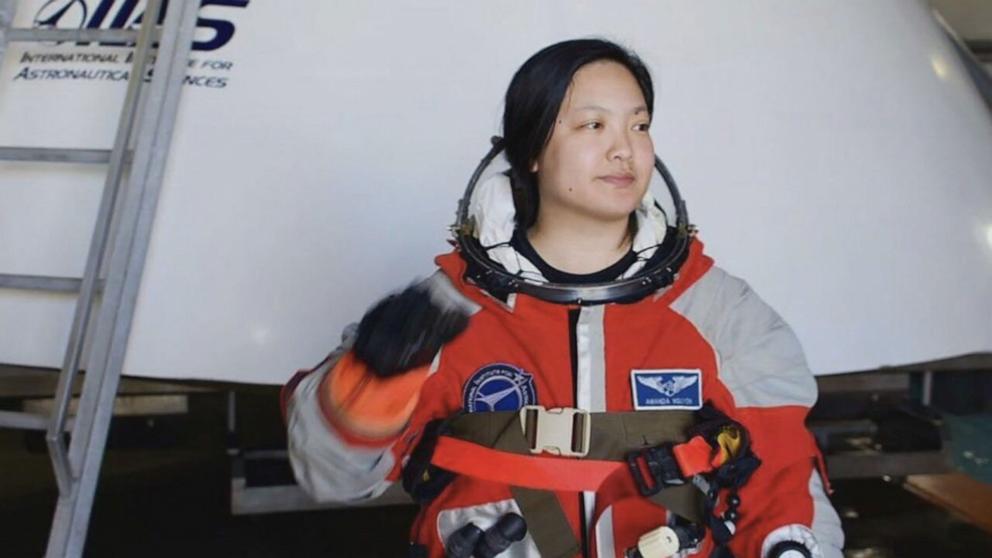
    Vietnam’s President Luong Cuong sent a letter of congratulations to Amanda Ngoc Nguyen as she became the first woman of Vietnamese woman to fly into space in a historic all-female crew this week.

    Blue Origin, founded by billionaire Jeff Bezos, organized a flight of New Shepard, a fully reusable, suborbital rocket system, with a crew of six women in West Texas, the U.S., on April 14 (local time).

    The flight, called mission NS-31, is the 11th human spaceflight project of Blue Origin. The six participants are outstanding women in many fields, including Vietnamese American Nguyen – founder and general director of the non-governmental organization RISE.

    The New Shepard’s journey was a great success, reaching an altitude of 100 km in space and returning safely. After the flight, Nguyen marked herself as the first woman of Vietnamese origin to fly into space.

    Vietnamese Ambassador to the U.S. Nguyen Quoc Dung attended the New Shepard mission and presented a letter from State President Luong Cuong to Nguyen. In the letter, the President expressed his joy and pride that for the first time a woman of Vietnamese origin had flown into space, affirming the talent and intelligence of Vietnamese people in the U.S. and around the world.

    The President’s letter emphasized that in 2025, Vietnam and the U.S. will celebrate the 30th founding anniversary of diplomatic relations and in the overall relationship between the two countries, Vietnam highly appreciates the positive contributions of the Vietnamese community in the U.S. to the development and progress of the U.S., as well as promoting the Vietnam-U.S. cooperative relationship.

    The President also highly appreciated the cooperation between Amanda Nguyen and the Vietnam National Space Center (VNSC), helping to promote the cooperative relationship between the U.S. and Vietnam.

    Born on Oct. 10, 1991, Nguyen graduated from the Harvard University and interned at NASA in 2013. She then worked at the Harvard & Smithsonian Center for Astrophysics, and then served as deputy White House liaison at the U.S. State Department.

    In November 2014, she founded Rise, a non-governmental organization dedicated to protecting the civil rights of survivors of sexual assault. In 2019, she was nominated for the Nobel Peace Prize for her efforts to fight for the rights of victims of sexual assault.

  • Hoka opens its first store in Vietnam

    Hoka opens its first store in Vietnam

    Footwear retailer Hoka has launched a store in Vietnam, marking its first physical presence in the market.

    Located at Ho Chi Minh City’s Saigon Centre, the store is in partnership with distributor Central Brand & Specialty Group (CBS) and offers a full range of products, from road and trail running to street-ready styles.

    The shop features 3D foot-scanning technology, which analyses consumers’ foot shapes and offers personalised shoe recommendations.

    “We chose Saigon Centre – the most strategic and vibrant location in Ho Chi Minh City – because it not only reflects the position of a leading brand like Hoka, but also perfectly fits CBS’s commitment to enhancing everyday lifestyle,” said Ty Chirathivat, CEO of Central Brand & Specialty Group (CBS), during the brand’s opening ceremony.

    Hoka was first launched in Vietnam four years ago, sold through Supersports retail channels.

    Earlier this year, Hoka opened its Bondi 9 pop-up in Hong Kong to mark the latest generation of its ultra-cushioned road-running shoe.

  • Vietnam discovers 12 mines containing over 10 tons of gold

    Vietnam discovers 12 mines containing over 10 tons of gold

    A major gold discovery in central Vietnam has revealed 12 mines containing over 10 tons of gold and 16 tons of silver, according to the Mid-Central Geological Division.

    The discoveries were made following geological investigations across 32 areas with gold ore potential.

    Vietnamese authorities have identified around 500 gold-bearing locations nationwide. Of these, 30 sites have undergone detailed surveys, revealing an estimated total of 300 tons of gold reserves. Most of these deposits are concentrated in mountainous areas of northern Vietnam and several central provinces.

    Starting in 2025, the Department of Geology and Minerals has been launching a new project to evaluate mineral potential in central Vietnam, focusing on localities like Quang Nam, Quang Ngai, Binh Dinh and Phu Yen provinces.

    Another mineral survey project, initiated in 2017, led to the recent discovery of 40 gold mines with total estimated reserves of nearly 30 tons.

  • Vietnam eyes to begin high-speed rail construction in 2026

    Vietnam eyes to begin high-speed rail construction in 2026

    Prime Minister Pham Minh Chinh has ordered the Ministry of Construction to expedite procedures to commence construction of the North-South high-speed railway project by the end of next year.

    According to a government release on Saturday, the PM wants the bidding mechanism completed this month so the National Assembly can review it for approval next month.

    This would push the construction date one year earlier than the original plan.

    The railway, one of Vietnam’s most ambitious transportation projects in this decade, was approved for investment by the National Assembly in November last year with a preliminary cost of approximately VND1.7 quadrillion (US$67 billion).

    The 1,541-km route will start at in Hanoi and end in Ho Chi Minh City, passing through 20 localities.

    It will be designed for speeds of up to 350 kilometers per hour. It includes 23 passenger stations and 5 freight stations.

    The government also eyes to start building the Lao Cai – Hanoi – Lang Son railway in December. It will be a key project linking the capital with China-bordering provinces.

    Concerning another northern rail project, Lao Cai – Hanoi – Hai Phong, officials are set to negotiate with their Chinese counterparts next month and a loan agreement is expected to be signed in November.

    The government has also tasked Hanoi and HCMC with reviewing their plans to build and acquire loans for more metro routes.