Tag: Vietnam

  • Chubb acquires Liberty Mutual’s insurance businesses in Vietnam, Thailand

    Chubb acquires Liberty Mutual’s insurance businesses in Vietnam, Thailand

    Chubb Limited has announced agreements to acquire the insurance businesses of Liberty Mutual in Thailand and Vietnam without disclosing the terms.

    The two companies — LMG Insurance in Thailand and Liberty Insurance in Vietnam —offer a range of consumer and commercial property and casualty (P&C) products, including automotive, acccident & health and non-motor insurance such as fire/property and industrial all-risk.

    This portfolio is coupled with complementary distribution through 56 branches, 2,600 brokers and agents, and 26 finance partners. The combined operations produced approximately US$$275 million in net premiums written in 2024.

    The transactions are expected to be completed by the second quarter of 2025 (Thailand) and late 2025 / early 2026 (Vietnam) and are subject to required regulatory approvals and customary closing conditions.

    With operations in 54 countries and territories, Chubb provides commercial and personal property and casualty insurance, personal accident and supplemental health insurance, reinsurance and life insurance to a diverse group of clients.

    The company is defined by its extensive product and service offerings, broad distribution capabilities, exceptional financial strength and local operations globally.

    Parent company Chubb Limited is listed on the New York Stock Exchange and is a component of the S&P 500 index. Chubb employs approximately 43,000 people worldwide.

  • South Korean firms plan to expand investment in Vietnam

    South Korean firms plan to expand investment in Vietnam

    South Korean conglomerates, including SK Group, Samsung, and LG, are expanding their investments in Vietnam, focusing on energy, high-tech manufacturing, and sustainable development.

    SK Group, the second-largest conglomerate in the country, has planned to invest in three LNG-fueled power projects in Vietnam, aiming to develop a new energy hub integrating artificial intelligence development, hydrogen, logistics, eco-friendly agriculture, and innovation in the Southeast Asian nation.

    In meetings with Party General Secretary To Lam and Prime Minister Pham Minh Chinh last week, SK Group Chairman Chey Tae Won said his firm is actively seeking opportunities to enhance support for and cooperation with Vietnam to promote long-term, sustainable economic growth.

    SK has already invested around $3.5 billion in Vietnam. However, most of the sum is indirect investment, involving equity purchases worth hundreds of millions to over a billion dollars in major companies such as Vingroup, Masan, Pharmacity, and Imexpharm.

    The Ecovance high-tech biodegradable materials plant in the northern port city of Hai Phong is the first direct investment project of SK in Vietnam. SK is investing in the project through a subsidiary at the DEEP C Industrial Park, with a total investment of $500 million. The project targets the rapidly growing global biodegradable materials market.

    Chey stated SK considers Vietnam a priority partner in its investment strategy in the coming time, adding the firm is eager to participate in Vietnam’s green transition, especially in energy and industry, thus contributing to the Southeast Asian nation’s goal of cutting emissions to net zero by 2050.

    Meanwhile, Samsung Display of South Korea has been approved to inject an additional $1.2 billion into its existing next-generation display manufacturing plant in the northern province of Bac Ninh. This investment aims to establish Vietnam as a key production hub for Samsung’s next-generation displays.

    In a recent meeting with Prime Minister Pham Minh Chinh, General Director of Samsung Vietnam Choi Joo Ho, and his successor, Na Ki Hong, stated that, in addition to its traditional investment areas, Samsung will expand its investments in Vietnam into new sectors.

    Samsung has invested over $23 billion in Vietnam, and continues to inject billions of dollars annually. With its new plans, more billion-dollar projects are likely to be added to Samsung’s investment portfolio in the Southeast Asian nation.

    Besides Samsung, LG has also been steadily increasing its investments in Vietnam. Last year, it poured billions of dollars into the LG Display project in Hai Phong. Looking ahead, LG plans to further expand its investments in the country.

    Other giants such as Hyosung, Amkor, and Hana Micron are also looking to expand their investment and business in Vietnam.

    After investing $520 million, Amkor decided to inject an additional $1.07 billion into its plant in Bac Ninh, 11 years ahead of its schedule. Recent reports indicate that Amkor’s plant is expected to triple its production capacity in the near future.

    South Korea’s registered investment in Vietnam hit $1.25 billion in January alone, much higher than the figure of $93.46 million recorded in January last year.

    South Korean investors have poured $92 billion into Vietnam, ranking first among countries and territories investing in the Southeast Asian nation, statistics showed as of January 2025.

  • Vietnamese coffee chain Trung Nguyen to launch first store in Australia

    Vietnamese coffee chain Trung Nguyen to launch first store in Australia

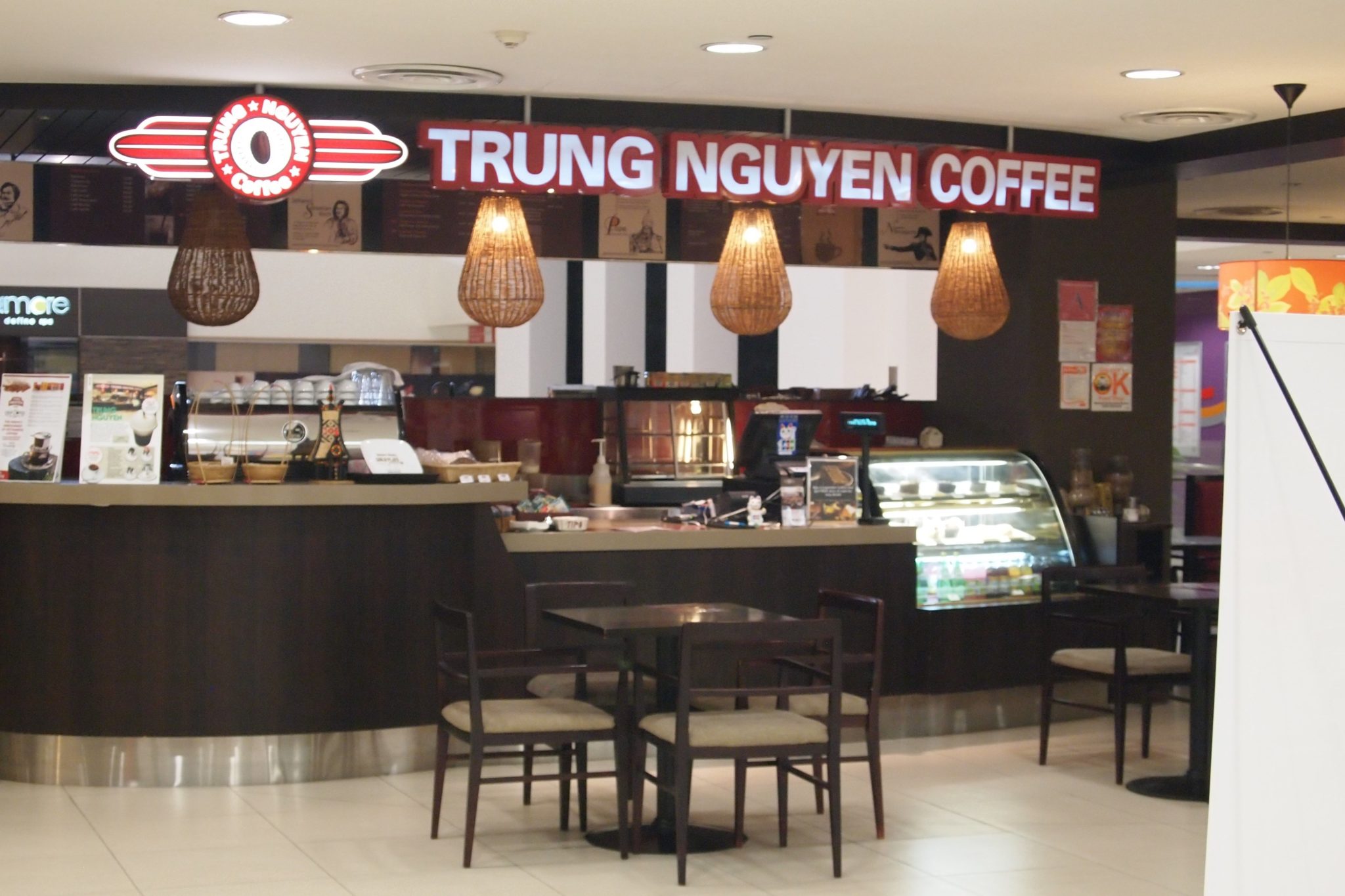
    Vietnamese coffee chain Trung Nguyen is continuing its global expansion, opening its first store in Australia next month via a franchise agreement with local distributor Master C Pty Ltd.

    The 400sqm store on Melbourne’s Courtney Street will feature a retail corner, a coffee-tasting area, and a cafe space.

    In addition, customers can experience the three coffee cultures the company has identified and showcases in its flagship Vietnam stores: Ottoman, Roman and Zen.

    The Melbourne store will resemble a Vietnamese-themed coffee shop with its architectural style, display graphics, and menus that incorporate elements of Vietnamese and local cultures.

    Trung Nguyen first made its international debut in China in 2022 with a store in Shanghai and then expanded into Beijing and Chongqing. It opened its first US store last year, in partnership with US-based franchisee H&L Wholesale Food Corporation.

  • Shein offers Chinese manufacturers incentive to move to Vietnam

    Shein offers Chinese manufacturers incentive to move to Vietnam

    Shein is offering its Chinese manufacturers temporary incentives to move some of their production to Vietnam in response to rising US tariffs.

    The incentives include up to a 30 percent increase in procurement prices and larger order guarantees.

    The move is part of the fast-fashion retailer’s efforts to shift production outside of China after US President Donald Trump called a halt to Section 321 de minimis earlier this week.

    The de minimis previously allowed low-value packages from China to be shipped duty-free to the US. This means that prices of cheap Chinese goods are likely to increase in the country, affecting the operations of Shein and similar businesses like Temu and Amazon Haul.

    Shein hopes its expansion strategy in Vietnam will help mitigate the impact of Trump’s tariffs on its business model, which relies heavily on Chinese production.

    The company’s operations in Vietnam currently face some challenges after the local government required it to register its e-commerce services late last year.

    This came amid concerns about the impact of deep discounting by Chinese online platforms, as well as the potential sale of counterfeits.

  • Vietnam electricity imports from China, Laos set to soar by 2030

    Vietnam electricity imports from China, Laos set to soar by 2030

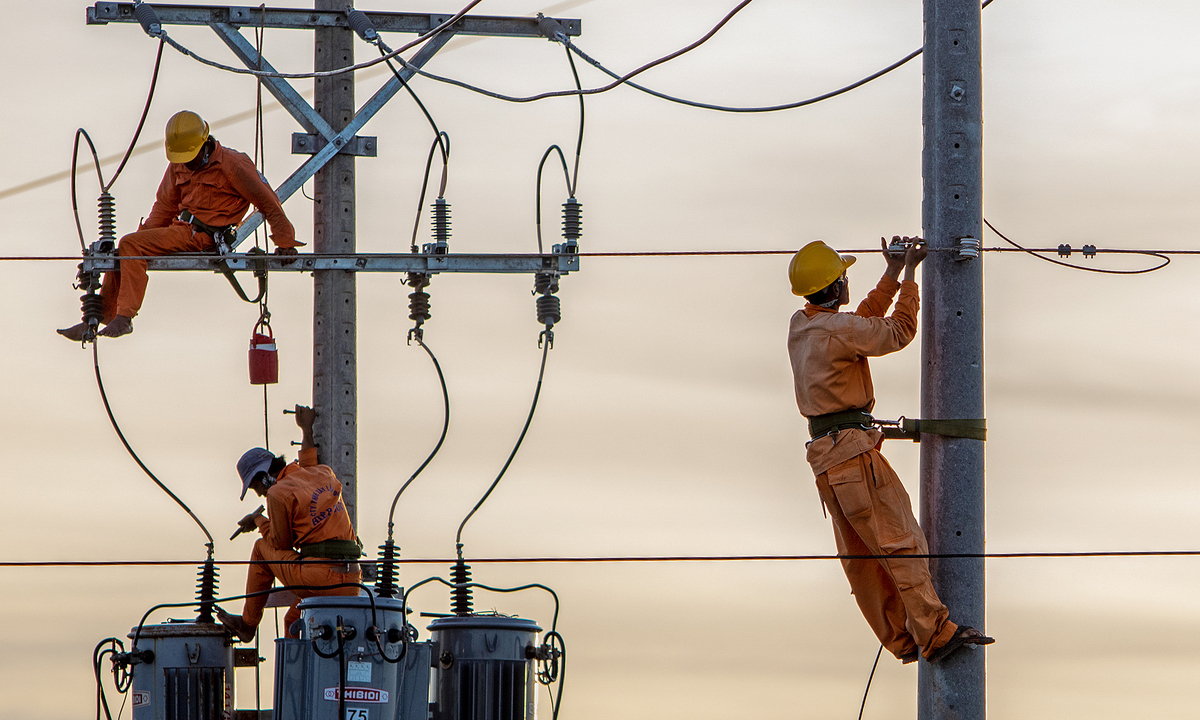
    The Ministry of Industry and Trade plans to increase electricity imports from China and Laos by 1.6 to five times from between now and 2030.

    Vietnam’s electricity demand is set to rise by 12-14% annually as the government targets an ambitious double-digit growth rate annually to achieve high-income status for the country by 2045.

    This means by 2030 Vietnam’s power capacity would need to reach 210,000 megawatts, up 35% from the current nationwide power plan.

    Imports will therefore play an important role in meeting electricity demand.

    By 2030 imports might account for 5% of total supply as against 4% last year, according to the ministry.

    It wants to import up to 3,700 MW in capacity from China by 2030, a five-fold increase from now.

    But the two sides have made no agreement for this yet. “The governments need to negotiate and sign deals soon,” the ministry said.

    It also wants to buy 6,800 MW from Laos by 2030, 1.6 times the current import.

  • Samsung to invest in AI, semiconductors in Vietnam

    Samsung to invest in AI, semiconductors in Vietnam

    South Korean electronics giant Samsung is set to expand into new areas in Vietnam such as AI, semiconductors and digital transformation.

    CEO Choi Joo Ho told Prime Minister Pham Minh Chinh at a meeting in Hanoi on Wednesday that the largest foreign direct investor in Vietnam expects support from the government in making investments in these areas.

    Samsung has so far invested $23.2 billion in Vietnam and exported $54.4 billion worth of products last year.

    Chinh promised continued support for the company in investing in efficient and successful businesses in Vietnam.

    Samsung needs to continue to maintain its leading position by developing supporting industries, chips, semiconductors and promoting digital transformation in Vietnam, he added.

    The government targets 8% GDP growth this year and double-digit expansion in the coming years.

    To achieve the goals, it needs to improve the investment environment and foster strategic breakthroughs.

    Chinh urged Samsung to set up training centers at the National Innovation Center, increase its investment in Vietnam and support start-up and innovation activities.

    He also suggested that the company should have more Vietnamese executives and increase the number of local digital technology enterprises in its ecosystem.

  • Vietnam Airlines among world’s top 20 carriers

    Vietnam Airlines among world’s top 20 carriers

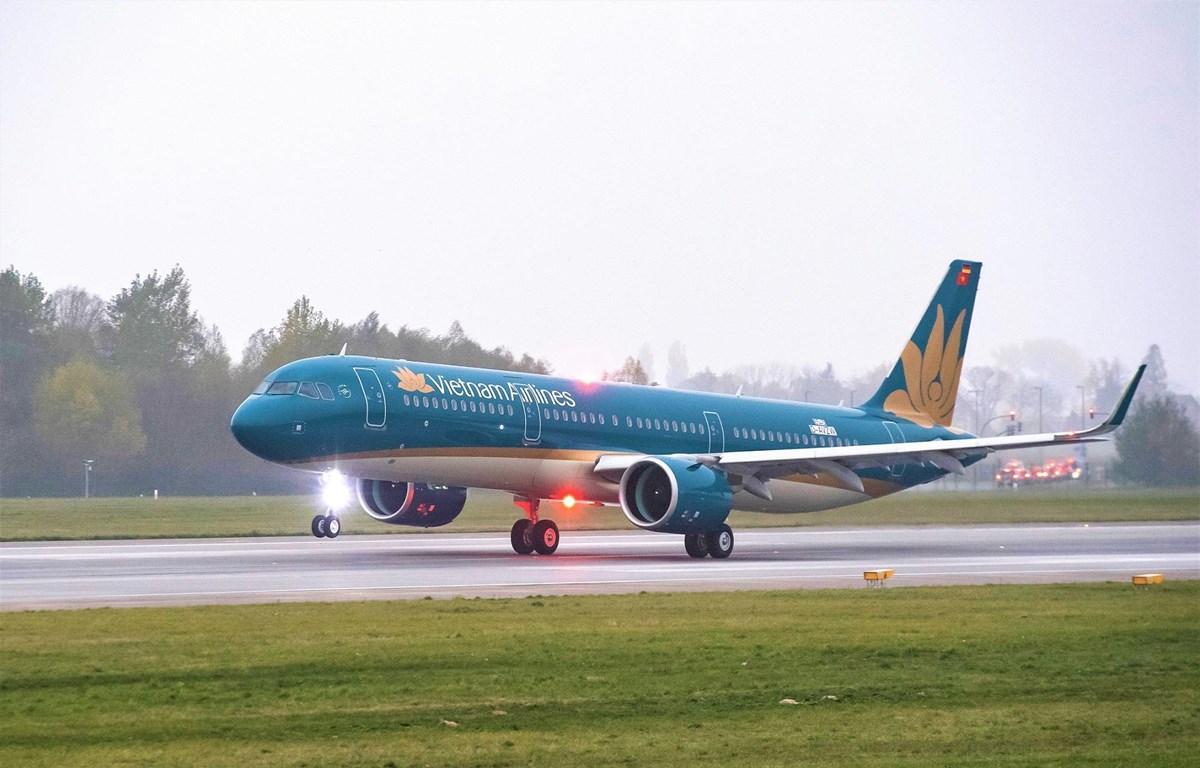
    National flag carrier Vietnam Airlines has been honored in the Top 20 World’s Best Airlines for 2025 by AirlineRatings and won the “World’s Best Value Premium Economy” award for the second consecutive year.

    These accolades highlight the airline’s consistent quality and service across its entire network, regardless of flight distance or class. The retention of the “World’s Best Value Premium Economy” title underscores its excellence in this segment.

    Sharon Petersen, CEO of AirlineRatings, praised Vietnam Airlines for its balance of quality and value, stating that since Jan. 14, 2025, it has expanded its premium economy class to domestic routes, offering passengers enhanced privileges.

    Dang Anh Tuan, Deputy General Director of Vietnam Airlines, said: “The awards reflect our relentless efforts to improve service quality and motivates us to continue innovating and delivering world-class experiences. We remain committed to meeting and exceeding the ever-growing expectations of customers.”

    AirlineRatings.com, a global aviation safety and product rating agency, evaluates over 435 airlines based on service, seating, meals, comfort, and passenger feedback.

    Vietnam Airlines joins other top carriers like Korean Air, Qatar Airways, and Singapore Airlines in the prestigious Top 20 list.

  • Vietnam labor export firms expand to new markets

    Vietnam labor export firms expand to new markets

    Labor export companies are shifting their focus to new markets such as Poland and Australia to find job opportunities for workers.Eastern Sea Labor Export, Services, and Trade (Estrala) in HCMC has been partnering with businesses in Poland and Germany in the last several months to connect them with Vietnamese laborers.

    The company is in the process of sending 100 workers to Poland with an average monthly income of US$1,000, including insurances.

    They will work in the fruits and food packaging industry. Healthy individuals who are in the age of 20-50 with a high school diploma are eligible.

    Workers get weekends off and provision of accommodation, transportation, and meals. They have the option to extend their contracts after two years.

    Estrala offers free English language training and assist workers in acquiring low-interest bank loans.

    It is also transporting workers to Germany for short- and long-term contracts in the food industry.

    “We are expanding to new markets to offer more choices for workers and reduce our dependency a single market,” said Nguyen The Dai, deputy CEO of the company.

    While Estrala has been sending workers to Japan for years, recently it has been facing challenges in this market due to the decline of the yen and increasing competition with other labor exporters.

    Dai said that Europe has a strong demand for labor and countries in the continent offer competitive salaries with robust welfare benefits.

    Germany is an attractive destination for Vietnamese workers as the food packaging industry offers a monthly base salary of EUR2,700 (US$2,761).

    Workers can even bring their spouse and children to the country where they can enjoy free healthcare and education along with an opportunity for long-term residency.

    Another new labor market is Australia, where the Vietnamese government has selected six companies to implement a labor export program in the agriculture sector.

    “This is an opportunity for Vietnamese workers in a new market,” said Nguyen Duc Nam, chairman of the International Manpower Supply and Trading Jsc (Sona), one of the six selected firms.

    The company was approved by Australian authorities thanks to its capabilities, extensive experience in agricultural labor markets, recruitment strategies, overseas worker management plans, and a commitment to not charging service fees to workers.

    Nam said that the Department of Overseas Labor is developing standard contract templates for companies to negotiate with Australian partners, and Sona is studying Vietnamese workers’ demand to build a strong supply for this market.

    Starting this year, Australia will accept around 1,000 Vietnamese workers annually, with basic monthly salaries ranging from AUD3,200 to 4,000 (US$1,960-2,450), before living expenses are deducted.

    Pham Viet Huong, deputy head of the Department of Overseas Labor, said that alongside traditional markets such as Taiwan, Japan, and South Korea, Vietnam is actively expanding into new markets.

    Labor cooperation has been a key agenda item in high-level meetings. Vietnam has already signed agreements – or is in the process of doing so – with countries like Germany, Greece, Finland, Poland and several Nordic nations, he said.

    Other potential markets are France, Denmark, and Spain, where Vietnamese companies are actively seeking partnerships before government-level agreements are achieved, he added.

    Over 650,000 Vietnamese workers are employed in more than 40 countries and territories, sending home an estimated US$3.5-4 billion in remittances annually, official data show.

    Taiwan, Japan, and South Korea remain the top three destinations, with Japan leading for five consecutive years in terms of Vietnamese worker intake.

    South Korea offers the highest earnings, with monthly salaries ranging from US$1,600 to 2,000, followed by Japan (US$1,200-1,500) and Taiwan (US$800-1,200), according to the 2023 Vietnam Migration Profile, released by the Ministry of Foreign Affairs’ Consular Department in late October last year.

    Some European countries offer similar income levels.

    Middle Eastern countries and Malaysia report lower wages: around US$600-1,000 for skilled workers and US$400-600 per month for unskilled workers.


  • Uber competitor Bolt starts recruiting Vietnamese drivers

    Uber competitor Bolt starts recruiting Vietnamese drivers

    Bolt, Europe’s first homegrown ride-hailing company and Uber’s main competitor in the continent, is now recruiting management staff and drivers in HCMC.

    The company’s website, which now offers Vietnamese as a language option, allows candidates to register as drivers for a weekly income running into millions of dong (VND1 million = US$39.40).

    Founded in 2013 in Estonia, Bolt now operates in over 50 countries with services ranging from ride-hailing and car rentals to food and grocery delivery.

    It claims to have 4.6 million drivers and delivery partners serving over 200 million users globally.

    Vietnam’s ride-hailing market is projected to reach $880 million in 2024 and grow at a compounded annual rate of 19.5%, hitting $2.16 billion by 2029, according to Indian market research firm Mordor Intelligence.

    Its major competitors now include Grab, Xanh SM and Be.

    Last year Indonesia’s Gojek exited Vietnam after six years in the country, while Uber had pulled out in 2018.

  • Vietnam nuclear power program needs 2,400 workers for revival, shortage feared

    Vietnam nuclear power program needs 2,400 workers for revival, shortage feared

    Vietnam needs around 2,400 engineers, scientists and other personnel to revive its defunct nuclear program with two plants in Ninh Thuan Province, but officials flag a likely shortage.

    A typical nuclear power plant with two reactors requires 600-1,200 personnel, according to the International Atomic Energy Agency, Ly Quoc Hung, director of the Department of Science and Technology, said at a forum Thursday.

    Another 350 people with expertise in nuclear development and regulations are needed, he added.

    The National Assembly approved last November revival of the nuclear program eight years after it was scrapped.

    Nuclear power is expected to help Vietnam diversify its energy sources, ensure energy security and meet its net zero target by 2050.

    But it lacks personnel in terms of both numbers and capability, particularly scientists, according to a report by the Department of Science and Technology.

    The number of professors in nuclear science and technology is limited, and the facilities and equipment available for teaching and research are outdated, it said.

    When the Ninh Thuan nuclear power project was being considered in 2010, the government planned to produce 2,400 engineers and 350 master’s and doctoral graduates in nuclear power and send 13% of them overseas for training.

    While 55 Vietnam Electricity engineers were sent to Russia and Japan for training, most quit the state-owned company or have shifted to other areas after the program was binned in 2016.

    Human resources are critical to the success of the program, Minister of Industry and Trade Nguyen Hong Dien said.

    He emphasized the importance of proactive planning to churn out scientific, technological and technical personnel.

    “This is not just about the program but about building a nuclear power ecosystem and technology for the future.”

    He has directed relevant agencies to make plans for meeting personnel requirements and creating specialized training programs by the first quarter of 2025.

    “The Ministry of Industry and Trade and the Ministry of Education and Training will establish standardized training programs for nuclear power personnel.”

  • Vietcombank Remittance named best remittance company in Vietnam

    Vietcombank Remittance named best remittance company in Vietnam

    Vietcombank Remittance was honored as “Remittance Company of the Year – Vietnam” for the third consecutive time by Asian Banking & Finance on Dec. 24.

    This achievement affirms the quality of services and the growth of Vietcombank Remittance, recognizing the company’s efforts and demonstrating its position in both the domestic and international remittance markets.

    Vietcombank Remittance is the only remittance company in Vietnam to organize the Client Conference for three consecutive years successfully. This year’s event featured participation from strategic partners in Taiwan, South Korea, the United States, and several other countries, highlighting the company’s role in fostering international cooperation and collaboration.

    The company consistently supports government agencies in developing policies to enhance remittance resources. Vietcombank Remittance actively participates in programs organized by the Overseas Vietnamese Committee of Ho Chi Minh City to promote collaboration among stakeholders and increase the efficiency of remittance flows. The company has also significantly contributed to Ho Chi Minh City People’s Committee’s project on “Optimizing the Effectiveness of Remittance Resources.”

    Vietcombank Remittance is committed to collaborating with the Ho Chi Minh City People’s Committee to implement specific initiatives such as supporting the improvement of policy mechanisms and facilitating convenient conditions for overseas Vietnamese to send money home. It collaborates closely with regulatory agencies to create clear legal frameworks and facilitate the use of technology in remittance operations.

    The company is leading initial efforts to establish the Vietnam Remittance Association to elevate the industry’s position on the international stage. This association is expected to serve as a bridge between the government, businesses, and the overseas Vietnamese community, ensuring policies are geared toward sustainable development.

  • Vietnam Introduces Decree 163 to Modernize Telecom Services

    Vietnam Introduces Decree 163 to Modernize Telecom Services

    The decree, comprising seven chapters and 86 articles, is applicable to both domestic and foreign entities involved in telecommunications activities in Vietnam. While most provisions took effect on December 24, 2024, regulations specific to data centers, cloud computing, and internet-based basic telecommunications services will be enforced starting January 1, 202

    According to the Telecommunications Authority under the Ministry of Information and Communications, Decree 163 is a significant step in operationalizing the Telecommunications Law. It aims to foster market growth, enhance competition, and promote the development of advanced and integrated telecommunications infrastructure.

    Additionally, the decree supports the modernization of subscriber registration processes, including online registration, aligning with the nation’s digital transformation goals.

    These provisions aim to accelerate digital infrastructure and economic growth while ensuring public safety and cybersecurity.

    Decree 163 stipulates the rights and responsibilities of foreign service providers under a light management framework, striking a balance between regulatory oversight and market flexibility. It also mandates the secure handling of user data shared during service agreements and emphasizes the secure utilization of these services by government entities.

    Standardized Digital Transformation

    As part of Vietnam’s digital transformation strategy, Decree 163 brings significant changes to mobile subscriber management processes:

    • Telecom providers are now authorized to enable online registration through mobile applications.
    • Subscriber information must align with the National Population Database.
    • Registration for additional SIM cards requires OTP verification for added security.
    • Identity verification during registration may utilize video call technology.

    To promote fair competition, the decree sets clear criteria for identifying dominant telecommunications companies and outlines their obligations.

    It also introduces rules for managing prepaid mobile cards, mobile accounts, and the resale of telecom services. These measures are designed to reduce risks, prevent misuse, and ensure compliance with regulations for mobile payment systems.

    The decree prioritizes the advancement of telecommunications services and infrastructure while safeguarding public safety and information security. It encourages business innovation and competition while addressing the challenges posed by emerging technologies with a balanced and responsible approach.

  • Hanoi aims to create 169,000 new jobs in 2025

    Hanoi aims to create 169,000 new jobs in 2025

    Hanoi plans to create 169,000 new jobs, reduce urban unemployment rate to below 3%, and increase the proportion of trained workers to 75% in 2025, its People’s Committee said.

    The city will implement policies and solutions to support the comprehensive recovery and development of the labor market, with a focused and targeted approach.

    Vu Thu Ha, the committe’s vice chair, said to achieve the targets, the city will focus on ensuring social welfare, developing the labor market, and strengthening the workforce.

    At the same time, efforts will be made to promote economic growth, improve the quality of human resources, and raise the efficiency of job-creation loan programs funded by the city budget through the Vietnam Bank for Social Policies’s Hanoi branch, the official added.

    A total of 255 job fairs are planned throughout the year, aiming to create 50,600 job opportunities, including 4,600 positions overseas.

    The People’s Committee has asked the Department of Labour, Invalids, and Social Affairs to take measures to boost the labor market, create jobs, and continue sending workers abroad.

    In 2024, the city generated about 225,000 new jobs, surpassing the set target by 36.3%. The number of participants in mandatory social insurance exceeded 2.1 million, an increase of 4.5% compared to 2023. Meanwhile, 107,000 people joined voluntary social insurance, a rise of 21.2% year-on-year.

  • No entertainment shows, only movies for Netflix in Vietnam

    No entertainment shows, only movies for Netflix in Vietnam

    Starting Monday Netflix will remove all entertainment and reality shows from its platform in Vietnam and only distribute film-related content to comply with local laws.

    The U.S.-based streaming service would only show films that have been classified, the Authority of Broadcasting and Electronic Information said in a recent release.

    In Vietnam, film and entertainment shows fall under different categories and are subject to different regulations.

    Distributors of entertainment shows need to set up a company in Vietnam, but film distributors do not.

    Netflix has to remove content entertainment and reality shows such as “Love on the Spectrum,” “Longest Third Date” and “Down For Love.”

    After the decree on entertainment shows came into effect in 2023, some platforms withdrew from Vietnam, including U.S.-based Amazon’s Prime Video service which shut down in October after a seven-year presence.

    China’s Iqiyi was flagged the same month for distributing entertainment shows since it has registered only to provide film-related content.

    The broadcasting authority said last year that the enforcement of such regulations aims to ensure fair competition between domestic and international television businesses.

    Earlier foreign platforms benefited from regulatory gaps, with some avoiding taxes or distributing prohibited content, it said.

    “New regulations, issued to ensure fairness, have caused some companies to cease operations in Vietnam,” Le Quang Tu Do, the authority’s director, said at the time.

    “Adjusting business models to comply with local laws is a routine part of doing business.”

  • IT salaries for managers economy-leading in 2024

    IT salaries for managers economy-leading in 2024

    IT managers in Vietnam earn a median salary of VND52 million (US$2,048), the highest in any sector, while pay for employees with less than a year’s experience has declined.

    Recruitment platform TopCV released its 2024 annual labor market report, highlighting that while demand in the IT industry shows “signs of slowing,” it remains a critical sector and with a talent shortage offering significantly higher salaries than others.

    The report, based on a survey of 3,000 businesses and workers and analyses of 300,000 job postings as of late October, revealed a 1% drop in demand for IT professionals from last year. But experienced and highly skilled candidates remained highly sought after.

    This trend was reflected in salaries. Employees with less than one year of experience earned a median salary of VND11 million, down from VND15 million in 2023, while team leaders and those with four or more years of experience earned VND35 million. For managers and department heads, salaries surged to VND52 million, a nearly 30% increase.

    The salary figures are based on median values, which represent the midpoint in a range and offer a clearer picture than averages when salaries vary significantly.

    The IT and software industry reclaimed the top spot in this year’s salary rankings. In 2023 the insurance industry had led with a median managerial salary of VND50 million, VND10 million higher than in the IT industry. This year managerial salaries in most other sectors were VND26-39 million, significantly lower than in IT.

    But despite the high salaries, TopCV noted, there were challenges in the IT recruitment market primarily due to the limited candidate pool. Around 55% of surveyed businesses reported a shortage of highly skilled professionals, while 49.7% expressed readiness for intense talent competition and willingness to offer attractive benefits to secure top employees.

    On the employee side, “job-hopping” remains prevalent, with 34.1% of IT workers citing lower pay compared to competitors as the main reason for leaving. Another 29.5% pointed to a lack of career advancement opportunities, and 19.5% said their values no longer aligned with those of the company leadership.

    But the report found that “changing jobs no longer guarantees higher income for IT professionals,” with fewer than 10% reporting salary increases of 3-5% after switching roles. Job seekers also faced new challenges like requirements to know a second language, multitask and acquire new skill sets.