Tag: Vietnam

  • South Korean doctors eye move to Vietnam

    South Korean doctors eye move to Vietnam

    Many South Korean doctors in various specializations, unhappy with working conditions back home, have been applying for jobs in Vietnam this year.

    More than 30 of them took a health test late last month and are now preparing for an English exam to be held at the HCMC University of Medicine & Pharmacy within two months. Foreign doctors from nations with advanced healthcare systems are not required to pass local qualification exams to work in Vietnam, but need to furnish the professional licenses issued in their home countries and undergo a health check and an English test.

    A representative of a company that helps translate and notarize documents for foreign doctors said many South Korean cosmetic surgeons, dermatologists, dentists, and emergency medicine specialists are interested in working in Vietnam.

    Many are looking for career opportunities in Vietnam this year, unhappy with the working conditions at private clinics in their country and enticed by those available in the latter nation.

    A private medical facility in Hanoi offers a 44-hour work week, a monthly salary of 30 million won (US$22,000) and $800 in housing assistance to South Korean doctors.

    In South Korea, doctors have been at odds with the government over a plan to boost medical school admissions by 2,000 per year.

    Some 12,000 trainee doctors walked out in February to protest the change, resulting in widespread cancellations of surgeries and other essential treatments.

    The government has since made several attempts to alleviate the pressures on the country’s medical system. The strike is ongoing.

    The number of emergency room doctors has declined by 42% at hospitals across the nation, with seven of them contemplating partial closure of emergency rooms, Yonhap News Agency reported last month, citing a medical professors association.
  • Grab Vietnam chief says company ‘stronger than ever’

    Grab Vietnam chief says company ‘stronger than ever’

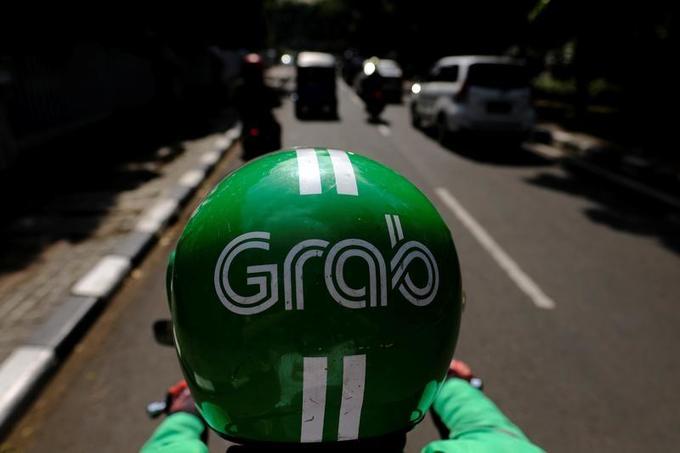
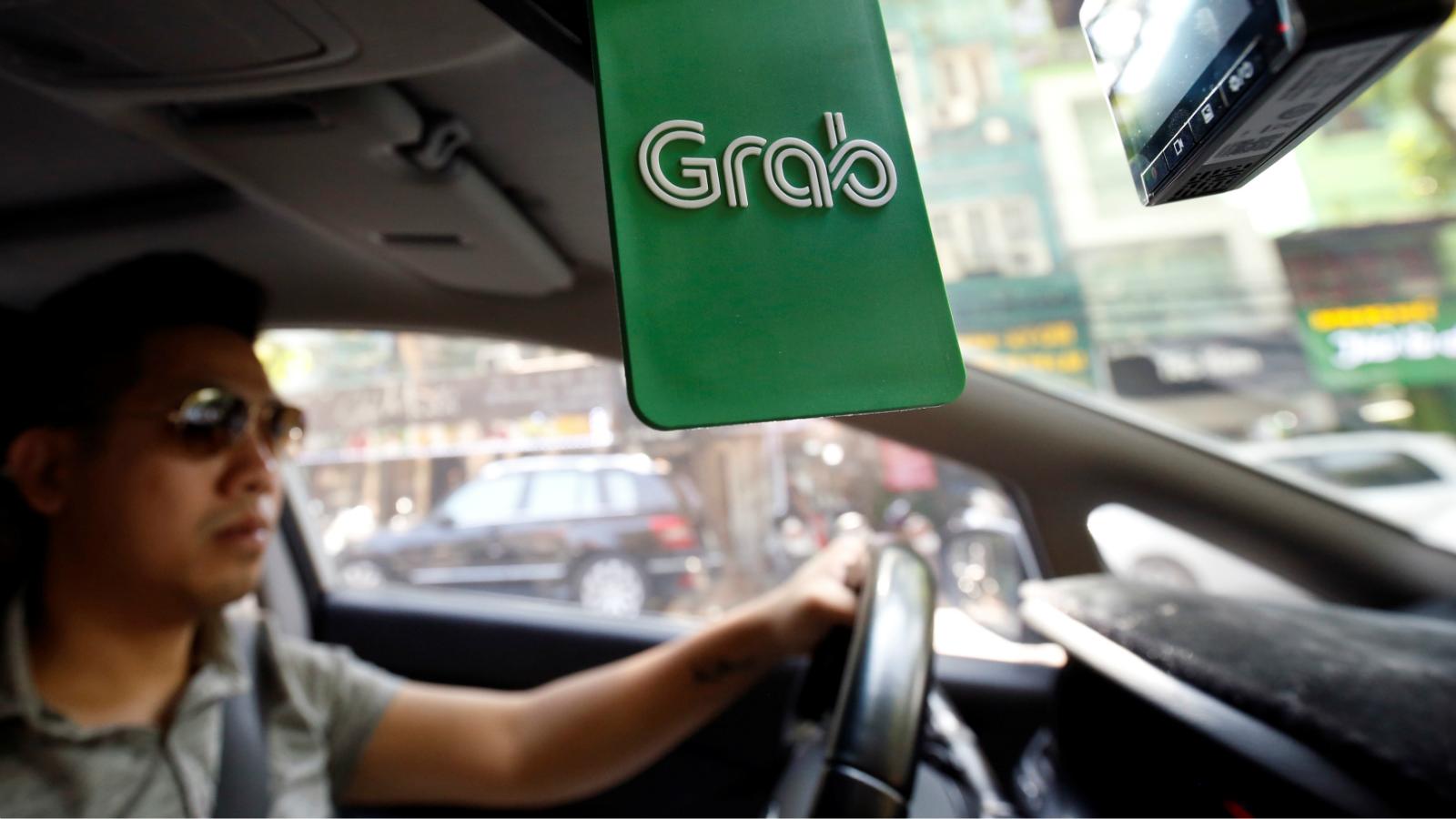
    Grab is now “stronger than ever” after 10 years of operations in Vietnam, its country chief said in the wake of competitor Gojek’s exit from the market.

    It now has more users and partners than ever, Alejandro Osorio, managing director of Grab Vietnam, said at the company’s recent 10th year celebration.

    They number in the millions, and tens of millions of transactions are conducted each month, he said. The Singaporean company entered Vietnam in 2014 as GrabTaxi, and has since grown to offer 15 services in 50 localities.

    The ride-hailing market has also seen many other competitors like Uber, Tada and Baemin come and go and now only Be and Xanh SM remain.

    Grab remains the predominant player with a two-third market share, according to research firm Q&Me. In the food delivery business, Grab faces competition from Be and ShopeeFood.

    Many competitors entered the market and spent a great deal of resources on discounts, but did not achieve sustainability, Osorio said referring to their exit.

    Grab on the other hand focused on giving users a number of reasons to open its app, not just for booking a ride, he said.

    Food, delivery, shopping, and other services help maintain a loyal group of customers and reduce the cost of acquiring new ones, he said.

    This complicated network of services helps create success and is difficult to duplicate, he said.

    Grab has also changed its discount strategy, and only has promotions when necessary instead of offering many, he said.

    It also works with partners such as restaurants and payment companies, and so the discounts come from them and not its pockets, allowing it to maintain a price advantage, he explained.

    However, it continues to pour “large investments and efforts” into improving tech solutions, he said, pointing to the new features it has been offering such as personalizing users’ experience and allowing them to order as a group as examples of this.

    But what competitors remain are not making things easy.

    ShopeeFood is backed by e-commerce giant Shopee, while Be and Xanh SM are widely supported since they are Vietnamese businesses.

    Xanh SM’s all-electric fleet also aligns with the government’s plans for future development.

    Le Hong Hiep, a fellow at the ISEAS – Yusof Ishak Institute in Singapore, told the Vietnamese media in June that Xanh SM has the potential to threaten the dominance of Grab if it maintains current growth rates.

    But Osorio said Grab believes competition is positive and fosters development.

    The company is considering helping drivers switch to environment-friendly vehicles, and combining food delivery orders to reduce travel for drivers, he added.

    Vietnam’s ride-hailing and food delivery market was estimated at US$3 billion last year and is expected to reach $10 billion by 2030, according to a 2023 report by Google, Temasek and Bain & Co.

  • Vietnam auto ownership triples in 13 years

    Vietnam auto ownership triples in 13 years

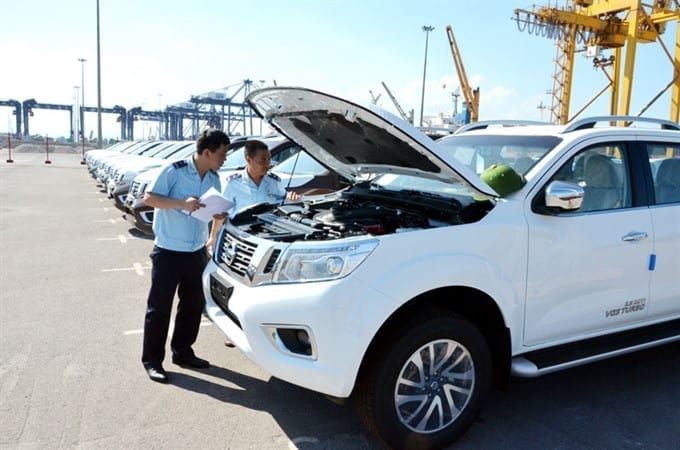
    Car ownership tripled in 13 years to 63 vehicles per 1,000 people last year, according to the Ministry of Industry and Trade.

    The number of registered automobiles reached 6.31 million by the end of last year, it said in a recent report.

    Last year 408,500 new vehicles were registered.

    The ministry expects annual sales to top one million by 2030 and five million by 2045.

    In 2022 record sales of 500,000 units propelled Vietnam into the list of the four largest auto markets in Southeast Asia along with Thailand, Indonesia and Malaysia.

    The ministry wants at least 80% of autos to be green by 2045 and the same ratio for domestic production.

    Now around 40% are imported as completely-built units, according to the Vietnam Automobile Manufacturers Association.

    The ministry wants supporting industries to manufacture key auto components such as transmissions, gearboxes, engines, and bodies.

    For now local firms are labor intensive and only capable of producing simple parts, it admitted.

    Thailand has 710 tier-one and 1,700 tier-two suppliers, while the comparable numbers for Vietnam are only 33 and 200.

    “To make good cars, we need quality materials for manufacturing as well as strong capabilities in robotics and quality control,” the ministry added.

  • Viettel to gift 4G phones to 700,000 2G subscribers

    Viettel to gift 4G phones to 700,000 2G subscribers

    State-owned telecom giant Viettel will spend VND300 billion (US$12.2 million) to gift 4G phones to 700,000 of its subscribers who still use 2G devices.

    The military-owned company announced Friday that the program, which aims to support a rapid switch to 4G networks, is meant for customers still using 2G phones who lack access to 4G devices due to their remote location or financial status.

    It plans to gift feature phones but with added cloud phone features that allow the use of some OTT apps.

    The program will run from now until the 2G network is shut down on Oct. 15, with eligible users getting a message instructing them to go to the nearest Viettel store or contact its local employees for support.

    Viettel said it would prioritize subscribers in mountainous regions affected by recent storms, like Lao Cai, Yen Bai, Tuyen Quang, Hoa Binh, Bac Kan, Son La, Dien Bien, Lai Chau, Cao Bang, and Ha Giang provinces.

    The Ministry of Information and Communications and telecom firms have been taking a number of measures to promote the shift from 2G. The number of 2G users declined from 11 million in July to three million now.

    Viettel has the most 2G subscribers of any network operator, but has seen over eight million switch to 4G devices this year.

    It recently installed over 6,000 new base stations nationwide to expand its 4G network coverage to 96% of the population, including four million new users in remote and rural areas.

    Pulling the plug on 2G will promote the adoption of 4G, which can help familiarize people with digital and online public services, and free up resources for network providers to focus on developing 5G and 6G technologies.

  • Vietnam rubber exports hit $1.7B in 8 months

    Vietnam rubber exports hit $1.7B in 8 months

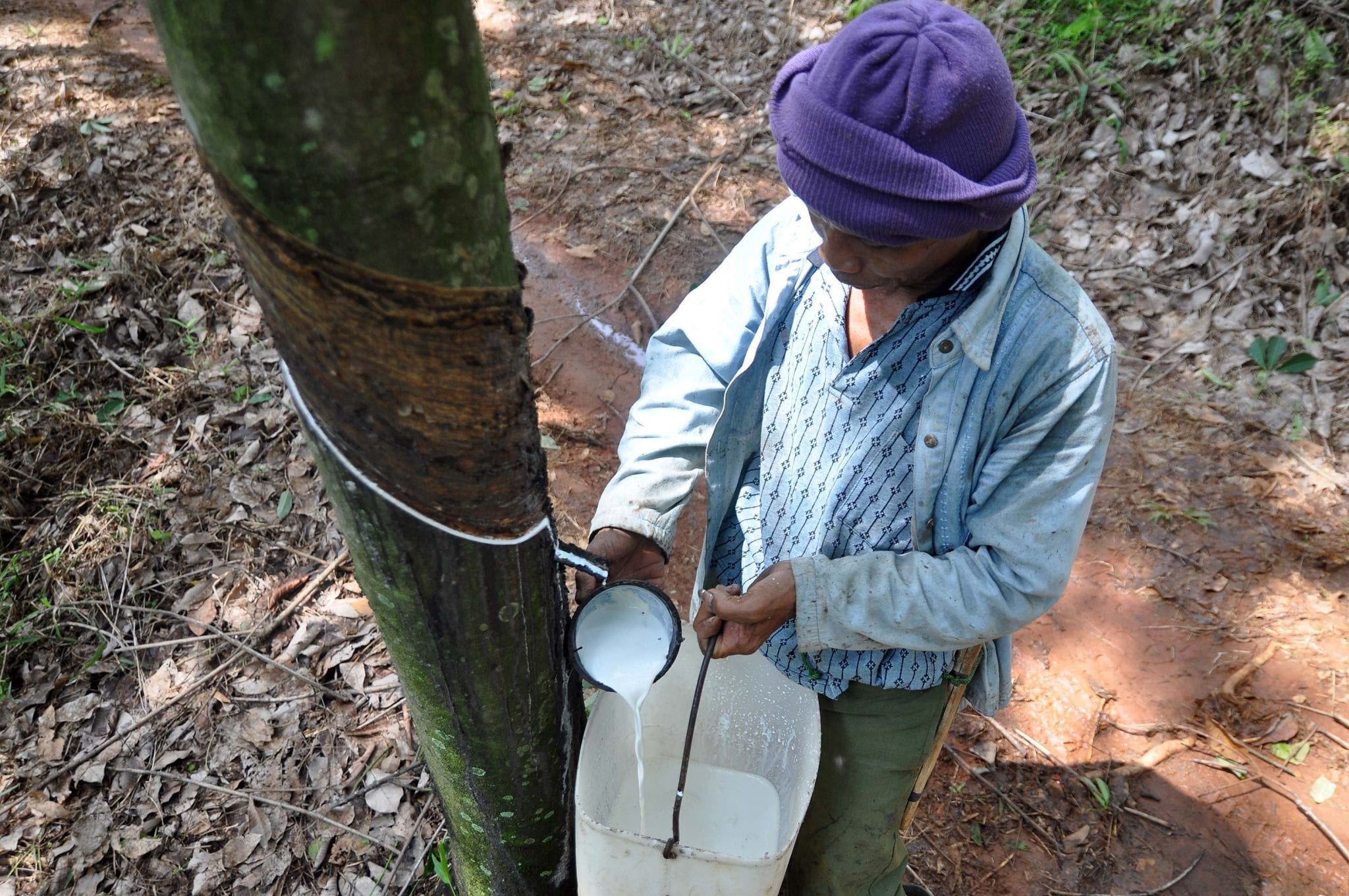
    Vietnam exported 1.12 million tons of rubber worth US$1.76 billion in the first eight months of 2024, customs data show.

    This marked a 7.2% year-on-year decline in volume but a 8.4% growth in value from the same period last year, according to the General Department of Customs.

    Vietnam shipped out 209,726 tons of rubber worth nearly $345 million in August alone, up 12.7% in volume and 12% in value from the previous month.

    The average export price was $1,637 per ton, a 1.1% month-on-month decrease but up 26.8% from a year ago.

    Rubber exports are forecast to reach $3-3.5 billion this year, a $200-400 million increase from 2023.

    The country currently has a latex output of 1.3 million tons per year from 910,000 hectares of rubber plantations, according to the Vietnam Rubber Association.

    Every year, more than 300,000 tons of rubber are used in processing and manufacturing, leaving a large amount of raw material for export. This has opened up considerable export potential for the local industry, especially in the context of potential global supply shortages in the 2024 – 2025 period.

  • Samsung to invest $1.8B more in northern Vietnam

    Samsung to invest $1.8B more in northern Vietnam

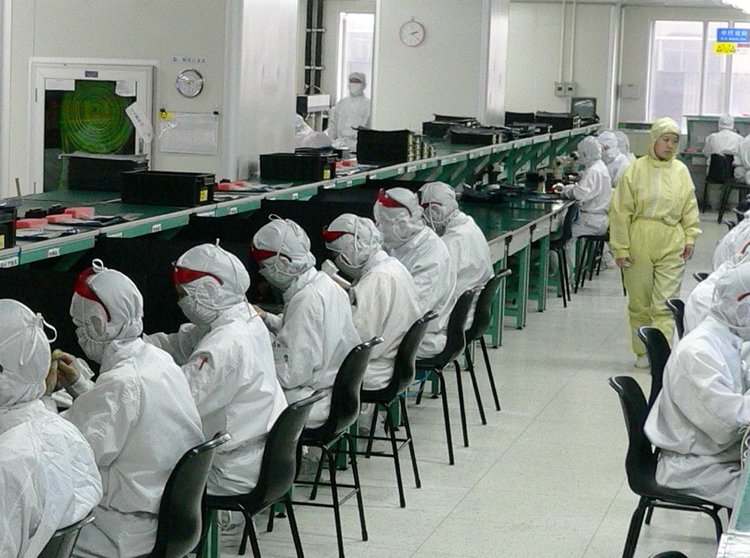
    A subsidiary of South Korean electronics giant Samsung that has operations in the northern province of Bac Ninh is set to invest another US$1.8 billion there.

    The memorandum of understanding for investment by Samsung Display Vietnam, which was signed Sunday and witnessed by Prime Minister Pham Minh Chinh, is meant for expansion.

    Samsung Display Vietnam reported profits of $283.6 million on revenues of $6.8 billion in the first half of this year.

    Samsung, the biggest foreign investor in Vietnam, has $22 billion in the country, half of it in Bac Ninh province.

    Four factories in Vietnam contributed around 30% of Samsung’s global revenue in the period.

    Bac Ninh authorities on Sunday announced approvals for $5.5 billion worth of foreign investments in various projects, including by Apple suppliers Foxconn and GoerTek.

    The government seeks to make the province a dynamic economic and cultural hub of the north linked with Hanoi.

    By 2050 Bac Ninh hopes to become among the economic leaders of Vietnam. It also aspires to become one of the top global centers for high-tech industries, research and development and smart manufacturing.

  • Vietravel Airlines appoints new CEO

    Vietravel Airlines appoints new CEO

    Vietravel Airlines has appointed Dao Duc Vu, who has 35 years of experience in the aviation industry, as its new CEO.

    Vu took office on Sept. 4 after his predecessor Nguyen Minh Hai resigned for personal reasons, according to a company statement Tuesday.

    Vu has held various senior leadership positions at Cambodia Angkor Air, Vietjet, and Bamboo Airways.

    From 2020 to 2022 he served as deputy CEO and was primarily responsible for managing, supervising flight operations, and training flight crews at Vietravel Airlines.

    The airline’s chairman Nguyen Quoc Ky said that that Vu’s appointment is crucial as the company embarks on new stages of development, with ambitious targets set by the board of directors.

    Vu is expected to play a key role in expanding the airline’s route network.

    Vietravel Airlines began flying in January 2021 with a focus on offering passengers a complete aviation and tourism experience by taking advantage of tourism giant Vietravel’s long-established ecosystem.

    The airline, which operates three aircraft, posted its first quarterly profit of VND10 billion in the January-March period.

  • McDonald’s to shut down 10-year-old HCMC store

    McDonald’s to shut down 10-year-old HCMC store

    American fast food chain McDonald’s is set to close one of its oldest stores in Ho Chi Minh City.

    The Ben Thanh location in District 1, which opened in 2014, would stop operations at 2 a.m. Thursday, the chain said in a Facebook post without revealing the reason for it.

    It was the chain’s second restaurant in the city.

    After its closure, McDonald’s will have 35 stores in Vietnam, including 17 in HCMC.

    Another major American F&B chain, Starbucks, shut down a store at a prime location in District 1 last month after seven years.

    Rents for high-end retail property in HCMC surged to a record US$280 per square meter on average in the first half of the year due to limited supply.

    It represented increases of 18% increase year-on-year and 60-70% from five years ago, according to property consultancy CBRE Vietnam.

  • Philippines probes Grab over alleged sexual assault of Vietnamese passenger

    Philippines probes Grab over alleged sexual assault of Vietnamese passenger

    Philippine regulators have launched an investigation into the alleged robbery and sexual assault of a Vietnamese woman who booked a ride using the Grab ride-hailing app.

    The Philippines’ Land Transportation Franchising and Regulatory Board has requested the firm to explain the incident and given it five days to comply, quoting the agency’s chair Teofilo Guadiz III as saying on Wednesday. If found to be negligent, the firm could be suspended for at least 30 days and face fines.

    The robbery and sexual assault allegedly occurred on Sept. 5 when a Vietnamese woman booked a ride in Parañaque City.

    During the ride, the driver reportedly allowed another passenger to board the car.

    This passenger then reportedly took the woman’s phone and cash, which amounted to 35,000 Philippine pesos (US$623), before raping her inside the vehicle. The driver was arrested by the police on Sept. 7.

    Grab’s Philippine unit said on Thursday that the driver involved in the case has been permanently banned from the platform.

    It has reached out to the victim to offer assistance and will fully cooperate with the Philippine police in the investigation.

  • Some markets ramp up imports of Vietnamese durian

    Some markets ramp up imports of Vietnamese durian

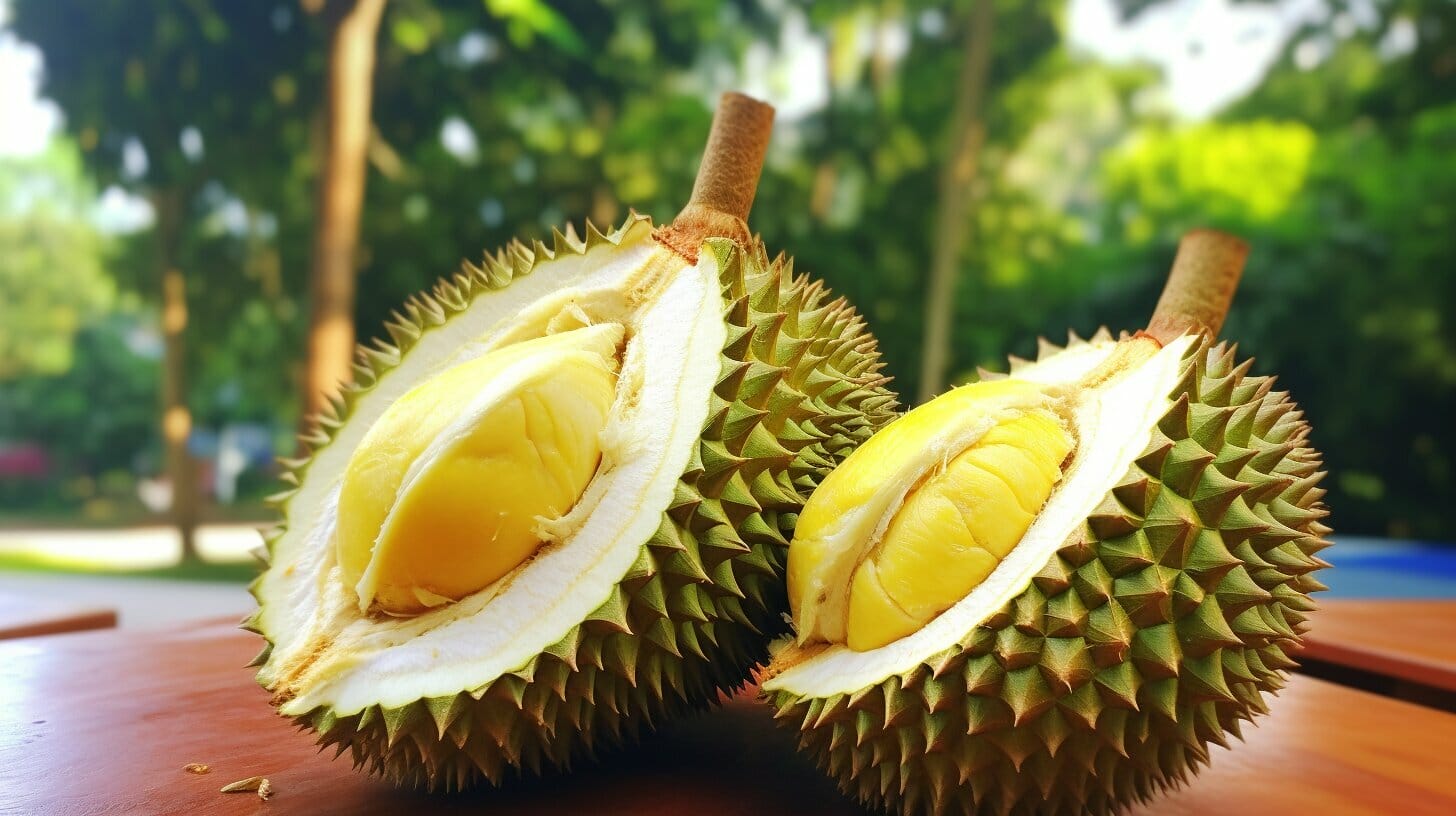
    Vietnam’s durian exports to several markets like Thailand, Hong Kong and South Korea rose by double digits year-on-year in the first seven months.

    China remained the biggest buyer as exports rose by nearly 53% to US$1.47 billion, accounting for 92% of all shipments.

    Thailand was second with $65 million, up 51%, followed by Hong Kong, $19 million, up 24%.

    Exports to South Korea, Papua New Guinea, Japan, and Cambodia increased by at least 50%.

    Total exports were also up 50% to $1.6 billion.

    Ngo Tuong Vy, CEO of fruit exporter company Chanh Thu, said Vietnamese durian is more competitively priced than those from Thailand, Malaysia and the Philippines.

    Her company saw exports rise by 30% this year because of a decline in Thai output due to unfavorable weather.

    Dang Phuc Nguyen, general secretary of the Vietnam Fruits & Vegetables Association, said many countries are craving Vietnamese durian because of its high quality and availability all year round.

    Vietnam and China’s recent protocol on frozen durian exports would also help boost exports, he added.

    Vietnam exported $2.3 billion worth of durian last year, 90% of it to China.

  • Vietnamese passion fruits enter Australian market

    Vietnamese passion fruits enter Australian market

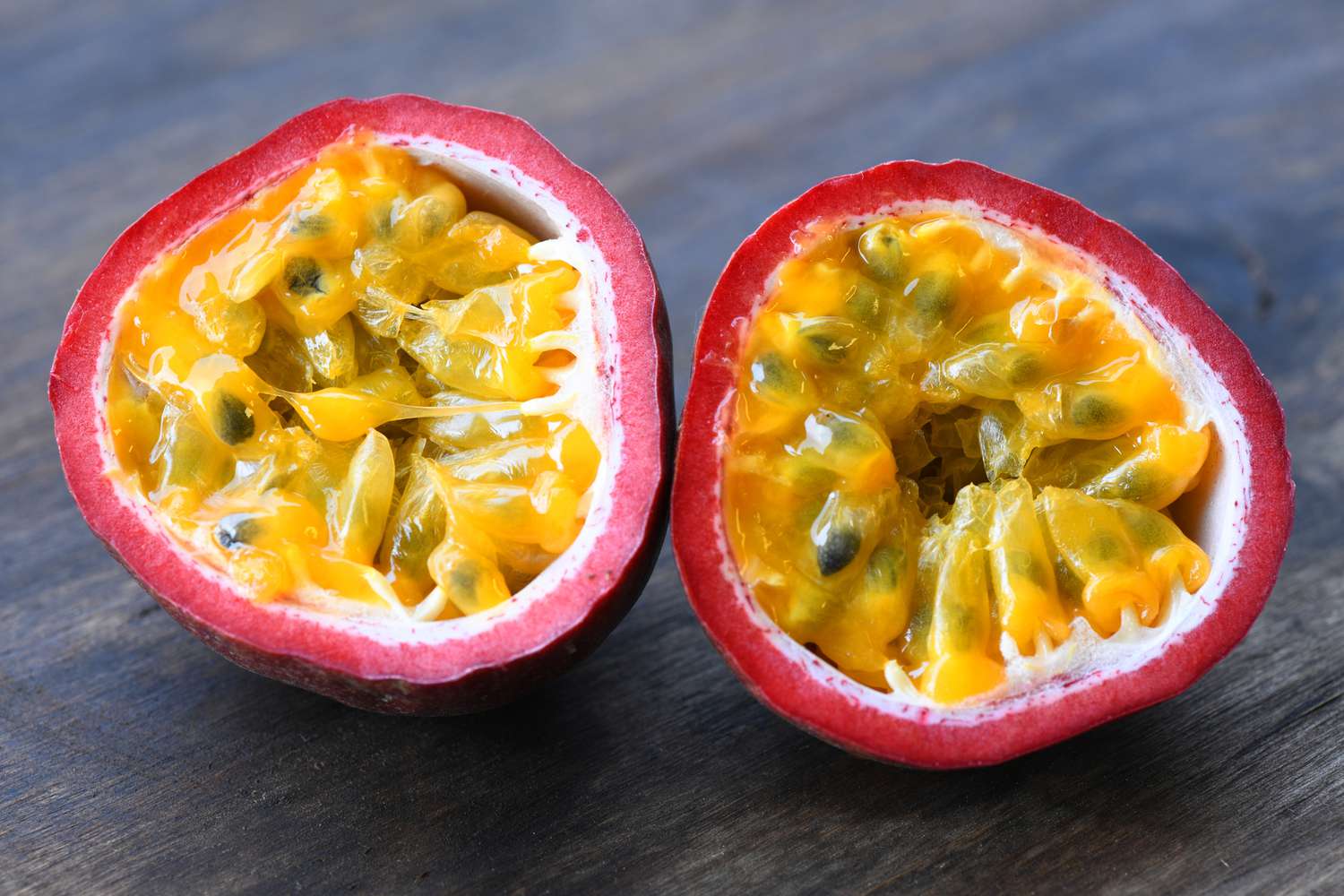
    Passion fruits have become the fifth kind of Vietnamese fruits to be officially exported to Australia, following mango, longan, lychee, and dragon fruit.

    On Monday, the Plant Protection Department under the Ministry of Agriculture and Rural Development in collaboration with the Australian Embassy in Vietnam held a ceremony to announce the export of Vietnamese passion fruits to Australia and the import of Australian plums into Vietnam.

    Huynh Tan Dat, Director of the Plant Protection Department, underlined that Vietnam has great potential and advantages in tropical fruits.

    Currently, Vietnamese fruits are available in over 60 countries and territories. Specifically, passion fruits have been exported to 20 countries in various forms such as fresh, frozen, and juice.

    The area of passion fruit in Vietnam is currently over 12,000 hectares and is expanding, mostly in the northern mountainous region. Many provinces in the Central Highlands are also expanding the cultivation area of this fruit.

    In recent years, Vietnam has concentrated on improving passion fruit quality by promoting chain production and ensuring traceability for the product, focusing on two varieties of yellow passion fruit and purple passion fruit.

  • Gold falls after 2 weeks unchanged

    Gold falls after 2 weeks unchanged

    The Vietnam gold bar price dropped 0.62% to VND80.5 million ($3,251.87) per tael Thursday afternoon, while bullion stayed mostly flat globally.

    Price has remained unchanged at VND81 million since Aug. 20.

    Gold ring price went up 0.06% to VND78.55 million per tael.

    Globally old was little changed on Thursday as investors kept to the sidelines ahead of U.S. payrolls data that could provide more clues on the size of an expected rate cut this month.

    Spot gold steadied at $2,494.73 per ounce. U.S. gold futures lost 0.1% to $2,524.90.

    Non-yielding bullion tends to perform well when interest rates are low. It is also considered a hedge against economic and political uncertainties.

    “The highs for gold in 2024 may not yet have been reached, with the $2,600 level a viable target before year-end, if the Fed delivers the goods with a succession of quick-fire rate cuts before year-end,” said Tim Waterer, chief market analyst, KCM Trade.

  • Gojek to exit Vietnam

    Gojek to exit Vietnam

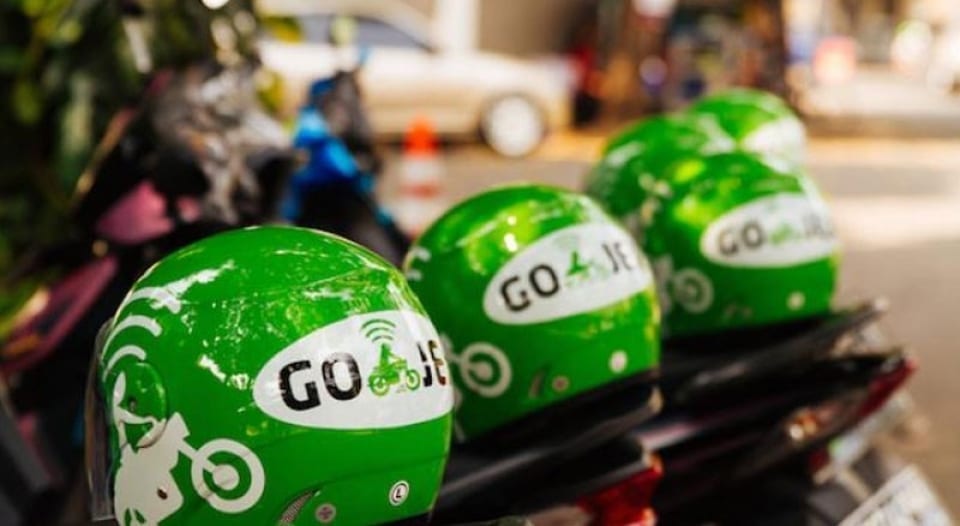
    Indonesian ride-hailing and delivery company Gojek has announced it will stop operating in Vietnam starting Sept. 16 after 6 years in the market.

    It said the decision, made by its parent company GoTo after assessing its market presence in Vietnam, aims to strengthen business operations and aligns with the company’s long-term growth strategy.

    “We will provide the necessary support to all affected parties and comply with current regulations and laws throughout this transition.”

    Gojek was founded in 2010 with a focus on delivery and ride-hailing services, and its app was launched in January 2015 in Indonesia.

    Since then it has grown to become that country’s leading on-demand service platform.

    It entered Vietnam in 2018 as GoViet, which merged with the Gojek brand in 2020.

    It offers two-wheel (GoRide) and car (GoCar) rides, food delivery (GoFood) and parcel delivery (GoSend), and operates in HCMC and Hanoi and Binh Duong and Dong Nai provinces.

    According to market research company Mordor Intelligence, Vietnam’s ride-hailing market is expected to be worth US$880 million in 2024 and grow to $2.16 billion by 2029.

    Another market research company, Q&Me, found that 42% of users in Vietnam favor Grab for motorbike rides followed by Be with 32% and Xanh SM with 19%. Only 7% said they frequently use Gojek.

    With the Vietnamese operations accounting for less than 1% of GoTo’s gross transactions in the second quarter of this year, the exit from the market is expected to have little impact on its financial situation.

    Gojek previously pulled out of Thailand in 2021 and is focusing on its home market and Singapore.

    In Indonesia, Gojek’s gross transaction value increased by 18% year-on-year in the second quarter of this year while its number of completed orders rose 24% to reach record levels. It also saw a 3 percentage point increase in market share in Singapore.

  • Vietnamese are working too many hours

    Vietnamese are working too many hours

    Readers have expressed concerns that the working conditions in Vietnam are exhausting the younger generation, calling for more and longer holidays throughout the year to enhance both physical and mental well-being.

    “My husband and I are civil servants. We’re supposed to have two days off on weekends, but in reality, we still have to work, leaving us with almost no days off. My wife works at a land registration office, and every night she has to continue unresolved work from the office. It’s really tiring for us, and we can’t properly take care of our children. We need to modernize and liberate human labor. If additional days off are granted but there’s still too much work, laborers won’t be able to truly rest,” shared reader Vu Hai Nam regarding the working hours in Vietnam.

    Current labor laws stipulate that employees should work no more than 48 hours per week, allowing employers to require workers to put in at least six days per week, eight hours per day. However, according to data from the International Labor Organization (ILO), Vietnam ranks among the countries with the highest working hours globally. In 2023, the total working hours in Vietnam (excluding holidays) reached 2,320 hours—440 hours more than Indonesia, 184 hours more than Cambodia, and 176 hours more than Singapore.

    Commenting on the pressures faced by Vietnamese workers, reader Hung Minh said: “More than a decade ago, when I was single, I used to work 14 hours a day, including Saturdays. I was young and enthusiastic, so I worked a lot and earned a lot. But when I started a family and had children, I had to say goodbye to that work intensity.”

    Reader Mirae added, “People often cite low labor productivity in Vietnam as a reason against reducing working hours. But having worked with companies in Japan, Italy, and Korea, I’ve found that increasing labor productivity relies heavily on automation, not longer working hours. No one wants to work up to 12 hours a day.”

    Reader Vu noted, “Office workers like me actually work beyond office hours. Even when I go to shower, I have to take my phone to respond to potential work messages. Phone alerts have become a source of stress for me, and deadlines are overflowing. Besides, each worker nowadays needs to find time to upgrade their skills to stay competitive. We’re in a period where young people are physically and mentally exhausted. It’s crucial for management agencies to conduct systematic and comprehensive research to improve the working environment.”

    Reader Kid expressed frustration, saying, “I find it hard to understand some people’s argument that Vietnamese must work more to escape poverty. They fail to grasp that income is directly proportional to labor productivity, and productivity is greatly influenced by physical and mental health. The only way to improve these factors is to give workers more rest time. The number of holidays in Vietnam is currently among the lowest in the region and the world, far behind countries like Japan, Korea, and Germany, resulting in one of the highest numbers of working days. I strongly support the idea of more holidays. Ideally, there should be a vacation of about a week every three months, which would stimulate demand and give workers time to recuperate, ultimately boosting labor productivity.”

  • Vietnam pepper exports to top $1B in 2024

    Vietnam pepper exports to top $1B in 2024

    Vietnam could ship more than US$1 billion worth of pepper abroad for the whole 2024 on the back of high global demand and limited supply, according to the Vietnam Pepper and Spice Association (VPSA).

    The pepper industry, the association said, is on track to return to the “billion-dollar” club, with export revenues hitting US$764.2 million as of July 30.

    During the seven-month span, more than 164,300 tonnes of pepper was sold to foreign markets at an average export price of $4,568 per tonne for black pepper and $6,195 per tonne for white pepper, up 32.7% and 25%, respectively, year on year.

    The U.S. was the largest purchaser, followed by Germany, the United Arab Emirates (UAE), and India.

    Brazil, the world’s second-biggest black pepper producer and exporter, has suffered crop failure, driving global prices skyward for the remaining months of 2024. Production in Vietnam, Malaysia and Indonesia is also forecast to fall sharply due to the impacts of El Nino.

    In the next three to five years, pepper supply will lag behind demand.

    Domestic pepper prices in July fetched VND150,000 (over $6) per kilogram, rising 82.9% against January, and 120.6% year-on-year.

    The VPSA forecasts a fluctuation in pepper prices in the coming time due to formidable challenges in the market.

    According to a survey conducted by the VPSA in three Central Highlands localities in July, along with extreme weather caused by climate change, farmers chose durian and coffee production over pepper as the first two fetch higher prices.

    Vietnam’s key pepper planting areas of Gia Lai, Dak Lak and Dak Nong in the Central Highlands, and Binh Phuoc, Dong Nai and Ba Ria–Vung Tau in the southeastern region slashed cultivation acreage by 50% as compared to peak cultivation times.