Tag: Vietnam

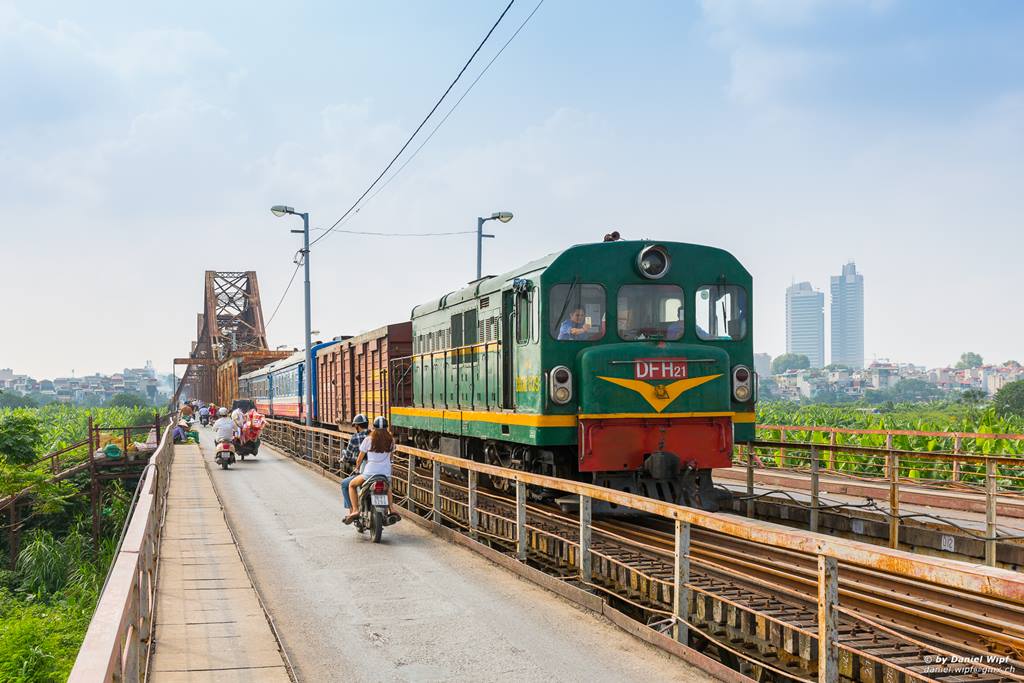
  • Vietnam to start work on high-speed rail within next 3 years

    Vietnam to start work on high-speed rail within next 3 years

    Work on a 1,500-kilometer high-speed rail link between the northern and southern regions will start in 2026 or 2027, Minister of Transport Nguyen Van Thang has said.

    Vietnam hopes to partner with China in building the railroad and rolling stock and setting up its signaling system, he told Lou Qiliang, chairman of China Railway Signal & Communication Corporation (CRSC) at a meeting Tuesday in China’s Dalian City.

    The three determine the safety of a rail project, and China has advanced technologies for developing them and at reasonable prices, he said.

    CRSC is a state-owned company and the world’s biggest supplier of rail control systems.

    It accounts for 45% of China’s subway market.

    Railroad infrastructure, especially for the north-south high-speed route, is among the government’s priorities for enhancing the country’s competitiveness.

    Prime Minister Pham Minh Chinh said at the meeting that China has strengths in developing high-speed and urban rail networks.

    He sought China’s support in design, construction and technology transfer, including for three cross-border rail projects spanning 700 kilometers between the two countries.

    Work on the first is set to begin next year, connecting China with the northern province of Lao Cai, Hanoi and the port city of Hai Phong.

    Lou told the PM that his company is seeking opportunities to partner with Vietnam, and can provide assistance in researching and developing rail signaling systems.

    Human resource training also plays an important role in rail projects, he added.

  • Vietnam Stock Exchange posts first profit decline

    Vietnam Stock Exchange posts first profit decline

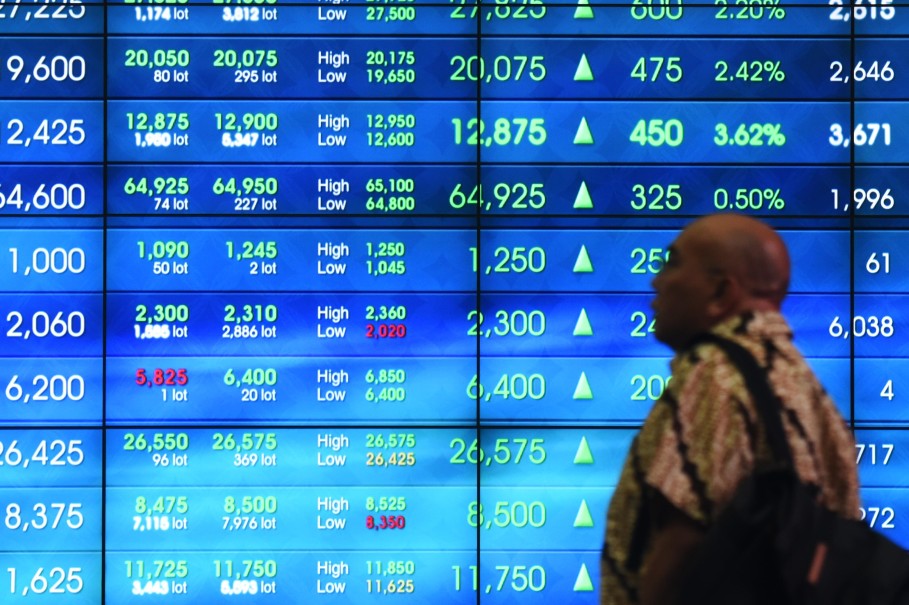
    Vietnam Stock Exchange, which operates the country’s two main bourses, saw profit dropping 8% to VND1.92 trillion ($75 million) last year, its first decline since establishment.

    The operator of Ho Chi Minh Stock Exchange and Hanoi Stock Exchange saw revenue falling 10.5% to VND3.06 trillion.

    92% of its revenue came from stock transaction services.

    Around 60% of its revenue and profit were recorded in the second half of the year when VN-Index recovered rose 20% between May and August.

    The Vietnam benchmark closed the year 12% higher.

    Vietnam Stock Exchange was stablished in 2020-end and began operation in mid-2021. It is entirely owned by the Ministry of Finance.

  • Vietnam Airlines Group eyes record revenues

    Vietnam Airlines Group eyes record revenues

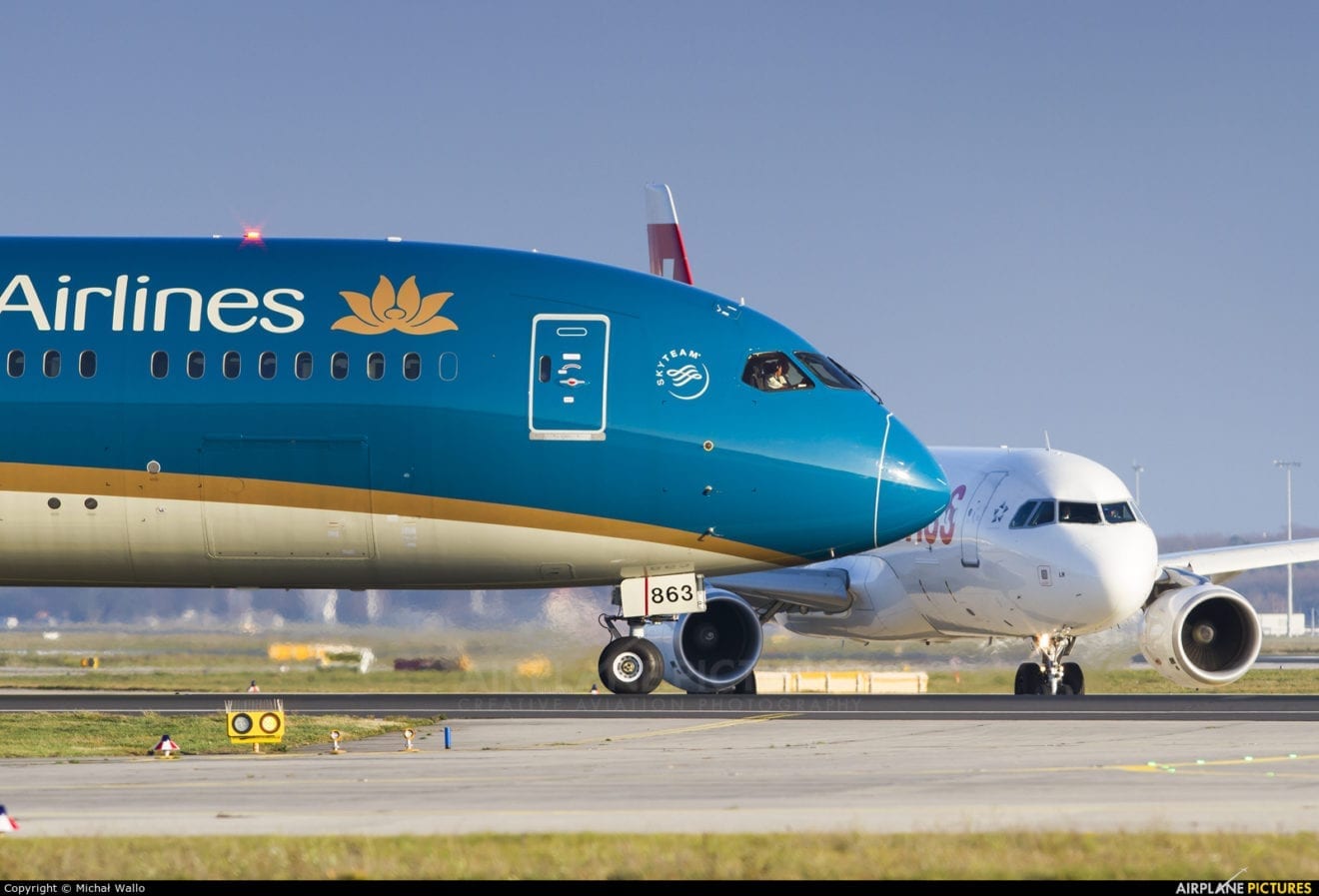
    Vietnam Airlines Group, which operates three airlines, targets record revenues of VND80.89 trillion (US$3.18 billion) this year but expects the profit rate to be less than 1%.

    Its first quarter revenues rose by 25% to VND28.27 trillion.

    Amid high demand, the company expects to see international and domestic passenger numbers rise by 20% and 13%.

    High fuel costs are expected to be a drag on profits. The company disclosed to shareholders that if fuel prices increase by $1 per barrel, its costs rise by VND230 billion a year.

    The economic slowdown is causing international travel to recover at a slow pace, while geopolitical tensions show no signs of abating, it said. Its top market, China, is also seeing an extremely slow recovery.

    Many of its debts start falling due in July, posing a financial burden.

    Vietnam Airlines Group, the parent of Vietnam Airlines, Pacific Airlines and Vietnam Air Services Company, plans to sell its stakes in Tan Son Nhat Cargo Service Company this year for VND1.7 trillion.

  • How livestreaming is taking over Vietnam e-commerce

    How livestreaming is taking over Vietnam e-commerce

    At the time GUMAC, the fashion company Van founded, was a small startup in HCMC, but seeing the potential of the new sales method, the then-CEO began to livestream eight to 10 hours each day.

    With hundreds of thousands of viewers watching some sessions, his brand grew quickly and allowed him to open 30 new stores within a year.

    Van never dreamed that, eight years later, livestreaming on social media would become one of the most successful marketing tools in Vietnam.

    Shops started to first come across livestreaming when it became a Chinese trend in 2016 after e-commerce giant Alibaba launched Taobao Live, a streaming platform that worked like TV shopping but allowed two-way real-time interaction between sellers and buyers.

    Taobao proved a success with nearly US$14 million in sales through livestreams and videos in 2018, and 34% of viewers making purchases.

    “Vietnamese picked up the trend quickly,” Chu Xuan Duc, chairman of digital media company DC Media Global, says.

    Vendors turned Facebook Live into a distribution channel, taking advantage of the large number of social media users.

    In a typical livestream one or two sellers would introduce a large number of products along with discounts and say the name of the customers who have made a successful order.

    “I was addicted to livestreaming,” Van, who livestreamed three sessions a day for three years, says.

    At one point he coughed blood due to overwork.

    Three years after Facebook Live was launched, e-commerce platforms began to see the potential of livestreaming and created their own versions of it, with Lazada making the first move, followed by Shopee and Sendo.

    But though these platforms made shopping through livestreaming easier, they were unable to take advantage of the large number of users on Facebook.

    TikTok saw the opportunity and launched its shoppertainment feature TikTok Shop in 2022 allowing sellers to reach millions of users via livestreaming.

    Nguyen Lam Thanh, policy director of TikTok Vietnam, says his platform provides a continuous experience for users who do not need to leave the app to shop.

    Owners of businesses also found it much easier to sell via TikTok compared to traditional marketing platforms.

    Nguyen Phuong, founder of fashion brand GUNO, says: “Thanks to TikTok’s livestreaming feature, I was able to make my brand so popular that there were times when I could not fulfill all the orders.”

    After a year of livestreaming on TikTok, GUNO’s monthly revenues surged 20-fold.

    Within a few months GUNO became one of the 10 best-selling vendors on TikTok Shop.

    In its most successful session, which had over 3,000 viewers, the company sold VND2 billion worth of goods.

    TikTok Shop has now surpassed Lazada in the number of vendors and is the second biggest e-commerce platform in Vietnam in terms of revenues behind Shopee.

    Duc says TikTok is able to retain users because it does not allow rewatching of livestreams, which means users lose the opportunity to get discounts if they do not turn on the app.

    The influence of reviewers and opinion leaders also plays a big role in making livestreaming popular.

    Around 53% of Vietnamese consumers are influenced by online communities when making shopping decisions, and 86% want to discover products and buy them on the same platform.

    As livestreaming expanded, big brands in Vietnam felt compelled to join the trend and began to sell expensive smartphones and TVs through this channel.

    Between just December 2023 and March 2024, over 13,000 stores opened on TikTok Shop, including FPT Shop, one of the biggest electronics retailers in Vietnam.

    FPT’s director of commerce, Nguyen The Kha, said the rise of shoppertainment and changes in young people’s shopping habits are among the reasons why FPT Shop sells on social media.

    Young people enjoy interacting directly with sellers on livestreams because it saves them time from going to a store, he says.

    “Livestreaming is turning things upside down in the e-commerce market,” Pham Thao Linh, head of e-commerce at the consumer product division of L’Oreal Vietnam, the biggest cosmetics company in the country, says.

    Some unknown brands have attained popularity in no time while established brands struggle to catch up with changes, she says.

    Big brands often have many protocols on how to advertise their products and they are inflexible in following social media trends, she adds.

    Traditional companies that want to dive into livestreaming often partner with opinion leaders and social media influencers, she says.

    One such company sold 1,000 products in two minutes during a livestream session, which was unprecedented for it, she says.

    The rise of livestreaming and social media shopping has created new jobs in Vietnam.

    Duc says there are over 400,000 content creators on TikTok and many “streamers,” people who broadcast livestreams.

    Pham Ngoc Duy Liem, cofounder of streaming service provider GoStream, says top streamers make VND200-300 million for a session plus commissions.

    While there are many streamers who work for legitimate companies, some admittedly take advantage of livestreams to sell fake goods.

    Nguyen Hong Son, a lecturer at Hanoi Law University, says strea
  • Gasoline prices move up

    Gasoline prices move up

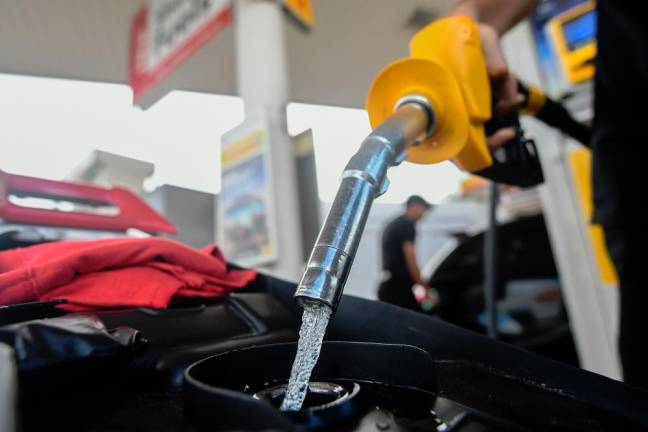
    Gasoline prices rose for the second week in a row Thursday afternoon.

    The popular fuel RON05 went up 1.03% to VND22,460 ($0.88) per liter. Biofuel E5 RON92 rose 0.89% to VND21,500.

    Diesel increased by 3.66%.

    Globally fuel prices were affected by rising tension in the Middle East and Ukraine’s repeated attacks on Russia’s oil storage, regulators said.

    Gasoline added 1.3% while oil increased by 2.4-4.3%. RON95 is now at $92.7 per barrel and oil $98.9.

  • Chinese people rush to gold amid uncertain economy, crisis-ridden real estate market

    Chinese people rush to gold amid uncertain economy, crisis-ridden real estate market

    People in China have been turning to gold despite rising prices as the precious metal is deemed the best safe haven asset amid economic uncertainties and a crisis-hit property sector.

    Prices of the yellow metal have gained about 11% in the year to date, Business Insider reported.

    Despite this, Caibai, a renowned jewelry store in Beijing, China, has seen more and more customers, many of whom have no great wealth and only modest savings, buying gold as a way to safeguard their wealth amid economic uncertainties, as reported by French newspaper Le Monde.

    As China struggles to recover from several years of pandemic and reels from a property sector in crisis, gold remains the best safe haven asset for its citizens.

    “It’s reliable. People think it’s the best investment. There was also real estate and the stock market, but today people are hesitant, whereas gold has continued to rise,” Wang Anmei, a salesman at Caibai, explained.

    The demand for safe havens has pushed China’s gold consumption up 5.94% from a year earlier to 308.91 tons in the first quarter of 2024, according to data from the China Gold Association cited by state-owned daily newspaper China Daily.

    The gold rush is not only seen among people in China, but its central bank has also been snapping up the precious metal.

    According to industry association World Gold Council, the People’s Bank of China (PBOC) purchased 225 tons of gold in 2023, the most for a single year since at least 1977.

    This also makes PBOC the world’s largest institutional buyer of gold, the association said.

    The central bank had been snapping up the yellow metal for 18 straight months before pausing last month when spot gold prices hit a record high of $2,449.89 per ounce, official data showed on Friday.

    It had actually started to slow purchases in April, when it bought just 1.87 tons of the precious metal, down from 4.98 in March and 12.1 in February.

    Nonetheless, industry players said that they are expected to resume buying yellow metal once prices ease.

    “They are just waiting and watching. If prices correct to the US$2,200 per ounce level, they will resume again,” David Tait, CEO of the World Gold Council (WGC), told Reuters.

  • VN-Index starts week with a 0.4% drop

    VN-Index starts week with a 0.4% drop

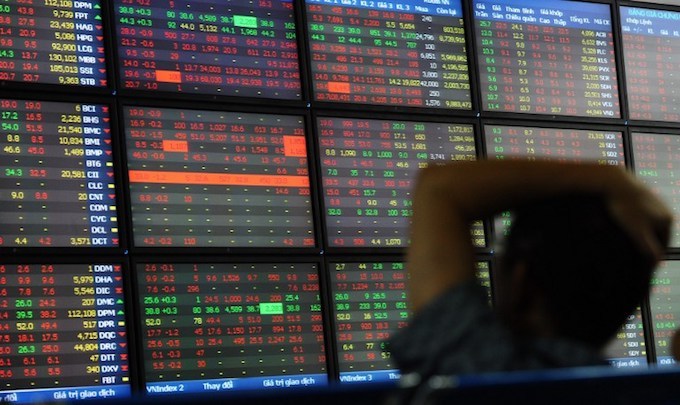
    Vietnam’s benchmark VN-Index fell 0.40% to 1,274.77 points Monday.

    The index closed 5.14 points lower after dropping 21.60 points in the previous session.

    Trading on the Ho Chi Minh Stock Exchange decreased by 22% to VND22.990 trillion (US$903.2 million).

    The VN-30 basket, comprising the 30 largest capped stocks, saw 20 tickers fell.

    MSN of conglomerate Masan Group saw a 2.3% decline, BID of state-owned bank BIDV fell 2.1%, and VIB of private lender VIB closed 2.0% lower.

    Eight blue chips gained. SSB of lender SeABank went up 1.8%, followed by POW of electricity producer Petrovietnam Power Corporation with a 1.5% growth and HPG of steelmaker Hoa Phat Group, up 1.2%.

    Foreign investors were net seller to the tune of VND790 billion, mainly selling VHM of property giant Vinhomes and HPG of Hoa Phat Group.

    The HNX-Index for stocks on the Hanoi Stock Exchange, home to mid and small caps, fell 0.33%, while the UPCoM-Index for the Unlisted Public Companies Market went down 0.01%.

  • Gasoline prices tiptoe up

    Gasoline prices tiptoe up

    Gasoline prices rose slightly Thursday afternoon after hitting the lowest in nearly five months last week.

    The popular fuel RON95 went up 1.18% to VND22,230 per liter. Biofuel E5 RON92 rose 0.80% to VND21,310.

    Diesel increased by 1.13% to VND19,640.

    Regulators said that gasoline prices fluctuated last week after the U.S. Energy Information Administration lifted its growth forecast on global fuel demand while the military conflict between Russia and Ukraine continued.

    Gasoline prices rose 1.2-1.5% while oils went up 1.4-1.9%.

  • High aircraft lease prices make carriers reluctant to expand: Bamboo Airways CEO

    High aircraft lease prices make carriers reluctant to expand: Bamboo Airways CEO

    Rising jet leasing prices make Vietnamese airlines reluctant to expand their fleets since they fear their losses might then increase, Bamboo Airways CEO Luong Hoai Nam said.

    Airfares would only fall from the current high levels when airlines expand their fleets, he said Wednesday at a forum organized by Nhan Dan newspaper, pointing out that the number of planes has dropped by 60-70 since before Covid to 160.

    While aircraft are available for lease, prices are now high, he said.

    “If leasing more jets results in higher profits we would have done that already.”

    The price limits on domestic airfares, which have been around for decades, have made profits impossible, he claimed.

    Before the pandemic airlines used to make profits from international flights, but the high competition now has made that challenging, he said.

    He urged the government to reconsider the price caps, which go against market principles, to give airlines motivation to expand their fleets.

    Lai Xuan Thanh, chairman of the Airports Corporation of Vietnam, also called for removing the caps.

    Other countries use floor prices to prevent unfair competition and monopolies, he added.

    Nguyen Quoc Ky, chairman of Vietravel Airlines, said the cost of running an airline in Vietnam is very high due to the excessive dependence on foreign equipment, and even minor changes in the global market could result in a big impact on local airlines.

  • Factories in southern Vietnam struggle to hire workers

    Factories in southern Vietnam struggle to hire workers

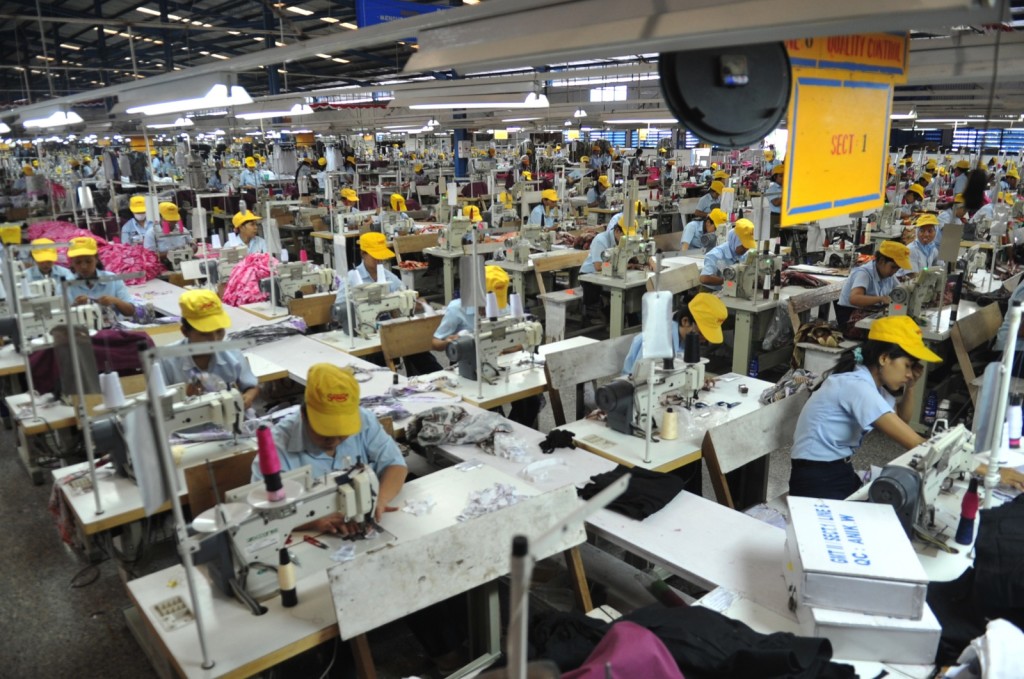
    Many factories in southern Vietnam are having trouble hiring workers since prospective candidates prefer jobs that require low commitment and offer flexibility.

    Vietnam Samho, a footwear supplier to Nike, has needed 1,500 workers in the last two months for its plant in HCMC’s outlying Cu Chi District but has been able to recruit only 300.

    “It is stressful to be a human resources employee these days as hiring is increasingly difficult”, Nguyen Thanh An, chairman of the company’s labor union, said.

    An and his team have been traveling around southern Vietnam to hire people at a salary of VND7-8 millio (US$275-314) a month. The company is also willing to pay for their transportation to HCMC.

    But they have still struggled to complete the hire even as the company’s orders are increasing.

    The HCMC Center For Employment Services said last month 49,000 jobs were available but only 8,500 people applied. Almost 60,000 signed up for unemployment benefits, its data shows.

    “There is increasing demand for workers at factories but it is a challenge to find people willing to work,” Nguyen Van Hanh Thuc, director of the center, said.

    Some companies need thousands of workers and have increased their maximum recruitment age to 40 or 45, but still only a small number of candidates are applying, she added.

    HCMC’s neighboring industrial localities such as Dong Nai and Binh Duong provinces are also facing similar struggles to recruit workers, especially their garment, footwear and wood products sectors.

    Binh Duong data shows that over 3,200 companies sought 41,000 workers in the first five months.

    Dong Nai factories last month needed 10,700 workers but there were not enough candidates. Thuc said young people nowadays prefer jobs with high flexibility such as ride-hailing and delivering.

    The increasing number of factories in provinces also dissuade people from moving to big cities where living expenses are higher, she added.

    An said there is a perception that rural areas are “safer” after many workers were stuck in cities during the Covid-19 pandemic, and so many choose to live in their hometown.

    Nguyen Duc Loc, head of the Institute of Social Life Research, said the changing economy is creating new kinds of jobs which make people feel there is no point in making a long-term commitment to a factory which could lay them off any time.

    Many therefore prefer short-term jobs, he said.

    “Workers are more selective in choosing a factory now.”

    Businesses that laid off people quickly in the past would now struggle to hire workers, he added.

  • Vietcombank enables online registration for gold purchases

    State-owned Vietcombank has introduced an online registration system for gold bar purchases starting Wednesday.

    Customers can register to buy gold from 9 a.m. daily and collect their orders in the afternoon.

    Vietcombank said that it promises to keep all customer information confidential and only use it for gold bar transactions.

    Vietcombank assures that all customer information will remain confidential and will only be used for gold bar transactions. This initiative makes Vietcombank the first of the four state-owned banks to offer online registration for gold purchases.

    At other state-owned banks, such as Agribank, BIDV, and VietinBank, customers still need to queue for tokens in the morning and return in the afternoon to collect their gold.

    Since earlier this month, long queues have been seen at these banks as the State Bank of Vietnam (SBV) began distributing gold bars through them. Some customers have been lining up as early as 4 a.m. to secure tokens, with each branch serving only 20-40 customers per day.

    The SBV recently confirmed that there is sufficient gold to meet retail demand. However, the bank noted that some individuals have been hiring others to queue in order to hoard gold and drive up prices. Consequently, the SBV has requested government officials to investigate signs of speculation.

    The price of Saigon Jewelry Company gold bars has remained steady at nearly VND77 million ($3,026.37) over the past four days, approximately 8.5% higher than the global rate.

  • Government advisers want gold transactions taxed

    Government advisers want gold transactions taxed

    Advisers to the State Bank of Vietnam (SBV) have proposed taxing gold transactions to prevent speculation and price manipulation.

    “Taxing gold will reduce the demand of some buyers, especially those who buy to speculate and to manipulate price”, said Nguyen Thi Mui, a member of the Financial Policy Advisory Council, at a meeting with the SBV on Sunday.

    She added that taxing gold buyers will urge them to invest in other assets and eventually lower gold prices, which will also ensure fairness with non-gold investors.

    Le Xuan Nghia, former deputy chairman of the National Financial Supervisory Committee, said that taxing is the most efficient measure to prevent smuggling.

    “It is sometimes even more effective than administrative policies in preventing smuggling”.

    Gold has been the most profitable asset this year, with a 22% gain in five months that exceeds that of bank deposits, stocks, and bonds.

    Analysts have said that the lack of safe-haven assets have urged people to buy gold while property recovery is slow and stocks have yet to be popular among the majority of the population.

    Gold prices have been since last week as the central bank began selling gold bars through four state-owned lenders at prices lower than market rates to narrow the gap between domestic and global rates.

    Gold is now at VND76.98 million ($3,028.32) per tael, unchanged since Friday.

  • Samsung factories in Vietnam back in the black after losing quarter

    Samsung factories in Vietnam back in the black after losing quarter

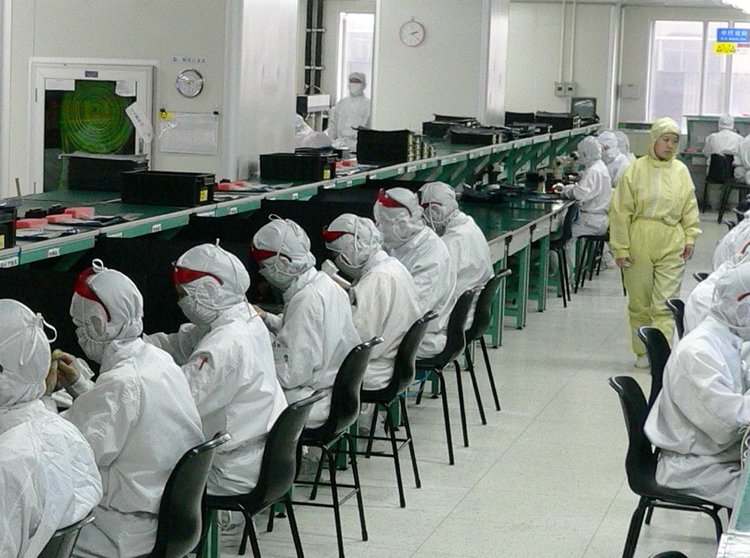
    Samsung’s four factories in Vietnam made a combined profit of US$1.2 billion last quarter after losing $181 million in the fourth quarter of 2023. Samsung Thai Nguyen (SEVT), the Korean conglomerate’s best-performing plant in Vietnam, accounted for $707 million.

    The two plants in Bac Ninh Province, Samsung Electronics Vietnam (SEV) and Samsung Display Vietnam (SDV), contributed $300 million and $123 million. Samsung Electronics HCMC CE Complex (SEHC) was $40.7 million in the black.

    They accounted for 23% of their parent’s quarterly profit. Their revenues totaled $16.25 billion, up nearly $2 billion from the previous quarter.

    In the final quarter of 2023 SEV, SEVT and SEHC reported combined losses of nearly $221 million, with SDV being the only profitable operation.

    Last quarter Samsung achieved global revenues of 71.92 trillion won ($54 billion), up 13% year-on-year.

    It said revenues increased thanks to the sales of the Galaxy S24 smartphone series and higher semiconductor prices.

    The depreciation of the won against major currencies had a positive impact on profits, it said.

    During a meeting with Prime Minister Pham Minh Chinh last month, the company’s CFO, Park Hark Kyu, said it plans to invest a further $1 billion annually in Vietnam to add to its existing $22 billion.

    It also plans to increase its number of local suppliers and enhance training for its workforce, he said. Since 2014 the number of Vietnamese businesses involved in Samsung’s supply chain has increased 12-fold to 309 now. It is the largest foreign direct investor in Vietnam, where it currently produces over 50% of all its mobile phones.

  • VinFast recalls over 2,000 EVs

    VinFast recalls over 2,000 EVs

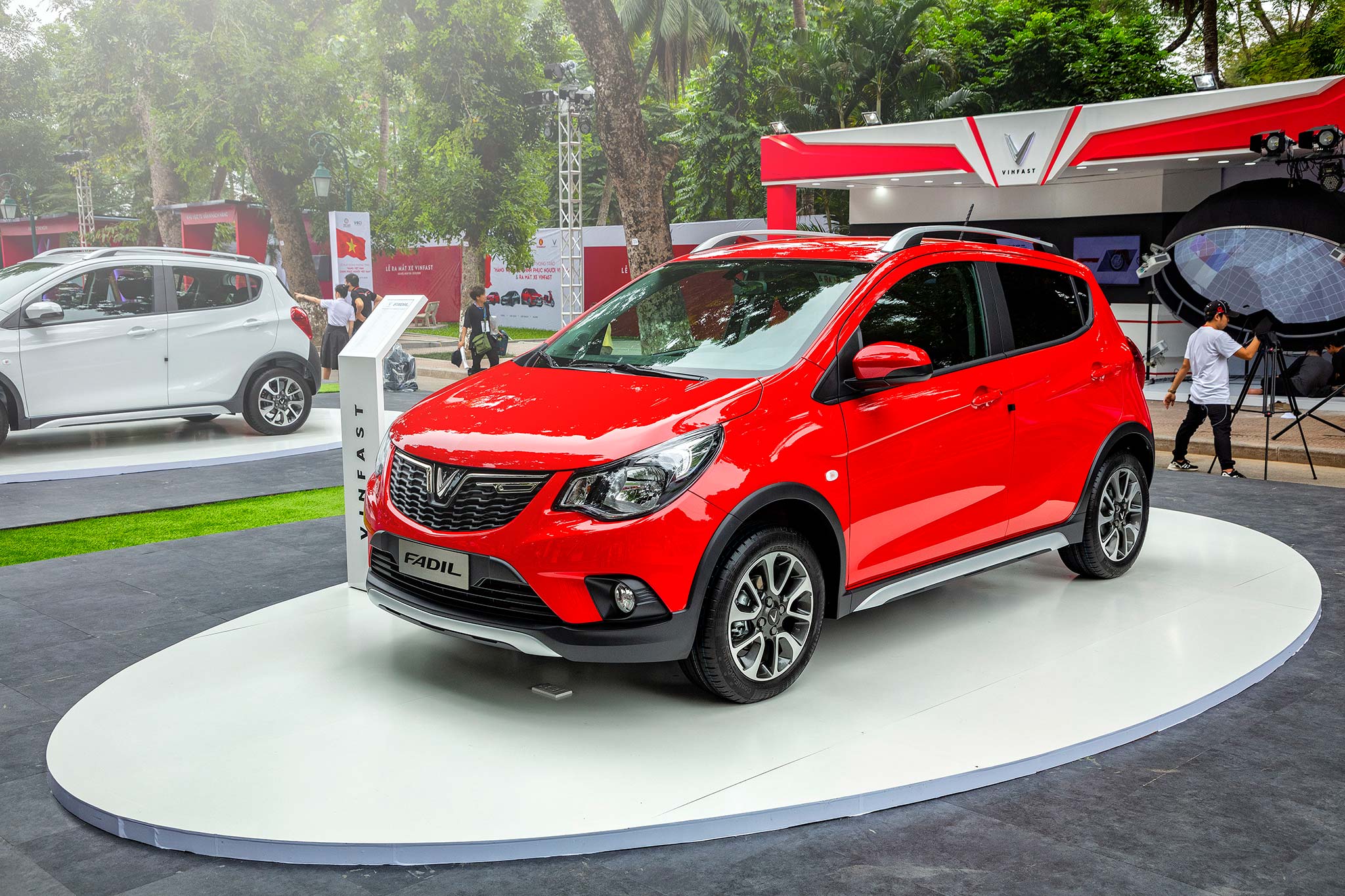
    VinFast is recalling 2,097 electric vehicles to fix various technical issues.

    Some of the VF e34 and VF 5 Plus cars produced between September 2023 and April 2024 face the threat of bolts securing the upper cover of the high-voltage battery becoming loose, leading to a potential reduction in the water resistance.

    This issue affects 23 VF e34 and 131 VF 5 Plus units. VinFast will inspect and tighten the bolts and replace the high-voltage battery if needed.

    VF 6 Plus vehicles produced between March 18 and April 9 this year have a potential defect that could cause the brake fluid hose connectors to crack, leading to possible brake fluid leakage.If the brake fluid drops below the minimum threshold, a warning will appear on the control screen, and the braking system’s effectiveness will be reduced. The number of p otentially affected vehicles is 47.<

    VinFast will inspect and replace the brake fluid hoses in the affected vehicles free of charge.

    In VF 8 and VF 9 (Eco and Plus) cars manufactured between August 2022 and March 2024, incorrect airbag types might have been installed in certain places.

    After approximately 10,000 kilometers of use, an airbag warning and inspection request may appear on the screen.

    If the airbags are not of the correct type, they may not deploy in the event of a severe collision under certain conditions.

    In all, 1,134 VF 8 Eco and VF 8 Plus vehicles and 762 VF 9 Eco and VF 9 Plus vehicles are being recalled.

    VinFast has reported these issues to the Vietnam Register and will individually notify vehicle owners, asking them to bring their vehicles to authorized service centers.

  • Thailand heatwave gives Vietnam edge in durian exports to China

    Thailand heatwave gives Vietnam edge in durian exports to China

    Thai industry insiders say the ongoing heatwave in Thailand might reduce durian production, allowing Vietnam to increase its supply to China.

    A heatwave in April and May reduced Thailand’s harvest, which normally commands higher prices than its Vietnamese peers.

    In April the country recorded a temperature of 44.2 degrees Celsius, compared to the all-time record of 44.6 degrees last year. So far this year Thailand has recorded 61 people dying over heatstroke, higher than the total number in 2023.

    High heat causes the skin to crack or the fibers to dry out in some durians, Sam Sin, development director at S&F Produce Group, a Thai firm that exports durian to China said.

    In China’s Zhejiang province, fruit importer Huang Dapeng mentioned in a WeChat forum that some durians were becoming “overheated,” leading to their sale at prices below the market rate.

    Farmers reported that the heat is causing durians to ripen more quickly, preventing them from reaching their full size and reducing their market value.

    According to China’s General Administration of Customs, in April, China’s import price for Thai durians was US$5.80 per kilogram, marginally higher than the overall average of US$5.38 per kilogram. In contrast, Vietnamese durians were priced at US$4.22 per kilogram.

    Thai durians exported to China in the first four months of 2024 had lost 49% of their value over the same period last year.

    Another concern for Thai durian growers is drought, which could reduce the yields.

    The serve weather condition may reduce Thailand’s durian production this year by 42%, or around 540,000 tons, the Nation quoted Aat Pisanwanich, an expert on international economics and adviser to Intelligent Research Consultancy as saying.

    Vietnam gains on Thailand

    Drought and heatwaves increase durian production costs in Thailand, as farmers face additional expenses to transport water to their farms to sustain their durian trees.

    Conversely, Vietnamese exporters, who gained permission to sell fresh durians in China about three years ago, benefit from cost savings by shipping the fruit across a single land border.

    This logistical advantage results in lower prices for Vietnamese durians. In April, China’s import price for Vietnamese durians was 27% lower than that of Thai durians, at $4.22 per kilogram, according to data from China’s General Administration of Custom

    In the first quarter of this year, Vietnam exported 36,800 tonnes of durian to China, compared to just 17,900 tonnes from Thailand, official data show.

    Thailand maintained a 66% market share in China during the first four months of this year. However, according to Chinese customs data, Vietnam’s share by value rose by 82% in the period.

    Dang Phuc Nguyen, general secretary of Vietnam Fruits & Vegetables Association, said that farmers in the southern region have successfully applied new techniques in growing durian.

    “Durian is a strong advantage for Vietnam in competing for the China market. There are times when Vietnamese sellers are the only ones with supply”, he said.

    Last year China bought $2.1 billion worth of durian from Vietnam, but the figure can reach as high as $3 billion this year, he added.