Tag: Vietnam

  • Vietnam’s economy projected to grow 6.1% this year

    Vietnam’s economy projected to grow 6.1% this year

    Vietnam’s economic growth is expected to pick up in 2024, driven by a rebound in manufactured exports and tourism, and recovering consumption and business investment, the World Bank (WB) said on August 26 in a new report.

    The economy is forecast to grow 6.1% in 2024, and 6.5% in both 2025 and 2026, up from 5% last year, according to the bank’s latest bi-annual economic report on the country Taking Stock.

    The report, “Reaching New Heights in Capital Markets,” highlights the resilience of the Vietnamese economy despite rising global challenges. However, it notes that the economy is not yet back on its pre-pandemic growth path.

    Enhanced public investment would provide short-term stimulus while also addressing emerging infrastructure gaps – for example in energy, transport, and logistics – which are becoming a growing constraint on growth, it said. Bank asset quality remains a concern given rising non-performing loans and should be closely monitored by the authorities.

    “During the first half of the year, Vietnam’s economy benefited from the rebound in export demand,” said WB East Asia and Pacific Practice Manager for Macroeconomics, Trade, and Investment Sebastian Eckardt. “To sustain growth momentum not only for the rest of the year but over the medium-term, the authorities should deepen structural reforms, step up public investment while carefully managing emerging financial risks.”

    A special chapter of the report finds that development of capital markets would provide a vital source of long-term funding for Vietnam’s economy and help the country achieve its goal of becoming a high-income nation by 2045. The report highlights key challenges, including underdevelopment of the institutional investor base and underutilization of the Vietnam Social Security fund (VSS).

    The report recommends a stronger policy framework, in which VSS could be a force in driving capital market development. Policies that would allow markets to reclassify Vietnam from Frontier Market status to Emerging Market status would help attract more foreign investors, as would reforms to enhance market transparency and investor protection. Effective coordination among financial regulators is crucial for achieving these goals.

  • Vietnam gains approval to export frozen durian

    Vietnam gains approval to export frozen durian

    Vietnam is allowed to export frozen durian and fresh coconuts to China under an official quota, following the signing of protocols between the two countries on Monday.

    These protocols signed by Vietnam’s Ministry of Agriculture and Rural Development and China’s General Administration of Customs in Beijing under the witness of Vietnam’s Communist Party General Secretary and President To Lam and China’s Communist Party General Secretary and President Xi Jinping are expected to increase shipment of the fruits.

    Another protocol that was signed allow the export of Vietnamese crocodiles to China under official quota.

    The protocols, which are key components of the Goods Trade Agreement and took effect immediately upon signing, include specific requirements for animal and plant quarantine as well as food safety.

    The protocols, which integral parts of the Goods Trade Agreement and took effect immediately after signing, consist of specific requirements on animal and plant quarantine and food safety.

    All exporters that have completed necessary procedures and meet the import country’s quarantine requirements can deliver their products across the border.

    Agriculture minister Le Minh Hoan said that the three protocols are the results of negotiations between the two countries, which allows Vietnamese frozen durian and fresh coconuts to reach a market of 1.4 billion people.

    Dang Phuc Nguyen, general secretary of Vietnam Fruits and Vegetables Association, said that the majority of Vietnamese frozen durian has so far been exported to mostly Thailand, the U.S. and Europe with a total value of several hundred million U.S. dollars a year.

    With China opening its door, exports of this fruit will likely surge, he added.

    Last year Vietnam exported 500,000 tons of fresh durian with a total value of $2.3 billion, in which China bought 90%.

    Vietnam now has 154,000 hectares of durian with a total yield of 1.2 million tons, and the latter figure grows around 15% a year.

    The country is also a major exporter of coconuts with 175,000 hectares of the fruit, mostly in the Mekong Delta region.

    With the new protocols signed, frozen durian exports are expected to reach $400-500 million this year, while fresh coconut exports are set to increase by $200-300 million.

    To Lam and his spouse are on a state visit to China from Aug.18-20.

  • Foreign businesses step up investment, recruitment in Vietnam amid global shift

    Foreign businesses step up investment, recruitment in Vietnam amid global shift

    Foreign companies, especially Chinese, are investing and hiring more staff in Vietnam to shift their production to the country or expand.

    In the first half of the year recruitment and payroll services provider Adecco saw a 10% year-on-year jump in demand for personnel in manufacturing.

    The positions included specialists and senior quality assurance and supply chain managers with a common requirement being moderate proficiency in Chinese.

    “As Vietnam is attracting lots of foreign investment, there is increasing demand for workers proficient in English and other languages, particularly Chinese, to strengthen connections with international partners,” Adecco said.

    Headhunter Navigos Search reported that manufacturing companies with Chinese investment are shifting to or expanding their operations in Vietnam.

    They require a diverse workforce, with 68.3% preferring experienced personnel and nearly 22% seeking management skills.

    Navigos Search added that demand has increased in the high-tech, components, electronics, and automobile sectors.

    According to recruitment firms, the recent surge in labor demand in the manufacturing sector indicates that foreign companies are embracing the supply chain shift to Vietnam.

    The world’s second largest economy has been one of the top investors this year, with Hong Kong and mainland China accounting for $2.53 billion or 23.4% of new FDI.

    More Chinese companies are relocating due to the China Plus One strategy, which involves diversifying production.

    FDI disbursement hit a four-year high of $12.55 billion, with most of the money going into industrial zones in the north.

    In the second quarter Bac Ninh Province attracted several new investments such as Taiwanese electronics giant Foxconn’s 14.26-hectare circuit board plant worth $383 million in its Nam Son – Hap Linh Industrial Park.

    This month industrial real estate developer KCN Vietnam began work on the second phase of a project that will add over 80,000 square meters of mixed-use warehousing and high-quality storage space in the DEEP C Industrial Zone in Hai Phong City.

    It is launching more projects in anticipation of higher demand from foreign clients as Hai Phong is one of three localities attracting the most FDI in the country.

    In fact, the demand is so high that foreign firms are even considering industrial zones that have yet to be completed.

    Kinh Bac City, another industrial real estate developer, said it has received inquiries for a 20-hectare battery plant from a South Korean investor and a 60-hectare induction cooktop and oven manufacturing factory from a Chinese enterprise, both in Trang Due 3 Industrial Park in Hai Phong. The zone is set to open once it gets approval from authoritie.

    According to HSBC’s July report, Vietnam is a “top FDI destination, surpassing other Southeast Asian countries” amid the global production shift due to its competitive costs and labor.

    Over the past 20 years the country has emerged as a major manufacturing hub and integrated into the global supply chain. Its exports have grown at over 13% annually since 2007, primarily driven by foreign enterprises.

    Its wages for manufacturing workers are lower than in China while other costs, such as energy prices, are also competitive.

    The country has the second lowest electricity rates for production in Southeast Asia and relatively inexpensive diesel, a fuel widely used in industrial manufacturing.

    Another appealing factor is the active support from the government through the tax system.

    The corporate income tax rate is 20% and the government offers tax waivers, deferrals and cuts to aid businesses.

    “Vietnam’s integration into the global value chain has significantly increased over the years and is now comparable to that of Singapore.”

    To sustain the strong investment flow, Vietnam needs to advance further up the manufacturing chain and increase the use of local inputs in production.

    A shortage of skilled labor could pose a challenge to developing high-tech sectors such as semiconductors, logistics and maritime transport. The country’s infrastructure quality, ability to digitalize, streamline trade processes, and energy supply are also factors.

  • Apple showcases Vietnamese game developers on App Store

    Apple showcases Vietnamese game developers on App Store

    Two Vietnamese developers behind the pixel-art game DreamChaser have been featured on Apple’s App Store along with other Southeast Asian talents.

    In a recent spotlight category called “Dare to Dream”, Apple hailed the duo Pham Duy Phuc and Tran Tuan Hiep for building their endless runner game which is rated 4.8 out of 5 by over 500 users.

    “My game development journey is quite rough,” said former IT major Phuc, who left university to pursue game development professionally, as cited by Apple. “I did not know how to draw, so I needed to find an artist. That was how I met Hiep.”

    Hiep took inspiration from Vietnam’s history and tradition to create the game’s colourful pixel-art which depicted the Nguyen dynasty, where the game’s protagonist runs from Hue Imperial Palace to a tranquil bamboo forest while dodging bouncing animals.

    The game became popular when Phuc discussed the experience of making it on YouTube videos. He now has more than 30,000 subscribers.

    “When I uploaded the video about DreamChaser to YouTube, a large number of users started playing it. That was also when I received a massive amount of bug reports from users,” he said. “Seeing players enjoy our game and create their own content based on our work is incredibly fulfilling.”

    Phuc now desires to open his own game studio, with around 10 staff. “I think there is still more room to grow, and that keeps me grinding.”

    Other developers featured in the category included Singapore’s Joan Low who created ThoughtFull Chat, a software which helps connect people who need mental health support.

    Indonesia siblings Andika Pradana and Anggia Lestari were praised for their chemist game Potion Permit.

    Tyme Suteesopon and Sirin (Nanny) Thamakaison from Thailand were mentioned for their creation of an app called WithU, which compiles motivating quotes and appealing artworks created by Thai artists.

  • Hanoi retail space rents forecast to surge 18% this year

    Hanoi retail space rents forecast to surge 18% this year

    Rents for retail space could rise by 17-18% this year in downtown Hanoi and by 8-9% on the city’s outskirts, property consultancy CBRE has forecast.

    They might grow by 10% and 3% annually in the next three years, it added.

    CBRE said the average monthly rent in the downtown area in the first half was US$180 per square meter after rising by 11% from a year earlier.

    According to real estate agency Avison Young, in the second quarter the average retail rent rose by 15% in outlying districts. Ground-floor rents saw the highest average hike of nearly 15%.

    Reports from multiple real estate agencies and consultancies suggested that retail rents in the capital are on the rise due to low supply and growing demand from large international brands.

    In the first half it only saw one new project in Ha Dong District, which added 10,000 square meters of space to the market.

    Savills, another property consultancy, said the retail segment saw many transactions in the food and beverage sector in the second quarter.

    Japanese restaurant chain Pizza 4P, for instance, leased additional space to double the size of its current store in the Lotte Center Hanoi skyscraper.

    Gyu Shige, another Japanese restaurant, rented a property in Dong Da District to open its first store in Hanoi.

    As rents increase, the retail space occupancy rate in the city is inching down. According to Savills, it fell by two points year-on-year to 84% in the second quarter.

    David Jackson, CEO of Avison Young Vietnam, said tenants are shifting away from the downtown area to find cheaper and bigger places in the outskirts.

    Savills said six shopping malls and 11 ground-floor retail spaces would be launched in the next two years, mostly in Tay Ho, Dong Da and Hoang Mai districts.

  • Vietnam’s exports to US accelerate

    Vietnam’s exports to US accelerate

    Vietnam’s exports to the U.S. surged 24.4% year-on-year to $66.09 billion in the first seven months, the highest growth rate among its export markets.

    In the seven-month period, American buyers spent a monthly average of close to $9.6 billion on purchasing goods from Vietnamese suppliers.

    With the U.S. accelerating goods purchases for the year-end festive season and the volume of their goods in stock plunging, the number of orders from U.S. buyers is expected to grow significantly.

    Vu Vinh Phu, an economic expert, predicted Vietnamese exports to the market such as electronics, leather and footwear, garment textiles, farm produce, machinery and equipment will continue to recover in months to come.

    These product categories have seen improvement in quality and competitive pricing thanks to substantial foreign direct investment in production and export activities as well as their deep integration into supply chains, making them more favoured and trusted by U.S. importers.

    If the current growth momentum is maintained, bilateral trade could reach $135 billion this year.

  • Carriers struggle to ease aircraft shortage

    Carriers struggle to ease aircraft shortage

    Vietnamese airlines have been taking various measures in the face of a fleet contraction triggered by the manufacturer’s engine recall, including adding and replacing aircraft.

    As of July, 195 aircraft of Vietnamese carriers had been granted air operator certificates (AOC), 36 less than a year earlier. According to the Civil Aviation Authority of Vietnam (CAAV), an average of 167 planes were operated during the period, down 51.

    Meanwhile, the CAAV forecast the air transport market in 2024 will record approximately 78.3 million passengers and 1.21 million tonnes of cargo, respectively increasing 7.7% and 13.4% from last year.

    Facing that fact, domestic carriers have continually leased aircraft. So far this year, Bamboo Airways has conducted wet-leasing, also known as ACMI (aircraft, crew, maintenance, and insurance) leasing, of three planes to fly on in-demand routes in the summer travel season like those connecting with Nha Trang, Da Nang, and Quy Nhon.

    General Director of Bamboo Airways Luong Hoai Nam said the firm has strived to add more aircraft to its fleet to serve the domestic market by seeking and negotiating with partners worldwide. It plans to lease another aircraft between now and the year’s end to open some new domestic routes such as Ho Chi Minh City – Da Lat, HCMC – Thanh Hoa, and HCMC – Phu Quoc.

    Le Hong Ha, General Director of Vietnam Airlines, predicted that the aircraft shortage may linger on to 2025. He noted the national flag carrier has devised many solutions, including suspending or reducing the frequency of some routes in off-peak times or inefficient ones, increasing the operational time of each aircraft, and wet-leasing some planes.

    The airline is also boosting flights with attractive ticket prices in early mornings and late evenings. Occupancy rates of the flights to tourist magnets like Hanoi, HCMC, Da Nang, Nha Trang, Da Lat, Quy Nhon, and Phu Quoc that took off after 9 p.m. and before 5 a.m. in May and June were high, reaching 75 – 94%, Ha added.

    For its part, Vietjet plans to receive 10 planes between now and the end of 2024, including eight A321Neos and two E190s. It is scheduled to add more A321Neo, A330-300, E190, and Boeing 737 Max to its fleet in 2025.

    However, CAAV Deputy Director Do Hong Cam pointed out that it is still hard for carriers to lease aircraft due to rising rental, increasing fuel prices, and foreign exchange rate differences. These factors have affected supply and are among the reasons behind airfare fluctuations on domestic routes.

    Sharing the view, Deputy Minister of Transport Le Anh Tuan said the aviation sector will still encounter numerous difficulties in the coming time, including the aircraft shortage, carriers’ restructuring, route rearrangement, higher fuel costs, and foreign exchange differences.

    During the first half of 2024, Vietnamese airlines served nearly 37.5 million passengers, up 3.7% year on year and equivalent to 96% of the figure in the same period of 2019, when the aviation market was enjoying good growth.

    Vietnam’s aviation safety index was rated at 77.1%, up 11.54% from 2016 and well above the Asia-Pacific average of 65.31% and the global average of 68.81%, according to the Universal Safety Oversight Audit Programme of the International Civil Aviation Organization (ICAO).

  • Saigon beer company reports 6% profit increase in first half

    Saigon beer company reports 6% profit increase in first half

    Sabeco has reported a slight profit increase to VND2.3 trillion ($90.85 million) within the first half of 2024.

    According to its latest financial report, the beverage company reported a 6% increase in profit from the first half of 2023, earning an average of VND12.9 billion per day.

    Business in the second quarter this year was better than the same period in 2023, with a profit at VND1.319 trillion, a 9% increase. It was also the second consecutive quarter where Sabeco saw a recovery to its profit.

    The company’s management board said policies for alcohol level control have been implemented in the first half of this year, with the company seeing tough competition in the market.

    But thanks to the recovering economy and positive impacts of increased sale prices, the company’s revenue within the first six months saw a slight increase of 5% to around VND15.27 trillion.

    Higher profit could also be attributed to lower sale costs, with Sabeco cutting sale costs by 14% to VND1.744 trillion, mostly in advertisements and employee discounts.

    However, the board still anticipated the beer industry to be stormy this year, as people tighten their budgets and input costs remain high. Alcohol level control policies, along with proposals to increase special consumption tax, will force the company to improve on its commercial activities and supply chain effectiveness, as well as cut costs, the brewer said.

    Sabeco aims for full-year 2024 revenue to reach VND34.4 trillion and profit to reach VND4.58 trillion, an increase of 13% and 8% respectively. After six months, the firm has reached just under half of its intended revenue goal, and just over half of its profit goal.

    However, the board added it would take a few more years before revenues could return to pre-pandemic levels.

  • Techcombank named Vietnam’s Best Bank again

    Techcombank named Vietnam’s Best Bank again

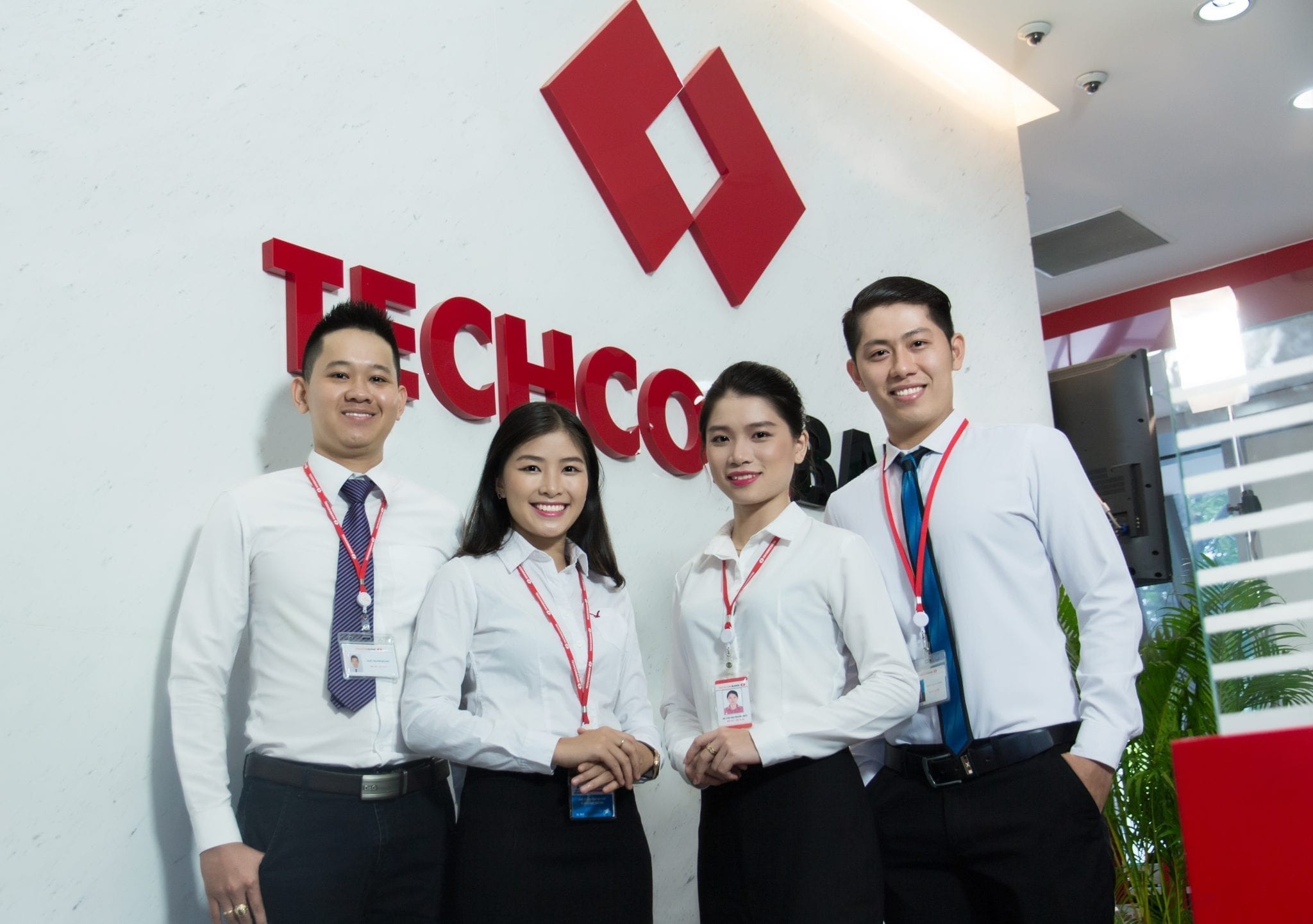
    Techcombank has been named Vietnam’s Best Bank as well as Best Bank for Corporates at this year’s Euromoney Awards for Excellence.

    Techcombank has been named Best Bank in Vietnam 2024 by three international finance publications: Euromoney, Finance Asia, and Global Finance, becoming the only Vietnamese bank to ever win all three prestigious awards in the same year.

    In June, the bank was also named Number 1 Bank in Vietnam in the World’s Best Banks 2024 rankings by Forbes Magazine, based on an extensive survey of customer opinion.

    Jens Lottner, CEO of Techcombank, said that this is an unprecedented achievement.

    “These awards are testament to the success of the bank’s customer-centric strategy, the quality of its advanced data capabilities and digital infrastructure, and the unwavering commitment to excellence throughout the organization,” Lottner said. “Together, these pillars have firmly established Techcombank as one of the strongest banking platforms in Asia.”

    The Euromoney Awards for Excellence are widely considered to be one of the most prestigious accreditations in the banking industry and a strong and independent endorsement of excellence and achievement.

    Banks from over 100 countries entered the Awards for Excellence in 2024, and the best banks in each market were carefully selected by Euromoney’s independent team of editors and analysts.

    Techcombank has now won the Euromoney award for Vietnam’s Best Bank for an unprecedented fifth time, more than any other lender in Vietnam.

    This year’s award recognized Techcombank for its strong financial performance and profitability in 2023, achieved despite economic headwinds and proving the resilience of Techcombank’s business model.

    “Techcombank further solidified its leadership in Vietnam’s banking sector in 2023,” acknowledged Lousie Bowman, Euromoney Editor.

    Techcombank’s sustained profitability, robust asset quality, and balance sheet strength have enabled it to pay a cash dividend of VND1,500 per share to its shareholders in Q2 2024, one of the highest cash dividends in the industry.

    The award also acknowledged the bank’s focus on customer-centricity and its role as an industry pioneer through the launch of innovative digital and data-led solutions for individual, business, and corporate customers.

    For example, its new auto-earning solution enables individual customers to generate profit from their idle cash; Techcombank Merchant is a holistic solution designed to empower Vietnam’s many merchants to run and grow their businesses; and the new C-Cash solution helps Vietnam’s largest corporations uplift their treasury management to a world-class level.

    The quality of Techcombank’s suite of payments and collections, cash and treasury management, and FX solutions for SME and corporate customers was given special recognition with the Best Bank for Corporates honor in 2024.

    Techcombank has broadly applied data analysis and AI across the bank, and most major systems have been transitioned to the cloud.

    This was acknowledged by the Euromoney Best Bank in Vietnam award to put Techcombank years ahead of its competitors in Vietnam and to enable the bank to leverage its best-in-market digital platforms and data and AI capabilities to create more meaningful and more personalized experiences for customers than ever.

    “The bank’s key differentiator is its digital capability. Techcombank’s apps have received the market’s highest customer rating,” said Bowman of Euromoney.

    This rating is due to the smooth and personalized experiences that customers can enjoy when using the Techcombank Mobile app.

    For example, the bank is helping customers improve their financial awareness by providing personalized financial management advice and insights via the app, which enable them to enjoy their money and save for the future.

    Techcombank has already delivered over 52 million personalized pieces of financial advice to more than 4 million customers since the experience was launched.

    Another example is Techcombank’s new loyalty ecosystem, available through the app, and offering rewards and experiences tailored to individual customer preferences and lifestyles.

    It is already one of the largest and most diverse loyalty programs in the Vietnamese banking industry, encompassing over 19,000 points of sale with over 300 brands, where customers can earn reward points.

    The bank’s commitment to ESG excellence and to making a positive social and environmental contribution to Vietnam was also noted by Euromoney.

    In 2023, it provided more green credit to sustainability projects in Vietnam than ever before, while also supporting social initiatives with donations reaching VND148 billion (US$5.84 million) and promoting healthy living and physical fitness through support for the Hanoi and HCMC Techcombank marathons.

    “We are proud and humble to have been named Best Bank in Vietnam by Euromoney for a record fifth time,” Lottner said.

    “But this achievement is just the beginning of a new period of growth. We are now ready to accelerate and to leverage our digital platforms and data and AI capabilities to create more meaningful experiences for our customers and grow our business faster and more profitably than any other bank in Vietnam.”

  • Hanoi villas see price increases

    Hanoi villas see price increases

    The Hanoi real estate market in the first half of this year saw increases in villa and townhouse prices, although the market was still slow, according to a Savills report. In Hanoi, new villas in high-end market projects showed prices increasing by 9% quarter-on-quarter to VND178 million (US$7,007) per sq.m, said the report released on July 11.

    Townhouse prices decreased by 2% quarter-on-quarter to VND188 million per sq.m, with higher priced units already sold and only affordable units remaining. Shophouse prices increased by 3% quarter-on-quarter to VND288 million per sq.m due to the reduced availability of cheap shophouses and price adjustments.

    Primary prices remained high with less to incentivise the secondary market. Secondary villa prices were 8% lower than primary prices, while townhouses were 5% cheaper.

    However, “performance was slow”, said Mathew Powell, director, Savills Hanoi.

    Sales in the second quarter fell by 40% quarter-on-quarter, but rose by 5% year-on-year, reaching a total of 111 dwellings, and quarterly absorption was only 18%. Newly launched properties were 48% absorbed, fell by 15 percentage points quarter on quarter and 3 percentage points year on year.

    The majority of primary transactions were still in Ha Dong district with 61%, due to infrastructure projects aimed for completion such as Le Quang Dao road expected to operate in the last quarter of this year. Hoang Mai and Hoai Duc districts each followed with 14% and Thuong Tin had 9%.

    “Amended laws and infrastructure development are expected to begin to provide momentum,” added Powell.

    The real estate market is showing signs of recovery, thanks to the amended laws which were passed in early 2024 and effective early from August 2024, as well as infrastructure developments and large supply from mega projects in the next few years, according to Savills.

    Thirteen projects will supply a total of 2,951 dwellings by the end of 2024, the majority of which will be in Dong Anh district with 34% of future stock, Ha Dong follows with 19% and Hoai Duc with 16%.

    The report also stated that in the first half of the year, there were 128 new dwellings, up 38% quarter on quarter but down two% year on year.

    New stock came from two existing Ha Dong projects, An Quy Villa with 54 villas and Solasta Mansion with 51 villas, while An Lac Green Symphony in Hoài Đức supplied 12 new townhouses and Him Lam Thuong Tin in Thuong Tin district launched 11 new shophouses.

    Primary stock of 608 dwellings came from 16 projects, decreasing by 9% quarter-on-quarter and 24% year-on-year. Villas remained the main product with a 39% share of the available stock.

  • Tax collection from online vendors rises by 54%

    Tax collection from online vendors rises by 54%

    Tax collection from online sellers rose 54% year-on-year in the first half to VND9.98 trillion (US$392 million) as the government cracks down on tax evasion by e-commerce sellers.

    Some 43,000 vendors and businesses aid taxes, with over 4,500 also paying fines for violations, according to the General Department of Taxation.

    Typically, a seller needs to pay 1.5% revenue tax.

    Delays in registering a business and apprising the tax office about sales data could result in a fine of VND15 million.

    The government estimates there are 3.1 million households and individuals doing business across the country, many of them online, who have not registered with tax authorities.

    The department of taxation is cross-checking their data with that of the Ministries of Public Security and Industry and Trade, and e-commerce platforms such as Shopee, Lazada, Sendo, and Tiki to ensure no one escapes the tax net.

    Hanoi has identified thousands of online vendors, including livestreamers, and collected VND10 trillion from them in the first six months.

  • Vietnam Airlines takes delivery of first A320neo

    Vietnam Airlines takes delivery of first A320neo

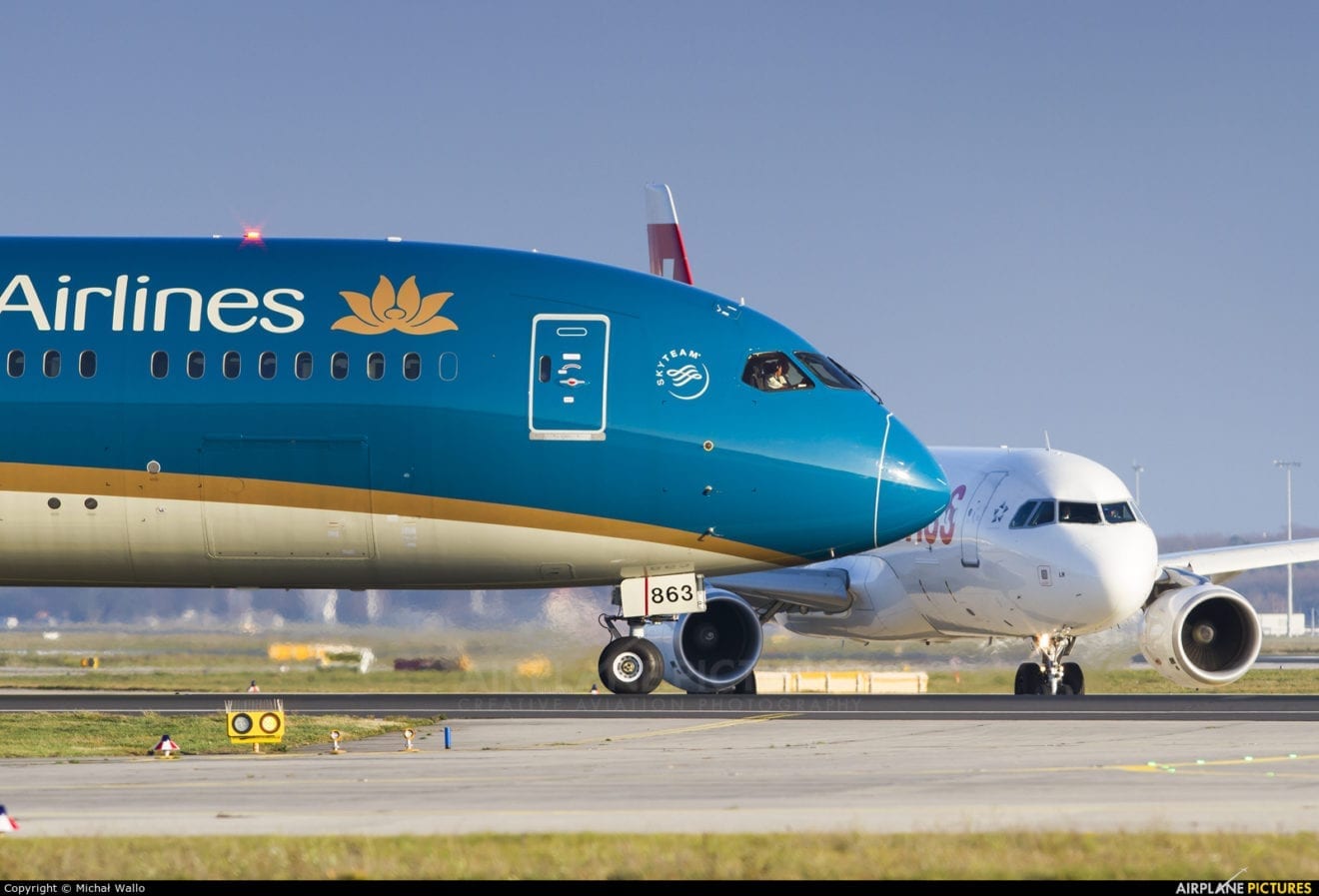
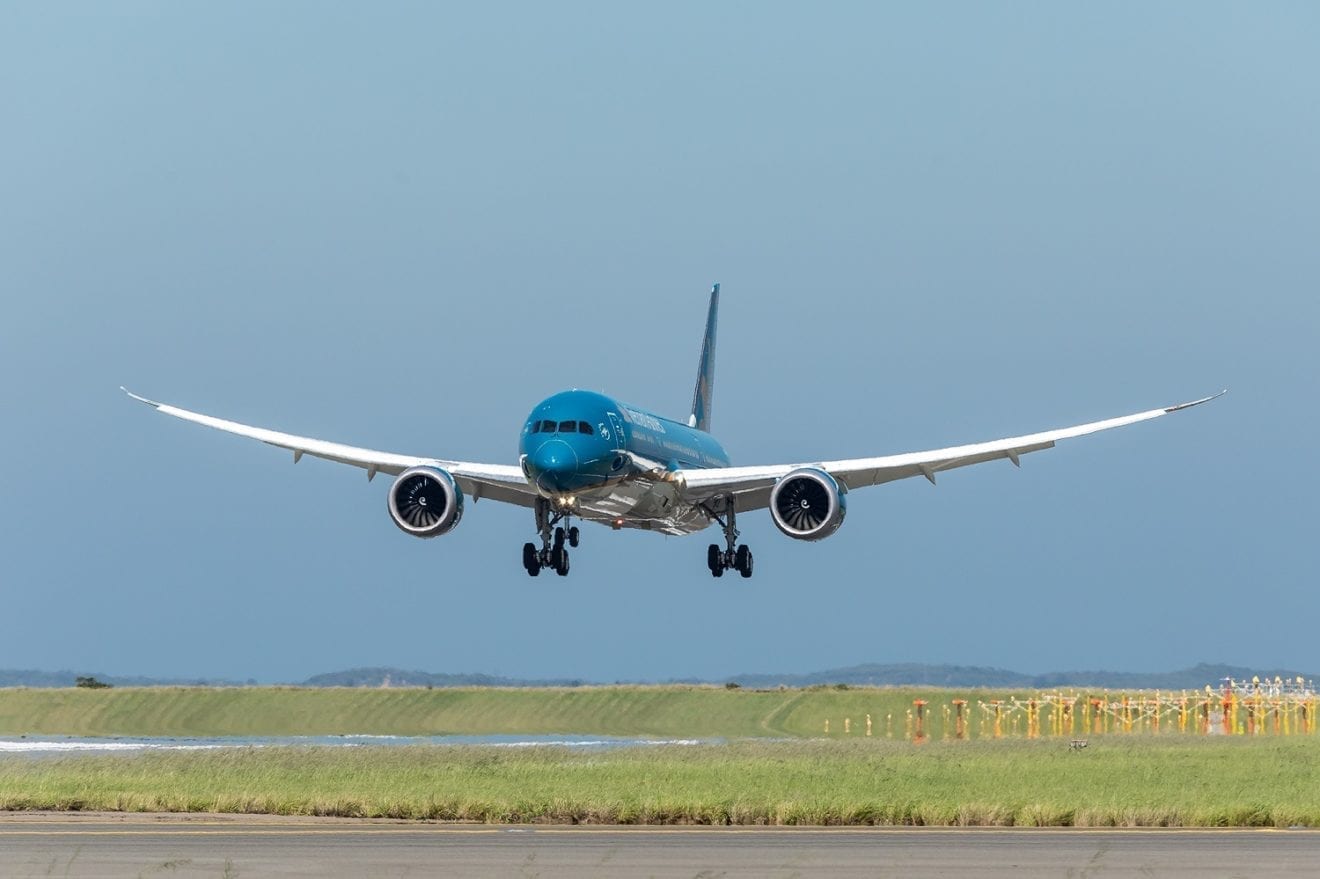
    Vietnam Airlines recently received its first Airbus A320neo as part of its fleet rejuvenation efforts.

    This is the first among the three A320neo planes, each seating 182 passengers, to be delivered to the carrier this year.

    By adding the A320neo family, the airline affirms the resolve to leverage its operation capacity to meet passengers’ increasing demand, particularly during the peak summer travel season.

    The new aircraft will help Vietnam Airlines provide an additional nearly 40,000 seats during the summer peak, and some 300,000 in the second half of the year.

    They will be used on such domestic routes as Hanoi – Da Lat, Hanoi – Phu Quoc, Ho Chi Minh City – Thanh Hoa and Ho Chi Minh City – Chu Lai.

    The modern narrow-body aircraft is equipped with a new-generation engine that helps save 16% of fuel consumption, reduce noise by 75% and cut some 50% of toxic exhaust compared to previous models.

    Vietnam Airlines stressed that it has made unceasing efforts to improve its services and fleet, hoping to bring passengers safety and comfort.

    The carrier will add large-body Boeing 787-10, the biggest passenger aircraft used in Vietnam at present, to its fleet in the coming time.

  • Vietnam Railways reports record half-year revenue

    Vietnam Railways reports record half-year revenue

    Vietnam Railways, the monopoly state-owned railroad operator, has reported record half-yearly revenues of VND4.5 trillion (US$177.13 million), surpassing its full-year earnings for the years 2019-2021.

    At a recent conference, it announced that revenues had increased by more than 10% compared to the same period last year. It targets revenues of VND6.258 trillion for the full year.

    It said passenger numbers increased by nearly 21%. It launched specialized services such as the “heritage connection” train between Hue and Da Nang, and charter trains, offering custom itineraries and services in March, and the “Da Lat night train journey” in April.

    It has expanded international freight transport, including to Russia, Europe, Mongolia, and Central Asia.

    Last year VNR turned the corner after three years of losses, reporting a profit of VND77 billion. But it had accumulated losses of over VND2.08 trillion.

    The company has 25 subsidiaries, 17 directly managed units and eight joint venture and associated companies, and manages a railway infrastructure totaling 3,143 km of tracks on 15 routes that run from north to south.

    Hanoi Railway Transport and Saigon Railway Transport are the two largest members, and last year they reported profits of VND14 billion and VND11 billion.

    Thanks to surging passenger demand, their profits were three times their full-year target in the first quarter of this year.

    The two companies are soon set to merge after receiving shareholder approval. They are in the process of completing the procedures for this.

  • Samsung promises ‘strong investment’ in Vietnam in next 3 years

    Samsung promises ‘strong investment’ in Vietnam in next 3 years

    South Korean electronics giant Samsung has planned “strong investment” in Vietnam in the next three years to make the country its biggest display module producer globally, its chairman Lee Jae Yong has said.

    “Vietnam’s success is Samsung’s success”, he told Prime Minister Pham Minh Chinh in Seoul on Tuesday, adding that Samsung commits to journey with Vietnam in the long run.

    In May the chairman told PM Chinh that Samsung would invest around $1 billion in Vietnam each year.

    Chinh praised Samsung’s success in Vietnam and asked the company to diversify its supply chain in the country and make the country its strategic location for manufacturing and research.

    He added that Vietnam’s is making policy changes to attract investors in the high-tech, semiconductor and AI sectors.

    Vietnam is also making negotiations for new free trade agreements to expand its exports to the Middle East, South America and Africa, which will help distribute Samsung products to these markets.

    The PM urged Samsung to increase the localization of manufacturing and allow Vietnamese firms to participate deeper in its supply chain.

    He wants Samsung to provide high quality training of Vietnamese staff.

    Lee said that 310 Vietnamese companies are now Samsung suppliers, and the number has surged 12 times from 2014.

    Around 2,500 engineers and researchers are working at its research and development center in Hanoi, where Samsung is researching AI and 5G equipment.

    Chinh added that in the near future he hopes to see a Vietnamese executive in Samsung Vietnam’s board.

    Samsung is the biggest foreign direct investor in Vietnam with four factories in the country with a total investment of $2 billion to date.

    Over 50% of its smartphones sold globally are made in Vietnam.

    Prime Minister Pham Minh Chinh and his wife are on an official visit to South Korea from June 30 to July 3 at the invitation of South Korean Prime Minister Han Duck-soo and his spouse.

  • 17 million Vietnamese products sold on Amazon in 2023

    17 million Vietnamese products sold on Amazon in 2023

    he number of Vietnamese products sold on Amazon soared by 300% in the previous five years to 17 million in 2023.

    The value of the goods exported through the U.S. e-commerce platform increased by 50% during the period, Trinh Khac Toan, northern regional director of Amazon Global Selling Vietnam, which supports sellers, said at a forum Thursday.

    The number of Vietnamese sellers with annual sales of $1 million increased 10-fold between 2019 and 2023, while those who have legitimized their brands through the Amazon Brand Registry program increased by 35 times, he noted.

    The figures demonstrate the astonishing potential of cross-border e-commerce, he said.

    Amazon Global Selling forecasts cross-border e-commerce in Vietnam and Southeast Asia to grow at 20% annually until 2026.

    Bui Trung Kien, vice chairman of the Vietnam E-Commerce Association, said developing cross-border e-commerce is crucial to boosting Vietnam’s exports.

    But the country’s legal framework for businesses could pose a hurdle to this, he warned.

    Cao Cam Linh, a representative of the Vietnam Association for Logistics Manpower Development, said logistics need to be developed to support e-commerce.

    Toan said online businesses need to invest in market research to identify customer needs, improve their products and build their own brands with a long-term vision.

    In Vietnam, Amazon has collaborated with the E-commerce and Digital Economy Agency to train 10,000 people for the cross-border e-commerce industry.