Tag: Vietnam

  • Samsung plans to add $1B to Vietnam investment annually

    Samsung plans to add $1B to Vietnam investment annually

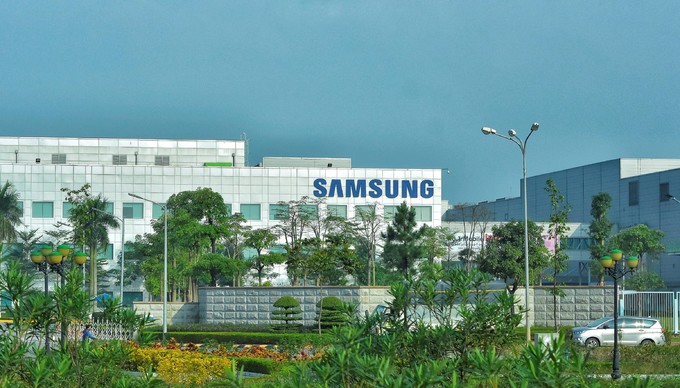
    Samsung plans to add about US$1 billion to its investment in Vietnam annually, Chief Financial Officer (CFO) of Samsung Electronics Park Hark-kyu said as he met with Prime Minister Pham Minh Chinh in Hanoi Thursday.

    PM Chinh applauded Samsung’s efforts and determination while doing business in Vietnam, calling on the firm to view Vietnam as a strategic manufacturing and export base.

    He affirmed that the Vietnamese government always attaches importance to improving the investment climate and pledges to create favourable conditions for long-term operations of foreign enterprises.

    It will continue providing optimal conditions for the projects of Samsung to operate fruitfully and develop sustainably in Vietnam in the spirit of harmonising interests and sharing risks, he said.

    Park noted Samsung has invested $22.4 billion in Vietnam so far and plans to add about $1 billion to its investment in the Southeast Asian country annually.

    Aside from research, development, manufacturing, and export of electronic and high-technology products, the group has also been investing in supporting industries and manpower training for Vietnamese companies, and helping local firms to engage in its production and supply chain, he said.

    Samsung hopes to continue developing to contribute to Vietnam’s foreign trade and economic growth, the CFO added.

    He spoke highly of Vietnam’s investment and business climate as well as the PM’s readiness to listen to and assist enterprises, adding Samsung will continue standing side by side with the country on the development path.

    Appreciating Samsung’s building of an R&D center and participation in manpower training in Vietnam, Chinh asked the group to coordinate closely to effectively run the training centers based at the National Innovation Centre (NIC), step up cooperation to turn digital technology enterprises of Vietnam into partners in its ecosystem, increase investment in and expand the R&D center, and boost assistance for startup, innovation, and manpower training in the country.

    He also welcomed Samsung’s production and business plan, calling on it to continue helping Vietnam further improve domestic companies’ capacity so that they can join in Samsung’s supply chain more effectively.

    Samsung should continue seeing Vietnam as a strategic base for manufacturing and exporting its key products to international markets, particularly when the Comprehensive and Progressive Agreement for Trans-Pacific Partnership (CPTPP), the EU – Vietnam Free Trade Agreement (EVFTA), and the Regional Comprehensive Economic Partnership (RCEP) already took effect, Chinh suggested.

  • Hanoi apartment prices up 38% in 5 years

    Hanoi apartment prices up 38% in 5 years

    Hanoi apartment prices have risen by 38% from 2019 and prices have shot up even in buildings that are 5-10 years old, according to the Ministry of Construction.

    Many projects sell at over VND60 million ($2,367.80) per square meter, rising to even VND150 million in some places, it said in a recent report.

    The smallest apartment (40 sq.m) at Heritage West Lake to the northwest of West Lake is priced at VND3.8 billion.

    A 30-square-meter unit at Masterise West Height in the southwest of the city starts at VND1.8 billion.

    “Apartments continue to attract interest from buyers with residential needs and medium- and long-term investors,” the ministry said.

    Prices have been rising rapidly since the end of last year due to a widening gap between supply and demand. In the last six months, many projects have seen prices rise by 20-25%.

    According to property consultancy CBRE, prices on the secondary market jumped by 17% year-on-year in the first quarter, the highest increase ever recorded.

    The average price of old apartments is VND36 million per square meter. But no new apartment projects were launched during the first quarter.

    The Ministry of Construction wants the city People’s Committee to identify and punish speculators who have been driving up property prices.

    But analysts called it a futile quest and suggested it should be tackled with policies such as imposing taxes for ownership of multiple properties.

  • Sacombank assures no loss on $141M loan to Bamboo Airways

    Sacombank assures no loss on $141M loan to Bamboo Airways

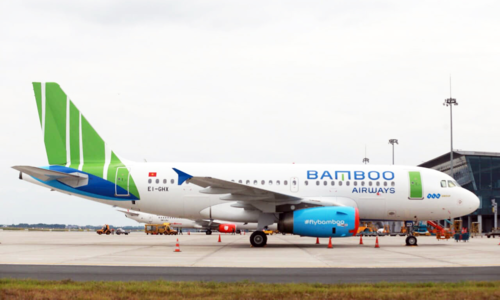
    Sacombank has assured that it will not lose the VND3.58 trillion (US$141 million) it has lent to Bamboo Airways, citing that the loans are secured by high-value assets.

    The loans used to be secured by its shares and assets of property developer FLC, its former owner, Sacombank CEO Nguyen Duc Thach Diem said at its annual general meeting Friday.

    But when new owners took over the airline, the bank persuaded them to pledge high-value properties in HCMC instead, and the loans are now classified as “qualified debt,” meaning they have the lowest risk of turning into bad debts, she said.

    “It is certain that Sacombank will not lose the money it has lent to Bamboo Airways,” she said.

    Sacombank decided to invest in the airline, which has been going through major restructuring after being sold by FLC.

    In February the bank’s former deputy CEO, Phan Dinh Tue, took over as chairman of the airline.

  • Taxi firm Vinasun’s profits down by half

    Taxi firm Vinasun’s profits down by half

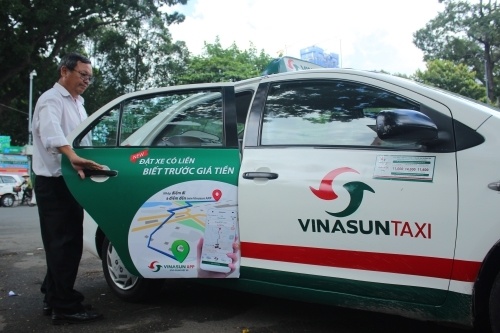
    Taxi firm Vinasun’s profits plummeted by 58.5% to VND22 billion ($868,000) in the first quarter, a near two-year low, according to a company disclosure.

    The Ho Chi Minh City-based company said profits dropped because it had to spend money on “supporting drivers and partners.”

    Revenues were down 15% to VND278.6 billion.

    The company aims to hire experienced drivers by paying better this year, and buy 700 new cars, mostly Toyota hybrids.

    It plans to study the possibility of using three-wheel electric vehicles.

    It targets revenue of VND1.1 trillion this year, down 9% from last year, and profits of VND80.5 billion, down by half.

    Despite slashing its payroll in recent years the company expects to face challenges to its recovery this year.

  • Vietnam tops Southeast Asia in number of Apple suppliers

    Vietnam tops Southeast Asia in number of Apple suppliers

    U.S. company Apple had Southeast Asia’s highest number of suppliers in Vietnam last year and fourth highest globally.

    There were 35 suppliers as of the 2023 financial year (which ended on Sep. 30), according to the Supplier List announced by Apple recently.

    In Southeast Asia, Thailand (24 suppliers), Malaysia (19) and the Philippines (17) followed Vietnam.

    Globally Vietnam was behind China (158), Taiwan (49) and Japan (44).

    In 2016-23 Vietnam saw the strongest increase in the number of suppliers with the entry of Foxconn, Luxshare and others.

    There are factories in Vietnam that produce parts for Apple’s AirPods, iPad and Apple Watch.

    Analysts expect Vietnam to account for 65% of Apple’s Airpods, 20% of iPad and Apple Watch and 5% of Macbook by 2025.

    Apple CEO Tim Cook last week visited Vietnam and met Prime Minister Pham Minh Chinh.

    The company said it would buy more parts produced by suppliers in Vietnam and promised to support the country’s innovation efforts.

    China remains at the top of Apple’s supply chain, accounting for 42% of its production.

  • FPT and Nvidia to build $200M AI factory in Vietnam

    FPT and Nvidia to build $200M AI factory in Vietnam

    Vietnam IT giant FPT Corp will spend $200 million building an AI Factory that incorporates technology from U.S. chipmaker Nvidia.

    The factory, which will serve as a sovereign cloud, will not produce hardware but instead will focus on AI research and development using Nvidia’s latest technologies, including Nvidia AI Enterprise software and frameworks and Nvidia H100 Tensor Core Graphic Processing Units, FPT said in an press release Tuesday as its leaders sign the partnership with their Nvidia counterparts in Hanoi.

    The factory will create applications and solutions on generative AI (a type of AI that can create new content and ideas), autonomous driving and green transformation.

    “This empowers FPT to realize the vision of transforming Vietnam into an AI nation and accelerating the adoption of AI applications in Asia, including but not limited to Vietnam, Japan, and Korea.”

    FPT chairman Truong Gia Binh said that the company’s vision is to “turn Vietnam into an AI hub of the world.”

    Nvidia vice president of worldwide AI Initiative Keith Strier said: “By accelerating innovation in healthcare, agriculture, climate, manufacturing, and more, AI has the potential to improve lives and strengthen the economies of every nation.”

    “FPT is working with Nvidia to empower organizations across Vietnam to drive transformation, helping the country become an AI nation,” he added.

    FPT plans to incorporate Nvidia’s training content into university and high school curricula to develop high-tech human resources. The corporation wants to have at least 30,000 students in the program within five years.

    As part of the collaboration, FPT has joined the Nvidia Partner Network as a Service Delivery Partner and aims to become a Global Systems Integrator, leveraging the full potential of Nvidia’s cutting-edge products and technologies to develop bespoke cloud services, hardware, software, and most importantly, generative AI solutions.

    The two companies will develop cloud gamming in Vietnam through Nvidia’s service GeForce Now.

    Strier on Monday had a meeting with the Minister of Planning and Investment, Nguyen Chi Dung, which reinforced the efforts in building and developing Vietnam’s semiconductor and AI ecosystem.

    A source said that Nvidia’s purpose for this visit to Vietnam is to work with parties to establish a research, development, and training center for AI, install supercomputers, and possibly relocate a portion of graphic processing units production for supercomputers to Vietnam.

    Nvidia CEO Jensen Huang in December last year visited Japan, Singapore, Malaysia and Vietnam to look for potential partners. He emphasized that Asia is the new global tech hub and wants to expand his company’s presence here.

  • Tim Cook arrives in Vietnam

    Tim Cook arrives in Vietnam

    Apple CEO Tim Cook arrived in Hanoi Monday morning for a two-day business trip to meet notable content creators and app developers on App Store.

    Cook said upon arrival he was excited to meet with content creators, students and customers in Vietnam and learn about the way they use Apple’s products.

    Apple has unveiled plans to strengthen its commitments to Vietnam during his visit, including increasing spending for suppliers and fund a clean water initiative at schools.

    Since last year the company has been launching new major services in Vietnam.

    It opened the Apple Store Online in May and launched payment service Apple Pay in August, is taking pictures of Vietnamese streets to develop its Apple Maps and expanding recruitment to hire engineers to develop its Siri voice assistant in Vietnamese.

    Cook, 64, became CEO in 2011, and doubled the company’s revenues and profits by 2020. Under him, new products like Apple Watch and Apple Vision Pro, a virtual reality headset, were developed.

    In 2023 it became the first company in the world to achieve market cap of $3 trillion.

  • Vietravel Airlines reports first profits in 3 years

    Vietravel Airlines reports first profits in 3 years

    Vietravel Airlines has reported a profit of VND10 billion (US$400,128) for the first three months of the year, achieving its first profitable quarter since its inception in 2021.

    As a subsidiary of the tour operator Vietravel, the airline announced first-quarter revenues exceeding VND491 billion, surpassing its initial target by 42%.

    The profits stemmed from increases in domestic airfare prices, which typically reach their peak during the two or three weeks around the Tet (Lunar New Year) holiday. This year, the holiday period was from February 7 to 14.

    Typically, airfare prices start to decrease gradually after Tet. However, this year, prices have not followed the expected post-holiday downturn and have remained elevated.

    Factors contributing to sustained high prices include rising operational costs and a shortage of aircraft, particularly as numerous airlines have been forced to ground A321 planes, commonly used for domestic flights, for engine maintenance.

    With a modest fleet of just three A321 aircraft, Vietravel Airlines is nevertheless setting ambitious goals, targeting VND1.05 trillion in revenues for the next quarter. The airline is expanding its network with new routes and increasing the frequency of flights both within Vietnam and internationally.

    Currently, Vietravel Airlines operates charter flights to Japan, connecting Ho Chi Minh City with Takamatsu and Da Nang with Fukushima, among others.

  • Power demand expected to surpass forecasts on early onset of hot weather

    Power demand expected to surpass forecasts on early onset of hot weather

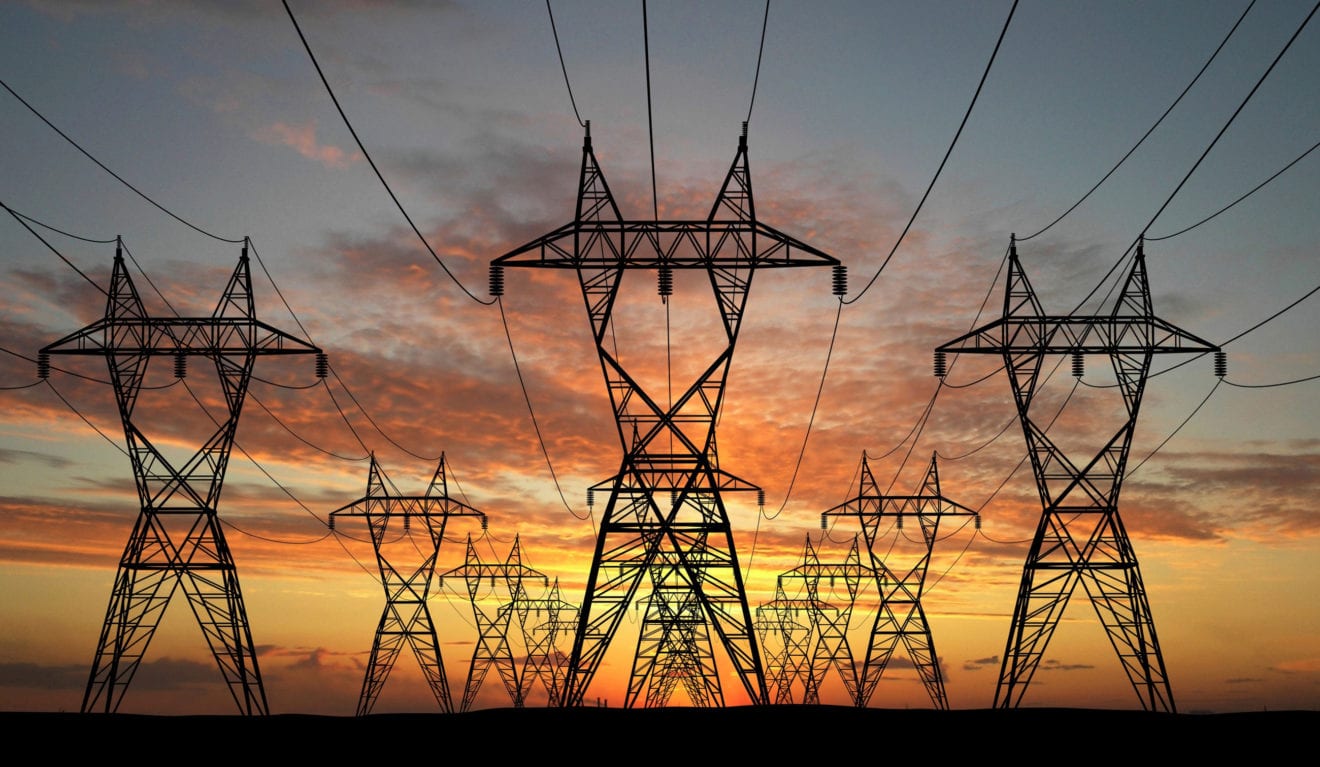
    Power consumption in Vietnam this summer is expected to increase by 13% year-on-year between May and July, 9.6% higher than forecast, posing possible supply challenges.

    This is because the weather is expected to become hot sooner than normal, and this could cause pressure on supply, especially in the north, Nguyen Quoc Trung, deputy director of the National Load Dispatch Center, said at a forum Monday.

    The north needs around 25,000 MW of power, rising by 10% annually.

    This means every year a new Son La hydropower plant, with a capacity of around 2,500 MW, needs to be built, a major challenge to the power sector, Trung said.

    Between April and July this year peak demand in the region might reach 27,500 MW, up 17% year-on-year, while production would only rise 10%, he added.

    But Minister of Industry and Trade Nguyen Hong Dien has ordered state-owned power monopoly Vietnam Electricity (EVN) to “ensure there are no power shortages under any circumstances.”

    To ensure supply, the National Load Dispatch Center has been storing water in dams. There are now 11 billion cubic meters, 2.7 times higher than a year ago.

    EVN plans to generate higher-cost power such as from oil and liquefied natural gas.

    Vo Quang Lam, its deputy director, said the Vietnam requires three times power as the global average to create its GDP, and so all consumers should conserve electricity.

  • Vietnam beats Thailand at durian exports to China

    Vietnam beats Thailand at durian exports to China

    Vietnam has surpassed Thailand as the top durian exporter to China, shipping 32,750 tons in the first two months of 2024.

    This accounted for 57% of China’s imports, up from 32% last year, according to Vietnam Customs.

    Vietnam’s export of the fruit to China rose by 2.4 times year-on-year.

    Thailand saw its exports plunge by half to 19,000 tons.

    At US$4,916 per container, Vietnam’s export price was almost 20% lower than Thailand’s.

    Dang Phuc Nguyen, general secretary of the Vietnam Fruits & Vegetables Association, said Vietnam’s weather allows durian to be grown all year round.

    It shares a border with China, which offers it an advantage in transportation.

    Farmers have been hiking durian prices in recent months thanks to high demand from China.

    In March the prices of the highest quality Monthong variety in the Mekong Delta were up 15% from a year earlier to VND218,000-230,000 ($8.7-9.2) per kilogram.

    Vietnam’s durian exports are expected to top $3.5 billion this year, up 66% from last year.

  • Vietnam’s overseas graduates face job-finding struggles at home

    Vietnam’s overseas graduates face job-finding struggles at home

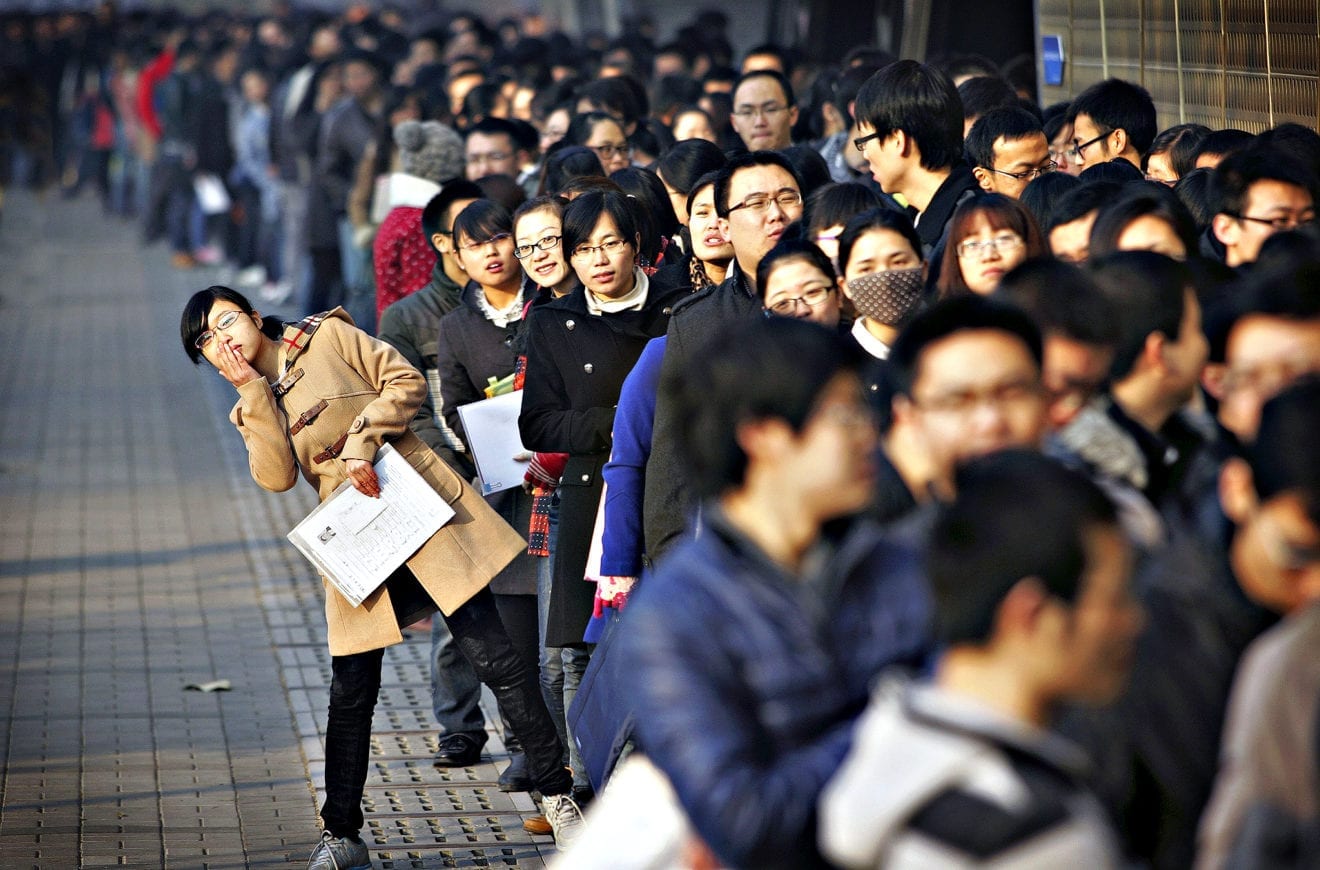
    Holding a high school diploma from Canada and a university degree in Chinese commerce language from China, Tat Dat has faced difficulties securing a fulfilling job upon his return to Vietnam.

    After moving back to his hometown of northern Quang Ninh province in 2022, it took him four months and over 20 job applications to land a position in e-commerce, with a starting salary of VND8 million ($320) per month – less than he hoped for.

    “I diligently monitored job platforms every hour, in search of an e-commerce trade position, hoping for a monthly salary of VND12 million to VND20 million,” Dat said. “Upon eventually securing such a position, the employers informed me that what they could offer me would be VND8 million, a figure not open to negotiation.”

    Dat said he believed that the salary he was offered would never compensate for the VND15 billion invested in his education, yet he remained at the position for six months.

    However, the unsatisfactory salary was merely one of several challenges he encountered in the Vietnamese job market, including difficulties adjusting to workplace culture, being tasked with duties not outlined in his contract, and frequently working overtime without additional compensation.

    “In practice, although the company’s policy stated an eight-hour workday, the actual hours frequently extended to 10-12 hours a day, with no additional overtime compensation,” Dat said. “This was a stark contrast to my previous experiences where an eight-hour workday strictly meant eight hours, nothing more.”

    Dat discovered that being bilingual was no longer a distinctive advantage, facing competition from peers fluent in three or four languages.

    “Encountering peers fluent in English, Chinese, Korean, and French made me feel less competent,” he admitted.

    Dat’s experience aligns with the results of a survey conducted by recruitment agency SHD involving 350 Vietnamese graduates of foreign institutions. The study revealed that 87% experienced cultural and workplace adaptation challenges within Vietnamese corporations, while 83% were dissatisfied with their salary and benefits.

    Ngo Thi Ngoc Lan of headhunt service Navigos Search observed that although graduates returning from abroad bring confidence, language skills, and open-mindedness, they often face difficulties adjusting to Vietnam’s distinct workplace culture. Such graduates require additional time to acclimate compared to their domestically-educated peers, due to the substantial differences in business practices between Vietnam and other countries.

    Ha Vy, a U.S. taxation degree holder, had experiences similar to Dat. After investing VND6 billion in her degree, Vy returned to Vietnam confident in her ability to get a well-paying position. Nonetheless, her lack of practical work experience meant it took her up to four months to find employment offering a monthly salary of VND10 million.

    “My expectations were set on a starting salary of at least VND20 million, but such opportunities proved elusive,” she said.

    After enduring over a year of dissatisfaction due to the mismatch between her efforts and remuneration, the 27-year-old embarked on a job search in Malaysia, driven by her frustration with the undervaluation of her degree in Vietnam.

    “I had anticipated that my degree would garner greater appreciation and financial reward in Vietnam,” Vy said.

    She further explained that despite her proficiency in English, the absence of practical experience posed a significant barrier. Consequently, she said that she now deems it unrealistic for overseas-educated graduates to expect salaries ranging between US$2,000-$3,000 upon their return to Vietnam.

    Le Thanh Ngan, the Head of Recruitment at FPT Education, said that foreign degree holders frequently aspire to high-ranking positions straight out of college, overlooking entry-level opportunities despite their lack of experience, which further complicates their job search in relation to salary expectations.

    But there are more reasons than that for graduates returning from abroad’s challenging job seeking journeys. Vu Hanh Hoa, CEO of a leadership training institute in Hanoi, pointed out that the ongoing economic downturn has been an additional hurdle for this group. As companies streamline operations, they favor experienced employees over those with overseas degrees who necessitate comprehensive training.

    “Major corporations are also facing challenges and have been compelled to reduce expenses to optimize their functions,” she commented. “They prioritize retaining efficient, versatile staff capable of delivering immediate value.”

    Hoa noted that many graduates returning from abroad come from affluent backgrounds, thus lacking the resilience and perseverance deemed essential in the challenging Vietnamese job market. Only a small fraction exhibit the endurance and tenacity valued by employers in today’s global economic climate, she added.

    Another challenge for holders of foreign degrees is their limited experience in communication and building connections within the Vietnamese context.

    “Students who have spent significant time abroad tend to understand foreigners better than their own compatriots, necessitating a considerable period to re-acclimatize to Vietnamese society, its people, attitudes, and work culture,” Hoa explained.

    Thus, many employers estimate that international graduates require six to 12 months to adapt, during which they incur significant training expenses without providing immediate benefits to the company. This in turn leads to employer’s reluctance to offer high initial salaries.

    Hoa advised that instead of focusing solely on the prestige of their foreign degrees, graduates returning from abroad should pursue opportunities to gain practical work experience to alleviate their employment challenges.

    “Often, these graduates return with the expectation that their “higher” qualifications merit positions at renowned, large companies with substantial salaries,” she said. “This expectation creates a barrier to employment.”

    Hoa thus encouraged returning graduates to adjust their expectations and recognize that a foreign degree serves merely as an additional credential. In the face of the economic downturn, as companies increasingly prioritize actual work performance over academic qualifications, Hoa said the ability to “genuinely contribute” was the key factor in getting hired.

    Thus, overseas degree holders should consider the importance of accruing work experience and evaluate how they can add value to a company based on their strengths. Hoa advised against holding out for positions in their preferred fields that meet their salary expectations.

    “Set aside your degrees and avoid becoming ensnared in delusions of grandeur,” she counseled. “Don’t become overly fixated on your foreign education.”

    Otherwise, such graduates risk enduring continuous challenges similar to those faced by Dat.

    Disheartened by his comparatively lower earnings in relation to his domestically-educated counterparts, he opted to take out loans from his parents and other sources to launch a homestay business.

    “The overwhelming financial pressure left me with no choice but to venture into entrepreneurship,” he said. “Starting this business has put me in debt of VND7 billion.”

    Although the financial success of his new business remains uncertain, the venture’s costs have accumulated to the total amount Dat has spent on his education and business startup, making it even more difficult for him to earn back what he has invested.
  • PepsiCo to invest $400M more in two new plants in Vietnam

    PepsiCo to invest $400M more in two new plants in Vietnam

    U.S. food and beverage giant PepsiCo has committed to investing an additional US$400 million to build two new plants powered by renewable energy in Vietnam, its government said.

    The announcement came last Friday as delegations of more than 60 U.S. enterprises, including Suntory PepsiCo Vietnam Beverage, paid a 3-day work visit to Vietnam last week.

    The Vietnamese government said one beverage manufacturing factory will be in southern Long An Province and cost over $300 million, and another for food processing will be in northern Ha Nam Province, with an investment of $90 million.

    The report did not give details on the commissioning time of the two factories.

    Late last year, the company said it had been granted an investment certificate for the Ha Nam factory, which was scheduled to start operating in the third quarter of 2025.

    PepsiCo, which runs five factories across Vietnam, entered the country in 1994.

  • How The Body Shop Vietnam does business

    How The Body Shop Vietnam does business

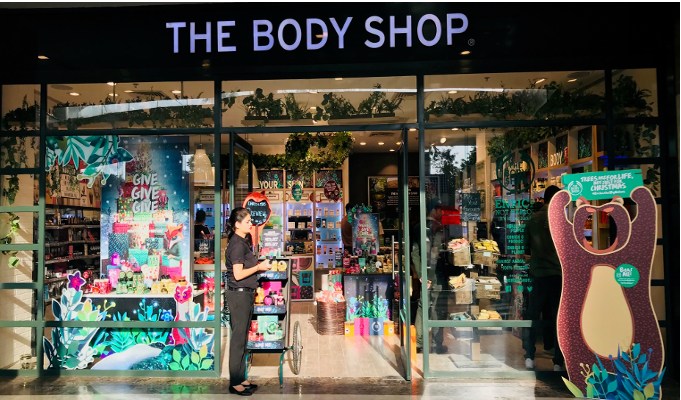
    Operated by a Malaysian firm in some Southeast Asian locations, cosmetics retail chain The Body Shop Vietnam posted its first loss last year after three years of declining profits.

    InNature Berhad, which owns The Body Shop Vietnam, said that the company has been unaffected by the shutdown of The Body Shop U.S. operations last week. The company also operates The Body Shop in Malysia and Cambodia.

    The Body Shop, a 50-year-old brand founded in the U.K, has been scaling down its operations in the U.K. and Canada.

    The first The Body Shop store in Ho Chi Minh City opened in 2009. After 15 years, it now has 41 outlets nationwide.

    Revenues before Covid-19 were on the rise from VND112 billion in 2018 to VND162 billion in 2020. Its annual growth rate of over 20% were higher than InNature Berhad’s revenue, which dropped 8.8%.

  • Vietnam Airlines to launch new routes to Europe

    Vietnam Airlines to launch new routes to Europe

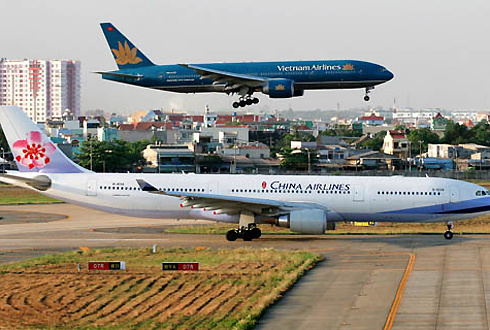
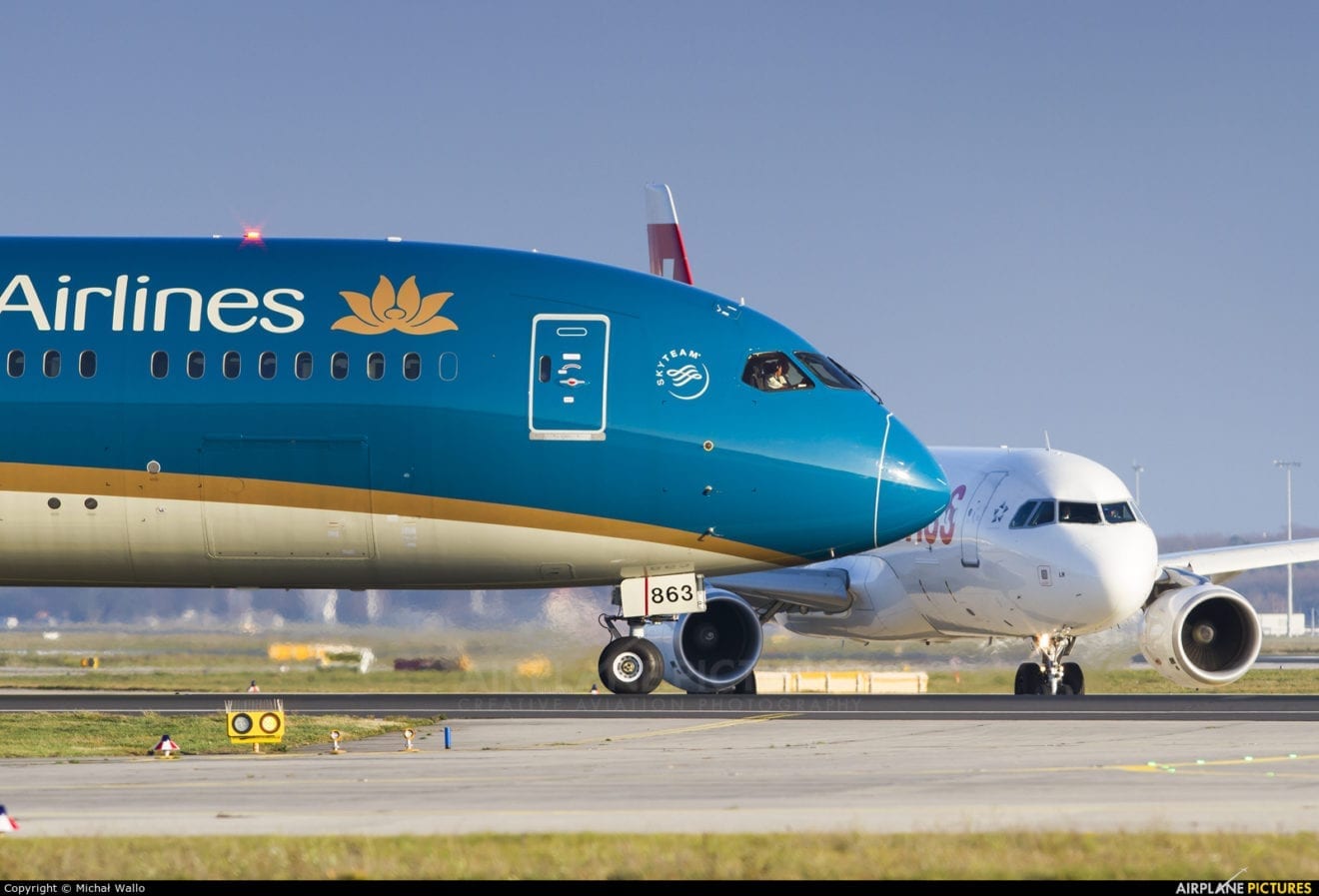
    Vietnam Airlines will launch two new routes connecting Hanoi and Ho Chi Minh City with Germany’s Munich starting October.

    The state-owned carrier said Tuesday that it will use the wide-body Boeing 787 aircraft for the routes.

    The Hanoi-Munich route will have two flights per week, departing on Friday and Sunday and returning on Monday and Saturday.

    The HCMC-Munich route will have one flight per week, leaving on Monday and returning on Tuesday. Starting in December, another flight will be added every Wednesday.

    Vietnam Airlines is the only Vietnamese airline to have direct routes to Europe.

    Private carrier Bamboo Airways used to operate flights to Germany and the U.K. but had shut them down since the end of last year as part of its business strategy change.

    Munich is the third-largest city in Germany and an economic, cultural, and transport hub. It is also famous for its mix of ancient and modern architectural structures and for the Oktoberfest beer festival, which is held every October.

    With the new routes Vietnam Airlines will have four routes from Vietnam to Germany, including the Hanoi and HCMC routes to Frankfurt. It also has flights from Vietnam’s two biggest cities to Paris and London.

    The carrier’s chairman Dang Ngoc Hoa said in January that it would open more international routes this year, with possible destinations being Milan, Copenhagen, Seattle and Vancouver.

  • Ministry of Finance wants 50% tax on e-cigarette atomizer

    Ministry of Finance wants 50% tax on e-cigarette atomizer

    The Ministry of Finance has maintained its proposal to impose a 50% Most-Favored Nation (MFN) tariff on electronic atomizer, the device used to heat up liquid solution used for vaping.

    In a recent response to the Ministry of Health, which has advised the government to ban the imports of e-cigarettes due to health concerns, the finance ministry said that as the code of e-cigarette products were included in Vietnam’s list of exported and imported goods, it needed to impose a tax on such products in case the government allows their import in the future.

    The MFN is what countries promise to impose on imports from other members of the World Trade Organization.

    Vietnam now imposes a 50% MFN tariff on the liquid solution used in e-cigarettes and on the e-cigarettes in which the atomizer and the solution are inseparable.

    The tariffs, however, have mostly no practical impact as Vietnam does not allow the imports of e-cigarette components. These products, however, are widely popular in the country, mostly because of smuggling.

    The Ministry of Industry and Trade has reminded the finance ministry that atomizers should be regulated as electronic products already subject to an MFN tariff of 5% according to Vietnam’s commitments to the WTO.

    But the finance ministry said that e-cigarette components were new products that did not exist when Vietnam made commitments with the WTO.

    Government officials estimate that smoking is the cause of over 40,000 deaths in Vietnam every year.

    Experts say that the rising popularity of e-cigarettes means they should be regulated to prevent smuggling.