Tag: Vietnam

  • Vietnam’s coffee export value doubles in January

    Vietnam’s coffee export value doubles in January

    Vietnam shipped 230,000 tonnes of coffee abroad in January, earning $623 million, up 61.6% in volume and 100.3% in value year-on-year, according to the Ministry of Agriculture and Rural Development.

    In the last days of the Year of the Cat, the average coffee price in the Central Highland provinces continued to increase compared to the previous week. Coffee is being purchased at prices ranging from VND78,200 – 79,400 ($3.2-3.25) per kg in some localities. With the current upward trend, domestic coffee prices are likely to exceed VND80,000 per kg soon.

    A surge in domestic coffee prices was attributed to the fact that traders actively purchased coffee before the Lunar New Year (Tet) holiday while exporters were afraid of supply shortages like last year so they tended to buy more.

    The coffee output of the 2023-2034 crop in Dak Lak province is forecast to reach 580,000 tonnes, thus the coffee export volume is estimated at 330,000 tonnes. If prices stay as high as they are now and fluctuate slightly in the near future, the province’s coffee export turnover could hit $900 million.

    Lam Dong province has about 175,700 ha of coffee and the output for 2023-2024 crop is expected to hit 535,000 tonnes.

    In 2023, Vietnam exported over 1.6 million tonnes, down 8.7% in quantity but up 4.6% in value compared to last year, reaching a record turnover of $4.24 billion.

    According to the Vietnam Coffee-Cocoa Association (Vicofa), Vietnam’s coffee production in the 2023-2024 crop will be 1.6-1.7 million tonnes, lower than 1.78 million tonnes in 2022-2023.

  • Dollar steps up over dong

    Dollar steps up over dong

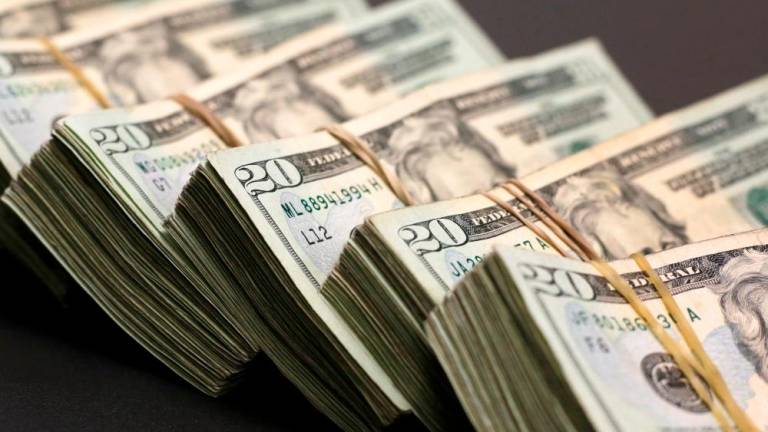
    The U.S. dollar rose against the Vietnamese dong Wednesday morning.

    Vietcombank sold the dollar at VND24,570, up 0.16% from Tuesday.

    It fell 0.40% to VND24,850 on the black market.

    The greenback has increased by 0.61% against the dong since the beginning of the year.

    Globally the dollar remained under pressure on Wednesday after retreating from a nearly three-month high against the euro in the previous session with a decline in U.S. bond yields adding to the drag.

    Analysts pointed to technical factors for the dollar’s pullback, following a two-day rally of as much as 1.4% against the euro after unexpectedly strong U.S. jobs data and more hawkish rhetoric from Federal Reserve Chair Jerome Powell scuppered bets for an early interest rate cut.

    The U.S. dollar index – which measures the currency against six major peers, including the euro – was flat at 104.14 after Tuesday’s 0.29% slide. On Monday, it had reached its highest since Nov. 14 at 104.60.

  • VinFast recalls 5,900 EVs for headlight issue

    VinFast recalls 5,900 EVs for headlight issue

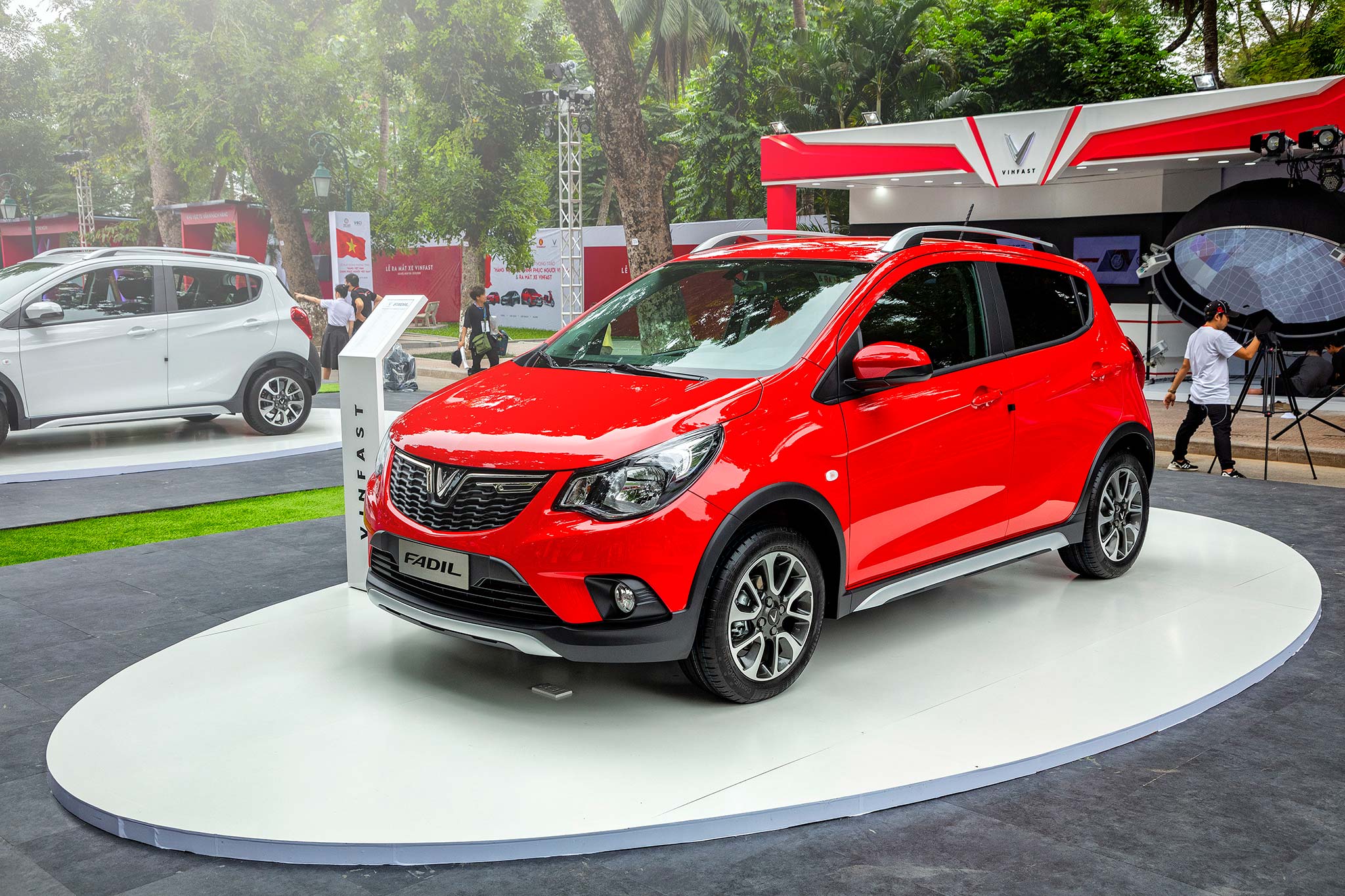
    VinFast is recalling 5,912 VF 5 Plus electric vehicles manufactured last year to fix the issue of headlights turning off when the left turn signal is switched on.

    The company said the headlights in some VF 5 Plus cars, the smallest in its EV lineup, could turn off when the car is traveling at 50-55 kilometers per hour and the headlights are in auto mode.

    This is due to a hardware issue in the circuit board the company received from its supplier, it said.

    The supplier would replace the necessary parts for free, and the task will take around 40 minutes, it added.

    There have been no incidents due to the issue so far, but the company is recalling all vehicles produced between March and December last year.

  • Cross-border e-commerce Vietnam’s next big thing in exports

    Cross-border e-commerce Vietnam’s next big thing in exports

    According to U.S. e-commerce giant Amazon, cross-border e-commerce is expected to be the fifth-highest value export of Vietnam by 2027, with a value of US$12 billion.

    “2023 Performance Report: Empowering Small and Medium-sized Enterprises in Vietnam” published by the firm’s Amazon Global Selling Vietnam, a unit that supports sellers, said by 2027 cross-border e-commerce exports could reach $5 billion under “normal” circumstances and $12 billion in the best-case scenario if small, medium- and micro-sized businesses get support from the government.

    In the latter case, cross-border e-commerce will account for the country’s fifth biggest exports.

    Amazon Global Selling said online exports of Vietnamese goods could thrive since more and more global consumers are shifting from offline.

    Last year Vietnam’s exports were worth nearly $356 billion, according to the General Statistics Office.

    The top exports items, all exceeding $20 billion, are electronics – computers, phones and components, machinery – equipment, textiles, and agriculture – forestry – fisheries.

    Vietnamese retailers sold over 17 million products on Amazon last year, up 50% from 2022, according to the e-commerce platform.

    The number of sellers increased by 40% and those with revenues exceeding $100,000 increased by 70%.

    The top five product categories were household appliances, kitchen tools, health-personal care, clothing, and beauty products.

    These reflect Vietnam’s long experience in manufacturing and exporting products such as furniture, home decor and apparel.

    “The growth of emerging sectors such as health and personal care and beauty products contributes to the increasing diversity of Vietnam’s online exports,” the report said.

    According to a study by the technology advisory firm Access Partnership, the main export markets were Southeast Asia and China.

    In the next five years the U.S. and Europe are likely be priority markets as consumers in those regions are growing increasingly fond of Vietnamese goods on online platforms, the study said.

    “E-commerce is one of the next major trends for businesses who are looking to expand globally,” Gijae Seong, head of Amazon Global Selling Vietnam, said.

    The challenge for these businesses is whether they could quickly leverage this trend, grasp global consumer demand and build long-term development plans, he said.

    Access Partnership said Vietnamese businesses face challenges in online transactions like high customs duties and post-clearance costs.

    It said businesses need more legal and financial support to capitalize on the opportunities for e-commerce exports.

    So measures like establishing cross-border e-commerce zones and providing grants for exports and e-commerce businesses would play a crucial role, it added.

  • Vietnam wins bid to export 300,000 tons of rice to Indonesia

    Vietnam wins bid to export 300,000 tons of rice to Indonesia

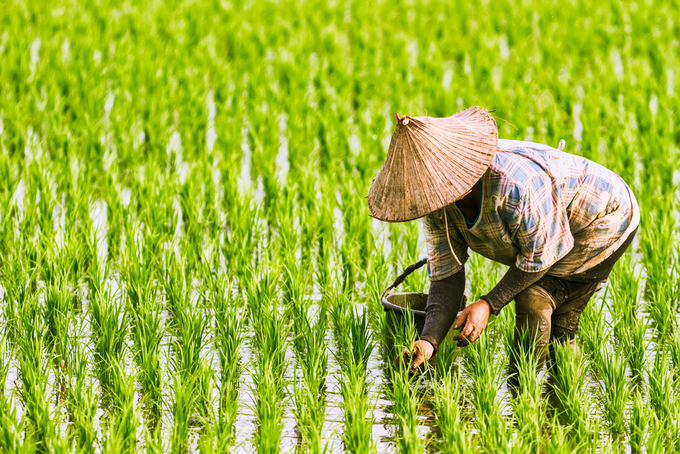
    Seven Vietnamese firms have won a bid to export 300,000 tons of rice to Indonesia, or more than half the volume that country’s plans to import in January.

    Their lowest quote was US$648 per ton, including transportation costs.

    Earlier this year Indonesia said it wanted to import 500,000 tons of rice in January to increase its food reserves.

    Last year it imported more than one million tons of Vietnamese rice, making it the second biggest customer.

    According to the Vietnam Food Association and the Thai Rice Exporters Association, the current export prices of standard 5% broken rice are $656 per ton in Thailand, $642 in Vietnam and $638 in Pakistan.

    Last year Vietnam exported eight million tons of rice to rank third in the world after India and Thailand.

  • Vietcombank continues to achieve record profits

    Vietcombank continues to achieve record profits

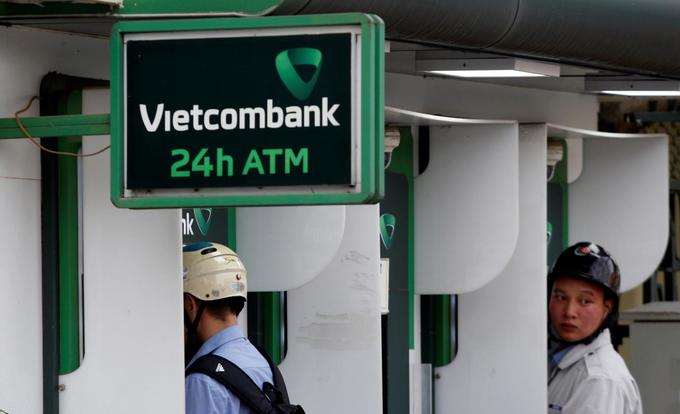
    State-owned lender Vietcombank reported record pre-tax profits of VND41.2 trillion (US$1.68 billion) for 2023.

    Its previous highest was VND37.4 trillion a year earlier.

    It made the bank the most profitable in the industry by a margin of tens of trillions of dong.

    Profits before credit risk provisioning were worth VND45.8 trillion, a 2.2% decline.

    But halving the provisioning to VND4.5 trillion meant the lender maintained profit growth.

    Vietcombank’s bad debts ratio (groups three to five) increased from 0.68% at the beginning of the year to 1% by the end, while loans that require attention (group two debts) surged by 40% to over VND5.55 trillion.

  • Ministry wants another electricity price hike

    Ministry wants another electricity price hike

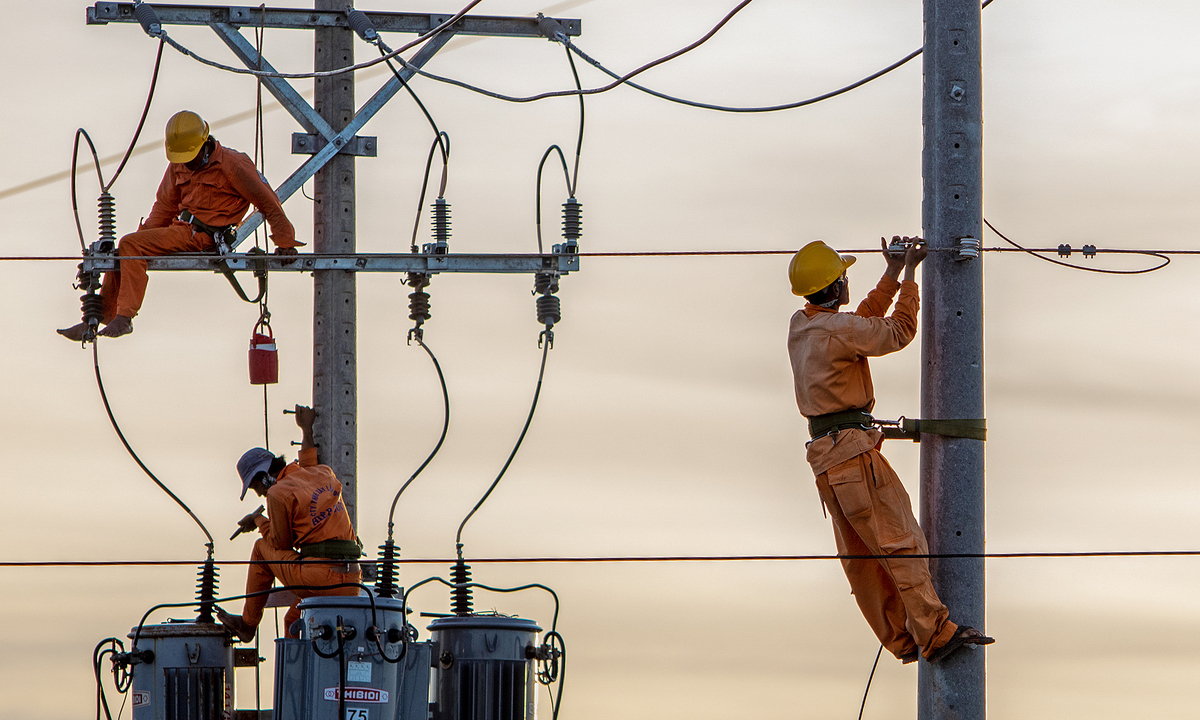
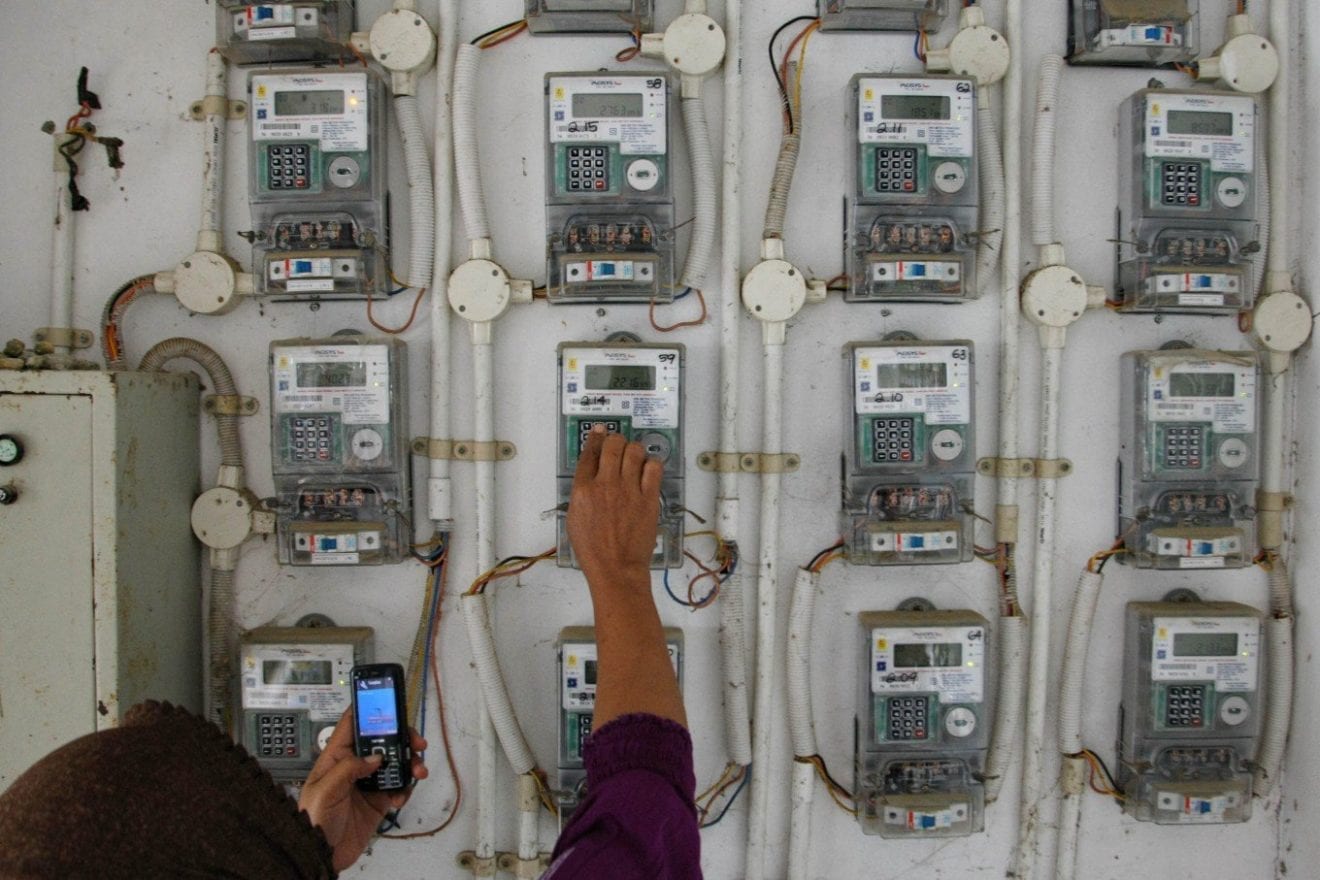
    The Ministry of Industry and Trade has proposed a hike in electricity prices this year after pushing it up 7.5% last year to narrow down the loss of national utility Vietnam Electricity (EVN).

    The ministry eyes increasing prices in May this year to cover rising costs and help the state-owned EVN to pay for power generators. Vietnam allows an electricity price hike once every six months if production costs rise 3% or more. The last increase was in November last year, and before that, May.

    EVN recorded a combined loss of VND37 trillion ($1.5 billion) in 2022 and 2023. It also has VND14 trillion in debt incurred from previous years due to currency exchange rate changes.

    Last year, prices were raised 7.5% to VND2,092.78 per kilowatt-hour after years of staying flat.

    Analysts of Vietcobank Securities have recently anticipated an electricity price hike as the El Nino effect causes low water level at northern hydropower plants.

    Dinh Trong Thinh, an analyst from the Academy of Finance, said that raising prices was necessary to cover increasing costs but EVN needed to be transparent in its financial situation to avoid raising controversy among the public.

    Analyst Ngo Duc Lam, former head of the Energy Institution under the Ministry of Industry and Trade, said that Vietnam needed to be “very cautious” in raising electricity prices as it would push up the prices of transport and many essential goods.

    Phan The Cong, an analyst from Thuongmai University, said that two hikes last year have already had an impact on the economy and inflation, and therefore the timing of another hike needs to be considered carefully.

    Thinh added that in the long run electricity retail price needs to be regulated under market principles, which means it will rise when costs increase and fall when costs decrease. Changes in retail price therefore will become a normal part of people’s lives and will not have a major impact.

  • Fruit, vegetable exports rise by 89%

    Fruit, vegetable exports rise by 89%

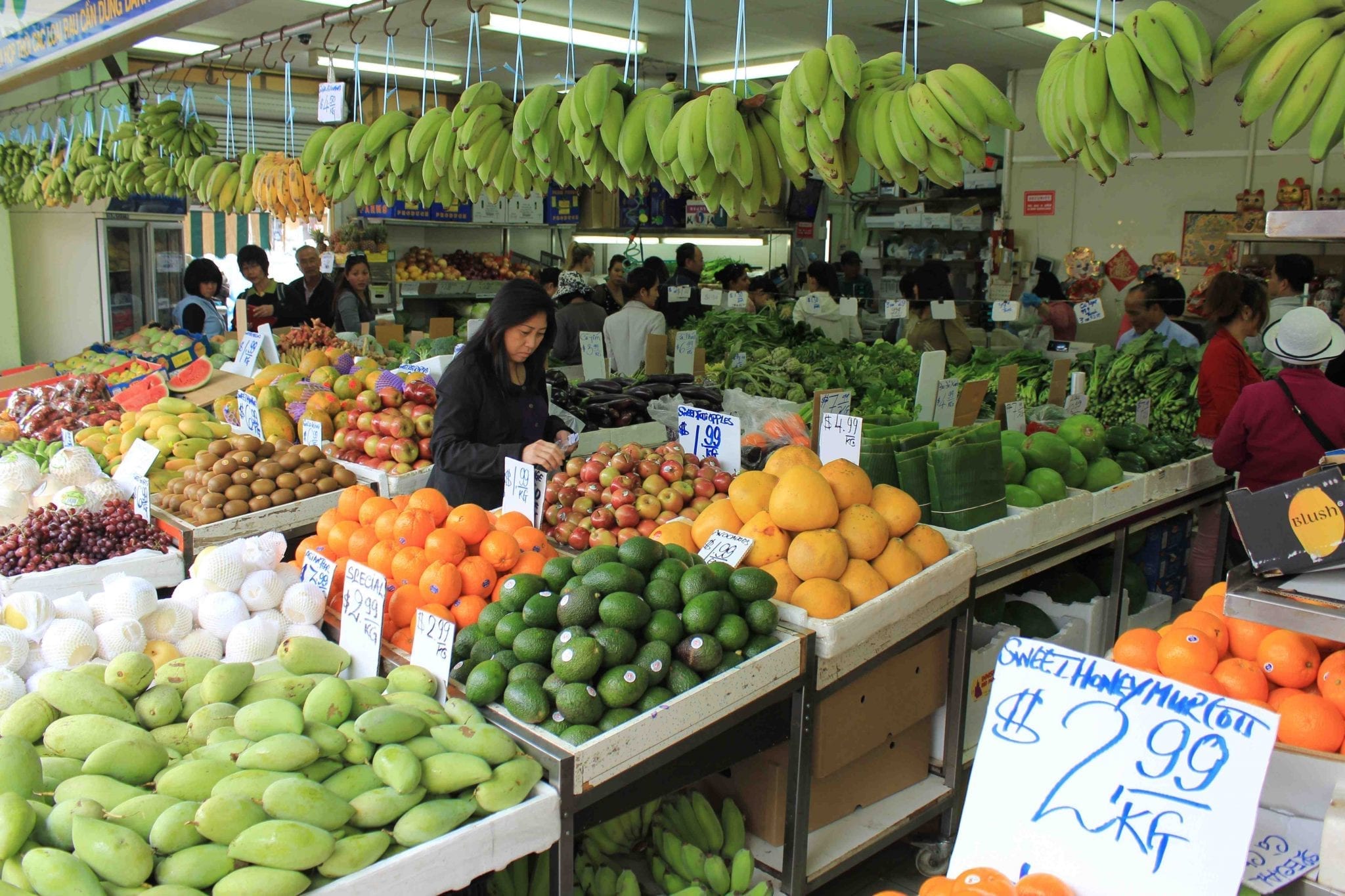
    According to the Vietnam Fruit and Vegetable Association, fruit and vegetable exports have risen by 89.2% this year to US$459 million due to a surge in demand from China.

    China has imported large volumes of durian, bananas and dragon fruit.

    Cold snaps in many places in that country have limited domestic banana supply since the fruit turns black when the temperature drops.

    China harvested dragon fruit in abundance last year, but the season is over, and Vietnam is able to export the fruit from January to May.

    Chinese use dragon fruit as an item of worship during the Lunar New Year, and so demand for imports from Vietnamese has skyrocketed.

    During President Xi Jinping’s recent visit to Vietnam, the Chinese side said it would open its market to many Vietnamese agricultural products, including fresh coconuts, frozen fruit products, citrus fruits, avocados, custard apples, and water apples.

    The two sides also signed a protocol for watermelon export.

    In addition to China, the U.S., the EU and some Asian countries are also set to open their doors to more Vietnamese fruits.

    The U.S. and Australia plan to import passion fruit, Japan, South Korea, Australia, and India want to buy grapefruit with India also eyeing durian imports.

  • Airlines add more flights amid high holiday demand

    Airlines add more flights amid high holiday demand

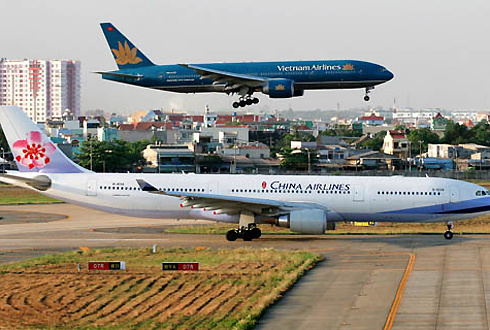
    Vietnam Airlines has increased the number of flights with up to 66,200 more seats to meet high demand during the upcoming holiday.

    The group announced Tuesday morning that 310 flights will be added between Jan. 25 and Feb. 24. Air travel demand is expected to rise during the seven-day Lunar New Year holiday in early February.

    This means Vietnam Airlines Group, which includes Pacific Airlines and Vietnam Air Services Company, will offer a total of 12,374 flights during the holiday season, up 10% from the same period last year.

    The new flights will mostly be on domestic routes between Ho Chi Minh City/Hanoi and Da Nang, Hai Phong, Vinh, Thanh Hoa, Quy Nhon, Hue and Quang Nam.

    The hike came after the Civil Aviation Authority of Vietnam asked airlines to increase their number of night flights to meet high demand as most seats have been occupied.

    As of Jan. 12 Vietnamese airlines had sold 80-100% of seats departing HCMC and Hanoi between Jan. 24 and Feb. 25, the authority said.

    Customers have been complaining that they have trouble booking tickets due to low supply and prices being higher than in previous years.

  • Electrified vehicles rising to trendy choice in Vietnam

    Electrified vehicles rising to trendy choice in Vietnam

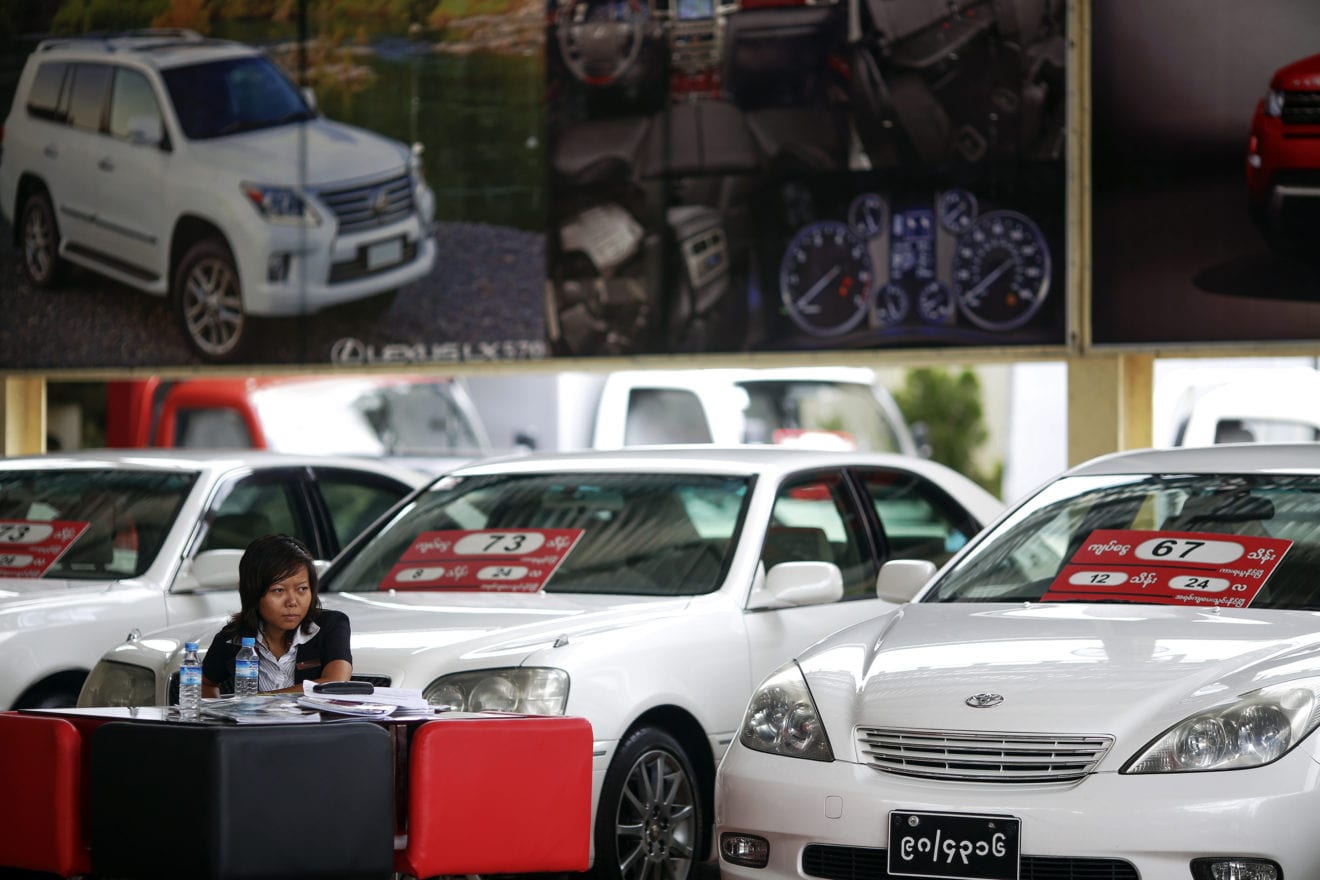
    Vietnamese users are becoming more familiar with hybrid and pure electric vehicles because numerous well-known brands have expanded to this category.

    Truong Huy, a technical expert for an electric vehicle software outsourcing company in Ho Chi Minh City, was one of the earliest to come to the Electrified Vehicle Exhibition at Yen So Park, Hanoi, last weekend to learn about the hybrid and pure electric car models.

    “As a person working in technology related to electric vehicles, this exhibition is a good opportunity for me to learn more about the companies,” Huy said while standing next to the chassis of a Hyundai electric car. “Mainly working in software, this is a rare time I have seen a complete hardware platform for an electric vehicle.”

    In the past three years, electric or hybrid cars have gradually become more familiar to Vietnamese customers. But Vietnam has never had an exhibition dedicated to this category, which means few opportunities for Huy and other customers to experience cars from different brands or learn about their software and hardware technologies.

    The Electrified Vehicle Exhibition organized on Jan. 13–14 can be considered the start of events dedicated to fuel-saving and environmentally friendly vehicle lines.

    In previous years, only a small number of electrochemical products were sold on the market, but now it is different.

    In 2020, except for Toyota with the small crossover Corolla Cross with a hybrid engine option, the market did not have a product with a similar or pure electric engine, specifically in the popular segment.

    By 2023, the number of electrochemical products and companies participating in the field has increased, creating a trend big enough to draw customers’ attention.

    The domestic EV segment was led by VinFast in 2023, with an ecosystem ranging from bicycles, motorbikes, cars, and buses. The company has been selling electric cars since 2021 with the VF e34 and has now added VF 5, VF 6, VF 7, VF 8, and VF 9 to the car category alone.

    In addition to VinFast, Hyundai is selling the Ioniq 5 series. Previously, the Korean company launched the Santa Fe hybrid for sale. Its distribution by Thanh Cong Group also hinted at the possibility of the company selling the G80 EV, a pure electric luxury sedan, in the near future.

    Hybrid cars are becoming more diverse with Kicks from Hyundai, CR-Vs from Honda, Sorentos from Kia, and H6s from Haval. Toyota specifically expanded this car segment in Vietnam with the addition of the Altis, Camry, Yaris Cross, Innova Cross, and Alphard.

    Besides Haval, the presence of other Chinese brands in Vietnam, such as Wuling and Haima, helps make the electrified vehicle segment more exciting. Pure electric car options from these brands include the market’s cheapest Wuling Mini EV, or the Haima 7X-E MPV.

    Most of these car models were present at the Electrified Vehicles Exhibition 2024.

    Xuan Huy drove more than 10 km from Ha Dong District to the exhibition to find a second car for his travel in the city. “I went to check all the booths because I do not favor any specific brands. There have been very few occasions when many companies display hybrid or pure electric car products like this.”

    Electrified vehicles are gradually becoming more popular. But many companies believe that customers still need orientation and education about the technology and how to use these products.

    Compared to the technology of internal combustion engine vehicles, which has been familiar to users for hundreds of years, electrified vehicles’s is new.

    “Many people are still concerned about whether electric vehicle technology is suitable for cars that they use every day,” said Son Lam, a representative of TMT Motors, the distributor of the Wuling brand in Vietnam. “Participating in this exhibition is also a way for the company to answer more customers’ concerns about electric vehicles, especially their technology.”

    A Hyundai Thanh Cong representative said that pure electric and hybrid technology is generally still new to the majority of Vietnamese customers. “Disseminating knowledge about electrified vehicles to customers is what the company is doing, this exhibition is one such occasion for us to do that.”

    Lees ook:

  • Rice exports reach record high

    Rice exports reach record high

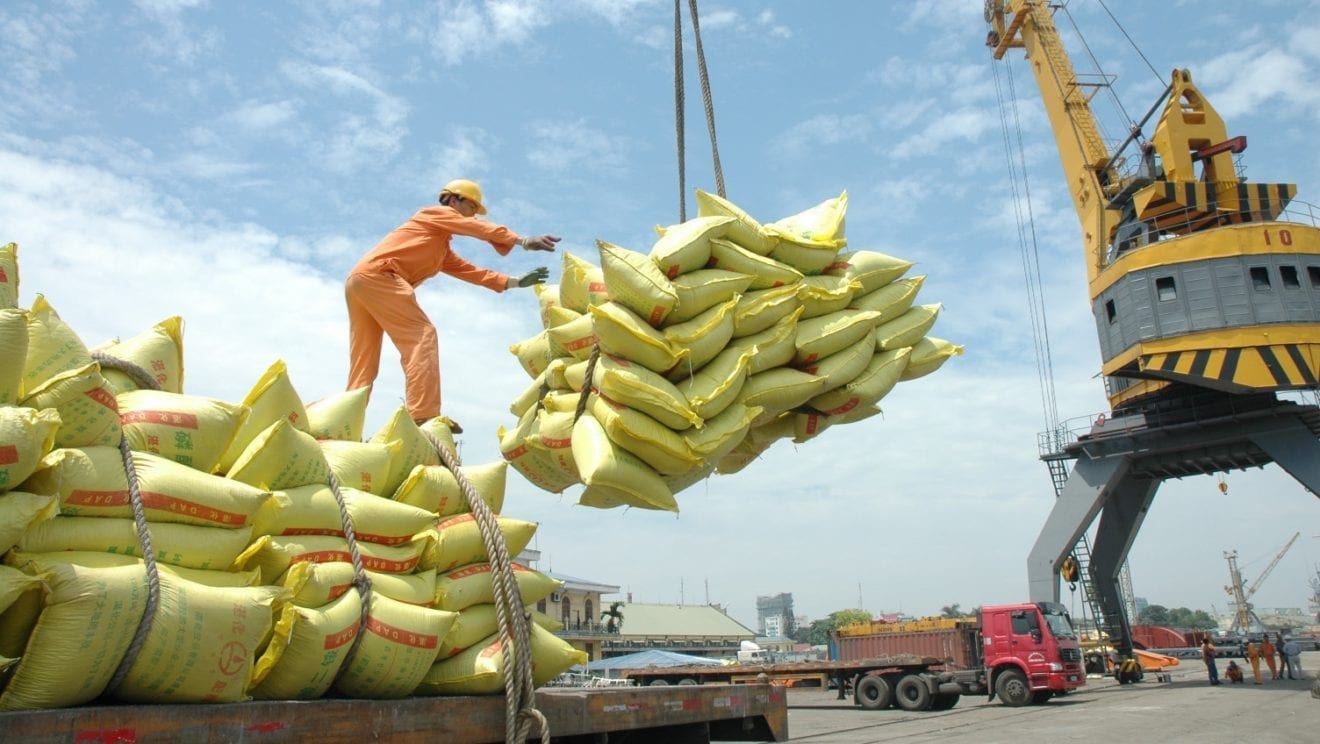
    Vietnam’s rice exports soared to 8.13 million tons, valued at US$4.7 billion in 2023, setting a new national record, as per the General Department of Customs.

    This marked a 14.4% increase in volume and a 35.3% rise in value from the previous year, despite challenges from the El Nino weather pattern.

    The export surge is partly attributed to India’s export ban on non-basmati white rice, which has affected global rice trade.

    India, a major player in the global rice market, contributes 40% to the worldwide rice trade. Its largest buyers include Iran, Saudi Arabia, and China.

    In 2023, several countries increased their rice imports from Vietnam as the global supply dwindled. A rice export business director from Dong Thap Province said some countries that typically imported little rice from Vietnam began placing substantial orders.

    The ongoing Indian export ban has left many countries seeking reliable rice sources, creating an optimistic outlook for Vietnam’s rice exports in 2024.

    In 2023, the Philippines was the largest importer of Vietnamese rice, purchasing 3.1 million tons, followed by Indonesia, China, and Ghana. Vietnam now is the world’s fifth-largest rice producer and third-largest exporter.

  • Bridgestone Vietnam builds 10th bridge in Soc Trang

    Continuing its journey of the “Bridges to Knowledge” project, Bridgestone Vietnam built and inaugurated the 10th bridge, Truong Tho in Soc Trang, on Dec. 27.

    The project was implemented by Bridgestone Tire Sales Vietnam Limited Liability Company to realize Empowerment (Committed to contributing to a society that ensures accessibility and dignity for all) and Ease (Committed to bringing comfort and peace of mind to mobility life).

    The two are part of corporate commitments announced under the “Bridgestone E8 Commitment” in March 2022.

    Soc Trang is known as a beautiful land rich in culture and home to the Kinh, Khmer and Chinese ethnic groups. Though it has advantages in terms of soil and water resources that allow it to grow a range of crops, the life and work of people here still face many difficulties in terms of the movement and transport of agricultural produce.

    For people living in Truong Tho hamlet, Truong Khanh village, Long Phu District, Soc Trang Province, the Truong Tho bridge built in 2008, located on the main road and connecting the village, serves the transportation needs of over 225 households including 153 children.

    The old Truong Tho Bridge was severely damaged on the side, its base had broken concrete and the iron reinforcement was badly rusted.

    According to the local government’s assessment, the bridge was damaged to an alarming extent and needed urgent investment in new construction to ensure users’ safety.

    Bridgestone Vietnam invested in building a new Truong Tho Bridge with a total length of 27 m, width of 3.3 m and a load capacity of up to three tons.

    This new bridge will enable hundreds of students to take a safer path to knowledge, help people transport and trade goods and agricultural products conveniently and improve safety for the community in general and residents of Truong Tho hamlet and Truong Khanh village in particular.

    This is the 10th bridge under its “Bridge to Knowledge” project by Bridgestone Vietnam, which started in 2019. The company said it would continue the journey of serving the community as part of its “Serving Society with Superior Quality” mission.

    Stressing the significance of the Truong Tho construction project, Naoki Inutsuka of Bridgestone Tire Sales Vietnam Limited Liability Company said the 10th bridge is a very important milestone for the company’s commitment to society.

    Bridgestone’s Truong Tho Bridge project received cooperation from the local government, Dealer Vu Manh Thang (Bridgestone’s distributor in Soc Trang), E-XPRO Advertising Company Limited and created enthusiasm among people in Truong Khanh village.

  • Vietnam Electricity eyes wind power import from Laos

    Vietnam Electricity eyes wind power import from Laos

    Vietnam Electricity wants to import wind power from Laos as it seeks to combat a looming shortage in the northern region.

    Several wind power investors in Laos with a combined capacity of 4,149 megawatts want to sell electricity to Vietnam, the national utility said in a report to the Ministry of Industry and Trade.

    The imports will help bridge a supply gap in the northern region between 2024 and 2030, especially in summer when water levels plummet in hydropower dams.

    Power Development Plan 8 focuses on the development of liquefied natural gas and renewable power sources, which are costly, and does not prioritize cheaper sources such as hydropower.

    This means importing power from Laos will help reduce costs somewhat.

    Laos’s maximum wind power feed-in tariff is 6.95 U.S. cents per kilowatt-hour for plants that become operational by the end of 2025, which is much more competitive than Vietnam’s 8.5 cents for onshore and 9.8 cents for offshore plants that went on stream before November 2021. But the Laos price is higher than for some plants in Vietnam that went on stream after that date. Their tariffs start at 6.42 cents.

    Some hydropower plants in Laos with whom it has signed purchase agreements would only begin generating power after 2025, meaning alternative sources are needed in the next two years, EVN said.

    It called on the government to install more transmission lines to increase imports from Laos.

    In the first 11 months of this year Vietnam’s electricity imports – from Laos but also China — accounted for 1.5% of total supply.

  • National Citizen Bank to double charter capital with private placement

    National Citizen Bank to double charter capital with private placement

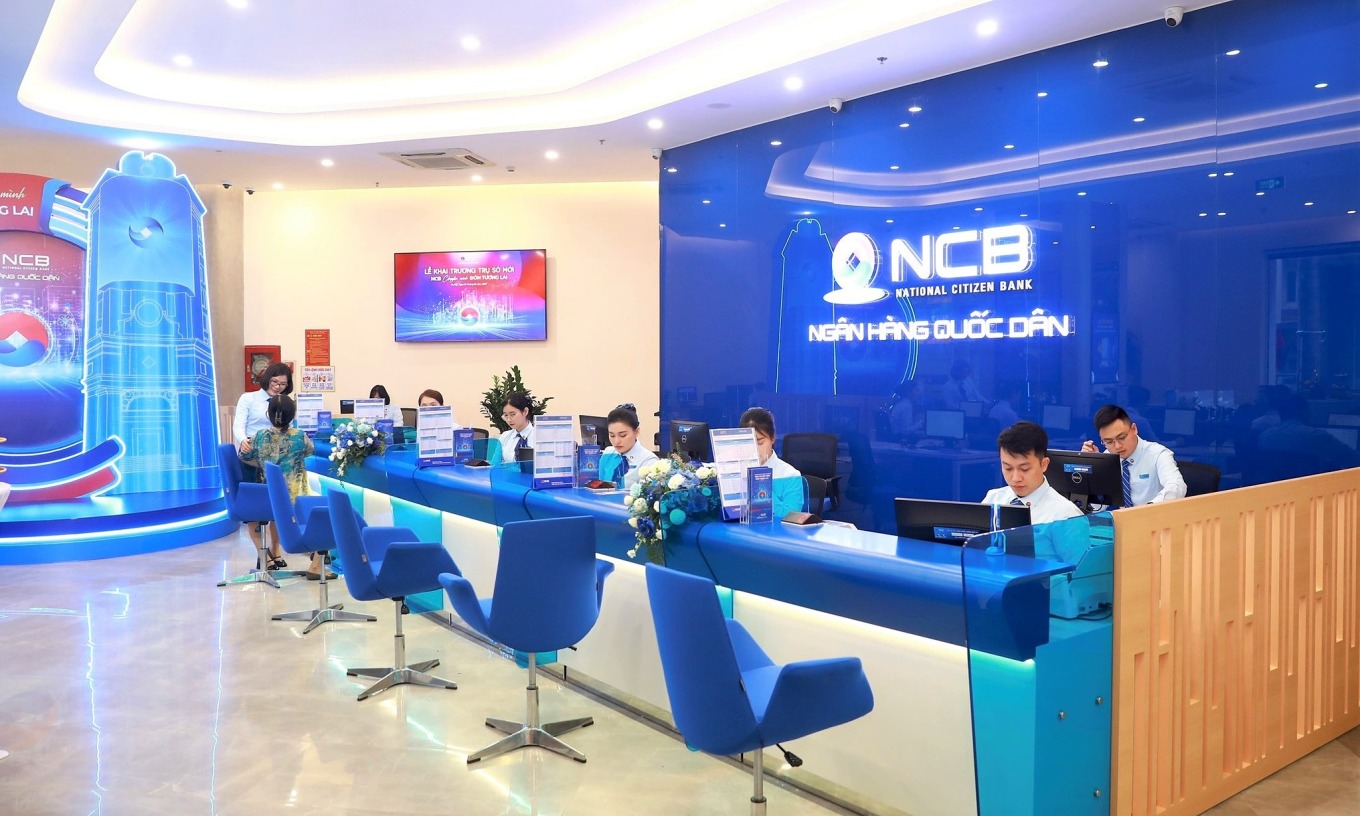
    National Citizen Bank (NCB) has approved a private placement to issue 620 million new shares in 2024 to double its capital.

    The issuance is scheduled for the second quarter. The issued shares will be blocked from trading for one year.

    If the plan succeeds, NCB’s charter capital will rise from VND5.6 trillion to VND11.8 trillion ($213 million to 487 million).

    NCB has for years been among the banks with the lowest amount of capital in Vietnam.

    The minimum charter capital requirement in the country is VND3 trillion. Household appliance maker Sun Group became a shareholder in the bank last year.

    NCB is in the process of restructuring. It has a bad debt ratio of more than 3%.

  • New transmission line proposed to import more electricity from Laos

    New transmission line proposed to import more electricity from Laos

    The Ministry of Industry and Trade has proposed installing another power transmission line to Laos to increase supply.

    It would help ensure energy security for northern Vietnam, especially during the dry season, as no new major power plant is set to go on stream until 2025, Minister of Industry and Trade Nguyen Hong Dien said at a recent meeting.

    Vietnam imports 3,000 megawatts of electricity from Laos through a 220-kilovolt line.

    In October Vietnam Electricity already began laying a 500-kilovolt line strong spanning 45 kilometers to connect the two countries.

    The work, to cost VND1.1trillion ($45.26 million), will be completed by the end of next year when it will increase import capacity to 2,500 MW a year.

    Vietnam signed a deal with Laos in 2019 to buy 3,000 MW until 2025 and 5,000 MW a year in 2026-30.

    In the first 11 months of this year Vietnam’s imports – also from China — accounted for 1.5% of total electricity supply.