Tag: Vietnam

  • Apple to move key iPad engineering resources to Vietnam

    Apple to move key iPad engineering resources to Vietnam

    Apple is allocating product development resources for iPad to Vietnam, Nikkei reported on Friday, citing sources briefed on the matter.

    Apple is working with China’s BYD, a key iPad assembler, to move new product introduction (NPI) resources to Vietnam, the report said, adding that this is the first time the company has shifted NPI resources to Vietnam for such a core device.

    Engineering verification for test production of an iPad model will start around mid-February and the model will be available in the second half of next year, it said.

    Apple and BYD did not immediately respond to Reuters’s request for comment.

    Apple suppliers including Luxshare and Foxconn also invested in the Southeast Asian country earlier this year to further diversify production away from China.

  • Citi organizes Vietnam Digital Leaders Summit 2023

    Citi organizes Vietnam Digital Leaders Summit 2023

    Citi brought together about 100 leaders in the Vietnam technology landscape, including founders, management teams, and investors, to discuss how the new economy is shaping the future of Vietnam.

    The Vietnam Digital Leaders Summit 2023, hosted by Citi Commercial Bank (CCB) and Citi’s Investment Bank, featured keynote speeches and lively panel discussions covering various topics, from scale-up journeys and macroeconomic challenges to fundraising strategies.

    Speakers and panels also touched on investor perspectives on opportunities in Vietnam and stories on the strategic shift in focus from exponential growth to sustainable profitability. Many speakers addressed the opportunities and pitfalls of harnessing AI throughout the day.

    Shervone Saw, CCB’s Asia Digital Head, highlighted that Citi established its technology industry vertical eight years ago to support the startup ecosystem. The unit supports technology startups from infancy to maturity, offering customized solutions for every step of the journey.

    Citi’s global network powers companies as they expand into new geographies. Citi is a pioneer in the technology industry in Vietnam, witnessing the rapid rise of companies to the unicorn stage.

    At the event, James Perry, APAC Co-Head of TMT Investment Banking, showed that in 2023, private investment into technology companies in Southeast Asia is on track to surpass pre-Covid levels, despite substantial declines from the peak levels in 2021.

    “We understand the importance of having a structured and dedicated approach to support the demands of fast-growing tech firms, particularly in a low-growth and volatile macro-environment. Our goal is to work with clients to form a winning strategy, to achieve new milestones, and to help them deliver their strategic objectives,” said Lin Hsiu-Yi, ASEAN & Singapore Head of Citi Commercial Bank.

    In Vietnam, Citi has supported and served clients for nearly three decades, helping them navigate the opportunities and challenges of rapid growth and international expansion by enabling them to scale faster.

    This flagship event served as a platform for engagement, connection, and exploration of new growth opportunities for clients, investors, industry veterans, and the Citi team.

    “Whether clients are considering expansion, exploring partnerships, or seeking strategic financing, our dedicated team is ready to support their needs and enable their businesses to get into the next phase of growth,” said Ramachandran A.S., Vietnam Citi Country Officer.

  • Nvidia aims to set up a base in Vietnam

    Nvidia aims to set up a base in Vietnam

    Nvidia wishes to establish a base in Vietnam to develop the country’s semiconductor industry as it considers the Vietnamese market an important one, the Vietnamese government said, citing the U.S. chipmaker’s chief executive.

    In his first visit to the Southeast Asian country, Nvidia’s CEO, Jensen Huang, said the company viewed Vietnam as its home and affirmed its plans to set up a center in the country.

    “The base will be for attracting talent from around the world to contribute to the development of Vietnam’s semiconductor ecosystem and digitalization,” the Vietnamese government statement cited Huang after his meeting with Prime Minister Pham Minh Chinh.

    Nvidia, which has already invested $250 million in Vietnam, is set to discuss cooperation deals on semiconductors with Vietnamese tech companies and authorities in a meeting on Monday, Reuters reported on Friday.

    Vietnam, which is home to large chip assembling factories including Intel’s biggest globally, is trying to expand into chip designing and possibly chip-making.

    The chipmaker has already partnered with Vietnam’s leading tech companies to deploy AI in the cloud, automotive and healthcare industries, a document published by the White House in September showed when Washington upgraded diplomatic relations with Vietnam.

  • Japan destroys five tons of durian, chili from Vietnam

    Japan destroys five tons of durian, chili from Vietnam

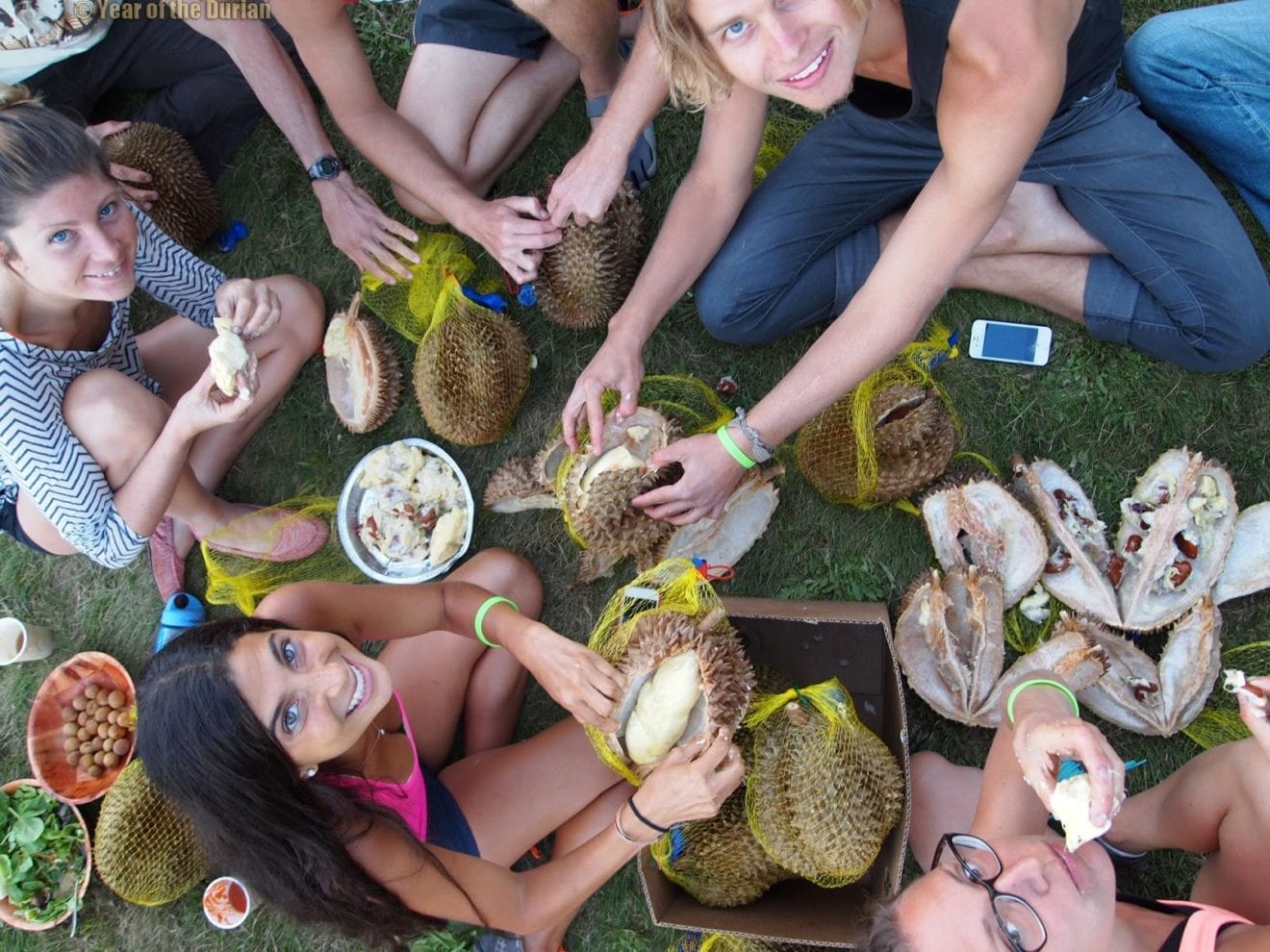
    In October, over five tons of Vietnamese durian and chili were destroyed in Japan for containing a higher dose of pesticide than the country’s standard.

    The batch of 1.4 tons of durian was exported on Oct. 5 by a company in Vietnam to Japan, where it was found to contain 0.03 parts per million (ppm) of procymidone over the Japanese standard of 0.01 ppm, according to a recent report by the commercial counselor of Vietnam in Japan.

    The batch of 4 tons of chili contained 0.2 ppm of tricyclazole and 0.03 ppm of hexaconazole against the standards of 0.01 ppm for both.

    Japanese quarantine authorities destroyed all the produce.

    Procymidone is used to kill unwanted ferns. Tricyclazole kills fungus, and hexaconazole prevents powdery mildew and other diseases.

    Do Van Dung, head of the community health faculty at Ho Chi Minh City University of Medicine and Pharmacy, said that the three pesticides are approved in many countries, and their harmful effects have only been researched on animals.

    It is, therefore, normal for these pesticides to be present on produce exported to Japan, and the fact that they exceeded Japanese standards does not mean that they would harm Vietnamese consumers.

    Some countries, such as Australia, allow a procymidone level in garlic by up to 5 milligrams per kilogram against Japan’s 0.1 mg/kg.

    Ta Duc Minh, the commercial counselor of Vietnam in Japan, said that he has informed Vietnamese authorities to prevent a similar incident.

    Many other developed countries also fail to meet Japan’s standards from time to time as this is a difficult market that requires high quality.

    Japan was Vietnam’s third biggest export market of agriculture, forestry and seafood in the first 10 months, accounting for 7.4% of the total.

    Vegetables and fruits exports rose 6.6% year-on-year to $150 million.

    Durian exports to Japan fell 12.3% year-on-year to $1.3 million.

  • Vietnam secures title for World’s Best Rice

    Vietnam secures title for World’s Best Rice

    Vietnam has been named the winner of the World’s Best Rice Contest for the second time, with six varieties, including the renowned ST25.

    The six varieties were submitted by two each from three companies: Ho Quang Tri Private Company, Loc Troi and Thaibinh Seed.

    They include the ST25 rice developed by farmer-scientist Ho Quang Tri which won the same contest in 2019.

    The organizer did not give an award for one specific variety this year but instead awarded a country as a whole. Cambodia came second and India third.

    30 rice samples were submitted by more than 10 countries for this contest.

    ST25 rice is the result of 25 years of work by farmer-scientist Ho Quang Cua and his colleagues who cross-bred the premium fragrant rice of Soc Trang Province described as having a sweet taste and a hint of pineapple flavor.

    The World’s Best Rice Contest, hosted by the Philippines this year, is held annually since 2009 by U.S. firm The Rice Trader. Last year, Cambodia claimed the first place.

  • Vietnam calls on China to resume import of ornate rock lobsters

    Vietnam calls on China to resume import of ornate rock lobsters

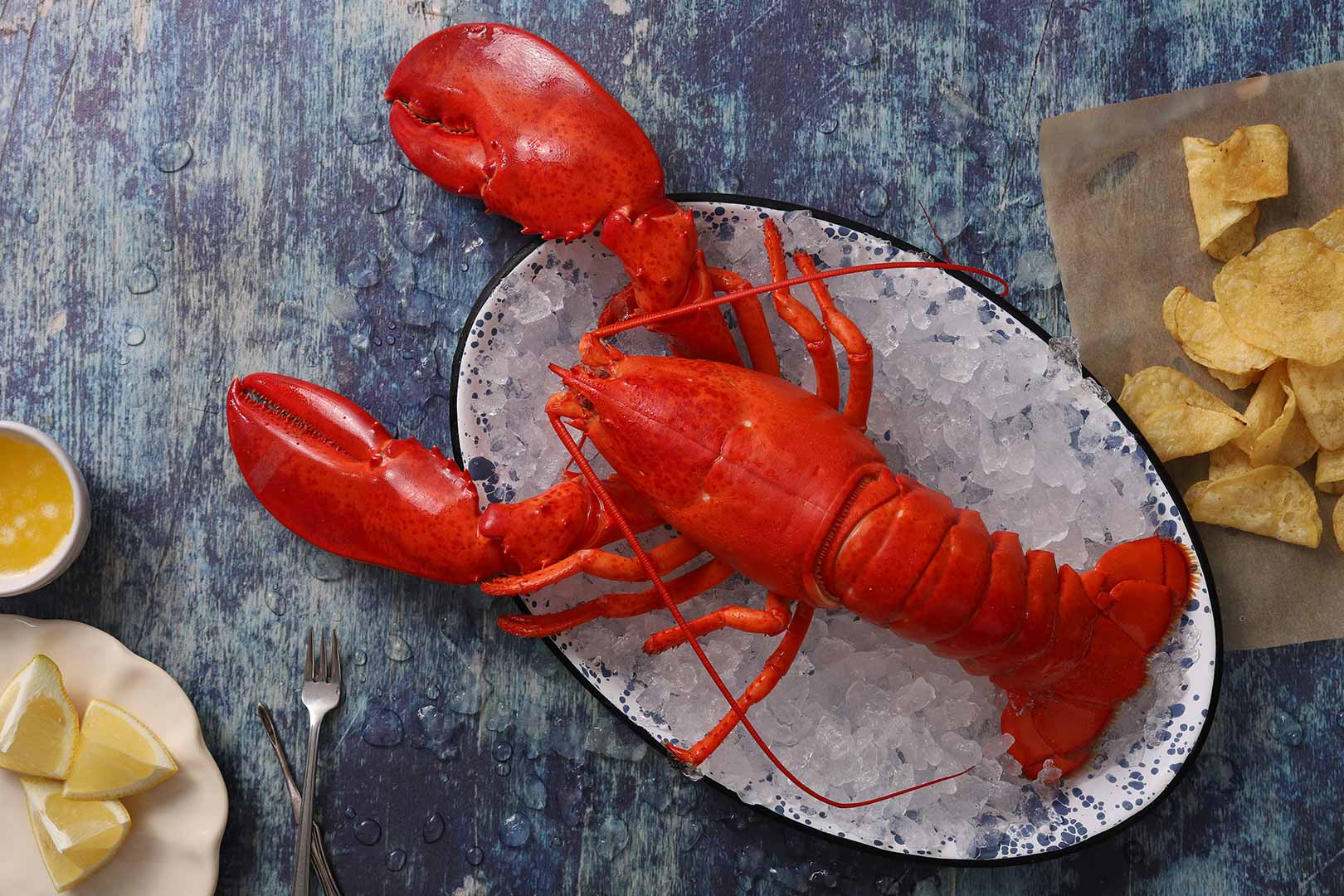
    Minister of Industry and Trade Nguyen Hong Dien has urged China to consider resuming imports of ornate rock lobsters from Vietnam at an early date.

    He made the request Monday at the 12th meeting of the inter-governmental China-Vietnam Economic and Trade Cooperation Committee.

    Exports of the lobsters, one of Vietnam’s major seafood products, to China were stopped two months ago due to that country’s amendments to wildlife conservation laws that now require clear proof of the farming process, including using only second-generation (F2) lobsters raised in farms for breeding and not wild ones.

    Importers in China need to apply for a certification from its Bureau of Fisheries.

    Responding to the request, Chinese Commerce Minister Wang Wentao said Vietnamese ornate rock lobster farms and packing facilities need to register with China Customs.

    Relevant departments in both countries need to inspect and review businesses and aquaculture facilities that export the lobsters to China, he said further.

    He praised Vietnam for its high-quality agricultural products, citing the example of durian fruits, which make up nearly US$2 billion of its exports to China.

    Agricultural products from Vietnam are highly sought-after on Chinese e-commerce sites.

    Wang also said his ministry would help Vietnamese brands establish themselves in the Chinese market and work with Vietnam’s Ministry of Industry and Trade to set up an agency for promoting Vietnamese goods.

    Dien concurred with Wang’s suggestions and expressed Vietnam’s willingness to cooperate in setting up smart customs in Lang Son Province to expedite movement of goods and strengthen bilateral agricultural cooperation.

    China is Vietnam’s biggest trade partner, with their trade valued at $175.6 billion last year. Vietnam is China’s fourth biggest partner.

    The country is also one of the top importers of Vietnam ornate rock lobsters, but the recent legal hurdle has significantly affected their exports.

    In the year to August Vietnam had exported $76 million worth of ornate rock lobsters to China, a 42% year-on-year decline.

  • Mobile World to close 200 unprofitable stores in Q4

    Mobile World to close 200 unprofitable stores in Q4

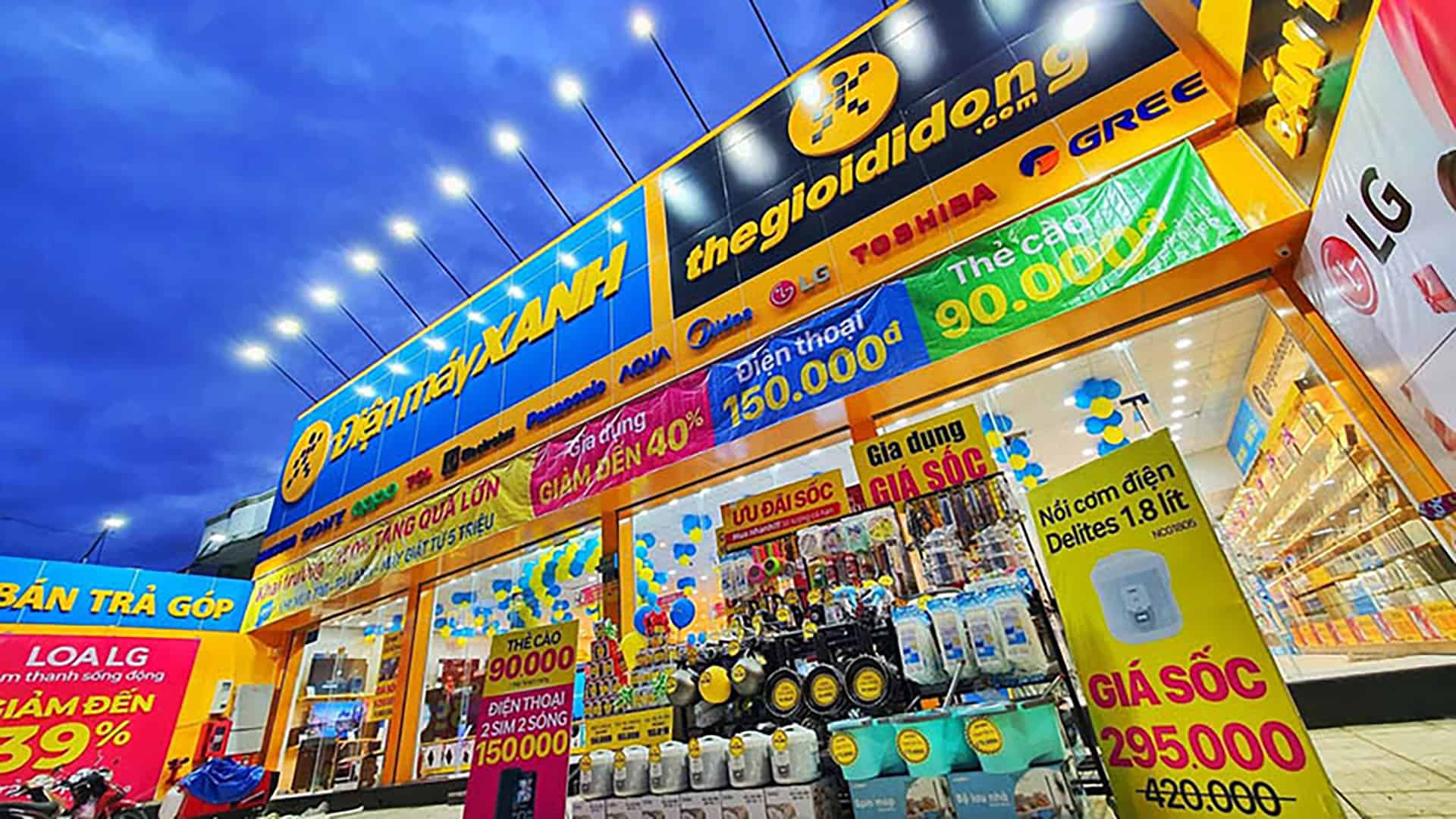
    Leading electronics retailer The Gioi Di Dong (Mobile World – MWG) has said it might close 200 stores with moderate sales this quarter.

    Its October income statement reveals plans to close the underperforming stores to optimize costs.

    It said: “These are stores that have low sales and profit. We will be closely monitoring their performances to adjust appropriately.”

    The company currently has over 5,600 stores, 1,158 of them belonging to electronic goods seller The Gioi Di Dong, 2,281 of them to appliances seller Dien May Xanh, 1,700 to supermarket chain Bach Hoa Xanh, and 540 to An Khang Pharmacy stores.

    Mobile World chairman Nguyen Duc Tai mentioned the possibility of reducing the sizes of the The Gioi Di Dong and Dien May Xanh chains at a recent meeting with shareholders,

    With demand expected to remain low until the economy recovers, it cannot afford to keep underperforming stores open, he told them.

    “Many of MWG’s stores cannot even break even, their performance is much poorer than before.”

    However, he claimed revenues would not be affected since they will merely “move from one store to another.”

    Mobile World’s stores are densely distributed with some situated only a few hundred meters away from each other, he said.

    Gross revenues for October were VND11,190 billion (US$446.3 million), the only month this year in which there saw year-on-year growth.

    The Gioi Di Dong and Dien May Xanh contributed over VND7,800 billion, a 5% decline from a year ago.

    But it was 8% higher than September sales thanks to the launch of the iPhone 15.

    In the year to date the two chains’ revenues totaled VND70,200 billion, 21% down year-on-year.

    But Bach Hoa Xanh’s revenues rose 13% to VND25,300 billion.

    Its October, sales jumped 29% from the previous month to VND3,000 billion, or an average of VND1.7 billion per store.

  • Gasoline, diesel prices drop

    Gasoline prices went down for the second time in a row Thursday, while diesel declined for the third straight time.

    The popular gasoline RON95 fell 2.17% to VND23,020 ($0.95) per liter.

    Diesel went down 2.87% to VND20,280.

    Starting this week, the government will adjust retail fuel prices every Thursday instead of every 10 days as before.

    Global fuel prices dropped slightly in the last ten days due to a decline in demand caused by economic recessions and rising U.S. crude oil inventory.

    RON92 fell 2.9% to $91.09 per barrel, while RON95 dropped 2% to $97.26. Diesel declined 2.4% to $105.15.

  • Vietnam Airlines joins the AAPA

    Vietnam Airlines joins the AAPA

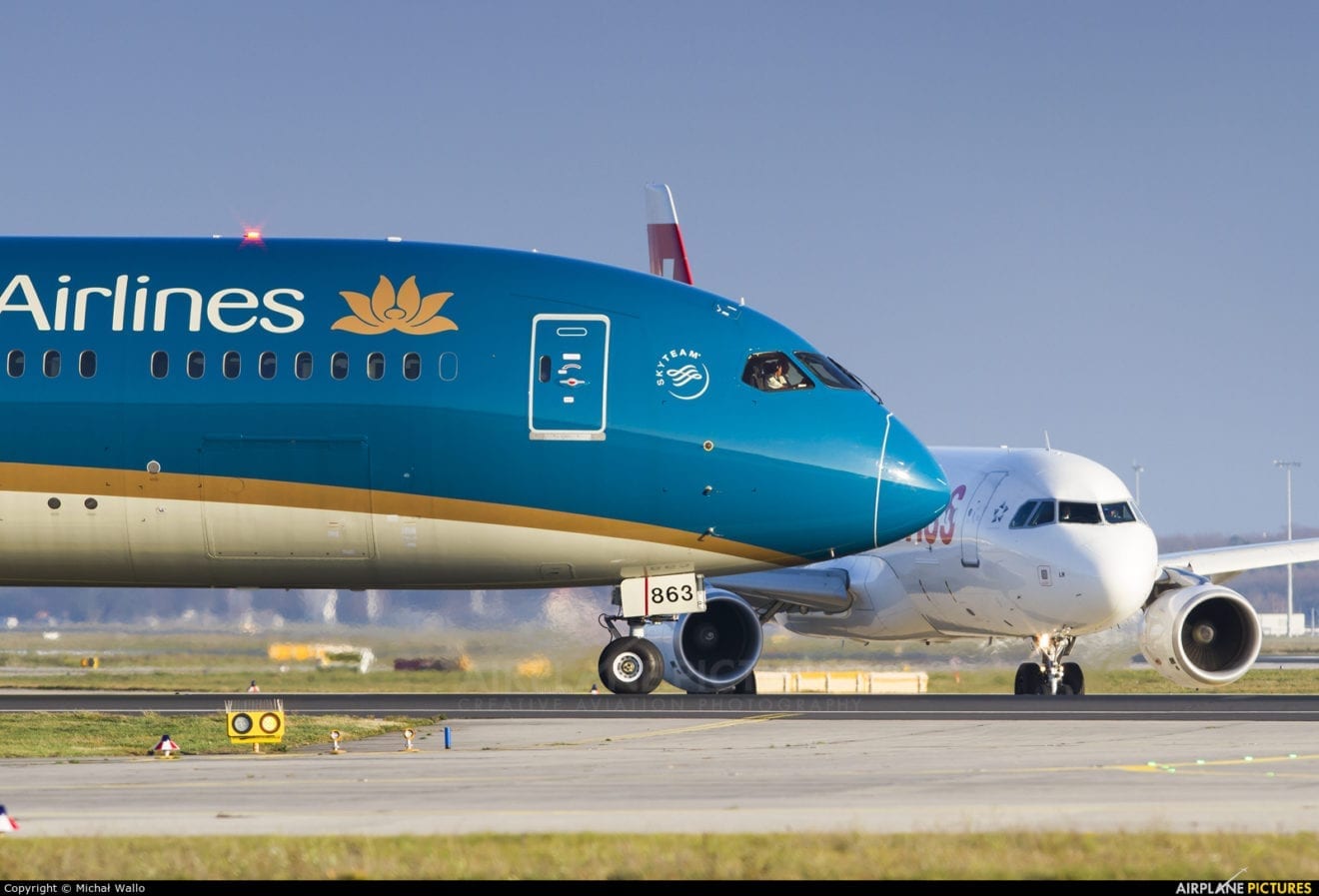
    Vietnam Airlines is the latest member to join the Association of Asia Pacific Airlines (AAPA), as announced by a press release on 14 November, with immediate effect.

    As part of the AAPA, Vietnam Airlines will participate in the Association’s meetings and joint activities, where members can stay updated and exchange information about the trends in the aviation industry. Airline members also receive in-depth insights, forecasts, and advice from the group’s regular monthly distribution.

    On 9-10 November 2023, the AAPA organised its 67th Assembly of Presidents in Singapore, which gathered airline leaders to discuss relevant issues in air transport and aviation, with a core focus on sustainability. The conclusion of the event, which was hosted by airline member Singapore Airlines, saw the passing of a series of resolutions covering sustainability, aviation safety and regulatory impact.

    Airline leaders have agreed to a ‘collective’ target of 5 percent SAF utilisation by 2030, and the trade association is calling on governments, fuel producers, airports, and other industry organisations to come together globally, to accelerate the transition to renewable energy and push the ambitious goal to carbon neutrality by 2050.

    The AAPA’s membership now stands at 15 airlines, which include Air Astana, Air India, ANA, Bangkok Airways, Cathay Pacific, China Airlines, Eva Air, Garuda Indonesia, Japan Airlines, Malaysia Airlines, Philippine Airlines, Royal Brunei Airlines, Singapore Airlines, Thai Airways and Vietnam Airlines.

  • Limited edition Vespa sells for $29,000 in Vietnam

    Limited edition Vespa sells for $29,000 in Vietnam

    Limited edition 10th-anniversary Vespa 946s are selling at private dealerships for over VND700 million ($28,848) in Vietnam.

    Aside from the 28 units that franchise dealers imported last week, private dealers have procured several more Vespa 946 10° Anniversaries from Italy.

    One Ho Chi Minh City showroom on Hung Vuong Street in District 5 has priced the scooter at over VND700 million, while another dealership in the Mekong Delta province of Soc Trang listed it for VND710 million. The Vespa 946 10° Anniversario sells for just VND425 million at franchise dealerships.

    Vespa manufacturer Piaggio produced the limited-edition model mainly to sell to wealthy collectors, according to one showroom owner.

    “Prices for the Vespa 946 can fluctuate depending on collectors’ interest levels. In terms of popularity, the model is not as sought-after as the 946 Dior.”

    In 2022, the Vespa Christian Dior sold for VND1.6 billion at private dealerships, while franchise dealers priced it at VND700 million.

    According to a manager at franchise dealership Motoplex in HCMC, the Dior version garnered much more attention due its exquisite decor made in collaboration with luxury fashion brand Dior.

    Meanwhile, the Vespa 946 10° Anniversaries was designed solely by Piaggio, so it mostly piques the interest of Vespa fans. Piaggio only produced 1,000 units of the limited-edition model.

  • Vietnam Airlines postpones annual general meeting for 4th time

    Vietnam Airlines postpones annual general meeting for 4th time

    Vietnam Airlines has canceled its annual general meeting for a fourth time this year pleading “unfinished” preparations even as it continues to struggle with losses.

    The state-owned carrier informed the Ho Chi Minh Stock Exchange Monday that its meeting scheduled for Nov. 22 has been moved to Dec. 16.

    The AGM was first scheduled for June 20 but the company has been postponing it repeatedly.

    Public companies are required to hold their AGM within four to six months from the end of the financial year.

    In the first nine months of this year the company posted a loss of VND3.3 trillion (US$135.34 million) as against VND7.75 trillion in the same period last year.

    Its revenues were up 32% to VND68.09 trillion.

    Vietnam Airlines’ HVN shares have been restricted to trading in the afternoons only as a penalty for its delay in submitting its financial reports. They have plunged 21% this year to VND10,950.

  • Purple star apple prices skyrocket

    Purple star apple prices skyrocket

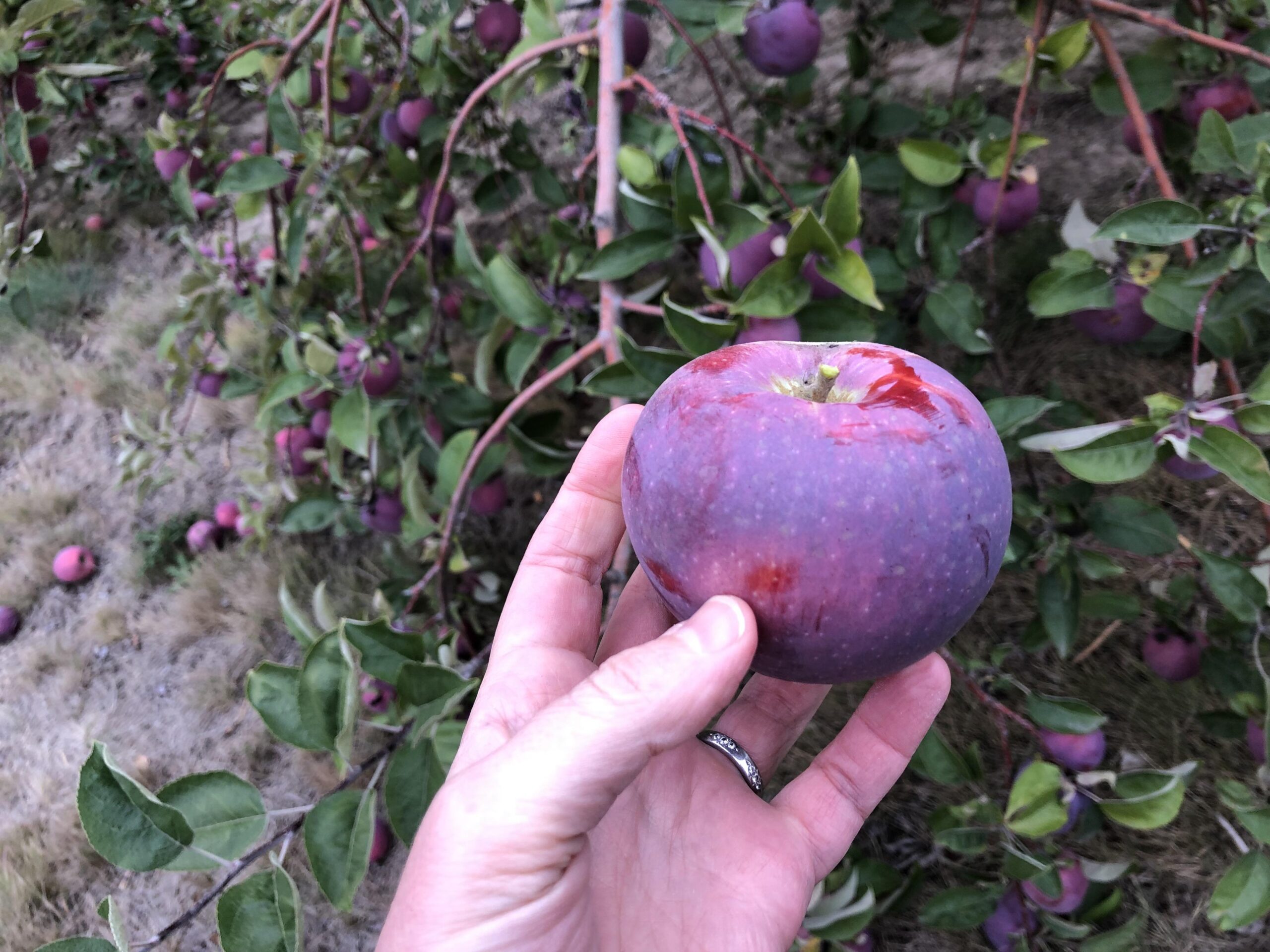
    Purple star apples, popular both in Vietnam and its export markets, have seen prices rise by 30-40% from a year ago.

    The fruit is in season and sells in markets and stores for VND90,000-100,000 (US$3.58-3.97) per kilogram for type 1 (the highest quality), a 40% increase from a year ago, and VND40,000-50,000 for types 2 and 3.

    Oanh, who runs a fruit store on Pham Van Hai Street in HCMC’s Tan Binh District, said the star apples this year are bigger, of better quality and more eye-catching. “Every day I pick up 50 kilograms and sell them all. During holidays the demand is doubled, but there is not enough supply.”

    According to Hanh, a wholesaler at the Thu Duc Agricultural Product Market, type 1 is in short supply. “Every day I procure more than one ton but it is not enough to supply wholesalers. Purple star apple is very scarce at the beginning of the season.”

    A recent VnExpress survey of fruit farmers in Can Tho City and Soc Trang Province found that the highly sought-after fruit is 50% more expensive than last year at VND28,000-35,000 per kilogram.

    Phong, who owns a half-hectare orchard in Can Tho Province, expects to make profits of VND250 million, double the previous season’s. “This year not only is there a bountiful purple star apple harvest, but the price is also skyrocketing.”

    Similarly, farmers in Soc Trang Province, dubbed the “purple star apple capital” of western Vietnam, are overjoyed that exporters are buying their fruit at VND45,000 per kilogram. One-hectare orchards are making profits of VND500-700 million this year.

    Su Quoc Loc, director of the Loc Mai Agriculture Cooperative, which specializes in the fruit, said export prices of fresh star apples are 13% higher from a year ago and domestic prices, 50%.

    The cooperative’s members own 47 orchards that meet VietGAP quality standards, 60% of them more than one hectare.

    Loc attributed the rising prices to increasing exports to the U.S. and China.

    This year, instead of rushing to harvest, which leads to a spike in supply and fall in price, fruit growers have learned to stagger their harvest.

    As a result, the star apple season, which usually lasts from November to January, could extend all the way to April. This method provides a more stable supply and maintains high prices.

    Star apples are mainly being harvested in the Can Tho City and Tien Giang and Soc Trang provinces, according to data from the Plant Protection Department.

    Tien Giang is notable with over 3,000 ha while Soc Trang Province has 2,300 ha, both with different varieties of star apple, such as purple, Lo Ren and pink butter.

    The purple variety is highly valued due to its exquisite shape and is available year-round.

    Star apple is exclusively a Vietnamese export and imported by China and the U.S., with prices paid by the latter reaching nearly VND500,000 per kilogram at one point.

  • Honda Vietnam’s automobile, motorbike sales drop in October

    Honda Vietnam’s automobile, motorbike sales drop in October

    Honda Vietnam has revealed that its retail sales of motorcycles and automobiles in October dropped by 7.5% and 15.9% respectively compared to previous month due to market difficulties.

    In the reviewed period, Honda Vietnam sold 180,881 motorbikes, with 18,452 exported and 2,148 automobiles of all kinds.

    In the fiscal year of 2024 (from April 2023 to March 2024), the company has posted sales of 1,171,108 motorbikes, marking a year-on-year decrease of 12.9%.

    It has sold 12,850 automobiles of all kinds in the fiscal year, a decline of 27.3% over the same period in fiscal year 2023.

    The Honda City sedan continued to be its best-seller with 751 units sold, followed by Honda CR-V and Honda BR-V with 477 units and 468 units, respectively.

  • Imported fruit prices plummet on burgeoning supply

    Imported fruit prices plummet on burgeoning supply

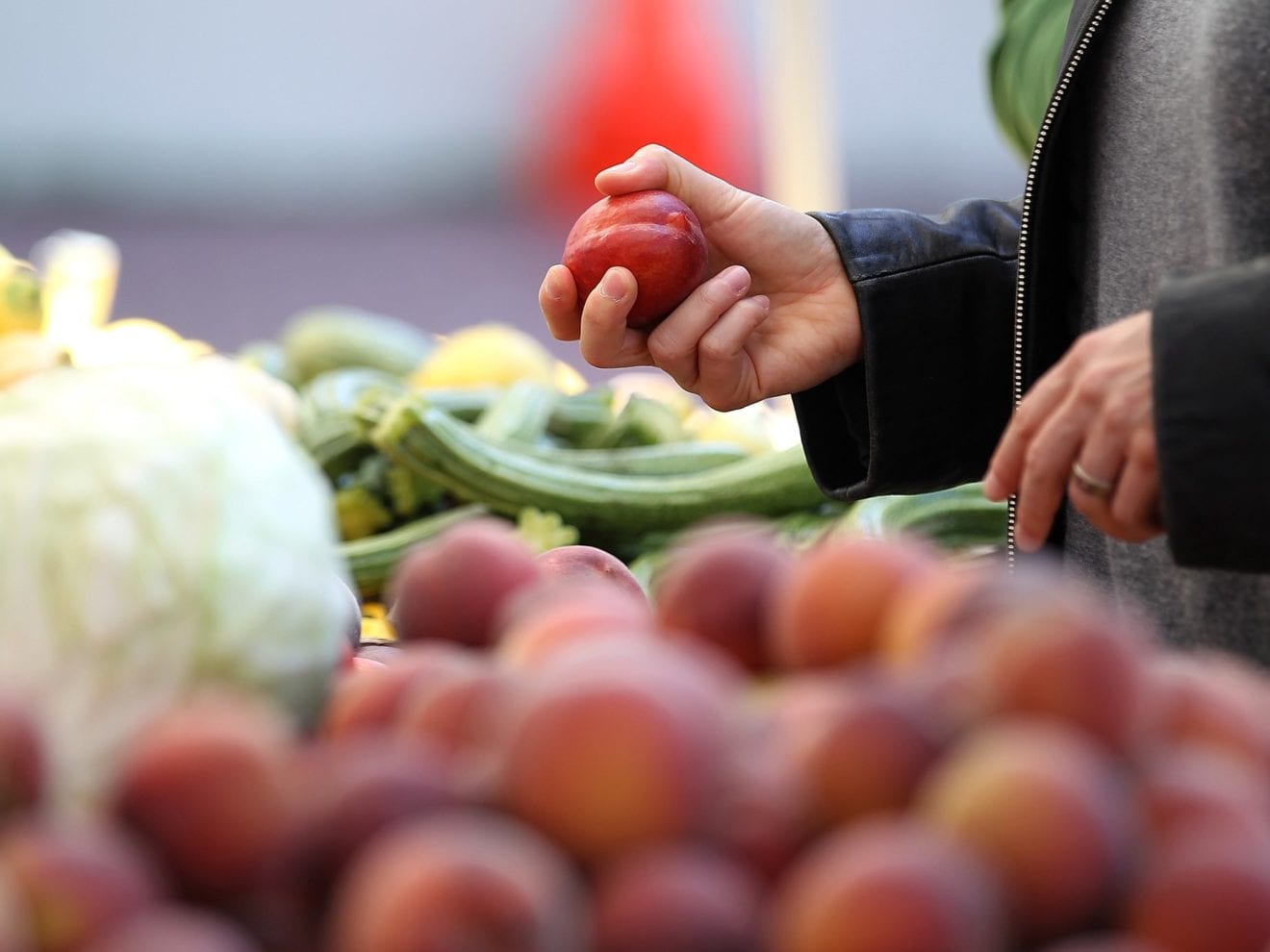
    Imported kiwis, apples, pomegranates, and pears only cost a few tens of thousands of dong (VND24,000=US$1) per kilogram, or a fifth of the prices two years ago.

    Hanh, a seller of imported fruits on Bach Dang Street in HCMC’s Binh Thanh District, said golden kiwi imported from New Zealand is selling at VND200,000 ($8.21) per box of 3.5 kilograms, or VND57,000 per kilogram.

    For those buying more than 10 boxes, the price comes down to VND160,000. “This price is down 15% from a year ago,” she said.

    Imported pomegranate and pear are also becoming cheaper, she said.

    Chinese and Tunisian pomegranates currently sell for VND60,000-70,000 and VND35,000-50,000 per kilogram.

    In 2021, imports from the North African country had cost up to VND250,000.

    First-grade pears imported from South Korea are sold for VND60,000-80,000 per kilogram, and second-grade varieties for VND30,000-40,000, the lowest prices ever.

    The prices of apples imported from New Zealand have also dropped sharply to VND40,000-60,000 per kilogram.

    Envy apples, the most expensive imports along with Japanese apples, cost VND200,000-350,000 two or three years ago, but only VND70,000-110,000 now.

    Thanh, who sells imported fruits at the Thu Duc wholesale market in HCMC, said prices have declined because supply is abundant while demand has not gone up much.

    India and New Zealand have recently sought to export more fruits to Vietnam, and so their prices are attractive, he said.

    Recent deals between Vietnam and China have helped Chinese fruits enter the Vietnamese market easier and at lower prices than before.

    Dang Phuc Nguyen, general secretary of the Vietnam Fruit and Vegetable Association, said the country’s accession to free trade agreements has brought down import taxes on fruits and vegetables virtually to zero.

    According to statistics from the General Department of Vietnam Customs, the country imported fruits and vegetables worth $1.6 billion in the first 10 months of this year.

    Imports of fruits at low prices from countries such as India, New Zealand and South Korea were up 4-62% year-on-year.

  • Vietnam’s power prices increase by 4.5%

    Vietnam’s power prices increase by 4.5%

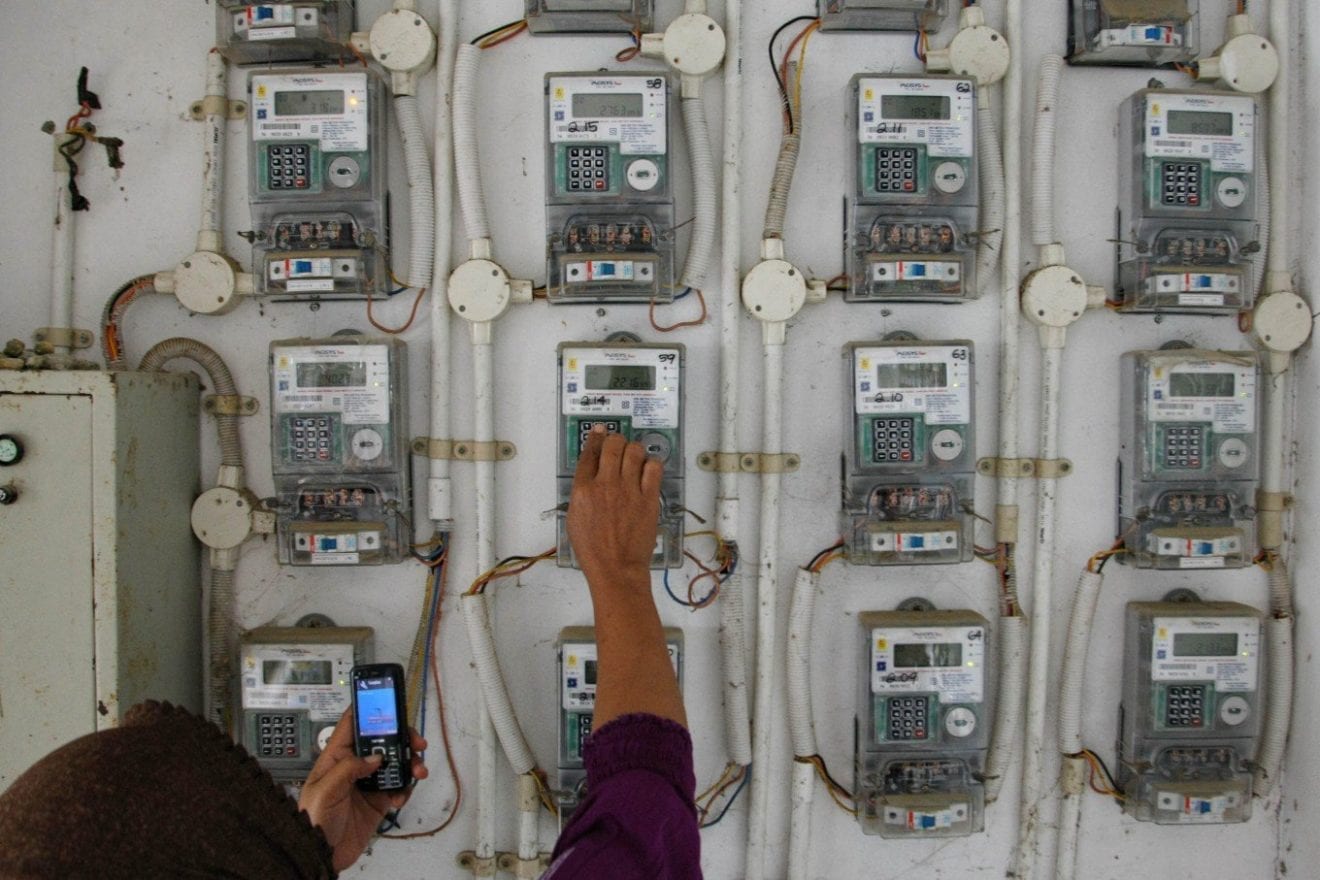
    Starting Thursday, Vietnam’s power prices increased by 4.5% to over VND2,000 (8.2 U.S. cents) per kWh, the second time they went up this year.

    Average power prices have increased from VND1,920.37 to VND2,006.79 per kWh, just six months after prices increased by 3% in May, state-owned Vietnam Electricity (EVN) announced.

    Nguyen Quoc Dung, head of the business department of EVN, said the government would continue to support those in circumstances through cash financially, their values being 30 kWh worth of power use a month.

    Nguyen Dinh Phuoc, EVN’s head accountant, said that power prices for domestic use are still lower than those for industrial use after the increase. He also said EVN proposed the 4.5% increase to ensure social security and socio-economic criteria.

    The price increase will help EVN earn an additional VND3.2 trillion (US$131.39 million) until the end of this year.

    EVN said certain factors impacted its costs this year, including hydropower production dropping by 17 billion kWh, while fuel prices remain high.

    Production costs account for 83% of energy pricing, it said. The firm adds that with current fuel prices, each kWh of energy produced costs around VND2,098.

    Last year, EVN reported over VND26 trillion of losses.

    In a recent report by the Ministry of Planning and Investment, its losses have increased by another VND28 trillion in eight months.