Tag: Vietnam

  • Coconut prices fall on bumper crop

    Coconut prices fall on bumper crop

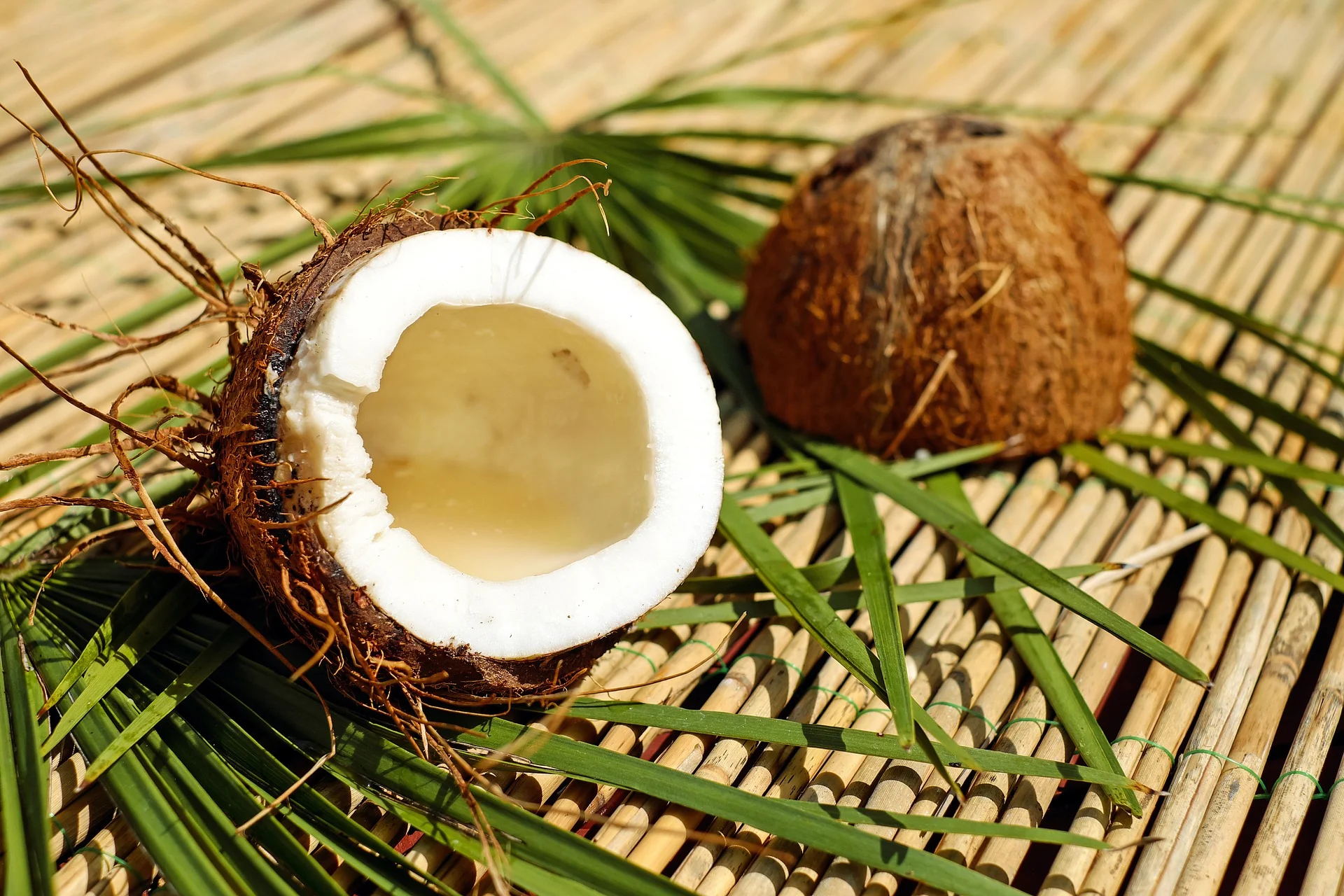
    It is the coconut harvest in the Mekong Delta, but with exports falling, prices have halved from a year ago to VND1,500-2,900 (US$0.06-0.12) for a nut, causing farmers losses.

    Phan Van Dinh, 68, of Giong Trom District in Ben Tre, Vietnam’s biggest coconut-growing province, has an orchard of 2,000 square meters.

    “At present, we only manage to sell VND1 million worth of coconuts a month, enough only to cover costs, not profit,” he said.

    Traders are buying at VND2,500-2,900 apiece, down from VND5,000-5,800 a year ago, he said.

    Le Van Trong, owner of a 6,000-sq.m orchard in Ben Tre, does not want to sell the 2,500 fruits he has harvested because traders are offering only VND1,500, saying they are too small.

    He is now drying the coconuts to sell them as seedlings for cultivation.

    Huynh Quang Duc, deputy director of the Ben Tre Department of Agriculture and Rural Development, said it is the coconut harvest season with large output, causing prices to fall.

    Ben Tre has over 74,000 hectares of orchards, or 80% of the total coconut growing area in the delta and 50% of Vietnam’s.

    Besides some exports to the U.S., coconuts are mainly exported to China via border trade.

    “We are waiting for exports to China through the official quota with a much bigger volume, so that the life of coconut growers will improve,” Duc added.

  • EV maker VinFast to invest $1.2B in Indonesia

    EV maker VinFast to invest $1.2B in Indonesia

    Vietnam’s first electric vehicle (EV) maker VinFast plans to build a plant with an investment capital of 18.6 trillion Rp (US$1.2 billion) in Indonesia, according to Presidential Chief of Staff of Indonesia Moeldoko.

    Moeldoko told a press on Nov. 6 that the construction will begin as soon as possible. He, however, did not reveal further details of the plan.

    Vinfast is one of the largest EV manufacturers in Southeast Asia, with its cars exported to Europe and America, the official said, adding its investment in Indonesia can help form an EV ecosystem in the country.

    Indonesia’s media reported that in early September, Vinfast leaders had a meeting with Indonesian Trade Minister Zulkifli Hasan who pledged to facilitate the automaker’s operation.

    Secretary General of the Association of Indonesia Automotive Industry (Gaikindo) Kukuh Kumara said in late October that Vinfast has discussed and expressed its willingness to join the association.

    The manufacturer is completing necessary procedures with the Indonesian government before officially entering the country’s auto market, he said.

  • Shrinking Chinese exports halve dragon fruit prices

    Shrinking Chinese exports halve dragon fruit prices

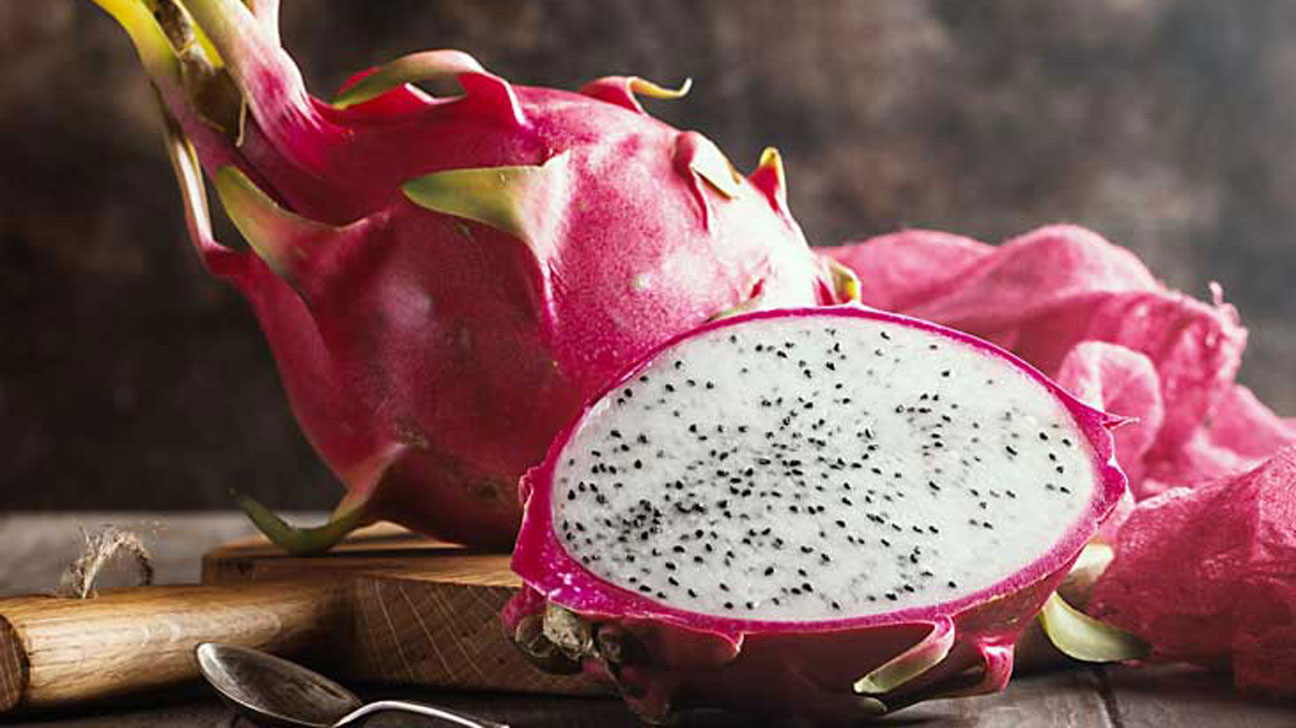
    Vietnamese red-fleshed dragon fruit is selling for VND10,000-13,000 (US$0.41-0.53) per kilogram, down 50% against same period last year, due to reduced imports from China.

    Hoang, who sells fruits from a cart on Go Vap District’s Thong Nhat Road in Ho Chi Minh City, said this is the first time red-fleshed dragon fruit has been sold at stalls on roads and streets in the city.

    Thuan, another mobile fruit seller on Pham Van Dong Road in Thu Duc City, said: “Many dragon fruit growers in the Mekong Delta province of Tien Giang sell the fruit at such a low price that they barely want to harvest them anymore.”

    In the province’s Cho Gao District, traders are buying red-fleshed dragon fruit from orchards at prices of VND4,000-8,000 per kilogram.

    Huu, who grows 4,000 square meters of red-fleshed dragon fruit in the district, said he does not make a profit at current prices.

    If earnings from the fruit continue to decrease, his family may switch to other crops.

    According to the Long An Dragon Fruit Association, the province has 9,000 hectares of dragon fruit, down from the peak of 12,000 hectares some years ago.

    Fruit exporters said the prices have fallen because China has reduced imports, meanwhile, Vietnamese demand for the fruit is weak since many other tropical fruits with attractive prices are currently in season.

    Last year, Chinese authorities said the nation had grown the fruit on 67,000 hectares, producing 1.6 million tons. The figures exceeded Vietnam’s current output.

    Chinese newspaper The People’s Daily reported that farmers in Cixi, part of the eastern province of Zhejiang, worked all night to artificially pollinate dragon fruit, ensuring a bumper crop.

    Red-fleshed dragon fruit is selling for seven renminbi (nearly $1) per kilogram, while white-fleshed dragon fruit imported from Vietnam goes for around nine renminbi in Nanning, the capital of Guangxi Province.

    Vietnam’s dragon fruit exports in the first eight months declined 4.4% year-on-year to $442 million. Specifically, red-fleshed dragon fruit exports to China dropped by 36.5%.

  • FedEx speeds up Vietnam-Singapore service with B767F

    FedEx speeds up Vietnam-Singapore service with B767F

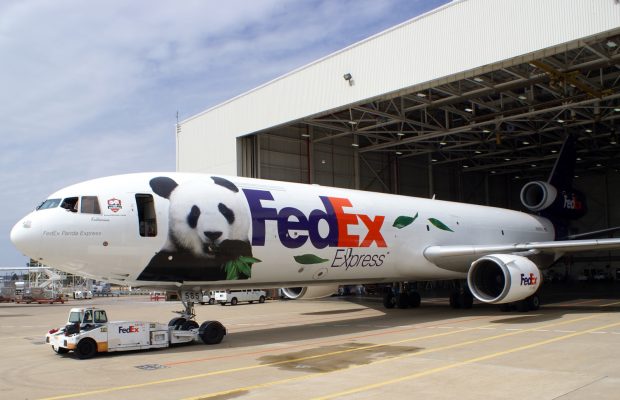
    FedEx Express is further enhancing its services between Vietnam and Singapore as well as the wider Asia, Middle East, Africa (AMEA) and Europe market, with the introduction of a new flight offering expedited delivery times.

    The new service will use a dedicated B767 freighter starting October 31 to fly four times a week in the evenings from Ho Chi Minh City to Asia and Europe through the FedEx hub in Guangzhou, China.

    Exporters shipping from Southern Vietnam will benefit from faster transit times for shipments to Singapore and major Asian markets in just one business day, and two business days to Europe.

    These new flights offer additional capacity on top of the current five flights to Asia, Europe, and the US. These include four daily morning services through the FedEx hub in Singapore and the existing evening flight through the Guangzhou hub.

    FedEx has been supporting cross-border trade to and from Vietnam since it established operations in the country in 1994.

  • More global digital platforms pay taxes in Vietnam

    More global digital platforms pay taxes in Vietnam

    Seven four cross-border digital platforms, including Meta, Google, Netflix, and TikTok, have paid taxes of VND8.02 trillion (US$334.1 million) this year, more than double the amount last year.

    The General Department of Taxation said as of June some 57 had paid taxes, and urged others who had yet to declare and pay taxes to do so.

    Since March 2022, when the department’s electronic information portal for foreign service providers to pay taxes online easily was set up, a total of VND11.5 trillion has been paid.

    Also, 375 e-commerce platforms have provided tax authorities with information about organizations and individuals that did business through them.

  • Vietnam pho, milk tea franchised for first time in Philippines

    Vietnam pho, milk tea franchised for first time in Philippines

    The famous noodles dish pho has been franchised for the first time in the Philippines along with milk tea and spa services by three Vietnam’s companies.

    Pho’S, Phuc Tea and Care With Love have signed franchise contracts with Philippine businesses through the ecosystem of Go Global Holdings, a company that helps small and medium-sized businesses become franchisers, its CEO, Nguyen Tuan Quynh, said Thursday.

    Many foreign brands have been rushing into Vietnam to franchise their products and services in recent years, but there have been few such efforts in the reverse direction, and even fewer have succeeded, he said.

    “These franchise contracts are therefore positive signs for Vietnamese firms.”

    Tran Thao Vi, founder of spa service provider Care With Love, told VnExpress that a franchise deal has been signed with a Philippine partner specializing in medical services.

    “In two months we will launch our first franchise in the Philippines and open another three in the first quarter next year, and eventually have dozens of spas in the country.”

    Care With Love has been operating for 11 years with 13 branches. It plans to increase the number to 20 by the end of this year, 80% of them franchises.

    Tran Nhat Vu, co-founder of beverage chain Phuc Tea, which has 140 stores in Vietnam after six years since opening, said the franchise partner would open around 20 stores in the Philippine capital Manila next year.

    The franchise fee for each Pho’S and Phuc Tea store is US$7,000-10,000.

    The three companies said the Philippines partners were interested because their business models are “unique” with their focus on middle-class customers.

    Pho’S is the first major company to use ginseng in its recipe, while Phuc Tea has been making new beverages from unusual ingredients.

    The three companies are also in talks for franchising in Indonesia and Malaysia.

    Vietnamese companies to launch franchises overseas so far are footwear and leather company T&T, Pho 24 and Vu Giang Jsc under the brand Bobby Brewers coffee chain.

  • Vietnam told to boost halal food exports

    Vietnam told to boost halal food exports

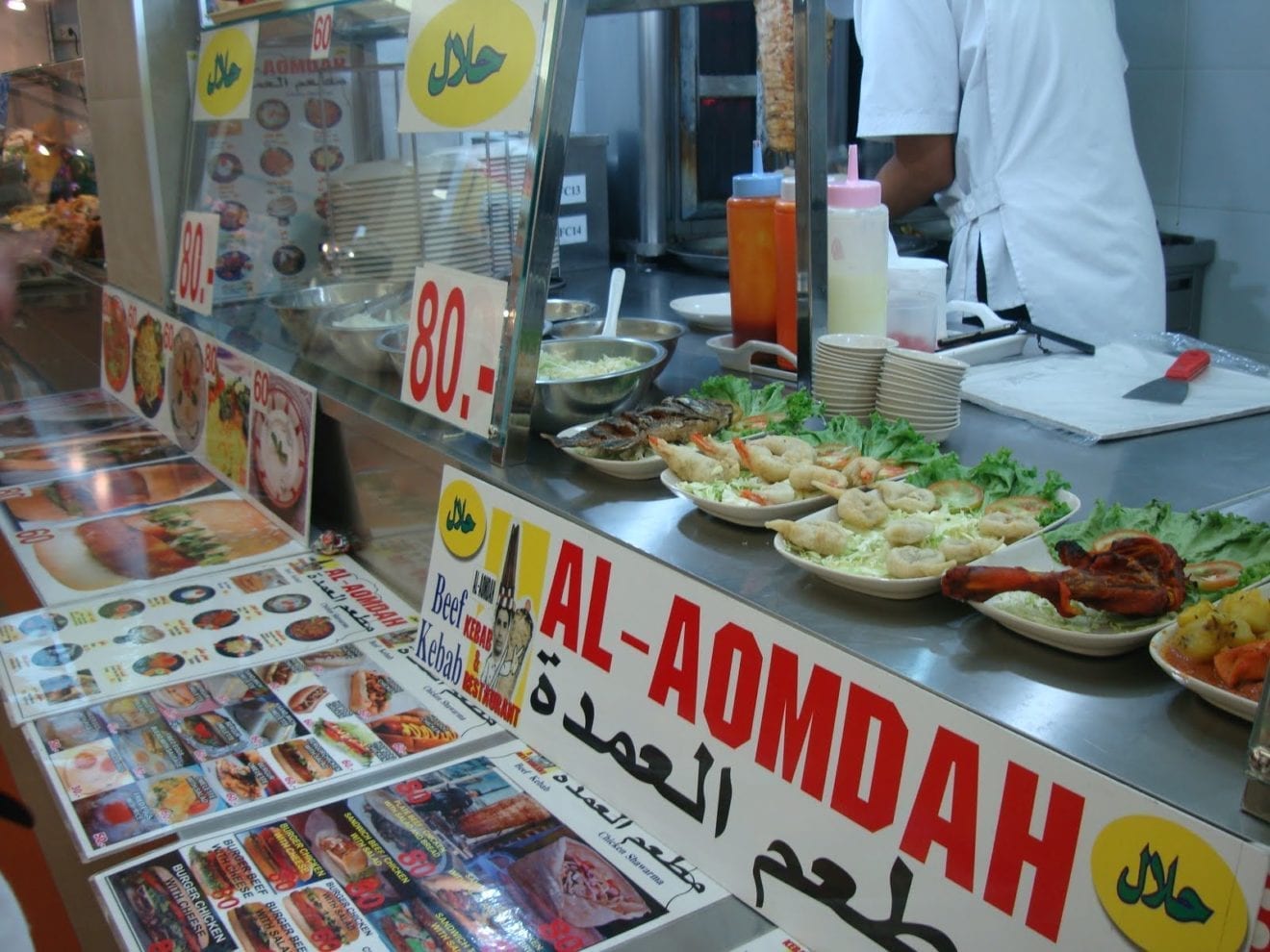
    Countries with large Muslim populations have called on Vietnam to produce and export halal products amid increasing demand for them.

    “The halal food industry is a billion-dollar opportunity for which we can cooperate and develop,” Agustaviano Sofjan, Indonesia’s consul general in Ho Chi Minh City, said at a forum titled “Cooperation and Development of Halal industry in ASEAN” held in the city on Monday.

    With the largest Muslim population in the world, Indonesia has a halal market of US$180 billion, and it is expected to skyrocket to $281 billion by 2025.

    Malaysia also has big demand for halal products.

    Rosmizah Binti Mat Jusoh, commercial consul at the Malaysian consulate general in the city, said Vietnam is still new to the halal industry and needs to create an ecosystem for it, and Malaysia could help it through the certification process step by step.

    Singapore also has big demand for halal items though Muslims only make up 14% of its population.

    Jason Yeo, vice president of the Singapore Chamber of Commerce in Vietnam, said his country receives millions of tourists every year from the Middle East and Central Asia. “This makes halal certification extremely important for companies operating in Singapore and our partners across the region and the world.”

    The Singapore halal market is expected to grow by 8-10% in the next few years, he said.

    At the forum, Cao Thi Phi Van, deputy director of the Ho Chi Minh City Investment and Trade Promotion Center, said countries such as Indonesia, Malaysia and Saudi Arabia have expressed a desire to collaborate with Vietnam in investing and developing the halal industry.

    The global halal economy is worth US$7 trillion and expected to reach $10 trillion before 2028.
    The Southeast Asian market alone is worth $230 billion, but Vietnam’s exports of halal products remain minuscule.

    Vietnam is among the world’s top 20 exporters, but is nowhere in the list of halal food suppliers.

    According to statistics from the General Department of Vietnam Customs, the country’s total trade with Muslim countries in the ASEAN region stood at $26.37 billion in the first nine months of this year.

    Van said Vietnam has the potential to do well in the regional and global halal markets because of its agricultural and fishery strengths, close proximity to major halal markets and many free trade agreements.

    But it only exports around 20 products to halal markets, and 40% of its cities and provinces do not produce halal-certified items for export.

    Ly Kim Chi, chairwoman of the Food and Foodstuff Association of Ho Chi Minh City, said on average 50 businesses get their products, mainly seafood, beverages and confectionery, halal-certified every year.

    Tee Ramlan, director of the Vietnam Halal Center, said there are around 70 economies to which Vietnam can export halal products. “Thailand and Taiwan already export many halal products, so why doesn’t Vietnam?”

    He said the first step is to develop highly skilled human resources for the halal industry.

    Van proposed increasing links between HCMC and its neighboring provinces to raise awareness of halal products and form a closed supply chain for them extending to exports.

    Recently the Ministries of Science and Technology and Industry and Trade developed four national standards for halal.

    In February, the Government had unveiled a scheme for strengthening international cooperation to develop Vietnam’s halal industry for until 2030.

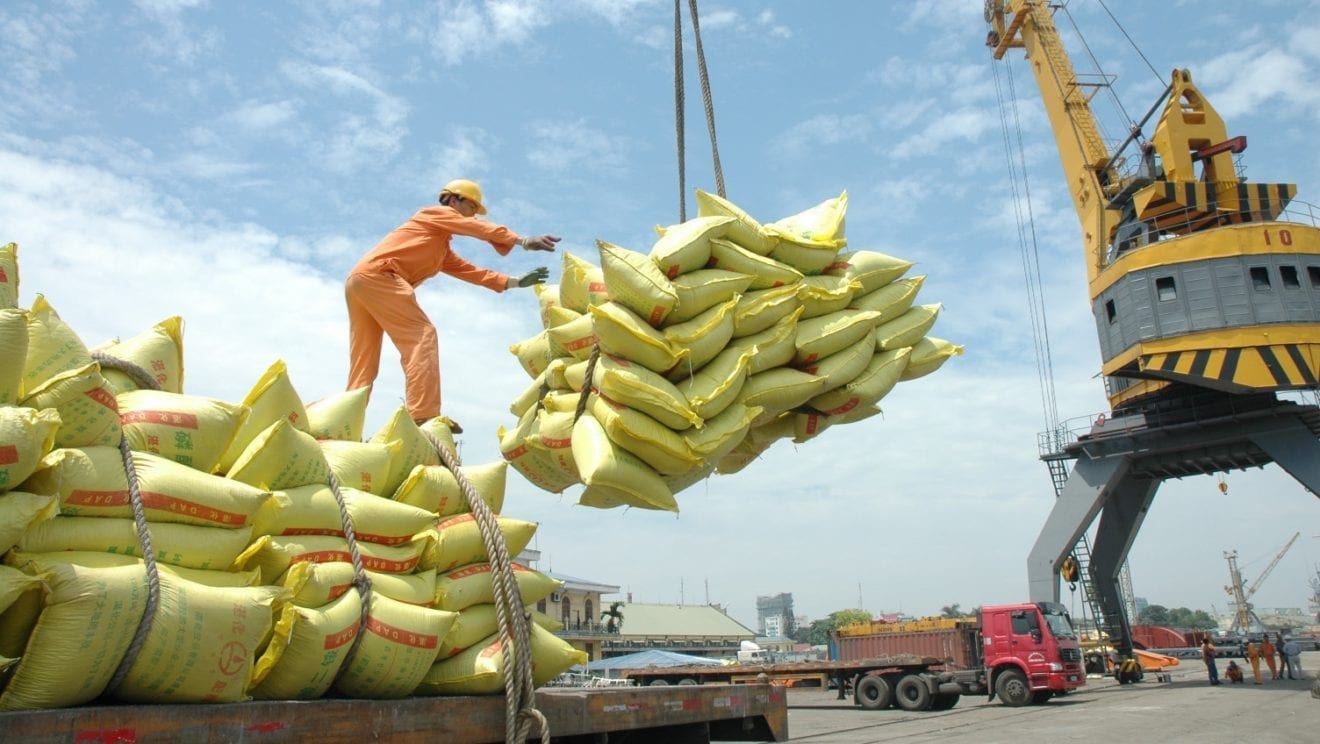
  • Domestic rice prices reach new peak

    Domestic rice prices reach new peak

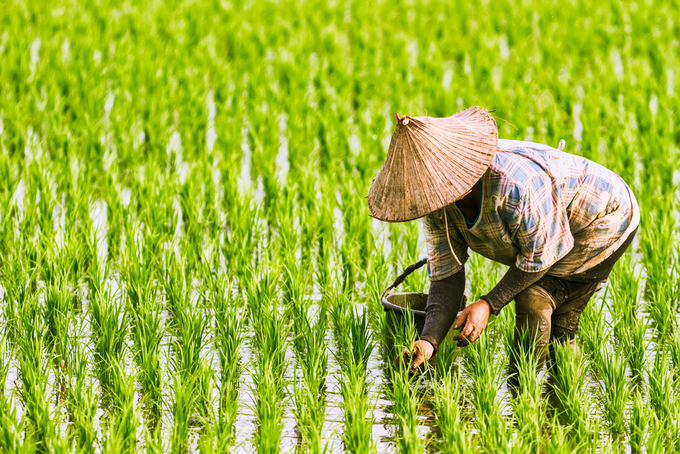
    Vietnam’s domestic rice prices have surged to a new record amid rising export demand while authorities ensure there is no supply shortage for consumers.

    Rice seller Thanh in Ho Chi Minh City’s Tan Binh District said that he has recently sourced price the popular Dai Thom rice from manufacturers at VND21,000 ($0.85) per kilogram, up 5% from last month and 16% year-on-year to a new record.

    Other types rose 7% from a month ago, he added.

    In Go Vap District, rice shop owner Hoa said prices had risen 12% from last month for certain brands.

    “Manufacturers say that prices will continue to rise as they have already placed orders at farmers who demanded higher prices,” he said.

    Supermarkets are also selling at prices 5-10% higher year-on-year.

    WinMart has raised prices on most of its rice, while Central Retail said that it has yet to adjust retail prices, to support consumers, even though suppliers have raised prices by 10%. Saigon Co.op is considering raising prices.

    Businesses that use a lot of rice are feeling the heat. Hoang Oanh, owner of a rice noodles manufacturer in HCMC, said that she had to reduce production to minimize risks of losses as rice prices have surged recently.

    Dinh Ngoc Tam, deputy CEO of rice exporter Co May, attributed the price rise to surging global demand.

    As India’s ban on some rice variety exports remains, the world is seeing a 40% drop in supply from the country, while other countries such as Indonesia, China and the Philippines still have high demands.

    Indonesian businesses are willing to buy from Vietnamese exporters at up to $650 per ton, a record high, according to data from exporters.

    There is no concern about domestic supply, but as traders are competing and paying more to ensure they can fulfil export orders, prices are rising, Tam said.

    Other industry insiders say that Chinese importers are buying more to ensure supply for their Lunar New Year holiday next year, which pushed up prices.

    Nguyen Nhu Cuong, head of the Department of Horticulture under the Ministry of Agriculture and Rural Development, said that there was no concern about a shortage in the domestic rice market.

    The rice crop area has increased by 30,000 hectares year-on-year, he added.

    In the first season of next year, yield is set to rise from 2022 to reach 20 million tons of paddy as farmers’ techniques are improved, he said.

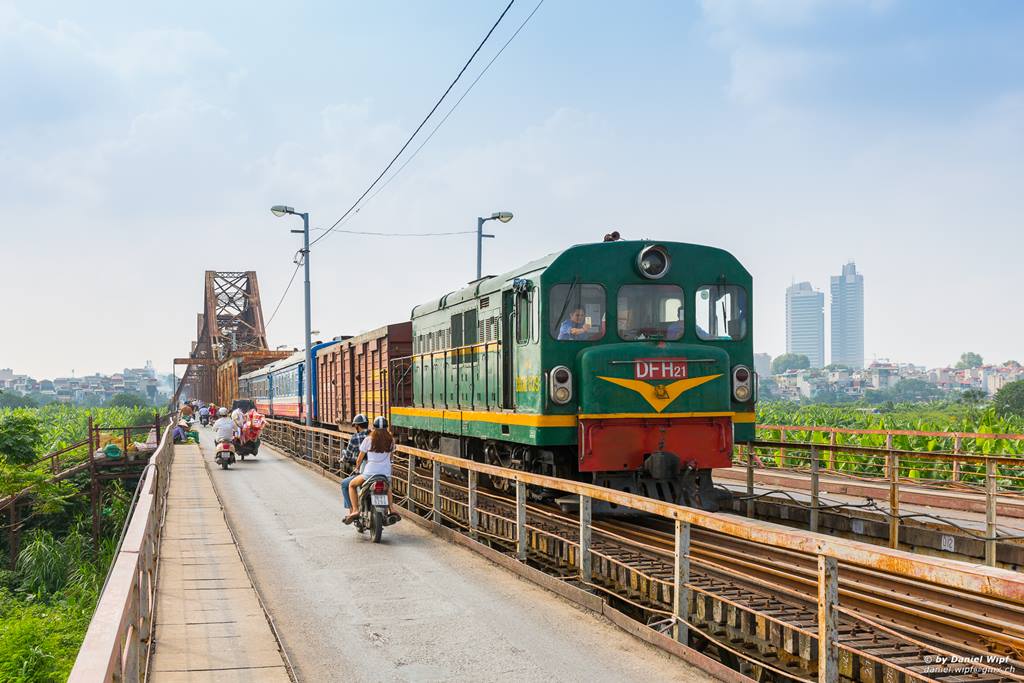
  • Hanoi Railway Transport reports record profit

    Hanoi Railway Transport reports record profit

    The Hanoi Railway Transport Joint Stock Company has reported record after-tax profits of VND54 billion (US$2.2 million) mainly due to a nonrecurring revenue item, interest in bank deposits.

    It received interest of VND245 billion on deposits, but also managed to trim expenses, according to its latest financial statements. Gross profit rose 40% year-on-year to VND110 billion. However, total revenues were down 5% to VND637 billion.

    The company has improved its profits for three consecutive quarters, but still has accumulated losses of VND285 billion after 11 quarters of losses during the Covid pandemic.

    For the year to date it had revenues of VND1.895 trillion and profits of VND98 billion, the former only slightly up year-on-year but the latter surging 2.8-fold.

    This year the company is promoting cargo transportation and joining hands with major travel agencies to transport foreign tourists.

    The company, one of the two biggest subsidiaries of the Vietnam Railways Corporation, operates northern and the Hanoi-Ho Chi Minh City routes and international transportation of goods and passengers through two northern border gates.

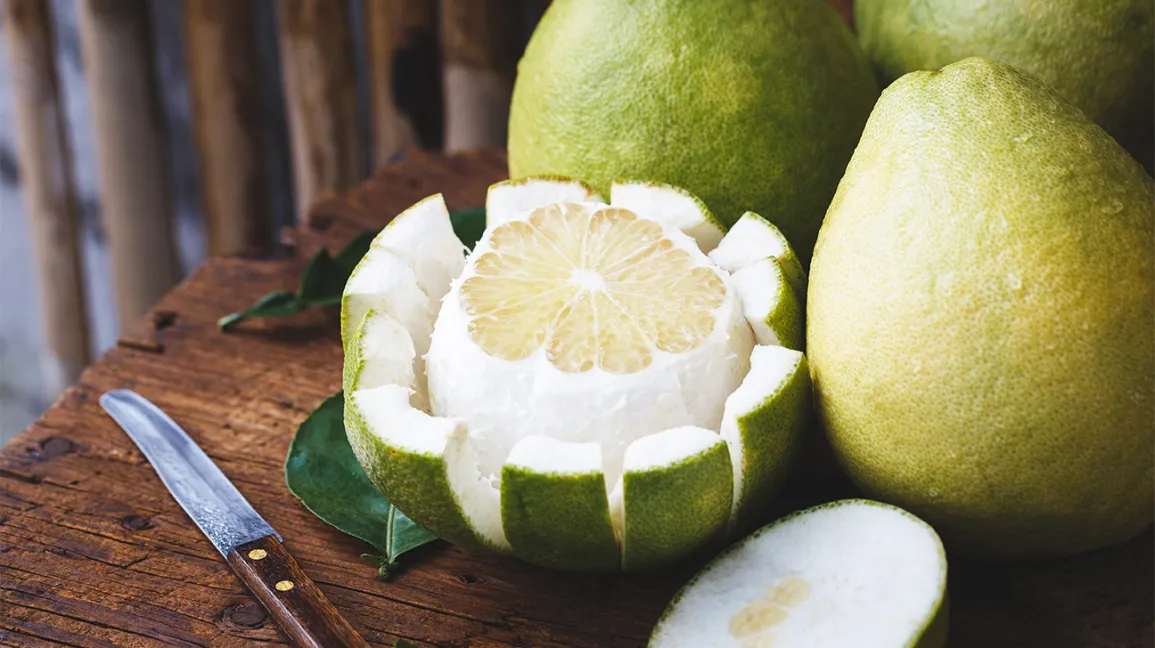
  • Pomelo exports soar as New Zealand, US start buying

    Pomelo exports soar as New Zealand, US start buying

    Pomelo exports have surged this year after shipments to the U.S. and New Zealand began, with the figure for the first eight months standing at US$29.6 million. It represented a 144% year-on-year increase.

    Dang Phuc Nguyen, general secretary of the Fruit and Vegetable Association, said pomelos, previously exported only to the EU and the Middle East, have been shipped to the U.S. and New Zealand since the end of 2022.

    With the quality of Vietnam’s green-skin pomelo improving rapidly, it is becoming popular in many countries, he said.

    Nguyen Dinh Tung, general director of Vina T&T Export Import Service Trading Company, which accounts for 60% of all fruits and vegetables exported to the U.S., said Vietnamese pomelos face competition from China and Mexico, but are gaining a stronger foothold in the market.

    In the U.S. market, Vietnamese pomelo is sold at $9 per kilogram and Chinese varieties at only $2, but the former has won over more and more consumers due to its quality, he said.

    “This is the first year my company exports pomelos to the U.S., but volumes have increased sharply each quarter. In the first three months of this year we exported four 40-foot containers a month, now we export 16.”

    Fresh pomelo is the seventh fruit after mango, longan, lychee, dragon fruit, rambutan, and star apple that Vietnam exports to the U.S.

    The Plant Protection Department said pomelo is exported to 12 countries and territories.

    Vietnam has 105,400 hectares under the fruit and an annual output of 905,000 tons.

    Most of the green-skin pomelo is grown in the Mekong Delta.

  • Vietnam eyes stronger cooperation with US

    Vietnam eyes stronger cooperation with US

    Vietnam and the U.S. should further promote the Comprehensive Strategic Partnership more effectively and substantively, focusing on economic cooperation, said Prime Minister Pham Minh Chinh.

    The PM made the statement at a reception in Hanoi on Wednesday for Chief Economist at the U.S. Department of State Emily Blanchard, who is on a working visit to Vietnam.

    The two sides reviewed outstanding achievements in the bilateral ties, agreeing that the Vietnam – U.S. relationship has witnessed comprehensive, stable and substantive developments, bringing practical benefits to both countries and contributing to peace, stability, cooperation and development in the region and the world.

    They emphasized the significance of the upgrading of the Vietnam – U.S. relationship to a comprehensive strategic partnership in September, saying that this will bring opportunities and practical benefits to both countries.

    PM Chinh suggested the U.S. side continue cooperation with Vietnam in energy transition, climate change response, tourism and people-to-people exchange, handling of post-war consequences, and enhancement of national governance capacity, and increase scholarships to Vietnamese students.

    He highly valued the U.S. government’s decision to consider recognizing Vietnam’s market economy status, urging the U.S. side to complete this process soon.

    The two sides need to continue efforts to promote connection between their economies, promote harmonious and sustainable trade exchange, and facilitate investment cooperation between the two sides’ businesses, he said.

    The PM proposed the U.S. continue to open the market to Vietnamese goods such as textiles, footwear, and electronics, and limit anti-dumping and anti-subsidy tax measures and other unnecessary measures on Vietnamese exports, especially farm produce, wooden products and items that directly impact jobs and livelihoods of people.

    He affirmed that the Vietnamese Government will always accompany, support, and create an open, transparent, safe, and healthy business and investment climate for U.S. businesses to operate effectively in the country.

    Blanchard agreed with the PM’s proposal on the need to concretize and effectively implement the new relationship framework between the two countries, especially promoting the above-mentioned key areas.

    She highly valued of Vietnam’s outstanding achievements in economic growth, macroeconomic management, and inflation control, expressing her belief that with the increasingly improved investment and business environment in Vietnam, the country will attract more U.S. investors in the time to come.

    There remains room for the two sides to expand cooperation further, she said, promising to continue to contribute to promoting and deepening the Vietnam-U.S. relations.

    The U.S. is willing to share its experience in economic policy as well as how to coordinate to respond to fluctuations in the global economy effectively, she stated.

  • Vietravel Airlines appoints new CEO

    Vietravel Airlines appoints new CEO

    Nguyen Minh Hai, who was the CEO of Bamboo Airways for two months earlier this year, has been appointed new CEO of Vietravel Airlines.

    He replaced Vu Duc Bien, who has been running the company since its foundation in 2020. Bien quit for personal reasons.

    Hai has 25 years of experience in the aviation industry. He was previously deputy CEO of Vietnam Airlines and CEO of Cambodia’s Angkor Air.

    Hai was appointed CEO of Bamboo Airways in May and was expected to bring the company to profitability, but he quit in July.

    He is set to face difficulties managing Vietravel Airlines, which has been struggling to expand since its maiden flight early in 2021.

    Its fleet size is limited at four jets and its routes are few. The company is still looking for a strategic investor to quickly expand.

    The airline recently appointed former German vice-chancellor Philipp Rösler as a director to help expand its international network.

    It plans to issue shares to increase its charter capital from VND1.3 trillion (US$52.88 million) to VND2 trillion in the near future and to enlarge its fleet and expand its routes.

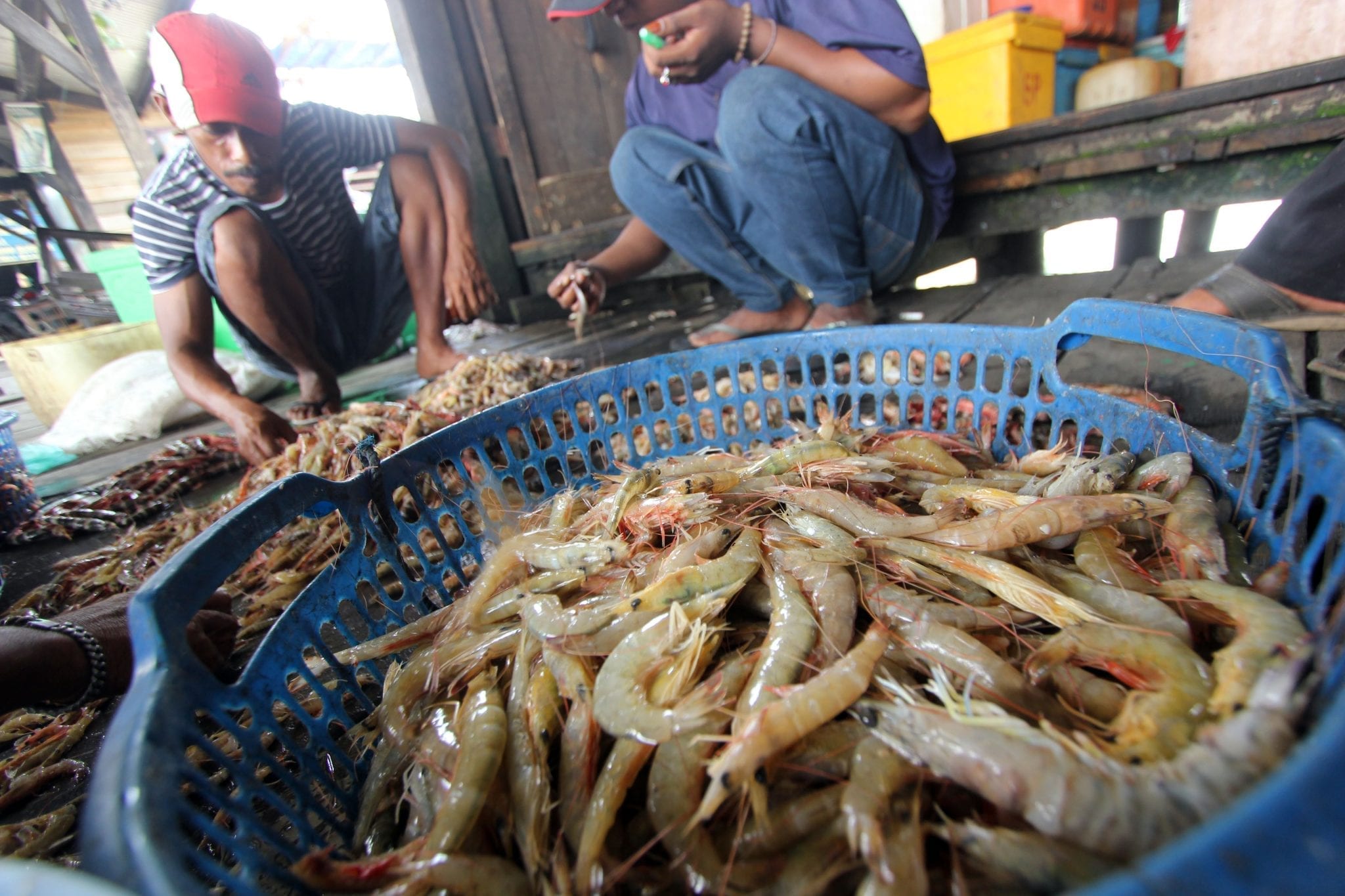
  • Shrimp exports to US surge in September

    Shrimp exports to US surge in September

    Shrimp exports to the U.S. in September increased 23% compared to the same period last year, marking the third consecutive month of positive growth.

    The 23% growth in September was also the highest compared to the previous two months, according to the Vietnam Association of Seafood Exporters and Producers (VASEP).

    However, in the nine months of 2023, shrimp exports to the U.S. reached $520 million, down 23% compared to the same period.

    The bigger export is due to higher consumption in the U.S. market. The International Monetary Fund raised its U.S. growth projection for this year by 0.3 percentage points, compared with its July update, to 2.1%. It hiked next year’s forecast by 0.5 percentage points, to 1.5%, according to CNBC.

    Vietnam’s shrimp exports to all markets reached $2.5 billion in the first nine months of this year, down 26% from 2022.

  • Vietnam rice export price climbs amid thin supply

    Vietnam rice export price climbs amid thin supply

    Vietnam’s rice price continues to rise as the harvest season ends, creating a shortage of supply.

    Vietnam’s 5% broken rice is now at $623 per ton, 7% higher than that of Thailand and 10.7% higher than that of Pakistan.

    The domestic paddy price has also been rising to unprecedented levels. Japanese paddy J02 is now priced at up to VND14,000 ($0.57) and Khang Dan VND9,000, which have never been recorded before.

    Traders have been buying in large orders amid a decline in supply as the season ends, and this is why paddy prices are high, farmers said.

    Huynh Thi Bich Huyen, CEO of rice trading company Ngoc Quang Phat, said that she can only buy several hundred tons of paddy each day, which is one-third of last month.

    This shows a shortage in supply and that is why prices are hiked, she added.

    Rice exports surged 40.4% year-on-year to $3.66 billion in the first nine months of this year. It is forecast to reach a new peak of $4 billion by the end of the year.

    The average export price was $553 per ton in the first nine months, up 14% year-on-year.
    Farmers have seen their profits double from last year.

    The Vietnam Food Association forecast that rice prices will stay at a high level in the remaining months as supply will still be low globally.

    Countries such as Indonesia, China, the Philippines, Turkey and Chile have all upped their imports.

  • Vietnamese lobsters half price as Chinese orders dwindle

    Vietnamese lobsters half price as Chinese orders dwindle

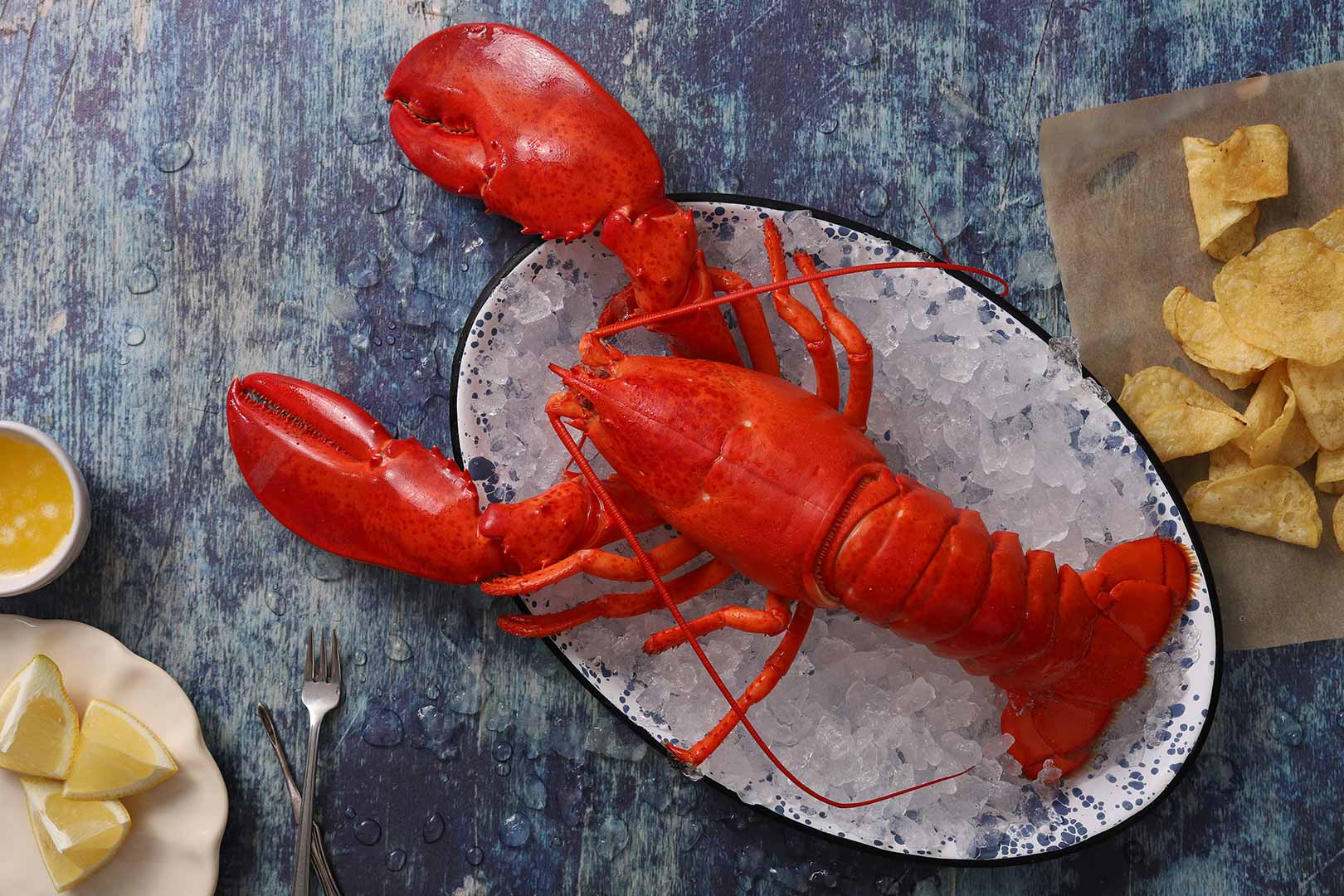
    Diminishing exports to China’s massive market has Vietnamese ornate rock lobsters selling for VND1-1.3 million (US$42-54) a kilogram, half the price of two months ago.

    According to lobster harvesters in the central province of Khanh Hoa, prices are at the lowest point in two years.

    China is the biggest importer of Vietnamese lobsters.

    Lobster vendors in the province said they have decided to stop selling their lobsters or now in hopes prices will spike for the Lunar New Year early next year.

    Seafood shops in Ho Chi Minh City are selling ornate rock lobsters for VND1.4-1.7 million per kilogram.

    Tuan, a lobster trader, said domestic and overseas demand for seafood is down.

    “China currently favors painted spiny lobsters because their prices are lower.”

    Nguyen An, people’s committee chairman of Cam Binh Commune in the south-central-coastal province of Cam Ranh, said that Vietnam has mainly exported painted spiny lobsters to the Chinese market since mid-year, not ornate rock lobsters.

    He said this was because Australian ornate rock lobsters are cheaper than Vietnam’s, “so it is difficult to compete in China.”

    According to the Association of Seafood Exporters and Producers, Vietnam exported lobsters worth a total $76 million to China in the first eight months, a year-on-year decline of 42%.

    While reducing imports from Vietnam, China is now buying more lobsters from Canada, Australia, the U.S., New Zealand, Cuba, India, Brazil, and Mexico.

    According to Vietnamese firms, the two countries should agree on official lobster quotas to boost lobster exports to China.

    A project launched by the Ministry of Agriculture and Rural Development aims to develop Vietnamese lobster production and exports by 2025, with total output of 3,000 tons per year and annual export turnovers of $200 million.

    The largest lobster farming provinces are Phu Yen, Khanh Hoa, in the north-central regions, and Kien Giang in the southern region’s Mekong Delta.