Tag: Vietnam

  • Vietjet partners 2023 Sydney Marathon

    Vietjet partners 2023 Sydney Marathon

    Vietjet has become the air transport partner for the Sydney Marathon, and is offering free tickets to the event.

    The Sydney Marathon takes place from September 14 to 17 in the Australian city, and will feature many activities for athletes, locals and tourists.

    The runners will pass through famous landmarks like Milsons Point, the Sydney Harbor Bridge, Centennial Park, the Royal Botanic Gardens, the Sydney Opera House…

    The race is expected to attract more than 40,000 runners from more than 75 countries.

    It will also raise funds for charities supporting children and people with disabilities.

    To mark the occasion, Vietjet is selling tickets for zero dong (excluding taxes and fees) to Australia on Wednesday, Thursday and Friday every week from now until March 31, 2024, on its website and app.

    According to the airline, besides the 2023 Sydney Marathon, it is also collaborating with other global cultural and sporting events, demonstrating its desire to bring new values by spreading the message of humanity and sporting spirit to hundreds of millions of customers and people in Vietnam and elsewhere.

    With an extensive flight network and flexible flight times, Vietjet offers many options to international passengers with its new routes from HCMC to Jakarta (Indonesia), Kochi and Tiruchirappalli (India), and other destinations and leading entertainment destinations in the region in Australia, Japan, Korea, Taiwan (China), Hong Kong (China), Singapore, Thailand…

    Flight tickets come with Sky Care travel insurance. All flights are supported by experienced crew and fresh, hot food.

  • Vietnam Electricity and the conundrum of establishing a competitive market

    Vietnam Electricity and the conundrum of establishing a competitive market

    Vietnam has been making policy changes to open up the electricity industry to private investors, but still remains far from creating a competitive market.

    Until 2006 state-owned Vietnam Electricity (EVN) owned all power plants in the country, but its monopoly has been reducing since, and it now only accounts directly or indirectly for around 37.6% of the country’s installed capacity of 80,000 megawatts.

    This means it has to pay for the remaining 62% of power supplied, mainly to gas and oil giant Petrovietnam, coal mining company Vinacomin and a number of private companies.

    The dilution of EVN’s ownership came about as private companies began to invest large amounts in power generation, especially in the last five years thanks to the boom in renewable energy.

    Private players now own 42% of installed capacity.

    But EVN retains a monopoly in electricity transmission, and owns and operates all transmission lines and substations.

    Though changes in the laws last year allow private companies to invest in transmission, so far only one company has done so, connecting its solar plant with the national grid.

    Analysts say land acquisition problems, low profit margins and red tape deter private companies from entering the transmission business.

    “The monopoly in transmission is a natural monopoly of the state” and not of EVN, Nguyen Minh Duc, a member of the Vietnam Federation of Commerce and Industry’s legal department, said.

    The government needs to retain a monopoly over transmission to ensure national energy security and prevent private companies from taking over and raising prices, he said.

    Evidently, EVN is also the sole buyer of electricity from private power plants.

    This means that the state, not EVN, actually has a monopoly in selling and transmitting electricity, Tran Van Binh of the School of Economics and Management at the Hanoi University of Science and Technology said.

    This explains why EVN has to suffer losses: Retail prices are not determined by it but by the government.

    Last year, the Ministry of Industry and Trade reviewed EVN’s operations and found that the cost of electricity production had actually by increased more than 9% since 2021, but the government eventually approved a retail price hike of only 3%, leaving EVN selling power at a loss of VND112 per kilowatt-hour.

    The government has been making policy changes for over 10 years now to create a competitive energy market, but has yet to complete the task.

    EVN remains the only buyer of electricity.

    This means that when suppliers increase prices due to higher costs, EVN will have to absorb them since it does not have the authority to increase retail tariffs.

    In the event, last year it reported a loss of VND26 trillion.

    Nguyen Dinh Cung, former head of the Central Institute for Economic Management, said production costs are set to increase considerably in the coming years, and if the same model remains in place EVN would continue to make big losses.

    If EVN is not financially healthy, it will not be able to invest in new power plants or ensure transmission stability.

    At US$0.08 per kilowatt-hour, Vietnam’s electricity prices are lower than those of several other countries in the region like Indonesia, Thailand, the Philippines, and Singapore, according to Global Petrol Prices.

    Yet the public often criticizes authorities when prices are raised, Cung said.

    Bui Xuan Hoi, principal of the Northern Electricity College, said Vietnam could “not dream” of having a competitive electricity market if the government keeps making the final call on retail prices.

    Binh of the Hanoi University of Science and Technology said: “In many countries, retail prices go up when a competitive electricity market is established. The same thing will definitely happen to Vietnam.”

    The cost of producing electricity is rising as fossil fuels like coal, oil and gas are running out while hydropower generation has reached maximum capacity.

    Duc said another downside to a competitive market is that underdeveloped areas, such as mountainous regions, would not attract private companies who prefer investing in big cities with high profits.

    This means the government will still need to intervene directly or indirectly to provide electricity to such places.

  • Vietnam Airlines to buy 50 Boeing 737 Max jets

    Vietnam Airlines to buy 50 Boeing 737 Max jets

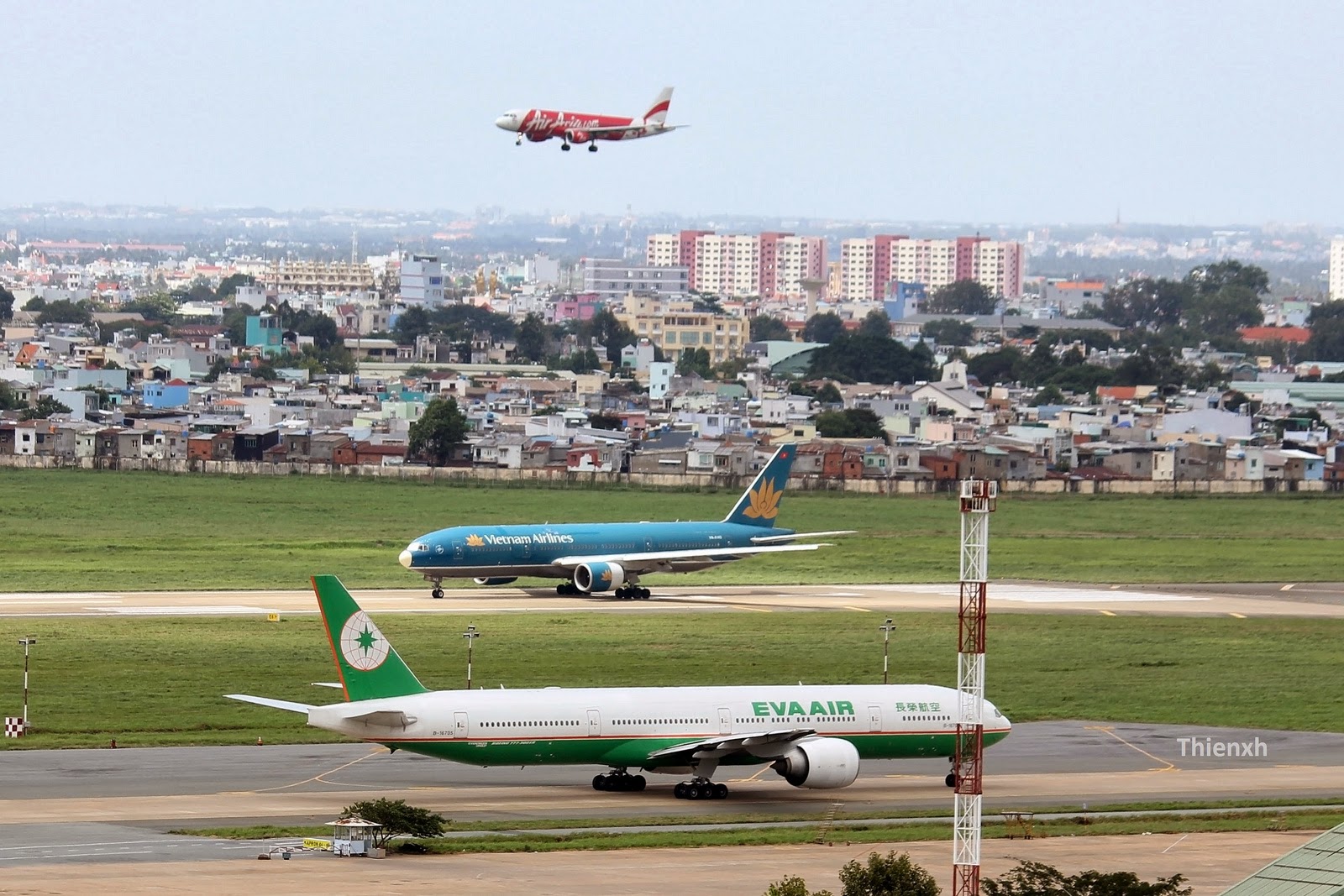
    Vietnam Airlines is set to sign a US$10-billion deal with U.S. aviation giant Boeing to buy 50 737 Max narrow-body aircraft.

    The signing is set for Monday during U.S. President Joe Biden’s state visit to Vietnam, an anonymous source told VnExpress.

    The deal is part of Vietnam Airlines’ plan to renew its fleet, in which many aircraft are over 10 years old.

    Four years ago the state-owned carrier received approval from the Civil Aviation Authority of Vietnam to buy 50 narrow-body aircraft from Boeing or its European competitor, Airbus.

    Vietnam Airlines and other carriers in the country do not currently use any Boeing narrow-body aircraft.

    Vietnam Airlines’ 90-jet fleet is made up of the narrow-body Airbus A321 and wide-body Boeing 783 Dreamliner.

    The Boeing 737 Max can carry between 210 and 230 passengers and has a range of around 3,000 kilometers.

    Budget airline Vietjet signed a deal with Boeing in 2016 to buy 100 737 Max aircraft during former U.S. President Barrack Obama’s visit.

    It then signed a similar deal in 2018.

    Industry insiders say buying new jets is not easy now since Boeing and Airbus have full orders booked for until 2030.

  • myOKIES: QR menu for order and pay

    myOKIES: QR menu for order and pay

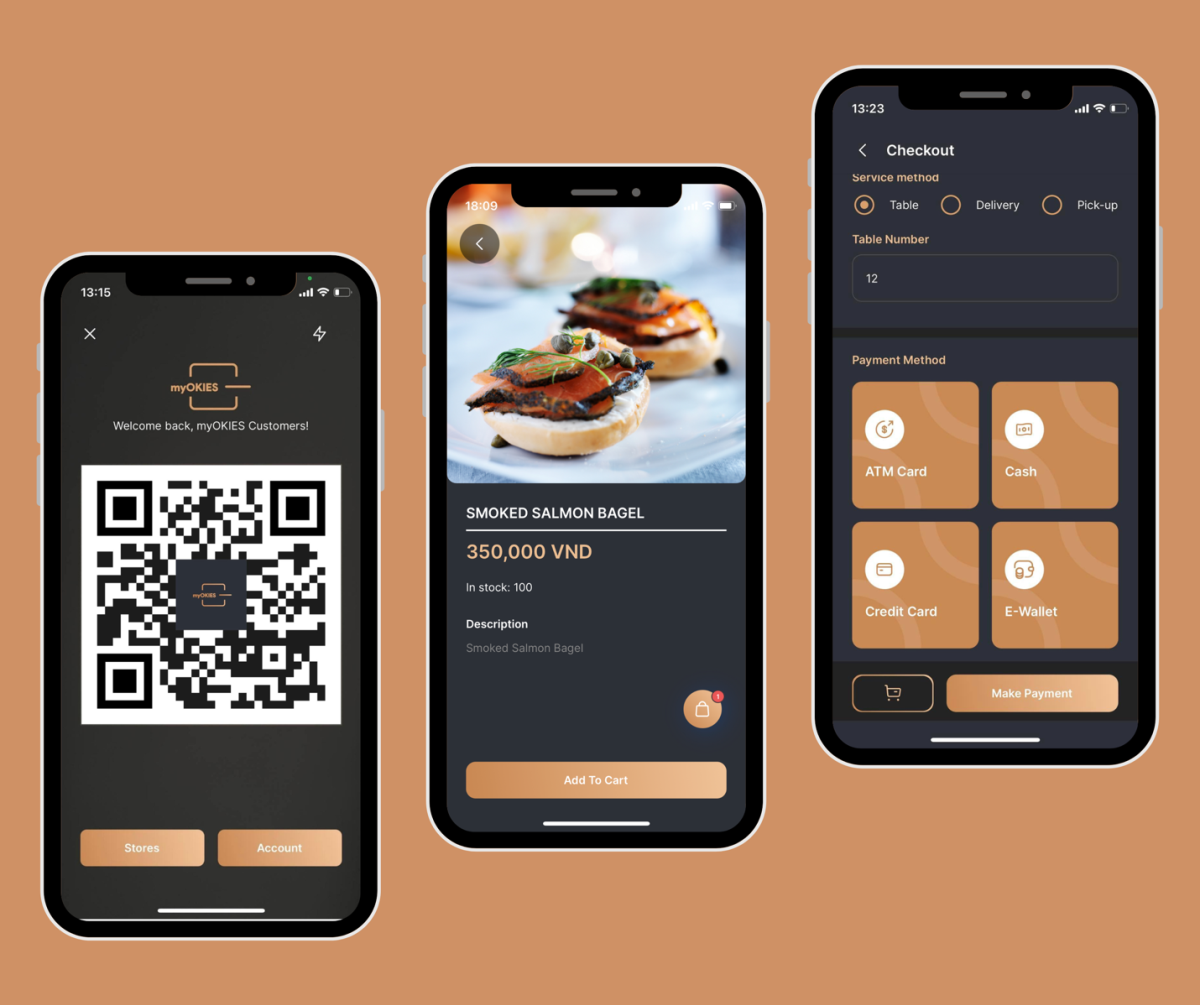
    myOKIES has launched a digital contactless service for Vietnamese businesses, enabling customers to order and pay for purchases directly from their cell phones using a QR code.

    Customers can scan the code using their smartphone camera, which will take them to the myOKIES page where they can select their items and pay using a variety of payment methods, including 21 different e-wallets, all types of debits, credit cards, and cash.

    myOKIES has 136 languages available for customers, enabling businesses to expand their international customer base easily and effectively.

    The benefits of the myOKIES service extend beyond convenience, as it eliminates the need for customers to physically touch a menu or paper receipt, thereby reducing the risk of transmission of viruses and other germs, protecting the environment with a paperless focus, and enabling sustainability for businesses.

    Moreover, customers can use the myOKIES platform to reserve tables and appointments and purchase products in-store and online by accessing the myOKIES website or the myOKIES app.

    myOKIES is also known for its simple yet elegant design, which is reflected in its mobile application and website. The platform’s design is consistent with myOKIES’ overall brand identity, which emphasizes simplicity, efficiency, elegance, and ease of use.

    Its QR code ordering and payment feature also offer a unique lifestyle experience for the young generation, who are always on the lookout for new ways to enhance their daily lifestyle.

    Jalen Phung, CEO of myOKIES Vietnam, understands the importance of serving the younger generation’s lifestyle preferences. “We recognize that the younger generation is looking for new and innovative ways to enhance their daily activities, and we are excited to offer them a solution that is both convenient and visually appealing.”

    myOKIES service is not limited to just the food industry and can be utilized by any business from mid- to high-end that wants to provide their customers with a secure and convenient way to make purchases, including retail businesses and other service businesses like spas, coffee shops, business lounges, furniture stores, and in-room dining for 5-star hotels and resorts, which are myOKIES target business partners.

    myOKIES QR code for ordering and payment service is an outstanding example of how technology can enhance the customer experience and help businesses grow in the most efficient way. With its easy-to-use platform and seamless features, it’s a service that is sure to continue gaining popularity among businesses and customers alike.

  • Vietnam tuna exports to S Korea soar

    Vietnam tuna exports to S Korea soar

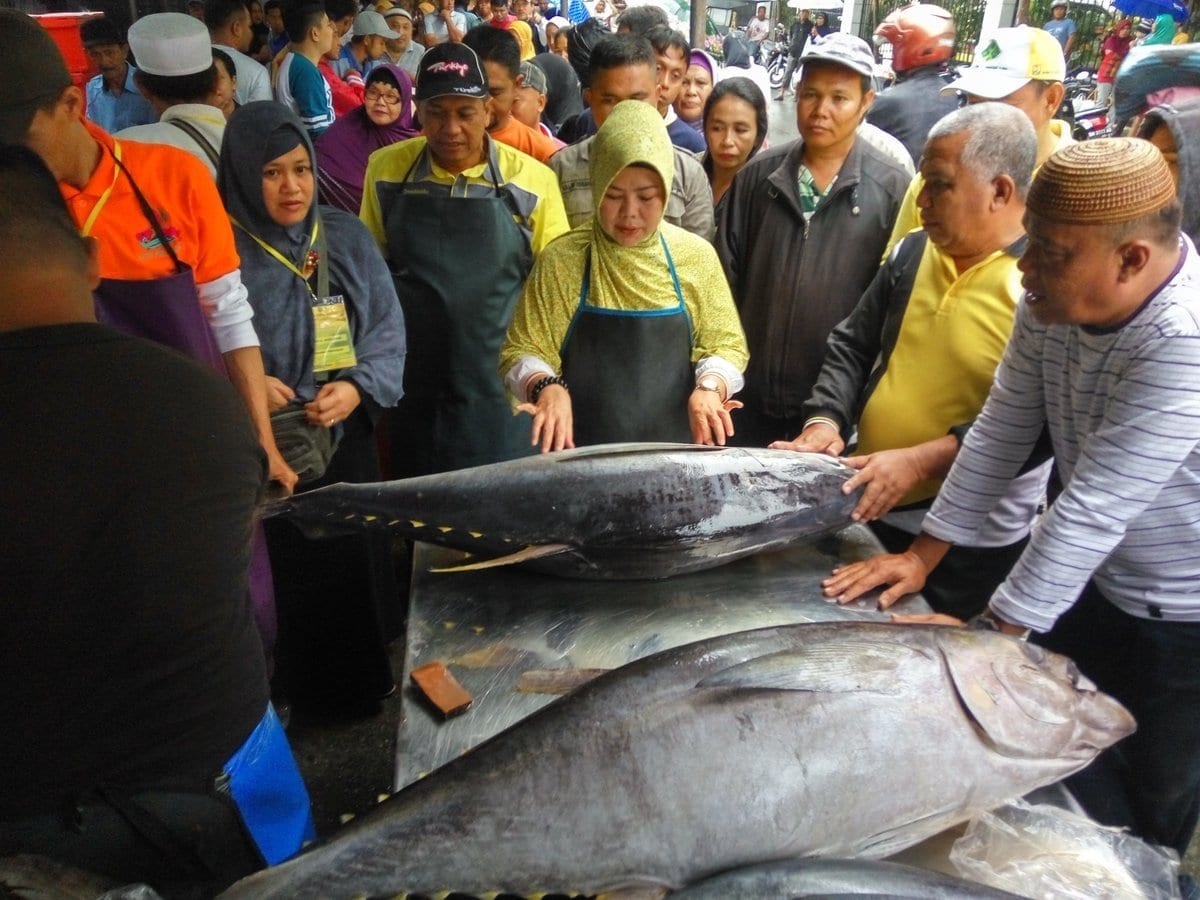
    According to the Vietnam Association of Seafood Exporters and Producers, tuna exports to South Korea rose by 2.5 times year-on-year to over US$7 million in the first seven months.

    Tuna Vietnam, Nha Trang Bay and Phat Trien Seafood were the three biggest exporters, accounting for 64% of total shipments.

    Exports of canned tuna jumped by 468%.

    VASEP said declining fishing catches in South Korea and rising demand for canned products amid tightened spending drove up demand for Vietnamese products.

    Vietnam was the eight biggest exporter of tuna to that country in the first half this year, but the largest seller of canned tuna, accounting for nearly 77% of all imports.

  • Vietnam’s export sees marginal impacts from China’s Japanese seafood ban

    Vietnam’s export sees marginal impacts from China’s Japanese seafood ban

    China’s ban on Japanese seafood due to fear of radioactive contamination has Vietnamese firms seeing opportunities to ship more products, but the gain has been marginal as Chinese demand drops.

    On August 24, China imposed a total ban on Japanese seafood products after the latter started discharging its treated radioactive water from the wrecked Fukushima nuclear power plant into its seawater.

    Hong Kong and Macau have also announced their own ban, which covers Japanese seafood imports from 10 regions.
    The CEO of a Vietnamese seafood exporter from Nha Trang in the central region said that the ban might help increase the export of some products, such as tuna.

    “We have seen Chinese buyers increasing their orders for tuna by 15% year-on-year. But demand for shrimp and octopus are still 20% lower year-on-year.”

    Some other industry insiders have also said that the ban might offer opportunities for Vietnamese seafood, but only slightly, as Japan is only a small seafood exporter to China.

    Japan accounted around 3% of China’s seafood imports last year, against Ecuador’s 18.6%, Russia 14.4%, and Vietnam’s 8.8%.
    Pangasius, one of Vietnam’s main seafood exports, has not seen any notable increase in China shipments amid low demand, according to a report by SSI Research.

    “Pangasius exports to China rose slightly last week but was not significant and irrelevant to the ban,” the report said.
    The Vietnamese seafood industry has been facing a tough year as demand from major markets such as the U.S., the E.U. and China all plunged amid rising inflation and economic challenges.

    Exports of pangasius to China dropped 32% year-on-year to $325 million, and shrimp fell 9% to $338 million, according to Vietnam Association of Seafood Exporters and Producers (VASEP).

    VASEP general secretary Truong Dinh Hoe said that Vietnamese exporters will not benefit significantly from the ban.

  • Amazon, Alibaba demand more Vietnam-made home décor

    Amazon, Alibaba demand more Vietnam-made home décor

    As purchasing power for home decorations and compact furniture on ecommerce platforms Amazon and Alibaba increases, opportunities are opening up for Vietnamese businesses to sell made-in Vietnam products.

    From grass brooms and water hyacinth baskets to compact chairs and shelves, “Made in Vietnam” home decoration products have been attracting customers on U.S. ecommerce platform Amazon.

    An $81 black painted bar stool from Linon Home Decor is labeled as an “Amazon’s Choice,” meaning it is selling well, of high quality, and can be delivered right away. Over 50 of the items were sold the past month.

    Selling garden furniture and wooden planks, BeeFurni’s revenue on this platform in the first 10 months of 2022 increased by 300% compared to 2021.

    The brand’s stools launched in 2018 are priced US$35-50, depending on the size, and have attracted hundreds of customer reviews with an average score of 4.4 out of 5.

    According to Amazon statistics, home decoration and furniture items have experienced outstanding growth in the 2020-2022 period. Even after returning to the office, people still spend a lot of time enjoying their life at home, and online shopping for such products has remained stimulated.

    Last year, “wall decoration, kitchen decoration, bathroom decoration” were the most searched keywords in this category.

    Over the past three years, home and kitchen decor have continuously been some of the best-selling item categories for Vietnamese sellers on Amazon.

    Gijae Seong, managing director of Amazon Global Selling Vietnam, said this is an industry that “has great potential and still has many untapped advantages” for Vietnamese businesses.

    With about 1,500 craft villages, abundant raw material supplies and supply chain advantages, Vietnamese furniture and decoration manufacturers possess immense potential on the international market, according to Amazon.

    Chinese online ecommerce platform Alibaba said home and gardening products is one of the three most popular Vietnamese product categories on their wholesale platform.

    In the last three months, potential buyers for Vietnamese products in this category have increased 64% year-on-year.

    The most sought-after items have been dining sets, kitchenware, home textiles and affordable, practical storage, according to Alibaba.

    Specializing in selling wrought iron products such as doors, fences and railings, Nguyen Phong Metal, a small and medium-sized enterprise, has opened a large export channel on this platform, according to Sales Director Pham Nguyen Le Uyen.

    Their first order on Alibaba three years ago was worth $45,000. Since then, the company’s export revenue on Alibaba has doubled domestic sales.

    Both platforms highly appreciate Vietnam because it is one of the countries that owns a large number of skilled craftsmen: about 7.4 million workers. The country’s traditional craft villages have rich experience and a long history, and they create unique products.

    To be successful on the global market, there must be a harmonious combination between what Vietnam has and what the international market expects, according to Amazon.

    For example, with products made from rattan, bamboo, and sedge, manufacturers must improve the material processing because these goods are easily affected by factors such as humidity and insects.

    In the first seven months of the year, Vietnam’s export turnover on wood and wood products was down 26.2% year-on-year at US$7.21 billion.

    The U.S., Japan, China, the EU and South Korea continued to be the main export markets for Vietnamese timber and forest products.

    Total export value to the five markets during the January-July period was estimated at $5.44 billion, accounting for 89% of the country’s total export value.

  • Vietnam’s coconut export to reach $1B in 2025

    Vietnam’s coconut export to reach $1B in 2025

    Vietnam’s coconut export is expected to reach US$1 billion in 2025 after the U.S. and China agree to allow Vietnamese coconuts to enter the two markets, according to the Vietnam Coconut Association.

    As the U.S. is about to open the market for Vietnamese coconuts and China allows official coconut import, local businesses are trying to develop raw material areas, apply for growing areas codes, and register to build organic material zones to meet the needs of the world market.

    At the end of 2022, coconut export turnover was over $700 million. But based on the momentum of the U.S. and China agreeing to import Vietnamese coconuts, around the end of 2024 and early 2025, coconut export turnover will be up to $1 billion.

    In 2021, the fruit was listed as one of Vietnam’s key industrial crops.

    About 20 large enterprises in the country have exported coconuts to the world. Up to 35 countries and territories are Vietnam’s importers.

  • Record number of new firms seen in eight months

    Record number of new firms seen in eight months

    A record number of 103,658 new firms were established in the first eight months of this year, a rise of 2.3% year on year, the Ministry of Planning and Investment (MPI) reported.

    In August alone, the country saw more than 14,000 newly established businesses, up 17.9% year on year. However, the number of firms returning to the market in the month dropped 3.1% year on year and 10.9% month on month.

    In the January-August period, 149,400 enterprises newly joined and returned to the market, a slight drop of 0.03% year on year, but 1.2 times higher than the average figure recorded in the period from 2018-2022, the ministry said.

    The education sector saw the highest rise in the number of new firms at 35%, followed by the healthcare sector at 18.9%, and employment services, tourism, machinery and equipment rental and other supporting services 16.3%.

    However, the total registered capital of the newly established firms fell 14.7% year on year to VND969.61 trillion (over $40.2 billion).

    Meanwhile, in the reviewed period, 124,684 businesses withdrew from the market, up 19.5% year on year, including 71,833 businesses halting operations, 41,064 logging dissolving requests and 11,787 others dissolved.

    In order to support business development, Deputy Minister of MPI Tran Quoc Phuong said that along with applying flexible, active and effective monetary and fiscal policies and measures to remove difficulties for business and production activities, the ministry will propose adjustments and supplementations to some relevant mechanisms and policies.

  • Vietnam central bank governor earns ‘A+’ in Global Finance report

    Vietnam central bank governor earns ‘A+’ in Global Finance report

    Global Finance magazine has given Nguyen Thi Hong, Vietnam’s first female central bank governor, an A+ on its 2023 Central Banker Report Cards.

    Hong, 55, is one of only three central bank governors in the world that was rated A+ by the U.S.-based magazine.

    The other two were the Reserve Bank of India Governor Shaktikanta Das and Thomas J Jordan, Chairman of the Governing Board of the Swiss National Bank.

    Hong became Governor of the State Bank of Vietnam (SBV), appointed by the legislative National Assembly, in November 2020.

    She holds a master’s degree in Developmental Economics and started working at SBV in 1991, where she held several management positions.

    The Central Banker Report Cards, published annually by Global Finance since 1994, grade the central bank governors of 101 key countries, territories, and districts, including the European Union, the Eastern Caribbean Central Bank, the Bank of Central African States, and the Central Bank of West African States.

    Grades are based on a scale from A to F for success in inflation control, economic growth goals, currency stability and interest rate management, with an “A” representing an excellent performance down through an “F” for outright failure.

    The full Central Banker Report Cards 2023 report and grade list will appear in Global Finance’s October issue print editions, as well as online at GFMag.com.

    “Fighting inflation, which has been fueled by pent-up demand and disrupted supply chains, has everyone turning to their central bankers for help,” said Global Finance founder and editorial director Joseph Giarraputo.

    Governors that earned an A grade included Brazil’s Roberto Campos Neto, Israel’s Amir Yaron, Harvesh Kumar Seegolam of Mauritius, New Zealand’s Adrian Orr, Paraguay’s Jose Cantero Sienra, Julio Velarde of Peru, Chin-Long Yang of Taiwan, and Uruguay’s Diego Labat.

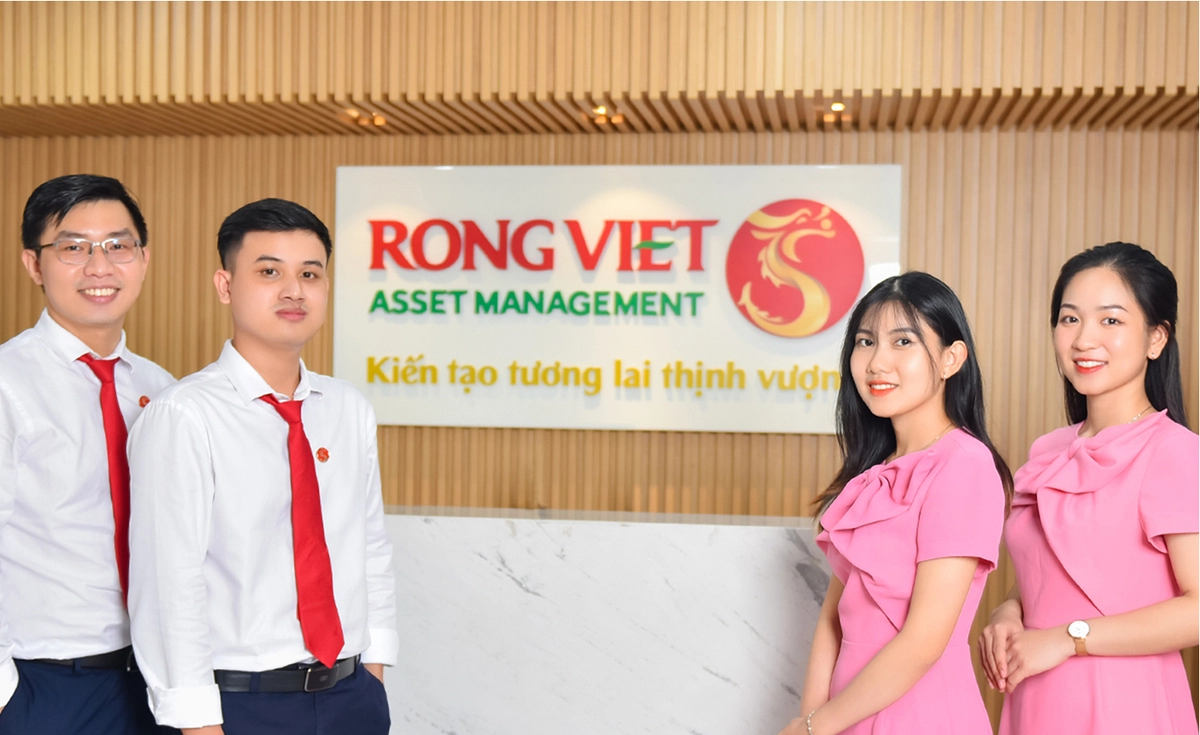
  • RongViet Securities meet 75% of profit target in H1

    RongViet Securities meet 75% of profit target in H1

    Total consolidated revenue of RongViet Securities in the first six months of 2023 reached VND352.1 billion.

    The recovery of the market helped the company’s investment portfolio revert to VND186.3 billion from the depreciated valuation expense, thereby reducing the total cost to VND146.8 billion.

    As a result, RongViet recorded a consolidated pre-tax profit of VND205.3 billion and a net profit of VND160 billion, completing 75.8% and 73.9% of the full-year plan, respectively.

    As of June 30, the total assets on the consolidated financial statements reached more than VND4.481 trillion, and equity reached VND2.248 trillion, officially erasing all accumulated losses at the end of 2022.

    VDS stock of RongViet has been taken out of warning status by the HOSE since Aug. 17.

    RongViet’s earnings per share (EPS) in the first six months of 2023 reached VND761.

    Return on assets and return on equity in the first six months reached 3.7% and 7.5%, respectively, much higher than the industry average.

    With these results, the VDS stock price has doubled compared to the beginning of the year, bringing the market capitalization of RongViet to more than VND3.2 trillion.

    According to RongViet, with the direction from the beginning of the year to adapt to the new age and advance at a solid pace, it has taken firm steps to be more confident in H2.

    With the stock market having been more positive recently, the company expects to soon exceed the target of VND270.8 billion in pre-tax profit (consolidated) as approved by the General Meeting of Shareholders.

    RongViet’s main goal in H2 is to continue stabilizing and developing staff, promoting development and client services based on maximizing the advantages of the financial-investment products and services, using RongViet technology to bring the best investment efficiency and client satisfaction.

    Although investment banking activities are still facing many difficulties due to the general market situation, the company’s representative said that they would strive to accompany clients to accelerate the progress of M&A projects, trying to close key deals in 2023.

    At the same time, it will closely and regularly coordinate to promptly support clients in solving difficulties and problems in corporate financial consulting and capital mobilization activities.

    As the bond market is still facing many difficulties and losing investor confidence, RongViet is one of the few companies that can fully meet the new regulations on private bond issuance as well as affirm the trust of investors to continue to successfully issue new bonds from Q4 of 2022 until now.

    The company said that it would ensure full payment of bond principal and interest upon maturity and fully comply with legal regulations on information disclosure, bond offerings to investors, and periodic reporting obligations for state management agencies.

    In terms of the ratio of total debt to equity as of June 30, RongViet maintained a very safe ratio (by a factor of one) and was much lower than the maximum of five times stipulated by the Ministry of Finance.

    After successfully implementing the issuance in March with a total actual issuance value of VND311.1 billion, in June, the company continued to offer the second batch of bonds of the year worth VND700 billion.

    Thanks to the trust and support of clients, domestic and foreign investors, and the reputation that has been affirmed for many years, the progress of the second batch of bonds of RongViet is positive and has been completed at more than 86% of the expected issuance value in less than a month.

    With the vision of becoming one of the leading, modern, and most effective financial institutions in Vietnam, RongViet has built and started implementing a comprehensive digital transformation strategy for 2021, with four pillars: optimize and build excellent operating systems; enhance client experiences; develop new platforms and business models; and build strong IT infrastructure and security.

    Over the past few years, RongViet has continuously improved the financial-investment ecosystem and launched many digital platforms to bring new values to investors.

    Prominent products and services include eduDragon, an online stock investment learning system; smartDragon, an investment analysis platform; and iBot, a virtual investment assistant on Telegram.

    In early 2023, RongViet launched the brand new iDragon Pro trading app, bringing superior securities trading experiences to clients.

    At the end of July 2023, the U.K.-based Global Banking & Finance Review honored iDragon Pro as the Best Trading App Vietnam 2023.

    Also in July 2023, it officially put into operation the Data Warehouse, a comprehensive data platform, after more than 11 months of efforts by the company’s staff with the consultancy of experts from CMC Group and IBM Vietnam.

    The project is an important milestone that helps to improve the efficiency of management and use of data at RongViet as a foundation to continue to successfully implement digital transformation projects such as human resource management, customer relationship management, and a comprehensive reporting system.

    With great advances in the application of technology to perfect the ecosystem of financial-investing products and services in many utilities throughout the investment journey of clients, the Vietnam Wealth Advisors Summit 2023 named RongViet as the Digitalization Product of the Year and honored its contribution to financial services development.

    With the motto Creating a Prosperous Future, RongViet aspires to bring prosperity not only to clients, partners, and shareholders but also to employees, the community, and society.

    This is evidenced by RongViet being honored as one of the”Best Companies to Work for in Asia” for two consecutive years in 2022 and 2023 at the HR Asia Awards. This award recognizes efforts to build a humane, dynamic, and creative working environment where members share culture, vision, and career development.

    Besides building effective business activities, the company also wishes to share its development results with the community and society through meaningful and practical programs and activities.

    Rong Viet has maintained annual charity programs for the past 12 years, such as Accompanying to School: Realizing Dreams to Support Poor Students and Sharing Love to Help Difficult Circumstances.

    To contribute to building and developing Vietnam’s financial market and foster the young generation, RongViet plans to launch RongViet Invest, a knowledge and real-world investment competition for university students nationwide, in Q3.

    The goal of the program is to become an annual playground where students across the country can learn, direct their careers, and experience being a real investor in the stock market.

    Thereby, it aspires to contribute to building a new generation of investors with knowledge, experience, and bravery to join hands in building a sustainable Vietnamese stock market.

  • Vietnamese firms look to Thailand amid export challenges

    Vietnamese firms look to Thailand amid export challenges

    Many Vietnamese companies are looking to the Thai market to export their products this year as demand declines in the U.S. and EU.

    Puripan Bunnag, senior vice president of the Thailand Convention and Exhibition Bureau, said in the first half of this year around 35,000 people from Vietnam have visited Thai exhibitions and fairs to explore opportunities to sell their products, a 20-30% increase from last year.

    Vietnam’s exports to Thailand have risen by 2% year-on-year this year to US$4.3 billion. Some main products included crude oil, metals, machinery, vegetables, and seafood.

    Bunnag said Thai consumers like Vietnamese agriculture produce.

    Nguyen Huu Nam, deputy head of the Vietnam Federation of Commerce and Industry in HCMC, said exports have been plagued by difficulties this year, including a decline in orders from the U.S. and the E.U., two key markets.

    Large Thai companies such as Central Retail, CP and SGC have been helping Vietnamese businesses export to Thailand, he said.

    Some fruits such as mango, longan and lychee have been sold in Central Retail’s supermarkets in Thailand at four or five times higher prices than in Vietnam, he added.

    Central Group has also recently partnered with 19 Vietnamese companies including King Coffee, Trung Nguyen Group, Napoli Coffee, Bibica (snacks), and Acecook and Vifon (instant noodles) to sell their products in Thailand.

    Napoli Coffee CEO Nguyen Duc Hung said that there are great opportunities for Vietnamese businesses to partner with Thai firms when they attend fairs in that country.

    “We have learned a lot of marketing and packaging techniques from Thai firms to attract international buyers.”

    Vietnam runs a trade deficit with Thailand. Last year it exported $7.5 billion worth of goods to Thailand but imports topped $14.1 billion.

    Industry insiders said Thailand protects its own businesses, making it hard for Vietnamese products to find their way there.

  • Prices of Vietnam’s exported rice highest in the world

    Prices of Vietnam’s exported rice highest in the world

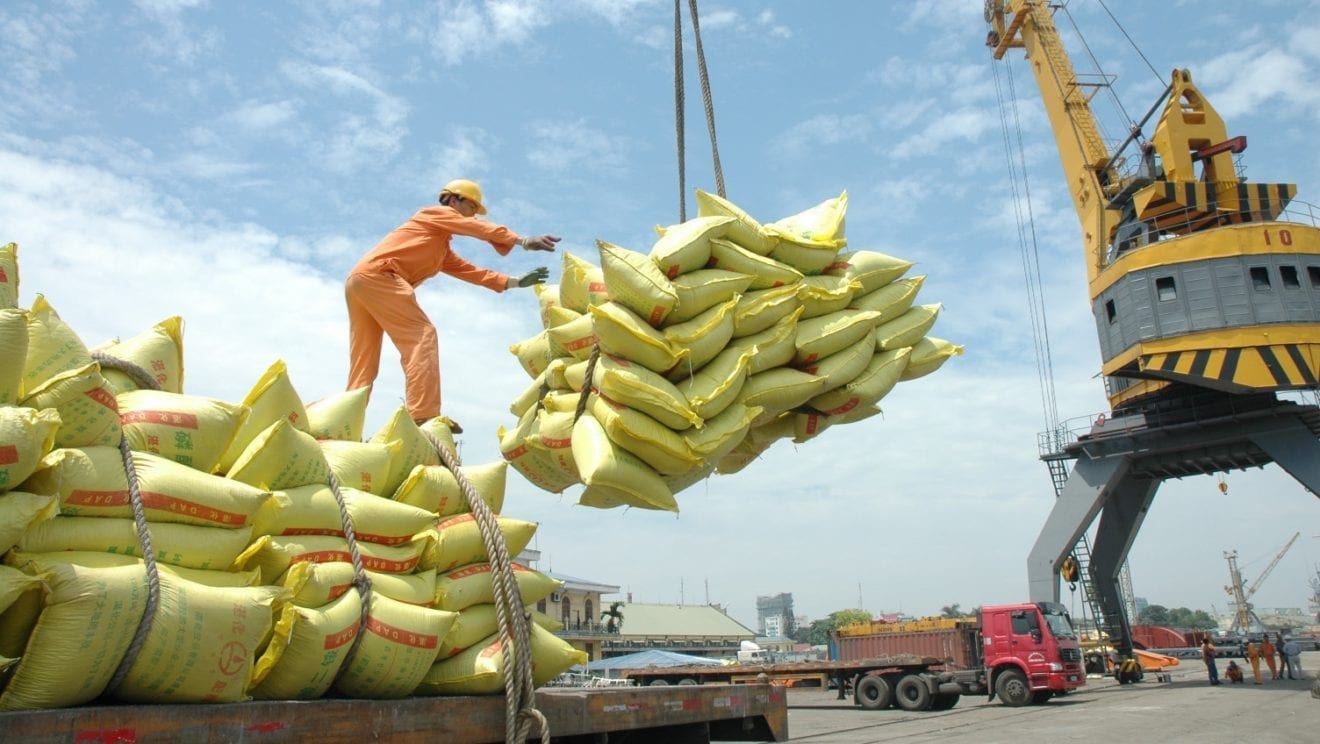
    Prices of Vietnam’s exported rice are still the highest in the world, with that of 5% broken rice reaching 638 USD per tonne, and 25% broken rice $623 per tonne, according to the Vietnam Food Associaion.

    Meanwhile, Thailand’s 5% broken rice is sold at $628 per tonne, and that of Pakistan at 598 USD a tonne.

    In the Mekong Delta – the largest rice granary of Vietnam, the price of paddy rice remains at an unprecedented high level in many localities, helping farmers achieve good profits.

    In July, the United Nations Food and Agriculture Organisation (FAO)’s rice price index rose to its highest level in nearly 12 years. The move was due to a spike in prices in key rice exporting countries after India imposed export restrictions.

    Recently, the Vietnamese Ministry of Industry and Trade announced the list of 210 businesses that are eligible to export rice.

    According to the ministry, in the first seven months of this year, Vietnam exported 4.83 million tonnes of rice. The country plans to export about 2.67 million tonnes in the remaining five months of the year.

  • Parking an expensive headache for Hanoi apartment owners

    Parking an expensive headache for Hanoi apartment owners

    Hanoi apartment owners are spending up to hundreds of million dong (VND100 million = $4,200) on parking spots in their building due to insufficient space to accommodate increasing car ownership.

    For the first time in two years, Phuong Linh in Hanoi’s Ha Dong District was able to park her car in the basement of her own apartment building after paying VND20 million to a neighbor who just moved away.

    Due to the limited space in the basement, Linh has been parking her car in other parking lots around her neighborhood ever since she moved to the building.

    Only car owners who registered early can park their vehicles in the basement, and once they move, other residents like Linh rush to purchase the right to park in the spaces they leave vacant.

    This means that on top of the VND20 million, she still has to pay monthly parking fees.

    “I have to pay a lot, but I consider myself lucky. There are 30 other residents like me waiting for the next empty parking slot.”

    Stories like Linh’s have become increasingly popular in Hanoi, a city of 8.4 million where the number of both condominiums and cars has been surging in recent years.

    Manh Dung in Nam Tu Liem District last month bought an SUV, but he only found out after the purchase that there were no car parking spots left in his building.

    Nearly 100 residents have queued for the next empty slot, he said.

    Using connections, Dung managed to contact one of the building managers and secured a parking slot for VND40 million. The deal was unofficial.

    The manager said that if he moves away in the future, he can sell the slot for almost the same price, as there will always be demand for parking slots in the building.

    “I paid right away. A basement parking space is valuable, especially when it rains.”

    Many developers have set aside auto parking areas in the basement of their buildings, but the increasing number of cars in the city has made the limited number of parking slots a treasured real estate.

    By February this year Hanoi had over one million cars, up 36% from around the same period in 2019. This means that one in every eight Hanoi residents owns a car.

    Some developers, therefore, charge big bucks for parking slots.

    A developer of a 40-floor condominium in Ha Dong District earlier this year charged VND220 million for a 20-year parking space rental contract.

    It also offered to sell a parking slot permanently at VND400 million for a sedan, and nearly VND500 million for an SUV.

    Due to the high price tag, some residents at the building have no choice but to find outdoor neighborhood parking lots and pay around VND1.2 million a month per vehicle.

    In July, a developer of a 30-floor building in Thanh Xuan District charged VND60 million upfront for a five-year car parking slot. Residents protested the policy, saying that they did not want to pay such a hefty sum all at once.

    The developer also offered to lease a parking slot for VND200 million over 40 years. This means that a resident of a 70-square-meter apartment in the building would have to pay 10% of their apartment price for parking.

    Nguyen Viet Huy, a lecturer at Hanoi University of Construction, said that the competition for car parking space at condominiums has become more popular in Hanoi in recent years.

    There are legal requirements on how much parking space is needed at every condo project, but the figures are not backed by any scientific study, he added.

    Dao Ngoc Nghiem, deputy chairman of Hanoi Urban Development Planning Association, said that many developers who built their projects 10 years ago did not expect the number of immigrants in Hanoi would rise as fast at around 1.4% annually.

    “Parking space therefore have become one of the top criteria in apartment purchasing these days.”

    The lack of public parking spaces also contributes to the issue, as only 10% of parking demand in Hanoi has been met, he said, adding that more elevated and underground parking lots should be built.

  • Vegetable, fruit exports hit new high

    Vegetable, fruit exports hit new high

    Vegetable and fruit exports increased by nearly 56% year-on-year in the first eight months to a record US$3.5 billion worth, according to Vietnam Customs.

    Increase in Chinese demand from was a major reason for the jump.

    Several other countries in the region, hit by droughts and floods, also increased their imports, Dang Phuc Nguyen, general secretary of the Vietnam Fruits and Vegetable Association, said.

    Durian accounted for 30% of the export value.

    Durian prices are expected to rise in September as supply has declined in other Southeast Asian countries. Vinafruit expects exports of the fruit to be worth $1.5 billion this year.

    Coconut also has potential for higher exports to China and the U.S., with the latter recently allowing imports of husked nuts from Vietnam.