Tag: Vietnam

  • Global rice crisis nothing like in 2008

    Global rice crisis nothing like in 2008

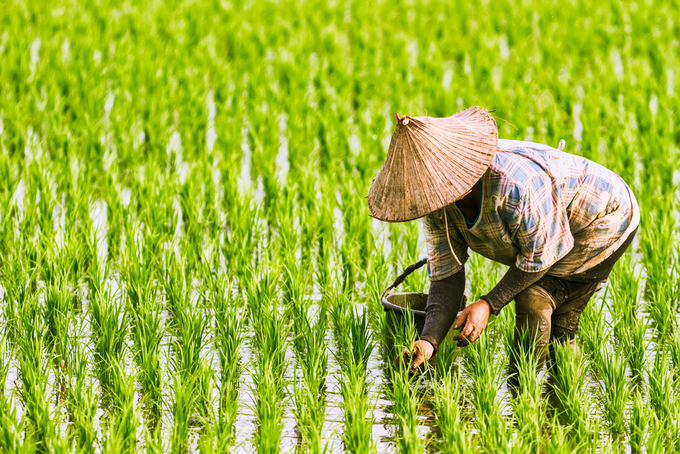
    After India banned rice exports, prices of the grain have shot up but are unlikely to top the US$1,000 per ton levels reached in 2008 in the current scenario.

    India prohibited the export of non-Basmati rice varieties in late July, driving up global prices.

    The export prices of Vietnam’s 5% broken rice jumped by $25 per ton.

    In some Vietnamese rice-growing areas, traders have been scrambling to buy the grain to fulfill contracts they have signed, pushing up prices steadily.

    Do Ha Nam, vice president of the Vietnam Food Association, said export prices climbed to $700 per ton on August 10, the highest since 2008.

    On August 17, following reports that India would soon lift the ban, the prices began to edge down again.

    In Vietnam, retail prices jumped by VND3,000-5,000 per kilogram in August to VND18,000-20,000 ($0.76-0.84).

    For many people, the developments are redolent of 2008.

    Vo Tong Xuan, a scientist who created many award-winning rice varieties, said in 2008 export prices reached 100-year highs of more than $1,000 a ton.

    The world faced a food shortage that year.

    The weather was unfavorable, oil prices were high, food reserves were low, and demand was rising in countries such as China and India.

    Xuan said the Vietnamese government at that time ordered exporters not to sign new contracts and capped exports for the year at 4.5 million tons.

    But, worried about the rising prices and low supply, people rushed to buy and hoard rice, but traders refused to sell, waiting for prices to climb further.

    In the event, prices skyrocketed from VND12,000 to VND20,000 per kilogram.

    Xuan said that scenario is unlikely to reoccur even though both times India, which accounts for 40% of the world’s supply, banned rice exports.

    In 2008, global rice reserves fell and demand exceeded supply, he said.

    According to the United Nations Food and Agriculture Organization, Asia’s rice stocks at that time were low, falling from 140 million tons to 60 million tons in 2007 before recovering to 105 million tons a year later.

    At least 37 countries faced a food crisis as prices suddenly increased from $550 to $1,000.

    Xuan said this year global rice stocks have decreased but not significantly.

    India banned exports on July 20, but the latest reports from that country show that rainfall has increased again since the beginning of August and is conducive for sowing the summer-autumn crop.

    Data from the Indian Ministry of Agriculture shows that, as of August 4, 28.3 million hectares had been sown, 3.4% more than a year ago.

    India has 24.6 million tons of rice and 13 million tons of paddy in reserve, three times target set by the government.

    India is therefore expected to lift the ban soon, and this would quickly bring rice prices down.

    Nam said the world market would adjust soon. In 2008 global stocks had been the lowest in 30 years, but now they are only marginally lower than last year, he said.

    Global production is forecast to increase by 2% to 520 million tons.

    Thailand and Vietnam, the world’s second and third largest exporters, are encouraging exports.

    “Supply from these two countries is abundant,” Nam said.

    In Vietnam, the area under autumn-winter rice in the Mekong Delta, Vietnam’s rice basket region, has been increased from 650,000 hectares to 700,000 ha.

    Thailand and China, having learned lessons from 2008, are well prepared this time.

    China, the world’s largest rice consumer, has recovered more than 170,000 hectares of land since 2021 for farming to move toward self-sufficiency in feeding 1.4 billion people.

    Last year, President Xi Jinping called for ensuring there are 120 million hectares of arable land across the country, a number his government considers sufficient to ensure domestic supply.

    China has urged farmers to reduce cultivation of fruits and increase production of food crops, including paddy.

    Analysts expect global rice prices to increase this year, but only to around $600-800 per ton.

    “It is very difficult to reach the $1,000 mark like in 2008,” Xuan said.

    According to Bui Chi Buu, former director of the Institute of Agricultural Science for Southern Vietnam, businesses should take advantage of the opportunity to export the grain and not hoard it.

    “If they hoard in and speculate, businesses are at risk of making losses when India lifts the ban. Rice inventories will surge while the shelf life of rice is only three to six months.”

    Experts said since domestic prices are now higher than global prices, farmers, traders and exporters need to be cautious.

    Minister of Industry and Trade Nguyen Hong Dien recently instructed relevant authorities to inspect businesses and warehouses to monitor supply of rice and prevent speculation and hoarding to keep prices in check.

    This year Vietnam has some 7.1 million hectares under the grain and expects to grow 43 million tons of paddy, equivalent to 27-28 million tons of rice.

    The country exported nearly 4.9 million tons of rice worth more than $2.6 billion in the first seven months of the year, a year-on-year increase of 31% in value.

  • EVN to review electricity prices every three months

    EVN to review electricity prices every three months

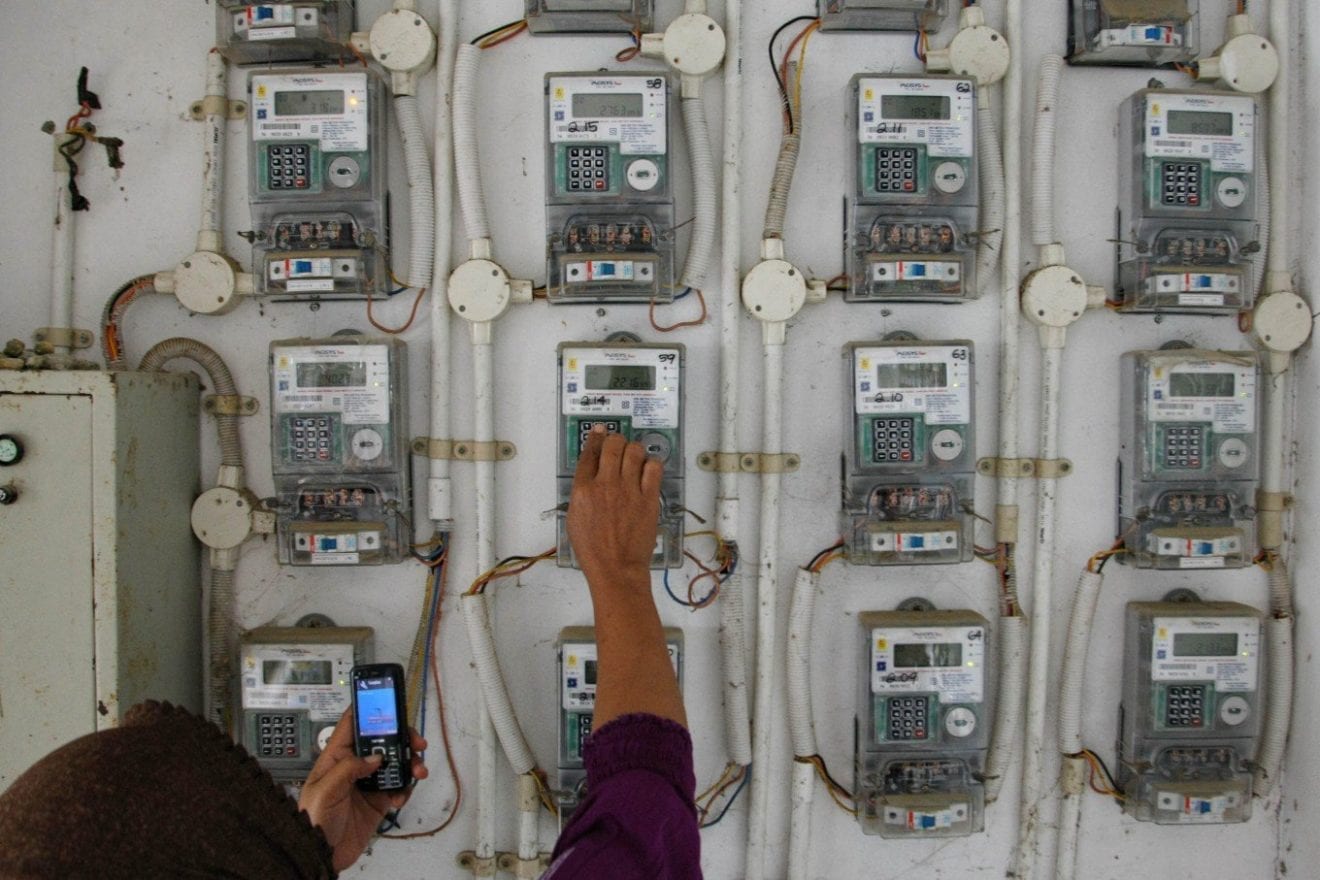
    National utility Electricity of Vietnam (EVN) has agreed with a proposal of the Ministry of Industry and Trade to review retail electricity prices every three months to decide whether to make any adjustments.

    If production costs increase by 3-5%, EVN is allowed to raise retail prices accordingly, but it needs to wait at least three months from the last adjustment, according to a draft decision that is being reviewed by government bodies.

    If costs rise by 5-10% the raise must be approved by the Ministry of Industry and Trade, and higher hikes must be decided by the Prime Minister.

    EVN suggested that the cost of electricity transmission includes system management costs after authorities proposed that the National Load Dispatch Center be moved from EVN to the Ministry of Industry and Trade.

    Vietnam in May raised its retail electricity prices by 3% for the first time in four years.

    Analysts said earlier that retail prices were unchanged for a long time and therefore were not updated with changes in production costs.

  • Dilmah launches luxury artisanal tea range across Coles stores

    Dilmah launches luxury artisanal tea range across Coles stores

    Sri Lanka’s tea brand Dilmah has launched its luxury artisanal tea collection across 650 Coles supermarkets nationally.

    Dubbed ‘85 Reserve’ – the luxury tea range is sold in tin caddies each consisting of 20 large tea bags.

    It comes with six flavours and herbal infusions, namely Peppermint & Cinnamon, Ceylon Spice Chai, Lychee & Vanilla, Ear Grey & Vanilla, Ceylon Green Tea with Mint, and Royal Ceylon Breakfast – the last three will be available in Coles.

    Dilmah chairman Dilhan C. Fernando said Australians are “among the first in the world” to enjoy the range.

    “In the past six months, we have seen a nearly 60 per cent increase in luxury tea sales on the Dilmah Australia e-commerce website, and we are thrilled to offer the retail shopper this same luxury experience.”

    The full range can be bought online on the Dilmah Website.

  • Prime minister asks ministries to support Bamboo Airways

    Prime minister asks ministries to support Bamboo Airways

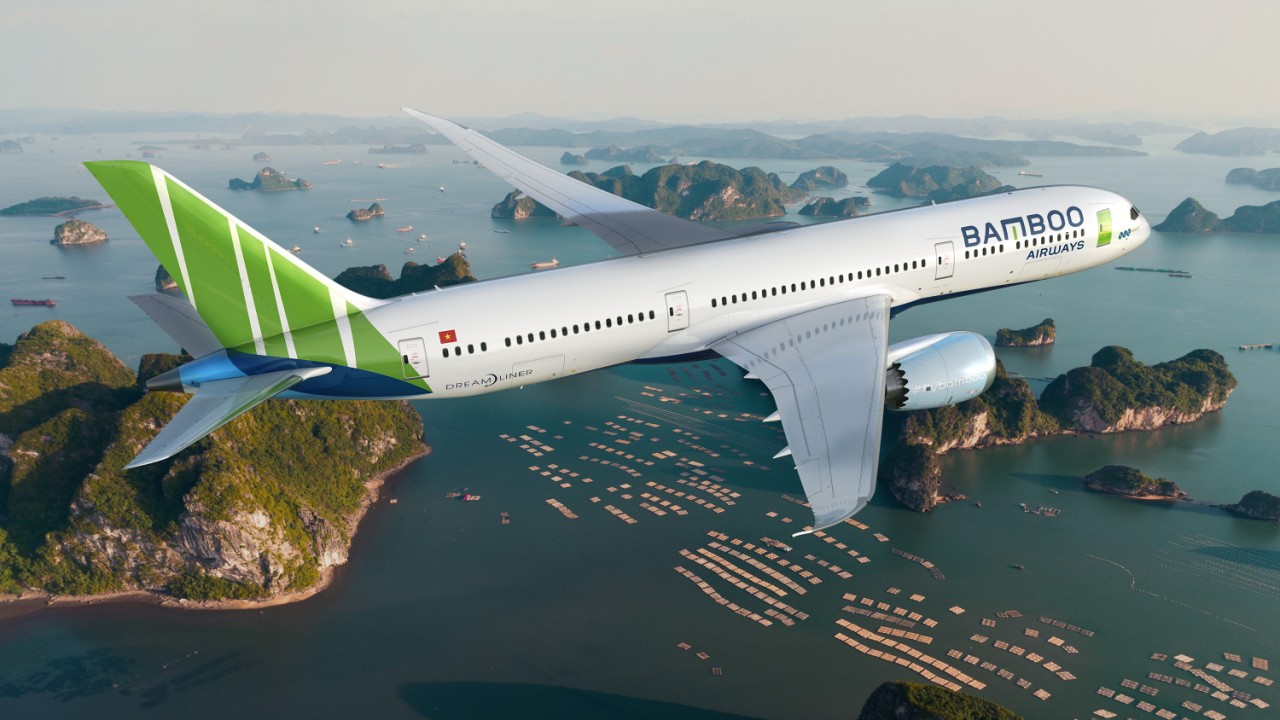
    Prime Minister Pham Minh Chinh has asked relevant ministries to find solutions to Bamboo Airways’ issues on capital, transfer of shares to new investors, and its fleet expansion.

    The airline has recently faced many difficulties, especially in finance.

    In mid-July, it was rumored Bamboo Airways asked the government for bankruptcy protection, but the private airline denied this.

    In early July, Bamboo Airways sent the prime minister a report on its operation and difficulties.

    Chinh assigned the Ministry of Transport to maintain the airline’s operating conditions to ensure security and safety in civil aviation transport, and the Ministry of Finance to remove difficulties in transferring its shares to new investors.

    He also asked the Ministry of Planning and Investment to quickly appraise a proposal allowing Bamboo Airways to increase its fleet to more than 30 aircraft, because the lengthy process would slow down the airline’s recovery and development as well as reduce its business opportunities.

    In addition, he proposed the State Bank of Vietnam work with the airline to remove financial difficulties, facilitating commercial banks’ contribution of capital to the airline.

    The prime minister requested the ministries and the central bank to report the results of their troubleshooting before September 15.

    Vietnam’s aviation industry has been recovering domestically but is still struggling to reclaim its share of the global market.

    In the first six months, the domestic market increased by 8% compared to pre-pandemic levels, but the international market remained 40% lower.

  • Apple may sell iPhone 15 in Vietnam next month

    Apple may sell iPhone 15 in Vietnam next month

    Apple may sell its new iPhone 15 in Vietnam in September, a month earlier than last year as the company considers adjusting the country’s “priority level” from 3 to 2.

    According to a local electronics retail chain, Apple is considering adjusting the priority level of the Vietnamese market from three to two.

    Priority level two means Vietnam retailers could be authorized to sell the new iPhone 15 in its second phase of release.

    Last year, iPhone 14 was launched on September 7 and sold from September 16 in markets with Apple Store shops. The second phase started on September 23 in 20 countries and territories. The product was officially distributed in Vietnam from October 14, the release’s third phase.

    “The final decision has not been made, but it is a remarkable signal that Apple is more interested in Vietnam and iPhone 15 may be sold a few weeks earlier than previous years,” said the chain’s manager.

    The launch date of the iPhone 15 is likely to be announced on September 13 and the new model will be on sale from September 22. These timelines are about one week later than the iPhone 14’s schedule last year, but the sale to second-tier priority markets could still be as early as September.

    Some electronics retail chains said that although Apple wants to raise the Vietnamese market’s priority level, thin iPhone 15 supplies could push the release of the model past its expected date in early October.

    Vietnam does not have an Apple Store like neighboring countries Singapore and Thailand. However, in recent years, the growth of the iPhone’s presence in Vietnam has been significantly faster than in some international markets.

    Vietnam was the sixth country in Southeast Asia to open an Apple Store Online in May, and just two months later became the third country in the region to have Apple Pay.

    According to analysts, Vietnam, Thailand, Indonesia and India are becoming more important to Apple as growth in other key regions is slowing.

    “Apple is further consolidating its presence in emerging markets,” Chiew Le Xuan, an analyst at Singapore-based technology market analyst firm Canalys, said when Apple opened its online store in Vietnam on May 18.

    “In recent months, Apple has also increased their distribution and network of Apple authorized resellers (AARs) in Southeast Asia,” he said.

    During the coming September launch ceremony, in addition to the iPhone 15 series with four models, the Watch Series 9 and Watch Ultra 2 models are likely to be released. New operating system versions such as iOS 17 and PadOS17 will also be officially released.

  • EC launches anti-dumping investigation into Vietnam’s steel

    EC launches anti-dumping investigation into Vietnam’s steel

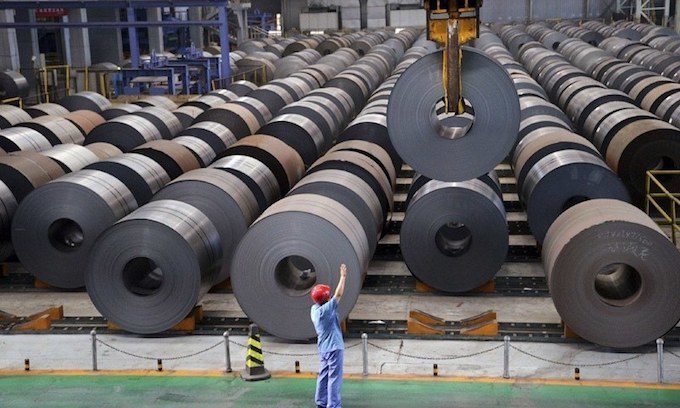
    The European Commission (EC) has announced the launch of anti-dumping and anti-subsidy tax investigations into cold-rolled stainless steel products imported from Vietnam.

    The investigations are being conducted at the request of the European Steel Association (EUROFER), according to the Trade Remedies Authority under the Ministry of Industry and Trade.

    The products concerned by the possible circumvention is flat-rolled products of stainless steel.

    The investigations will be implemented in nine months.

    Interested parties must make themselves known by contacting the EC within 15 days from the announcement, and c

  • Coca-Cola franchisee posts $236M revenue in Vietnam

    Coca-Cola franchisee posts $236M revenue in Vietnam

    Swire Coca-Cola, a franchisee of the Coca-Cola Company, recorded a revenue of US$236.32 million in the first six months in Vietnam.

    Its pre-tax profit was around $33.21 million in the period.

    Swire Coca-Cola is a partner of the Coca-Cola Company with a franchise to manufacture, market, and distribute products of the Coca-Cola Company in China, Cambodia, Vietnam, and the western U.S.

    Swire Coca-Cola entered the Southeast Asia market in July last year by purchasing the manufacturing line of Coca-Cola in Vietnam and Cambodia for over $1 billion.

    Leaders of Swire Coca-Cola considered the Vietnam purchase successful as it had made considerable contributions to the company, while its unit in Cambodia is posting a loss.

    Coca-Cola entered Vietnam in 1994, producing its beverage in three factories.

  • ABeam Vietnam offers automation businesses digital operation solutions

    ABeam Vietnam offers automation businesses digital operation solutions

    ABeam Vietnam’s platform integrates cutting-edge digital technology, reduces hurdles, and fosters innovation for rapid, dependable, and trouble-free growth.

    Many organizations across Vietnam are increasingly looking towards cloud-based Enterprise Resource Planning (ERP) solutions to streamline their operations, enhance scalability, overcome challenges, and drive efficiency.

    However, organizations need knowledgeable business partners to help guide them through their transformation journey, navigate changes, and achieve lifetime business value from their investments by leveraging the benefits of cloud solutions.

    ABeam Consulting (Vietnam) has gained extensive experience in various business and industry domains through years of consulting.

    The company provides a comprehensive range of consulting services that leverage the latest digital technologies, address the challenges faced by all industries, and support business innovation to accelerate management decision-making and growth.

    Ryohei Oda, Managing Director of ABeam Consulting (Vietnam), said that many companies hold back because of several uncertainties and challenges around cloud services and solutions. ABeam’s consulting services have been designed to assist clients and help them reach their fullest potential at any stage of digital transformation.

    “Customers can meet their budget and business needs. When they see the components and services clearly mapped out, moving to the cloud will feel safe, easy, and efficient,” Oda said.

    However, organizations in Vietnam are expected to adopt International Financial Reporting Standards (IFRS) instead of the current Vietnamese accounting standards by 2025 in their efforts to enhance comparability and improve transparency.

    SAP S/4HANA Cloud is designed to set up flexible parallel accounting, simplify, and automate to comply with the new legal requirement from Vietnam that mandates the adoption of the international accounting standards IFRS.

    ABeam Consulting has the largest number of certified SAP consultants in Vietnam. It was among the first consultancies to offer customers “RISE with SAP” and “Grow with SAP”. These comprehensive service packages from SAP integrate all the elements necessary for business transformation using ERP applications and cloud services.

    Moreover, the project teams combine industry-expert consultants abundantly experienced in the client’s business field with consultants who specialize in processes and technologies, including the latest SAP solutions such as SAPS/4HANA, C/4HANA, SAP Analytics Cloud, SAP Datasphere, SAP Business Technology Platform (SAP BTP), SAP SuccessFactors, SAP Concur, SAP Ariba, and SAP Integrated Business Planning.

    This enables the firm to provide numerous and diverse SAP consulting services fine-tuned to the client’s business to help them achieve true business transformation.

    Despite the competitiveness of the high-tech solutions market in Asia, earlier this year SAP announced ABeam Consulting as its first partner for the Regional Strategic Services Partner (RSSP) initiative.

    The RSSP initiative enables partners to scale their SAP practices more quickly across the region and collaborate more closely with SAP to deliver joint customer success.

    ABeam Consulting (Vietnam) was established in June 2018. The company has more than 70 consultants, including Japanese experts and Vietnamese consultants in SAP, S&O, and DX, and serves clients throughout Asia, the U.S., and Europe. See more information about ABeam here.

  • Vietnam rubber exports go almost exclusively to China

    Vietnam rubber exports go almost exclusively to China

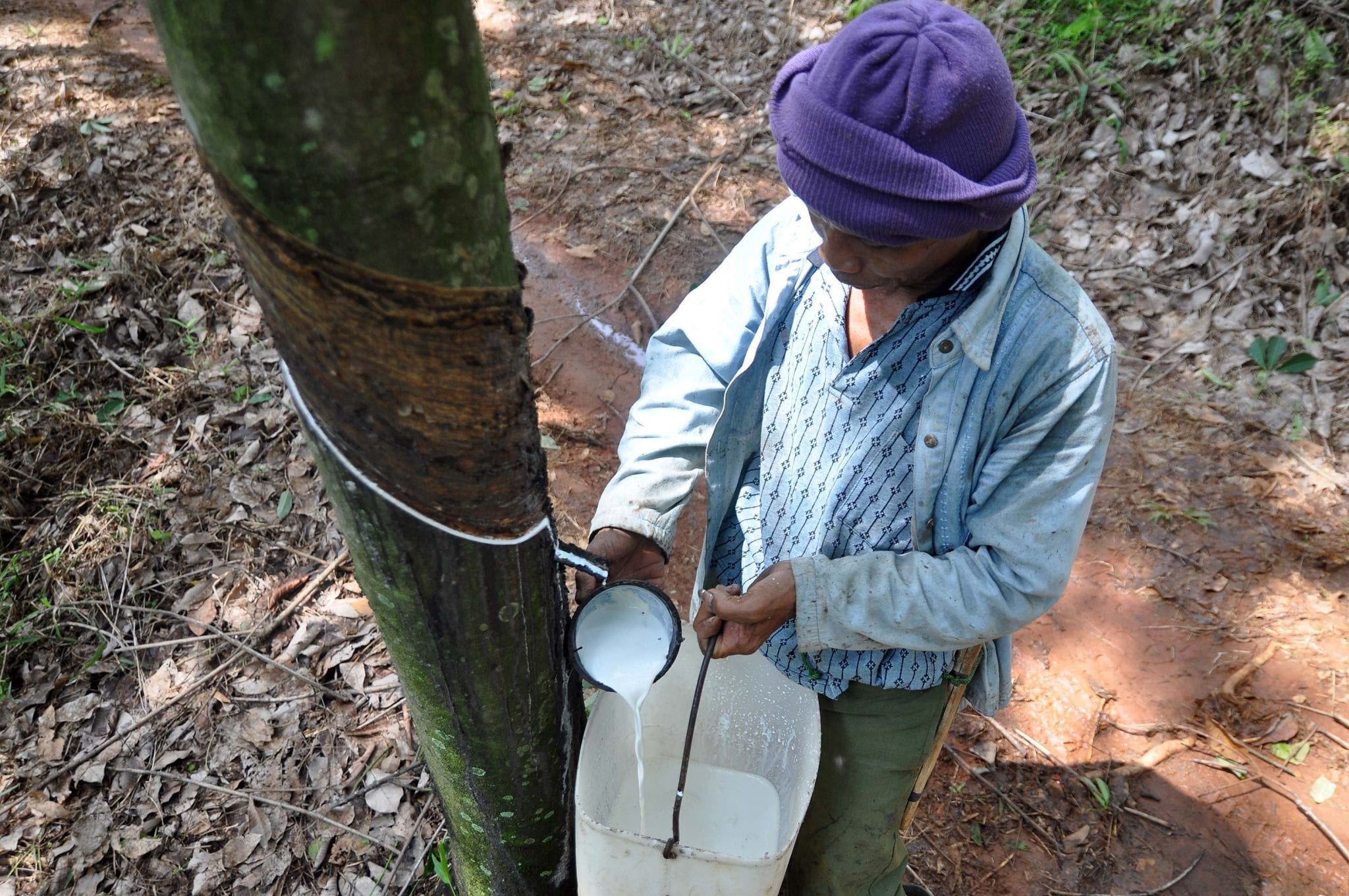
    Vietnam exported 757,600 tons of rubber for over US$1 billion to China in the first seven months of this year, accounting for 99.8% of its total rubber exports.

    Vietnam is China’s second largest rubber supplier after Thailand.

    Its shipments to China were up 12% in volume but down 10% in value year-on-year. The price in July was $1,291 per ton, down 17.9%.

    The Ministry of Industry and Trade’s import-export department forecast rubber exports to China to keep rising in the next few months due to a steady increase in demand.

    The Chinese government has rolled out a series of policies to support the economy after post-pandemic recovery slowed down.

    Vietnam exported over 2.1 million tons of rubber worth $3.3 billion last year, up 9.7% in volume and 1% in value from 2021.

  • Samsung tax refund delayed for two years in HCMC

    Samsung tax refund delayed for two years in HCMC

    A Samsung subsidiary based in Ho Chi Minh City has not received a VAT refund of US$44 million for two years due to red tape.

    Samsung Electronics HCMC CE Complex (SEHC), which exports around 90% of its products, formally became an export-processing company in May 2021, making it eligible for value-added tax incentives.

    But the VAT refund for before and after the transition it was supposed to receive never arrived, Youn Chel Woon, its CEO, said at a meeting between South Korean companies and HCMC authorities Wednesday.

    Vietnam offers a number of tax incentives to foreign enterprises and exporters, including VAT breaks.

    SEHC became eligible for a refund of $24 million from the time before it became an export-processing enterprise, and $20 million from the period between June 2021 and December 2022.

    The city tax department has been examining the situation since July and recently submitted a report to the General Department of Taxation.

    Woon urged city authorities to be more proactive in refunding taxes, saying some of his company’s suppliers are also having difficulty getting tax refunds promised by the government.

    Another South Korean firm, CJ Foods Vietnam, has not received tax refunds for lacking the title deeds for the land on which its factory is built.

    It was supposed to receive the documents in 2019.

    Issues with tax refunds are among the main problems South Korean companies face in Vietnam, Choi Bundo, chairman of the Korea Chamber of Business in Vietnam, said.

    “Resolving tax refund problems is taking longer and longer. We seek a solution from the authorities.”

    Nguyen Tien Dung, deputy head of the city tax department, referring to the SEHC case, said the reason for the delay is that the Ministry of Finance is yet to decide whether the refund would be made by the tax or customs department.

    As for the CJ Foods delay, he said some changes are occurring at the Hiep Phuoc Industrial Park where the company has its factory, and once they are complete it would receive the title deeds.

    The city government has instructed relevant authorities to resolve this issue by September this year, he added.

    South Korea is the fourth biggest investor in HCMC with $5.5 billion in 2,135 projects.

  • Vietravel Airlines seeks to lease three more aircraft from Cambodian carrier

    Vietravel Airlines seeks to lease three more aircraft from Cambodian carrier

    Vietravel Airlines, which has leased one aircraft from Cambodia Airways, has asked the carrier for three more this year.

    In June, Vietravel Airlines took delivery of an Airbus A319 to increase its fleet to four. It will get an Airbus A320 from the Cambodian carrier next month.

    If it can lease three more planes from Cambodia Airways before the end of this year, it will expand its network to South Korea and Japan, and better serve the travel boom during the Lunar New Year holidays early next year.

    The deal will also help start more services to tourist destinations in Vietnam and Cambodia.

    The carrier, launched in early 2021, hopes to increase its fleet to 25 aircraft by 2025 and to 50 by 2030.

  • VinFast becomes 3rd biggest EV maker globally

    VinFast becomes 3rd biggest EV maker globally

    VinFast has become the third most valuable electric vehicle maker behind Tesla and BYD with a market cap of US$85 billion.

    Its shares listed on the U.S.’s Nasdaq stock exchange Tuesday at $22 and closed at over $37 billion.

    VinFast’s market cap is higher than all EV startups in the U.S. combined.

    It also exceeds that of Ford Motor, GM, BMW, Volkswagen, and Mercedes-Benz.

    American company Tesla leads the industry with a market cap of $738 billion followed by China’s BYD with $87 billion.

    VinFast is followed by another Chinese company, Li Auto, with $40 billion.

    But data from Bloomberg shows that shares of EV companies that listed through special-purpose acquisition companies, like VinFast, have plummeted after listing.

    U.S. firms Lordstown Motors lost 99% of its value since its listing in October 2020 and Faraday Future 98% since July 2021.

  • High logistics costs hurt Vietnam’s economic competitiveness

    High logistics costs hurt Vietnam’s economic competitiveness

    Inadequate transport infrastructure and connectivity, and domestic enterprises’ low capacity and slow technology adoption and digital transformation are hindering the otherwise rapidly growing logistics industry, experts have said.

    The industry has grown rapidly along with the economy, trade, manufacturing, and e-commerce.

    The logistics industry is growing at an average of 14-16% a year and worth US$40-42 billion a year, said Tran Thanh Hai, Deputy Director of the Ministry of Industry and Trade’s Agency of Foreign Trade.

    Transport infrastructure has received large investments in recent years, with new seaports and airports being built. But the development has not been in lockstep and so failed to meet the growing demands of the logistics industry, Hai told a roundtable in Ho Chi Minh City on August 10.

    Many businesses are involved in logistics, but most are small or medium-sized with limited capital, information technology application, digital transformation, and human resources. This has led to high costs, he said.

    Dang Vu Thanh, Vice Chairman of the Vietnam Logistics Business Association, said the industry has yet to tap its potential fully.

    He pointed out that the poor transport infrastructure and connectivity between seaports, airports, warehouses, and industrial parks are hampering the development of the industry.

    He said that logistics costs are equivalent to around 18% of GDP, much higher than in other countries.

    He added that the high logistic costs reduce the competitiveness of the country’s exports and economy, and lowering them is a pressing concern.

    Mike Bhaskaran, group chief operating officer for digital technology at DP World, said to help businesses improve their trade capacity and support the development of logistics businesses, Vietnam needs to increase its visibility and transparency through promoting the development of the Internet of Things and GPS tracking system and improve its ability to predict market trends.

    On the business side, it must transform management technology to enhance automation, reduce delivery times and improve internal supply to reduce logistics costs, he added.

    The roundtable was held on the sidelines of the inaugural Vietnam International Logistics Exhibition that opened at the Saigon Exhibition and Convention Center on August 10.

  • Vietnam aluminum mining to increase exponentially

    Vietnam aluminum mining to increase exponentially

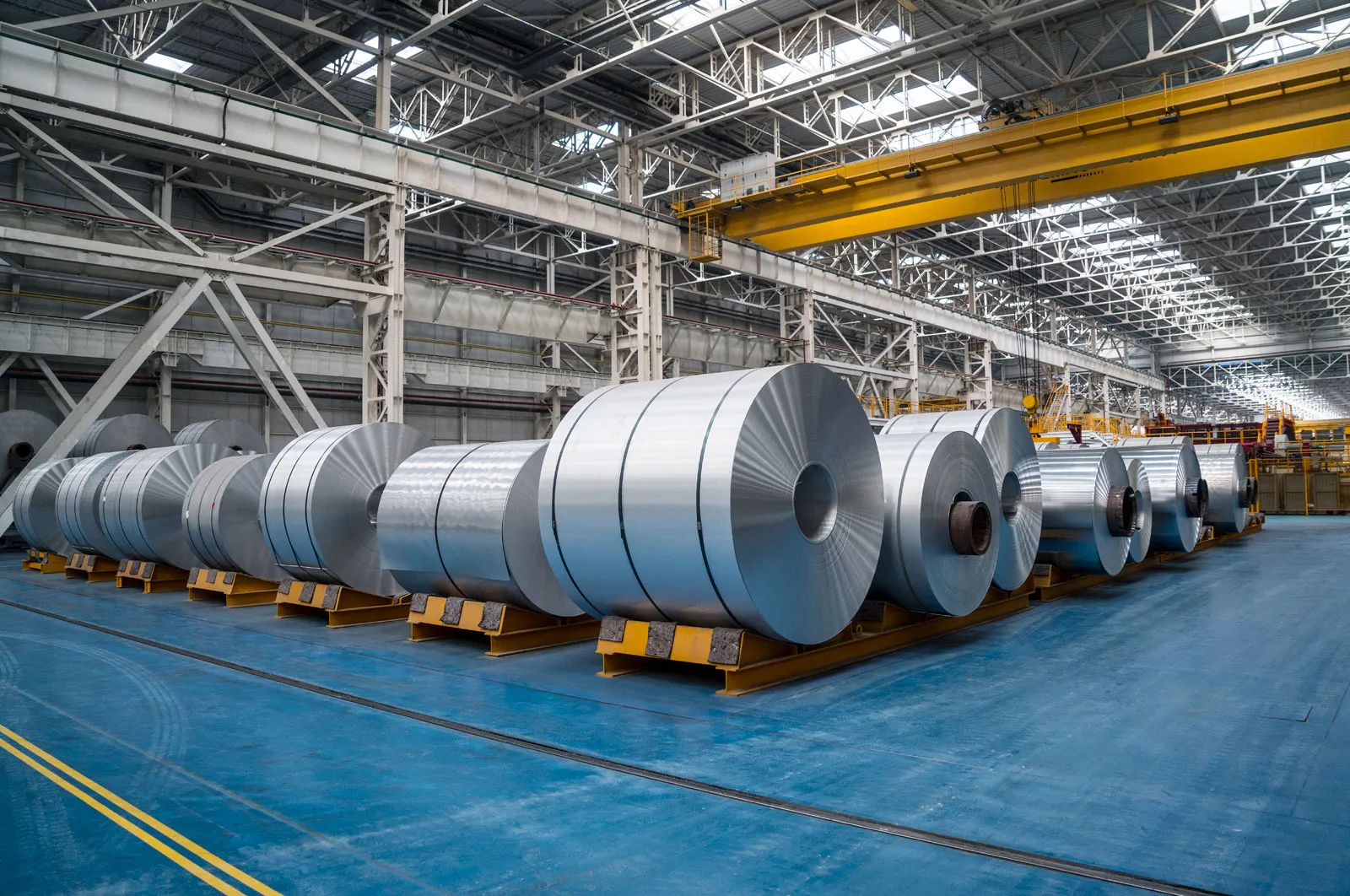
    The government plans to mine for bauxite, the ore used to produce aluminum, at three new locations in the north.

    It plans to develop by 2030 one site in Lang Son Province and two in Cao Bang, the Ministry of Industry and Trade said Wednesday.

    Their combined capacity will be within 1.55-2.25 million tons of ore annually.

    Besides, at least two existing mines in Lam Dong Province in the Central Highlands will be upgraded to increase production.

    The government will also explore the possibility of mining 68-112.2 million tons of bauxite annually in four central highlands provinces.

    At 5.8 billion tons, Vietnam has the world’s second-largest bauxite reserves behind only Guinea (7.4 billion), according to the U.S. Geological Survey.

    The majority of bauxite in Vietnam is found in the Central Highlands, especially Dak Nong Province.

  • Musang King durian moon cake prices up 10%

    Musang King durian moon cake prices up 10%

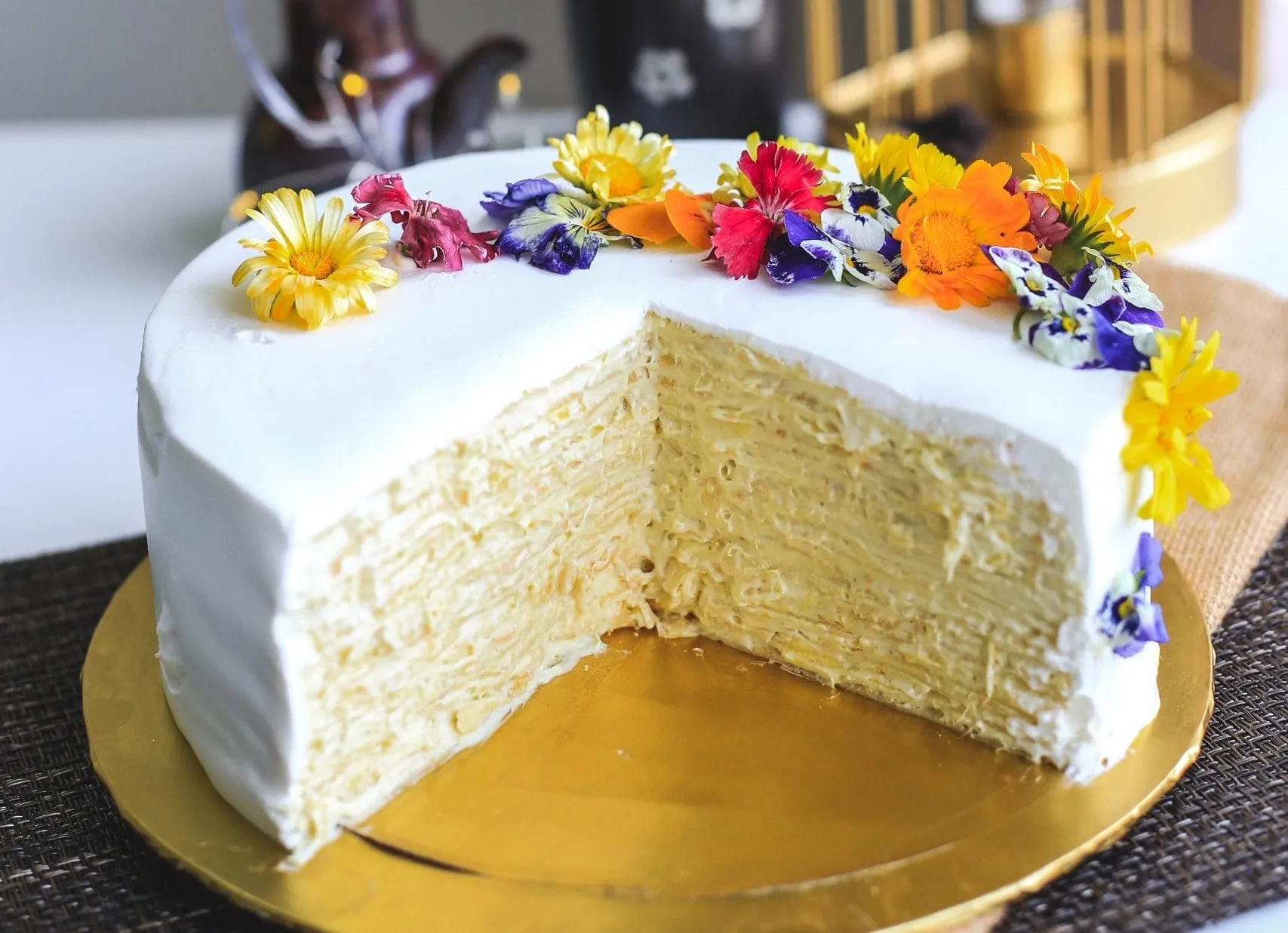
    Musang King durian moon cake prices, made with the popular durian variety originally from Malaysia, have increased by 2-10% year-on-year in Vietnam.

    Their cost ranges between VND900,000 ($37.90) to VND1.7 million per box. Last year, the most expensive product sold for around VND1.5 million.

    Hoang Anh, a moon cake vendor in Ho Chi Minh City’s District 3, sold out 500 boxes of Musang King and Black Thorn moon cakes in two weeks last year.

    She has doubled her imports this year.

    “We have to order five months in advance as the manufacturer needs to prepare durian beforehand.”

    A major distributor in HCMC plans to sell nearly 30,000 cakes this year, triple the amount last year.

    The cakes are mostly imported from Malaysia. Other markets that also sell them are Singapore and Hong Kong.

    Industry insiders say prices have gone up due to rising ingredient costs.

    Moon cake is a popular type of desert in Asian countries. It is often enjoyed during the Mid-Autumn Festival in the middle of Lunar August, which falls on Sep 29 this year.