Tag: Vietnam

  • Catfish exports to China plummet

    Catfish exports to China plummet

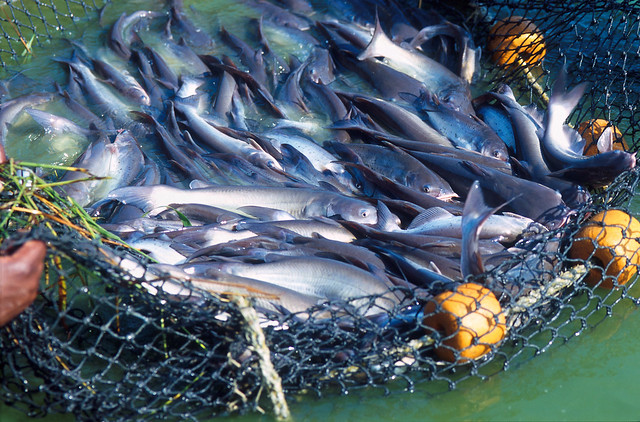
    Pangasius exports to China in the first eight months of this year fell 28%to US$406 million, according to the Vietnam Association of Seafood Exporters and Producers.

    Since September Chinese demand for the fish has not increased much even as it has stepped up imports from Norway, South Korea, Australia, and Chile.

    The director of a pangasius export company in southern An Giang Province said that demand from Chinese hotels and restaurants for catfish is low now.

    Chinese consumers prefer fresh seafood over frozen products.

    Besides difficulties in exporting, Vietnamese pangasius firms are also facing high input and farming costs.

    According to data from catfish exporters, farmers’ production costs are now VND26,500-27,000 (over US$1.1) per kilogram while their selling price is VND300-500 lower.

    The average export price is $2.5-2.6 per kilogram, down from $3.2 a year ago.

    “We are trying to sustain production, but this year profits have dropped sharply,” the export company director said.

    According to VASEP, demand for Vietnamese pangasius will increase again in the fourth quarter, the peak season in China.

  • Novotel Saigon Centre Hotel owner reports biggest ever loss

    Novotel Saigon Centre Hotel owner reports biggest ever loss

    Thien Phuc International Hotel Company, which owns the four-star Novotel Saigon Centre Hotel in HCMC, has reported its biggest ever half-yearly loss of VND369.6 billion (US$15.4 million).

    The loss for the year’s first half was 50% higher year-on-year, according to its earnings report.

    It had racked up full-year losses of VND786 billion in 2021 and VND783 billion in 2022.

    At the end of H1 2023 Thien Phuc had total liabilities of VND8.695 trillion, including VND6.4 trillion in corporate bonds it had issued.Thien Phuc used to belong to Que Huong Liberty Corporation, one of the largest hotel operators in the city.

    In 2016, Que Huong Liberty sold its entire holding in Thien Phuc to Saigon Green View Investment Corporation.

  • Vietnamese billionaire’s taxi firm to expand to Laos

    Vietnamese billionaire’s taxi firm to expand to Laos

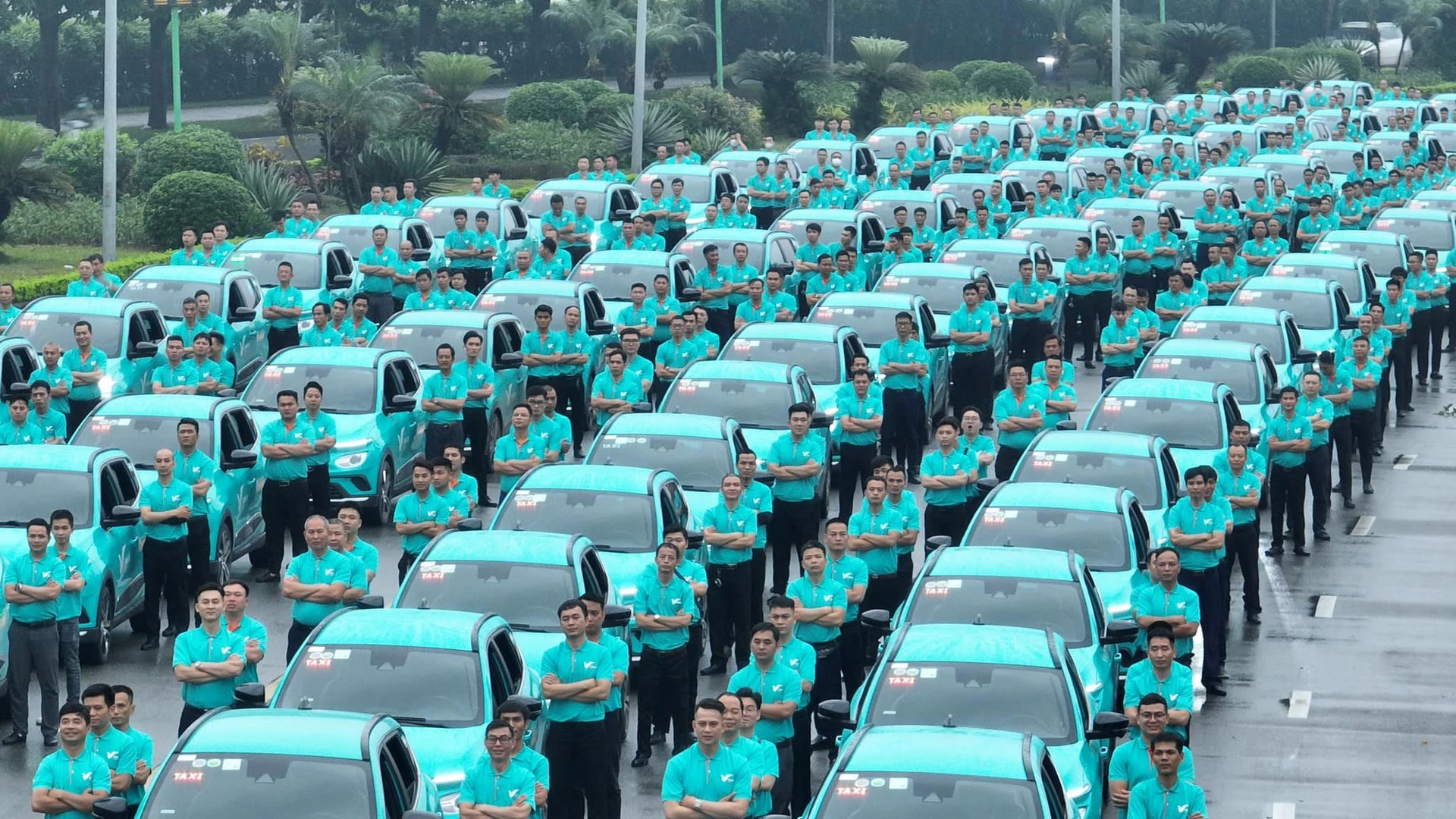
    GSM, an exclusively all-electric taxi company owned by Vietnam’s richest man Pham Nhat Vuong, plans to open services in Laos this year.

    The company, which uses only VinFast electric vehicles, aims to ship 150 electric cars to Laos first, and then increase the number to 1,000 by the end of the year. The cars will be the VF 5 Plus and VF e34 models.

    It will eventually sell and lease VinFast electric cars, similar to its services in Vietnam.

    “This is the first step in GSM’s plan to go overseas, giving it a place in the regional and global markets, is to help introduce electric vehicles to users,” GSM CEO Nguyen Van Thanh wrote on his personal social media page.

    GSM was established in March by Vingroup chairman Pham Nhat Vuong, who owns a 95% stake. It offers taxi and motorbike ride-hailing services.

    The company has partnered with ride-hailing Be Group to incorporate VinFast vehicles in the taxi service.

    GSM is the largest buyer of VinFast cars, according to a report VinFast sent to the U.S. Securities and Exchange Commission in the second quarter.

    GSM had received 7,100 electric cars from VinFast by the end of the second quarter. It had earlier signed a deal with VinFast to buy 200,000 electric bikes and 30,000 electric cars.

  • Vietnamese fruit faces tougher competition in China

    Vietnamese fruit faces tougher competition in China

    Vietnam exported less fruit to China as the northern neighbor increased dragon fruit cultivation and allowed official import of passion fruit from Laos and longan from Cambodia.

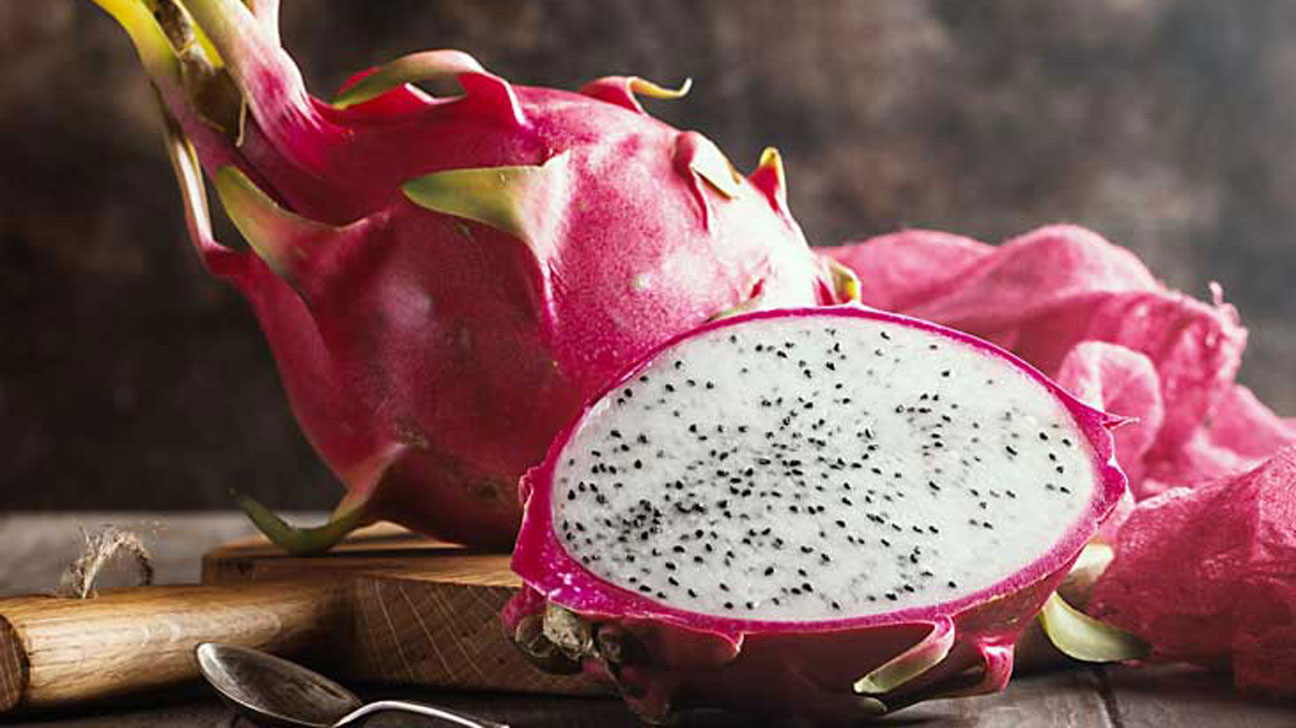
    Data from Vietnam Customs showed dragon fruit exports to China totaled US$442 million, posting a year-on-year decrease of 4.4%. Specifically, red-fleshed dragon fruit exports fell by 38%.

    Currently, China’s dragon fruit output exceeds Vietnam’s, and its selling price is lower than that of the Vietnamese fruit.

    Passion fruit exports from Vietnam to China dropped 36.5% to $29.5 million.

    Vietnamese fresh passion fruit used to have the leading market share. Recently China has reduced import of the Vietnamese passion fruit because it has grown the fruit, and allowed Laos to export the fruit to the market on official quota since 2022.

    The Chinese agricultural product export news site Produce Report cited data from China Customs showing the country annually supplies 600,000 tons of passion fruit to the market.

    With longan, Vietnam’s annual output of over half a million tons is oversupplied and continuously sold at cheap prices as China has new suppliers from Cambodia.

    Cambodia has exported longan to China on official quota since late 2022. Data from the Cambodian Ministry of Agriculture showed their fresh longan exports to China in the first eight months of the year surpassed 8,100 tons, including 3,250 tons in August alone.

    Vietnam is the 7th largest coconut-producing country in the world, but it has not been allowed to export the fruit to China on official quota.

    Cambodia, a country outside the top 10 with only 17,000 hectares of coconut, and an output of 248,000 tons in 2022, has exported fresh coconuts to China on official quota since September.

    Vietnam’s avocado, mango, and jackfruit are also at risk of competing with other countries for the Chinese market.

    Recently, Venezuela, the 15th biggest avocado producer in the world, was allowed to export the fruit to China on official quota. Meanwhile, Vietnam still has to export avocado to China on unofficial quota at low output values via under the table border trade.

    Malaysia has recently been approved jackfruit exports on official quota to China, just like Thailand and Vietnam.

    The director of a fruit export business in the Mekong Delta province of Long An predicted that the market share and selling prices of Vietnamese dragon fruit, passion fruit, and longan in China will continue to decrease sharply.

    Dang Phuc Nguyen, general secretary of the Vietnam Fruit and Vegetable Association, said Vietnam should re-plan dragon fruit and passion fruit growing areas to control quality and output of the two fruits.

    The country should facilitate negotiations with China to have avocado exported on official quota, and export the fruit to other markets such as Japan, South Korea, and the U.S., he said.

  • China grows more dragon fruit, reduces imports from Vietnam

    China grows more dragon fruit, reduces imports from Vietnam

    China is expanding the cultivation of red-fleshed dragon fruit, which sells at lower prices than imports from Vietnam.

    Last year, it said it grew the fruit on 67,000 hectares and produced 1.6 million tons, which exceeded Vietnam’s output.

    The People’s Daily newspaper reported that farmers in Cixi in Zhejiang Province in eastern China worked all night to pollinate dragon fruit, ensuring a bumper crop artificially.

    Chinese news site Produce Report said July-August is the peak season for the fruit, and in Guangxi, the largest producer in the country, dragon fruit prices have dropped to record lows.

    Red-fleshed dragon fruit is selling at some seven renminbi (nearly US$1) per kilogram and white-fleshed dragon fruit imported from Vietnam at around nine renminbi in Nanning, the capital of Guangxi.

    The local produce has also flooded markets in other Chinese localities, and mostly costs less than the Vietnamese imports.

    With the jump in domestic production, imports from Vietnam are falling.

    According to data from China Customs, 206,000 tons had been imported in the first half of this year, mostly from Vietnam, for 1.37 billion renminbi ($187 million), a year-on-year decrease of 50.4% and 42.9% and the lowest levels in nearly a decade.

    In August, Vietnam’s dragon fruit exports were down 20.5% year-on-year and 34% from July to $40.6 million. Exports in the first eight months declined 4.4% year-on-year to $442 million. In the first eight months, red-fleshed dragon fruit exports to China dropped by 36.5%.

    The director of a dragon fruit export company in the central Binh Thuan Province said while dragon fruit has always been a key export item with annual shipments exceeding $1 billion, they have been sluggish this year.

    Nguyen Dinh Tung, general director of Vina T&T Export-Import Service Trading Company, said exporting dragon fruit to China is not as lucrative as before. The U.S., Canada and Mexico have also started growing the fruit, causing Vietnam’s exports to them to shrink.

    Dang Phuc Nguyen, general secretary of the Vietnam Fruit and Vegetable Association, said the dragon fruit supply chain faces two challenges.

    Farmers overuse pesticides, whose residues exceed prescribed levels and fail to not meet food safety regulations in some countries, he said.

    After harvest, the fruit needs to be preserved properly to ensure quality, but Vietnam has limited technology for this, and could only preserve it for less than 60 days, making exports by sea to distant countries difficult, he said.

    Businesses need to persuade research institutions to create better preservation technologies, he added.

    Experts have called on authorities in dragon fruit-growing areas not to expand the area under the fruit, but to replace existing plants to improve productivity and quality.

    “Bedsides, processing facilities need to research into using dragon fruit in cosmetic products such as facial masks and skin creams for both domestic consumption and export like South American countries have done,” Nguyen said.

  • iPhone 15 sales top $42M on opening day

    iPhone 15 sales top $42M on opening day

    Sales of the newly released iPhone model surpassed the VND1-trillion (US$42 million) mark for a second year in a row, despite the economic downturn.

    The iPhone 15 came to Vietnam on Sept. 29, the first time the country was included in Apple’s second round of sales a week after starting in markets like the U.S., India, Singapore, Japan, and Thailand.

    Most Vietnamese retailers said sales were “much better than expected” in what has been a gloomy year for the phone market.

    The Gioi Di Dong sold more than 15,000 for worth VND500 billion, accounting for nearly 50% of the market.

    Other retailers such as FPT Shop, CellPhoneS, ShopDunk, and Hoang Ha Mobile reported sales of 2,000-7,000 each.

    In all, according to statistics from an importer, on Sept. 29 alone, 35,000 iPhone 15s worth more than VND1 trillion were delivered to customers. The phones were sold out within hours.

    FPT Shop did not disclose revenues for the full day, but merely said over 5,000 devices worth VND150 billion were delivered just after midnight.

    CellphoneS delivered 1,500 phones in the first two hours.

    The most popular variant, also the most expensive, has been the Pro Max, which accounted for 50-70% of sales.

    But their sales were 10-20% from last year due to the smaller supply but also because consumers have started to pay more attention to the two regular versions with their eye-catching colors and nearly similar features, according to a CellPhoneS executive.

    Most retailers sold out the 15 Pro and 15 Pro Max in natural titanium color.

    Users only have a choice between blue and black for the 1 TB version. Meanwhile, the 15 and 15 Plus had better sales than their predecessors though the most popular color, pink, is also in short supply.

    Overall, sales on the first day were lower than last year, when the iPhone 14 fetched VND1.5 trillion.

    A Hoang Ha Mobile executive said the number of devices allocated to the country by Apple was not as high as last year.

    The color options were also low, leading to the most popular models soon selling out, he said.

    Retailers still have iPhone 15 devices in stock, mostly the regular versions and less popular colors like black.

  • Vietnam probes wind towers imported from China, weighs anti-dumping tax

    Vietnam probes wind towers imported from China, weighs anti-dumping tax

    Vietnam’s industry ministry has launched an investigation that could lead to anti-dumping duties on wind towers originally from China, following a complaint by domestic producers, the government said on Saturday.

    Producers in Vietnam have claimed that dumping of Chinese-origin towers has caused “significant damage” to them, the government said in a statement, without elaborating.

    “In case of necessity, based on preliminary investigation results, the trade ministry can apply temporary anti-dumping measures to prevent dumping activities that hurt domestic manufacturing,” the statement added.

    The government gave no timeline for completing the investigation.

    Neither Vietnamese customs nor the statistics office provide data on wind tower imports.

    According to the trade ministry, local producers were proposing an anti-dumping tax rate of 97%.

    Wind towers imported to Vietnam currently enjoy a most-favored nation (MFN) tariff of 3%.

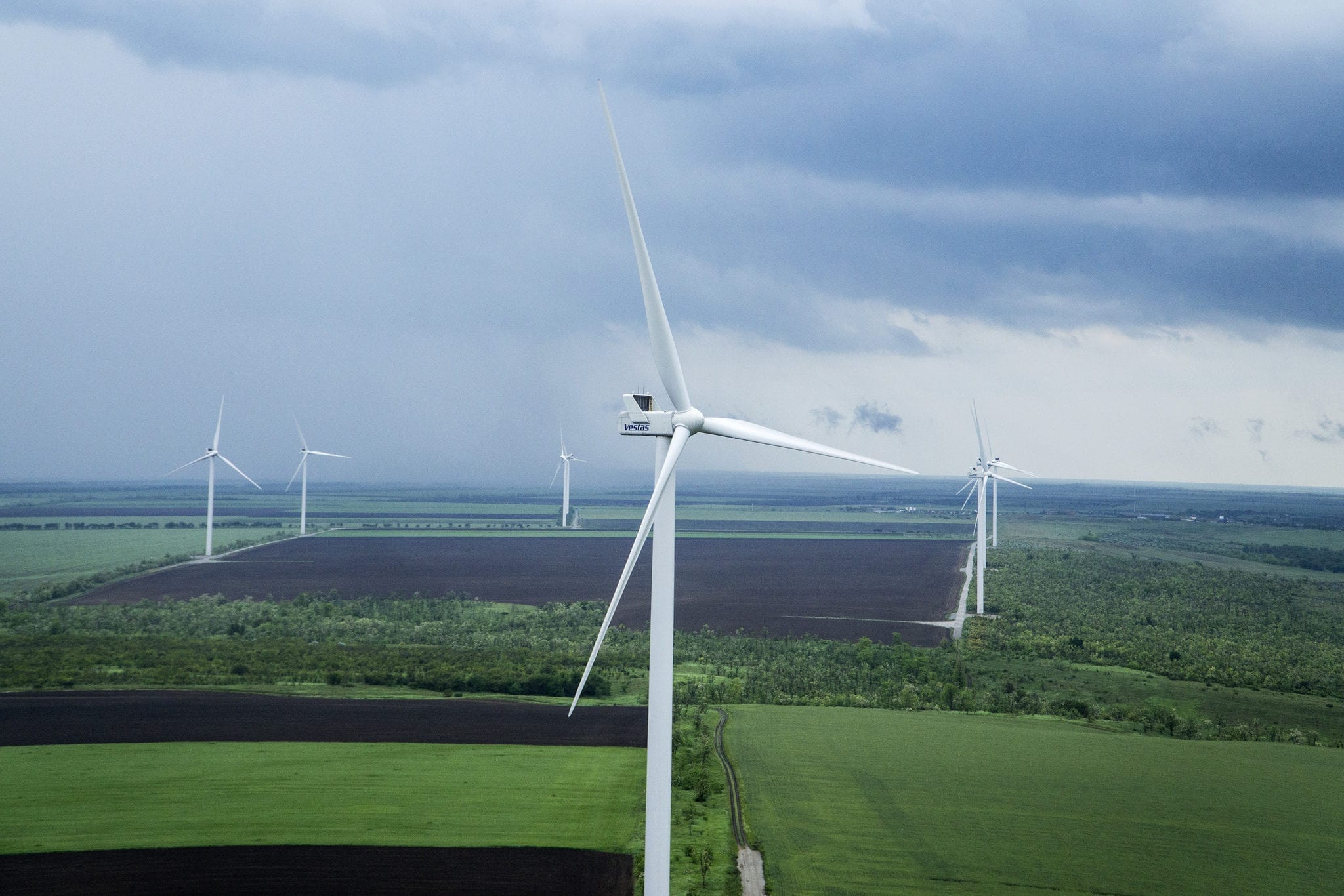
    Vietnam is looking to boost wind energy as it begins the transition to becoming carbon-neutral by mid-century, aiming for wind, most of it onshore, to account for 18.5% of the total power mix by 2030.

    The Chinese embassy in Hanoi did not immediately respond to a request for comment outside of business hours.

  • Indonesian cafe chain Kenangan Coffee enters Singapore

    Indonesian cafe chain Kenangan Coffee enters Singapore

    F&B unicorn Kopi Kenangan, known as Kenangan Coffee outside Indonesia, has expanded its footprint into Singapore, opening its first store at Raffles City Shopping Centre.

    The Singapore expansion follows Kenangan Coffee’s international debut last year in Malaysia, where it currently has more than 20 stores.

    “The profound love that Singaporeans have for coffee, from kopitiams to contemporary cafes, inspired Kenangan Coffee’s leap into this vibrant market,” said Edward Tirtanata, group CEO and co-founder of Kenangan Coffee. “The city’s diversity and its global F&B prominence make our expansion here a pivotal milestone.”

    The company said it plans to expand its presence to other Southeast Asian countries before expanding globally.

    “…We aspire to be the most-loved consumer brand in Southeast Asia, and Singapore will be a key foothold in helping us achieve this mission,” said James Prananto, co-CEO and co-founder of Kenangan Coffee.

    Kopi Kenangan became the first F&B unicorn in Southeast Asia early last year after raising US$96 million in a Series C funding round, which valued the company at more than $1 billion. The coffee chain, founded in 2017 by Tirtanatam, Prananto, and Cynthia Chaerunnisa, has more than 900 stores across Malaysia, Singapore and Indonesia.

  • Maison Kitsune opens first store in Vietnam

    Maison Kitsune opens first store in Vietnam

    Luxury fashion house Maison Kitsune has opened its first physical presence in Vietnam in conjunction with local distributor Tam Son International.

    The store, located on Trang Tien, one of Hanoi’s busiest streets, combines French and Japanese influences, as well as Vietnamese fine arts and local cultural identity.

    The store features a stone-paved facade and a warm colour tone running throughout, with four interconnected sections divided by wooden walls inspired by wicker art, furniture, and ceiling lighting, trying to commemorate Vietnamese heritage and workmanship.

    According to the firm, Maison Kitsune’s store setting captures the essence of the “Paris – Tokyo meets” lifestyle. Kitsune’s signature is light oak, herringbone floors, and marble counters, which highlight the brand’s minimalist design philosophy.

    Created in 2002 by Gildas Loaëc and Masaya Kuroki, Maison Kitsune offers a variety of brands, including Art de Vivre, integrating a fashion brand (Maison Kitsune), music label (Kitsune Musique), and coffee shops (Cafe Kitsune).

    The company operates in several countries and territories, including Thailand, Hong Kong, Japan, and the United States. In 2021, the brand made its debut in Beijing, China.

  • Bamboo Airways set to downsize fleet

    Bamboo Airways set to downsize fleet

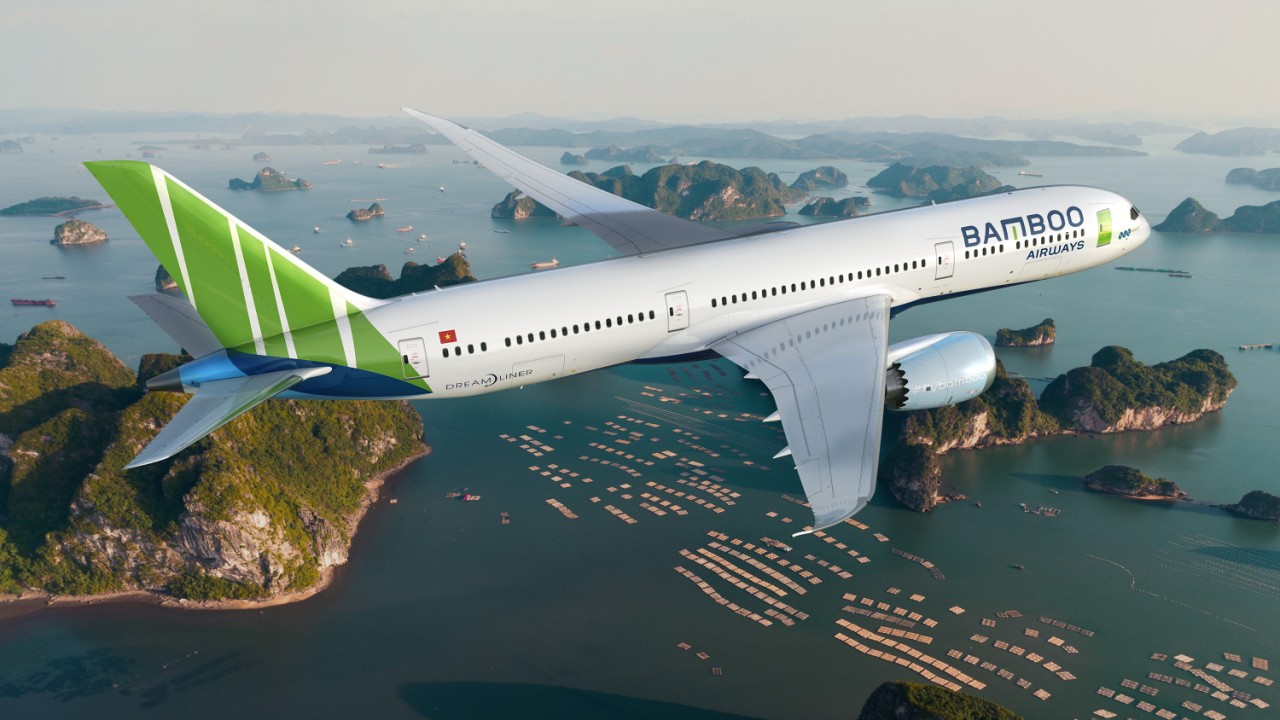
    After restructuring its flight network, Bamboo Airways has said it will also reduce the number of aircraft to lower costs.

    An executive at the airline said the restructuring in the past two months included discontinuing unprofitable routes.

    The airline has not yet announced the number or type of aircraft that will be grounded.

    According to German civil aviation database Planespotters, Bamboo Airways currently operates 23 aircraft, seven fewer than last year.

    It plans to seek approval from regulatory authorities to increase the size of its fleet to over 30 in future, though again, no concrete plans have been announced.

    In a recent report to the Ministry of Transport, the Civil Aviation Authority of Vietnam said it supports the expansion plan but added the airline needs to ensure it has the financial capacity, human resources, and aviation infrastructure.

    By flying three different aircraft – Airbus, Boeing, and Embraer – that do not allow interoperability, Bamboo Airways has additional costs in terms of hiring pilots, technicians, and training instructors for each of them.

    Many other Vietnamese carriers, such as Vietjet, Pacific Airlines, and Vietravel Airlines, only fly Airbus aircraft.

    All of Vietnam Airlines’ narrow-body aircraft are from Airbus, while its wide-body ones are a mix of Airbus and Boeing.

  • EVN seeks to speed up electricity imports from Laos

    EVN seeks to speed up electricity imports from Laos

    Vietnam Electricity (EVN) is seeking approval from the government to speed up the import of electricity from Laos since shortages are forecast in the northern region.

    It plans to import electricity equivalent to 225 MW from the Nam Mo and Houay Koauan hydropower plants.

    It is also seeking permission to link up the Savan 1 and 2 wind power plants in Laos with the Vietnamese grid.

    Until 2025 no new major power plant is set to enter the grid in northern Vietnam, which is expected to face shortages.

    By 2025 the shortage is estimated to be 3,630 MW.

    Purchasing from Laos is economical since its hydropower costs only 6.95 cents per kilowatt-hour, lower than local prices, EVN said.

    In August Prime Minister Pham Minh Chinh approved a proposal to import 2,698 MW worth of power from Laos, with EVN signing purchase contracts for around 83% of it.

    The north suffered a crippling power shortage in summer this year, with many localities resorting to load shedding. Imports from Laos and China met 10% of demand during the period.


  • iPhone 15 prices plunge 20% in three days

    iPhone 15 prices plunge 20% in three days

    An iPhone 15 Pro Max brought from overseas is now sold at around VND40 million (US$1,650) in Vietnam, down 20% in three days.

    Smartphone shops in Hanoi and Ho Chi Minh City on September 26 offered the VND40 million price for 256GB storage option. Higher storage options of 512GB and 1TB cost VND45 million and VND58 million, respectively.

    Traders queued up to buy the product at Apple stores in Singapore and Thailand and brought them to Vietnam unofficially.

    The first ones were available on Friday last week, one week before they are sold officially in Vietnam, at prices around VND70 million, or nearly 50% higher than official prices in Vietnam.

    Nguyen Hieu, owner of an unofficial Apple shop in Hanoi, said that he had anticipated the drop in prices this year as the iPhone is sold in Vietnam only one week later than Apple’s tier-1 markets, compared to several weeks in previous years.

    He only bought 20 iPhone 15s to sell in the last three days.

    Retail chains are reporting a shortage of the most expensive option, the iPhone 15 Pro Max, due to high demand from preorders.

    Customers will have to wait until the end of October for more supply, retailers said.

  • Porsche Vietnam presents new Cayenne

    Porsche Vietnam presents new Cayenne

    The third generation of Porsche “Sports Car for Five” features comprehensive upgrades to the powertrain, chassis, design, and equipment, further enhancing driving performance and offering luxurious comfort.

    With the vision “Further Together”, Porsche Vietnam unveiled the all-new and thoroughly refined Cayenne. The third generation of the luxury SUV made its national debut at the Contemporary Space of Porsche Cayenne at Porsche Centre Saigon and Porsche Studio Hanoi, equipped with a highly digitalized display and control concept, new chassis technology, and innovative high-tech features.

    Ever since its world premiere in 2002, the Cayenne has been a game-changer. Combining the performance characteristics of a Porsche with luxury and utility, it is the definitive sports car in the SUV segment and a true pioneer.

    Since its establishment in 2007, Porsche Vietnam has been turning sports car dreams into reality. One-third of all Porsche vehicles delivered in Vietnam are Cayenne models, making it the best-selling Porsche here to date.

    “We are excited to introduce the new Cayenne in Vietnam with a tremendous product upgrade. The new Cayenne creates more opportunities for Vietnamese Porsche fans to experience their dream sports car than ever before,” said Andreas Klingler, general director of Porsche Vietnam.

    Key highlights of the new Cayenne include high-definition HD Matrix LED Headlights that provide road illumination tailored to every driving situation, an air quality system that filters pollutants from the air in the interior, and, for the first time in the Cayenne, front passengers have their own infotainment display—for streaming videos during the trip, for example.

    With its extensively upgraded design and more powerful engine range, the Cayenne emphasizes its claim to be the sportiest car in its segment.

    A highly significant model launch adds to Porsche Vietnam’s momentum. Since it was officially established in 2007, Porsche Vietnam has grown to become one of the most exciting markets for Porsche, both from a global and regional perspective.

    After marking its 15th anniversary in 2022, Porsche Vietnam carries a positive momentum forward into 2023, Porsche’s 75th anniversary year, with the launch of the new Cayenne. Porsche has maintained a steady position as Vietnam’s top luxury sports car brand.

    “We see an increasing number of Porsche cars on the roads of Vietnam. Our biggest achievement so far is building and spreading sports car fascination, nurturing a passion for the brand, and turning sports car dreams into reality. This reflects the aspirations that motivate us, and more notably, it underscores the passionate support from our valued customers and fans in Vietnam,” Klingler said.

    At Porsche, the brand interacts with sports car enthusiasts in engaging and innovative ways. Porsche’s already attractive product portfolio now receives a boost with the new Cayenne, with a comprehensive range of upgrades ready to take any family further together.

    The all-new Cayenne: Featuring Porsche Driver Experience

    Porsche has integrated a completely revised display and control concept into the new Cayenne.

    The new Porsche Driver Experience, first introduced in the Porsche Taycan, focuses on the driver’s axis and optimizes operation. Functions that the driver frequently uses are located directly on or immediately next to the steering wheel.

    For example, the lever located on the left behind the steering wheel now has additional functions for operating the driver assistance systems. The automatic transmission selector lever in the new Cayenne is now on the dashboard.

    This makes room on the new center console for storage compartments and a large air conditioning controller in an elegant black panel design.

    Large, easily accessible controls combined with mechanical air conditioning switches and a haptic volume controller ensure optimum operability and a refined look.

    A key feature of the new Porsche Driver Experience is the balance between digital and analog elements. For the first time, the redesigned cockpit of the Cayenne includes a fully digital 12.6-inch instrument cluster with a curved and free-standing design and variable display options. An optimized head-up display is also available.

    The standard 12.3-inch central Porsche Communication Management display integrates harmoniously into the new dashboard and provides access to all the relevant vehicle functions.

    Native apps such as Spotify® and Apple Music® are provided to optimize connectivity in the new Cayenne. A 10.9-inch display is now available for the first time on the passenger side.

    This enriches the front passenger’s driving experience by displaying performance data, providing separate access to the infotainment system controls, and, depending on the market, offering the option of streaming video content on the road. A special foil ensures that the driver cannot see this display.

    Refined design, innovative lighting technology

    The new Cayenne now has a particularly expressive appearance. A new front end combined with more strongly arched wings, a new bonnet, and technically appealing headlights emphasize the vehicle’s width.

    Three-dimensionally designed taillights, uncluttered surfaces beneath, and a new rear apron with an integrated number plate holder characterize the rear-end design of the new Cayenne.

    An expanded color palette with three new colors, lightweight sports packages saving up to 33 kilograms for the Cayenne Coupé, and a new extensive range of 20, 21, and 22-inch wheels make it possible to configure the new Cayenne individually and dynamically.

    Matrix LED headlights are now standard in the new Cayenne. HD matrix LED headlights are a new optional feature.

    With two high-definition modules and more than 32,000 pixels per headlamp, their innovative technology picks out other users and blocks out the light of the high beam for them with pixel accuracy so as not to dazzle them.

    The brightness of the modules can be regulated in more than 1,000 steps, depending on the driving situation. Customized light modes increase safety and comfort in different driving situations.

    Porsche has also introduced an air quality system in the new Cayenne.

    As standard, the vehicle uses predictive navigation data to detect approaching tunnel entrances and automatically activate air recirculation.

    Optionally, a sensor detects the level of fine dust particles in the air and passes them through the fine dust filter multiple times if necessary. Furthermore, an ionizer removes many germs and pollutants from the air, which is particularly beneficial for allergy sufferers.

    In addition, customers can use a comprehensive range of new and optimized assistance systems. These include the active speed limiter and the swerve assist, the cornering assist, and the improved Porsche InnoDrive as part of the adaptive cruise control.

    This means that the new Cayenne is even better at helping its driver in dangerous situations as well as in traffic jams on motorways and main roads.

    Increased range between ride comfort and performance

    Porsche now equips the Cayenne at the factory with a steel spring suspension, including Porsche Active Suspension Management.

    New shock absorbers with 2-valve technology and thus separate rebound and compression stages allow optimized performance in all driving situations.

    Comfort at slow speeds, handling during dynamic cornering, and pitch and roll support have been noticeably improved.

    The driving experience can be additionally enhanced with the new adaptive air suspension with 2-chamber, 2-valve technology. This improves the driving experience with a soft suspension characteristic, stabilizes the vehicle, and simplifies on-road and off-road handling compared to both the standard suspension and the predecessor model.

    At the same time, the adaptive air suspension improves driving precision and performance and reduces body movements in dynamic driving situations. The suspension also offers an even sharper differentiation between Normal, Sport, and Sport Plus driving modes.

    The all-rounder: More power and sportier

    In Vietnam, the new Cayenne debuts with three different versions.

    An extensive refinement of the four-liter V8 biturbo engine developed by Porsche replaces the previous V6 engine in the new Cayenne S.

    With a maximum output of 349 KW (474 PS) and a torque of 600 Nm, 25 kW (34 PS) and 50 Nm more than its predecessor, it accelerates both the SUV and the SUV Coupé to 100 km/h in 4.7 seconds.

    The top speed is 273 km/h. The entry into the world of the Cayenne comes with an optimized three-liter V6 turbo engine. It now generates 260 kW (353 PS) and 500 Nm, which is 10 kW (13 PS) and 50 Nm more than before.

    The Turbo GT, designed for maximum on-road performance, is still the top model in the Cayenne range in most Porsche markets.

    It is available exclusively as a coupé and benefits from all the optimizations and innovations of the model series. In addition, the output of the four-liter V8 biturbo engine of the Turbo GT has been increased by 14 kW (19 PS) to 485 kW (659 PS).

    The Cayenne Turbo GT accelerates from zero to 100 km/h in 3.3 seconds, with a top speed of 305 km/h. The all-new Cayenne models are available to order now from Porsche Vietnam.

    The price of all 5 versions of Cayenne is VND5.56-14.36 billion. All prices are estimated and include import tax, SCT, VAT, and local service packages.

    Porsche in Vietnam continues to grow with Porsche Centre Saigon in HCMC, Porsche Centre Hanoi, and Porsche Studio in Hanoi.
  • Fruit, vegetable exports historical high

    Fruit, vegetable exports historical high

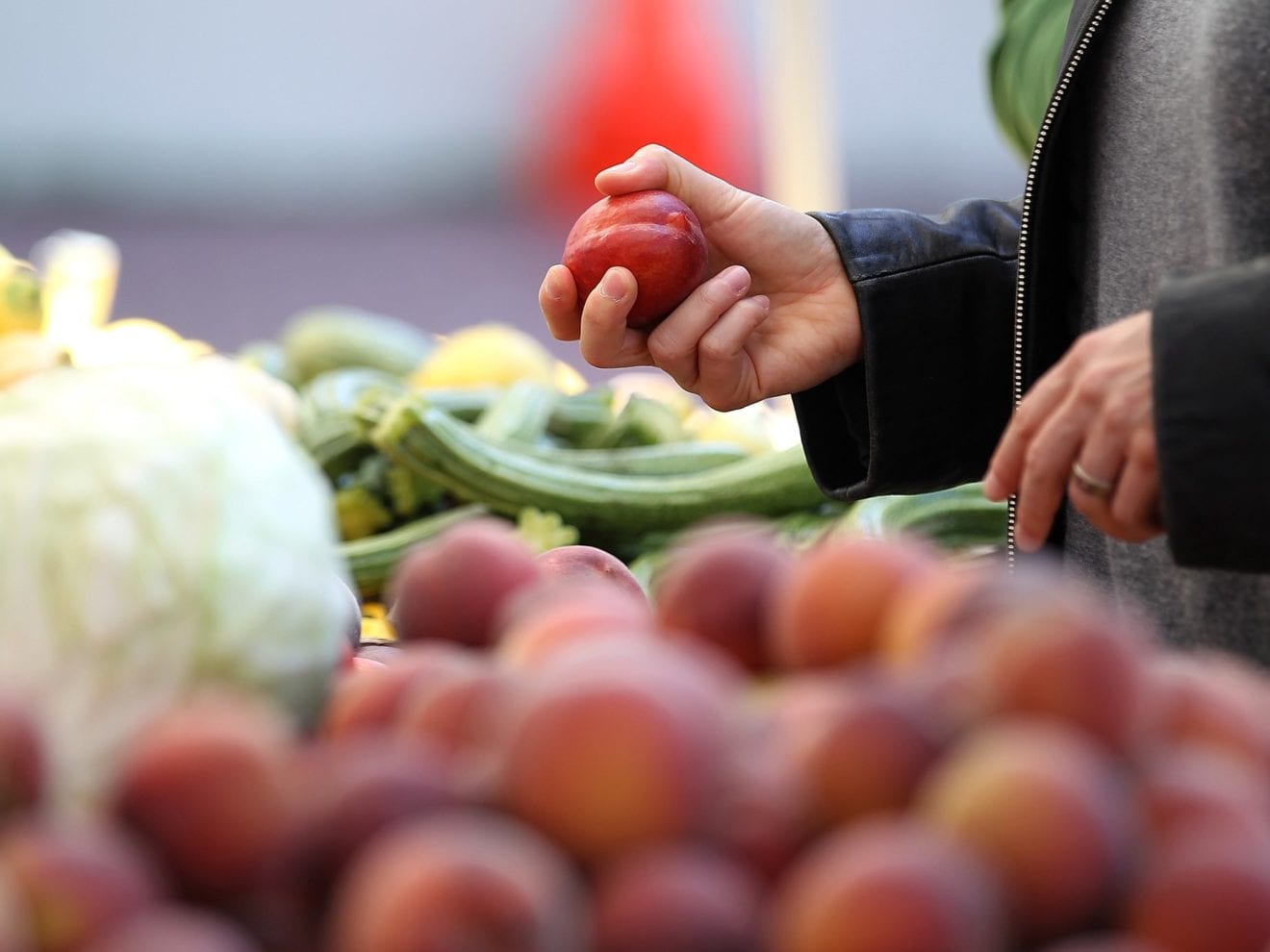
    Fruit and vegetable exports in the first three quarters are worth an estimated US$4.1 billion, 24% more than in full-year 2022, Vinafruit said, citing customs data.

    Vinafruit, or the Vietnam Fruits and Vegetable Association, said durian, banana and dragon fruit were the main contributors to the increase, with durian in the lead after climbing into the billion-dollar export club.

    China has been by far the biggest importer, buying $2.3 billion worth of fruits and vegetables from Vietnam in the first eight months of the year, a 134% increase year-on-year and accounting for a 64% share.

    The next three biggest importers have been the U.S. ($168 million, 6% down in the same period), South Korea ($148 million, up 18%), and Japan ($123 million, up 6%).

    Durian exports increased 20-fold this year. Unlike the Thai and Philippine varieties, Vietnamese durian can be harvested even in the so-called off-season, and their exports fetch higher prices as a result.

    China also bought bananas and jackfruit from Vietnam at higher prices and is considering buying fresh coconuts through official quotas.

    The U.S. recently allowed imports husked coconut from Vietnam.

    According to the Ministry of Agriculture and Rural Development, Vietnam plans to both export more items and to more markets, including passion fruit to the U.S. and Australia; grapefruit to Japan, Korea, Australia, and India; durian to India; and citrus fruits, coconut and durian to China.

  • Techcombank chairman’s daughter buys 82 mln TCB shares

    Techcombank chairman’s daughter buys 82 mln TCB shares

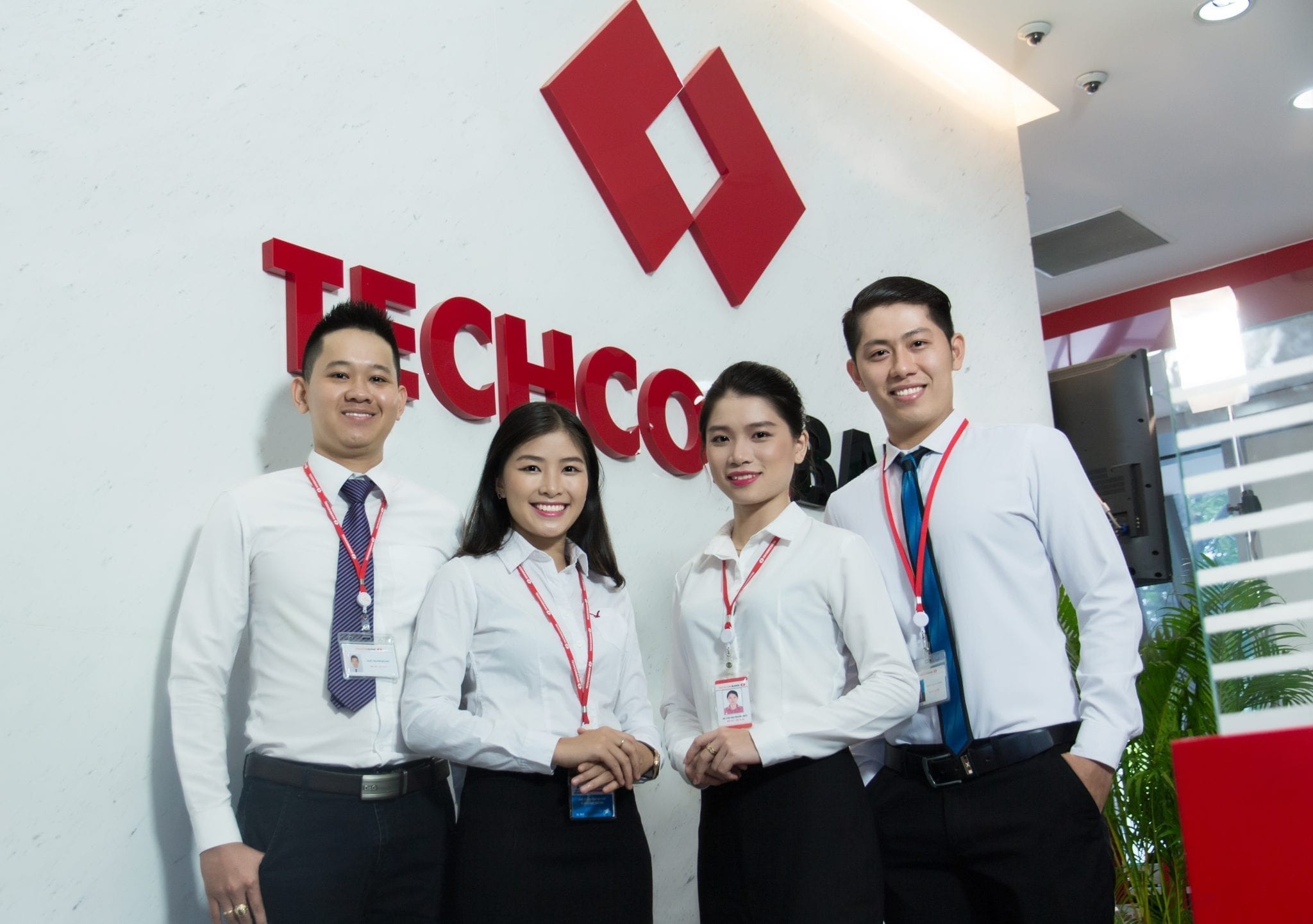
    Ho Thuy Anh, daughter of Techcombank (TCB) chairman Ho Hung Anh, has bought 82 million TCB shares worth at least US$110.1 million.
    The transaction, completed between Sept. 5-8, will increase her stakes in Vietnam’s largest private bank from 0.64% to 2.97%.

    As of the end of June, the chairman Hung Anh held 39.3 million TCB shares, or 1.1% stake in the lender. His family currently holds 621 million TCB shares, a 17.7% stake.

    In the four-day period Sep5-8, a total of 83.3 million TCB shares changed hands in put-through transactions at two trading sessions on Sept. 5 and Sept. 8.

    Specifically, the Sept. 5 session saw 37.5 million TCB shares worth VND1.2 trillion (US$50.8 million) traded, and the Sept. 8 session saw 45.8 million shares change hands worth a total VND1.53 trillion.

    Currently, the market price of TCB shares has been fluctuating around VND35,000 per share, 27% higher than the beginning of this year.

    The bank’s profit was VND11.3 trillion in the first half of this year, a year-on-year decline of 20%, mainly due to difficulties accessing corporate bonds and real projects’ struggles attaining credit.

    After being the second-biggest profit maker among commercial banks in Vietnam for years, Techcombank fell to fifth place in profit rankings in the first six months of this year.