Tag: Vietnam

  • Okxe opens first motorbike service station in Hanoi

    Okxe opens first motorbike service station in Hanoi

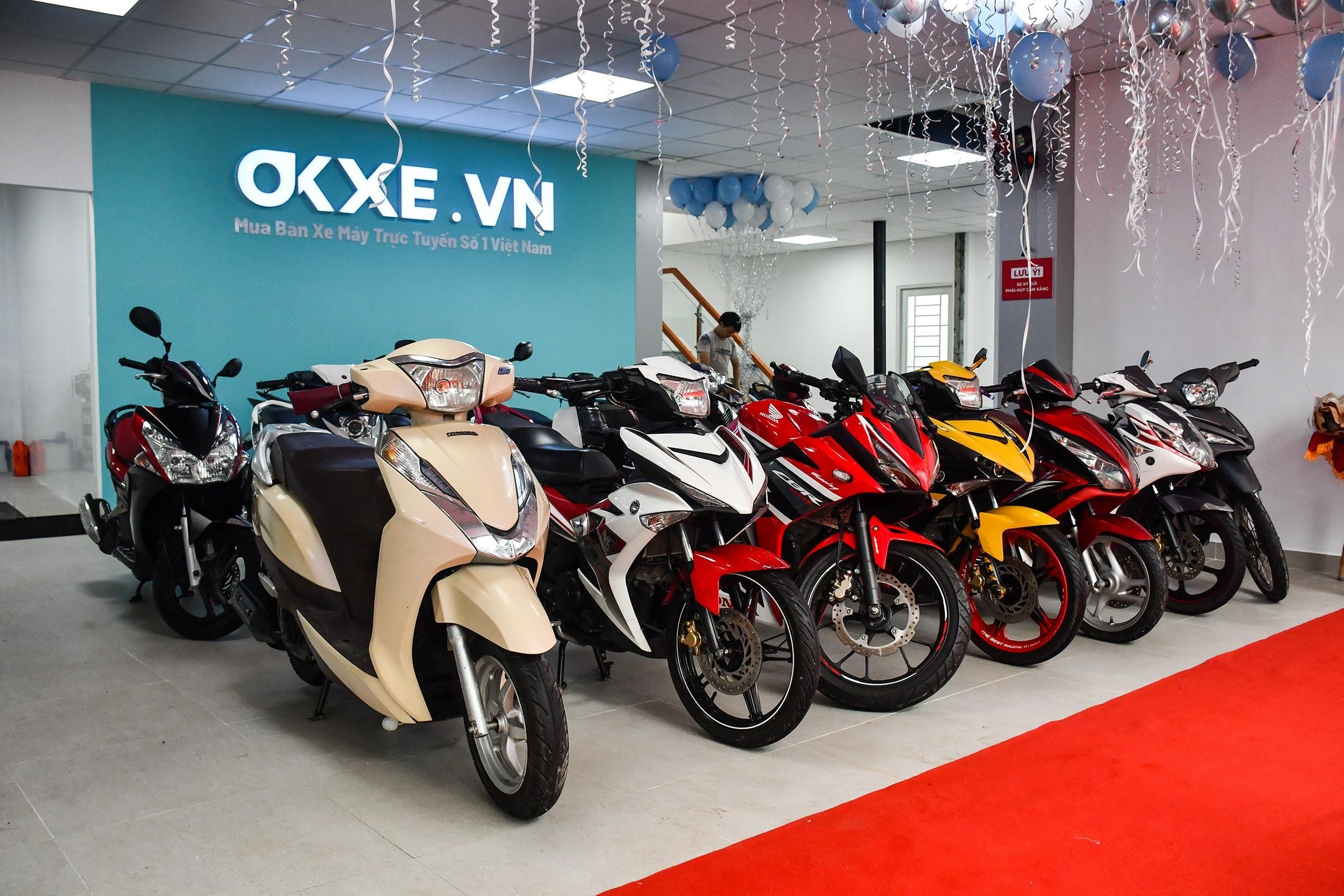
    Hanoi’s first OKXE Motorbike Service Station officially opened at 92 Kham Thien on August 8.

    The station is the second Okxe to open in Vietnam since its online-to-offline (O2O) motorbike business model was put into operation in May 2022. The first was opened in HCMC at 40E Ut Tich, Ward 4, Tan Binh District.

    With an e-commerce platform specializing in trading motorbikes with strengths in AI and Big Data technology developed since 2018, Okxe Motorbike Service Station purchases and sells motorbikes with the market’s first warranty service at an affordable market price.

    In addition, the company provides professional vehicle repair services with a team of well-trained Okxe Care technicians.

    With a modern design and focus on customer experience, Okxe is confident in bringing a special type of motorbike buying and selling service, completely new and unprecedented.

    Okxe provides a clear look outside the motorbike and has strict requirements on the origin and legal documents for the purchase of a used motorbike.

    The company also ensures the quality of the product when building and putting into operation a vehicle quality inspection process consisting of 60 evaluation points for used motorbikes instead of committing to the quality of each vehicle sold at its stations.

    In addition to ensuring the quality of motorbikes sold, the Okxe Care team with experienced personnel also brings peace of mind to customers with a 1-year warranty policy worth more than VND3.3 million (US$139), including 10 comprehensive maintenance categories that apply to both used and new motorbikes.

    All services of Okxe are oriented towards the motto “Buy motorbikes easily, sell motorbikes leisurely,” providing a full range of motorbike buying and selling solutions, from online to offline transactions, including used and brand-new motorbikes for users with guaranteed quality and simple procedures.

    Trang Vu, Vice President of Okxe, said that after more than a year of directly participating in the motorbike business in Vietnam, the company has been recording positive signals with stable sales growth. That is also the basis for Okxe to continue its efforts to perfect the chain of products and services for users.

    “With the opening of the Motorbike Service Station in Hanoi as well as the implementation of the plan to expand the store system from now until the end of 2023, Okxe commits to providing top-quality experiences so that customers are always satisfied during the process of using our services, from considering selection, owning, and using until later transfer,” a representative of the start-up company added.

    On the occasion of opening the Motorbike Service Station in Hanoi in August 2023, Okxe is offering many attractive promotions for customers. Interested readers can read more here.


  • Vietnamese EV maker VinFast gets go ahead for Nasdaq SPAC listin

    Vietnamese EV maker VinFast gets go ahead for Nasdaq SPAC listin

    Vietnamese electric vehicle maker VinFast said it expects to start trading on the U.S. Nasdaq as soon as next week after its merger into a special purchase acquisition company (SPAC) was approved on Thursday.

    On Thursday, shareholders of Hong Kong-based Black Spade Acquisition, a blank-check company, voted to approve the merger with VinFast.

    VinFast, in a joint statement with Black Spade, said it would list on the Nasdaq under the ticker symbol VFS “on or around August 15”.

    The remaining shareholders of Black Spade approved the merger on Thursday. In July, over 80% of the shareholders in the SPAC had opted to redeem their shares before the merger.

    The SPAC merger will not raise new capital for VinFast but the company’s founder Pham Nhat Vuong has championed a U.S. listing as the carmaker seeks to expand in the U.S. market and is building a plant in North Carolina.

    The two companies said the merger had valued VinFast at $23 billion. In comparison, the current market capitalization of U.S.-listed EV makers Rivian and Lucid are $21 billion and around $17 billion, respectively.

    It leaves VinFast’s existing shareholders, including parent company Vingroup and Vuong, Vietnam’s richest man, with 99% of shares in the company.

    “The voting results today are a vote of confidence in VinFast from Black Spade shareholders,” VinFast’s global head Thuy Le said in the statement.

    VinFast had filed for an initial public offering on the Nasdaq last December, but in May announced plans to list through a merger with Black Spade.

    Other EV makers including Faraday Future, Nikola Corp and Lucid have listed via SPAC deals but the market for such deals has faced increased scrutiny from investors and regulators.

    VinFast has shipped around 3,000 EVs to the United States from its plant in Haiphong, Vietnam. It started to deliver its first VF8 EVs in March. It has not announced U.S. sales figures.

    VinFast’s first-quarter revenue dropped 49% from the previous year and it posted a net loss of $598 million. In 2022, the company posted a loss of $2.1 billion. It has not yet made a profit.

    Vuong, who is also chairman of Vingroup, Vietnam’s largest conglomerate, told Vingroup shareholders in May that VinFast expected to sell as many as 50,000 EVs this year and could break even as soon as the end of 2024.

    The company has previously missed some of its internal delivery targets. It faces competition from established rivals led by Tesla, which have been driving down prices and bringing a range of new EVs to market.

    Black Spade was founded by the private investment arm of Lawrence Ho, son of the late gambling mogul Stanley Ho.

  • Vietnam to impose anti-dumping duties on Thai sugarcane products

    Vietnam to impose anti-dumping duties on Thai sugarcane products

    Vietnam has imposed anti-dumping and countervailing duties on sugarcane products from several Thai companies from August 18 to June 15, 2026.

    The duties will be imposed on the Mitr Phol Sugar group, Asia’s largest sugar and bioenergy manufacturer, along with four affiliated companies and Czamikow Group Limited.

    The Thai Roong Ruang Industry group, Thailand’s second-largest sugar manufacturer, along with its five affiliated companies, will also see duties imposed, according to the Ministry of Industry and Trade.

    The lowest rate of anti-dumping duties will be 25.73% and the highest at 32.75%. The highest rate of countervailing duties will be 4.65%.

    In June 2021, Vietnam officially began to impose anti-dumping and countervailing duties on sugarcane imported from Thailand. At the time, the rate was 47.64%. In August 2022, the ministry decided to keep this rate.

    Investigations revealed that Thailand’s sugarcane products entering the Vietnamese market have caused great damage to local production, resulting in 3,300 people losing their jobs and 93,225 farmer’s families affected, authorities have said.

  • Fuel imports rise over 60% this year

    Fuel imports rise over 60% this year

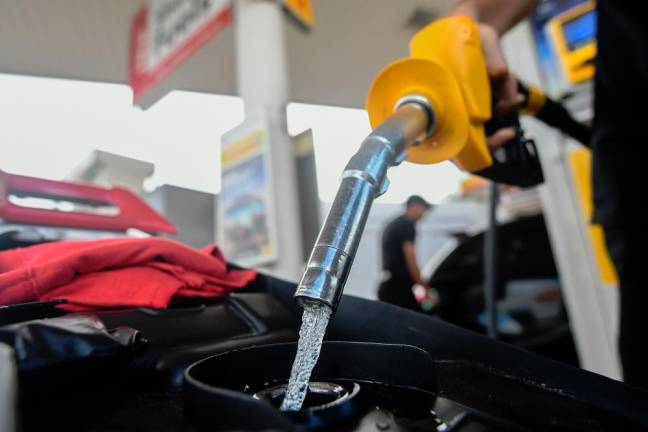
    Vietnam spent nearly $5 billion importing fuel in the first seven months of 2023, up 61% year-on-year, to ensure adequate supply as its biggest refinery Nghi Son is set to shut down for major maintenance.

    Its biggest import markets were South Korea, Singapore and Malaysia.

    Nghi Son in the central province of Thanh Hoa, which accounts for around 35-40% of domestic fuel supply, will undergo its first major maintenance since establishment starting from August 25. The maintenance will last around two months.

    The Ministry of Industry and Trade said it has carefully monitored fuel supply this year to prevent shortages.

    Vietnam exported 1.26 million tons of fuel worth around $1 billion in the first seven months of this year.

  • Citizen database helps reduce credit default risks

    Citizen database helps reduce credit default risks

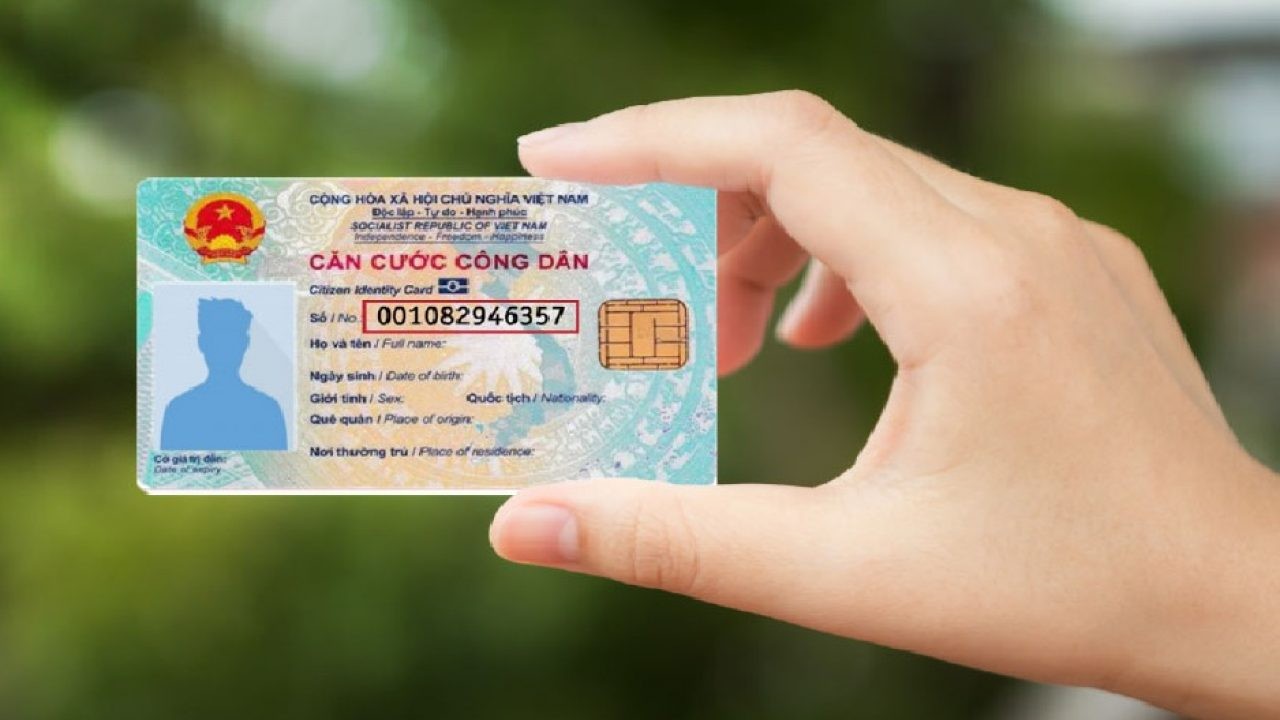
    A trial credit scoring model that encompasses the national citizen database has proven useful for lenders as it reduces lending risks by up to 20%.

    The model, which is built on the standards of global credit scoring company FICO, is now almost complete with 18 citizen data fields, Vu Van Tan, deputy head of the citizen administration unit under the Ministry of Public Security, said at a meeting on August 7.

    The model was tested by MB’s consumer loan unit MCredit on 10,000 data fields, PVcombank with 20,000 fields, and fintech firm Datanest with 60,000 fields.

    These companies saw their credit risks reduced by 7-20%.

    “After the trial, these companies all want to encompass the model in their operations officially,” Tan said.

    Banks and the Ministry of Public Security have long been working together to authenticate and synchronize the personal ID and credit information of over 40 million bank customers.

    The partnership also helped banks to launch money withdrawal services using ID cards at ATM. Bank customers can also use their electronic ID account to confirm identity.

    But as this partnership had its limitations in building an effective credit scoring system, the Ministry of Public Security has collaborated with the Hanoi University of Science and Technology to build the trial model using FICO standards.

    Deputy governor of the State Bank of Vietnam Pham Tien Dung said that credit scoring in Vietnam is gaining popularity among banks as it helps them to predict the probability of getting their money back from a borrower, and this only works with a precise database.

    A representative of state-owned lender BIDV said that the authentication of a third-party organization, especially a state-owned entity, plays an important role in credit scoring, ensuring that the data bank employees have collected is precise.

  • Chinese company to build aluminum factory in Vietnam

    Chinese company to build aluminum factory in Vietnam

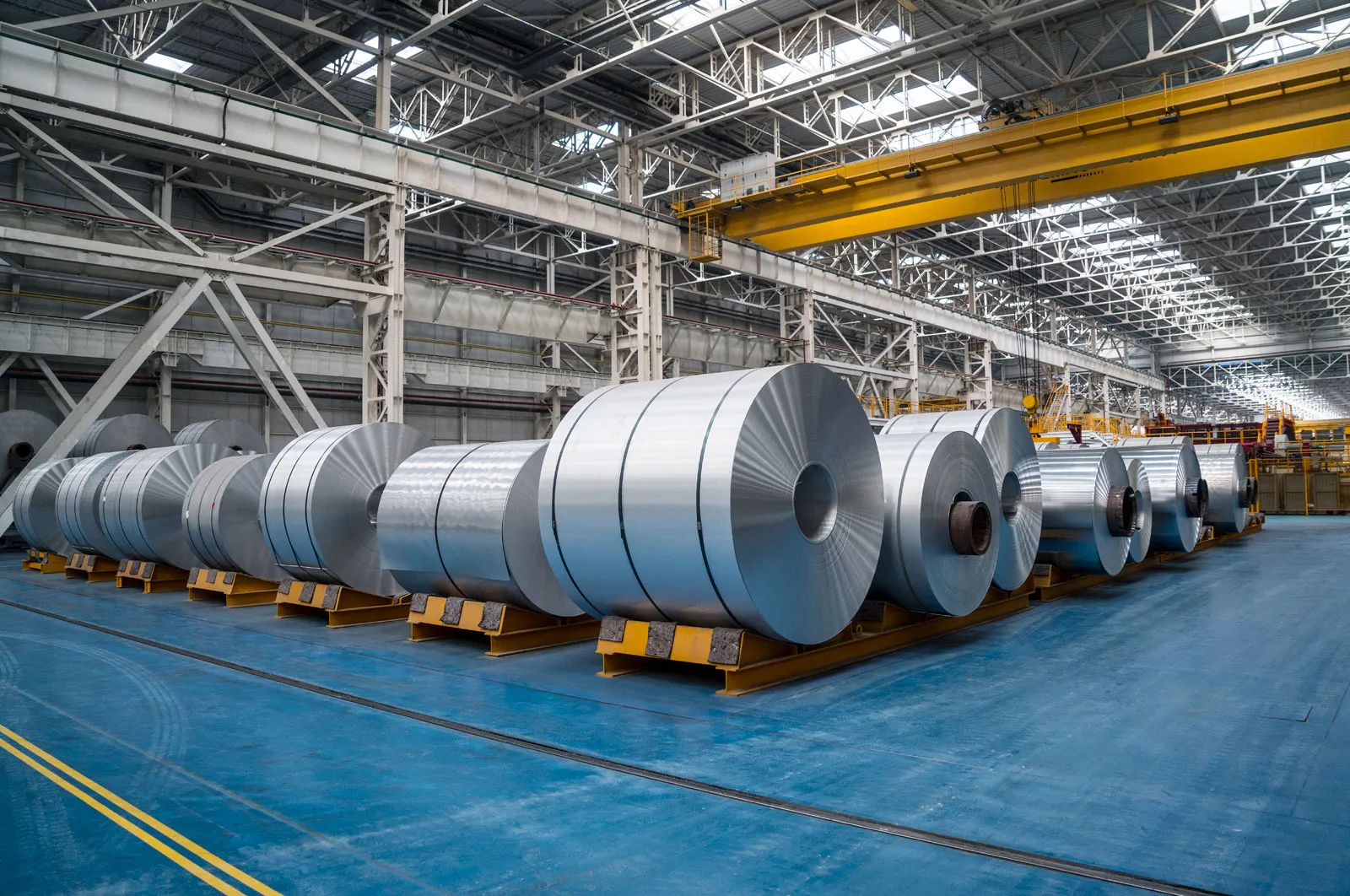
    Innovation Precision Vietnam, a unit of a Chinese manufacturer, has received licenses to build a $165 million aluminum factory in the central province of Nghe An.

    The company, a subsidiary of aluminum products manufacturer Shandong Innovation Metal Technology, will build a plant with the capacity to produce 100,000 tons of aluminum a year, according to Nghe An’s People’s Committee.

    It is set to begin operations in October next year and will create 1,500 high-skilled jobs.

    Innovation Precision Vietnam received all its licenses within only two months of its representatives first entering the province to consider investing.

    This will be the first plant that Shandong Innovation Metal Technology has built outside of China.

    Shandong was established in 2002 and is among the 500 biggest manufacturers in China.

  • Vietnam food association official says no immediate plan to curb rice exports

    Vietnam food association official says no immediate plan to curb rice exports

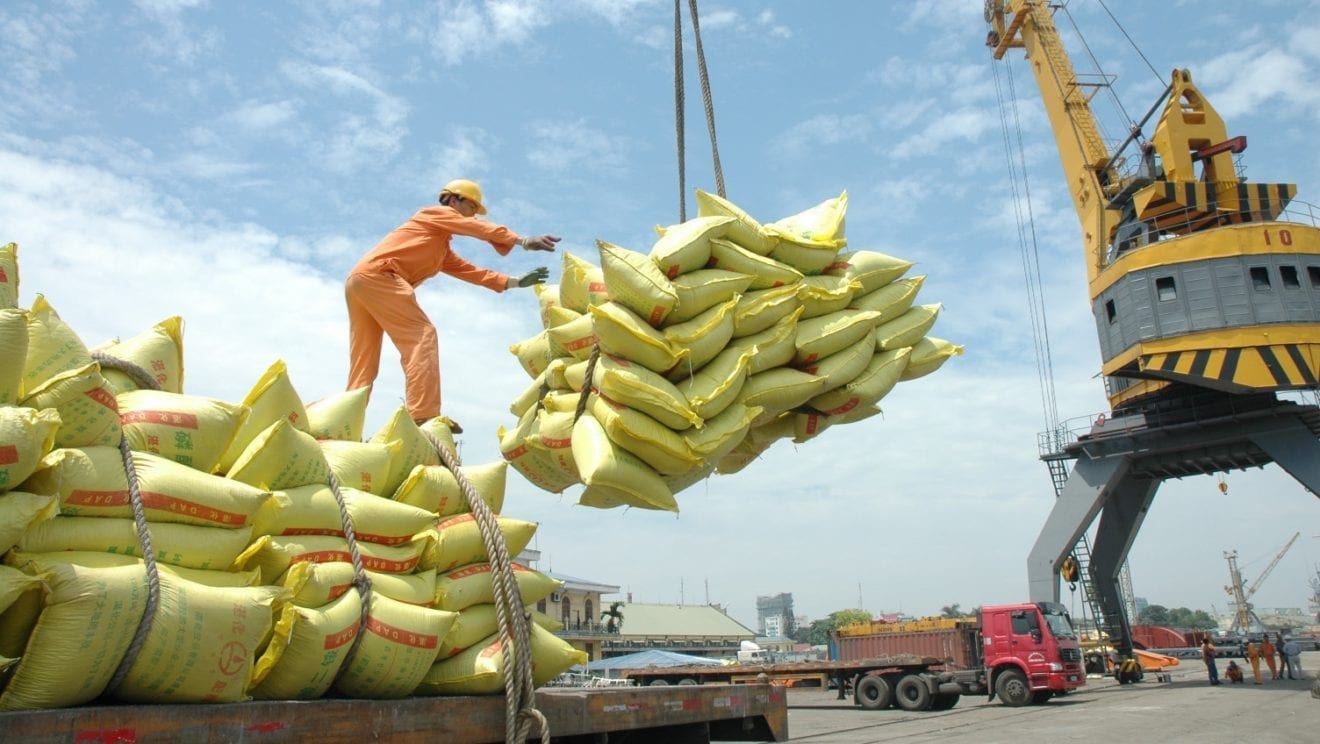
    Vietnam has no immediate plans to restrict rice exports, a senior official of the country’s food association said on Monday, after India’s export curbs sparked worries about global supplies of the staple.

    “At the moment, Vietnamese companies are exporting rice normally,” said Nguyen Ngoc Nam, chairman of the Vietnam Food Association, which represents the country’s rice processors and exporters and works closely with the government.

    India, which accounts for 40% of world rice exports, ordered a halt to its largest export category more than a week ago to calm domestic prices, which have climbed to multi-year highs in recent weeks as erratic weather threatened production.

    Nam said prices of Vietnamese rice had soared since India’s move on July 20, adding that the harvest of the summer-autumn crop was ongoing in Vietnam, which is the world’s third largest rice exporter after India and Thailand.

    Vietnam’s 5% broken rice prices rose to $550-$575 per metric ton on Monday, traders said, their highest since 2011, from a range of $515-$525 before India’s move.

    A day after India’s export curb announcement, Vietnam’s Ministry of Industry and Trade called on the association to ensure sufficient domestic rice supplies and food security, and asked traders to balance between exports and domestic sales to stabilize domestic prices.

    Rice shipments from Vietnam in the first seven months of this year were estimated to have risen about 18.7% from a year earlier to 4.84 million tonnes, according to the government’s preliminary data. Revenue from rice exports in the period was seen up 29.6% at $2.58 billion.

    On Friday, the United Arab Emirates announced it would ban rice exports and re-exports for four months, including rice of Indian origin.

    Philippine President Ferdinand Marcos Jr. said on Saturday the country must boost its rice stocks and that he may seek a supply deal with India, worried about the potential impact of El Nino dry weather on the local harvest and about other suppliers.

    The Philippines is Vietnam’s largest rice buyer.

  • Czech Skoda cars available in Vietnam this September

    Czech Skoda cars available in Vietnam this September

    Skoda cars have been imported into Vietnam from the Czech Republic and will go on sale here in September, according to Skoda’s Vietnamese partner TC Motor.

    The imported models include the CUV Karoq in the C-segment and the SUV Kodiaq in the D-segment, which will compete with Hyundai Tucson, Kia Sportage, Mazda CX-5, Honda CR-V, Kia Sorento, Hyundai Santa Fe, Mazda CX-8, and Toyota Fortuner, said TC Motor, a distributor and assembler of South Korean Hyundai vehicles.

    The 7-seat Kodiaq has gasoline and diesel engine versions and costs some US$52,870 on the European market.

    The Karoq also includes gasoline and diesel engine versions and has a list price of some $31,390 in Germany and around $33,000 in China.

    TC Motor will sell Skoda cars imported from Europe and then vehicles assembled in Vietnam.

    In late February Skoda and TC Motor began building a plant with an annual capacity of 120,000 Skoda cars at Viet Hung Industrial Park in the northern province of Quang Ninh.

    Vietnam is the first Southeast Asian country in which Skoda has put up a factory, from which it also plans to export vehicles to other countries in the region.

    Skoda has three plants in the Czech Republic and facilities in China, Russia, Slovakia, India and Ukraine.
    The company sold 731,300 vehicles in some 100 markets around the world, with Germany, the Czech Republic, India, the UK, and Poland being the biggest.

    In 2021, it sold nearly 900,000 cars in the markets with Germany and Russia being the biggest.

  • YouTube deletes over 3,000 Vietnames videos

    YouTube deletes over 3,000 Vietnames videos

    YouTube has deleted over 3,000 videos about a cartoon character name Wolfoo due to alleged copyright violations even as the Vietnam-based producer Sconnect continues to deny all accusations.

    The videos, which had billions of views, were asked to be removed by U.K. company Entertainment One, which claimed that Wolfoo was based on its creation “Peppa Pig”, Sconnect said in a report to Vietnamese authorities at the end of July.

    Entertainment One reported the videos to YouTube in April, claiming that the scenes used in Wolfoo videos were copied from Peppa Pig.

    The company in July again reported the videos, claiming that the Wolfoo videos were also copying some of the audio and sound effects from Peppa.

    But Sconnect said that in both cases, Entertainment One and YouTube were not able to provide any clear evidence to show that copyright regulations were infringed.

    Sconnect said that the scenes and sounds mentioned are popular in everyday life.

    There is no legal ground for the claims, the studio argued, adding that its requests to YouTube since June have received no response even though the number of removed videos is increasing.

    Wolfoo Family, one of the YouTube channels that provides the videos, has lost around 2.4 billion views due the removed videos since May.

    Sconnect is now asking Vietnamese authorities to convince Google and YouTube to stop accepting copyright claims from Entertainment One.

    YouTube and Entertainment One have not commented on the issue.

    Sconnect, established in 2014, has 19 Wolfoo-related YouTube channels.

    “Wolfoo” is an English-language YouTube preschool animated web series about a young wolf and his anthropomorphic family.

    British preschool TV show “Peppa Pig” features an anthropomorphic piglet and her family. The show first aired in 2004.

    Entertainment One last year had sued Sconnect in Russian and British courts over intellectual property infringement, claiming Wolfoo is a “reworked” version of the Peppa Pig characters.

    Following an independent review, in July Russian experts rejected this claim and the Moscow City Court terminated Entertainment One’s suit against Sconnect.

    Entertainment One then immediately withdrew all claims.

    YouTube said earlier it never acts as an intermediary to resolve conflicts between two parties and only provides tools for users to protect themselves.

  • Alibaba to double investment in Vietnam

    Alibaba to double investment in Vietnam

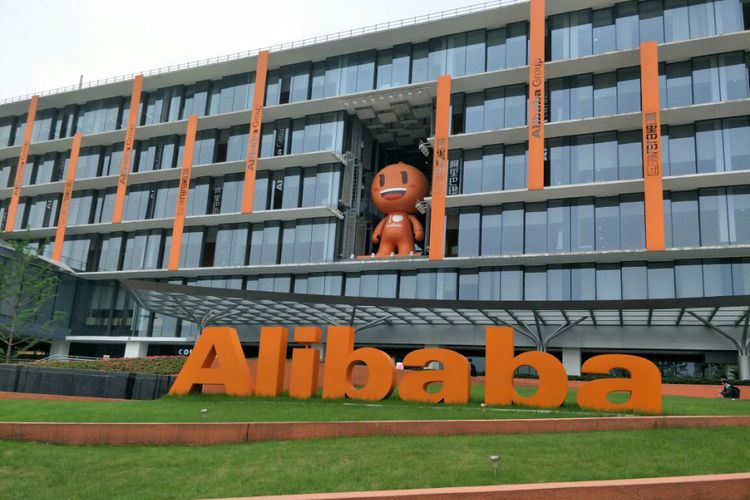
    Alibaba.com, the global business-to-business e-commerce platform of Chinese tech giant Alibaba, will double its investment in emerging manufacturing centers in Vietnam and additionally hire hundreds of employees.

    In the next three years, Alibaba.com will complete the establishment of specialized teams to operate in Vietnam’s emerging manufacturing hubs, including Binh Duong, Bac Ninh, Long An, Da Nang and Hai Phong, in addition to the teams already operating in Hanoi and Ho Chi Minh City, Roger Luo, director of Alibaba in Asia-Pacific, announced recently in Ho Chi Minh City.

    “Vietnam is a very important part of our e-commerce development map,” Luo said, pointing out three advantages of this market.

    First, Vietnam has favorable foreign trade policies with many free trade agreements being signs. “Compared to China, Vietnamese-made goods have an advantage. Moreover, the U.S.-China trade war has big influence on Chinese goods, while Vietnamese goods are not affected,” he said.

    Second, labor costs are still low. Third, there are many Vietnamese specialty products.

    “Vietnamese suppliers on our platform are gradually building a reputation with a large number of global buyers, especially in such areas as agricultural products, food, fashion and home garden products,” he said.

    The number of Vietnamese sellers on Alibaba’s e-commerce platform has increased to thousands.

    The number of Vietnamese products available on this platform in March surged by 24% against the same period last year.

    In the first half of this year, Vietnam’s export turnovers stood at US$164 billion, down 12% against the same period last year.

    The situation would be better in the second half of the year because inventory in the U.S. is decreasing.

    “Small and medium-sized businesses need to quickly seize this opportunity by reviving their human resources and strengthening their digital capabilities,” he recommended.

  • EVN eyes another round of electricity price hikes

    EVN eyes another round of electricity price hikes

    Vietnam Electricity has sought the Government’s permission to hike power tariffs soon saying production costs have risen sharply.

    The average electricity price was increased by 3% on May 4 to VND1,920.37 (8 U.S. cents) per kilowatt-hour (kWh).

    But the cost of production had surged by 9.27% last year to VND2,032.26, and so its financial situation has not improved even after the price hike, according to the state utility.

    EVN, the country’s sole power distributor, faces cash flow difficulties and is likely to default on payments to independent power producers.

    It has sought interest-free loans from the central bank to pay them.

    Over the past two years EVN has reduced spending on repairs by 10-50% due to the cash crunch, severely affecting the safety of the electrical network.

    EVN made a loss of over VND36.29 trillion in 2022, the Ministry of Industry and Trade said.

  • Sabeco’s profit plunges by a third in Q2

    Sabeco’s profit plunges by a third in Q2

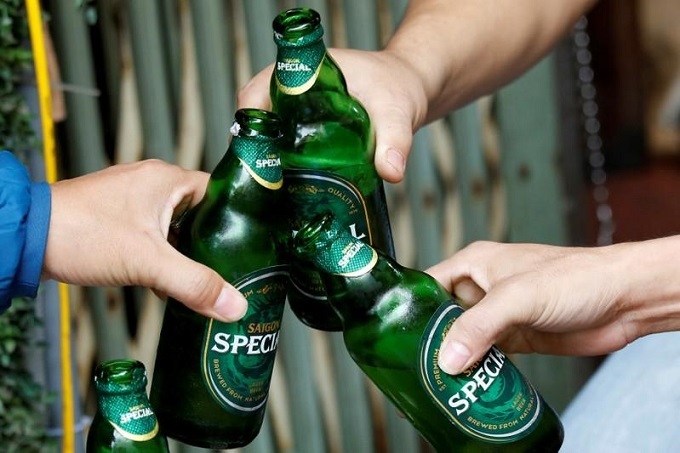
    Sabeco, the brewer of Saigon Beer, saw profits plunge 32% year-on-year to VND1.2 trillion ($50.7 million) in the second quarter as rising competition pumped up its marketing expenses.

    Fierce competition with international brewers forced the company to spend more on marketing and distribution, while demand has plunged from last year amid economic challenges, the company explained in its financial report.

    The impact of tightened regulations on driving under the influence and rising costs of ingredient and packaging also contributed to the profit drop, it added.

    In the second quarter last year Sebeco reported a post-tax profit of VND1.79 trillion, the highest since Thai company ThaiBev acquired it in 2017.

    In the first six months this year the company posted a post-tax profit of VND2.2 trillion, meeting 38% of the year’s target.

    Earlier this year Sabeco leaders said that Vietnam’s beer industry was seeing a golden opportunity amid rising income and the potential of increasing exports of non-alcoholic beer.

    Sabeco therefore targets a revenue increase of 15% to VND40.27 trillion and a profit rise of 5% to VND5.77 trillion, a new peak.

    But most analysts have forecast that the company will fail to meet these goals as consumers are tightening their spending amid economic difficulties.

    Vietcombank Securities last month forecast that Sabeco will see revenue increasing only 6% this year.

    SSI Securities expect its revenue to rise 4.7% and profits 5.2%.

  • Techcombank redefines Vietnam’s banking landscape through digital innovation

    Techcombank redefines Vietnam’s banking landscape through digital innovation

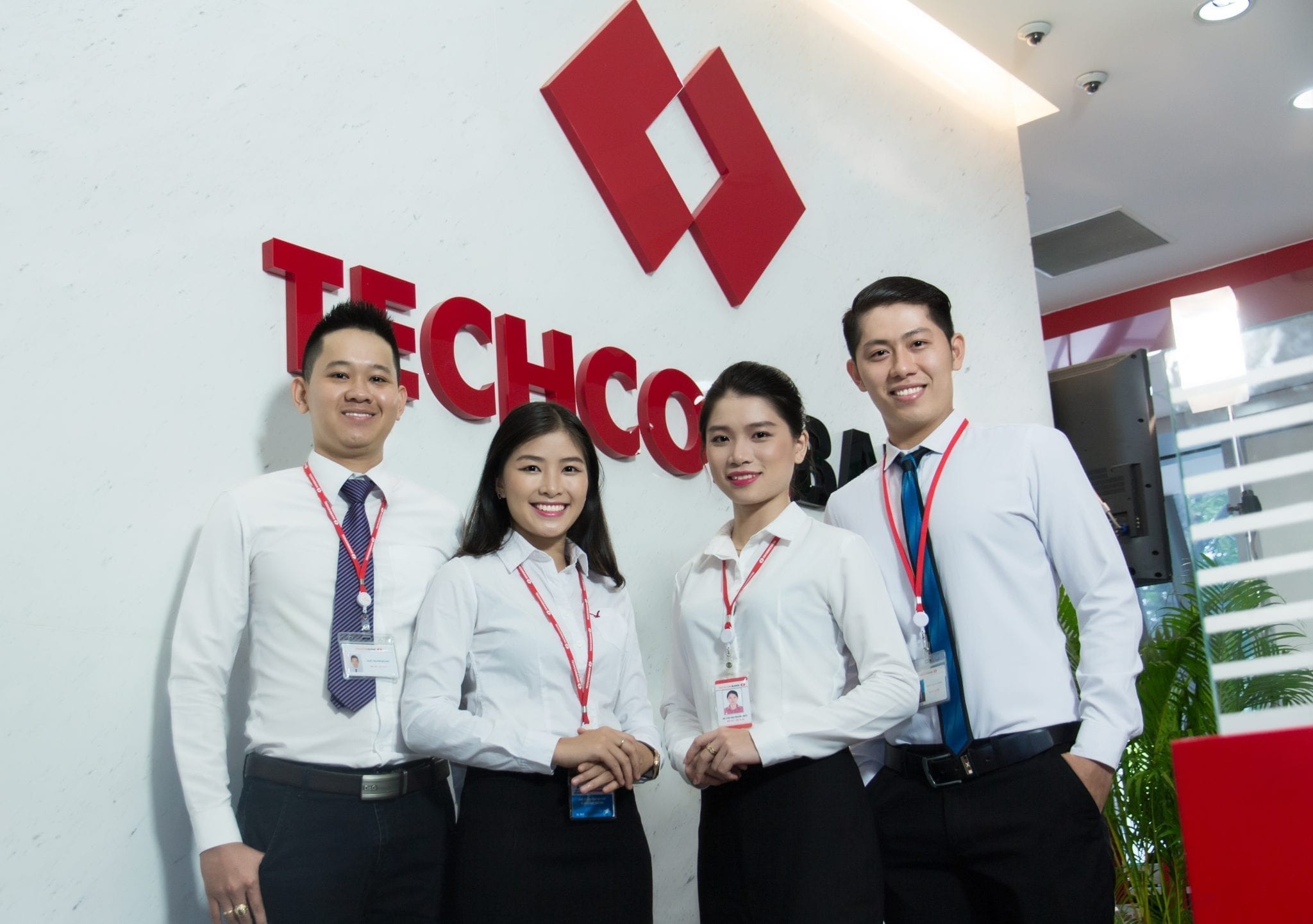
    Technological and Commercial Joint Stock Bank (Techcombank) is redefining banking services by using digital corporate identity and setting innovation benchmarks.

    The bank ended H1 with 12.2 million customers, adding around 1.4 million new customers during the period, with 45.3% acquired digitally and 43.8% through ecosystem partners.

    It set a record for customer acquisition in the first half of the year, with even more than across the whole of 2022.

    The number of retail customer transactions through e-banking channels grew to 499.7 million during Q2, up 16.4% quarter on quarter, while total transaction value amounted to about VND2.3 quadrillion, up 6.8% in comparison with the previous quarter.

    Techcombank also launched a new merchant proposition, extending integrated and customized digital offerings to Vietnamese households and micro-SMEs.

    The bank was one of the first in the market to launch an instant notification application for multi-cashiers and owners. This solution significantly removes transaction bottlenecks and allows businesses to optimize efficiency.

    Techcombank’s relentless pursuit of customer-centricity has yielded remarkable results.

    Today, more than 90% of the bank’s retail transactions are conducted digitally, marking a 40% surge in new digital customers in 2022.

    The remarkable retention rate of 88% further affirms Techcombank’s triumphant adaptation to the digital age.

    Techcombank’s unwavering commitment to digitalization extends far beyond the corporate banking sphere. The bank has successfully broadened its reach, providing basic accounts to millions of customers.

    In a mere two years, its active digital customer base has skyrocketed from 2 million to nearly 5.3 million, Pranav Seth, chief digital officer of Techcombank, underscored the potential of digitalization to democratize access to banking services, at the Singapore Regional Business Forum (SRBF), held on July 7 in Hanoi.

    Seth said that by seamlessly integrating the bank’s digital corporate identity with lending capabilities, they had unlocked unparalleled support for businesses participating in the digital economy.

    “This integration has propelled Techcombank to trailblazer status in the digital economy, enabling it to provide critical financial assistance to enterprises navigating this transformative landscape,” he said.

    As Techcombank continues to leverage digitalization to enhance services and expand its market presence, it stands as an unparalleled exemplar for other banks navigating the treacherous waters of the digital economy.

    The bank’s success underscores the transformative potential of digitalization, offering a tantalizing glimpse into the future of banking in an increasingly interconnected and digital world.

    During the SRBF, Techcombank unveiled two pivotal partnerships that promise to reshape Vietnam’s banking landscape. The first was a strategic alliance with the esteemed Singapore Business Federation, aimed at fostering cooperation between Vietnamese and Singaporean businesses.

    The second was an audacious collaboration with global titans Kyriba, Deloitte Vietnam, and PWC, targeting the pioneering of revolutionary payment and treasury management solutions in Vietnam.

    On July 24, Techcombank announced its financial results, which showed steady performance during the second quarter in an environment that remains challenging.

    The bank continued to outperform the market in credit and deposit growth, while NPL and CAR stayed at healthy levels.

    The result shows increases in CASA balances, and the ratio improved to nearly 35% at the end of the period.

    Beyond the normalization of interest rates and aggressive customer acquisition strategies, CASA is expected to further benefit from the targeted propositions that are being developed in corporate as well as retail banking.

    Besides, its funding position remained robust, with a regulatory loan-to-deposit ratio of 80.4% on June 30 and a short-term funding to medium- and long-term loan ratio of 31.6%.

    Techcombank achieved PBT of VND11.3 trillion and TOI of VND18.6 trillion, broadly stable versus Q1.

    Total assets grew 17.4% year on year to VND732.5 trillion in H1.

  • Gold prices decline

    Gold prices decline

    SJC gold price fell 0.22% to VND67.1 million ($2,833.91) per tael Wednesday morning.

    Gold ring price gained 0.09% to VND57.05 million per tael. A tael equals 37.5 grams or 1.2 ounces.

    Globally gold struggled for momentum on Wednesday as traders refrained from making big bets ahead of the U.S. Federal Reserve’s policy decision due later in the day.

    Spot gold inched 0.1% lower to $1,963.59 per ounce, while U.S. gold futures edged 0.1% higher to $1,965.30.

    “Broader markets are looking for an extended rate pause through the rest of the year, while Fed officials could push back by leaving the door open for one more hike in September or November,” said Yeap Jun Rong, a market strategist at IG.

    While most traders see rates holding in the 5.25%-5.5% range in 2023, 35% see a chance for another 25 basis-point hike in November, according to CME’s Fedwatch tool.

  • No special consumption tax on online games

    No special consumption tax on online games

    The government has rejected a proposal by the Ministry of Finance to slap a special consumption tax on online games and sought more scientific data to tax sugary drinks.

    But in a recent decision, it instructed its agencies to use other legal means to limit playing time.

    Earlier this year the ministry had suggested imposing the tax on online games as a means to dissuade people from playing them, saying they have negative impacts on players’ health and society.

    But industry insiders and experts criticized the proposal, saying gaming has the potential to become a new industry.

    The tax would decrease the competitiveness of Vietnamese game producers and cause them to move overseas, they said.

    The ministry had also proposed taxing sugary drinks since they cause obesity, but the government has asked for more scientific data to back that claim.

    It also tasked the ministry with studying the possibility of taxing e-cigarettes to ensure Vietnam’s international commitments would not be breached.