Tag: Vietnam

  • Vietnam food association official says no immediate plan to curb rice exports

    Vietnam food association official says no immediate plan to curb rice exports

    Vietnam has no immediate plans to restrict rice exports, a senior official of the country’s food association said on Monday, after India’s export curbs sparked worries about global supplies of the staple.

    “At the moment, Vietnamese companies are exporting rice normally,” said Nguyen Ngoc Nam, chairman of the Vietnam Food Association, which represents the country’s rice processors and exporters and works closely with the government.

    India, which accounts for 40% of world rice exports, ordered a halt to its largest export category more than a week ago to calm domestic prices, which have climbed to multi-year highs in recent weeks as erratic weather threatened production.

    Nam said prices of Vietnamese rice had soared since India’s move on July 20, adding that the harvest of the summer-autumn crop was ongoing in Vietnam, which is the world’s third largest rice exporter after India and Thailand.

    Vietnam’s 5% broken rice prices rose to $550-$575 per metric ton on Monday, traders said, their highest since 2011, from a range of $515-$525 before India’s move.

    A day after India’s export curb announcement, Vietnam’s Ministry of Industry and Trade called on the association to ensure sufficient domestic rice supplies and food security, and asked traders to balance between exports and domestic sales to stabilize domestic prices.

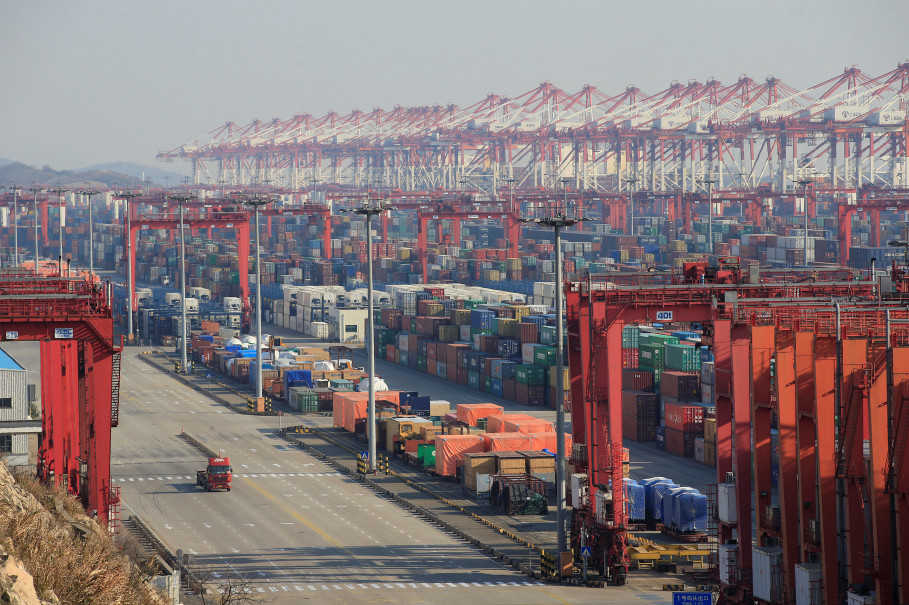
    Rice shipments from Vietnam in the first seven months of this year were estimated to have risen about 18.7% from a year earlier to 4.84 million tonnes, according to the government’s preliminary data. Revenue from rice exports in the period was seen up 29.6% at $2.58 billion.

    On Friday, the United Arab Emirates announced it would ban rice exports and re-exports for four months, including rice of Indian origin.

    Philippine President Ferdinand Marcos Jr. said on Saturday the country must boost its rice stocks and that he may seek a supply deal with India, worried about the potential impact of El Nino dry weather on the local harvest and about other suppliers.

    The Philippines is Vietnam’s largest rice buyer.

  • Czech Skoda cars available in Vietnam this September

    Czech Skoda cars available in Vietnam this September

    Skoda cars have been imported into Vietnam from the Czech Republic and will go on sale here in September, according to Skoda’s Vietnamese partner TC Motor.

    The imported models include the CUV Karoq in the C-segment and the SUV Kodiaq in the D-segment, which will compete with Hyundai Tucson, Kia Sportage, Mazda CX-5, Honda CR-V, Kia Sorento, Hyundai Santa Fe, Mazda CX-8, and Toyota Fortuner, said TC Motor, a distributor and assembler of South Korean Hyundai vehicles.

    The 7-seat Kodiaq has gasoline and diesel engine versions and costs some US$52,870 on the European market.

    The Karoq also includes gasoline and diesel engine versions and has a list price of some $31,390 in Germany and around $33,000 in China.

    TC Motor will sell Skoda cars imported from Europe and then vehicles assembled in Vietnam.

    In late February Skoda and TC Motor began building a plant with an annual capacity of 120,000 Skoda cars at Viet Hung Industrial Park in the northern province of Quang Ninh.

    Vietnam is the first Southeast Asian country in which Skoda has put up a factory, from which it also plans to export vehicles to other countries in the region.

    Skoda has three plants in the Czech Republic and facilities in China, Russia, Slovakia, India and Ukraine.
    The company sold 731,300 vehicles in some 100 markets around the world, with Germany, the Czech Republic, India, the UK, and Poland being the biggest.

    In 2021, it sold nearly 900,000 cars in the markets with Germany and Russia being the biggest.

  • YouTube deletes over 3,000 Vietnames videos

    YouTube deletes over 3,000 Vietnames videos

    YouTube has deleted over 3,000 videos about a cartoon character name Wolfoo due to alleged copyright violations even as the Vietnam-based producer Sconnect continues to deny all accusations.

    The videos, which had billions of views, were asked to be removed by U.K. company Entertainment One, which claimed that Wolfoo was based on its creation “Peppa Pig”, Sconnect said in a report to Vietnamese authorities at the end of July.

    Entertainment One reported the videos to YouTube in April, claiming that the scenes used in Wolfoo videos were copied from Peppa Pig.

    The company in July again reported the videos, claiming that the Wolfoo videos were also copying some of the audio and sound effects from Peppa.

    But Sconnect said that in both cases, Entertainment One and YouTube were not able to provide any clear evidence to show that copyright regulations were infringed.

    Sconnect said that the scenes and sounds mentioned are popular in everyday life.

    There is no legal ground for the claims, the studio argued, adding that its requests to YouTube since June have received no response even though the number of removed videos is increasing.

    Wolfoo Family, one of the YouTube channels that provides the videos, has lost around 2.4 billion views due the removed videos since May.

    Sconnect is now asking Vietnamese authorities to convince Google and YouTube to stop accepting copyright claims from Entertainment One.

    YouTube and Entertainment One have not commented on the issue.

    Sconnect, established in 2014, has 19 Wolfoo-related YouTube channels.

    “Wolfoo” is an English-language YouTube preschool animated web series about a young wolf and his anthropomorphic family.

    British preschool TV show “Peppa Pig” features an anthropomorphic piglet and her family. The show first aired in 2004.

    Entertainment One last year had sued Sconnect in Russian and British courts over intellectual property infringement, claiming Wolfoo is a “reworked” version of the Peppa Pig characters.

    Following an independent review, in July Russian experts rejected this claim and the Moscow City Court terminated Entertainment One’s suit against Sconnect.

    Entertainment One then immediately withdrew all claims.

    YouTube said earlier it never acts as an intermediary to resolve conflicts between two parties and only provides tools for users to protect themselves.

  • Alibaba to double investment in Vietnam

    Alibaba to double investment in Vietnam

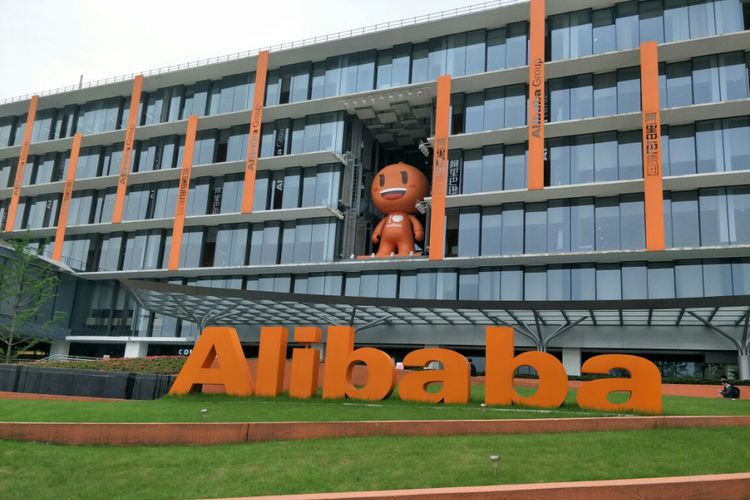
    Alibaba.com, the global business-to-business e-commerce platform of Chinese tech giant Alibaba, will double its investment in emerging manufacturing centers in Vietnam and additionally hire hundreds of employees.

    In the next three years, Alibaba.com will complete the establishment of specialized teams to operate in Vietnam’s emerging manufacturing hubs, including Binh Duong, Bac Ninh, Long An, Da Nang and Hai Phong, in addition to the teams already operating in Hanoi and Ho Chi Minh City, Roger Luo, director of Alibaba in Asia-Pacific, announced recently in Ho Chi Minh City.

    “Vietnam is a very important part of our e-commerce development map,” Luo said, pointing out three advantages of this market.

    First, Vietnam has favorable foreign trade policies with many free trade agreements being signs. “Compared to China, Vietnamese-made goods have an advantage. Moreover, the U.S.-China trade war has big influence on Chinese goods, while Vietnamese goods are not affected,” he said.

    Second, labor costs are still low. Third, there are many Vietnamese specialty products.

    “Vietnamese suppliers on our platform are gradually building a reputation with a large number of global buyers, especially in such areas as agricultural products, food, fashion and home garden products,” he said.

    The number of Vietnamese sellers on Alibaba’s e-commerce platform has increased to thousands.

    The number of Vietnamese products available on this platform in March surged by 24% against the same period last year.

    In the first half of this year, Vietnam’s export turnovers stood at US$164 billion, down 12% against the same period last year.

    The situation would be better in the second half of the year because inventory in the U.S. is decreasing.

    “Small and medium-sized businesses need to quickly seize this opportunity by reviving their human resources and strengthening their digital capabilities,” he recommended.

  • EVN eyes another round of electricity price hikes

    EVN eyes another round of electricity price hikes

    Vietnam Electricity has sought the Government’s permission to hike power tariffs soon saying production costs have risen sharply.

    The average electricity price was increased by 3% on May 4 to VND1,920.37 (8 U.S. cents) per kilowatt-hour (kWh).

    But the cost of production had surged by 9.27% last year to VND2,032.26, and so its financial situation has not improved even after the price hike, according to the state utility.

    EVN, the country’s sole power distributor, faces cash flow difficulties and is likely to default on payments to independent power producers.

    It has sought interest-free loans from the central bank to pay them.

    Over the past two years EVN has reduced spending on repairs by 10-50% due to the cash crunch, severely affecting the safety of the electrical network.

    EVN made a loss of over VND36.29 trillion in 2022, the Ministry of Industry and Trade said.

  • Sabeco’s profit plunges by a third in Q2

    Sabeco’s profit plunges by a third in Q2

    Sabeco, the brewer of Saigon Beer, saw profits plunge 32% year-on-year to VND1.2 trillion ($50.7 million) in the second quarter as rising competition pumped up its marketing expenses.

    Fierce competition with international brewers forced the company to spend more on marketing and distribution, while demand has plunged from last year amid economic challenges, the company explained in its financial report.

    The impact of tightened regulations on driving under the influence and rising costs of ingredient and packaging also contributed to the profit drop, it added.

    In the second quarter last year Sebeco reported a post-tax profit of VND1.79 trillion, the highest since Thai company ThaiBev acquired it in 2017.

    In the first six months this year the company posted a post-tax profit of VND2.2 trillion, meeting 38% of the year’s target.

    Earlier this year Sabeco leaders said that Vietnam’s beer industry was seeing a golden opportunity amid rising income and the potential of increasing exports of non-alcoholic beer.

    Sabeco therefore targets a revenue increase of 15% to VND40.27 trillion and a profit rise of 5% to VND5.77 trillion, a new peak.

    But most analysts have forecast that the company will fail to meet these goals as consumers are tightening their spending amid economic difficulties.

    Vietcombank Securities last month forecast that Sabeco will see revenue increasing only 6% this year.

    SSI Securities expect its revenue to rise 4.7% and profits 5.2%.

  • Techcombank redefines Vietnam’s banking landscape through digital innovation

    Techcombank redefines Vietnam’s banking landscape through digital innovation

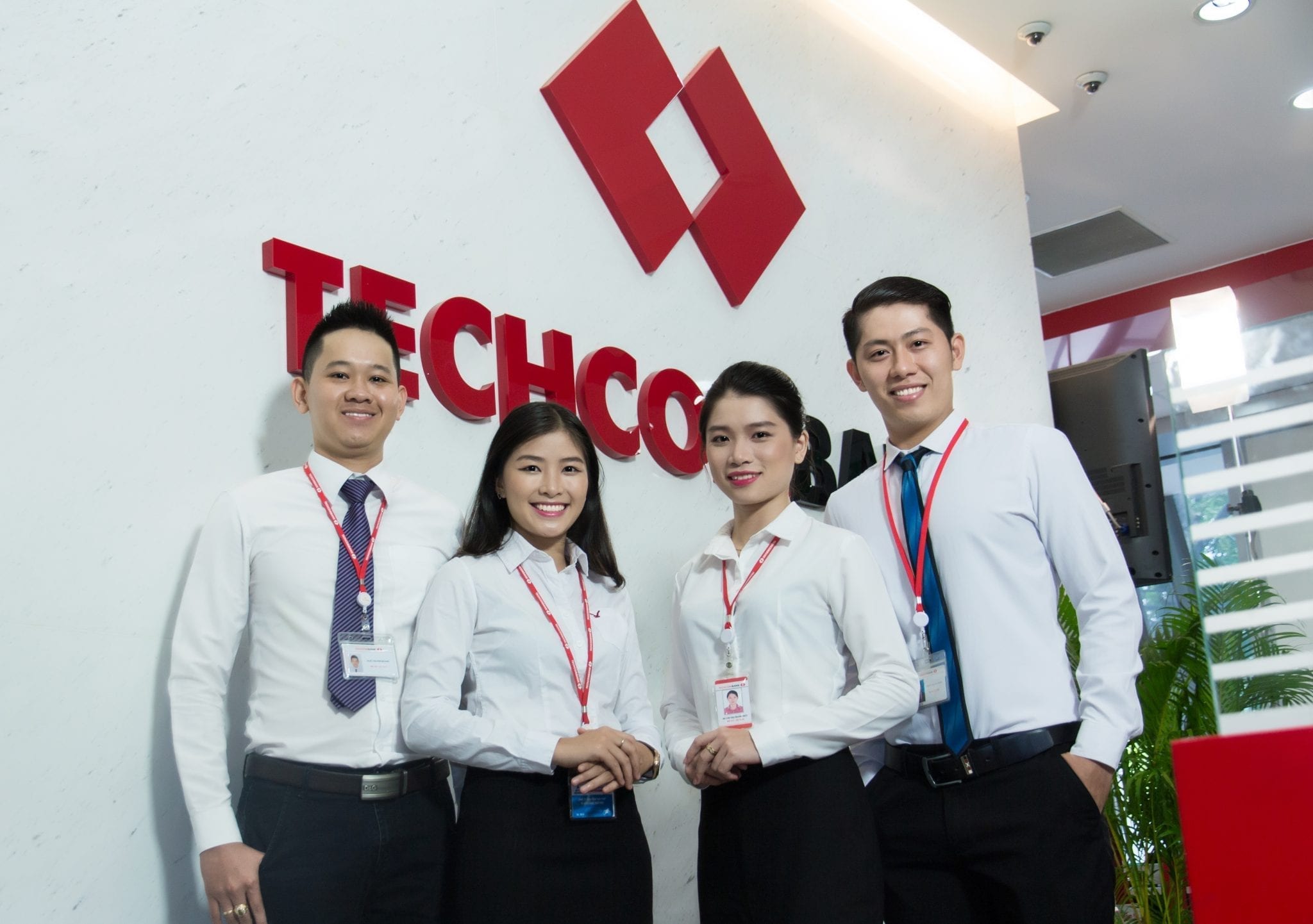
    Technological and Commercial Joint Stock Bank (Techcombank) is redefining banking services by using digital corporate identity and setting innovation benchmarks.

    The bank ended H1 with 12.2 million customers, adding around 1.4 million new customers during the period, with 45.3% acquired digitally and 43.8% through ecosystem partners.

    It set a record for customer acquisition in the first half of the year, with even more than across the whole of 2022.

    The number of retail customer transactions through e-banking channels grew to 499.7 million during Q2, up 16.4% quarter on quarter, while total transaction value amounted to about VND2.3 quadrillion, up 6.8% in comparison with the previous quarter.

    Techcombank also launched a new merchant proposition, extending integrated and customized digital offerings to Vietnamese households and micro-SMEs.

    The bank was one of the first in the market to launch an instant notification application for multi-cashiers and owners. This solution significantly removes transaction bottlenecks and allows businesses to optimize efficiency.

    Techcombank’s relentless pursuit of customer-centricity has yielded remarkable results.

    Today, more than 90% of the bank’s retail transactions are conducted digitally, marking a 40% surge in new digital customers in 2022.

    The remarkable retention rate of 88% further affirms Techcombank’s triumphant adaptation to the digital age.

    Techcombank’s unwavering commitment to digitalization extends far beyond the corporate banking sphere. The bank has successfully broadened its reach, providing basic accounts to millions of customers.

    In a mere two years, its active digital customer base has skyrocketed from 2 million to nearly 5.3 million, Pranav Seth, chief digital officer of Techcombank, underscored the potential of digitalization to democratize access to banking services, at the Singapore Regional Business Forum (SRBF), held on July 7 in Hanoi.

    Seth said that by seamlessly integrating the bank’s digital corporate identity with lending capabilities, they had unlocked unparalleled support for businesses participating in the digital economy.

    “This integration has propelled Techcombank to trailblazer status in the digital economy, enabling it to provide critical financial assistance to enterprises navigating this transformative landscape,” he said.

    As Techcombank continues to leverage digitalization to enhance services and expand its market presence, it stands as an unparalleled exemplar for other banks navigating the treacherous waters of the digital economy.

    The bank’s success underscores the transformative potential of digitalization, offering a tantalizing glimpse into the future of banking in an increasingly interconnected and digital world.

    During the SRBF, Techcombank unveiled two pivotal partnerships that promise to reshape Vietnam’s banking landscape. The first was a strategic alliance with the esteemed Singapore Business Federation, aimed at fostering cooperation between Vietnamese and Singaporean businesses.

    The second was an audacious collaboration with global titans Kyriba, Deloitte Vietnam, and PWC, targeting the pioneering of revolutionary payment and treasury management solutions in Vietnam.

    On July 24, Techcombank announced its financial results, which showed steady performance during the second quarter in an environment that remains challenging.

    The bank continued to outperform the market in credit and deposit growth, while NPL and CAR stayed at healthy levels.

    The result shows increases in CASA balances, and the ratio improved to nearly 35% at the end of the period.

    Beyond the normalization of interest rates and aggressive customer acquisition strategies, CASA is expected to further benefit from the targeted propositions that are being developed in corporate as well as retail banking.

    Besides, its funding position remained robust, with a regulatory loan-to-deposit ratio of 80.4% on June 30 and a short-term funding to medium- and long-term loan ratio of 31.6%.

    Techcombank achieved PBT of VND11.3 trillion and TOI of VND18.6 trillion, broadly stable versus Q1.

    Total assets grew 17.4% year on year to VND732.5 trillion in H1.

  • Gold prices decline

    Gold prices decline

    SJC gold price fell 0.22% to VND67.1 million ($2,833.91) per tael Wednesday morning.

    Gold ring price gained 0.09% to VND57.05 million per tael. A tael equals 37.5 grams or 1.2 ounces.

    Globally gold struggled for momentum on Wednesday as traders refrained from making big bets ahead of the U.S. Federal Reserve’s policy decision due later in the day.

    Spot gold inched 0.1% lower to $1,963.59 per ounce, while U.S. gold futures edged 0.1% higher to $1,965.30.

    “Broader markets are looking for an extended rate pause through the rest of the year, while Fed officials could push back by leaving the door open for one more hike in September or November,” said Yeap Jun Rong, a market strategist at IG.

    While most traders see rates holding in the 5.25%-5.5% range in 2023, 35% see a chance for another 25 basis-point hike in November, according to CME’s Fedwatch tool.

  • No special consumption tax on online games

    No special consumption tax on online games

    The government has rejected a proposal by the Ministry of Finance to slap a special consumption tax on online games and sought more scientific data to tax sugary drinks.

    But in a recent decision, it instructed its agencies to use other legal means to limit playing time.

    Earlier this year the ministry had suggested imposing the tax on online games as a means to dissuade people from playing them, saying they have negative impacts on players’ health and society.

    But industry insiders and experts criticized the proposal, saying gaming has the potential to become a new industry.

    The tax would decrease the competitiveness of Vietnamese game producers and cause them to move overseas, they said.

    The ministry had also proposed taxing sugary drinks since they cause obesity, but the government has asked for more scientific data to back that claim.

    It also tasked the ministry with studying the possibility of taxing e-cigarettes to ensure Vietnam’s international commitments would not be breached.

  • Fintech startup GIMO completes $17M fund-raising round

    Fintech startup GIMO completes $17M fund-raising round

    Vietnam-based fintech startup GIMO, which seeks to provide flexible salary payments to blue-collar workers, has completed its Series A funding round, raising $17.1 million.

    The final closing, comprised of a mixture of equity and debt financing, is led by venture fund TNB Aura, with participation from the company’s existing backers including Integra Partners, Resolution Ventures, Blauwpark Partners, ThinkZone Ventures, and Y Combinator, according to a press release of the company.

    “We look forward to working closely with the GIMO team in breaking down barriers to financial inclusion for millions of blue-collar workers across Vietnam,” said Charles Wong, founding partner of TNB Aura.

    GIMO offers near-instant payroll to blue-collar workers whenever they need it.

    It allows employees to access their earned salary via a mobile app integrated with the company’s payroll system. Users can also keep track of their workdays and daily earnings.

    GIMO currently serves 500,000 workers from medium to large-sized multinational manufacturing companies across Vietnam.

    Despite the economic slowdown in 2023, the company has demonstrated a solid growth rate of 15% and is on track to reach 2.5 million underbanked employees by 2025.

    The funding will be used to develop its products, increase customer experience, and establish strategic partnerships.

    Research by professional services firm KPMG in 2022 showed that an average user draws their earned pay two to three times per month, almost simulating bi-weekly and weekly pay.

    A flexible pay cycle takes the burden off blue-collar workers’ shoulders by helping them pay for financial emergencies and everyday bills.

  • Catfish export decline slows down

    Catfish export decline slows down

    According to the Vietnam Association of Seafood Exporters and Producers, the decline in pangasius fish exports has started to reverse.

    Exports to mainland China and Hong were worth US$48 million in June, down 15% from the same period last year. They had declined by 66% and 30% in April and May.

    Similarly exports to the U.S. last month were down by only 51% to $23 million compared to 66% and 53% in April and May.

    In the first half of the year, overall exports were 38% lower at $885 million due to weak demand in major export markets such as China, the U.S. and Europe due to high inflation.

    The prospects of higher demand for pangasius in the U.S. and China in the second half are still uncertain due to the slow economic recovery and large inventories in those markets, SSI Securities Corporation said.

    But Vietnamese exporters will start to see profits improve thanks to lower input and transport costs.

  • Vietnamese export containers worth $517,000 go missing at Dubai port

    Vietnamese export containers worth $517,000 go missing at Dubai port

    Four Vietnamese companies could lose five containers of spices and cashew worth US$517,000 they shipped to Dubai under what seem mysterious circumstances.

    According to the Vietnam Pepper Association, they had sold pepper, cashew, cinnamon, and anise to Bab Al Rehab Foodstuff Trading Llc.

    But four of the containers have been claimed by unidentified parties at Jebel Ali Dubai Port without paying the Vietnamese companies.

    The export was done under the documents against payment method, which requires the buyer to show proof of payment before collecting the goods.

    The documents had been sent by banks in Vietnam to UAE’s Ajman Bank, which confirmed receipt.

    But apparently it no longer has them, and has yet to explain why, the exporters said.

    They are concerned the remaining container, set to land on July 26, will also be misappropriated.

    They have repeatedly asked the buyer to make payments, but the company has yet to respond.

    The Vietnam Pepper Association, representing the four companies, has reported to Vietnamese authorities and the UAE embassy in Vietnam.

    The Vietnam Trade Office is working with Ajman Bank, Jebel Ali Dubai port and the Dubai police to investigate possible fraud.

  • HCMC hotel business gloomy as foreign tourists keep away

    HCMC hotel business gloomy as foreign tourists keep away

    Hotels in Ho Chi Minh City are suffering from low occupancy rates due to a sharp drop in international visitor arrivals and domestic tourists’ preference for traveling to beaches.

    In May, amid a wave of hotel closures and conversions into office buildings, the Norfolk Hotel in District 1 with over 100 rooms stopped operating.

    In mid-June many hotels in tourist areas such as Bui Vien Street, Bui Thi Xuan Street and Le Thanh Ton – Ly Tu Trong in District 1 temporarily closed due to lack of customers.

    The latest accommodation market report by real estate consultancy Savills Vietnam said hotel occupancy rates in the second quarter were down 8 percentage points quarter-on-quarter.

    All segments suffered as foreign visitor arrivals to the city fell by 13% quarter-on-quarter. The rate of overnight guests in the city was only 19%, the lowest in the country.

    Hotels are currently relying on business guests since the city is a transit point between various provinces and cities.

    Troy Griffiths, deputy general director of Savills, said recovery in international tourism has been slower in Vietnam than other countries in the region.

    He pointed out that the number of visitors from China, the second biggest market, was 78% down in the first half from 2019, the year before Covid.

    Trang Minh Ha, chairman of investment firm North Stars Asia, said the third quarter, when it is the rainy season, is the low tourist season in HCMC, and so occupancy and room rates would continue to be low.

    The number of hotels that close permanently or temporarily could rise sharply, he said.

    The economic difficulties post-pandemic, boring and monotonous tourism products and Vietnam’s difficult visa policies have kept tourists away, he said.

    The city needs to strengthen programs on attracting visitors to compete with countries such as Thailand, Singapore and Indonesia, he said.

    “HCMC’s hotel industry is waiting for an optimistic signal from the economy for recovery. However, the market may have to wait until the end of 2024 for a solid positive signal.”

  • Online platforms pay $166M in tax in Vietnam

    Online platforms pay $166M in tax in Vietnam

    Vietnam collected VND3.94 trillion (US$166.5 million) in taxes from 57 foreign online platforms including Google, Apple, Facebook, Netflix, and TikTok in the first half of this year.

    Of the sum, VND3.4 trillion was paid directly via the portal of the General Department of Taxation (GDT), which was established last March to make it easier for cross-border giants to pay their taxes in Vietnam.

    Their representatives in Vietnam paid the remaining sum.

    The GDT also said that tax revenue from e-commerce platforms in the first five months of this year reached VND246 billion, equal to 34% of 2022’s revenue.

    It said the tax revenue collected from e-commerce providers in 2022 and 2021 was VND716 billion and VND261 billion, respectively.

    The tax authority has recorded data from over 330 e-commerce platforms through the e-commerce portal operating since the end of last year.

    Particularly in the first quarter of this year, 64,300 individuals and 22,840 organizations traded on those platforms with 9 billion transactions registering a total value of VND11.5 trillion.

    The GDT said it is working on setting up rules on exploiting information from e-commerce platforms’ databases to manage taxes more effectively.

    This agency is checking and comparing information of several taxpayers who are e-commerce platform owners, payment intermediaries, partners of foreign companies in Vietnam, and foreign suppliers that do not have a fixed business establishment in Vietnam.

    So far, it has inspected 15 enterprises and handled, fined, or collected tax arrears of VND129 billion, reducing tax loss by VND986 billion and reducing VAT deduction by VND114 billion.

  • Luxury car dealer allegedly sells customer’s $1M Brabus 800

    Luxury car dealer allegedly sells customer’s $1M Brabus 800

    Without his knowledge, luxury car dealer Phan Cong Khanh has been accused of selling a customer’s luxury car for VND24.5 billion ($1.04 million).

    A person named Manh from the southern province of Kien Giang has complained to the police that he had lent his Brabus 800 to Khanh in early June to put on display at the launch of his dealership in Ho Chi Minh City.

    But a few weeks later he found out that Khanh had sold the car to a buyer in HCMC for VND24.5 billion.

    Brabus is a German high-performance automotive aftermarket tuning company.

    The Brabus 800 is the upgraded version of the Mercedes AMG G63, and costs around VND30 billion in Vietnam.

    Some vendors have also complained that Khanh owes them money for services they provided for the launch of K Supper, his luxury car dealership in District 1.

    They include VND100 million for bouquets, VND25 million for renting a crane and some money for construction.

    Mohamach Da Pha’s employee has also been accused of mortgaging a person’s car without consent.

    The police said that in April Pha borrowed a VND1.8-billion BMW from a man named Son and offered to sell it.

    But Son found out recently he had mortgaged his car for VND1 billion.

    The HCMC police are investigating.

    Khanh, a native of the Mekong Delta province of Ben Tre, has the reputation of selling the most luxurious cars in Vietnam.

    In June, he entered the car dealership business in 2017 and opened his K Supper showroom in HCMC’s District 1.

    He regularly posts photos of himself standing next to Rolls-Royce, McLaren, Lamborghini, Ferrari, and Porsche cars on social media, and writes about how young people can start a business and make money.