Tag: Vietnam

  • Vietnam’s vegetable, fruit exports likely to hit $4B this year

    Vietnam’s vegetable, fruit exports likely to hit $4B this year

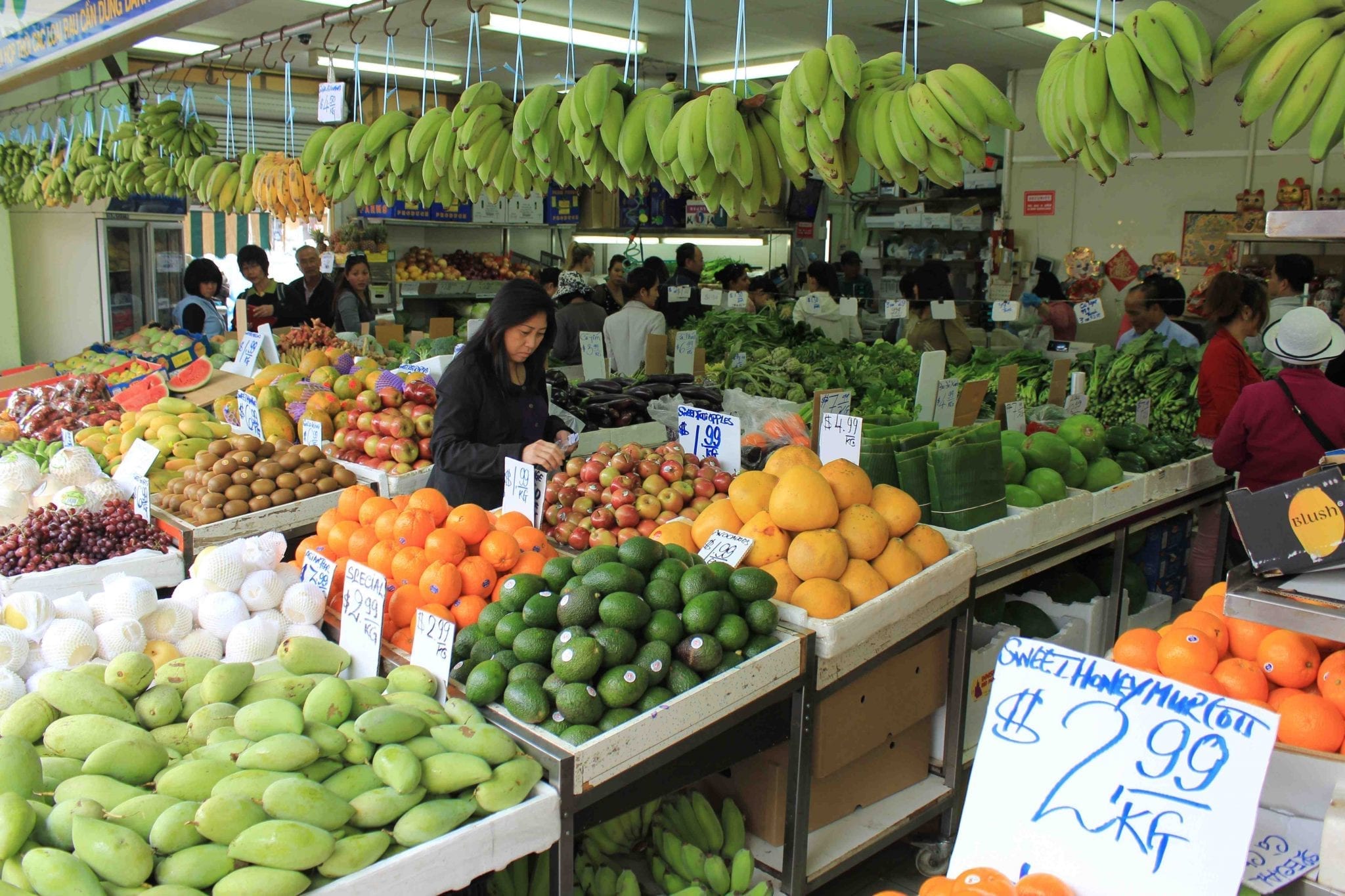
    As one of the few sectors reporting export turnover increase in the first quarter of 2023, Vietnam’s vegetable and fruit sector has a bright outlook to earn $4 billion in export revenue this year.

    Vietnam exported nearly $1 billion worth of fruits and vegetables in Q1, up 8% from a year earlier, with the Chinese market recording an impressive growth of 23%.

    Dang Phuc Nguyen, Secretary General of the Vietnam Fruit Association (Vinafruit), attributed the result to the signing of protocols on exports of durian, sweet potato and banana to China through official channels.

    The export of pomelo to the U.S., and passion fruit to New Zealand was also a driver for the overall growth of the sector.

    Durian was a big contributor to the impressive export results in the first months of this year. The export turnover of this fruit is expected to hit $1 billion, helping the sector’s total figure to $4 billion this year, up 20% year-on-year, said Nguyen.

    The implementation of free trade agreements is also an important driving force helping fruit and vegetable exports to increase sharply in the first months and make an important contribution to boosting the sector’s exports throughout the year.

    Good demand for fruit imports in China can help raise total fruit and vegetable exports in Q2 by 10% or higher, Nguyen noted, predicting that the revenue can reach about $2 billion in the first half of 2023.

    Vinafruit has proposed the Ministry of Industry and Trade (MoIT) and other ministries and agencies, especially the Vietnam Trade Office in China, study and negotiate for the signing of more protocols for several officially-exported products such as dragon fruit, mango, watermelon, jackfruit and rambutan, together with the opening of markets for other fruits such as green-skinned pomelo, fresh coconut, avocado, lemon, pineapple and star apple.

    Besides China, it is also necessary to step up trade promotion activities in other markets such as the U.S., China, the Republic of Korea and Australia, said Nguyen.

    According to the Vinafruit Secretary General, the greatest difficulty at present is that there are not many planting area and packing facility codes to meet the requirements of the Chinese market. Currently, there are only 246 planting area and nearly 100 packing facility codes granted, much lower than the respective 20,000 and 2,000 of Thailand.

    With an area of nearly 110,000 hectares, and an output of around 1 million tonnes per year, there will be a bottleneck in durian exports to China, if no more planting area code is granted this year.

    He also suggested the MoIT and other ministries and sectors to call on investment and advanced technologies for processors to improve the export value, and gain a firmer foothold in such choosy markets as the U.S. and the EU.

    Vietnam Trade Offices abroad were advised to regularly organize Vietnamese fruit festivals to introduce the fruits to people in their host countries and international visitors.

    Vietnam earned nearly $3.4 billion from vegetable and fruit exports last year.
  • Vietnam-dominant Mercedes challenged by cheaper BMWs

    Vietnam-dominant Mercedes challenged by cheaper BMWs

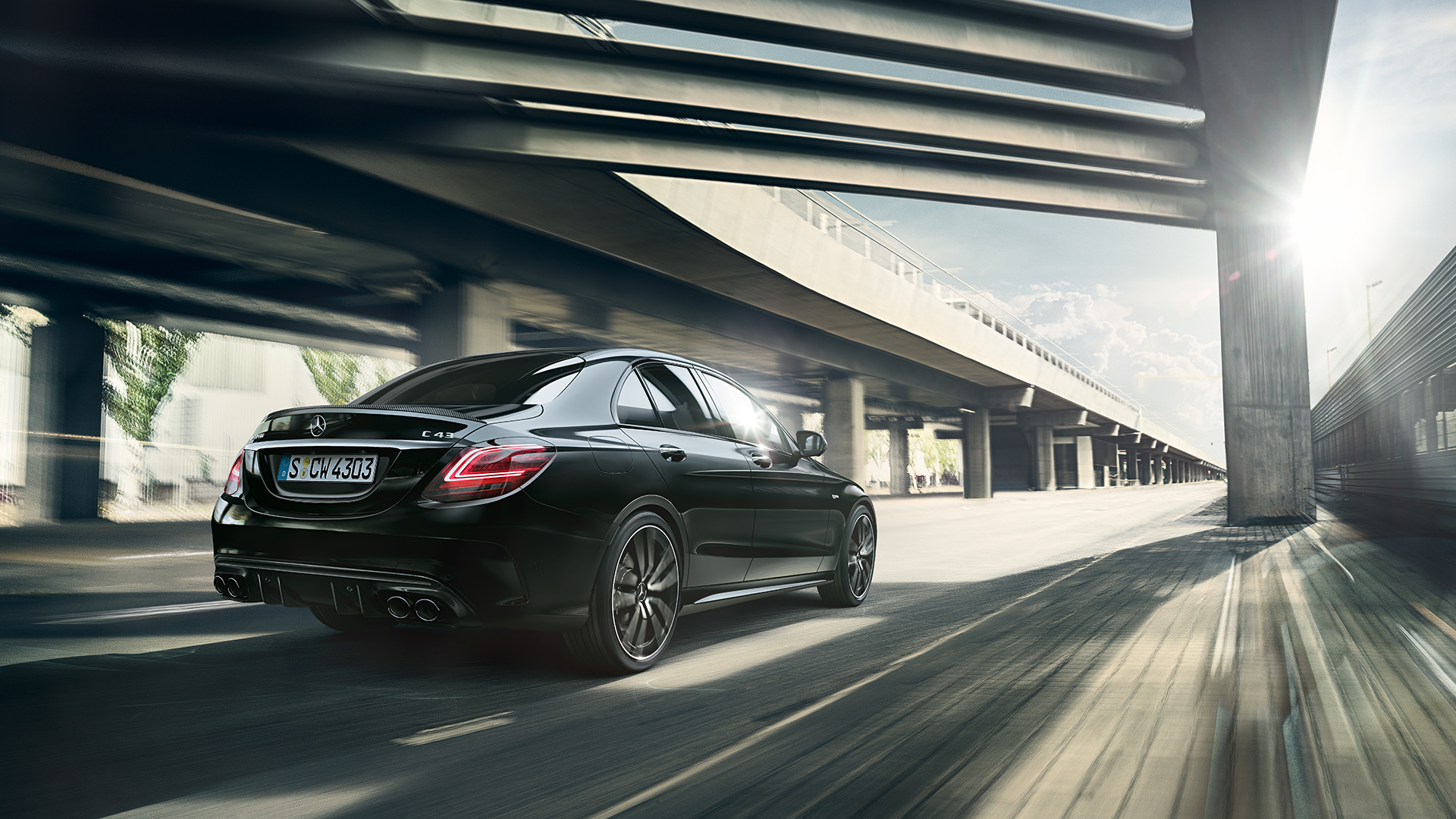
    Mercedes has been dominating Vietnam’s luxury car market in recent years, but that could start to change this year as BMW lowers prices.

    “We have always considered BMW a major competitor in most markets globally, but things are different in Vietnam,” said CEO Brad Kelly on the sidelines of the launch of the new Mercedes GLC models in Ho Chi Minh City recently.

    He added that in Vietnam, BWM does not yet seem to threaten Mercedes in terms of sales.

    Between 2019 and 2022, Mercedes secured and average of around 60% of Vietnam’s total luxury car market share, and the German brand last year sold over 7,900 units alone.

    Its competitor from the same country, BMW, only secured fourth place last year – behind Lexus and Volvo – with the sale of 973 units.

    However, Thaco, the Vietnamese company that distributes BMW cars, has been assembling several BMW models, such as the 3 Series, the 5 Series, and the X3 and X5.

    This implies that BMW wants to reduce its retail prices in Vietnam as assembling the vehicles locally will bring down costs.

    The strategy seems to have succeeded as the BMW X3s assembled last year are now selling from VND1.8 billion ($76,700), compared to the new Mercedes GLC price tag of VND2.3 billion.

    Thus, the cheapest luxury car in Vietnam now belongs to BMW, not Mercedes.

    The rising competition with BMW therefore will benefit Vietnamese customers and the local auto industry, and it will motivate Mercedes to come up with more new ideas, Kelly said.

  • Standard Chartered cuts Vietnam growth forecast to 6.5%

    Standard Chartered cuts Vietnam growth forecast to 6.5%

    Standard Chartered has reduced Vietnam’s GDP growth forecast for this year by 0.7 percentage points to 6.5%.

    In a release Thursday the British bank said it amended the forecast it had made in January of 7.2% growth after considering external factors more carefully with Vietnam’s macro indicators slowing down in the last four months.

    Exports have declined by 11.8% year-on-year, and the trade surplus is US$6.4 billion. Inflation for April was 2.8%, the third consecutive month of decline, though core inflation – not including food and energy prices — was 4.6% as retail sales jumped by 11.5%.

    FDI fell by 17.9% to $8.9 billion. Imports decreased by 15.4% year-on-year.

    “Vietnam imports a lot, so import indicators going down considerably shows that economic activity is slowing down despite strong domestic consumption”, Tim Leelahaphan, the bank’s economist for Thailand and Vietnam, said.

    Many other international financial institutions have also adjusted their Vietnam growth forecasts downward.

    The IMF has reduced it from 6.2% to 5.8%, the World Bank from 6.7% to 6.3%, and the ADB from 6.7% to 6.5%.

    Vietnam’s economic growth this year is likely to be constrained by the global economic downturn, monetary tightening in developed countries, rising commodity prices, and geopolitical issues.

    The government targets 6.5% growth, but there are challenges ahead with the GDP only growing by an annualized 3.32% in the first quarter.

    Minister of Planning and Investment Nguyen Chi Dung expressed concern about growth at a recent meeting, saying to achieve the target the economy needs to grow at 6.7%, 7.5% and 7.9% in the next three quarters.

    Standard Chartered predicted that the State Bank of Vietnam would reduce the refinancing rate by 0.5 percentage points to 5% by the end of the second quarter and maintain that rate until the end of 2025.

    But it did not rule a hike in rates, especially towards the end of the year, due to the possibility of the central bank focusing more on stability than growth.

    “Since the start of 2023 the SBV has turned to supporting the economy’s recovery,” Leelahaphan said.

    “Besides cutting interest rates, it also helped struggling businesses by giving them more time to deal with illiquidity.”

    Since April loan terms have become easier, with banks rolling over debts for up to 12 months and cutting interest rates.

    But the real estate market needs more support, with all measures taken until now only helping relieve short-term loan repayment pressure, he added.

  • Fuel prices drop for third straight time

    Fuel prices drop for third straight time

    Gasoline and diesel prices in Vietnam fell for the third straight time Thursday afternoon.

    RON95 gasoline price dropped 5.91% to VND21,000 per liter, lowest since December 21.

    Biofuel E5 RON92 fell 6.07% to VND20,130. Diesel declined by 3.29% to VND17,650.

    Gasoline and diesel prices have been going down non-stop since mid-April.

    Fuel prices globally dropped by 4-7% in the last 10 days as OPEC+ reduced its production by over 1.1 million barrels a day, according to the Ministry of Industry and Trade and Ministry of Finance.

    RON92 gasoline dropped by over 7% to $83 per barrle.

    RON95 fell 6.4% to $87.37 per barrel.

  • Vietnam Airlines pays local pilots 41% less than foreigners

    Vietnam Airlines pays local pilots 41% less than foreigners

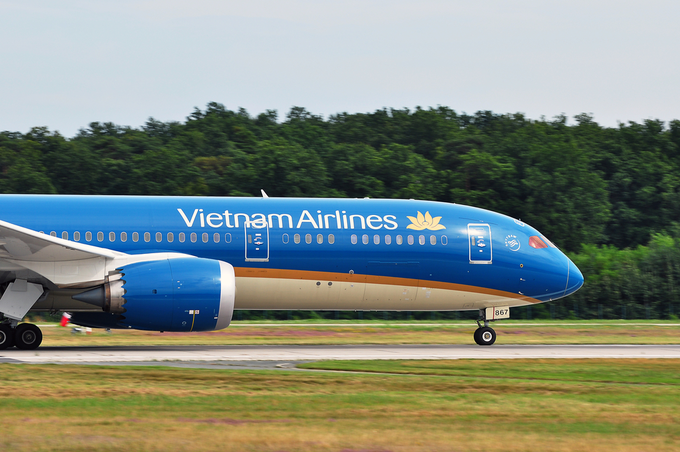
    The average monthly salary of Vietnamese pilots working for Vietnam Airlines was 41% lower than their foreign colleagues’ last year, a gap that caused many to quit.

    A recent report by the Ministry of Labor, Invalids and Social Affairs, which flagged this, said the 829 Vietnamese pilots working for the carrier received on average VND85 million (US$3,620) a month while the 152 foreign pilots got paid VND145 million.

    The latter work for Vietnam Airlines through a third-party agency and are not directly on its payroll.

    The airline plans to increase its payroll by 2025, when it will have 1,044 Vietnamese pilots.

    The average salary of Vietnamese pilots will be hiked by 59% by then to VND134.8 million.

    But foreign pilots’ salaries will be increased by 93% to VND279.2 million, increasing the wage gap between to 52%.

    The ministry said the carrier could not afford higher salaries for Vietnamese pilots, and the intense competition in the country’s skies means many pilots look for jobs elsewhere.

    Thirty five have quit since 2020, and more are set to leave when their contracts expire.

    The decline in number of Vietnamese pilots will place an even bigger burden on the airline since it will have to hire more foreign pilots, whose compensation is around VND2.5 billion a year each, including accommodation, insurance and others.

    Assuming the airline loses 120-140 Vietnamese pilots every year, it would have to spend VND300-600 billion on hiring foreign replacements and face greater risk of flight cancelations.

    It is therefore necessary to increased the salary budget to ensure stable operations, the ministry said.

    If it is increased by VND300 billion annually, the current 41% salary gap would decrease to 30%, and if the hike is VND800 billion, the gap would shrink to 10%, it said.

    But the increase must be tied to commitments from the airline that it would achieve its profit and revenue targets so that its losses do not bloat further, it added.

  • Hundreds queue to buy social housing in Hanoi

    Hundreds queue to buy social housing in Hanoi

    At a building in Hanoi’s Cau Giay District on Wednesday evening, many queued up outside to register to buy an apartment at NHS Trung Van, a new social housing project that has been available since the end of March.

    The project is being built on a 2,700-square-meter area in Nam Tu Liem. When completed it will have 32 floors and two underground levels, with 275 apartments, in which 225 are social housing units

    The developer of the project, NHS, has received over 1,000 registrations since March 28. It had been accepting only 40 registrations each day, with the figure rising to 70 in the last few days due to high demand.

    Nguyen Tuan Long from Ha Dong District said: “I have been waiting for four days but still I have not been called to submit documents. I don’t know if I will be on the buyers’ list.”

    A NHS employee calls out the names of the people who register once every three hours to check if anyone has left. If someone does not respond after three calls they are removed from the list.

    Some people came to register after finishing their work day. Lien in Hoang Mai District said: “I have been coming here every day for the last four days. Some days I was not quick enough to be in the queue and had to leave.”

    A social housing apartment is legally required to only be sold to those on low incomes, though there have been reports of the middle-classes buying them.

    At NHS Trung Van, apartments are sold from VND19.5 million ($831) per square meter, substantially lower than an average project in Hanoi. The smallest apartment is priced at VND1.39 billion (nearly US$60,000).

  • Bamboo Airways owes director $329M

    Bamboo Airways owes director $329M

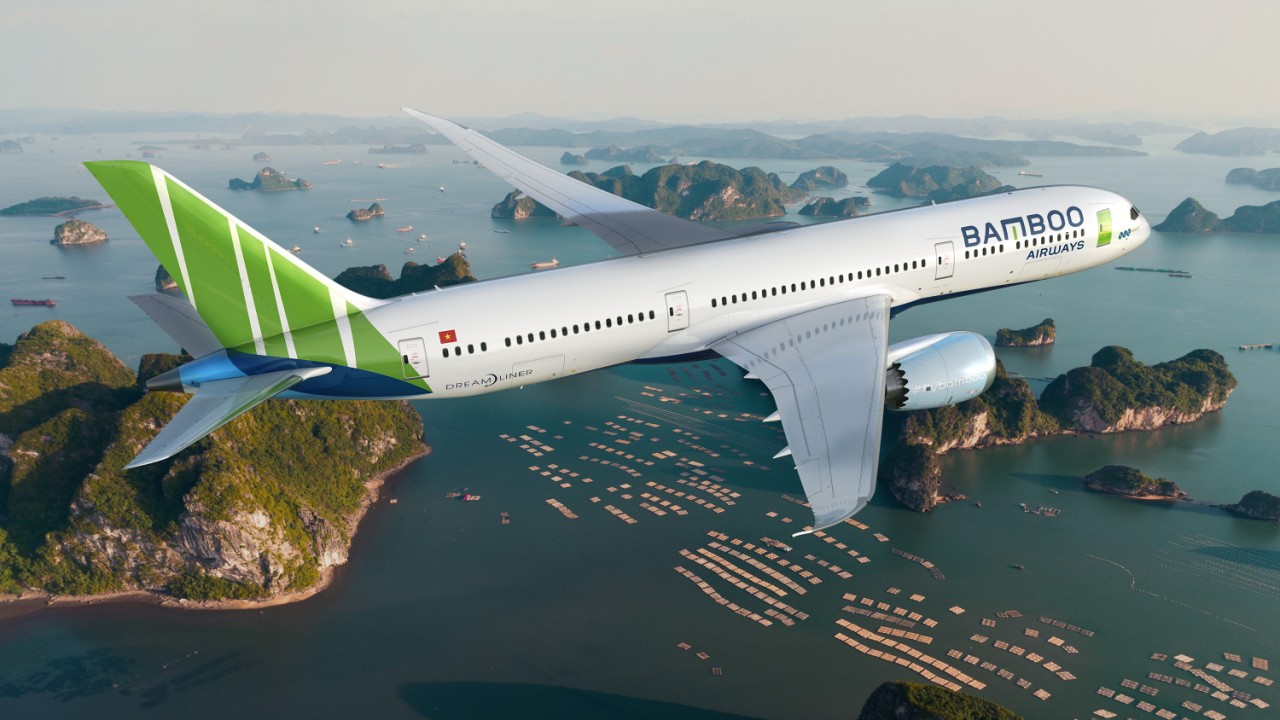
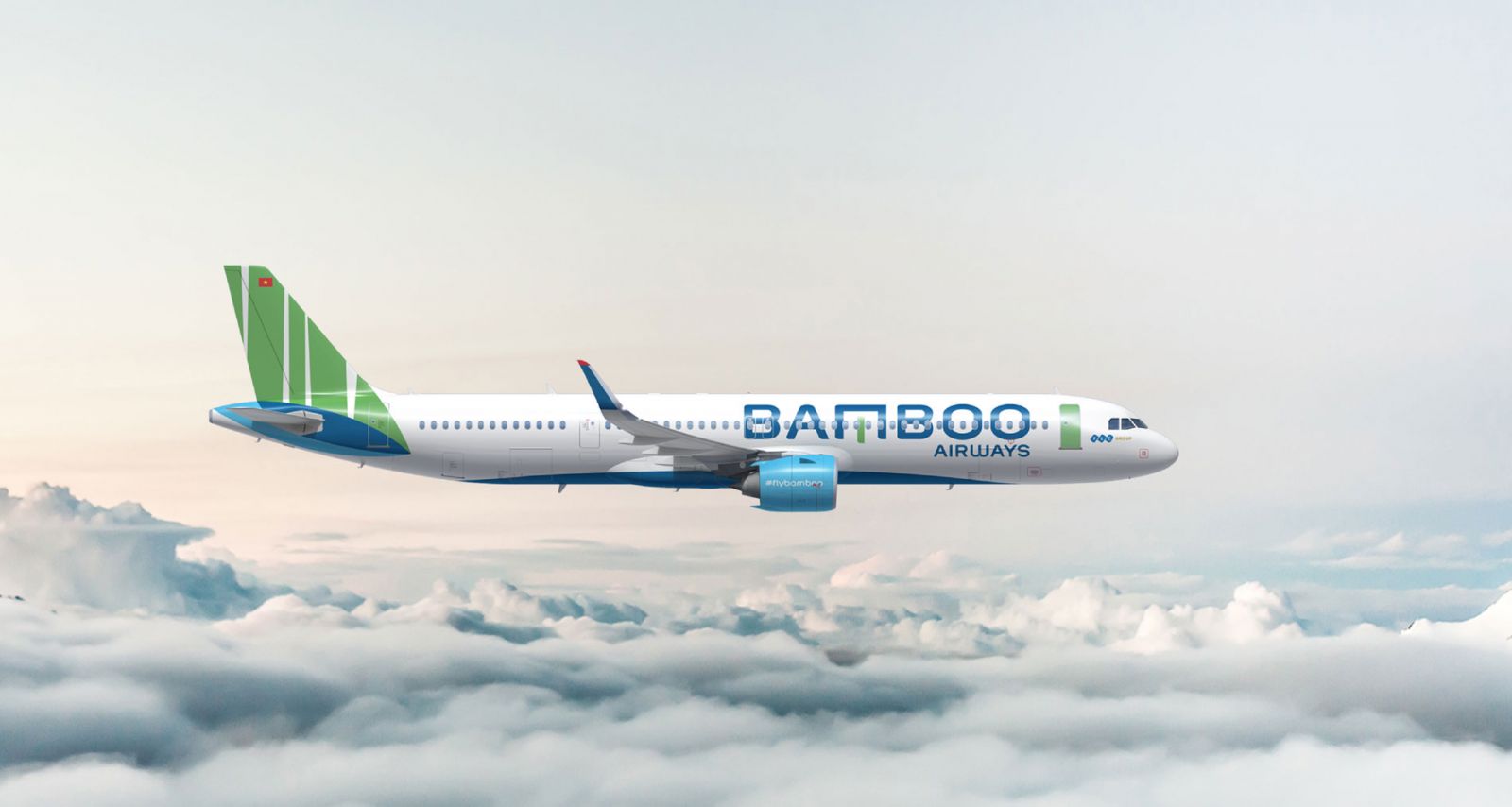
    Bamboo Airways owes one of its directors, Le Thai Sam, almost VND7.73 trillion ($329.50 million) as of April 10, according to a meeting on Tuesday.

    Sam, who became a board member in July last year, will soon receive a 21.7% stake from FLC, which has been operating the airline since the beginning, according to a document made public at the Bamboo Airway’s extraordinary shareholders’ meeting.

    As he already owns a 12.5% stake in the airline, the transfer from FLC will increase his ownership to more than one-third of the carrier.

    Since last year he has been lending the company cash at zero or low-interest rates and required no collateral to ensure the company could continue its operations despite many difficulties after its founder Trinh Van Quyet was arrested on stock manipulation charges.

    Sam, 59, has 30 years of experience in property, finance and banking. He used to be one of the directors of Development Investment Construction (DIC).

    Shareholders of Bamboo Airways on Tuesday approved the company’s proposal to issue more shares to increase its charter capital by 62% to VND30 trillion.

    The company will look to sell the shares to strategic investors with deep pockets who are willing to lend the company at least VND1 trillion.

  • Vietnam third top chip exporter to the US

    Vietnam third top chip exporter to the US

    Vietnam accounted for 10% of semiconductor chip exports to the U.S. in the 12 months ending this February, ranking third after Malaysia and Taiwan.

    The Vietnam chip industry’s revenue from the U.S. market rose by 74.9% during the period, from $321.7 million in February 2022 to $562.5 million this February, according to a report by the Ministry of Information and Communications.

    Vietnam is also among the countries with the highest growth rate of chip exports to the U.S., alongside Thailand, India and Cambodia.

    Cambodian chip exports to the U.S. grew in value 7-fold over the period, from $20.8 million to $166.3 million, while Indian revenues from the market grew 34-fold to $152 million in February.

    In February, semiconductor chip export orders to the U.S. reached $4.86 billion, up 17% year-on-year. Among those, chips made in Asia accounted for 83%.

    Bloomberg reported that the U.S. is diversifying its electronics supply chain by reducing the share of chip imports from Malaysia, a longtime powerhouse in chip packaging, alongside moving its iPhone production chain out of China.

    At a government meeting in April, Prime Minister Pham Minh Chinh assigned the Ministry of Planning and Investment the tasks of improving the National Innovation Center, and developing a chip production program.

    Experts believe Vietnam has the potential to be a global center of chip production if it can utilize its advantages and implement effective strategies, policies, and incentives for the sector.

    Intel’s Asia Pacific and Japan General Manager Steve Long told VnExpress last year: “Vietnam can establish the necessary infrastructure and policies to support cutting-edge chip manufacturing.”

  • Taxi company back in the black after four years

    Taxi company back in the black after four years

    Taxi firm Mai Linh Group reported its first profit of VND1 billion ($42,600) after four years in 2022.

    Its revenues surged by 57% to VND1.65 trillion on recovering demand for transportation after two years of Covid-19.

    It posted a loss of over VND270 billion in 2021.

    The company has overcome its most difficult period and is recovering, but its figures show that more work remains to be done, its chairman, Ho Huy, said in a letter to partners earlier this year.

    “We have not made as much profit as expected.”

    He added that the goal is to see every unit making profits this year.

    The company’s debt-equity ratio is a ridiculous 43. Anything in excess of two is considered risky.

  • Hanoi Metro posts first profit

    Hanoi Metro posts first profit

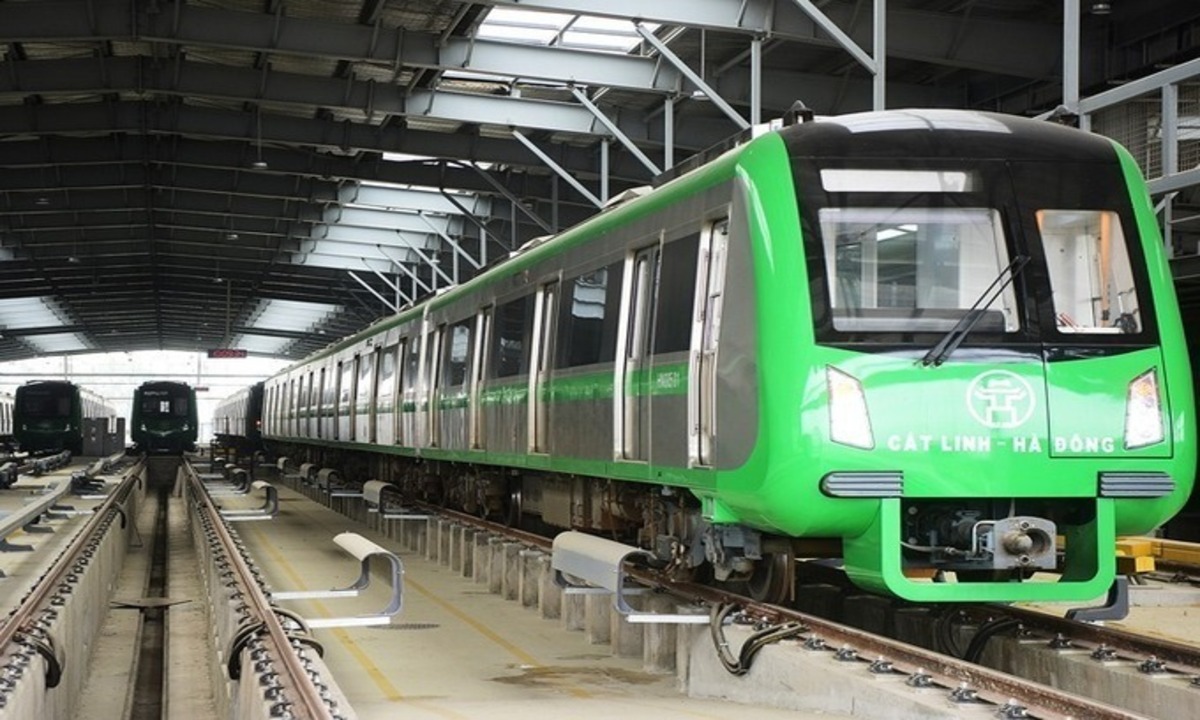
    Hanoi Metro, the operator of the capital’s first metro line, posted its first profit last year at nearly VND97 billion ($4.14 million).

    The profit was a turnaround from the VND37 billion loss recorded in 2021.

    The company saw revenues surge sevenfold to VND483 billion.

    The Cat Linh – Ha Dong Metro Line began commercial operation in June 2021.

    By the end of last year, it posted an accumulated loss of nearly VND37 billion, one-fifth of the losses in 2021.

    Hanoi Metro also received city subsidies in ticket sales last year, which it said would help improve its financial report.

    The company sells a ticket for VND8,000-15,000 depending on the trip length. A monthly ticket costs VND200,000, with students and industrial workers paying half.

    It now has nine trains operating, with a train running every six minutes during peak hours.

    The Cat Linh – Ha Dong Metro Line, which took 10 years to complete, runs 13 kilometers on elevated tracks through 12 stations.

    Each train can carry a maximum of 960 passengers. A complete trip takes 23 minutes.

    Hanoi Metro plans to serve over 10.6 million passengers this year.

  • Hai Phong port customs look for owner of Rolls-Royce unclaimed for one year

    Hai Phong port customs look for owner of Rolls-Royce unclaimed for one year

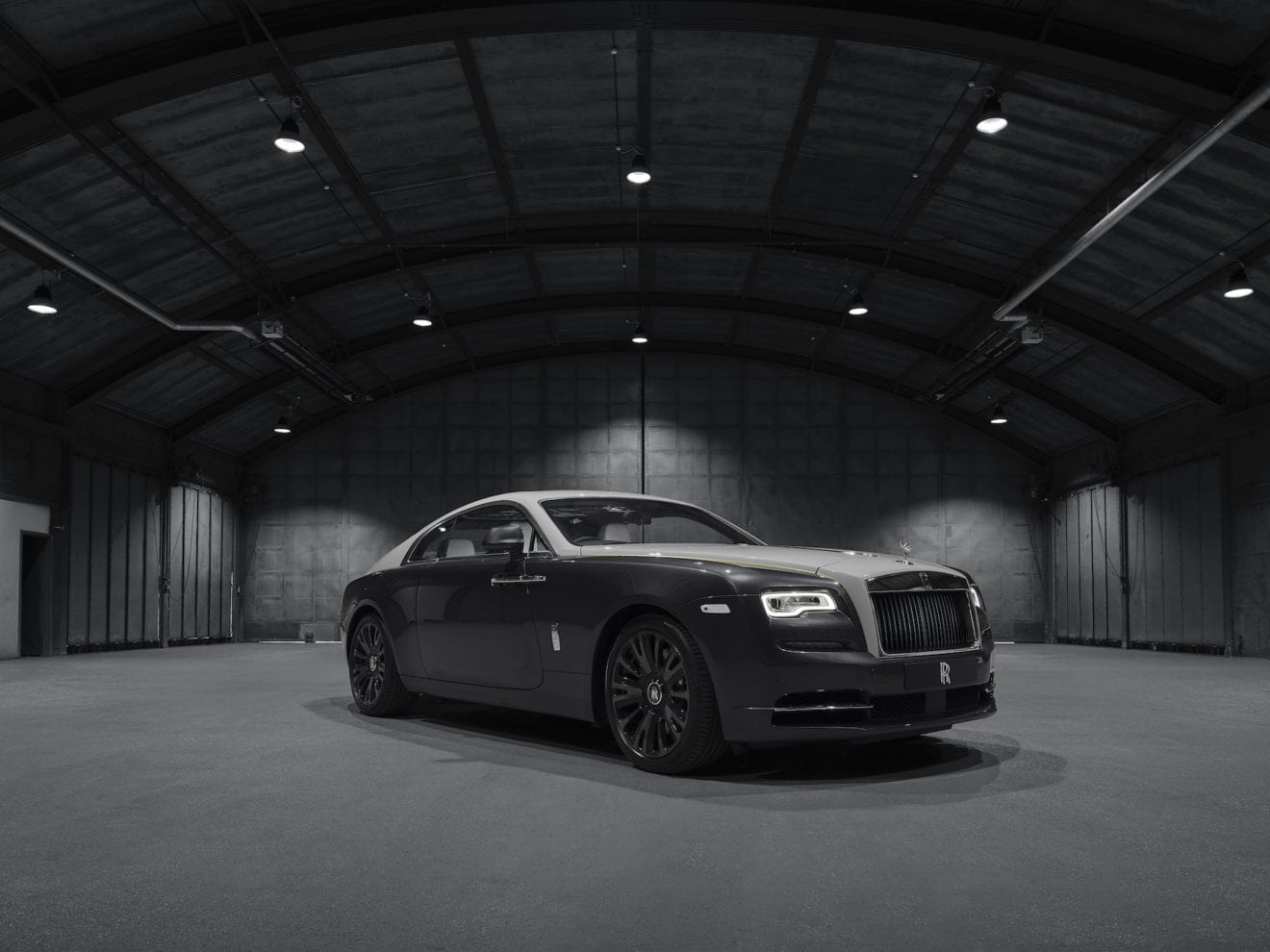
    Customs authorities in Hai Phong City’s Dinh Vu Port are looking for the owner of a Rolls-Royce car that has remained unclaimed since being imported in July last year.

    According to the port customs sub-department, after no individuals or organizations came to collect the vehicle, last December it had posted the first notice to find the owner.

    The exporter is Germany’s Hollman International Company, and the recipient is a company with address in the Trung Van urban area in Hanoi.

    Mediterranean Shipping Company had transported it.

    The automobile is at the port’s Tan Cang International Container Terminal.

    A Rolls-Royce Cullinan currently costs over VND40 billion ($1.7 million).

    Past cases of abandoned luxury cars have existed in Hai Phong and Da Nang ports.

    In 2020 Hai Phong customs auctioned a Ferrari after a public notice failed to find its owner for over 90 days.

  • Vietnam Airlines shares face restrictions for delay in filing financial statements

    Vietnam Airlines shares face restrictions for delay in filing financial statements

    Vietnam Airlines’ HVN shares will see trading restrictions from May 12 for failure to file its results in time.

    The carrier has been more than 30 days late in submitting its audited consolidated financial statements for 2022, the Ho Chi Minh Stock Exchange (HoSE) said in a statement.

    At the end of March Vietnam Airlines had sought permission from HoSE to delay the submission, but its request was turned down.

    Now its shares will not be traded for at least two days a week.

    The airline said earlier this month that due to its ongoing restructuring, it needs more time to complete its financial statements.

    If the company fails to submit them 45 days after the deadline, its shares will be restricted.

    HoSE had warned in February that HVN could be delisted if it posted losses for 2022.

  • Seafood exporter Minh Phu suffers $4.1M loss in Q1

    Seafood exporter Minh Phu suffers $4.1M loss in Q1

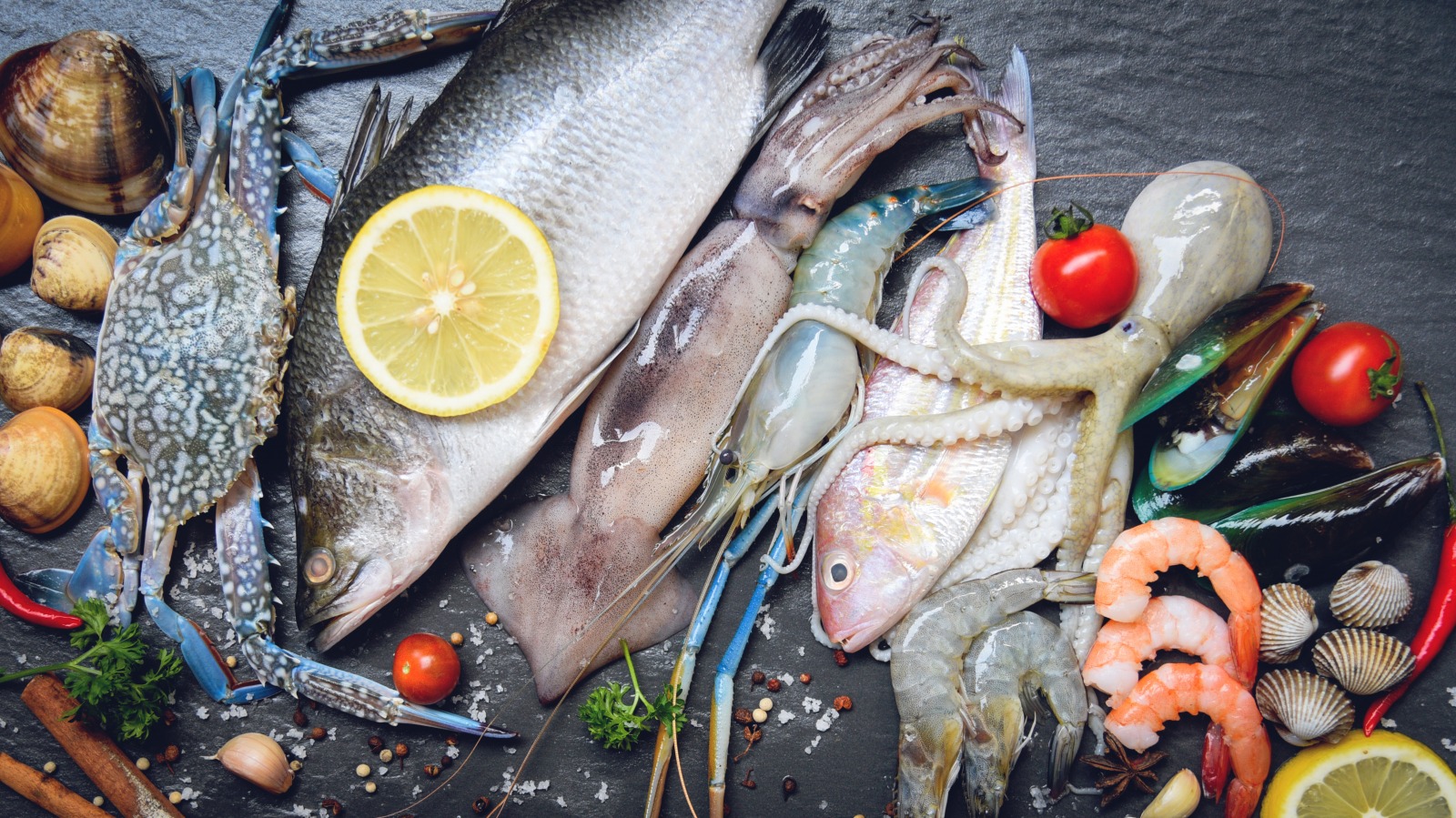
    Minh Phu Seafood, one of the country’s biggest shrimp processors, reported a loss of VND95 billion ($4.1 million) in the first quarter, ending its seven-year profitability streak.

    Its revenues fell by half year-on-year to VND2.1 trillion.

    The gross profit margin almost halved from over 11% to less than 6%, while interest on borrowings nearly tripled, contributing to the huge loss.

    In the comparable period last year it had earned profits of VND100 billion.

    For the full year it targets revenues of VND18 trillion and profits of VND1.1 trillion.

    Last year profit growth was in double digits and the highest in a decade.

    According to Agribank Securities JSC, the results of shrimp export companies, including Minh Phu, are bleak because demand in key markets such as the U.S. and EU was weak during the quarter.

  • Lender NCB wants to sell 11% stake in Bamboo Airways pledged as collateral

    Lender NCB wants to sell 11% stake in Bamboo Airways pledged as collateral

    National Citizen Commercial Bank plans to seek shareholders’ permission this month to sell 203 million shares, equivalent to a 11% stake, of Bamboo Airways.

    Property developer FLC pledged some of the shares as collateral for loans.

    FLC and its disgraced former chairman, Trinh Van Quyet, who is in custody for alleged stock market manipulation, had also used Bamboo Airways shares for borrowing from OCB and Sacombank.

    The carrier last month sought shareholders’ approval to increase its capital by VND9.57 trillion ($408.15 million) to deal with debts, but failed to get it.

    It plans to convene another extraordinary general meeting this month to raise the issue again.

  • Techcombank sells headquarters building for $72M

    Techcombank sells headquarters building for $72M

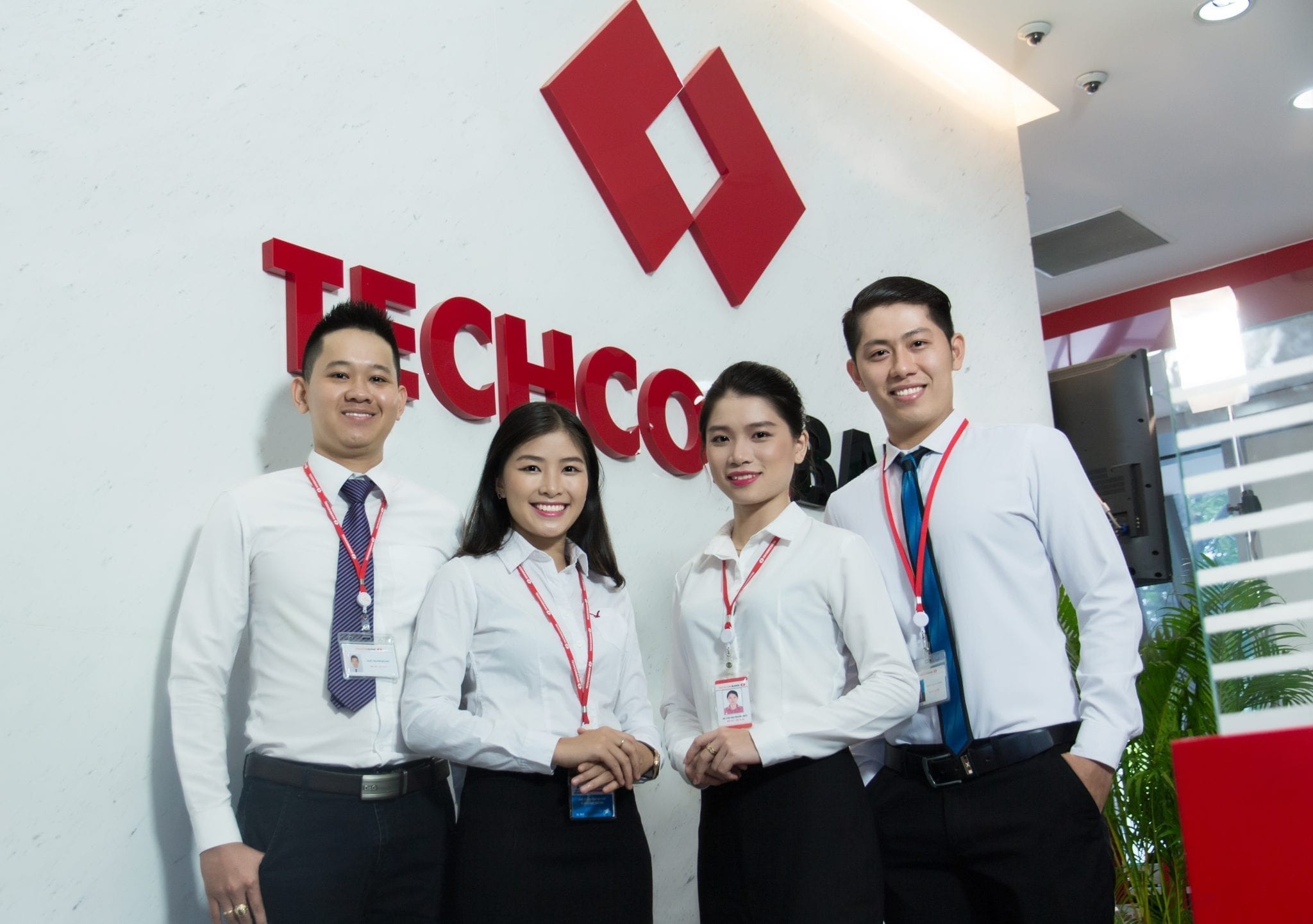
    Techcombank has sold its building in Hanoi for VND1.7 trillion (US$72.49 million), making a profit of over VND730 billion.

    It had bought the building on 191 Ba Trieu Street in Hai Ba Trung District 10 years ago from conglomerate Vingroup, changed its name to Techcombank Tower and made it its headquarters.

    Earlier this year Vietnam’s biggest private bank moved to its headquarters to 6 Quang Trung Street in Hoan Kiem District.

    Techcombank reported pre-tax profits of VND5.6 trillion for the first quarter, down 17% year-on-year.

    Its credit growth for the period was 10.6%.