Tag: Vietnam

  • Vietnam’s coffee export could reach $4B

    Vietnam’s coffee export could reach $4B

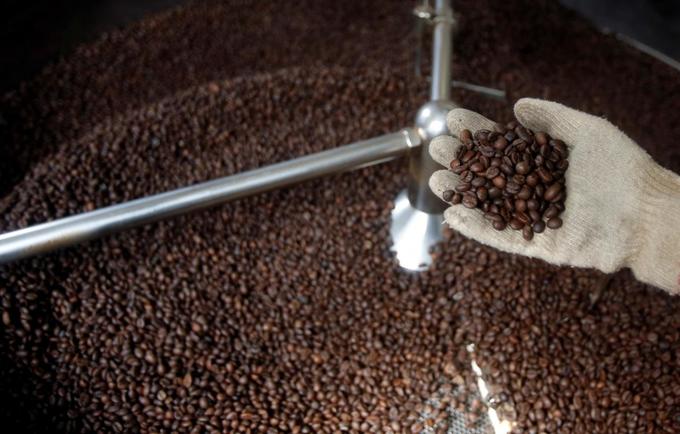
    Domestic coffee prices are at high levels, providing opportunities for Vietnam to maintain a coffee export revenue of over $4 billion this year.

    According to Mercantile Exchange of Vietnam (MXV), Robusta averaged $2,564 per tonne as of April 24 on ICE Futures Europe, which increased by nearly 40 compared to the beginning of this year.

    Starting from early 2023, the market saw signals about the narrowing of supplies in major coffee-producing countries.

    Statistics from the Vietnam General Department of Customs showed that Vietnam’s coffee export totalled more than 634,000 tonnes from the beginning of this year to April 15, lower than the result of 663,816 tonnes of the same period last year.

    The drop in export volume occurred in the context that global coffee prices were at a high level, pushing up domestic prices to around VND52,000 per kg, a record high, according to giacaphe.com.

    Besides, the coffee output of Indonesia, the world’s third largest Robusta producer, is forecast to be at around nine million tonnes, the lowest in the past decade, according to Volcafe. The Brazil National Supply Company forecast Robusta output of this country would drop by nearly 4 compared to the 2022-23 harvest to 17.51 million bags.

    These figures show that there is not only a shortage of coffee in the short term but also a narrowing in coffee supply in the medium and long term, which will likely push up coffee prices.

    Pham Quang Anh from MXV said that Vietnam’s coffee inventories were gradually shrinking after a record coffee export year. Additionally, the coffee output in 2022 dropped sharply by 10-15 compared to the initial forecast due to heavy rain in the harvest period, which made the supply tight and price increase inevitable.

    Currently, domestic coffee prices were at a high level compared to recent years, creating an opportunity for Việt Nam to maintain the export value of more than 4 billion USD in 2023.

    Lower prices of Arabica than Robusta in the context of increasing concerns about global economic recession risks was an important factor for Vietnam to promote the export of coffee.

    It was an ideal condition for Vietnam to increase the export of Robusta and affirm the position of being the world’s largest Robusta supplier, Anh said.

    Still, Vietnam’s coffee industry should aim for more sustainable export in the long term.

    While coffee export was narrowing down, farmers in Tay Nguyen (Central Highlands) tended to cut down coffee trees to grow durian as China had allowed the official import of durian from Vietnam.

    Another problem was that Vietnam mainly exported coffee in raw forms, which must be tackled to increase added value.

    He urged enterprises to invest in production and processing to increase added value and develop brands for coffee products to meet the tastes of consumers in different markets.

  • Vietnamese airlines recovering in 2023

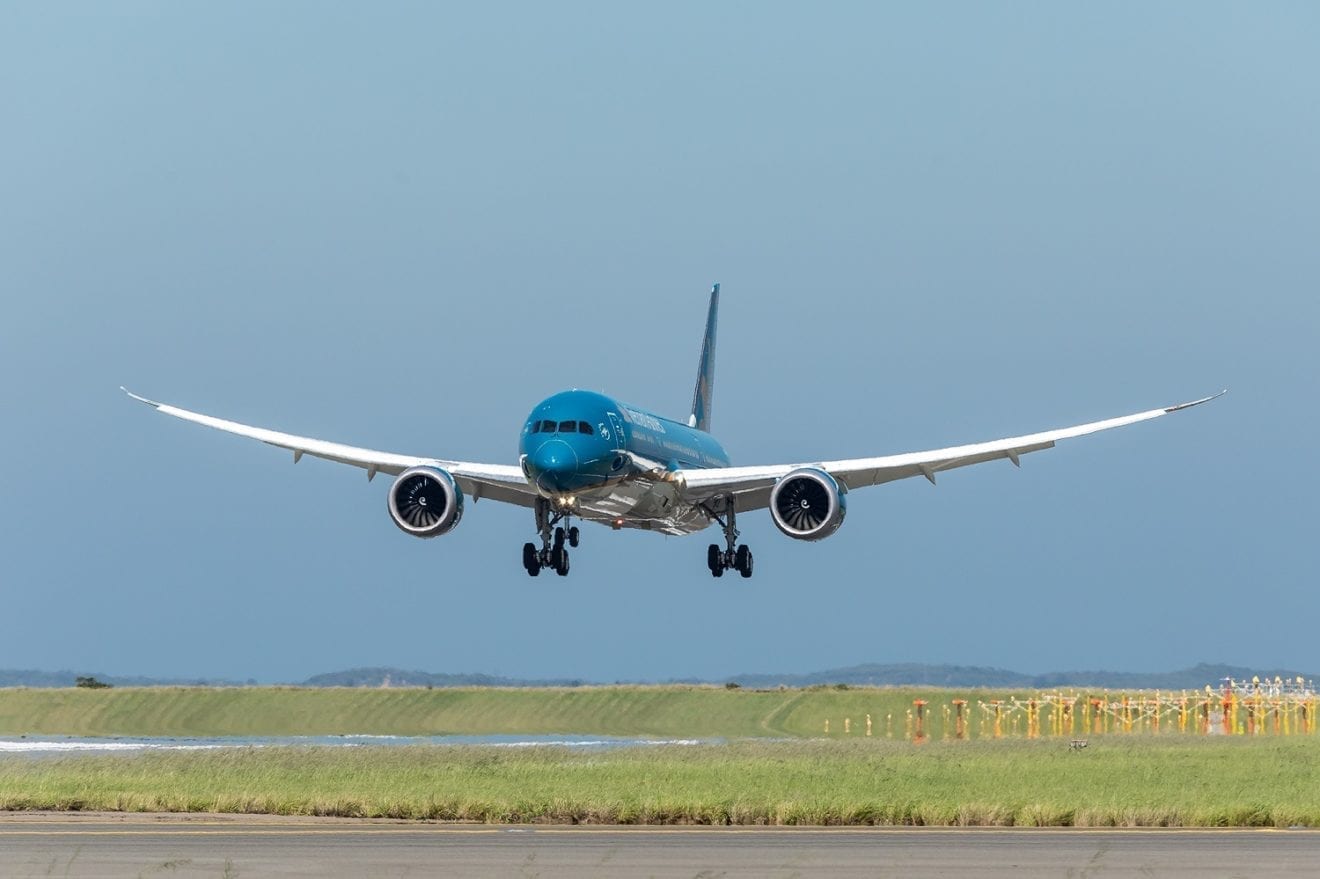
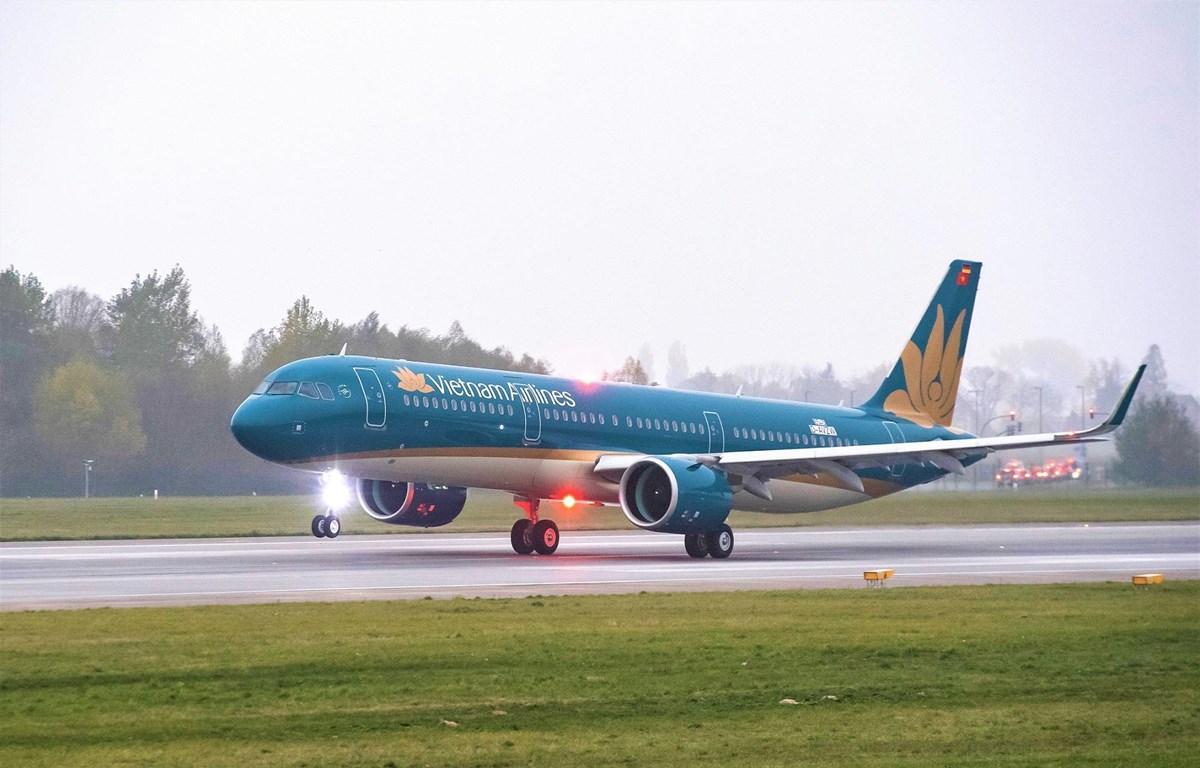
    Vietnam Airlines and Vietjet Air reported profits again in the first quarter of this year, while Bamboo Airways neared the break-even point, thanks to the Tet travel peak.

    Analysts said increased international flights due to Vietnam’s Lunar New Year holiday festival (Tet) in late January were the cause of the uptick in the previously-ailing air industry.

    According to newly released financial statements, Vietnam Airlines posted a consolidated pre-tax profit of VND19.3 billion (US$817,800) in the first quarter of this year, compared with a loss of VND2.6 trillion in the first quarter of last year.

    The gains halted the streak of 12 loss-making consecutive quarters since Covid-19 emerged.

    The national flag carrier’s revenues doubled to VND23.64 trillion, the highest since the beginning of 2020 and close to the pre-pandemic levels of 2019.

    A manager at Vietnam Airlines said the better business performance mainly stemmed from the company’s effective tapping of Tet holiday travel, and the recovery of international flights, especially to and from China.

    In markets such as the U.S., Europe and Australia, the airline gained high seat occupancy rates.

    After incurring losses in 2022, Vietjet Air made a pre-tax profit of VND243 billion in the first quarter of this year. That figure came out of a consolidated revenue of VND12.9 trillion, its highest revenue in the last 12 quarters.

    Vietjet Air’s revenue from the international market increased, accounting for 45% of its total revenue from passenger transport.

    Among domestic airlines, Vietjet Air has pioneered opening new routes to India, Kazakhstan and Australia since the second half of last year.

    Vietjet operated 31,300 flights, transporting nearly 5.4 million passengers in the first quarter, up 57% and 75% respectively.

    Meanwhile, the number of passengers transported by Vietnam Airlines surged by 63% to 5.1 million.

    Domestic carriers’ improved performance was also partly due to lower fuel prices and exchange rate differences.

    In the last quarter of last year, both Vietnam Airlines and Vietjet operated below cost as the fuel price of Jet A1 and interest rates were high. The price of jet fuel last year sometimes exceeded $160 per barrel and averaged $130.

    According to Vietnam Airlines, the average price of Jet A1 fuel in the first three months of the year downed to US$110.69 per barrel.

    Bamboo Airways has not announced business results in the first quarter of this year. At an extraordinary shareholder meeting in early April, Bamboo Airways chairman Nguyen Ngoc Trong said the airline was close to breaking even in the first quarter, with its fleet of 30 aircraft operating at full capacity.

    He said Bamboo Airways “will get off the ground in 2024 and be profitable from 2025.” Bamboo Airways is expected to obtain 6-8 new aircraft in the coming months to expand its international flight network.

    Bamboo Airways is working with partners in China to open new routes from now to the end of the third quarter. Meanwhile, it will increase the frequency of many routes to Southeast Asia and Northeast Asia in the second half of the year.

    Vietjet Air will get more new wide-body and narrow-body aircraft, increasing the total to 87 by the end of this year, and launch new routes to India, Japan, and South Korea.

    Vietravel Airlines plans to receive 3 more aircraft to double its fleet.

  • Chinese cafe chain Mellower Coffee exits Vietnam

    Chinese cafe chain Mellower Coffee exits Vietnam

    Café owner Liu Houjun gained a little online fame with his unique coffee brewing bravura. Formerly the director of a listed company, the coffee lover, in his 50s, decided to quit his job and open a coffee shop to develop innovative blends.

    “Different regions in the world all have their own ways of making a cup of coffee with local characteristics. I figured maybe we, as Chinese, could also invent our own unique coffee extraction method,” Liu said. And invent he did. After slowly adding water to the ground coffee powder, he puts the container into a pressure cooker filled with water and boils it extensively to complete the extraction.

    He explained that this process leaves the coffee with a smoother and lighter taste, much to the palate of many customers, contributing to the shop’s 70 percent returning customer rate. Apart from his special coffee-brewing technique, Liu has fashioned a range of innovative coffee products, like espresso made with the help of yogurt and rice wine.

    “I hope more of these Chinese-style coffee varieties can reap some worldwide recognition,” Liu said.

    According to YiMagazine, a financial media outlet in China, Shanghai currently has about 7,000 coffee shops, excluding coffee services in convenience stores and fast-food restaurants, ranking first nationwide—or even worldwide. The number of coffee hangouts per 10,000 people in Shanghai is 2.85, similar to that in London, the UK, New York, the U.S., and Tokyo, Japan.

    Major chains like Starbucks and Costa Coffee account for 35 percent of total coffeehouses in Shanghai, the report added. Luckin Coffee, one of China’s largest coffee chains established in 2017, quickly expanded by weaving some marketing magic combining expedient delivery service and discounts.

    “Many people believe it was Luckin that showed Chinese customers who had been less familiar with coffee the ropes, lifting the entire market to its next level,” said Zhang Mingzhu, General Manager of Mellower Coffee, a Chinese specialty coffee company.

    To attract more customers, many café proprietors are seeking state-of-the-art suggestions to give their place that little extra pizzazz. Coffee is mixed with more commonly spotted ingredients sitting next to a traditional Chinese meal, like soybean milk, tangerine peel, or even Moutai, a prominent brand of distilled Chinese liquor. Among the innovations, latte with sweet-scented osmanthus, the aromatic flower that is native to China and prized for its intoxicating, apricot-like scent, proved most popular, with more than 60,000 searches on Dianping.com, a Chinese restaurant review site, in 2021 alone. The search term “Chinese-style coffee” was entered over 280,000 times.

    According to another Dianping.com report released in December 2021, specialty coffee, often called quality coffee, is gaining popularity among customers in Shanghai. The term refers to coffee that has scored over 80 points on a 100-point scale by the Specialty Coffee Association of America.

    The group aged between 20 and 40 is the main consumers of this coffee type in Shanghai, with women accounting for 60 percent. Compared with 2019, the proportion of student consumers in the past year has increased by nearly 2.4 times. They usually opt for a boutique coffee shop to study, socialize, or take a break. People over the age of 50, too, have become more curious about and fond of specialty coffee. Compared with 2020, this group’s orders have increased by nearly 143 percent.

    “The quality of coffee beans is not the only customer focus; the ways of brewing and extraction, as well as the uniqueness and creative designs of coffee shops, all play a vital part,” said Zhang Xueqiang, Chairman of the Coffee Professional Committee of the Shanghai Food Industry Association, adding that Shanghai specialty coffee is entering a golden age of development.

    Shanghai-based entrepreneur Wu Yue told Beijing Review that in the past, he would invite potential business partners to a restaurant to talk shop; they might even go out for some drinks after. “But today, I usually take my prospective business partner to a coffee or tea shop, as it is healthier and more efficient. I’ll take a date there as well,” 28-year-old Wu said.

    Ample supply

    Many coffee shops in Shanghai flourish on an ample supply of coffee beans from Yunnan Province. One such example is Mellower Coffee, established in 2011 in Kunming, capital of Yunnan, and now headquartered in Shanghai, with chain stores in other parts of China, as well as in Singapore and the Republic of Korea. Yunnan is the largest coffee-growing province in China and, for years, the province’s yield has accounted for more than 98 percent of the country’s total. According to the Yunnan provincial department of agriculture and rural affairs, 131,000 tons of coffee beans were produced in the province in 2020.

    Pu’er City is one of Mellower Coffee’s main sources of coffee beans aside from other places in major coffee-producing regions like Ethiopia, Kenya, Colombia and Guatemala. The city’s coffee plantation area, output and value ranked No.1 in the nation in 2021. And it’s also a famous tea-growing area.

    Yunnan’s coffee history dates back to the 1950s, when scientists began researching planting there. The year 1988 was the starting point for Yunnan coffee to make its mark beyond China, when the local government launched a coffee assistance project, assisted by the United Nations Development Program and the World Bank. Swiss food and beverage giant Nestlé introduced new bean varieties and smart production technologies to Pu’er, and other places, transforming Yunnan into a global golden belt for its coffee cultivation.

    Coffee grows in semi-tropical climates with an average temperature of 20 to 27 degrees Celsius and abundant rainfall, making Pu’er the perfect candidate.

    However, Yunnan coffee was considered a relatively mediocre variety in the past as its quality fluctuated due to inexperienced production, unexpected bad weather occurrences and insect plagues, according to Hua Runmei, a coffee entrepreneur in Pu’er.

    A price drop further dampened the incentive to improve its quality. “With the development of the global coffee market, mechanization and large-scale production and processing in Brazil, Viet Nam and other countries, the price of traditional commercial coffee beans has gradually fallen, making it less profitable for farmers,” she said.

    Hua can recall her grandfather and parents growing coffee beans for a living ever since she was little. “Though they were cultivating it, farmers of their generations never actually tried the coffee, let alone study it and see how to improve the taste, which is vital in market competition,” Hua said. She added that the younger generation today can open up more possibilities for coffee plantation by transforming it, developing specialty varieties and adopting digital technology throughout the entire process, rendering product quality high and unwavering.

    Hua is currently preparing to launch her own brand, creating more coffee-related products and contributing her share to making quality Pu’er coffee known across the globe.

  • Airlines buying planes for more int’l flights

    Airlines buying planes for more int’l flights

    Vietjet, Bamboo Airways and Vietravel Airlines are buying additional planes to open more international flights this year as the travel industry recovers from Covid.

    Vietravel Airlines, the youngest carrier in Vietnam, said it will receive three aircraft in the next quarter of this year to launch more international routes.

    The airline currently operates two routes between Hanoi/Ho Chi Minh City and Thailand’s Bangkok, and between Khanh Hoa Province’s Cam Ranh and South Korea’s Daegu.

    Bamboo Airways said it will obtain 6-8 planes from now through the end of the year, and an additional 10 planes in the 2024-2025 period.

    Vietjet Air will also receive 10 new planes this year, including three Airbus A321 ACFs this week, increasing its total to 87 by the year’s end while opening new routes to India, Japan and South Korea.

    Vietjet, which currently has 77 aircraft, including 5s A330s, 54 A321s and 18 A320s, operates over 100 domestic and international routes.

    Earlier this year, the Civil Aviation Administration of Vietnam asked the Ministry of Transport to allow domestic carriers to increase the size of their fleets to meet the market’s recovery needs.

    As of January, six domestic airlines were using 225 aircraft, nine less than the pre-pandemic level in early 2020.

    According to the administration, an average aircraft transports 250,000 passengers per year.

    With the domestic market forecast to reach 45.5 million passengers in 2023, the number of aircraft serving the domestic market alone is only 182.

    And to serve 13.6 million international passengers this year, airlines need 57 more planes.

    So analysts say that the total number of domestic airlines’ aircraft should increase to 230 in the first months of this year, and to 250 by the end of the year.

  • Vietnam Airlines posts profit in Q1

    Vietnam Airlines posts profit in Q1

    Vietnam Airlines posted a pre-tax profit of VND19.3 billion ($822,500) in the first quarter after losses in 12 consecutive quarters. The airline saw revenue doubling year-on-year to VND23.64 trillion, the highest quarter record since Q1 2020.

    It is near the pre-pandemic levels of 2019. The state-owned carrier however still posted a post-tax loss of VND37.3 billion.

    The pre-tax profit, however, is still considered a strong signal of recovery after the carrier plunged into major financial difficulties due to Covid-19.

    The airline said that in the first quarter of this year, the domestic market recovered, and China lifted its Covid-19 restrictions, which resulted in a surge in passenger numbers.

    There was also high occupancy on flights to the United States., Europe and Australia, it added.

    The company served 5.1 million passengers in the first quarter, up 63% year-on-year. A weaker U.S. dollar and lower-than-expected fuel prices also helped reduce costs.

    But Vietnam Airlines, which operates Pacific Airlines and Vietnam Air Services Company, still sees high risks in the future as the domestic market remains 40% lower than pre-pandemic.

    It added that global geopolitical tensions will likely still affect the aviation industry in 2024.

  • April’s consumer price index down

    April’s consumer price index down

    The consumer price index (CPI) in April decreased by 0.34% month-on-month, but increased by 2.81% year-on-year, according to the General Statistics Office (GSO).

    In the first four months of this year, the index rose by 3.84% y-o-y, mainly due to increases in prices of education, housing and construction materials, culture, entertainment and tourism, food, and electricity.

    In April, seven out of the 11 groups of main consumer goods and services witnessed price decreases, and the remainders saw rises.

    Notably, a 0.38% fall in the price of food and catering services caused a decline of 0.13 percentage point of the CPI.

    Gold prices in April were up 2.04% m-o-m, but down 1.09% y-o-y. In the January-April period, the prices rose by 0.66% y-o-y.

    Meanwhile, the USD price in April fell 0.89% m-o-m, but rose by 2.5% y-o-y, leading to a y-o-y increase of 3.21% in the first four months of this year.

    According to the GSO, this month, core inflation increased by 0.13% over the previous month, and by 4.56% over the same period last year. On average, in the first four months, it increased by 4.9% y-o-y, higher than the overall average CPI (3.84%).

  • Vietravel Airlines to get three more planes in Q3

    Vietravel Airlines to get three more planes in Q3

    Vietravel Airlines is expecting to expand its fleet to six by adding three more aircraft in the third quarter following a plan set out from the early days of its establishment.

    The move in association with a recruitment program slated for May in Ho Chi Minh City aims to help the carrier be ready for its market expansion targets.

    The airline, which debuted in late 2020, is currently operating six domestic routes connecting Hanoi, Ho Chi Minh City and major tourist destinations of Da Nang, Phu Quoc and Quy Nhon, along with two international ones connecting Hanoi, HCMC and Bangkok.

    It is also partnering with a company from the Republic of Korea to provide 11 charter flights on the Daegu-Cam Ranh route in the period from March 28 to May 7 with one flight every five days.

    As of the first quarter of 2023, Vietravel Airlines had operated over 11,600 flights safely and carried close to 2.5 million passengers, with an average occupancy rate of 93.7%.

  • Stock dives to 5-week low

    Stock dives to 5-week low

    Vietnam’s benchmark VN-Index dropped 0.63 percent to 1034.85 points Tuesday, lowest in five weeks.

    The index closed 6.51 points lower after losing 1.55 points on Monday.

    Trading on the Ho Chi Minh Stock Exchange (HoSE) increased by 3% to VND9.42 trillion ($401.14 milllion).

    The VN-30 basket, comprising the 30 largest capped stocks, saw 27 tickers lose.

    MSN of conglomerate Masan Group fell 2.7%, followed by HDB of HDBank and NVL of property developer Novaland Group, both with a 2.1% drop.

    STB of Ho Chi Minh City-based lender Sacombank lost 2%, and PDR of Phat Dat Real Estate Development closed 1.9% lower.

    Only two blue chips gained. HPG of steelmaker Hoa Phat Group rose 1.9% and VCB of state-owned lender Vietcombank went up 0.5%.

    Foreign investors were net sellers to the tune of VND139.72 billion, mainly selling VIC of private conglomerate Vingroup and STB of Ho Chi Minh City-based lender Sacombank.

    The HNX-Index at the Hanoi Stock Exchange, where mid and small caps list, was down 1.00% while the UPCoM-Index at the Unlisted Public Companies Market was up by 0.12%.

  • Five motorbikes sold in Vietnam every minute

    Five motorbikes sold in Vietnam every minute

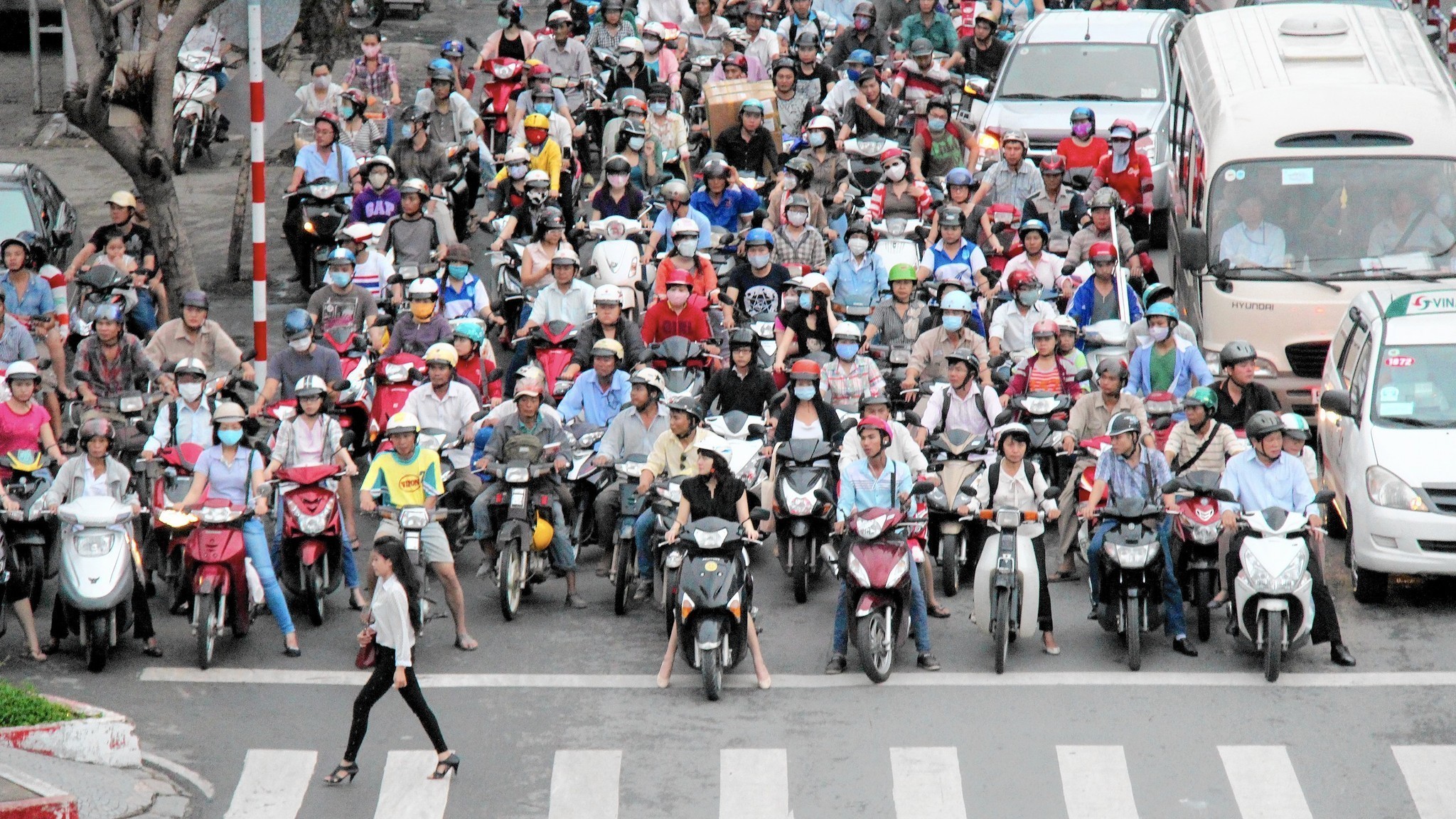
    Over 634,000 motorbikes were sold in Vietnam in the first three months, translating to almost five units every minute.

    The figure dropped by nearly 16% year-on-year, according to the Vietnam Association of Motorcycle Manufacturers, which comprises Honda, Yamaha, Piaggio, Suzuki and SYM.

    The motorbike sales figure was 7.3 times that of cars, showing that two-wheelers remain Vietnam’s dominant means of transport.

    In ASEAN, Vietnam ranks second only to Indonesia in motorbike sales with Honda accounting for roughly 80% of the market share.

    Earlier this month Honda hiked the prices of most motorbikes following an increase in costs with the biggest increase being of VND2 million ($85).

  • Hanoi speculative villa prices down 40%

    Hanoi speculative villa prices down 40%

    Amid rising interest rates, Hanoi’s cash-strapped villa investors are slashing prices by up to 40% to lure customers.

    Loi spent VND32.5 billion (nearly $1.4 million) on a 180-square meter villa near Ring Road No. 3.5 in mid-2022.

    He paid for the house with a bank loan and VND11 billion of his own money hoping his investment’s price would double in two years.

    Two months later, the real estate market went silent. He put the villa for sale at a discount of 15%, but found no buyers. Early this year, he finally sold the villa for only VND23 billion.

    But despite all this, Loi is still considered a lucky investor, according to Tien, a local real estate broker in the urban area surrounding the villa project Loi bought into.

    “Many other investors of villas at the same project haven’t found any buyers at all even after lowering their prices 15-30%.”

    According to Tien, since late last year, many investors in the project, most of whom took out bank mortgages to pay for the villas, have slashed their prices 20-30% to cut losses.

    One investor has recently sold a 150-square meter villa for only VND17 billion, incurring a loss of VND8 billion.

    Brokers at the Hinode Royal Park urban area are trying to sell villas at prices of VND6-7.5 billion, down 40% against last year.

    Tu, also a broker, said she sold two villas at the Nam An Khanh urban area in Hoai Duc District for VND23.5 billion each early last year, but the price of the same properties has dropped over 30% to VND16 billion now.

    Villa offering prices at many other large-scale projects, including the Ha Do Charm Villas and An Lac Green Symphony, have decreased 25-30% over the past year.

    Most of the villas are being bought and sold by speculators, and many of them have been abandoned.

    According to real estate consultancy Savills Vietnam, the average villa price on the secondary (resale) market was VND22 billion in the first quarter of this year, 17% lower than the properties’ primary market (original) prices.

    As a result, some investors have leaned deeper into the secondary market and many have become speculators.
    Experts have also asserted that this is one major reason that the primary market has been so stagnant, with the absorption rate falling to the lowest level in the past seven years.

    Do Thu Hang, senior director of advisory services at Savills Vietnam, has predicted that liquidity in the villa market is likely to improve, but only for villas bought as homes, not investments.

    After construction of Ring Road No. 3.5 and Ring Road No. 4 is completes, over 80 property projects along the major new arteries will attract more buyers, she said.

  • Techcombank chairman says property loans given only for legally sound projects

    Techcombank chairman says property loans given only for legally sound projects

    Techcombank’s real estate loan portfolio might be big but most are personal loans or to develop projects that do not face legal issues, its chairman, Ho Hung Anh, said.

    At the lender’s annual general meeting on April 22 he said since the property developments have full legal status, even “in the current difficult period for the property market, these projects are being implemented.”

    Masterise, one of Techcombank’s clients, is proceeding with its projects normally and its construction is on schedule, he noted.

    As of the end of last year loans to the property and construction sectors represented 29% of Techcombank’s loans outstanding.

    The bank also has exposure to these sectors in the form of corporate bonds, which make up 6% of its total assets.

    “The bond market will recover,” Anh said, assuring that when this happens, Techcombank’s growth would resume very quickly.

    Last month ratings agency Moody’s Investors Service downgraded the long-term deposit and issuer ratings of Techcombank because of its high exposure to the struggling property sector.

    Techcombank targets pre-tax profits of VND22 trillion (US$932.2 million) this year, down 14% from 2022, and a bad debt ratio of below 1.5%.

    Its outstanding loans are expected to surge 15% to more than VND510 trillion by the end of the year.

    The bank does not plan to pay dividends this year.

  • Vincom Retail profits nearly triple in Q1

    Vincom Retail profits nearly triple in Q1

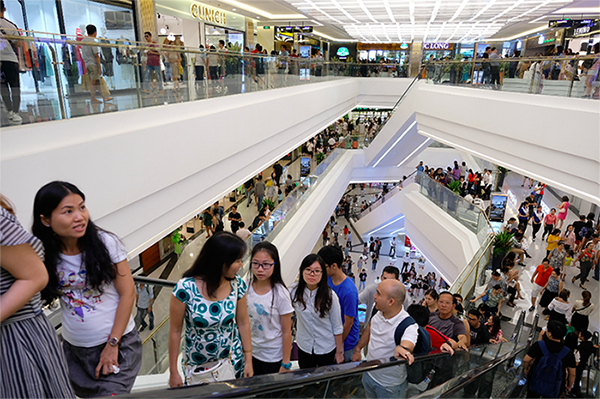
    Mall operator Vincom Retail has reported after-tax profits of VND1.02 trillion (US$43.4 million) for the first quarter, a 2.7-fold rise year-on-year, amid a recovery in consumption.

    It was 23% up quarter-on-quarter, the company’s consolidated financial statements showed.

    Vincom Retail reported revenues of VND1.94 trillion in the first quarter, an increase of 42%, with its mall business accounting for VND1.9 trillion.

    The company targets profits of VND4.68 trillion on revenues of VND10.35 trillion for this year, up 69% and 41% from 2022.

    Vincom Retail, a subsidiary of conglomerate Vingroup, plans to open a mall each in Ho Chi Minh City and the northern province of Ha Giang, increasing its total number to 85 in 45 cities and provinces.

  • Global minimum tax will hurt Vietnam investment

    Global minimum tax will hurt Vietnam investment

    The proposed global minimum tax would weaken the international business environment in Vietnam by eliminating preferential tax policies for foreign direct investment (FDI), said Samsung Vietnam CEO Choi Joo Ho.

    The global minimum corporate tax rate of 15% on profits would remove exemptions and reductions that much of Vietnam’s FDI relies on, Ho told a conference Tuesday.

    The new tax is slated for 2024 but has not yet been approved in Vietnam. It is still under consideration in the country.

    However, the regime was approved by 136 countries in 2021.

    It is considered the deepest overhaul of cross-border tax rules in decades. The overhaul aims to ensure that tech giants such as Apple and Google will not have an unfair advantage by booking their profits in low-tax countries such as Ireland.

    The tax would apply to multinationals with total revenues of at least EUR750 million ($819 million) in two of the preceding four years.

    This means that such a company investing in a foreign country would have to be taxed by that country by at least 15%.

    The U.K., Japan, Korea, and the E.U. will impose the tax next year.

    Vietnam is considering the policy and Deputy Prime Minister Le Minh Khai has asked the Ministry of Finance to evaluate the situation and decide if Vietnam should collect the tax.

    Samsung CEO Choi said the new tax would force foreign companies currently enjoying tax incentives in Vietnam to pay the global minimum tax rate of 15% in the country where the parent company exists.

    Thus such profits obtained in Vietnam would be collected by the tax authorities of another country (not Vietnam) through the exercise of the right to tax the profits, he said.

    This additional payment of tax would create a financial burden for businesses, affecting financial planning and business strategies, and directly reducing the competitiveness of products made in Vietnam, he said.

    “The Vietnamese government needs to make assertive decisions in the process of responding to the global minimum tax,” he said.

    Attending the conference, Minister of Finance Ho Duc Phoc acknowledged that tax incentives would no longer have much effect on FDI revenue in Vietnam if the global minimum tax were applied.

    According to data from his ministry more than 70 businesses in Vietnam are likely to be negatively affected by the tax if it is applied in 2024.

    Dang Ngoc Minh, Deputy Director of the General Department of Taxation, said that in Vietnam, about 335 projects with registered capital of over US$100 million in manufacturing and processing industries are enjoying corporate income tax incentives with rates of lower than 15%.

    On the list are Samsung, Intel, LG, Bosch, Sharp, Panasonic, Foxconn, and Pegatron, with registered capital accounting for nearly 30% of total FDI in Vietnam, or about US$131.3 billion.

    All the above major companies are likely to be negatively affected by the global minimum tax, said Minh.

    What to do?

    Samsung CEO Ho said that in order to maintain FDI Vietnam needs to develop monetary support mechanisms to supplement incentives for businesses that will lose preferential policies if the new tax rate is applied.

    Tang Pham, Deputy General Director of Tax Consulting at EY Vietnam, said many countries such as India and Thailand have directly supported businesses with cash.

    “The trend of shifting incentives is being considered by many countries,” she said.

    She said that cash support or direct offset against tax obligations that meet Organization for Economic Co-operation and Development (OECD) standards could encourage businesses to increase investment. Such measures could help to maintain investment efficiency when imposing a new tax.

  • Rice export prices on the rise

    Rice export prices on the rise

    Vietnam’s rice export prices grew 9.2% year on year to $532 per tonne in the first quarter of 2023, said the General Department of Vietnam Customs.

    The price increase was attributed to a surge in the proportion of high-quality rice such as fragrant, glutinous, and specialty rice.

    High-quality rice is accounting for 50% of the total export volume and sold at $600-1,000 per tonne at present.

    Experts predicted that favourable conditions will remain for rice export and prices will stay good in the short term as the share of high-quality rice is increasing and global economic and political uncertainties are boosting food stockpiling demand.

    Vietnam exported 1.79 million tonnes of rice, earning $952 million between January and March.

  • Gold prices increase

    Gold prices increase

    SJC gold price gained 0.15% to VND67.1 million ($2,857.39) per tael Monday afternoon.

    Gold ring price rose 0.18% to VND56.65 million per tael. A tael equals 37.5 grams or 1.2 ounces.

    Globally gold rose on Monday as the dollar eased slightly. Still, prices were off one-year highs hit last week, as mixed economic data prompted investors to reassess the U.S. Federal Reserve’s interest rate hike trajectory.

    Spot gold was up 0.5% at $2,012.62 per ounce. U.S. gold futures rose 0.4% to $2,024.70.

    The dollar index was 0.1% lower, making bullion cheaper for overseas buyers.

    Gold is likely to trade with “positive bias but can see some initial correction…a major downfall” in prices is not expected as uncertain global economic and geopolitical tensions support its safe-haven status, said Hareesh V, commodity research head, Geojit Financial Services.