Tag: Vietnam

  • Bamboo Airways owes director $329M

    Bamboo Airways owes director $329M

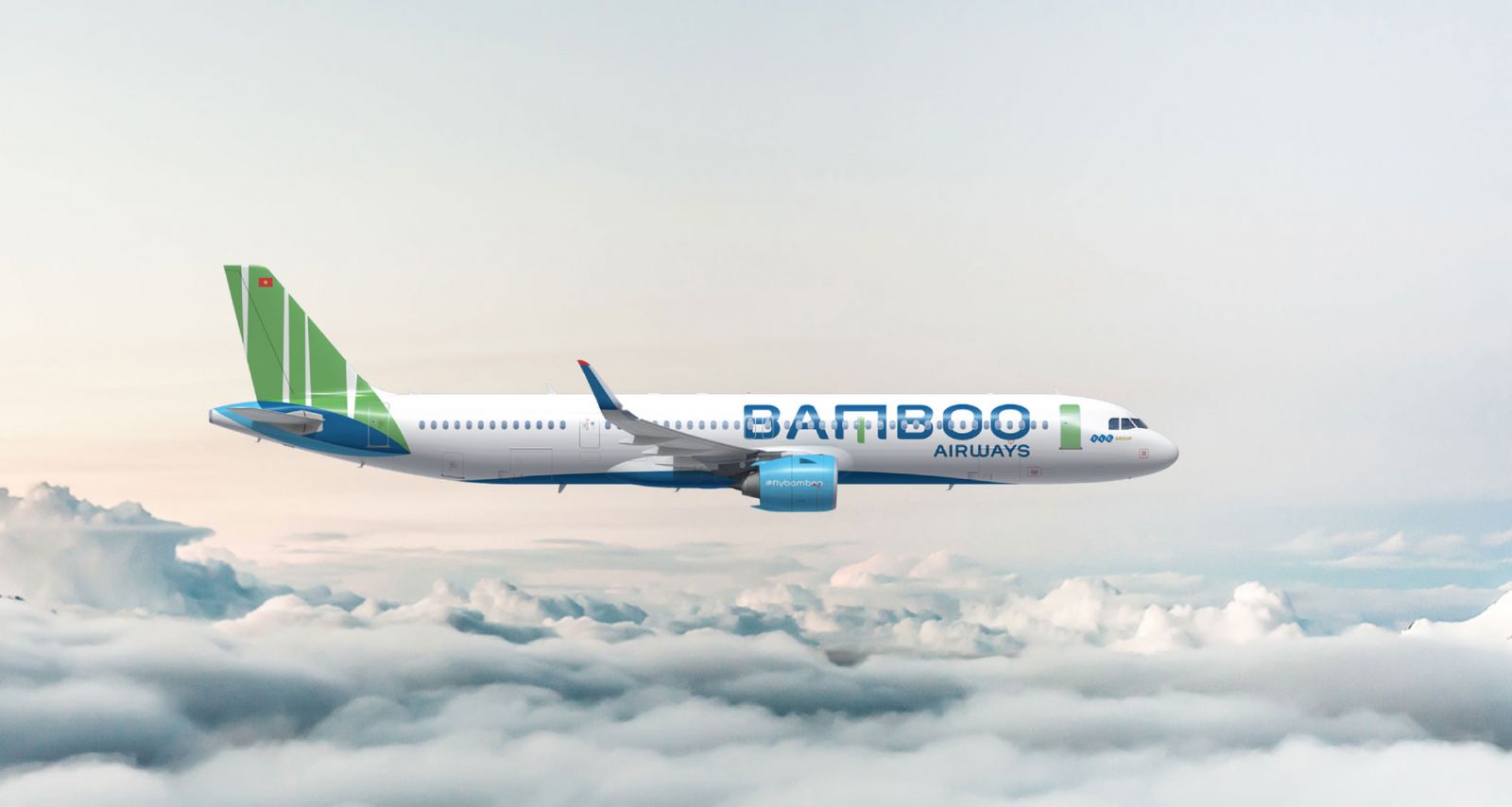
    Bamboo Airways owes one of its directors, Le Thai Sam, almost VND7.73 trillion ($329.50 million) as of April 10, according to a meeting on Tuesday.

    Sam, who became a board member in July last year, will soon receive a 21.7% stake from FLC, which has been operating the airline since the beginning, according to a document made public at the Bamboo Airway’s extraordinary shareholders’ meeting.

    As he already owns a 12.5% stake in the airline, the transfer from FLC will increase his ownership to more than one-third of the carrier.

    Since last year he has been lending the company cash at zero or low-interest rates and required no collateral to ensure the company could continue its operations despite many difficulties after its founder Trinh Van Quyet was arrested on stock manipulation charges.

    Sam, 59, has 30 years of experience in property, finance and banking. He used to be one of the directors of Development Investment Construction (DIC).

    Shareholders of Bamboo Airways on Tuesday approved the company’s proposal to issue more shares to increase its charter capital by 62% to VND30 trillion.

    The company will look to sell the shares to strategic investors with deep pockets who are willing to lend the company at least VND1 trillion.

  • Vietnam third top chip exporter to the US

    Vietnam third top chip exporter to the US

    Vietnam accounted for 10% of semiconductor chip exports to the U.S. in the 12 months ending this February, ranking third after Malaysia and Taiwan.

    The Vietnam chip industry’s revenue from the U.S. market rose by 74.9% during the period, from $321.7 million in February 2022 to $562.5 million this February, according to a report by the Ministry of Information and Communications.

    Vietnam is also among the countries with the highest growth rate of chip exports to the U.S., alongside Thailand, India and Cambodia.

    Cambodian chip exports to the U.S. grew in value 7-fold over the period, from $20.8 million to $166.3 million, while Indian revenues from the market grew 34-fold to $152 million in February.

    In February, semiconductor chip export orders to the U.S. reached $4.86 billion, up 17% year-on-year. Among those, chips made in Asia accounted for 83%.

    Bloomberg reported that the U.S. is diversifying its electronics supply chain by reducing the share of chip imports from Malaysia, a longtime powerhouse in chip packaging, alongside moving its iPhone production chain out of China.

    At a government meeting in April, Prime Minister Pham Minh Chinh assigned the Ministry of Planning and Investment the tasks of improving the National Innovation Center, and developing a chip production program.

    Experts believe Vietnam has the potential to be a global center of chip production if it can utilize its advantages and implement effective strategies, policies, and incentives for the sector.

    Intel’s Asia Pacific and Japan General Manager Steve Long told VnExpress last year: “Vietnam can establish the necessary infrastructure and policies to support cutting-edge chip manufacturing.”

  • Taxi company back in the black after four years

    Taxi company back in the black after four years

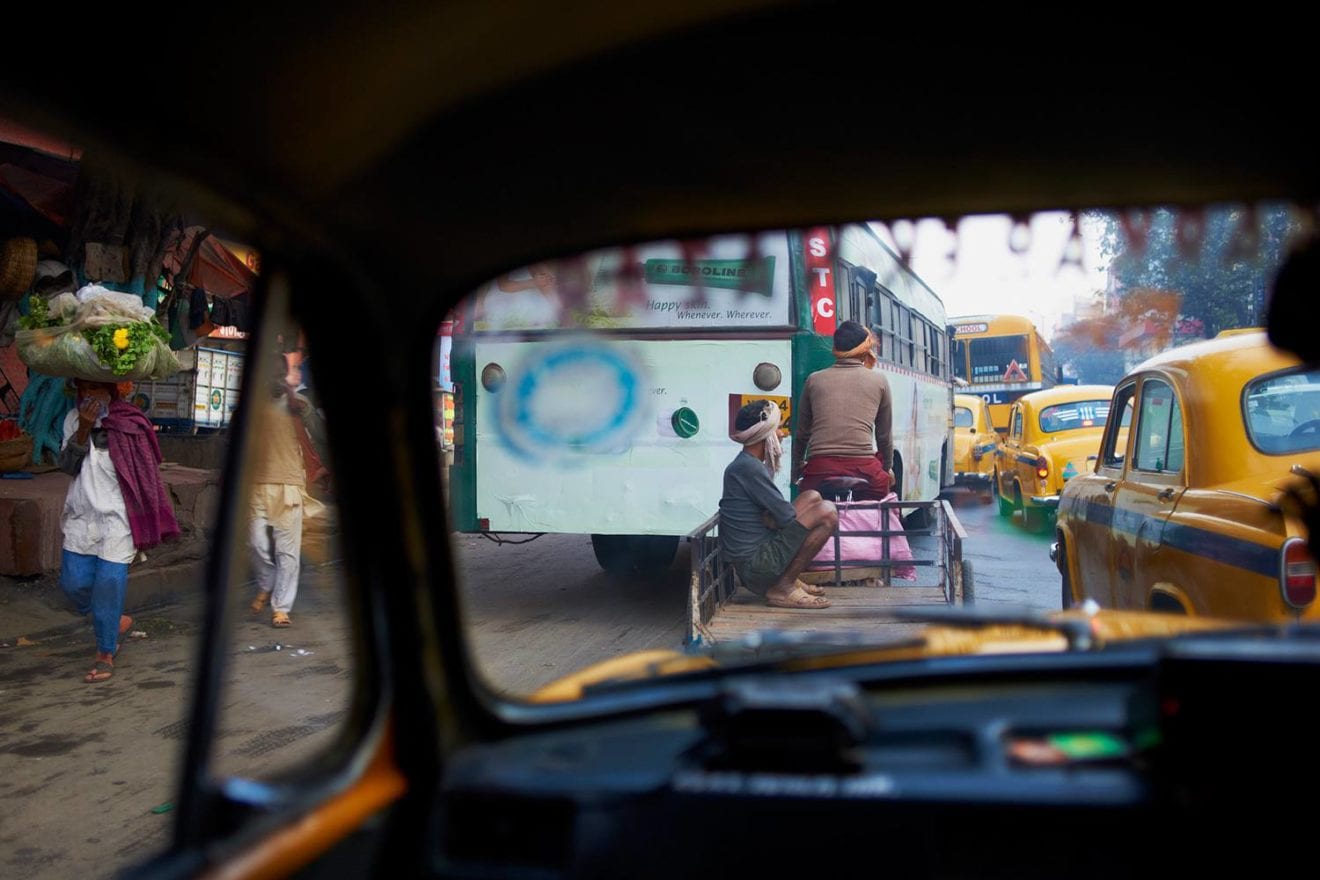
    Taxi firm Mai Linh Group reported its first profit of VND1 billion ($42,600) after four years in 2022.

    Its revenues surged by 57% to VND1.65 trillion on recovering demand for transportation after two years of Covid-19.

    It posted a loss of over VND270 billion in 2021.

    The company has overcome its most difficult period and is recovering, but its figures show that more work remains to be done, its chairman, Ho Huy, said in a letter to partners earlier this year.

    “We have not made as much profit as expected.”

    He added that the goal is to see every unit making profits this year.

    The company’s debt-equity ratio is a ridiculous 43. Anything in excess of two is considered risky.

  • Hanoi Metro posts first profit

    Hanoi Metro posts first profit

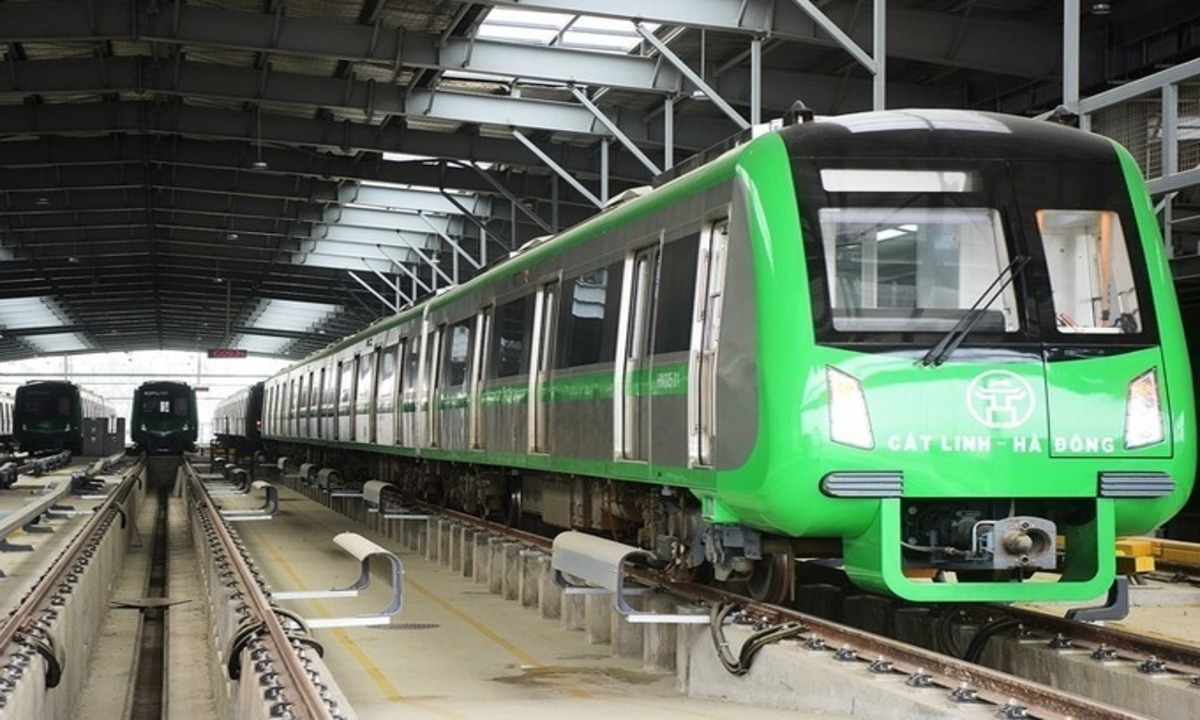
    Hanoi Metro, the operator of the capital’s first metro line, posted its first profit last year at nearly VND97 billion ($4.14 million).

    The profit was a turnaround from the VND37 billion loss recorded in 2021.

    The company saw revenues surge sevenfold to VND483 billion.

    The Cat Linh – Ha Dong Metro Line began commercial operation in June 2021.

    By the end of last year, it posted an accumulated loss of nearly VND37 billion, one-fifth of the losses in 2021.

    Hanoi Metro also received city subsidies in ticket sales last year, which it said would help improve its financial report.

    The company sells a ticket for VND8,000-15,000 depending on the trip length. A monthly ticket costs VND200,000, with students and industrial workers paying half.

    It now has nine trains operating, with a train running every six minutes during peak hours.

    The Cat Linh – Ha Dong Metro Line, which took 10 years to complete, runs 13 kilometers on elevated tracks through 12 stations.

    Each train can carry a maximum of 960 passengers. A complete trip takes 23 minutes.

    Hanoi Metro plans to serve over 10.6 million passengers this year.

  • Hai Phong port customs look for owner of Rolls-Royce unclaimed for one year

    Hai Phong port customs look for owner of Rolls-Royce unclaimed for one year

    Customs authorities in Hai Phong City’s Dinh Vu Port are looking for the owner of a Rolls-Royce car that has remained unclaimed since being imported in July last year.

    According to the port customs sub-department, after no individuals or organizations came to collect the vehicle, last December it had posted the first notice to find the owner.

    The exporter is Germany’s Hollman International Company, and the recipient is a company with address in the Trung Van urban area in Hanoi.

    Mediterranean Shipping Company had transported it.

    The automobile is at the port’s Tan Cang International Container Terminal.

    A Rolls-Royce Cullinan currently costs over VND40 billion ($1.7 million).

    Past cases of abandoned luxury cars have existed in Hai Phong and Da Nang ports.

    In 2020 Hai Phong customs auctioned a Ferrari after a public notice failed to find its owner for over 90 days.

  • Vietnam Airlines shares face restrictions for delay in filing financial statements

    Vietnam Airlines shares face restrictions for delay in filing financial statements

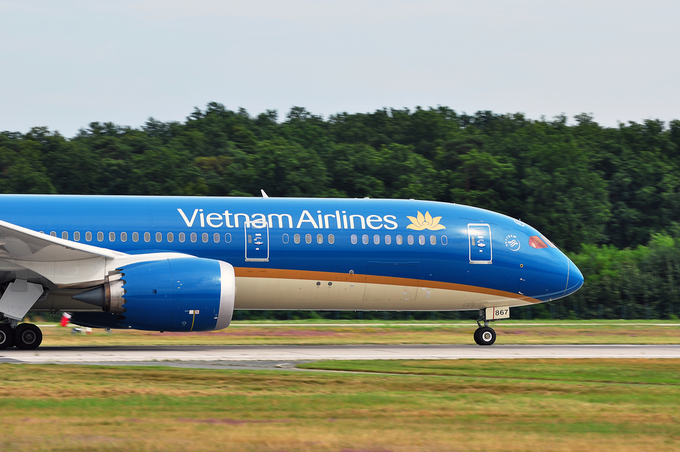
    Vietnam Airlines’ HVN shares will see trading restrictions from May 12 for failure to file its results in time.

    The carrier has been more than 30 days late in submitting its audited consolidated financial statements for 2022, the Ho Chi Minh Stock Exchange (HoSE) said in a statement.

    At the end of March Vietnam Airlines had sought permission from HoSE to delay the submission, but its request was turned down.

    Now its shares will not be traded for at least two days a week.

    The airline said earlier this month that due to its ongoing restructuring, it needs more time to complete its financial statements.

    If the company fails to submit them 45 days after the deadline, its shares will be restricted.

    HoSE had warned in February that HVN could be delisted if it posted losses for 2022.

  • Seafood exporter Minh Phu suffers $4.1M loss in Q1

    Seafood exporter Minh Phu suffers $4.1M loss in Q1

    Minh Phu Seafood, one of the country’s biggest shrimp processors, reported a loss of VND95 billion ($4.1 million) in the first quarter, ending its seven-year profitability streak.

    Its revenues fell by half year-on-year to VND2.1 trillion.

    The gross profit margin almost halved from over 11% to less than 6%, while interest on borrowings nearly tripled, contributing to the huge loss.

    In the comparable period last year it had earned profits of VND100 billion.

    For the full year it targets revenues of VND18 trillion and profits of VND1.1 trillion.

    Last year profit growth was in double digits and the highest in a decade.

    According to Agribank Securities JSC, the results of shrimp export companies, including Minh Phu, are bleak because demand in key markets such as the U.S. and EU was weak during the quarter.

  • Lender NCB wants to sell 11% stake in Bamboo Airways pledged as collateral

    Lender NCB wants to sell 11% stake in Bamboo Airways pledged as collateral

    National Citizen Commercial Bank plans to seek shareholders’ permission this month to sell 203 million shares, equivalent to a 11% stake, of Bamboo Airways.

    Property developer FLC pledged some of the shares as collateral for loans.

    FLC and its disgraced former chairman, Trinh Van Quyet, who is in custody for alleged stock market manipulation, had also used Bamboo Airways shares for borrowing from OCB and Sacombank.

    The carrier last month sought shareholders’ approval to increase its capital by VND9.57 trillion ($408.15 million) to deal with debts, but failed to get it.

    It plans to convene another extraordinary general meeting this month to raise the issue again.

  • Techcombank sells headquarters building for $72M

    Techcombank sells headquarters building for $72M

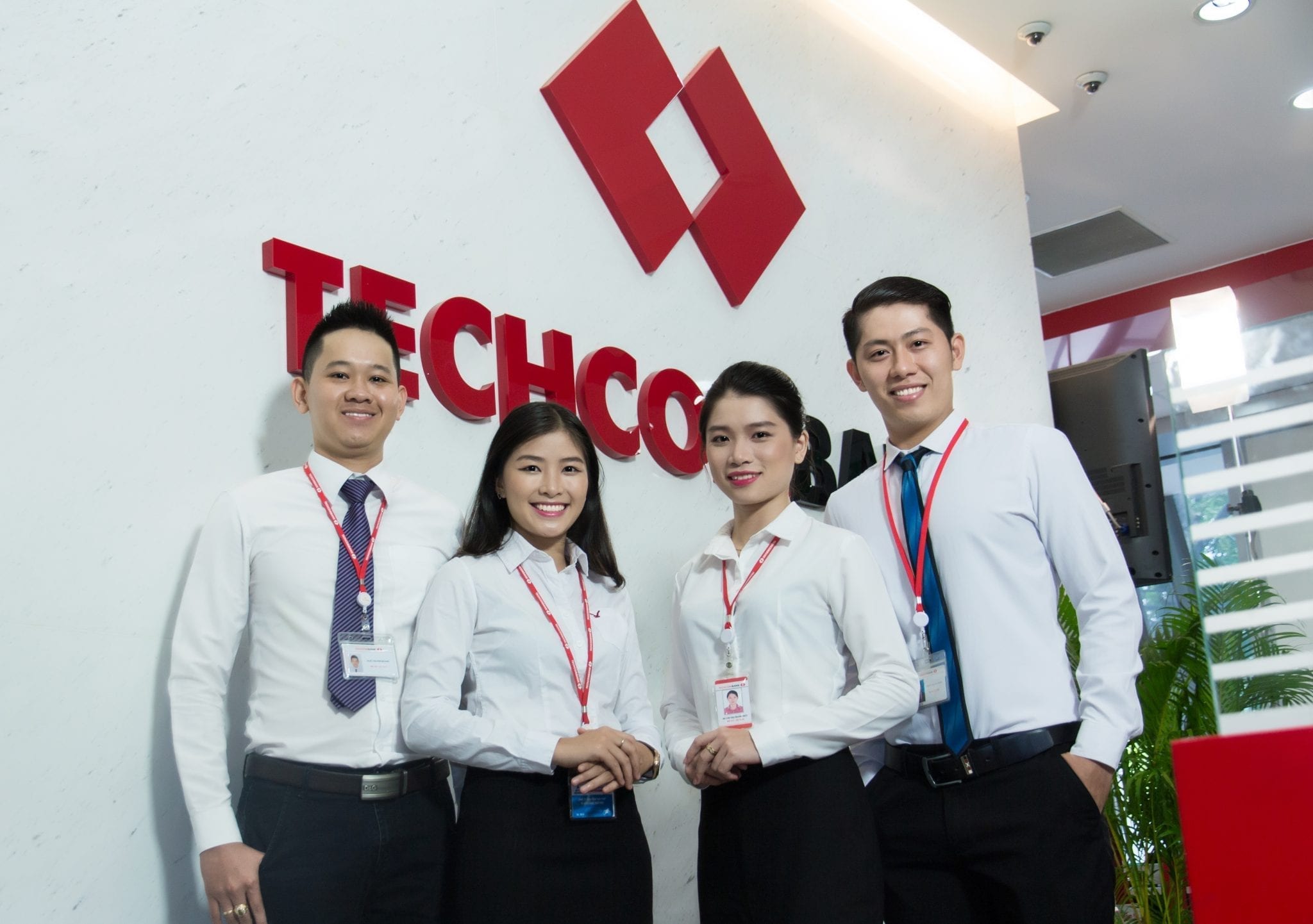
    Techcombank has sold its building in Hanoi for VND1.7 trillion (US$72.49 million), making a profit of over VND730 billion.

    It had bought the building on 191 Ba Trieu Street in Hai Ba Trung District 10 years ago from conglomerate Vingroup, changed its name to Techcombank Tower and made it its headquarters.

    Earlier this year Vietnam’s biggest private bank moved to its headquarters to 6 Quang Trung Street in Hoan Kiem District.

    Techcombank reported pre-tax profits of VND5.6 trillion for the first quarter, down 17% year-on-year.

    Its credit growth for the period was 10.6%.

  • Vietnam’s coffee export could reach $4B

    Vietnam’s coffee export could reach $4B

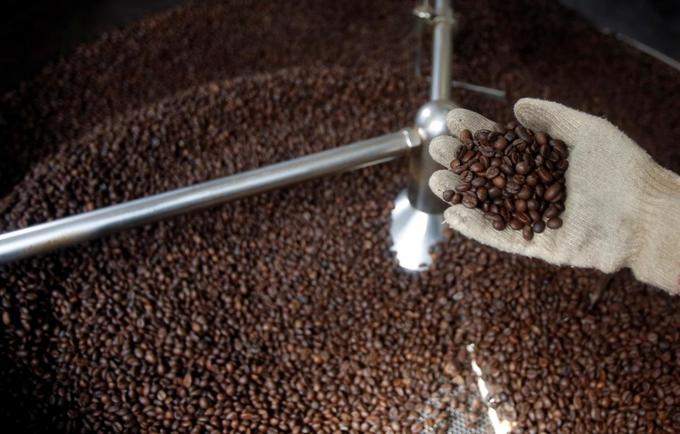
    Domestic coffee prices are at high levels, providing opportunities for Vietnam to maintain a coffee export revenue of over $4 billion this year.

    According to Mercantile Exchange of Vietnam (MXV), Robusta averaged $2,564 per tonne as of April 24 on ICE Futures Europe, which increased by nearly 40 compared to the beginning of this year.

    Starting from early 2023, the market saw signals about the narrowing of supplies in major coffee-producing countries.

    Statistics from the Vietnam General Department of Customs showed that Vietnam’s coffee export totalled more than 634,000 tonnes from the beginning of this year to April 15, lower than the result of 663,816 tonnes of the same period last year.

    The drop in export volume occurred in the context that global coffee prices were at a high level, pushing up domestic prices to around VND52,000 per kg, a record high, according to giacaphe.com.

    Besides, the coffee output of Indonesia, the world’s third largest Robusta producer, is forecast to be at around nine million tonnes, the lowest in the past decade, according to Volcafe. The Brazil National Supply Company forecast Robusta output of this country would drop by nearly 4 compared to the 2022-23 harvest to 17.51 million bags.

    These figures show that there is not only a shortage of coffee in the short term but also a narrowing in coffee supply in the medium and long term, which will likely push up coffee prices.

    Pham Quang Anh from MXV said that Vietnam’s coffee inventories were gradually shrinking after a record coffee export year. Additionally, the coffee output in 2022 dropped sharply by 10-15 compared to the initial forecast due to heavy rain in the harvest period, which made the supply tight and price increase inevitable.

    Currently, domestic coffee prices were at a high level compared to recent years, creating an opportunity for Việt Nam to maintain the export value of more than 4 billion USD in 2023.

    Lower prices of Arabica than Robusta in the context of increasing concerns about global economic recession risks was an important factor for Vietnam to promote the export of coffee.

    It was an ideal condition for Vietnam to increase the export of Robusta and affirm the position of being the world’s largest Robusta supplier, Anh said.

    Still, Vietnam’s coffee industry should aim for more sustainable export in the long term.

    While coffee export was narrowing down, farmers in Tay Nguyen (Central Highlands) tended to cut down coffee trees to grow durian as China had allowed the official import of durian from Vietnam.

    Another problem was that Vietnam mainly exported coffee in raw forms, which must be tackled to increase added value.

    He urged enterprises to invest in production and processing to increase added value and develop brands for coffee products to meet the tastes of consumers in different markets.

  • Vietnamese airlines recovering in 2023

    Vietnam Airlines and Vietjet Air reported profits again in the first quarter of this year, while Bamboo Airways neared the break-even point, thanks to the Tet travel peak.

    Analysts said increased international flights due to Vietnam’s Lunar New Year holiday festival (Tet) in late January were the cause of the uptick in the previously-ailing air industry.

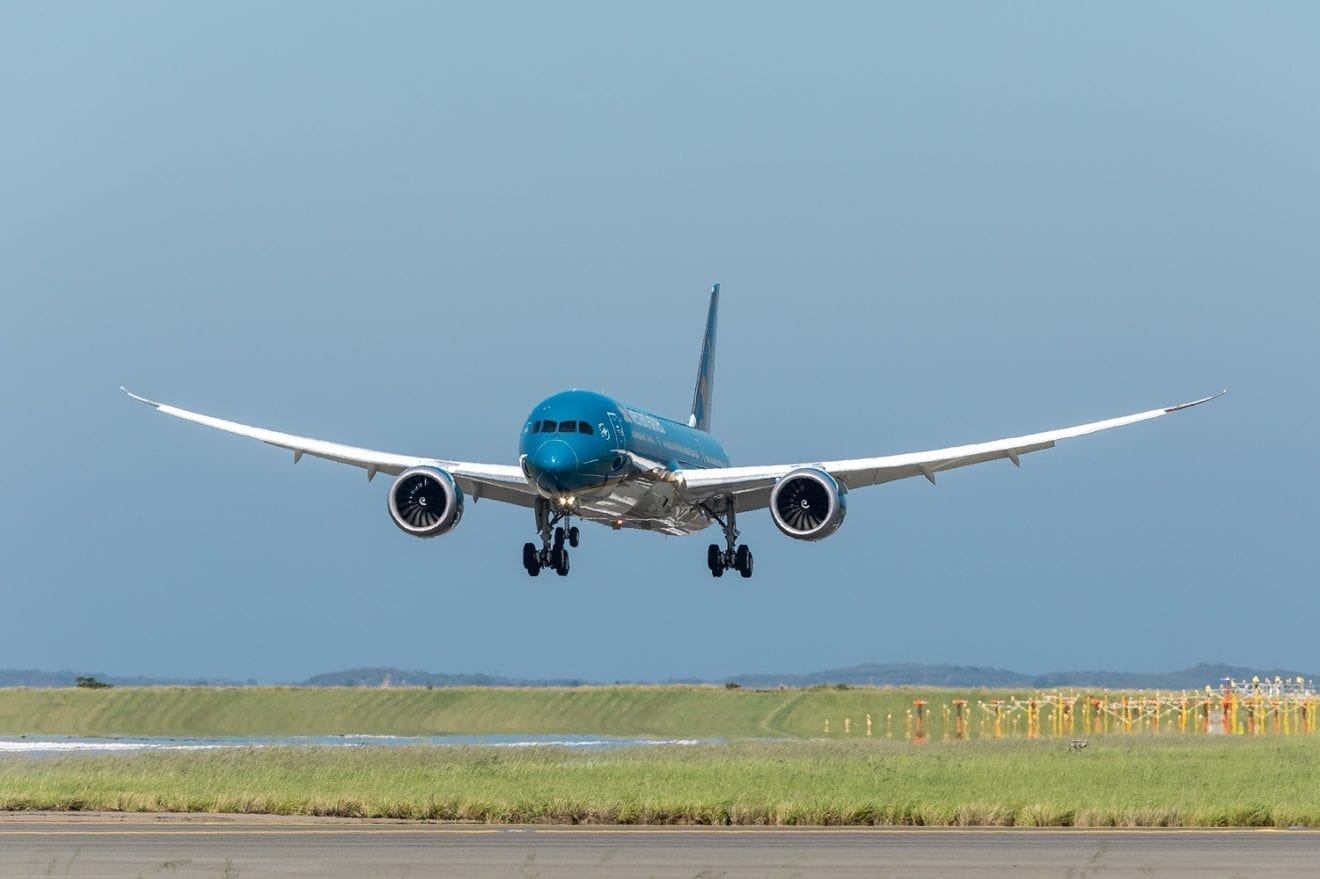
    According to newly released financial statements, Vietnam Airlines posted a consolidated pre-tax profit of VND19.3 billion (US$817,800) in the first quarter of this year, compared with a loss of VND2.6 trillion in the first quarter of last year.

    The gains halted the streak of 12 loss-making consecutive quarters since Covid-19 emerged.

    The national flag carrier’s revenues doubled to VND23.64 trillion, the highest since the beginning of 2020 and close to the pre-pandemic levels of 2019.

    A manager at Vietnam Airlines said the better business performance mainly stemmed from the company’s effective tapping of Tet holiday travel, and the recovery of international flights, especially to and from China.

    In markets such as the U.S., Europe and Australia, the airline gained high seat occupancy rates.

    After incurring losses in 2022, Vietjet Air made a pre-tax profit of VND243 billion in the first quarter of this year. That figure came out of a consolidated revenue of VND12.9 trillion, its highest revenue in the last 12 quarters.

    Vietjet Air’s revenue from the international market increased, accounting for 45% of its total revenue from passenger transport.

    Among domestic airlines, Vietjet Air has pioneered opening new routes to India, Kazakhstan and Australia since the second half of last year.

    Vietjet operated 31,300 flights, transporting nearly 5.4 million passengers in the first quarter, up 57% and 75% respectively.

    Meanwhile, the number of passengers transported by Vietnam Airlines surged by 63% to 5.1 million.

    Domestic carriers’ improved performance was also partly due to lower fuel prices and exchange rate differences.

    In the last quarter of last year, both Vietnam Airlines and Vietjet operated below cost as the fuel price of Jet A1 and interest rates were high. The price of jet fuel last year sometimes exceeded $160 per barrel and averaged $130.

    According to Vietnam Airlines, the average price of Jet A1 fuel in the first three months of the year downed to US$110.69 per barrel.

    Bamboo Airways has not announced business results in the first quarter of this year. At an extraordinary shareholder meeting in early April, Bamboo Airways chairman Nguyen Ngoc Trong said the airline was close to breaking even in the first quarter, with its fleet of 30 aircraft operating at full capacity.

    He said Bamboo Airways “will get off the ground in 2024 and be profitable from 2025.” Bamboo Airways is expected to obtain 6-8 new aircraft in the coming months to expand its international flight network.

    Bamboo Airways is working with partners in China to open new routes from now to the end of the third quarter. Meanwhile, it will increase the frequency of many routes to Southeast Asia and Northeast Asia in the second half of the year.

    Vietjet Air will get more new wide-body and narrow-body aircraft, increasing the total to 87 by the end of this year, and launch new routes to India, Japan, and South Korea.

    Vietravel Airlines plans to receive 3 more aircraft to double its fleet.

  • Chinese cafe chain Mellower Coffee exits Vietnam

    Chinese cafe chain Mellower Coffee exits Vietnam

    Café owner Liu Houjun gained a little online fame with his unique coffee brewing bravura. Formerly the director of a listed company, the coffee lover, in his 50s, decided to quit his job and open a coffee shop to develop innovative blends.

    “Different regions in the world all have their own ways of making a cup of coffee with local characteristics. I figured maybe we, as Chinese, could also invent our own unique coffee extraction method,” Liu said. And invent he did. After slowly adding water to the ground coffee powder, he puts the container into a pressure cooker filled with water and boils it extensively to complete the extraction.

    He explained that this process leaves the coffee with a smoother and lighter taste, much to the palate of many customers, contributing to the shop’s 70 percent returning customer rate. Apart from his special coffee-brewing technique, Liu has fashioned a range of innovative coffee products, like espresso made with the help of yogurt and rice wine.

    “I hope more of these Chinese-style coffee varieties can reap some worldwide recognition,” Liu said.

    According to YiMagazine, a financial media outlet in China, Shanghai currently has about 7,000 coffee shops, excluding coffee services in convenience stores and fast-food restaurants, ranking first nationwide—or even worldwide. The number of coffee hangouts per 10,000 people in Shanghai is 2.85, similar to that in London, the UK, New York, the U.S., and Tokyo, Japan.

    Major chains like Starbucks and Costa Coffee account for 35 percent of total coffeehouses in Shanghai, the report added. Luckin Coffee, one of China’s largest coffee chains established in 2017, quickly expanded by weaving some marketing magic combining expedient delivery service and discounts.

    “Many people believe it was Luckin that showed Chinese customers who had been less familiar with coffee the ropes, lifting the entire market to its next level,” said Zhang Mingzhu, General Manager of Mellower Coffee, a Chinese specialty coffee company.

    To attract more customers, many café proprietors are seeking state-of-the-art suggestions to give their place that little extra pizzazz. Coffee is mixed with more commonly spotted ingredients sitting next to a traditional Chinese meal, like soybean milk, tangerine peel, or even Moutai, a prominent brand of distilled Chinese liquor. Among the innovations, latte with sweet-scented osmanthus, the aromatic flower that is native to China and prized for its intoxicating, apricot-like scent, proved most popular, with more than 60,000 searches on Dianping.com, a Chinese restaurant review site, in 2021 alone. The search term “Chinese-style coffee” was entered over 280,000 times.

    According to another Dianping.com report released in December 2021, specialty coffee, often called quality coffee, is gaining popularity among customers in Shanghai. The term refers to coffee that has scored over 80 points on a 100-point scale by the Specialty Coffee Association of America.

    The group aged between 20 and 40 is the main consumers of this coffee type in Shanghai, with women accounting for 60 percent. Compared with 2019, the proportion of student consumers in the past year has increased by nearly 2.4 times. They usually opt for a boutique coffee shop to study, socialize, or take a break. People over the age of 50, too, have become more curious about and fond of specialty coffee. Compared with 2020, this group’s orders have increased by nearly 143 percent.

    “The quality of coffee beans is not the only customer focus; the ways of brewing and extraction, as well as the uniqueness and creative designs of coffee shops, all play a vital part,” said Zhang Xueqiang, Chairman of the Coffee Professional Committee of the Shanghai Food Industry Association, adding that Shanghai specialty coffee is entering a golden age of development.

    Shanghai-based entrepreneur Wu Yue told Beijing Review that in the past, he would invite potential business partners to a restaurant to talk shop; they might even go out for some drinks after. “But today, I usually take my prospective business partner to a coffee or tea shop, as it is healthier and more efficient. I’ll take a date there as well,” 28-year-old Wu said.

    Ample supply

    Many coffee shops in Shanghai flourish on an ample supply of coffee beans from Yunnan Province. One such example is Mellower Coffee, established in 2011 in Kunming, capital of Yunnan, and now headquartered in Shanghai, with chain stores in other parts of China, as well as in Singapore and the Republic of Korea. Yunnan is the largest coffee-growing province in China and, for years, the province’s yield has accounted for more than 98 percent of the country’s total. According to the Yunnan provincial department of agriculture and rural affairs, 131,000 tons of coffee beans were produced in the province in 2020.

    Pu’er City is one of Mellower Coffee’s main sources of coffee beans aside from other places in major coffee-producing regions like Ethiopia, Kenya, Colombia and Guatemala. The city’s coffee plantation area, output and value ranked No.1 in the nation in 2021. And it’s also a famous tea-growing area.

    Yunnan’s coffee history dates back to the 1950s, when scientists began researching planting there. The year 1988 was the starting point for Yunnan coffee to make its mark beyond China, when the local government launched a coffee assistance project, assisted by the United Nations Development Program and the World Bank. Swiss food and beverage giant Nestlé introduced new bean varieties and smart production technologies to Pu’er, and other places, transforming Yunnan into a global golden belt for its coffee cultivation.

    Coffee grows in semi-tropical climates with an average temperature of 20 to 27 degrees Celsius and abundant rainfall, making Pu’er the perfect candidate.

    However, Yunnan coffee was considered a relatively mediocre variety in the past as its quality fluctuated due to inexperienced production, unexpected bad weather occurrences and insect plagues, according to Hua Runmei, a coffee entrepreneur in Pu’er.

    A price drop further dampened the incentive to improve its quality. “With the development of the global coffee market, mechanization and large-scale production and processing in Brazil, Viet Nam and other countries, the price of traditional commercial coffee beans has gradually fallen, making it less profitable for farmers,” she said.

    Hua can recall her grandfather and parents growing coffee beans for a living ever since she was little. “Though they were cultivating it, farmers of their generations never actually tried the coffee, let alone study it and see how to improve the taste, which is vital in market competition,” Hua said. She added that the younger generation today can open up more possibilities for coffee plantation by transforming it, developing specialty varieties and adopting digital technology throughout the entire process, rendering product quality high and unwavering.

    Hua is currently preparing to launch her own brand, creating more coffee-related products and contributing her share to making quality Pu’er coffee known across the globe.

  • Airlines buying planes for more int’l flights

    Airlines buying planes for more int’l flights

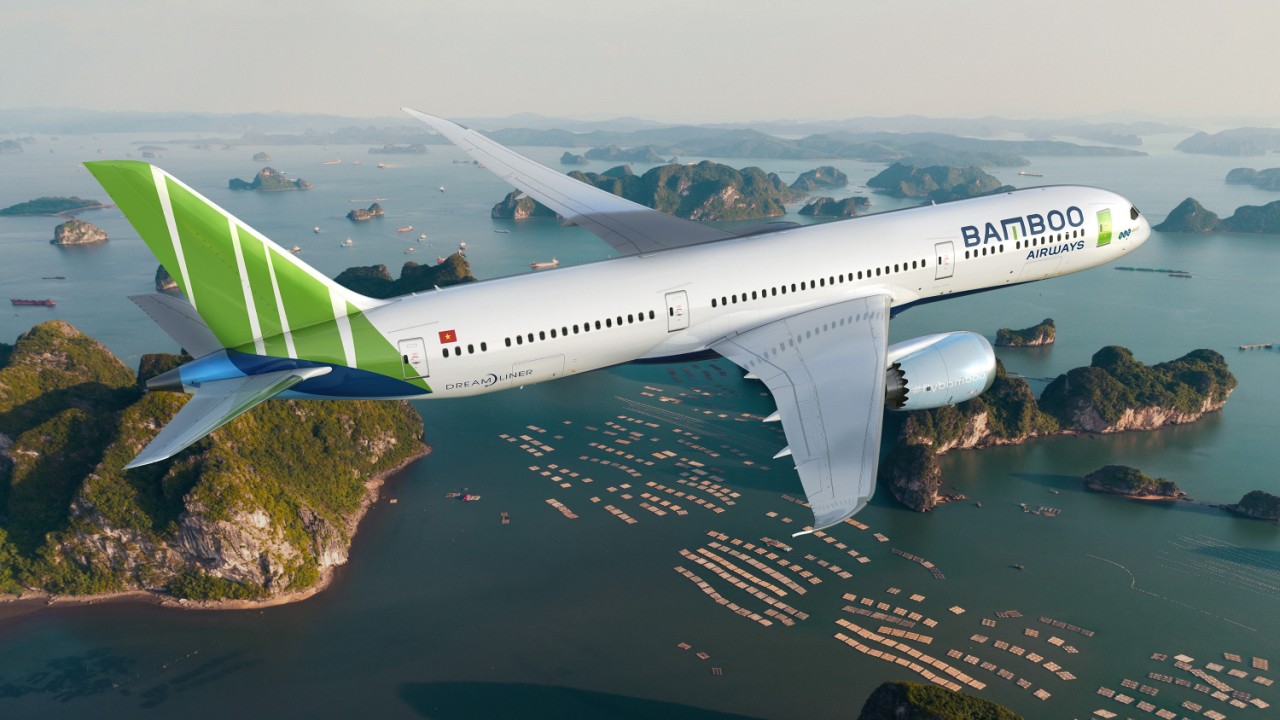
    Vietjet, Bamboo Airways and Vietravel Airlines are buying additional planes to open more international flights this year as the travel industry recovers from Covid.

    Vietravel Airlines, the youngest carrier in Vietnam, said it will receive three aircraft in the next quarter of this year to launch more international routes.

    The airline currently operates two routes between Hanoi/Ho Chi Minh City and Thailand’s Bangkok, and between Khanh Hoa Province’s Cam Ranh and South Korea’s Daegu.

    Bamboo Airways said it will obtain 6-8 planes from now through the end of the year, and an additional 10 planes in the 2024-2025 period.

    Vietjet Air will also receive 10 new planes this year, including three Airbus A321 ACFs this week, increasing its total to 87 by the year’s end while opening new routes to India, Japan and South Korea.

    Vietjet, which currently has 77 aircraft, including 5s A330s, 54 A321s and 18 A320s, operates over 100 domestic and international routes.

    Earlier this year, the Civil Aviation Administration of Vietnam asked the Ministry of Transport to allow domestic carriers to increase the size of their fleets to meet the market’s recovery needs.

    As of January, six domestic airlines were using 225 aircraft, nine less than the pre-pandemic level in early 2020.

    According to the administration, an average aircraft transports 250,000 passengers per year.

    With the domestic market forecast to reach 45.5 million passengers in 2023, the number of aircraft serving the domestic market alone is only 182.

    And to serve 13.6 million international passengers this year, airlines need 57 more planes.

    So analysts say that the total number of domestic airlines’ aircraft should increase to 230 in the first months of this year, and to 250 by the end of the year.

  • Vietnam Airlines posts profit in Q1

    Vietnam Airlines posts profit in Q1

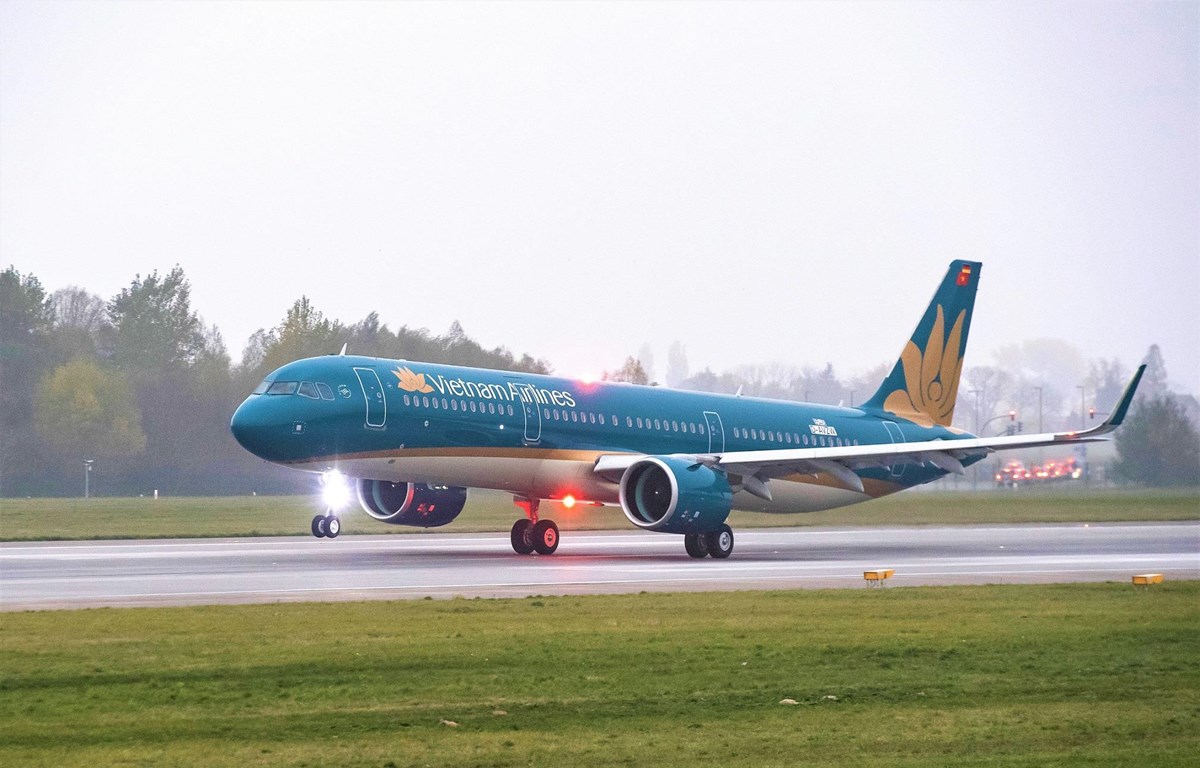
    Vietnam Airlines posted a pre-tax profit of VND19.3 billion ($822,500) in the first quarter after losses in 12 consecutive quarters. The airline saw revenue doubling year-on-year to VND23.64 trillion, the highest quarter record since Q1 2020.

    It is near the pre-pandemic levels of 2019. The state-owned carrier however still posted a post-tax loss of VND37.3 billion.

    The pre-tax profit, however, is still considered a strong signal of recovery after the carrier plunged into major financial difficulties due to Covid-19.

    The airline said that in the first quarter of this year, the domestic market recovered, and China lifted its Covid-19 restrictions, which resulted in a surge in passenger numbers.

    There was also high occupancy on flights to the United States., Europe and Australia, it added.

    The company served 5.1 million passengers in the first quarter, up 63% year-on-year. A weaker U.S. dollar and lower-than-expected fuel prices also helped reduce costs.

    But Vietnam Airlines, which operates Pacific Airlines and Vietnam Air Services Company, still sees high risks in the future as the domestic market remains 40% lower than pre-pandemic.

    It added that global geopolitical tensions will likely still affect the aviation industry in 2024.

  • April’s consumer price index down

    April’s consumer price index down

    The consumer price index (CPI) in April decreased by 0.34% month-on-month, but increased by 2.81% year-on-year, according to the General Statistics Office (GSO).

    In the first four months of this year, the index rose by 3.84% y-o-y, mainly due to increases in prices of education, housing and construction materials, culture, entertainment and tourism, food, and electricity.

    In April, seven out of the 11 groups of main consumer goods and services witnessed price decreases, and the remainders saw rises.

    Notably, a 0.38% fall in the price of food and catering services caused a decline of 0.13 percentage point of the CPI.

    Gold prices in April were up 2.04% m-o-m, but down 1.09% y-o-y. In the January-April period, the prices rose by 0.66% y-o-y.

    Meanwhile, the USD price in April fell 0.89% m-o-m, but rose by 2.5% y-o-y, leading to a y-o-y increase of 3.21% in the first four months of this year.

    According to the GSO, this month, core inflation increased by 0.13% over the previous month, and by 4.56% over the same period last year. On average, in the first four months, it increased by 4.9% y-o-y, higher than the overall average CPI (3.84%).