Tag: Vietnam

  • Expat community flocks to Tay Ho for real estate opportunities

    Expat community flocks to Tay Ho for real estate opportunities

    Tay Ho has become an increasingly popular residential area among foreigners in Hanoi as the infrastructure and social amenities continue to flourish alongside a diverse range of convenient services.

    In Ho Chi Minh City, the areas of Phu My Hung and Thao Dien long ago emerged as cultural melting pots that attract both locals and expats from all over the world. However, in Hanoi, neighborhoods with a foreign presence are generally scattered and divided into separate communities.

    For instance, Keangnam-Me Tri is the hub of the Korean community, while Dao Tan-Kim Ma attracts many Japanese expats. Meanwhile, the Quang Ba area in Tay Ho is a gathering place for Western tourists, workers, experts and diplomats.

    In recent years, foreign residents have gradually gravitated towards the Tay Ho area. This area has received comprehensive investments in infrastructure and transportation. The neighborhood is rapidly developing with the emergence of international schools, hospitals, commercial centers, restaurants, and cafes, transforming it into a bustling hub of convenient amenities.

    In the near future, after the launch of major projects, such as the Samsung R&D office building, the Lotte Mall complex, and the 5-star Shilla Hotel, this neighborhood will become even more vibrant and dynamic.

    The growing appeal of this area among successful foreign residents and young Vietnamese will form an elite community, which will drive the potential for real estate rentals in the future. This will pave the way for developing upscale real estate products tailored to the needs of well-to-do people, such as SOHO Heritage West Lake.

    SOHO Heritage West Lake sits on Lac Long Quan Street, just a few minutes’ walk from the West Lake and the Lotte Mall, offering easy connectivity to the city center and the airport. It only takes 10 minutes to reach the Hanoi Old Quarter in Hoan Kiem District or 20 minutes to get to Noi Bai International Airport.

    The project features 202 SOHO (Small Office, Home Office) units designed for flexible use, with effortless switching between living and working spaces. This work-life blended lifestyle has gained popularity in foreign countries and has only recently made its way to Vietnam, and it is especially suitable for new-generation entrepreneurs who want to integrate their personal and professional lives.

    With modern designs and the availability of top international-branded products, each SOHO Heritage West Lake unit is a luxurious living and working space that meets the needs of both well-heeled Vietnamese and foreign experts.

    SOHO Heritage West Lake also owns 30 top-notch facilities, including a sky gym, a rooftop four-season swimming pool, and a well-designed commercial service area. The developer of SOHO Heritage West Lake has also collaborated with Toong, the leading coworking space chain in Indochina, to create an advanced coworking space spanning over 900m2 on the 5th and 6th floors of the building.

    These facilities not only provide a comfortable and convenient life for all, but also serve as a link connecting an exclusive community of entrepreneurs to expand their relationships.

    This project is backed by CapitaLand Development – a leading real estate developer in Asia. In 2021, CapitaLand Development (Vietnam) received the Outstanding Sustainable Developer Award at the PropertyGuru Vietnam 2021 awards for its innovative residential projects and constructing environmentally sustainable green buildings.

    Find more information about the SOHO Heritage West Lake Tower of the Heritage West Lake project at:

  • Chinese growers put Vietnamese durian, dragon fruit in risky oversupply

    Chinese growers put Vietnamese durian, dragon fruit in risky oversupply

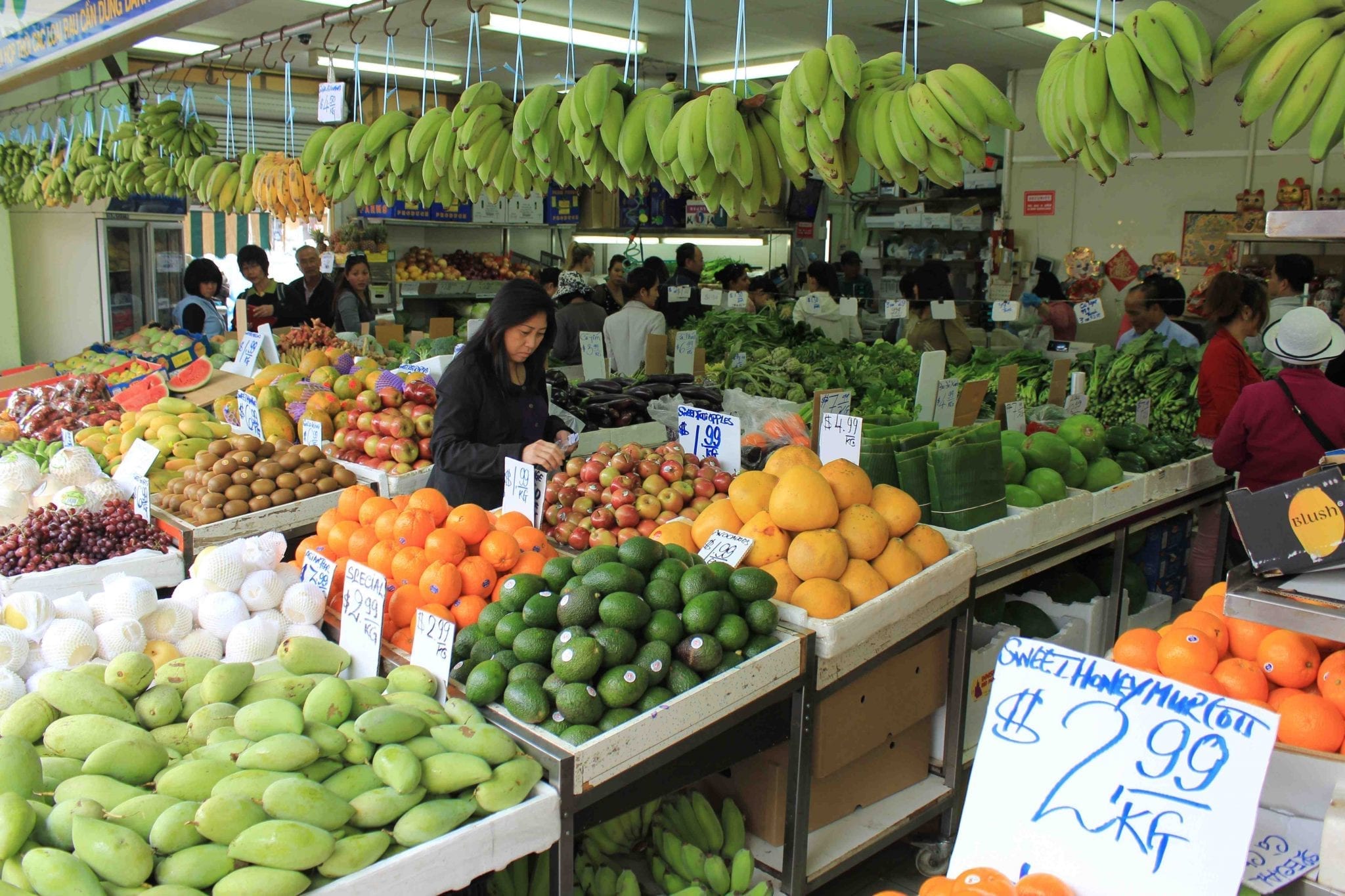
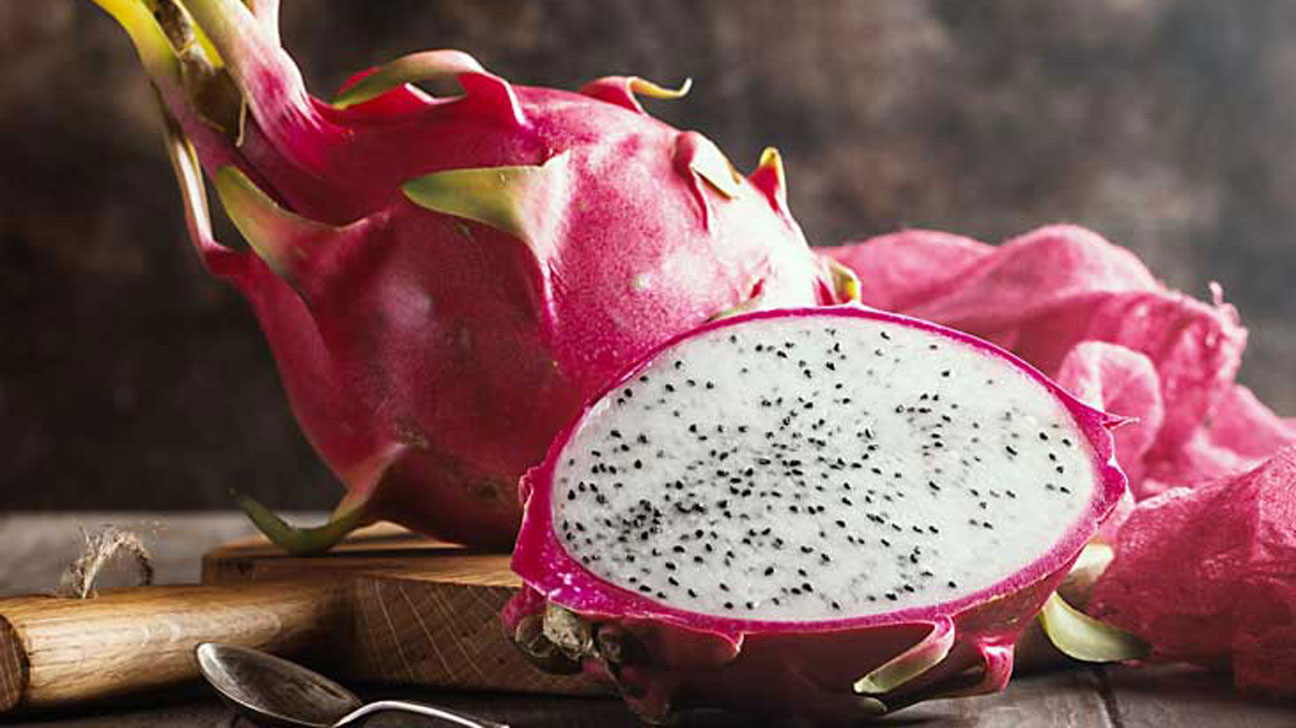
    Vietnamese dragon fruit is at risk of oversupply, while durian prices will likely plummet as China, the local fruits’ largest importer, continues growing an increasing amount of the two trees.

    Late last month, China announced its dragon fruit output reached 1.6 million tons a year, 200,000 tons higher than Vietnam’s output.

    According to Chinese customs’ statistics, Chinese demand for dragon fruit is two million tons a year.

    Regarding durian, China imported over 800,000 tons of fruit worth some US$4 billion last year.

    But the giant economy it is likely to import less this year because after years of failed experiments, the country’s farmers are finally growing the fruit successfully in China’s southern regions, according to experts.

    The Chinese Academy of Tropical Agricultural Sciences in Hainan Province reported that China’s southern provinces are growing over 2,000 hectares of durian, amounting to 45,000-75,000 tons of the fruit expected to be sold in 2024.

    Durian cultivation will also be expanded to the North, according to the academy.

    About 90% of Vietnam’s major agricultural products are exported to China.

    So the northern neighbor’s plan to ensure its own local supply of agricultural products puts key Vietnamese farm items exported to the Chinese market at risk of oversupply.

    According to statistics from the General Department of Vietnam Customs, 90% of Vietnamese dragon fruit is exported to China.

    Tran Ngoc Hiep, director of Hoang Hau Dragon Fruit Company in Binh Thuan Province said that Vietnam’s dragon fruit exports to China in the first months of this year have are already slowing under the weight of increasing supply to the north.

    In previous years, China imported more than 300 containers of Vietnamese dragon fruit every day through Vietnam’s northern border gates, Hiep said.

    But he added that the figure is now already less than 100 containers.

    Currently, Vietnamese dragon fruit prices remain high because local farmers can grow off-season fruit.

    But when Chinese dragon fruit in season, from March to September, Vietnamese dragon fruit will face the risk of oversupply and dropping prices.

    Ngo Tuong Vy, vice director of Chanh Thu Export and Import Fruit Company in Ben Tre Province, said if the quality of Vietnamese fruits could improve, they will retain the Chinese market to Chinese rivals.

    Vietnamese durian must also compete with Thai and Malaysian fruit in the Chinese market.

    Phan Thi Tra My, president of the Provisional Vietnamese Business Association in China, said Chinese demand for durian is still high, but if Vietnamese exporters continuing paying more attention to quantity than quality, they will soon find it hard to compete with Thai, Malaysian and Chinese durian.

    Vietnam currently has 246 durian growing regions that export China totaling 12,000 hectares. And 97 Vietnamese durian packing establishments are certified for official export to China.

    According to the Department of Crop Production at the Ministry of Agriculture and Rural Development, by the end of last year, Vietnam’s total durian-growing area had reached 110,000 hectares, some 35,000 hectares higher than the initial plan.

    In the first two months of this year, ass durian prices surged dramatically, many farmers in the Mekong Delta and the Central Highlands region replaced their coffee, pepper, and rice fields with durian trees.

    The department warned that the uncontrolled increase in durian acreage would lead to oversupply.

    To overcome the challenges, Dang Phuc Nguyen, general secretary of the Vietnam Fruit and Vegetable Association, asked the State to help with better planning of growing areas. He also asked the State for help in building a brand for Vietnamese durian.

    According to Nguyen, farmers should strengthen their off-season fruit production because Thailand and China cannot.

    In China, prolonged cold winters make it difficult for durian trees to bear fruit.

    “The Chinese acreage of banana, mango and dragon fruit is increasing sharply, but China still has to import large quantities of fruits when they are not in season,” he said.

    Fruit farms and traders should also further tap the domestic market, he added.

    Vietnam’s total fruit and vegetable exports in the first two months of this year increased by 17.8% year-on-year to $592 million.

    China accounted for 57.5% of all Vietnamese fruit exports, according to the Ministry of Agriculture and Rural Development’s department of agricultural products processing and market development.

  • High-end Android smartphones sell at steep discount

    High-end Android smartphones sell at steep discount

    After visiting electronics stores, Minh Quan was surprised to see Xiaomi 13 Pro smartphones costing nearly VND7 million (US$297) less than their listed price of VND30 million.

    Besides offering discounts of VND4-5 million, most stores – in his native Da Nang — also had promotions like trade-in programs and to further reduce the price by VND1-2 million.

    “The discounts and promotions make me wonder if other stores offer even lower prices,” he said.

    Other Android phone makers too are selling at much below list prices.

    The Samsung Galaxy S23 Ultra has a list price of VND32 million, but is sold at is around VND24 million.

    Last year Oppo, another Chinese consumer electronics company, listed its Find X5 Pro smartphone in Vietnam at VND33 million, but sold it at less than VND25 million.

    “It is normal to buy a phone cheaper than the list price, but a difference of more than 20% only applies to some high-end Android smartphone models,” Truong Xuan, the manager of a phone shop on Pham Tuan Tai Street in Hanoi, said.

    However, the plethora of offers for a product confuses buyers, and it takes buyers a lot of time to compare prices and find the best one, he said.

    Nguyen Lac Huy, manager of electronics retail chain CellphoneS, said some phone makers have high list prices as a means of enhancing their brand value and placing their products in the high-end segment.

    Information about gifts and big promotions in soon after a product’s release also helps attract buyers, he said.

    But technology analyst Minh Tien said selling phones at much below list prices shows manufacturers are under pressure.

    “Listing a product at VND30 million is understandable because it is gradually becoming a benchmark for high-end smartphones. However, big promotions indicate that firms are desperate for sales in a slowing market.”

    Vietnamese are reducing their spending on smartphones sharply. Sales in the first two months of the year were 2.5 million units, down 30% year-on-year.

  • Honda Vietnam’s motorcycle, automobile sales continue to drop in February

    Honda Vietnam’s motorcycle, automobile sales continue to drop in February

    Honda Vietnam has reported its fall in motorcycle and automobile sales at 36.8% and 7.3% respectively in February.

    That is the second month in a row the company recorded sale falls after seeing a growth of nearly 19% for motorcycles and 62% for the automobile last December.

    In February, it sold 140,669 motorcycles, down 36.8% compared to the previous month. Specifically, the sale of Wave Alpha – its best-seller semi-automatic model, decreased by 42.6% compared to that in January.

    Similarly, Vision – its best-seller scooter model – also saw a sales decrease of 34.9%, and Winner X clutch 27% compared to the previous month.

    Previously, the Vietnam Association of Motorcycle Manufacturers (VAMM) forecasted that the Vietnamese motorcycle market had entered a period of saturation and was shifting from manual transmission motorbikes to automatic ones. Currently, the automatic transmission motorbike lines account for more than 45% of the market share and will be a strongly growing segment soon when Vietnam’s per capita income increases.

    In February, Honda Vietnam also exported 23,917 motorcycles.

    Meanwhile, the Japanese manufacturer last month sold 1,385 automobiles, down 7.3% from the previous month. Honda City and Honda CR-V continued to be the two best-selling models of Honda Vietnam with 1,235 vehicles, accounting for 89.2% of its total car sales in February.

  • Vietnam to lower car registration fee to boost sales

    Vietnam to lower car registration fee to boost sales

    The Government has asked the finance and industry ministries to consider reducing car registration fee and extend the payment schedule for special consumption taxes on domestically assembled vehicles.

    The ministries will submit a report on the two newly proposed policies to the Prime Minister before March 20.

    The request was made as automakers are warning of a slump in the automobile market this year due to low demand and high-interest rates.

    Insiders have said the local automobile prospects this year might be as gloomy as the Covid period.

    Experts have predicted that total vehicle sales this year will unlikely reach last year’s figure of half a million units.

    Industry associations and localities have recently been asking the Government to extend the payment schedule for special consumption taxes, and to halve registration fees on domestically assembled vehicles to stimulate demand.

    The Vietnam Automobile Manufacturers Association (VAMA) said credit tightening and rising interest rates have diminished market liquidity, and automobile companies are struggling to cope with high inventories.

    VAMA said its members reported a decline in sales four months in a row starting last October. Only 17,314 vehicles were sold in January, down 51% from December.

    The Vietnam Association of Mechanical Industries has reported that the drop in vehicle consumption has led to a decrease in production orders for supporting industries like mechanics, tools and parts.

    During the Covid pandemic, Vietnam halved registration fees on domestically assembled vehicles twice, first in mid-2020 and then again in late-2021. Each reduction period lasted six months.

    In the first half of 2020, over 102,900 domestically assembled vehicle.

  • Gold prices gain

    Gold prices gain

    SJC gold price gained 0.07% to VND66.6 million ($2,808.64) per tael Thursday morning. Gold ring price went up 0.09% to VND54 million per tael. A tael equals 37.5 grams or 1.2 ounces.

    Globally gold prices traded in a tight range on Thursday as some investors stayed on the sidelines ahead of U.S. jobs data that could influence the Federal Reserve’s monetary policy path.

    Spot gold was little changed at $1,813.39 per ounce, trading in a $5 range, after hitting its lowest since Feb. 28 on Wednesday.

    Gold is considered a hedge against inflation, and interest rate hikes to control rising prices make it less attractive. Rate hikes also dim the non-yielding bullion’s appeal.

    “The gold market has been muted… the market is still trying to digest where the Fed will go after Powell mentioned the final interest rates might be higher than initially expected,” said Brian Lan, managing director at Singapore-based dealer GoldSilver Central.

    Fed Chair Powell on Wednesday reaffirmed his message of higher and potentially faster interest rate hikes, but emphasized that debate was still underway with a decision hinging on data to be issued before the U.S. central bank’s policy meeting in two weeks.

  • Vietnam’s richest man launches electric taxi firm

    Vietnam’s richest man launches electric taxi firm

    Pham Nhat Vuong, Vietnam’s richest man, has established GSM, an all-electric taxi operator with a charter capital of VND3 trillion ($126.85 million). Vuong, who is also the chairman of Vingroup, owns a 95% stake in the company.

    GSM, which stands for “Green, Smart and Mobility,” will launch its taxi services starting in April in Hanoi, with plans to go nationwide by the end of the year.

    The company will also rent Vinfast’s VF e34 and VF 8 electric cars to transport companies.

    GSM expects to have 10,000 cars and 100,000 motorbikes, all made by VinFast, a unit of Vingroup.

    The company was established to speed up the completion of Vietnam’s green ecosystem and smart transport, said GSM CEO Nguyen Van Thanh.

    Customers can experience electric vehicles, whether for a few minutes in a taxi, or a few months in a rented car, which Thanh says will help speed up the green revolution in Vietnam.

    Last year, VinFast delivered 7,200 electric cars to Vietnamese customers. And in December last year its two models, the VF e34 and VF 8, were among the top 10 best-selling models in Vietnam.

    The company delivered its first electric cars to American customers on March 2.

  • Pepper export value down 7.4% in two months

    Pepper export value down 7.4% in two months

    Vietnam exported over 41,000 tonnes of pepper worth $129 million in the first two months of this year, up 35% in volume, but down 7.4% in value over the same period from 2022

    The average export price of the Vietnamese spice in February 2023 was $3,059 per tonne, a downturn of 11.1% compared to the previous month and 32.8% year-on-year, according to the Import-Export Department under the Ministry of Industry and Trade.

    During the reviewed period, its average export price stood at $3,177 per tonne, a fall of 31.4% compared to last year’s corresponding period.

    The ministry has said the global pepper market is forecast to recover due to increasing demand from importers.

  • Fruit, vegetable exports rise 17.8%

    Fruit, vegetable exports rise 17.8%

    Vietnam’s fruit and vegetable exports in the first two months of this year increased by 17.8% year-on-year to US$592 million.

    China accounted for 57.5% of the exports, according to the Ministry of Agriculture and Rural Development’s department of agricultural products processing and market development.

    Since early February when it reopened after Covid, China has been importing large volumes of Vietnamese agricultural products like durian, jackfruit, watermelon, and sweet potato.

    Exports to Laos have tripled.

    The U.S. and Europe have also imported large volumes of Vietnamese fruits and vegetables.

    A Tien Giang Province-based company told VnExpress that its exports of durian and pomelo to the U.S. and China have been increasing steadily this year. Freight rates have decreased to pre-Covid levels, creating favorable conditions for exporters.

    Surveys in the Mekong Delta show that the prices of durian, dragon fruit, jackfruit, and sweet potato have all doubled or tripled from 12 months ago, with the durian price surging to a record high of VND190,000 ($8) per kilogram at the farm gate.

    Last year exports were worth $3.34 billion, down 5.9% from 2021, according to the agriculture ministry.

    Vietnam imported fruits and vegetables for $289 million in the first two months of this year, a 12% increase, the department said.

  • What airlines need to speed up their recovery

    What airlines need to speed up their recovery

    Vietnamese airlines seek government support to speed up post-pandemic recovery, including scrapping a ticket price ceiling and relaxing visa policies.

    The outlook for the aviation industry seemed bright in a forecast by the Civil Aviation Authority of Vietnam (CAAV) last month when it said that a full recovery of Vietnam’s air transport is expected by the end of the year.

    CAAV forecast that 80 million passengers and 1.44 million tons of cargo will be transported this year, up 1% and 14.8%, respectively from 2019 when Covid-19 had yet to hit Vietnam.

    For airlines, however, the forecast seems too optimistic. Last year, Vietnam Airlines posted an accumulated loss of over VND34 trillion ($1.43 billion), while budget airline Vietjet recorded more than VND2 trillion in loss.

    Bamboo Airways and Vietravel Airlines are yet to turn a profit. Luong Hoai Nam, a member of the Vietnam Tourism Advisory Board, said at a recent event that there is no rosy picture for domestic airlines this year.

    “Carriers are deep in debt and are facing an operational crisis,” he said.

    Now that demand is rising, aircraft leasing companies are seeking to get their jets back, Nam said, adding that if Vietnamese airlines cannot pay for the lease the jets might be taken away.

    Vietjet’s Deputy CEO Ho Ngoc Yen Phuong said that although some international airlines have become profitable again after the two-year hiatus, Vietnamese carriers are still facing many financial difficulties, and they might lose on their own playground if other carriers increase their presence.

    Deputy CEO of Vietnam Airlines Trinh Ngoc Thanh said that the industry will not fully recover until the end of 2024, but he was not sure whether the national flag carrier can survive until than as its “financial health is very weak.”

    Local airlines, therefore, are proposing several support policies to help them survive and speed up their recovery. They want the domestic ticket price ceiling removed, saying that this policy is no longer in line with international norms. The price ceiling has remain unchanged for eight years and this is unreasonable as expenses, including fuel, currency exchange rates and loan interests, have all increased.

    Vietnam Airlines and Bamboo Airways proposed that while the ceiling is yet to be removed it should be raised to reflect the hike in operational costs.

    Ticket agents are saying that domestic prices on some routes have nearly doubled year-on-year.

    A survey of 1,600 readers last month found that 51% of respondents want the price ceiling to remain unchanged.

    Airlines are also requesting the government relax visa policies and create a national tourism promotion campaign.

    “The Vietnam National Administration of Tourism partnered with airlines to promote tourism in other countries in previous years,” Thanh said. “But now there is no campaign and carriers do not have the budget to create their own.”

    The Vietnam Airlines executive also said that the 15-day visa policy for European and American visitors should be doubled to 30-days.

    Vietjet wants authorities to untie administrative knots so that Chinese tours can soon travel to Vietnam. Vietnam is yet to be included in the 20 countries that Chinese tourism firms are allowed to send tours to.

    Even though China – which accounts for 30% of foreign tourists to Vietnam – has reopened, Vietnamese airlines still have to postpone plans to expand their flight frequency to this country.

    Carriers are also seeking reductions in taxes and fees.

    Thanh said that the 50% reductions in landing and takeoff fees of domestic airlines and an environmental tax on fuel, which were given during Covid-19, should be maintained to help ease the financial burden for carriers.

    Bamboo Airways has proposed for these reductions to last until the end of 2024 or 2025.

    Can Van Luc, chief economist at lender BIDV, said that it is unlikely that carriers will get out of losses this year and that they will still need a lot of government support in taxes and fees.


  • Dollar slips on black market

    Dollar slips on black market

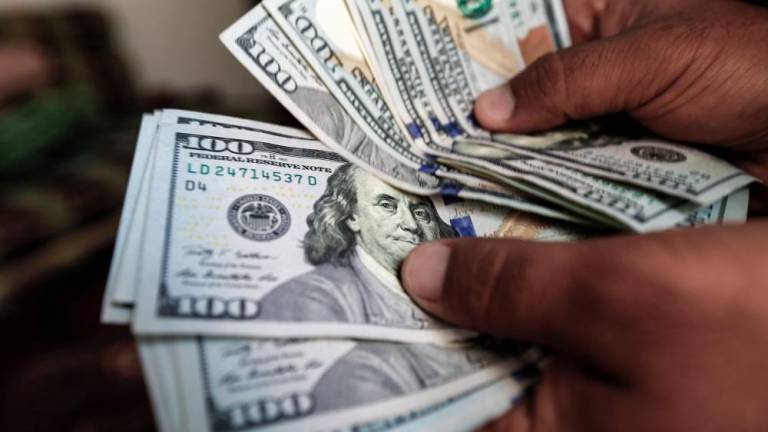
    The U.S. dollar dropped against the Vietnamese dong Friday morning on the black market.

    Unofficial exchange points sold the greenback at VND23,850, down 0.29% from Thursday.

    Vietcombank sold the dollar 0.15% higher at VND23,910.

    Eximbank maintained the dollar at VND23,860, while at Techcombank the rate stayed unchanged at VND23,890.

    The State Bank of Vietnam kept its reference rate stable at VND23,637.

    The dollar as appreciated over the dong by 0.76% since the beginning of the year.

    The U.S. dollar eased back from a 2-1/2-month high versus the yen on Friday and weakened toward its first weekly loss since January against major peers as traders tried to gauge the path for Federal Reserve policy.

    The yen, which is particularly sensitive to U.S.-Japanese long-term interest rate differentials, threatened to extend a weekly losing streak to seven weeks, even as it gained strength on Friday with 10-year U.S. yields retreating from a nearly four-month high close to 4.1%.

    Taking some steam out of the dollar and the breathless advance in U.S. yields were comments from Atlanta Fed President Raphael Bostic overnight that “slow and steady is going to be the appropriate course of action,” despite new labour figures adding to the run of strong data of late.

  • Fruit, vegetable exports see high potential, tough requirements

    Fruit, vegetable exports see high potential, tough requirements

    Vietnamese vegetables and fruits are eyeing potential overseas markets, in which quality requirements and standards are high, said experts at a forum in Ho Chi Minh City on March 1.

    Nguyen Minh Phuong, Director of the Asia-Africa Market Department under the Ministry of Industry and Trade, said that due to low supply and high demand, the Middle East and North Africa are also promising markets for Vietnamese farm produce.

    However, experts underscored that the major challenge for Vietnamese fruits and vegetables is the increasing requirements in international market, especially those in origin traceability and food safety.

    Pham Minh Thang from the Agrotrade said that Vietnamese firms have faced a lack of information on market demands and access to distribution channels in imported countries.

    Meanwhile, the export of fresh vegetables to other markets is encountering obstacles due to transportation difficulties, while the rate of processed products remains modest.

    In order to promote fruit and vegetable exports, Thang advised producers and exporters to actively renovate their farming techniques to increase their product quality, while strengthening processing and trade promotion activities, diversifying trading activities in digital platforms, and applying information technology in the sale of farm produce.

    Le Thanh Hoa, Vice Director of the Agro Processing and Market Development Authority (Agrotrade), said that over the recent years, fruits and vegetable have been among the groups with export revenue of over $3 billion each year. The figure reached $3.37 billion in 2022.

    Last year, many kinds of fruits such as passion fruit, durian and banana were allowed to be exported to China through official channels, while Vietnamese pomelo was excepted to the U.S., limes and pomelos to New Zealand, and fresh longan to Japan.

    In the first two months of this year, the export of fruits and vegetables hit $592 million, up 17.8% compared to the same period in 2022. China remained the major market of Vietnam, consuming 57.5% of the country’s total fruit and vegetable exports.

  • Vietnam’s largest automobile distributor braces for tumble in profits

    Vietnam’s largest automobile distributor braces for tumble in profits

    Saigon General Service Corporation, the country’s largest auto distributor, expects profits to decline by VND150 billion (US$6.33 million) in 2023 amid forecasts of a turbulent year.

    In its annual report released recently, Savico said the auto market faces challenges as high car loan interest rates and lack of credit since the fourth quarter of 2022meant businesses and individual consumers called off or delayed purchase plans.

    Since September, demand has fallen to 60-70% of normal, leading to oversupply and high inventory costs.

    “The market will need three to six months to rebalance. The securities and real estate markets are now in difficulty, and people do not have as much motivation for buying cars as before.”

    Competition would be more intense than ever, and so Savico only expects profit before tax of be VND538 billion, down more than VND150 billion from last year, when it reported record earnings of VND688 billion ($29.3 million) after a 2.7-fold rise from 2021.It was higher than the combined figures of the previous two years.

    But it also expects revenues to grow by at least 20%.

    Savico, the distributor of Toyota, Honda, Ford, Mitsubishi, and Volvo cars, plans to expand its distribution network and sell new brands.

    Last year the industry enjoyed record profits as demand recovered after a two-year slump due to Covid-19.

  • Vietnam eyes $1B from seaculture product exports by 2025

    Vietnam eyes $1B from seaculture product exports by 2025

    Vietnam expects to rake in between 800,000 to $1 billion worth of sea culture product exports by 2025, according to a development project of the sector towards 2030 with a vision to 2045.

    Also by the time, the total area of sea culture is set to hit 280,000 hectares with an annual yield of 850,000 tonnes.

    By 2045, the sector is expected to contribute more than 25% of the country’s total fishery productivity, with its export value expected to exceed $4 billion.

    Such goals require efforts to tackle bottlenecks and turn Vietnam’s sea culture into a large-scale production industry in a synchronous, safe, effective, environmentally friendly and sustainable manner.

    According to the Ministry of Agriculture and Rural Development, the country now has about 7,447 sea culture establishments with a total area of 85,000ha.

    The sector’s current growth is estimated at 23.3% annually.

  • Vietnamese favor Canadian lobsters, snow crabs

    Vietnamese favor Canadian lobsters, snow crabs

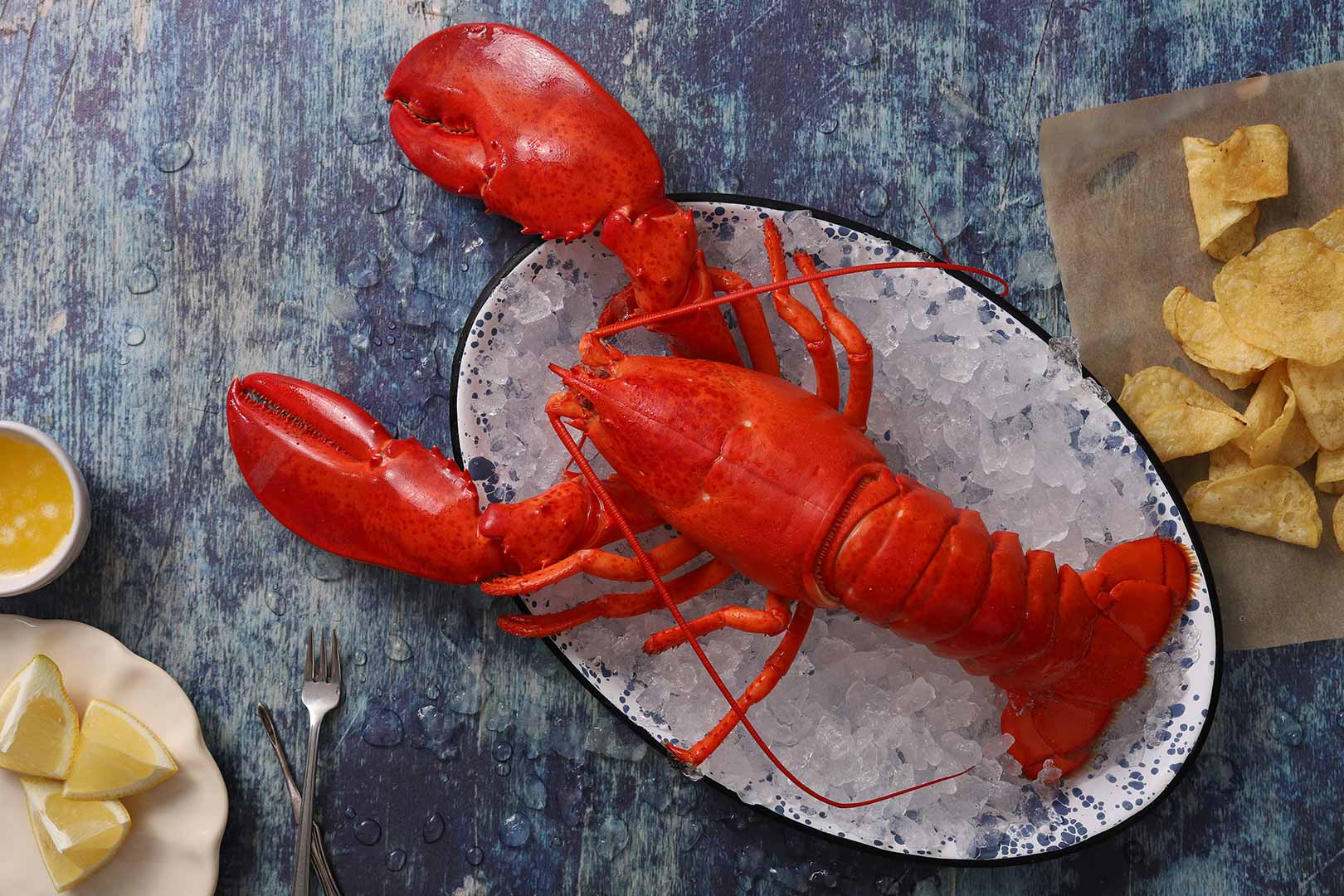
    Vietnam spent US$65 million importing Canadian seafood, mainly lobsters and snow cabs last year, doubling 2021 imports and trebling 2020.

    Among Southeast Asian countries, Vietnam was Canadian’s biggest seafood importer, Steve Craig, Minister of the Department of Fisheries and Aquaculture of the Canadian province of Nova Scotia, said at a recent business networking event in HCMC.

    Although Vietnam is the world’s fourth largest seafood exporter with an annual turnover of $11 billion, it is still a fertile ground for Canadian products, he said, noting that Vietnamese are among the world’s top seafood consumers.

    Tran Van Truong, CEO of Royal Seafood chain, an official importer of Canadian seafood in large quantities, said the seafood is famous in Vietnam because their prices are always stable and often 5-20%, sometimes 40%, lower than imports other countries.

    Currently, in the Vietnamese market, Canadian lobsters are priced at VND1.4 million ($59.3) per kilogram, and Australian lobsters at VND2.4 million. The price of cod, oysters, and geoducks imported from Canada are also lower.

    Between 50 and 60 Vietnamese firms directly import Canadian seafood, and the number of Canadian seafood shops in Vietnam is rising.

    Canada will create more favorable conditions for Canadian and Vietnamese seafood to penetrate more deeply into each other’s markets, Craig said, stating that the Vietnamese market is very promising.

    Overall, bilateral trade between Canada and Vietnam was $14 billion last year, he said, noting that Vietnam is Canada’s biggest trading partner in Southeast Asia.