Tag: Vietnam

  • Vietnam’s richest man launches electric taxi firm

    Vietnam’s richest man launches electric taxi firm

    Pham Nhat Vuong, Vietnam’s richest man, has established GSM, an all-electric taxi operator with a charter capital of VND3 trillion ($126.85 million). Vuong, who is also the chairman of Vingroup, owns a 95% stake in the company.

    GSM, which stands for “Green, Smart and Mobility,” will launch its taxi services starting in April in Hanoi, with plans to go nationwide by the end of the year.

    The company will also rent Vinfast’s VF e34 and VF 8 electric cars to transport companies.

    GSM expects to have 10,000 cars and 100,000 motorbikes, all made by VinFast, a unit of Vingroup.

    The company was established to speed up the completion of Vietnam’s green ecosystem and smart transport, said GSM CEO Nguyen Van Thanh.

    Customers can experience electric vehicles, whether for a few minutes in a taxi, or a few months in a rented car, which Thanh says will help speed up the green revolution in Vietnam.

    Last year, VinFast delivered 7,200 electric cars to Vietnamese customers. And in December last year its two models, the VF e34 and VF 8, were among the top 10 best-selling models in Vietnam.

    The company delivered its first electric cars to American customers on March 2.

  • Pepper export value down 7.4% in two months

    Pepper export value down 7.4% in two months

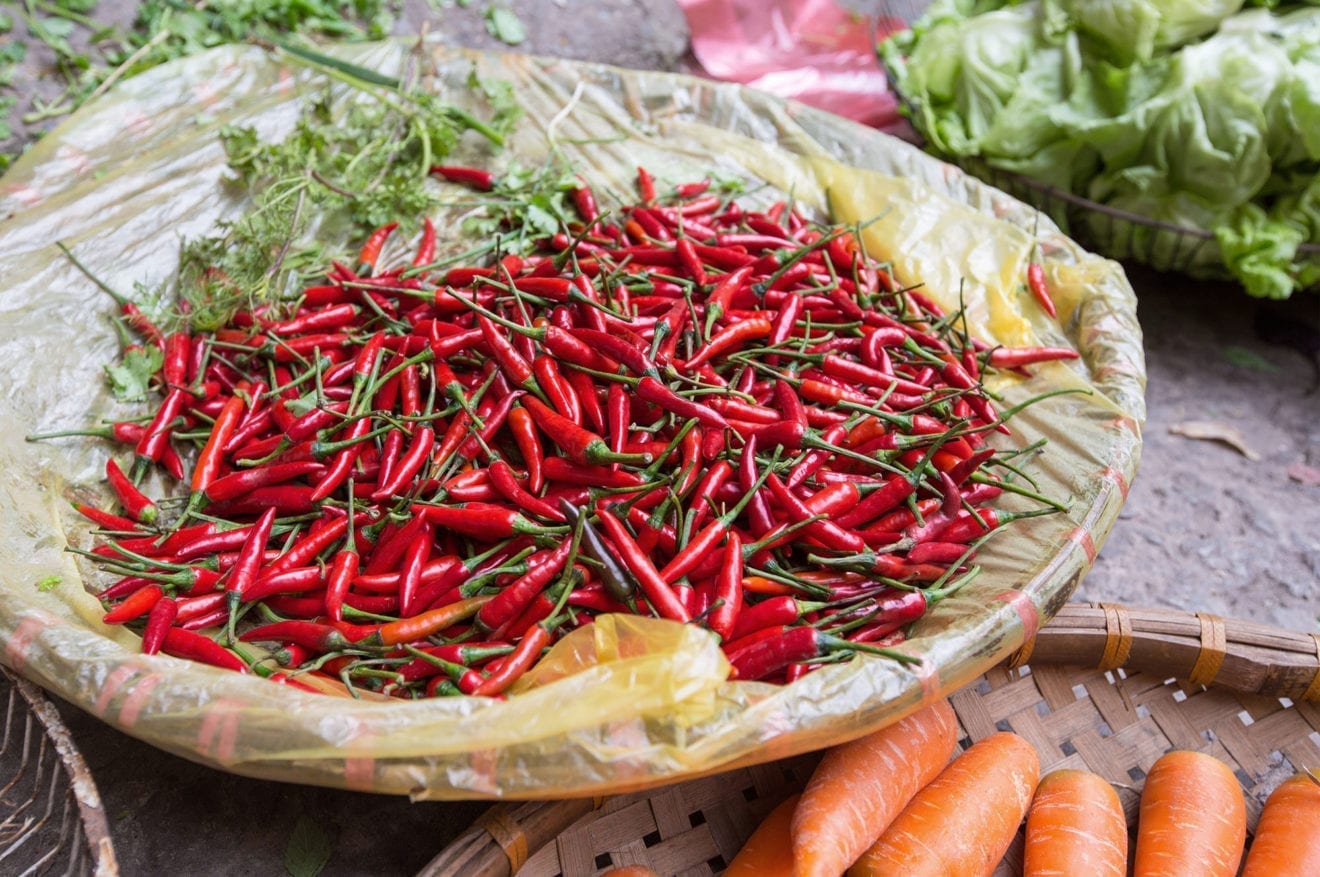
    Vietnam exported over 41,000 tonnes of pepper worth $129 million in the first two months of this year, up 35% in volume, but down 7.4% in value over the same period from 2022

    The average export price of the Vietnamese spice in February 2023 was $3,059 per tonne, a downturn of 11.1% compared to the previous month and 32.8% year-on-year, according to the Import-Export Department under the Ministry of Industry and Trade.

    During the reviewed period, its average export price stood at $3,177 per tonne, a fall of 31.4% compared to last year’s corresponding period.

    The ministry has said the global pepper market is forecast to recover due to increasing demand from importers.

  • Fruit, vegetable exports rise 17.8%

    Fruit, vegetable exports rise 17.8%

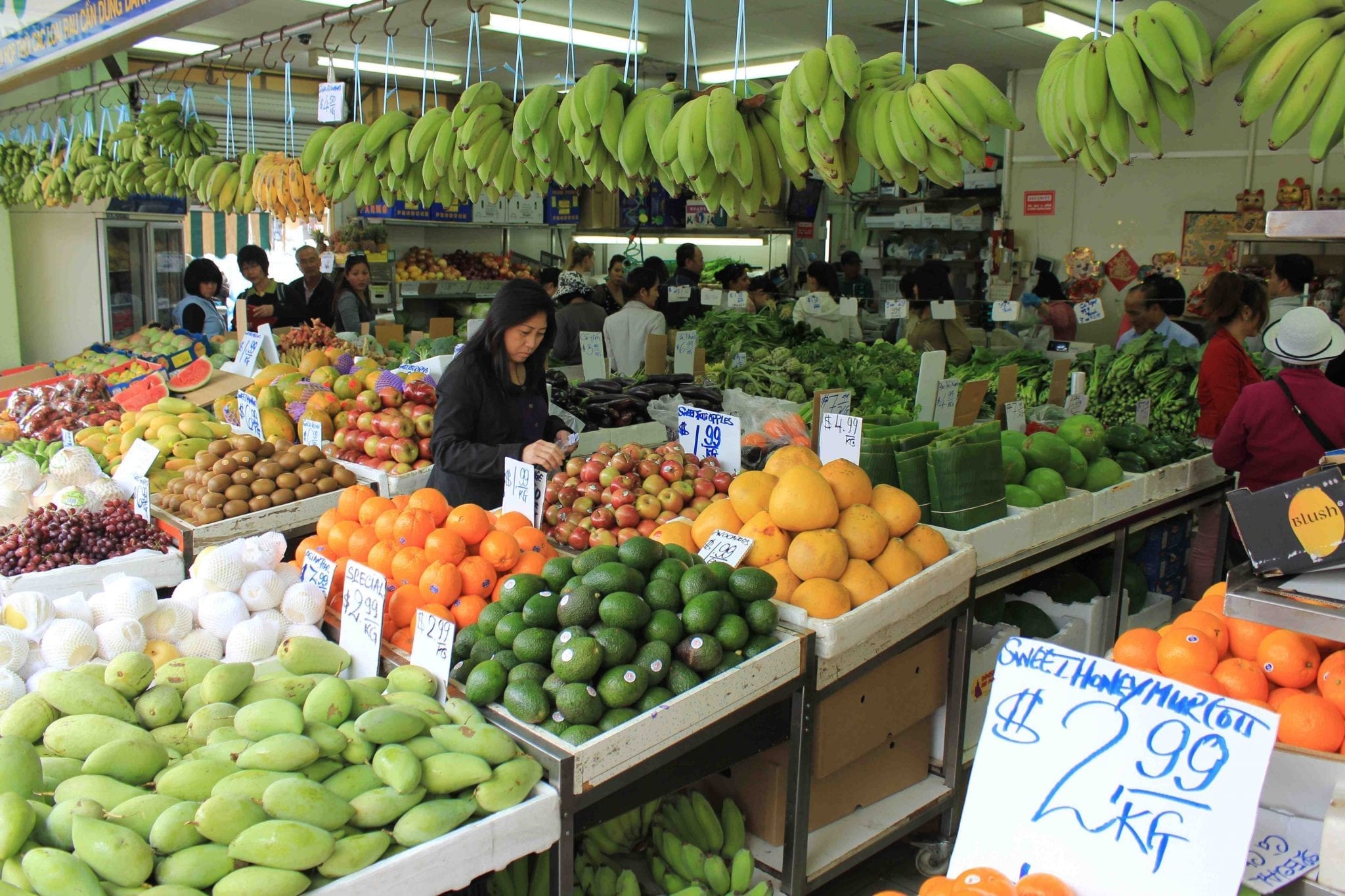
    Vietnam’s fruit and vegetable exports in the first two months of this year increased by 17.8% year-on-year to US$592 million.

    China accounted for 57.5% of the exports, according to the Ministry of Agriculture and Rural Development’s department of agricultural products processing and market development.

    Since early February when it reopened after Covid, China has been importing large volumes of Vietnamese agricultural products like durian, jackfruit, watermelon, and sweet potato.

    Exports to Laos have tripled.

    The U.S. and Europe have also imported large volumes of Vietnamese fruits and vegetables.

    A Tien Giang Province-based company told VnExpress that its exports of durian and pomelo to the U.S. and China have been increasing steadily this year. Freight rates have decreased to pre-Covid levels, creating favorable conditions for exporters.

    Surveys in the Mekong Delta show that the prices of durian, dragon fruit, jackfruit, and sweet potato have all doubled or tripled from 12 months ago, with the durian price surging to a record high of VND190,000 ($8) per kilogram at the farm gate.

    Last year exports were worth $3.34 billion, down 5.9% from 2021, according to the agriculture ministry.

    Vietnam imported fruits and vegetables for $289 million in the first two months of this year, a 12% increase, the department said.

  • What airlines need to speed up their recovery

    What airlines need to speed up their recovery

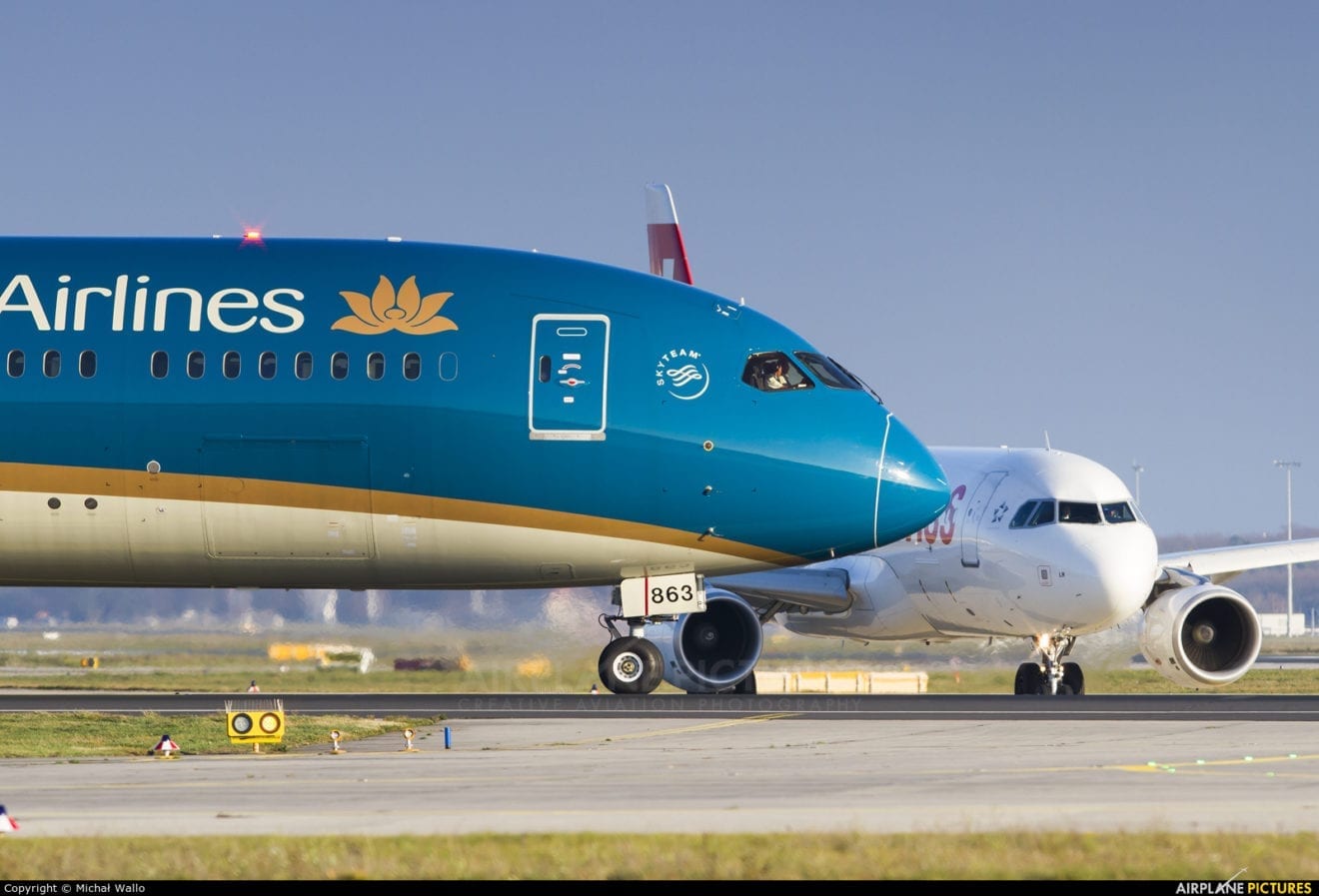
    Vietnamese airlines seek government support to speed up post-pandemic recovery, including scrapping a ticket price ceiling and relaxing visa policies.

    The outlook for the aviation industry seemed bright in a forecast by the Civil Aviation Authority of Vietnam (CAAV) last month when it said that a full recovery of Vietnam’s air transport is expected by the end of the year.

    CAAV forecast that 80 million passengers and 1.44 million tons of cargo will be transported this year, up 1% and 14.8%, respectively from 2019 when Covid-19 had yet to hit Vietnam.

    For airlines, however, the forecast seems too optimistic. Last year, Vietnam Airlines posted an accumulated loss of over VND34 trillion ($1.43 billion), while budget airline Vietjet recorded more than VND2 trillion in loss.

    Bamboo Airways and Vietravel Airlines are yet to turn a profit. Luong Hoai Nam, a member of the Vietnam Tourism Advisory Board, said at a recent event that there is no rosy picture for domestic airlines this year.

    “Carriers are deep in debt and are facing an operational crisis,” he said.

    Now that demand is rising, aircraft leasing companies are seeking to get their jets back, Nam said, adding that if Vietnamese airlines cannot pay for the lease the jets might be taken away.

    Vietjet’s Deputy CEO Ho Ngoc Yen Phuong said that although some international airlines have become profitable again after the two-year hiatus, Vietnamese carriers are still facing many financial difficulties, and they might lose on their own playground if other carriers increase their presence.

    Deputy CEO of Vietnam Airlines Trinh Ngoc Thanh said that the industry will not fully recover until the end of 2024, but he was not sure whether the national flag carrier can survive until than as its “financial health is very weak.”

    Local airlines, therefore, are proposing several support policies to help them survive and speed up their recovery. They want the domestic ticket price ceiling removed, saying that this policy is no longer in line with international norms. The price ceiling has remain unchanged for eight years and this is unreasonable as expenses, including fuel, currency exchange rates and loan interests, have all increased.

    Vietnam Airlines and Bamboo Airways proposed that while the ceiling is yet to be removed it should be raised to reflect the hike in operational costs.

    Ticket agents are saying that domestic prices on some routes have nearly doubled year-on-year.

    A survey of 1,600 readers last month found that 51% of respondents want the price ceiling to remain unchanged.

    Airlines are also requesting the government relax visa policies and create a national tourism promotion campaign.

    “The Vietnam National Administration of Tourism partnered with airlines to promote tourism in other countries in previous years,” Thanh said. “But now there is no campaign and carriers do not have the budget to create their own.”

    The Vietnam Airlines executive also said that the 15-day visa policy for European and American visitors should be doubled to 30-days.

    Vietjet wants authorities to untie administrative knots so that Chinese tours can soon travel to Vietnam. Vietnam is yet to be included in the 20 countries that Chinese tourism firms are allowed to send tours to.

    Even though China – which accounts for 30% of foreign tourists to Vietnam – has reopened, Vietnamese airlines still have to postpone plans to expand their flight frequency to this country.

    Carriers are also seeking reductions in taxes and fees.

    Thanh said that the 50% reductions in landing and takeoff fees of domestic airlines and an environmental tax on fuel, which were given during Covid-19, should be maintained to help ease the financial burden for carriers.

    Bamboo Airways has proposed for these reductions to last until the end of 2024 or 2025.

    Can Van Luc, chief economist at lender BIDV, said that it is unlikely that carriers will get out of losses this year and that they will still need a lot of government support in taxes and fees.


  • Dollar slips on black market

    Dollar slips on black market

    The U.S. dollar dropped against the Vietnamese dong Friday morning on the black market.

    Unofficial exchange points sold the greenback at VND23,850, down 0.29% from Thursday.

    Vietcombank sold the dollar 0.15% higher at VND23,910.

    Eximbank maintained the dollar at VND23,860, while at Techcombank the rate stayed unchanged at VND23,890.

    The State Bank of Vietnam kept its reference rate stable at VND23,637.

    The dollar as appreciated over the dong by 0.76% since the beginning of the year.

    The U.S. dollar eased back from a 2-1/2-month high versus the yen on Friday and weakened toward its first weekly loss since January against major peers as traders tried to gauge the path for Federal Reserve policy.

    The yen, which is particularly sensitive to U.S.-Japanese long-term interest rate differentials, threatened to extend a weekly losing streak to seven weeks, even as it gained strength on Friday with 10-year U.S. yields retreating from a nearly four-month high close to 4.1%.

    Taking some steam out of the dollar and the breathless advance in U.S. yields were comments from Atlanta Fed President Raphael Bostic overnight that “slow and steady is going to be the appropriate course of action,” despite new labour figures adding to the run of strong data of late.

  • Fruit, vegetable exports see high potential, tough requirements

    Fruit, vegetable exports see high potential, tough requirements

    Vietnamese vegetables and fruits are eyeing potential overseas markets, in which quality requirements and standards are high, said experts at a forum in Ho Chi Minh City on March 1.

    Nguyen Minh Phuong, Director of the Asia-Africa Market Department under the Ministry of Industry and Trade, said that due to low supply and high demand, the Middle East and North Africa are also promising markets for Vietnamese farm produce.

    However, experts underscored that the major challenge for Vietnamese fruits and vegetables is the increasing requirements in international market, especially those in origin traceability and food safety.

    Pham Minh Thang from the Agrotrade said that Vietnamese firms have faced a lack of information on market demands and access to distribution channels in imported countries.

    Meanwhile, the export of fresh vegetables to other markets is encountering obstacles due to transportation difficulties, while the rate of processed products remains modest.

    In order to promote fruit and vegetable exports, Thang advised producers and exporters to actively renovate their farming techniques to increase their product quality, while strengthening processing and trade promotion activities, diversifying trading activities in digital platforms, and applying information technology in the sale of farm produce.

    Le Thanh Hoa, Vice Director of the Agro Processing and Market Development Authority (Agrotrade), said that over the recent years, fruits and vegetable have been among the groups with export revenue of over $3 billion each year. The figure reached $3.37 billion in 2022.

    Last year, many kinds of fruits such as passion fruit, durian and banana were allowed to be exported to China through official channels, while Vietnamese pomelo was excepted to the U.S., limes and pomelos to New Zealand, and fresh longan to Japan.

    In the first two months of this year, the export of fruits and vegetables hit $592 million, up 17.8% compared to the same period in 2022. China remained the major market of Vietnam, consuming 57.5% of the country’s total fruit and vegetable exports.

  • Vietnam’s largest automobile distributor braces for tumble in profits

    Vietnam’s largest automobile distributor braces for tumble in profits

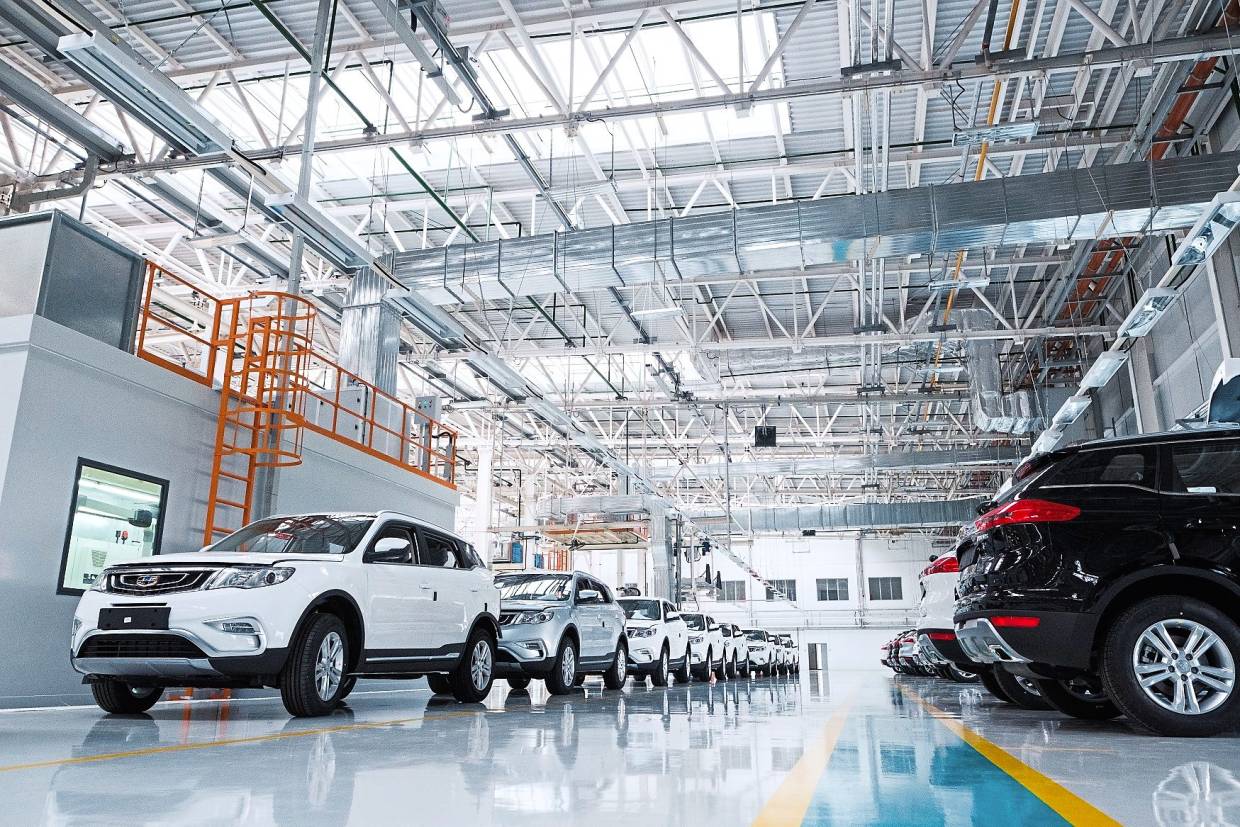
    Saigon General Service Corporation, the country’s largest auto distributor, expects profits to decline by VND150 billion (US$6.33 million) in 2023 amid forecasts of a turbulent year.

    In its annual report released recently, Savico said the auto market faces challenges as high car loan interest rates and lack of credit since the fourth quarter of 2022meant businesses and individual consumers called off or delayed purchase plans.

    Since September, demand has fallen to 60-70% of normal, leading to oversupply and high inventory costs.

    “The market will need three to six months to rebalance. The securities and real estate markets are now in difficulty, and people do not have as much motivation for buying cars as before.”

    Competition would be more intense than ever, and so Savico only expects profit before tax of be VND538 billion, down more than VND150 billion from last year, when it reported record earnings of VND688 billion ($29.3 million) after a 2.7-fold rise from 2021.It was higher than the combined figures of the previous two years.

    But it also expects revenues to grow by at least 20%.

    Savico, the distributor of Toyota, Honda, Ford, Mitsubishi, and Volvo cars, plans to expand its distribution network and sell new brands.

    Last year the industry enjoyed record profits as demand recovered after a two-year slump due to Covid-19.

  • Vietnam eyes $1B from seaculture product exports by 2025

    Vietnam eyes $1B from seaculture product exports by 2025

    Vietnam expects to rake in between 800,000 to $1 billion worth of sea culture product exports by 2025, according to a development project of the sector towards 2030 with a vision to 2045.

    Also by the time, the total area of sea culture is set to hit 280,000 hectares with an annual yield of 850,000 tonnes.

    By 2045, the sector is expected to contribute more than 25% of the country’s total fishery productivity, with its export value expected to exceed $4 billion.

    Such goals require efforts to tackle bottlenecks and turn Vietnam’s sea culture into a large-scale production industry in a synchronous, safe, effective, environmentally friendly and sustainable manner.

    According to the Ministry of Agriculture and Rural Development, the country now has about 7,447 sea culture establishments with a total area of 85,000ha.

    The sector’s current growth is estimated at 23.3% annually.

  • Vietnamese favor Canadian lobsters, snow crabs

    Vietnamese favor Canadian lobsters, snow crabs

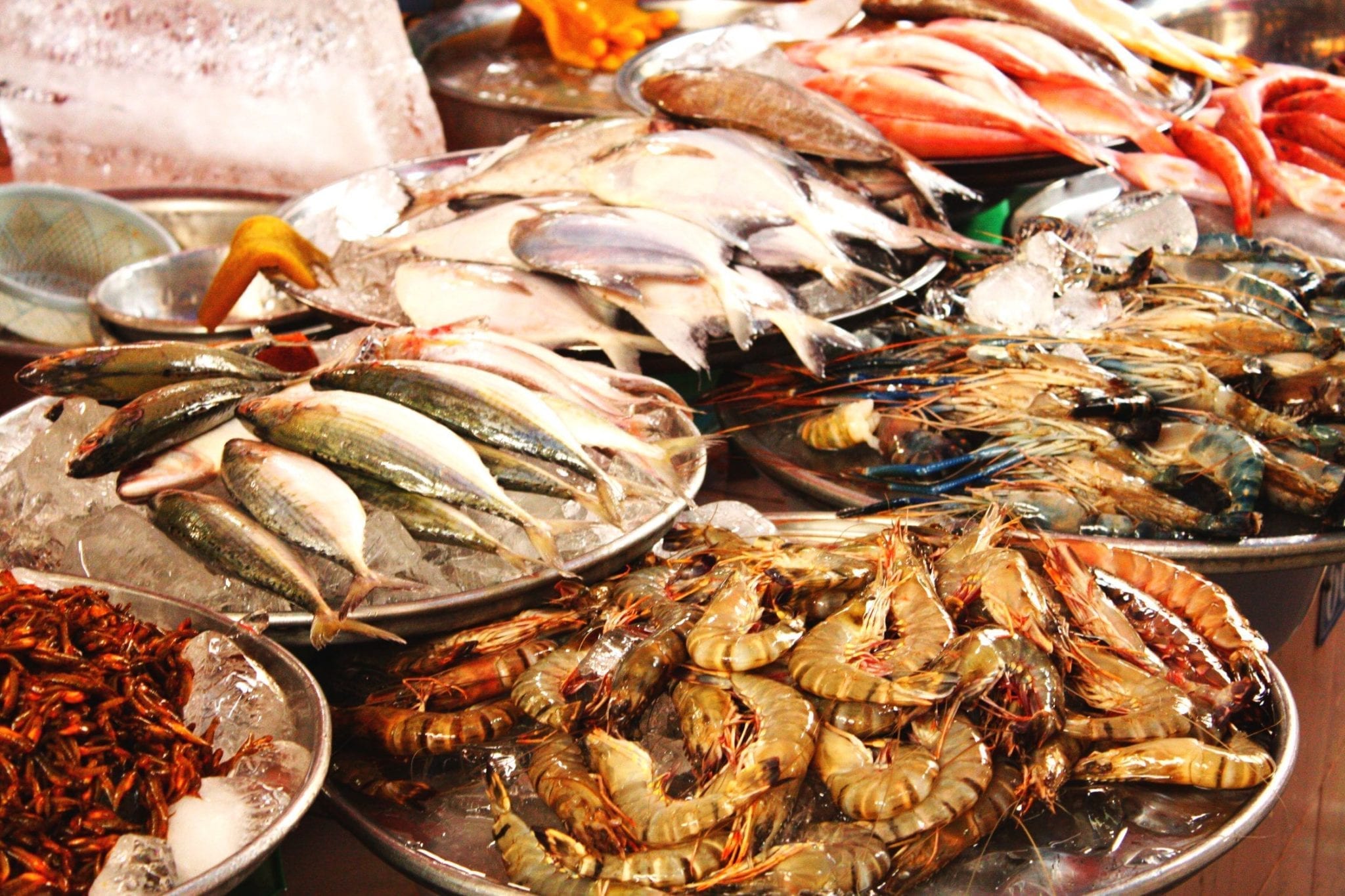
    Vietnam spent US$65 million importing Canadian seafood, mainly lobsters and snow cabs last year, doubling 2021 imports and trebling 2020.

    Among Southeast Asian countries, Vietnam was Canadian’s biggest seafood importer, Steve Craig, Minister of the Department of Fisheries and Aquaculture of the Canadian province of Nova Scotia, said at a recent business networking event in HCMC.

    Although Vietnam is the world’s fourth largest seafood exporter with an annual turnover of $11 billion, it is still a fertile ground for Canadian products, he said, noting that Vietnamese are among the world’s top seafood consumers.

    Tran Van Truong, CEO of Royal Seafood chain, an official importer of Canadian seafood in large quantities, said the seafood is famous in Vietnam because their prices are always stable and often 5-20%, sometimes 40%, lower than imports other countries.

    Currently, in the Vietnamese market, Canadian lobsters are priced at VND1.4 million ($59.3) per kilogram, and Australian lobsters at VND2.4 million. The price of cod, oysters, and geoducks imported from Canada are also lower.

    Between 50 and 60 Vietnamese firms directly import Canadian seafood, and the number of Canadian seafood shops in Vietnam is rising.

    Canada will create more favorable conditions for Canadian and Vietnamese seafood to penetrate more deeply into each other’s markets, Craig said, stating that the Vietnamese market is very promising.

    Overall, bilateral trade between Canada and Vietnam was $14 billion last year, he said, noting that Vietnam is Canada’s biggest trading partner in Southeast Asia.


  • Airlines propose scrapping airfare caps

    Airlines propose scrapping airfare caps

    Airlines and some experts have proposed hiking and eventually removing domestic airfare caps to support businesses in difficult times.

    Last year, no domestic airlines were profitable because of higher fuel costs, foreign exchange rates, and interest rates, while airfare caps have been kept unchanged for eight years. On Friday, participants at a conference on supporting the aviation industry said that the caps should be removed.

    Trinh Ngoc Thanh, executive vice president of Vietnam Airlines, said domestic airfare caps were last adjusted in 2015.

    The current maximum fare is VND2.2 million ($96) for routes under 850 kilometers and VND3.75 million for those above 1,280 kilometers.

    Airfare caps are placed only on domestic routes, not on international ones. As a result, the highest airfare of domestic flights is sometimes 40% lower than that of the HCMC – Singapore route, Thanh said.

    Thanh and Nguyen Manh Quan, CEO of Bamboo Airways, proposed that the Ministry of Transport hike the airfare caps and then eventually scrap them to ensure the aviation industry’s sustainable development.

    Quan also proposed the State still apply airfare caps on routes operated by only one airline, but let the market self-regulate routes tapped by at least two carriers.

    Hoai Nam, a Vietnam Tourism Advisory Board member, said: “Removing the airfare caps will help domestic airlines improve revenues and profits during peak periods.”

    He said that at present, no other countries in the world apply airfare caps, and none of the five domestic airlines has a monopoly position, so the caps should be removed as soon as possible.

    However, if the caps are scraped, airlines must not negotiate with one another about airfares, seriously violating the Competition Law and affecting the interests of passengers, Nam added.

    Tran Tho Dat, a member of the prime minister’s Economic Advisory Group, suggested the management agency should come up with a formula for regulating airfares like that for retail prices of gasoline and oil products.

    “If there are no caps, we should create a formula, an open airfare range, to ensure fair competition and people’s interests,” he said.

    In 2021, the Civil Aviation Administration of Vietnam proposed removing airfare caps on routes operated by three airlines or more to increase competition by service quality to serve passengers who are willing to pay higher than the ceiling price.
  • Vietnam to have 16 more railway lines by 2030

    Vietnam to have 16 more railway lines by 2030

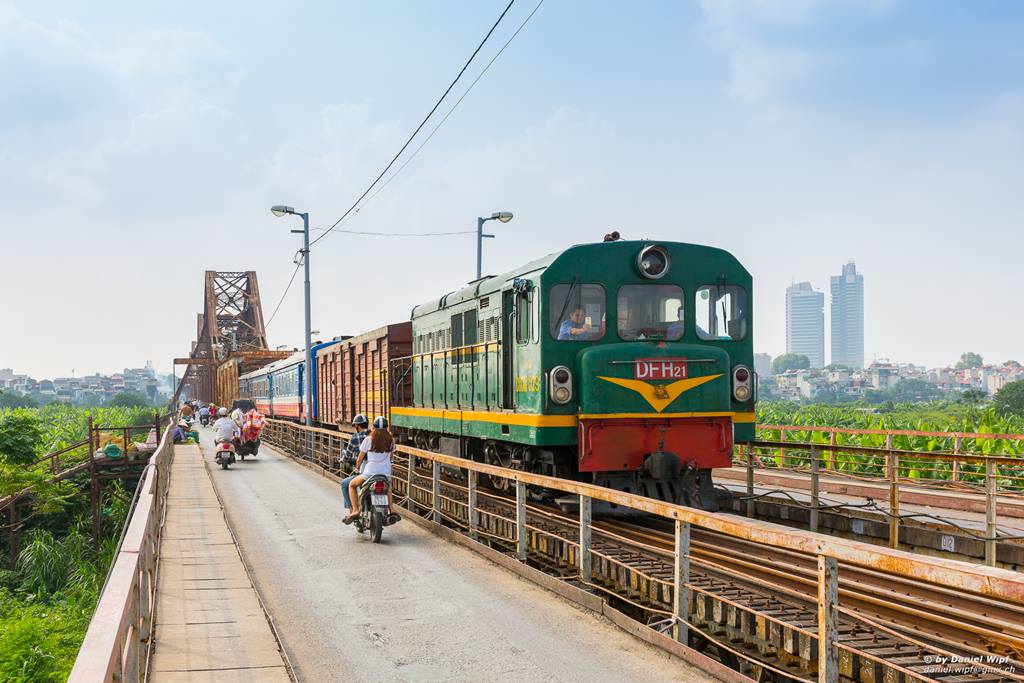
    Vietnam’s railway network planning expects to have 16 new national lines with a total length of about 4,802km by 2030.

    According to the Ministry of Transport, the planning for 2021-2030 will also upgrade seven existing lines, whose total length amounts to 2,440km.

    By 2050, the number of new rail lines will be 25, which together are 6,354km long.

    The completely upgraded and expanded network following the planning will connect strategic economic areas and corridors, urban centres, international sea ports, border gates, and airports nationwide, said a leader of the ministry.

    Rail transport boasts several advantages. It requires less land areas, leaves little impact on the environment, and carries a large amount of goods and passengers. It is also fast, safe, and low cost.

    However, the railway investment budget is enormous, while the State budget resources are limited. Due to the low financial efficiency of railway investment, it is difficult for the sector to attract capital from society.

  • Finance ministry again moots tax on sweetened beverages

    Finance ministry again moots tax on sweetened beverages

    The Ministry of Finance is again considering imposing a tax on sweetened beverages eight years after failing to get other ministries’ backing for it.

    A “reasonable” special consumption tax on sugary drinks would help protect people’s health in line with the World Health Organization’s recommendation and international practice, it said.

    Consumption of sweetened beverages in Vietnam had surged by nearly eight times between 2002 and 2018 to 50.7 liters per person per year.

    Surveys by the National Institute of Nutrition in 2001-10 and 2011-20 found the overweight children rate rising quickly in urban and rural areas.

    In 2012 15 countries were imposing a tax on sweetened beverages, but by 2021 it had risen to 50, including six in Vietnam’s neighborhood: Thailand, the Philippines, Malaysia, Laos, Cambodia, and Myanmar.

    “WHO recommends that governments take actions to encourage people to consume healthy food, including using tax measures on sugary drinks to orient consumption,” the ministry said.

    In 2014 the ministry had proposed a 10% special consumption tax on sweetened beverages, but other ministries opposed it. The Ministries of Planning and Investment and Justice said the argument for the tax was not convincing, and the Ministry of Industry and Trade said it could have a negative impact on businesses.

    The finance ministry is also considering hikes in the special consumption tax on beer and other alcoholic beverages and cigarettes.

    Between 2016 and 2019 it had increased the rate on beer and certain alcoholic beverages from 55% to 65% and on cigarettes and cigars from 70% to 75%.

    But the hikes do not seem have had much effect, the ministry admitted.

    Vietnam remained the biggest beer consumer in Southeast Asia and third biggest in Asia. In 2019 an average person consumed 47.6 liters a year, 20% more than in 2015.

    In 2020 around 42.3% of Vietnamese men smoked, while the government’s target had been to bring it down to 37%.

    But the country’s taxes on alcoholic drinks remain lower than in other countries, and account for only 30% of retail price compared to 40-85% elsewhere, according to WHO.

    On cigarettes, the rate is 35% compared to 70% in Thailand, 69% in Singapore, 57% in Malaysia, and 51% in Indonesia. It is as high as 80% in France and 75% in Germany.

    Another reason for the ministry’s proposal to increase the tax is that prices of alcoholic drinks have been rising slower than average incomes.

    In 1998 it had taken a person 8.2% of their annual income to buy 10 liters of Vodka Hanoi, but by 2014 the ratio had dropped to 2.2%. In the case of red wine, the rate had dropped from 5.9% to 1.6%.

  • Gold prices slip

    Gold prices slip

    SJC gold price dropped 0.15% to VND67 million ($2,815.72) per tael Thursday afternoon.

    Gold ring price remained unchanged at VND54.35 million per tael. A tael equals 37.5 grams or 1.2 ounces.

    Globally gold prices rose on Thursday, helped by a slight pullback in the dollar, although prospects of U.S. interest rates staying higher for longer kept bullion on a tight leash, Reuters reported.

    Spot gold was up 0.2% at $1,828.17 per ounce.

    Elevated interest rates dampen gold’s appeal as an inflation hedge while raising the opportunity cost of holding the non-yielding asset.

    Minutes from the Federal Reserve’s latest policy meeting showed on Wednesday policymakers agreed rates would need to move higher, but that the shift to smaller-sized hikes would let them calibrate more closely with incoming data.

    “The Fed stated they’re still looking at combating inflation and raising interest rates, but not as aggressive as before… because of that, gold prices have retreated a little, and this morning they’re just consolidating,” said Brian Lan, managing director at Singapore-based dealer GoldSilver Central.

  • Chinese smartphones locked in Vietnam

    Chinese smartphones locked in Vietnam

    Several Chinese smartphone models that have been activated in Vietnam remain unusable due to network locks.

    Minh Khoi in Hanoi’s Cau Giay District said he had bought a Realme GT Neo 5 via an unofficial channel (smartphones carried to Vietnam by individuals, not by official distributors), but most of its functions had been disabled.

    He said the store that sold the phone to him was also surprised by the system lock and had to stop selling the model.

    The GT Neo 5 is currently only officially available in China, but its low price has attracted users in Vietnam.
    Two other Chinese phone models, the Realme 10 Pro + and OnePlus 11, have also been displaying a network lock when activated in Vietnam recently. However, with OnePlus 11, users have been able to fix the problem by resetting the phone.

    Khoi contacted Realme customer service in China, but they asked for a genuine purchase receipt. Therefore, he had to pay a service to unlock the phone for VND500,000 (US$21).

    “The device is currently usable, but I’m still worried about whether it will get locked again in the near future,” he said.

    Realme Vietnam has not yet responded to the incident.

    According to technology expert Tuan Ngoc, Chinese phone makers such as Oppo, Realme and OnePlus can use the network lock feature to protect their products in a specific country.

    The price of a smartphone carried home from abroad by travelers can be 20-30% lower than the price offered by authorized resellers, he noted.

  • Chinese carmaker Haima returning to Vietnam

    Chinese carmaker Haima returning to Vietnam

    After first unsuccessfully entering the Vietnamese market a dozen years ago, Chinese automaker Haima plans to begin selling cars here again later this year.

    Tran Viet Son, sales director at Carvivu, Haima’s new distributor in Vietnam, said the company will import 3 Haima models, namely the 8S, 7X and 7X-E.

    The 7X will be the first model released in Vietnam beginning in the second half of 2023. The car is slated to compete with the Mitsubishi Xpander and the Toyota Veloz, Son said. Haimas will be sold at two showrooms in Hanoi and one in HCMC.

    The distributor expects the 7X to be Haima’s biggest seller in Vietnam due to the popularity of multi-purpose vehicles (MPV).

    Son said the car would probably sell for around VND700-800 million (US$29,700-33,900) each. The most popular MPV models in Vietnam currently sell for significantly less than that.

    The Mitsubishi Xpander costs VND555-688 million per unit, while the Toyota Veloz sells for VND658-698 million.

    The most expensive MPV model in Vietnam is the is Kia Carens, which lists at around VND619-859 million.
    The electric variant of the 7X, the 7X-E, is expected to cost VND1 billion or more.

    Haima’s small car offering, the 8S, will also be available on the Vietnamese market in the second half of this year. The 8S will be competing with the Mazda CX-5 (VND839-1,059 million) and the Hyundai Tucson (VND845-1,060 million).

    The Chinese automaker first entered the Vietnamese market in 2011, only to soon exit quietly after failing to compete with stronger, more durable Japanese cars

    However, over the past two years, Chinese automakers such as Beijing, Hongqi and BAIC have begun to reach Vietnamese customers.

    Automobile manufacturer Chery has announced plans to build a factory in Vietnam to assemble cars for export.

    And Vietnamese firm TMT Motors will also begin assembling and distributing Chinese Wuling Hongguang Mini EV electric cars late this year.