Tag: Vietnam

  • Airlines propose scrapping airfare caps

    Airlines propose scrapping airfare caps

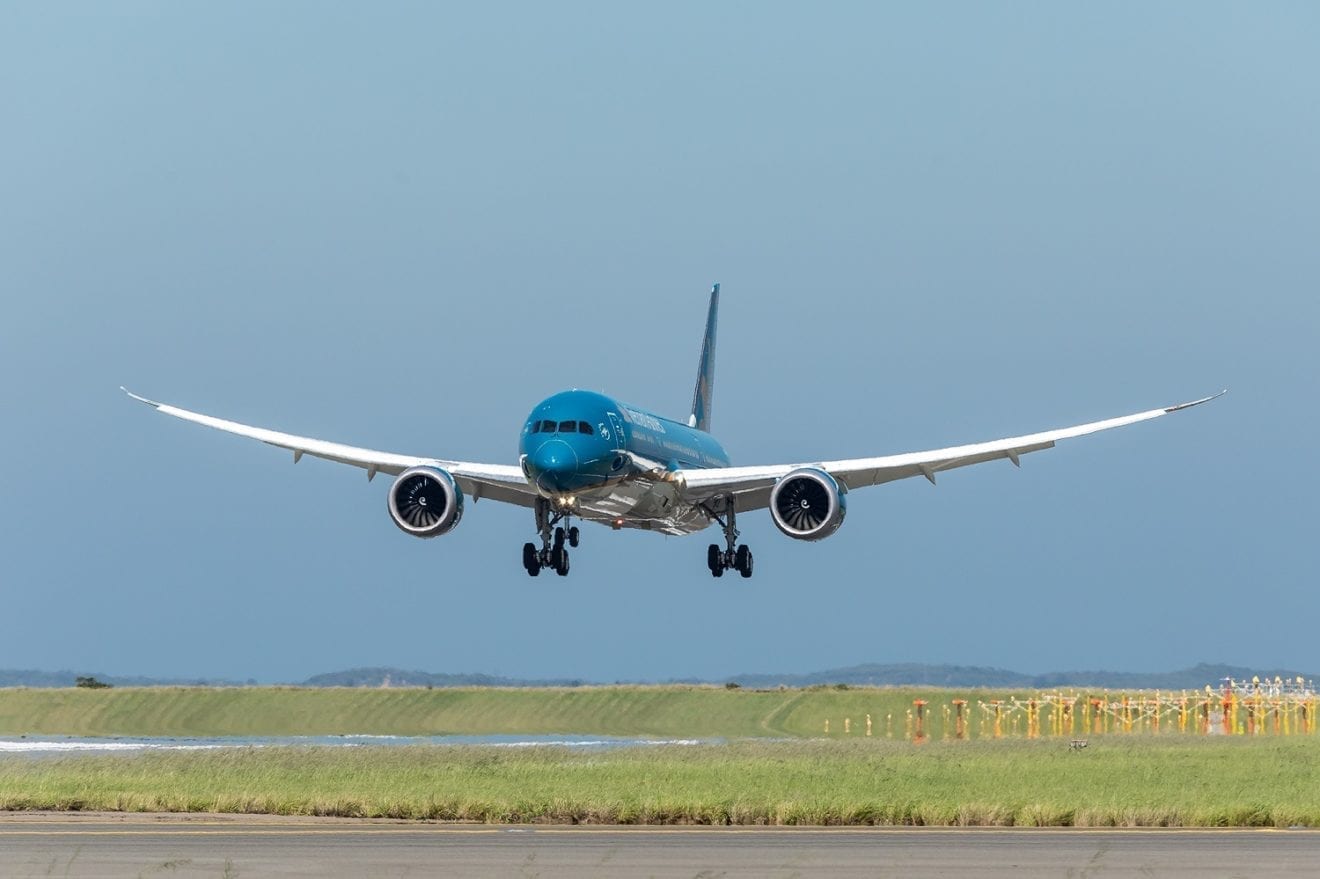
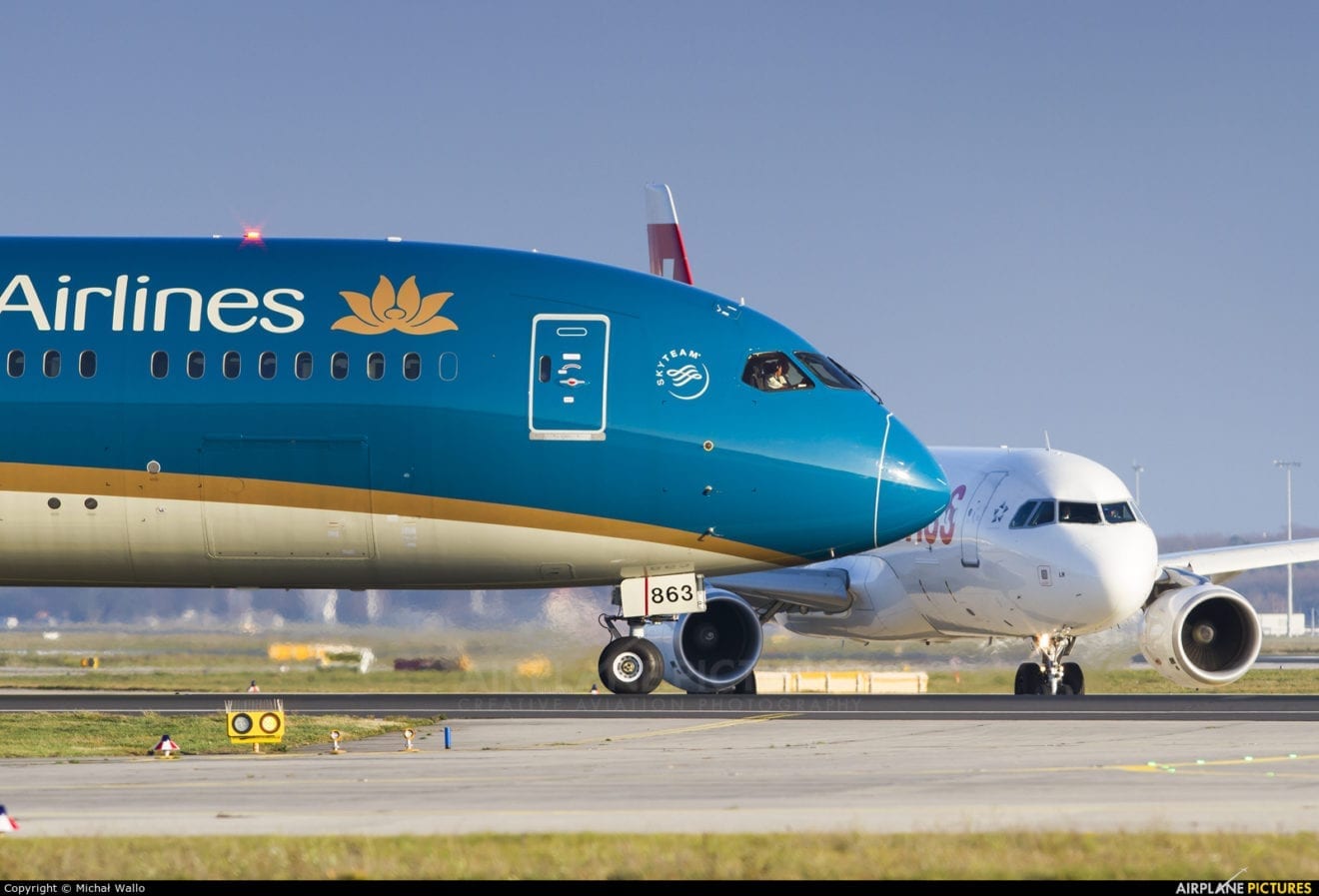
    Airlines and some experts have proposed hiking and eventually removing domestic airfare caps to support businesses in difficult times.

    Last year, no domestic airlines were profitable because of higher fuel costs, foreign exchange rates, and interest rates, while airfare caps have been kept unchanged for eight years. On Friday, participants at a conference on supporting the aviation industry said that the caps should be removed.

    Trinh Ngoc Thanh, executive vice president of Vietnam Airlines, said domestic airfare caps were last adjusted in 2015.

    The current maximum fare is VND2.2 million ($96) for routes under 850 kilometers and VND3.75 million for those above 1,280 kilometers.

    Airfare caps are placed only on domestic routes, not on international ones. As a result, the highest airfare of domestic flights is sometimes 40% lower than that of the HCMC – Singapore route, Thanh said.

    Thanh and Nguyen Manh Quan, CEO of Bamboo Airways, proposed that the Ministry of Transport hike the airfare caps and then eventually scrap them to ensure the aviation industry’s sustainable development.

    Quan also proposed the State still apply airfare caps on routes operated by only one airline, but let the market self-regulate routes tapped by at least two carriers.

    Hoai Nam, a Vietnam Tourism Advisory Board member, said: “Removing the airfare caps will help domestic airlines improve revenues and profits during peak periods.”

    He said that at present, no other countries in the world apply airfare caps, and none of the five domestic airlines has a monopoly position, so the caps should be removed as soon as possible.

    However, if the caps are scraped, airlines must not negotiate with one another about airfares, seriously violating the Competition Law and affecting the interests of passengers, Nam added.

    Tran Tho Dat, a member of the prime minister’s Economic Advisory Group, suggested the management agency should come up with a formula for regulating airfares like that for retail prices of gasoline and oil products.

    “If there are no caps, we should create a formula, an open airfare range, to ensure fair competition and people’s interests,” he said.

    In 2021, the Civil Aviation Administration of Vietnam proposed removing airfare caps on routes operated by three airlines or more to increase competition by service quality to serve passengers who are willing to pay higher than the ceiling price.
  • Vietnam to have 16 more railway lines by 2030

    Vietnam to have 16 more railway lines by 2030

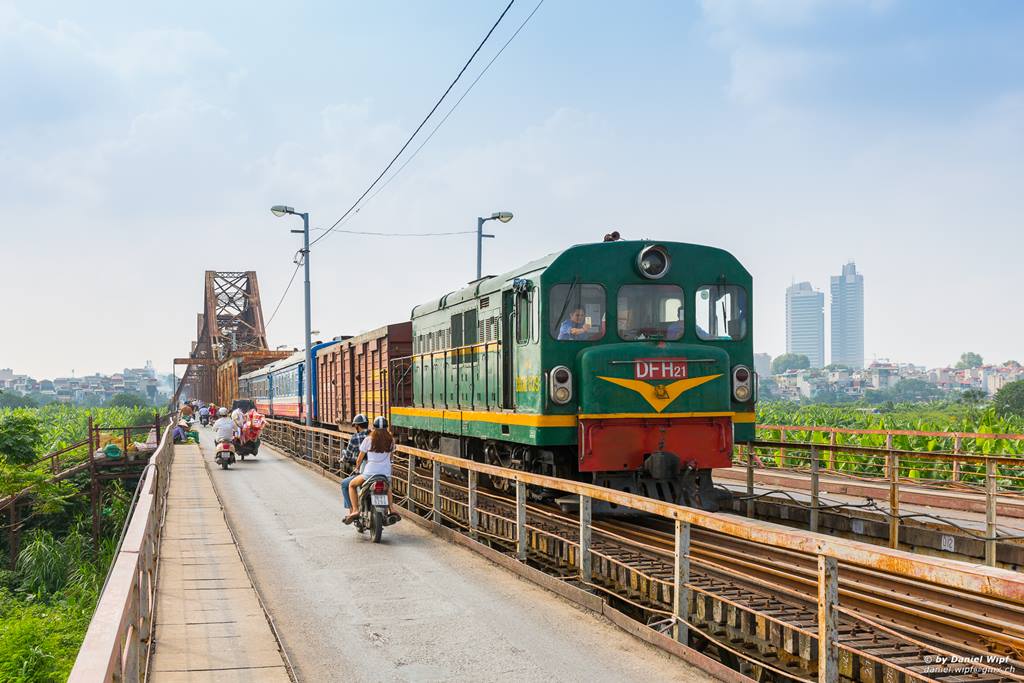
    Vietnam’s railway network planning expects to have 16 new national lines with a total length of about 4,802km by 2030.

    According to the Ministry of Transport, the planning for 2021-2030 will also upgrade seven existing lines, whose total length amounts to 2,440km.

    By 2050, the number of new rail lines will be 25, which together are 6,354km long.

    The completely upgraded and expanded network following the planning will connect strategic economic areas and corridors, urban centres, international sea ports, border gates, and airports nationwide, said a leader of the ministry.

    Rail transport boasts several advantages. It requires less land areas, leaves little impact on the environment, and carries a large amount of goods and passengers. It is also fast, safe, and low cost.

    However, the railway investment budget is enormous, while the State budget resources are limited. Due to the low financial efficiency of railway investment, it is difficult for the sector to attract capital from society.

  • Finance ministry again moots tax on sweetened beverages

    Finance ministry again moots tax on sweetened beverages

    The Ministry of Finance is again considering imposing a tax on sweetened beverages eight years after failing to get other ministries’ backing for it.

    A “reasonable” special consumption tax on sugary drinks would help protect people’s health in line with the World Health Organization’s recommendation and international practice, it said.

    Consumption of sweetened beverages in Vietnam had surged by nearly eight times between 2002 and 2018 to 50.7 liters per person per year.

    Surveys by the National Institute of Nutrition in 2001-10 and 2011-20 found the overweight children rate rising quickly in urban and rural areas.

    In 2012 15 countries were imposing a tax on sweetened beverages, but by 2021 it had risen to 50, including six in Vietnam’s neighborhood: Thailand, the Philippines, Malaysia, Laos, Cambodia, and Myanmar.

    “WHO recommends that governments take actions to encourage people to consume healthy food, including using tax measures on sugary drinks to orient consumption,” the ministry said.

    In 2014 the ministry had proposed a 10% special consumption tax on sweetened beverages, but other ministries opposed it. The Ministries of Planning and Investment and Justice said the argument for the tax was not convincing, and the Ministry of Industry and Trade said it could have a negative impact on businesses.

    The finance ministry is also considering hikes in the special consumption tax on beer and other alcoholic beverages and cigarettes.

    Between 2016 and 2019 it had increased the rate on beer and certain alcoholic beverages from 55% to 65% and on cigarettes and cigars from 70% to 75%.

    But the hikes do not seem have had much effect, the ministry admitted.

    Vietnam remained the biggest beer consumer in Southeast Asia and third biggest in Asia. In 2019 an average person consumed 47.6 liters a year, 20% more than in 2015.

    In 2020 around 42.3% of Vietnamese men smoked, while the government’s target had been to bring it down to 37%.

    But the country’s taxes on alcoholic drinks remain lower than in other countries, and account for only 30% of retail price compared to 40-85% elsewhere, according to WHO.

    On cigarettes, the rate is 35% compared to 70% in Thailand, 69% in Singapore, 57% in Malaysia, and 51% in Indonesia. It is as high as 80% in France and 75% in Germany.

    Another reason for the ministry’s proposal to increase the tax is that prices of alcoholic drinks have been rising slower than average incomes.

    In 1998 it had taken a person 8.2% of their annual income to buy 10 liters of Vodka Hanoi, but by 2014 the ratio had dropped to 2.2%. In the case of red wine, the rate had dropped from 5.9% to 1.6%.

  • Gold prices slip

    Gold prices slip

    SJC gold price dropped 0.15% to VND67 million ($2,815.72) per tael Thursday afternoon.

    Gold ring price remained unchanged at VND54.35 million per tael. A tael equals 37.5 grams or 1.2 ounces.

    Globally gold prices rose on Thursday, helped by a slight pullback in the dollar, although prospects of U.S. interest rates staying higher for longer kept bullion on a tight leash, Reuters reported.

    Spot gold was up 0.2% at $1,828.17 per ounce.

    Elevated interest rates dampen gold’s appeal as an inflation hedge while raising the opportunity cost of holding the non-yielding asset.

    Minutes from the Federal Reserve’s latest policy meeting showed on Wednesday policymakers agreed rates would need to move higher, but that the shift to smaller-sized hikes would let them calibrate more closely with incoming data.

    “The Fed stated they’re still looking at combating inflation and raising interest rates, but not as aggressive as before… because of that, gold prices have retreated a little, and this morning they’re just consolidating,” said Brian Lan, managing director at Singapore-based dealer GoldSilver Central.

  • Chinese smartphones locked in Vietnam

    Chinese smartphones locked in Vietnam

    Several Chinese smartphone models that have been activated in Vietnam remain unusable due to network locks.

    Minh Khoi in Hanoi’s Cau Giay District said he had bought a Realme GT Neo 5 via an unofficial channel (smartphones carried to Vietnam by individuals, not by official distributors), but most of its functions had been disabled.

    He said the store that sold the phone to him was also surprised by the system lock and had to stop selling the model.

    The GT Neo 5 is currently only officially available in China, but its low price has attracted users in Vietnam.
    Two other Chinese phone models, the Realme 10 Pro + and OnePlus 11, have also been displaying a network lock when activated in Vietnam recently. However, with OnePlus 11, users have been able to fix the problem by resetting the phone.

    Khoi contacted Realme customer service in China, but they asked for a genuine purchase receipt. Therefore, he had to pay a service to unlock the phone for VND500,000 (US$21).

    “The device is currently usable, but I’m still worried about whether it will get locked again in the near future,” he said.

    Realme Vietnam has not yet responded to the incident.

    According to technology expert Tuan Ngoc, Chinese phone makers such as Oppo, Realme and OnePlus can use the network lock feature to protect their products in a specific country.

    The price of a smartphone carried home from abroad by travelers can be 20-30% lower than the price offered by authorized resellers, he noted.

  • Chinese carmaker Haima returning to Vietnam

    Chinese carmaker Haima returning to Vietnam

    After first unsuccessfully entering the Vietnamese market a dozen years ago, Chinese automaker Haima plans to begin selling cars here again later this year.

    Tran Viet Son, sales director at Carvivu, Haima’s new distributor in Vietnam, said the company will import 3 Haima models, namely the 8S, 7X and 7X-E.

    The 7X will be the first model released in Vietnam beginning in the second half of 2023. The car is slated to compete with the Mitsubishi Xpander and the Toyota Veloz, Son said. Haimas will be sold at two showrooms in Hanoi and one in HCMC.

    The distributor expects the 7X to be Haima’s biggest seller in Vietnam due to the popularity of multi-purpose vehicles (MPV).

    Son said the car would probably sell for around VND700-800 million (US$29,700-33,900) each. The most popular MPV models in Vietnam currently sell for significantly less than that.

    The Mitsubishi Xpander costs VND555-688 million per unit, while the Toyota Veloz sells for VND658-698 million.

    The most expensive MPV model in Vietnam is the is Kia Carens, which lists at around VND619-859 million.
    The electric variant of the 7X, the 7X-E, is expected to cost VND1 billion or more.

    Haima’s small car offering, the 8S, will also be available on the Vietnamese market in the second half of this year. The 8S will be competing with the Mazda CX-5 (VND839-1,059 million) and the Hyundai Tucson (VND845-1,060 million).

    The Chinese automaker first entered the Vietnamese market in 2011, only to soon exit quietly after failing to compete with stronger, more durable Japanese cars

    However, over the past two years, Chinese automakers such as Beijing, Hongqi and BAIC have begun to reach Vietnamese customers.

    Automobile manufacturer Chery has announced plans to build a factory in Vietnam to assemble cars for export.

    And Vietnamese firm TMT Motors will also begin assembling and distributing Chinese Wuling Hongguang Mini EV electric cars late this year.

  • Vietnam rice exports to Taiwan continue to rise

    Vietnam rice exports to Taiwan continue to rise

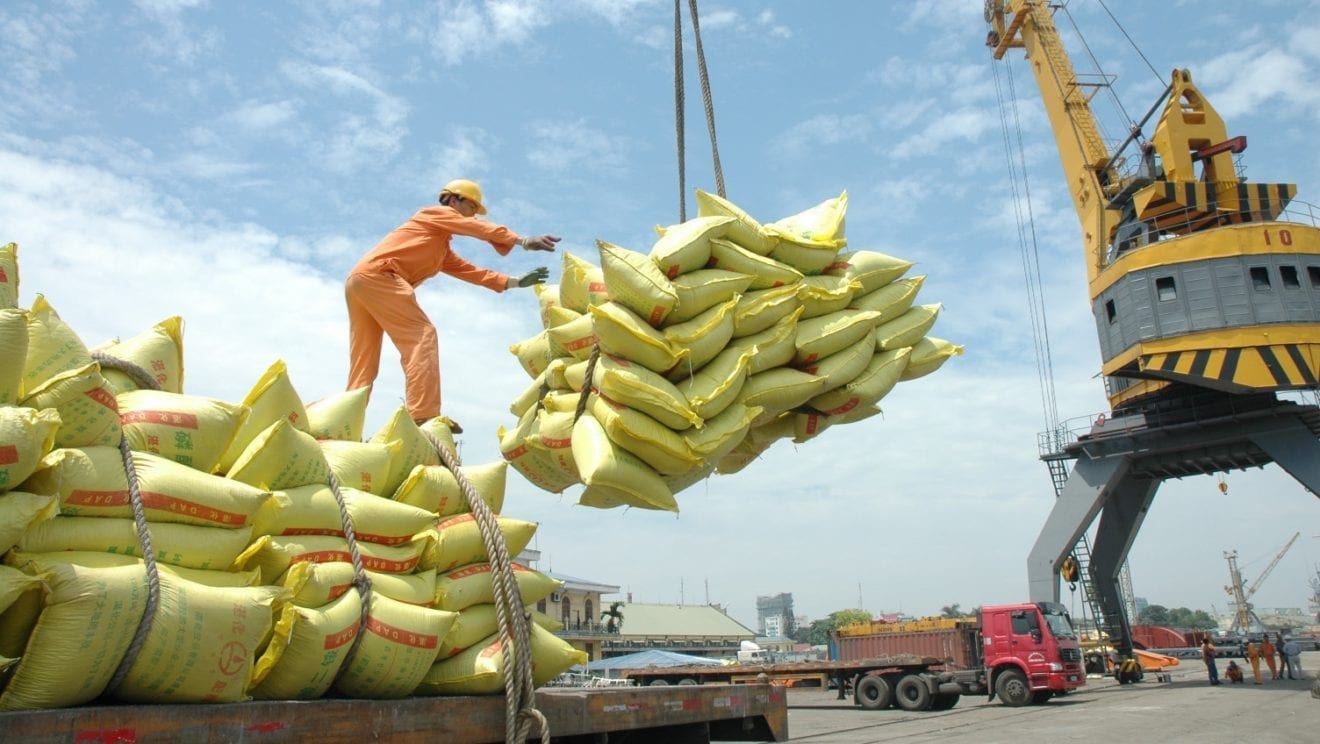
    Vietnam’s rice exports to Taiwan rose by 18.5% last year as quality improved and prices were competitive.

    It shipped 20,281 tons worth over US$10 million, accounting for more than 16% of Taiwan’s imports, the third highest market share.

    In recent years Vietnam’s exports of high-grade rice to the market have been steadily increasing as its prices are lower than Thailand’s, Taiwan’s second-largest source of imports at 23,042 tons.

    But Thailand’s exports declined by 20% last year. Vietnam’s sticky rice exports to Taiwan exceeded those of the U.S. and Thailand.

    Overall, Vietnam exported more than seven million tons of rice worth $3.5 billion to the global market last year.

    It was sold in European supermarkets for the first time.

  • Seafood exporter Minh Phu reports surge in profits

    Seafood exporter Minh Phu reports surge in profits

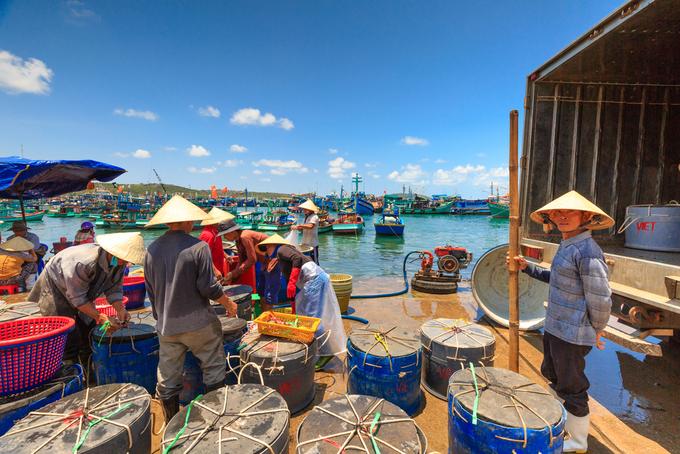
    Minh Phu Seafood Corp., a leading shrimp exporter, reported consolidated after-tax profits of nearly VND840 billion (US$35.6 million) last year, up 27% from 2021 and its highest since 2015.

    Its revenues rose by 20% to VND16.43 trillion.

    According to the Vietnam Association of Seafood Exporters and Producers, shrimp exports were worth a record $4.3 billion last year after rising by 11% on high demand and high prices in the first half.

    In the second half high inflation in major economies affected demand, and exports declined.

    In 2022 shrimp exports to China grew by 61%.

    Vietnam’s shrimp exports to it are expected to continue to surge this year after China’s reopening.

  • Thai retail giant to invest $1.45B in Vietnam

    Thai retail giant to invest $1.45B in Vietnam

    Thailand’s Central Retail Corporation has announced it will double the number of its Vietnam stores with its largest ever local investment of 50 billion baht (US$1.45 billion).

    The chain’s number of stores will jump to over 600 in 57 of 63 cities and provinces with the new investment over the next five years.

    Central Retail CEO Yol Phokasub said the Vietnamese market has immense potential for continued economic growth.

    He predicted the country would post GDP growth of 6.7% this year and 7.2% next year, compared with Thailand’s average of 3.5% a year. “This will make Vietnam the fastest-growing market in Southeast Asia,” he said.

    Central Retail Vietnam has reported that in this year alone it will invest 6 billion of the baht in developing its businesses nationwide with a focus on food to reinforce its leading position in the nation’s hypermarket segment.

    The Thai company also plans to renovate 10-12 Nguyen Kim chain electronics supermarkets while opening 3-5 new supermarkets and Go! Hypermarkets.

    Central Retail Vietnam currently operates more than 340 stores. Its revenue surged from 300 million baht ($8.7 million) in 2014 to 38.6 billion baht ($1.12 billion) in 2021.

    A Central Retail manager said that in 2022 despite the impact of the economic recession, rising goods prices, and a consumer cut in spending, its sales grew in double digits thanks to its “always low price” policy.

    Japan’s Aeon plans to operate 100 supermarkets across Vietnam by 2025. South Korean retail giant Lotte has also said it will open more supermarkets in Vietnam.

    After gradually withdrawing from China, Lotte now regards Vietnam as its third most important market after South Korea and Japan.

  • Vietnamese airlines race to find new investors

    Vietnamese airlines race to find new investors

    Pacific Airlines, Bamboo Airways, and Vietravel Airlines are seeking new investors to help them overcome financial difficulties and speed up their post-pandemic recovery.

    Vietnam Airlines, which owns approximately 98% of Pacific Airlines’ shares, has been searching for new investors for its subsidiary carrier since last year.

    The national flag carrier is also looking to sell its stake in jet fuel distributor Skypec to help alleviate some of its difficulties and gradually reduce its losses.

    By the end of last year, Vietnam Airlines was recording an accumulated loss of nearly VND34.2 trillion ($1.45 billion), and its shares are at risk of being delisted as the carrier is set to record three annual losses in a row.

    Bamboo Airways is also seeking new investors to help its ambitious development plans.

    Although the airline was expected to be invested in by a large southern property company, the deal has yet to be finalized and the airline is still looking for new investors.

    Rookie Vietravel Airlines is also seeking investors and has requested the government to increase its charter capital sixfold to more than VND7.6 trillion, mainly to expand its fleet.

    By 2030 the airline seeks to have VND8.25 trillion in charter capital, in which shareholders contribute VND2 trillion, with the remainder coming from undistributed profits and other investors.

    Nguyen Quoc Ky, chairman of Vietravel Airlines, said “the airline is lucky as it has attracted interest from some investors.” He added that the airlines prioritizes domestic investors who can journey with the airline for a long time.

    Each airline has its own strengths to entice investors.

    Pacific Airlines and Vietnam Airlines possess prime flight slots at major airports like Noi Bai and Tan Son Nhat.

    Bamboo Airways is the fastest growing airline with a fleet of 30 jets just four years after it was launched. It also has a network covering both domestic and international markets.

    Vietravel Airlines is part of tourism firm Vietravel’s ecosystem and therefore has a large customer base and a connection with tourism markets.

    Nguyen Hai Quang, a lecturer at the University of Economics and Law under Vietnam National University, Ho Chi Minh City, acknowledged that the pandemic has severely impacted the airline industry and that finding new investors is essential.

    “The aviation business requires large capital and aircraft-related expenses,” he said, adding that this is a good time for investors to join the industry.

    The International Air Transport Association (IATA) has forecast that the global aviation industry will become profitable again this year with a profit to sales ratio of 0.4%.

    But Quang also said that challenges lie ahead for Vietnamese airlines, and one of these is the recovery of the international markets.

    “Only when international markets resume pre-pandemic levels can Vietnamese carriers report profits again,” he said.

    Other factors such as fuel price, currency exchange rates, global economic growth and inflation will also play important roles in the performance of airlines, Quang said.

    When new investors are found, airlines will have many opportunities for growth, he added.

  • Vietnam needs to build national brands for fruits

    Vietnam needs to build national brands for fruits

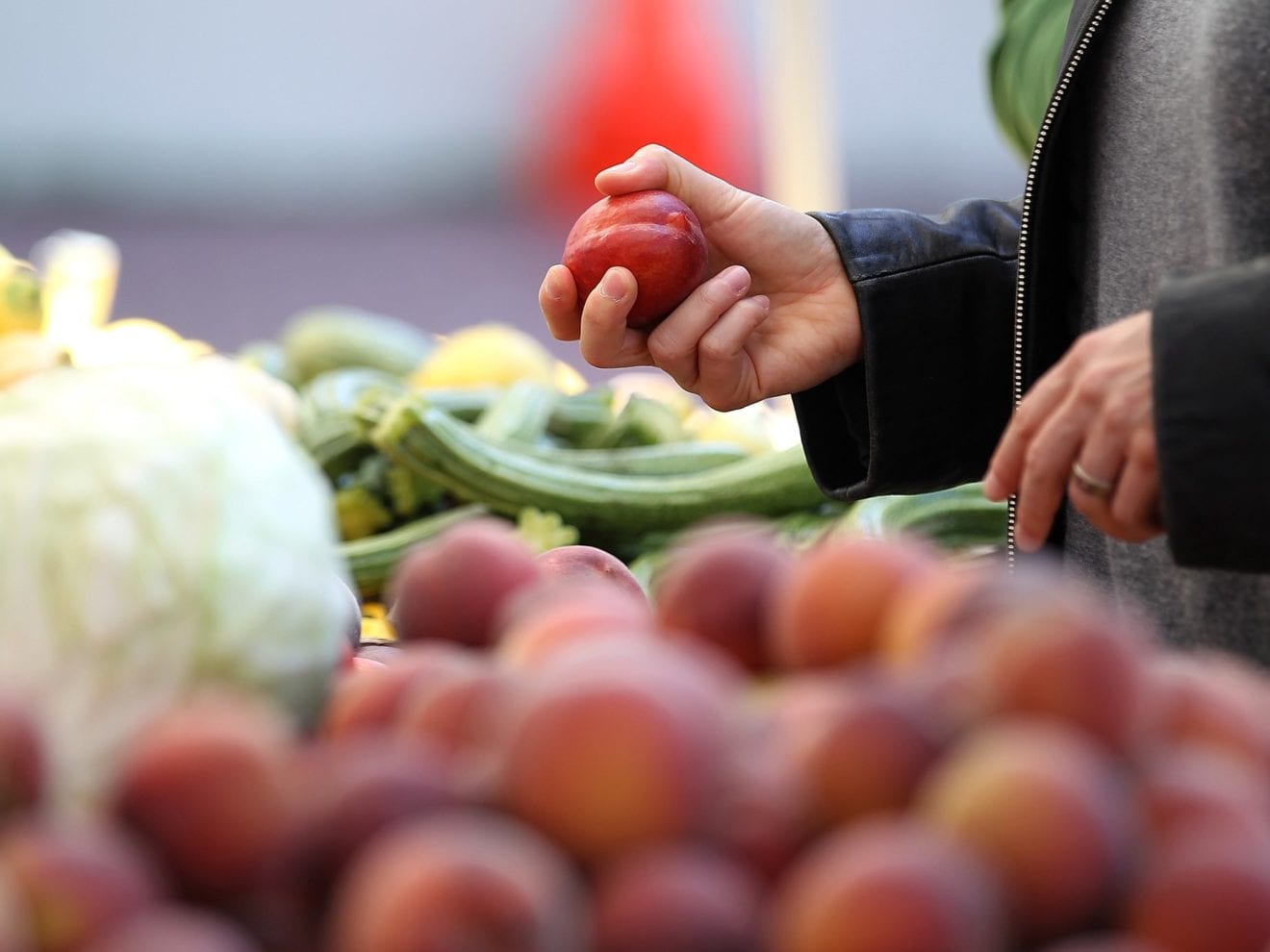
    Experts said that Vietnam must develop national fruit product brands to increase added value and competitiveness in international markets.

    Although fruits bring in billions of U.S. dollars in export revenue annually, Vietnam has no well-established fruit brands.

    “When talking about apples, we think about the US,” said Nguyen Dinh Tung, Director of Vina T&T Import-Export Company. “Talking about kiwis, we think about New Zealand. Talking about melons, we think about Japan. Talking about Monthong durians, we think about Thailand. Talking about Musang King durians, we think about Malaysia… Meanwhile, where many types of fruits are grown, Vietnam has no famous fruit brands.”

    Tung said Vietnam has Ri6 durian, which could compete with durian from Thailand and Malaysia in terms of quality and is chosen by many companies as an export product.

    However, it is still falling behind in terms of brand identity and value.

    “Because there is no brand, the price of Ri6 is always about 20% lower than Monthong and much lower than Musang King,” he said.

    Le Thi Kieu Oanh, Director of Apple LLC, which exports Vietnam’s agricultural products to Japan, said Japan imported dragon fruit from Vietnam, but only 10% were sold at supermarkets under Vietnamese brand names.

    According to Ta Duc Minh, Vietnamese Trade Counselor in Japan, Vietnamese lychees are exported to many countries and have become popular with the Japanese market.

    However, Vietnamese lychees remain inferior to their Japanese counterparts in terms of economic value, even though Japan does not have a production advantage in lychees.

    Japanese lychees are grown in Miyazaki over an area of around 10,000 hectares, and Japan has built a brand for its lychees as a precious fruit. There was a time when each Japanese lychee was sold for as much as $10 each, and people still waited in line to buy them, Minh said.

    According to Tung, Vietnam must develop national fruit brands to increase their value and competitiveness in the international market.

    “We should select several types of fruits to build national brands for,” Tung said. “Like New Zealand, this country successfully built brands for kiwis, which have markets around the world with the export value of over $3 billion per year, equal to the whole fruit and vegetable export of Vietnam.”

    To build fruit brands of national pride, Tung said it was necessary to pay attention to factors including varieties associated with soil, Vietnamese culture, quality, food hygiene and safety, planting area, high yield and preservation technology.

    Tung said that grapefruit, coconut and durian were fruits with large potential for export.

    He said that to build national fruit brands, it was vital to control the granting of geographical indication certificates strictly.

    Each type of fruit is only suitable for the climate and soil of certain localities. However, many kinds of fruit, such as pomelo, dragon fruit and lychee, are grown all over the country, which can affect branding, according to Tung.

    Therefore, it is important to select products associated with local culture and history to grant and manage geographical indication certificates.

    For example, the best quality coconuts are from Ben Tre province, lychees from Bac Giang and Hai Duong, white-flesh dragon fruit from Binh Thuan and red-flesh dragon fruit from Long An. Vietnam could choose typical products of each locality and upgrade them to national brands.

    Ngo Tuong Vy, General Director of Chanh Thu Company, said that among dozens of fruits exported, Vietnam could choose from three to five fruits to focus the resource on to build brands of Vietnam’s pride.

    “It’s time for Vietnamese fruits to focus on improving quality and adding cultural and creative elements to farming methods so that products contain stories that appeal to consumers,” Minh said.

    Minh pointed out that Japan focused on the quality of some world-famous fruits of the country. Even output was controlled to maintain selling prices. For some, special farming techniques were incorporated into the story to ensure the best quality.

    Building national brands and quality management databases and traceability systems would be the focus of the Ministry of Agriculture to increase the export value, Deputy Minister Tran Thanh Nam said, adding that growth should not be based on output any longer.

    He said that the agriculture ministry must work with the Ministry of Industry and Trade to propose to the Government a program to build national brands for agricultural products.

    The branding should also be integrated with a digitalization process in traceability, field diary, fruit chain management, and registration and protection of fruit brands in foreign markets.

    Vietnam’s export of fruit and vegetables reached nearly $3.34 billion in 2022, 80% of which were fruit exports.

  • Japanese firm looks to raise export-quality oysters in Vietnam

    Japanese firm looks to raise export-quality oysters in Vietnam

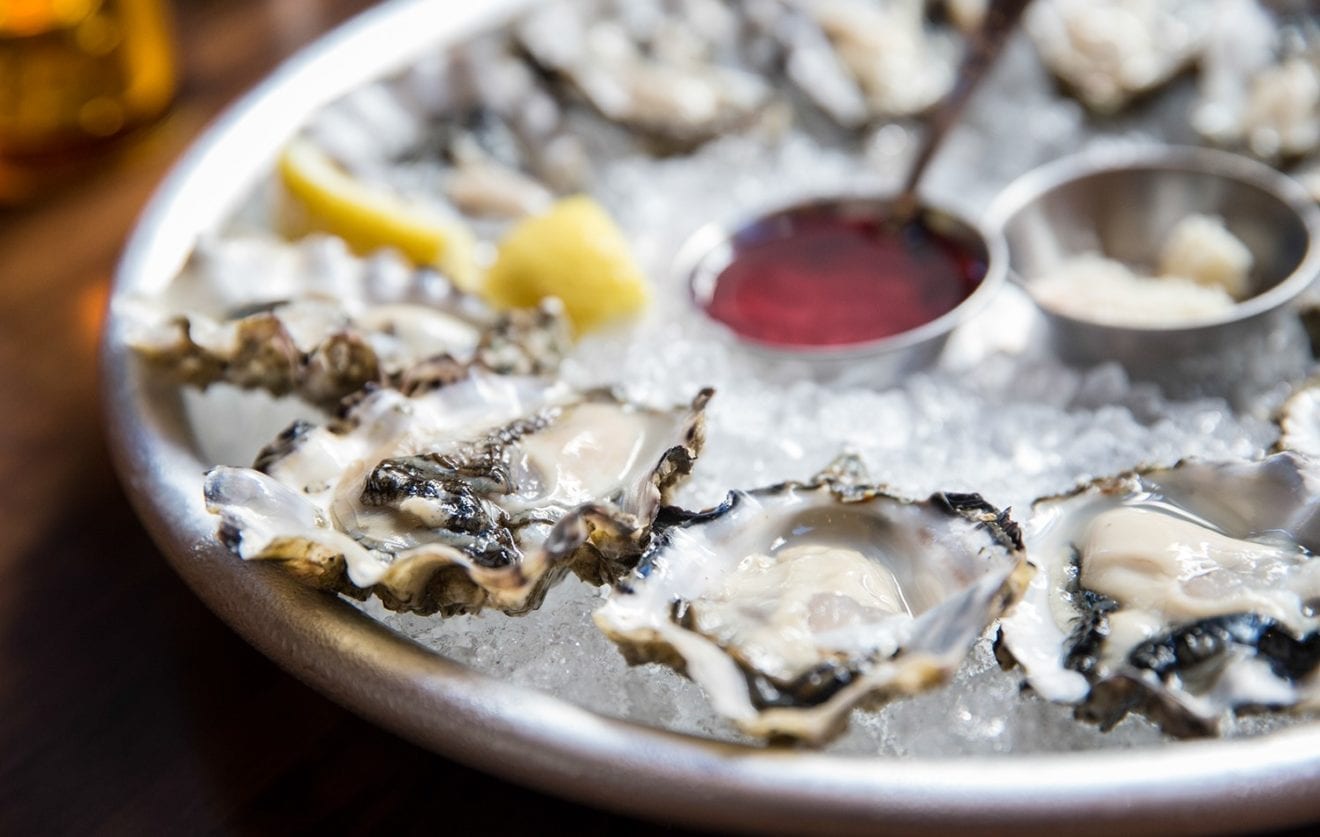
    Japanese seafood producer Yamanaka wants to partner with Vietnam agencies to raise oysters locally for both domestic and international markets.

    A feasibility research conducted by Yamanaka in the central province of Khanh Hoa since June last year, with the support of the Japan International Cooperation Agency (JICA), found that raising oysters in Vietnam under two Japanese methods brought high yields as well as oysters of a quality high enough to be eaten raw.

    “With this project we hope to establish a foundation for raising oysters with natural disaster resistance to improve productivity and farmer incomes,” said Shinji Takada, CEO of Yamanaka.

    Yakamana sells Japanese oysters in 350 sales points in Vietnam, but the company is now seeking to grow the shellfish locally and sell them in Vietnam, Taiwan and Thailand.

    Vietnam has nearly 3,000 hectares for oyster farming. The shellfish is being raised in 20 out of 28 seaside localities, with Khanh Hoa and Quang Ninh leading in numbers, according to the International Collaborating Centre for Agriculture and Fisheries Sustainability (ICAFIS).

    A farmer in Khanh Hoa needs around VND45 million ($1,904.44) to invest in an oyster raft which would fetch him VND30-50 million worth of oysters in a season. Each household typically has three to five rafts. There are three seasons each year in Vietnam, ICAFIS said.

    However, the added value of oysters in Vietnam remains low and therefore only a small amount of them are exported. In Khanh Hoa 95% of oysters are used as lobster food, while 4% goes to domestic consumption and 1% are exported.

    Ho Chi Minh City oyster farms produce over 21,000 tonnes of oysters a year but mostly for domestic consumption. Only two companies, BIM Group and VINABS, export oysters regularly.

    “A challenge in the oyster farming industry is setting up a clean source of water,” said Dinh Xuan Lap, deputy director of ICAFIS. “In Vietnam there is lack of technology to ensure the quality of oysters and to help them cope with natural disasters.”

    The hanging method and Australian basket method have both proved to be suitable for producing export-standard oysters in Vietnam, Japanese researchers have found.

    “We plan to set up an oyster cleaning system for commercial use, hopefully this or next year,” said Takada.

    One important step is identifying which oyster breed to farm, as the popular breeds in Vietnam cannot be raised with the hanging method, said Nguyen Thanh Luan, a seafood farming expert.

  • iPhone 14 prices in Vietnam cheapest in the world only after US

    iPhone 14 prices in Vietnam cheapest in the world only after US

    Low demand has driven iPhone 14 prices in Vietnam to the second lowest levels in the world after only the U.S. According to German data portal Statista, the price starts at US$799 in the U.S. while authorized Apple resellers in Vietnam sell it at VND19.7 million ($834.7).

    “The iPhone 14 is not popular, and so stores are selling them at close to import prices to recover capital,” said Thanh Son, the owner of a mobile phone showroom in HCMC’s District 1.

    But in other Asian markets, the prices are higher. They start at VND22.3 million in Singapore, VND20.7 million in Hong Kong, and VND23 million in Thailand.

    In Vietnam, the prices of two high-end models, 14 Pro, and 14 Pro Max, are only VND1 million lower than in the U.S.

    The iPhone 14 Pro Max costs VND28 million, down VND3.5 million within just one month. “This is an unexpected development because in previous years, it was not until June or July that iPhone prices fell steeply,” Nguyen Lac Huy, a manager at retail chain CellPhoneS, said.

    Unlike at the end of last year, the supply of iPhone 14s is now abundant, so people can choose colors and capacities.

    Nguyen Minh Khue, a manager at another retail chain, Viettel Store, said the prices of the entire iPhone 14 range were recently cut by up to VND2 million due to the falling demand and increasing supply.

    Some other Apple products are also among the cheapest in the world in Vietnam. An iPad 9 starts at VND7.5 million and a MacBook Air M1 at VND19.9 million, while in the second cheapest market, Hong Kong, the latter still sells at VND23.4 million.

  • Foreign startups eye Vietnam’s young population

    Foreign startups eye Vietnam’s young population

    Foreign startups are eyeing Vietnam as one of their main markets thanks to the country’s large and young population, low costs and cheap and abundant labor force abundant.

    Vietnam has been among the top markets in terms of revenue for Singapore’s insurance startup Igloo ever since the company was launched in 2021.

    “Vietnam is becoming one of our key markets,” Nguyen Huu Tu Tri, CEO of Igloo Vietnam. “The country’s insurance industry is set to reach $3.5 billion in 2026, but only 2-3% of that goes to tech insurance,” he said, adding that this means there is a large room for tech insurance growth.

    In its two years of operation, Igloo has sold 13 million insurance policies in Vietnam,10 million in last year alone. The target customers are people with low incomes who are not yet insured.

    The company also chose Vietnam as a site to launch its first insurance policy aimed at protecting rice farmers using weather data and blockchain.

    Igloo hopes to become the top insurtech company in Vietnam.

    For India’s car rental startup Zoomcar, the market in Vietnam is promising as the country has a population of nearly 100 million people and a growing demand for cars.

    Zoomcar connects unused car owners with renters and has recorded over 100,000 registered users, including 3,000 car owners.

    “We are approaching the breakeven point on each trip and expect to grow 200%-300% this year,” said Kiet Pham, national manager of Zoomcar Vietnam.

    Vietnam’s advantage lies in its young and tech-savvy population and its rising middle-class, the two startup leaders said.

    Tri said that after the Covid-19 pandemic people are starting to be more interested in insurance products, with a surge in the number of those who are ready to make purchases.

    Zoomcar sees a large demand for car usage in Vietnam. However, the company says that the cost of owning a vehicle is high, which means there will be a large demand for rental services.

    Vietnam’s car rental market is set to reach $884 million by 2027 with a compound annual growth rate of nearly 14%, according to market researcher Mordor Intelligence.

    “Vietnam is the fastest growing market for Zoomcar in Southeast Asia,” Kiet Pham said.

    The number of start-ups from Singapore venturing overseas through Enterprise Singapore’s Global Innovation Alliance (GIA) acceleration programs has ballooned to more than 400 in less than five years. And one of the more popular destinations is Vietnam, with its large workforce, lower labor costs and sizable market.

    From 2020 to 2022, nearly $2 billion has been poured into startups, according to the Ministry of Planning and Investment.

    The Vietnam Silicon Valley Capital Investment Fund, a partner of Lotte Ventures and Korean government agency KISED, last year introduced 14 excellent Korean startups, which plan to bring new products to Vietnam.

    Hong Sun, vice president of the Korean Chamber of Commerce and Industry, said that Korean startups tend to invest in Vietnam after they see many successful companies in the market. He also forecast that many new startups will come to Vietnam in the near future.

    Last year, a report by the World Intellectual Property Organization (WIPO) said that Vietnam ranked 48th out of 132 countries and territories in achieving the greatest progress in the past decade.

    Although Vietnam has fallen four places compared to 2021, it is still in the third position in Southeast Asia, after Singapore and Thailand. Vietnam is also ranked 54th in the global innovative startup ecosystem, up five places compared to 2021

    But startup insiders have found many challenges, especially in changing user attitudes.

    The technology insurance industry, people’s confidence in insurance in general is low and therefore people are not willing to pay for it.

    Furthermore, the lack of high-quality human resources in the technology sector will make it a struggle for Vietnam to meet the development needs of foreign startups.

  • Gasoline prices up, oil down

    Gasoline prices up, oil down

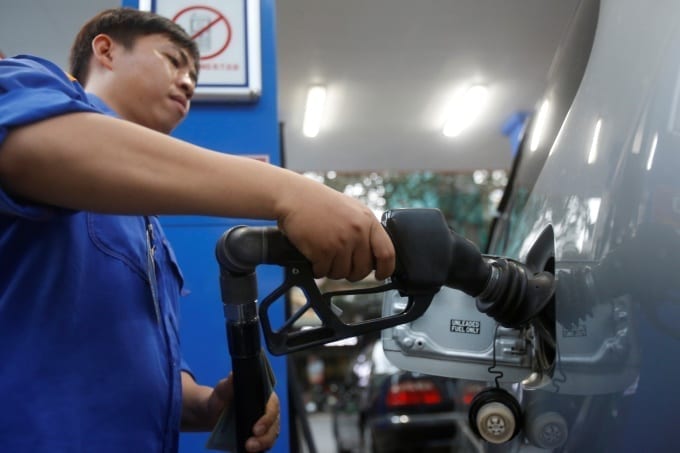
    Gasoline prices unexpectedly rose Monday by VND540-620 (US$2.3-2.6 cents) per liter, while oil products dropped by VND300-980 per liter.

    This is the fifth time retail fuel prices have been adjusted in only six weeks this year.

    The price of the Vietnam’s number one selling gasoline RON 95-III went up by VND620 to VND23,760 per liter, and the cost of E5 RON 92 increased by VND540 to VND22,860.

    Meanwhile, the diesel price fell by VND960 to VND21,560, kerosene dropped by VND980 to VND21,590 dong per liter, and mazut oil decreased VND300 to VND13,630.

    The price hikes announced by the Ministry of Industry and Trade and the Ministry of Finance surprised businesses because it went against the previous forecast.

    However, the two ministries said their fuel price management plan would help curb inflation and stabilize the market.