Tag: Vietnam

  • Taxi firm Vinasun payroll increases again after 6 years

    Taxi firm Vinasun payroll increases again after 6 years

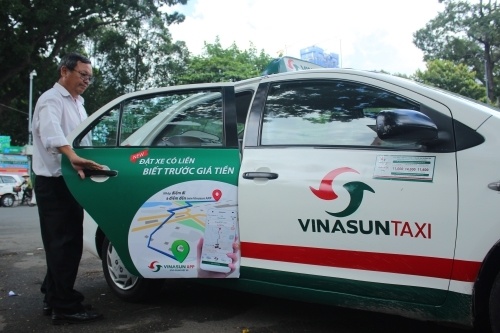
    Vinasun’s payroll increased by 10% last year, the first time since 2016 hires outnumbered layoffs.

    The leading taxi operator said it had 2,013 employees at the end of last year, 136 more than at the beginning of the year.

    General director Ta Long Hy said the figures do not fully reflect its recovery and expansion level because drivers who sign franchising contracts with the company are not counted as full-time employees.

    “In fact, between April and year-end last year, we recruited around 2,700 drivers,” he said.

    In 2016 Vinasun had the largest market share and payroll – 17,200 – in the taxi industry.

    A year later, when it switched to a franchising model and was affected by the boom in ride-hailing apps, the number fell to 7,100. Since then the number of employees kept decreasing.

    Hy said last year Vinasun adopted many new policies to attract drivers, bought 550 new cars, and launched a luxury service.

    “All of our taxis operated in the last two quarters of last year, while a year earlier half of them remained parked.”

    Last year, Vinasun earned revenues of VND1.1 trillion (US$46.6 million), double the 2021 figure and back to pre-pandemic levels, and pre-tax profits of VND187 billion.

    In 2021, it had incurred losses of VND277 billion.

    The Vinasun share has gained 35% since mid-November last year.

  • Vietnam fuel imports doubled in 2022

    Vietnam fuel imports doubled in 2022

    Vietnam’s fuel oil and gasoline imports almost doubled to US$9 billion last year from $4.9 billion in 2021.

    Volumes were 28% up to 8.9 million tons. Diesel accounted for 54% of the volume, gasoline for 19% and jet fuel for 16%.

    South Korea was the biggest supplier, providing 3.2 million tons, followed by Singapore and Malaysia.

    The fuel market saw major turbulence last year with many gas stations across the country shutting down in the second and third quarters as retail prices were too low for them to break even.

    The Ministry of Industry and Trade has instructed distributors to increase supply by 10-15% from last year to 25.9-26.7 million tons this year.

    The country’s largest refinery, Nghi Son, cut production by 25% earlier this month due to a technical issue, but fixed it by January 15 and promised to increase production during the rest of the month to make up.

    It will again have to shut down starting August 25, this time for 55 days, for major maintenance work.

    Some retailers said recently that since authorities did not fix new retail prices on January 21 as scheduled and instead put off the announcement to February 1 they are selling at low commissions and even making losses after global prices shot up during the Tet holidays which lasted from January 20-26.

  • Global smartphone shipment slowdown could hurt Vietnam

    Global smartphone shipment slowdown could hurt Vietnam

    Manufacturing hubs like Vietnam and South Korea could be hurt this year as global smartphone shipments suffered its worst quarterly drop on record, signaling a cool down in consumer demand.

    Shipments declined 18.3% year-on-year in the December quarter to a little over 300 million units, U.S.-based International Data Corporation said Thursday.

    Xiaomi’s shipment volume declined steepest at 26.3%, followed by vivo (down 18.9%) and OPPO (down 15.9%).

    For the year, global shipments fell 11.3% and marked the lowest total for a decade, the researchers said.

    “We have never seen shipments in the holiday quarter come in lower,” Nabila Popal, research director at IDC.

    Along with inflation and economic uncertainties, Covid lockdowns in China were another factor that hurt the industry, including Apple Inc.’s iPhone sales, she said. “Heavy sales and promotions during the quarter helped deplete existing inventory rather than drive shipment growth.”

    Smartphones are among the largest exports for Korea and a key source of income for Vietnam as Samsung Electronics operates factories in both countries.

    Samsung last quarter reported its biggest profit fall in over a decade, primarily led by a drop in demand for semiconductors. The company’s exposure to smartphone sales is amplified by its role as the leading provider of memory and displays for the industry.

  • Steel giants report huge losses in Q4

    Steel giants report huge losses in Q4

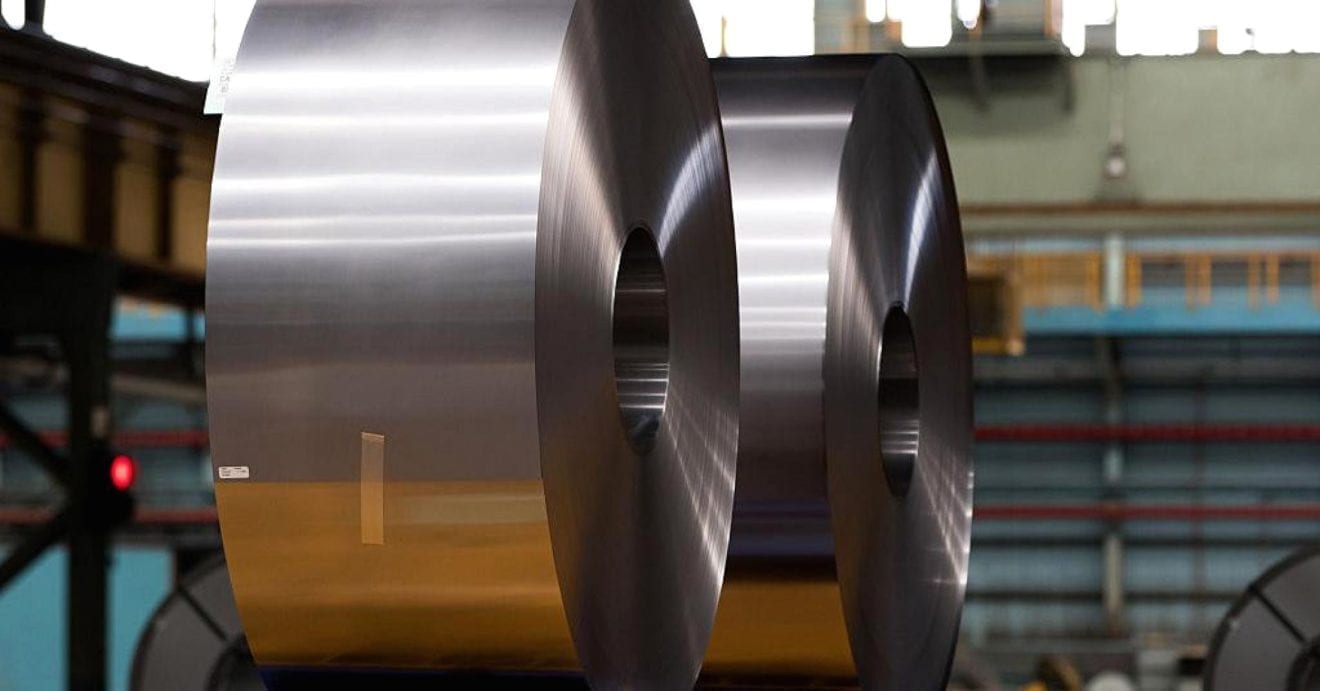
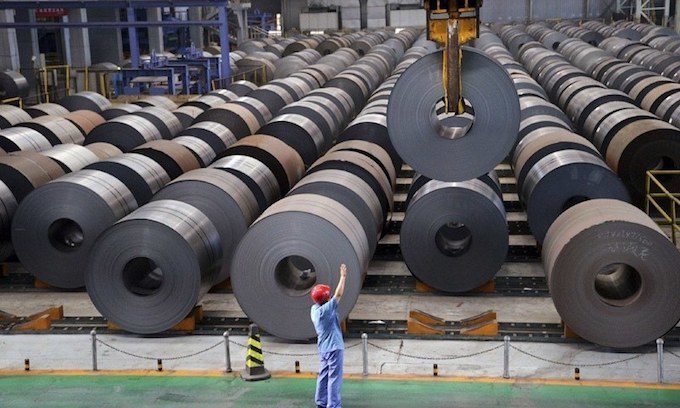
    A drop in prices and consumption put major steel businesses Hoa Phat, Nam Kim and VNSteel in the red in the fourth quarter of 2022, dragging their annual results to the lowest level in many years.

    Hoa Phat, which accounts for nearly 35% of Vietnam’s construction steel market, reported a nearly VND2 trillion (US$85 million) loss in the fourth quarter of 2022, after earning a profit of VND7.419 trillion in the same period of 2021. Losses in two consecutive quarters of Q3 and Q4 dragged the company’s profits down by around 75% compared to the first half of the year, to more than VND8.4 trillion.

    Vietnam Steel Corporation (VNSteel), accounting for 11.2% of the construction steel market, reported VND410.5 billion loss in the fourth quarter and a VND822.4 billion loss for the whole year, which was the company’s first loss since 2014 and its biggest loss since it started issuing financial statements in 2011.

    Nam Kim Steel, the leading coated steel manufacturer in Vietnam, lost VND356.3 billion in the fourth quarter, which resulted in a loss of VND67 billion for 2022, after more than 10 years of making huge profits, including VND2.225 trillion in profits in 2021.

    The steel market was gloomy last year.

    A Vietnam Steel Association report shows that steel production dropped nearly 12% from the previous year to 29.3 million tons, while steel consumption dropped more than 7% to 27.3 million tons.

    “For Vietnam’s steel industry, 2022 was a challenging year with falling consumption and complicated developments in material costs,” the report said. “Many businesses encountered difficulties and suffered losses.”

    Domestic steel prices have been falling since August 2022, hitting a two-year low of VND14 million a ton in the fourth quarter.

    The industry depends largely on public investment and the property market, the latter of which has been in a slump for months.

    VNDirect Securities Corp. projected that the industry will continue to face difficulties this year amid a low demand for construction and high manufacturing costs.

    The sector may see some upturn in the export market with China reopening and its real estate market recovering, the corporation said.

  • Vietnam cryptocurrency miners install more rigs as Bitcoin climbs

    Vietnam cryptocurrency miners install more rigs as Bitcoin climbs

    Cryptocurrency prices have surged this month, prompting Vietnamese to install mining rigs although it’s not yet a lucrative trade.

    The price of Bitcoin increased from $18,000 to $21,000 on Jan. 14 and has moved sideways since then. The prices of many other cryptocurrencies, including ETC, Aleo, Kat, and ERG have also risen this month.

    Thien Binh, a seller of cryptocurrency mining rigs in Vietnam, said that people had bought many second-hand Asic rigs to mine Doge over the past week.

    On average, an old Asic Baikal G28 model costs VND13 million ($550.8), one-third the cost of a new machine. If the current Doge price of $0.08 remains unchanged for months, miners will break even after 9-10 months.

    A veteran miner said: “We are buying more rigs because mining is still easy now. We will eventually make profits if the Bitcoin price maintains its current level ($21,000).”

    Binh Minh, who owns many rigs in the southern province of Dong Nai, said some people have heavily invested in installing big networks of rigs to mine ETC and Bitcoin.

    Some miners are depositing their rigs at solar farms to cut down electricity costs and increase profits. Most miners use grid electricity.

    According to Hoang Quan, the administrator of a cryptocurrency mining community with nearly 70,000 members, mining is not lucrative at the moment, thanks to the current price of electricity and cryptocurrencies. But he said the recent increase in cryptocurrency prices is still good news ahead of the Tet holiday (Lunar New Year), which falls in late January.

    Some experienced miners said that although the Bitcoin price is rising, the cryptocurrency market is inherently unpredictable, and miners may face more difficulties in the coming time.

    Vietnam had the second highest rate of cryptocurrency use among 74 economies surveyed in 2021, according to market data provider Statista.

    However, cryptocurrency has not been recognized as legitimate currency in Vietnam. Its central bank has warned that owning, trading and using cryptocurrency is risky and comes with no legal protection.

  • Vietnam Airlines reports $430M loss on fuel price

    Vietnam Airlines reports $430M loss on fuel price

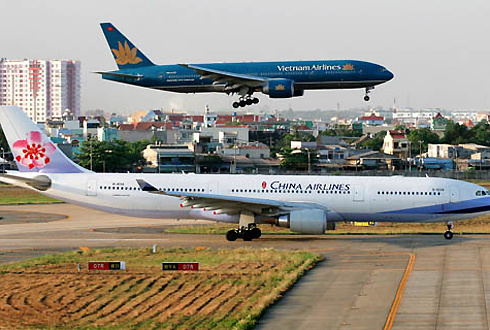
    Vietnam Airlines reported a loss of VND10.09 trillion ($430.3 million) last year and blamed it on rises in fuel prices and exchange rate volatility.

    Its revenues were worth around VND71 trillion, equivalent to 70% of revenues in 2019 before the Covid-19 pandemic hit but higher than the combined figures of 2020 and 2021.

    As of last year the carrier had accumulated losses of VND34.2 trillion.

    Yet it remains optimistic about 2023 since global markets have been recovering since late 2022 and said it would take measures to address the losses issues.

  • Steelmaker Hoa Phat reports bigger losses in Q4

    Steelmaker Hoa Phat reports bigger losses in Q4

    Hoa Phat Group, Vietnam’s biggest construction steel firm, posted net losses of nearly VND2 trillion ($84.7 million) in Q4 last year, higher than the losses of roughly VND1.8 trillion in Q3.

    The company’s losses in Q3 was its first quarterly loss in 13 years.

    Hoa Phat made revenues of VND26 trillion in the fourth quarter, seeing a year-on-year fall of 42%, bringing the total revenues last year to VND142 trillion, down 5%, due to weaker demand for various steel products.

    Its after-tax profits were over VND8.4 trillion in 2022, down 76% against 2021.

    The firm supplied the local market with 7.2 million tons of steel products, including 4.3 million tons of construction steel, last year, posting a year-on-year drop of 7%, and holding a market share of nearly 35%.

  • Samsung Vietnam exports $65B in 2022

    Samsung Vietnam exports $65B in 2022

    Samsung Vietnam exported $65 billion worth of products last year, down 0.8% from 2021.

    The company’s exports accounted for nearly 9% of Vietnam’s total trade turnover of $700 billion last year, Deputy Prime Minister Le Minh Khai said during a recent meeting with Park Hark Kyu, president of Samsung Electronics.

    Khai also praised the company’s launch of its R&D center in Hanoi last month, which is Samsung’s biggest such facility in Southeast Asia.

    Park said he has traveled to Vietnam more than 20 times to look for investment opportunities.

    “For the last 10 years, every time I look back, I think that investing in a factory in Thai Nguyen Province was a wise choice,” said Park, referring to the northern locality where Samsung placed its key smartphone manufacturing plant.

    To date, Samsung has invested $18.2 billion in Vietnam and plans to increase the figure to $20 billion.

    Half of Samsung’s smartphones are produced in Vietnam.

  • Wood exports to hit record of $18B this year

    Wood exports to hit record of $18B this year

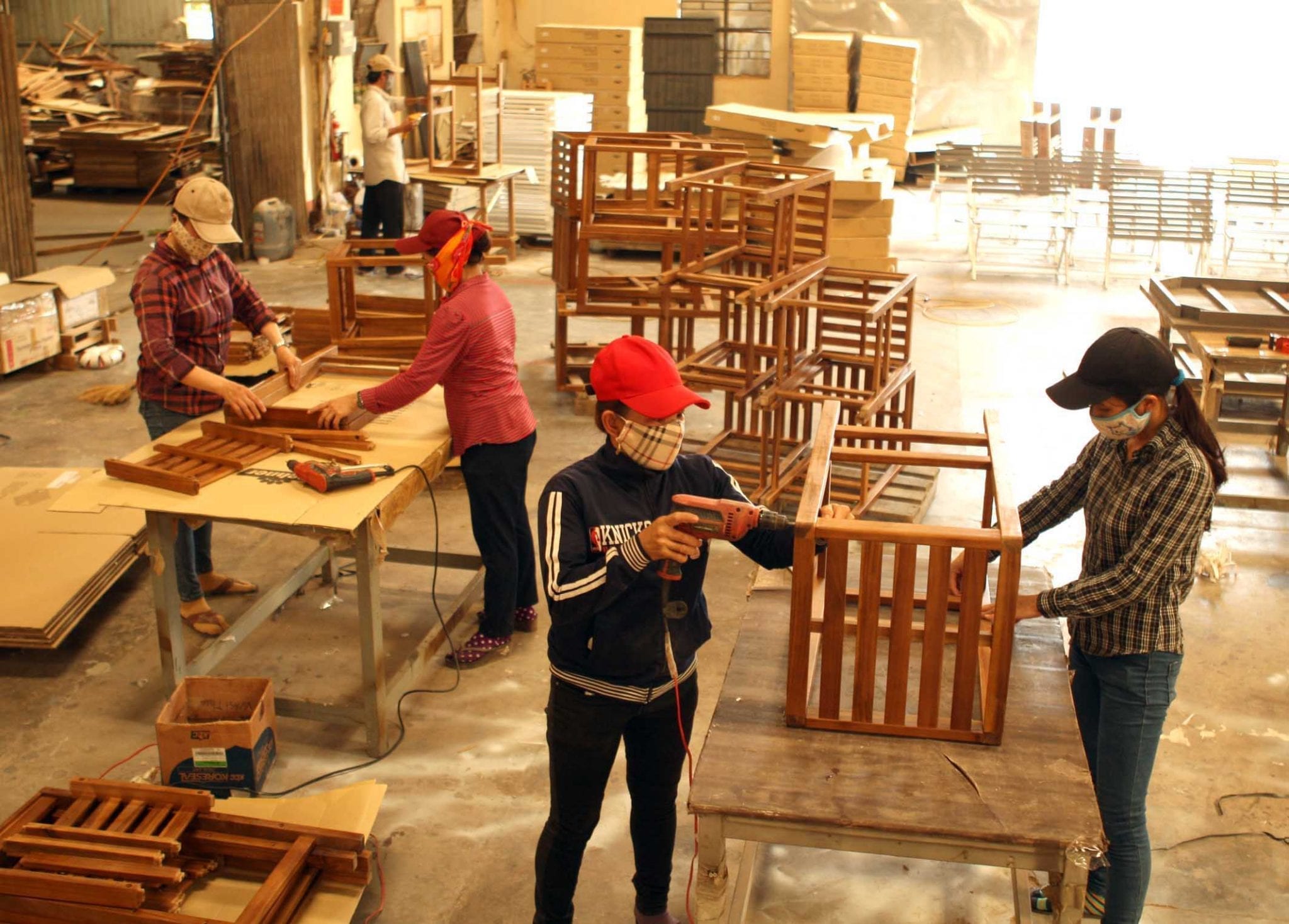
    The export turnover of wood and wood products is expected to set a record high of $18 billion in 2023, with wood pellets and woodchips forecast to enter the one-billion U.S. dollar club.

    President of the Vietnam Timber & Forest Products Association (Viforest) Do Xuan Lap said that the figure will represent a 7-9% growth rate.

    To that end, the industry will focus on raising the competitiveness of enterprises by reducing the use of imported wood, applying science and technology to improve labour productivity, and stepping up digital transformation to cut production costs.

    In fact, in the fourth quarter of 2022, the number of orders decreased, and the gloomy atmosphere may linger on until the end of the first quarter of 2023. However, most of the businesses believe that the situation may begin brightening from the second quarter.

    Pellets and woodchips are also hoped to be a motivation for the development of the sector this year.

    Nguyen Thanh Phong, head of the wood pellet branch under the Viforest, said that Vietnam earned over $700 million from exporting nearly 4.7 million tonnes of pellets last year, up 35% in volume and 81% in value year-on-year,

    Currently, Vietnam is the world’s second-biggest exporter of wood pellets, and the export value of this product is predicted to surpass $1 billion this year.

  • Vietnam Airlines adds 108 flights for Tet

    Vietnam Airlines adds 108 flights for Tet

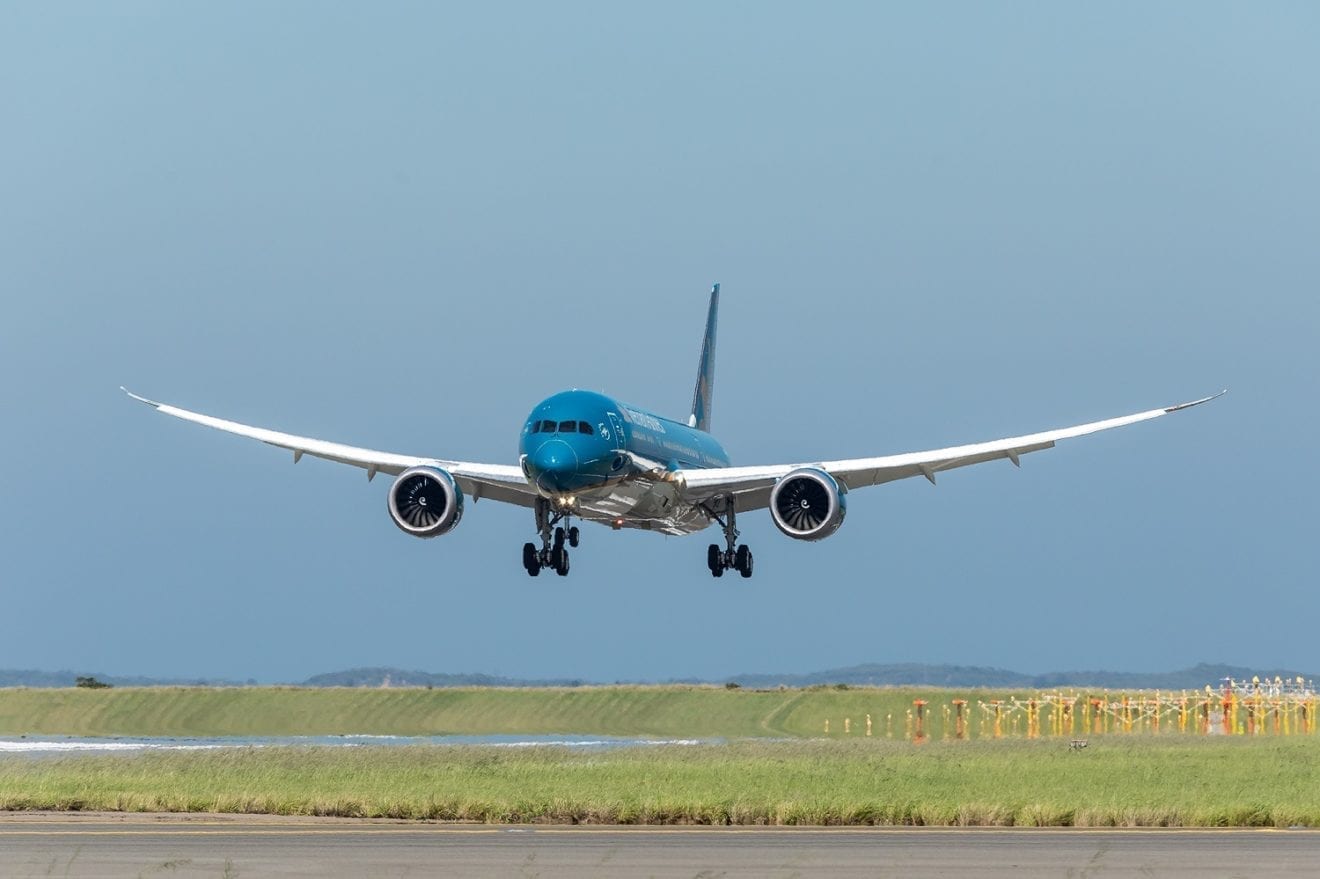
    Vietnam Airlines has expanded its Tet schedule for a fourth time with 108 additional flights with 20,000 seats.

    The airline said most of the flights are from HCMC and Hanoi to Vinh, Thanh Hoa, Hai Phong, Da Nang, and Hue.

    In all there will 9,200 flights with 1.9 million seats between January 1 and February 5.

    Vietnam Airlines had earlier announced three additions in August and December for Tet in late January.

    Other carriers like Vietjet, Bamboo Airways and Vietravel Airlines have also added flights.

    Data from the Civil Aviation Authority of Vietnam showed that more than 90% of seats on flights from HCMC to central and northern destinations between January 14-21 had been booked as of January 12.

    Many people from the central provinces of Thanh Hoa, Nghe An and Quang Binh work in the southern city and return to their hometown to celebrate Tet with their family.

  • Hanoi ride-hailing services struggle to cope with Tet demand

    Hanoi ride-hailing services struggle to cope with Tet demand

    Hanoians are struggling to book ride-hailing and delivery services during the runup to Tet (Lunar New Year holidays).

    Hoang Viet of Nam Tu Liem District had an interminable wait before he could get a motorbike on a ride-hailing app on January 15 evening.

    He said: “The apps kept saying all drivers nearby were busy. It took me nearly an hour for a motorbike driver to accept my trip.”

    On the morning of January 16, Nguyen Linh of Tay Ho District had to wait longer than usual to get a GrabCar and the fare had nearly doubled from just a few days ago.

    On January 15 morning, Phuong Anh, who sells Tet gifts, could not find drivers to deliver goods to her customers though fares were higher than usual amid.

    Seeing the surging demand, more ride-hailing and delivery firms have decided to apply surcharges during Tet, Vietnam’s biggest festival, which this year is celebrated from January 20-26.

    Grab has a surcharge of VND5,000 ($0.21) on motorbike rides and delivery orders and VND15,000 on taxi rides.

    Other ride-hailing companies Be and Gojek charge VND5,000-20,000 extra, and delivery service provider Baemin charges VND10,000.

  • Gold prices increase

    Gold prices increase

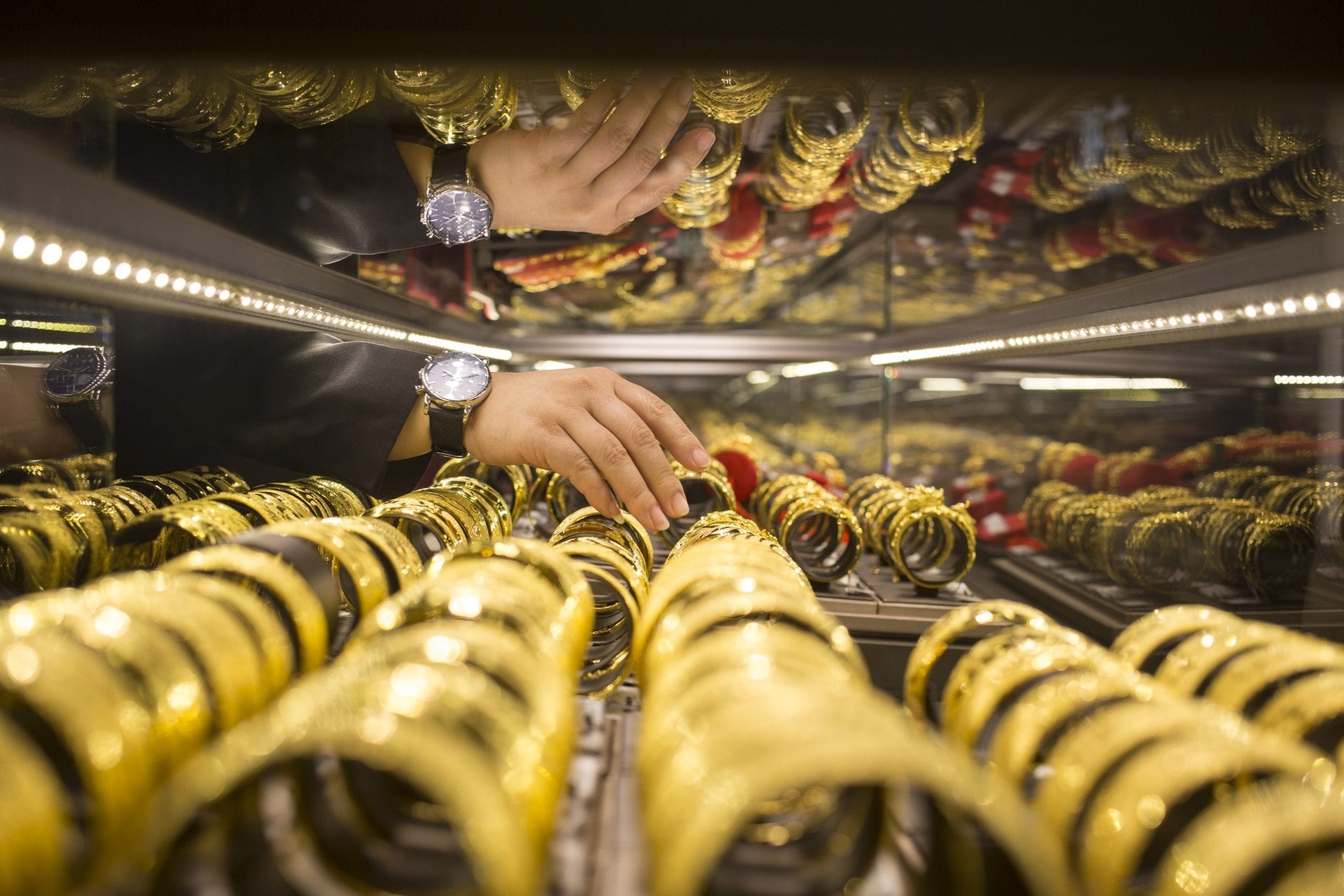
    SJC gold prices gained 0.15% to VND67.3 million ($2,871.46) per tael Tuesday morning.

    Gold ring prices went up 0.18% to VND55.45 million per tael. A tael equals 37.5 grams or 1.2 ounces.

    Global gold prices inched lower on Tuesday, weighed by an uptick in the dollar, although hopes of slower interest rate hikes by the Federal Reserve capped further losses.

    Spot gold was down 0.4% at $1,910.48 per ounce. The dollar gained 0.3%. A stronger dollar turns gold less attractive to buyers with other currencies.

    “Expectations of the Fed slowing pace of rate hikes has been supporting gold. Currently, we are seeing a technical pullback as prices entered the overbought territory. Also, the dollar is firming slightly,” said Ajay Kedia, director at Kedia Commodities, Mumbai.

    “We expect silver to outperform gold in 2023 as there is good industrial and investment demand amid low inventories.”

  • Global tech investors continue to bet on Vietnam

    Global tech investors continue to bet on Vietnam

    Vietnam’s growing capacity to make complex tech products is attracting more foreign investors who are setting up factories.

    Apple supplier BOE Technology Group plans to invest US$400 million to build two factories in Vietnam, Reuters reported recently.

    The report said it is in talks to lease land in the north to put up factories to add to its relatively small plant in the south that supplies mostly television screens to South Korea’s Samsung and LG Electronics.

    BOE is the latest tech company to eye Vietnam as its next manufacturing hub, where already smartphones, laptops and cameras are made by or for multinationals such as Samsung and Apple.

    In the north, where Apple suppliers such as Luxshare and Foxconn already have a presence, BOE will lease 100 hectares to build a $150-million plant for making remote control systems on 20 ha and others for manufacturing displays.

    BOE will invest $250 million in a plant on 50 ha while suppliers will use the remaining 30 ha.

    Everything will be in place by 2025.

    The company plans to make the more sophisticated organic light-emitting diode, or OLED, screens there rather than liquid-crystal displays.

    A recent survey by German logistics firm Container xChange found that 67.3% of respondents believe Vietnam and India will rise as container shipping hubs in 2023.

    They expect the two countries to change the global shipping industry as companies look to expand their network of manufacturing locations, the survey, which polled 2,600 industry professionals in 20 countries, said.

    Their expectations seem to be influenced by the fact that many tech giants established or expanded their presence in Vietnam last year.

    In December Apple was reported to soon begin MacBook production in Vietnam for the first time, while Samsung, which has been making half of its smartphones in Vietnam, opened its biggest research and development center in Southeast Asia in Hanoi.

    American aviation firm Boeing held its first Aerospace Industry Forum in Vietnam in August, seeking local suppliers for its global supply chain.

    U.S. company Synopsys, one of the world’s biggest chip design software makers, is set to invest in and shift its engineer training to Vietnam, while last year South Korea’s Amkor Technology signed a deal to set up a $1.6-billion semiconductor materials manufacturing factory in the northern province of Bac Ninh.

    “Vietnamese workers have been improving in their tech manufacturing capability, and foreign companies such as Samsung have been increasingly recruiting locals from the top local universities,” Do Thi Thuy Huong, a member of the Vietnam Electronics Industries Association’s executive board, said.

    In the last five years Vietnam has expanded its presence in supply chains and is now capable of making complex products, which is why more foreign firms are choosing it as their next manufacturing hub, she told VnExpress International.

    The Politburo, the Communist Party’s highest body, issued a decree in 2019 that sought to improve the quality of foreign projects in the country.

    FDI plays a major role in the Vietnamese economy, accounting for a large share of all investment. FDI disbursement last year rose 13.5% to $22.4 billion.

    In September last year Prime Minister Pham Minh Chinh told a group foreign business executives that Vietnam would create a safe and transparent investment environment and urged them to keep faith and do long-term business in the country.

    The government has always had consistent policies to ensure economic stability, control inflation and maintain reasonable foreign exchange and interest rates, he added.

  • Gold prices rise

    Gold prices rise

    SJC gold price gained 0.30% to VND67.2 million ($2,866.89) per tael Monday morning.

    Gold ring price went up 0.54% to VND55.35 million per tael. A tael equals 37.5 grams or 1.2 ounces.

    Global spot gold held at $1,918.60 per ounce, near nine-month highs, aided by expectations of slower interest rate hikes from the U.S. Federal Reserve.

    Market participants expect a 25 basis points rate hike increase at the Fed’s next policy meeting.

    Lower rates tend to benefit gold as they decrease the opportunity cost of holding the non-yielding bullion.

    Premiums for physical gold rose sharply in China last week, buoyed by optimism around the country’s reopening before Lunar New Year festivities, while Indian traders offered steeper discounts as record-high local prices dented consumer sentiment.

  • KienlongBank postpones stock exchange listing

    KienlongBank postpones stock exchange listing

    Kien Long Commercial Joint Stock Bank has postponed its listing on the Ho Chi Minh City Stock Exchange (HoSE), citing unfavorable market conditions.

    The bank approved a resolution to withdraw its application to list on Friday, also citing “shareholder interests” as a deciding factor.

    The move comes five months after KienlongBank (KLB) submitted its initial application request to HoSE.

    The bank reported that it would inform shareholders when it decides to attempt listing again under more favorable conditions in the future.

    According to the lender, KLB General Director Tran Ngoc Minh will negotiate and terminate the bank’s stock listing consulting contract with Nhat Viet Securities Company.

    Currently, KLB trades at UPCoM at VND12,200 (US$0.52) per share, less than a third of its peak set in March 2022.

    KienlongBank had begun planning to list shares on the stock exchange towards the end of 2021.

    KLB also once applied to change its name to KSBank, but the motion was not approved by the State Bank of Vietnam.

    In the first nine months of 2022, KienlongBank’s consolidated profit dropped to VND513 billion, a decline of 40% year-on-year due to a sharp increase in bad debts and a rapid increase in operating expenses.

    The bank has also had difficulty mobilizing deposits from customers after its deposit balance decreased by 18% to just VND42,200 billion over the first nine months of last year. Outstanding loans at the end of the third quarter of 2022 increased by 7% to VND41 trillion.