Tag: Vietnam

  • Consumer price index up 3.15% in 2022

    Consumer price index up 3.15% in 2022

    Vietnam recorded year-on-year growth of 3.15% in the 2022 consumer price index (CPI) while core inflation increased 2.59%, the General Statistics Office (GSO) said on December 29.

    The Vietnamese economy has recovered in 2022. Surging production demand to serve consumption and export, added with soaring global commodity prices, has fueled prices of goods and essential services, but prices are basically still under control, GSO General Director Nguyen Thi Huong told a press briefing in Hanoi.

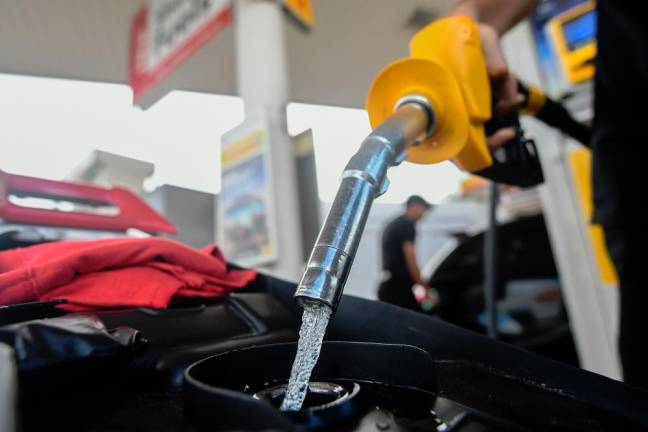
    Pointing out some contributors to the CPI growth, the GSO said domestic petrol and oil prices have been adjusted for 34 times, increasing 28.01% from a year earlier, while gas prices were up 11.49%.

    Rice prices have fluctuated in line with export prices and market demand to go up 1.22% from 2021. Foodstuff price also increased 1.62%. Besides, housing and construction material prices climbed up 3.11%.

    Meanwhile, there are also some factors curbing the CPI uptrend, including pork prices down 10.68% thanks to the African swine fever containment and guaranteed supply, house rent down 1.83% due to the Covid-19 pandemic in the first months of 2022, and prices of postal and telecommunications services down 0.37% as a result of lower mobile phone prices.

    This year’s core inflation increased 2.59% from 2021, lower than the CPI growth of 3.15%, showing that changes in consumer prices have been driven mainly by food, petrol, oil, and gas prices, according to the GSO.

    The office added domestic gold prices have seen mixed changes in line with the global market, rising 5.75% this year. Prices of the US dollar also hiked 2.09% from 2021.

    In December alone, CPI dropped slightly, by 0.01% month on month, but still grew 4.55% from December 2021. While two of the 11 categories of main consumer goods and services witnessed month-on-month price declines, nine experienced higher prices.

    The December core inflation inched up 0.33% from November and 4.99% from the same period last year.

    General Director Huong said to actively cope with surging inflationary pressure, the Government has ordered ministries, sectors, and localities to issue many timely policies and implement concerted measures to minimise adverse impacts on socio-economic development.

    Appropriate policies and drastic moves in governance have considerably helped ease pressure on prices and stabilise production and business activities and people’s life, she added.
  • Steel sector sees gloomy performance in 11 months

    Steel sector sees gloomy performance in 11 months

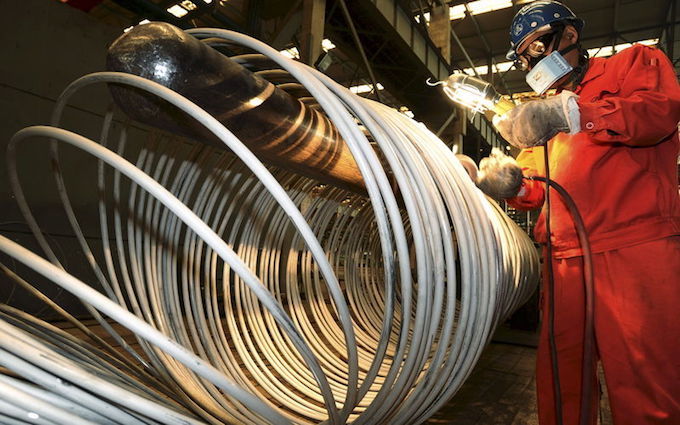
    The local steel market continued to be gloomy, with reductions in production and consumption in the past 11 months, a report published by the Vietnam Steel Association (VSA) this week revealed.

    Finished steel production saw a yearly decline of 11.3% to 27.12 million tonnes between January and November. According to the report, sales of finished steel also plunged 7% year-on-year to 25.1 million tonnes.

    In November alone, finished steel production reached over 1.82 million tonnes, down 11% month-on-month and 37% year-on-year while consumption of all kinds of steel hit above 1.94 million tonnes, up 3% month-on-month but down 16.2% year-on-year.

    In terms of exports, 7.54 million tonnes of steel were shipped abroad in the past 11 months, earning a turnover of $7.4 billion, year-on-year decreases of 38.1% in volume and 32% in value, according to the General Statistics Office. Sluggish consumption and high inventories caused factories to reduce their production capacities or halt production.

    According to the company, the prospect of recovering global steel demand continued to face difficulties when inflation was high. Moreover, the implementation of tight monetary policy in many countries would affect the prospect of world economic recovery in December.

    Meanwhile, the domestic market had not shown any clear signs of recovery and the real estate market faced many challenges. That would have a great influence on the steel consumption.

    All businesses were looking for ways to restore output and improve profit results in the last month of 2022, resulting in fiercer competition among factories and pushing up the selling prices of steel.

    In the recent report on the prospects of the steel industry, RongViet Securities Corp also said that the sector had little chance to recover in 2023 due to weak consumption, the pressure of the exchange rate and interest rate on financial costs.

    In 2023, the Government would foster investment in infrastructure projects with the goal of ensuring economic growth that could support domestic steel demand, especially for construction steel.

    However, the real estate industry which might not recover after a gloomy year could not help domestic steel demand rebound next year, experts have said.

  • Samsung opens its largest regional R&D center in Vietnam

    Samsung opens its largest regional R&D center in Vietnam

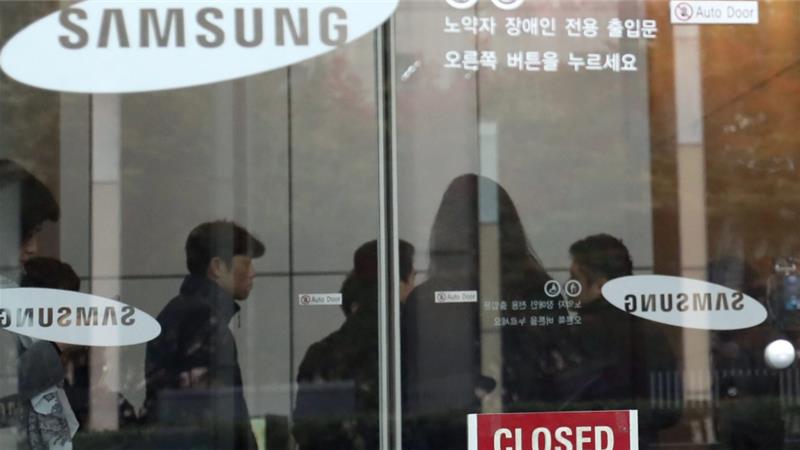
    The US$220-million Samsung R&D Center in Hanoi, the Korean conglomerate’s biggest research facility in Southeast Asia, was inaugurated Friday.

    The company said at the opening ceremony, with the new facility, Vietnam has now gone beyond its role as a global production hub for Samsung and become a strategic base for major research and development.

    Construction of the 16-story facility began in March 2020.

    Prime Minister Pham Minh Chinh said at the event that Samsung’s opening of the R&D Center in Vietnam is a testament to its orientation and commitment to long-term operation in Vietnam.sam

    “Samsung is the largest foreign investor in Vietnam with total registered investment of nearly $20 billion.”

    He added that its effective operation has made important contributions to Vietnam in terms of exports, jobs and taxes.

    Tae-Moon Roh, Samsung Electronics president, hoped the center would nurture the best Vietnamese talent.

    Samsung established its first smartphone factory in Vietnam in 2008 and has invested $18.2 billion so far. The figure could rise to $20 billion by the end of this year.

    Around half of all Samsung smartphones are made in Vietnam.

  • Vietnam remains top global peppercorn exporter

    Vietnam remains top global peppercorn exporter

    The volume of Vietnam’s pepper exports to important markets has decreased this year, but the country has retained its top spot in the global rankings, heard a conference held in Ho Chi Minh City on December 21.

    The Vietnam Pepper Association Chairwoman Hoang Thi Lien said in 2022, the product was at a disadvantage due to inflation and economic recession in many markets, and China’s zero-Covid policy, hence a reduction in export volume.

    Vietnam has shipped about 230,000 tonnes of peppercorns overseas this year for more than $970 million, down 13% in quantity but up 2% in value annually. The export turnover of all spices is forecast to hit $1.5 billion.

    Vietnamese enterprises import pepper from other countries such as Brazil and Indonesia for processing, then re-export for higher value. From the beginning of the year to the end of November, the nation purchased 34,273 tonnes of the product, an increase of 48.9% against the same period in 2021.

    Vietnam has an advantage over other pepper production countries such as Indonesia, Malaysia, India, Sri Lanka and Cambodia thanks to the the EU-Vietnam Free Trade Agreement, Lien said. Under the trade pact, the EU’s import tax on Vietnamese ground pepper has been reduced from 4% to 0%.

    The proportion of processed goods currently accounts for about 30% of its total export turnover, she added.

    The expert suggested the sector work to capitalise on untapped potential in many markets, particularly Eastern Europe.

  • Vietnam’s Elon Musk challenger turns heads in 2023

    Vietnam’s Elon Musk challenger turns heads in 2023

    Vietnam is an unlikely home of the next Elon Musk. That’s why Le Thi Thu Thuy is one person to watch in 2023. The 48-year-old is at the wheel of VinFast, a money-losing electric-vehicle maker racing the U.S. entrepreneur’s Tesla on Western roads. It’s a complicated route.

    VinFast has made its name selling gas guzzlers in the Southeast Asian nation, where its parent Vingroup is the top conglomerate. Now Thuy is heading in an entirely new direction by turning the carmaker fully electric, and by taking its brand global. Within a year, she plans 70 showrooms across the United States, Canada and the European Union to sell cars like the VF9 sports utility vehicle, which is priced at $76,000, around 15% more than Tesla’s comparable Model Y.

    The former Lehman Brothers investment banker is leaning on sophisticated suppliers like battery-maker Contemporary Amperex Technology and electronic products-outfit Aptiv rather than counting on VinFast to develop proprietary technology. It is building a local factory in the United States too, something that’s hard for Chinese auto rivals like Nio and Xpeng to replicate as tensions fester between Washington and Beijing. An expensive marketing campaign is starting to yield results: VinFast reported 58,000 reservations as of December.

    A planned initial public offering in New York is key to fund the expansion. Thuy must convince investors that the company isn’t desperate for money. Hanoi’s crackdown on the real estate sector is a drag on the property-heavy Vingroup. That makes it look like VinFast has a weak parent at a time when the auto business is also deep in the red: its net loss almost doubled to 34.5 trillion dong ($1.48 billion) in the first nine months of 2022.

    Yet accessing Vietnam’s stock market is tricky and, to date, only nine Vietnamese companies have listed overseas, raising less than $1.5 billion in total, Refinitiv data shows. VinFast’s listing would, therefore, present a rare opportunity to tap an economy the International Monetary Fund expects will grow 6.2% in 2023. Thuy can at least count on a scarcity premium to fuel her big drive.

    Context news

    Vietnamese electric-car maker VinFast is planning a U.S. initial public offering, an initial prospectus published on Dec. 6 shows.

    VinFast reported a net loss of 34.5 trillion dong($1.48 billion) for the nine months to the end of September, against 18 trillion dong for the same period a year earlier. Revenue fell to 10.5 trillion dong, down from 11.2 trillion dong.

  • Gasoline prices dip to 18-month low

    Gasoline prices dip to 18-month low

    Gasoline prices plunged to the lowest since June 2021, with RON95 dropping 2.36% to VND20,700 ($0.87) per liter.

    E5 RON92 fell 1.82% to VND19,970. Diesel dropped 0.32% to VND21,600. Gasoline prices have fallen four times in a row since mid-November.

    They are now 37% lower than the previous peak on June 21.

    Vietnam fuel prices are adjusted on the first, 11th and 21st of each month.

    Ho Chi Minh City has proposed that prices are adjusted every three to five days instead of the current 10 to resolve the recent supply issues.

  • Vietnam to become one of Apple’s main manufacturing hubs

    Vietnam to become one of Apple’s main manufacturing hubs

    India, Vietnam and Brazil could account for as much as 30% of Apple supplier’s Foxconn production in upcoming years as Apple seeks to diversify its supply chain out of China.

    Key electronics manufacturers are moving faster to diversify their capacity globally, taking advantage of local incentive policies, according to Counterpoint Research analysts Ivan Lam and Shenghao Bai as cited.

    “Led by Foxconn and Pegatron, companies have already invested in factories, production lines, relatively advanced manufacturing processes, and personnel training in India,” they wrote.

    The country’s vast population and high birth rate make it an attractive market for end-products as well as a manufacturing base, while Vietnam’s workforce offers lower labor costs than in China, they added.

    According to the report, Vietnam has attracted 21 Apple suppliers to operate in the country, though it lacks the ability to produce the all-important iPhone handset.

    Apple has reportedly tapped its top supplier, Taiwan’s Foxconn, to start making MacBooks in Vietnam as early as around May next year.

    The company has been working on plans to move some MacBook manufacturing to Vietnam for nearly two years, and has set up a test production line in the country.

    Vietnam will make 65% of Apple wireless AirPods by 2025 as the U.S. tech giant continues to shift its production away from China, JP Morgan analysts have forecast.

    The country would also reportedly account for 20% of iPad and Apple Watch output and 5% of MacBook.

    Foxconn, a key supplier, in August leased 50.5 hectares of land in Bac Giang Province and plans to build a $300-million factory there, employing 30,000 workers.

  • Gold prices inch up

    Gold prices inch up

    SJC gold prices went up 0.22% to VND67.15 million per tael Tueday. Gold ring prices fell 0.09% to VND53.95 million. A tael equals 37.5 grams or 1.2 ounces.

    Global spot gold increased by 0.3% at $1,791.91 per ounce as the dollar dipped, although lingering worries about further interest rate hikes from the U.S. Federal Reserve kept the non-yielding bullion’s gains in check.

    European Central Bank Vice-President Luis de Guindos signaled the bank was determined to keep raising interest rates.

    Investors also took stock of news that in top bullion consumer China, Covid-19 is sweeping through trading floors in Beijing and spreading fast in the financial hub of Shanghai. The country reported five new Covid deaths for December 19.

    “If China brings back restrictions and if that were to happen over the holiday period, it is the perfect catalyst for large moves (in gold) to the downside,” Simpson added.

  • Gold prices edge up

    Gold prices edge up

    SJC gold prices 0.3% to VND67 million ($2,841.39) per tael Friday morning.

    But gold ring prices declined by 0.37% to VND53.7 million per tael. A tael equals 37.5 grams or 1.2 ounces.

    Global gold prices inched up but were bound for a weekly loss as the U.S. Federal Reserve projected higher interest rates for a longer period.

    Spot gold rose 0.2% to $1,780.63 per ounce.

    “Gold’s fall this week is in the aftermath of the Fed meet. Also, with recession risks rising, the U.S. dollar will emerge as the preferred safe haven,” said Ilya Spivak, head of global macro at Tastytlive.

    The Fed on Wednesday raised interest rates by 50 basis points as expected, but Chair Jerome Powell said the central bank would deliver more hikes next year even as the economy slips towards a recession.

    Although gold is traditionally known as a hedge against inflation and economic uncertainties, higher interest rates tend to dim bullion’s appeal by increasing the opportunity cost of holding the non-yielding metal.

    Central banks in Europe followed the Fed in slowing the pace of interest rate increases but offered a similar stark message that financial conditions will continue to tighten even as economic performance deteriorates.

  • Vietnam collects $146M from online platforms such as Facebook, Google

    Vietnam collects $146M from online platforms such as Facebook, Google

    Forty-two foreign suppliers, including Facebook, Google and TikTok, have paid VND3.44 trillion ($146.40 million) in taxes to Vietnam this year, according to the new portal of the General Department of Taxation.

    The portal was established in March to make it easier for cross-border giants to pay their taxes in Vietnam, the department said in a report released Thursday.

    Vietnam is forecast to collect VND1,460 trillion in taxes and fees this year, exceeding its earlier estimate by 24.3%. This is an 8.5% increase from 2021.

    Sixteen out of 19 tax areas recorded growth for the year, such as state-owned companies (up 8.7% year-on-year), foreign direct investment (2.5%), and the private economy (1.4%).

    Hanoi and Ho Chi Minh City each collected over VND300 trillion in taxes and fees for the year.

  • Vietnamese firm sues Amazon for $280M

    Vietnamese firm sues Amazon for $280M

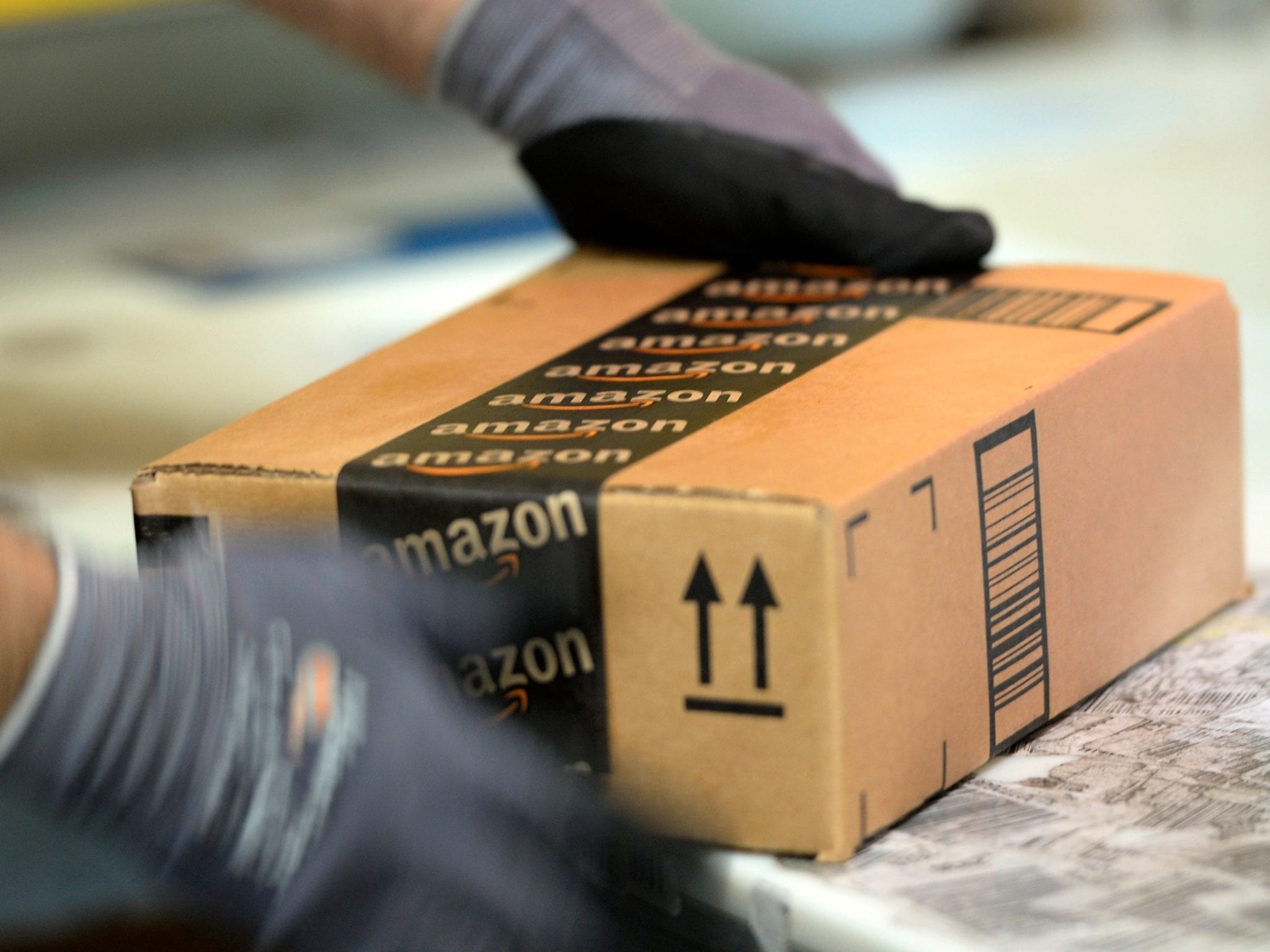
    Vietnamese company Gilimex Inc. is suing e-commerce giant Amazon for $280 million for allegedly cutting back on orders, leaving it with an excess inventory.

    Gilimex, a manufacturer of textile and other products based in Ho Chi Minh City, said in a filling in a New York state court on Monday that it has been partnering with Amazon from 2014 to 2022 and has invested tens of millions of dollars in manufacturing facilities to build the steel-and-cloth storage pods used to organize inventory in Amazon warehouses.

    Gilimex said the partnership was built on “trust,” with Gilimex relying on the accuracy of Amazon forecasts to make adequate investments to meet demand, including procuring materials and arranging factory capacity and manpower to meet the American company’s needs.

    But beginning in April, Amazon “immediately changed and reduced the projected demand” for the remainder of 2022 and 2023 to a small fraction of previous forecasts, according to the lawsuit.

    “Thus, while Amazon enjoyed unprecedented increases in revenue during the pandemic due in large part to the explosion of online ordering by consumers from the safety and comfort of their homes,” said the legal complaint, “Gilimex management and laborers literally risked their lives on a daily basis to make such record growth a reality.”

    The Vietnamese company said it employs 7,000 employees in multiple factories to produce more than 1 million warehouse storage units annually, adding that production for Amazon increased 20-fold during the eight-year relationship.

    Gilimex was established in 1982. Its main products include fabric storage organization, home textiles, laundry baskets, duffel bags, backpacks, and outdoor textile products.

    Around 85% of Gilimex’s export revenue has come from Amazon, which ordered $146.6 million worth of products from the company last year, according to Mirae Asset Vietnam Research.

    Gilimex earned a record revenue of VND4 trillion ($170.03 million) last year, up nearly 16% from 2020.

  • Retailers expand operations, sales see steady recovery

    Retailers expand operations, sales see steady recovery

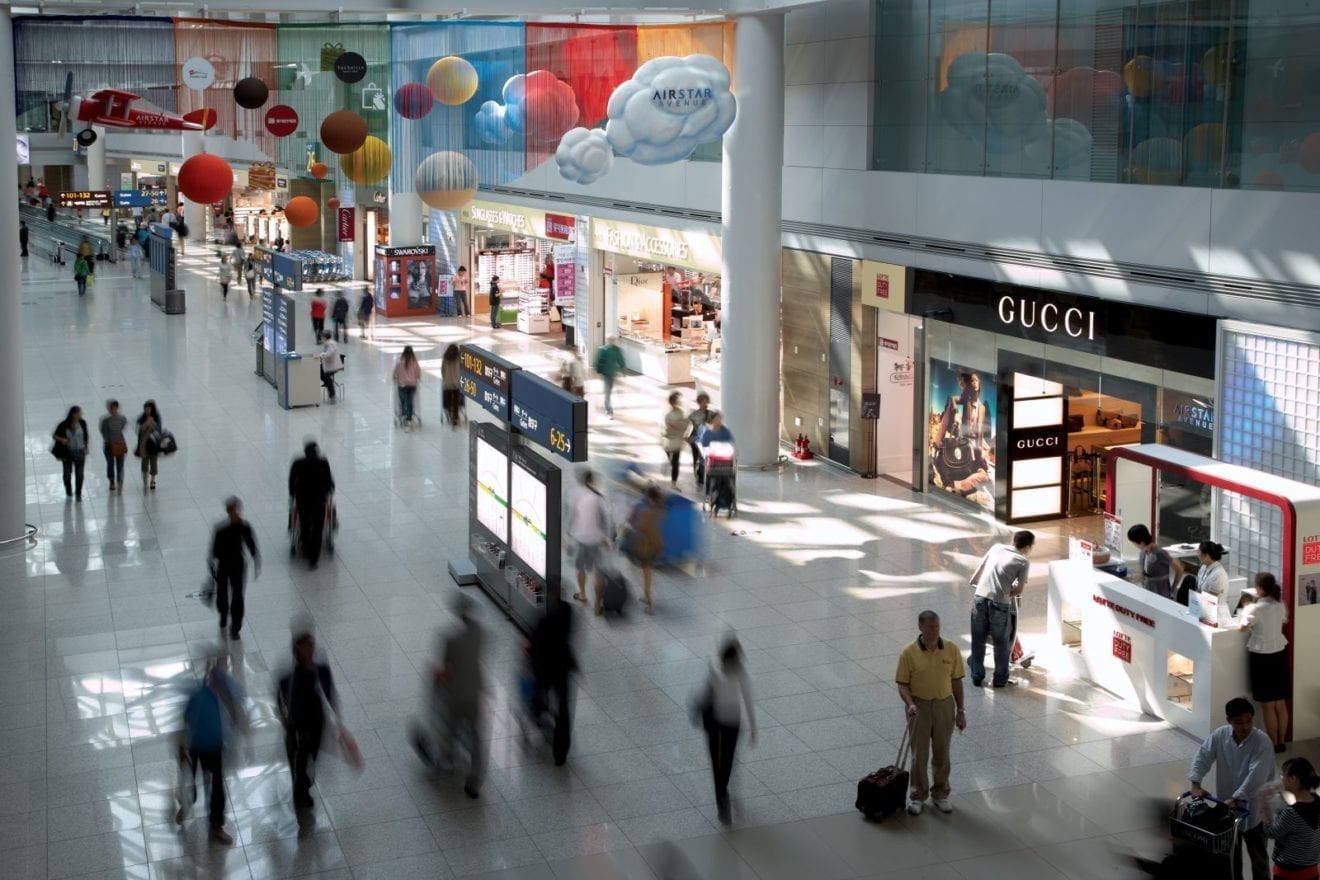
    Many retail chains opened new stores this year even as retail sales of consumer goods and services saw a year-on-year rise of 20.5% in the first 11 months.

    Despite weakening external factors, continued domestic demand brought some relief, according to a report by HSBC.

    But though the pace started to slow down, retail sales remained a strong pillar of growth in November, the lender said.

    Total retail sales of consumer goods and services grew by 17.5% over November 2021.

    In recent months, while many factories laid off, furloughed or gave workers an early Tet (Lunar New Year holidays) service businesses such as F&B, retail and tourism expanded their operations.

    GS25 Vietnam, a joint venture between South Korea’s GS25 and local retailer Son Kim Group, has opened 200 franchised stores.

    Conglomerate Masan Group has bought another 34% in beverage chain Phuc Long Heritage to increase its ownership to 85%.

    “The two years of the Covid pandemic can be compared to a market research period and this year is the right time to launch expansion plans as well as to make a breakthrough in the retail race,” Trang Do, head of the retail services department at property consultancy Colliers, said.

    Tourism is reviving gradually, and contributing to the growth of retail services.

    The number of foreign arrivals was nearly three million in the first 11 months.

    Securities brokerage SSI said domestic consumption has recovered though not to pre-Covid levels, partly because of inflation.

    Inflation began to accelerate at the end of the second quarter, notably with a 17% increase in housing rents in September and October, and then 2% in November. This has affected domestic consumption.

    Last month headline inflation was 4.4% while core inflation was close to 5% due to a rapid recovery in demand.

    According to HSBC, rising inflation is a matter of concern and would increase in the next few quarters, forcing the central bank to take monetary measures.

    SSI said inflation would gradually rise in the first half of 2023, especially when the government considers adjusting prices of goods and services it manages such as electricity, healthcare and education.

    Do said large retailers are very interested in the Vietnamese retail market after the pandemic. However, the biggest difficulties for foreign investors in the retail sector are to find suitable premises in terms of location and area, and carrying out investment and license procedures.

  • Vietnam poised for record trade

    Vietnam poised for record trade

    Vietnam’s foreign trade is set to exceed US$700 billion this year, the highest ever, the customs department said.

    It has risen steadily from $500 billion in 2020 and $600 billion last year.

    In the first 11 months exports rose bviy 13.4% from a year earlier to $342.2 billion, and imports were up 10% to $331.6 billion, resulting in a surplus of $10.6 billion.

    Exports to the U.S. alone, the largest export market, were worth $101.5 billion. Imports from China, the
    country’s biggest source, topped $109.9 billion.

    According to the General Department of Vietnam Customs, the country’s global import-export ranking
    will go up this year.

    In 2021 the World Trade Organization had ranked Vietnam 23rd in terms of exports and 20th in imports.

    In the 10-member ASEAN, Vietnam ranked second behind only Singapore.

  • Vietnam Electricity wants power prices to be dynamic, based on production cost

    Vietnam Electricity wants power prices to be dynamic, based on production cost

    Vietnam Electricity wants power prices to be managed in the same way as fuel by taking into account the changing costs of production and not fixed at certain levels.

    Input costs surged to high this year, with oil and gas prices rising by double-digits and coal by 600%, EVN CEO Tran Dinh Nhan said at a meeting on December 12.

    Yet electricity prices remained the same as in 2019, he said.

    He blamed this for his company’s severe financial challenges and the risk of not paying its partners.

    “Eventually EVN’s credit ratings will be lowered. The company will have difficulty accessing loans and this will affect national security.”

    EVN said last month it faced losses of VND31 trillion this year and called for increasing retail prices.

    The government allows EVN to adjust prices by up to 5% a year, a 5-10% change needs approval from the Ministry of Industry and Trade and anything more than 10% requires the Cabinet’s green light.

    EVN also wants Power Development Plan 8 to be approved quickly so that it can start building new plants and grids to keep up with demand.

  • Aviation stocks rise amid expected industry recovery

    Aviation stocks rise amid expected industry recovery

    Stocks of Vietnam Airlines, Vietjet and other companies in the aviation industries have surged as the resumption of flights to China amid its relaxed Covid-19 policy boosted investors’ sentiment.

    HVN of state-owned Vietnam Airlines closed last week at a ceiling price in its third session in the green and returned to the mid-October price range of around VND11,750 ($0.50).

    Meanwhile, VJC of budget airline Vietjet, the only airline blue chip, gained 5% to close at VND111,500.

    SAS of Tan Son Nhat Airports Services and AST of Taseco Airs, which mostly provide services at Noi Bai International Airport, all gained three sessions to close at VND22,000 and VND54,000, respectively.

    These stocks gained after China relaxed its Covid-19 restrictions and several Vietnamese airlines, such as Vietnam Airlines and Bamboo Airways, announced a flight resumption to Chinese cities.

    Analysts of brokerage VNDirect said earlier this month that the most damaging factor for Vietnam’s tourism and aviation recovery is China’s zero-Covid policy which has been strictly imposed in most of the last three years.

    Chinese tourists accounted for 35% of total foreign tourists in Vietnam before the pandemic, and the figure is forecast to reach 20% in early next year before returning to the old level in early 2024, they added.

    “As the earnings of Vietnamese aviation companies have a high dependency on international traffic, we believe that their figures will surge starting next year.”

    Another reason for the surge in aviation stocks is an increasing number of investors buying the dip after the plunges.

    It also warned that risks such as high oil prices, heavy competition and weakening travel demand due to a global economic slowdown might have impact on the recovery of aviation stocks.