Tag: Vietnam

  • Massive Haul of Counterfeit Rolex and Gucci Items Seized at Saigon Square Mall

    Massive Haul of Counterfeit Rolex and Gucci Items Seized at Saigon Square Mall

    Market authorities uncovered a trove of counterfeit luxury goods at Saigon Square, a bustling mall in Ho Chi Minh City, during a surprise raid on May 29, 2025. Inspectors targeted a diverse range of items, including clothing, bags, watches, glasses, and suitcases, as they sought to protect both consumers and brand integrity.

    Swift Observations and Quick Reactions

    As six inspection teams moved in on this vibrant marketplace, many kiosk owners attempted to close their stalls in a hurried bid to escape the watchful eyes of the authorities. To complicate matters further, mall management broadcasted the details of the raid over the public address system, hampering the inspectors’ efforts to conduct a thorough investigation. Undeterred, the teams discovered a wide array of products featuring luxury brand names at prices that seemed too good to be true compared to official retail outlets.

    Seizing Counterfeit Goods

    With an earnest commitment to safeguarding consumers and upholding the reputation of registered brands in Vietnam, the inspectors confiscated all goods believed to be counterfeit. This operation underscores the continuous battle against imitation products in a market that has been described as both a “shopping paradise” and a hotspot for potential fraud.

    Saigon Square, established in 2000, has become a vibrant blend of local and tourist culture, offering an extensive variety of merchandise. However, the recent discoveries serve as a reminder that luxury doesn’t always come with a legitimate price tag—and shopping with caution is more important than ever.

    In an unexpected twist, consumers might find themselves questioning whether that “Rolex” is truly ticking an authentic beat after all!

    Questions & Answers

    What luxury brands were affected by the recent raid at Saigon Square?
    Authorities confiscated apparent knockoffs of Rolex, Gucci, Chanel, and other high-end brands during the inspection.

    Why were kiosk owners closing their shops during the raid?
    Many kiosk owners shut down their stalls upon seeing the inspectors approach, likely to avoid having their goods examined.

    What is Saigon Square known for?
    Established in 2000, Saigon Square is a popular shopping destination for both locals and tourists, known for its diverse merchandise and vibrant atmosphere.

  • Vietnam Health Inspectors Call for Probe into Possible Misleading Nestlé Milo Advertisements

    Vietnam Health Inspectors Call for Probe into Possible Misleading Nestlé Milo Advertisements

    A recent inspection has cast a shadow over Nestlé’s bold claim that its products are “proven to help children.” The provincial Department of Health revealed on Thursday that this assertion, prominently featured on packaging and in marketing materials, was misleading and lacked substantiating evidence.

    While the specifics of the violations remain under wraps, Nestlé Vietnam has yet to respond to these findings. The global food powerhouse based its claim on a study conducted in partnership with the National Institute of Nutrition. However, the institute contradicted Nestlé’s narrative earlier this week, stating that the study showed no significant effectiveness in improving the nutritional status of students after three months.

    Study Results Raise Eyebrows

    The examination focused on the effects of physical education combined with Nestlé Milo barley milk among 576 primary school students in Ninh Binh, conducted between June 2022 and March 2023. The study concluded that not only did the product fail to enhance nutritional status, but it also showed no improvement in cognitive abilities. Yet, it did highlight that physical activities paired with Nestlé Milo contributed positively to certain physical fitness parameters, including speed, strength, endurance, flexibility, and dexterity—proving that some gains can indeed be made at the gym.

    The National Institute of Nutrition has urged Nestlé Vietnam to reassess all communications and advertisements in light of the inspection results. It warned that any misleading information linked to the institute risks immediate removal.

    Previously, on May 15, Nestlé defended its claims, asserting that it relied on the study’s findings and had ensured compliance with relevant legal provisions before promoting its product benefits.

    Wider Implications for the Industry

    This revelation comes amid heightened scrutiny of the food and health supplement industries, with authorities uncovering numerous cases involving fake milk products, subpar health supplements, and dubious cosmetics. The tension has ramped up considerably, with several celebrities drawing fire for misrepresenting the merits of milk and functional foods.

    In response to these issues, on May 22, the Ministry of Health launched 15 inspection teams dedicated to examining pharmaceuticals, cosmetics, traditional medicines, milk, functional foods, and medical equipment nationwide over the next month. It’s a significant step forward in ensuring consumer safety, even if it means ruffling a few feathers in the process.

    Perhaps in this era of wellness hype, a little honesty could go a long way—who knew that sometimes, the truth packs the biggest punch?

    Questions & Answers

    What has the recent inspection revealed about Nestlé’s claims?
    The inspection found that Nestlé’s claim of being “proven to help children” was misleading and lacked sufficient evidence, leading to scrutiny from the provincial Department of Health.

    What did the study conducted with the National Institute of Nutrition conclude?
    The study indicated that Nestlé Milo barley milk did not effectively improve the nutritional status or cognitive abilities of students but noted some improvement in physical fitness through combined physical activities.

    What actions has the Ministry of Health taken in light of these findings?
    The Ministry of Health has established 15 inspection teams to investigate various health-related products and their advertisements across the country, aiming to uphold consumer safety amidst rising concerns about misleading marketing practices.

  • Dollar Dips as Vietnamese Dong Gains Strength

    Dollar Dips as Vietnamese Dong Gains Strength

    The U.S. dollar has taken another tumble against the Vietnamese dong, marking a trend that could signal continuous challenges for the greenback. As traders eyed a tumultuous month ahead, Friday morning saw the dollar heading for its fifth consecutive monthly decline against prominent currencies.

    Dong Gains Ground While Black Market Sees Tweaks

    Vietnam’s leading bank, Vietcombank, set the dollar price at VND26,170, reflecting a slight dip of 0.11% from the previous day. Interestingly, the black market didn’t seem to follow suit, with the dollar inching up by 0.08%, trading around VND26,380.

    Just before the weekend, the State Bank of Vietnam nudged its reference rate up by 0.06%, settling at VND24,978, demonstrating its ongoing commitment to managing currency strength amid fluctuating market conditions.

    Global Dollar Dynamics: A Look at the Numbers

    Globally, the dollar showed signs of softness, aligning with traders’ apprehensions about potential instability surrounding trade and fiscal health. Many investors were eagerly awaiting a crucial inflation report that was set to release later that day, poised to influence market sentiment dramatically.

    That day, the dollar index—often seen as a barometer of the dollar’s strength compared to six major currencies—was lackluster. Set to decline by 0.4% for May, this would make it the fifth month in decline—a trend that’s causing whispers among market analysts.

    The euro slightly strengthened, phrased at $1.1378, while the Swiss franc also gained some traction at 0.8216 against the dollar. Over in Japan, the yen surged by 0.3% to 143.73 per dollar, bolstered by recently released data showing that inflation in Tokyo reached a peak not seen in over two years.

    As the week came to a close, the dollar had navigated a tumultuous landscape, marked by recent court rulings that altered the landscape for trade tariffs. The federal court temporarily reinstated tariffs initiated during President Donald Trump’s tenure, stirring uncertainty after a trade court had just directed a halt on those tariffs. Kyle Rodda, a senior financial market analyst at Capital.com, reflected on the market’s mood, emphasizing how this judicial tug-of-war has reignited worries among traders.

    If only the dollar could learn to ride these waves with the grace of a balletic dancer!

    Questions & Answers

    How has the dollar’s performance affected the Vietnamese economy?
    The dollar’s decline against the dong has implications for imports and exports, potentially making foreign goods more expensive while bolstering domestic products in the international market.

    What factors are driving the dollar’s depreciation?
    Traders are unsettled by ongoing uncertainties related to trade policies, possible tariff reinstatements, and upcoming inflation reports that could reveal more about the U.S. economic landscape.

    How might the situation evolve in the coming months?
    Keep an eye on economic indicators and regulatory shifts; shifts in inflation rates and monetary policy could significantly impact the dollar’s strength moving forward.

  • Trip.com Sets Sights on Expanding Its Horizons in Vibrant Vietnam Travel Market

    Trip.com Sets Sights on Expanding Its Horizons in Vibrant Vietnam Travel Market

    In a bold push toward expansion, Trip.com Group has set its sights on Vietnam, Indonesia, and the Philippines, said Boon Sian Chai, managing director and vice president of international markets, during a recent event. This ambitious growth phase emphasizes enhancing services and ramping up their workforce in Vietnam.

    New Offices in Vietnam

    “We’ve opened an office in Hanoi in the past year and are looking into establishing another one in Da Nang, if feasible,” Chai revealed. Trip.com has been steadily enhancing its offerings in Vietnam, which include hotel bookings, flight tickets, and tours, since before the pandemic.

    Impressive Market Position

    With a market cap surpassing US$43 billion, Trip.com ranks third after Booking Holdings and Airbnb. The company’s presence in Vietnam has notably intensified in 2024 through strategic investments and partnerships, including a recent $10 million stake in M Village, a hotel chain founded by former Coffee House CEO Nguyen Hai Ninh. “This is currently the most efficient hotel chain on our platform,” Chai noted.

    Strategic Partnerships and Growth Opportunities

    In addition to its investment in M Village, the company forged alliances with Vietjet and established a strategic partnership with Vinpearl. During a meeting with Vietnamese Prime Minister Pham Minh Chinh at the World Economic Forum in Davos, Switzerland, Trip.com CEO Jane Sun expressed a keen interest in exploring more investment opportunities within Vietnam’s thriving tourism landscape.

    The Booming Tourism Sector

    The motivation behind this focus lies in the flourishing tourism sector. In the first four months of 2025, Vietnam welcomed 7.67 million foreign visitors, marking a 23.8% increase compared to the same period last year, according to the General Statistics Office. Notably, China topped the list of source markets with 1.95 million visitors, accounting for 25.4% of total arrivals.

    “Demand for travel to Vietnam has surged by nearly triple digits in our observation,” Chai asserted, adding that key markets contributing to this growth include South Korea, Russia, Taiwan, and China. Customers have expressed high satisfaction with the services available in Vietnam.

    Future Projections

    As per Google, Temasek, and Bain & Company, Vietnam’s online travel market is experiencing double-digit growth, expected to rise from US$4 billion in 2023 to US$5 billion in 2024. Indian market researcher Mordor Intelligence highlights Vietnam’s position among the top five in the Asia-Pacific travel market, with potential to reach an estimated US$10 billion by the end of the decade. Yet, Chai cautioned that Vietnam poses unique challenges, particularly concerning language and payment systems.

    “Nonetheless, we are committed to investing in this market to foster growth, attract international tourists to Vietnam, bolster domestic tourism, and facilitate outbound travel,” he concluded. With a footprint in 39 markets, Trip.com reported revenues of CNY53.29 billion (US$7.5 billion) in 2024, showcasing a robust 19.7% increase from the previous year.

    As travelers dig through Vietnam’s rich culture and stunning landscapes, Trip.com is poised to make quite an impression—will they start offering guided tours by elephants next?

    Questions & Answers

    What is Trip.com Group’s growth strategy in Vietnam?
    Trip.com aims to expand its services and workforce in Vietnam, including the establishment of new offices in major cities.

    How significant is Trip.com’s market position?
    With a market cap of over US$43 billion, Trip.com is the third-largest player in the online travel market, following Booking Holdings and Airbnb.

    What challenges does Trip.com face in Vietnam?
    The company faces unique challenges, particularly related to language barriers and payment methods, but remains committed to investing in the Vietnamese market.

  • Vietnamese Businesses Sprint Ahead: Navigating the Global AI Race with Strategic Adaptations

    Vietnamese Businesses Sprint Ahead: Navigating the Global AI Race with Strategic Adaptations

    As India carves its path in the global technology arena, equipping its workforce with AI skills is paramount. Four industry heavyweights—Tata Consultancy Services (TCS), Infosys, HCLTech, and Wipro—are at the forefront of this educational endeavor, fueling the nation’s ambition to harness AI as a catalyst for socio-economic advancement in the digital era.

    Big Moves in AI Training

    By the close of fiscal year 2024, TCS successfully reskilled over 300,000 employees in essential AI and machine learning competencies, including the burgeoning field of generative AI. Their “AI-ready” initiative has empowered more than 570,000 of TCS’s 600,000 employees to seamlessly integrate AI into their daily workflows. Talk about getting everyone on board!

    Infosys isn’t far behind; the company targets total “AI-awareness” among its staff. With training programs reaching approximately 270,000 employees—about 84% of its workforce—Infosys developers have produced over 7 million lines of code using the AI-enhanced tool GitHub Copilot by the end of 2024, greatly boosting productivity and code quality.

    Shifting Mindsets in Vietnam

    As India rapidly advances in AI training, Vietnam is beginning to follow suit. However, it faces a different set of obstacles, primarily in the realm of mindset adjustment. Prajith Nair, Vice President and Head of Learning & Innovation at FPT Corporation, indicates that up to 70% of AI training hurdles are rooted in outdated mindsets and resistance to change. Many employees remain tethered to legacy systems, reluctant to embrace new technologies like AI.

    Nair explains that to unlock the true potential of AI, individuals must cultivate strong critical thinking skills. Unlike traditional tools, he likens AI to a thought-provoking colleague that thrives on engagement and interaction. “AI deployment requires a change management strategy, not just technical training,” he asserts.

    A Wake-Up Call for Businesses

    From a business standpoint, a staggering 65% of Asia-Pacific executives recognize that generative AI can boost performance. Yet, 76% are alarmed by the urgent need to reskill their teams, and 41% admit they have yet to start implementing generative AI, as revealed in PwC’s 27th Annual Global CEO Survey. Companies and workers neglecting AI training risk falling behind in a technology-driven world—after all, even the best of us can’t just sit back and relax!

    FPT is gearing up for the future, prioritizing AI training to enhance productivity. By 2024, a remarkable 98.8% of its employees will have undergone foundational AI training, completing over 109,200 learning hours. The company’s “AI for Everyone” initiative mandates that every employee complete at least one AI course and apply AI tools in their daily tasks. Over 10,000 FPT employees secured certifications from NVIDIA’s AI program this year, part of a larger goal to empower 500,000 individuals with AI skills by 2030.

    Four Factors for Successful AI Training

    According to Nair, scaling AI training within a tight timeframe hinges on addressing four essential factors. First, it’s vital to elevate AI awareness among leadership to drive organizational change from the top down. Secondly, training programs should be modular and tailored to various roles, ensuring relevance for developers, testers, and business analysts alike.

    The third pillar is utilizing data to assess training impact, tracking completion rates and real-world applications to measure effectiveness. Lastly, cultivating a community of learning is crucial—encouraging daily AI engagement through internal forums, workshops, and shared experiences nurtures a culture where AI becomes a regular part of work life.

    Questions & Answers

    What is the significance of training in AI for India?
    Training in AI is crucial for India to remain competitive in the global technology landscape and leverage AI for socio-economic growth.

    How many employees at TCS have become “AI-ready”?
    Over 570,000 TCS employees are now considered “AI-ready,” highlighting the company’s commitment to integrating AI across its workforce.

    What challenges does Vietnam face in AI adoption?
    Vietnam’s primary challenge lies in overcoming outdated mindsets and resistance to new technologies, which hampers effective AI training across its workforce.

  • Vietnam’s Top Students Pursue High-Value Scholarships at International University, Skipping Study Abroad

    Vietnam’s Top Students Pursue High-Value Scholarships at International University, Skipping Study Abroad

    In a dazzling display of academic excellence, British University Vietnam (BUV) recently celebrated the achievements of 150 exceptional students during its Scholarship Award Ceremony, distributing scholarships worth tens of billions of dongs—approximately VND10 billion equals US$385,170.

    Many of the scholarship recipients hail from revered institutions across Vietnam, including HUS High School for Gifted Students, HNUE High School for Gifted Students, Chu Van An High School, and Kim Lien High School, among others.

    A representative from BUV emphasized that the recipients not only showcased stellar academic records but also exhibited qualities such as dynamism, leadership, and the capacity to inspire their peers.

    Spotlight on Inspiring Students

    Kieu Le Khanh An, a talented student from Phan Boi Chau Specialized High School in Nghe An, earned BUV’s prestigious “The Founders” scholarship with an impressive IELTS score of 8.0 and accolades in English competitions at both provincial and national levels. Opting to study finance at BUV rather than abroad, An highlighted her desire to stay close to family while gaining insights into Vietnam’s financial landscape. “I believe BUV’s enriching environment will prepare me to become a successful risk manager who contributes to Vietnam’s sustainable economic growth,” she shared. Adding a personal touch, she expressed her dream of founding a nonprofit to support premature infants: “Being a premature baby myself, I hope to give back to a cause close to my heart.”

    Nguyen Khoa Dang, another standout from Bac Ninh Specialized High School, received “The British Ambassador” scholarship. He sees BUV as the perfect launchpad for his international academic aspirations. “BUV encourages dynamism and creativity, and its curriculum aligns perfectly with U.K. standards,” he said, reveling in the opportunity to experience an international education without leaving his home country.

    Aiming High in Technology

    Nguyen Khanh Linh, who was awarded BUV’s “Tech Queens” scholarship for women in technology, voiced her long-standing ambition to study in an international environment to access cutting-edge knowledge in her field. She feels that being at a modern university in Vietnam, close to her family, perfectly aligns with her dreams. Her mother, Thuy Linh, initially envisioned studying abroad for her daughter but shifted her perspective upon discovering BUV. “I was especially impressed by BUV’s scholarship program supporting women in tech. I believe my daughter will flourish in this innovative atmosphere,” Thuy Linh commented, radiating pride and hope.

    A Noteworthy Shift in Education Choices

    The growing enthusiasm among top students opting for BUV scholarships signifies an increasing trust in the university’s international-quality education. It reflects a cultural evolution as more families recognize that an international learning experience does not always require traveling abroad. Many are now choosing high-quality educational environments within Vietnam, which offer diverse advantages that cater to financial, cultural, psychological, and long-term aspirations.

    Renowned as Vietnam’s first QS 5-star university and the first in Vietnam and ASEAN to receive accreditation from QAA, the U.K.’s leading higher education quality assurance agency, BUV is dedicated to staying ahead of industry trends. With a curriculum that marries theory and practice, BUV proudly boasts 100% graduate employability or opportunities for further study within three months of graduation.

    Questions & Answers

    What is the total value of scholarships awarded by BUV? The total value reaches tens of billions of dongs, with VND10 billion equating to around US$385,170.

    Which schools did the scholarship recipients come from? The recipients came from prestigious institutions including HUS High School for Gifted Students, HNUE High School for Gifted Students, and Chu Van An High School, among others.

    What unique advantages does BUV provide its students? BUV offers an academic environment that aligns with U.K. standards, modern facilities, and a curriculum designed to ensure 100% employability or further study within three months after graduation.

  • Gold Prices Slump to Lowest Level in Five Weeks: What’s Driving the Drop?

    Gold Prices Slump to Lowest Level in Five Weeks: What’s Driving the Drop?

    Gold jewelry displayed in a Hanoi shop shines less brightly this week, as the value of gold in Vietnam has dipped to its lowest point since April 21.

    On Thursday morning, the price of gold bars from Saigon Jewelry Company fell by 1.01%, bringing it down to VND 117.5 million (around US $4,514.20) per tael. Meanwhile, gold rings saw a decline of 0.87%, now sitting at VND 113.4 million per tael. To give you a sense of scale, a tael weighs about 37.5 grams, or 1.2 ounces. Despite this drop, gold has managed to climb 39.5% since the start of the year, a fact that may leave some investors scratching their heads amid recent fluctuations.

    Globally, the metal is facing pressure, having slipped to a one-week low following a U.S. federal court’s decision to block President Donald Trump’s “Liberation Day” tariffs. This unexpected ruling has diminished gold’s appeal as a safe-haven asset while a strengthening dollar adds further downward pressure. As per reports, spot gold has dipped by 0.7% to $3,268 an ounce, marking its lowest value since May 20.

    “This was obviously the most important news driver, and looking at the broad dollar, it rallied on that, pushing gold lower,” said Nicholas Frappell, global head of institutional markets at ABC Refinery. Yet, there remains a silver lining for the gold market; Frappell notes that the long-term outlook hints at a potential weakening of the dollar and persistent inflationary pressures in the near future.

    Could it be that in the world of gold, what glitters truly is not gold after all?

    Questions & Answers

    What was the recent price drop for gold jewelry in Vietnam?
    Gold bars dropped to VND 117.5 million, and gold rings fell to VND 113.4 million per tael.

    How much has gold increased this year?
    Gold prices have risen by 39.5% since the beginning of the year.

    What factors are impacting global gold prices?
    The recent decision to block “Liberation Day” tariffs and a robust dollar have dampened gold’s safe-haven appeal.

  • Fruit Export Crisis: Major Markets Tighten Import Rules, Causing Significant Decline

    Fruit Export Crisis: Major Markets Tighten Import Rules, Causing Significant Decline

    Overall shipments of fruits and nuts have taken a significant hit, plummeting by 23% to a staggering US$1 billion, as exports of six out of the eight leading fruits face stark declines. Among the most affected is the beloved durian, which, following a surge last year, experienced a dramatic 61% drop in exports, falling to $183 million.

    Fruit Exports Dwindle

    The news gets even juicier; watermelon exports have dropped by 52% to $33 million, while jackfruit has seen a 20% decline, now at $98 million. Even bananas and dragon fruit shipments reflected slight decreases. The Fruits and Vegetables Association attributes this downturn largely to the tightening of import standards in key markets such as China, South Korea, the Netherlands, and Thailand.

    China, which is Vietnam’s largest buyer of agricultural goods, has ramped up its quarantine and inspection protocols. Durian has suffered greatly under these new regulations, with Chinese authorities now inspecting every shipment for cadmium residues and other potentially harmful substances. This has led to rising costs for exporters and lengthened customs clearance times, leaving many businesses reluctant to enter new contracts with buyers.

    Jackfruit, heavily dependent on the Chinese market, is experiencing similar issues, as stricter controls on chemicals push firms to limit purchases from farmers, focusing primarily on domestic consumption. Dragon fruit exports have also been hindered as China moves toward self-sufficiency, sourcing from Vietnam mainly during its off-season.

    Stinging Price Drops

    This slump in exports has hit domestic fruit prices hard. Off-season durian now averages VND40,000–80,000 per kilogram, which is a steep decline from the previous year. Jackfruit prices have hit rock bottom, plummeting to historic lows of VND4,000–10,000. These steep declines have placed many farmers in key growing regions in a precarious position, struggling to recover their costs—especially those who expanded their cultivation heedlessly.

    In a recent meeting, Minister of Agriculture and Environment Do Duc Duy underscored the urgent need for action, stating, “We must review cultivation areas to avoid uncontrolled expansion and misuse of forest land while tightening planning to ensure safe production and ecological protection.” The ministry aims to bolster the legal framework surrounding agricultural exports by tightening regulations on farms, packing facilities, and testing laboratories.

    The focus will be on standardizing technical processes from production to export, promoting deep processing to enhance value, and reducing reliance on fresh fruit exports. Businesses are also encouraged to diversify their markets in order to mitigate risks stemming from policy changes by major importing countries.

    It’s a challenging time for Vietnam’s fruit industry, but isn’t it also a reminder that the world of agriculture is as unpredictable as a fruit fly in a locker room?

    Questions & Answers

    What caused the sharp decline in fruit exports?
    The primary reason for the fall is the tightening of import regulations in major markets like China, which has intensified quarantine and inspection standards.

    How have these changes affected farmers?
    Many farmers are struggling to cover their costs due to plummeting prices. Those who expanded their production without planning are feeling particularly vulnerable.

    What actions are being taken to address these challenges?
    The Ministry of Agriculture plans to review cultivation areas, tighten regulations on agricultural exports, and encourage businesses to diversify their markets for greater stability.

  • Dollar Strengthens Against Vietnamese Dong in Currency Market Shift

    Dollar Strengthens Against Vietnamese Dong in Currency Market Shift

    U.S. banknotes shimmered a bit brighter in Hanoi as the dollar edged up against the Vietnamese dong on Wednesday morning, continuing its upward trend against major currencies. With a rate of VND26,120 at Vietcombank, the dollar gained 0.08% compared to Tuesday. However, on the black market, the currency slipped slightly to VND26,360, down 0.04%.

    In a proactive move, the State Bank of Vietnam raised its reference rate by 0.05% to VND24,947, reflecting changes in the market dynamics. Reporting from Reuters highlighted that the dollar retained its strength, buoyed by favorable economic indicators emerging from the United States.

    The financial world greeted news of reduced trade tensions between the U.S. and Europe. Elsewhere, global bond markets began to stabilize after a tense rise in long-term yields, providing some much-needed relief for investors. A surge in U.S. consumer confidence ahead of key employment figures due on Thursday added to the overall optimism.

    The dollar index, which measures the greenback against a host of currencies, ticked up by 0.1%, building on a robust 0.6% jump the previous day. Meanwhile, the greenback also gained a slight edge against the euro, trading at $1.132. In a curious twist, the yen remained relatively stable at 144.345 per dollar after experiencing a 1% drop on Tuesday, attributed to speculation that Japan may reduce the issuance of super-long bonds following recent yield spikes.

    The rising dollar’s influence on various markets certainly adds an interesting dimension to the financial landscape—let’s hope your wallet is ready to keep pace!

    Questions & Answers

    How much did the U.S. dollar rise against the Vietnamese dong?
    The U.S. dollar increased by 0.08% against the Vietnamese dong, reaching VND26,120 at Vietcombank.

    What did the State Bank of Vietnam do in response to market changes?
    The State Bank raised its reference rate by 0.05% to VND24,947 to adapt to the ongoing market conditions.

    What contributed to the dollar’s strength in global markets?
    The dollar’s strength was bolstered by positive economic signals from the U.S., easing trade tensions between the U.S. and Europe, and an unexpected rise in consumer confidence ahead of job reports.

  • Michelin-Star Chef Olivier Elzer Brings His Vibrant French-Mediterranean Vision to JW Marriott Phu Quoc Emerald Bay Resort & Spa in Vietnam

    Michelin-Star Chef Olivier Elzer Brings His Vibrant French-Mediterranean Vision to JW Marriott Phu Quoc Emerald Bay Resort & Spa in Vietnam

    JW Marriott Phu Quoc Emerald Bay Resort & Spa, the reimagined mythical French university on Vietnam’s magical holiday island, welcomes renowned Michelin-starred chef Olivier Elzer to its new fine-dining venue, Pink Pearl by Olivier E. This dining destination will regale guests with the unique style of French-Mediterranean gastronomy that has propelled the culinary maestro to international acclaim. The revitalized restaurant also echoes the considerable charms of Madame Pearl Collins after whom it is named – an imaginary Gatsby-era socialite famed for hosting dazzling dinner parties in her resplendent pink mansion.

    Raised in Alsace, France, Olivier Elzer is one of the most gifted chefs of his generation. Having worked alongside industry legends such as Pierre Gagnaire and Joel Robuchon, he has become a master of gastronomy in his own right, garnering a total of 27 Michelin stars in a 30-year “East meets West” career. His journey across Europe to Asia has comprised spells at some of the most prestigious five-star hotels and fine-dining destinations in Hong Kong, including The St. Regis, W Hong Kong and Clarence. The pioneering culinary innovator also owns a state-of-the-art food lab.

    Chef Olivier’s culinary philosophy is authentic and refreshingly approachable, offering French classics with innovative regional twists at exceptional value for all to enjoy. At Pink Pearl by Olivier E. at JW Marriott Phu Quoc Emerald Bay Resort & Spa, guests can discover a meticulously crafted menu that emphasizes the timeless flavors of France’s Côte d’Azur with avant-garde adaptations – including a series of the chef’s signature dishes exclusively available here. Crafted using natural and seasonal produce from local farmers and fishing communities, along with premium imported ingredients, and elevated with a unique Mediterranean touch, Chef Olivier’s culinary creations will bring the grace and glamor of the French Riviera to Phu Quoc’s pristine shores, creating an emotional connection with every diner.

    This vision is perfectly reflected by the signature dish of locally-sourced Bonito, cooked over charcoal to add depth and flavor, and served with an Endive Salad, Comté Cheese and Vierge Sauce – a vibrant recipe that highlights the multi-award-winning chef’s philosophy of using local, fresh ingredients while honoring traditional cooking methods. His classic Bohémienne, meanwhile, elevates the traditional Provençal-style dish of Eggplant, Tomato and Parmesan.

    Diners at this luxury eco-conscious resort situated in a stunning spot of Vietnam’s idyllic “Pearl Island” can also embark on two signature culinary journeys: refined five-course and seven-course menus, curated by Chef Olivier exclusively for Pink Pearl by Olivier E., embracing premium ingredients and artistic presentation. Every weekend, Phu Quoc’s most sought-after Sunday brunch is an indulgent celebration of social gastronomy in a one-of-a-kind beachfront setting.

    Beginning in June 2025, Pink Pearl by Olivier E. will introduce a new permanent menu that blends France’s sophisticated culinary heritage and evocative Mediterranean influences with the chef’s Michelin-starred expertise and the local spirit of Phu Quoc.

    Chef Olivier’s cuisine is perfectly paired with fine wines curated by Master Sommelier Bertrand Lutaud. A professional taster and judge who has worked in several Michelin-starred establishments, Bertrand excels in complementing creative cuisine with vintages from leading vineyards in France and around the world.

    Pink Pearl by Olivier E. is just one of the outstanding culinary venues at the Phu Quoc jewel. Foodies can also step into a world of casual elegance at Tempus Fugit, the laid-back beachfront restaurant, savor Latin American “dock-to-dish” cuisine overlooking the ocean at Red Rum, and step into a world of science and mixology at the Department of Chemistry.

  • VN-Index Soars to Three-Year High, Signaling Strong Market Optimism

    VN-Index Soars to Three-Year High, Signaling Strong Market Optimism

    Vietnam’s stock market is buzzing with fresh energy as the benchmark VN-Index climbed to a remarkable 1,341.87 points on Wednesday, marking its highest level since May 2022. Investors celebrated the index’s upward trajectory, which reflects a gain of 0.15%, or 2.06 points, and extends its winning streak to four consecutive sessions.

    The VN-Index has soared nearly 250 points since dipping in early April, a downturn largely attributed to U.S. tariffs. While the mood in the market is optimistic, trading volume on the Ho Chi Minh Stock Exchange slipped by 11% to VND22.284 trillion (approximately US$858 million).

    Blue Chips Reign Supreme

    In the VN-30 basket, which features the 30 largest stocks, 10 companies saw their shares rise. Notable performers included VRE, the retail real estate arm of Vincom Retail, up by 5.5%, and VIC, the stock of private conglomerate Vingroup, which increased by 2.6%. Fuel distributor Petrolimex (PLX) also had a solid day, edging up 2.2%. However, the blue-chip landscape wasn’t all rosy—15 stocks fell, with HDBank (HDB) down 1.5%, Sacombank (STB) slipping 1.1%, and Vietnam International Commercial Bank (VIB) mirroring that drop.

    Foreign investors played a different tune, becoming net sellers to the tune of VND200 billion, mainly divesting from VRE and VIC. It seems their cautious approach didn’t dampen local spirits, as the HNX-Index for mid and small caps in Hanoi rose by 0.80%, while the UPCoM-Index for unlisted companies gained 0.46%. It’s a thrilling time for stock enthusiasts, reminding us that the market can be as unpredictable as a game of poker—one moment you’re soaring, and the next, you’re bluffing!

    Questions & Answers

    Why did the VN-Index rise to a three-year high?
    The VN-Index surged due to consistent gains over several sessions, alongside a recovery from lows seen earlier this year amid U.S. tariff concerns.

    How did trading volume change in the Ho Chi Minh Stock Exchange?
    Trading volume decreased by 11%, totaling VND22.284 trillion, which indicates a decline in market activity amidst rising index values.

    What stocks were the main contributors to the index’s gain?
    Noteworthy contributors included Vincom Retail (VRE), Vingroup (VIC), and Petrolimex (PLX), with significant gains that propelled the index upward despite some blue-chip stocks experiencing declines.

  • Dollar Rises for Third Consecutive Day Against Dong, Marking Ongoing Currency Trend

    Dollar Rises for Third Consecutive Day Against Dong, Marking Ongoing Currency Trend

    The U.S. dollar continued its upward trend against the Vietnamese dong on Thursday, marking the third consecutive day of gains as global rates surged.

    Dollar Exchange Rates on the Rise

    At Vietcombank, the dollar was listed at VND 26,210, reflecting a 0.23% increase. Meanwhile, the State Bank of Vietnam adjusted its reference rate up by 0.06% to VND 24,962. In parallel, at unofficial exchange points, the dollar climbed 0.08% to VND 26,360.

    This rally comes in the wake of a court ruling that blocked former President Donald Trump from implementing import tariffs on various countries, a decision that created ripples in the currency market. Analysts suggest that this unexpected turn could provide the beleaguered dollar with some much-needed relief amid ongoing trade uncertainties.

    “It’s difficult to predict whether the tariffs will be fully reversed, but if they are, we can certainly expect to see the dollar appreciate,” noted Yunosuke Ikeda, head of macro research at Nomura in Tokyo. He further added that the existing tariffs pose stagflation risks to the U.S. economy, so their potential reversal would bode well for the dollar’s strength.

    In a world where currency fluctuations can feel as unpredictable as a game of chance, one can’t help but wonder what other surprises lie in the global financial arena.

    Questions & Answers

    Why is the U.S. dollar rising against the Vietnamese dong?
    The U.S. dollar has been appreciating due to a surge in global rates and a recent court decision blocking tariffs proposed by Donald Trump, resulting in a more favorable outlook for the dollar.

    What are the new exchange rates for the dollar?
    As of Thursday, the dollar was listed at VND 26,210 at Vietcombank and VND 26,360 at unofficial exchange points.

    What impact do tariffs have on the dollar’s strength?
    Trump’s tariffs have added stagflation pressures to the U.S. economy. A potential reversal of these tariffs could lead to an appreciation of the dollar.

  • Vietnam Seeks 4,000 Workers to Power Two Upcoming Nuclear Plants

    Vietnam Seeks 4,000 Workers to Power Two Upcoming Nuclear Plants

    Nearly 4,000 employees will be needed to operate Vietnam’s two proposed nuclear power plants, set to rise in the central province of Ninh Thuan by 2030. This ambitious initiative aims to bolster the nation’s energy landscape, but it also raises a significant demand for qualified personnel.

    Specialized Training Abroad

    Among the workforce needed, 670 individuals will undergo specialized training overseas to ensure they are well-prepared for the complexities of nuclear energy. The workforce will predominantly consist of engineers and holders of bachelor’s degrees, while the remainder will be equipped with two-year college qualifications. Those chosen for international training will primarily be graduates in relevant disciplines, committed to serving at the plants upon their return.

    Interestingly, the training program is broadening its net by considering first- and second-year university students eager to join post-training. This opens avenues for a fresh wave of talent ready to dive into the world of nuclear energy.

    Collaboration for Expertise

    To cultivate expertise in nuclear plant management and operations, civil servants, experts, and staff from various ministries will provide short-term training and internships. Moreover, around 120 lecturers are anticipated to be enlisted to teach nuclear science to aspiring master’s and doctoral students at local universities.

    In a strategic move, the Vietnamese government has revived plans for the Ninh Thuan nuclear power plants, with the National Assembly giving its enthusiastic endorsement in November. The first of these plants is earmarked to begin generating electricity by 2030, marking a pivotal moment in Vietnam’s energy journey.

    As the nation gears up for this nuclear adventure, it’s not just about numbers; it’s about preparing a workforce that can harness the power of the atom responsibly and effectively. Let’s hope they’re ready for the nuclear future—and maybe even a little fun along the way!

    Questions & Answers

    What is the timeline for the completion of the nuclear plants in Vietnam?
    The first nuclear plant is scheduled to begin generating electricity by 2030.

    How many workers will be needed for the nuclear power plants?
    Vietnam will require nearly 4,000 employees to operate the two planned nuclear facilities.

    What types of degrees will the workforce possess?
    The workforce will include a majority of engineers and individuals with bachelor’s degrees, alongside those with two-year college diplomas.

  • Thaco Proposes Ambitious $61B Transnational High-Speed Rail Project to Revolutionize Travel

    Thaco Proposes Ambitious $61B Transnational High-Speed Rail Project to Revolutionize Travel

    Thaco is gearing up to revolutionize Vietnam’s transportation landscape with an ambitious high-speed railway project that promises to reshape connections between major cities. The company plans to cover 20% of the project’s costs and seek loans from both domestic and international financial institutions for the remainder, hoping to secure government guarantees and interest coverage for a whopping 30 years. Notably, the estimated costs do not include expenses related to land compensation and resettlement, which the government will manage as a separate undertaking.

    New Ventures in Rail Infrastructure

    To spearhead this monumental infrastructure endeavor, Thaco intends to establish a dedicated company while maintaining a controlling interest, inviting local corporations to invest in this groundbreaking initiative. However, the company has made it clear that stakes or operational rights will not be sold to foreign investors.

    Journey Over Challenging Terrain

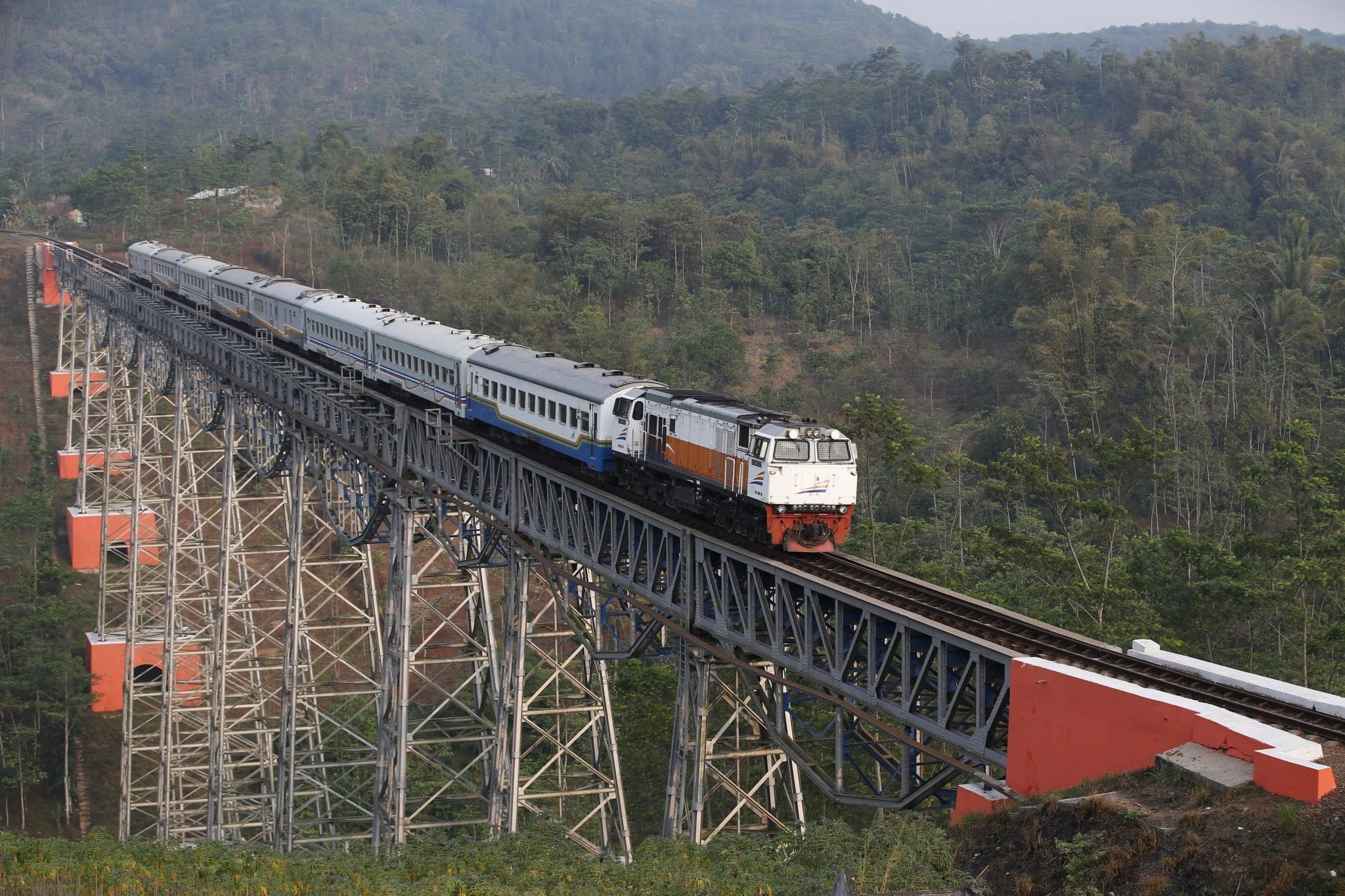
    The ambitious project is designed to unfold over seven years, divided into two phases. The first five years will concentrate on notoriously crowded routes connecting Hanoi to Ha Tinh Province and Ho Chi Minh City to Khanh Hoa Province. The subsequent two years will focus on linking these two vital sections, a task complicated by challenging terrain that necessitates extensive surveys and custom technical designs.

    Commitment to Local Expertise

    In a bid to ensure cutting-edge standards, Thaco plans to implement electrified technology and collaborate with firms from Germany, France, Japan, and South Korea. But there’s a twist: while these international partners will provide technology, Thaco is also committed to training local personnel in these advanced disciplines.

    Transforming Vietnam’s Transportation Economy

    With a vision to transform transportation throughout the country, Thaco anticipates this project will significantly boost growth in foundational sectors. Additionally, they seek a 70-year contract to operate the railroad, claiming priority access to land designated for developing urban residential areas for resettlement purposes. In February, Prime Minister Pham Minh Chinh urged Thaco to consider technology transfer for the manufacturing of railway carriages and locomotives as part of the high-speed railway initiative.

    A Route to Connectivity

    The National Assembly has approved a route stretching an impressive 1,541 kilometers from Hanoi to Ho Chi Minh City, traversing 20 provinces and cities. Designed to accommodate speeds of up to 350 kilometers per hour, with a 1.435 m double-track gauge, the rail line will feature 23 passenger and five freight stations. A feasibility study is set to kick off in 2025, with the project completion targeted for 2035.

    Stiff Competition and Big Ambitions

    Thaco isn’t alone in this venture. VinSpeed, backed by Vietnam’s wealthiest individual, Pham Nhat Vuong, also aims to construct the railway. They have offered to cover 20% of the costs while seeking a staggering US$49 billion interest-free loan from the government over 35 years. Like Thaco, VinSpeed has requested government assistance with land acquisition and promises to begin operations within five years after construction starts.

    Thaco’s Evolution

    Founded in 1997 by Tran Ba Duong, Thaco has evolved from a modest automobile manufacturing business into a sprawling conglomerate that spans industrial production, logistics, agriculture, and infrastructure. Its production hub in Quang Nam represents Vietnam’s largest automobile manufacturing facility and stands as a testament to its growth and ambitions.

    As it plunges into major national infrastructure projects, Thaco’s latest venture could very well be a game-changer for Vietnam’s economy—after all, who wouldn’t want to zoom across the country at lightning speed?

    Questions & Answers

    What is Thaco’s strategy for financing the railway project? Thaco plans to contribute 20% of the costs and secure the rest through loans from domestic and international financial institutions, seeking government guarantees and interest coverage.

    How long will the high-speed rail project take to complete? The project is expected to be completed in seven years, divided into two phases focusing on different crowded travel sections and linking them thereafter.

    What other companies are interested in the railway construction? VinSpeed, controlled by Vietnam’s richest man, Pham Nhat Vuong, has also expressed interest and proposed a significant investment plan for the project.

  • Coffee Exports Surge to $4.2 Billion in Just Five Months!

    Coffee Exports Surge to $4.2 Billion in Just Five Months!

    Vietnam’s coffee exports have made a remarkable leap this year, with the country shipping over 736,000 tons valued at an impressive US$4.2 billion from January to mid-May, as reported by the Department of Customs. While this marks a 5.5% decline in volume year-on-year, the surge in value—up by 56%—can be attributed to rising average prices.

    Domestic Prices Face a Dip

    In an unexpected turn, coffee prices in Vietnam’s Central Highlands experienced a noticeable decline over the weekend, dropping between VND2,500 and VND3,300 (about 9.6 to 13 US cents) per kilogram. As a result, prices now sit at VND122,500 (US$4.82) per kilogram in key provinces like Dak Nong, Dak Lak, and Gia Lai, with Lam Dong posting slightly lower figures at VND122,000.

    Experts in agriculture are looking ahead, predicting that domestic prices may continue their downward trend, potentially settling around VND120,000 per kilogram. This forecast is influenced by a cooling in global market dynamics, as concerns about weather disruptions and trade tensions appear to be subsiding.

    To offset recent market fluctuations, the industry is investing heavily in cultivation and replanting initiatives. This is expected to enhance supply in the near future, bringing fresh optimism to farmers.

    With coffee being such a beloved beverage, will we soon see a “roasted revival” in prices, or is the market on a steady decline? Only time will tell, but one thing’s for sure: coffee lovers and producers alike are watching closely.

    Questions & Answers

    What was the total value of Vietnam’s coffee exports from January to mid-May this year?
    The total value reached US$4.2 billion, despite a decrease in export volume.

    What has caused the recent decline in domestic coffee prices?
    A combination of easing global market conditions and the expectation of increased supply is leading to lower domestic prices.

    What future trends are anticipated for coffee prices in Vietnam?
    Experts predict that prices may drop further to around VND120,000 per kilogram as the market adjusts to better supply conditions.