Tag: Vietnam

  • E-Commerce Boom Sparks Exodus from Hanoi’s Prime Retail Spaces Despite Slashed Rents

    E-Commerce Boom Sparks Exodus from Hanoi’s Prime Retail Spaces Despite Slashed Rents

    Despite steep rent discounts offered by landlords, numerous stores in prime retail locations in Hanoi are shutting down, unable to withstand the pressure from the burgeoning e-commerce industry. Last month, Thai Hoang, a 39-year-old retailer, abandoned his spacious 40-square-meter clothing store on Thai Ha Street, a renowned fashion destination in the city. Even when faced with a 6% reduction on the monthly rent of VND35 million (approximately USD1,330), declining sales led Hoang to relocate his business online.

    A Shift in Retail Trends

    Several businesses situated on prominent retail streets such as Thai Ha, Kim Ma, and Hue have followed a similar trajectory in recent months, vacating their premises despite landlords’ desperate attempts at retention through double-digit discounts. On Kim Ma and Nguyen Thai Hoc Streets, well-known for their blend of fashion stores and food and beverage outlets, a significant number of “for lease” and “for sale” signs can be observed.

    Mai Loan, an experienced property broker in Hanoi, identifies the townhouse segment as being in a prolonged slump, with small, narrow properties with limited parking struggling to maintain viability even in prime locations.

    Not Just a Temporary Setback

    Statistics from the online listing platform Batdongsan indicate a 22% drop in private housing interest in Hanoi since the end of last year, with average asking rents for townhouses in certain areas dropping by 13-37% from their 2025 peaks.

    Mai Vo, director of retail services at property consultancy CBRE Vietnam, suggests that this lack of tenants in prime locations is not a temporary downturn but signifies a major market shift. In the past, businesses were willing to pay premium prices for central street locations for branding purposes. However, the rise of e-commerce and integrated shopping malls has drastically altered consumer behavior, diminishing the allure of standalone retail outlets.

    The Market Rebalances

    In response to this shift, landlords are compelled to reduce rents to retain tenants. “Adjusting rents is a sign that the market is rebalancing,” Vo added. Rapidly rising rents in previous years have also reduced the competitiveness of townhouses, with many properties deteriorating and unable to meet branding requirements, thus becoming less appealing.

    Hoang Nguyet Minh, general director of property consultancy Cushman & Wakefield Vietnam, added that the pressure from stringent urban management and sidewalk regulations had also made it difficult for many food businesses to continue operating in small, narrow spaces. However, she believes that this presents an opportune moment to secure prime business locations as the market currently has ample affordable supply.

    Questions & Answers

    Why are retail businesses in Hanoi vacating their premises?
    Many businesses are struggling to survive amid the e-commerce boom, with declining sales forcing them to relocate their businesses online.

    What factors are leading to this trend?
    The rise of e-commerce and integrated shopping malls have significantly affected consumer behavior, reducing the attractiveness of standalone retail outlets, even in prime locations.

    How is the market responding to this shift?
    The market is responding by rebalancing, with landlords reducing rents to retain tenants. Meanwhile, businesses are adapting by shifting their focus to online sales.

  • U.S. Dollar Flexes Strength Against Vietnamese Dong Amid Global Tensions and Anticipation Over Federal Reserve Decision

    U.S. Dollar Flexes Strength Against Vietnamese Dong Amid Global Tensions and Anticipation Over Federal Reserve Decision

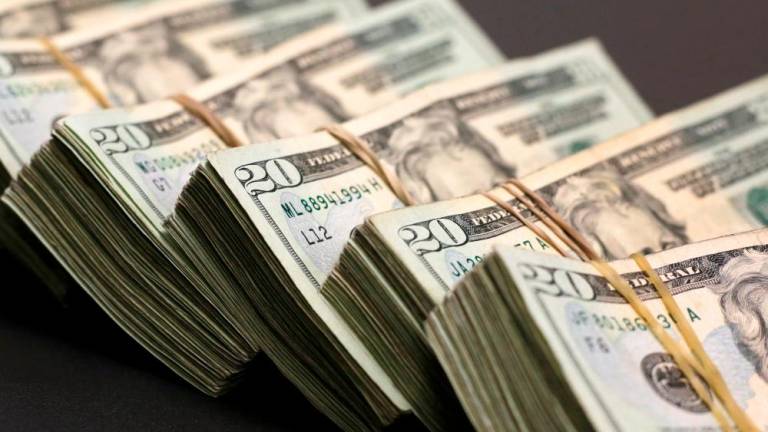
    On Wednesday, the U.S. dollar experienced an increase against the Vietnamese dong while maintaining its strength against major global currencies. The Vietnamese commercial bank, Vietcombank, ended up selling the U.S. dollar at VND26,368, marking a 0.008% increase from the previous day. Simultaneously, the dollar posted a 0.27% gain in the black market, where it traded around VND26,737.

    The State Bank of Vietnam’s Role

    In response to these fluctuations, the State Bank of Vietnam raised its reference rate by 0.008% to VND25,113.

    Global Dollar Performance

    Internationally, the dollar strengthened on Wednesday. This shift was in anticipation of an important rate decision by the Federal Reserve. It’s worth noting that this decision was expected to be the last major action under the leadership of Chair Jerome Powell. This decision coincided with ongoing conflict in the Middle East and diminishing optimism for a swift resolution.

    The Impact of Geo-Political Situations

    Efforts to cease the conflict in Iran hit a stalemate, evoking dissatisfaction from U.S. President Donald Trump. His contention is primarily with Tehran’s recent proposal which, in his view, should have addressed nuclear issues from the beginning. This situation made market sentiments volatile, leading to the dollar being positioned as a safe haven.

    Asian currency markets exhibited modest variations due to the public holiday in Japan and impending decisions from several key central banks.

    Performance against Other Currencies

    The U.S. dollar saw a modest overnight gain against a basket of currencies, steadying at 98.57. The Canadian dollar showed a slight uptick to C$1.3676, while the Japanese currency didn’t show significant changes, resting at 159.55.

    Regarding the euro and sterling, both marginally retreated from their highs earlier this month, with the former trading at $1.1716 and the latter at $1.3523. On the other hand, the Australian dollar remained close to a four-year peak, trading at $0.7187. The New Zealand dollar also experienced a slight appreciation of 0.05% to $0.5888.

    Questions & Answers

    How did the U.S. dollar perform against the Vietnamese dong?
    The U.S. dollar increased against the Vietnamese dong, with Vietcombank selling it at VND26,368, marking a 0.008% rise from the previous day.

    What external factors influenced the strength of the U.S. dollar?
    Global factors such as the Federal Reserve’s rate decision and geopolitical tensions in the Middle East, particularly the unresolved conflict in Iran, contributed to the dollar’s strength.

    How did major global currencies fare against the U.S. dollar?
    The Canadian dollar and the New Zealand dollar showed slight appreciation, while the euro, sterling, and the Japanese currency remained largely unchanged. The Australian dollar stayed near its four-year high.

  • Global Gold Prices Hold Steady Amid Vietnam’s Market Dip: Awaiting Federal Impact

    Global Gold Prices Hold Steady Amid Vietnam’s Market Dip: Awaiting Federal Impact

    On Wednesday, gold prices in Vietnam experienced a slight downturn, while globally, gold rates maintained relative stability. Saigon Jewelry Company observed a 0.9% decrement in its gold bar prices, settling at VND166 million, or approximately US$6,298.97, per tael. Similarly, the cost per tael for gold rings decreased, dropping to VND165.5 million. To contextualize this, a tael of gold weighs either 37.5 grams or 1.2 ounces.

    Global Gold Market Movement

    Internationally, the gold market displayed a largely static trend during fluctuating trade on Wednesday. Investors keenly awaited comments from Jerome Powell, Chair of the U.S. Federal Reserve, to understand the potential economic impact of the ongoing conflict in Iran, especially given the current stalemate in peace negotiations.

    Spot gold experienced a minor increase of 0.1%, reaching $4,597.07 per ounce, despite hitting its lowest point since April 2 in the preceding trading session. Meanwhile, U.S. gold futures set for June delivery held steady at $4,610.20.

    Fuel Market Influences

    In the fuel market, Brent crude oil maintained a price point above $110 a barrel, following reports predicting the U.S. would continue its blockade of Iranian ports. This elevation in crude prices may contribute to inflationary pressures, thereby potentially leading to increased interest rates.

    Traditionally, gold is viewed as a safeguard against inflation. However, high interest rates can decrease its attractiveness as a non-yielding asset.

    Market Speculations

    Ilya Spivak, leader of global macro at Tastylive, stated that the gold market is currently stable as traders anticipate the upcoming Federal Open Market Committee (FOMC) meeting. He explained that the market’s resilience since the tariff-induced panic in April has relied largely on the belief that the Federal Reserve is prepared to intervene should conditions worsen. If the Fed indicates a high threshold for such action, gold prices could potentially drop further.

    Questions & Answers

    What caused the drop in gold prices in Vietnam?
    The article does not specify a reason, however, gold prices can fluctuate due to a variety of factors, including changes in supply and demand, market speculation, or shifts in currency values.

    How do crude oil prices affect gold rates?
    Higher crude prices can lead to inflationary pressures, making gold an attractive investment as a traditional hedge against inflation. However, if crude prices cause interest rates to rise, gold may lose its appeal as a non-yielding asset.

    What are the potential implications of the U.S. Federal Reserve’s actions on the gold market?
    If the Federal Reserve signals its readiness to intervene in worsening market conditions, this could bolster gold’s position. However, if the Fed indicates hesitancy to act, gold prices may see a downward trend.

  • Vietnam’s Gold Market Gleams: Prices Surge Amid Global Market Uncertainty

    Vietnam’s Gold Market Gleams: Prices Surge Amid Global Market Uncertainty

    As the week concluded, the price of gold in Vietnam exhibited an upward trend on Saturday morning, even though the precious metal ended the week with a 2% drop in value. The price of gold bars from Saigon Jewelry Company increased by 0.48%, reaching a new price of VND168.8 million, which is equivalent to US$6,403.65, for every tael. A tael, in weight measurement, is equal to 37.5 grams or 1.2 ounces.

    The Price of Gold Rings

    Similarly, the price of gold rings also witnessed a 0.48% price hike, reaching VND168.3 million per tael. This year has seen an impressive 10.5% surge in gold prices in Vietnam.

    Global Gold Prices

    Internationally, the price of gold showed a rise on Friday. However, it still seemed headed for its inaugural weekly loss in the past five weeks. The looming worries over inflation and the unclear condition of the U.S.-Iran conflict kept the markets in a state of unease.

    The price of spot gold saw an increase of 0.6% and stood at $4,721.15 per ounce. Despite having risen over 1% earlier during the session, it has witnessed a decline of more than 2% for this week.

    Giovanni Staunovo, a UBS analyst, explained that gold experienced a decrease this week due to the rise in oil prices. This led to an expectation of higher rates, which influenced the dollar and yields, all of which are interconnected.

    Questions & Answers

    What led to the price hike of gold in Vietnam?
    The price of gold in Vietnam increased due to various global factors, including concerns over inflation and geopolitical tension, among others.

    What has been the trend of gold prices in Vietnam this year?
    Gold prices in Vietnam have seen a notable rise, with a 10.5% increase reported so far this year.

    Why did gold prices experience a decrease globally this week?
    The global decrease in gold prices this week can be attributed to the rise in oil prices, which led to expectations of higher rates. This also influenced the dollar and yields, indicating a correlation among these factors.

  • Unprecedented Dip in Vietnam’s Gasoline Prices: Lowest Rate Since March Amid Falling Global Petroleum Market

    Unprecedented Dip in Vietnam’s Gasoline Prices: Lowest Rate Since March Amid Falling Global Petroleum Market

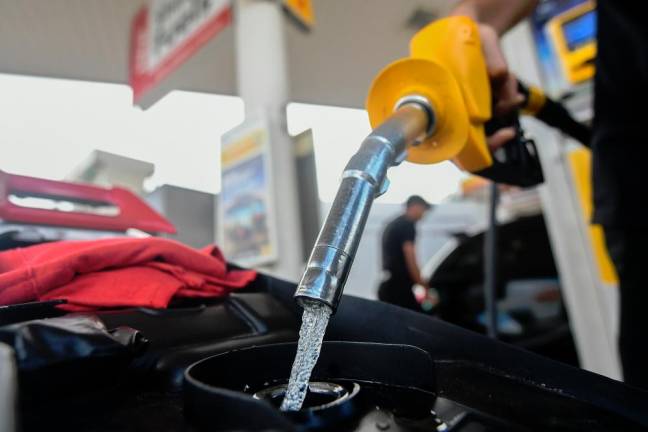
    On Thursday afternoon, gasoline prices in Vietnam plunged to their lowest levels since March 5, marking the fifth consecutive session of declines. The most commonly used fuel, RON95, dipped 0.69% to VND22,880 (US$0.87) per liter.

    Fuel Price Drops

    Biofuel E5 RON92 experienced a decline of 0.45%, bringing its price down to VND21,830 per liter. Diesel prices also fell significantly, with a decrease of 4.17% to VND26,690.

    Global Factors Influencing Prices

    The international petroleum market has been impacted by ongoing conflicts in the Middle East over the past two days. The peace negotiations between the United States and Iran have made little headway, and tensions have risen in the Strait of Hormuz, leading to global fluctuations in fuel prices. Globally, the price of RON95 has increased by 0.5%, while diesel prices have dropped by 3.8%.

    Government Interventions

    In an effort to control prices, the Vietnamese government has eliminated several taxes on gasoline, including the environmental protection tax, special consumption tax, and value-added tax.

    Presently, import tariffs on petroleum and blending materials are set at 0%. However, this measure is slated to expire on April 30. The Ministry of Finance is currently proposing an extension of this tax reduction until June 30.

    Questions & Answers

    What is the current price of the most commonly used fuel, RON95, in Vietnam?
    The current price of RON95 in Vietnam is VND22,880 (US$0.87) per liter, following a decline of 0.69%.

    What global factors are currently affecting petroleum prices?
    Ongoing conflicts in the Middle East and the escalating tensions in the Strait of Hormuz following stalled peace negotiations between the United States and Iran are currently impacting petroleum prices.

    What measures has the Vietnamese government taken to control gasoline prices?
    To control gasoline prices, the government has abolished several taxes, including the environmental protection tax, special consumption tax, and value-added tax. Additionally, the Ministry of Finance is proposing an extension of the 0% import tariff on petroleum and blending materials until June 30.

  • Unlocking New Markets: Vietnam Secures Green Light for Pomelo and Lemon Exports to China

    Unlocking New Markets: Vietnam Secures Green Light for Pomelo and Lemon Exports to China

    A recent agreement has paved the way for Vietnamese pomelos and lemons to be exported to China. This phytosanitary requirements protocol was formalized between Vietnam’s Ministry of Agriculture and Environment and the General Administration of Customs of China. The agreement unfolded during a state visit to China by To Lam, who is the Party General Secretary and State President of Vietnam.

    Phytosanitary Requirements and Protocols

    The newly agreed protocol stipulates that all areas cultivating and facilities packaging pomelos and lemons for export to China have to be registered with the Ministry of Agriculture. Furthermore, they must gain approval from both the Ministry and China’s customs. These facilities are mandated to enforce stringent pest control measures to ensure the quality of the produce.

    The cultivation areas are required to adhere to Good Agricultural Practices (GAP) and Integrated Pest Management (IPM) requirements. These requirements demand fruit to be bagged at least 60 days prior to harvest and the use of traps to combat fruit flies.

    The packaging facilities must maintain sanitary conditions and appropriate functional zoning. Fruits are required to be sorted, classified, and cleaned to remove any diseased or pest-infected fruits, as well as any plant debris and soil residues.

    The Impact of the Agreement

    The Ministry has cited this agreement as the result of structured technical negotiations between plant protection and quarantine agencies of both nations. These discussions have been ongoing since 2019.

    The agreement signifies an important shift towards transparent, standards-compliant official export channels and a more sophisticated bilateral cooperation framework, amidst growing Vietnam–China agricultural trade.

    China continues to be a crucial market with strong demand and potential for Vietnamese fruit exports. Building on the success of other exports, pomelos and lemons are expected to increase their market share, consolidate their position, and boost overall export growth.

    The ministry has expressed its commitment to working closely with localities, associations, businesses, and producers to effectively put the protocol into practice. This will include guidelines on regulations, standardizing cultivation areas and packaging facilities, and strengthening inspections to guarantee full compliance with Chinese requirements.

    Vietnam’s Agricultural Advantage

    Pomelos and lemons are among Vietnam’s most successful agricultural products. Vietnam currently cultivates pomelos on approximately 106,000 hectares, positioning itself as a major global producer of the fruit.

    Questions & Answers

    What does the new protocol between Vietnam and China involve?
    The protocol involves the export of Vietnamese pomelos and lemons to China. It stipulates that all cultivation areas and packaging facilities for these fruits must be registered with the Ministry of Agriculture and approved by both the Ministry and China’s customs.

    What requirements must the Vietnamese farms and packaging facilities meet under the new protocol?
    The farms must adhere to Good Agricultural Practices (GAP) and Integrated Pest Management (IPM) requirements, which includes bagging fruit 60 days before harvest and using traps for fruit flies. The packaging facilities must maintain cleanliness and appropriate functional zoning.

    How will this protocol impact the Vietnam-China agricultural trade?
    The protocol signifies a shift towards transparent, standards-compliant official export channels and provides a more sophisticated bilateral cooperation framework. It is expected to boost the market share of Vietnamese pomelos and lemons in China and strengthen the overall growth of fruit exports from Vietnam to China.

  • Vietnam Witnesses 4-Week Diesel Price Dip Amid Global Crude Oil Declines

    Vietnam Witnesses 4-Week Diesel Price Dip Amid Global Crude Oil Declines

    On Thursday, diesel prices in Vietnam experienced a significant drop of 5.8%, reaching VND31,040 (US$1.18) per liter. This is the lowest price point for diesel since March 20. Conversely, gasoline prices saw a minor increase. The most commonly used fuel, RON95, rose by 0.93% to VND23,760, while biofuel E5 RON92 saw a 1.12% increase to VND22,590.

    Global Crude Oil Benchmarks

    Internationally, there was a decline in the prices of the two primary crude oil benchmarks by 0.3% early Thursday. The Brent crude went for $94.6 per barrel, while U.S. WTI crude fell to $90.9. These price reductions occurred in response to investors’ expectation of a potential peace agreement between the United States and Iran.

    Fuel Subsidies in Vietnam

    The Vietnamese government maintained its fuel subsidy during this adjustment period, with VND400 per liter allocated for diesel and VND800 per liter or kilogram for gasoline and mazut. In addition, the government provided an extra VND8 trillion from the state budget as an advance for the subsidy fund.

    Government Tax Waivers

    In an effort to control inflation, lawmakers sanctioned tax waivers on fuel from April 16 to June 30. These waivers, which included the environmental protection tax, value-added tax, and special consumption tax, are anticipated to reduce state revenue by an average of VND7.3 trillion monthly.

    Although this will impact state revenue, the government dubbed this as a “special fiscal measure applied in exceptional circumstances.” This action is intended to lessen the effects of energy price variations and to help maintain macroeconomic stability and social security.

    Questions & Answers

    Why did diesel prices drop in Vietnam?
    Diesel prices in Vietnam fell by 5.8% due to fluctuations in the global market, coupled with the national fuel subsidy.

    How did the Vietnamese government respond to these changes in fuel prices?
    The Vietnamese government subsidized fuel during this adjustment period and allocated extra funds from the state budget for the subsidy fund.

    What are the expected impacts of the tax waivers approved by the lawmakers?
    The tax waivers on fuel are expected to decrease state revenue by an average of VND7.3 trillion per month. However, they aim to control inflation and maintain macroeconomic stability and social security.

  • Fly to Vietnam with Vietjet and enjoy free checked baggage plus a gold giveaway

    Fly to Vietnam with Vietjet and enjoy free checked baggage plus a gold giveaway

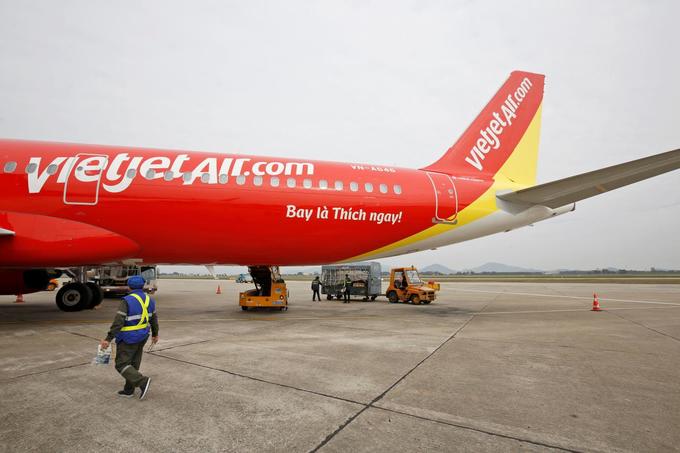
    Vietjet is giving international travellers more reasons to visit Vietnam this season, with a limited-time promotion offering 20kg of free checked baggage on eligible direct international flights between Vietnam and selected overseas destinations.

    Available for bookings made until 22 March 2026 , the promotion applies to passengers who book or modify tickets and complete payment within the campaign period. Travellers who purchase eligible Eco-class tickets and select the 20kg checked baggage option during booking will receive the baggage allowance at no additional charge.

    For travellers in Singapore, the promotion applies to Vietjet’s direct flights between Singapore and Ho Chi Minh City, Hanoi, Da Nang, and Phu Quoc, for travel from 5 May to 5 June 2026.

    In addition, from now until 19 May 2026, passengers who book tickets will also receive an entry code to take part in Vietjet’s “Fly Vietjet, Strike Gold” lucky draw (Please refer here for details), with the grand prize of one tael of gold (37.5 grams of 99.99% gold), alongside other attractive prizes.

    With Vietjet’s growing international network, travellers can conveniently fly to Vietnam and experience the country’s vibrant culture, rich culinary heritage, and diverse landscapes. For Singapore travellers, the direct connectivity to key Vietnamese destinations makes it easier than ever to plan everything from city breaks and beach escapes to longer regional holidays.

    On board, passengers can enjoy a range of fresh and hot meals, including popular Vietnamese favourites such as Pho, Vietnamese banh mi, and iced milk coffee, alongside international dishes. The experience is delivered by Vietjet’s friendly flight crews on a modern fleet.

    Bookings can be made via www.vietjetair.com, the Vietjet Air mobile app, as well as through online travel agencies, local and international travel agents, and GDS channels.

    Terms and conditions apply. Passengers may select only one baggage package per booking. The promotion applies only to the 20kg checked baggage option and does not apply as a price deduction to other checked baggage packages.

  • Vietjet to launch direct Singapore–Nha Trang flights, opening access to Vietnam’s coastal getaway

    Vietjet to launch direct Singapore–Nha Trang flights, opening access to Vietnam’s coastal getaway

    Vietjet will launch a new direct service between Nha Trang and Singapore from 1 June 2026, further expanding air connectivity between Singapore and Vietnam’s popular coastal destinations. The service marks Vietjet’s fifth direct route between the two countries, joining its existing connections to Ho Chi Minh City, Hanoi, Da Nang and Phu Quoc, further enhancing connectivity, tourism, and trade between the two countries and across Southeast Asia.

    Travellers from Singapore will soon have direct access to Nha Trang, a beachside city along Vietnam’s south-central coast known for its long coastline, island-hopping experiences, and growing resort scene. The route will operate four times weekly on Mondays, Wednesdays, Fridays, and Sundays, providing a new direct link between Singapore and one of Vietnam’s most established coastal destinations in just approximately two hours and fifteen minutes for a convenient short-haul getaway.

    New route schedule (24-hour format, all in local time):Flight VJ912 from Singapore (SIN) to Nha Trang (CXR): Departure at 15:15, and arrival at 16:35.
    Flight VJ917 from Nha Trang (CXR) to Singapore (SIN): Departure at 10:25, and arrival at 13:40.

    To mark the launch, Vietjet is offering promotional fares across its direct flight network between Vietnam and Singapore, including the newly introduced Nha Trang route, with Eco-class tickets from SGD86 one-way (all-inclusive of taxes and fees) and will receive 20kg of complimentary checked baggage, while SkyBoss fares are available at an instant 20 per cent discount (*). The promotion runs from 16 March until 20 March 2026 (GMT +8) via the Vietjet website and mobile app, for travel between 1 April 2026 and 31 March 2027 (**).

    Vietnam has consistently ranked among Singaporeans’ preferred regional destinations due to its diverse landscapes, strong culinary culture, and short travel times. Located along Vietnam’s south-central coast, Nha Trang is widely known for its clear waters, offshore islands, and vibrant marine ecosystem. Visitors are drawn to its turquoise bays and island excursions, while the city’s beachfront promenade, seafood culture, and surrounding natural landscapes have made it one of Vietnam’s most established resort destinations. The city also serves as a gateway to nearby attractions, including waterfalls, fishing villages, and cultural sites that reflect the region’s Cham heritage.

    Separately, Vietjet will also introduce a Da Nang–Jakarta route beginning 29 April 2026, operating five flights per week. The new service will connect Vietnam’s central coastal city of Da Nang with Indonesia’s capital, further strengthening regional tourism and business links across Southeast Asia.

    Passengers flying with Vietjet can expect a range of onboard dining options featuring Vietnamese favourites such as Pho, Banh mi, and Vietnamese iced coffee, alongside the airline’s SkyJoy loyalty program which allows travellers to earn and redeem points across more than 250 partner brands.

    (*) Terms and conditions. More details can be found here

    (**) Travel periods may vary by route, blackout dates apply, and public holidays are excluded

  • Vietnam’s Dragon Fruit Exports Soar: Thailand and Middle East Demand Spikes in 2026

    Vietnam’s Dragon Fruit Exports Soar: Thailand and Middle East Demand Spikes in 2026

    The initial two months of 2026 witnessed a 14% annual increase in Vietnam’s dragon fruit exports, amounting to US$108.5 million. This surge was primarily driven by a significant hike in deliveries to Thailand and the Middle East.

    Vietnam’s Dragon Fruit Export Market

    Cargo to Thailand experienced an over 2.7-fold increase, amounting to $9.2 million, while shipments to the United Arab Emirates grew by 57% to reach a value of $3.3 million.

    China, however, retained its position as the largest buyer, accounting for $66.5 million of all exports, marking a 5% increase in comparison to previous years. On the other hand, demand from the U.S. saw a considerable decrease, falling by 39% to a value of $4 million.

    These figures from the initial two months of the year could indicate a resurgence of shipments, pointing towards a potential recovery following a period of sustained decline.

    Historical Trends in Dragon Fruit Exports

    Between 2014 and 2018, the annual worth of dragon fruit exports consistently exceeded $1 billion. However, shifts in consumption patterns and increased competition led to a steady decline in the succeeding years.

    The total worth of exports in the first 11 months of the previous year stood at $485.2 million, corresponding to the lowest recorded value since 2014.

    Production and Supply Factors

    Dragon fruit in Vietnam is predominantly harvested between May and September, although some off-season cultivation occurs in January and February. However, supply has been falling in recent years as farmers have transitioned towards more profitable crops.

    Adverse weather conditions have also negatively impacted yield. Widespread flooding towards the end of last year resulted in fungal diseases in plants, significantly affecting dragon fruit production, particularly in Binh Thuan Province, a key cultivation region.

    As a consequence of dwindling supply, farm-gate prices have seen a rise. During the first two months of this year, white-fleshed dragon fruit was sold for VND10,000-15,000 (US$0.38-0.57) per kilogram, and the red-fleshed variety was priced at VND15,000-25,000.

    Questions & Answers

    What led to the surge in Vietnam’s dragon fruit exports in early 2026?
    A significant hike in deliveries to Thailand and the Middle East primarily drove the increase in exports.

    Which is the largest market for Vietnam’s dragon fruit exports?
    China is the largest market, accounting for $66.5 million of all exports.

    What are the factors impacting the supply of dragon fruit in Vietnam?
    A shift by farmers towards more profitable crops and adverse weather conditions causing fungal diseases in plants have led to a decline in dragon fruit supply.

  • Vietnam Gold Rates Surge as Global Bullion Takes a Dip: U.S.-Iran Peace Talks Light Up Market Optimism

    Vietnam Gold Rates Surge as Global Bullion Takes a Dip: U.S.-Iran Peace Talks Light Up Market Optimism

    On Wednesday, there was an uptick in Vietnam’s gold prices as global bullion rates experienced a slight decrease. The gold bar price from Saigon Jewelry Company witnessed an increase of 0.87%, reaching VND174.5 million (US$6,626.79) per tael. This valuation was shared by other sellers in the market.

    Gold Ring Prices

    The increase in gold prices was not limited to gold bars alone. Gold ring prices also saw an increase, valuing at VND174.2 million per tael. To clarify, a tael equals to 37.5 grams or 1.2 ounces.

    Global Gold Prices

    On the international front, gold prices experienced a slight decrease on Wednesday. This followed an earlier one-month high, as the US dollar began to regain its strength. The possibility of another round of peace dialogues between the United States and Iran also contributed to an increased risk appetite.

    Spot gold decreased by 0.3%, standing at $4,828.07 per ounce after hitting its highest peak since March 18th earlier in the day. Meanwhile, U.S. gold futures for June delivery, remained steady at $4,851.30.

    Effect of Middle East Headlines

    Gold prices have been fluctuating in response to recent events in the Middle East, with hopes that the United States and Iran will soon engage in peace talks.

    There are indications that discussions to end the ongoing conflict in Iran could recommence in Pakistan in the next two days. This follows the recent unsuccessful negotiations, leading to the imposition of a blockade on Iranian ports by Washington.

    Week’s Gold Price Performance

    Despite the minor drawdown, gold prices have increased by 1.6% this week on the back of renewed optimism regarding peace talks between the U.S. and Iran.

    Questions & Answers

    What caused the increase in Vietnam’s gold prices?
    The increase was due to a decrease in global bullion rates.

    What were the gold prices for Saigon Jewelry Company and gold rings respectively?
    The gold bar price from Saigon Jewelry Company reached VND174.5 million (US$6,626.79) per tael, while gold ring prices valued at VND174.2 million per tael.

    What has been the week’s overall performance for gold prices?
    Despite a slight pullback, gold prices have increased by 1.6% this week on the back of renewed optimism regarding peace talks between the U.S. and Iran.

  • New Zealand’s RubyRed Kiwifruit Takes Vietnam by Storm: Limited Edition, Natural Sweetness at a Premium Price

    New Zealand’s RubyRed Kiwifruit Takes Vietnam by Storm: Limited Edition, Natural Sweetness at a Premium Price

    New Zealand’s ruby-red kiwifruit has made its debut in Vietnam through formal imports, attracting high demand despite its price tag of approximately VND350,000 (US$13.29) per kilogram, which is 20% higher than the cost of gold kiwifruit. Retailers have been selling this vibrant fruit for the past fortnight, with its bold color, unique taste, and edible skin contributing to its popularity.

    Consumer Response

    Local consumers, accustomed to green or yellow kiwifruit, have expressed pleasant surprise at the fruit’s red flesh. A Ho Chi Minh City (HCMC) resident, Hoa, spent VND700,000 on two boxes of the fruit, citing its sweeter and more intense taste compared to other varieties.

    Formal imports involve the shipment of goods in large quantities, subject to strict customs regulations and inspections. Another HCMC inhabitant, Lan Anh, noted that in previous years, some vendors would sporadically hand-carry the fruit into the country, selling it for approximately VND500,000. However, with the initiation of formal, large-scale imports, the fruit’s price has dropped by around 30%.

    The RubyRed Kiwifruit

    The RubyRed kiwifruit, developed by Zespri, the world’s leading kiwifruit producer, through a natural breeding program in New Zealand, is described as boasting a rich sweetness and a striking red hue, a result of anthocyanins. These antioxidant compounds are frequently found in berries. However, the supply of this variety is limited, due to a short growing season spanning only 6-8 weeks, and it yields less fruit than the gold and green variants.

    Vo Thanh Loc, the co-founder of the retail chain Farmers’ Market, revealed that Zespri’s first RubyRed kiwifruit shipment arrived in Vietnam earlier this month. The fruit has quickly become the chain’s top-selling kiwifruit variety.

    Lu Minh Quang, import director of fruit distributor Biovegi Vietnam, disclosed that the company has ordered its first shipment of approximately 80 tons for distribution in Hanoi and HCMC. Quang added that sellers are still gauging the market’s response to the fruit.

    Questions & Answers

    What sets the RubyRed kiwifruit apart from other varieties?
    The distinct red flesh, sweeter taste, and rich antioxidants make the RubyRed kiwifruit stand out from other green or yellow variants.

    What challenges are associated with the supply of the RubyRed kiwifruit?
    The fruit’s short growing season and lower yield compared to other kiwifruit varieties limit its supply.

    What impact has the formal importation of the RubyRed kiwifruit had on its pricing?
    With the initiation of large-scale, formal imports, the price of the RubyRed kiwifruit has decreased by approximately 30% compared to when it was sporadically hand-carried into the country.

  • Vietnam’s Seafood Exports Surge by 8% in Q1 2026, Powered by Strong Chinese Demand

    Vietnam’s Seafood Exports Surge by 8% in Q1 2026, Powered by Strong Chinese Demand

    In the first quarter of 2026, Vietnam saw a nearly 8% increase in seafood exports, amounting to a substantial US$2.64 billion. A primary factor fueling this growth was robust demand from China.

    China’s Role in Vietnam’s Seafood Industry

    During this period, China remained the central seafood importer from Vietnam, with purchases amounting to approximately $764 million. This figure represents an almost 45% year-on-year increase. In March alone, the country’s seafood imports exceeded $250 million, a growth of over 50%. Not only is China the largest seafood importer, but it is also the biggest consumer of Vietnamese pangasius.

    The shrimp category witnessed significant growth, largely attributed to lobster exports. Despite this, exports of whiteleg shrimp, a key product in the U.S. and EU markets, remained consistent.

    Other seafood types, including crab, swimming crab, and molluscs, experienced increased demand across Asian markets. Moreover, tilapia exports skyrocketed by 190% year-on-year, reaching an estimated $35 million in the first quarter.

    The Impact of Other Markets

    China’s robust performance was instrumental in maintaining overall sectoral growth despite a drop in exports to several other markets. Seafood exports to the U.S. decreased by over 10% in the same quarter. This decline can be attributed to weak demand and technical barriers, including the Marine Mammal Protection Act’s Certificates of Analysis requirements and anti-dumping duties on shrimp. There was also a similar decline in exports to Japan and South Korea.

    While exports to the EU remained largely stable, those destined for ASEAN, Australia, and several emerging markets maintained their growth momentum.

    Driving Factors and Predictions

    According to Le Hang, the deputy secretary general of the association, several factors contributed to China’s emergence as the primary growth driver. These include seasonal consumption, steady demand, and advantageous logistics conditions.

    Increased consumption during the Lunar New Year boosted imports of whole shrimp, live seafood, and premium products. This seasonal surge contributed to a sharp increase in high-value items like lobster.

    Despite this growth, Hang warned that these figures may primarily reflect seasonal trends rather than a long-term structural recovery. This is because the increased exports were partly driven by stockpiling and festive demand, which could lead to a moderation of growth in the upcoming months.

    The seafood industry in Vietnam also faces intensifying competitive pressure, particularly from major suppliers like Ecuador. This competition underscores the need for diversification in Vietnam’s seafood industry.

    However, the association remains optimistic. They project that seafood exports will continue to grow in the second quarter, with shrimp and pangasius expected to be the primary growth drivers.

    Questions & Answers

    What was the value of Vietnam’s seafood exports in the first quarter of 2026?
    The value of Vietnam’s seafood exports in the first quarter of 2026 was US$2.64 billion.

    Who is the largest importer of Vietnamese seafood?
    China is the largest importer of Vietnamese seafood.

    What has been the impact of seasonal consumption on Vietnam’s seafood exports?
    Seasonal consumption, particularly during the Lunar New Year, has led to a surge in imports of various seafood items, contributing to the overall growth in Vietnam’s seafood exports.

  • HSBC Vietnam Employee Earnings Soar to $35,100, Despite Declining Bank Profits

    HSBC Vietnam Employee Earnings Soar to $35,100, Despite Declining Bank Profits

    Despite a decline in profits, the average earnings of employees at HSBC Vietnam increased by 6.6% to VND925 million (US $35,100) in the previous year. This expenditure on salaries and bonuses for its 1400-strong workforce amounted to around VND1.3 trillion, as revealed in the company’s most recent financial report.

    Comparative Income Analysis

    The increase in HSBC Vietnam’s average salaries brought the monthly income per employee to VND77 million, which is one of the highest in Vietnam. In contrast, the average monthly income at MB bank was VND49 million, Techcombank was VND48 million, and Vietinbank was VND45 million.

    Financial Performance

    However, despite the increased pay, HSBC Vietnam didn’t fare as well financially. The pre-tax profit for the British banking giant’s Vietnamese branch dropped by 7% to VND4.14 trillion, while the operating income remained constant at VND8.74 trillion.

    HSBC in Vietnam

    HSBC, one of the world’s leading financial institutions, established its legal presence in Vietnam in 2009, a full 14 years after it opened its first branch in the country.

    Foreign banks operating in Vietnam, like HSBC, often enjoy capital benefits due to support from their parent companies and primarily cater to corporate foreign clients or concentrate on retail banking.

    Questions & Answers

    What was the average income of employees at HSBC Vietnam last year?
    The average income of employees at HSBC Vietnam increased by 6.6% to VND925 million (US$35,100) last year.

    What is the average monthly income of HSBC Vietnam employees compared to other banks?
    The monthly income per employee at HSBC Vietnam is VND77 million, which is higher compared to MB bank at VND49 million, Techcombank at VND48 million, and Vietinbank at VND45 million.

    How did the pre-tax profit of HSBC Vietnam change last year?
    The pre-tax profit for HSBC Vietnam’s branch dropped by 7% to VND4.14 trillion.

  • Vietnam’s Fuel Tax Annihilation: A Boost for Economic Recovery Amid Global Energy Crisis

    Vietnam’s Fuel Tax Annihilation: A Boost for Economic Recovery Amid Global Energy Crisis

    The National Assembly (NA) of Vietnam has sanctioned the reduction of all fuel-related taxes to zero until June 30, in a move to mitigate price pressures, stabilize markets, and bolster economic resurgence in the face of global energy instability. This means that all taxes on gasoline, oil, and aviation fuel, covering environmental protection tax, value-added tax (VAT), and special consumption tax will be eradicated, as decreed by a resolution passed by the NA.

    Tax Cuts and Impact on Businesses

    The environmental protection tax on gasoline (excluding ethanol), diesel, aviation fuel, kerosene, and mazut will be nullified, along with the special consumption tax on gasoline. Additionally, gasoline, diesel, and aviation fuel will be exempt from VAT declaration and payment, though input VAT will remain deductible.

    This tax policy will be effective from April 16 through June 30. Businesses and importers handling gasoline, oil products such as diesel, kerosene, and mazut, and aviation fuel will not be obliged to declare or pay VAT at either the import or sales stages. In the event of emergencies, the government reserves the right to modify the duration of the policy, either shortening or extending it, and will report any such changes to the NA at its forthcoming session.

    According to the Ministry of Industry and Trade, taxes make up a substantial portion of fuel base prices, with VAT accounting for around 7.4%, environmental protection tax 2.7-6%, and special consumption tax approximately 6.7%. The annulment of these taxes is viewed as a strategy to support socio-economic development goals and curb inflation.

    Implications of the Tax Cuts

    Environmental protection tax, VAT, and special consumption tax on gasoline (excluding ethanol), diesel, and aviation fuel have already been lowered to zero under an existing decree, effective through April 15. However, kerosene and mazut have remained subject to environmental protection taxes of VND600 and VND1,000 per liter or kilogram, respectively, in addition to a 10% VAT.

    A government report states that reducing environmental protection tax on all types of fuel to zero is likely to decrease state budget revenues by an average of VND7.3 trillion ($277.19 million) per month. Despite this, the government views this move as a “special fiscal measure applied in exceptional circumstances” to alleviate the impact of global energy price fluctuations and preserve macroeconomic stability and social security.

    The ongoing conflict in the Middle East has significantly impacted global energy markets, including Vietnam, leading to a surge in fuel prices. The government has also implemented additional measures to manage fuel prices and support businesses and consumers.

    Questions & Answers

    What is the significance of this policy change by the Vietnamese government?

    The nullification of all fuel-related taxes is aimed at mitigating price pressures, stabilizing markets, and bolstering economic resurgence amidst global energy instability.

    What are the potential fiscal implications of reducing all fuel-related taxes to zero?

    The government anticipates a reduction in state budget revenues by an average of VND7.3 trillion ($277.19 million) per month. Despite this expected shortfall, they view it as a necessary measure under the current global energy circumstances.

    How has the conflict in the Middle East impacted Vietnam’s fuel market?

    The ongoing strife has significantly impacted global energy markets, including Vietnam, leading to a surge in fuel prices. Consequently, the Vietnamese government has had to implement measures to manage fuel prices and support businesses and consumers.