Retail News CRM

Tag: Vietnam

  • Iranian Conflict Sparks 7% Surge in Vietnam’s Gasoline Prices: Government Leans on Stabilization Fund

    Iranian Conflict Sparks 7% Surge in Vietnam’s Gasoline Prices: Government Leans on Stabilization Fund

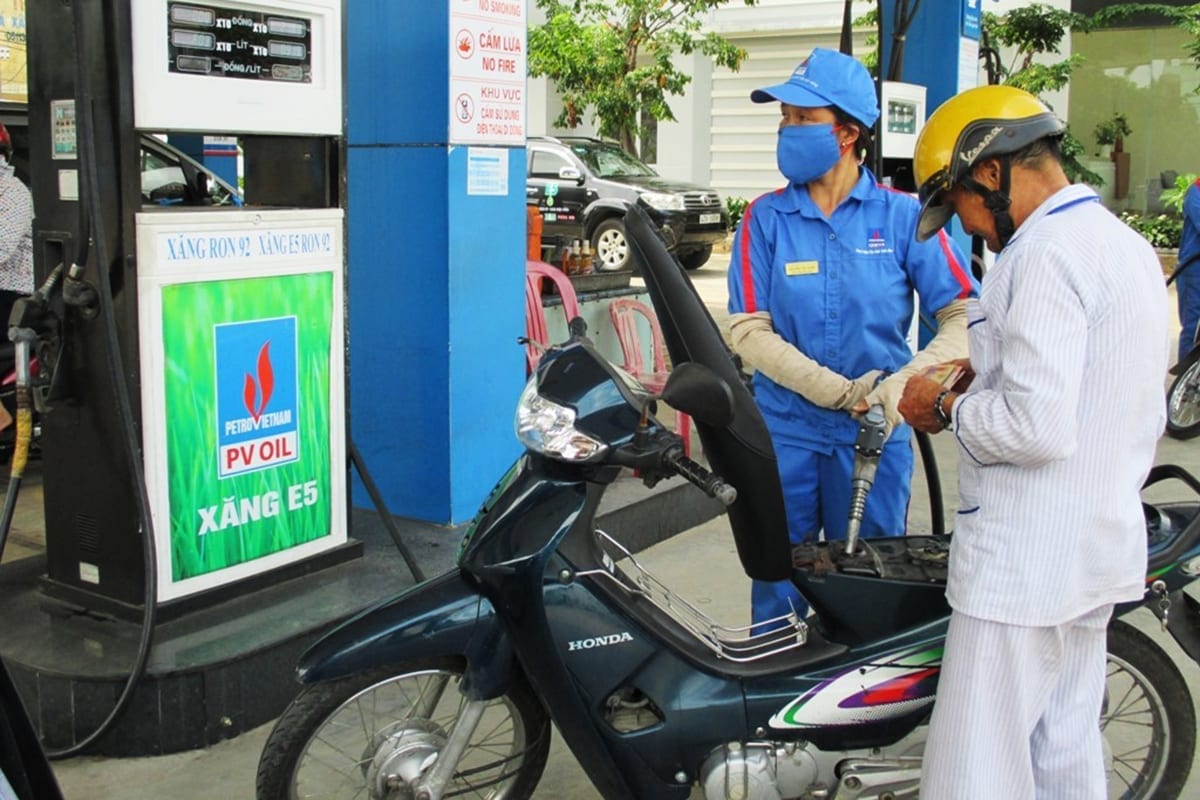
    The price of gasoline is on a continual rise, leading the government to depend on its stabilization fund to provide subsidies. On Tuesday, there was yet another increase, with the price of RON95 fuel skyrocketing by 7.69% to VND29,120 (US$1.11) per litre.

    Biofuel and Diesel Prices Also Rise

    Alongside gasoline, the prices of biofuel E5 RON92 and diesel also saw an increase. Biofuel E5 RON92 rose by 5.35% to VND26,570 per litre, while diesel prices saw a 1.59% increase, taking the price to VND30,710 per litre.

    For the first time in three years, both the Ministry of Industry and Trade and the Ministry of Finance have been forced to tap into the fuel stabilization fund. This has been done in an effort to subsidize RON95 by VND4,000 per litre and diesel by VND5,000 per litre.

    The price of RON95 is now approximately at the same level as it was in July 2022, a period when the global fuel supply chain was disrupted due to the Russia–Ukraine conflict. Diesel, on the other hand, is at its highest level since 2019.

    Global Market and Production Disruptions

    Ongoing military conflicts involving the United States, Israel, and Iran over the weekend have impacted the global market, according to ministry reports. All oil-exporting countries within the Gulf have cut down production as transport through the Strait of Hormuz is currently disrupted.

    It’s also notable that the trend of most countries stockpiling fuel has resulted in a sharp rise in global prices.

    The price of RON95 gasoline has seen a dramatic 27% increase to $147.5 per barrel, with diesel rising by 20%, kerosene by 4%, and mazut by 41%.

    Changes in Pricing and Supply

    Fuel prices in Vietnam were adjusted on Tuesday, deviating from the usual Thursday adjustment, to reflect global price changes of over 7%. Although global prices have begun to stabilize, domestic prices remain high due to a delay in the pricing cycle.

    Earlier on Tuesday, prices began to decline following a statement from U.S. President Donald Trump indicating that the conflict in the Middle East would soon come to an end.

    The prices of RON95 gasoline and diesel have dropped by around $20 per barrel in Singapore, falling to $127.2 and $160.4 respectively. These lower levels will be reflected in Vietnam after the next adjustment.

    To ensure short-term supply, Deputy Minister of Industry and Trade, Nguyen Sinh Nhat Tan announced that the government had procured four million barrels of oil from its partners. With this existing crude oil stockpile and further supplies expected shortly, he projects that the supply will suffice for 30–45 days, depending on demand and production plans at domestic refineries.

    Government Measures to Control Prices

    In addition to ensuring supply, the government is taking measures to control retail prices. They have slashed most favored nation import tariffs on gasoline and certain blending materials to zero. This move is intended to incentivize distributors to import fuel from countries that do not have free trade agreements with Vietnam.

    The Ministry of Finance has also requested that the government abolish the environmental protection tax on fuel starting March 12. Currently, this tax ranges from VND1,000-2,000 per litre, depending on the type of fuel.

    Questions & Answers

    What measures are the government taking to control the rising fuel prices?
    The government is using its stabilization fund to subsidize gasoline. They have also cut import tariffs on gasoline and certain blending materials to zero and are considering removing the environmental protection tax on fuel.

    What significant change has occurred in Vietnam’s fuel pricing system?
    Fuel prices were adjusted on Tuesday instead of the usual Thursday, due to the significant global price changes.

    How is the government ensuring short-term fuel supply?
    The government has procured four million barrels of oil from its partners, and more supplies are expected shortly. This is expected to meet domestic demand for the next 30–45 days.


  • Vietnam’s Rice Exports Surge 5% in Early 2026: Philippines, China Lead Demand

    Vietnam’s Rice Exports Surge 5% in Early 2026: Philippines, China Lead Demand

    In the first two months of 2026, Vietnam saw a 5% increase in rice exports from the previous year, amounting to about 1.3 million tonnes. Despite the increase in quantity, the total value of these shipments experienced a year-on-year decrease of 11.2%, bringing the total value to $599.3 million. This data was reported by the Ministry of Agriculture and Environment.

    Average Export Price

    The average export price for the period was measured at an estimated $464.1 per tonne, which represents a 15.4% decrease from the previous year.

    Major Markets

    The primary market for Vietnam’s rice exports was the Philippines, which accounted for almost half of the total exports (47.6%). China and Ghana were the subsequent importers, contributing 18.3% and 8.9% respectively to the total rice exports.

    In the first two months, exports to the Philippines grew by 17.6% and shipments to China witnessed a surge of 5.8 times. However, exports to Ghana declined by 31%.

    Export Growth and Decline

    Out of the 15 largest export markets, the most substantial export growth was recorded in China, where shipments increased by 5.8 times. On the other hand, exports to Côte d’Ivoire experienced the most significant drop, with a decrease of 90.9%.

    Current Rice Prices and Trading Activity

    Vietnam’s 5% broken rice is reportedly priced at up to $365 per tonne, which is consistent with the price last week. Trading activity has seen a slowdown as buyers anticipate a further decline in prices. Concurrently, domestic supply has been increasing due to the peak harvest of the winter-spring crop.

    Southern Ports and Global Factors

    Preliminary data indicates that southern ports managed over 382,000 tonnes of rice in February, with the majority being shipped to the Philippines and African markets.

    Although the conflict in the Middle East has not directly impacted Vietnam’s rice shipments to Africa, traders have reported a surge in freight costs due to elevated insurance premiums and fuel prices.

    Questions & Answers

    What was the percentage increase in Vietnam’s rice exports in the first two months of 2026?
    There was a 5% increase in rice exports from Vietnam in the first two months of 2026.

    Which country remained the top market for Vietnam’s rice exports?
    The Philippines remained the top market for Vietnam’s rice exports, accounting for 47.6% of total exports.

    How has the conflict in the Middle East affected Vietnam’s rice exports?
    While the conflict in the Middle East has not directly influenced Vietnam’s rice shipments to Africa, it has led to a surge in freight costs because of higher insurance premiums and fuel prices.

  • Gold Prices in Vietnam Bounce Back: An Afternoon Recovery Amidst Global Economic Uncertainty

    Gold Prices in Vietnam Bounce Back: An Afternoon Recovery Amidst Global Economic Uncertainty

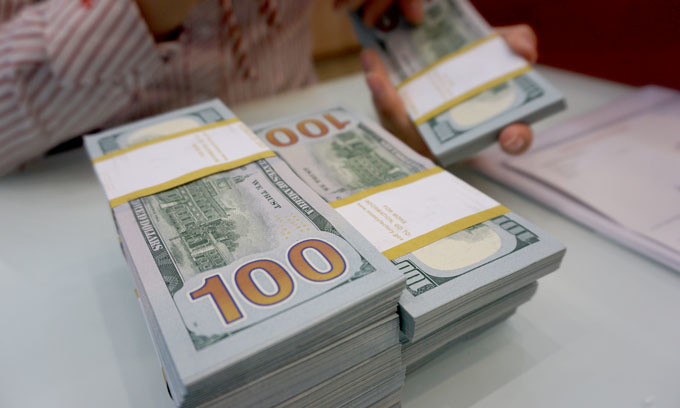
    On Monday afternoon, gold prices in Vietnam witnessed a minor recovery following a more than 1% decline earlier in the session. After a challenging morning period, the Saigon Jewelry Company reported a 0.55% rise in their gold bar price, bringing it to VND184.1 million (US$6,965.01) per tael and reducing the day’s losses to 0.49%. For reference, a tael is equivalent to 37.5 grams or 1.2 ounces.

    Despite the global price for gold, the cost of the precious metal in Vietnam remains significantly higher. In particular, local bullion prices exceed the global rates by more than VND21 million per tael.

    The price of gold rings also rebounded on Monday, returning to VND183.8 million per tael, marking a 0.49% decrease for the day.

    Global Gold Market Conditions

    Internationally, spot gold fell 1.3% to $5,104 per ounce after a more than 2% decrease earlier in the session. This shift comes as geopolitical tensions in Iran escalate, resulting in a squeeze on world energy supplies. These circumstances also caused a boost in the dollar and a dampening in expectations for interest-rate cuts.

    The dollar is currently near a three-month high, which makes bullion more expensive for those dealing in other currencies. Inflation fears fueled by oil prices and expectations of delayed rate cuts likely strengthened U.S. yields and the dollar. This scenario outweighed the demand for safe-haven assets, pushing the price of gold downwards.

    However, gold prices have still risen approximately 18% this year, despite choppy trading conditions and stalled upward momentum.

    Christopher Wong, an OCBC strategist, commented on the situation. He noted that during periods of high geopolitical market stress, investors often sell assets like gold to raise cash. However, once this phase passes, the uncertainty usually continues to underpin demand for safe havens such as gold.

    Questions & Answers

    What was the gold price situation in Vietnam on Monday?
    On Monday, gold prices in Vietnam partially recovered following a more than 1% decrease earlier in the day. By the afternoon, the Saigon Jewelry Company’s gold bar price had risen 0.55%, taking it to VND184.1 million (US$6,965.01) per tael and reducing the day’s losses to 0.49%.

    What is the difference between local bullion prices and global rates in Vietnam?
    Despite global prices for gold, the cost in Vietnam remains significantly higher. More specifically, local bullion prices are more than VND21 million per tael higher than the global rates.

    What factors contributed to the global decrease in gold prices?
    The global decrease in gold prices was largely due to escalating geopolitical tensions in Iran, which resulted in a squeeze on world energy supplies, a stronger dollar, and lessened expectations for interest-rate cuts. This shift pushed the price of gold downwards, despite it being a safe-haven asset.

  • Vietnam’s VN-Index Takes Steepest Dive in a Year Amid Geopolitical Tensions and Skyrocketing Oil Prices

    Vietnam’s VN-Index Takes Steepest Dive in a Year Amid Geopolitical Tensions and Skyrocketing Oil Prices

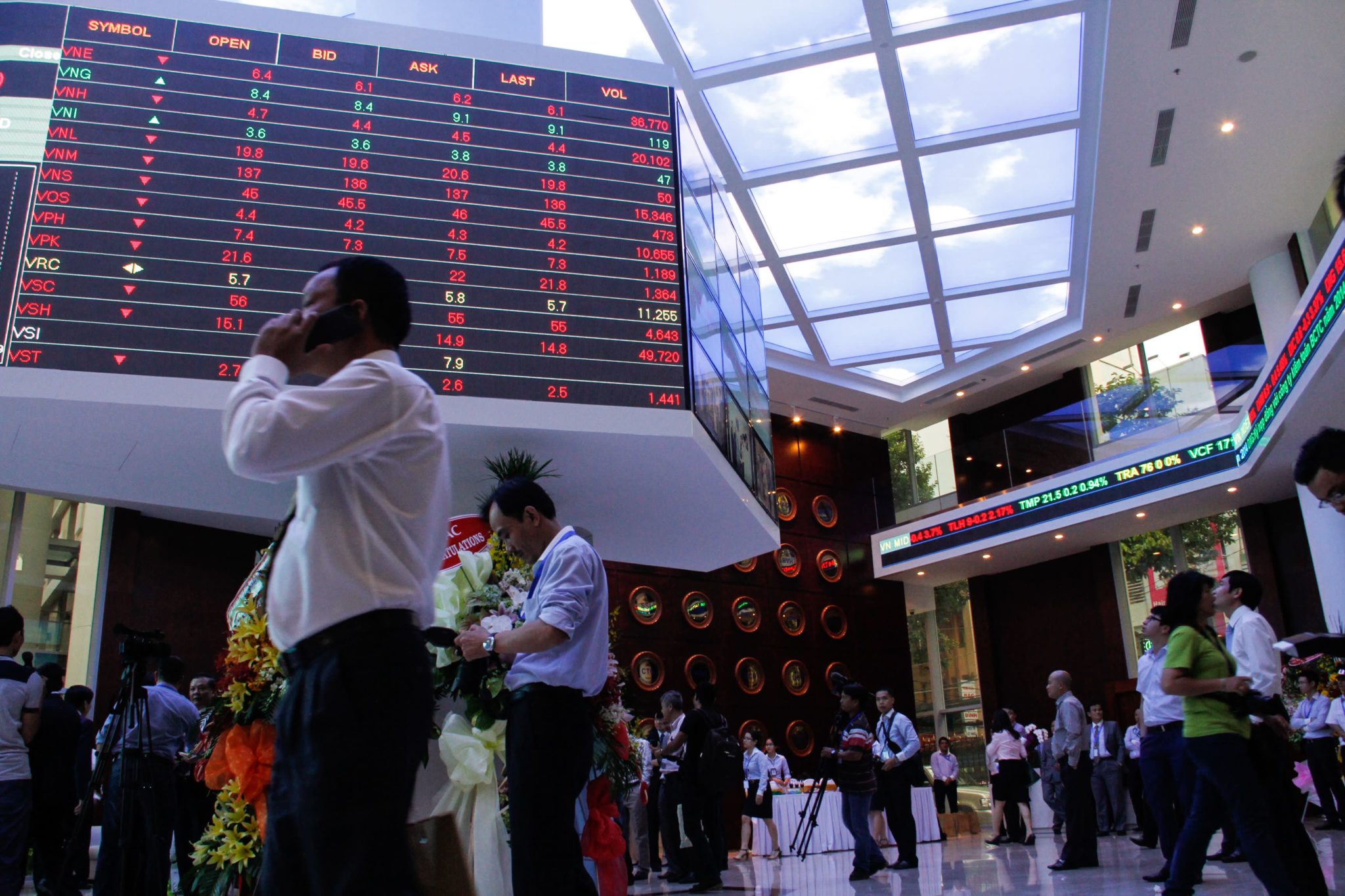
    Vietnam’s primary stock index, the VN-Index, experienced a significant drop of 5.86% during Monday morning trading, as investors initiated a sell-off due to geopolitical uncertainties and rising oil prices.

    Steep Fall of VN-Index

    On Monday, the VN-Index experienced a 6.38% fall from its reference level, marking the sharpest dip in almost a year. The last substantial drop was seen on April 8, when the index declined by 6.43%. This was a result of a prolonged market correction after the announcement of reciprocal tariffs by the U.S. President.

    Despite pessimistic predictions regarding short-term market developments from many securities companies prior to Monday’s trading, a drastic drop in the VN-Index was not anticipated. Amidst pressure from negative events at home and abroad, MBS analysts predict that the index may drop to around 1,700–1,750 points, a decline of about 20–70 points compared to the previous week’s closing level.

    Similarly, Yuanta Securities Vietnam suggested that the index could decline to a support zone of 1,715–1,740 points before a potential technical rebound occurs.

    Various Factors Influencing the Index Drop

    An MBS analyst pointed out that the domestic stock market showed strong resilience to the pressure of slightly increasing deposit interest rates before the Middle East conflict. The VN-Index had reached the 1,900-point level. However, the market now faces risks related to inflation, exports, financial instability, and supply chain disruptions due to the interest-rate pressure and the Middle East conflict.

    Tyler Nguyen Manh Dung, Senior Director of Market Strategy Research at HSC Securities, attributed the sharp market correction to a sudden increase in margin calls from securities firms. Dung warned of a potential sharp market fall tomorrow if there is a lack of capital to absorb the volume of shares waiting for forced liquidation at floor prices.

    Le Vu Kim Tinh, branch director at Phu Hung Securities, echoed Dung’s thoughts, adding that the deeper cause of the market correction is a series of negative developments related to geopolitical tensions.

    Signs of Hope Amid the Market Decline

    Despite the shocking correction, there are still some positive market signals. Tinh noted that oil and gas stocks continue to act as a market pillar due to benefits from the escalating Middle East conflict.

    Dung also highlighted that shares of some banks and many securities companies have corrected to levels that present attractive buying opportunities.

    Despite the widespread decline, 16 stocks remained in positive territory after an hour of trading on the HoSE, with oil and gas shares accounting for most of these gainers. The rally in oil and gas stocks is expected to continue as Brent crude oil prices surged nearly 20% to $111 due to escalating conflict in the Middle East raising investor concerns that supply could tighten further.

    Questions & Answers

    What was the extent of the drop in the VN-Index?
    The VN-Index experienced a significant drop of 5.86% during Monday morning trading.

    What factors led to the drop in the VN-Index?
    The drop in the VN-Index was attributed to a series of negative developments related to geopolitical tensions and a sudden increase in margin calls from securities firms.

    Despite the market decline, what positive signals were identified?
    Despite the market correction, oil and gas stocks continue to act as a market pillar, and shares of some banks and many securities companies present attractive buying opportunities.

  • Central Retail Amplifies Vietnam Presence: Plans for 30 New Stores to Bolster Retail Expansio

    Central Retail Amplifies Vietnam Presence: Plans for 30 New Stores to Bolster Retail Expansio

    Thailand’s Central Retail, a notable force in the retail industry, is gearing up to increase its investments in Vietnam. The company has announced its intentions to initiate the launch of over 30 new large-format stores in the country within the upcoming years.

    Expansion Plans

    In its expansion blueprint, Central Retail plans to introduce 10 to 12 Go! malls and hypermarkets as well as 23 to 25 mini Go! stores in Vietnam. This ambitious expansion project is set to span from 2026 to 2028. The move is indicative of Vietnam’s rapidly growing retail market, which has attracted several international and local retail entities. Companies like Japan’s Aeon, South Korea’s Lotte, and Vietnam’s own WinMart have been escalating their presence to leverage the increasing household expenditure.

    Central Retail’s Growth in Vietnam

    Central Retail made its debut in the Vietnamese market in 2012, starting with a fashion retail business. Since then, the company has evolved into one of the most prominent foreign multi-format retailers in the country. As of now, Central Retail manages 43 Go! hypermarkets, 16 mini Go! malls, nine Tops Market supermarkets, and 23 LanChi Mart stores across Vietnam.

    Digital Capabilities Strengthening

    In addition to its physical expansion, Central Retail is also dedicated to bolstering its digital capabilities. However, the company has identified several challenges that could potentially hinder its growth. Complex land procedures and the intricate licensing requirements for foreign-invested shopping mall projects could potentially impact the development timelines.

    Earlier this year, marking a shift in its business strategy, Central Retail divested its entire stake in Nguyen Kim Electronics. This move saw the company pull out of Vietnam’s consumer electronics segment after enduring years of financial losses.

    Questions & Answers

    When did Central Retail first enter the Vietnamese market?
    Central Retail made its foray into the Vietnamese market in 2012 with a fashion retail business.

    What is Central Retail’s current footprint in Vietnam?
    Central Retail currently operates 43 Go! hypermarkets, 16 mini Go! malls, nine Tops Market supermarkets, and 23 LanChi Mart stores across Vietnam.

    What challenges does Central Retail foresee in its expansion in Vietnam?
    According to Central Retail, complex land procedures and intricate licensing requirements for foreign-invested shopping mall projects could potentially impede its growth and affect its development timelines.

  • Doji Dives into Silver Bar Trade: New Online and In-store Opportunities for Vietnamese Investors

    Doji Dives into Silver Bar Trade: New Online and In-store Opportunities for Vietnamese Investors

    DOJI, a renowned jewelry retail chain, recently joined the ranks of the nation’s silver bar distributors, making it the fourth such establishment in the country. The company initiated the sale of one- and five-tael silver bars in the cities of Hanoi and HCMC on Tuesday, with plans for expansion into Da Nang City and Hai Phong City. It’s notable to mention that a tael is a unit of measurement equivalent to 37.5 grams or 1.2 ounces.

    Customers are given the option to either purchase from DOJI’s physical stores or use the company’s eGold app to shop online. The company expressed that there has been a rapid increase in demand for physical silver as a store of wealth. However, the market is experiencing a shortage of standardized products, particularly regarding weight and quality.

    The Current Silver Bar Market

    As it stands, the silver bar market is serviced by three other distributors, Phu Quy Silver, Sacombank, and Ancarat. Despite the growing popularity of silver bars, market analysts have issued warnings regarding the volatility of silver prices. They noted that price fluctuations for silver tend to be more drastic compared to gold, which may make it less suitable for novice short-term traders and those employing leverage.

    Recent Silver Market Trends

    Following the Lunar New Year holidays, silver has been trading at VND3.4 million (US$126.21) per tael, which is 25% below the record high it reached at the end of January. The average price forecast for the metal this year is $81 per ounce, as per the prediction of a major banking institution. This is more than double the 2025 figure.

    Another financial institution provided a more optimistic short-term forecast at the close of January, suggesting that silver could potentially reach $150 within three months. This prediction was attributed to technical factors and developments in supply and demand.

    Questions & Answers

    What is the latest addition to DOJI’s offerings?
    DOJI has recently started selling one- and five-tael silver bars, becoming the country’s fourth distributor of this product.

    What has led to the increased demand for physical silver?
    The surge in demand for physical silver is largely due to its appeal as a store of wealth. However, the market currently lacks standardized products in terms of weight and quality.

    What are the current predictions for silver prices?
    A major banking institution projects an average price of $81 per ounce this year, more than double the 2025 figure. Another financial institution anticipates that silver could reach $150 within three months due to technical factors and supply-demand developments.

  • Gold Glitters High in Vietnam: Bullion Boosted by Global Rally and Wealth Day Purchases

    Gold Glitters High in Vietnam: Bullion Boosted by Global Rally and Wealth Day Purchases

    On Wednesday, the price of gold in Vietnam experienced a rise, mirroring the global surge in bullion rates after a decrease during the earlier session. Saigon Jewelry Company reported a rise of 0.38% in gold bar prices, reaching VND185.3 million ($7,090.80) per tael, a price match with other retailers.

    Rise in Gold Ring Prices

    Gold ring prices followed a similar trend, increasing by the same rate to VND184.8 million per tael. A tael is a weight measurement equivalent to approximately 37.5 grams or 1.2 ounces.

    God of Wealth Day Impact

    With the advent of the God of Wealth Day on Thursday, numerous jewelry shops in Hanoi witnessed long queues of customers eager to buy gold. It is a popular belief that buying gold during this event will invite prosperity throughout the year.

    Global Gold Trends

    Internationally, gold prices also went up on Wednesday as Asian traders sought refuge in the safe-haven metal amidst uncertainty over U.S. tariffs. This follows a ruling by the U.S. Supreme Court that annulled several of President Donald Trump’s measures. Spot gold saw an increase of 0.7%, reaching $5,181.95 per ounce. Despite ending the previous session with a decline of over 1% as investors capitalized on profits after gold reached a three-week peak earlier in the day, U.S. gold futures for April delivery saw an uptick of 0.5% at $5,200.40.

    According to a technical analyst, gold may find stability around a support of $5,140 per ounce and may retest the resistance at $5,244. They also noted that the immediate resistance is at $5,205; breaking above this may result in an increase in the range of $5,221 to $5,244.

    Questions & Answers

    Why did the price of gold increase in Vietnam?
    The price of gold increased in Vietnam due to a global surge in bullion rates and the upcoming God of Wealth Day, a time when people buy gold to invite prosperity.

    What factors are influencing global gold prices?
    Global gold prices are influenced by many factors, including geopolitical uncertainties such as the recent U.S. Supreme Court ruling on tariffs, which led investors to seek refuge in gold, seen as a safe-haven metal.

    What is the future outlook for gold prices?
    The future of gold prices may see some stability around a support of $5,140 per ounce and may retest the resistance at $5,244. If the price breaks above the immediate resistance of $5,205, it could lead to a gain in the range of $5,221 to $5,244.

  • US Dollar Gains Momentum against Vietnamese Dong Amid Global Currency Shifts

    US Dollar Gains Momentum against Vietnamese Dong Amid Global Currency Shifts

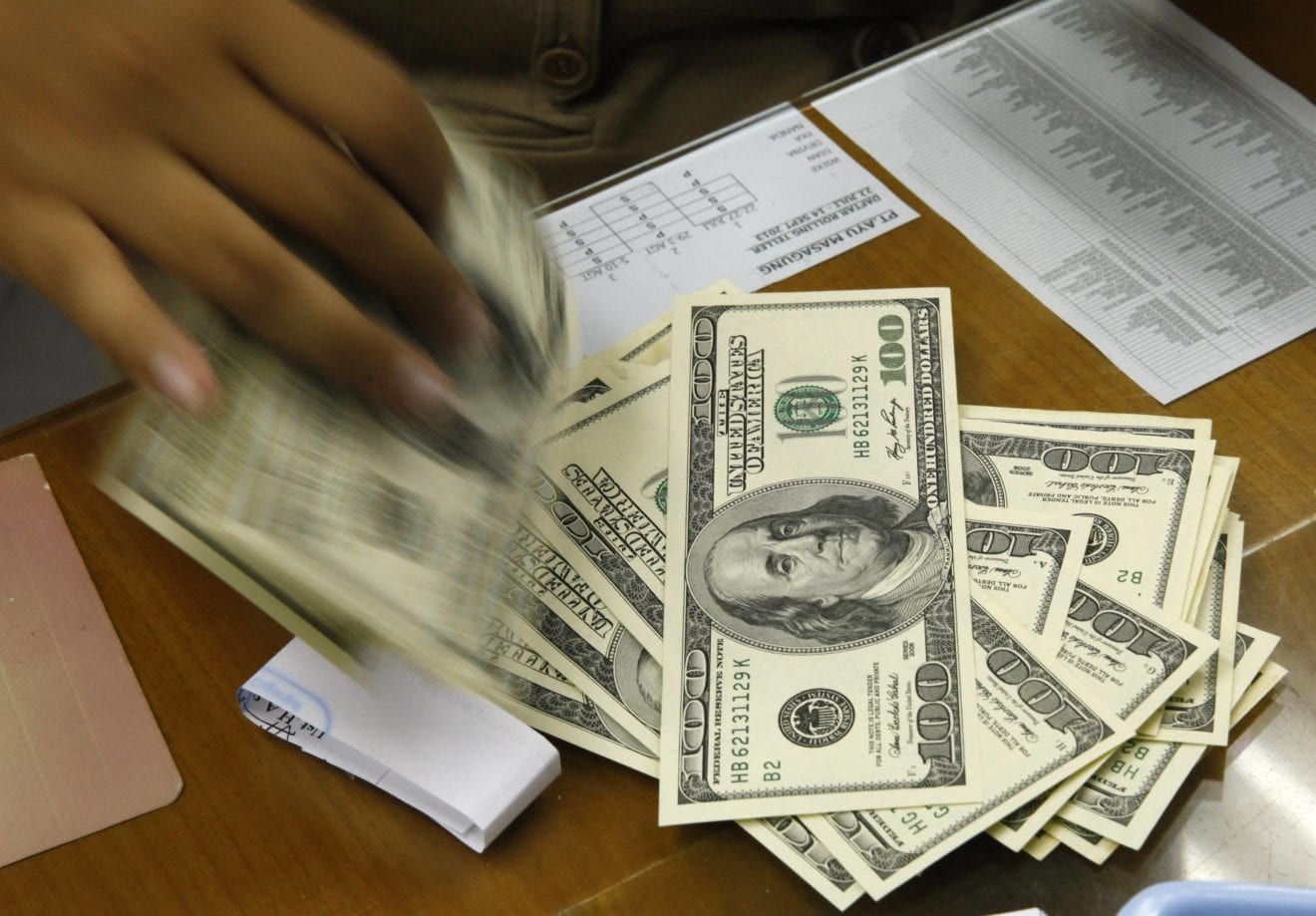
    On Wednesday morning, the US dollar experienced a surge against the Vietnamese dong while simultaneously witnessing a decline against several of its other major counterparts. In the currency exchange, Vietcombank sold the US dollar at VND26,309. This represented a marginal increase of 0.02% compared to the previous day’s rate. On the unofficial currency market, the US dollar saw a slightly larger gain of 0.1%, reaching around VND26,858.

    Monetary Policy Moves

    The State Bank of Vietnam responded to these fluctuations by increasing its reference rate by 0.02% to VND25,057. This move typically reflects the government’s effort to manage the value of the Vietnamese dong and ensure economic stability in the country.

    Global Currency Trends

    In broader international markets, Asian currencies made a recovery on Wednesday, bouncing back from losses sustained the previous day. Many investors are closely monitoring the US Supreme Court’s recent decision to block President Donald Trump’s tariffs that were imposed using emergency powers. They are also keenly observing his speeches for any potential indicators of future trade policy changes.

    The dollar index, a key benchmark used to gauge the value of the US dollar relative to a basket of other major currencies, including the yen and the euro, fell slightly by 0.05% to 97.84. In parallel, the euro saw a mild increase of 0.05%, reaching $1.1777.

    The value of the yen against the US dollar saw a modest uptick of 0.12%, reaching 155.7 per dollar. This comes after a significant drop of 0.8% on Tuesday.

    In other parts of the world, the Australian dollar experienced a rise of 0.3% to $0.7074. This followed a surge in inflation which has increased the likelihood of future rate hikes. Additionally, the New Zealand dollar saw a minor increase in its value, reaching $0.5971.

    Questions & Answers

    How did the US dollar perform against the Vietnamese dong on Wednesday?
    The US dollar saw a marginal increase against the Vietnamese dong on Wednesday, selling at VND26,309 in Vietcombank, which is a 0.02% increase from the previous day.

    How did other major currencies perform against the US dollar?
    The yen and the Australian and New Zealand dollars all strengthened against the US dollar. The yen increased 0.12%, while the Australian dollar rose by 0.3%. The New Zealand dollar also saw a minor increase.

    How did global events impact the currency market?
    Investors are closely monitoring recent decisions by the US Supreme Court and speeches from President Donald Trump for signals on future trade policy. These global events have an impact on currency movements and investors’ actions.

  • Vietnam Airlines and Sun PhuQuoc Airways Ink Historic $30B Deal for 90 Boeing Aircraft

    Vietnam Airlines and Sun PhuQuoc Airways Ink Historic $30B Deal for 90 Boeing Aircraft

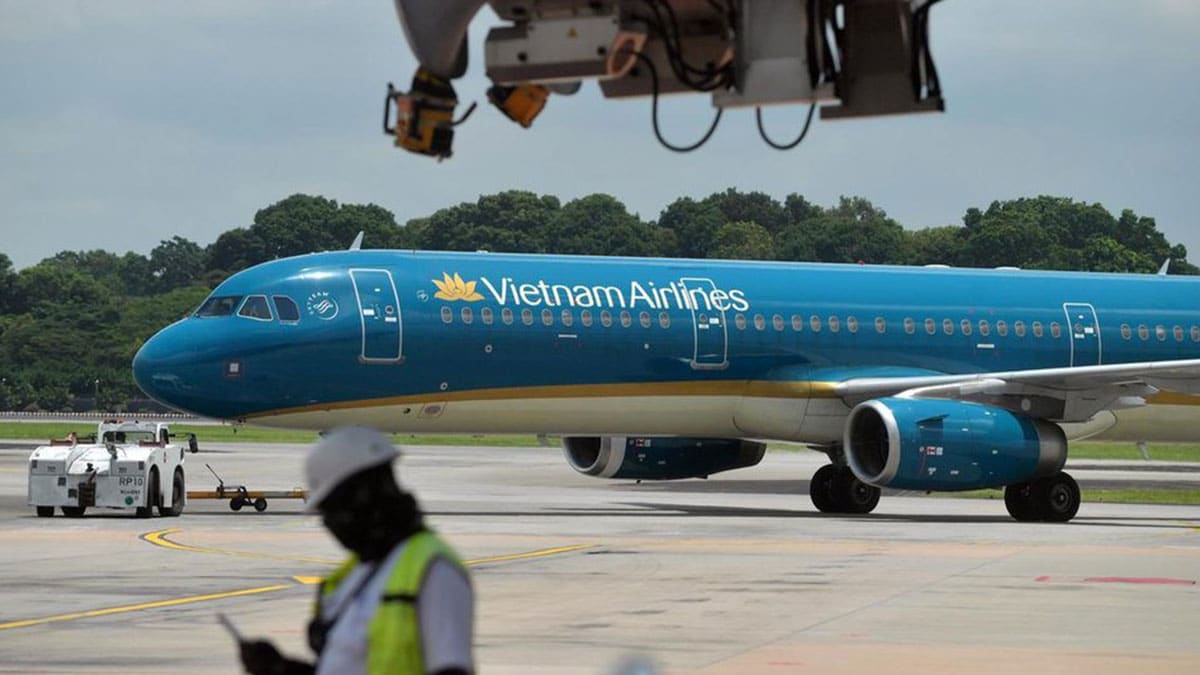
    Vietnam Airlines and Sun PhuQuoc Airways have entered into a significant agreement to acquire a total of 90 Boeing aircraft in a deal estimated to be worth over US$30 billion. The high-profile contract signing event was held in Washington, D.C., with the participation of Vietnam’s Party General Secretary To Lam and his official delegation.

    Purchases by Vietnam Airlines

    Vietnam Airlines aims to enrich its fleet with the addition of 50 Boeing 737-8 planes, a purchase valued at $8.1 billion. The carrier has planned the procurement timeline between 2030 and 2032. The airline’s strategic intent behind this acquisition is to leverage the new aircraft on its domestic routes as well as for reaching various destinations across Asia.

    Boeing’s best-selling aircraft, the 737-8, comes with a seating capacity of up to 200 passengers and a flight range of 6,570 km. This makes it an ideal choice for the airline’s regional and medium-haul routes.

    Purchases by Sun PhuQuoc Airways

    Sun PhuQuoc Airways, on the other hand, plans to invest $22.5 billion in purchasing 40 Boeing 787-9 Dreamliner aircraft. The 787-9 is a long-haul, wide-body aircraft with a flight range exceeding 14,000 km and the capability to seat 290 passengers.

    At present, Vietnam Airlines is the sole operator in the country of wide-body aircraft. Sun PhuQuoc Airways, having started its operations in the last quarter of 2025, has received its eighth narrow-body aircraft recently and is poised to acquire two more Airbus planes by the end of this month.

    The country’s largest private airline, Vietjet Air, also secured strategic partnerships during this event. These partnerships involve deals worth more than $6.3 billion with leading U.S. financial institutions and corporations.

    Questions & Answers

    What is the value of the Boeing aircraft purchase agreement between Vietnam Airlines and Sun PhuQuoc Airways?

    The total value of the agreement is estimated at over US$30 billion.

    How many aircraft does Vietnam Airlines plan to buy and for what purpose?

    Vietnam Airlines plans to buy 50 Boeing 737-8 planes, costing $8.1 billion, to operate on domestic and Asian routes.

    What type of aircraft does Sun PhuQuoc Airways intend to acquire?

    Sun PhuQuoc Airways intends to purchase 40 Boeing 787-9 Dreamliner aircraft, which are long-haul, wide-body planes.

  • South Korean Firm The Venture Acquires Majority Stake in Chicken Plus Vietnam, Targets Rapid Expansion

    South Korean Firm The Venture Acquires Majority Stake in Chicken Plus Vietnam, Targets Rapid Expansion

    South Korean investment firm, The Venture, has recently acquired the majority shares of Chicken Plus’ business operations in Vietnam. This is part of their overseas investment project fund.

    Chicken Plus: An Expanding Brand

    Chicken Plus, a renowned fried chicken brand from South Korea, operates under a franchising model. The chain, which was first established in 2016, has seen significant growth in its domestic market with over 500 locations currently in operation.

    In 2019, the brand made its debut in Vietnam and has since expanded to more than 100 locations across the nation.

    Investment Strategy

    The Venture secured its majority stake in Chicken Plus Vietnam through an overseas investment project fund. This fund also includes a key domestic chicken franchise company as a strategic investor.

    The investment firm aims to build on the existing local store network and operational infrastructure of Chicken Plus Vietnam. The goal is to increase its store count to 270 within the next four years.

    Aside from this expansion plan, the company also has plans to establish its own poultry farm. They aim to internalize production, distribution, and sales processes to ensure cost competitiveness and quality control.

    No Changes to Management

    Following the acquisition, there will be no alterations to the existing management or personnel.

    Daehyun Kim, a partner at The Venture who supervises investments in Vietnam, suggests that the acquisition’s primary objective is to enhance asset value. This is to be achieved through the integration of the Korean restaurant system with local infrastructure.

    The Venture firm has a history of investing in logistics data solutions and e-commerce startups, primarily in Vietnam and Malaysia. This latest deal indicates their expansion into the restaurant sector.

    Questions & Answers

    What is the goal of The Venture’s acquisition of Chicken Plus Vietnam?
    The Venture aims to increase the store count of Chicken Plus Vietnam to 270 within the next four years, by leveraging the existing local store network and operational infrastructure.

    What changes will occur after the acquisition?
    There will be no changes to the existing management or personnel after the acquisition.

    What is the investment history of The Venture firm?
    The Venture has a history of investing in logistics data solutions and e-commerce startups, primarily in Vietnam and Malaysia. This latest acquisition signals its expansion into the restaurant sector.

  • Vietnam Tops Southeast Asia in Pork Consumption: A Look at the Nation’s Soaring Demand

    Vietnam Tops Southeast Asia in Pork Consumption: A Look at the Nation’s Soaring Demand

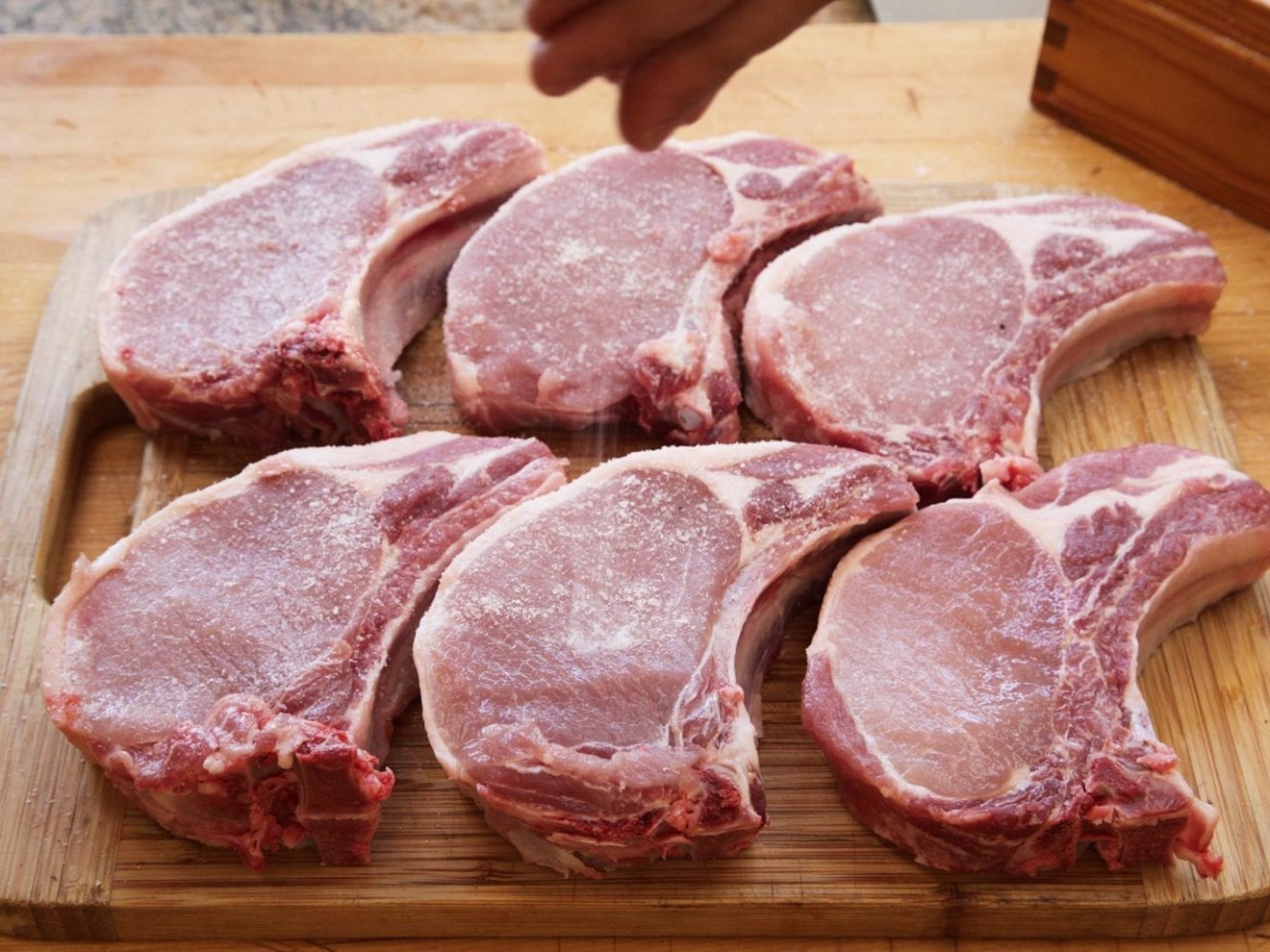
    Based on a report from the Ministry of Industry and Trade’s Department of Domestic Market Management and Development, Vietnam holds fourth place globally and tops the ranks in Southeast Asia in terms of pork consumption. Forecasts predict that by 2025, each individual in the country will be consuming nearly 39 kg of pork.

    The Role of Pork in Vietnamese Diet

    Pork remains a significant part of diets in Vietnam, as the country’s high consumption rate reflects. In addition, it significantly influences the national Consumer Price Index (CPI). Recent data illustrates a continuous rise in domestic pork consumption annually. In 2021, the average person consumed approximately 30 kg, which increased to around 37 kg in 2024 and further rose to nearly 39 kg the following year. Currently, the consumption of pork makes up over 63% of the total consumption of livestock products.

    Impact on the Market and CPI

    Pork is a food item that significantly affects the food market and the CPI, according to the department. As the Lunar New Year, or Tet, approaches, pork demand typically surges by around 10-15%. Last year, there was strong growth in the livestock industry, producing 8.6 million tonnes of various meats, of which 5.4 million tonnes were pork. This amount is sufficient to ensure an adequate supply for the upcoming Tet holiday.

    Pham Kim Dang, the Deputy Director of the Department of Animal Husbandry and Veterinary Medicine, expressed concerns over a potential supply shortage due to natural disasters and disease outbreaks the previous year. However, she assures that the current pig population of 31.4 million is more than enough to meet the demand for the Tet holiday.

    Current Pork Pricing

    Presently, the market price for live pigs is around VND71,000-74,000 (US$2.73-2.85) per kg. Despite being slightly lower than the previous month, experts consider this price to be still quite high. There were instances in January when the price reached up to VND81,000 per kg, which was unusual.

    Nguyen Xuan Duong, the Chairman of the Vietnam Livestock Association, believes that the prices of pork are swayed by speculative trading and the behaviours of small traders. Pork plays a large part in the Vietnamese consumer basket and is deemed an essential good. Therefore, a significant rise in pork prices could directly impact the people’s livelihoods and the national CPI.

    Questions & Answers

    What is the annual per capita consumption of pork in Vietnam?
    The annual per capita consumption of pork in Vietnam is predicted to reach nearly 39 kg by 2025.

    How does pork consumption affect the Vietnamese economy?
    Pork consumption significantly impacts Vietnam’s food market and the Consumer Price Index (CPI), particularly because it makes up over 63% of the total consumption of livestock products.

    What factors influence the price of pork in Vietnam?
    The price of pork in Vietnam is influenced by speculative trading, the behaviours of small traders, and the supply and demand dynamics, particularly during the Lunar New Year when demand typically surges by around 10-15%.

  • Vietnam’s Auto Market Zooms Ahead as January Sales Skyrocket by 95%

    Vietnam’s Auto Market Zooms Ahead as January Sales Skyrocket by 95%

    In January, member companies of the Vietnam Automobile Manufacturers’ Association (VAMA) experienced a substantial increase in sales, with 36,875 vehicles sold. This represents a 95% growth from the same time the previous year.

    Breakdown of Sales

    The majority of the sales were passenger cars, with 26,102 units sold, according to data published by VAMA. Commercial vehicles also saw significant sales with 10,312 units, while special-purpose vehicles accounted for 461 units.

    A low-base effect was identified as a major contributing factor to this sharp increase. The latter half of January last year coincided with the lead-up to the Lunar New Year (Tet), a time when Vietnamese consumers typically curb spending on large purchases such as automobiles.

    Domestic Assembly and Imports

    The recovery observed was evenly split between domestic assembly and imports. Sales of locally produced completely knocked-down vehicles rose by 98% year-on-year to 18,034 units, while fully built-up imports saw a 93% increase, reaching 18,841. This narrow difference indicates a robust resurgence in both local production and imported vehicle supply.

    Top Brands

    Ford Vietnam topped the list of VAMA brands with 5,121 units sold, narrowly beating Mitsubishi’s 5,039 and Toyota Vietnam’s 4,852. THACO-distributed brands completed the top five, with THACO Mazda and THACO Kia selling 3,515 and 3,487 units respectively. The leading brands benefited from robust line-ups in SUV, crossover, MPV and pickup segments.

    The most popular models demonstrate a continued consumer preference for high-ground-clearance and multi-purpose vehicles. The Mazda CX-5 was the top seller with 2,104 units, followed by the Mitsubishi Xforce at 1,666. Ford’s pickup and SUV lineup also saw strong sales.

    Market Overview

    The VAMA data only represents part of the overall market, as several non-member brands do not publicly release their sales figures. Hyundai Thanh Cong separately reported sales of 5,872 units, while VinFast, a leading player in the electric vehicle market, has not yet disclosed its January data.

    However, the pronounced growth reported by VAMA members signals improving market conditions. This is likely due to increased consumer confidence, a rise in travel and logistics activity, and a more supportive economic environment.

    Questions & Answers

    What was the main factor contributing to the surge in automobile sales in Vietnam?
    The main factor was a low-base effect due to reduced spending in the same period of the previous year, which coincided with the lead up to the Lunar New Year.

    Which brands led in sales among VAMA member companies?
    Ford Vietnam led in sales among VAMA member companies, followed by Mitsubishi and Toyota Vietnam.

    What does the strong sales growth indicate about the market conditions?
    The substantial growth in sales suggests improving market conditions, boosted by increased consumer confidence, a rise in travel and logistics activity, and a more supportive economic environment.

  • Vietnam Gold Prices Defy Asian Trend with a Robust 18% Surge This Year

    Vietnam Gold Prices Defy Asian Trend with a Robust 18% Surge This Year

    On Saturday morning, gold prices in Vietnam experienced an increase, in contrast to the general slump observed across Asia. This increase occurred in spite of a lack of enthusiasm for jewelry in the market.

    Gold Prices in Vietnam

    Saigon Jewelry Company noted a rise of 1.12% in the value of their gold bars, bringing the price up to VND180 million (US$6,931.10) per tael. It’s worth noting that a tael is equivalent to 37.5 grams, or around 1.2 ounces.

    In addition, the price of gold rings increased by 0.56%, reaching a value of VND180.5 million per tael. Thus far in the year, gold prices in Vietnam have consistently been on an upward trend, rising by 18%.

    Asian Market Trends

    Across the broader Asian market, gold was trading at lower rates late Friday. For the first time in almost a month, gold began trading at a discount in India due to the volatility of its prices, deterring potential buyers. On the contrary, demand for gold was strong in China in the buildup to the Lunar New Year holiday.

    Last week Indian bullion dealers offered a discount of up to $12 per ounce on official domestic gold prices. These prices include a 6% import fee and a 3% sales levy, a decrease from last week’s premium of up to $70.

    One jeweler based in Hyderabad observed, “Jewelry demand has not recovered despite jewelers offering discounts on making charges. Retail buyers are not comfortable making purchases at current price levels.”

    Meanwhile, in China, bullion traded at a discount of $8 to premiums of up to $10 an ounce above the global benchmark spot price. This price shift happened in light of the nine-day Lunar New Year holiday starting on February 15.

    Questions & Answers

    What has been the trend for gold prices in Vietnam?
    Gold prices in Vietnam have been steadily rising this year, with an 18% increase noted so far.

    Why did gold start trading at a discount in India?
    The volatility of gold prices has been deterring potential buyers, resulting in gold trading at a discount for the first time in almost a month.

    How has the demand for gold been in China?
    There has been a robust demand for gold in China, especially with the approach of the Lunar New Year holiday.

  • Dollar Takes a Dip: Black Market Trends Reflect Dollar’s Decline Against Vietnamese Dong

    Dollar Takes a Dip: Black Market Trends Reflect Dollar’s Decline Against Vietnamese Dong

    The US dollar experienced a minor decrease against the Vietnamese dong in the informal market this past Saturday. The devaluation, at a modest 0.08%, saw the dollar trading at VND 26,250 at unauthorized exchange locations.

    Vietcombank, a significant player in the Vietnamese financial landscape, held its rate steady for the fourth consecutive day, maintaining a rate of VND 26,160.

    On the global stage, the US dollar remained largely unchanged against its counterparts on Friday. This stability follows an unexpected below-forecast rise in inflation for January, implying the US Federal Reserve may maintain its current rates for the near future.

    The Japanese yen, on the other hand, is on track for its most significant weekly increase in nearly 15 months.

    Statistics released by the US Labor department on Friday revealed a 0.2% increase in the consumer price index for the previous month. This is slightly lower than the 0.3% predicted by economists.

    The euro saw a small rise of 0.02% against the dollar, reaching a rate of $1.1873. If current trends continue, the euro is set to gain 0.5% this week.

    In comparison, the US dollar saw a dip of 0.22% against the Swiss franc, falling to 0.76785. If this tendency holds, it would equate to a weekly loss of 1% for the dollar.

    Analysts at Goldman Sachs, including Alexandra Kanter, attribute the relative weakness of the US dollar to several factors. These include the unpredictable nature of US policymaking in January, a recent reduction in market outperformance due to a sell-off in the software sector, and unique developments in Asia. Of particular note is the ongoing strengthening of the Chinese yuan.

    Questions & Answers

    What was the exchange rate between the US dollar and the Vietnamese dong on the black market this Saturday?
    The US dollar traded at VND 26,250 against the Vietnamese dong in the black market.

    What effect did the lower-than-expected inflation rise have on the Federal Reserve’s decisions?
    The less than expected increase in inflation suggests the Federal Reserve may continue to hold its rates steady in the near term.

    Which factors are contributing to the relative weakness of the US dollar?
    The relative weakness of the US dollar is attributed to unpredictable US policymaking in January, a recent reduction in equity market outperformance due to a software sector sell-off, and unique developments in Asia such as the strengthening Chinese yuan.

  • Vietjet delivers strong 2025 results with 47% Q4 revenue growth and global network expansion

    Vietjet delivers strong 2025 results with 47% Q4 revenue growth and global network expansion

    Vietjet Aviation Joint Stock Company (HOSE: VJC) reported strong revenue and profit growth in the fourth quarter and full year of 2025. These results provide a solid foundation for Vietjet as it enters 2026 with ambitious global growth strategies.

    Network Expansion Strengthens Market Position, Including Singapore–Vietnam Connectivity

    In Q4/2025, Vietjet transported more than 6.7 million passengers across 36,100 flights.

    For the full year, the airline carried 28.2 million passengers on 153,000 flights, representing YoY growth of 9% and 11.2%, respectively. Total cargo volume reached 113,923 tons.

    Vietjet continues to hold the leading market share in Vietnam by passenger volumes across both domestic and international markets.

    In 2025, the airline operated 254 routes, including 52 domestic and 202 international services, and launched 22 new routes connecting Vietnam to key destinations, including Central Asia and China.

    To meet rising travel demand, driven by strong leisure and business traffic, particularly between Singapore and Vietnam, Vietjet expanded capacity to enhance connectivity and operational efficiency. The airline launched the Singapore – Phu Quoc route in May 2025, expanding its flight network between Singapore and Vietnam. The route was later increased from four weekly services to seven round-trip flights per week. Vietjet currently offers four direct services linking Singapore with Hanoi, Ho Chi Minh, Da Nang and Phu Quoc.

    Effective Operations Sustain Profit Growth Momentum

    Based on its financial statements, Vietjet recorded separate revenue of VND29.035 trillion (approx. SGD1.43 billion) in Q4/2025, a 47% year-on-year (YoY) increase.

    In Q4/2025, Vietjet posted a separate pre-tax profit of VND475 billion (approx. SGD23.31 million) and consolidated pre-tax profit of VND579 billion (approx. SGD28.41 million), soaring 93.4% and 436% YoY, respectively.

    For the full year, Vietjet delivered strong performance, with separate revenue reaching VND81.426 trillion (approx. SGD3.99 billion), up 14% YoY. Separate gross profit for 2025 stood at VND8.213 trillion (approx. SGD403.23 million), supported by continued network expansion and lower fuel costs compared to the previous year.

    Vietjet’s consolidated revenue totalled VND82.093 trillion (approx. SGD4.03 billion), an increase of 14% YoY. Consolidated pre-tax and post-tax profit reached VND2.630 trillion (approx. SGD128.93 million) and VND2.123 trillion (approx. SGD104.06 million), growing 44.3% and 51.2%, respectively, and exceeding 120% of the annual plan.

    As of 31 December 2025, Vietjet’s total assets reached VND139.459 trillion (approx. SGD6.84 billion). The net debt-to-equity ratio stood at 2.25, while the liquidity ratio reached 1.53, among the strongest in the aviation industry.

    During the year, Vietjet successfully issued 50 million shares, increasing equity by VND5 trillion (approx. SGD245.5 million), to support long-term growth.

    Strengthening International Cooperation and Long-term Investment

    In 2025, Vietjet took delivery of 22 new aircraft, representing its largest fleet expansion since its establishment and reinforcing capacity for the next phase of growth.

    The airline also signed an agreement with Airbus to purchase 100 A321neo aircraft, alongside a separate contract with Rolls-Royce for 92 Trent 7000 engines and comprehensive maintenance services, valued at US$3.8 billion (approx. SGD4.83 billion).

    In December, Vietjet Thailand received its first Boeing aircraft, expanding the group’s fleet scale ahead of 2026.

    Vietjet continued to invest in talent and training through international-standard pilot training partnerships. In 2025, Vietjet Aviation Academy (VJAA) trained more than 162,000 trainees through 15,198 courses; proactively developing pilots, technical staff, ground operations staff and other aviation professionals to meet rising industry demand.

    At Long Thanh International Airport, the airline marked two key milestones: the topping out of its international-standard aircraft maintenance hangar and the operation of its first flight to the under-construction airport.

    Strengthening Customer Experience Through Innovation, Technology and Global Awards

    Vietjet expanded and diversified its customer experience through offerings such as Business class tickets, the SkyJoy loyalty program, in-flight retail, multi-channel booking and payment platforms, and its AI virtual assistant, Amy. The airline also introduced culturally themed onboard programs during major regional festivals such as Chuseok (Korea), Holi and Diwali (India), among others.

    Operational upgrades included expanded check-in facilities, self-handled ground services at Tan Son Nhat, Vietnam’s busiest airport, and accelerated adoption of advanced operational technologies such as real-time flight monitoring, data management systems, and biometric identification to improve efficiency and service quality.

    In 2025, Vietjet received multiple international accolades for safety, sustainability, and customer experience, including recognition by AirlineRatings, the World Travel Awards, and Brand Finance.

    With strong financial performance, a rapidly expanding fleet, deepened international cooperation and reinforced operational capacities, Vietjet enters 2026 well positioned to pursue sustainable growth and global expansion.