Retail News CRM

Tag: Vietnam

  • Crackdown in Da Nang: Seven Retailers Face Hefty Fines for Peddling Counterfeit Luxury Brands

    Crackdown in Da Nang: Seven Retailers Face Hefty Fines for Peddling Counterfeit Luxury Brands

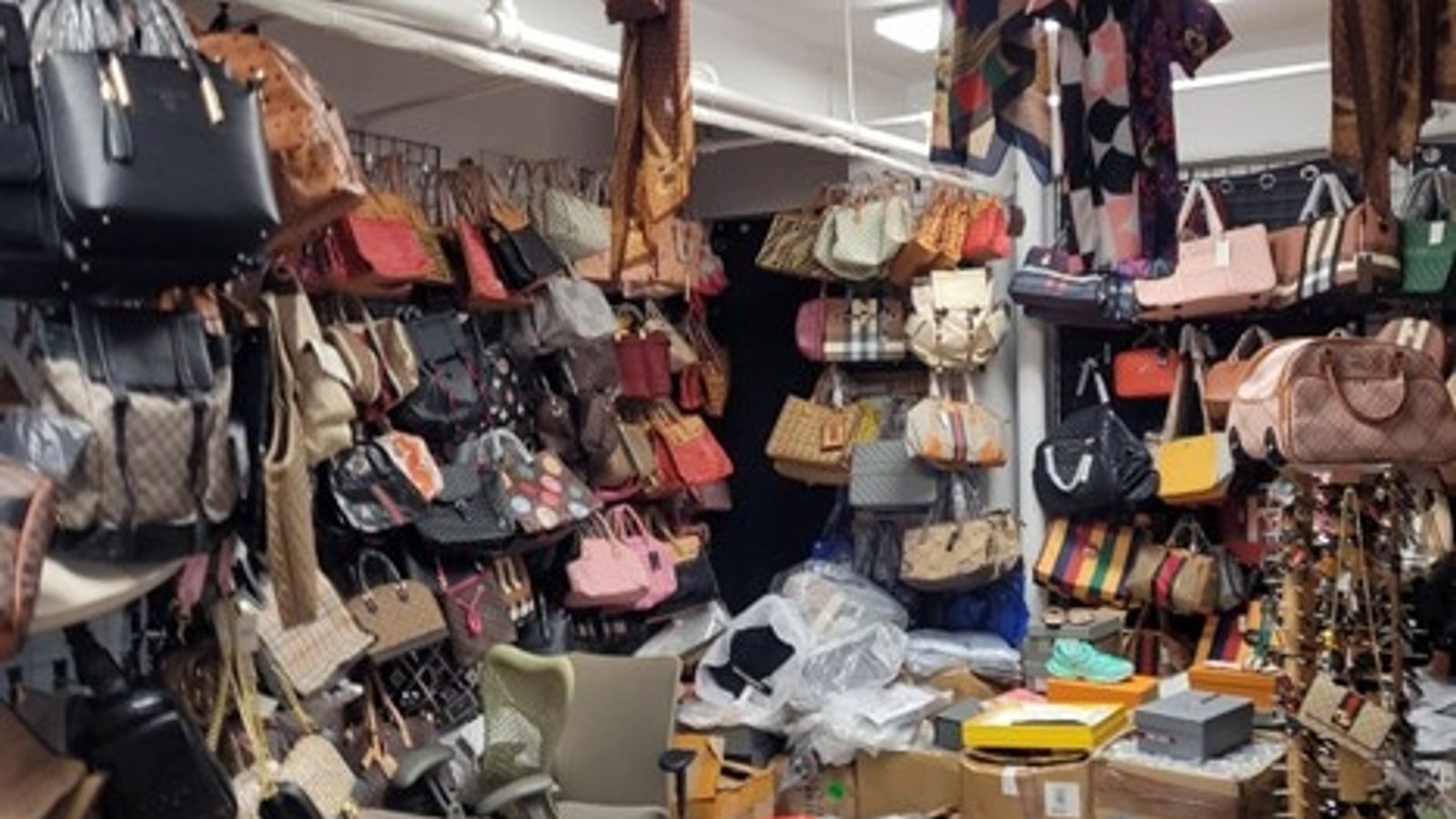
    The Market Surveillance Department has issued fines totaling VND215 million (US$8,163.74) to seven retail stores in Da Nang, Vietnam for selling fake merchandise from brands such as Gucci and Nike. The shops, located in popular tourist areas Son Tra and Hoi An, have been instructed to dispose of all counterfeit items.

    Counterfeit Items Seized in April Raid

    The fines come as a result of an early April raid, during which authorities seized 295 handbags from brands such as Gucci, Chanel, Hermes, and Fendi, along with 27 pairs of Nike sneakers. All of these items were suspected to be counterfeit.

    The raided establishments were unable to provide proper documents or invoices for these goods, which are estimated to have a value of nearly VND178 million if they were authentically produced.

    Raids Part of Broader Campaign

    These raids are part of a larger initiative leading up to the Da Nang International Fireworks Festival, an annual event that draws large crowds of both local and international tourists.

    The Market Surveillance Department has indicated that they will continue to conduct inspections in shopping and tourist areas. They warned that repeat or serious offenders may be referred to investigative authorities if there is evidence of criminal activity.

    In an effort to further prevent the sale of counterfeit and low-quality goods, authorities are also ramping up public awareness campaigns. These initiatives aim to educate businesses on legal compliance and help consumers identify counterfeit products.

    Questions & Answers

    Why were these retail stores in Da Nang fined?
    They were fined for selling counterfeit merchandise from brands including Gucci and Nike.

    What action was taken after the counterfeit items were discovered?
    The shops were levied with fines and ordered to dispose of all counterfeit goods.

    What measures are authorities taking to prevent the sale of counterfeit goods?
    Authorities are conducting regular inspections, particularly in tourist and shopping areas. They are also running public awareness campaigns to educate businesses about legal compliance and help consumers detect counterfeit and low-quality goods.

  • U.S. Dollar Rises Against Vietnamese Dong Amid Global Currency Fluctuations

    U.S. Dollar Rises Against Vietnamese Dong Amid Global Currency Fluctuations

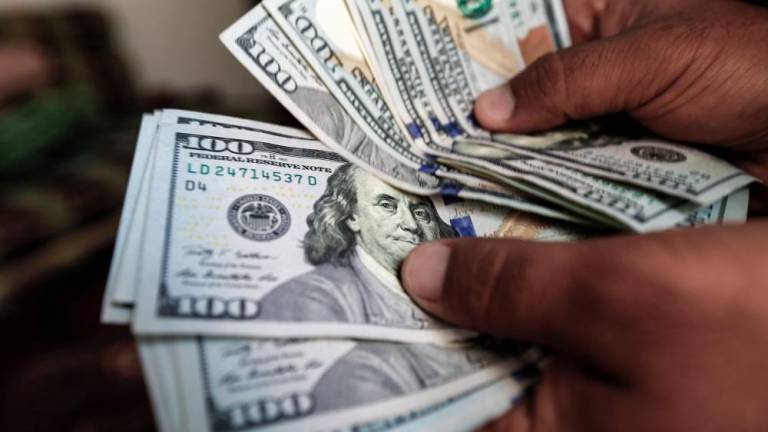
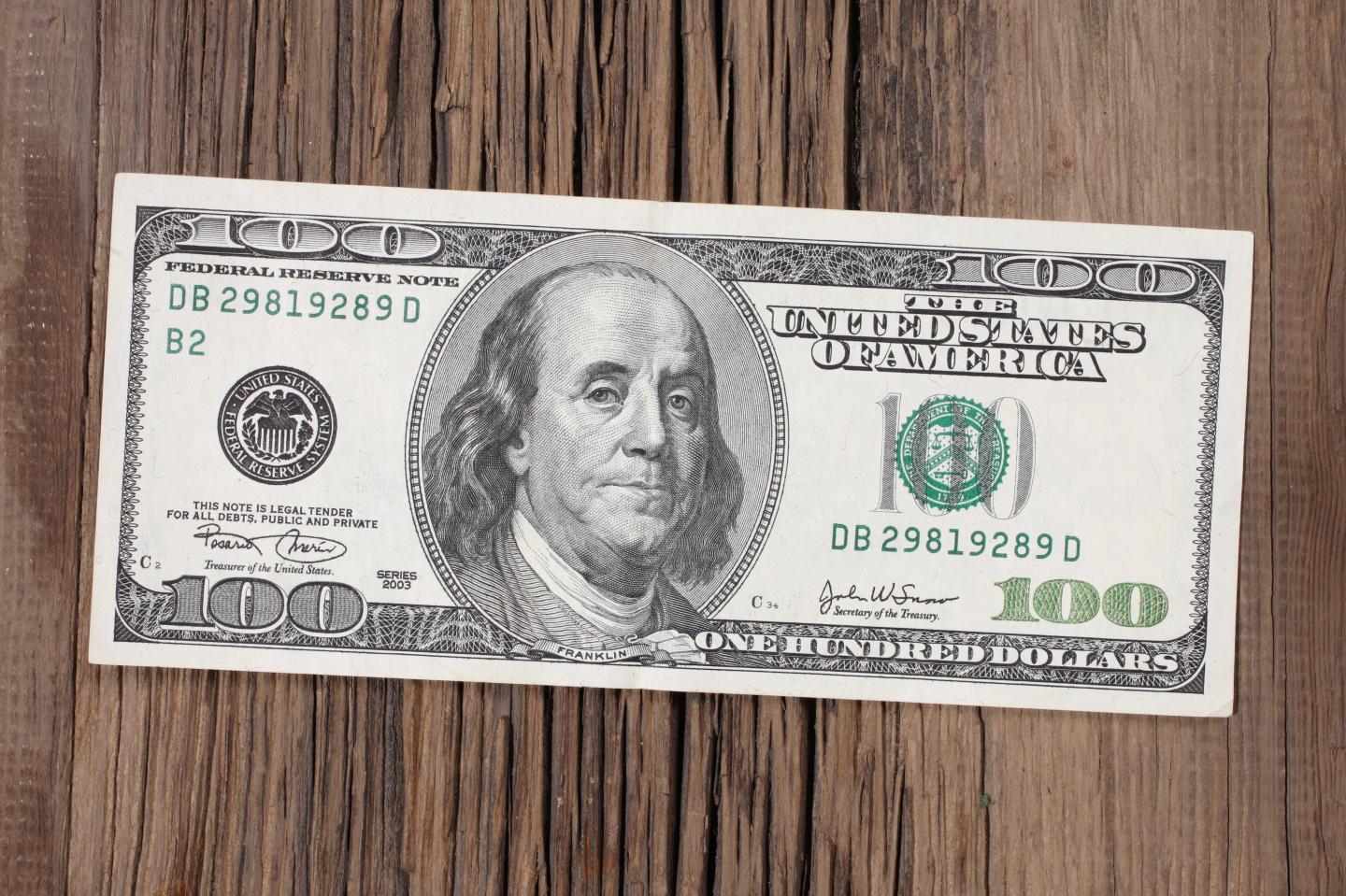
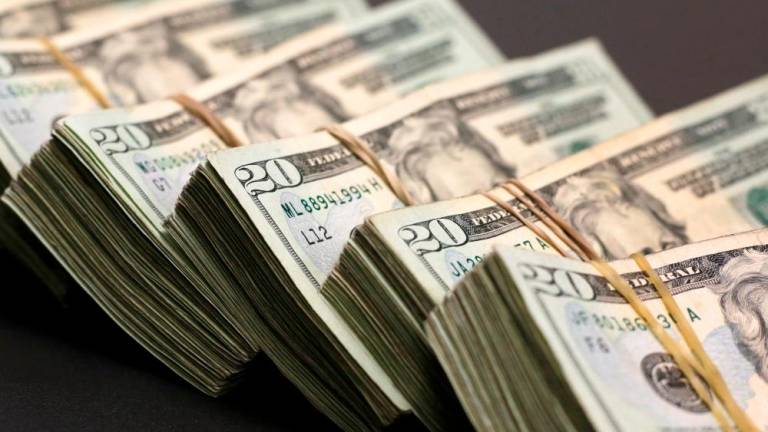
    On Friday, the United States dollar showed an increase against the Vietnamese dong, even though it was headed for a weekly depreciation against other major currencies. Vietcombank reported a slight increase of 0.01% in its selling rate of the US dollar, which was pegged at VND26,360. At the same time, the currency noted a 0.08% rise on the black market, reaching approximately VND26,876.

    Adjustments by the State Bank of Vietnam

    The Vietnamese central bank, State Bank of Vietnam, made an upward adjustment to its reference rate, increasing it by 0.01% to VND25,105.

    Global Currency Dynamics

    Internationally, the US dollar was looking at potentially its most significant weekly decline since January. This trend emerged as other currencies capitalized on the hopeful sentiment that a ceasefire in the Gulf would persist and oil shipping would be resumed.

    The US dollar index, which measures the greenback’s strength against a basket of other currencies, has depreciated by 1.3% over the current week. The euro, in contrast, has experienced a rally, piercing its 200-day moving average this week to reach a trading level of $1.1690.

    Sterling, the British currency, has also witnessed a significant jump, with an increase of 1.8% this week, pushing it above its 200-day moving average to a trading rate of $1.3424.

    Even the risk-sensitive currencies of Australia and New Zealand have charted weekly rises of close to 3% against the US dollar. The Australian dollar is trading just above 70 cents, while the New Zealand dollar currently stands at $0.5847.

    Furthermore, the Japanese yen, which has been under substantial pressure due to Japan’s low interest rates, government spending plans, and reliance on imported oil, is marginally above the recent lows at 159.2 to the US dollar.

    Geopolitical Developments and Currency Impact

    Thursday saw the arrival of Iranian officials in Islamabad, with a US delegation led by Vice President JD Vance following suit on Friday. The aim of these meetings is to fuel investor optimism regarding the establishment of lasting peace.

    Jason Wong, a senior strategist at BNZ based in Wellington, stated that positive discussions could lead to further depreciation of the US dollar. However, if discussions do not progress well and the current scarcity of ships persists, the situation could reverse rapidly.

    Questions & Answers

    What was the selling rate of the US dollar against the Vietnamese dong on Friday?
    The selling rate of the US dollar against the Vietnamese dong on Friday was VND26,360.

    What is the expected trend of the US dollar against major currencies for the week?
    The US dollar is expected to witness a weekly depreciation against major currencies.

    What has been the impact of geopolitical developments on the US dollar’s performance?
    Positive geopolitical developments, such as peace talks, can lead to a depreciation of the US dollar. However, negative outcomes could potentially reverse this trend.

  • Burger King’s Vietnam Retreat: High-End Competition Forces Fast-Food Giant to Scale Back Operations

    Burger King’s Vietnam Retreat: High-End Competition Forces Fast-Food Giant to Scale Back Operations

    Burger King, the renowned American fast food titan, has shuttered all its outlets in Hanoi, marking the end of over a decade-long presence in the city and simultaneously narrowing its footprint in Ho Chi Minh City.

    Shutting Down Operations

    Imex Pan Pacific Group (IPPG), the operating partner of Burger King and a local conglomerate that owns a multitude of rival retail brands, acknowledged the cessation of the brand’s operations in all Hanoi outlets roughly two months ago. The process of shutting down varied between one to two months, contingent on the particular outlet. Previously, the city had three Burger King outlets in operation.

    Presently, in Hanoi, the brand’s offerings are solely accessible through an outlet located within the city’s airport. Concurrently, operations in Ho Chi Minh City have been restrained, leaving only three outlets beyond the airport, one of which is conveniently situated in the backpacker haven of Phạm Ngũ Lão.

    The Burger King Journey

    Burger King, established in the United States in 1954, entered the Vietnamese market in 2012 via a franchise contract with IPPG. The grand opening was met with ambitious projections, with plans to establish 60 outlets within a span of five years. However, by 2016, the fast-food chain could only boast of 16 operating outlets, inclusive of one at Ho Chi Minh City’s airport.

    The expansion of Burger King in Vietnam has noticeably contracted over time, an issue some market analysts attribute to cost structures and business performance. The franchise model, based on universally accepted standards encompassing inputs, processes, and quality control, often incurs substantial operating costs. Consequently, when revenue and customer numbers fail to meet expectations, sustaining operations poses a formidable challenge.

    IPPG’s Franchise Strategy

    IPPG, from a franchise standpoint, lays emphasis on diversifying its portfolio, concentrating on the luxury retail sector, apparel, and businesses related to travel. The company, which operates over 1000 stores and collaborates with 138 brands, is progressively expanding its presence in airports, border checkpoints, and shopping centers.

    Johnathan Hanh Nguyen, the founder and chairman of IPPG, in 2019, emphasized the role of site selection in franchise operations. He identified store location, design, and service standards as key factors influencing brand visibility and overall business performance.

    Alternative Business Models

    While certain distributors prioritize scale and coverage, emerging operators such as The Kho Group (TKG) focus on lifestyle positioning, carefully curating brand selection and customer experience. Instead of a broad launch, projects are selectively implemented in cities like Ho Chi Minh City, Hanoi, Da Nang, and Phu Quoc.

    Innovative projects like Malbon are designed as lifestyle spaces with dual-level layouts and integrated community functions. This points to TKG’s strategy of scrutinizing consumption patterns and behavior prior to project launch and gauging success based on brand engagement and repeat visits rather than pure revenue.

    This varied approach highlights the different strategies towards licensing and franchising in Vietnam’s retail sector. While some prioritize network scale and foot traffic, others invest in a curated and unique offering, focusing on store design and brand experience.

    Questions & Answers

    Why did Burger King close its outlets in Hanoi?
    The closure of Burger King’s outlets in Hanoi was attributed to numerous factors including cost structures, business performance, and revenue falling short of expectations.

    What is the current state of Burger King’s operations in Vietnam?
    Burger King has scaled down its operations in Vietnam. As of now, there is only one outlet in Hanoi, located at the city’s airport. In Ho Chi Minh City, only three outlets remain.

    How do new distributors like The Kho Group (TKG) differ in their approach?
    New distributors like TKG emphasize lifestyle positioning. They focus on a careful selection of brand and customer experience, launching projects selectively in certain cities, and gauging success through brand engagement and repeat visits as opposed to pure revenue.

  • Fuel Prices Plunge in Vietnam as US-Iran Ceasefire Cools Global Petroleum Market

    Fuel Prices Plunge in Vietnam as US-Iran Ceasefire Cools Global Petroleum Market

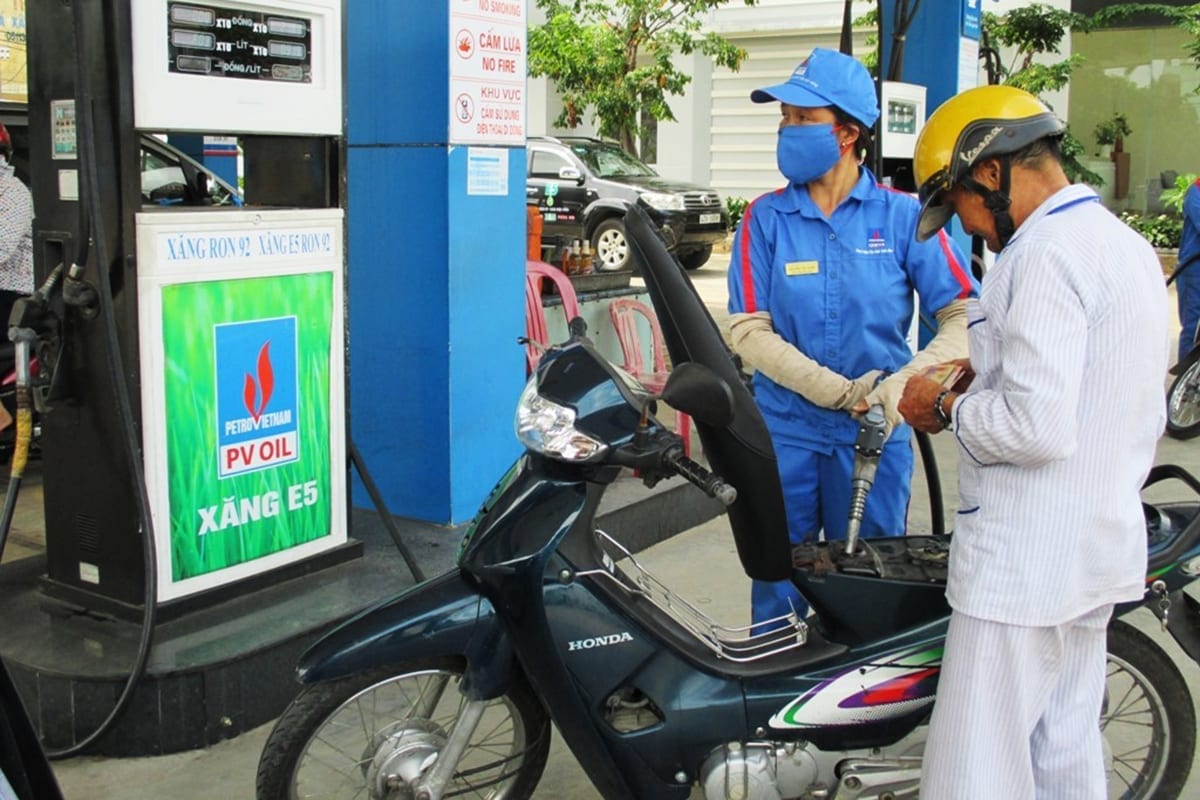
    On Wednesday afternoon, a decrease in gasoline prices was observed in Vietnam, a result of the global markets stabilizing after a ceasefire agreement was reached in the Middle East. The well-known fuel variant, RON95, witnessed a drop of 1.63%, bringing the per-litre price to VND26,530.

    Global Petroleum Markets Trending Downward

    According to the Ministry of Industry and Trade, global petroleum markets have been demonstrating a downward trend following the two-week ceasefire agreement between the United States and Iran. In the last four days alone, the average prices of RON95 gasoline have decreased by 1.8%, diesel has seen a drop of 14.5%, and mazut has declined by 1.5%.

    In the context of regional pricing, Vietnam’s retail fuel prices maintain an average level. These rates are lower than those in Singapore, Laos, Cambodia, Thailand, and China.

    Impact of Middle East Conflict on Global Fuel Supplies

    The conflict in the Middle East, which has been escalating since late February, has had a significant impact on worldwide fuel and gas supplies. The magnitude and implications of this crisis surpass the oil shock of the 1970s, an event that disrupted economies and energy markets around the globe.

    Such developments have led to substantial fluctuations in Vietnam’s domestic energy market. Since the conflict’s escalation in late February, there have been 14 pricing adjustments.

    Local Refineries Secure Supply

    During a government press briefing held last week, Deputy Minister of Industry and Trade, Nguyen Sinh Nhat Tan, confirmed that Vietnam’s two domestic refineries, Dung Quat and Nghi Son, have successfully secured enough crude supply to maintain production until the end of April.

    In March, principal fuel distributors imported 3.2 million cubic meters of petroleum products. Given the current inventories of 2.6-2.8 million cubic meters, the domestic fuel supply is estimated to meet demand until the end of the current month.

    Questions & Answers

    What led to the decrease in gasoline prices in Vietnam?
    The falling global petroleum market prices, triggered by a ceasefire agreement in the Middle East, led to a decrease in gasoline prices in Vietnam.

    How has the Middle East conflict affected the global fuel and gas supplies?
    The ongoing conflict in the Middle East has significantly disrupted worldwide fuel and gas supplies, even surpassing the impact of the 1970s oil shock.

    What measures has Vietnam taken to ensure a steady fuel supply?
    Vietnam has taken steps to secure its fuel supply by importing petroleum products and maintaining sufficient crude supply in its two domestic refineries, Dung Quat and Nghi Son.

  • Gold Prices in Vietnam Nudge Down After Early Rise: Exploring the Impact of Global Politics on Bullion Rates

    Gold Prices in Vietnam Nudge Down After Early Rise: Exploring the Impact of Global Politics on Bullion Rates

    After witnessing a 1.74% surge earlier in the session, the gold prices in Vietnam experienced a slight downturn on Wednesday afternoon. The price of the gold bar from the Saigon Jewelry Company decreased by 0.28% from its morning value, settling at VND175 million (US$6,646.04) per tael. Despite this dip, the daily gains were retained at 1.45%. Consequently, the difference between global and national gold rates diminished to VND22 million per tael.

    Gold Rings and Gold Bars

    Alongside the gold bars, gold ring prices also noted a slight reduction of 0.29%, closing at VND174.5 million per tael. However, this price still reflected a 1.45% increase from the previous day’s valuation. In Vietnam, a tael is a unit of weight measuring approximately 37.5 grams or 1.2 ounces.

    Global Gold Rates

    On an international scale, gold prices experienced an upturn on Monday due to the recent agreement between the U.S. President and Iran on a two-week truce. This ceasefire is geared towards concluding negotiations to end the prevalent war, which has caused significant disruption in global markets.

    As a result of this development, oil prices dipped below $100 a barrel, and the value of the dollar also declined. Such changes favor gold, which is priced in U.S. currency. Spot gold experienced a 2.5% increase, reaching $4,819.52 per ounce. During the session, the value of gold rose by over 3%, marking its highest level since March 19. Similarly, the U.S. gold futures for June delivery witnessed a 3.4% rise, reaching $4,845.30.

    The Appeal of Gold

    The announcement of the two-week truce disrupted expectations of escalation, which was a positive development for gold, according to Nicholas Frappell, Global Head of Institutional Markets at ABC Refinery. However, gold has seen an approximately 8% decrease since the conflict began in late February. This is because the allure of the non-yielding metal typically decreases in a high-interest-rate environment.

    Nonetheless, prices have shown signs of recovery in recent days. This rebound is backed by optimism surrounding the ceasefire and the anticipation that slower global economic growth could offset predictions of stable or higher borrowing costs.

    Questions & Answers

    What caused the dip in Vietnam’s gold prices?
    The gold prices in Vietnam dipped slightly due to a reduction in global gold prices.

    What effect did the announcement of the U.S.-Iran truce have on gold prices?
    The truce sparked optimism, causing gold prices to increase on a global scale as investors sought safe-haven assets.

    How does the interest rate environment affect the appeal of gold?
    In a high-interest-rate environment, the appeal of the non-yielding metal, such as gold, typically decreases as investors turn to assets with higher yields.

  • Vietnam’s Retail Boom: Tourism Wave Drives Double-Digit Sales Growth

    Vietnam’s Retail Boom: Tourism Wave Drives Double-Digit Sales Growth

    Vietnam’s retail sector experienced significant growth in the first quarter, with sales figures revealing a year-on-year increase of 10.9%. This rise is largely attributed to increased consumer spending over the holiday period, in addition to a significant upsurge in international tourism numbers. These figures were provided by the National Statistics Office of Vietnam.

    During the quarter, total retail sales of consumer goods and services reached an impressive US$72.2 billion, marking a 7% increase. The product categories contributing to this growth include apparel, food, and household goods.

    As well as retail, the country’s accommodation and food services sectors also saw an increase in revenue, generating $8.9 billion – a 13.3% increase.

    To further boost the country’s finances, tourism revenue also showed signs of growth, increasing to $870 million. This growth can be largely attributed to an increase in visitors during the Lunar New Year period.

    According to the National Statistics Office, the retail sector remains the largest contributor to Vietnam’s revenue. Accounting for a significant 76.3% of turnover, the retail sector generated $55.1 billion.

    Questions & Answers

    What was the increase in Vietnam’s retail sales figures in the first quarter?
    Vietnam’s retail sales experienced a year-on-year increase of 10.9% in the first quarter.

    Which sectors contributed to this growth?
    The growth in retail sales can be attributed to increased consumer spending in the apparel, food, and household goods sectors, as well as a surge in international tourism.

    What percentage of Vietnam’s revenue is contributed by the retail sector?
    The retail sector accounts for a significant 76.3% of Vietnam’s revenue.

  • Pepper Power: Vietnam’s Exports Leap 31% in Q1 Amid Supply and Shipping Challenges

    Pepper Power: Vietnam’s Exports Leap 31% in Q1 Amid Supply and Shipping Challenges

    In the first quarter of 2026, Vietnam’s pepper exports rose by 31.7% to a value of US$430 million, despite challenges related to global supply and logistics. The export volume increased by 39.2% to 66,350 tonnes, according to the Vietnam Pepper and Spice Association.

    March Exports

    The month of March saw a significant surge in exports. Shipments totaled $199.3 million, equating to 30,638 tonnes of pepper. This marked an increase of 119.3% from February and a year-on-year rise of 51.3% in value.

    Black pepper comprised the majority of these exports, with 26,190 tonnes worth $167.3 million. White pepper accounted for a smaller portion, with 4,448 tonnes worth $32 million. Even though black pepper prices dipped by 0.7%, the average export prices remained high, with black pepper costing an average of $6,520 per tonne and white pepper $8,735 per tonne. On the other hand, white pepper prices experienced a slight increase of 1%.

    Main Buyers

    The United States and China continued as Vietnam’s largest pepper buyers in March, with imports of 8,059 tonnes and 3,663 tonnes, respectively. Compared to the previous month, exports to the United States increased by 121% while those to China rose by 134.7%. Other markets such as Egypt, the Netherlands, Canada, and the Philippines also displayed substantial month-on-month growth.

    Import Increases

    Alongside increased exports, Vietnam also registered a surge in pepper imports as businesses sought to supplement domestic supplies for processing and re-export. In March, imports amounted to 10,313 tonnes, up 66.2% from February and 108.8% year-on-year. The total imports for the first quarter reached 21,201 tonnes, valued at $121 million, marking a year-on-year increase of 118.9%.

    Cambodia was the primary supplier to Vietnam, accounting for 55.1% of imports, followed by Brazil and Indonesia.

    Issues and Outlook

    Despite the encouraging export results, the association highlighted concerns about growing supply-demand imbalances. The 2026 harvest is anticipated to yield only 170,000–180,000 tonnes, a decrease of 15–20% from the previous crop due to unfavorable weather conditions and ageing plantations. This limited supply has driven domestic pepper prices to around VND140,000–150,000 (US$5.32-5.69) per kilogram.

    Farmers are not replanting extensively as they switch to higher-value crops and face decreasing land availability. Globally, this year’s pepper output is likely to be approximately 530,000 tonnes, slightly more than in 2025 but still less than in 2024, while demand remains strong.

    Exporters also face increasing logistical difficulties due to escalating tensions in the Middle East, which has led to a three to four-fold increase in shipping costs. The closure of the Strait of Hormuz to commercial container traffic has disrupted key shipping routes, causing severe congestion at major transshipment hubs. This has forced some exporters to pause new orders to mitigate risks associated with rising costs and delivery delays. Persistent disruptions may impact the sector’s export growth outlook for 2026.

    Questions & Answers

    What was the value of Vietnam’s pepper exports in the first quarter of 2026?
    The value of Vietnam’s pepper exports in the first quarter of 2026 was US$430 million.

    Who were Vietnam’s primary pepper buyers in March of 2026?
    The United States and China were Vietnam’s primary pepper buyers in March of 2026.

    What concerns does the Vietnam Pepper and Spice Association have for the future?
    The Association has concerns about growing supply-demand imbalances, unfavorable weather conditions, ageing plantations, and increasing logistical difficulties due to escalating tensions in the Middle East.

  • Chinese Hotpot Giant Haidilao Sees Sizzling $93.9M Revenues in Vietnam, Solidifying Asian Market Dominance

    Chinese Hotpot Giant Haidilao Sees Sizzling $93.9M Revenues in Vietnam, Solidifying Asian Market Dominance

    The renowned Chinese hotpot restaurant chain, Haidilao, announced that it generated over US$93.9 million in revenue from its operations in Vietnam in 2025, marking a 7% increase from the previous year. This solid performance propelled Vietnam to become Haidilao’s fourth-largest international market in terms of sales, following Singapore, the U.S., and Malaysia.

    Global Performance

    In 2025, Haidilao’s total revenue from all its overseas markets was reported at $840 million, representing an 8% boost compared to the year before. Additionally, the restaurant chain’s pre-tax profits experienced a significant surge, nearly 50%, amounting to $49.5 million.

    Presence in Vietnam

    Haidilao made its debut in Vietnam in 2019, with its inaugural restaurant located in the Bitexco Tower in Ho Chi Minh City (HCMC). To date, Haidilao’s presence in Vietnam has grown to 17 outlets scattered across the country. Ten of these can be found in HCMC, six in Hanoi, and one in the central coastal city of Nha Trang.

    Company Background

    The story of Haidilao began in 1994 when Zhang Yong and his partners established the brand. Emerging from humble beginnings with only a four-table restaurant in a small town in China’s Sichuan province, the chain has transformed into a globally recognized brand within the Chinese restaurant industry. This success has also catapulted the co-founders into the league of billionaires.

    Questions & Answers

    What are Haidilao’s top overseas markets?
    Vietnam is Haidilao’s fourth-largest overseas market in terms of sales, following Singapore, the U.S., and Malaysia.

    How many outlets does Haidilao have in Vietnam?
    As of 2025, Haidilao has 17 outlets in Vietnam, with 10 in Ho Chi Minh City, six in Hanoi, and one in the central coastal city of Nha Trang.

    When did Haidilao first establish a presence in Vietnam?
    Haidilao entered the Vietnamese market in 2019 with its first restaurant located in the Bitexco Tower in Ho Chi Minh City.

  • U.S. Dollar Slightly Slips Against Vietnamese Dong Amid Global Market Uncertainties

    U.S. Dollar Slightly Slips Against Vietnamese Dong Amid Global Market Uncertainties

    On Monday, the U.S. dollar experienced a slight decrease in value against the Vietnamese dong while maintaining stability against other significant currencies. Vietnam-based bank Vietcombank quoted the U.S. dollar at 26,344 VND, marking a negligible decline of 0.004% from its weekend rate. Concurrently, the unofficial or “black market” rate of the currency experienced a 0.18% drop, bringing it to approximately 27,350 VND.

    Exchange Rates and Global Outlook

    For the day, the State Bank of Vietnam raised its reference rate marginally by 0.02% to 25,090 VND. Internationally, the U.S. dollar held steady on Monday, while the Japanese yen approached the important 160 per dollar threshold. This occurred as investors cautiously assessed the heightening tensions surrounding the Iran conflict and awaited the upcoming deadline set by U.S. President Donald Trump to reopen the Strait of Hormuz.

    Charu Chanana, chief investment strategist at Saxo in Singapore, commented on this trend, noting: “Investors are interpreting this as an oil-to-inflation-to-rates issue, which is why the dollar remains the most reliable haven currently, whereas gold, bonds, and yen have all seemed considerably less dependable than in a typical geopolitical scare”.

    Market Conditions and Currency Performance

    With major markets across Asia and Europe closed due to a holiday on Monday, trading liquidity was expected to be thin. However, a general risk aversion sentiment was observed at the start of the week.

    The dollar index, a measure of U.S. currency strength against six other leading currencies, stood at 100.2. Meanwhile, the Euro depreciated by 0.13% to reach $1.151 in early trading, and the British pound sterling traded at $1.3187.

    The Australian dollar improved by 0.13% at $0.6893, wobbling near its two-month low from the previous week. The Japanese yen weakened to 159.77 per U.S. dollar, closely trailing last week’s 21-month low.

    Questions & Answers

    What was the exchange rate of the U.S. dollar to the Vietnamese dong on Monday?
    The U.S. dollar was trading at 26,344 VND according to Vietcombank rates, while the black market rate was approximately 27,350 VND.

    How was the performance of the U.S. dollar against other major currencies?
    The U.S. dollar largely maintained stability against other major currencies. It held steady levels internationally while the Japanese yen approached the important 160 per dollar threshold.

    What impact did the escalating Iran conflict have on the currency market?
    The increasing tensions surrounding the Iran war resulted in cautious investor behavior. This led to the U.S. dollar being viewed as the most reliable haven currency, compared to less dependable options such as gold, bonds, and yen in this geopolitical situation.

  • Vietnam Gold Prices Succumb to Global Decline Amid Strong Dollar and Stout Job Reports

    Vietnam Gold Prices Succumb to Global Decline Amid Strong Dollar and Stout Job Reports

    On Monday, the price of gold in Vietnam experienced a decline, mirroring a drop in global bullion rates. This downward trend was seen when the Saigon Jewelry Company lowered the price of its gold bars by 0.8%, or to VND173.1 million (US$6,571.64) per tael. This adjustment has prompted other sellers to revise their rates in alignment. Currently, local bullion prices are approximately VND25 million per tael higher than international rates.

    Decline in Gold Ring Prices

    The price of gold rings also decreased, sliding to VND172.9 million per tael. It should be noted that a tael is approximately 37.5 grams or 1.2 ounces.

    Global Gold Price Trends

    On a global scale, gold prices also fell on Monday. This decrease was influenced by a stronger dollar, the continued impact of the Iran war on oil prices, and stronger-than-expected U.S. jobs data. These factors lowered expectations for interest rate cuts by the Federal Reserve.

    Spot gold reduced by 0.9%, falling to $4,631.69 per ounce. Additionally, U.S. gold futures for April delivery saw a loss of 0.5%, dropping to $4,657.50 per ounce. This trading activity took place in thin liquidity conditions, with many markets in Asia and Europe closed for a holiday.

    “The latest robust NFP (nonfarm payrolls) print has reinforced hawkish central bank nerves. In addition, the ongoing fear of inflation driven by high oil prices continues to overshadow gold’s traditional role as a safe haven,” stated Tim Waterer, chief market analyst at KCM Trade.

    Historically, gold has been considered a protection against inflation. However, increased interest rates tend to reduce demand for this non-yielding asset.

    Questions & Answers

    What factors contributed to the fall in gold prices?
    The decline in gold prices was influenced by a stronger dollar, the ongoing Iran war’s effect on oil prices, and stronger-than-expected U.S. jobs data. These factors reduced expectations for interest rate cuts by the Federal Reserve.

    How did the price change affect the trading of gold?
    The decrease in gold prices led to a reduction in the trading of spot gold and U.S. gold futures for April delivery. Both saw declines in their respective rates.

    What is the traditional role of gold in the economy?
    Traditionally, gold is seen as a hedge against inflation. However, in situations of elevated interest rates, the demand for this non-yielding asset tends to decrease.

  • Strawberry Boom: Vietnam’s Berry Exports Skyrocket 2000-fold in 2026, Unlocking New Potential in Fruit Market

    Strawberry Boom: Vietnam’s Berry Exports Skyrocket 2000-fold in 2026, Unlocking New Potential in Fruit Market

    In the opening months of 2026, the export value of strawberries soared to a whopping US$3.4 million. This figure is a substantial increase from the previous year, with a growth margin of 2,000 times. Despite the significant leap, strawberry exports only made up a minor 0.34% of the total fruit exports as per the customs data.

    Yearly Export Overview

    Throughout the entirety of the previous year, the export value of the fruit totaled only $1.74 million. This is a considerable leap from the meager $6,000 earned from exports in 2021. Dang Phuc Nguyen, the General Secretary of the Vietnam Fruit and Vegetable Association, pointed out that Vietnamese strawberries make their way to various international markets. These include China, South Korea, Japan, Singapore, Malaysia, Thailand, the EU, and the Middle East.

    The majority of the exported strawberries were either frozen, freeze-dried, or processed, as these forms are easier to preserve and transport. Nguyen emphasized the considerable growth potential of this product if improvements can be made in quality and preservation techniques.

    Major Production Regions

    Lam Dong Province in the Central Highlands and the Son La province in the northwestern region are the leading producers of strawberries that meet GlobalGAP quality standards. Son La covers a wide 600 hectares with strawberry cultivation, producing around 10,000 tons per year, while Lam Dong utilizes a smaller 170-hectare area.

    Several other regions, including Hanoi, have begun to cultivate strawberries using smart farming models. Nguyen Xuan Nam, a representative of the Xuan Que Strawberry Cooperative in Son La, stated that the cooperative’s 17 members collectively manage a 50-hectare area, which produces an annual yield of 1,250 tons.

    Utilization and Market Challenges

    The harvested strawberries are typically processed into wine, syrup, and dried products. These goods are either locally distributed to Ho Chi Minh City or exported to international markets like Russia and Thailand. However, Nam reported that domestic sales and exports have been sluggish due to high yields and low market prices, causing financial losses for numerous strawberry growers.

    To counter these market challenges, Nam urged the development and implementation of policies to support advancements in preservation technologies, which would stimulate export growth. He believes that promoting exports at stable prices could provide farmers with a more predictable and secure income.

    As per the Fruit Association’s Nguyen, addressing challenges in preservation, logistics, and market expansion could pave the way for strawberries to become a major agricultural export product for Vietnam. This would help the country diversify its export portfolio, which currently mainly comprises traditional fruits like durian, mango, dragon fruit, and banana.

    Questions & Answers

    What is the export value of strawberries in the first two months of 2026?
    The export value of strawberries in the first two months of 2026 was US$3.4 million.

    What forms of strawberries are mainly exported?
    Mainly, frozen, freeze-dried, or processed strawberries are exported due to their ease of preservation and transport.

    What are the primary challenges facing the strawberry export market in Vietnam?
    The primary challenges include preservation, logistics, and market expansion. There is also a need for stable pricing to provide predictability and security for farmers.

  • Vietnam Gold Prices Leap Amid Global Gold Slump: Largest Monthly Drop in Nearly Two Decades

    Vietnam Gold Prices Leap Amid Global Gold Slump: Largest Monthly Drop in Nearly Two Decades

    On Tuesday morning, gold prices in Vietnam experienced an increase, despite global bullion rates experiencing their sharpest monthly fall in nearly two decades. The Saigon Jewelry Company reflected this trend with its gold bar prices ascending 0.63% to VND174.9 million (US$6,640.34) per tael. This price adjustment was echoed by other sellers in the local market.

    Despite a 6.47% decrease this month, local bullion rates have still gained an impressive 14.5% since the beginning of the year.

    The price of gold rings also experienced a similar surge, reaching a price of VND174.7 million per tael. It’s important to note that a tael is equivalent to 37.5 grams or 1.2 ounces.

    Global Bullion Trends

    On the global stage, gold prices experienced an increase on Tuesday. This rise was fueled by the optimism of a de-escalation in the Middle East conflict. However, gold is also facing its worst month in over 17 years due to increased energy prices. These circumstances have diminished hopes for a U.S. interest rate cut within this year.

    Spot gold saw an increase of 1.5%, reaching $4,578.89 per ounce. Similarly, U.S. gold futures for April delivery experienced a 1.2% rise, leveling at $4,611.30.

    Despite these positive changes, bullion has experienced a 13% decrease this month. This puts it on track for its most significant drop since October 2008, largely due to a stronger dollar and dwindling expectations of a U.S. interest rate cut within this year. Despite these challenges, prices remain up by approximately 5% for the quarter.

    The dollar experienced a drop, making commodities priced in the greenback more affordable for holders of other currencies.

    A notable factor influencing gold prices was an announcement from the U.S. President, Donald Trump, stating his willingness to end the U.S. military campaign against Iran. This news triggered a positive response from the financial markets and saw gold prices bounce in the early Asia-Pacific trade, according to Ilya Spivak, the head of global macro at Tastylive.

    Questions & Answers

    What sparked the increase in gold prices in Vietnam?
    The rise in gold prices in Vietnam was primarily due to optimism about a de-escalation in the Middle East conflict and an announcement from the U.S. President about his willingness to end the military campaign against Iran.

    What factors have contributed to the global drop in bullion rates this month?
    The steep drop in global bullion rates has been largely due to a stronger dollar and diminished expectations of a U.S. interest rate cut within this year.

    How has the dollar’s decrease impacted the commodities market?
    As the dollar has fallen, commodities priced in the greenback have become more affordable for holders of other currencies, which can stimulate demand.

  • US Dollar Dominates Vietnamese Dong, Marks Biggest Monthly Gain Since July

    US Dollar Dominates Vietnamese Dong, Marks Biggest Monthly Gain Since July

    On Tuesday morning, the U.S. dollar gained strength against the Vietnamese dong and is set to have its best month since July against significant international currencies. Vietcombank quoted the U.S. dollar at VND26,357, marking a 0.008% increase from its Monday valuation. Meanwhile, the black market saw a 0.28% decline in the currency’s value, bringing it to around VND27,112.

    Vietcombank’s USD/VND Exchange Rate Performance

    The Vietnamese State Bank responded to the U.S. dollar’s performance by increasing its reference rate by 0.008%, bringing it to VND25,102.

    On a global scale, the dollar is on track for its largest monthly gain since last July. This surge in value positions the dollar as the leading ‘safe asset’ in the current economic climate, characterized by escalating military conflict in the Mideast and consequent surges in oil prices, which have increased the risk of a worldwide recession.

    The U.S. dollar index reached its maximum since last May, hitting 100.61 and marking an increase of 2.9% throughout March; this rise is the most significant monthly increase since last July.

    Performance of Other Major Currencies

    Other significant currencies experienced fluctuating fortunes. The yen, for instance, which hit its lowest point since July 2024 the day before, was traded at 159.81 in Asia on Tuesday morning. This represents a monthly decline of approximately 2.4%, due in large part to Japan’s reliance on imported energy resources, the prices of which are soaring.

    The euro also experienced a downturn, slipping 0.3% overnight and is set for a monthly decline of around 3%. The Australian dollar hit a two-month low, coming in at $0.6834 overnight and was traded at $0.6844 in the Asian morning. The New Zealand dollar is also under strain, hitting a four-month low of 57 cents and last traded nearby at around $0.5716.

    The South Korean won fell to its weakest level since 2009. Against the Swiss franc, the U.S. dollar has risen nearly 4% this month, hitting 0.80 francs.

    Questions & Answers

    What was the U.S. dollar’s value against the Vietnamese dong on Tuesday morning?
    The U.S. dollar was valued at VND26,357 on Tuesday morning.

    What is the global performance of the U.S. dollar at present?
    The U.S. dollar is currently experiencing its largest monthly gain since last July, making it the strongest ‘safe asset’ in the current global economic climate.

    How have other significant currencies performed recently?
    The yen and the euro have seen monthly declines of 2.4% and 3% respectively. The Australian and New Zealand dollars have also experienced dips, while the South Korean won has fallen to its weakest level since 2009.

  • Vietnam Soars to 2nd Place in European Poultry Imports: A Boom in Southeast Asia’s Poultry Market

    Vietnam Soars to 2nd Place in European Poultry Imports: A Boom in Southeast Asia’s Poultry Market

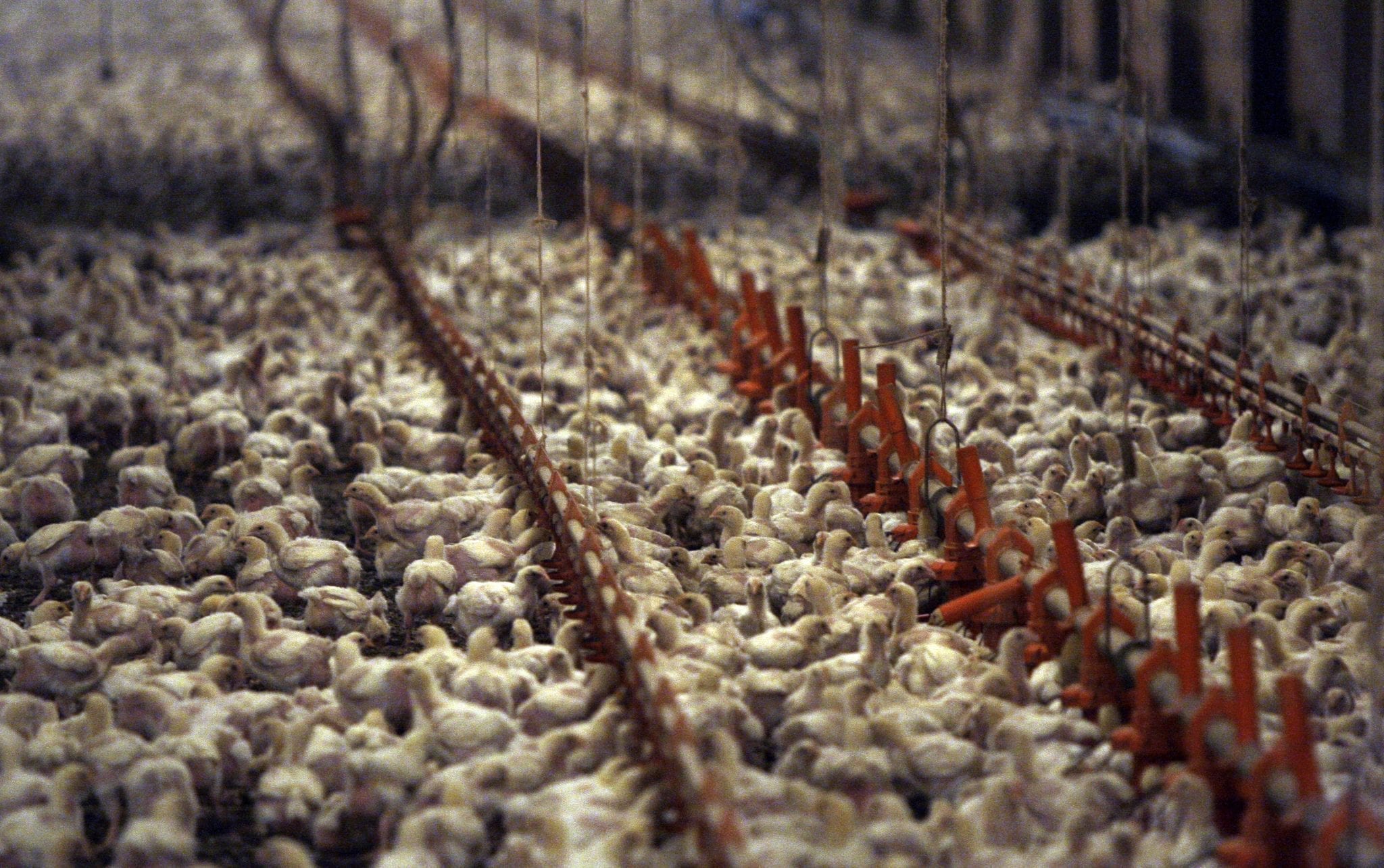
    In 2025, Vietnam witnessed an impressive import of over 56,500 tonnes of poultry from Europe, securing the country’s position as the second-largest consumer in Southeast Asia, with the Philippines leading the pack. This considerable import included various products like duck, chicken, and goose from the European Union (E.U.). These figures, released by the European Commission, show the steadily increasing demand for imported poultry products in the country. By January 2026, Vietnam had clinched the top spot as the largest importer of European poultry in the region, with purchases amounting to over 5,300 tonnes.

    Major European Suppliers

    Poland was the key European country supplying poultry to Vietnam, exporting over 37,300 tonnes in the previous year. France trailed behind with about 4,900 tonnes. Other significant contributors were Hungary, Italy, and the Netherlands, with respective exports of 4,680 tonnes, 2,750 tonnes, and 2,170 tonnes.

    According to Dariusz Goszczynski, a representative of the European poultry sector and President of the National Poultry Council under the Polish Chamber of Commerce, Vietnam is a priority market in the region for the E.U.’s poultry industry. This was highlighted during a promotional event in Ho Chi Minh City, under the campaign “European Poultry – From Farm to Fork.”

    Recovery from Pandemic-induced Disruptions

    Poultry importation in Vietnam experienced a downturn during 2021 to 2022 due to the disruptive effects of the Covid-19 pandemic, averaging around 30,000 tonnes per year. However, the volumes have bounced back almost twofold since 2023 as consumption regained momentum.

    Piotr Harasimowicz, the head of the Polish Investment and Trade Agency (PAIH) office in Vietnam, attributed the upswing in imports to the growing consumer trust in European poultry products, renowned for their strict safety and quality standards.

    Future Projections

    Industry professionals expect the demand to continue on an upward trajectory. The annual exports of Polish poultry to Vietnam alone are projected to hit an estimated 45,000 tonnes in the upcoming years.

    According to Agro Monitor, a market data provider, chicken accounted for 33% of Vietnam’s total meat consumption in 2024, a rise from 29% in 2022. This hints at a shift in dietary preferences towards poultry. The average egg consumption per person per year was about 198 eggs, still trailing behind the global average of 250–300 eggs, signifying further potential for market expansion.

    In line with income growth and urbanization, Vietnam’s evolving food consumption patterns are expected to support both domestic livestock development and the continued growth in poultry imports.

    Questions & Answers

    What is the status of Vietnam’s poultry imports from Europe?
    In 2025, Vietnam imported over 56,500 tonnes of poultry from Europe, becoming the second-largest consumer in Southeast Asia.

    Who are the major European suppliers of poultry to Vietnam?
    Poland, France, Hungary, Italy, and the Netherlands are the major European suppliers of poultry to Vietnam.

    What are the future projections for Vietnam’s poultry market?
    The demand for poultry in Vietnam is expected to continue expanding, with annual exports of Polish poultry alone projected to reach about 45,000 tonnes in the coming years. The country’s shifting food consumption patterns, due to factors such as income growth and urbanization, suggest further potential for market growth.

  • Vietnam Experiences Significant Fuel Price Drop Amidst Global Declines and Tax Adjustments

    Vietnam Experiences Significant Fuel Price Drop Amidst Global Declines and Tax Adjustments

    In a notable development, gasoline prices in Vietnam saw a significant drop ranging from 6.47% to 18.8% late on Thursday. The widely used RON95 fuel recorded the highest decrease of 18.8%, reducing its price from Wednesday to VND24,330 (equivalent to US$0.92) per litre.

    Decrease in other fuel prices

    Along with RON95, other fuels also witnessed a price drop. Biofuel E5 RON92 plunged 16.9%, bringing its price down to VND28,070 per litre. Diesel, another essential fuel, recorded a 6.47% decrease to VND35,440 per litre.

    Global fuel price trend

    The decline in Vietnam’s fuel prices aligns with the global trend. Internationally, RON95 gasoline decreased by 7.4% from Wednesday, reaching $135.6 per barrel, and diesel fell 6.5% to $204.6 per barrel. These global price changes were reported by the Ministry of Industry and Trade and the Ministry of Finance.

    Tax Changes Influence

    However, the global price drop is not the sole cause for the fall in Vietnam’s fuel prices. A series of tax adjustments implemented late on Thursday also contributed to the decrease in local rates. The environmental protection tax on gasoline, excluding ethanol, diesel, and aviation fuel, has been reduced to zero from the previous VND1,500–2,000, as per a decision of the Prime Minister.

    Additionally, the excise tax on all types of gasoline and the value-added tax on gasoline, diesel, and aviation fuel have been modified, with the former being cut to 0% from an earlier 10%.

    Local Fuel Market Situation

    Despite the ongoing conflict in the Middle East, which has put added pressure on the domestic fuel market, the local fuel supply in Vietnam remains stable, according to an earlier statement by the trade ministry.

    Questions & Answers

    What was the percentage decrease in the price of RON95 fuel in Vietnam?
    The price of RON95 fuel in Vietnam decreased by 18.8%.

    What other factors contributed to the decrease in fuel prices apart from the global price drop?
    A series of tax adjustments, including a reduction in the environmental protection tax and excise tax on gasoline, also influenced the decrease in fuel prices.

    Despite the conflict in the Middle East, how is the domestic fuel supply in Vietnam?
    Despite the escalating conflict in the Middle East, the domestic fuel supply in Vietnam remains secure and stable.