Tag: Vietnam

  • Vietnam third largest market for bubble tea in Southeast Asia

    Vietnam third largest market for bubble tea in Southeast Asia

    Turnover of the Vietnamese bubble tea market hit $362 million in 2021, ranking third among six major Southeast Asian markets, according to a recent study.

    The region’s largest market was Indonesia with an estimated $1.6 billion annual turnover. Thailand came in second with $749 million, according to a study by Singapore-headquartered venture outfit Momentum Works and digital payments solution firm Qlub.

    Turnover in the Southeast Asian market last year accumulated to $3.66 billion, it added.

    As of April 2022, Vietnam had 439 bubble tea shops, with over half located in Ho Chi Minh City, a survey by German data portal Statista and Vietnamese market researcher Q&Me showed.

    Bobapop, a local brand, was the leader in terms of locations with 89 stores.

    It was followed by three foreign players, Tiger Sugar (48 stores), The Alley (47) and Gong Cha (42).


  • Crab exports skyrocket

    Crab exports skyrocket

    Vietnam crab exports rose 41% to $111 million between Jan. 1 and July 15 this year, according to data from the Vietnam Association of Seafood Exporters and Producers (VASEP).

    The U.S, China, Japan and France were the four major markets accounting for 92% of the value.

    China was the fastest growing market as exports surged 74% year-on-year to $37 million, followed by France (up 60%) and Japan (51%).

    Exports to the U.S. grew 27%, though the country was Vietnam’s top market with a value of $38 million.

    Crab prices have surged amid domestic shortage and rising demand from major markets in the U.S., China and Japan.

    Hoang, a crab seller, said prices at-the-farm have risen 20% since last month to VND400,000-600,000 ($17-26) a kilogram but there was hardly enough for him to sell.

    VnExpress survey showed crab prices in HCMC have risen to the highest in the year-to-date at VND900,000 a kilogram.

    VASEP expects crab exports to thrive in the second half this year thanks to rising demand driven by holidays like Christmas and Lunar New Year.

  • Apple suppliers to make Apple Watch and MacBook in Vietnam

    Apple suppliers to make Apple Watch and MacBook in Vietnam

    Apple’s suppliers are in talks to produce Apple Watch and MacBook in Vietnam for the first time, Nikkei Asia reported on Tuesday, citing people familiar with the matter.

    Apple’s Chinese suppliers Luxshare Precision Industry and iPhone assembler Foxconn have started test production of Apple Watch and MacBook in Northern Vietnam, the report added.

    Apple has been shifting some areas of iPhone production from China to other markets, including India, where it started manufacturing iPhone 13 this year, and is also planning to assemble iPad tablets.

    India, the world’s second-biggest smartphone market, along with countries such as Mexico and Vietnam are becoming increasingly important to contract manufacturers supplying American brands, as they try to diversify production away from China.

    Apple, Foxconn and Luxshare Precision did not immediately respond to a Reuters request for comment.

    Last week, Taiwanese contract manufacturer Foxconn gave a cautious outlook for the current quarter after posting results that exceeded expectations, citing slowing smartphone demand after a pandemic-fuelled boom.

    Like other global manufacturers, Foxconn – formally called Hon Hai Precision Industry Co Ltd – has dealt with a severe shortage of chips that hurt production, as bottlenecks from the pandemic lingered and the Ukraine war further strained logistical channels.

  • Workers laid off as global demand falls

    Workers laid off as global demand falls

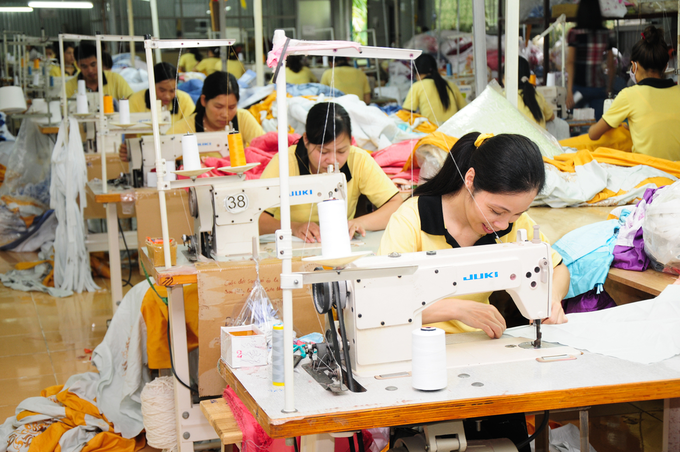
    Textile and electronics companies are cutting overtime and working hours to their workers’ dismay as global consumer demand fall.

    Tran Thu Huong and her husband were working at a garment factory in HCMC’s Go Vap District when last month, their income fell by 20% to VND15 million ($640.75) as new orders shrunk.

    Huong said their income was barely enough any more as they paid VND2.2 million for house rent, VND2.7 million for tuition for their five-year-old child and loan interest, and had to tighten their belt by “not buying miscellaneous things” such as fruits.

    Her husband, Hung, 33, recently quit his job after working at the factory for five years.

    “I can’t work in the garment industry anymore,” he said.

    He used to be paid VND13-14 million a month when he started working, but the amount had halved by the time he quit.

  • Viettel to produce chips amidst global shortage

    Viettel to produce chips amidst global shortage

    Telecommunication giant Viettel has proposed that it produces chips to meet domestic demand and for export in addition to offering e-payment services.

    Leaders of the military-owned Viettel Group made the proposal at a Tuesday meeting with Prime Minister Pham Minh Chinh.

    The proposal was made in the context of the recent global chip shortage, which has seriously affected many manufacturing sectors and business areas, prompting several countries to promote chip production as a national security measure.

    In this context, the group also asked to be assigned the tasks of ensuring national defense and security, promoting its strengths and demonstrating the pioneering role of state-owned companies in the fields of high-tech defense, construction and cyber security and safety.

    Viettel said it wanted to deploy a national digital conversion platform, and work as an intermediary for financial switching services and electronic clearing services to facilitate transfer of funds from one bank account to another.

    The group also wanted permission to research green energy technology and modernize important infrastructure in the field of transportation, logistics, urban areas, and science and technology.

    It also asked for more leeway in deciding investment capital and salaries, as well as organizing its internal units.

    At the same time, it suggested that the government adds a new legal corridor for state-owned firms, such as a mechanism to make evaluations based on the principle of overall investment efficiency instead of relying on individual investment items and projects, and a mechanism to establish a Venture Capital Fund for investment in innovative start-ups.

    PM Chinh said Viettel should research and produce chips to effectively and efficiently serve the country’s digital transformation process, including building a digital government, digital economy and digital society. He said Viettel must be a corporation that plays a leading role in this process.

    He also agreed that the group works as an intermediary for financial switching and electronic clearing services, and assigned related ministers to study the plan and report on it to the government.

    Viettel has been maintaining an average pre-tax profit of over VND40 trillion ($1.7 billion) each year for several years.

    The group is doing business in ten markets with a total population size of 260 million in three continents, and has so far reported profits in seven markets, at $250-350 million per year.

  • Buy now, pay later becoming popular in Vietnam

    Buy now, pay later becoming popular in Vietnam

    Many buy now, pay later services have launched or expanded operations to meet the burgeoning demand.

    “Cash is necessary for daily expenses, so I choose to pay later whenever possible,” Minh Tien, 33, of HCMC said.

    He bought braces and a motorbike using pay later services.

    The braces cost him VND35 million ($1,495.92) but he needed to pay only VND5 million upfront, and can pay the rest over three years. The bike cost him VND25 million, and he paid VND10 and the rest will be paid over six months.

    Thu of HCMC bought a VND10-million TV two months ago for her daughter. “My salary goes really quickly since prices are rising, so I decided on a six-month installment scheme.”

    Buy now, pay later provides customers and sellers “a convenient and budget-friendly payment option,” Nguyen Hoang Long, director of online commerce platform Sendo, said.

    Demand for it is skyrocketing as it serves those who cannot access traditional loans, Moin Uddin, CEO of fintech platform SmartPay, said.

    Vietnam presents a positive outlook for buy now, pay later services thanks to the popularity of cashless payment and low credit card ownership here, Krishnadas, senior vice president of business development at digital credit platform Kredivo, said.

    Kredivo expects the market to reach $4.6 billion in value.

    “Buy now, pay later will be a popular payment method in Vietnam over the next three years.”

  • Highlands Coffee posts first loss in 8 years

    Highlands Coffee posts first loss in 8 years

    Highlands Coffee chain lost VND19 billion ($812,069) last year, its first loss since 2014, VnExpress has learned.

    Its sales plunged by nearly 20 percent to VND1.7 trillion, which still made it the largest coffee chain in Vietnam, its earnings report, recently acquired by VnExpress, shows.

    It is not listed on the stock market, and typically such companies do not make public their financial reports.

    Highlands faced many issues with landlords who accused it of delaying rent payments of over VND1 billion for up to six months.

    It had admitted at the time, when social distancing restrictions were still in place, that it was facing financial difficulties.

    Highlands Coffee was established in 1999 to sell packaged coffee. It started opening cafes in 2002, and now has 522 of them, according to its website.

    It was acquired by the Philippines’ Jollibee Foods in 2012.

  • Vietnam considers $58.7 billion high-speed railway

    Vietnam considers $58.7 billion high-speed railway

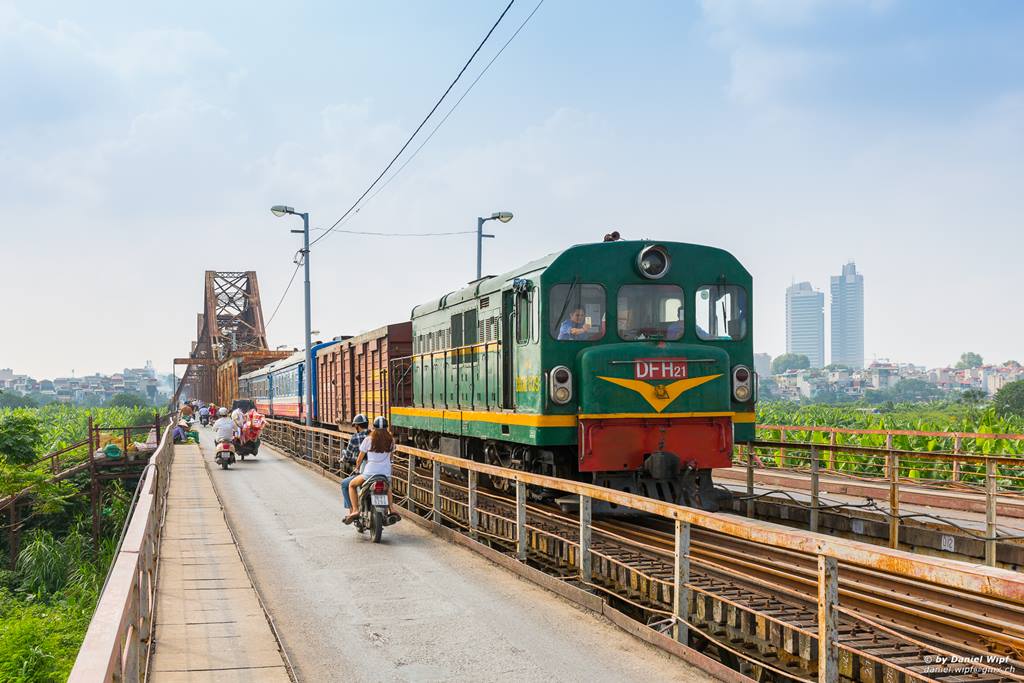
    Vietnam is considering building a high-speed railway that runs along the country’s length with a possible price tag of up to $58.7 billion, the government said on Sunday.

    The Southeast Asian country’s transport ministry will next month submit a proposal to build the 1,545 km (960 miles) railway to the Politburo, the powerful decision-making body of the ruling Communist Party of Vietnam, the government said in a news release.

    Vietnam, a regional manufacturing hub, is ramping up its investment in transport infrastructure to support its fast-growing economy.

    The first two sections with combined length of 665 km (413 miles) and total investment of $24.72 billion would be open to traffic by 2032, the government said, adding that the entire project would be completed by 2045-2050.

  • Bamboo Airways appoints new chairman to drive international expansion

    Bamboo Airways appoints new chairman to drive international expansion

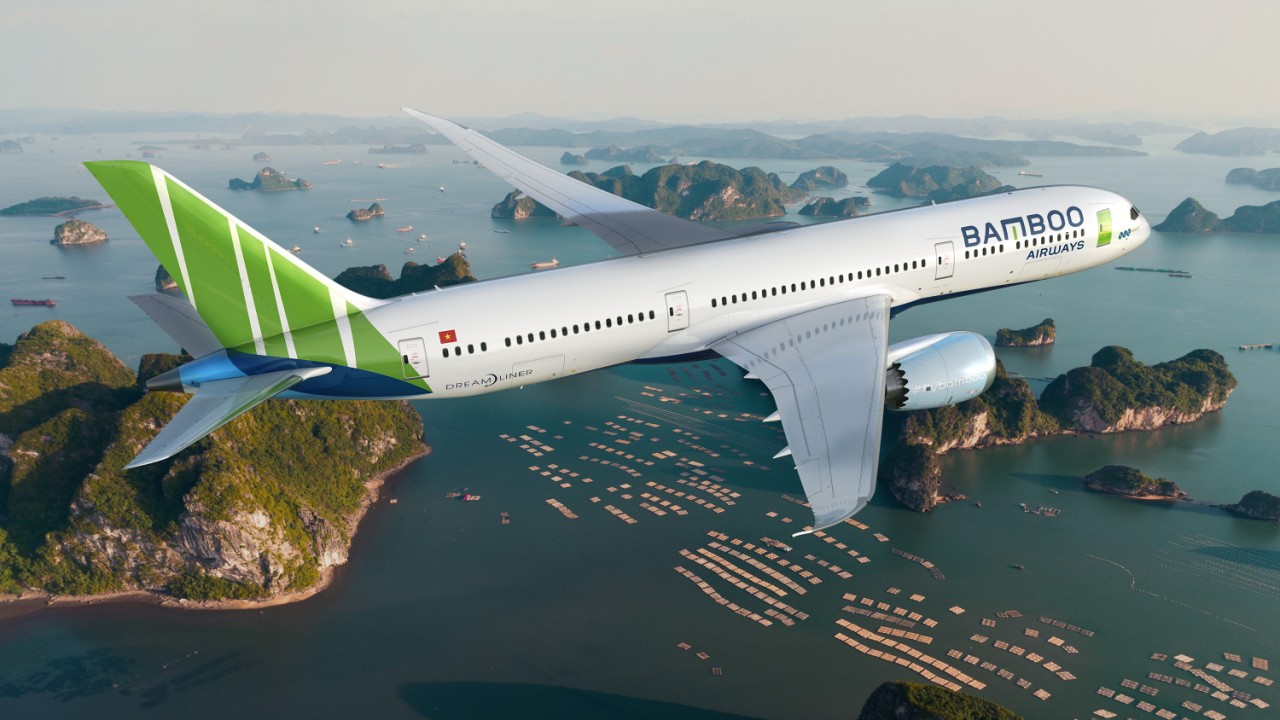
    Bamboo Airways on Saturday appointed Nguyen Ngoc Trong who has worked for the airline since the early days of establishment as its new chairman.

    Trong, 65, took the new position after his predecessor Dang Tat Thang resigned as chairman and general director.

    Trong served as the first deputy general director of Bamboo Airways from 2018.

    In April this year, he was appointed vice chairman after a series of senior leaders were arrested for allegedly manipulating the stock market.

    He has more than 40 years of working experience in the aviation industry and has held many senior management positions at major firms like Vietnam Airlines, Vietnam Airlines Engineering Company, Vietnam Air Petrol Company Limited and Noi Bai Airport Services JSC.

    Bamboo Airways currently operates nearly 170 flights a day on 40 domestic and 12 international routes.

    The carrier plans to continue launching new international services to tourism markets in Asia, Europe and Australia.

    It also plans to increase its fleet to 35 by the end of this year and triple its fleet size to 100 aircraft by 2028.

  • Jollibee Foods struggles to make profits in Vietnam with 4 brands

    Jollibee Foods struggles to make profits in Vietnam with 4 brands

    All four brands that Jollibee Foods Corp of the Philippines operates in Vietnam, including coffee chain Highlands Coffee, posted losses last year.

    The corporation, founded by Filipino billionaire Tony Tan Caktiong, established its first company in the country, Jollibee Vietnam, in 2005, as a fast food operator.

    Since then it has branched into other food and beverage brands: Pho 24, Highlands Coffee and Coffee Bean & Tea Leaf Vietnam. But Highlands Coffee is its only profitable brand (except for last year), while all three other chains have been making losses for years

    Jolibee Vietnam planned to have 300 outlets in the country by 2020, but it only has 150 as of now, lower than its competitors KFC and Lotteria.

    It posted a loss of VND43.9 billion (1.83 million) last year.

    Pho 24, which sells the traditional Vietnamese rice noodles soup, is also struggling to make profits nearly 20 years after it was established.

    At one point, it had targeted 1,000 outlets, but only has 22 now, mostly in Ho Chi Minh City. It also has outlets in South Korea, Indonesia and the Philippines.

    It posted a loss of VND89.4 billion last year.

    The Coffee Bean & Tea Leaf is in an even worse situation with just six outlets in HCMC after 14 years in Vietnam. Its prices are 1.5-2 times higher than that of Highlands Coffee and its outlets are mostly located in large malls.

    It has been reporting an annual loss of VND26-29 billion in the last four years.

    Highlands Coffee, meanwhile, has reported profits for seven of the last eight years.

    The chain topped the VND1 trillion revenue mark in 2017 and doubled it in two years to cross VND2 trillion.

    Except for last year when it posted a VND19 billion loss due to Covid-19, Highlands Coffee had posted annual profits of VND55-100 billion in the previous four years.

    The chain now has 525 outlets in Vietnam and the Philippines.

  • Apple appoints first ever Vietnam country manager

    Apple appoints first ever Vietnam country manager

    Nguyen Thai Hai Van has been appointed the first Country Director of Apple Vietnam, a source has confirmed.

    While no official announcement has been made, Van’s LinkedIn profile says without disclosing details that she has been holding the post since May, 2022; and some of Apple’s authorized retailers told VnExpress that they have been working with Van in the new role.

    Van recently resigned as managing director of Grab Vietnam. Earlier, she was marketing vice president at Unilever Vietnam.

    Insiders consider the appointment a move to expand the U.S. tech giant’s operations in Vietnam. Previously, its operations in the country were overseen by a regional director.

    Apple CEO Tim Cook has said that Vietnam was one of four emerging markets contributed to the company’s success in the second quarter of 2022.

    “We set June quarter records in the Americas in Europe and in the rest of Asia Pacific region. We also saw June quarter revenue records in both developed and emerging markets with very strong double-digit growth in Brazil, Indonesia and Vietnam and a near doubling of revenue in India,” Cook said during the company’s earnings call late July.

    There is no official Apple Store in Vietnam yet, and its products are distributed in the country via a network of authorized retailers.

    Apple is also recruiting for various positions for its Vietnam operations.

  • Gasoline prices hit six-month low

    Gasoline prices hit six-month low

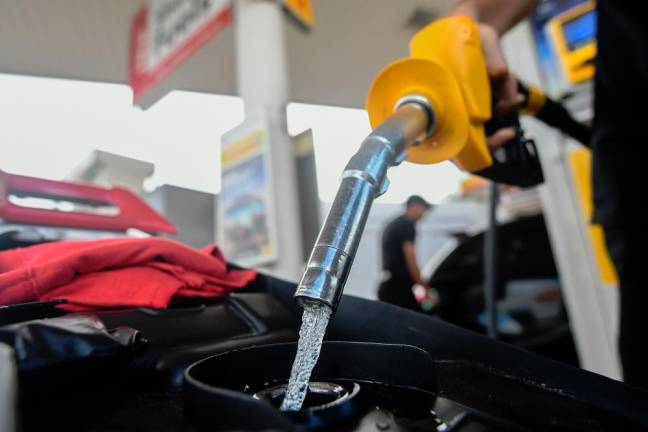
    Vietnam gasoline prices on Thursday dropped 3.6-3.8% to the lowest since Feb. 11 as global rates kept falling.

    A liter of popular RON 95 gasoline now costs VND24,660 ($1.05), down VND940, while that of biofuel E5 RON 95 costs VND23,720, down VND900.

    Thursday’s was the fifth consecutive downward adjustment made to gasoline prices. Compared to this year’s peak on June 21, prices have fallen by 24.22-24.98%.

    Prices of diesel and kerosine also dropped 4.4-5.2%.

    On the global market, gasoline prices have decreased marginally in the last 10 days, according to data from the Ministry of Industry and Trade and the Ministry of Finance.

    On the global market WTI crude futures slipped toward $91 per barrel Thursday as concerns over supply disruptions eased and markets looked for evidence of improving fuel demand.

  • Emart plans 20 more hypermarkets in Vietnam

    Emart plans 20 more hypermarkets in Vietnam

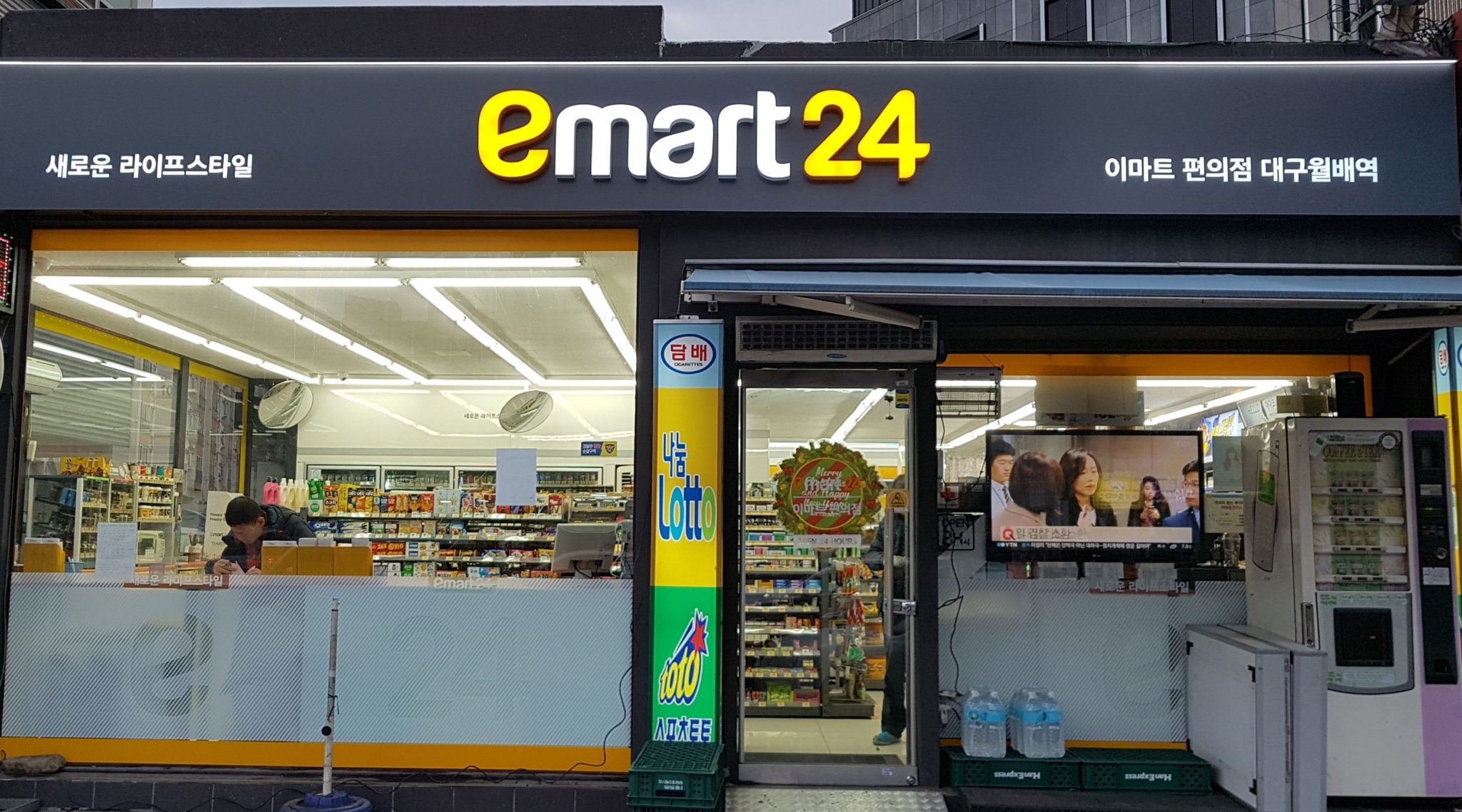
    Emart Vietnam is planning to open two more supermarkets in Ho Chi Minh City – one in Sala Thu Thiem and another in Go Vap District – part of a plan to launch 20 hypermarkets by 2026.

    Emart Vietnam was acquired by Thiso International Commerce and Services Corporation (Thiso), a subsidiary of Thaco Group, last year after the South Korean-born chain experienced difficulties with its expansion ambitions in Vietnam.

    The plans were revealed at an Emart Partners Day earlier this month. Chun Byung Ki, general director of Thiso Retail, reports that by 2026, the chain wants to have 20 locations nationwide and generate US$1 billion in sales, becoming the hypermarket chain with the largest market share in the country.

    The Emart Sala Thu Thiem, which will occupy more than 6000 sqm, will be located in Thu Duc city’s Thiso Mall, while Thiso Retail Hypermarket, Trading and Service Center will house the new Emart Go Vap, which the company describes as the largest supermarket in HCM City.

    Chun said Thaco’s real estate fund and multi-industry ecosystem will enable Emart to expand into other provinces, including Hanoi. An automated pick-up system will debut in Vietnam for the first time, allowing customers to pick up orders efficiently, and a one-hour delivery promise will be guaranteed to customers within a 5km radius.

    Emart is one of the largest retailers in South Korea with locations across the globe. It was founded in 1993 by Shinsegae as the first low-cost retailer in the country. The company opened its first store in 2015 at Phan Van Tri in Go Vap District.

  • Gold producer SJC eyes 7% rise in profits

    Gold producer SJC eyes 7% rise in profits

    State-owned Saigon Jewelry Company targets pre-tax profits of VND60 billion ($2.6 million) on revenues of VND18.8 trillion this year, up 7% and 6% from last year.

    Its targeted net profit margin is only 0.25%, much lower than the 5.11% for competitor Phu Nhuan Jewelry.

    This year the government tasked SJC with privatizing and expanding into neighboring countries, but in July director Le Thuy Hang said the only focus currently is on achieving the sales and profit targets to be able to pay salaries.

    Since 2012 SJC has been the sole gold bullion producer in Vietnam and its gold production is being closely monitored, Hang added.

    Last year its profits fell 25% to VND17.7 trillion, the lowest since 2015, as the Covid-19 pandemic hindered forced it to close several stores.

  • Vietnam needs $8 bln-$14 bln power investment a year through 2030

    Vietnam needs $8 bln-$14 bln power investment a year through 2030

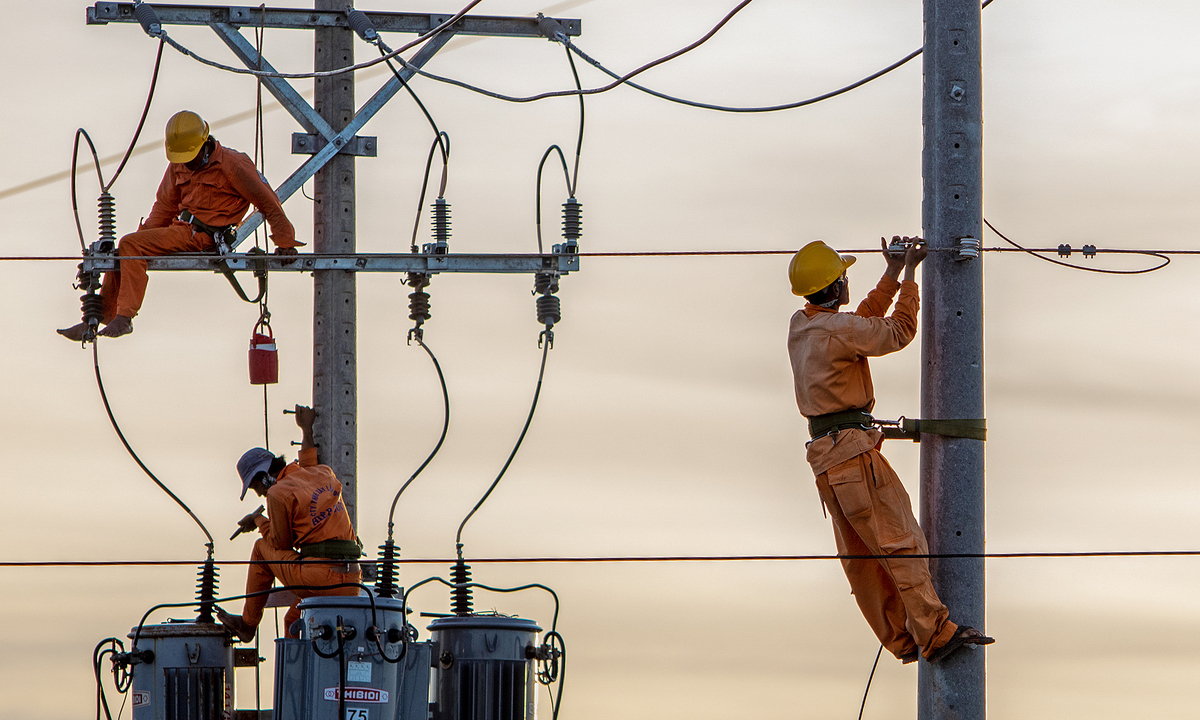
    Vietnam will need investment of between $8 billion and $14 billion a year through to 2030 to develop new power plants and expand its grid, its deputy industry minister said on Wednesday.

    Of the amount, 75% would be spent on new power plants, with priority given to renewable sources, and 25% on grid expansion, Deputy Minister of Industry and Trade Dang Hoang An said in a statement.

    He said the country will seek to raise funds from private investors for the new power projects, without elaborating.

    Vietnam, a regional manufacturing hub, needs to increase its installed power generation capacity by around 10% a year to support its fast-growing economy and population.

    An said Vietnam, which pledged last year to become carbon-neutral by 2050, will raise its offshore wind capacity to 7 gigawatts (GW) by 2030 and to 65 GW by 2045, while cutting the proportion of coal in its energy mix.

    “Vietnam will not add new coal-fired power plants to its master power development plan, and will only continue coal projects that are under construction until 2030,” An said.

    The ministry last month asked the government to remove future coal projects with a combined capacity of 14.12 GW from the master power development plan that is being drafted.

    Under the latest draft of the master power development plan, Vietnam’s total installed power generation capacity would be raised to 121 GW by 2030 and to 284 GW by 2045, from 76.6 GW at the end of last year, according to state media.