Tag: Vietnam

  • Vietnam crypto trading second highest in ASEAN

    Vietnam crypto trading second highest in ASEAN

    Vietnam is the second biggest cryptocurrency market in ASEAN behind Thailand with a transaction value exceeding $100 million a year, a new report has found.

    It was followed by Singapore, the Philippines, and Indonesia, according to a report by cryptocurrency data provider Chainalysis.

    Vietnam, along with Thailand and the Philippines, also record high web traffic to non-fungible token marketplaces, which could be explained by the large number of blockchain gamers, it added.

    An estimated 25% of Filipinos and 23% of Vietnamese have played a play-to-earn game, and at one point, players based in the Philippines made up 40% of Vietnam-based Axie Infinity’s playerbase.

    In an earlier report, Chainalysis said that this is the second year that Vietnam ranks highest in its cryptocurrency adoption index.

  • Gasoline prices down 8th time in 3 months

    Gasoline prices down 8th time in 3 months

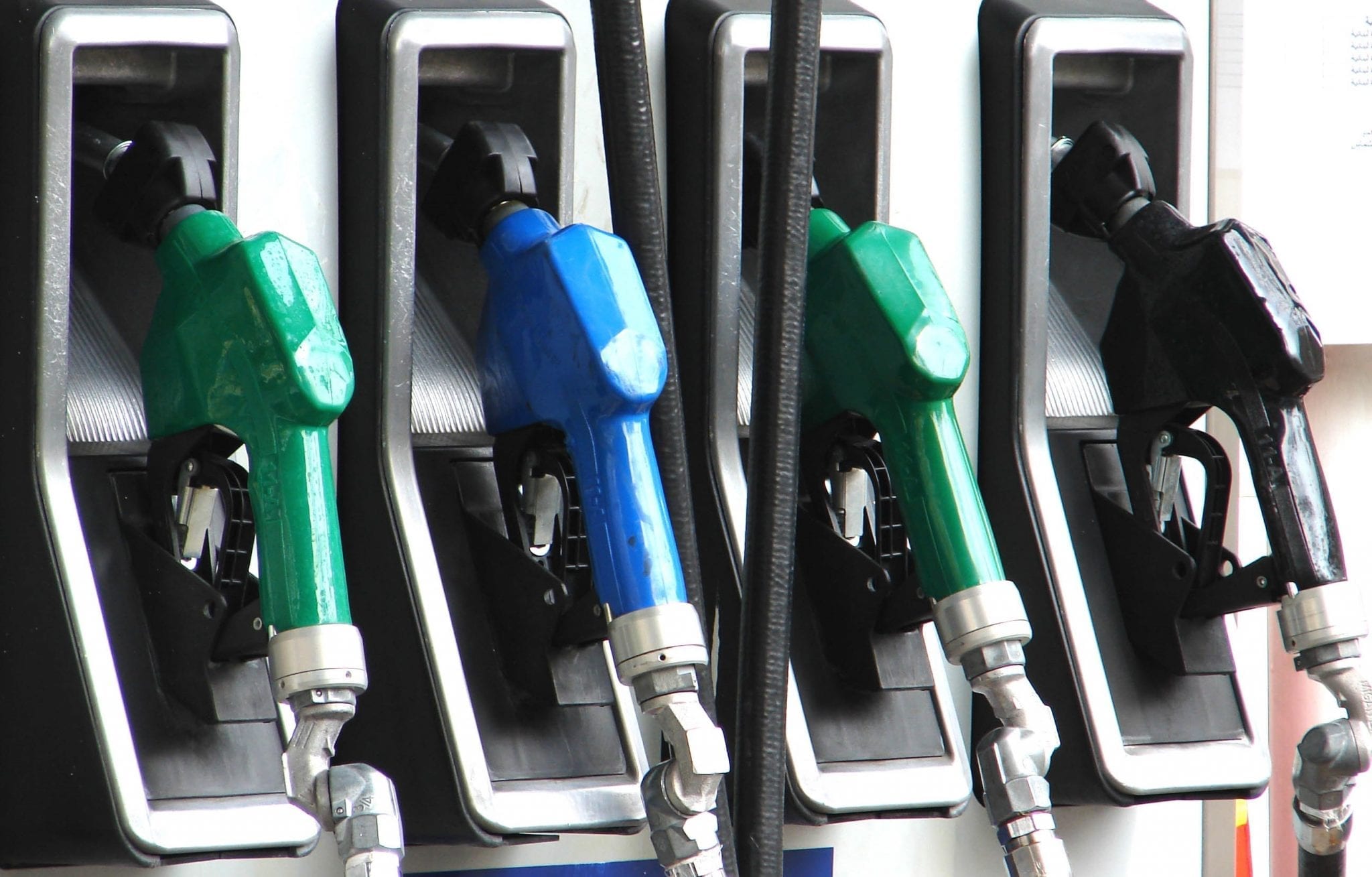
    Vietnam has cut gasoline prices for the eighth time in the last three months, seeking to contain inflation and boost consumption amid global economic woes.

    From 3 p.m. Wednesday, RON95 gasoline prices fell 4.21% to VND22,580 ($0.95) per liter.

    Prices for biofuel E5 RON92 dropped 2.42% to VND21,780.

    This means Vietnam’s gasoline prices have fallen by 31.31% since this year’s peak on June 21.

    Diesel prices dropped 6.82% to VND22,530.

    Vietnamese authorities said they adjusted down prices because global fuel prices have fallen by 3-10% in the last 10 days.

    The Asian Development Bank (ADB) warned Wednesday that Vietnam might face many inflationary risks this year due to rising commodity prices globally.

  • Vietnam Railways sees smaller losses in H1

    Vietnam Railways sees smaller losses in H1

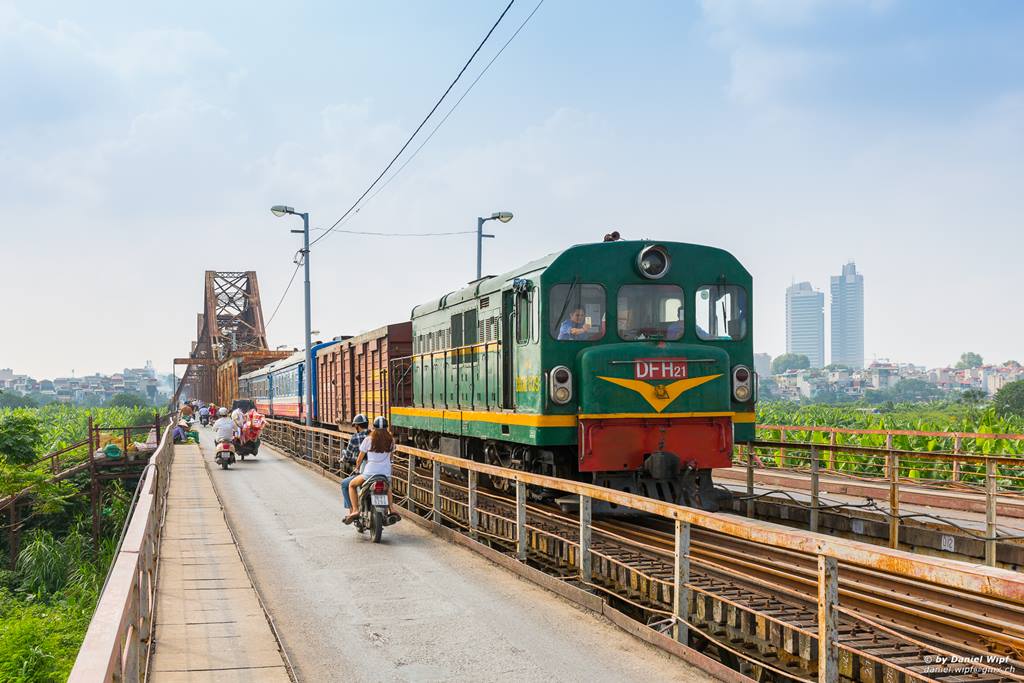
    State-owned Vietnam Railways Corporation racked up after-tax losses of VND30 billion (nearly $1.3 million) in H1, down from losses of VND100 billion in the same period last year.

    The corporation said it would suffer after-tax losses of VND570 billion in 2022, compared with losses of VND1.327 trillion in 2020 and of VND565 billion in 2021.

    Vietnam Railways’ financial statements showed that its revenues in the first half grew 36% on-year to nearly VND1.045 trillion. It has targeted revenues of VND1.62 trillion in the whole year.

    By the end of June, Vietnam Railways had assets of over VND15 trillion, up VND200 billion against the beginning of this year.

    The corporation currently runs a debt of nearly VND2.23 trillion, with undistributed loss exceeding VND1.85 trillion.

    It is gradually shifting focus from passenger to freight transport, promoting routes linking with international equivalents.

  • AirAsia offers 5 million free seats to celebrate its rapid comeback

    AirAsia offers 5 million free seats to celebrate its rapid comeback

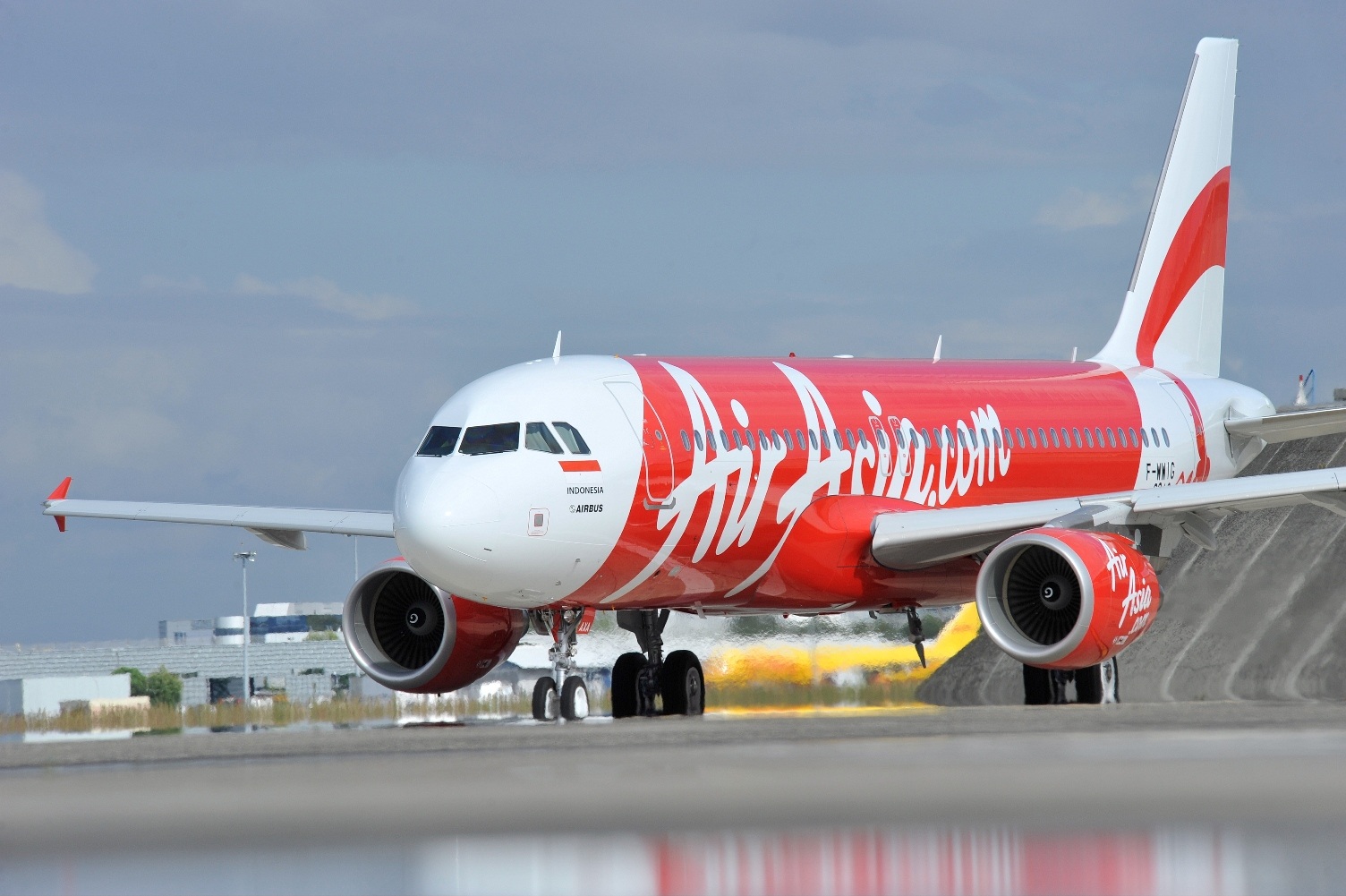
    Asia’s low-fare carrier, AirAsia, is reportedly offering five million free seats to its passengers to celebrate its rapid comeback. The airlines launched a sale on tickets on September 19. The customers can buy tickets with offers till September 25.

    The report further said that the offers will be valid if the travel dates lie between January 1, 2023, and October 28, 2023.

    The offer can be availed on the airline’s website and mobile application. It can be availed by clicking on the “Flights” icon on the app or website.

    “ We wish to thank our loyal passengers who have had our back through thick and thin with the biggest ever FREE Seats* campaign. Not only have we resumed many of our much-loved routes, but we’re also introducing new and exciting ones for greater value and choice,” Karen Chan, group chief commercial officer, AirAsia.

    “This extra special sale was also put together to celebrate our 21st birthday and the gradual reopening of borders worldwide. With all of that, we encourage everyone to take advantage of our Big sale and commitment to always make air travel accessible to everyone. As always, we expect the best value fares will be snapped up fast, which is why we urge value seekers to get in quick,” Chan added.

    The offer is available to travelers from several ASEAN countries like Thailand, Cambodia, and Vietnam.

    Two months ago, AirAsia gave away free trips to passengers.

  • Vietnam coffee chain Trung Nguyen Legend makes international debut

    Vietnam coffee chain Trung Nguyen Legend makes international debut

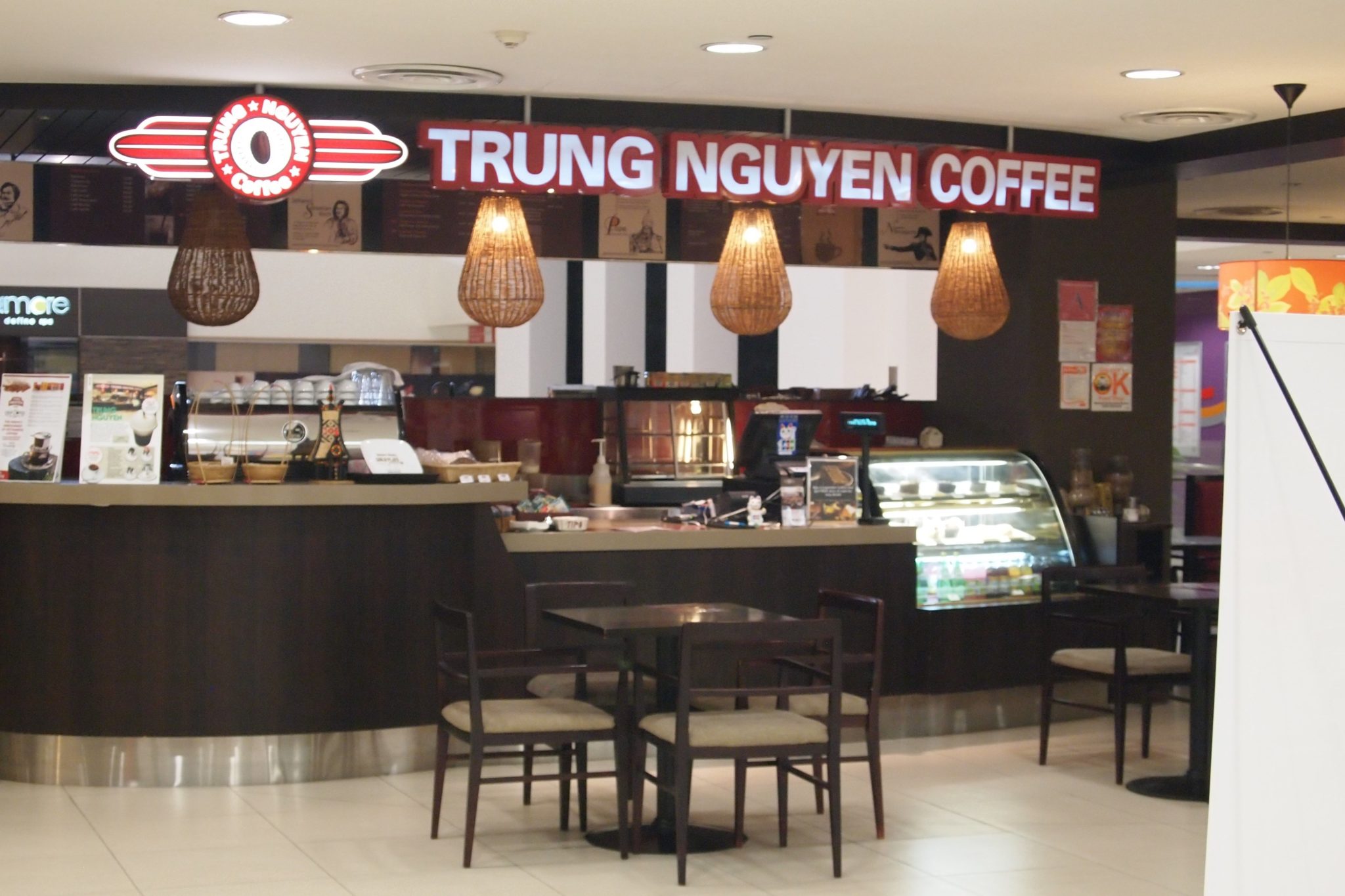
    Vietnam-based coffee chain Trung Nguyen Legend is expanding its footprint in the international market opening its first store in China.

    The coffee shop, which is situated at 699 Nanjing Street in Shanghai, has been in the works since 2018 and intends to provide Chinese clients with a variety of coffee products as well as serving fresh coffee drinks, including the Robusta obtained from one of Vietnam’s well-known highland regions, Buon Me Thuot.

    Trung Nguyen Legend sees the store as a place for artistic and cultural coffee “where the three most prevalent world coffee civilisations come together”. Customers can experience the three coffee cultures the company has identified and showcases in its flagship Vietnam stores: Ottoman, Roman and Zen.

    The Shanghai location recreates a Vietnamese-themed coffee shop, through its architectural style, display graphics, and menus that combine elements of Vietnamese and local culture.

    The store features some well-known designs and traditional materials from Vietnam, such as ceramics, bamboo and rattan kitchenware, volcanic rock, red basalt soil, and typical conical motifs of Vietnamese culture.

    A renowned household name in Vietnam since its establishment in 1996, Trung Nguyen Legend FMCG products are available in more than 60 countries. The brand claims China is its second-largest market in the online coffee business, and Legend’s G7 has become the most well-known instant coffee brand due to its distinctive flavour.

    The Trung Nguyen brand has appeared on cafes outside Vietnam before, with stores in Singapore prior to the advent of the Legend brand extension. This is the company’s first foray as a premium cafe brand.

    Research from Statista shows the number of coffee chains entering China has increased in recent years, with their market share likely to grow. Starbucks is by far the largest fresh-ground coffee seller in China, with more than 5000 locations across the country.

  • Dollar rises to all-time high against Vietnamese dong

    Dollar rises to all-time high against Vietnamese dong

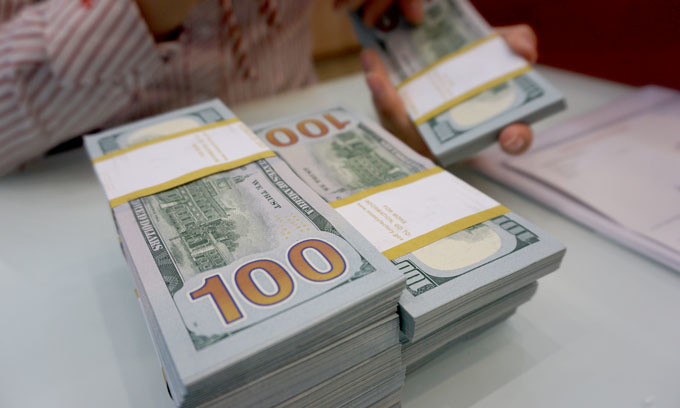
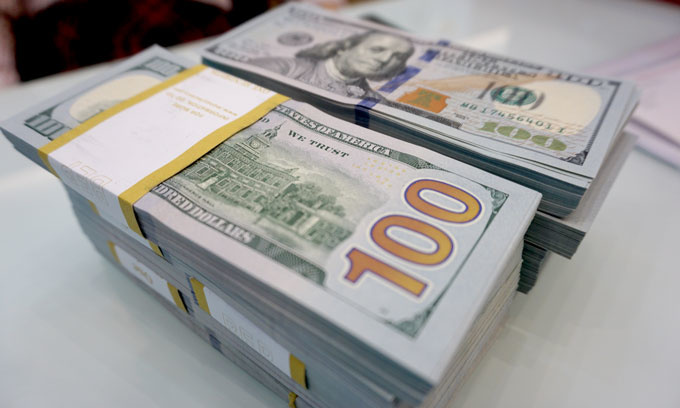
    The U.S. dollar continued to strengthen and reached its historic high against Vietnamese currency Saturday.

    The State Bank of Vietnam (SBV) on Saturday morning set the reference rate for the Vietnamese dong at VND23,283, the same as Friday and VND50 higher than early this week.

    At commercial banks, the Vietnamese dong is at its lowest in history.

    Vietcombank, the country’s largest lender, has sold the U.S. dollar for VND23,795, up more than 3.8 percent from the beginning of this year.

    Top private player Techcombank’s rates were VND23,810, Eximbank’s were VND23,790, and Sacombank VND23,967.

    The SBV allows the Vietnamese dong to trade within a band of 3% on either side of the reference rate, which is based on eight currencies and set daily.

  • IT recruitment demand soars

    IT recruitment demand soars

    Companies in Vietnam have hired 175,370 information technology staff this year, up 36.2% year-on-year, as the country’s tech sector continues to boom with rising investment, a report has found. Recruitment demand for IT staff is set to exceed 229,000 by 2023 and 290,000 by 2024, said the Vietnam IT Market Report 2022 by recruitment platform TopDev.

    Over half of 2,500 employers surveyed, or 55%, said they had hired more developers than in previous years, it said. Six out of 10 (64%) plan to expand their IT team with more hiring this year, it added. It takes an average 51 days to fill a position in the tech industry in Vietnam, TopDev said, explaining that this is a long period due to the high demand for recruitment and shortage of suitable candidates.

    One of the reasons for the upsurge in demand is Vietnam has drawn enough attention from IT companies from other countries, and they are coming in to hire or construct their product development teams, the report said.

    “The creative startup wave in technology sector is becoming stronger, especially after big investments for technology startups, while the the transformation wave of traditional businesses in sectors like tourism, agriculture, real estate all shift to digital transformation and e-commerce.”

    A fresh graduate earns from $331 a month, but that figure quadruples to $1,410 when he reaches the management level five years later. The Chief Technology Officer, one of the highest positions in the tech sector, earns around $5,900 a month. The top industries in terms of recruitment are NFT or blockchain, high tech (artificial intelligence), and fintech.

    Other recruitment platforms confirm the rising need for IT staff. Ha Nguyen, CEO of recruitment platform Adecco, said digital transformation in Vietnam is providing many job opportunities for IT candidates. They can be outsourced to companies in other countries also, she added.

    “Because of the high demand, companies still face difficulties in recruiting candidates with high skills despite offering attractive salaries and benefits.”

    Recruitment company Navigos said in its second quarter report that the Russia-Ukraine crisis has shifted many IT orders to Vietnam, which increases recruitment demand.

    There is a big shortage of IT candidates in the banking and financial sector, as well as in e-commerce, medical services and education, she added.

  • First electric bike delivery service launched in Vietnam

    First electric bike delivery service launched in Vietnam

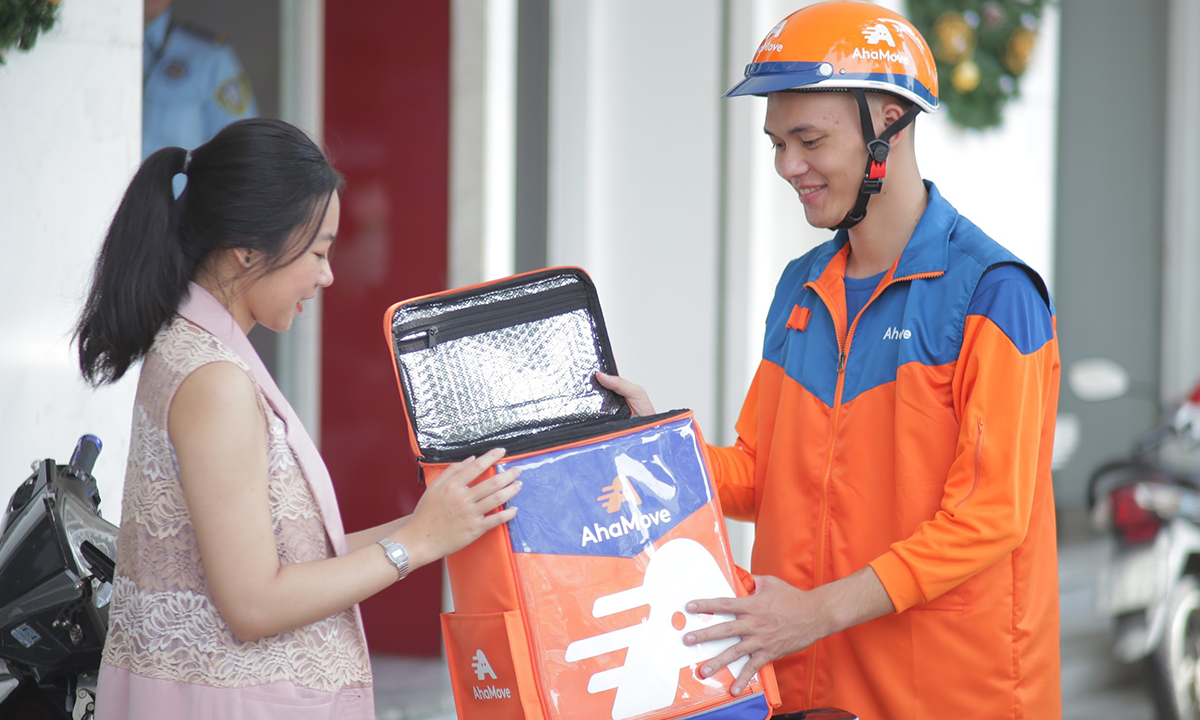
    Delivery company Ahamove has partnered with automaker VinFast to launch AhaFast, the first delivery service in Vietnam to use only electric bikes.

    AhaFast began operation Thursday in Da Nang City with 100 electric Feliz S motorbikes provided by VinFast.

    The electric bike service will be expanded to Hanoi, Ho Chi Minh City, Hai Phong and Nha Trang in the future.

    Ahamove plans to put 10,000 electric bikes into operation by 2025, gradually replacing gasoline-powered motorbikes.

    VinFast says its electric bike can run 200 kilometers on a full charge, and has an IP67 waterproof standard that allows it to operate in heavy rain and flooding.

  • Vietnam among 10 most popular destinations for Australian tourists

    Vietnam among 10 most popular destinations for Australian tourists

    Vietnam was one of the 10 favorite destinations for Australian tourists in July, according to the Australian Bureau of Statistics.

    Over 18,500 visited Vietnam during the month, a 44% increase from the previous month.

    New Zealand topped the list of favorite destinations with 96,500 visiting the island nation, followed by Indonesia, the U.K., the U.S., Fiji, India, Singapore, Thailand, and Italy.

    ABS statistics showed that Australians spend 19 days in a foreign trip on average.

    The Vietnamese government has allowed quarantine-free entry for foreign visitors since March.

    It also offers 30-day e-visas for citizens from 80 countries and territories, including Australia.

    So far this year the country has received 1.44 million foreign tourists and has a full-year target of five million.

  • Hanoi police seize 100 rice wine jars containing wild animals

    Hanoi police seize 100 rice wine jars containing wild animals

    More than 100 jars of rice wine distilled with pythons, large lizards, cobras and deer have been found at two condo apartments in Hanoi.

    The wine had been put up for sale at the two apartments in La Khe Ward of Hanoi’s Ha Dong District.

    The owners of the wine could not provide legal papers proving the origins of the product.

    One of them, Vu Quang Hien, said “these are just craft products and this whole thing shouldn’t be treated too seriously.”

    Hien sells the wine for VND350,000 ($15) to more than VND3 million per jar.

    The other owner, Dao Quang Manh, said the distributors told him the animals had been bred by them and that the products aim at treating several health issues, including joint and muscle pains.

    “Distributors also told me that the products are legal, and I just buy them for retail. I do not know for sure if I have permission to sell them.”

    Lieutenant Colonel Nguyen Thanh Trung from Hanoi’s environment police division said it would have to work with the city’s Market Management Department and ranger authorities on this case as there are many wild animals that have been killed for rice wine production.

  • Cryptocurrency poses risk of money laundering

    Cryptocurrency poses risk of money laundering

    There is a big risk that cryptocurrencies will be used in Vietnam for laundering money since there is no legal framework to regulate them, a lawmaker has said.

    Vietnam is among the top countries globally in terms of cryptocurrency ownership but it does not even recognize the asset, Duong Van Phuoc from the central province of Quang Nam said at a meeting Wednesday.

    “Cryptocurrencies could be used by criminals to fund terrorism,” he said, adding that digital asset criminals are not getting caught due to the lack of regulations.

    He called for including cryptocurrencies and other digital assets in money laundering laws.

    State Bank of Vietnam governor Nguyen Thi Hong said there have been similar proposals before but the government has yet to decide which authority could be entrusted with overseeing them.

    According to digital currency payment company Triple A, around 5.96 million Vietnamese, or 6.1% of the population, own cryptocurrencies.

  • Vietnamese currency falls to new low against dollar

    Vietnamese currency falls to new low against dollar

    Vietnam has set its reference rate for the Vietnamese dong at a record low as the greenback strengthens globally amid economic uncertainty.

    The State Bank of Vietnam (SBV) on Thursday set the reference rate for the Vietnamese dong at VND23,281, the weakest since at least 2005, according to data compiled.

    At commercial banks, the Vietnamese dong is now at its lowest since March 2020 after having declined by around 3.5% in the year-to-date.

    Vietcombank, the country’s largest lender, had sold the U.S. dollar for VND23,740. Top private player Techcombank’s rates were VND23,708, while that of Sacombank were VND23,950.

    But an expert forecasts the Vietnamese dong to decline further to VND24,000 a U.S. dollar.

    “The dong is too strong at the moment for an export-oriented economy,” Trinh Nguyen, a senior economist at Natixis SA in Hong Kong, told Bloomberg.

    “That said, they care about imports and inflation so won’t allow excessive depreciation.”

    The SBV allows the Vietnamese dong to trade within a band of 3% on either side of the reference rate, which is based on eight currencies and set daily.

  • Main bourse warns Vietnam Airlines of delisting

    Main bourse warns Vietnam Airlines of delisting

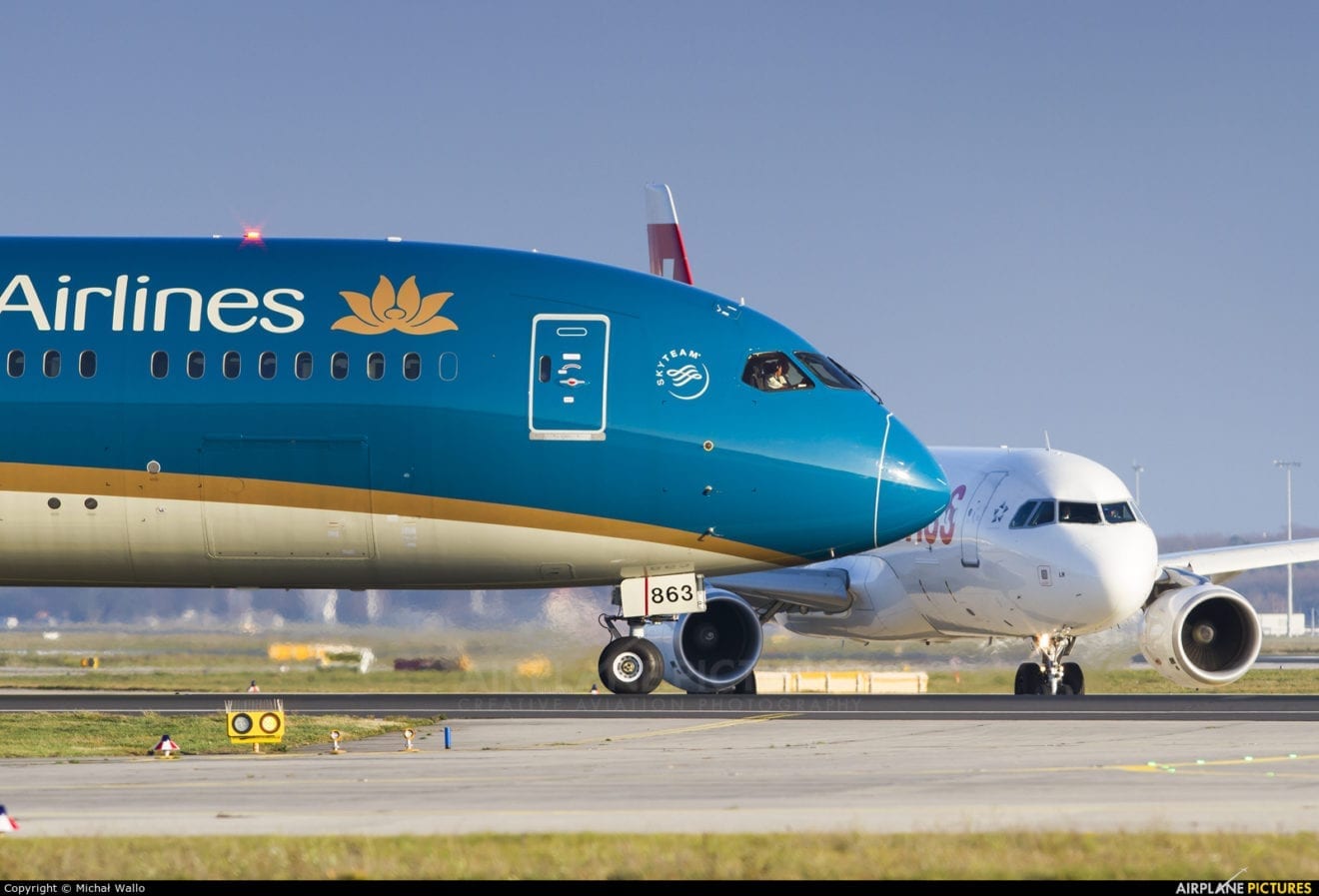
    HVN of Vietnam Airlines would be delisted if the national carrier continues to report a loss or negative equity this year, the Ho Chi Minh Stock Exchange (HoSE) warned.

    The ticker is being restricted after Vietnam Airlines posted equity of negative VND2.16 trillion ($91.8 million) in Q1, and losses for the two most recent years.

    Under the current regulation, a company will have its ticker delisted if it reports losses for three consecutive years, or its accumulated losses exceed the charter capital, or its equity is negative.

    As of June 30, Vietnam Airlines’ equity was a negative VND4.9 trillion ($209 million), its liabilities exceeding assets by VND36.435 trillion and its overdue payables at more than VND14.85 trillion.

    The national carrier targeted revenues of VND45.2 trillion, and pre-tax losses of VND9.3 trillion for 2022.

    In a statement sent to the HoSE it said it would restructure its portfolio and issue shares to raise its capital.

    Last year, Vietnam Airlines avoided delisting after issuing 800 million bonus shares worth VND8 trillion.

  • Gas stations run out of fuel in southern Vietnam

    Gas stations run out of fuel in southern Vietnam

    Gas stations in several southern localities have run out of supplies of petrol, diesel and other fuels and have stopped doing business.

    In Tinh Bien District, An Giang Province, six gas stations that get their supplies from Ho Chi Minh City-based Dai Dong Duong Petroleum JSC have stopped selling since Monday.

    A Dai Dong Duong representative said that they have not been able to buy fuel from distributors for the last five days.

    He attributed the supply shortage to seven fuel distributors who had their import license revoked for 1-2 months mid-August for violating safety and stockpiling regulations.

    Also, distributors are giving supply priority to companies in their own system on learning that market prices are going up.

    Huynh Van Thanh, owner of the Thanh Loi station in An Giang’s Cho Moi District, said his station had been out of diesel for two days as of Tuesday, but the distributor would not supply the fuel until Sep. 6.

    As for gasoline, his station has not bought enough to meet demand for fear of making losses.

    Thanh said that the station is given a discount of VND210 for each liter of gasoline and is allowed to buy a maximum of 3,000 liters at a time, which means a total profit of VND630,000 ($27).

    Meanwhile, the cost of renting a tank truck is VND900,000, which means the station has lost VND270,000 even before it has started selling. Then there is the cost of electricity and staff salaries. Every day the gas station loses VND1.5-2 million, he said.

    According to the An Giang Market Management Department, as of Monday, 19 petrol stations across the province had closed while 36 had announced they were running out of fuel, accounting for nearly 10% of gas stations in the province.

    The department said the stations were running out of fuel because it was difficult to get them from distributors

    A similar situation has been reported in the Mekong Delta province of Dong Thap.

    Nguyen Huu Dung, director of the province’s Industry-Trade Department, said Tuesday that in the past week, 10 petrol stations have asked to temporarily close for “personal reasons.”

    He said it is possible that they want to stop selling to avoid losses.

    “The department received an application from a station to suspend operation for three months because they were losing VND350 dong for every liter of gasoline,” he added.

    Also in the Mekong Delta, the Market Management Department of An Giang Province said two of 132 stations have halted operations while two others announced they’ve run out of gasoline.

    A representative of the Chau Thanh Petroleum Trading Service Co., Ltd in Tien Giang, which supplies fuel to 114 stations in the province, said it holy has enough in stock to distribute in three days.

    The reserves of this firm were running out and supply from its distributor, the Military Petroleum Company Region 4 based in HCMC was deficient, the rep said.

    In HCMC and neighboring Dong Nai Province, many dealers said that the amount of imported gasoline has dropped as increasing prices of oil and gas are making importers and distributors worry about suffering losses.

    The Vietnam Petroleum Association had proposed Monday that the Ministry of Industry and Trade regulate the price of gasoline on Sep. 1, instead of waiting until Sep. 5, given the strong fluctuations in global fuel prices.

    Nguyen Minh Duc with the legal department of the Vietnam Chamber of Commerce and Industry (VCCI), said the current regulation of waiting for ten days to make changes in gasoline prices does not still cannot allow local businesses to keep pace with price fluctuations in the international market.

    That leads to the situation wherein gas stations run out of stock before each price adjustment, he said.

  • Booming foreign investment to push Vietnam up value chain

    Booming foreign investment to push Vietnam up value chain

    “Vietnam has repeatedly proven its ability to climb up the value chain over the years, to the point where the country has grown into a key manufacturing hub for tech products within the electronics space,” CEO of HSBC Vietnam, Tim Evans said.

    Apple is reportedly in talks to make watches and the MacBook in Vietnam for the first time, with its suppliers having started test production of the former in the north.

    Foxconn, a key Apple supplier, this month leased 50.5 hectares of land in Bac Giang Province and plans to build a $300-million factory there and employ 30,000 workers.

    South Korean conglomerate Lotte is seeking to expand in Vietnam, arguably its third most important market behind its home nation and Japan, and completely pull out of China.

    Over the last decade Samsung, Intel and many other multinationals have made significant investments in Vietnam and consider it an important base for their production.

    The country’s ectronics exports climbed to a record US$108 billion in 2021, equivalent to 32% of total exports, against less than $1 billion in 2000.

    “Vietnam has effectively turned itself into a rising star in global supply chains, gaining substantial global market share in sectors ranging from textiles and footwear to furniture and consumer electronics,” Evans said.

    This has come about because of its strategic location, competitive labor and production costs, and political, currency and social stability, have helped it become an attractive investment destination, he added.

    Vietnam attracted $31.15 billion worth of foreign direct investment last year, up 9.2% from 2020 despite Covid-19.

    Multinationals are moving part of their production from China to Vietnam since the risk of the latter facing punitive tariffs in future is low, according to analysts.

    The foreign direct investment flow from China to Vietnam reached $1.88 billion in 2020, up 245% from 2017, according to data from the United Nations Conference on Trade and Development, Thai lender Kasikorn – Kbank said.

    Michael Kokalari, chief economist of investment fund VinaCapital, said Vietnam still has a large number of workers who can move from the farm to the factory since over 40% of its workforce is still employed in agriculture.

    “I don’t see any other country in the world as a serious competitor to Vietnam in the assembly of high-tech products, which explains why Vietnam’s FDI inflows have remained so consistent.”

    But much remains to be done for Vietnam to take advantage of the increasing foreign investment.

    World Bank data shows its non-tariff trade costs are higher than for its ASEAN peers, with transport congestion costing as much as 21% of GDP in 2016, much higher than the global average of 12%.

    “Upgrading and modernising existing infrastructure will empower Vietnam to reduce the barriers to trade and strengthen its ability to attract additional FDI,” Evans said.

    Improving labor skills is another necessity as the demand for highly skilled workers is rising given the high level of technology and automation at foreign-invested manufacturers, he added.

    Kokalari said factors such as wages, workforce quality and infrastructure are more important than government policies in attracting FDI.

    More FDI means more opportunities for local firms to develop their capabilities to produce inputs the FDI factories require, he pointed out.

    “FDI brings not only money into a country, but also creates spillover benefits that help foster that country’s industrial sector.”